
*View accurate shipping rates and availability






153 Items
Spend over $800 and receive free gifts in your cart. Towels, accessories and full length mirrors!
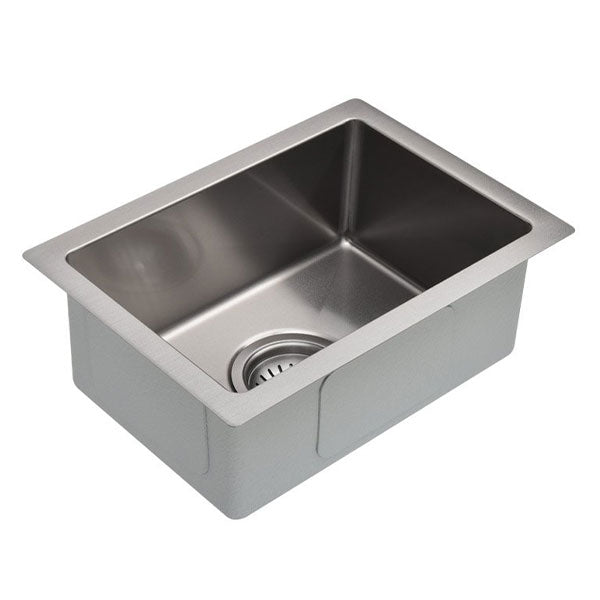
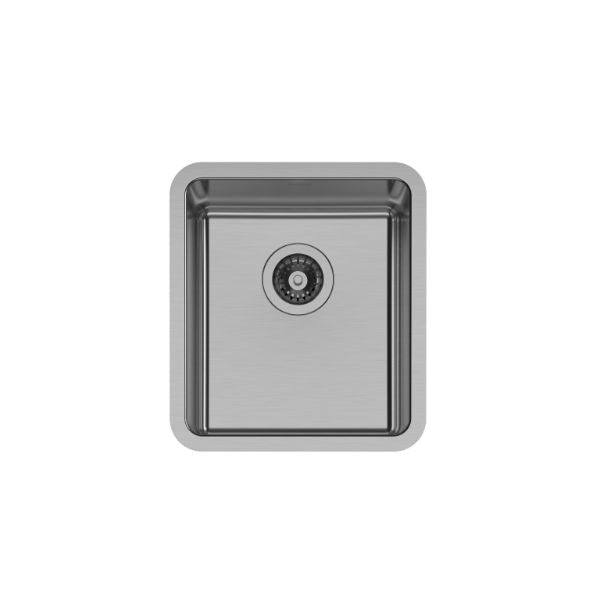
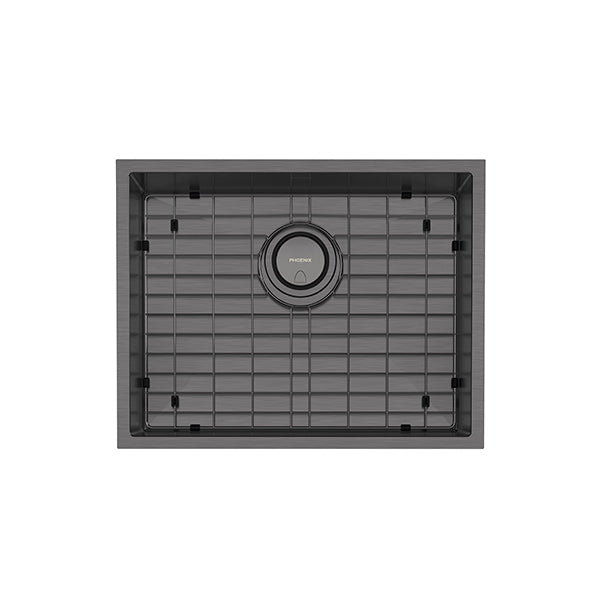
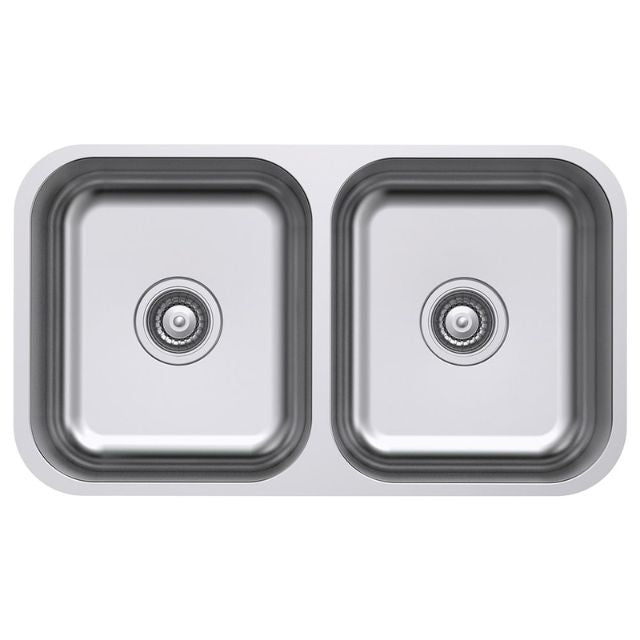
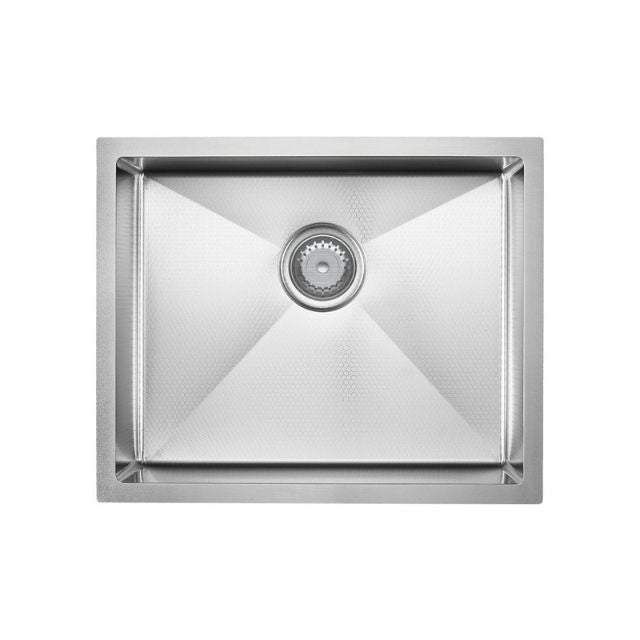
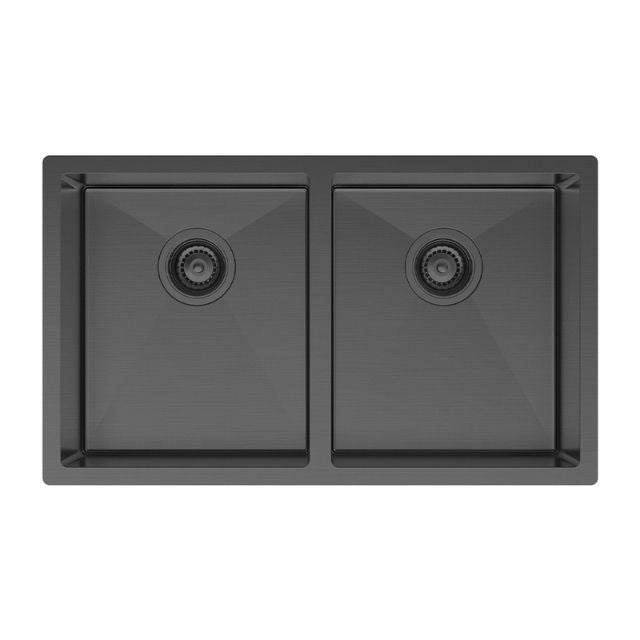
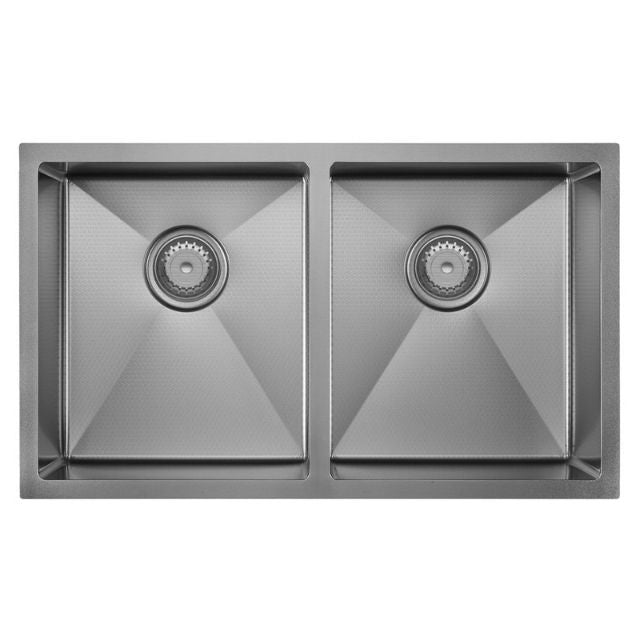
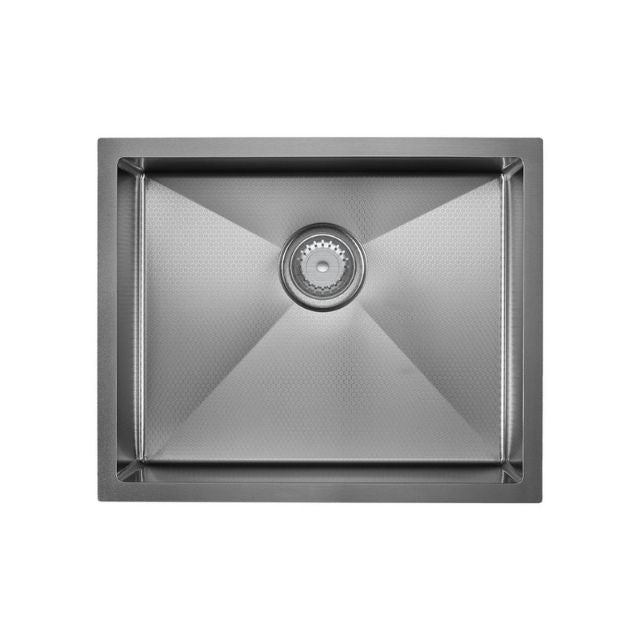
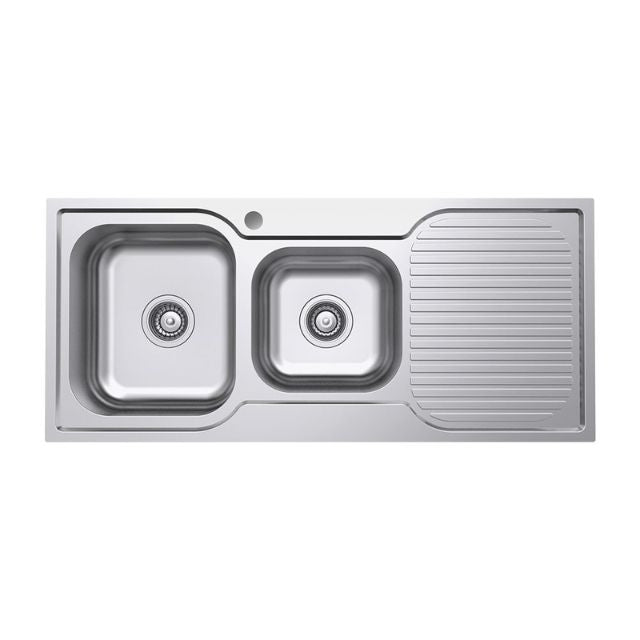
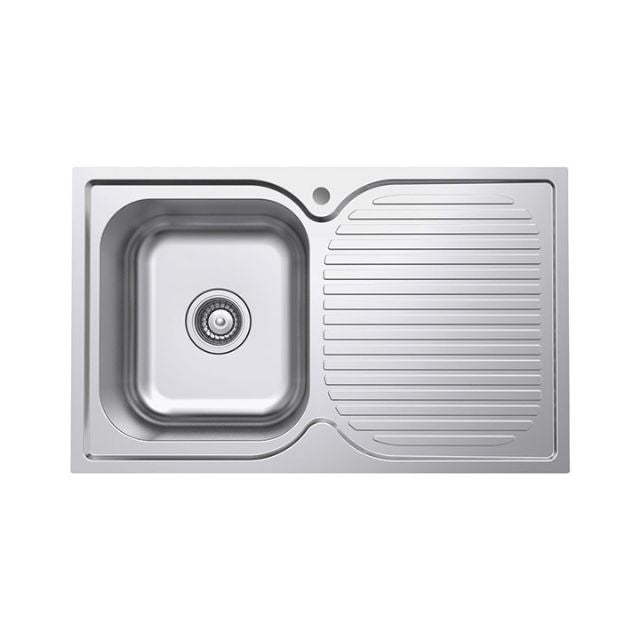
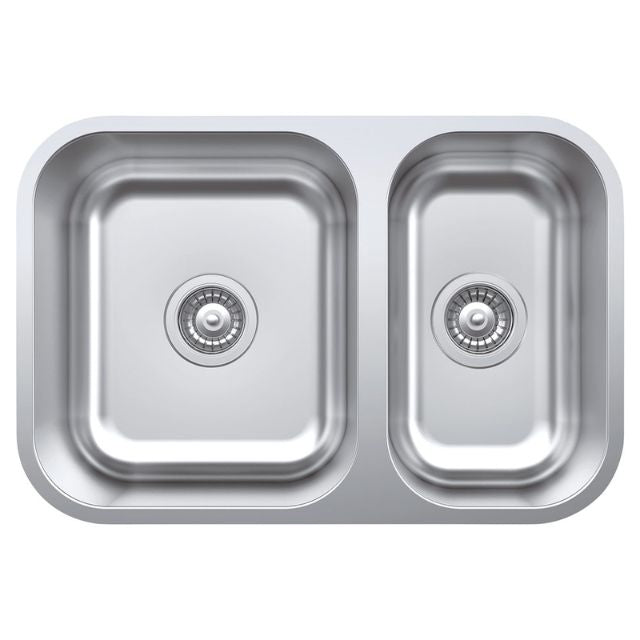
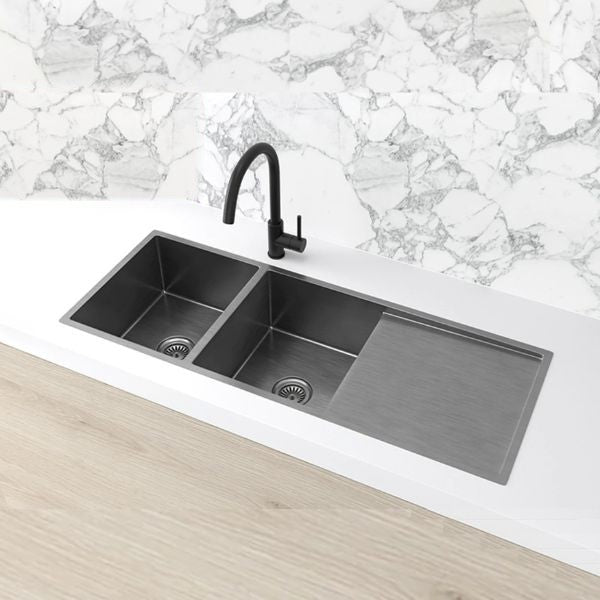
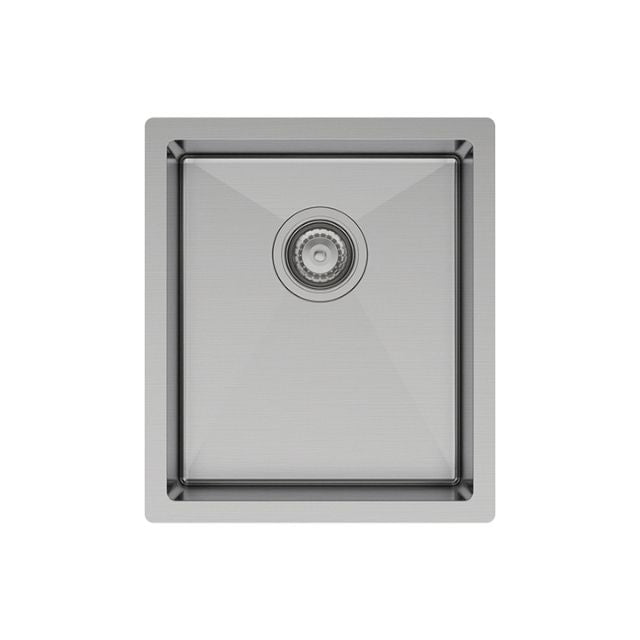
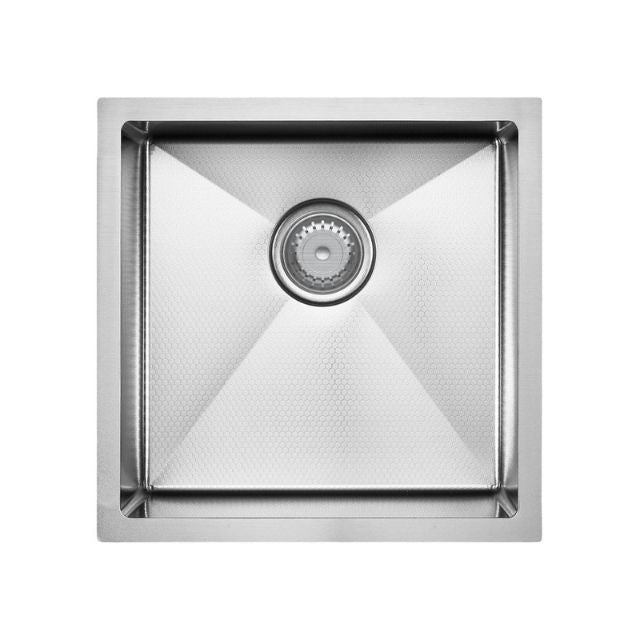
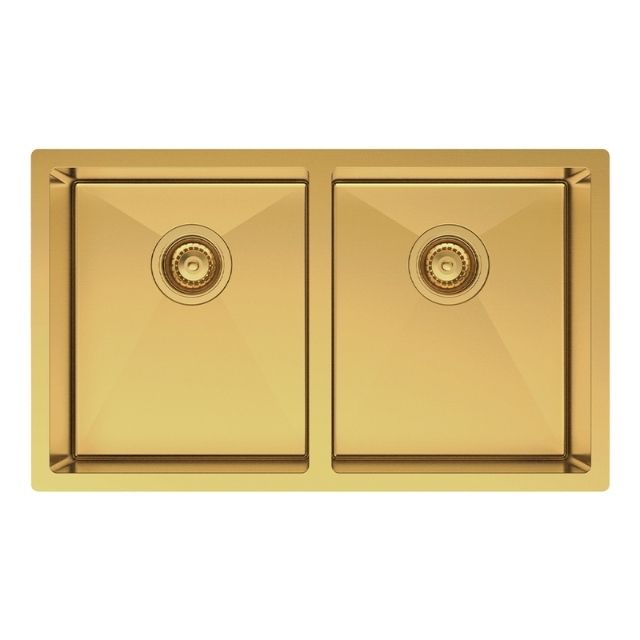
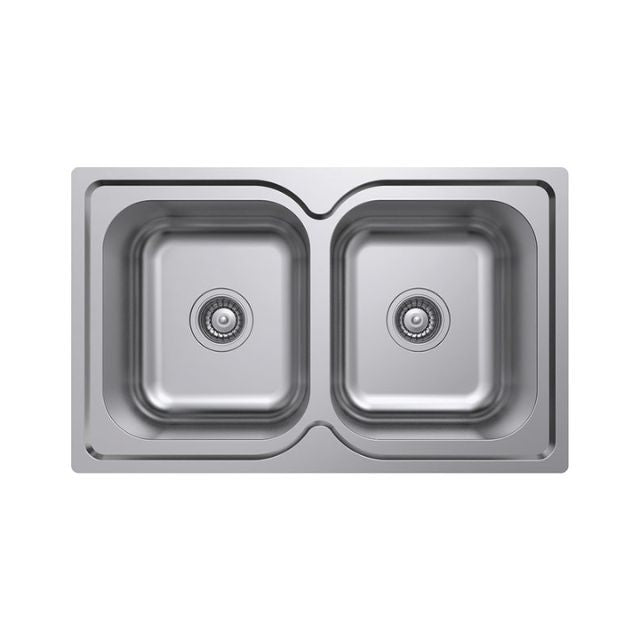
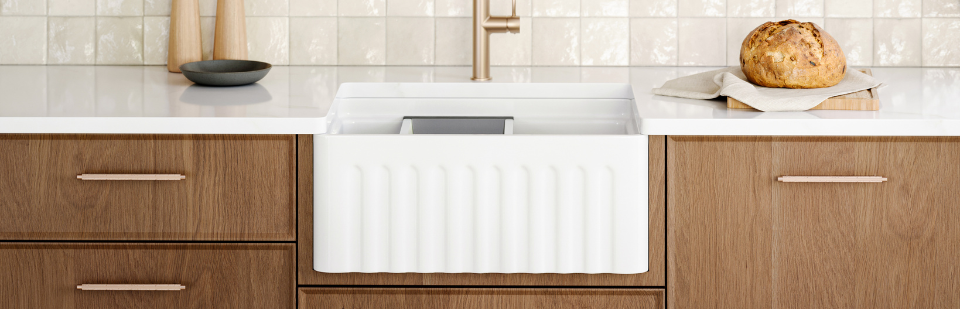
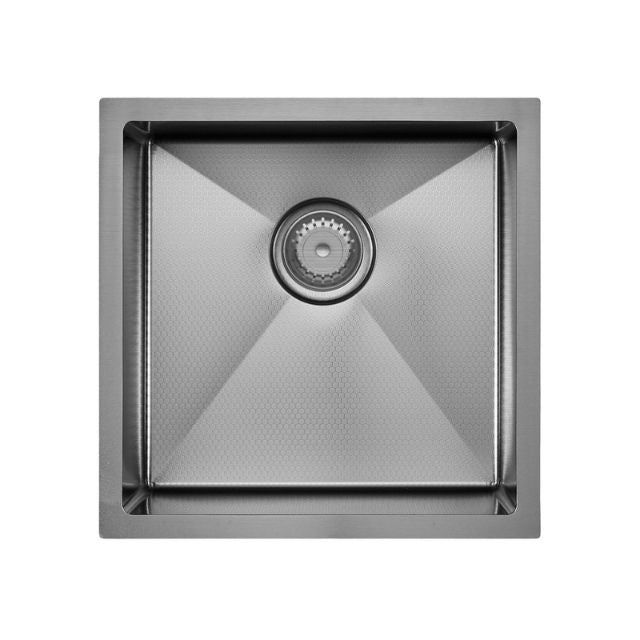
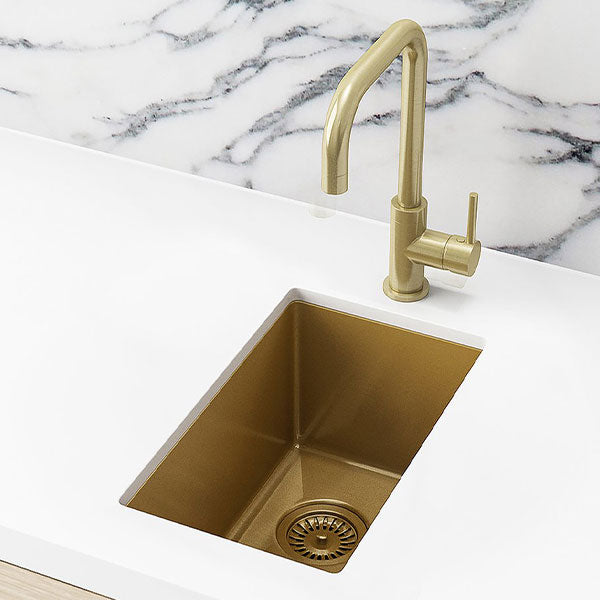
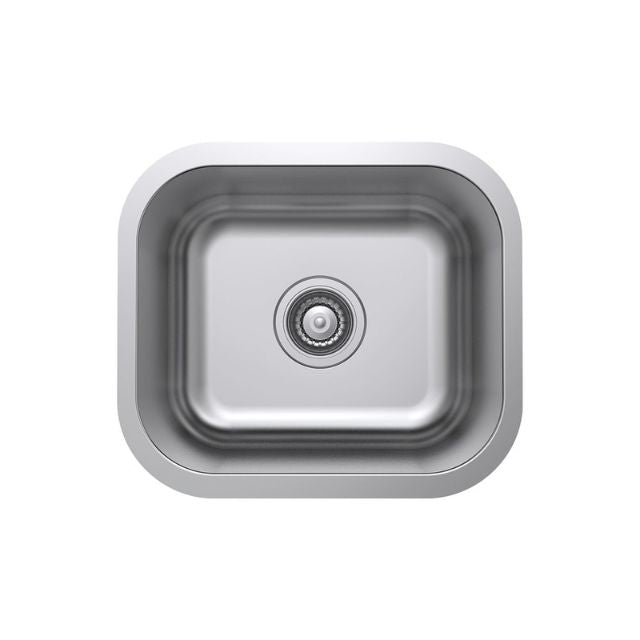
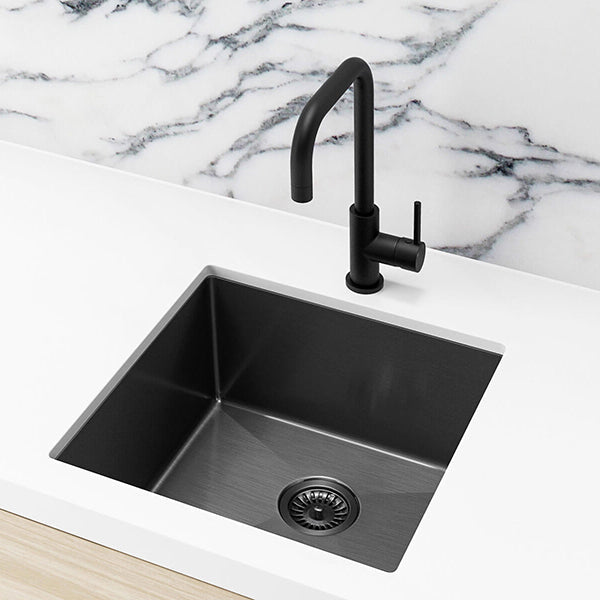
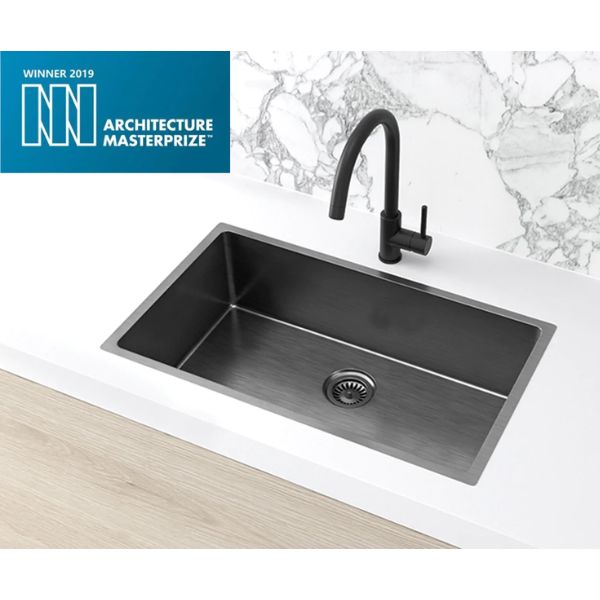
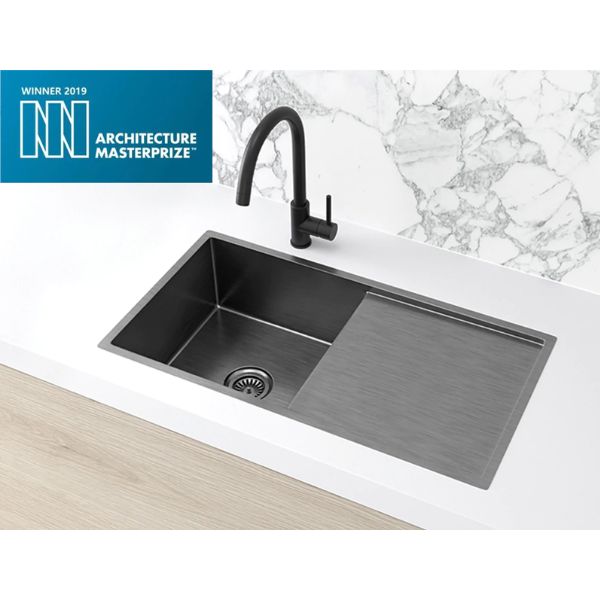
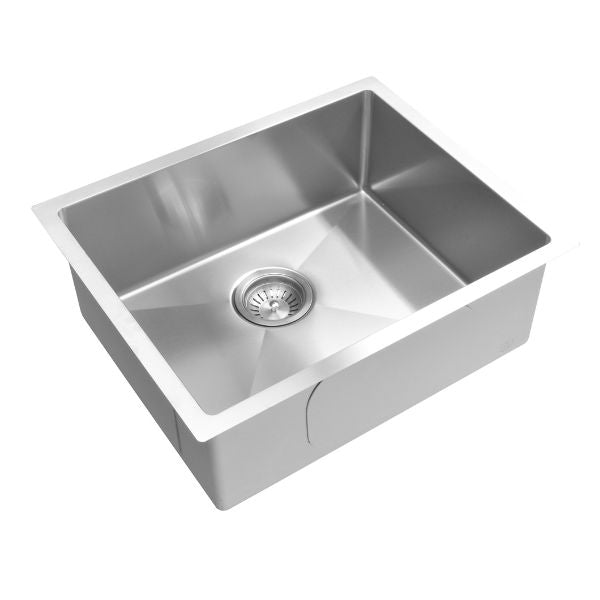
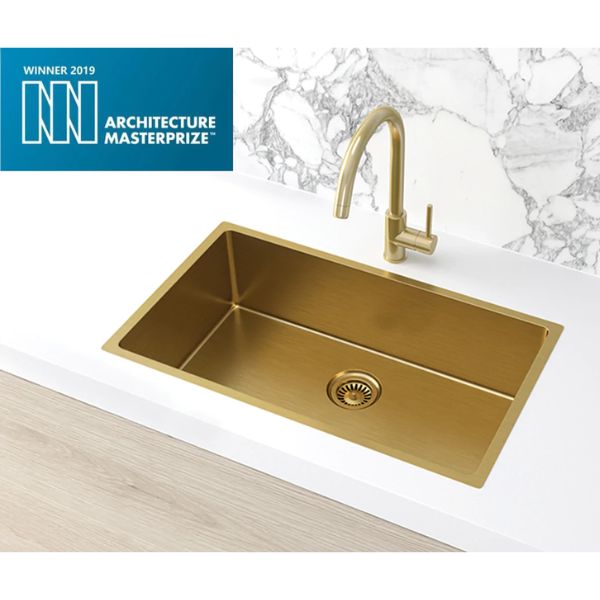
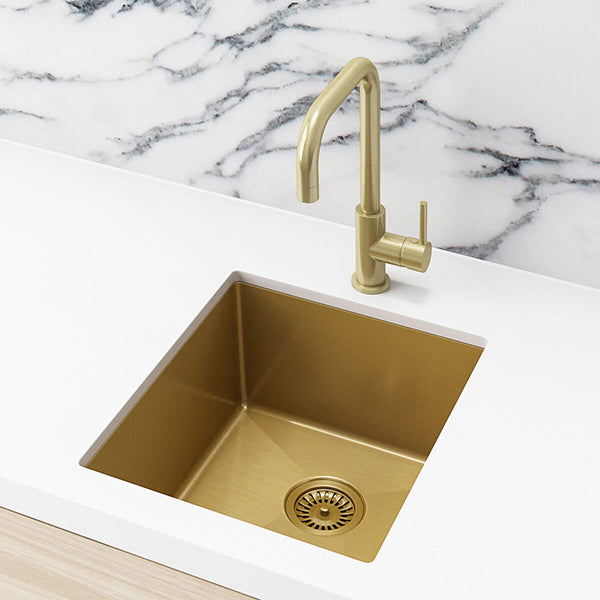
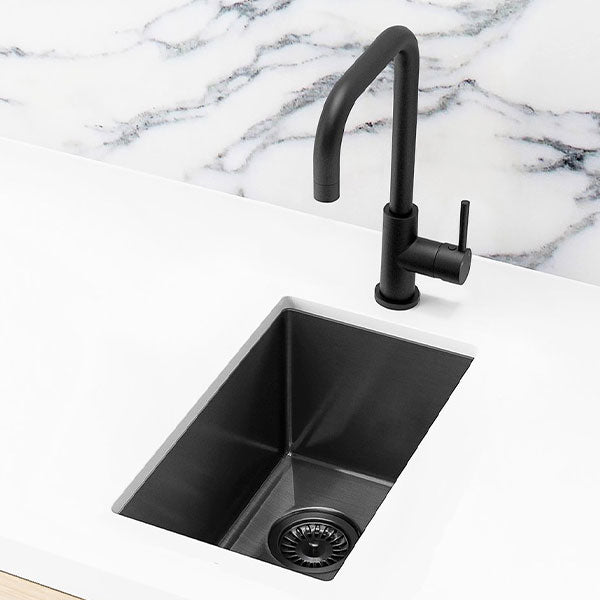

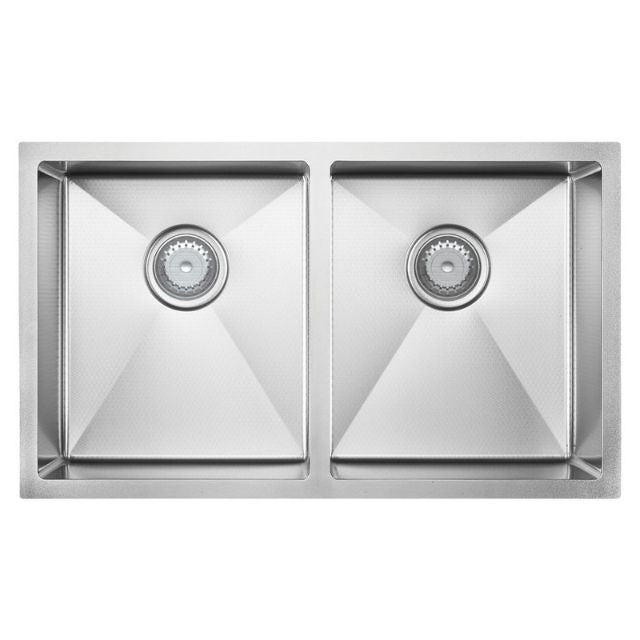
A kitchen sink is used more heavily than almost any other fixture in the home, which makes genuine durability as important as appearance. Stainless steel has remained a dependable default for good reason: it resists rust and staining reliably, cleans easily, and suits a genuinely wide range of kitchen styles, from a minimalist, contemporary space through to something more traditional.
Beyond its resistance to rust and corrosion, stainless steel's smooth, non-porous surface resists staining and wipes clean with minimal effort, generally needing just a soft cloth and mild detergent to stay looking its best. It also offers a genuine style advantage: clean, considered lines that suit both a minimalist kitchen and a more industrial aesthetic without needing to be worked around.
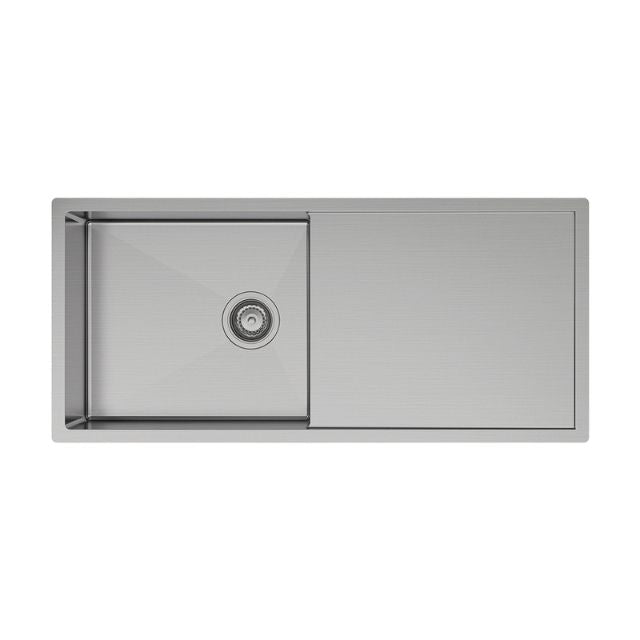
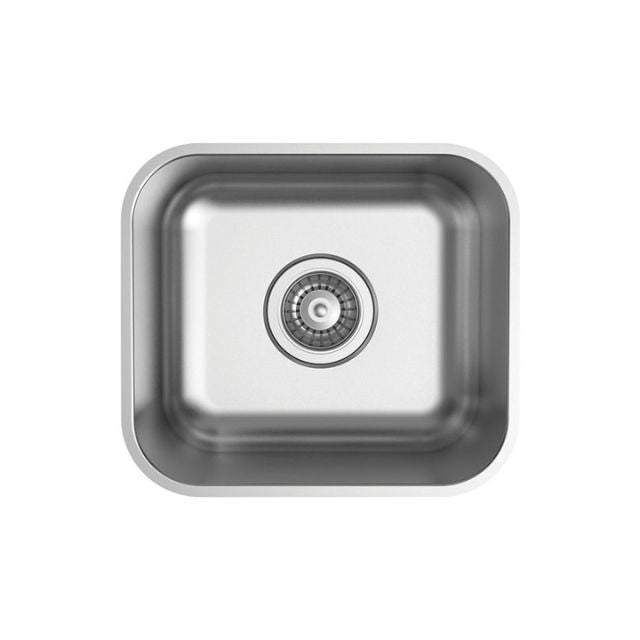
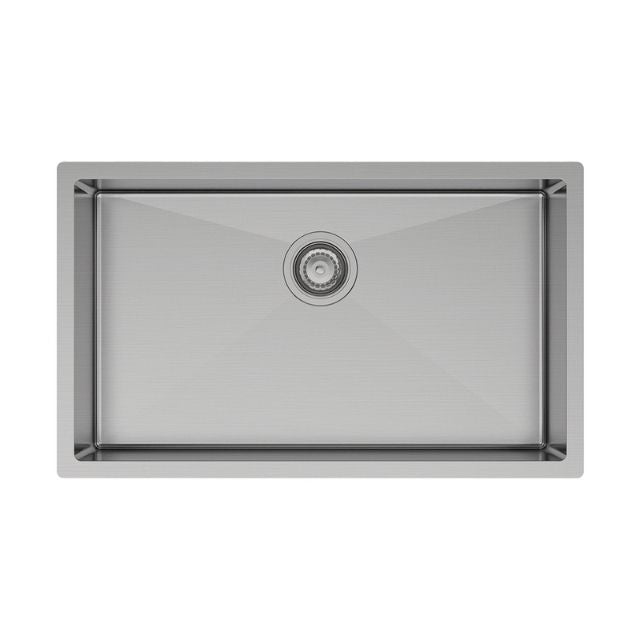
Single bowl sinks suit a kitchen with limited space, giving one large, uninterrupted basin for washing and food preparation, well suited to a minimalist kitchen prioritising simplicity.
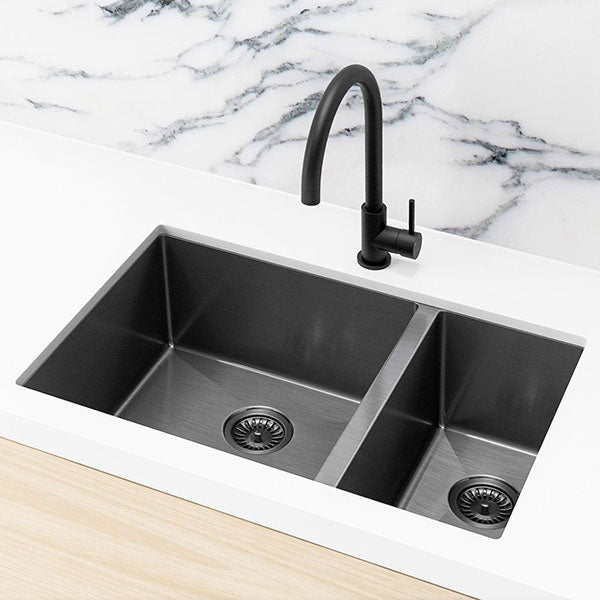
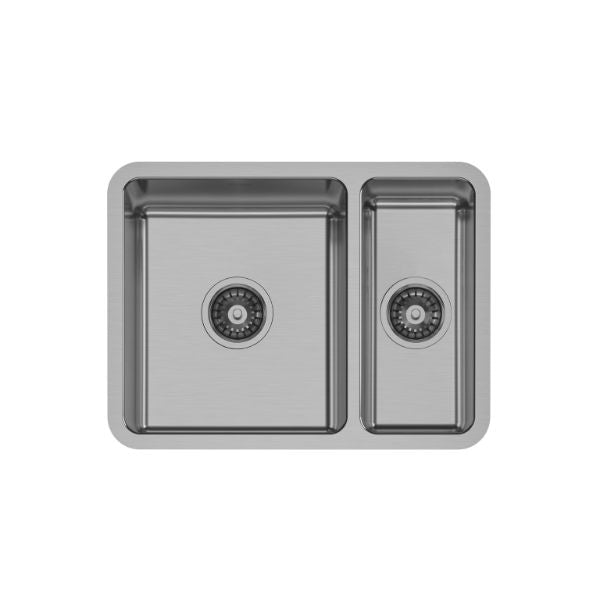
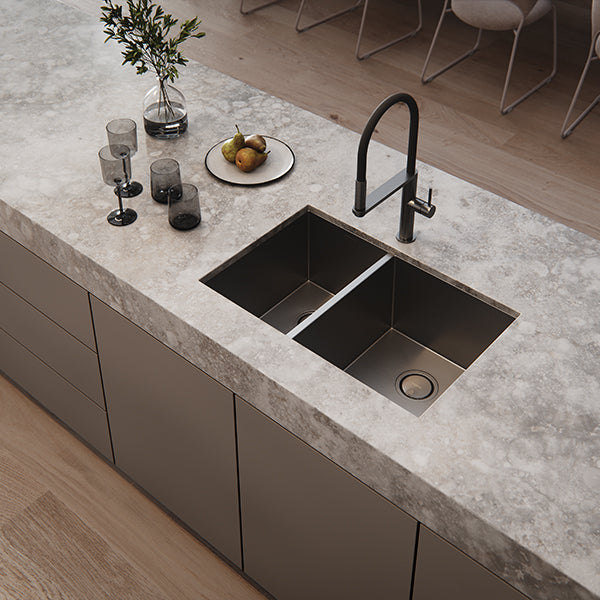
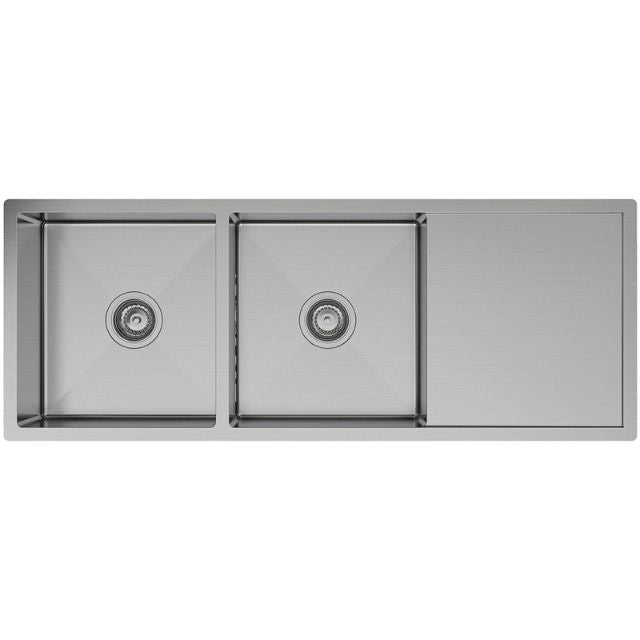
Double bowl sinks give two separate compartments, genuinely useful for washing on one side while rinsing on the other, a practical configuration for a busier kitchen.
Undermount sinks install beneath the countertop for a sleek, seamless look that's straightforward to wipe clean directly into the basin, suited to a modern kitchen wanting a minimalist, streamlined appearance.
Top-mount (drop-in) sinks remain versatile and straightforward to install, a practical option for both a new kitchen build and a quicker upgrade to an existing one.
Workstation sinks come with integrated accessories, a cutting board, colander or drying rack among them, turning the sink itself into a genuinely multifunctional workspace for anyone who cooks regularly.
Many sinks in this collection also include sound-deadening pads or coatings, genuinely reducing the noise of running water and clattering dishes for a quieter kitchen overall. Stainless steel's versatility across sizes and configurations also means most kitchen layouts, compact or spacious, can be matched with a suitable option.
Stainless steel has a genuinely distinctive property: it's effectively self-healing. The alloying elements within it form a thin, transparent "passive layer" on the surface, only a few atoms thick. Even where the surface is scratched or otherwise disturbed, this passive layer reforms almost instantly under the influence of oxygen from water. This is why stainless steel doesn't need a protective coating to stay bright and functional even after decades of daily use.
Stainless steel's finish genuinely improves with age and proper care, much like fine silver. As a general rule, cold, clean water or a mild detergent solution, applied with a soft sponge and rinsed and dried thoroughly, keeps a sink looking its best. A few specific things are worth understanding:
Chlorides, present in almost all soaps, detergents and cleaning products, can affect stainless steel over time. They're water-soluble, though, so rinsing away residue after each use means only a weekly, more thorough clean is needed to keep the surface bright.
Scratches will appear over time on any metallic surface, and these are simply usage marks that generally blend into the sink's overall finish rather than standing out as damage.
Knives shouldn't be used directly on the sink surface as a makeshift chopping board, since this causes deep scratching and also blunts the knife itself.
Water quality can affect appearance meaningfully: high iron content in water can cause a brown stain resembling rust, while high mineral content or over-softened water can leave a white film on the surface. Wiping the sink dry after each use, along with a more thorough weekly clean using a recommended product, helps manage both issues.
Foods, particularly those high in salt, shouldn't be left to dry on the sink surface, since this can affect the finish over time. Rinsing thoroughly after use avoids this.
This collection includes stainless steel kitchen sinks from Caroma, Meir, Phoenix Tapware, Clark, Modern National, Oliveri and Seima, spanning a genuine range of styles, price points and configurations suited to most kitchen renovations.
Stainless steel offers a sleek, modern look that enhances both the functionality and appearance of a kitchen. It's genuinely durable, easy to maintain, and resistant to rust and staining, making it a practical and stylish choice.
Consider the kitchen's overall design, the specific functionality needed, and the durability of the materials on offer. Balancing style with genuine practicality gives the most cohesive, long-lasting result.
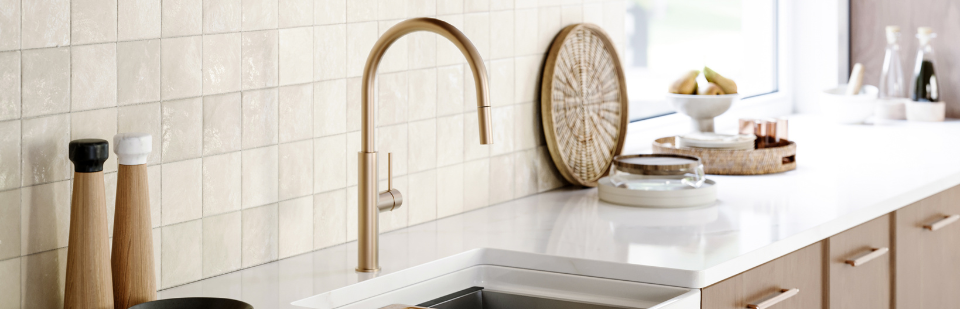
A stainless steel kitchen sink is easiest to finalise alongside its tapware, since spout height and mounting position both depend on the sink configuration chosen. The Blue Space's Kitchen Taps collection is worth reviewing alongside a sink selection to bring the full kitchen together.


