
*View accurate shipping rates and availability






52 Items


Up to 70% off storewide, free metro shipping over $500, and free gifts from $800. Spend more to unlock luxury towels and mirrors.*
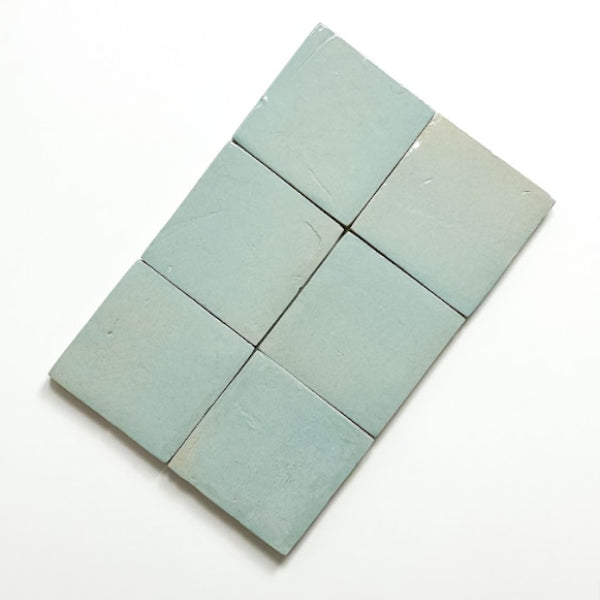
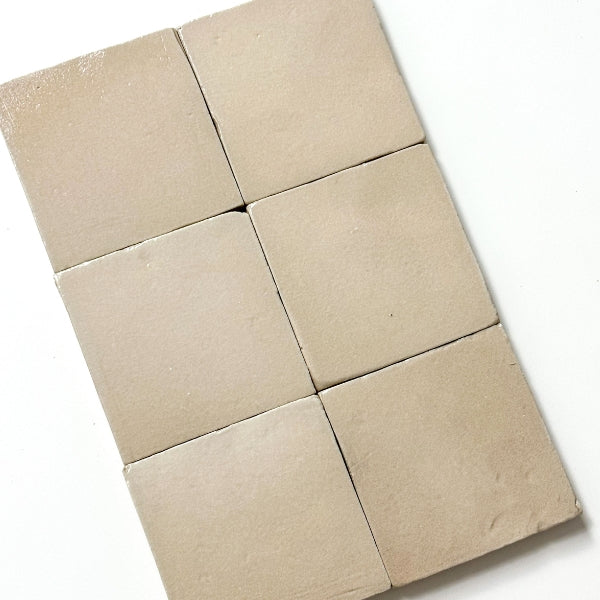
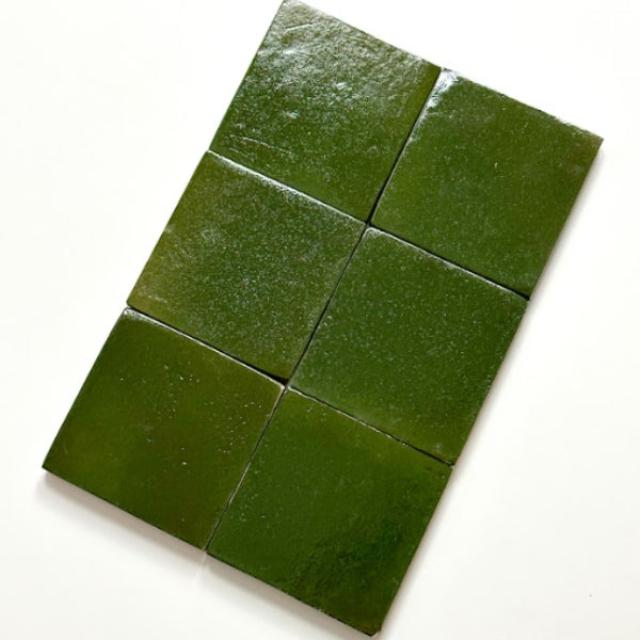
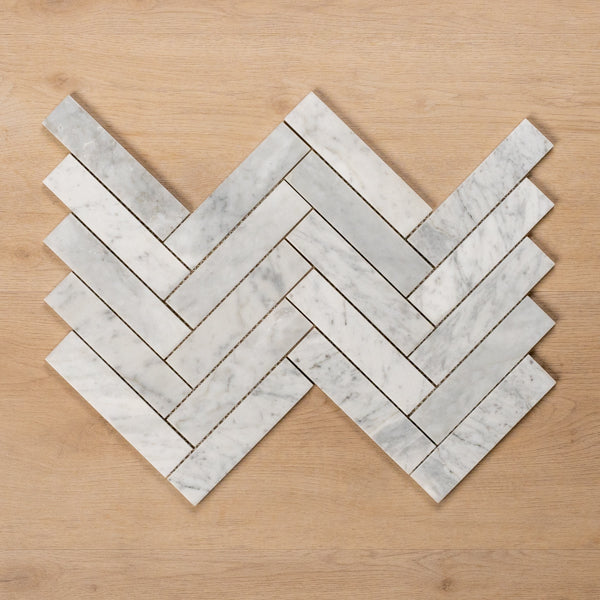
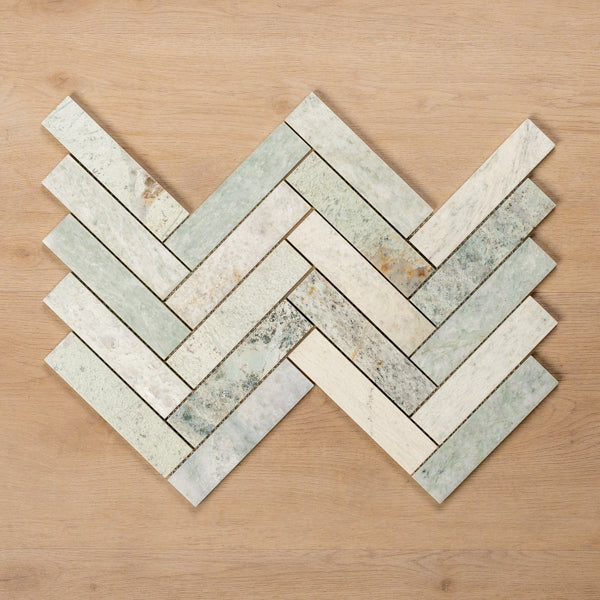

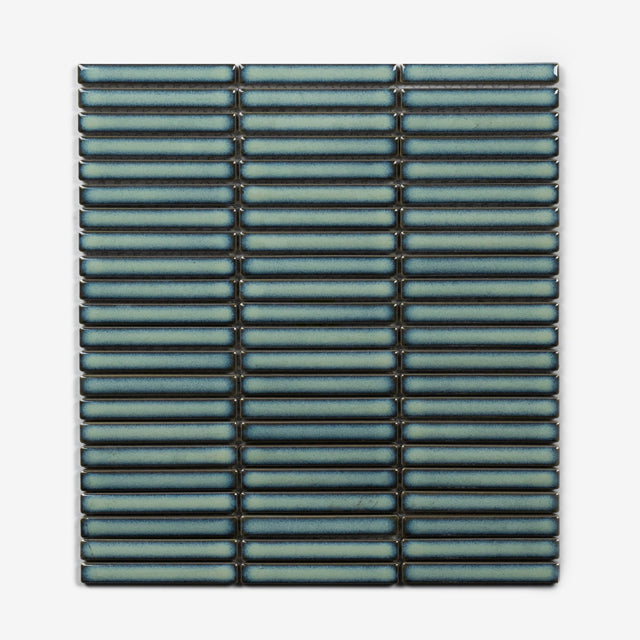
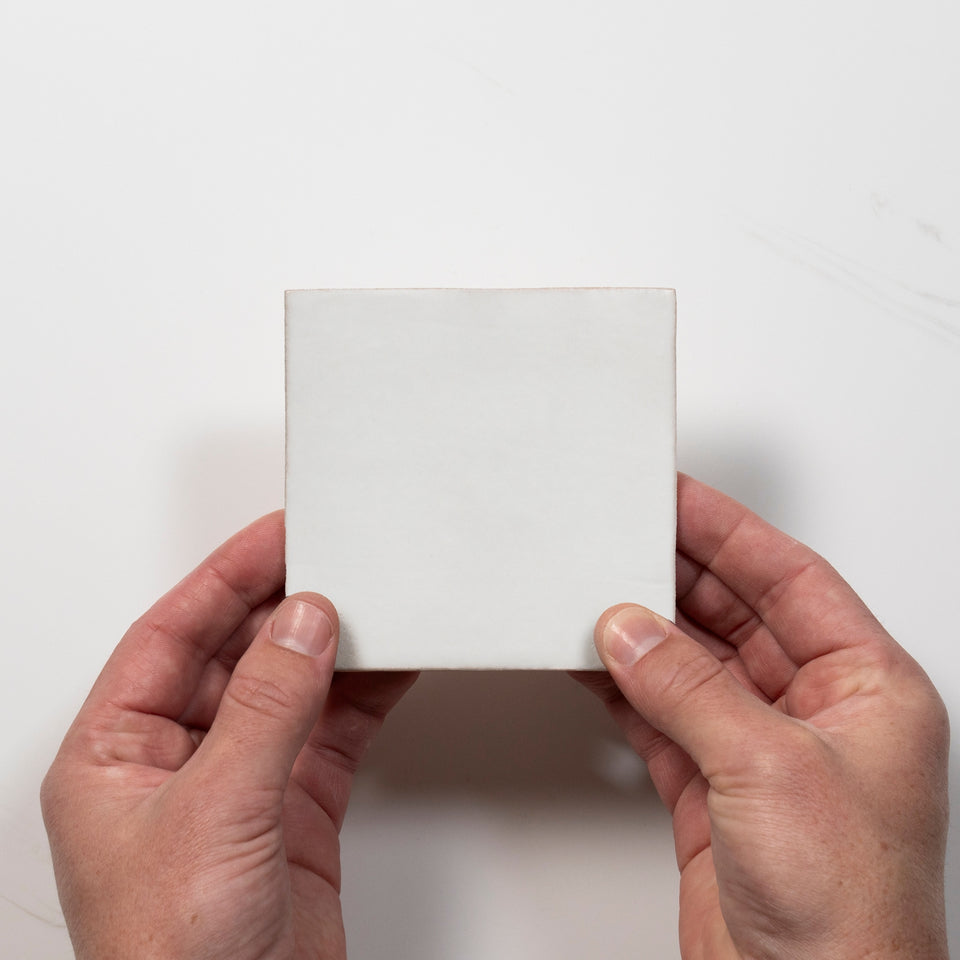
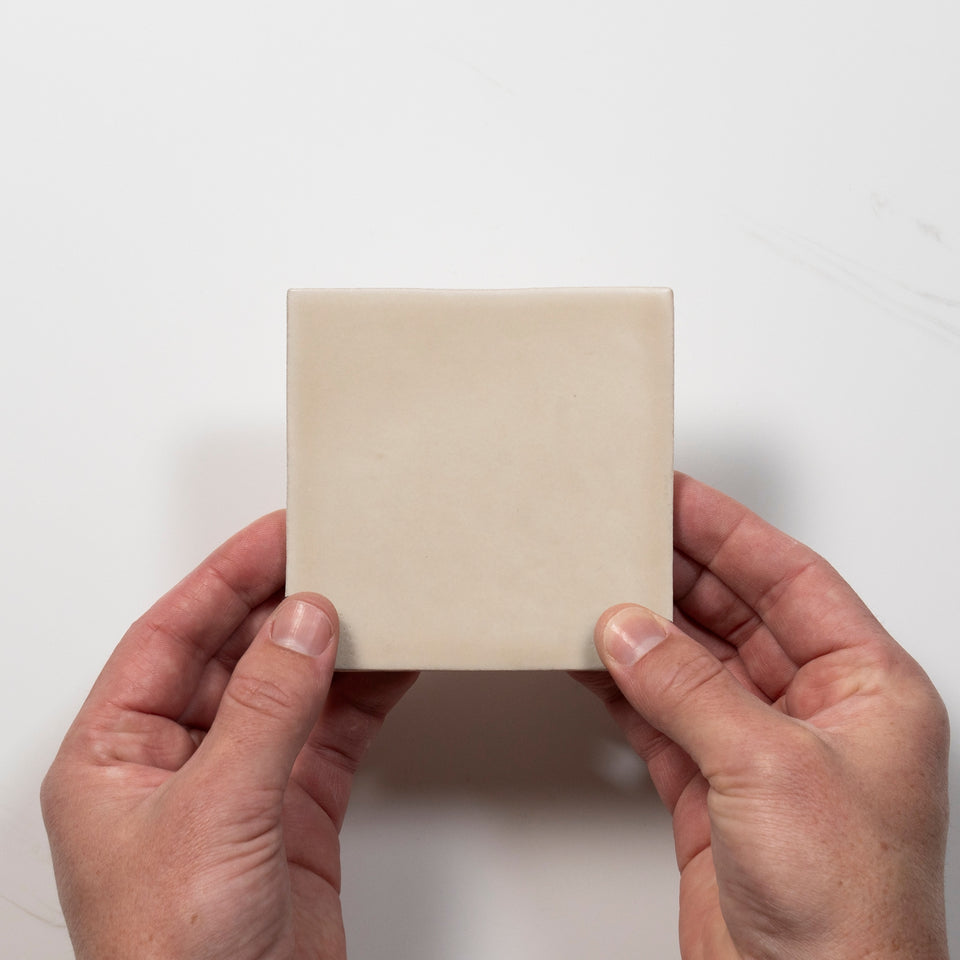

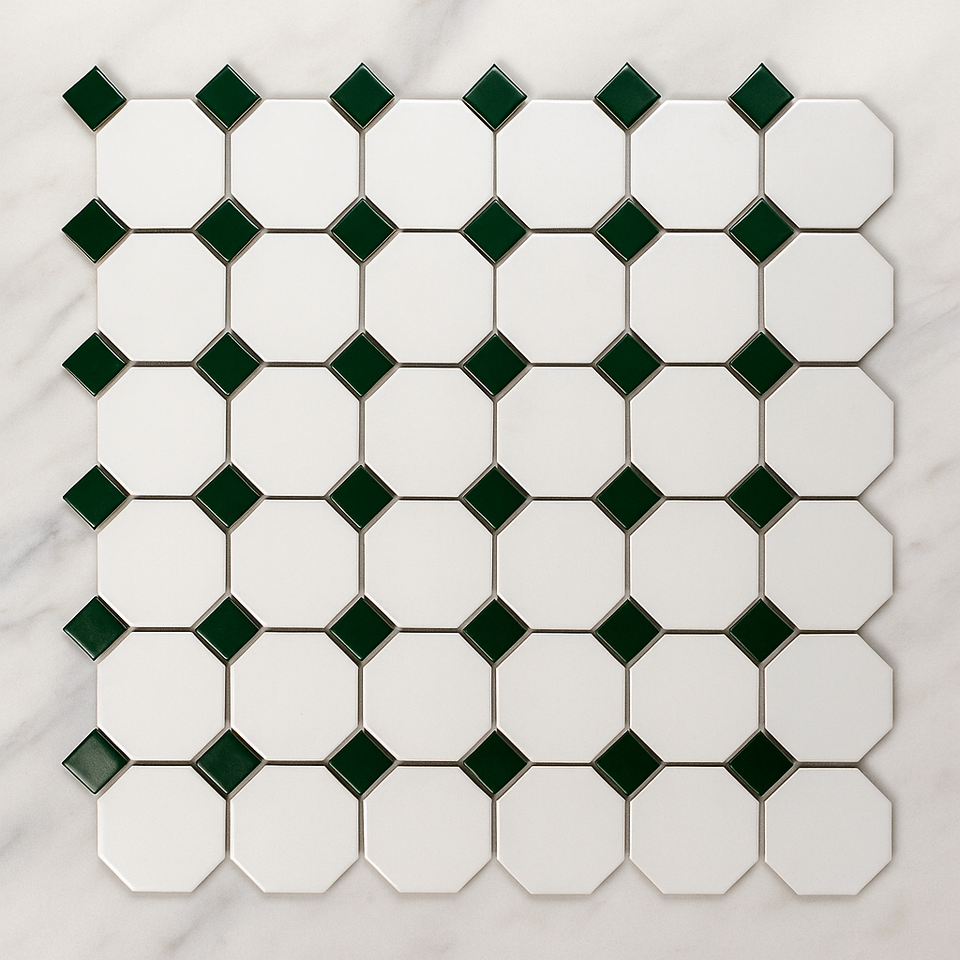
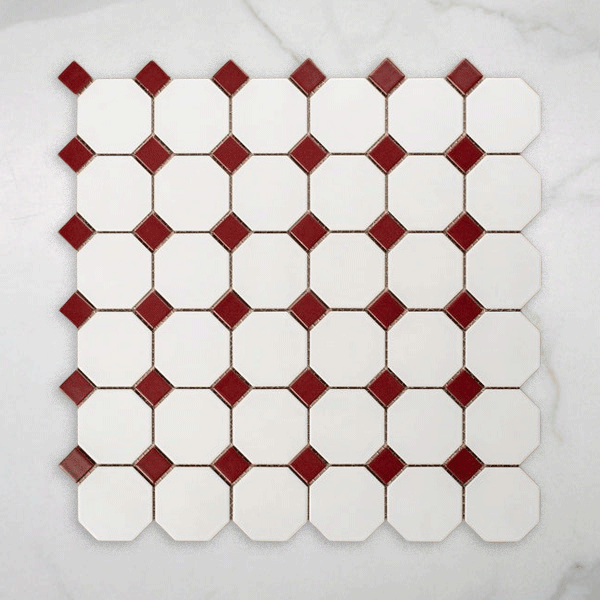
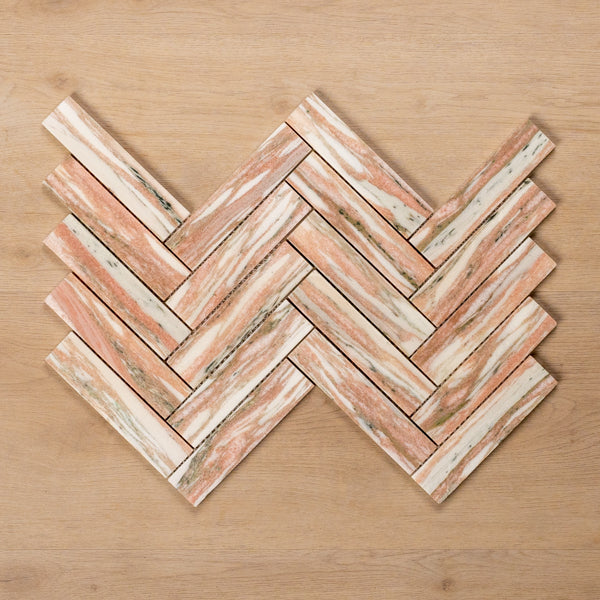
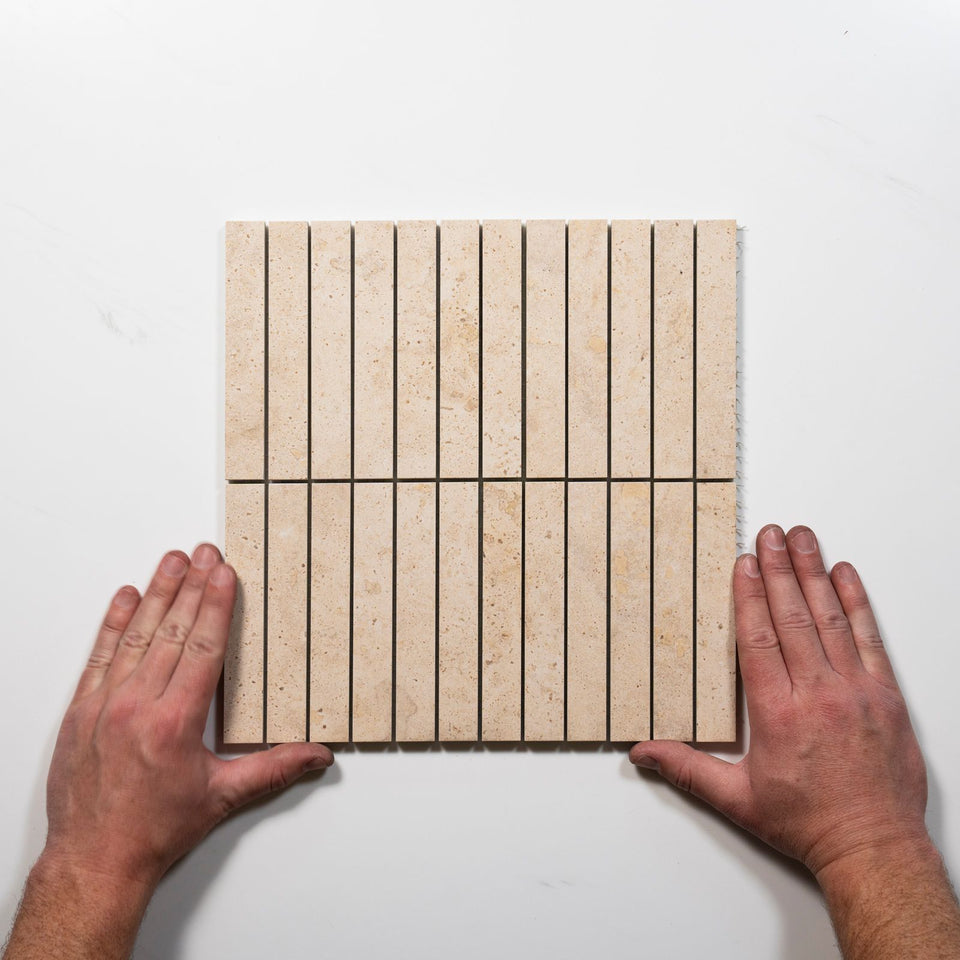
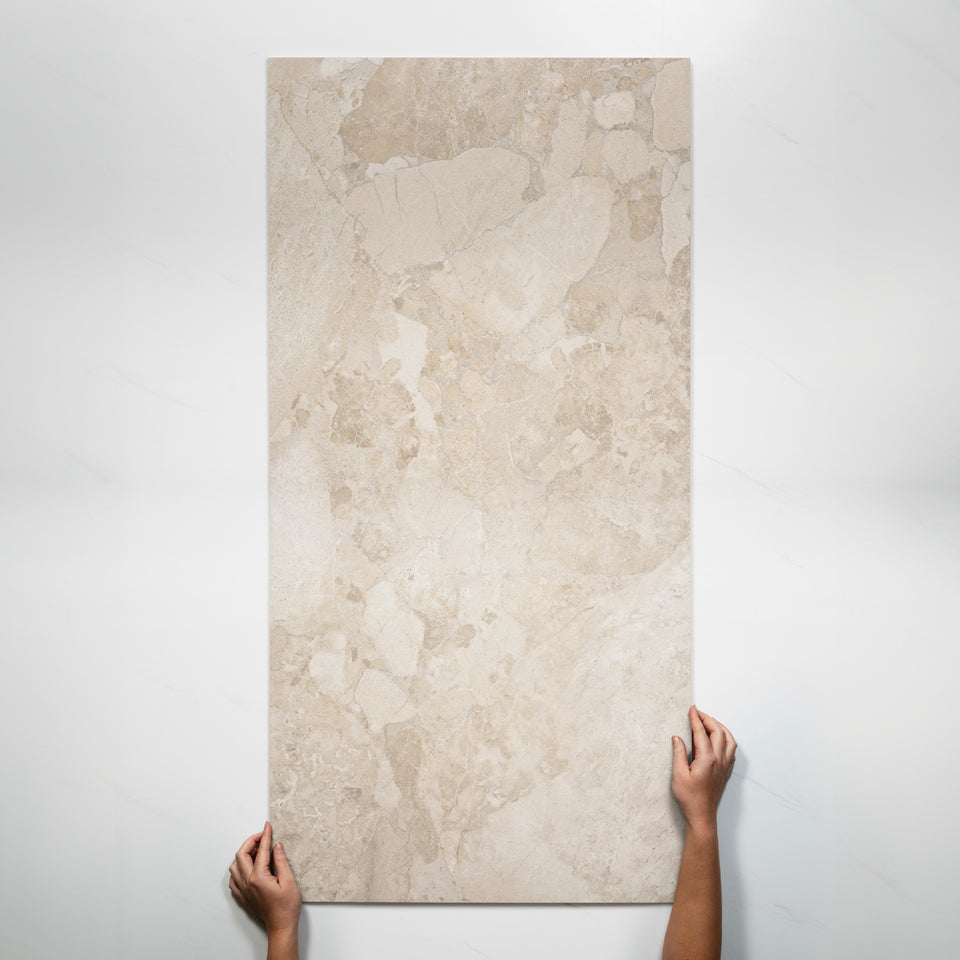
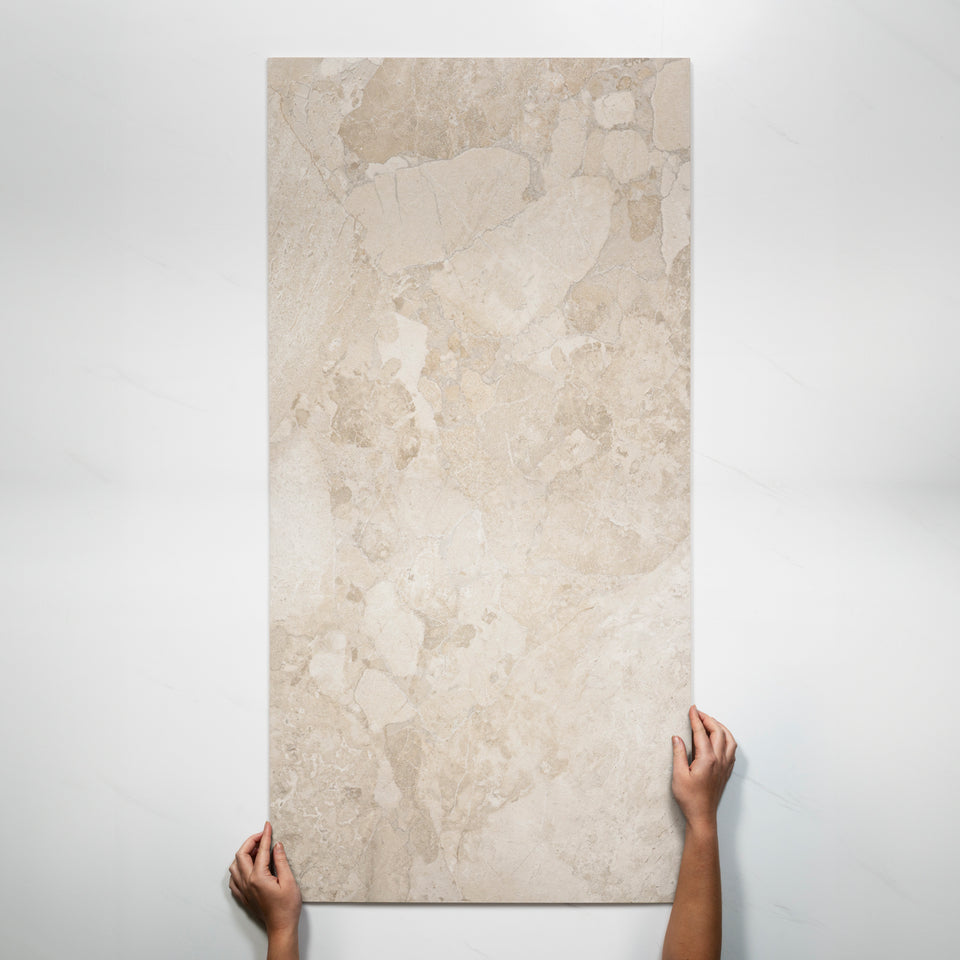
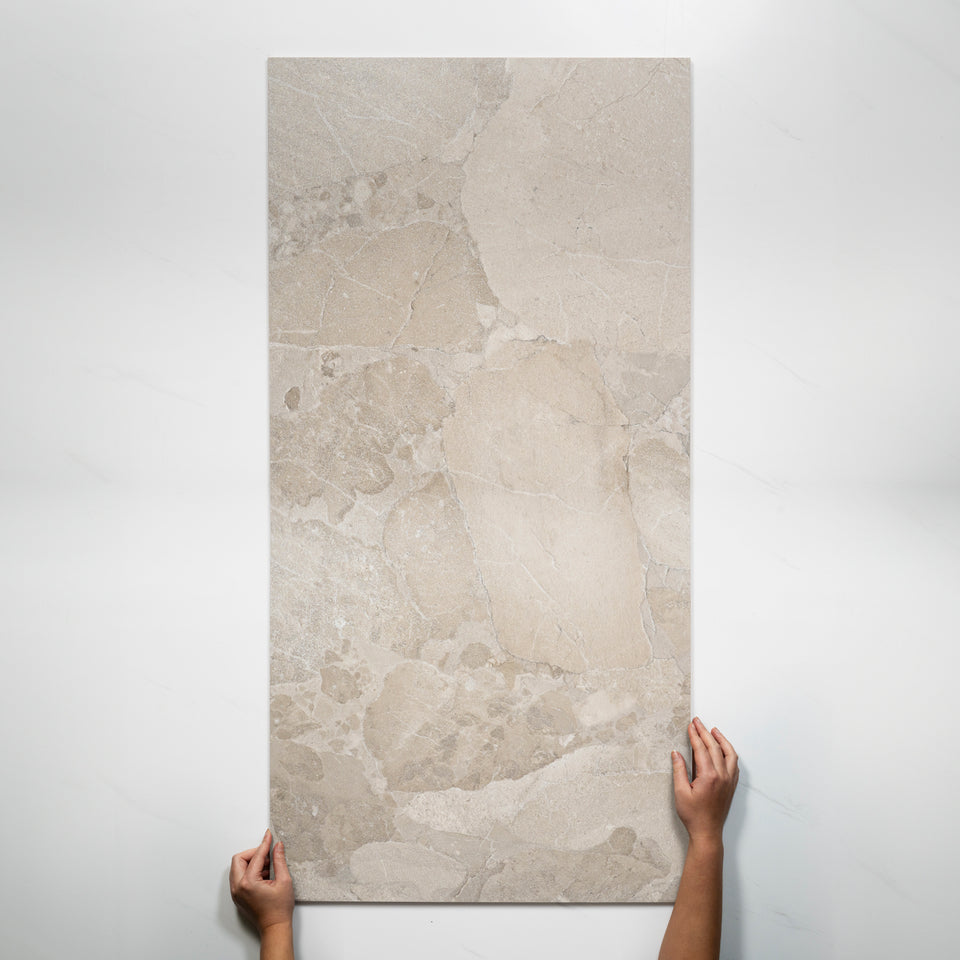
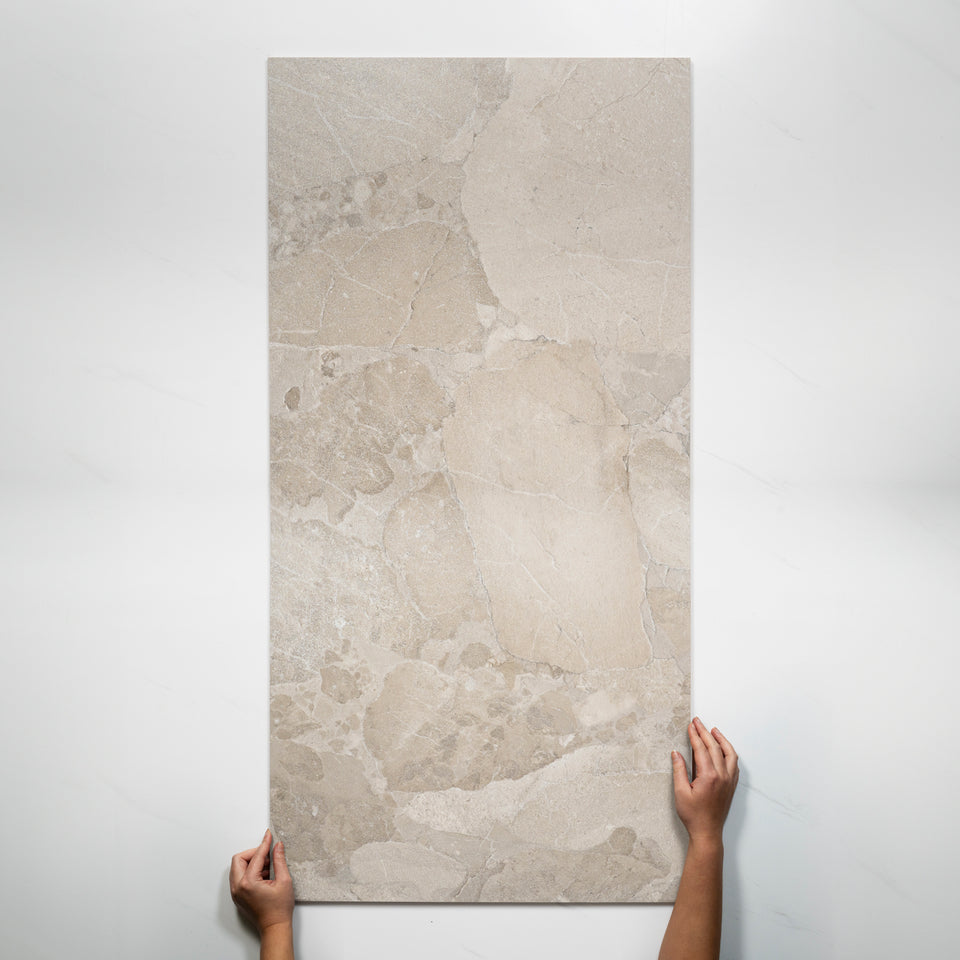
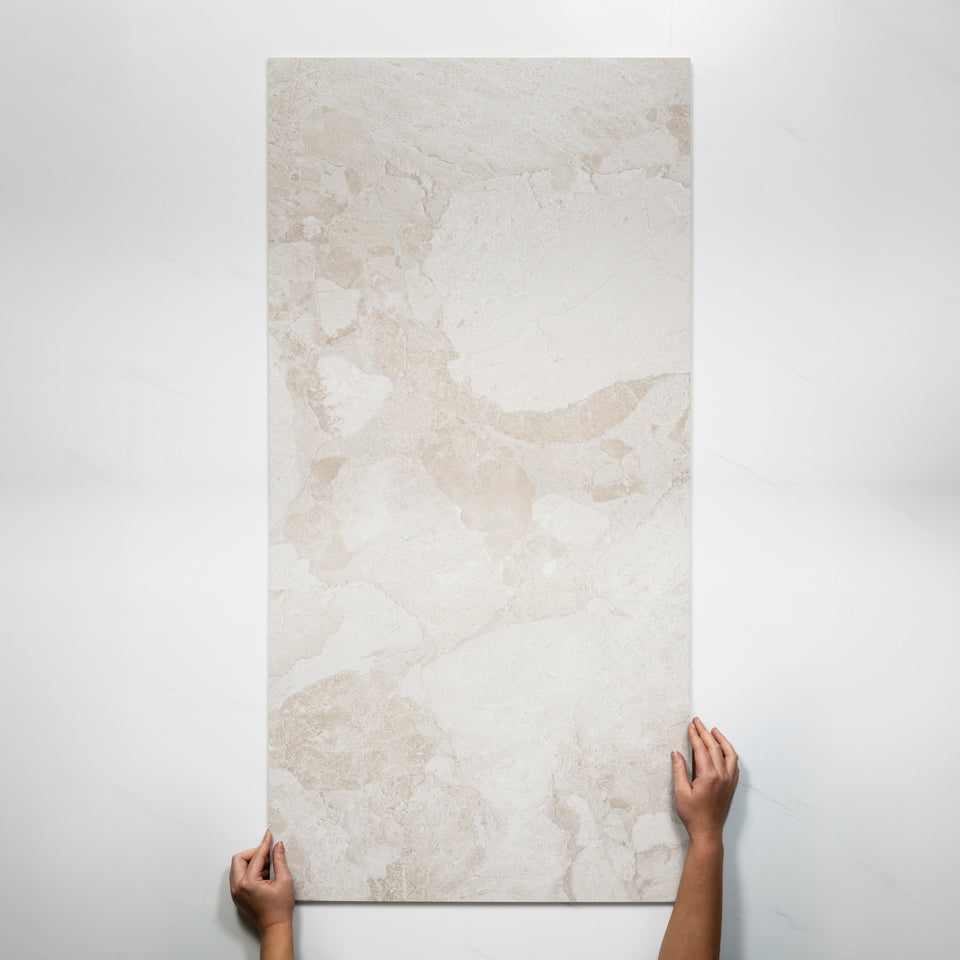
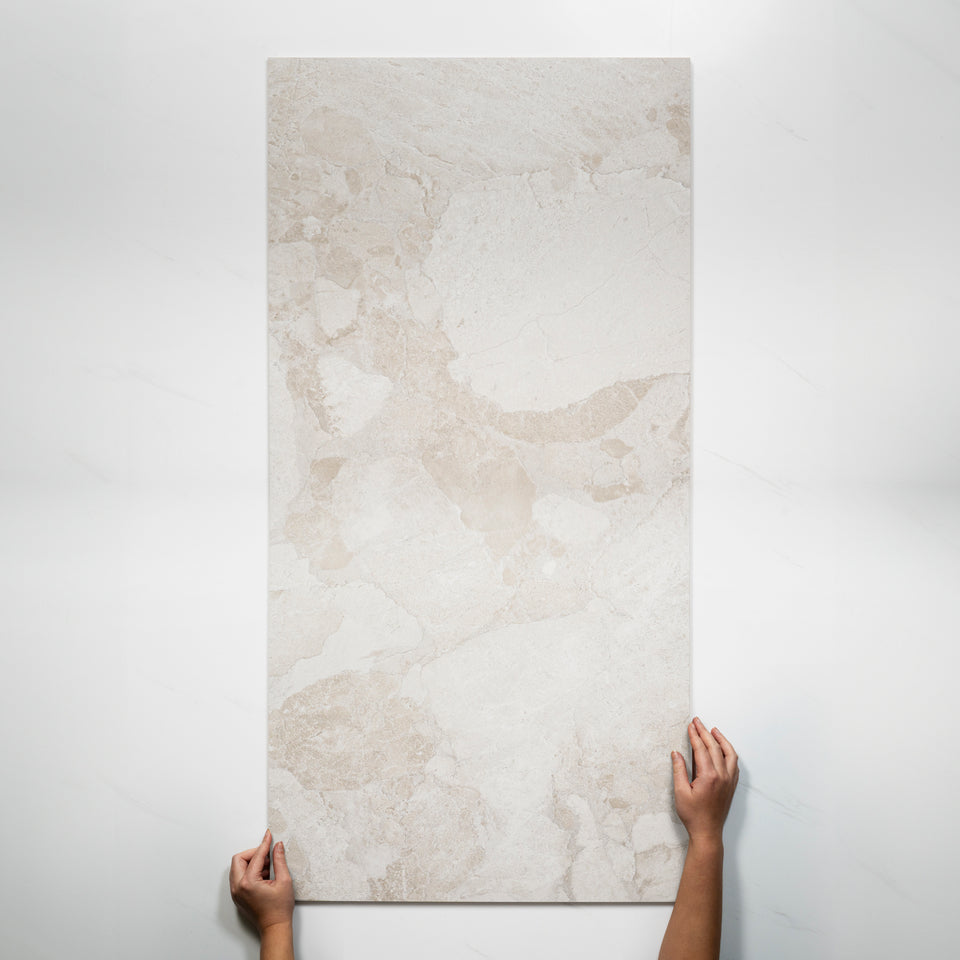
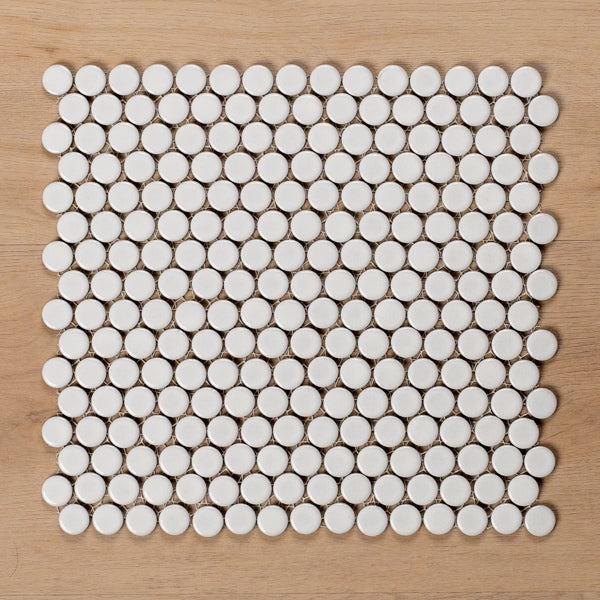
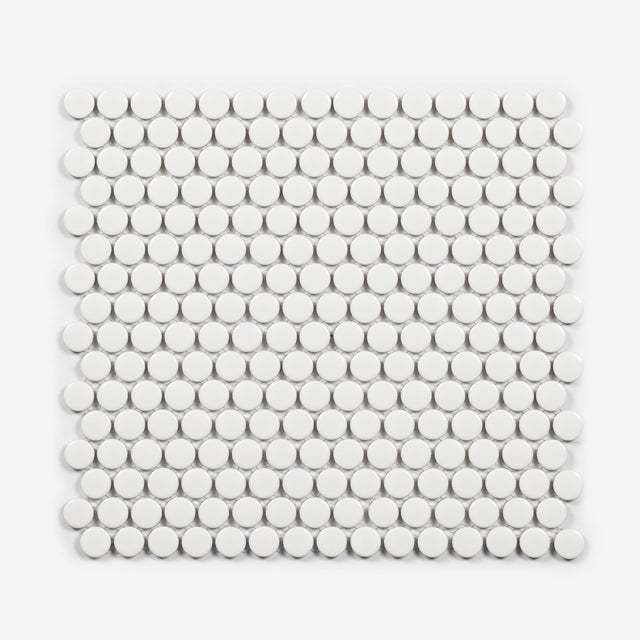
This collection gathers the tiles in the highest band of the range. It is a merchandising band, not a style, a material or a size, so the tiles inside it have little in common except where they sit on the site. The collection rule picks up tiles above the band's lower limit, and the active tiles are a mix of mosaics, handmade zellige, marble herringbone, finger mosaics and large plaster look porcelain.
That mix changes how you shop here. A page about one tile can describe one surface. A page about this band has to help you sort the tiles by what they are and what you plan to do with them. The sections below do that by shape and material, and they link to the collections that own each term, so you can go deeper once you know which group you want.
For the whole range, the tiles hub is the starting point, and the refined luxury and high end tile ranges collection groups the same kind of tile by tier. If you want to see the band directly below this one, the next band down sits beside this collection.
This is the top band, defined by price. The collection rule picks tiles priced above $145.00, with no upper limit, and the collection title is Tiles $145.00 +. The listed prices pulled from the store on 2026-11-17 run from $149.00 to $475.00. The lowest are the Valerie finger mosaics and the five Briq mosaics at $149.00. Cottesloe and Evelyn zellige follow at $151.00 to $156.00, Flute at $157.00, and Plastra 450 x 900mm at $161.00. Middleton is $169.00, Evelyn satin zellige $172.00 and Plastra 22.5 x 900mm $177.00. St Kilda is $178.00, Cottesloe Blue Sandstone $179.00, Cottesloe Norwegian Pink $190.00, Avorio kit kat $193.00 and Roccia 600 x 1200mm $197.00. Mooloolaba runs from $209.00 to $279.00, the Flute Champagne, Speckled and Teal tiles are $220.00, Middleton Smoke and Jade are $249.00 and Castaways is $269.00. The Cottesloe penny rounds run from $252.00 to $385.00, the Cottesloe feather mosaics from $379.00 to $475.00, and the Sofia 1200 x 600mm tiles are $320.00.
The band is open-ended, so it holds the mosaics, handmade zellige, large format and plank porcelains and the marble herringbone that sit above the lower bands. The price does not set where a tile can go. The spec lines do.
Every tile carries its own specification block, and the values differ a great deal across this band. Slip ratings run from P5 and R10 on textured floor tiles to no rating at all on wall-only mosaics. Wear ratings range from tiles suitable for floors in normal use areas to tiles not recommended for floors. Application lines vary from walls only to walls and floors, and some mosaics suit indoors and outdoors while others are indoor walls only.
The band also mixes edges and finishes. Some tiles are rectified, others are non-rectified or handmade. Finishes include matte, gloss, grip, polished, lappato, satin and honed, and appearance ratings run from V1, where the tile is uniform, to V4, where the variation is substantial.
The practical result is simple. Don't assume that one tile in this band behaves like the next. Open the product page for the tile you like and read the slip rating, application and wear lines before you plan where it goes. Where a tile is wall only or not rated for floors, take that at face value.
Most of the active tiles here are mosaics: small pieces fixed to sheets. The mosaic tiles collection covers the whole category, and this band holds many of its larger-format and more decorative ranges.
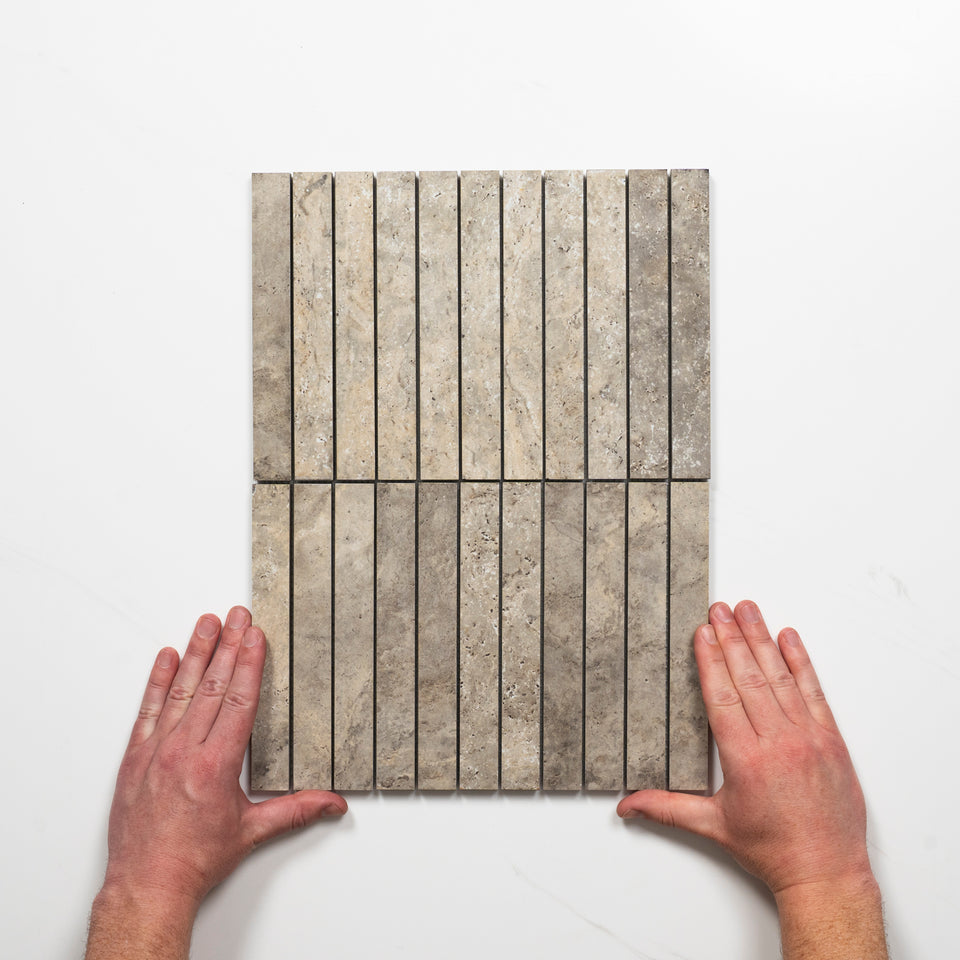
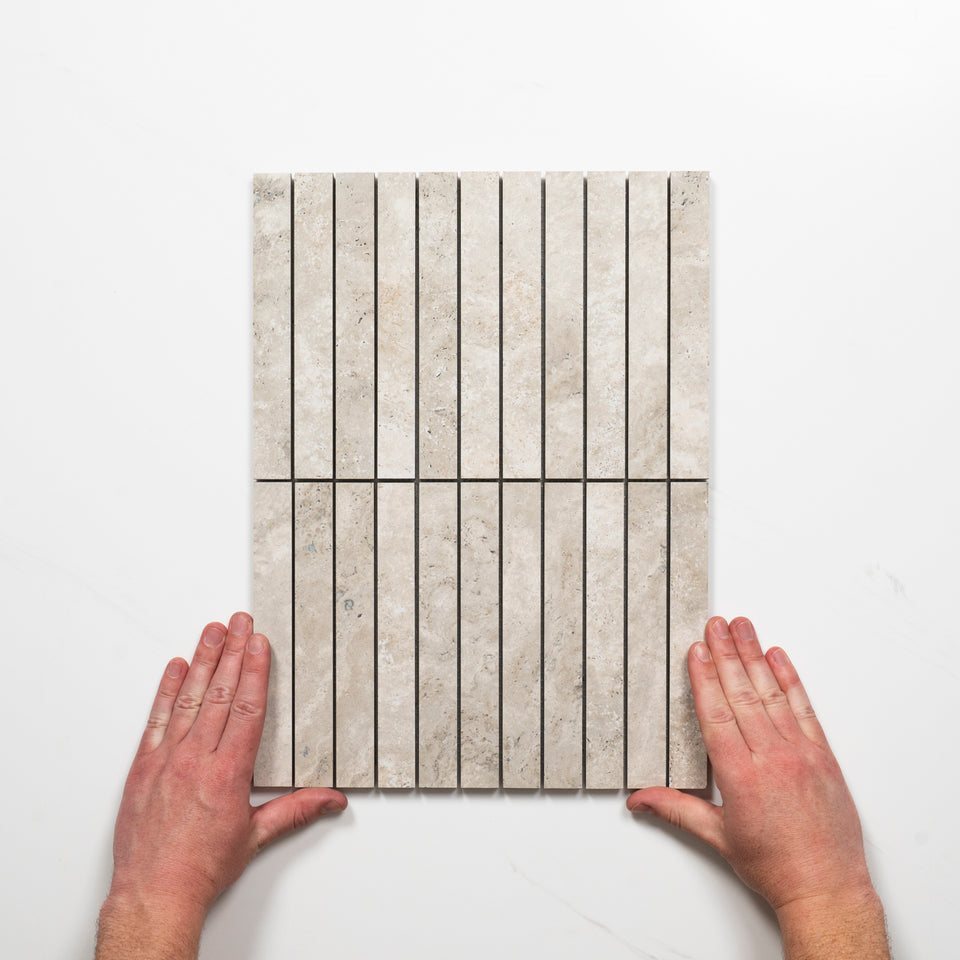
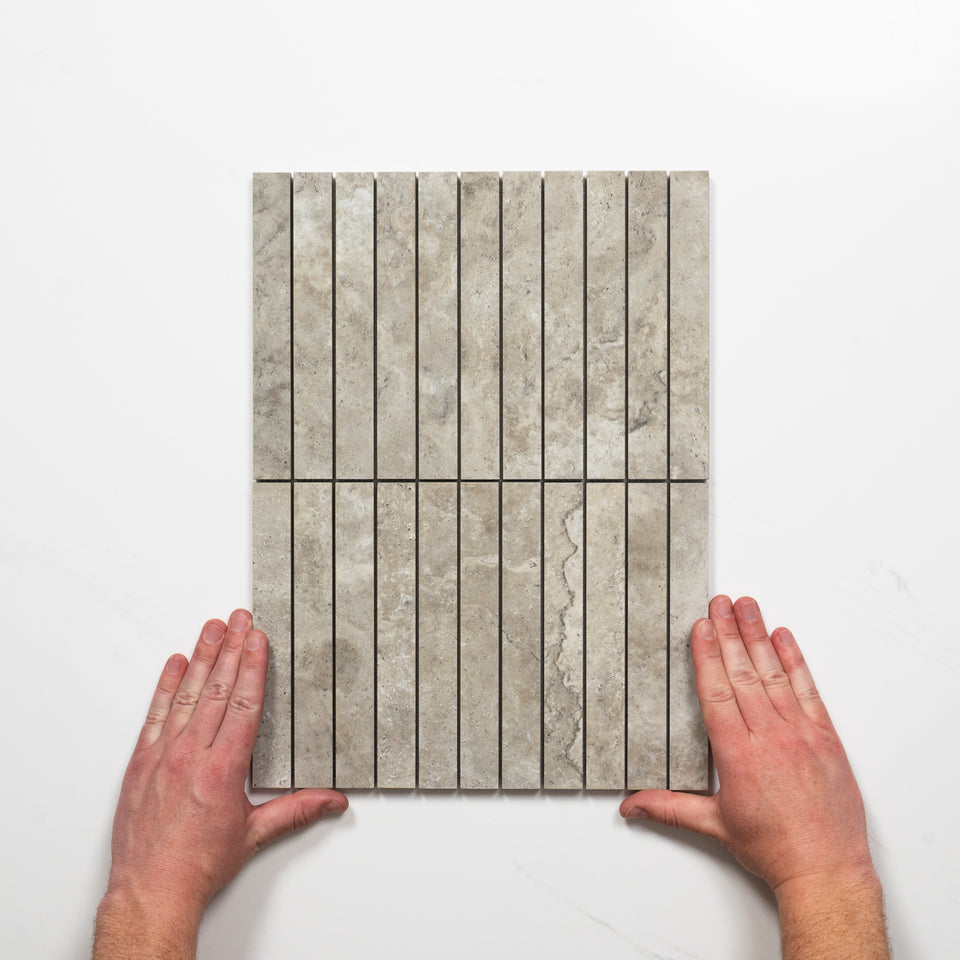
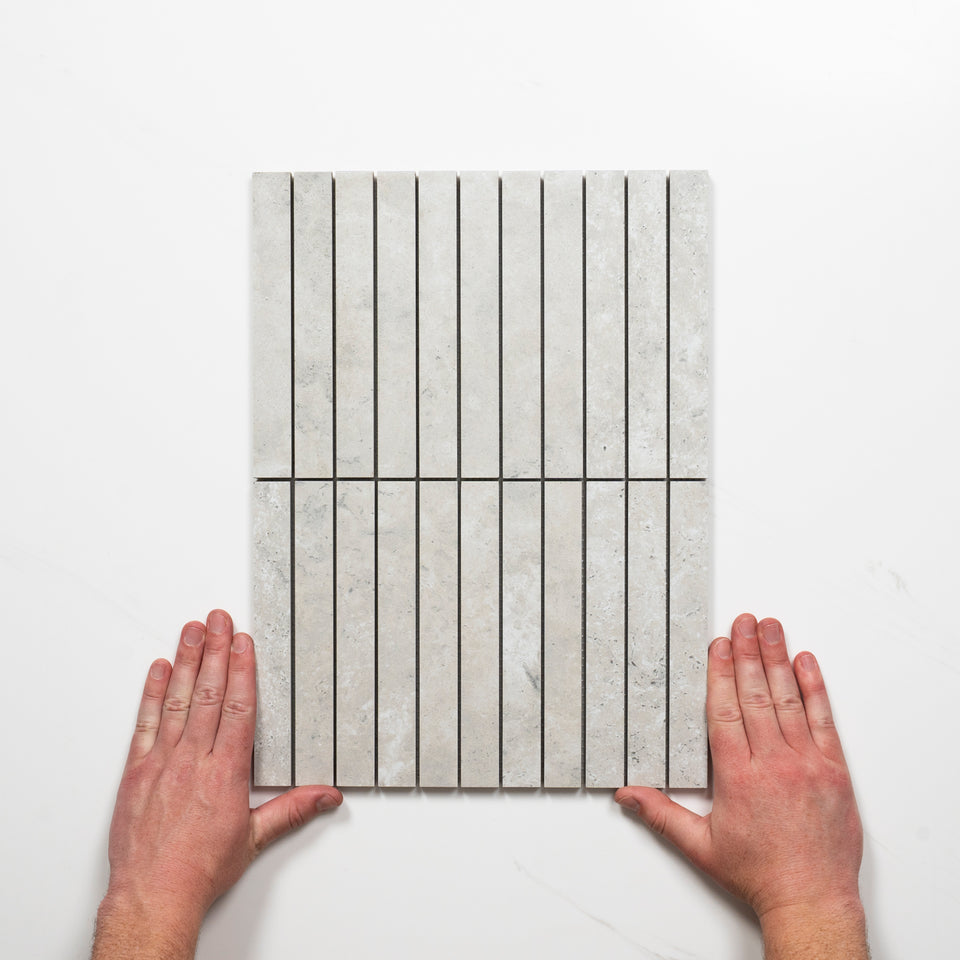
The finger mosaics are the clearest example. Valerie finger mosaics are slim, handcrafted-looking pieces with a gentle rhythm, sold in sheets in Ivory, Silver, Grey and Rustic porcelain. Flute is a narrow glazed porcelain finger mosaic with a gently concave profile, so the curved surface catches light along its length. Middleton is a petite finger mosaic in the kit kat shape, 12mm by 92mm, and the kit kat tiles collection shows the shape across other ranges.
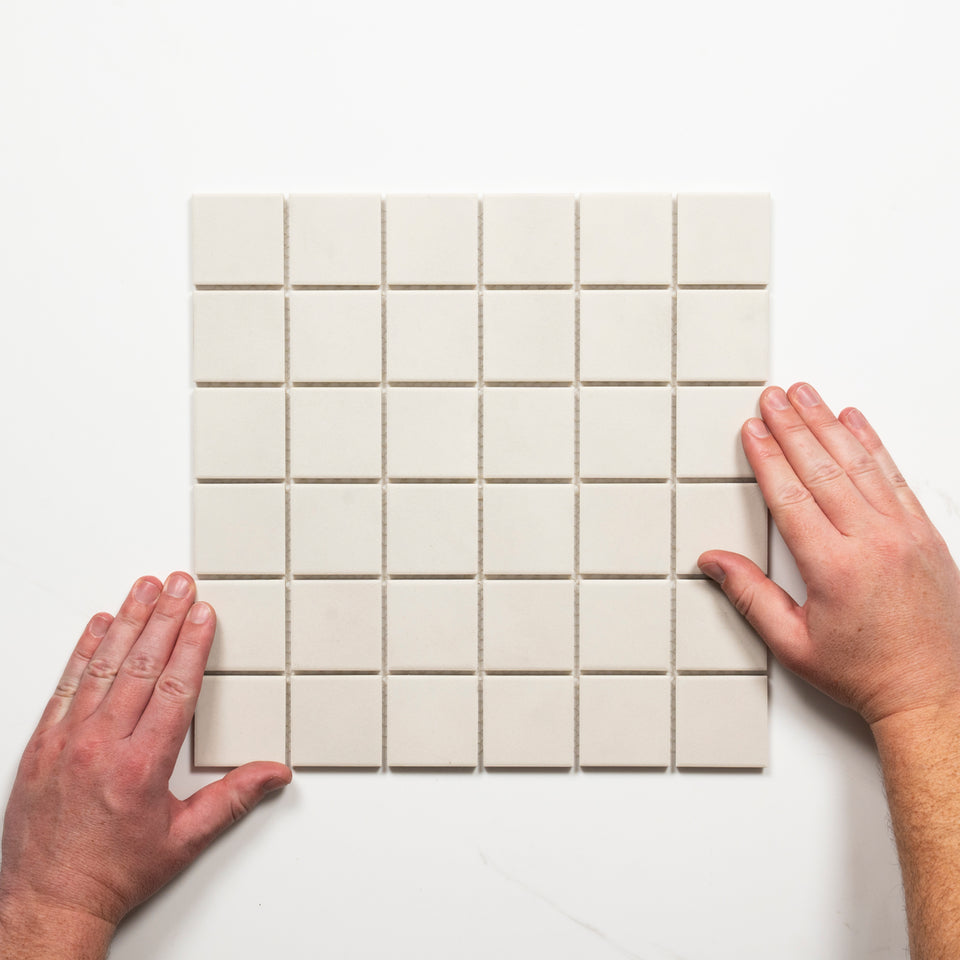
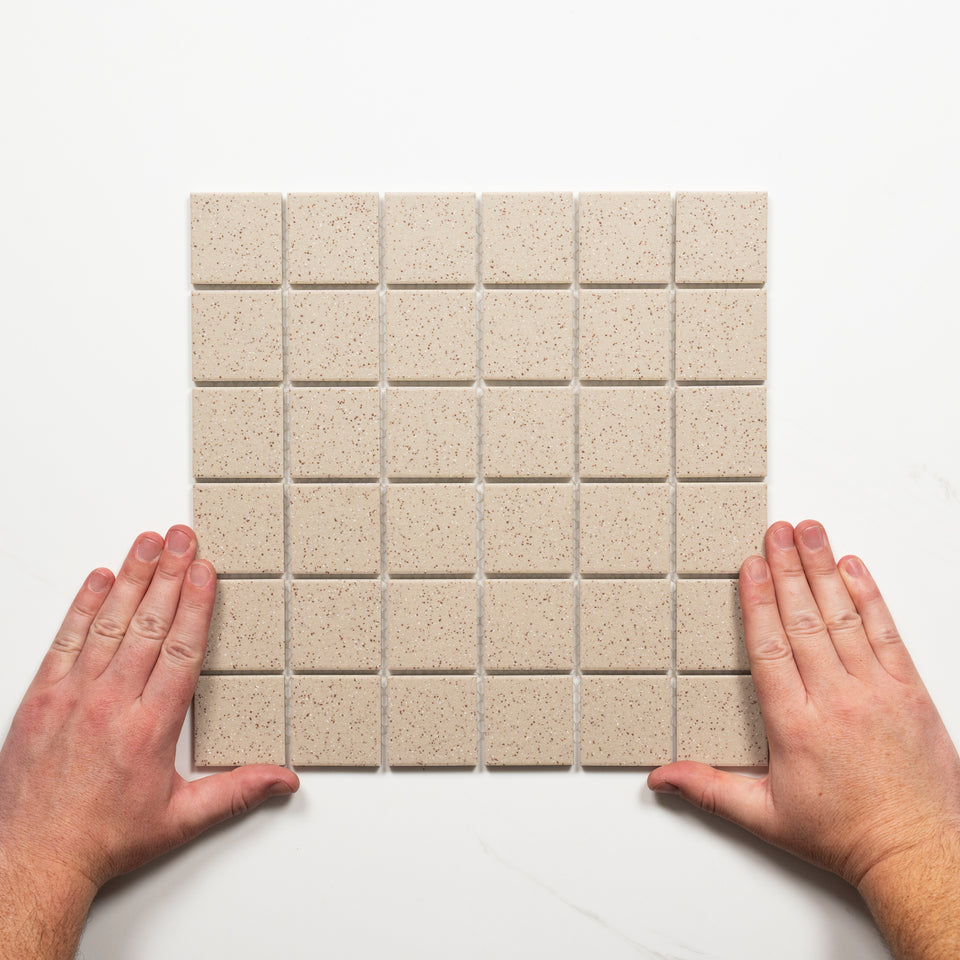
Briq is a different take on the format. It is an unglazed porcelain mosaic in a 48 x 48mm square format, presented on a 306 x 306mm sheet, with a matt surface that is consistent through the body of the tile. Colours include Flecked Linen, Milk, Sage, Terracotta and Graphite. Unglazed means the colour runs through the tile, not just across a glaze on the face.
Small pieces follow curves and changes in floor angle more easily than large tiles, and they also create more grout joints. Both points matter when you choose. A mosaic suits a shower floor with falls, a niche, a curved edge or a narrow feature wall. A large open floor is a different job, and a larger tile may serve it better.
The marble mosaics in this band are a quieter group. Cottesloe is a series of honed marble herringbone mosaics, 35 x 150mm, in colours that include Carrara White and Ming Green. The range is delicate and subtle, and the honed finish gives the surface a soft, low-sheen look.
Herringbone is a layout as well as a tile shape. The pieces meet at angles, so the pattern reads as a continuous zigzag across a wall. The herringbone tiles collection shows the pattern in other materials, and the marble look tiles collection covers porcelain tiles that imitate marble, for projects that want the look without natural stone.
Natural stone asks for more care than porcelain. Choose stone only when you accept ongoing sealing, careful cleaning and natural variation, because porcelain gives a more uniform appearance and simpler care. If you choose a marble mosaic, read the care line on the product page and plan the sealing before you grout.
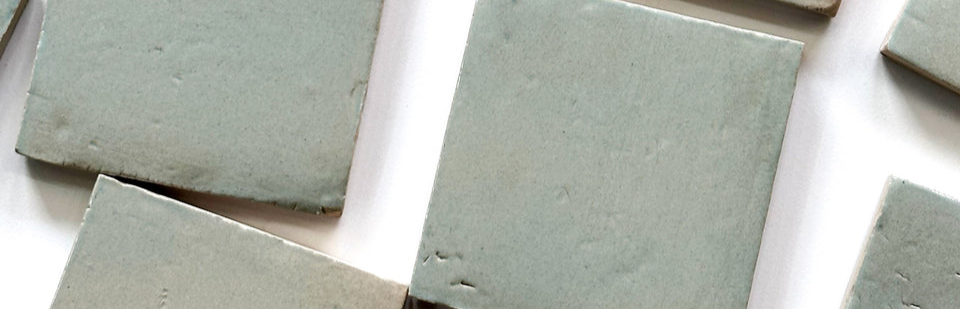
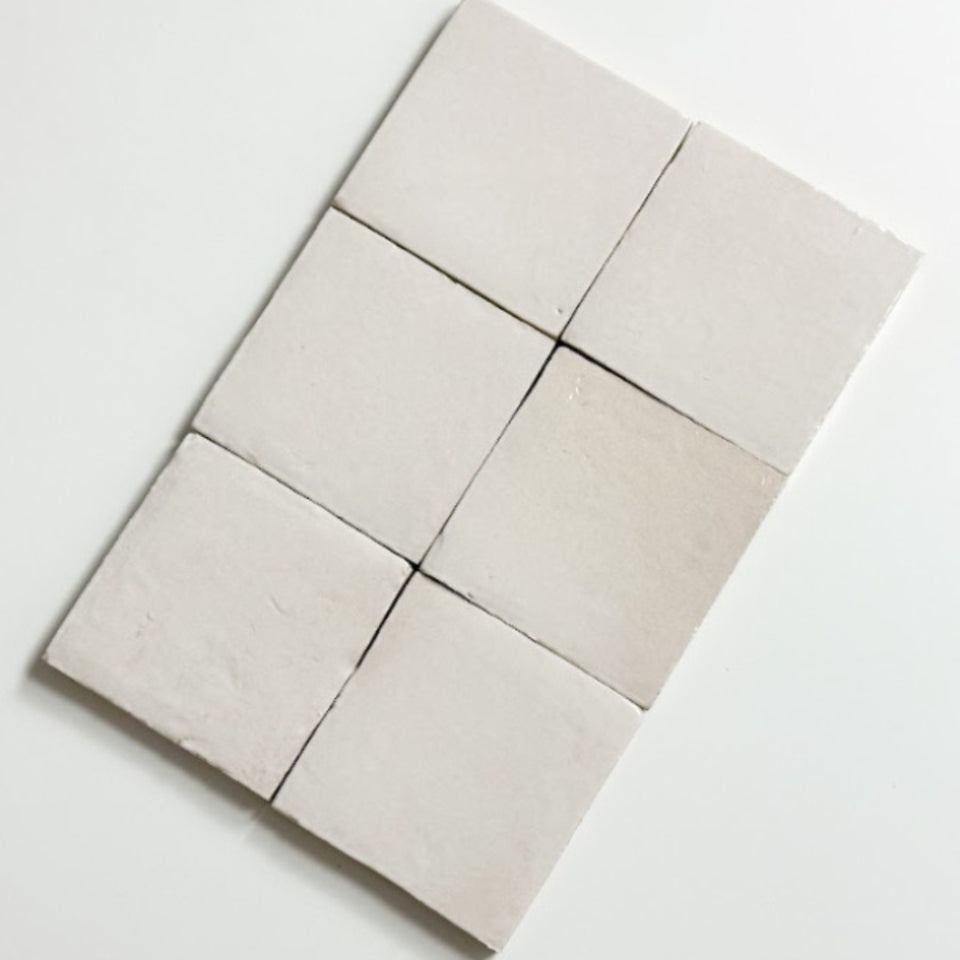
The handmade zellige tiles here are the Evelyn range, in Pure White, Off-White, Beige, Green and Aqua Blue. They are ceramic tiles made with artisanal techniques: hand moulded and shaped, with the colour glaze applied by a skilled craftsman. The size is 100 x 100mm and 12mm thick.
Handmade tiles aren't uniform, and that is the point of them. Edges are irregular, surfaces undulate and the glaze pools and thins. The zellige tiles collection covers the style in depth, with the different glazes and finishes.
For layout, expect a wider grout joint than a machine-cut tile needs, and ask your tiler how they handle the variation in thickness. Handmade tiles have a non-rectified edge, and that matters when you plan the joints.
At the other end of the size scale, Plastra is a porcelain tile in 450 x 900mm. It brings the look of hand-trowelled or pressed plaster into a durable porcelain tile, with soft linear textures and a matte, chalky finish. It comes in Smooth and Linea surfaces, in White and Clay.
A large format reverses the logic of a mosaic. There are fewer joints, the surface reads as one calm field, and the tile suits a wall or floor where you want a plain, continuous look. The large tiles collection shows the format across other ranges.
The same comparison holds from the mosaic side: on a straightforward open floor, a larger slip-rated tile can be the better buy because it uses less grout and takes less time to install. Check the slip and application lines on Plastra before choosing it for a floor.
One point applies across this whole band: finish decides how a tile behaves in a room, and colour doesn't. A gloss finish reflects light and can brighten a dark kitchen splashback, but on a shower floor it may show water marks and feel less secure underfoot than a textured or matt surface. Honed finishes sit between decorative softness and practical restraint. Textured products give a more tactile surface but may collect more residue.
That is why this page keeps pointing you to the spec block. A tile with a gloss finish and no slip rating belongs on a wall. A tile with a grip finish and a P5 rating is the kind of surface a floor or an outdoor area calls for. The floor tiles and wall tiles collections separate the two jobs.
Wet-area floors fall under AS 4586 slip ratings. Residential bathrooms and laundries commonly sit around P3 to P4, and external and pool-adjacent areas need higher resistance. Confirm the exact rating for the exact tile and zone before you buy.
Wall tiles are a separate case. A mosaic made for walls only is rated for a vertical surface, and you shouldn't take it onto a floor because it looks good with the floor tiles you've chosen. The slip line on those tiles often reads not rated or not applicable, which means the tile isn't meant for a floor.
Order from a consistent batch where you can, and blend opened boxes during installation. Ask for the product data sheet before ordering. Confirm the slip rating for the zone, the water absorption classification, the finish, the sheet size, the backing and joint spacing, and how the mosaic will meet trims, drains and skirtings.
Allow extra for cuts. A tile with many edges, a curved niche or a herringbone layout creates more waste than a plain rectangle, so ask your installer what margin they use.
One more check applies to every tile in the band: look at how the piece meets its neighbours. Edges and thickness are among the details to confirm, because a mosaic has to meet trims, drains, skirtings and adjoining tiles cleanly. A 12mm handmade zellige tile and a thin porcelain mosaic sit at different heights, so tell your tiler which tiles will share a wall before the adhesive goes on.
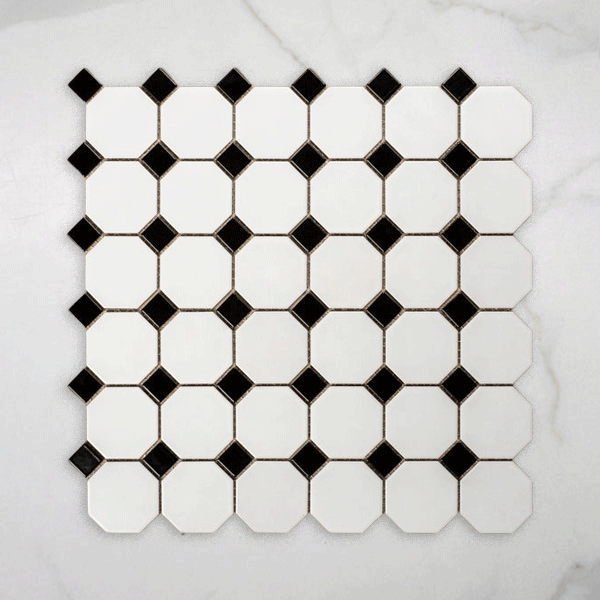
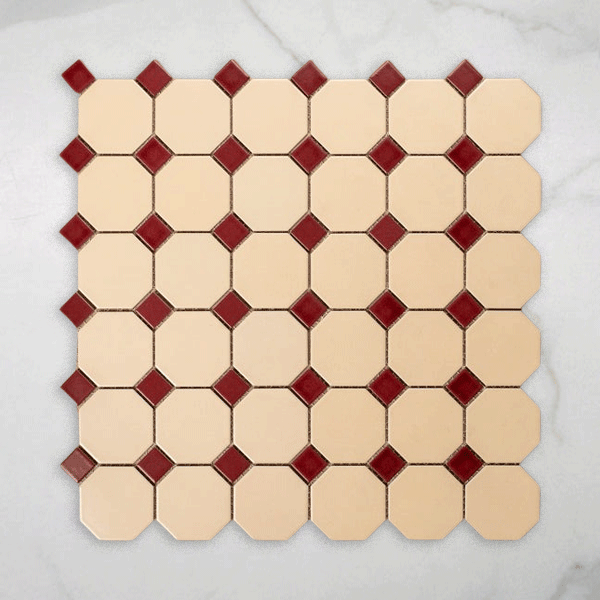
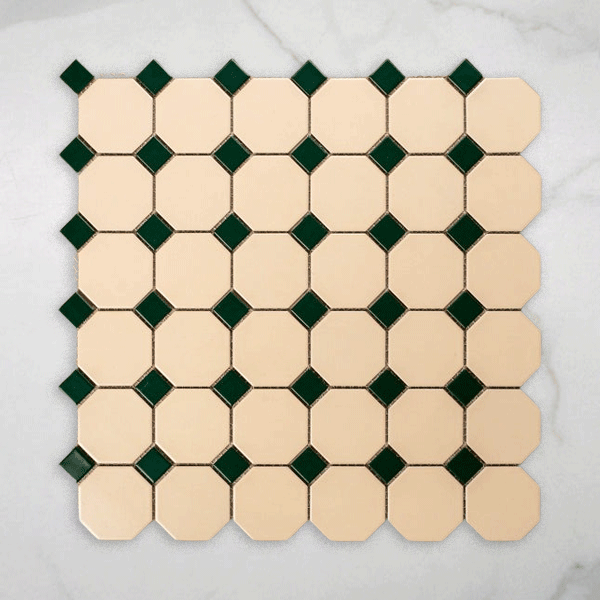
If you start from a style or a material instead of a band, you'll find more focused collections. The small tiles collection covers mosaics and small formats, the subway tiles collection covers the brick-bond shape, and the travertine look tiles collection covers a popular stone look in porcelain. The penny round tiles and octagon and dot tiles collections cover two more small-format shapes.
Each of those pages owns its own term, so they're the better places to compare options once you know what you want. This collection is useful when you want to see the top band together and see the range of what it holds.


