
*View accurate shipping rates and availability






51 Items


Up to 70% off storewide, free metro shipping over $500, and free gifts from $800. Spend more to unlock luxury towels and mirrors.*


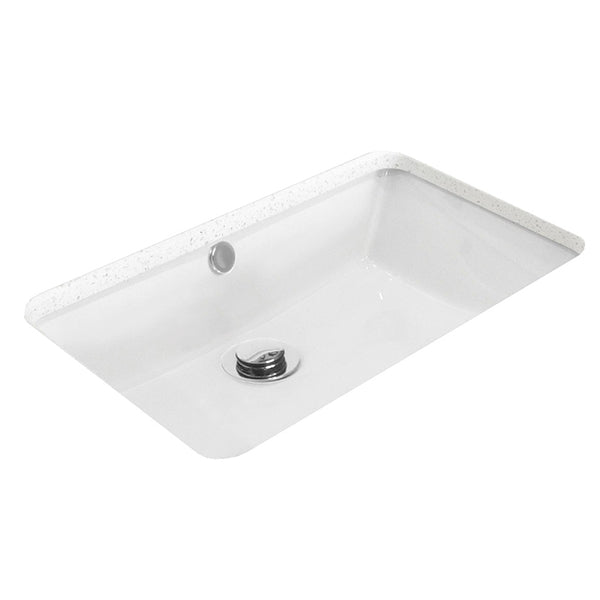
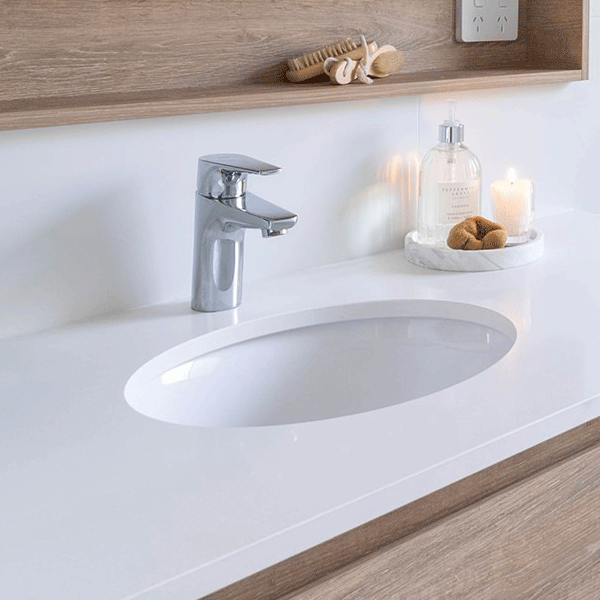
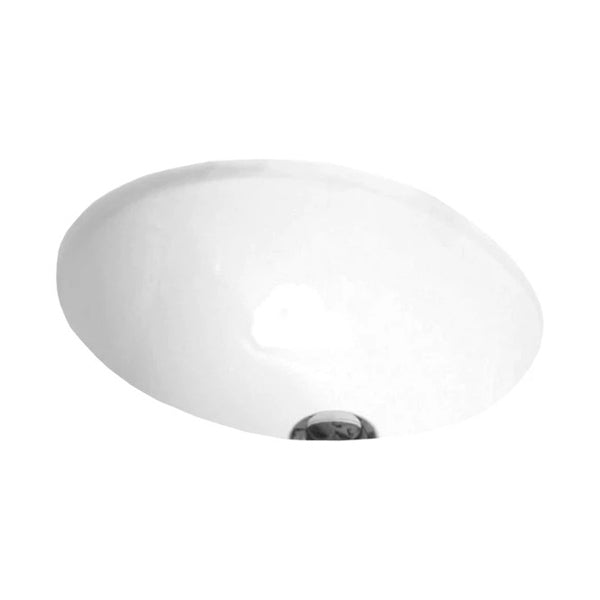
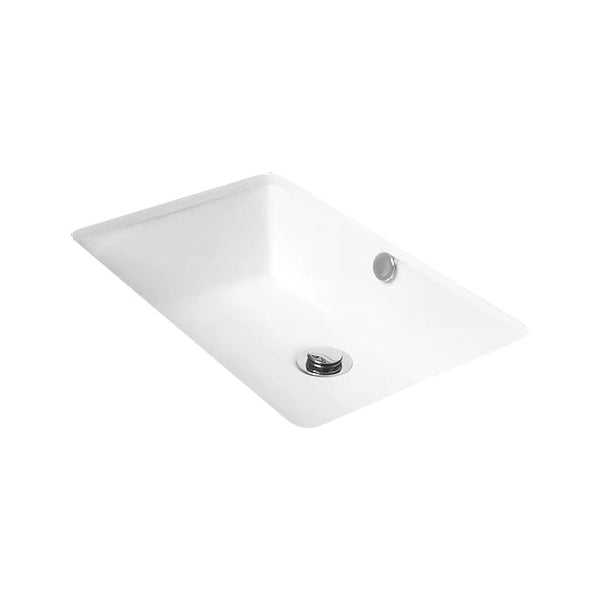
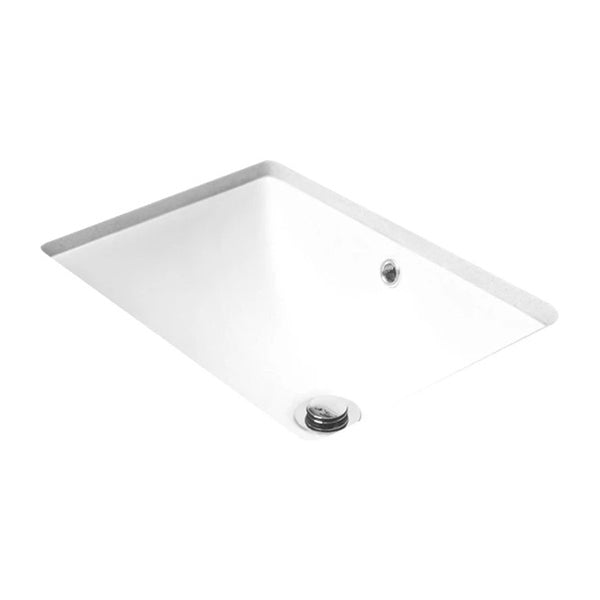
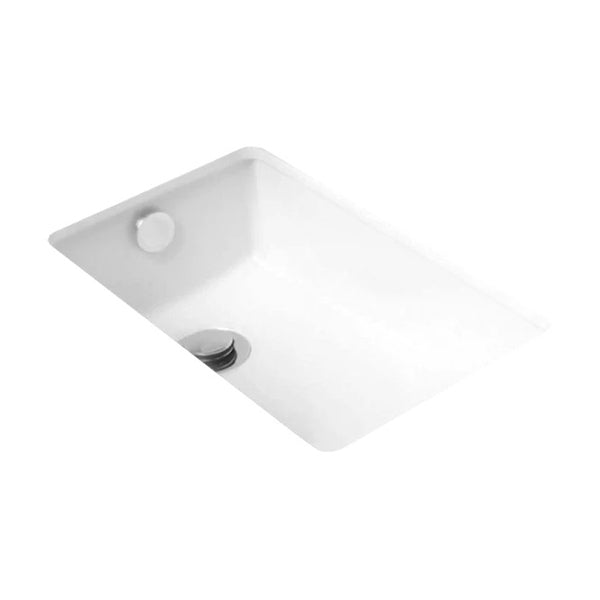
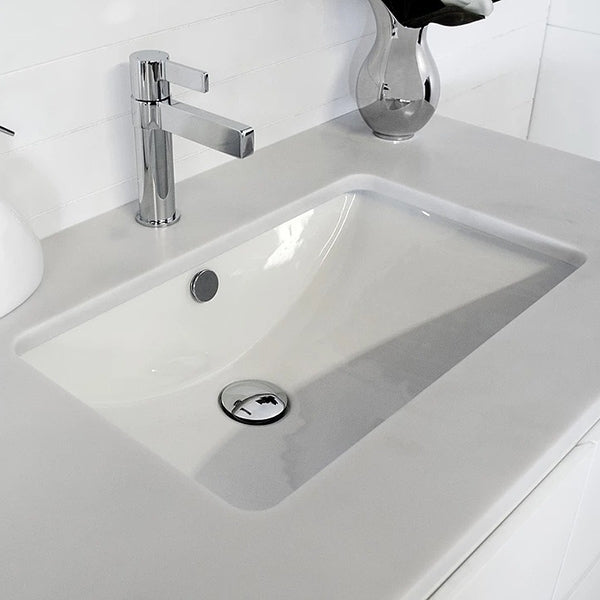
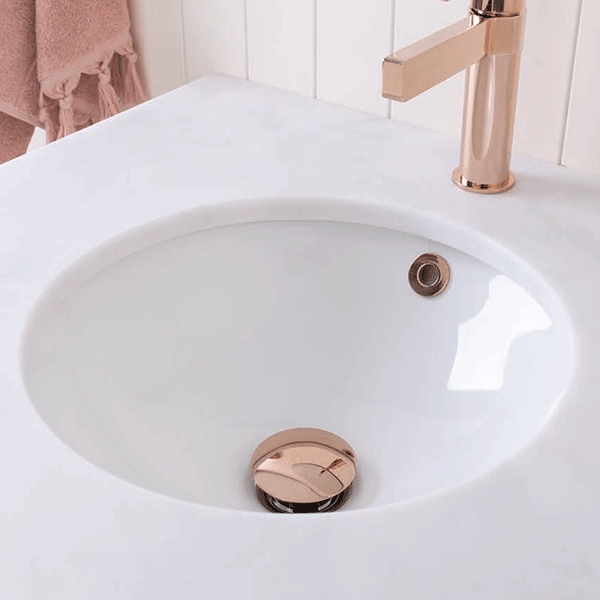

An undermount basin, also called an under counter, under mount or under bench basin, is fixed beneath the benchtop, so the rim is hidden and the benchtop runs unbroken to the edge of the bowl. This page holds undermount basins from Caroma, ADP, Turner Hastings and Timberline, in ceramic, fine fire clay, solid surface and mineral composite, in round, oval, rectangular, square and pill shapes. The guide below covers what the type gives you, what it asks of the benchtop, how it is fitted, and what to check about taps, overflow and waste.
An undermount basin is mounted beneath the vanity benchtop, with its rim hidden from view. Countertop and semi-recessed basins sit on or partly in the bench, and the undermount does the opposite. The benefits are a clean, integrated look, an unbroken benchtop surface, more usable benchtop, and a bench that is easier to clean because water and crumbs can be wiped over the edge and into the basin. If you want the basin to be the feature, an above counter basin is the better call. If you want the benchtop to be the feature, undermount is.
The type needs a solid benchtop. Engineered stone, natural stone and solid surface are the common materials, and the benchtop must be strong enough to support the basin and allow a precise cut-out. Solid timber also works if it can be machined and sealed at the cut edge. Undermount basins are generally not recommended under laminate, because the exposed particleboard core can swell if water gets in. If the bench is laminate or a thin top that cannot be cut and sealed, an inset basin or a semi-recessed basin is the safer choice.
The compromises come from the same feature as the benefits. The join between the basin and the benchtop is visible from underneath, so it needs a neat, well-sealed installation and should be kept clean and dry. The benchtop has to be cut to the basin and the two have to be coordinated, so the basin is chosen before the top is made, not after. And there is no tap ledge on the basin, so the tapware has to be planned with the bench. Each is manageable if the order of the work is right.
The benchtop fabricator cuts the opening and fixes the basin from below with clips and adhesive. A cut-out size is the figure the fabricator needs: the Timberline Bodhi has a cut out of 496mm wide by 303mm deep, and for other basins use the dimensions and drawing for that basin. Water connections need a licensed plumber, and the plumbing positions should be checked against the product before it is fixed. To keep the basin looking new, wipe the ceramic with a soft cloth and a weak non-abrasive detergent and dry spills.
Every undermount basin on this page has no tap hole. The Caroma Riviere suits wall mounted or bench mounted tapware, and the Turner Hastings Standard Agres has no tap holes pre-formed, so the mixer can go on the bench or the wall. With no tap ledge on the basin, the tapware mounts on the benchtop behind the bowl or on the wall, and the position should be decided before the top is cut and drilled. Pair the basin with a wall mixer or a deck mounted basin mixer. Minimalist mixers in chrome or matte black suit a contemporary room and traditional taps suit a classic one. See basin mixers and bathroom basin taps.
The overflow decides which waste you need. The ADP Miranda and Charlotte have a slot overflow at the back of the bowl and a centred waste, and the ADP Round, Oval and Link have an overflow. The Turner Hastings Standard Agres, Mini Agres and Fino take a 32mm waste with overflow, sold separately, and the Timberline Bodhi takes a 40mm waste with the overflow to the back. The Caroma Riviere and Contura II and the ADP Glory solid surface basin are non-overflow only. The Caroma Liano II comes with or without an overflow, so read the title.
Plug and waste inclusion differs by maker. The Caroma Riviere and Contura II include a flush fitting plug and waste, the Liano II a matching ceramic pop-up, and the Urbane II an integrated ceramic pop-up. ADP basins are sold with the plug and waste separate, so you choose one to match the tapware. See basin wastes for the fittings. A ceramic basin's waste is tightened by hand only, with a foam washer under the waste neck sealed with neutral cure silicone.
Undermount basins run from small to generous. The ADP Round is 370mm across and the ADP Charlotte is 425mm square. The Turner Hastings Mini Agres is 440mm by 260mm, sized for a smaller stone top, and the standard Agres is 543mm by 340mm. The ADP Oval is 420mm by 350mm, the ADP Link is 535mm by 335mm and the ADP Glory solid surface basin is 545mm by 355mm with an 8 litre bowl. The ADP Miranda is 550mm by 380mm and holds 7.8 litres to the overflow, and the Turner Hastings Fino is 550mm by 410mm. The Caroma Riviere is 590mm by 434mm and 182mm high with an 8.5 litre bowl, and the Contura II is 580mm by 410mm with a 9.2 litre bowl. Match the basin to the benchtop depth with room for the tap behind it. For compact sizes, see small hand basins.
Some Caroma basins, such as the Liano II 440 round and 580 pill, are under or over counter, so the same basin can be fitted beneath the bench or sit on it. That gives you a choice if the benchtop decision has not been made: the basin works with a stone top cut for it, or on a top that is left whole.
Round basins suit family bathrooms where easy cleaning matters, oval basins give more wash space and a classic look, square basins bring crisp, modern lines and small basins fit compact bathrooms and powder rooms. See round, oval, square and rectangular basins. Most undermount basins here are ceramic. The Turner Hastings Fino is double glazed fine fireclay with a non-porous, stain and scratch resistant glaze, the ADP Glory is solid surface and the Timberline Bodhi is mineral composite. White is the main colour, in gloss and in matte white, with black options from Turner Hastings and Caroma.
Before you choose one, weigh four cautions. The first is the bench: undermount needs a solid benchtop, and it is not suited to laminate, because the particleboard core is vulnerable to water, or to tiled benches that are usually built on plywood. The second is the seal. If the silicone seal fails, water can seep into the cabinet unseen and cause long-term damage, and the anchors that hold the basin can loosen over time, so check the joint now and then. The third is replacement: an undermount is harder to replace than a top-mounted basin and usually needs professional installation, because the benchtop must be cut and polished precisely.
The fourth is what you can see from below. The join between basin and benchtop shows every flaw, which is why the sealing has to be neat. Undermount also costs more to install than a top-mounted basin, so ask a fabricator and a plumber for a figure before the order. For a household that wants a bench that wipes clean and has a stone top, these cautions are manageable. For a laminate top, they are a reason to choose a different type, such as an inset basin or an above counter basin.
The benchtop can sit against the basin rim in three ways, and the choice affects cleaning. A negative reveal has the benchtop overhanging the rim. It looks best but is more prone to edge chipping and can trap gunk in a small lip underneath. A positive reveal has the benchtop cut across the rim, leaving part of the basin visible. That makes leaks easier to detect, but the exposed rim can catch thick liquids. A zero reveal aligns the benchtop edge with the inside of the bowl, which is the easiest to keep clean but needs the most precise work and may cost more. A reveal of about 3 to 5mm is typical: a wider reveal shows a gap from above, while a tighter one removes the bonding surface. Agree the reveal with your fabricator and the basin's template.
A basin under a stone top is cleaned like any glazed ceramic, with care around the junction. Day-to-day care needs only water and a damp cloth, with a bathroom cleaner for water marks and soap scum and household vinegar for limescale. Do not clean with abrasive materials such as steel wool or scourers, or with corrosive cleaners containing acids or scouring agents, and keep bleach away because it can discolour products. The vinegar is for the ceramic and not for the stone: acids can etch marble, so keep vinegar off the bench and rinse any splash. Check the silicone joint from time to time, since a failed seal is the main cause of hidden water damage.
Browse Caroma basins, ADP basins, Turner Hastings basins and Timberline basins for the full ranges.
The bathroom basins page sets undermount basins beside the other types, and bathroom vanities covers the cabinets that carry the bench.


