
*View accurate shipping rates and availability






398 Items

Up to 70% off storewide, free metro shipping over $500, and free gifts from $800. Spend more to unlock luxury towels and mirrors.*
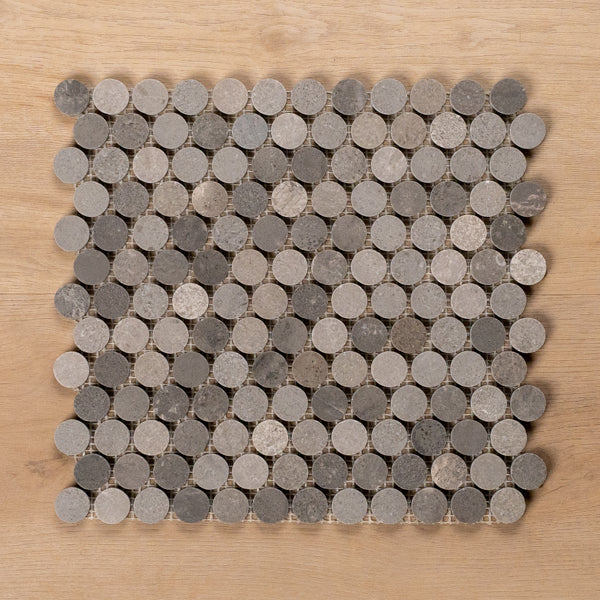
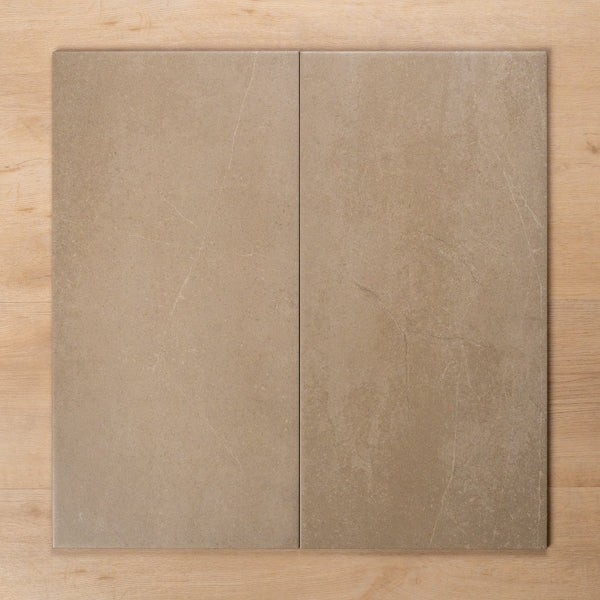
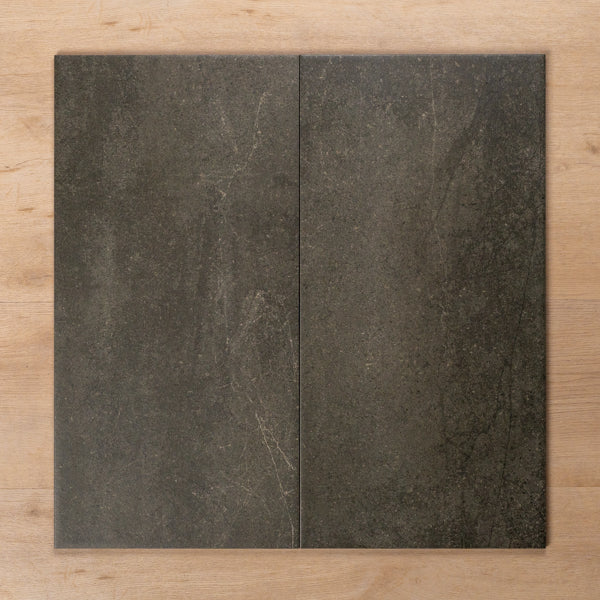
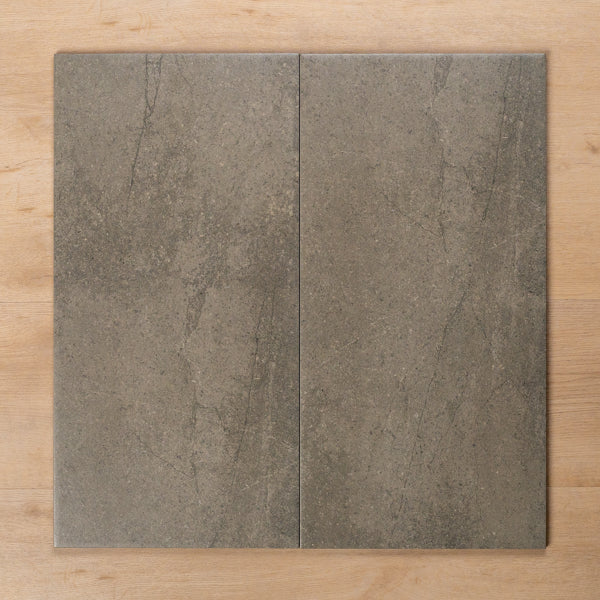
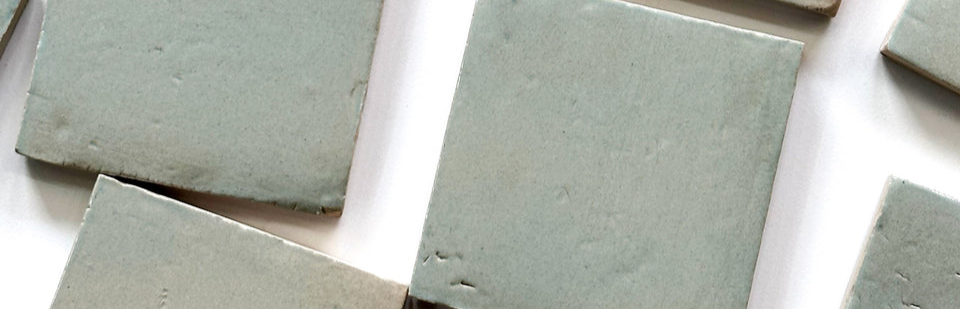
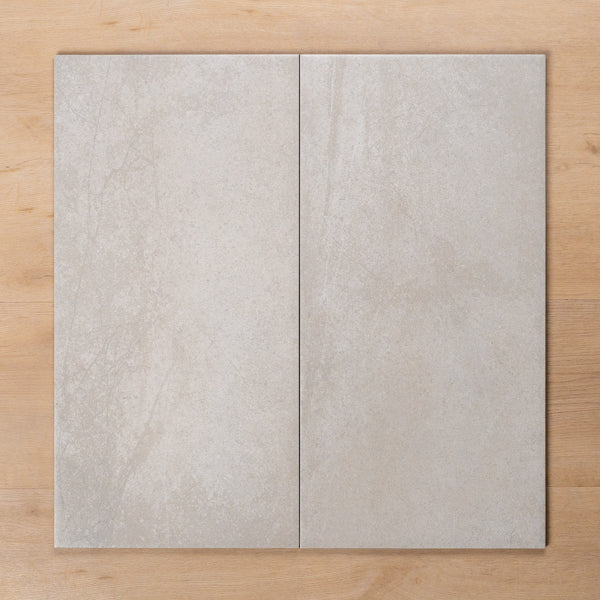
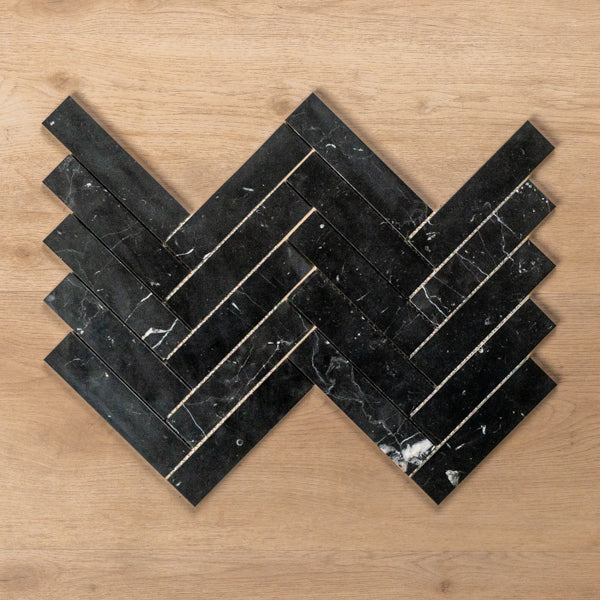
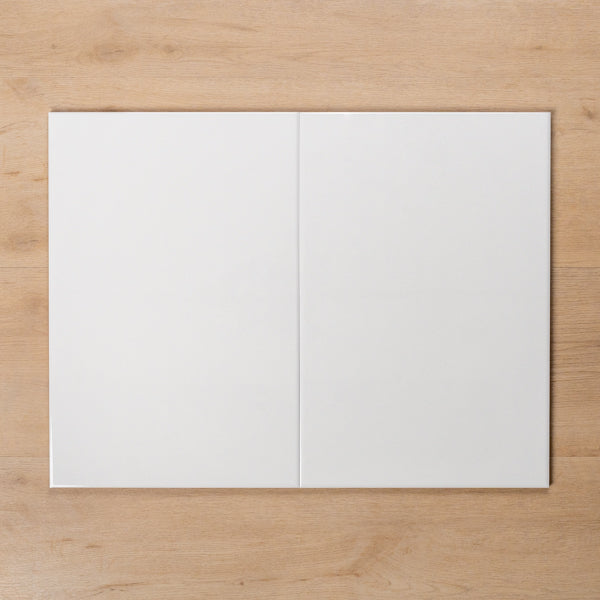
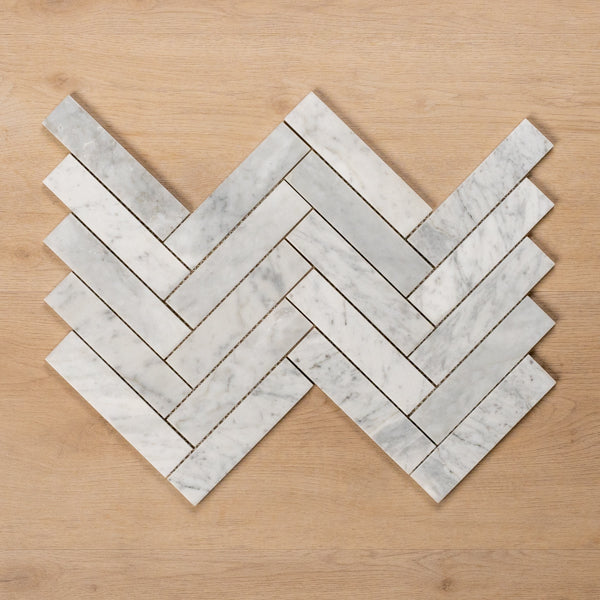
This collection holds every tile in the store that can go on a wall, and that covers two quite different kinds. One is the wall-only ceramic: mini subways, handmade-look zellige, wavy satin tiles and mosaics, many with a wear rating of 0. The other is floor-rated porcelain in 300 x 600mm, 600 x 600mm and 600 x 1200mm, made for walls and floors with slip ratings from P2 to P5.
The sections below explain how the two differ, which finishes and sizes suit a wall, and how to read the product pages. For neighbouring decisions, see the bathroom tiles collection, the floor tiles collection, the feature tiles collection and the tiles collection.
Most wall tiles are designed for vertical surfaces only. They are typically lighter and less durable than floor tiles, and lack the slip resistance and strength that foot traffic needs, so check the product specification before a wall tile goes on a floor. Floor tiles are denser, heavier and designed to withstand foot traffic and weight, while wall tiles are lighter. Wall tiles do not require slip resistance ratings, which leaves the full range of finishes, including polished and high-gloss, available for walls.
That freedom is why wall tiles are the decorative end of the range. The design of wall tiles is not restricted in the way floor tile design is, because there is no need to allow for slipping or tripping, so wall collections hold elaborate options such as ultra-glossy handmade tiles and 3D tiles.
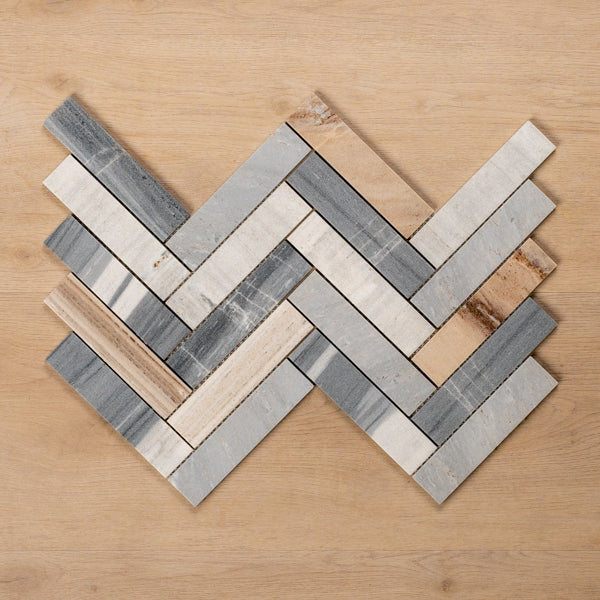
The spec lines do the sorting. The Whitehaven wavy ceramic subways read walls only, not suitable for flooring. Evelyn, Ella, Leon, Terrarosa, Wategos and the Gemma ceramics carry a wear rating of 0, not recommended for floors. Castaways kit kat mosaics carry the same. The Flute finger mosaics read walls only, with slip rating not applicable, and the Tuscan 600 x 1200mm feature tiles are recommended for walls only.
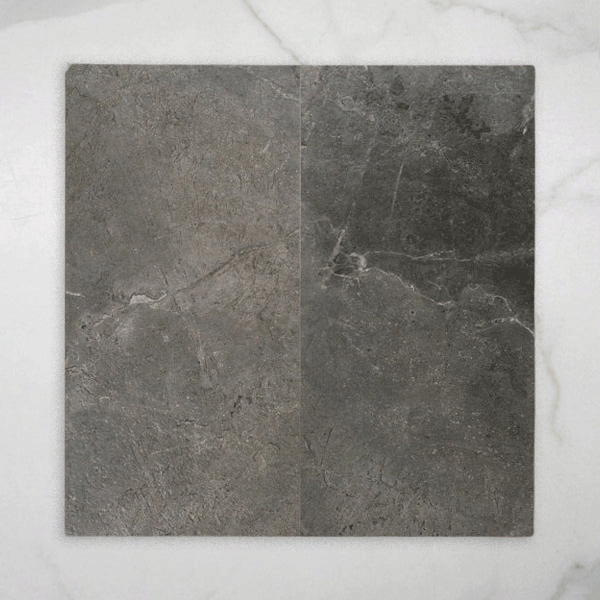
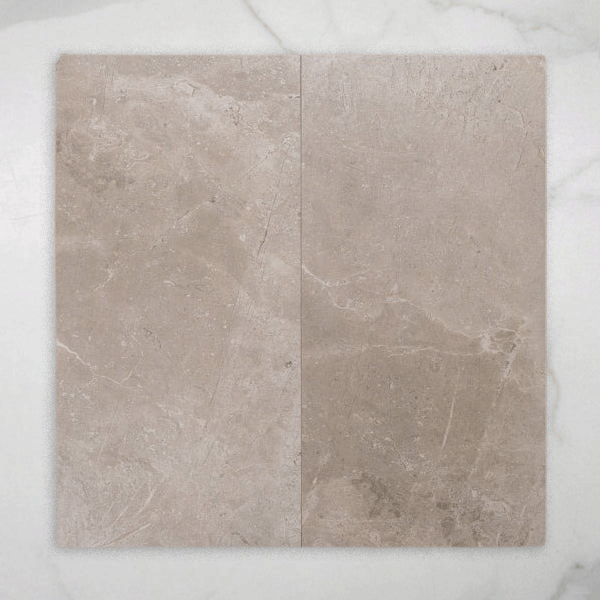
The porcelain ranges read differently. Kew, Vela, Avorio, Tilly Tundra and Plastra print walls and floors, with P3 to P5 or R10 slip ratings and wear ratings of 3 to 5. Read the Application line first, then the Wear Rating line. If a page says 0, the tile belongs on the wall.
Porcelain and ceramic share raw materials and differ in the firing: porcelain is baked at higher temperatures and for longer, and ceramic at lower temperatures for shorter, which gives a softer, more lightweight tile. Ceramic is most popular on bathroom walls because it is light and easily drilled, which makes it easier to fit towel rails and shelves, and because wall-only tiles allow more decorative options.
Ceramic is a practical option for most bathrooms because it is easy to maintain and comes in many styles, while porcelain and stone offer more specialised finishes. Porcelain is a refined, dense, strong option available in stone and concrete looks, often chosen for larger walls or for rooms where the same tile continues onto the floor. The ceramic tiles collection and the porcelain tiles collection cover each material in full.
Both porcelain and glazed ceramic suit shower walls, because neither needs sealing, which makes clean-up simple. Natural stone, such as marble or travertine, is a popular alternative for a premium finish, with the caveat that stone is porous and needs sealing to be maintained over time. In steam-heavy rooms such as showers, the grout and the quality of the waterproofing behind the tile are critical, which is a matter for a licensed tiler.
The care notes follow the material: most ceramics and porcelains are easy to clean, and the tumbled natural stone tiles require sealing. The Briq mosaics and the Flute finger mosaics both suit shower recesses in their Area lines. The bathroom tiles collection covers the whole room.
The three finishes are a design tool. High-gloss maximises light reflection and creates a sense of space and cleanliness, suited to smaller bathrooms and kitchens. Silk and satin finishes give a softer luminosity, reducing glare while keeping depth and sheen. Matt finishes create a contemporary, subdued quality for spaces where restraint and texture are the intent. Glossy tiles brighten small rooms and bounce light around, while matte finishes feel softer and more settled.
The collection leans matte, then polished, gloss and grip, with 3D, satin and lappato in smaller numbers. Bella, Luca, Dianna and Theo are gloss or polished, Whitehaven and Matrix are satin, and Kew, Olivia and Vela are matte.
Handmade-look ceramics are the most characterful wall tiles. Dianna is a 75 x 150mm Spanish handmade-look subway and a 100 x 100mm zellige square with a wavy structured gloss glaze, Ella is a 100 x 100mm Italian zellige-inspired ceramic, and Evelyn is a handmade zellige and bejmat. Luca is a hand made gloss series, 8mm thick, in 100 x 100mm and 75 x 150mm.
Texture does the same job in porcelain. Kew ribbed decor and Olivia decor are 300 x 600mm porcelain wall tiles with raised ribbing or a decor surface, and Sereno and Drift are 3D-finish marble looks. The zellige tiles collection covers the handmade look across the store.
A wall tile can be used two ways. As a full surface treatment, particularly when the wall and floor tile come from the same family, it creates the immersive quality of a high-end hotel bathroom. As a feature, a more expressive tile becomes the focal point, with the surrounding surfaces kept quieter so it reads clearly. A kitchen splashback is large enough to create impact and small enough to take a design risk.
Feature walls need not be limited to the bathroom, laundry or kitchen, and can be created in an entryway or living area, or used to clad a fireplace. The feature tiles collection sets out how to place and size one.
Tile size makes a noticeable difference to a wall. Large tiles help create a clean, straight layout with fewer grout lines, while smaller formats allow patterns and more detailed designs. Large tiles are not necessarily better for small rooms, but they can reduce grout lines and create a cleaner look that often makes a small room feel more open.
The common sizes in this collection are 100 x 100mm squares, 200 x 200mm squares, 65 x 265mm mini subways, 300 x 600mm rectangles, 600 x 600mm squares and 600 x 1200mm slabs. That is a standard answer to the question about wall tile sizes: small squares and subways for splashbacks and features, 300 x 600mm for full walls, and the larger formats for floor-to-ceiling surfaces. The subway tiles collection, rectangle tiles collection and large tiles collection cover each format.
Wall tiles are not restricted to wet rooms. Feature walls can go in an entryway or living area, or clad a fireplace, and porcelain is a popular choice for fireplace surrounds because it stands up well to extreme temperatures. Decorative, 3D, handmade, glass, mosaic and stone wall tiles are all among the options.
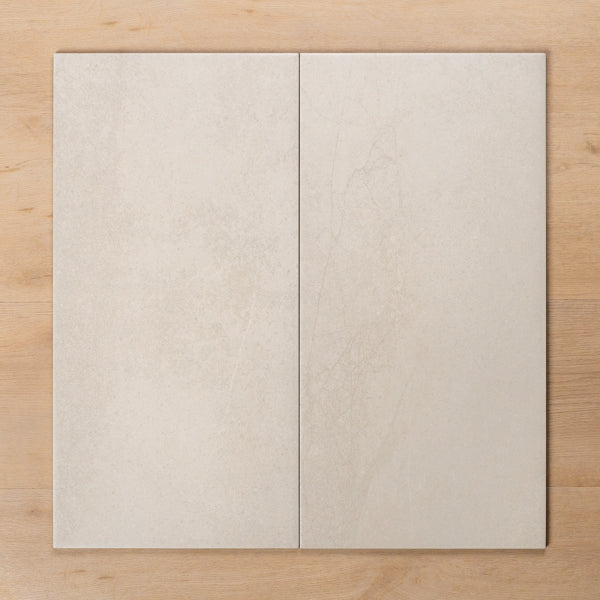
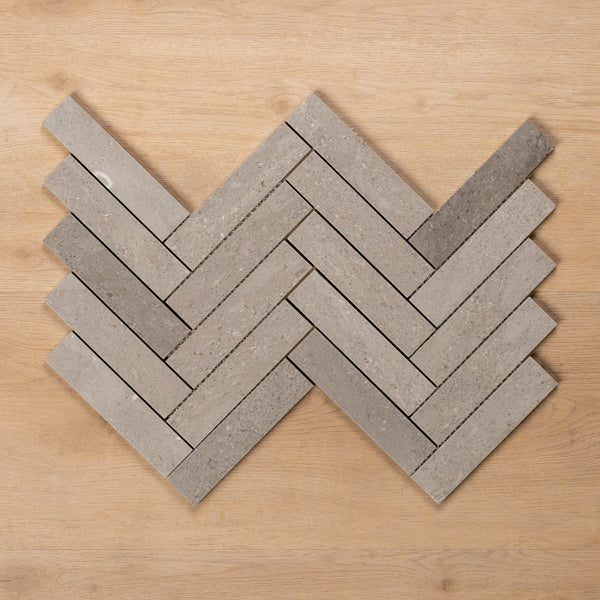
The porcelain wall tiles in this collection, such as Tuscan, Casuarina and Tilly Tundra, are the living-area choices, with calm stone and travertine looks. The travertine look tiles collection and terrazzo look tiles collection cover two of the looks that suit a living wall.
Think about the overall style, the light in the room and how the tile will work with floors, fittings and decor. Light tones bring openness, and darker shades add contrast and elegance, while wall tiles range from soft neutrals to bold statement tones.
The collection runs from white, grey and beige, the largest groups, through green, black and blue, to terracotta and pink in smaller numbers. The white tiles collection, grey tiles collection, beige tiles collection and green tiles collection sort the range by colour.
Every product page prints the same lines, and for a wall tile they answer different questions. The Application line says walls, floors or both. The Wear Rating line tells you whether the tile can ever go on a floor, with 0 meaning no. The Slip Rating line matters only if it will. The Edge line says rectified or non-rectified, the Appearance line gives the V rating for variation, and the Maintenance line says whether sealing is needed.
For a wall, read the Edge and Appearance lines, because they decide the grout and the look. For a floor-rated tile used on a wall, the slip rating is not a concern, and the finish is free to be as glossy as you like.
A worked example shows the quantities. A bathroom wall 3.0m wide and 2.4m high is 7.2 square metres. In a 300 x 600mm ceramic tile, a box of 8 covers 1.44 square metres. With 15 percent for cuts around the window, the niche and the fittings, the order is 8.28 square metres, which is 6 boxes.
Set out the wall before you order. Mark the centre line and the height of the first full tile, and check where the cuts fall at the corners and around the niche. A thin sliver at the end of a row looks accidental, and moving the starting line half a tile usually fixes it.
If two tiles seem equal, choose the one whose edge, glaze and recommended gap suit the grout colour you already prefer, since the grout is the part you will see most.
A wall tile is judged from a metre away, so the glaze, the grout and the light matter more than the spec sheet. The spec lines still decide where it may go.
Start with the room and the role. For a feature or a splashback, choose a wall-only ceramic and let the glaze lead. For a full wall, choose a rectified 300 x 600mm tile and a quiet colour. For a wall that continues onto the floor, choose a tile whose Application line says both, and read the slip and wear lines for the floor.
Then choose the finish for the light in the room, and the grout for the look you want. The tiles collection sits above this one for the whole range.


