
*View accurate shipping rates and availability






207 Items


Spend over $800 and receive free gifts in your cart. Towels, accessories and full length mirrors!


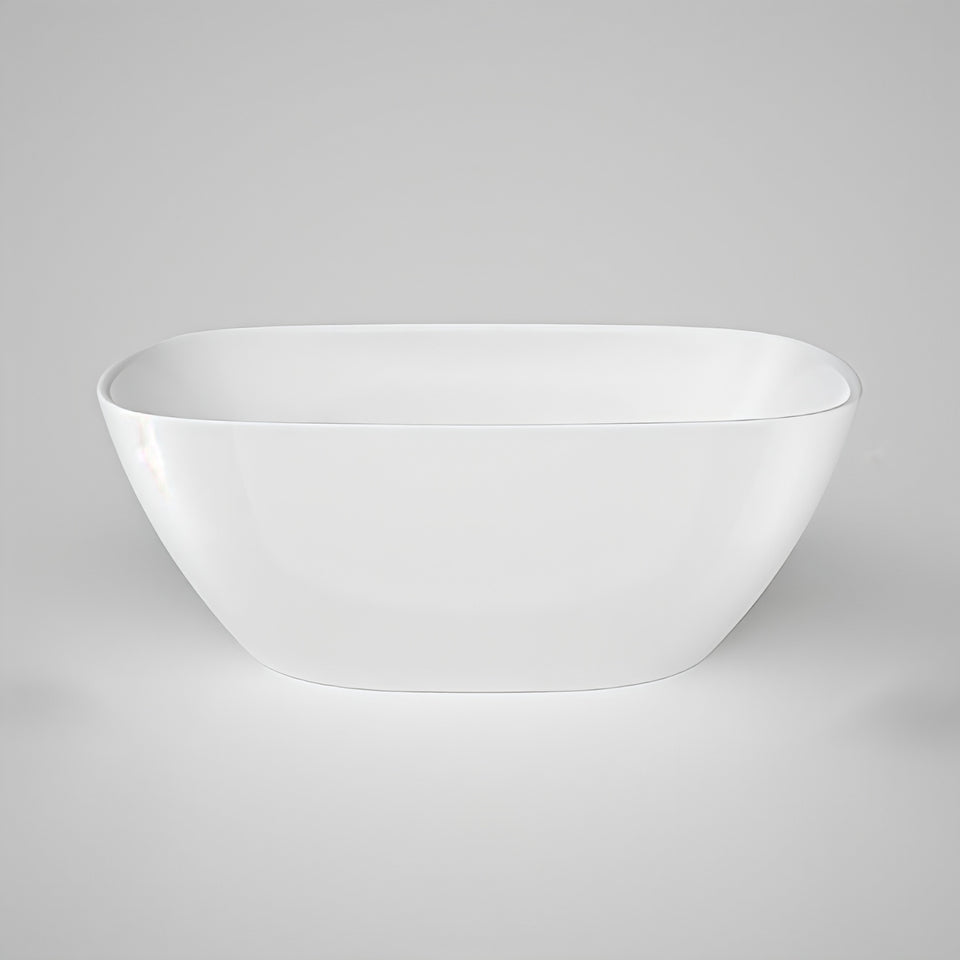

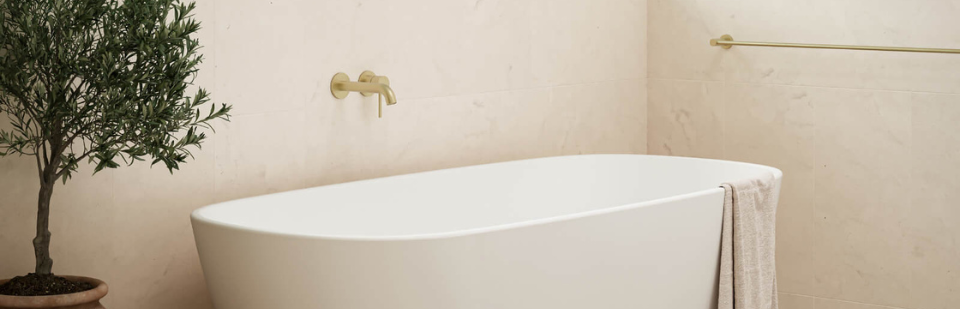
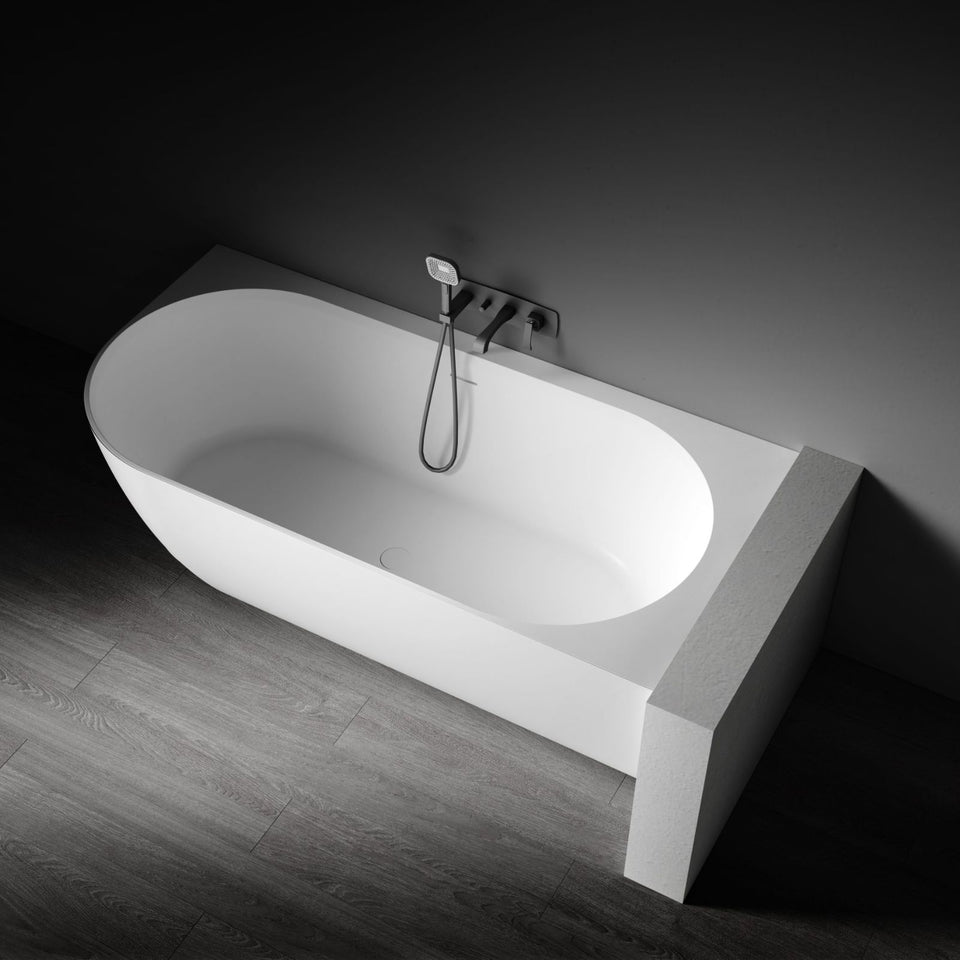
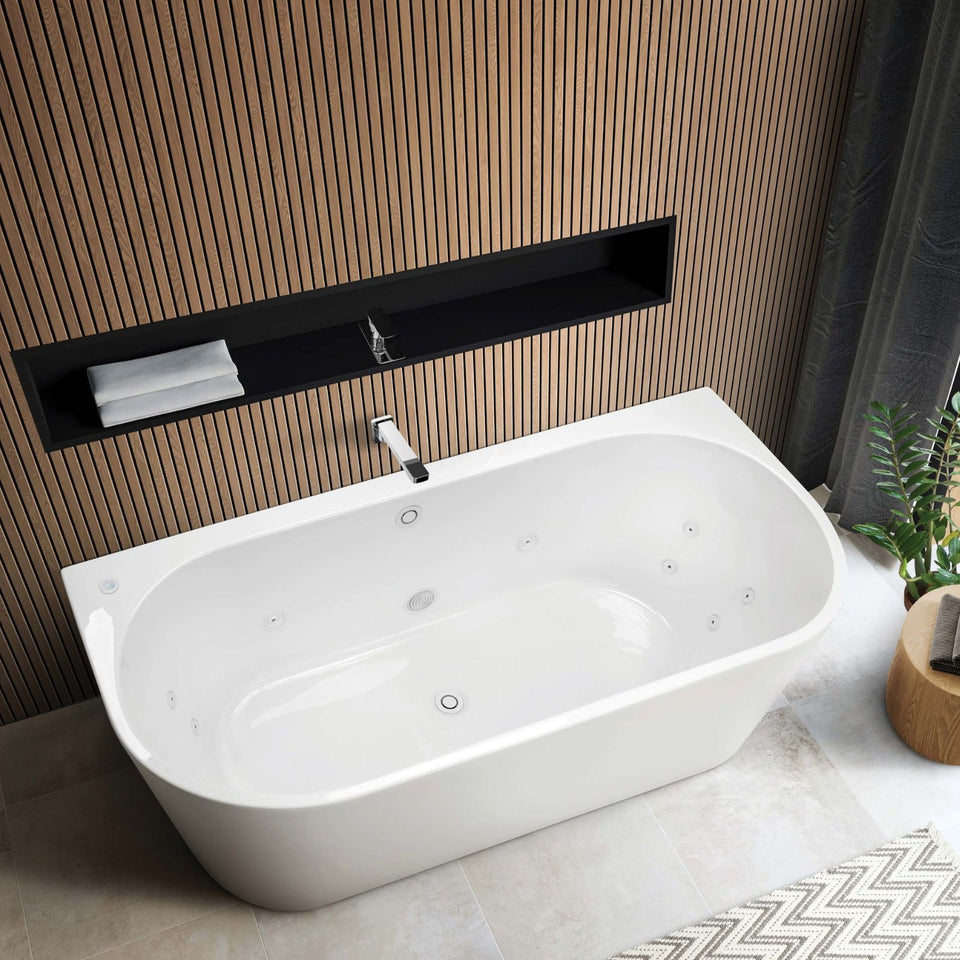
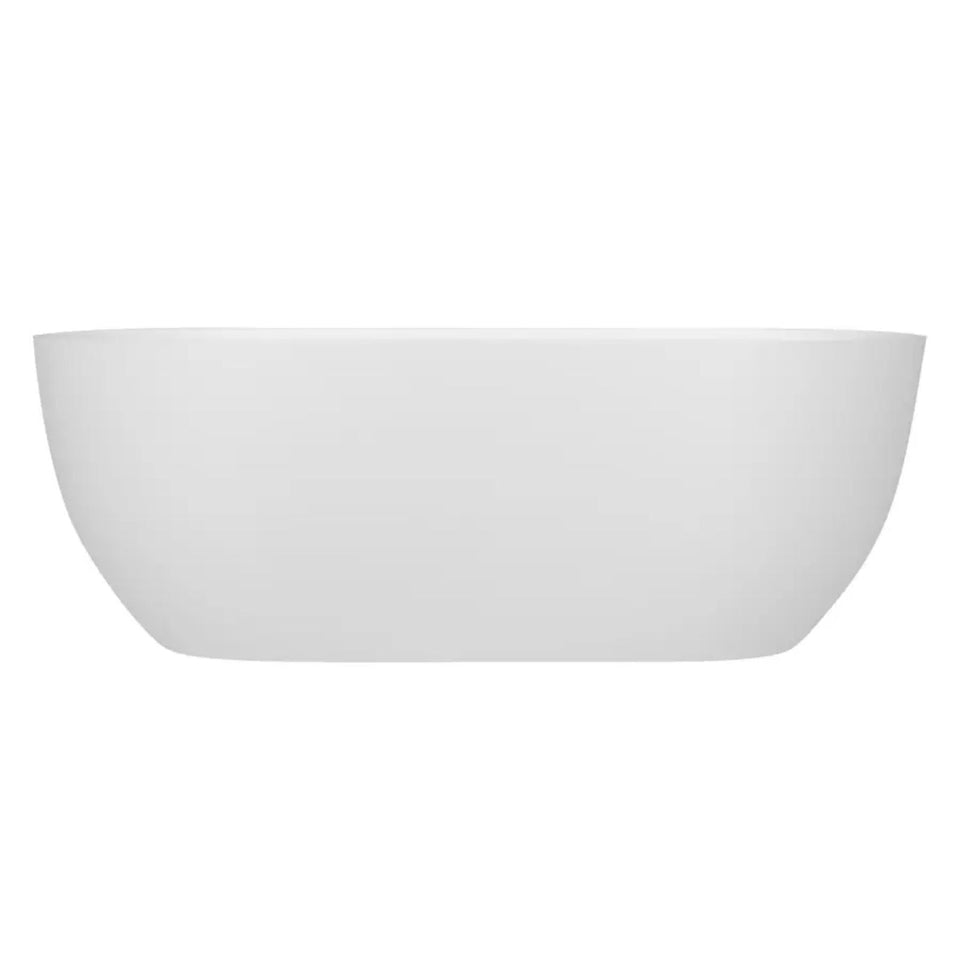
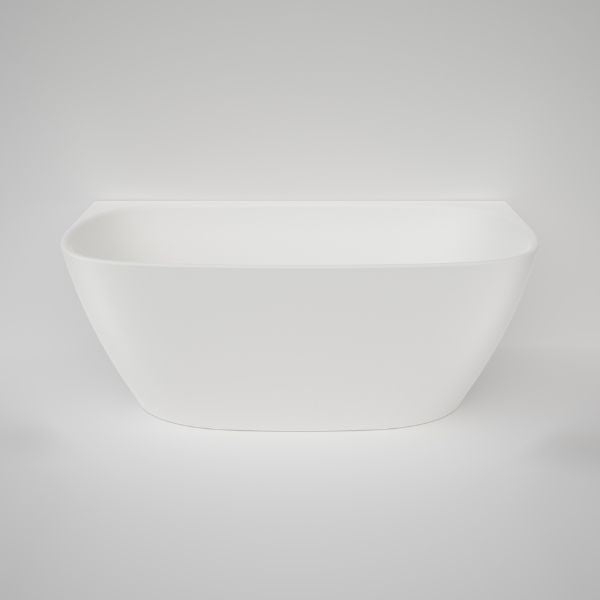
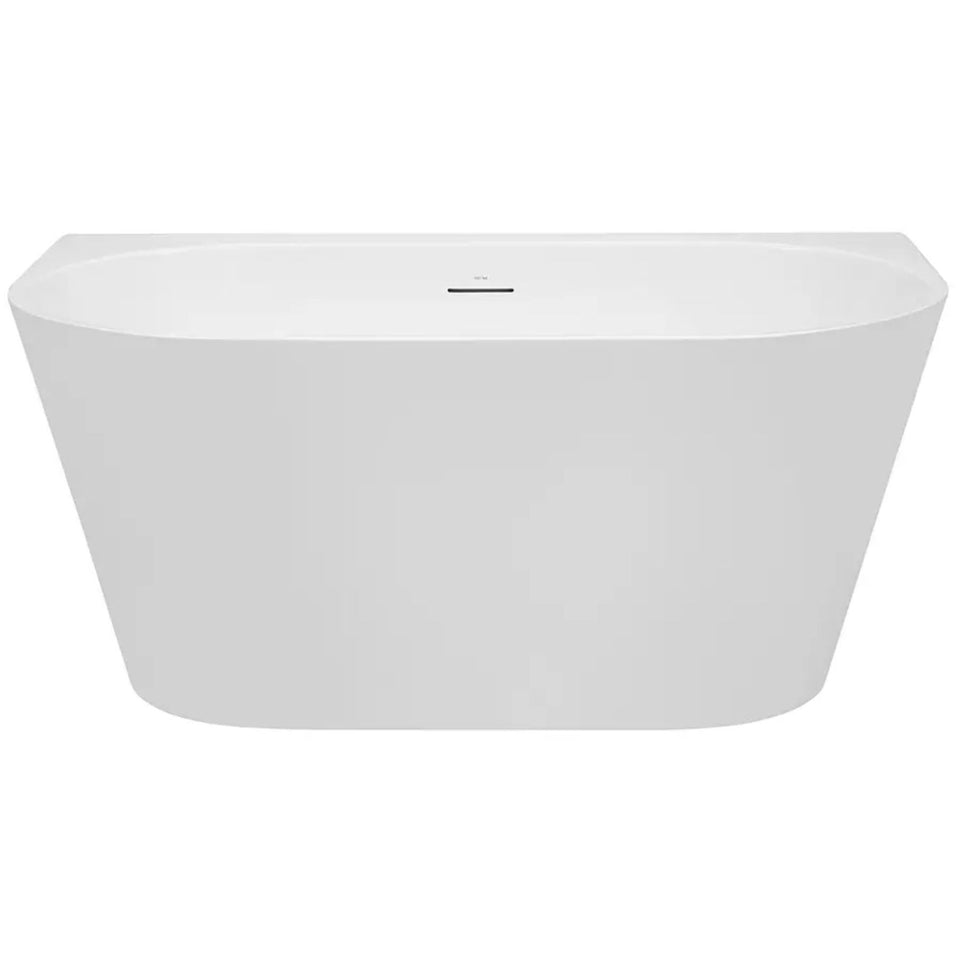
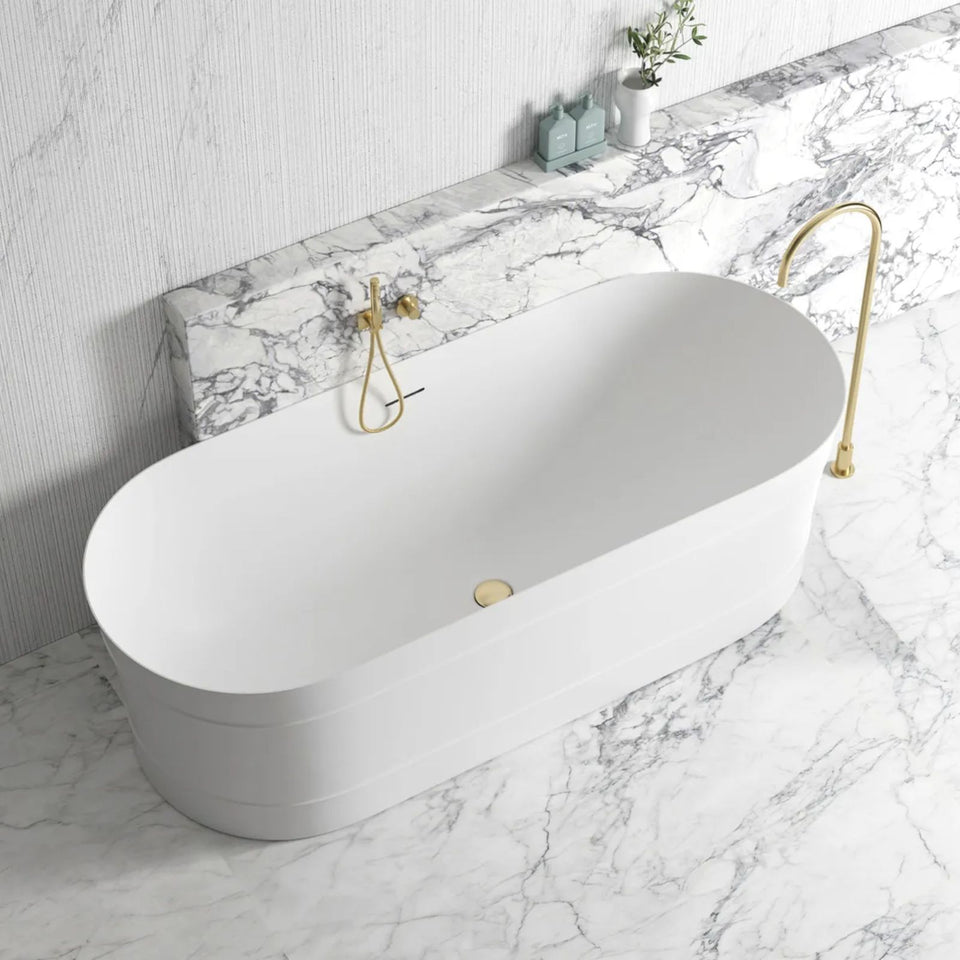

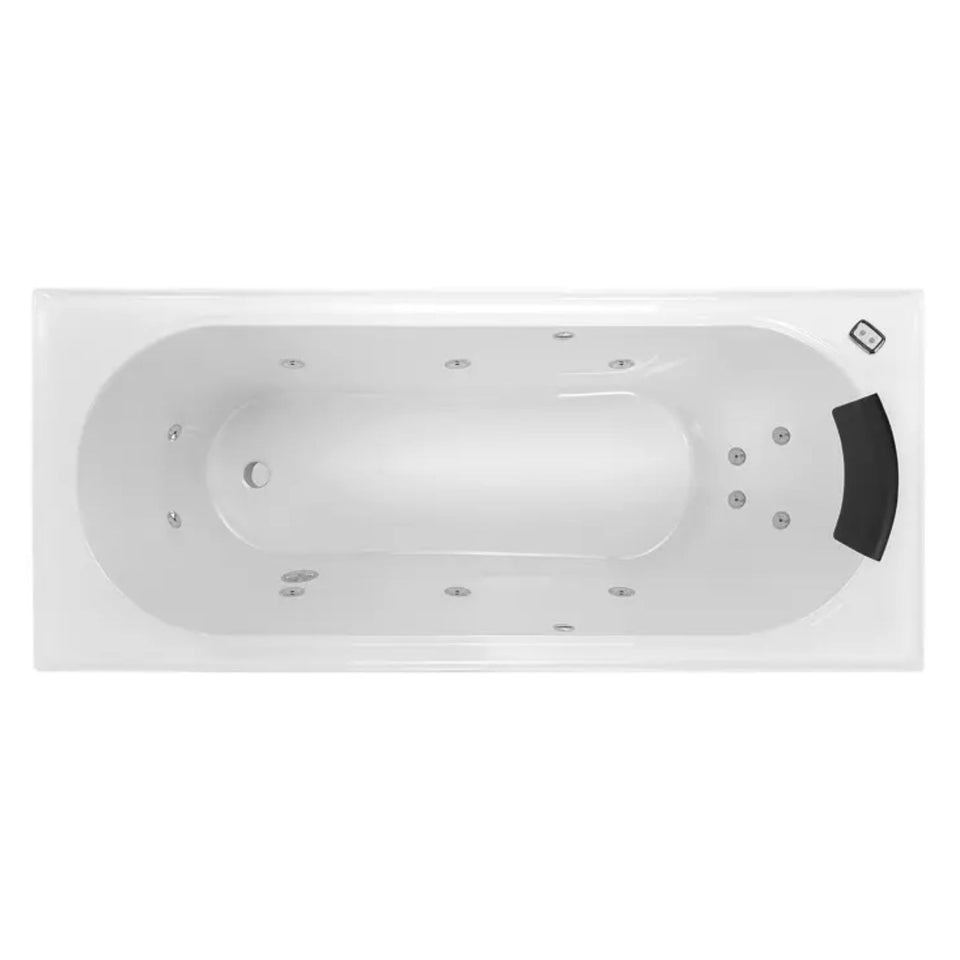
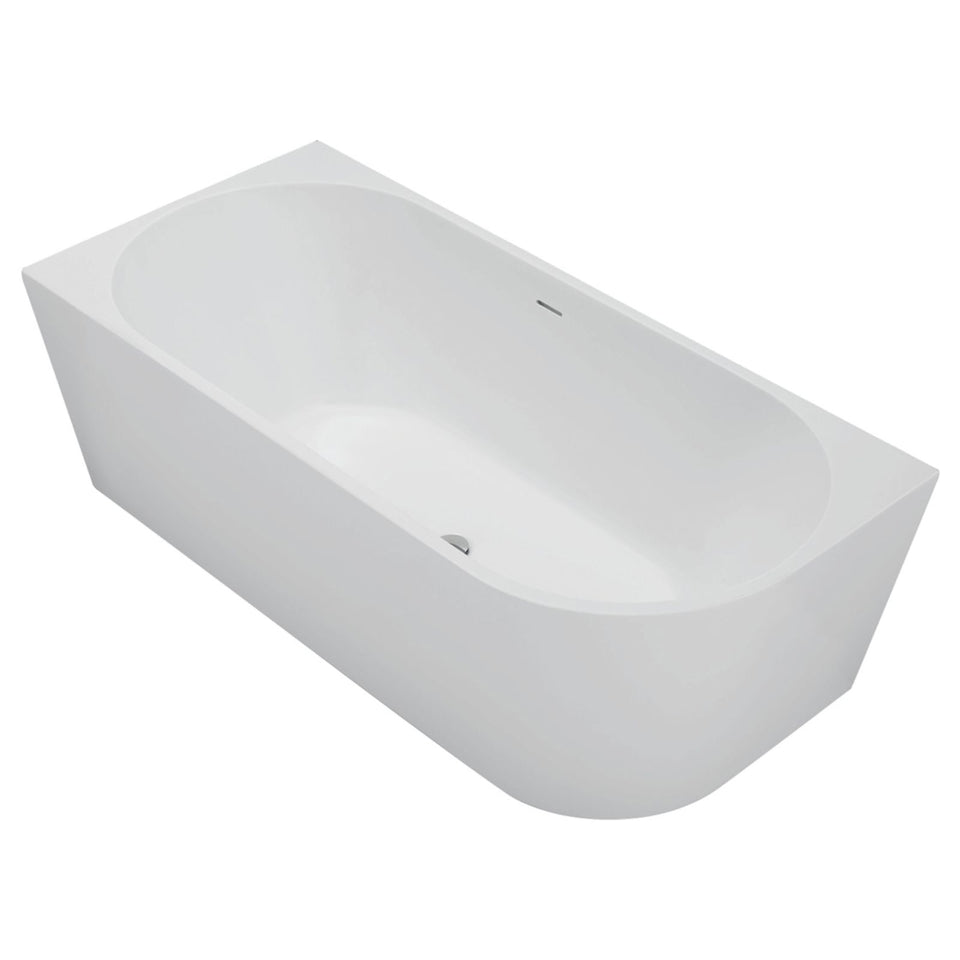

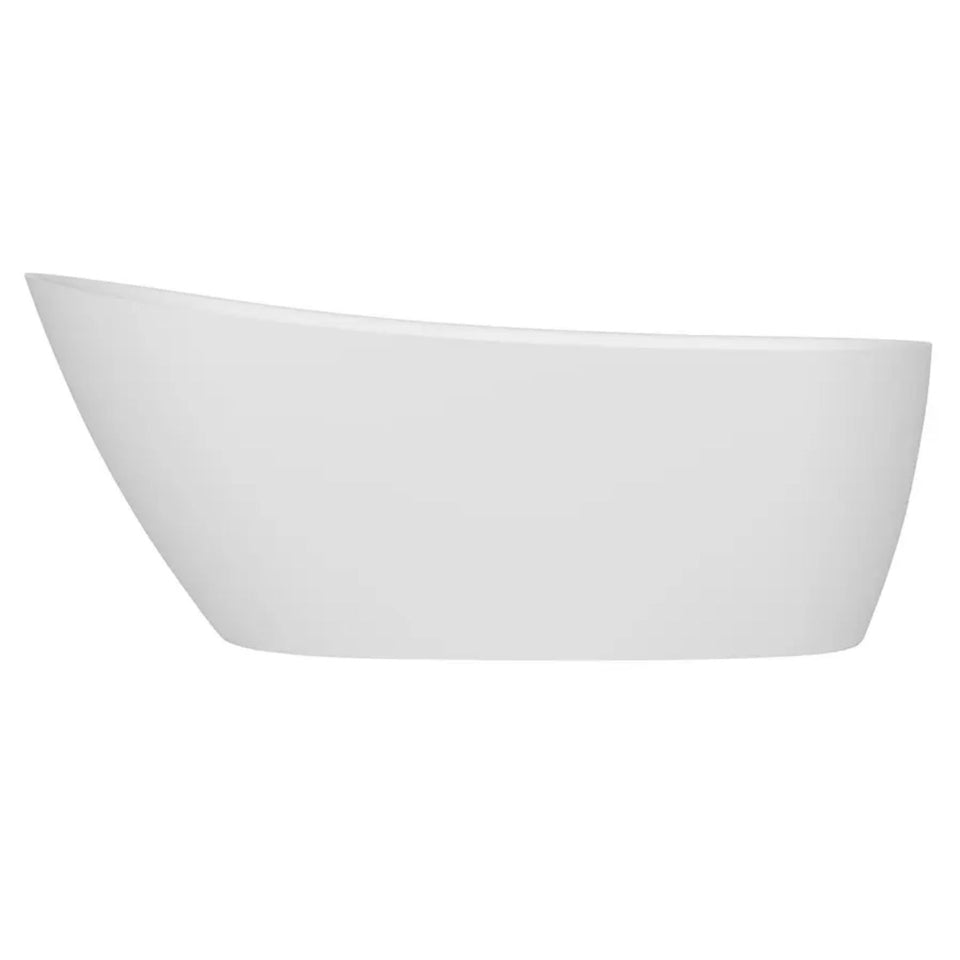
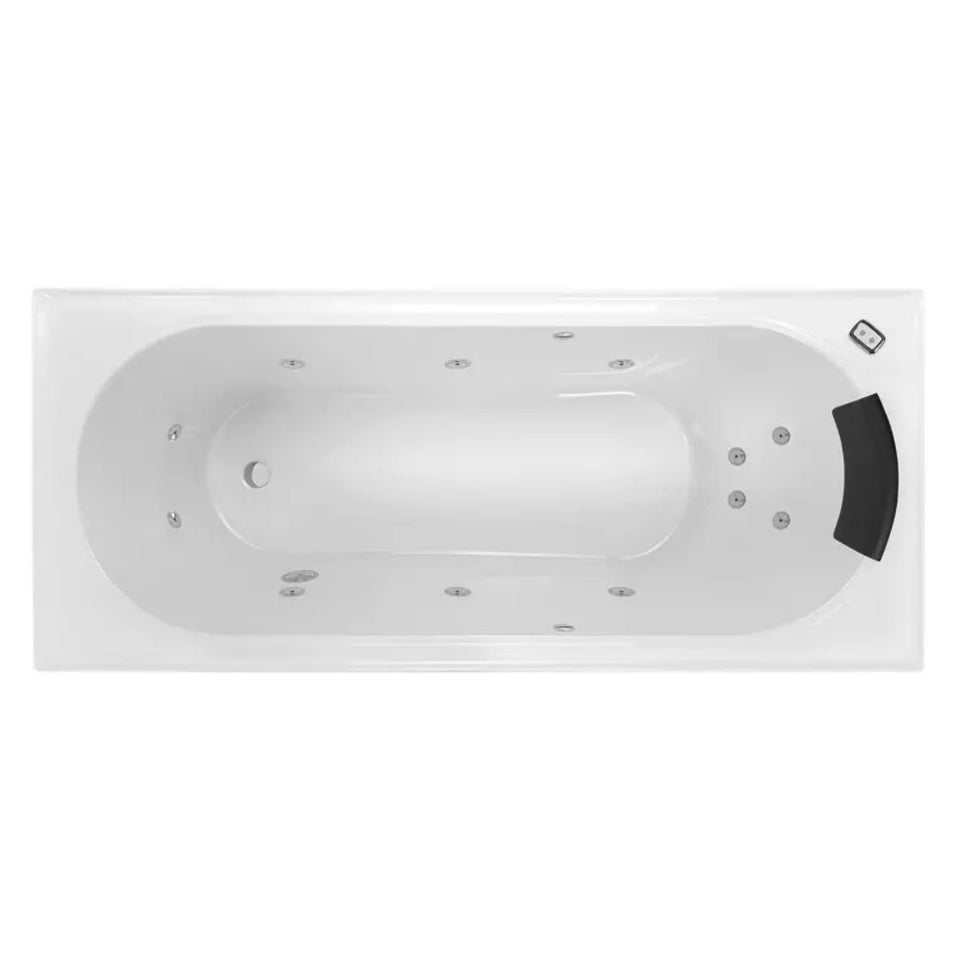
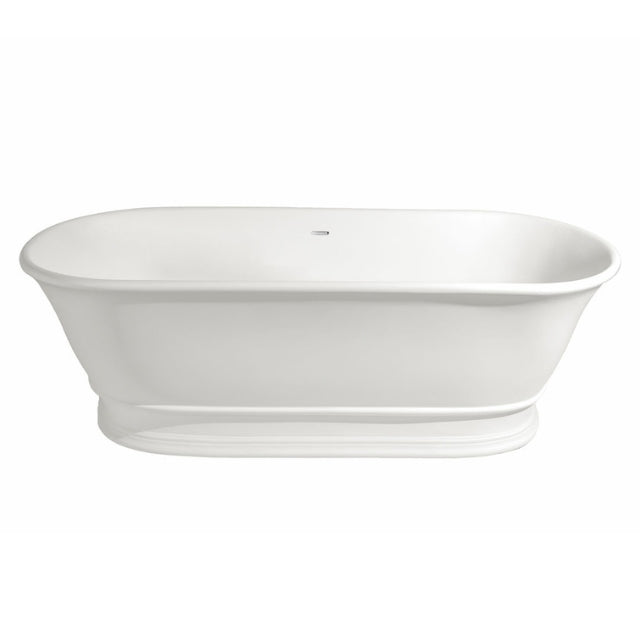
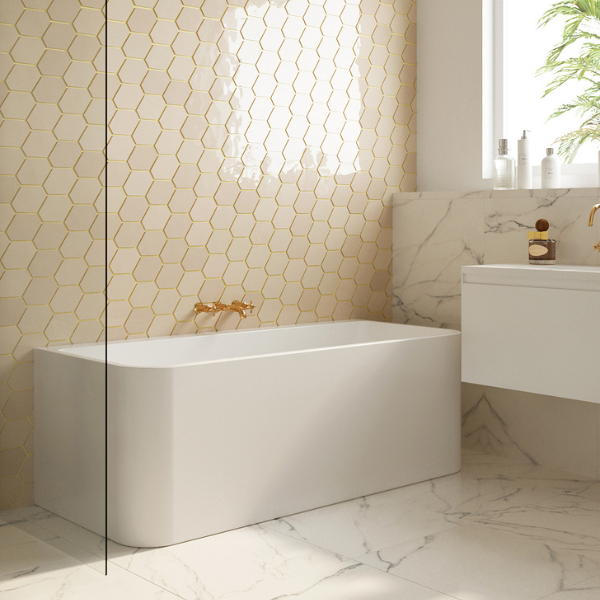

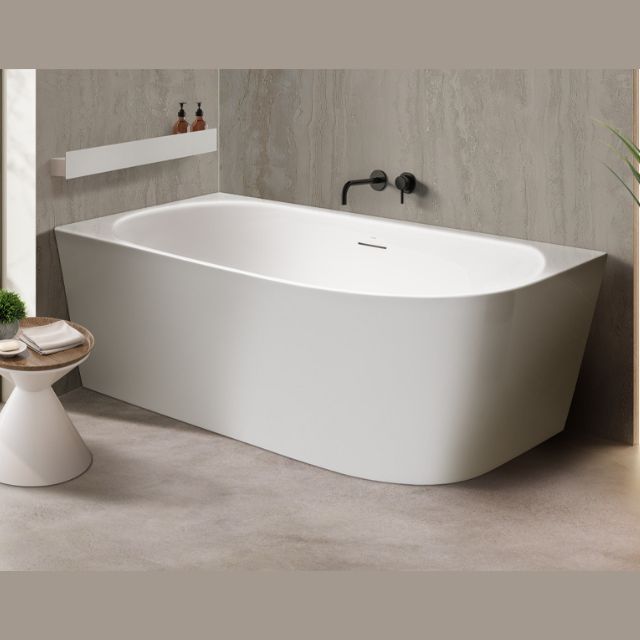
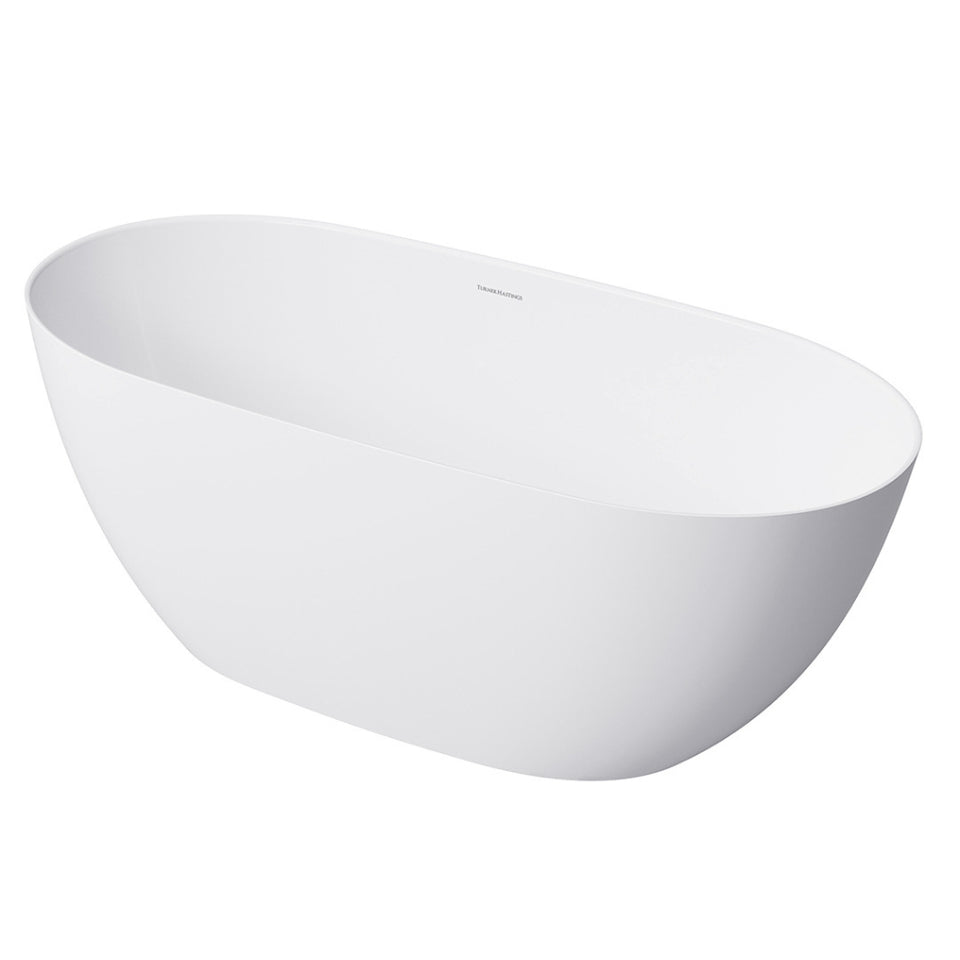
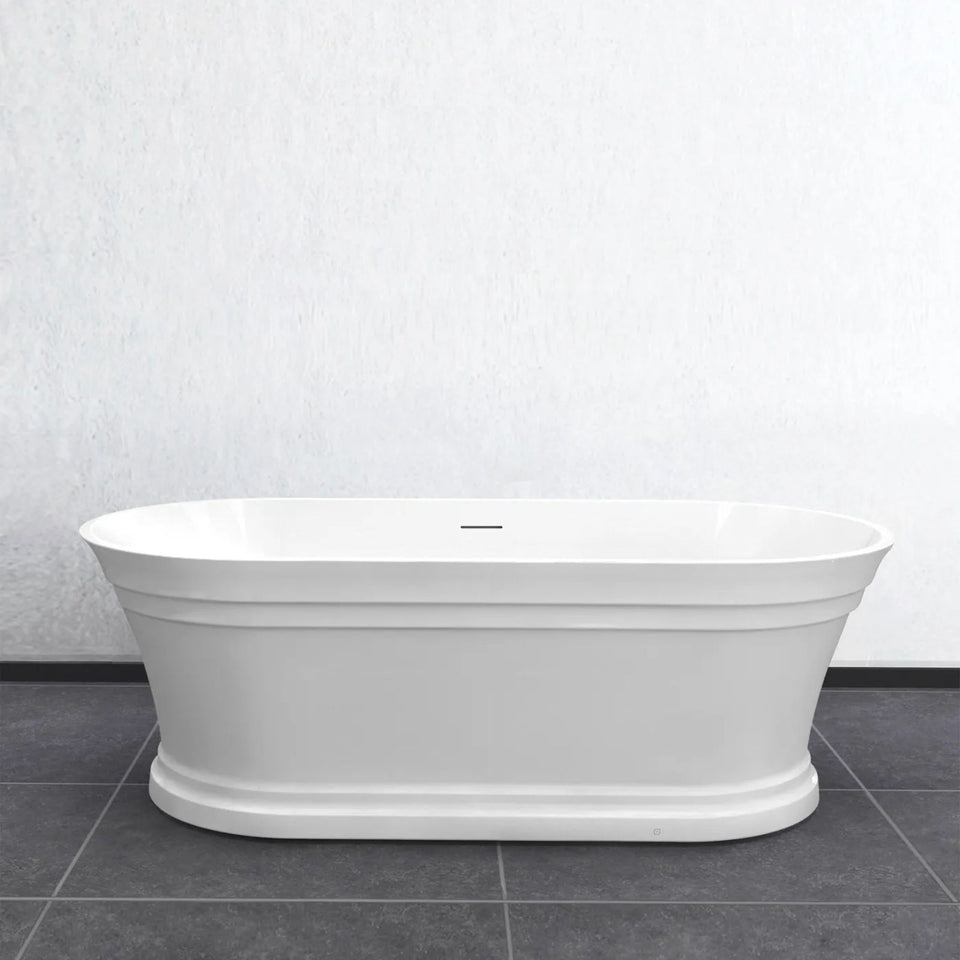
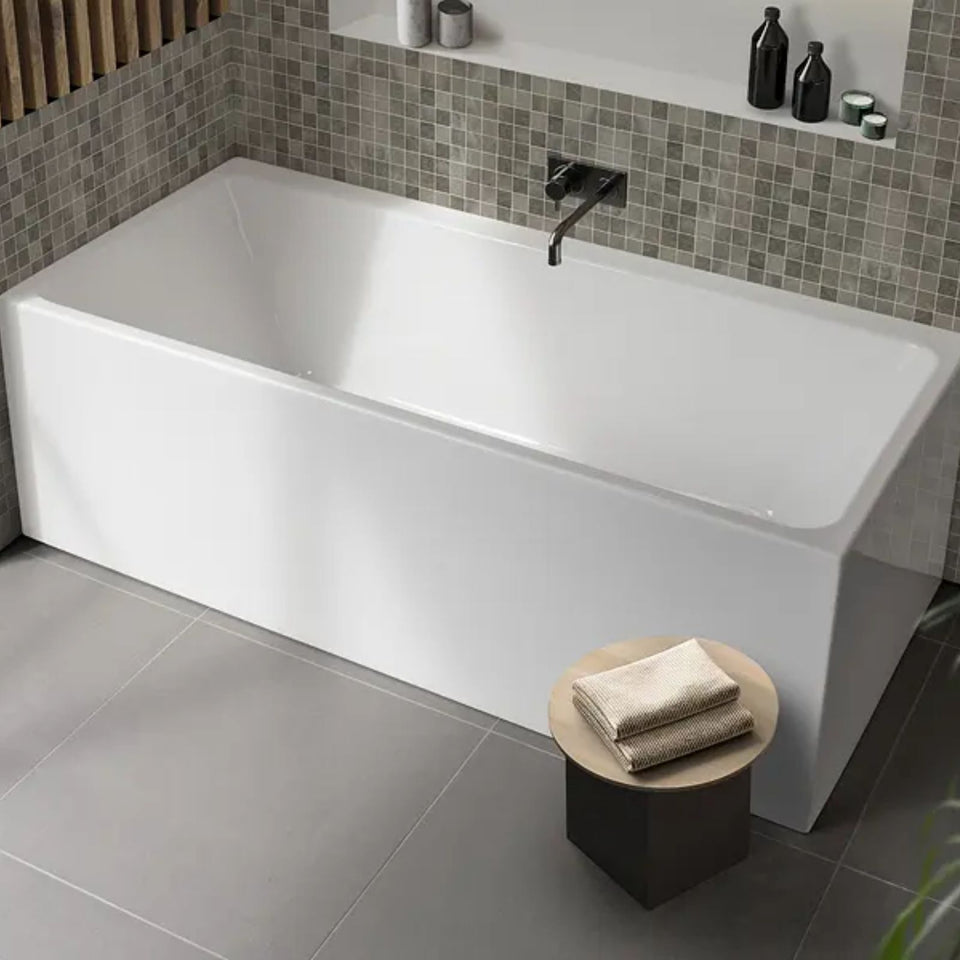
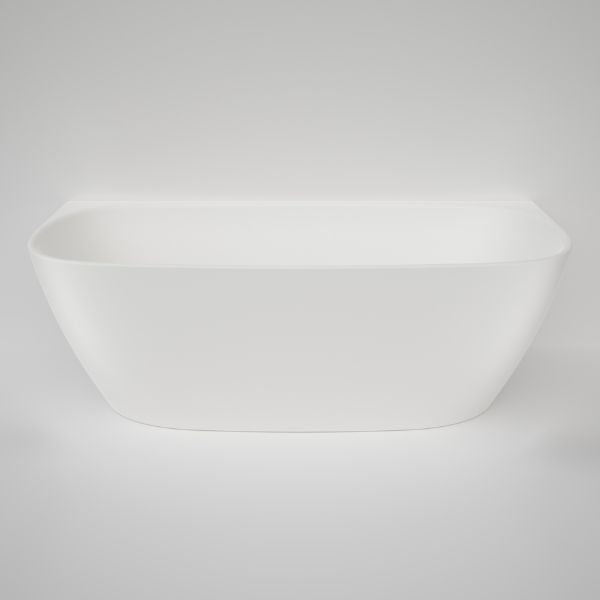
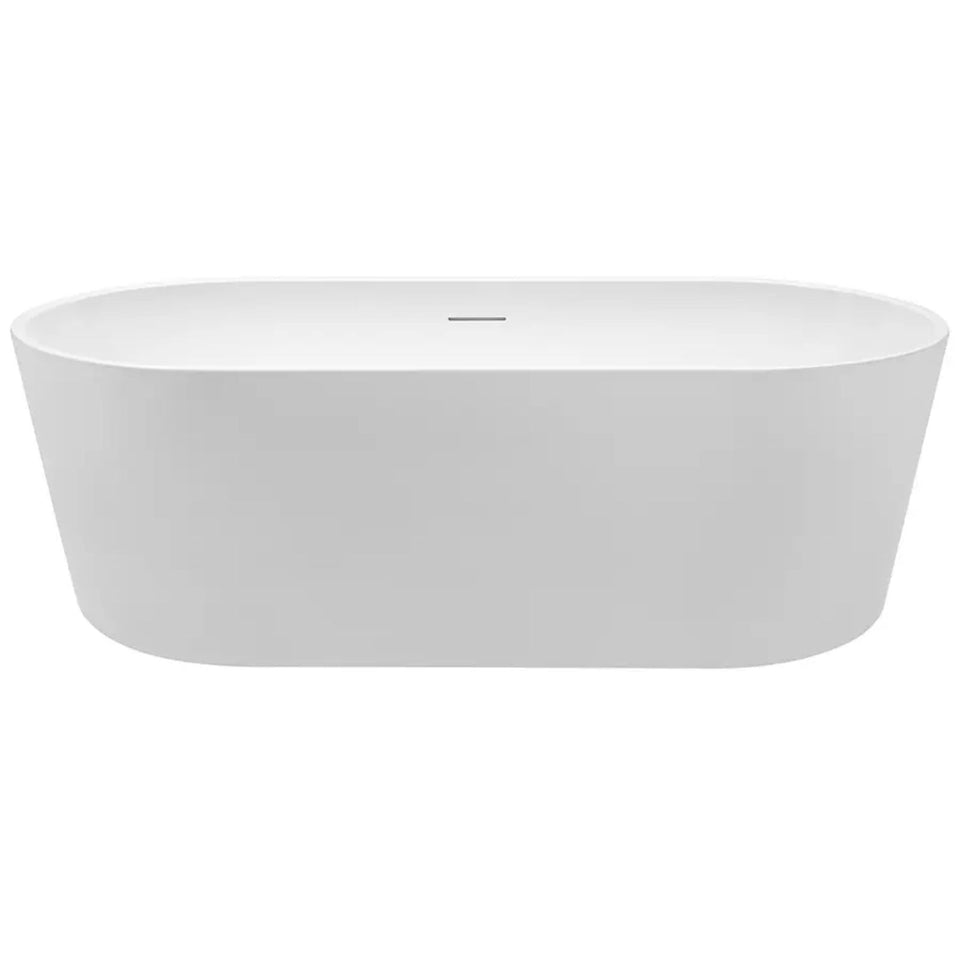
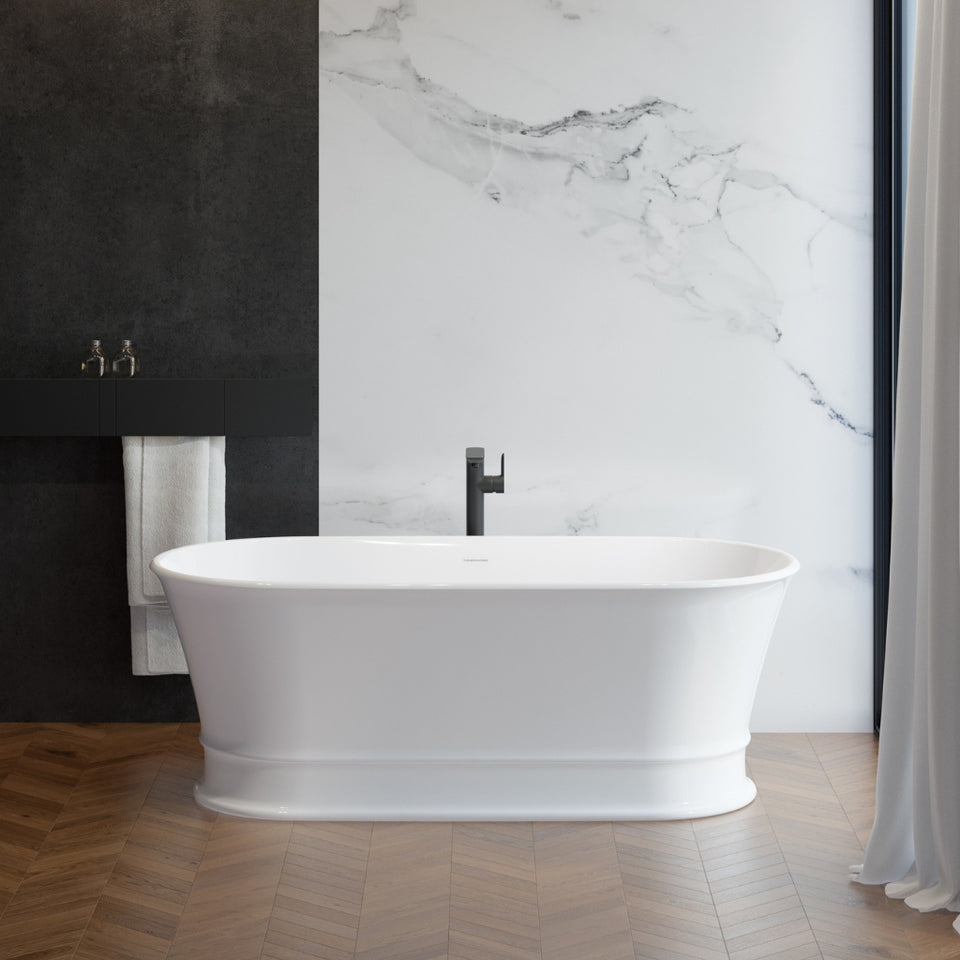
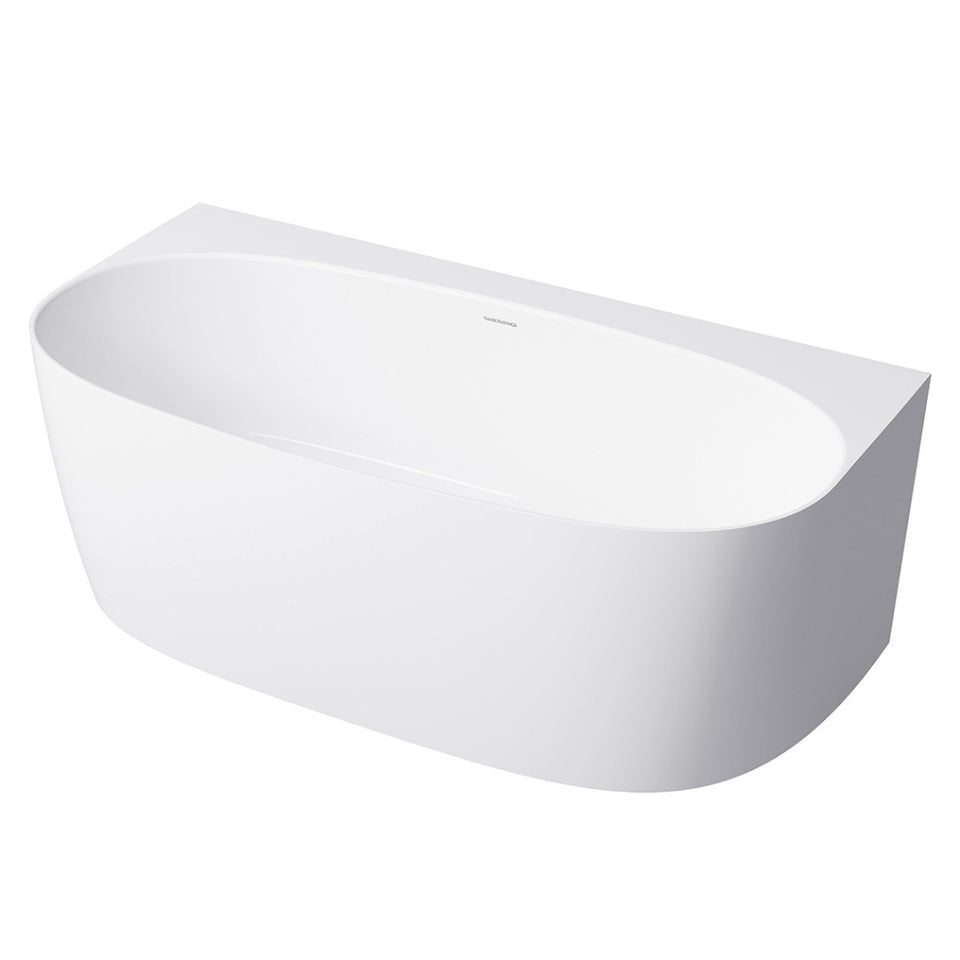
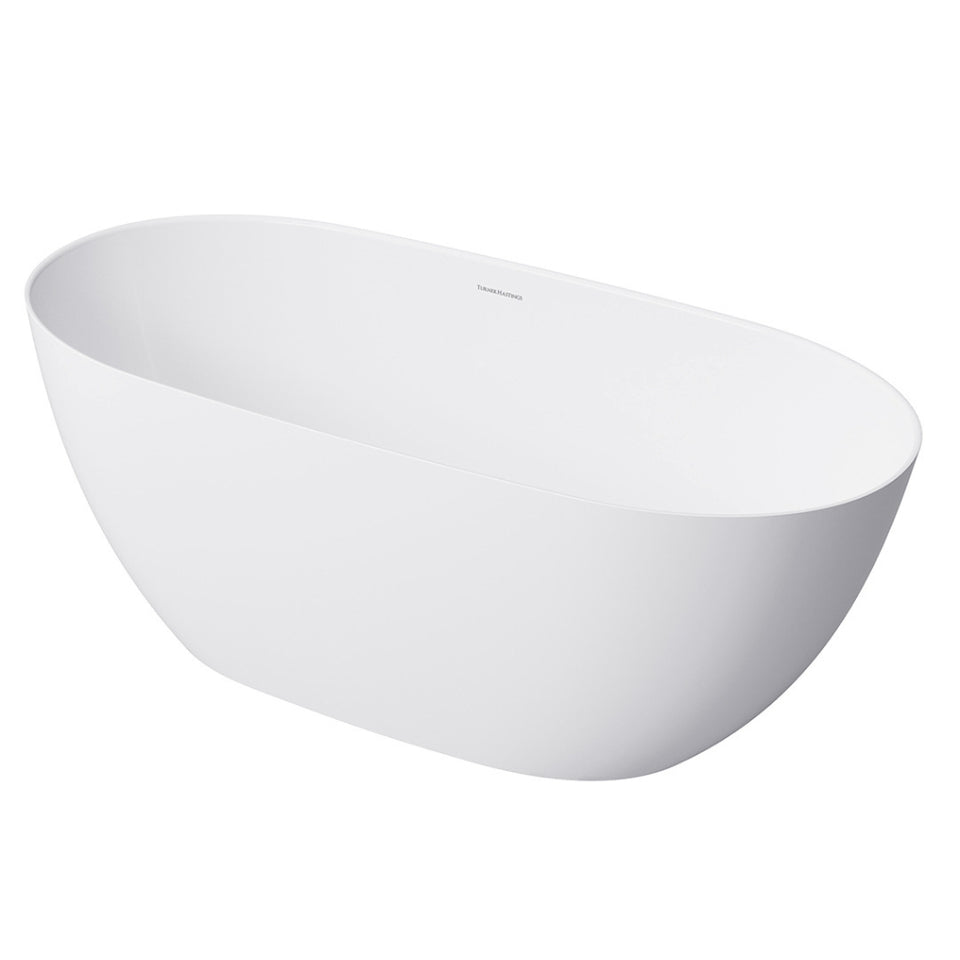
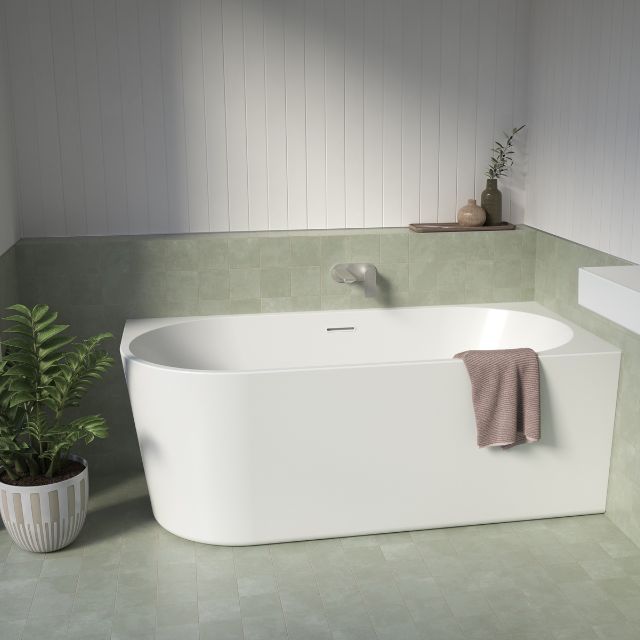
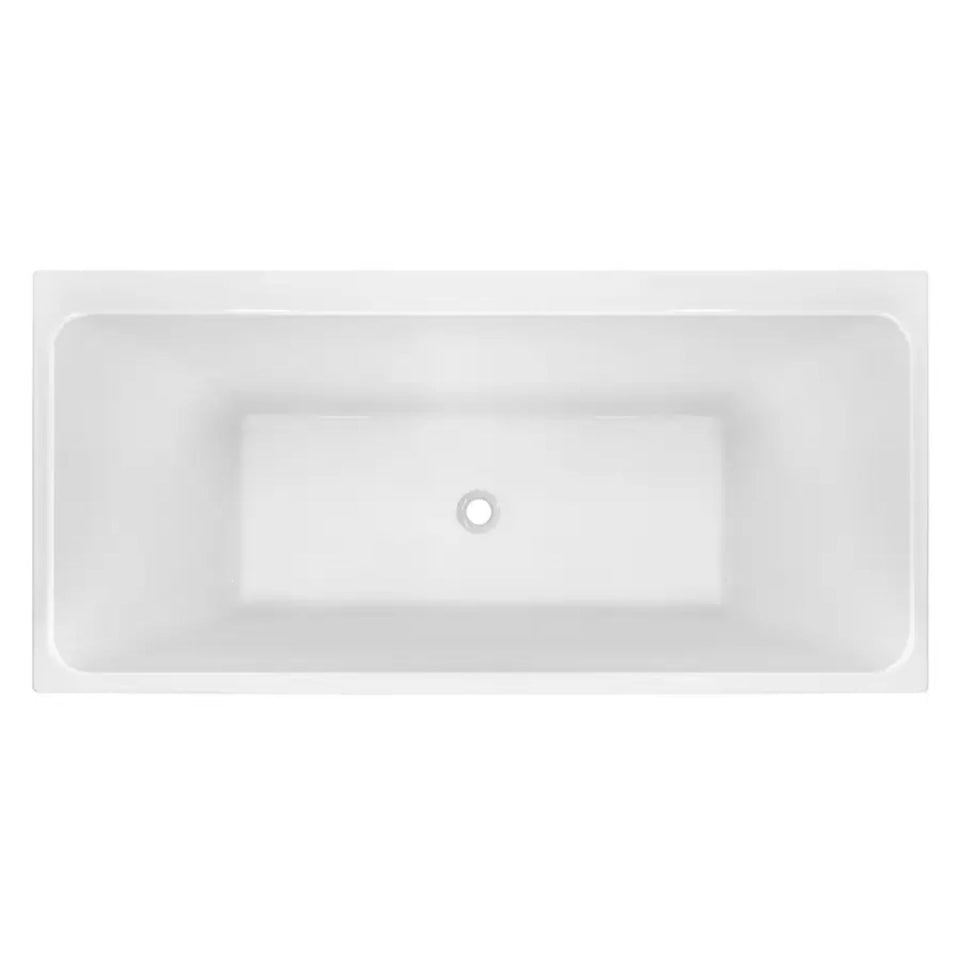
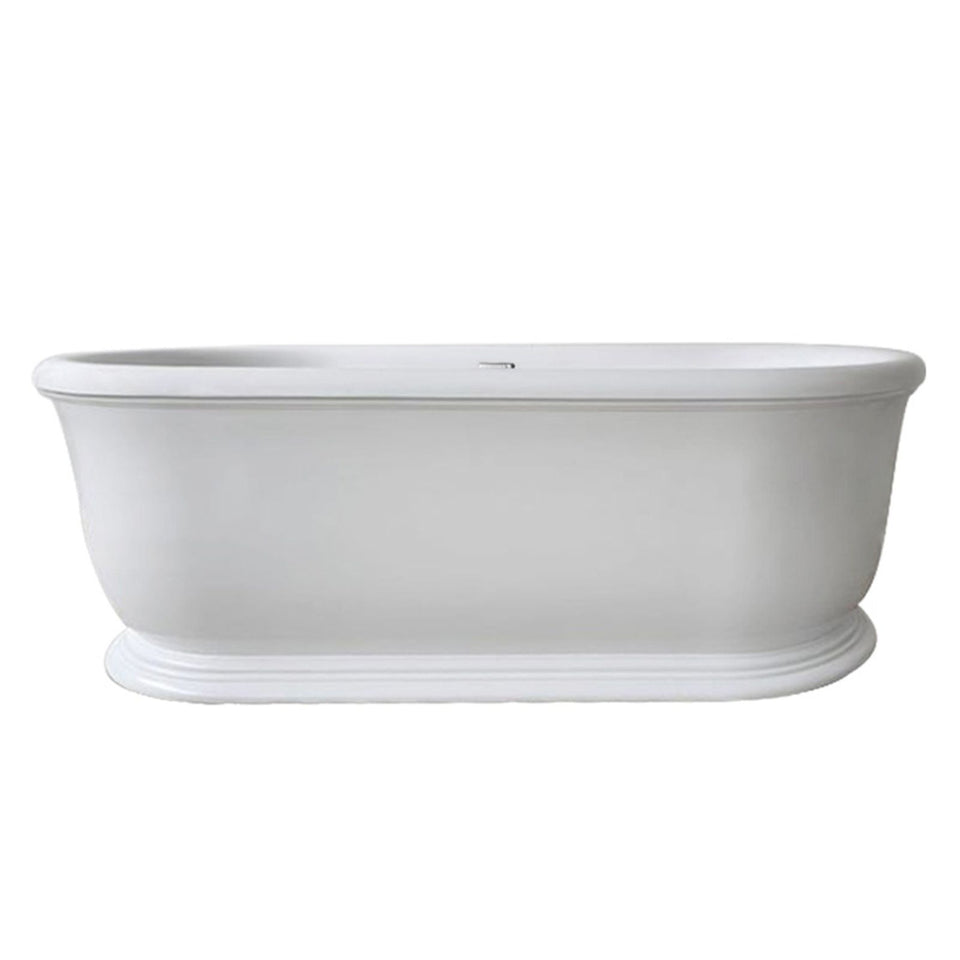
Baths are bathroom fixtures designed for full-body bathing, available in several installation types to suit different layouts. The main categories are freestanding baths, back to wall baths, corner baths and inset baths, with spa baths offering water or air jets within any of these formats. The right type depends on your available floor space, your plumbing layout, and whether the bath needs to be a standalone feature or fit within an existing recess.
This collection includes baths from Caroma, Bao Bath, Decina, Fienza and Turner Hastings.
The main materials used in this collection are acrylic and composite stone.
Acrylic baths are lightweight, moulded into a wide range of shapes, and retain heat reasonably well. The surface is non-porous, so it resists staining and is straightforward to clean. Acrylic can scratch with abrasive cleaning products, though light scratches can usually be buffed out.
Composite stone baths are heavier and feel more solid underfoot and to the touch. They retain heat for longer than acrylic and resist scratching and chipping well. Given the additional weight, it's worth confirming the floor structure can support a stone bath before installation, particularly on upper floors.
Getting the size right matters more than most other decisions in this collection, since an oversized bath can dominate a small room and an undersized bath limits comfortable use.
For inset baths, measure the alcove precisely, including any tolerance needed for tiling. For freestanding, back to wall and corner baths, measure the full footprint plus clearance space around it, and confirm door swing and access to the vanity or toilet aren't affected.
To narrow the range by size, this collection is grouped as follows:
Renovators replacing an existing bath generally start with the installation type already fixed by the existing plumbing and recess, particularly with inset baths, where the alcove dimensions set the available size range. Where the layout is changing, or the bathroom is being reconfigured from scratch, there's more flexibility to consider a freestanding or corner bath instead.
Brand selection across Caroma, Bao Bath, Decina, Fienza and Turner Hastings largely comes down to design detail, finish options and warranty terms, since all five brands offer acrylic and composite stone options across the installation types covered in this collection. Also consider bath plug and wastes that match your tapware colours.


