
*View accurate shipping rates and availability






250 Items




Up to 70% off across the store, plus free towels and mirrors up for grabs on orders over $800*


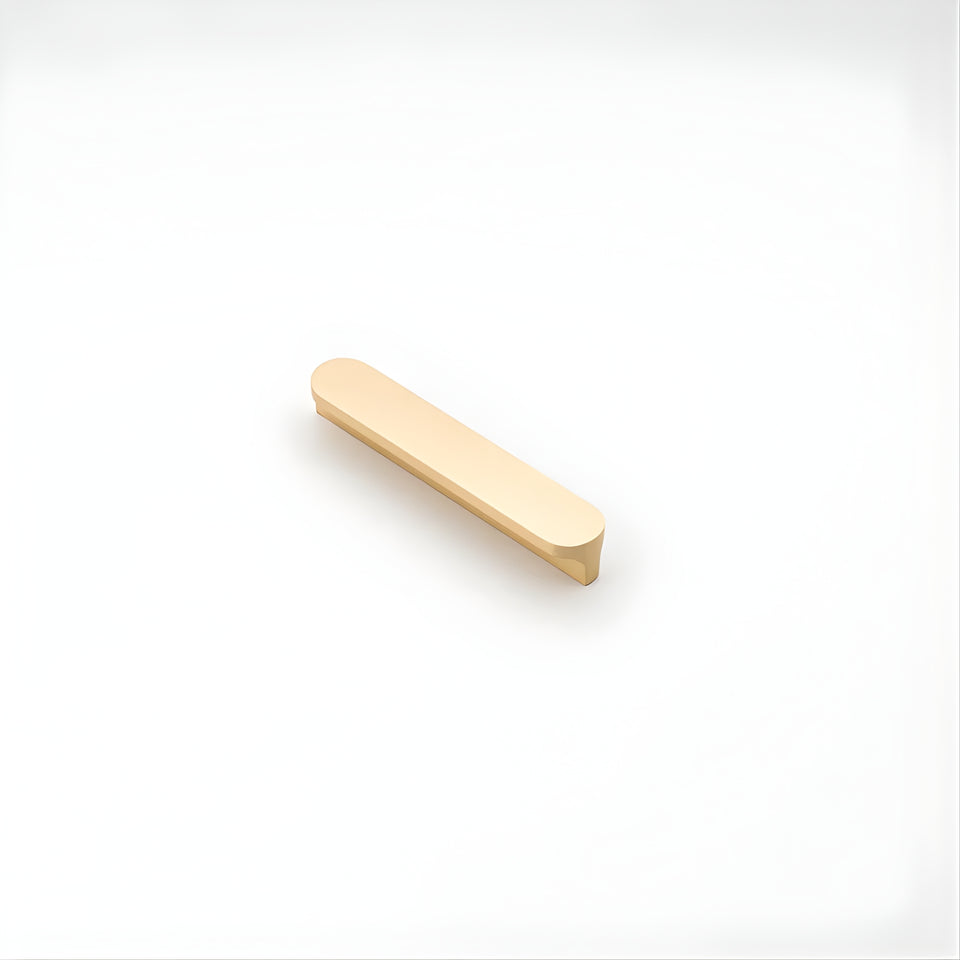
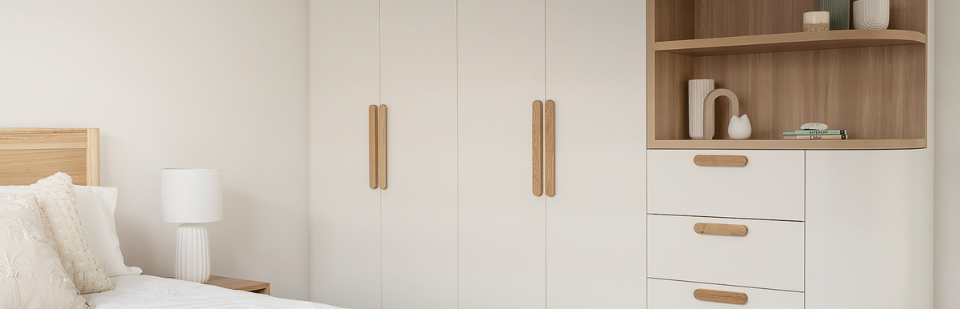




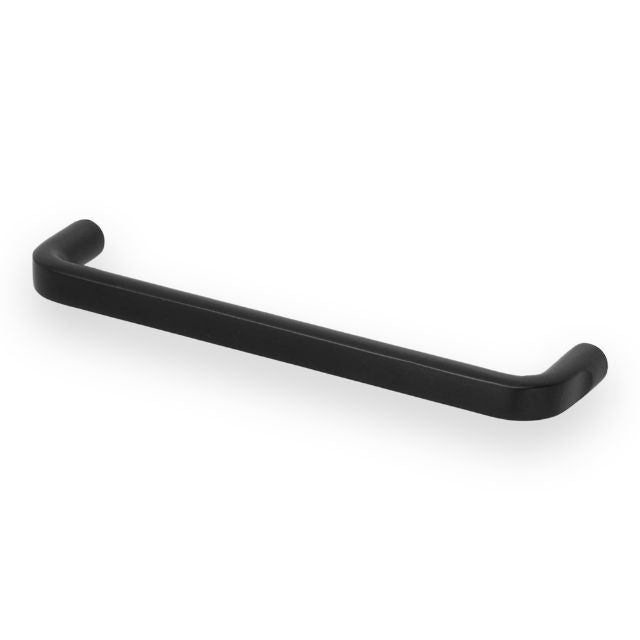
Castella is an architectural hardware label, and this page holds its cabinet handles, knobs, pulls and appliance pulls. It is not related to the other businesses that share the name, such as quarries or cookware. The ranges differ in style and material, and the listings also say where each is made. The guide takes the choice in the order that saves most mistakes: the style of range, then the type, then the size and hole centre, then the finish, then the fixing. For handles from every maker, start at cabinet handles.
Castella ranges fall into four groups, and picking the group first narrows the list quickly.
The traditional and Hamptons group suits classic joinery. It includes the Century range, inspired by classic Italian design and made from recyclable zinc alloy with ribbed detail at each end. The Shaker fluted knob belongs here, as do the Bentleigh knobs in polished chrome, dull brushed nickel and brushed antique brass, and the Windsor handle comes in antique brass, nickel and pewter finishes. The Harvest and Plume handles from the Artisan collection come in antique brass and tin finishes. The Buckhurst range is Art Deco in style, drawn from the 1920s and 1930s, with symmetrical detailing and an offset knob, and the Hastings knob on a backplate adds a heritage-style backplate to a rounded knob.
The modern and minimal group suits flat-panel and Shaker doors with clean lines. It includes the Cove pull and the Dune D-pull, plus a curved wave handle. The Reed and Leaf handles sit alongside the Urbane round knob and the Terrace bar handle, the Ledge is a lip pull, and the Imperia is a pull with triangular accents. The Corner handle from the Nostalgia collection takes its cue from mid-century design, and the Stream, Flint and Coast handles are made in stainless steel.
The textured group adds grip and light. The Grove range has knurling on solid brass, the Monaco range has knurled pull handles and knobs, the Decade ridged handle has fine ridges on a rounded profile, and the Ridge appliance pull has fluting. A handle supplier notes that knurled and ribbed surfaces catch the light and give the hand more grip, and that they hide fingerprints too.
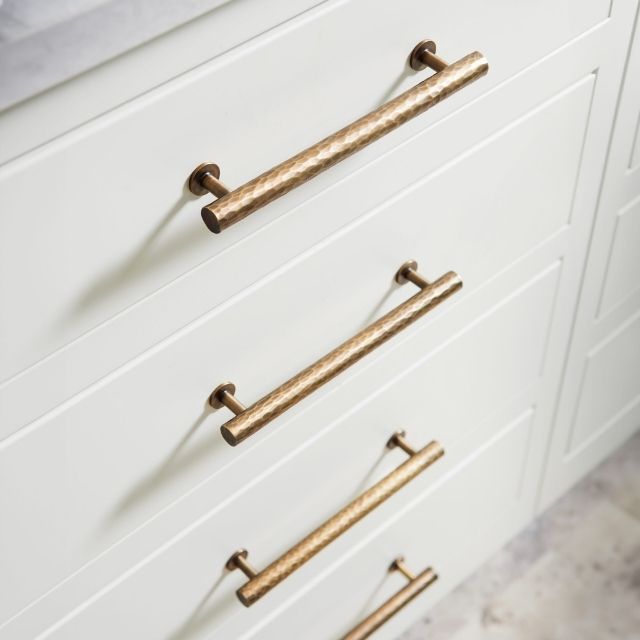
The statement group is made of materials with character. The Tarn handle is hammered solid brass made in England, the Tullah is a handcrafted lip pull in reclaimed Tasmanian Oak, and the Tundra handle is walnut timber with solid brass end caps. Use one of these as a single feature, such as on a pantry door or an island run, and keep the rest of the kitchen quieter.
The range pages are the place to see one family in full: Reed, Decade, Cove, Dune, Century, Bentleigh, Cascade, Coast, Ridge, Grove, Buckhurst, Tarn and Tullah.
The material is on the spec line of every listing, and it changes the weight and the care. Solid brass is used in the Decade, Ridge, Tarn and Hastings cup pull ranges, and zinc alloy is used in the Century, Shaker, Dune and Urbane ranges, with the Century listing describing the alloy as recyclable. Aluminium is used in the Reed and Leaf handles, which makes them lighter in the hand. The Stream pull is tubular 304 grade stainless steel and the Flint T handle is solid 304 grade stainless steel, while the Coast range is 316 marine grade stainless steel, and its listing suggests a stainless steel polish to keep the surface looking new. The Tullah and Tundra handles use timber.
The listings also name where several ranges are made. The Cascade and Monaco ranges are listed as designed and crafted in Italy, and so are the Terrace, Imperia and Shaker. Dune and Urbane are listed as crafted in Spain from zinc alloy, and Tarn is listed as made in England from solid brass. These are facts about those ranges and not a rule about the whole label, so read the listing for the handle you choose.
A few ranges are built around one idea and are worth a closer look. The Cascade range has painted finishes in antique brass, matt black, matt gold and bronze olive, and comes as a handle and a cup pull, with a 30mm cone knob and a 25mm round knob, so a single finish can run through the whole kitchen. The Monaco range comes in matt black, matt gold, matt rose gold and polished chrome, with a 30mm round knob and a 60mm T-knob. The Disc is a 60mm round piece in zinc alloy that works as a cabinet knob or as a coat hook, which suits a laundry, a mudroom or the back of a wardrobe door.
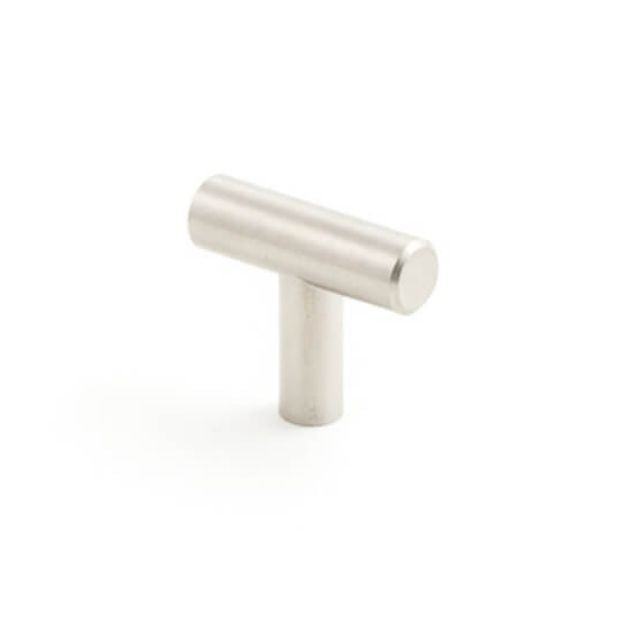
A knob fixes with one screw and suits a small door, while a pull fixes at two points and gives a firmer grip on a drawer. The Castella ranges cover both, and often one design comes as a knob and a pull, so a kitchen can use knobs on the doors and pulls on the drawers. A cup pull is the hooded half circle common on Shaker and farmhouse fronts, and the Cascade and Hastings ranges include one. A lip pull sits along the top edge of a drawer or door, and the Ledge range is listed as a handle-less style that still gives you something to open with, in bronze, black, white and stainless steel. A T-bar handle is a bar on a single stem, and the Coast, Flint and Monaco ranges include one. See cabinet knobs, cup pull handles and lip pull handles for the full lists.
Some knobs sit on a backplate. The Hastings 38mm knob and the Decade 38mm knob both come with a backplate, which also covers the area around the hole and gives the knob a heritage look. Appliance pulls are the long end of the range, and the next section covers them with the other sizes.
A pull is sized by the distance between its two screw holes, measured centre to centre, and not by its overall length. If you are replacing handles, measure the holes in your doors first. A stockist's size guide gives the same advice, and adds that knobs of 30mm to 38mm are the usual range, since smaller knobs can be hard to grip and larger ones can look out of place on a door.
The listings give real figures for the pulls. The Cove pull comes with 160mm and 320mm centres, 172mm and 332mm overall, 32mm wide and 26mm off the door, and the Terrace bar handle comes in 160mm and 224mm, then 320mm, with a 29mm projection and an 18mm width. The Grove range comes in 128mm and 192mm, then 256mm, and the Imperia pull comes in 160mm and 192mm, then 320mm. The Windsor handle comes with a 30mm knob and 128mm or 160mm centres, and the Plume handle with a 30mm knob and a 96mm centre and a 25mm projection. The Coast pull is listed in 128mm and 192mm lengths, then 288mm, and the Tullah lip pulls are round or semi-circular in 90mm and 140mm diameters.
The one-third rule gives a starting length: choose a pull about one third of the width of the drawer or door front, so a 600mm drawer points to a handle near 200mm. It is a starting guide and not a strict rule. Wide pan drawers and pantry doors take the longer centres, and wall cabinets take smaller knobs or short handles. Appliance pulls in this range include the Grove 450mm appliance pull and the Ridge 352mm appliance pull in solid brass, and the Decade appliance pull is also solid brass. These pulls are made for integrated fridges, dishwashers and ovens. See appliance pull handles.
Projection is how far the handle stands off the door, and the listings give it as a spec line. The Cove is listed at 26mm, the Terrace at 29mm and the Plume at 25mm. A taller projection gives the fingers more room, and a shallower one keeps a profile close to the door in a narrow aisle or a bathroom. Choose the same projection across a run so the line of handles reads evenly.
The finishes on the listings include antique brass, satin brass, brushed brass, matte black, bronze, bronze olive, dull brushed nickel, polished nickel, polished chrome, pewter, matt gold and gunmetal. Several finishes are PVD coated, such as the gunmetal and satin brass finishes on the Hastings knob. The Dune and Urbane ranges add painted finishes in dusty sand, olive, rose and blue, which is useful when the handles should read as part of the door colour. Brass and bronze develop a natural patina over time and can be polished back to the original look. Polished chrome and nickel show fingerprints readily, and matte finishes show them more than brushed ones.
Finish guides treat the three warm metals as different looks. Brass has the most range. It is naturally corrosion resistant, which is why it suits humid rooms and coastal homes, and it comes lacquered, unlacquered, brushed or antique. Lacquered brass is sealed to keep its shine and needs less upkeep, while unlacquered brass is left raw and deepens in colour as it ages. Brushed brass has a muted, subtle texture that resists fingerprints, which suits a busy kitchen, and antique or aged brass is pre-oxidised to give a vintage look from the first day. Brass pairs with natural stone, timber and deep, moody paint colours.
Bronze is earthier and more muted than brass, with depth and no high shine. It often comes pre-aged in a deep tone and keeps oxidising, so each handle develops its own patina, and it sits well with warm timber, stone and linen. Gold finishes are made by plating, powder coating or PVD, so the colour stays consistent and does not patina. Polished gold is bold and decorative and suits Art Deco looks, brushed gold has a soft texture that diffuses light, and matt gold is the least reflective and suits minimalist rooms. A simple test settles it: unlacquered brass or bronze suits a finish that changes, and gold or lacquered brass suits one that looks the same in ten years.
Brushed nickel is soft and understated. It diffuses light and defines the metal without making the handle the focal point, and it pairs with timber, warm whites, putty and clay tones, muted greens and soft blues and greys. Polished nickel is reflective and has a warmer undertone, so it draws attention to the shape and detail of a handle, and it works with deep greens and blues, darker timbers and warm neutrals. Chrome is the coolest and brightest of the three, almost mirror-like, and it suits crisp whites, cooler greys, black and glass, with chrome tapware a natural match for chrome handles. In a warm room with creamy stone or timber, chrome can feel out of place. Brushed finishes quiet a design, and polished finishes show off curves and edges, which is why a ridged handle looks more pronounced in polished nickel than in dull brushed nickel.
The finish pages sort the whole collection by colour: brushed brass, brushed nickel, black and bronze.
Settle the tapware, sink and appliance finishes first, then choose the handle finish to sit with them. Designer finish guides pair silver tones with white or light grey cabinetry, and with navy or green. Bronze goes with dark timbers such as walnut and rich greens, and gunmetal with charcoal cabinetry and muted blues, while black suits emerald, deep blue and white and white suits soft pastels and light timber. Kitchens and sleek bathrooms take glossy finishes such as polished nickel or chrome well, while relaxed living spaces and bedrooms suit matte finishes such as brushed brass. Wardrobes and living room cabinetry can lean on decorative finishes like brushed gold or oxidised bronze, because looks can take priority over durability there.
Finishes do not have to match exactly. A mixed scheme works when one finish is dominant and sets the tone, and the rest are accents. The sheen can also vary within one metal, for example brushed brass handles with a polished brass tap, and the finish can repeat through the room in a light, a towel hook or a shelf bracket. Warm metals suit the things you touch most, such as handles, taps and towel rails. Matching is the stronger choice in a small kitchen, laundry or powder room, where one finish cuts the clutter. It also works where the materials are the feature, such as bold marble veining or richly grained timber, and a heritage interior with aged brass or antique bronze is another case for matching. Bathroom tapware is on the taps and mixers page.
Most Castella knobs and pulls fix from the back of the door with an M4 screw, and the listings say what comes in the box. The knobs list a 22mm screw, the Grove handle comes with two 25mm screws, and the Imperia pull comes with two 22mm screws. Appliance pulls use the heavier M6 screw, as listed on the Decade appliance pull. According to a supplier guide, screws of about 25mm suit a door about 18mm thick. Check the door thickness against the screw length, and ask before you order if your door is thicker.
Before you drill, make cardboard templates of the handle and hold them against the cabinetry. The placement rules are the same across the house. Centre a handle on a drawer front, put a base cabinet handle near the top corner on the edge opposite the hinge, and put a wall cabinet handle near the bottom corner. Mark the positions with masking tape and look at them from standing height before you start.
The general rule is a soft microfibre cloth and a mild detergent or soap solution, then a thorough dry. Abrasive cloths, cleaners and chemicals can damage a finish, so keep them away. The rest depends on the finish.
Lacquered solid brass should not be cleaned with metal polish or harsh chemicals, which can damage the lacquer and cause tarnishing. Coastal air and high humidity can age the lacquer faster, as can the chemicals in hand creams and sanitisers, and some softening with use is normal. Unlacquered bronze develops a natural patina, and an occasional gentle metal polish gives a brighter look, although it slows the patina. PVD finishes are tough but they benefit from gentle handling: wipe with a soft cloth and mild soap, and keep abrasive cleaners, bleach and metal polish away. Stainless steel should be dried after cleaning to prevent water spots, and in coastal or humid areas a regular rinse with fresh water helps prevent corrosion. The Coast listing names a stainless steel polish for that range. Timber takes a soft damp cloth and an immediate dry, should stay out of wet areas, and benefits from a good furniture wax every six to twelve months. Textured and knurled handles collect dirt in the grooves, so run a soft brush along them. The painted finishes on the Dune and Urbane ranges have no care text on the listings, so use the general rule and test on a hidden spot first.
Castella also makes door hardware, and the door levers, pulls and stops are on the door hardware page. For cabinet handles from other makers, see cabinet handles.


