
*View accurate shipping rates and availability






772 Items





Spend over $800 and receive free gifts in your cart. Towels, accessories and full length mirrors!

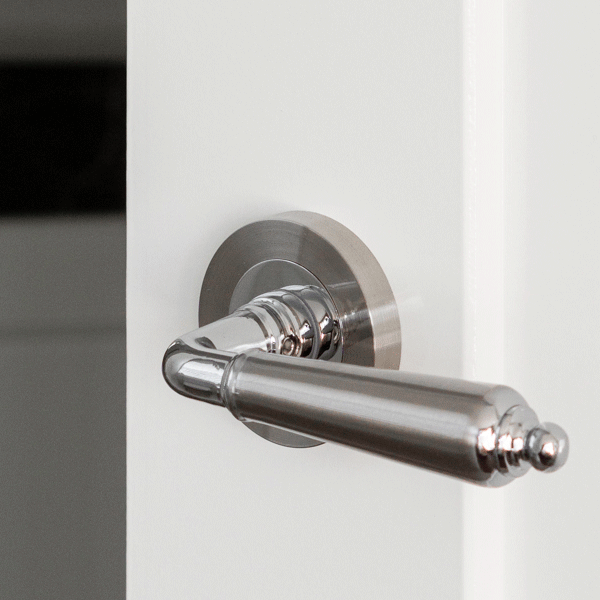
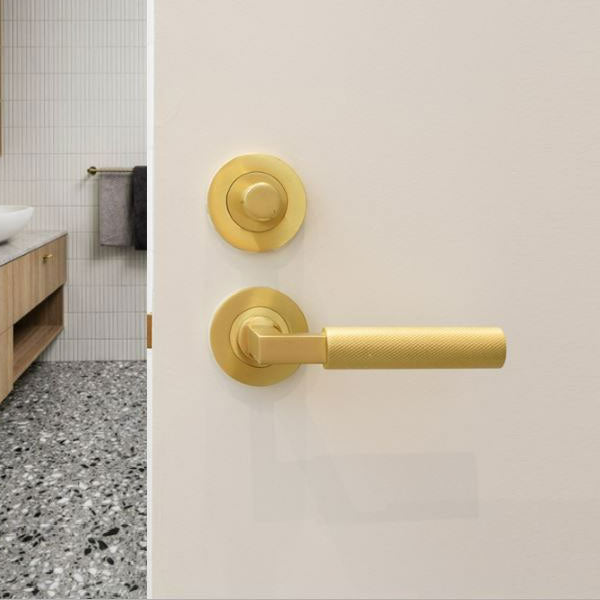
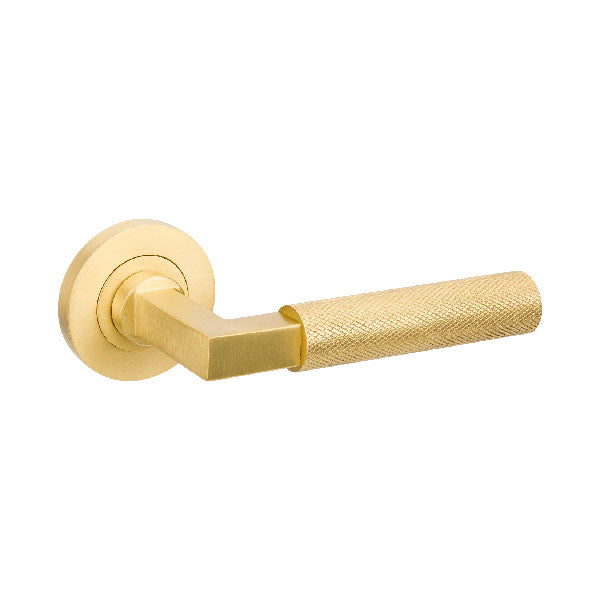
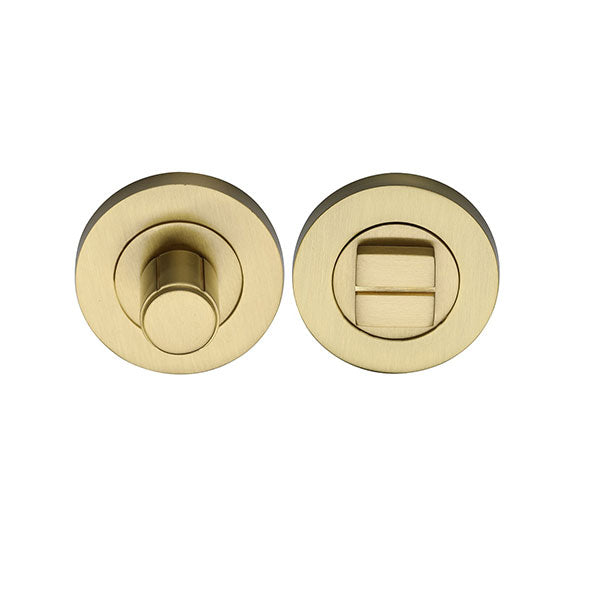





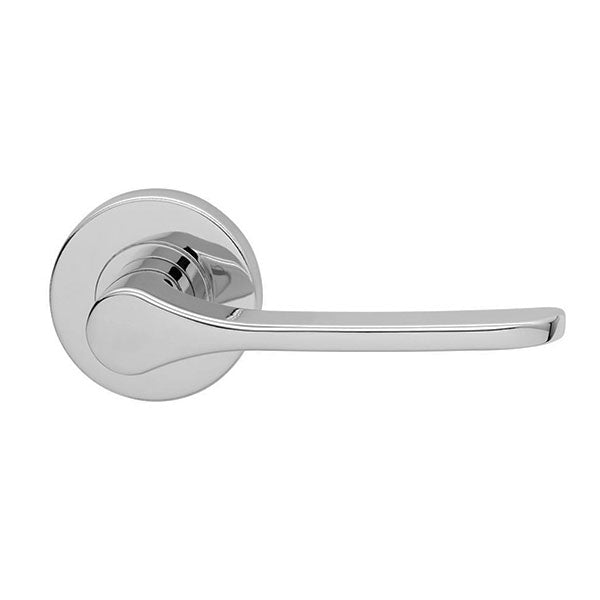


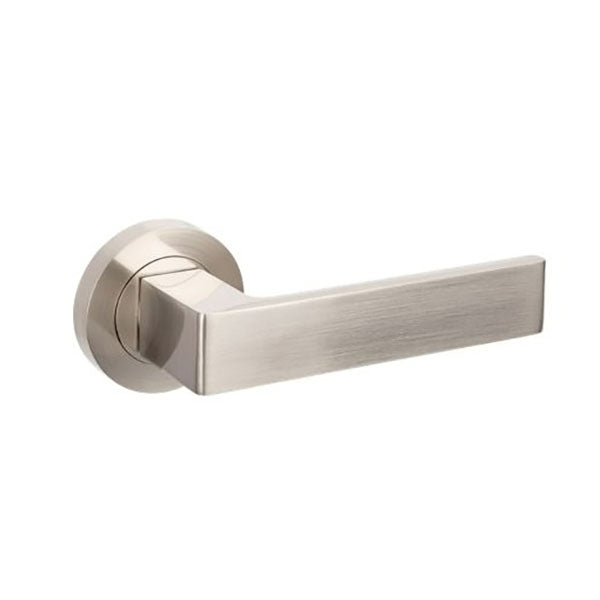




A door lever is touched constantly and viewed daily, giving it genuine influence over how a home feels regardless of how considered the rest of the interior is. Getting the function right, matching the lever to what the specific door actually needs to do, matters just as much as the finish chosen.
Passage levers have no locking mechanism at all, suited to hallways, living areas, home offices and children's bedrooms, the most commonly used internal configuration in Australian homes. Privacy levers add an internal push-button or turn-snib lock, suited to a bathroom or bedroom, and can still be released from outside in a genuine emergency with a coin or small tool. Entrance sets include a keyed cylinder for external security, rated for weather exposure and suited specifically to a front or back door. Dummy levers are non-functional, fixed in place purely for visual symmetry on a wardrobe door, the inactive leaf of a French door, or a decorative cabinet front.
Levers are sold on round, square or rectangular rosettes, or on a full backplate, and fit the standard 60mm or 70mm backset used on Australian doors. Door thickness matters too, generally 35mm to 45mm, worth confirming before ordering to ensure the latch reaches the strike plate correctly.
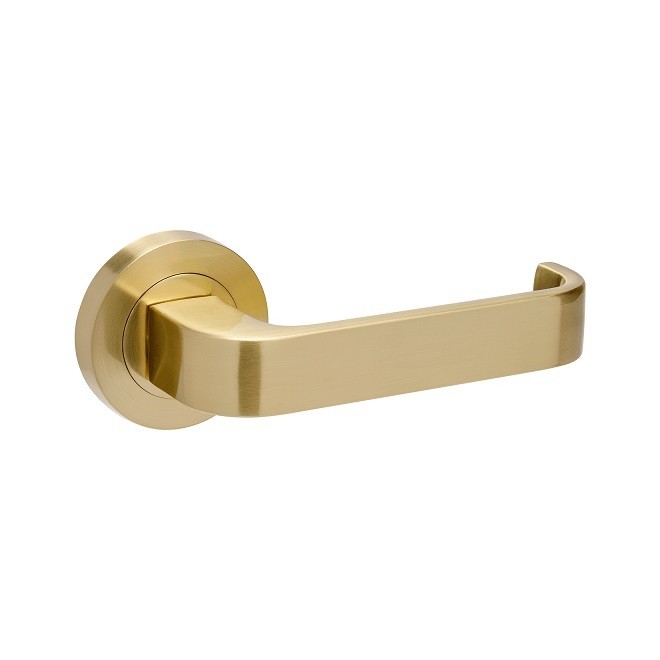
The Iver Puerto Lever Round Rose range is genuinely extensive, available in passage, privacy and entrance kit configurations, across finishes including signature brass, polished chrome, satin nickel and brushed gold PVD. Zanda's Duke, Baxter, Kent and Vertex ranges span passage and privacy sets across brushed nickel, satin brass and ember bronze, with the Zanda Stealth Smart Lock offering keyless entry for a front door specifically. Nidus's Knurled Domici range brings a textured, tactile grip across matte black, satin brass and gunmetal grey. For genuine European craftsmanship, Manital's Tosca range is Italian-made.
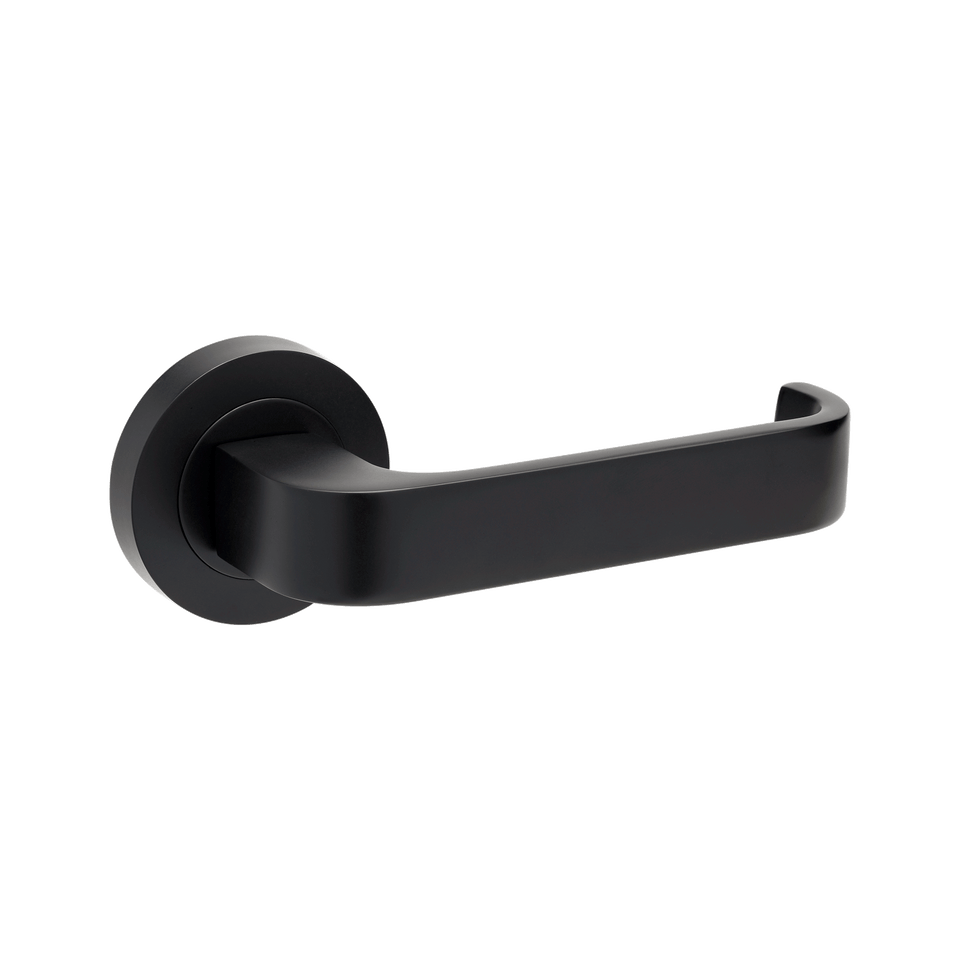
Matte black and brushed nickel are the most requested finishes for a contemporary interior, while antique or aged brass suits a period home particularly well. Settling on one finish across every internal door, matched to hinges and other hardware, keeps the home reading as a considered, cohesive whole rather than a room-by-room mismatch.
A lever is operated by pressing down on an elongated arm, genuinely more accessible than a knob's grip-and-turn motion for anyone with limited hand strength. Lever handles are recommended under the Disability Discrimination Act for accessible homes, and have become the standard choice in most new Australian builds as a result.
A door handle set, also called a lever set or door furniture set, typically includes the lever handles for both sides of the door, a rose or backplate, a spindle connecting the two handles, and fixing screws. Some sets also include a latch or lock mechanism. In Australia, door handles must comply with AS 4145 for security and durability.
A passage lever has no locking mechanism and suits hallways, cupboards and rooms that don't need privacy. A privacy lever includes a push-button or turn-snib lock on the inside, suited to a bathroom or bedroom, and can be released from outside in an emergency with a coin or small tool.
An entrance handle set is designed specifically for a front or entry door, including a keyed cylinder lock integrated into the handle or as a separate lockset for external security. Entrance sets span contemporary through to traditional styles and must be rated for external use, with weather-resistant finishes suited to ongoing exposure to the elements.
Yes. French doors use the same lever sets as standard internal doors, though a pair often takes a dummy or non-turning lever on the fixed leaf and a working lever on the active leaf. Checking the door stile width before ordering matters, since a narrow timber or aluminium stile may need a lever on a smaller rosette.
Door levers are easiest to choose once a consistent finish direction is settled across the home, since matching passage, privacy and entrance hardware keeps every room reading as one considered design. The Blue Space's Cabinet Handles and Exterior Door Hardware collections are worth reviewing alongside a door lever selection to plan the full home together.


