
*View accurate shipping rates and availability






188 Items
Spend over $800 and receive free gifts in your cart. Towels, accessories and full length mirrors!
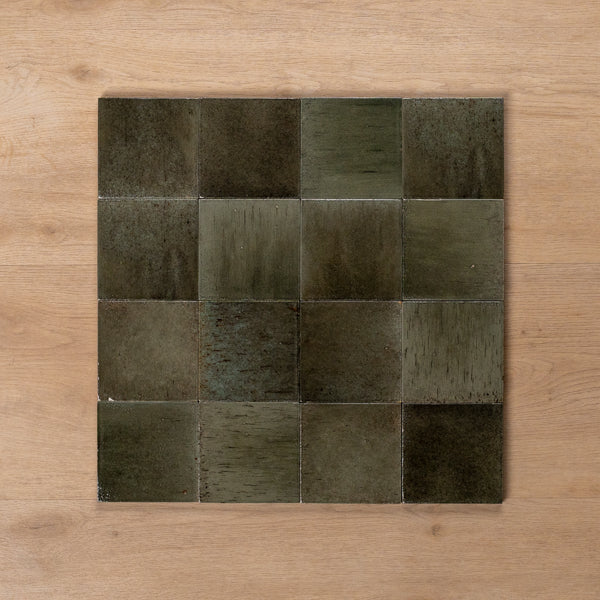
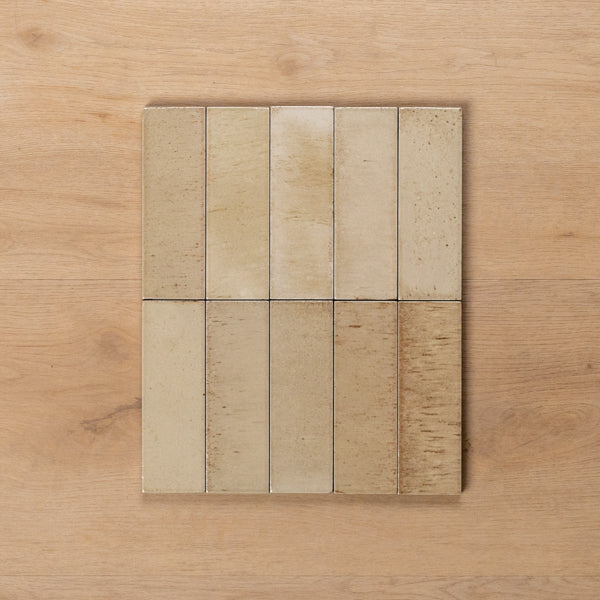
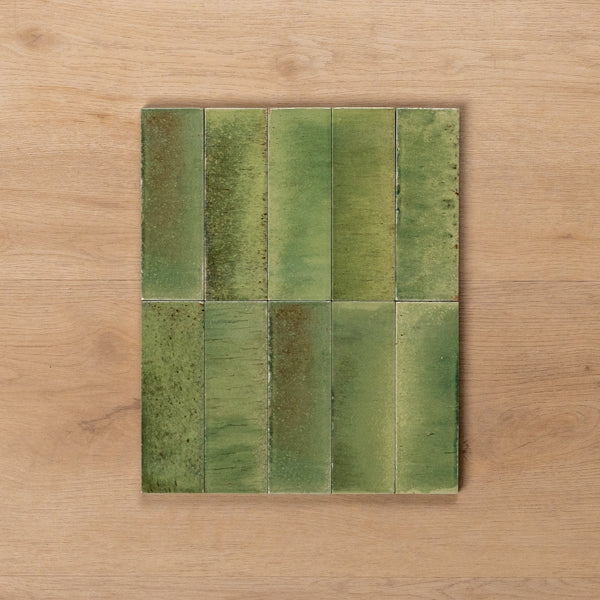
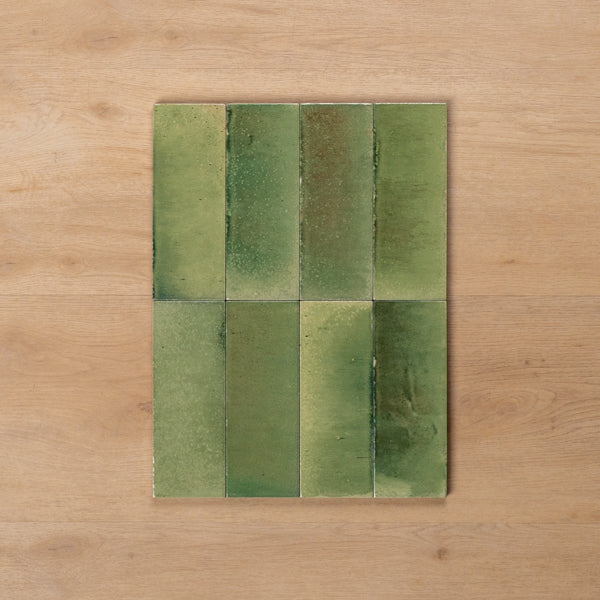
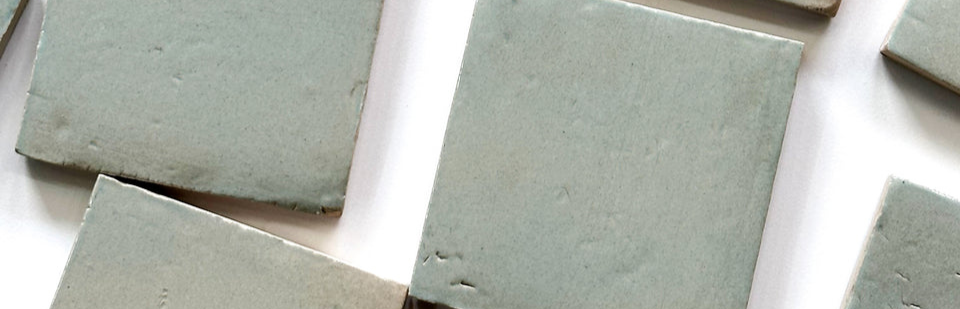
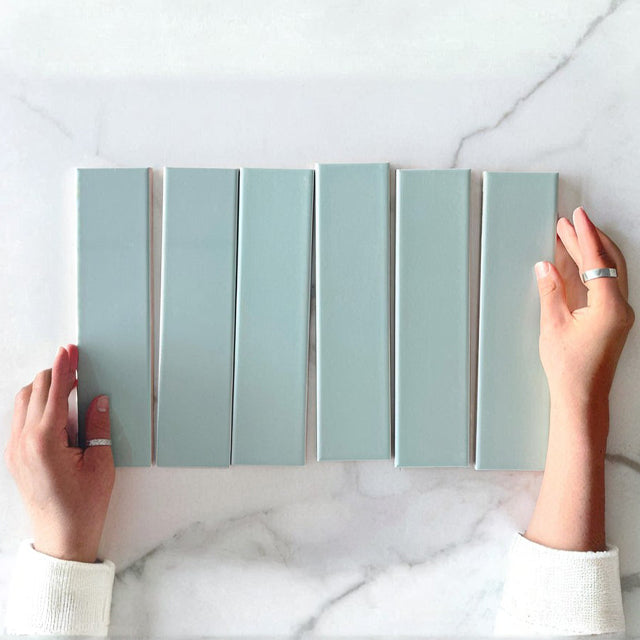
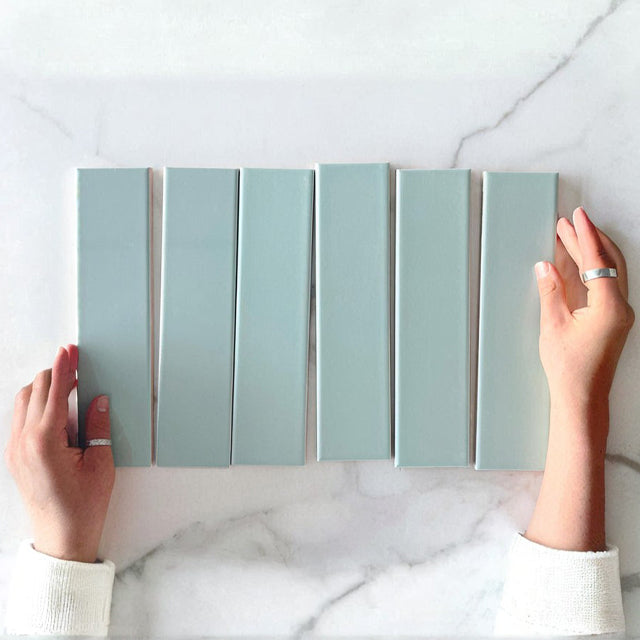
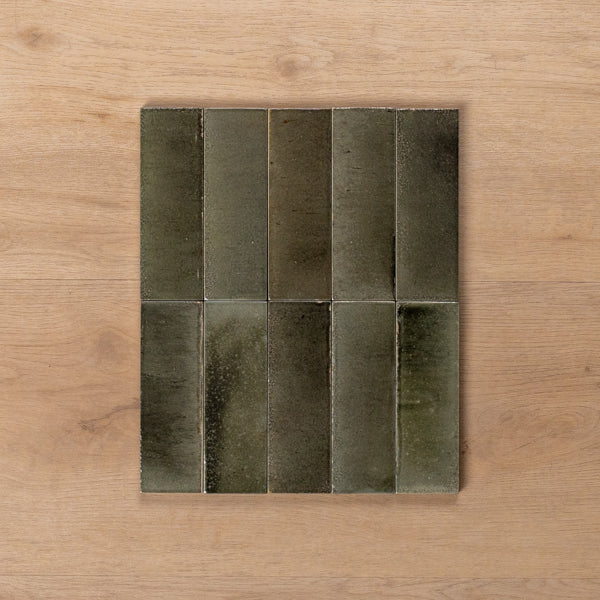
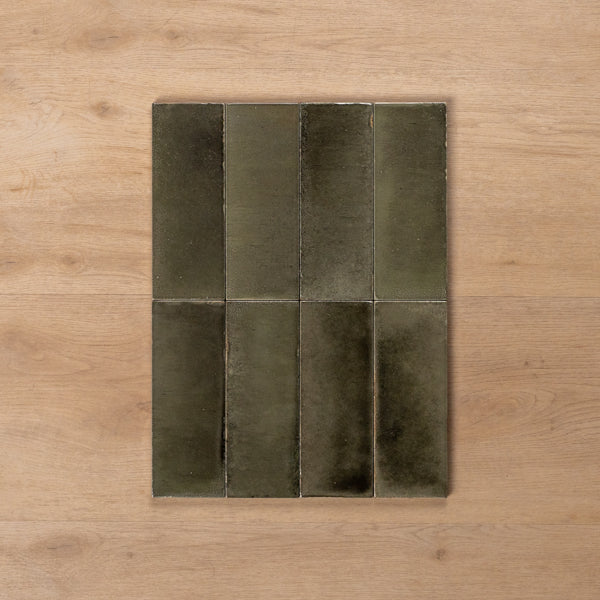
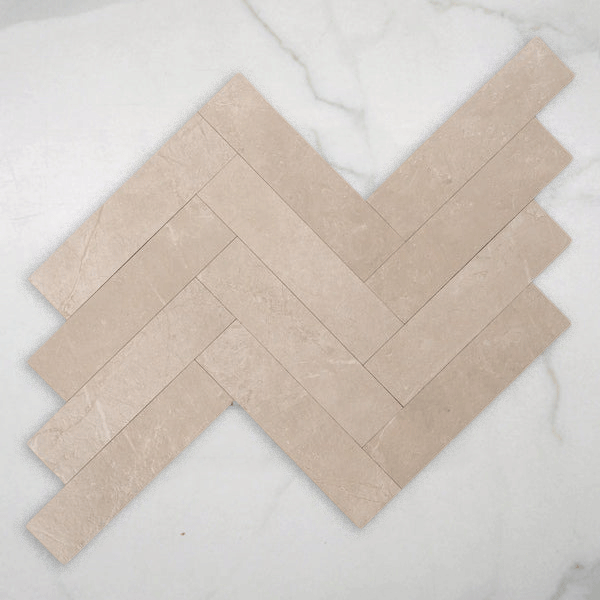
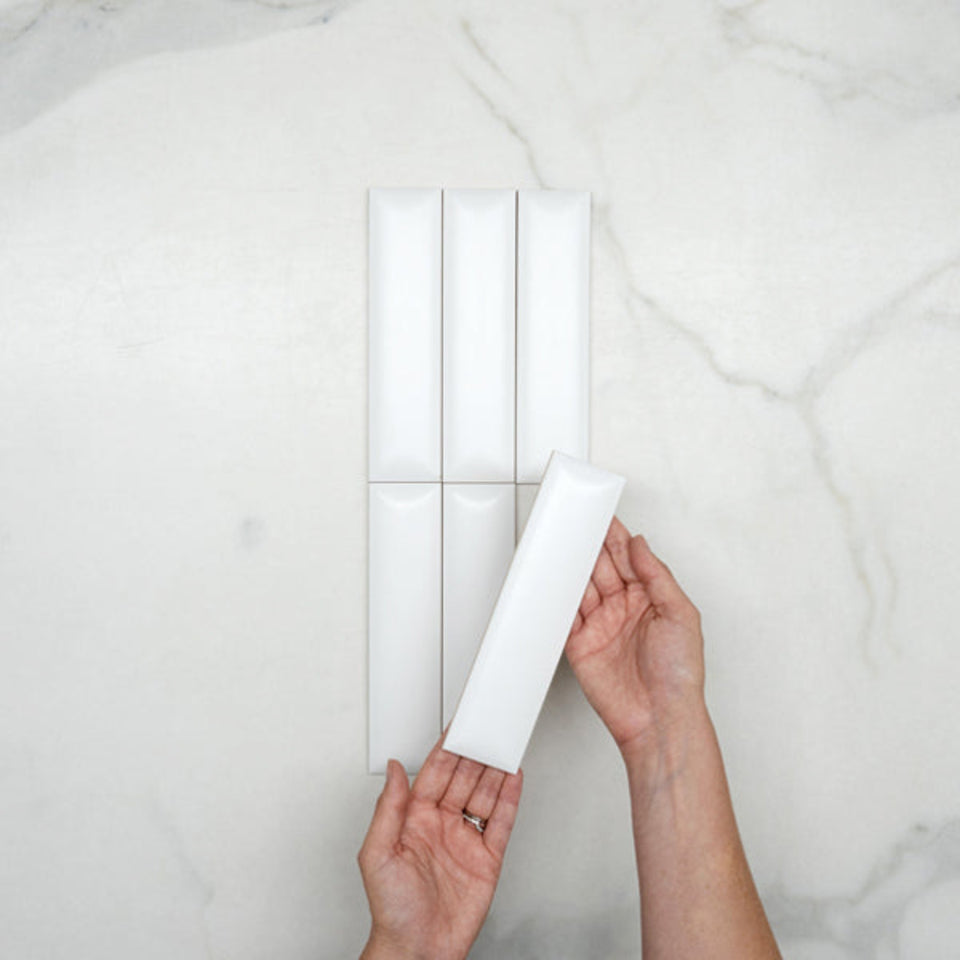
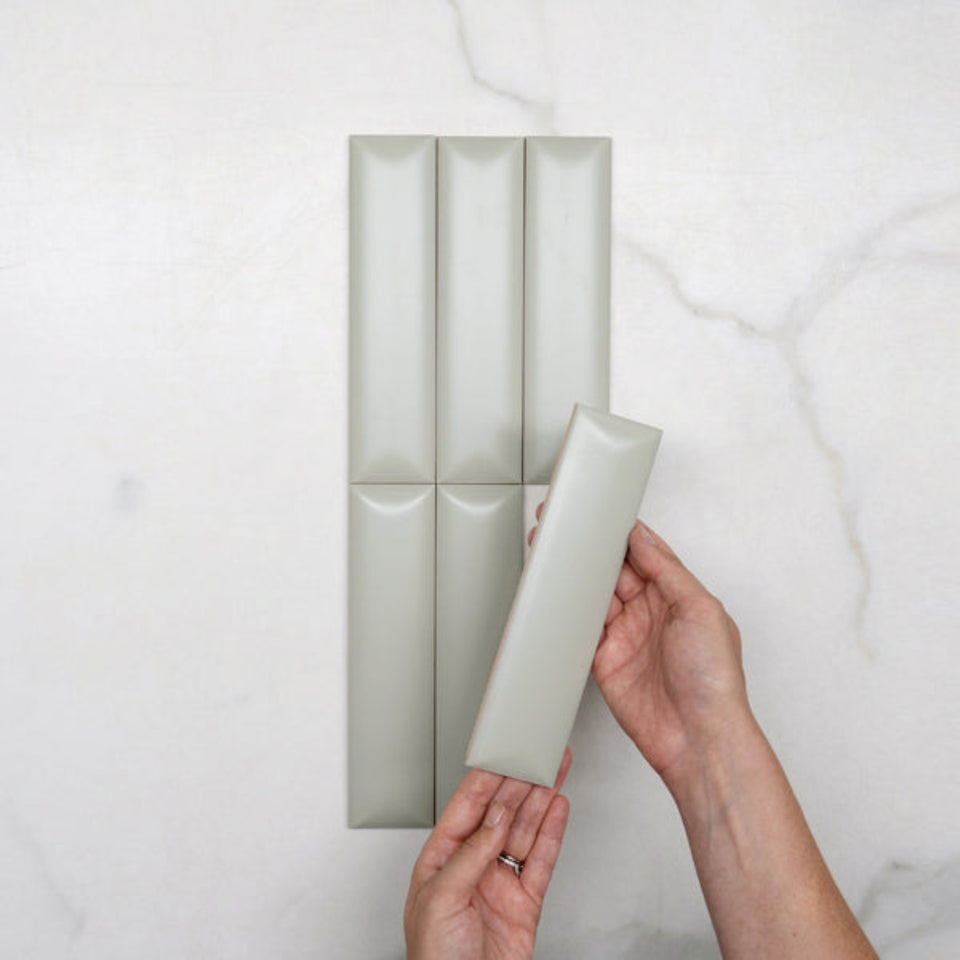
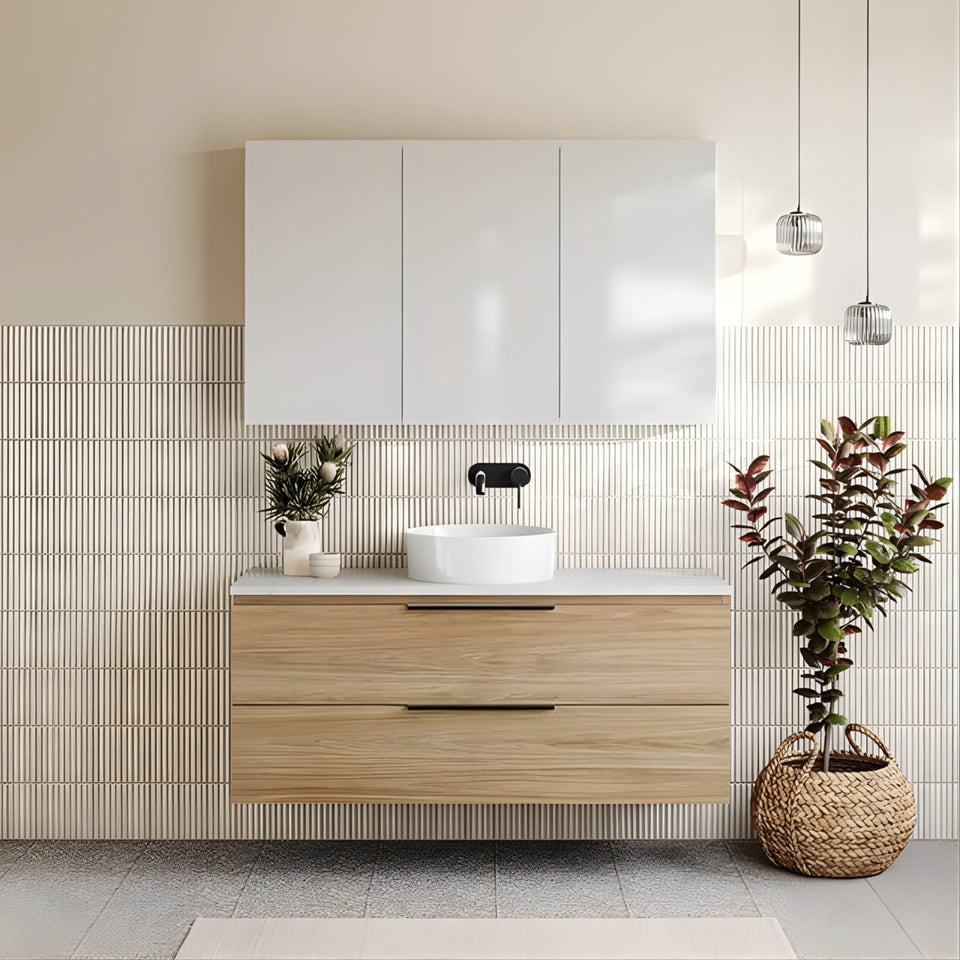
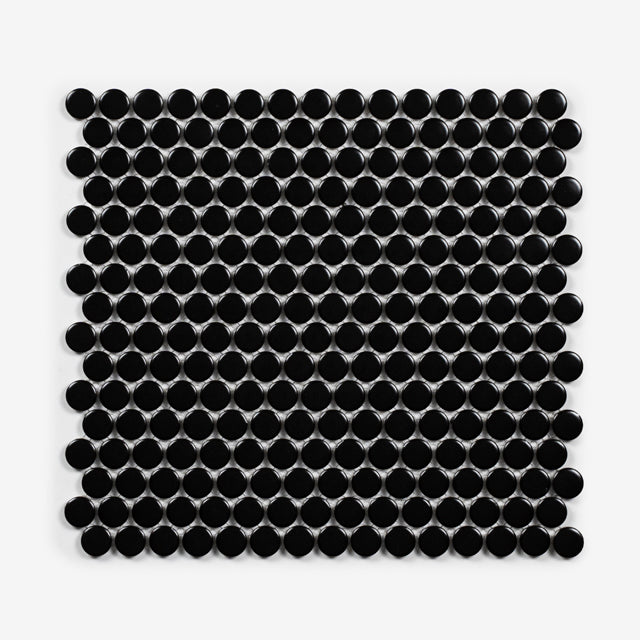
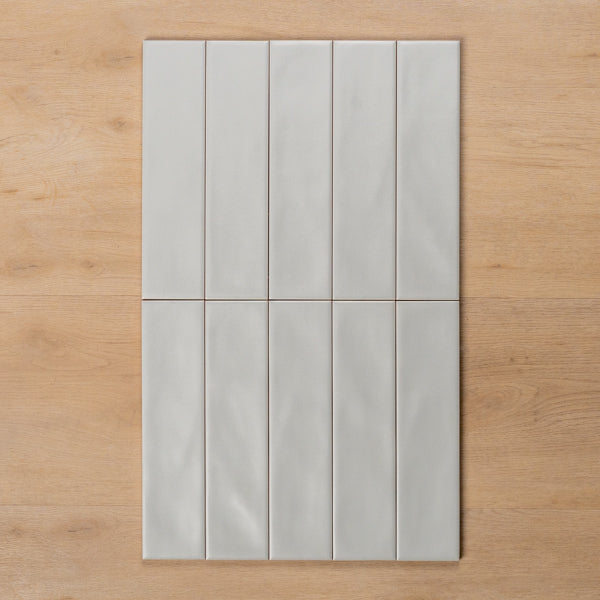
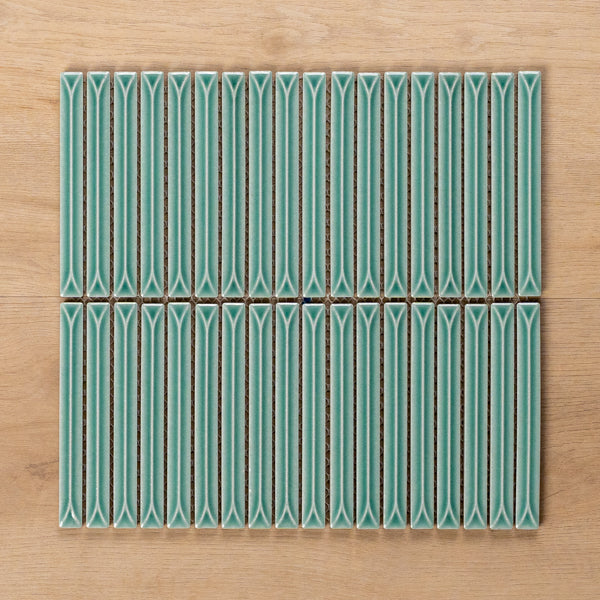
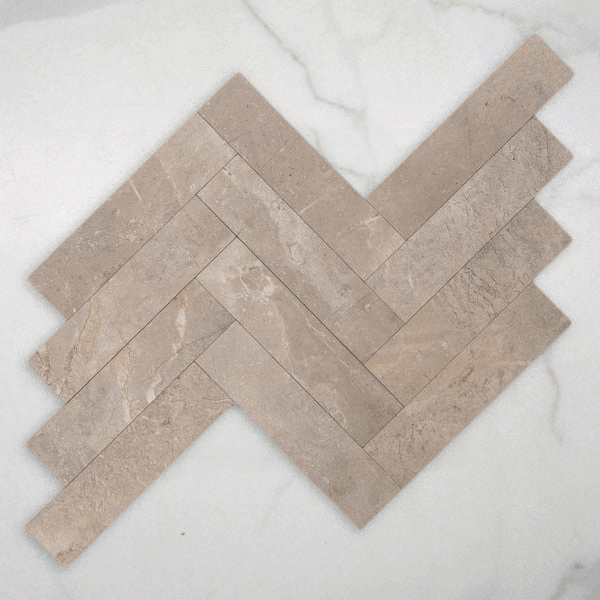
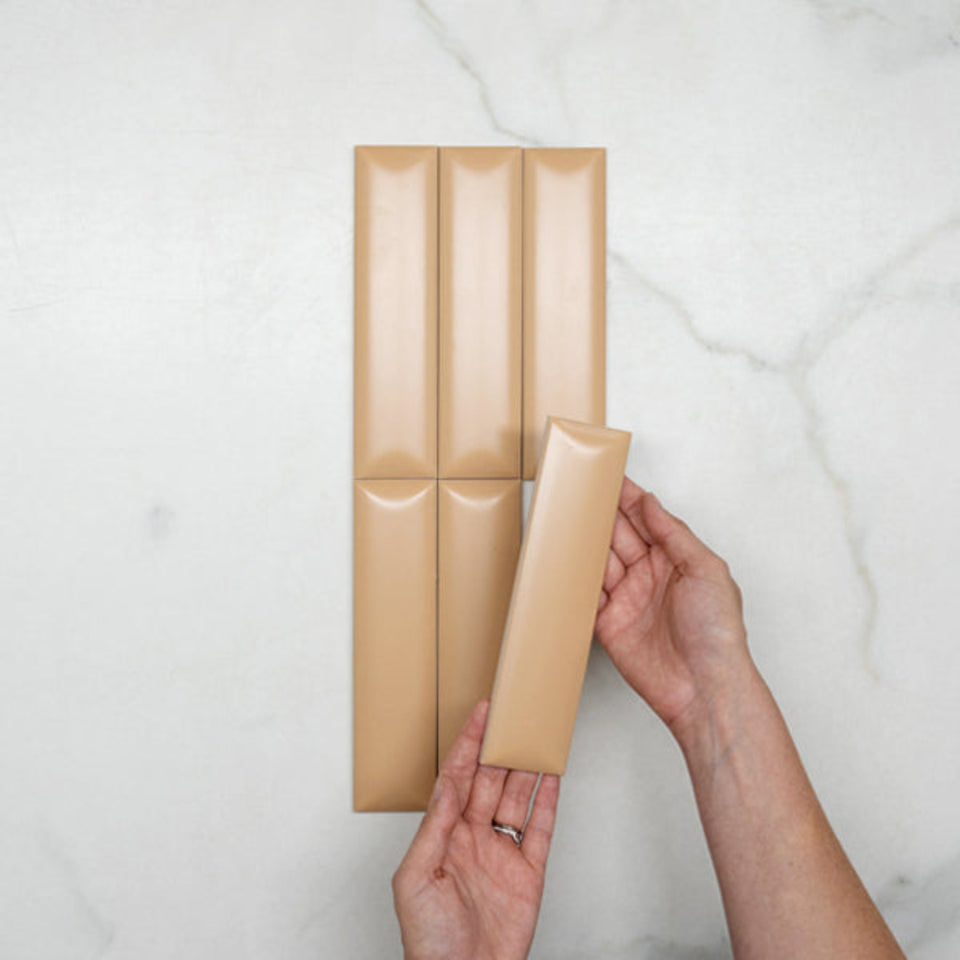
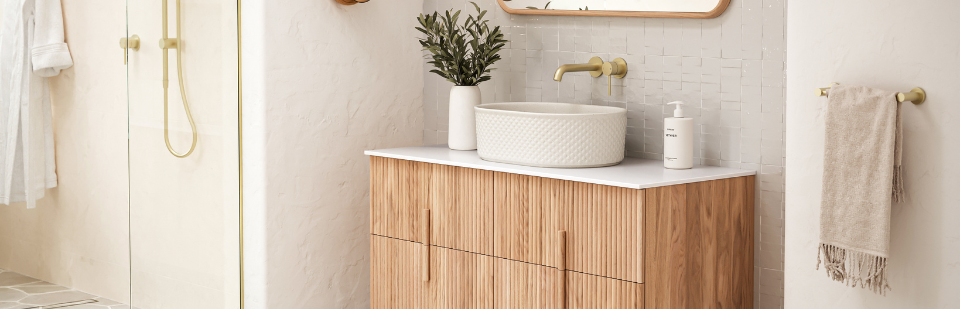
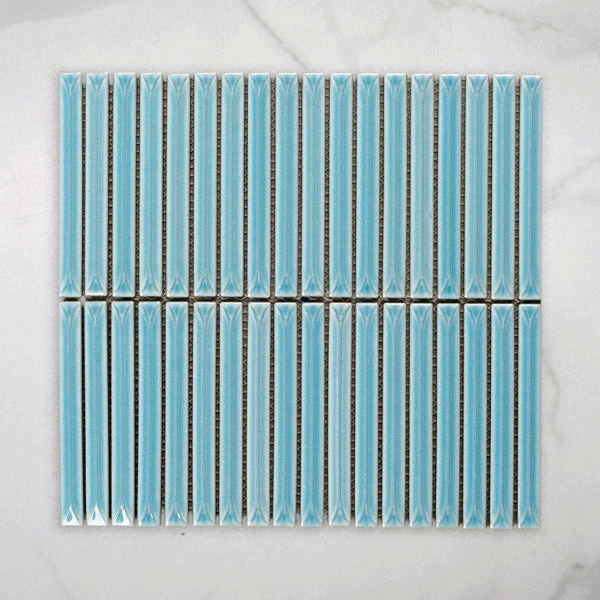
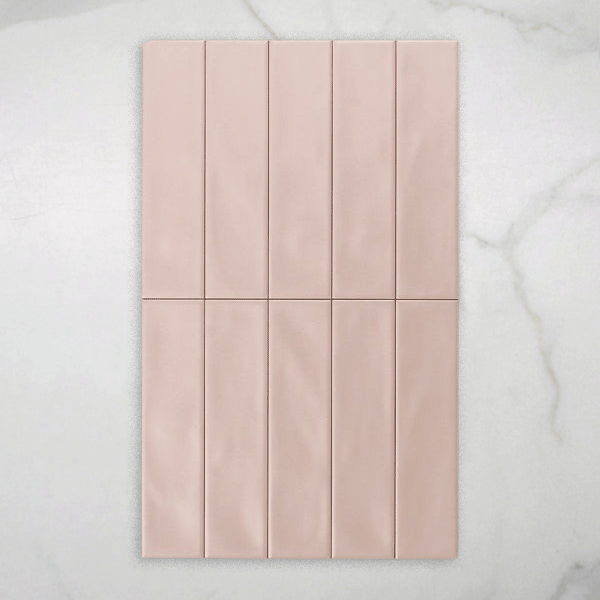
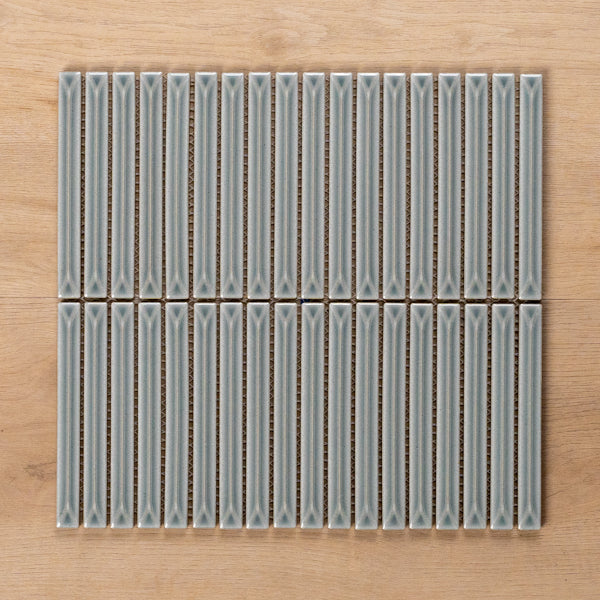
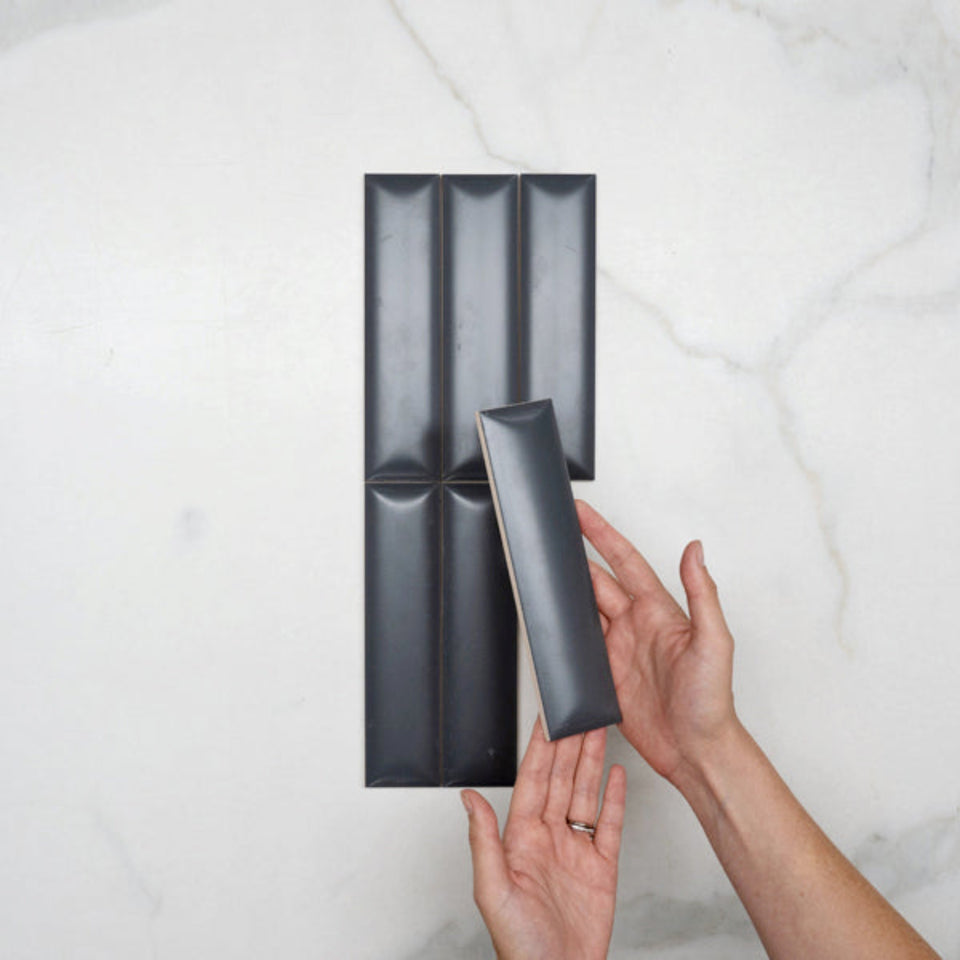
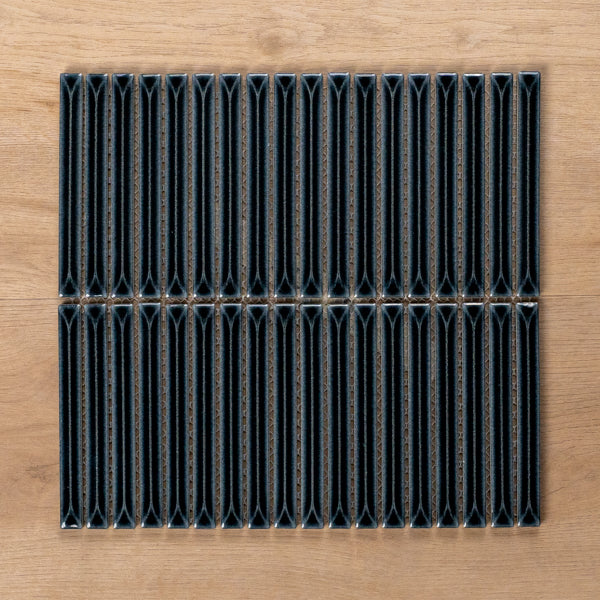
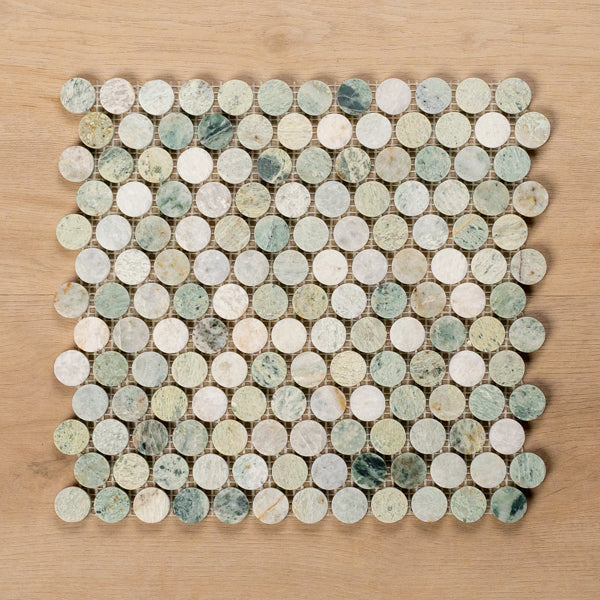
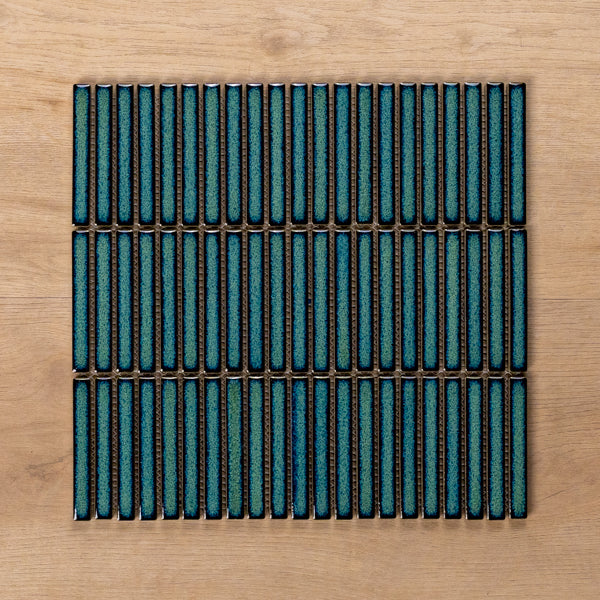
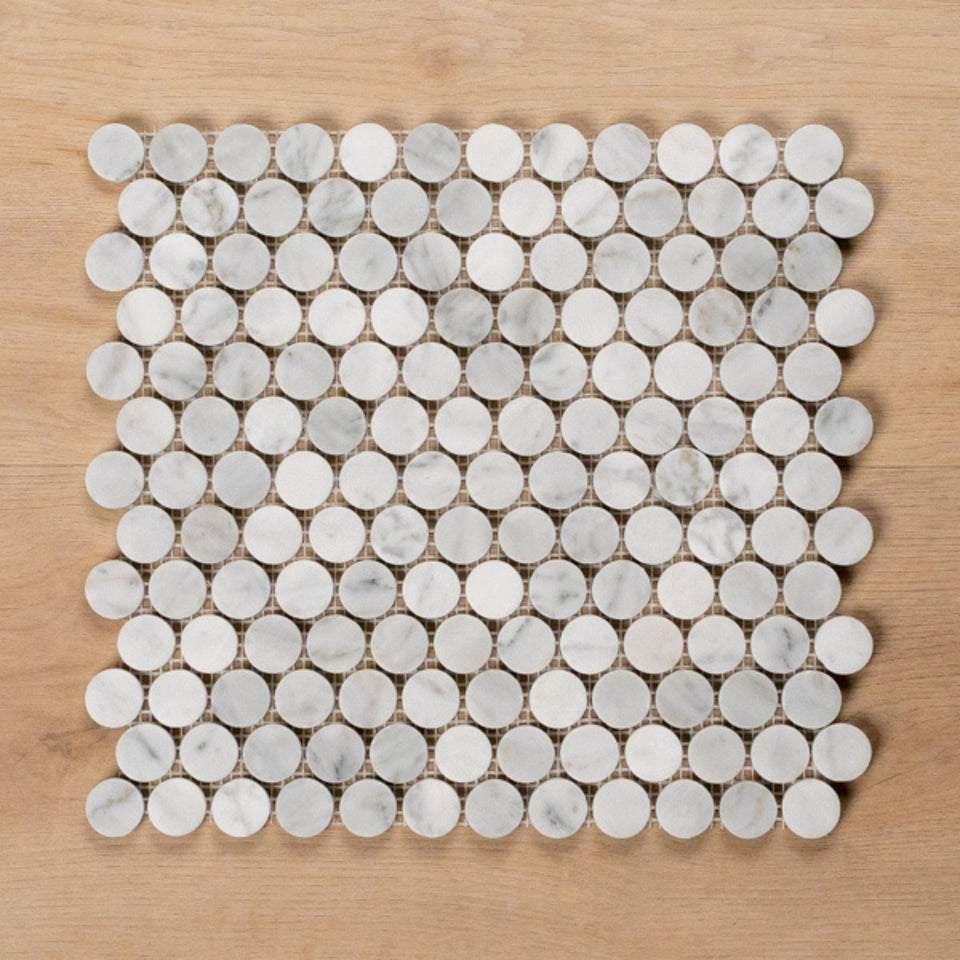
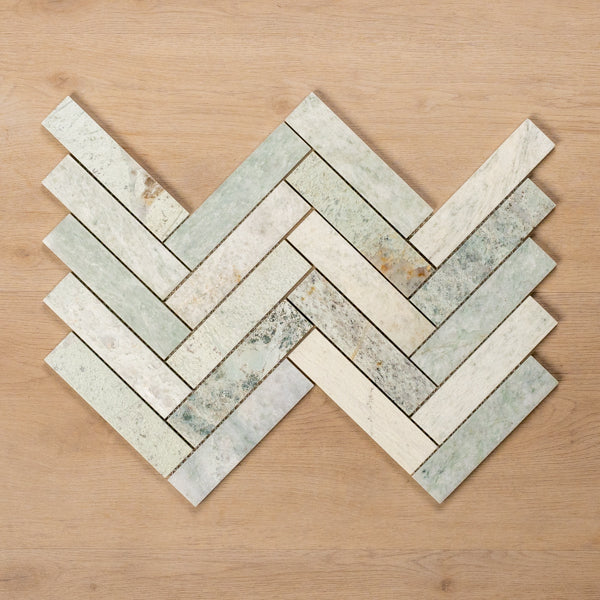
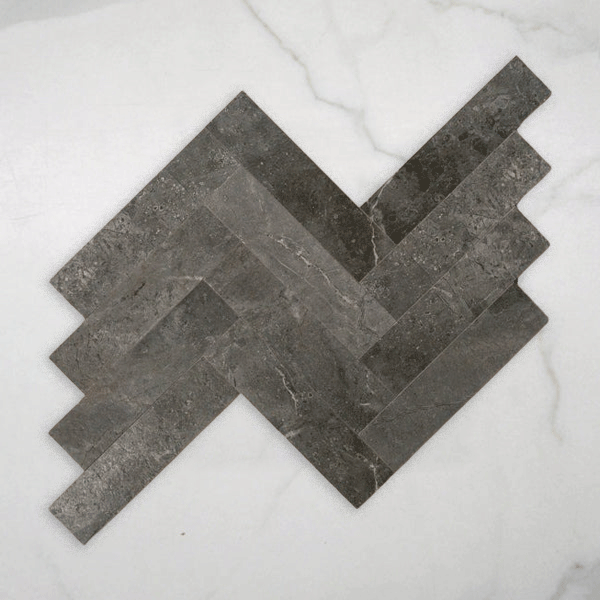
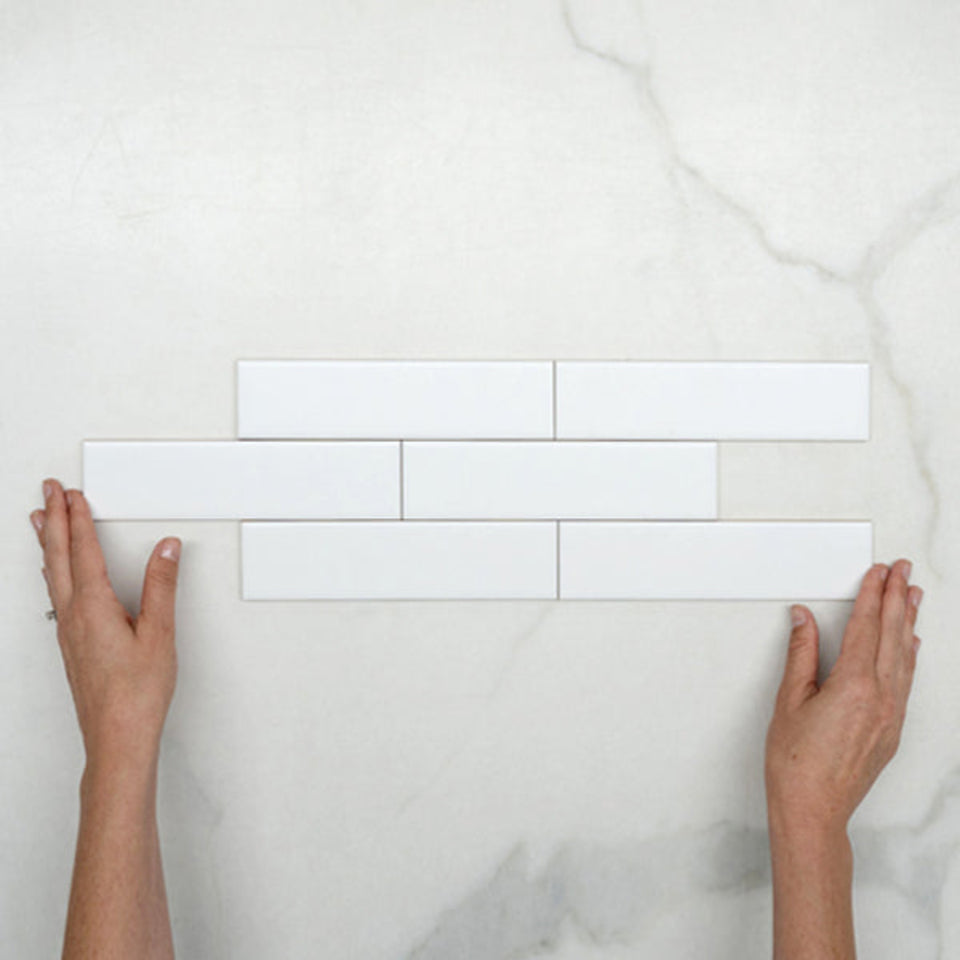
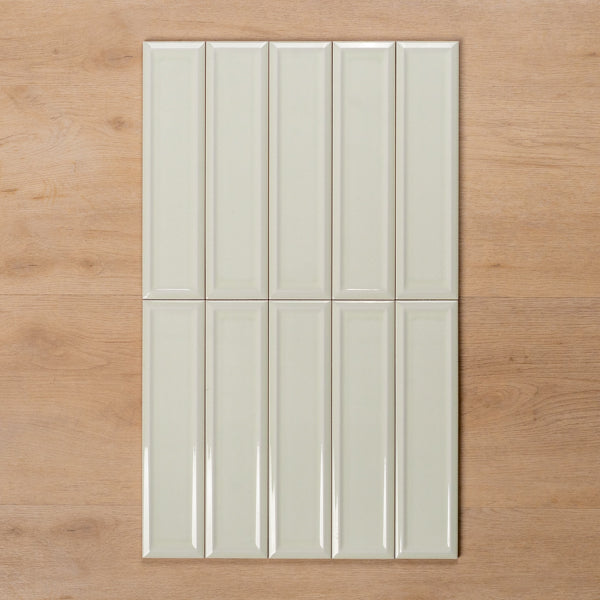
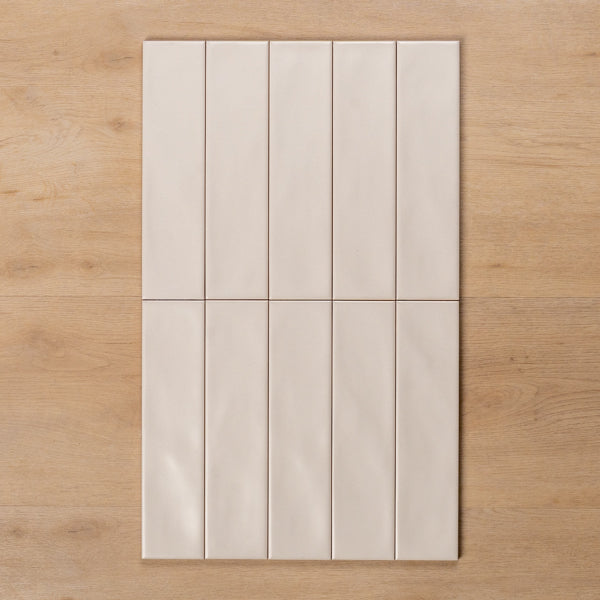
A feature tile does more design work than its surface area suggests. Because it's deliberately set apart from the rest of a room's tiling, it becomes the visual anchor the eye returns to, whether that's a fully tiled shower wall, a detailed kitchen splashback, or a considered accent strip within a larger, simpler tiled surface. Choosing one well comes down to understanding how material, shape, colour and placement work together, rather than picking a striking tile in isolation.
Porcelain is dense, fired at high temperature, and highly water-resistant, making it suitable for almost anywhere in a home, hallways, kitchens, bathrooms, and covered outdoor areas. It also replicates the look of marble or timber convincingly, with far less maintenance than either genuine material, since its low porosity resists staining effectively.
Ceramic combines good looks with everyday practicality and generally sits at a lower price point than porcelain. Usually glazed, it's available across an extensive range of colours and patterns, which makes it a strong choice for a feature wall wanting a specific, vivid colour. It's less durable than porcelain, so it suits walls and lower-traffic areas better than a heavy-use floor.
Natural stone, including marble, travertine and slate, brings genuine material variation, no two pieces are quite identical, giving a room a depth and character that a manufactured tile can't fully replicate. It needs more careful maintenance, particularly sealing, but that additional care is generally considered a fair trade for the material's authenticity.
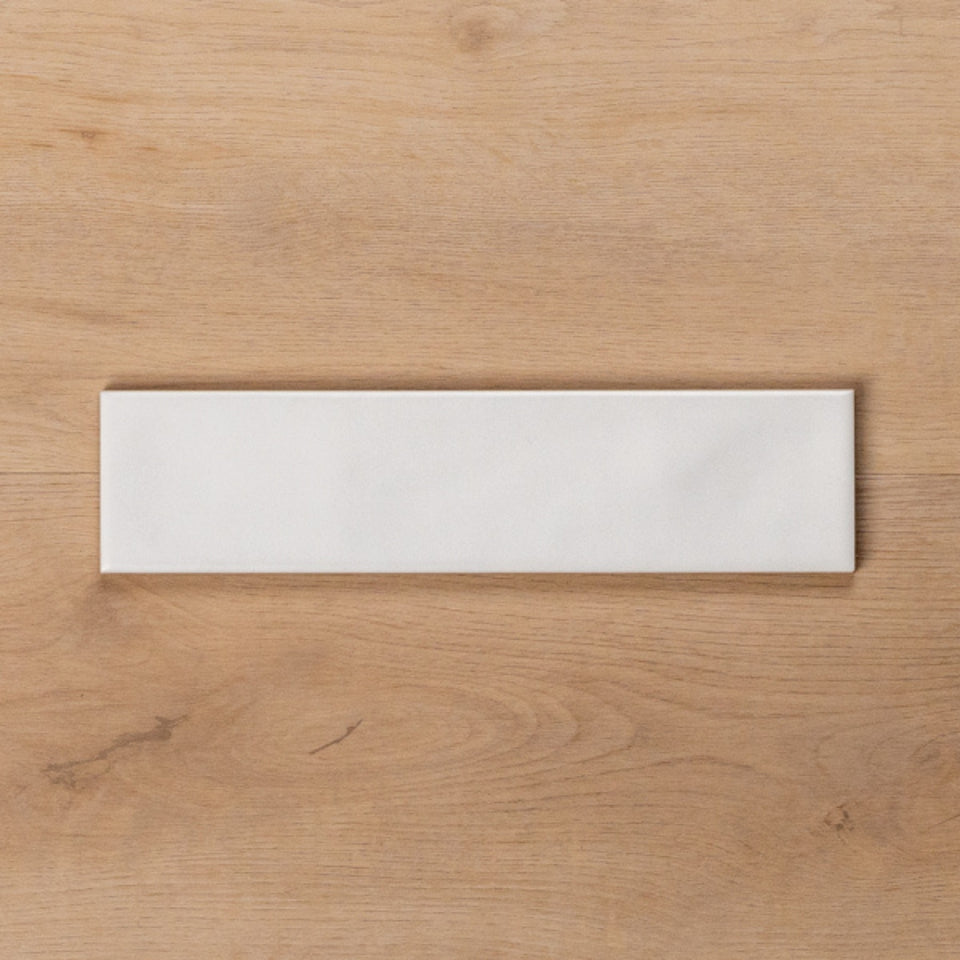
Rectangular and square tiles remain the most adaptable choice. Subway tiles specifically can be laid in a traditional offset brick bond, a sleek stack pattern, or a herringbone arrangement, each giving a distinctly different visual result from the same basic tile. Square tiles range from small mosaics through to large-format slabs, bringing a sense of structure to a wall or floor.
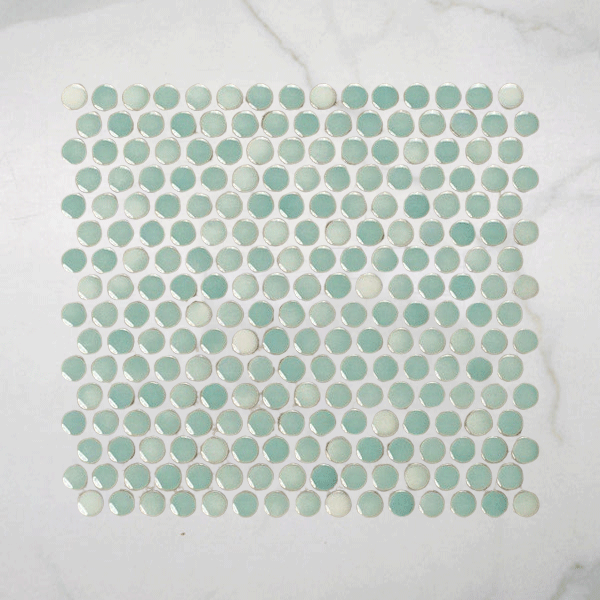
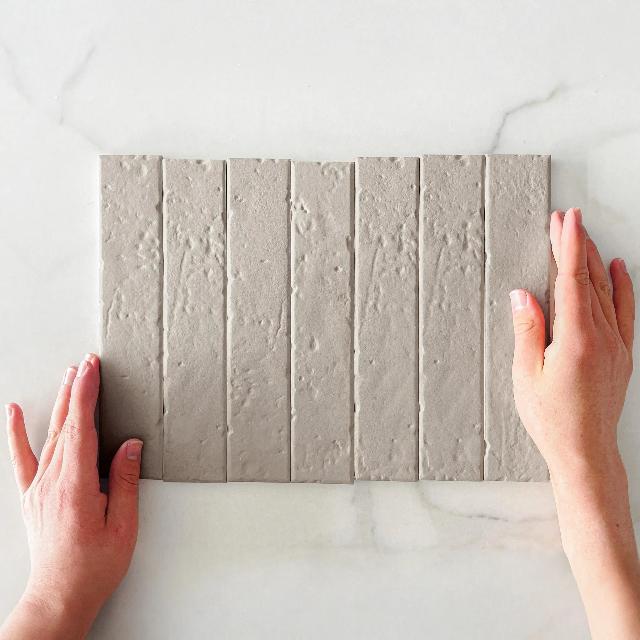
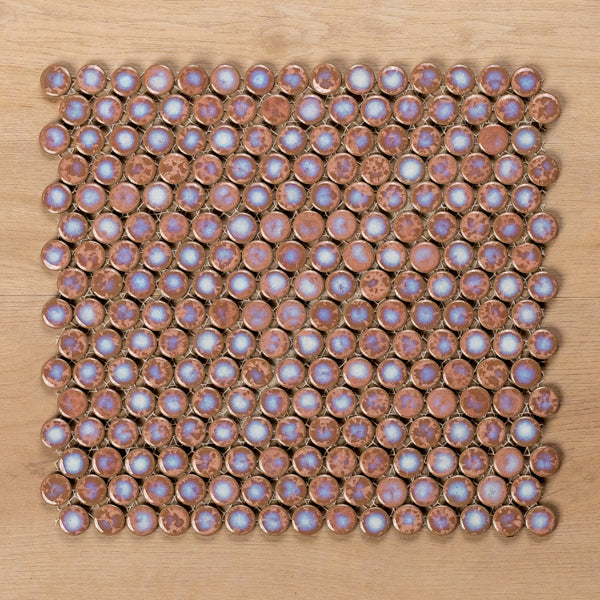
Mosaic and small-format tiles suit fine detail work, shower niches and splashbacks specifically. Within this category, penny round tiles bring a playful, slightly nostalgic quality, kit kat (finger mosaic) tiles offer a slender, linear look, and octagon and dot patterns bring a more traditional, period-appropriate character.
Unconventional shapes make a bolder statement. Herringbone tiles bring genuine movement to a wall through their zig-zag pattern. Diamond tiles suit a striking geometric composition. Crazy paving, with its irregular, organic pieces, suits a rustic pathway or feature wall. Zellige tiles, hand-finished with natural variation in glaze and colour, give every installation a genuinely unique, artisan quality.
White tiles remain the most flexible choice, brightening a room and giving a genuinely open, adaptable backdrop. Grey tiles span from soft, light tones through to dramatic charcoal, functioning as a considered neutral rather than a plain default. Beige and brown tiles bring warmth and a grounded, cosy character to a space.
For a bolder direction, blue tiles suit a calm, bathroom-appropriate palette. Green tiles bring a natural, botanical quality. Pink tiles introduce a playful but genuinely sophisticated note, particularly in a muted or dusty shade. Black and charcoal tiles deliver the strongest visual drama, particularly effective when contrasted against lighter surrounding surfaces.
Marble-look tiles, most often porcelain, replicate natural veining convincingly, while travertine-look tiles bring a warmer, more rustic stone character. Both offer more consistency in pattern and colour across a batch than the genuine material, simplifying both selection and installation. Terracotta-look tiles bring an earthy, sun-baked warmth, and terrazzo-look tiles, with their flecked, speckled surface, bring a retro-inspired texture in a considerably more durable, low-maintenance format than genuine terrazzo.
Beyond the tile itself, the pattern it's laid in is a design decision in its own right. Brick bond remains a timeless, classic choice, particularly for subway tiles. Vertical stack patterns visually elongate a wall, suited to a sleeker, more contemporary look. Basketweave brings an intricate, woven appearance, often chosen for a more traditional bathroom.
Bathrooms suit feature tiles naturally, whether that's a full shower wall in a richly textured or patterned tile, a splashback behind the vanity, or a tiled bath surround that turns a simple tub into a more considered centrepiece.
Kitchens commonly use feature tiles on the splashback, a compact area that allows for a bolder choice than a full room might. A kitchen island's front panel is another strong candidate for a feature tile treatment, and a patterned floor tile can help visually define the kitchen zone within an open-plan layout.
Living spaces benefit from feature tiles beyond wet areas: a tiled fireplace surround brings warmth and character to a living room, an accent wall can add depth to a dining area, and even a laundry or home office can use a considered feature tile to lift an otherwise purely functional space.
Outdoor areas can use feature tiles too, provided the specific tile is genuinely rated for exterior use, slip resistance, frost tolerance and UV stability all matter here. A tough, weather-rated tile can turn a basic patio or balcony into a considered outdoor room, and slip-resistant options are available specifically for pool surrounds.
A feature tile is most effective when the rest of the room stays comparatively simple. Pairing a bold, vividly coloured feature tile with plainer, more neutral floor or wall tiles elsewhere creates genuine contrast rather than visual competition. Picking out an accent colour from the feature tile and echoing it in paint or accessories elsewhere in the room ties the whole space together more deliberately.
Tile size should relate to the scale of the room and the specific area being tiled. Larger format tiles can make a compact room feel more open, since there are fewer grout lines interrupting the surface, while small mosaic tiles bring fine detail to a larger wall that would otherwise feel plain. The Blue Space's Small Tiles, Medium Tiles and Large Tiles collections are worth browsing as a starting point for narrowing down the right scale before considering colour or pattern.
Grout does more than fill gaps between tiles; it's an active part of the finished look. Contrasting grout makes each individual tile stand out, emphasising the pattern. Matching grout gives a smoother, more blended result, letting the tile's own texture or colour carry the visual interest instead. For wet areas specifically, epoxy grout is worth considering for its strong resistance to water, staining and mildew.
Glossy tiles reflect light effectively, a genuine benefit in a smaller room needing to feel brighter. Matte finishes absorb light instead, giving a softer, more contemporary look while generally hiding daily marks and fingerprints more effectively. Textured tiles create their own interplay of light and shadow, particularly striking with well-placed directional lighting nearby.
Porcelain and ceramic tiles are generally straightforward to maintain: a regular sweep or vacuum, followed by a wipe or mop with a pH-neutral cleaner, keeps them looking their best. Harsh, gritty cleaning powders should be avoided. Natural stone tiles need more specific care, sealed on installation and resealed periodically, with spills, particularly acidic ones, blotted up quickly rather than left to sit.
Grout lines, being more porous than the tile itself unless epoxy grout has been used, can attract dirt or mildew in damp areas over time. Regular cleaning and good ventilation help prevent this, and applying a quality grout sealer after installation makes ongoing maintenance considerably more straightforward.
A few themes are currently shaping tile design more broadly. Texture is increasingly central, with tiles offering subtle 3D surfaces or fluted profiles that add depth without relying on colour alone. Warmer, earthy tones, terracotta, soft beige and muted greens among them, continue to grow in popularity. Artisanal, handmade-style tiles, zellige in particular, are valued specifically for their natural variation rather than despite it. Large-format porcelain slabs, replicating natural stone or concrete, remain popular for feature walls wanting a clean, nearly seamless result with minimal grout lines. Recycled and more sustainably produced tiles are also an increasing consideration for renovators wanting their material choices to reflect broader environmental priorities.
A feature tile is easiest to finalise once the room's overall material palette, tapware, vanity and surrounding tiles, is settled, since the feature works best in relation to what surrounds it rather than chosen in isolation. Browse the full tiles collection alongside bathroom vanities and tapware to bring the complete room together.


