
*View accurate shipping rates and availability






341 Items

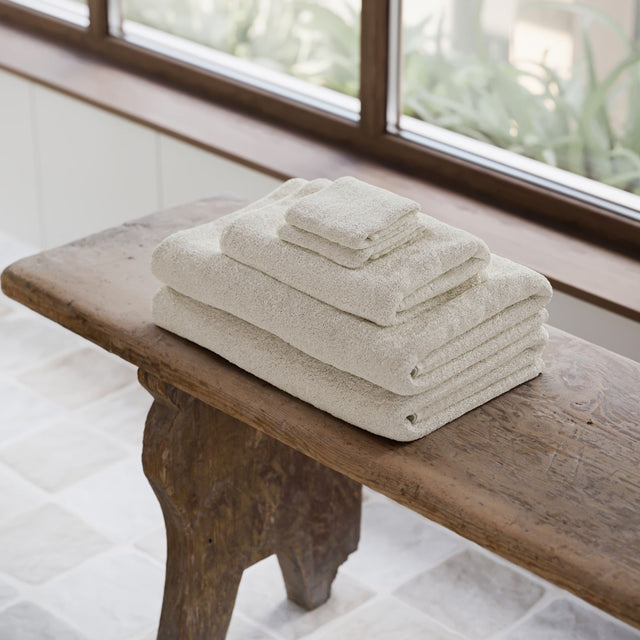
Spend over $800 and receive free gifts in your cart. Towels, accessories and full length mirrors!

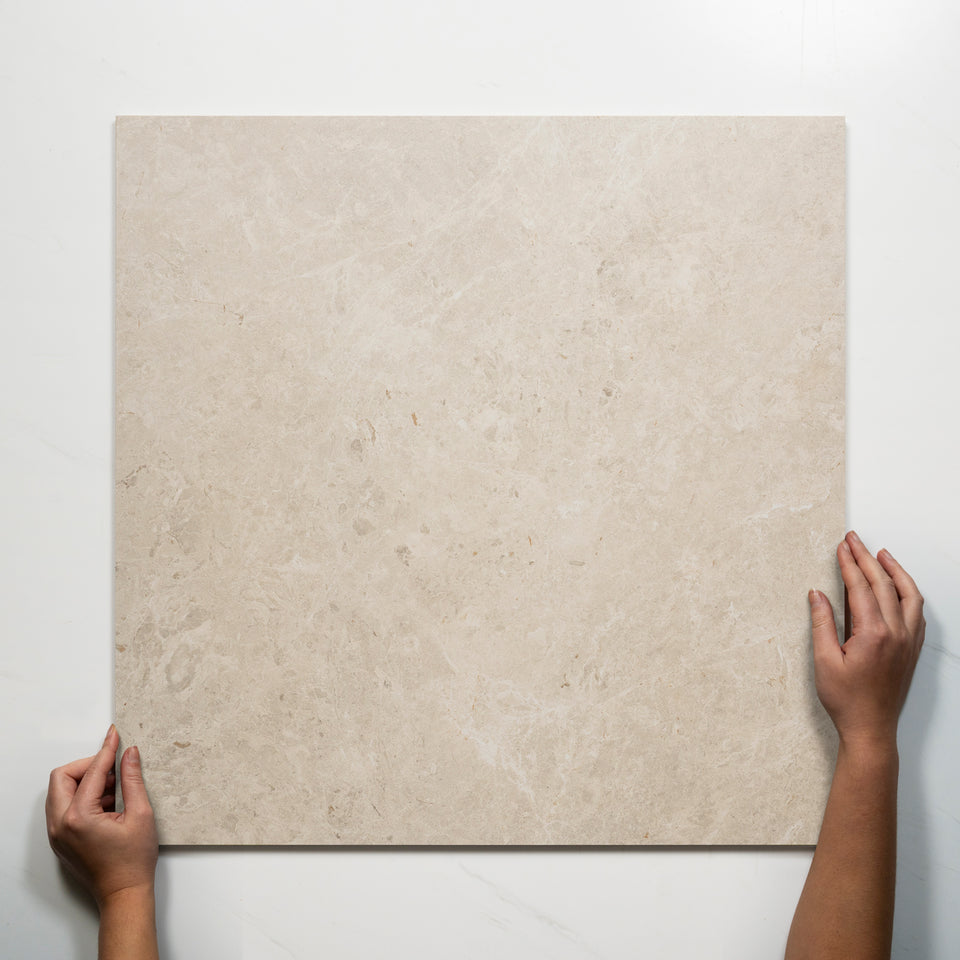
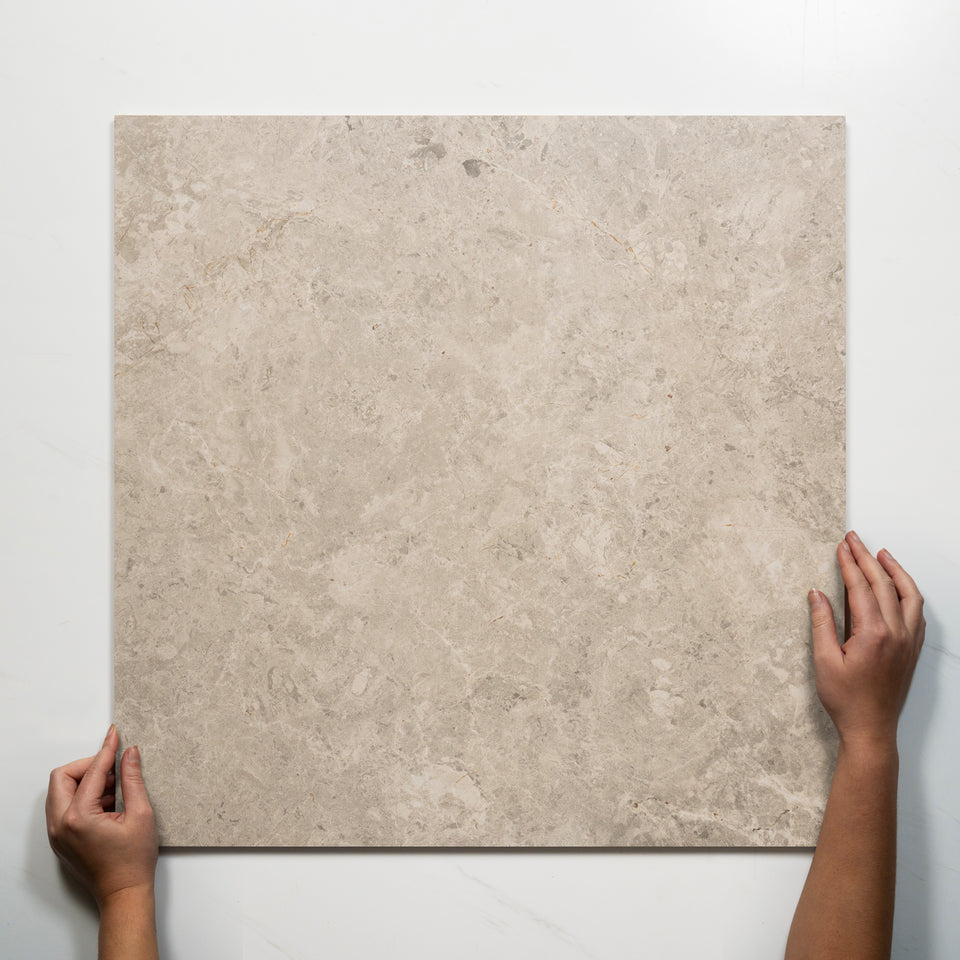
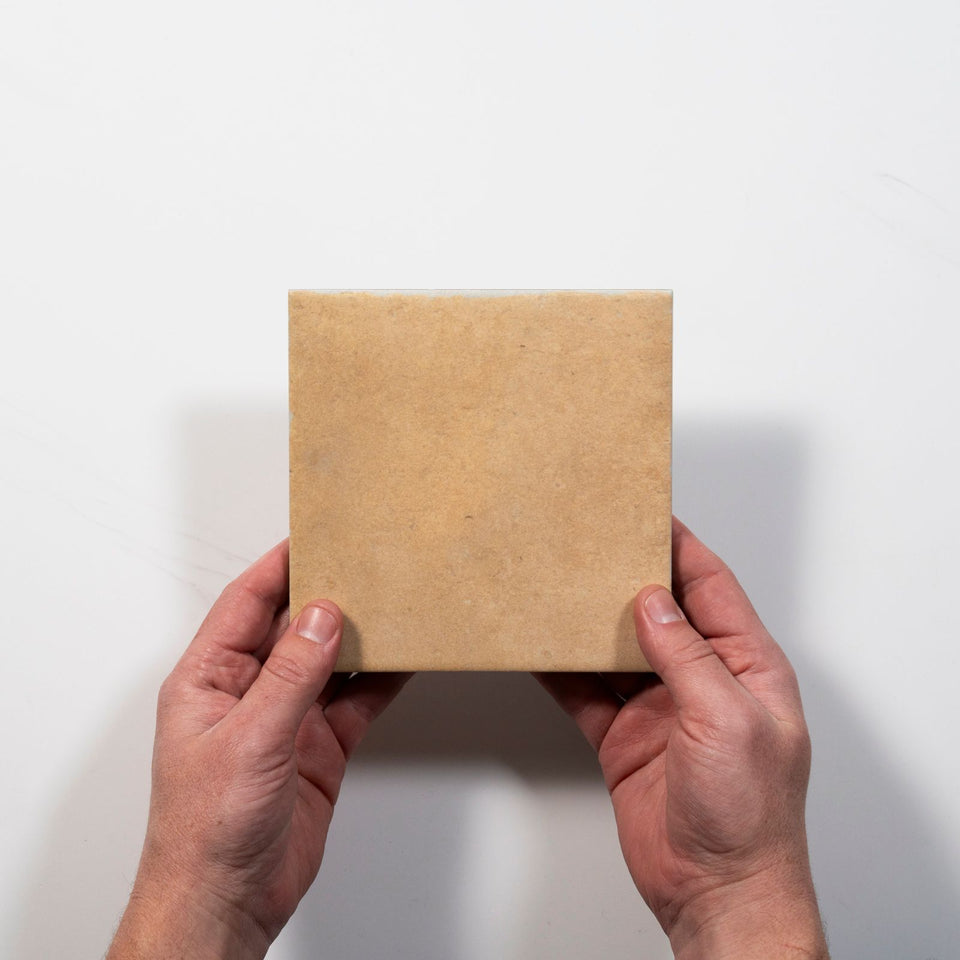
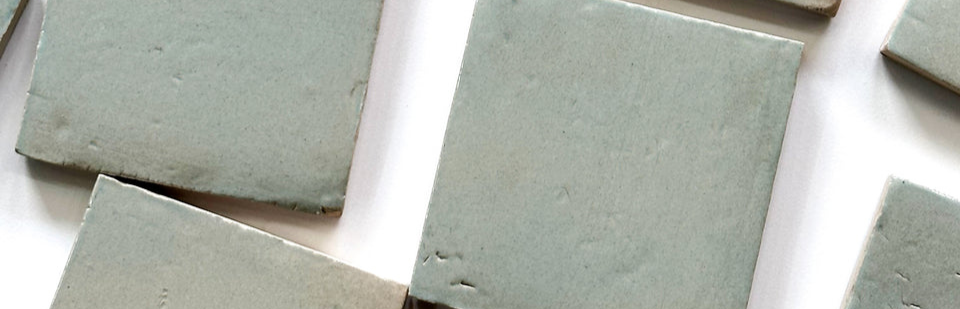
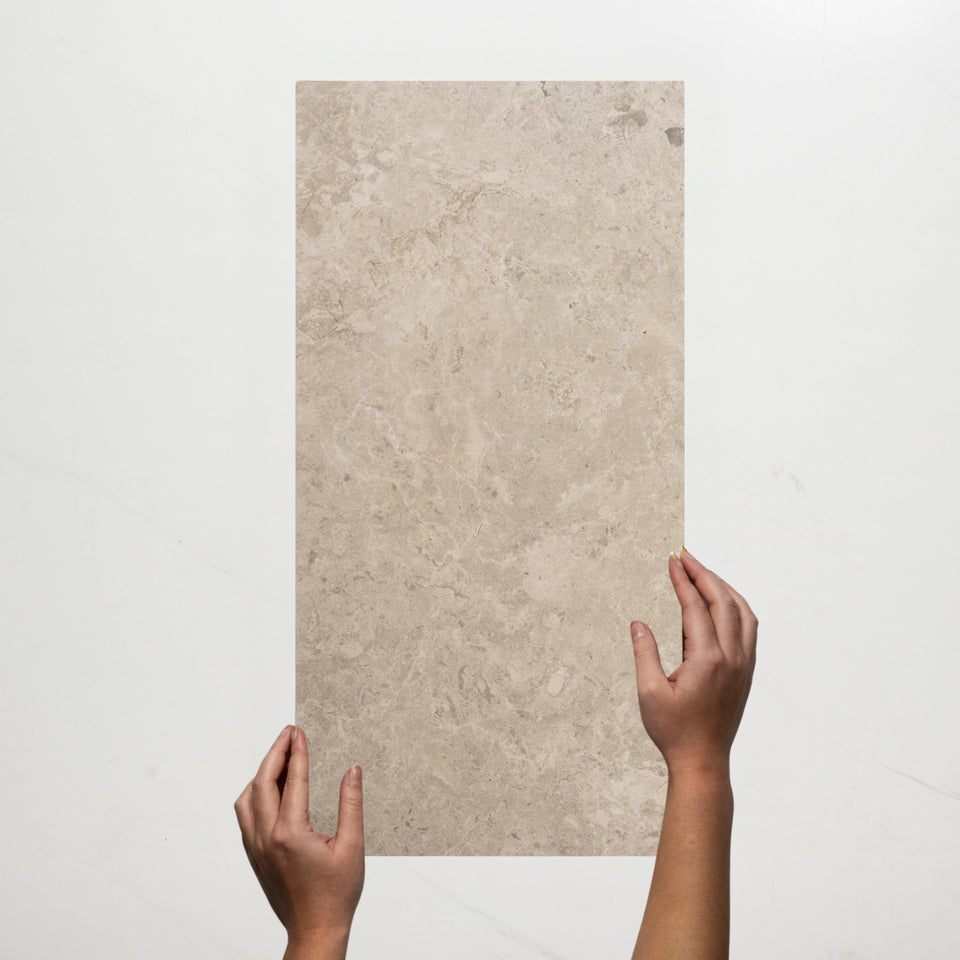
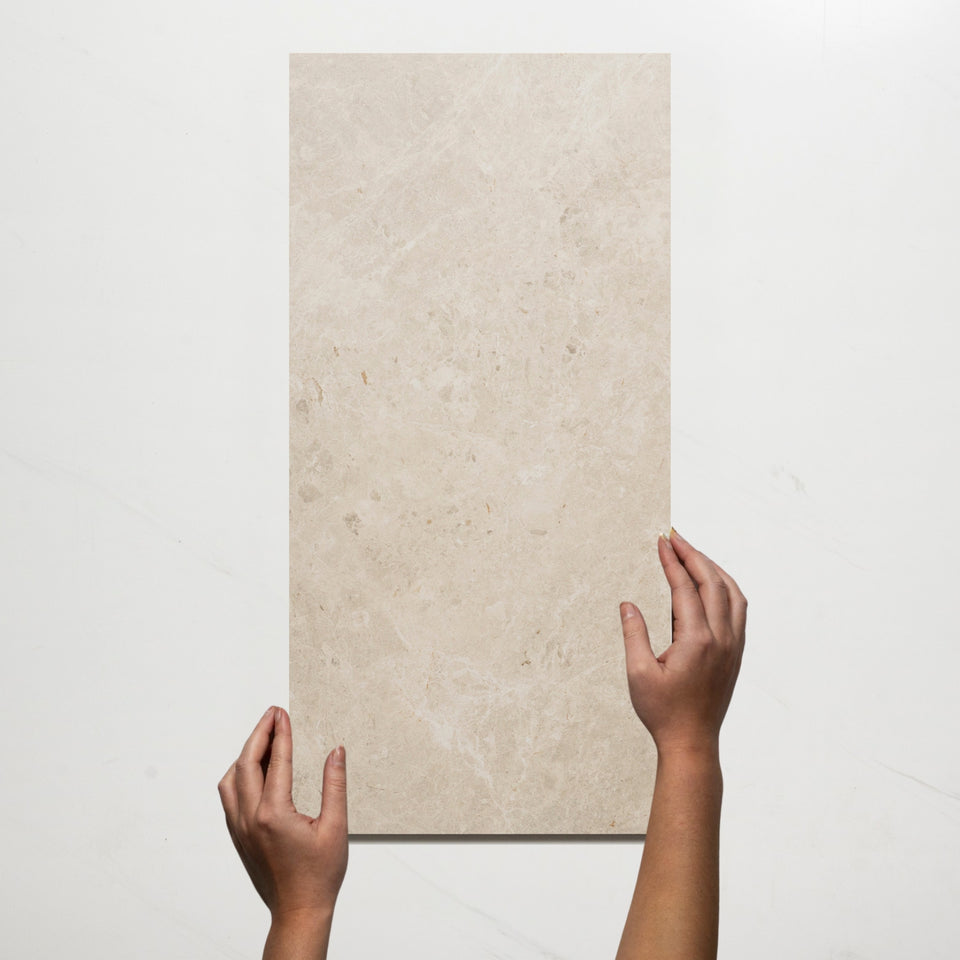
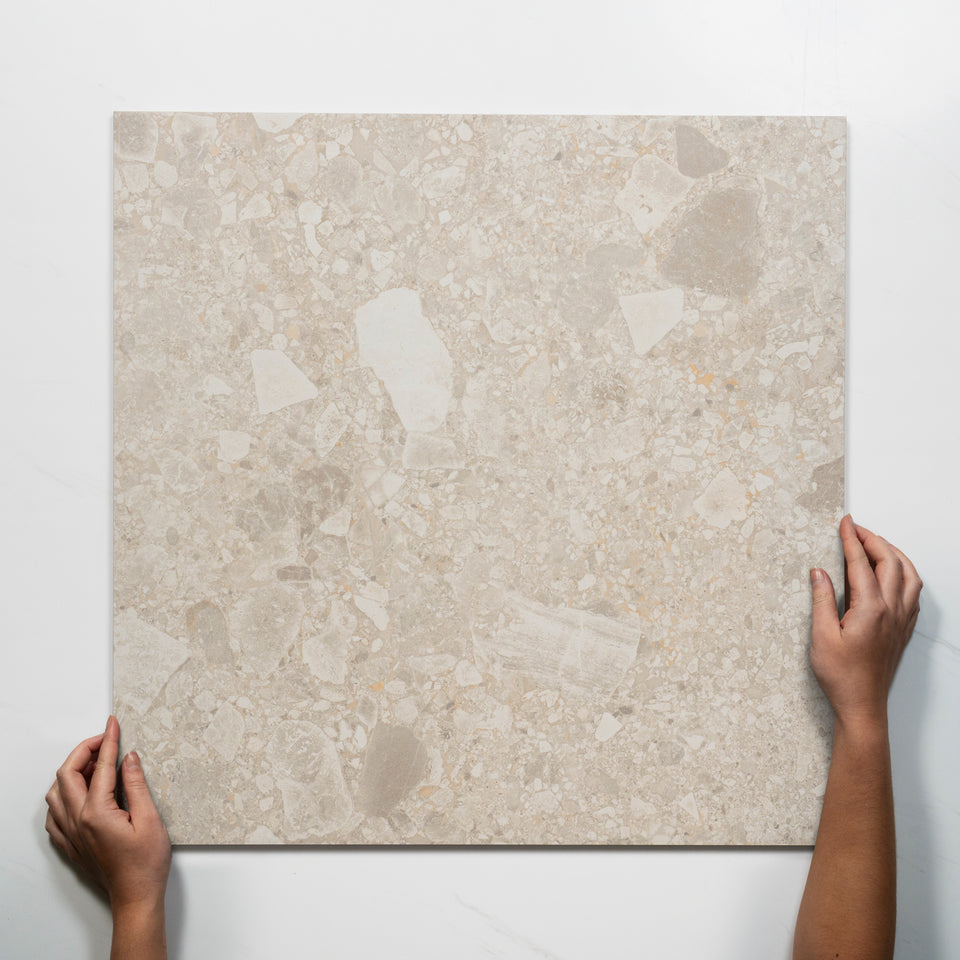
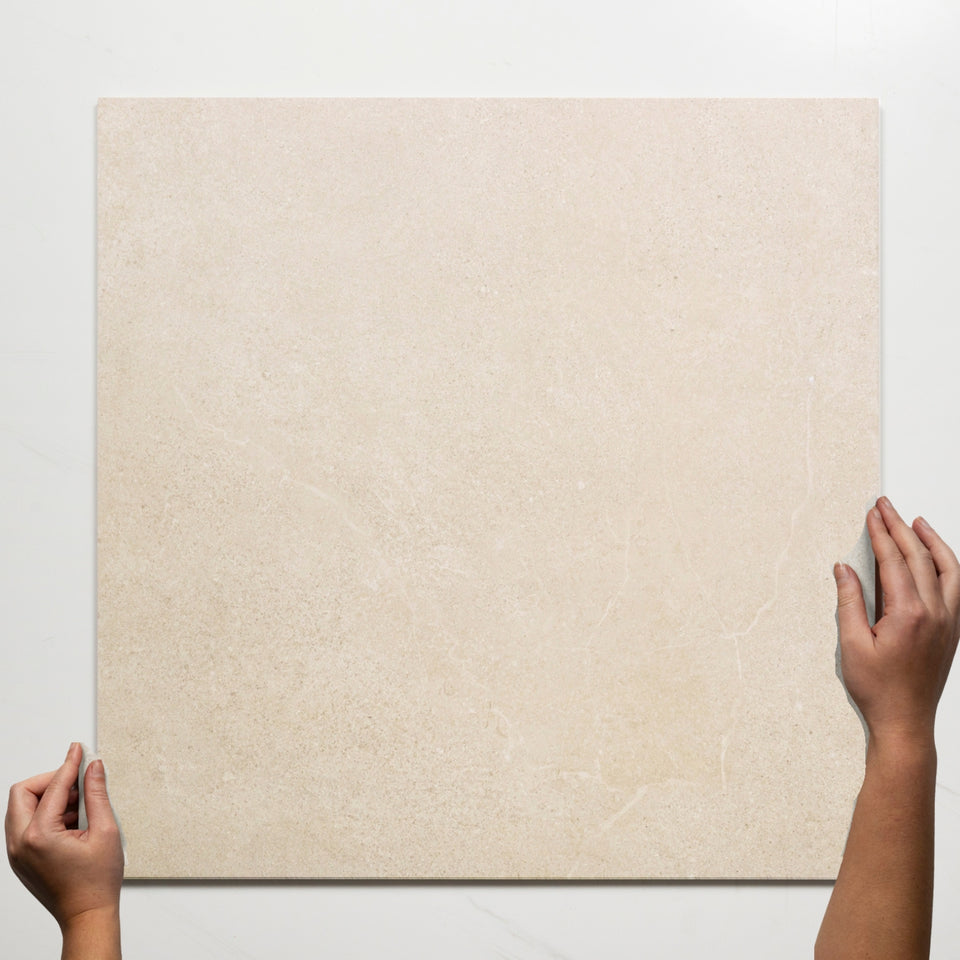
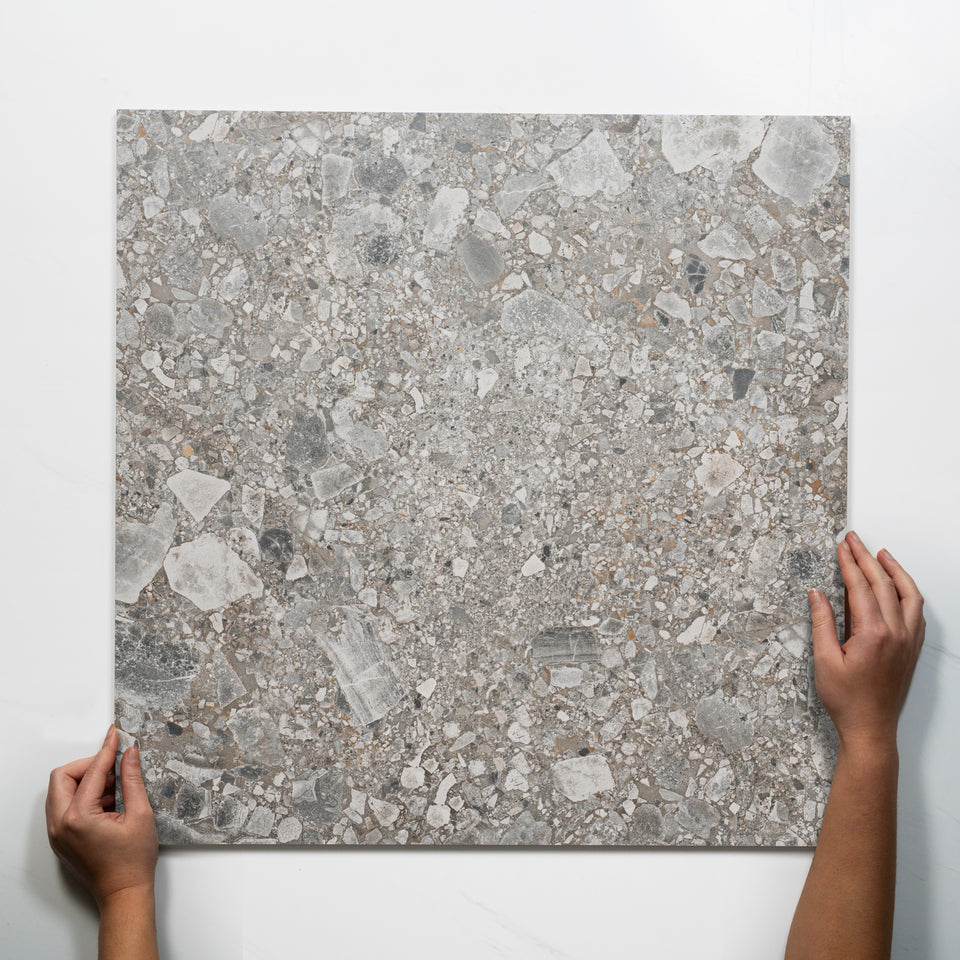
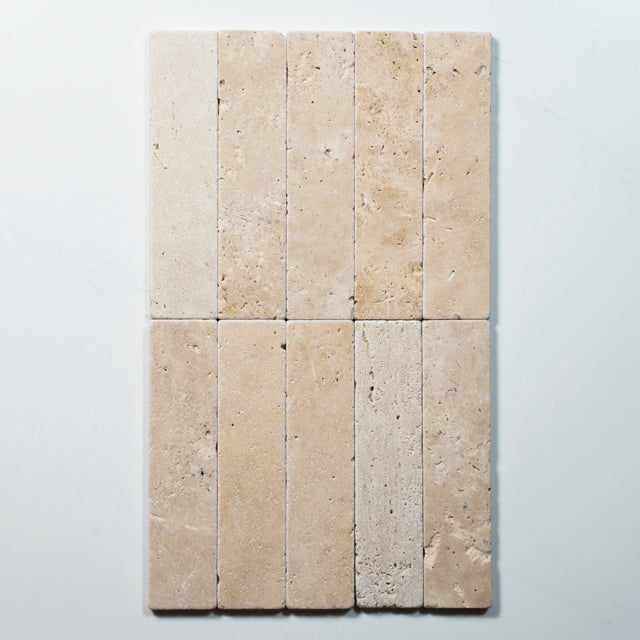
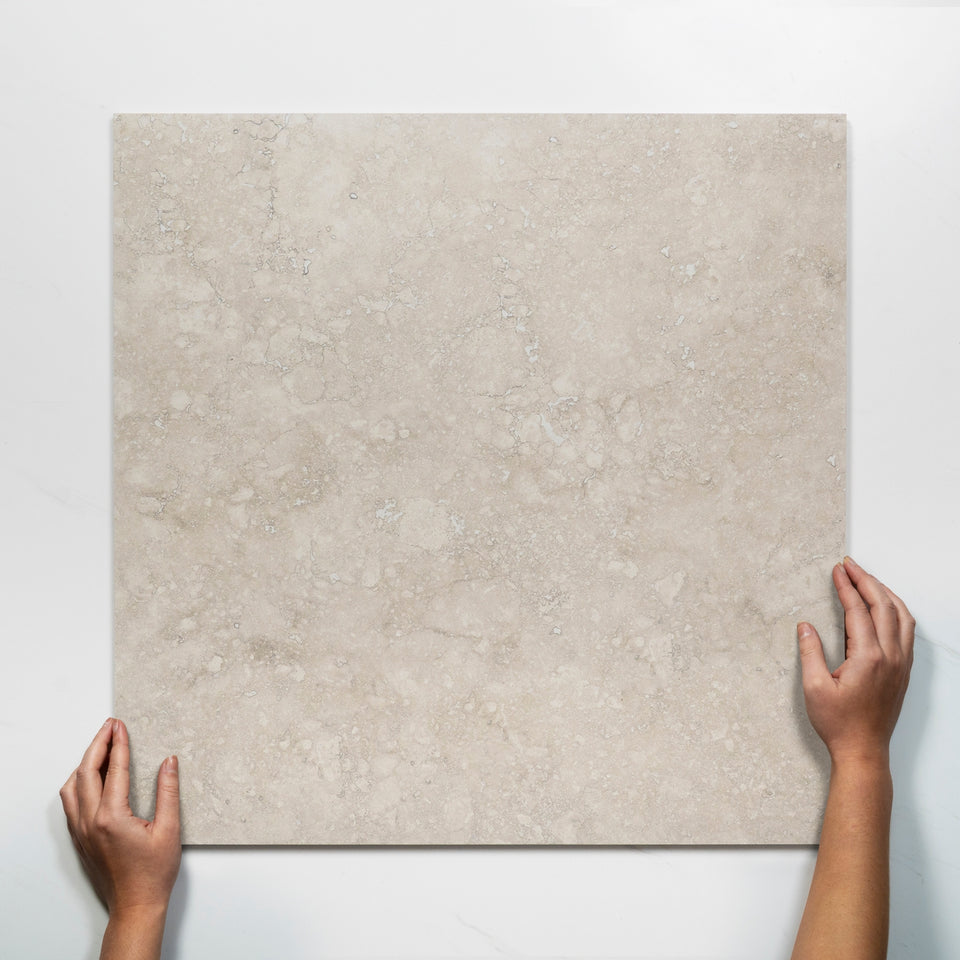

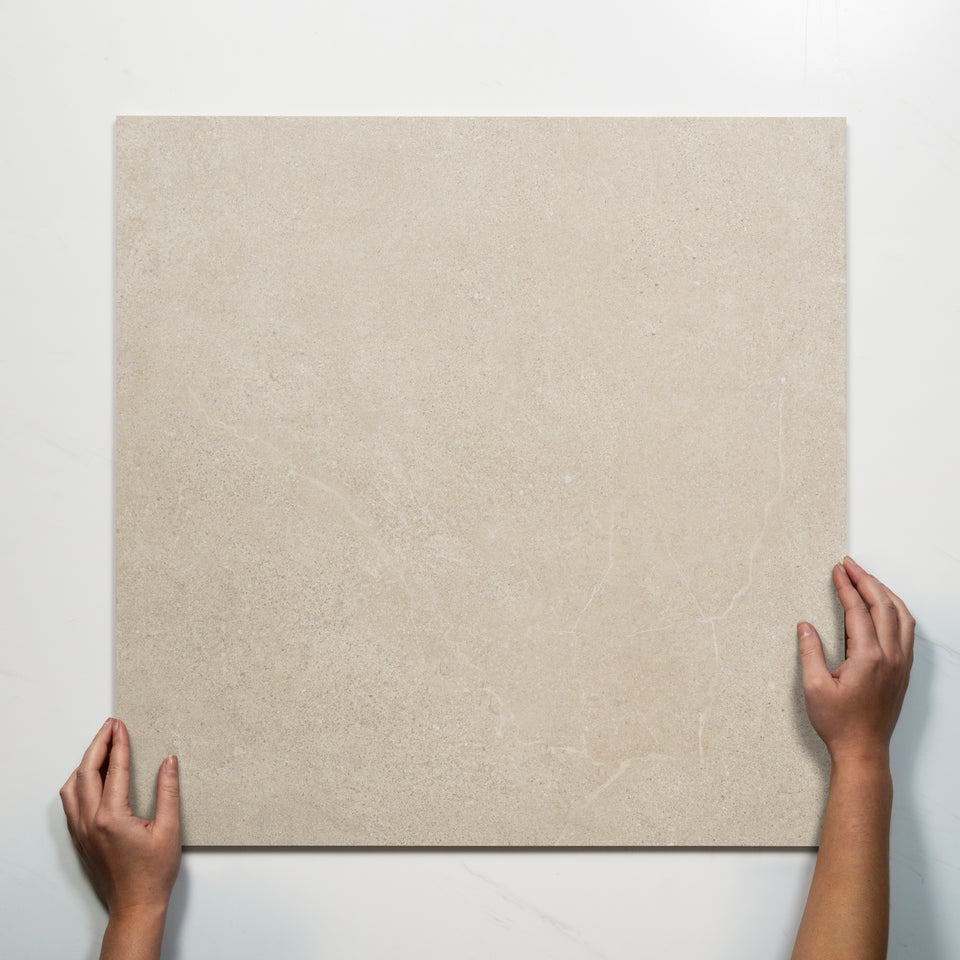


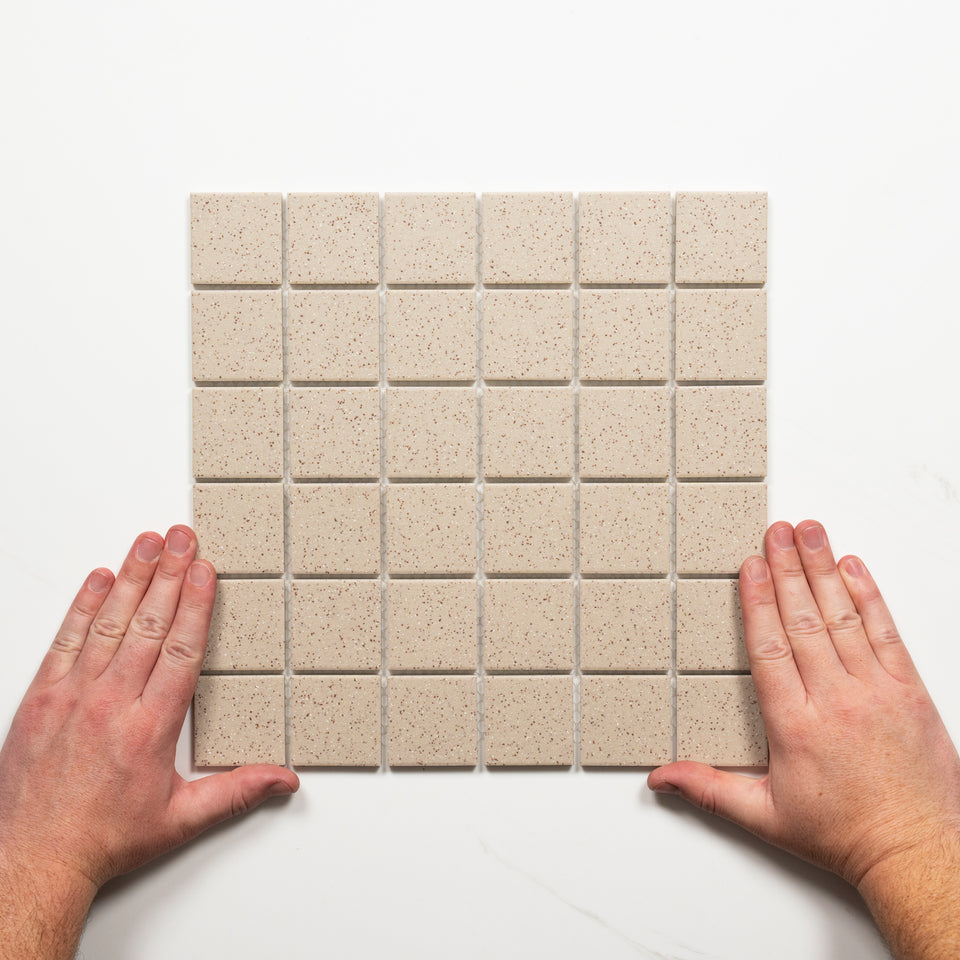
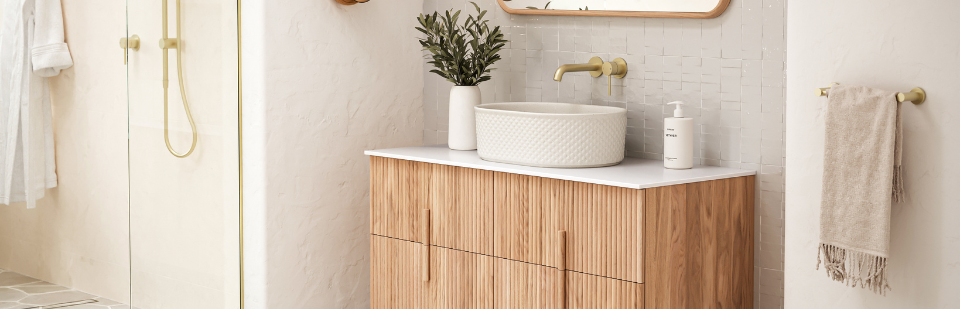
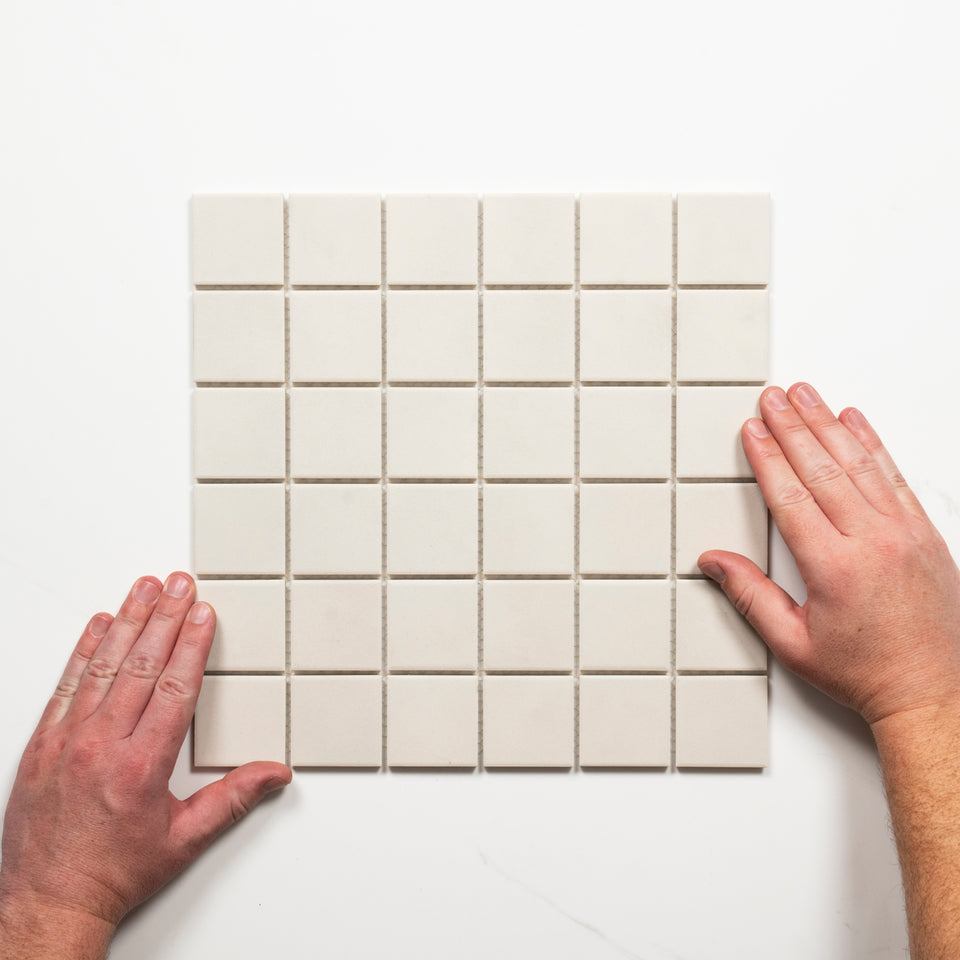


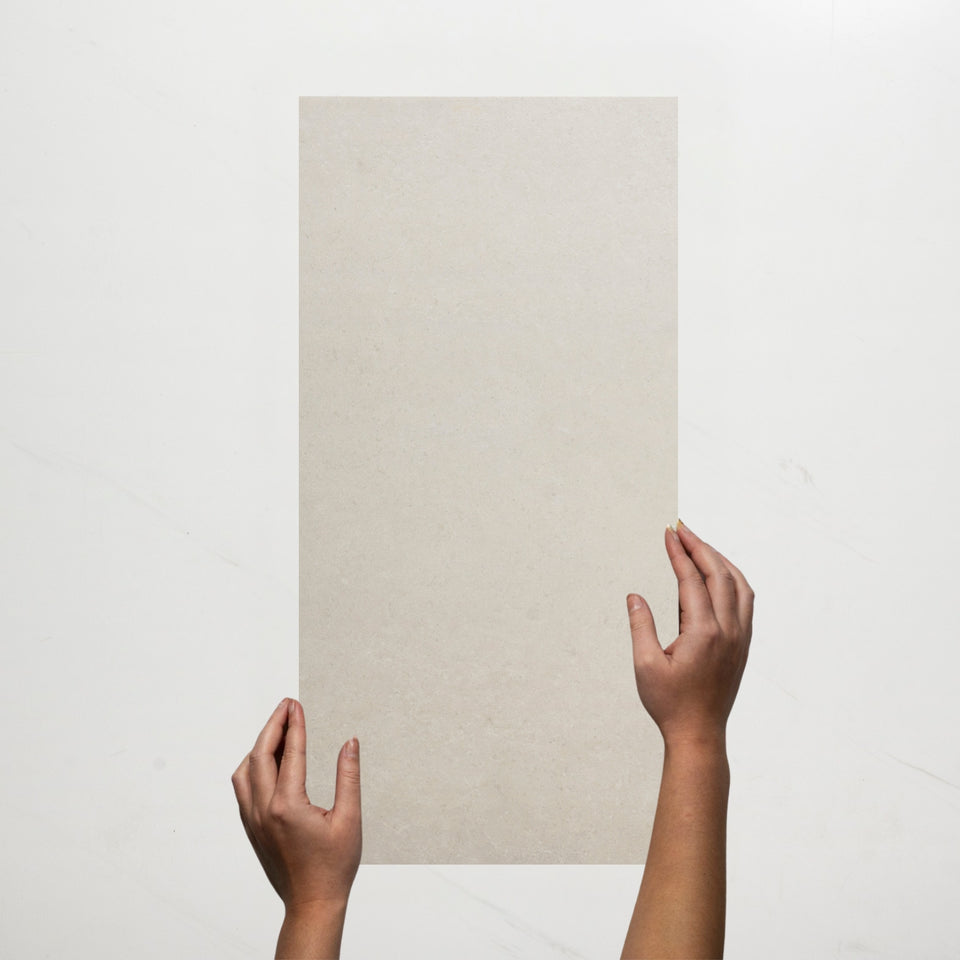
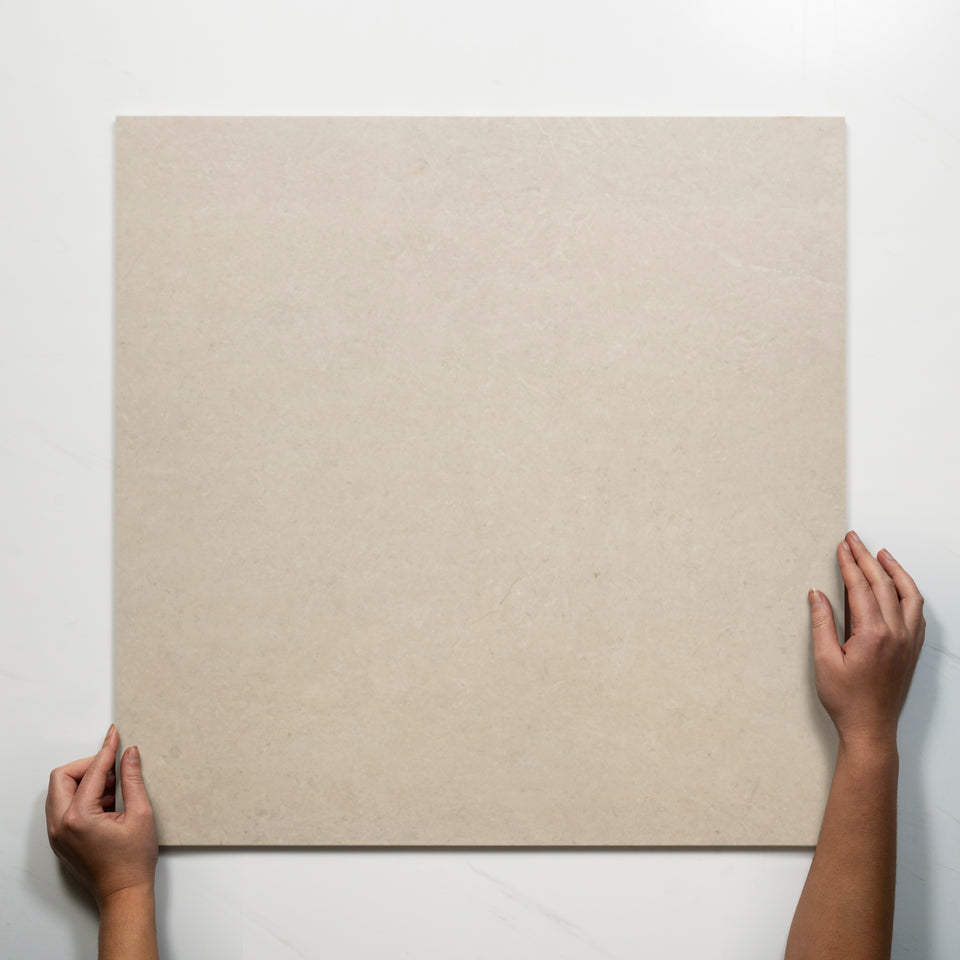
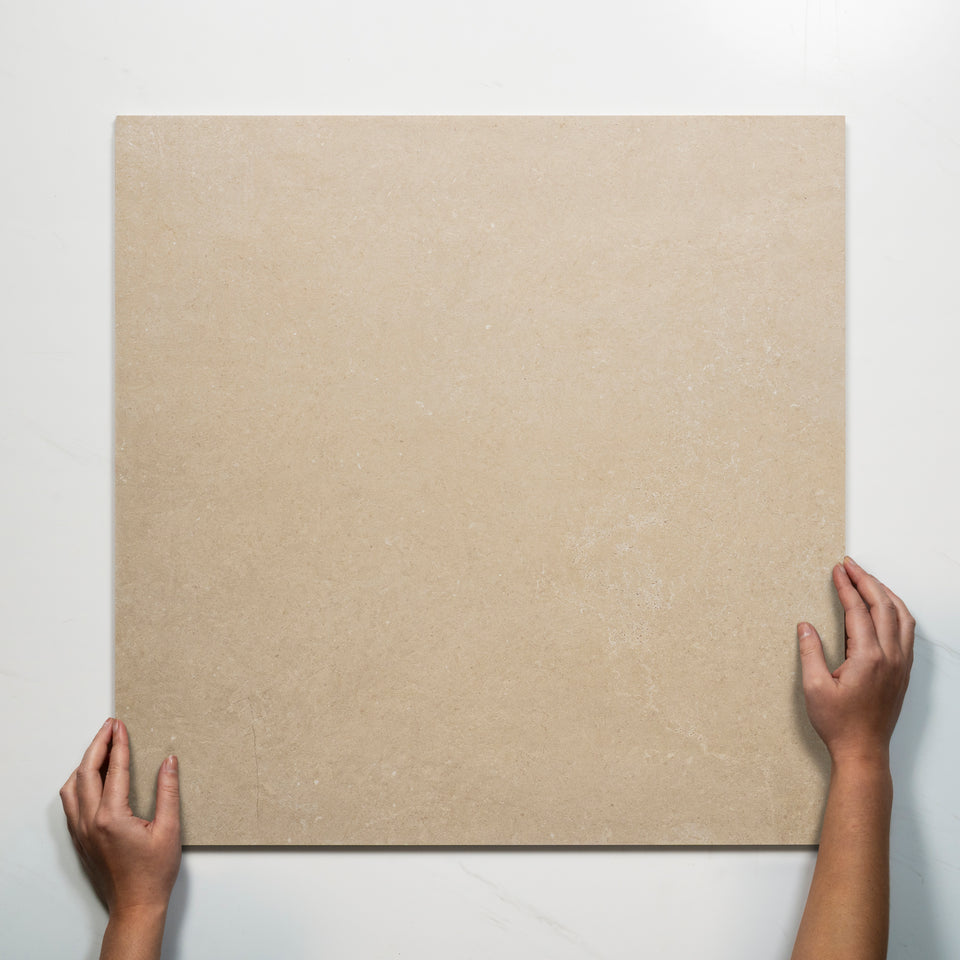

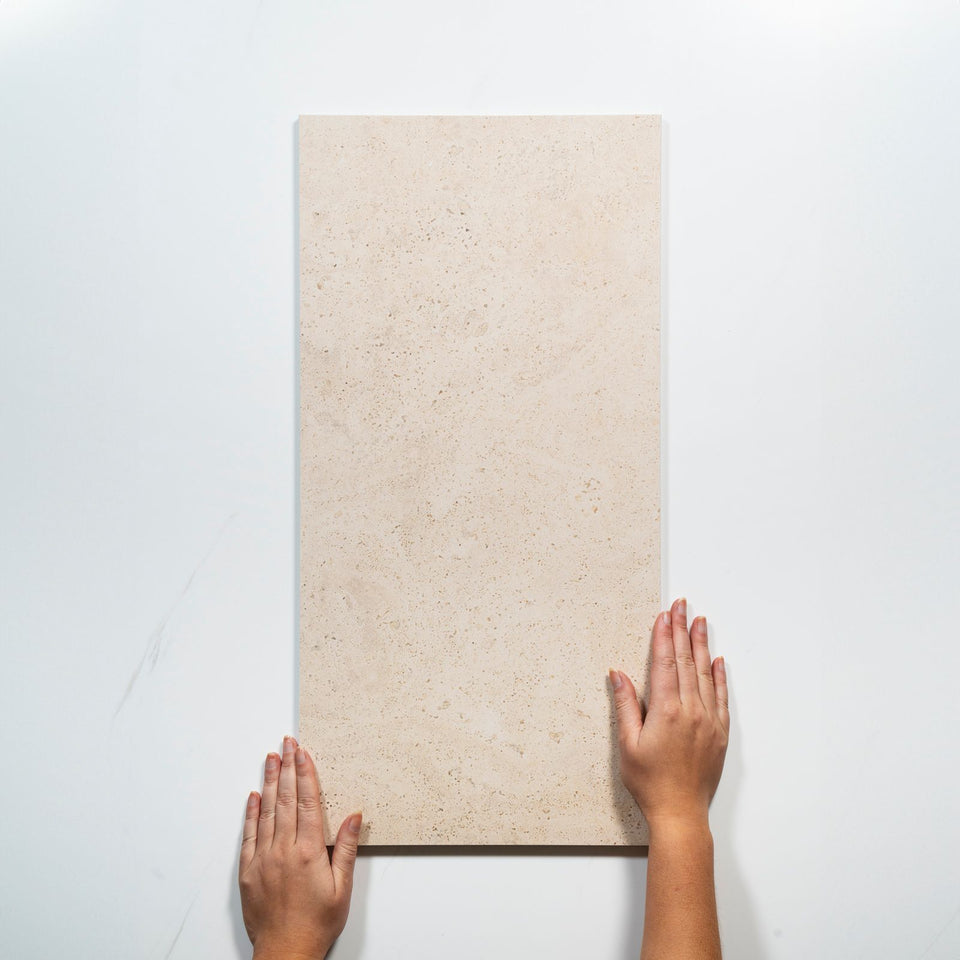
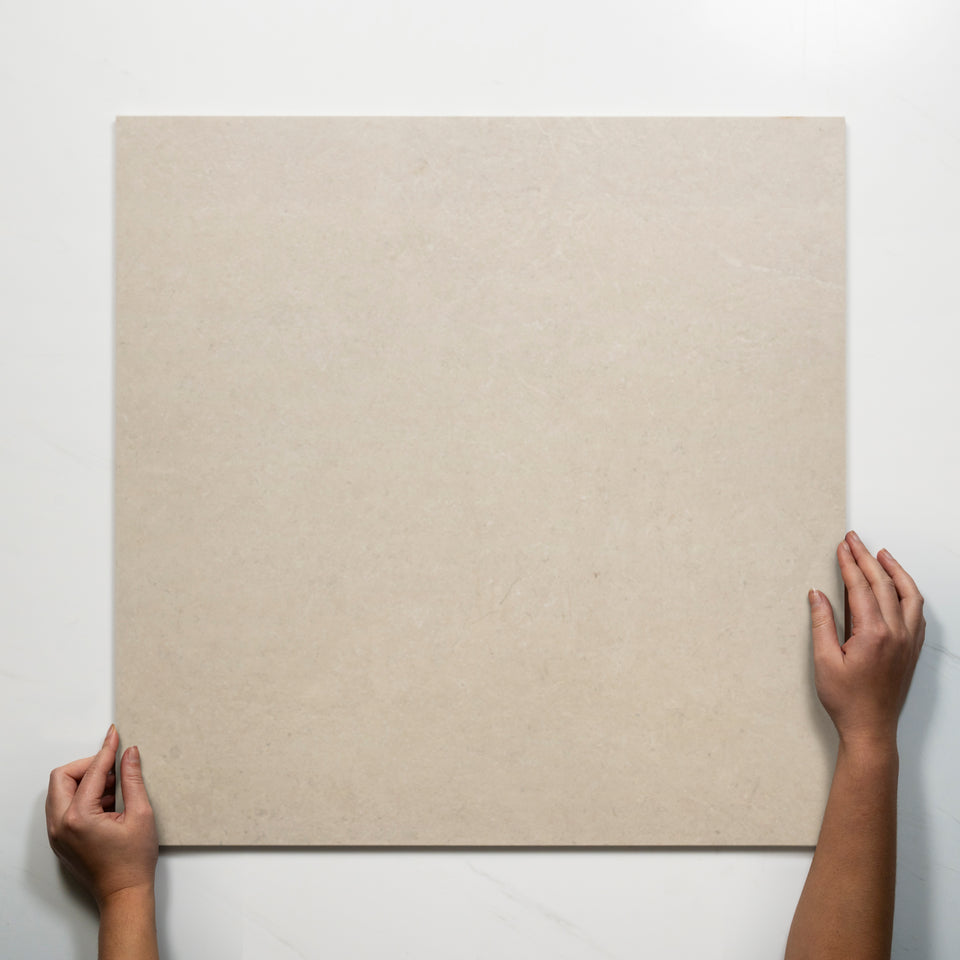

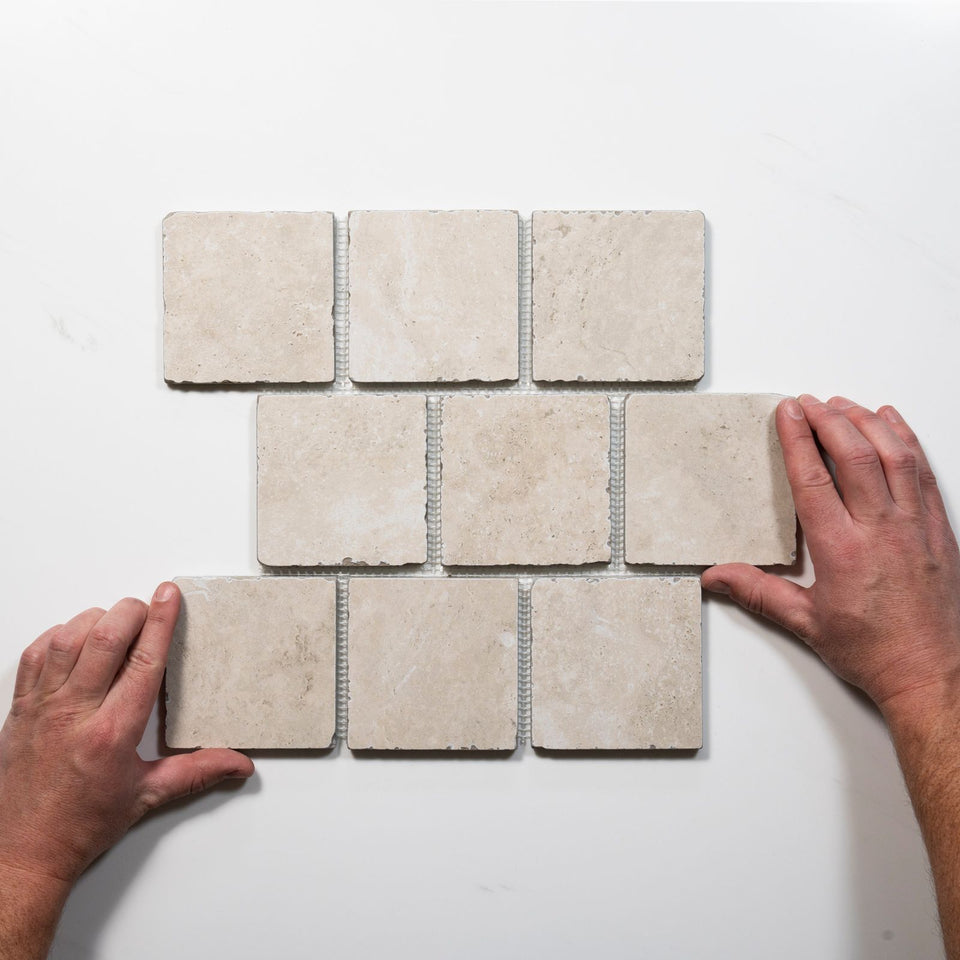
A floor tile needs to perform two roles at once: it needs to hold up structurally and practically to daily use, and it needs to set the visual foundation the rest of the room's fixtures and furnishings sit on top of. Getting the material and finish right matters more here than in almost any other tile application, since a floor tile can't easily be replaced once installed.
Porcelain remains the standout choice for durability, dense and low-porosity, which makes it resistant to wear and well suited to high-traffic areas and wet zones alike. Ceramic is generally more affordable and still performs well across a range of indoor applications, though it's better suited to lighter-duty floors than a genuinely heavy-traffic area.
Beyond material, checking a tile's PEI rating, a 1-5 scale measuring surface hardness, gives a clearer sense of how well a specific tile will hold up underfoot over time, particularly relevant for a busy family home or a commercial-adjacent space.
Neutral tones remain the most versatile starting point. White tiles and grey tiles are timeless and complement almost any surrounding décor, while black tiles bring a considerably more dramatic effect, particularly striking in a contemporary bathroom or kitchen. Terracotta-look tiles bring earthy warmth without the maintenance demands of genuine fired clay, and beige tiles offer a warmer alternative to grey with similar versatility. For a bolder statement, blue tiles and pink tiles both range from subtle, muted tones through to considerably more saturated options suited to a genuine feature floor.
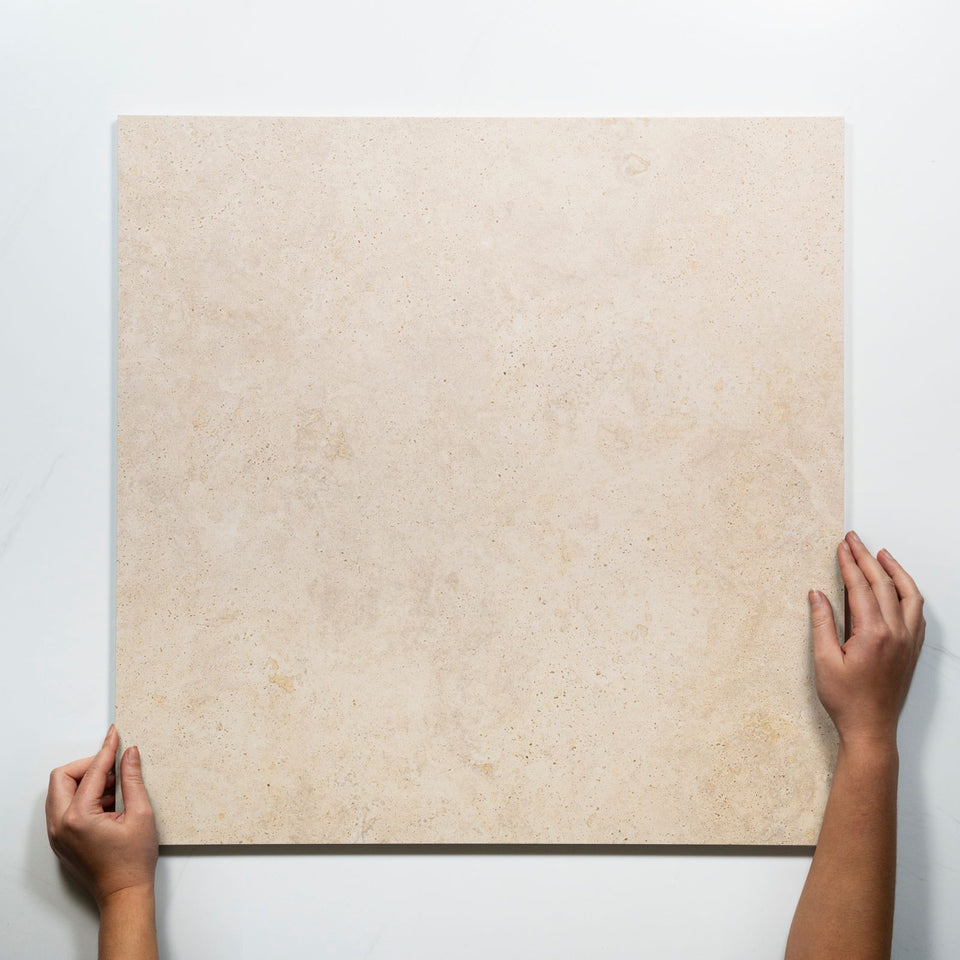
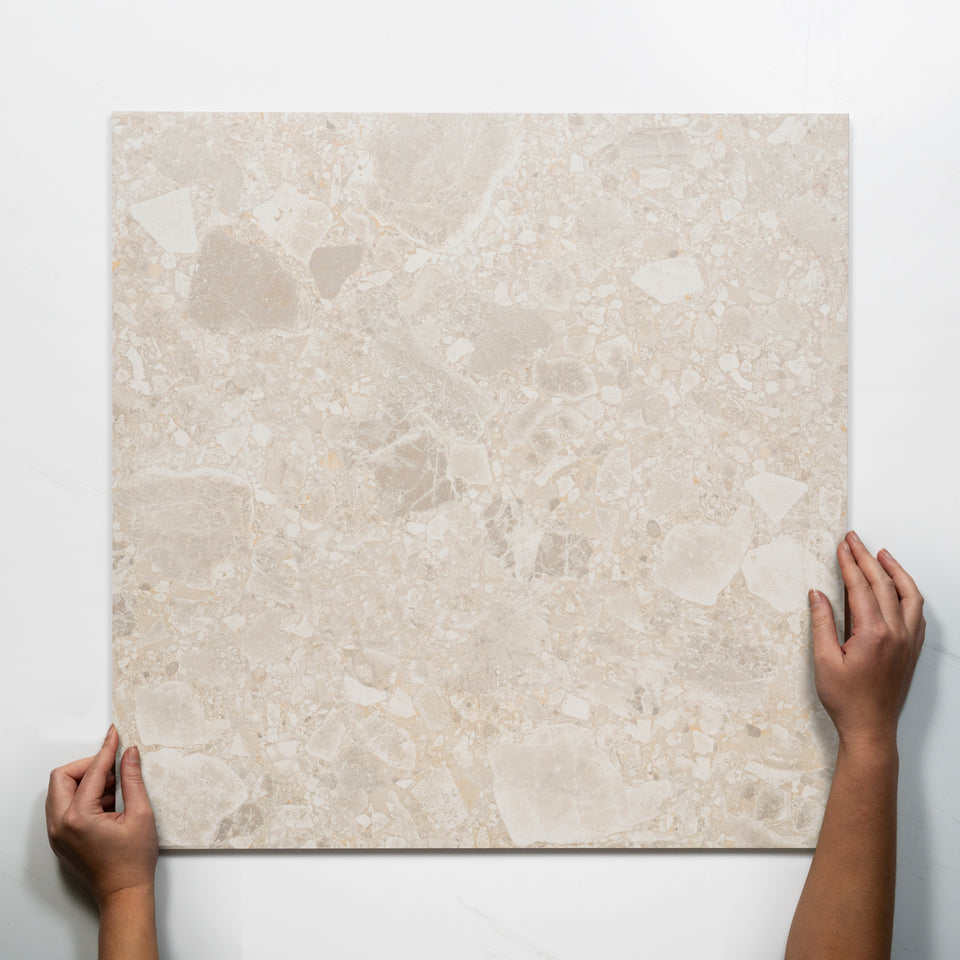
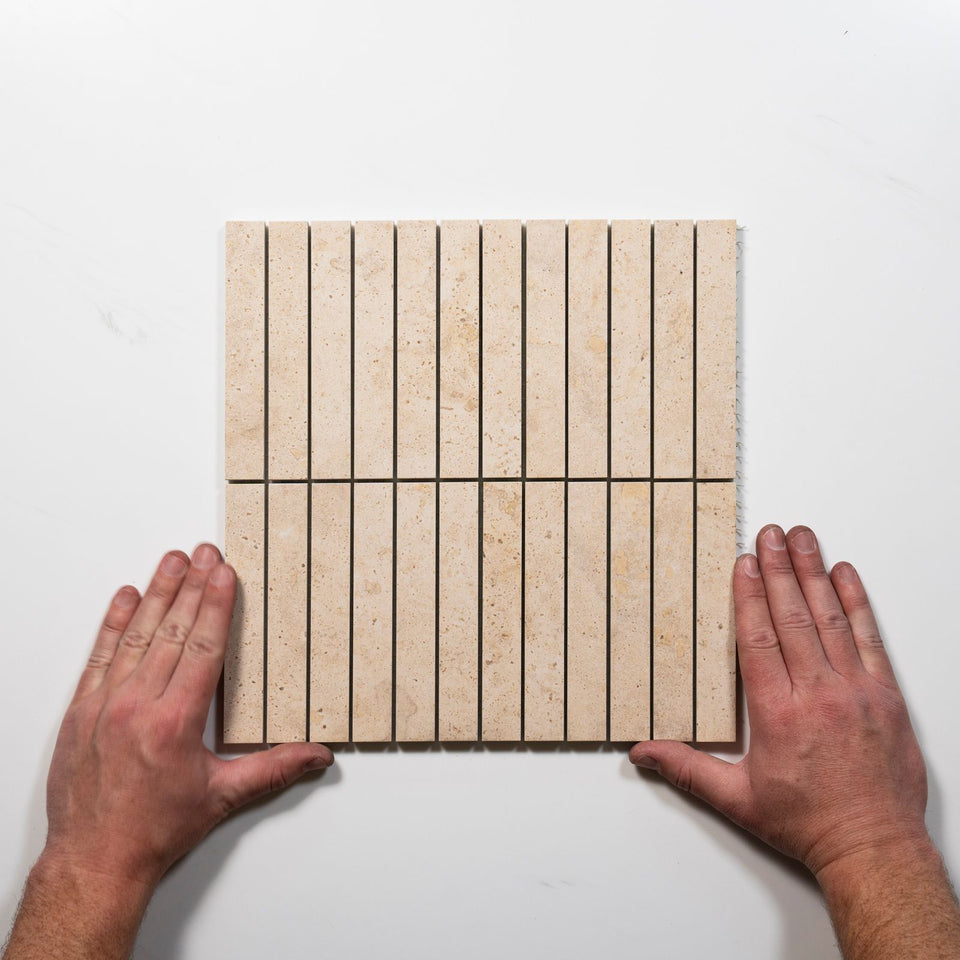
Herringbone laying patterns bring a contemporary, considered look to a floor, particularly effective with a narrower rectangular tile. Mosaic tiles lend a more artistic, detailed quality, well suited to a smaller area or a feature strip rather than a full room. Travertine-look tiles bring subtle natural texture and variation, giving a sense of genuine stone material without the higher cost or maintenance that comes with it.
Durability and maintenance matter most in areas with heavy foot traffic or frequent spills. Porcelain remains the standout choice here, and in a bathroom specifically, subway tiles offer both water resistance and a genuinely timeless look that doesn't date quickly.
Slip resistance is worth checking specifically for any wet-area floor. Tiles rated R10 or higher under AS 4586 are generally recommended for bathroom and laundry floors, while outdoor or pool-adjacent areas need a P3 or higher rating instead.
Size and layout affect how a room is perceived as much as how it functions. Large-format tiles, such as 600mm x 1200mm, tend to make a room feel more spacious, since there are fewer grout lines breaking up the visual field. Smaller tiles, around 100mm x 100mm, add intricate detail and suit a feature area or a room where a more textured, patterned floor is the goal.
Complementing the room's design matters as much as the tile choice in isolation. Matching flooring to walls or fixtures gives a cohesive result; marble-look tiles, for instance, pair particularly well with classic bathroom fittings, echoing that same considered, elevated material quality.
Porcelain is denser and less porous than ceramic, giving it better resistance to moisture, staining and general wear, which makes it the more common choice for floors, particularly in bathrooms and other high-traffic or wet areas. Ceramic remains a practical, more affordable option for lighter-duty indoor floors.
For bathroom and laundry floors, a slip resistance rating of R10 or higher under AS 4586 is generally recommended. For outdoor or pool-adjacent floors, a P3 or higher rating is the standard requirement, since these areas face more consistent water exposure.
Adding 10-15% to the calculated floor area is standard practice, covering cuts, wastage, and pattern matching, along with a small reserve for future repairs if an individual tile is ever damaged.
Floor tiles are easiest to select once the room's other major fixtures, vanity, bathtub, or cabinetry, are settled, since colour and format should complement those choices rather than being decided in isolation. Browse the full tiles collection, along with bathroom vanities and bathtubs, to bring the complete room together.


