
*View accurate shipping rates and availability






95 Items

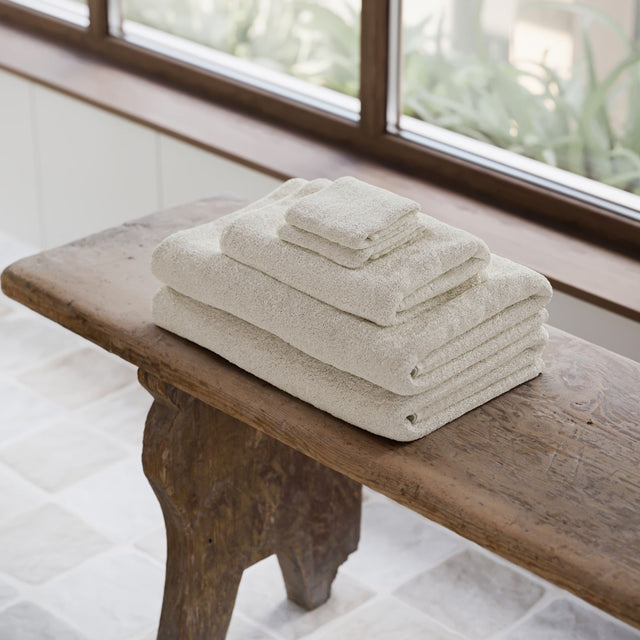
Spend over $800 and receive free gifts in your cart. Towels, accessories and full length mirrors!
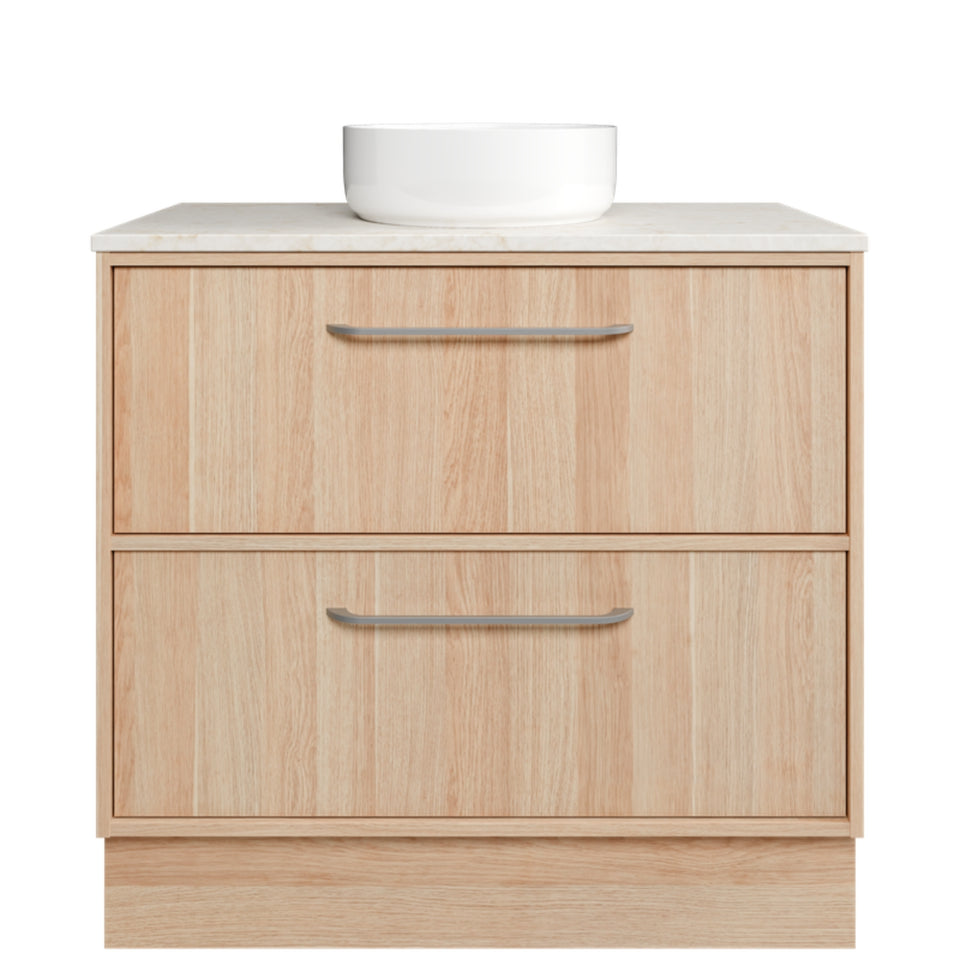
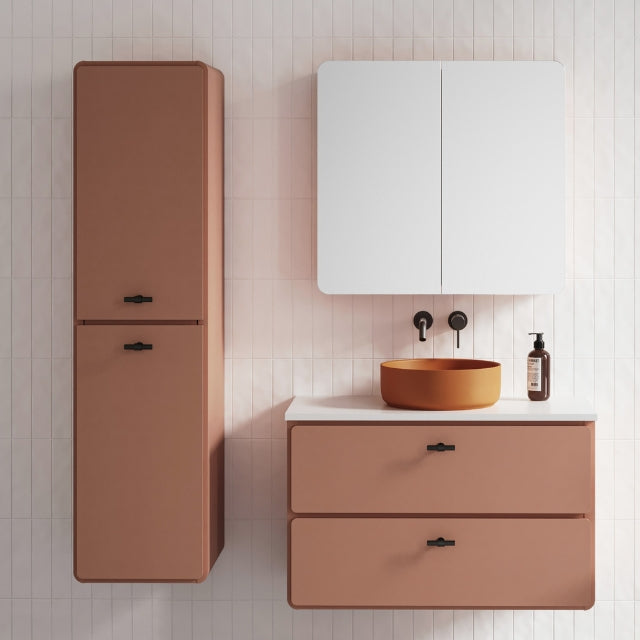
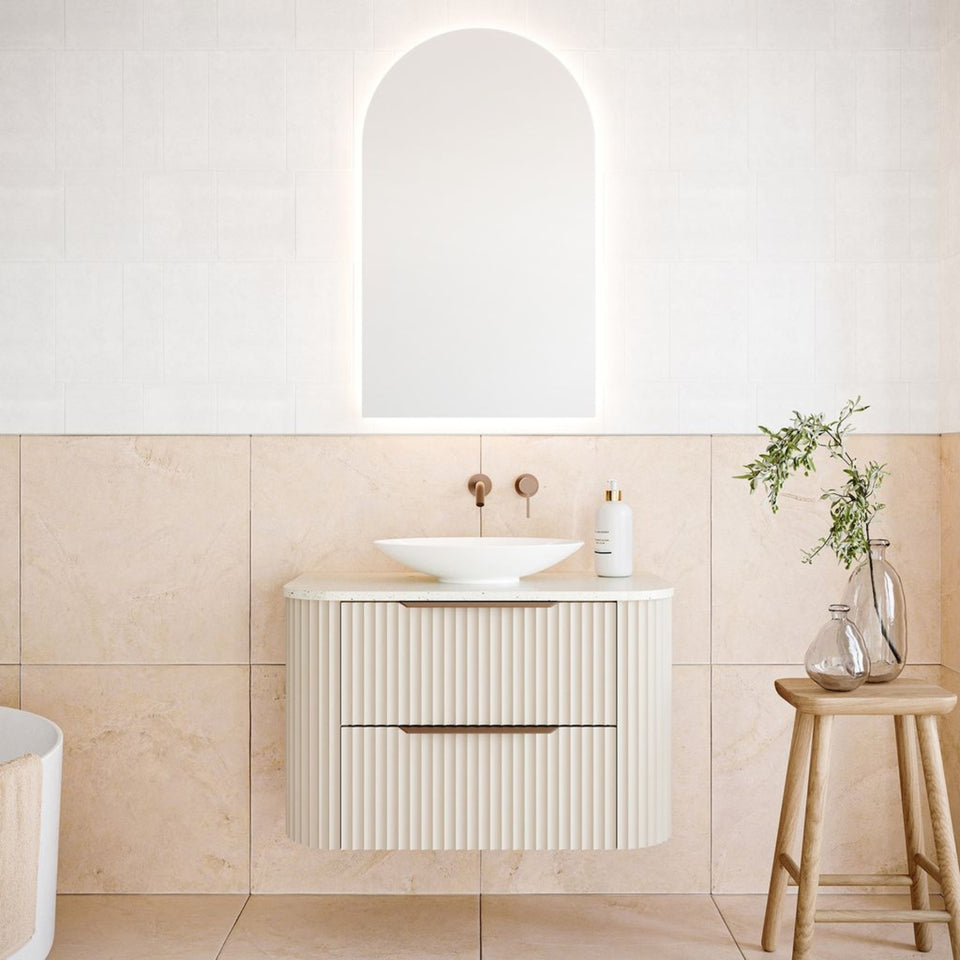
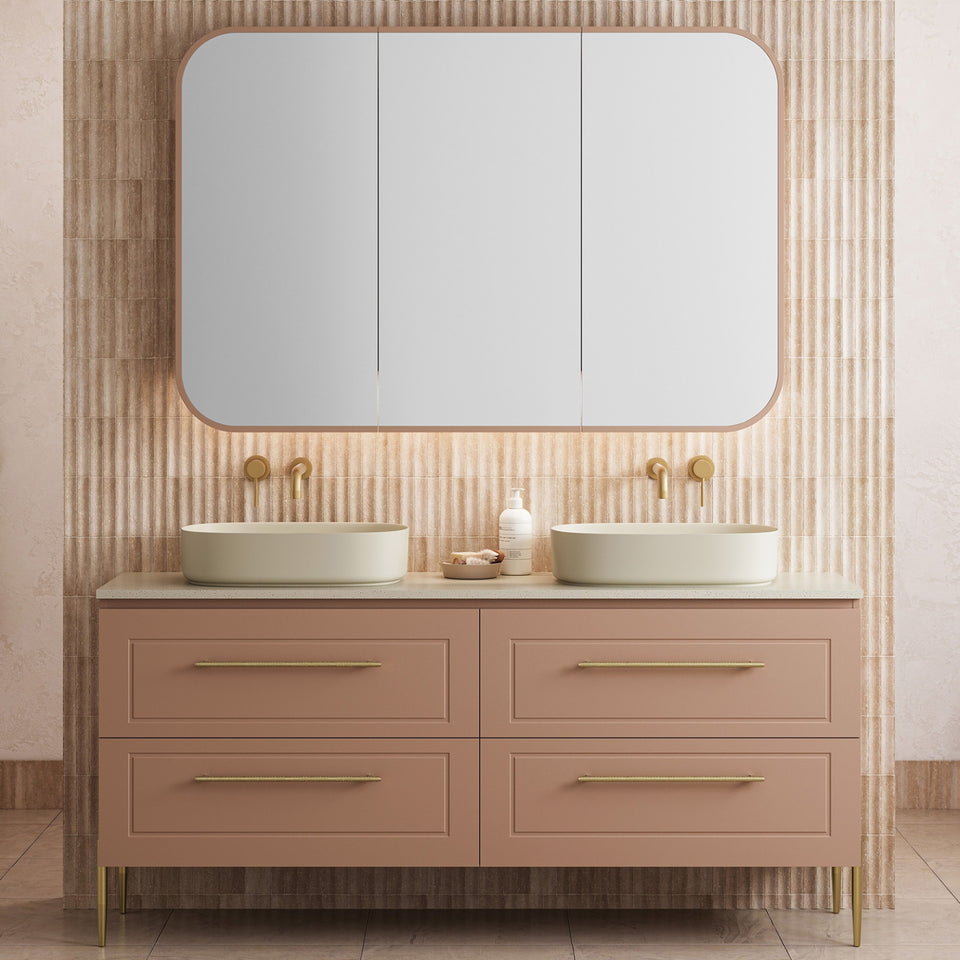
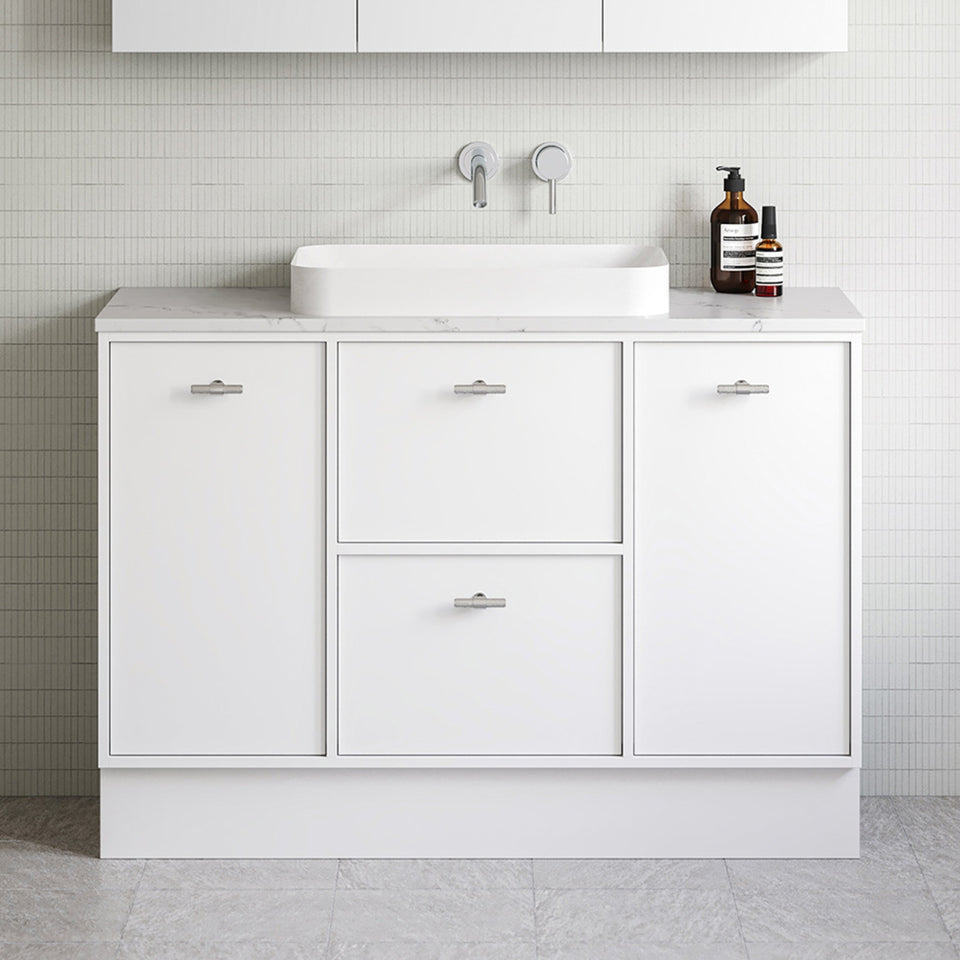
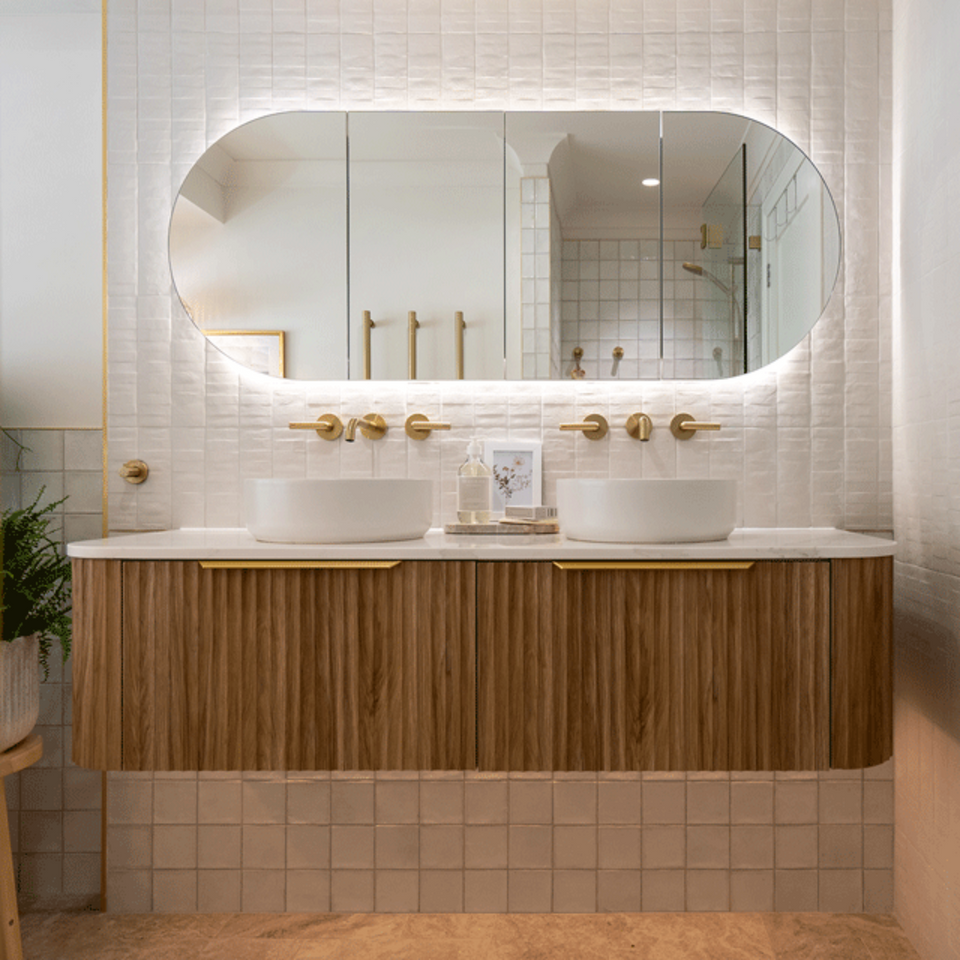
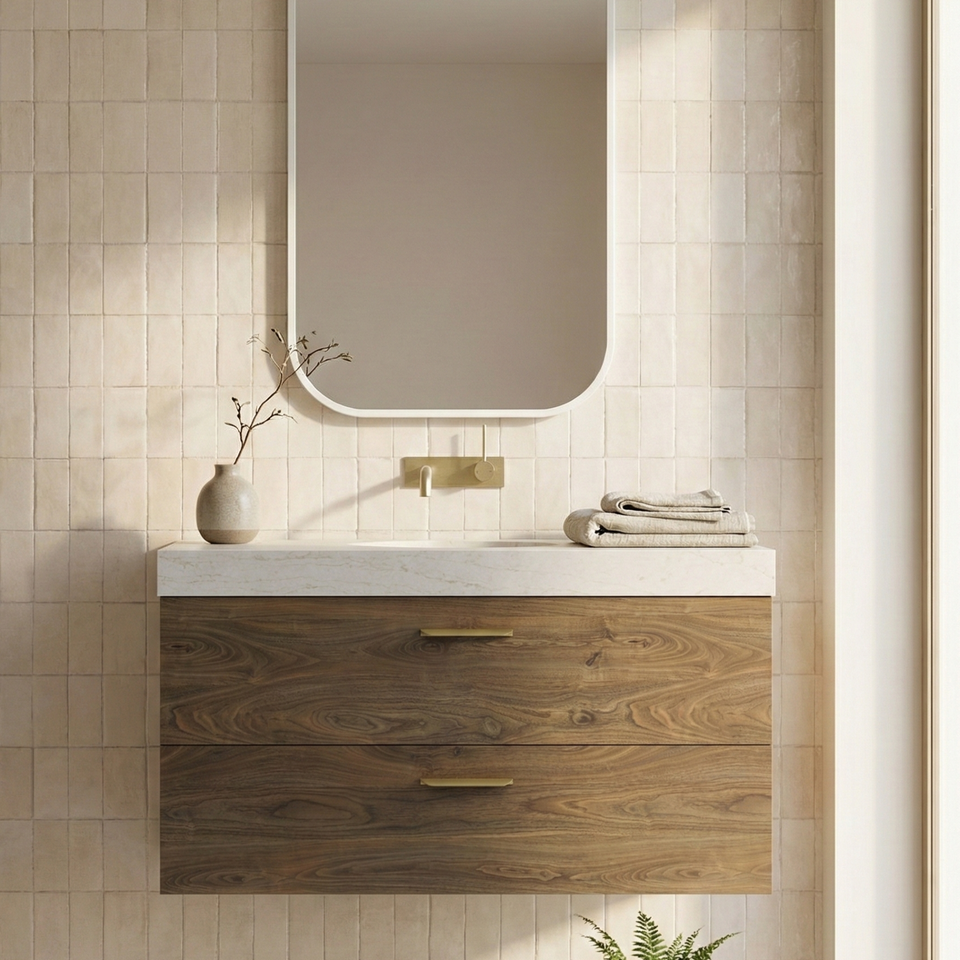
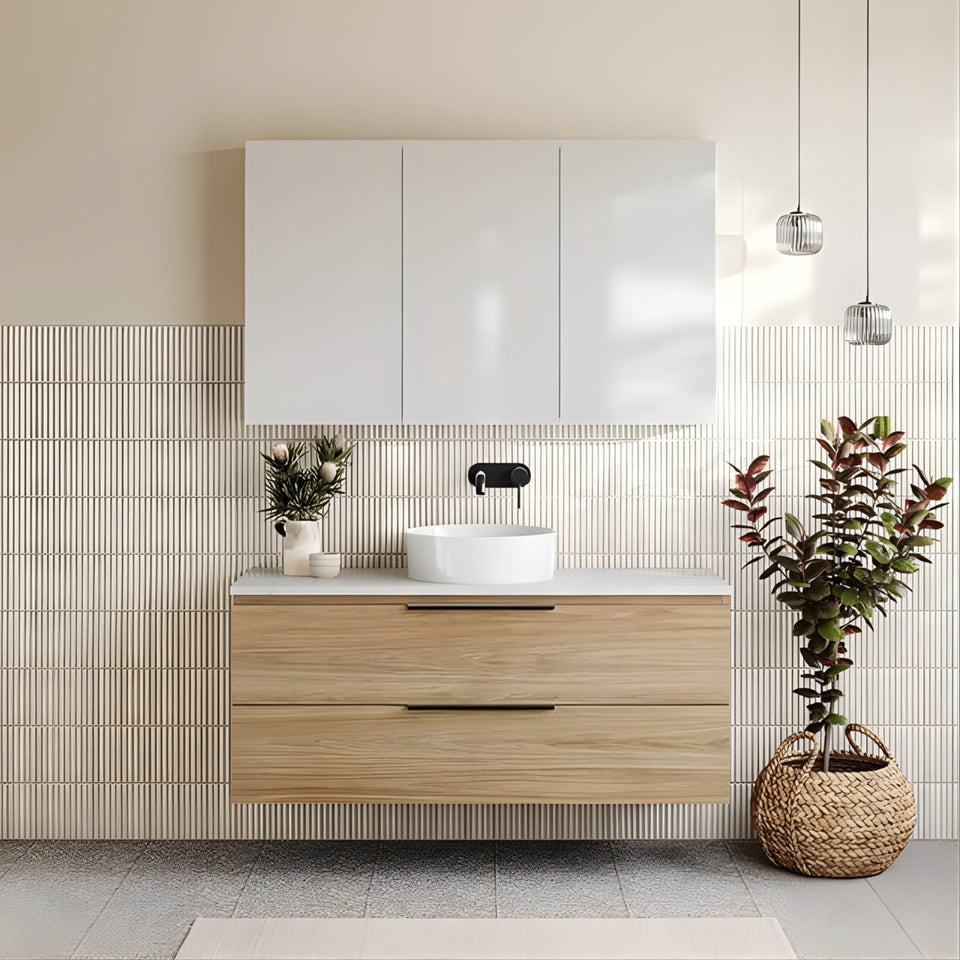
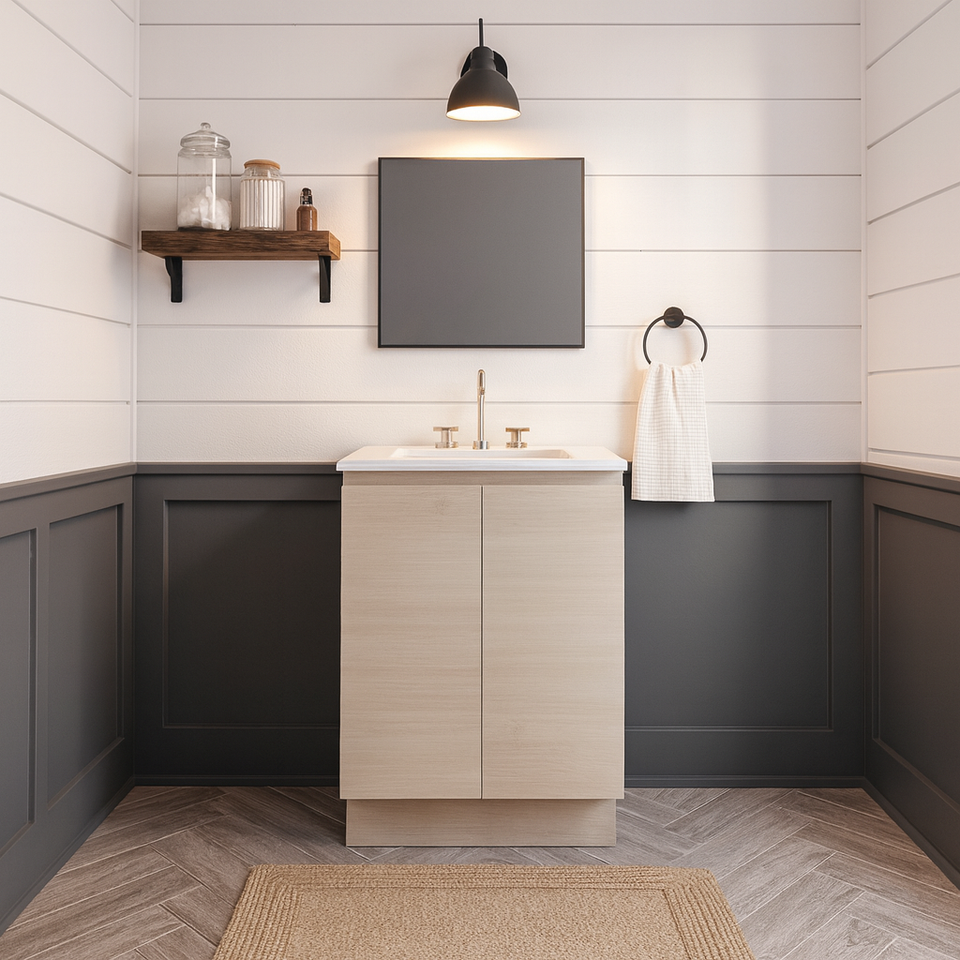
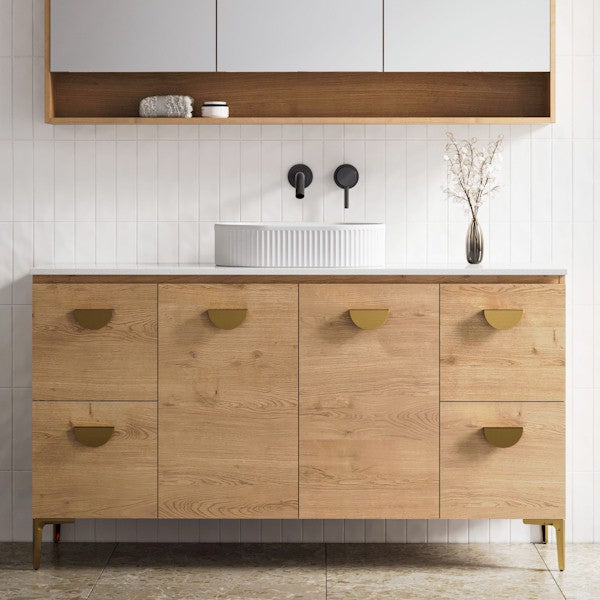
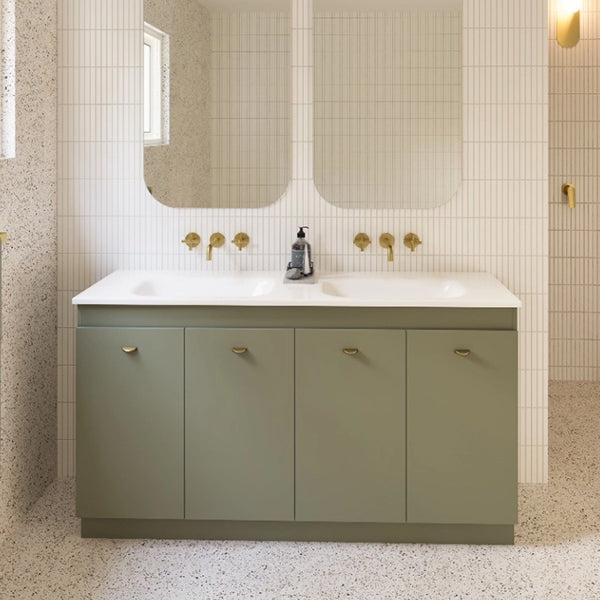
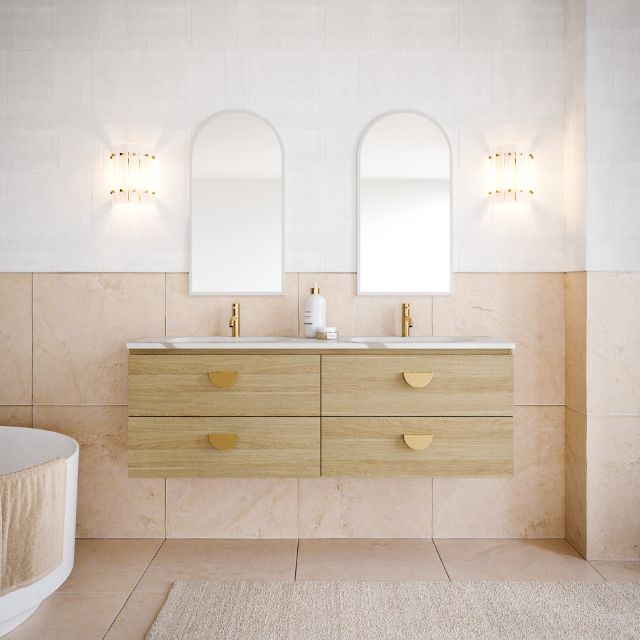
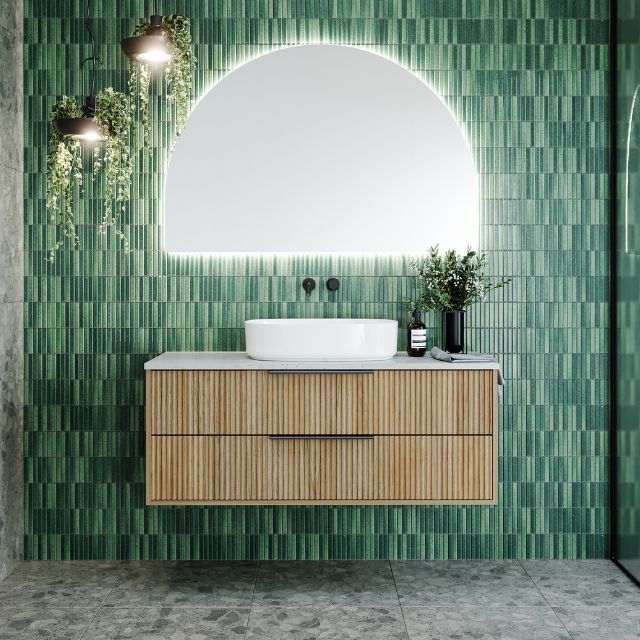
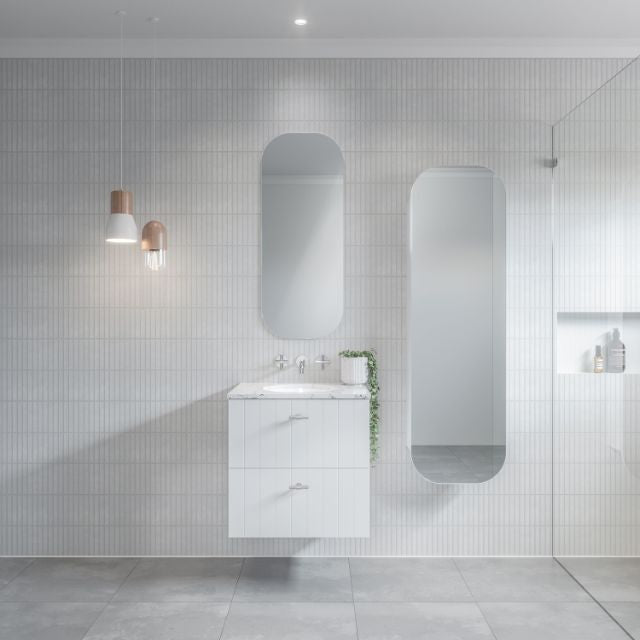
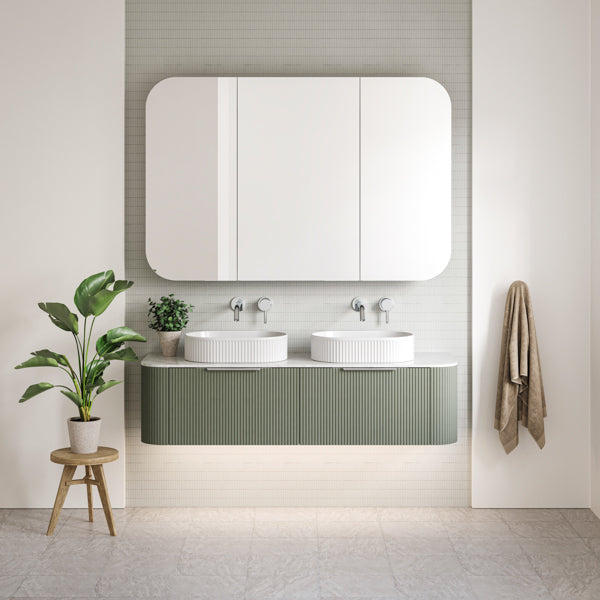
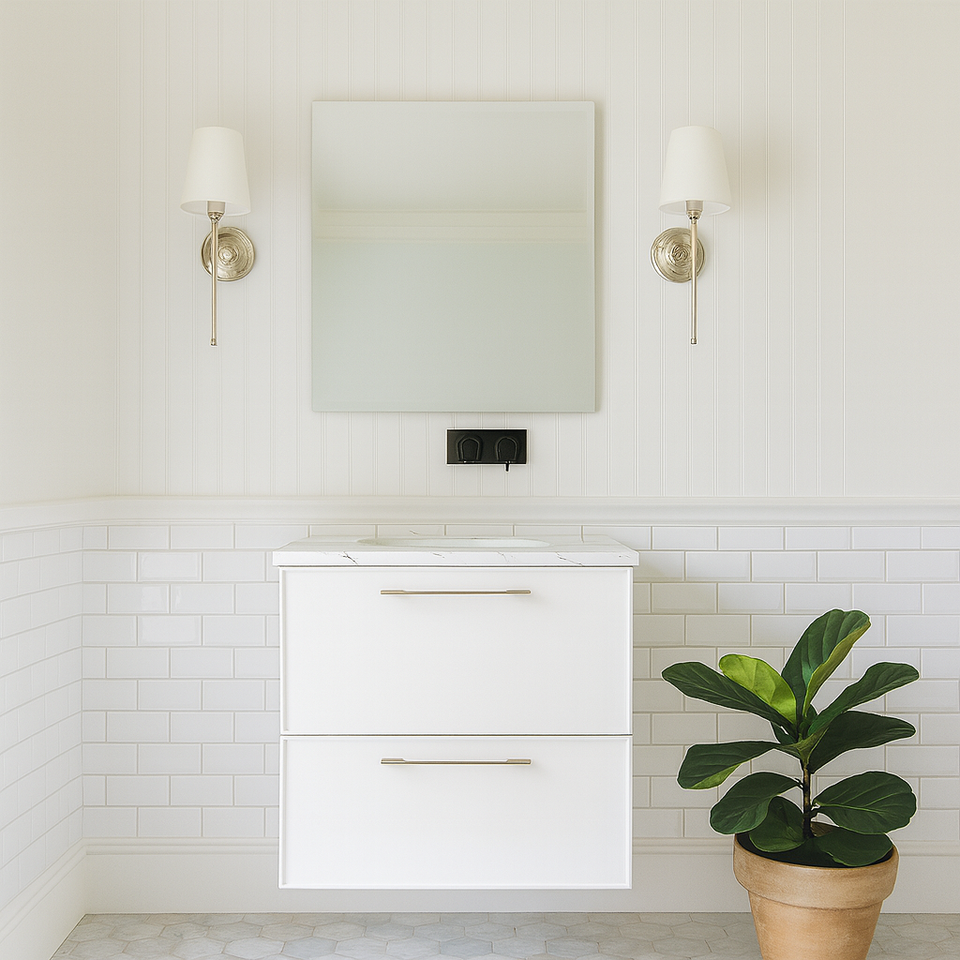
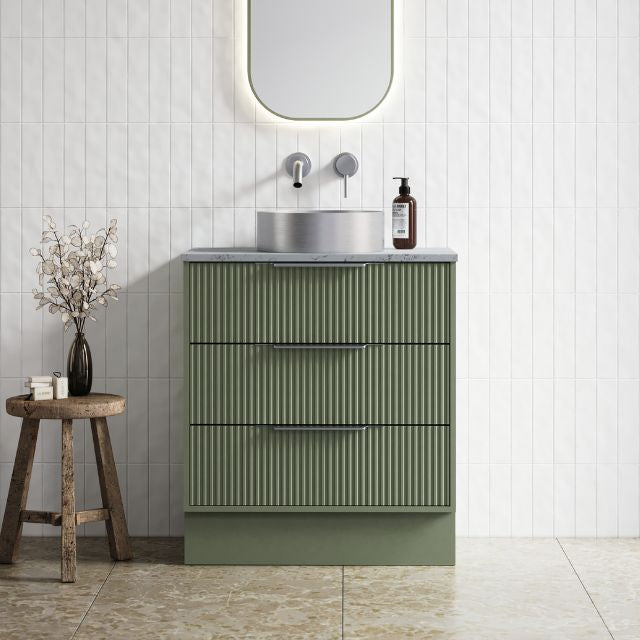
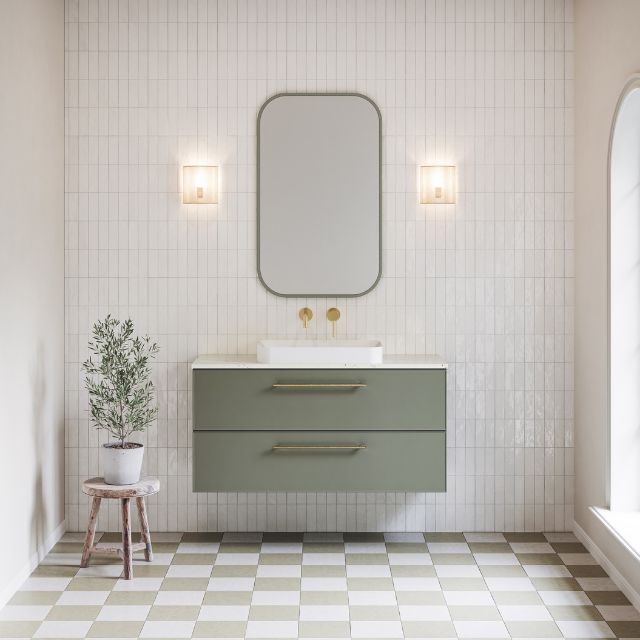
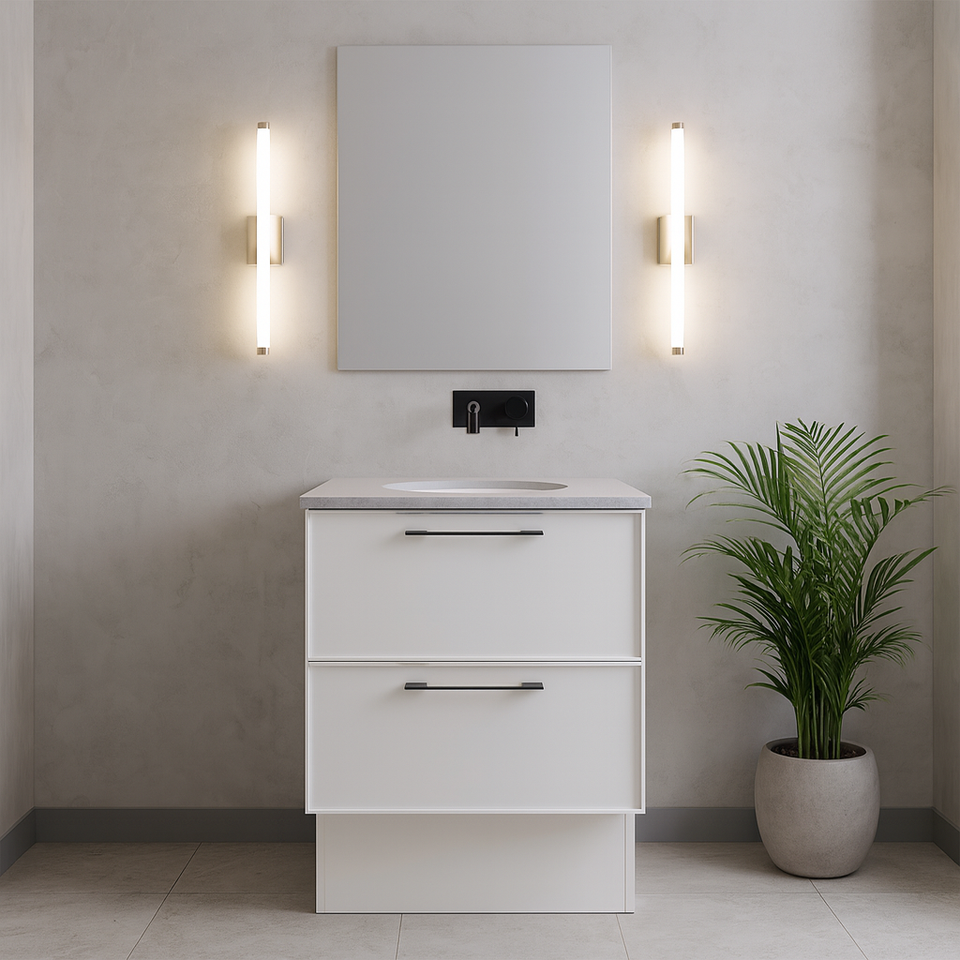
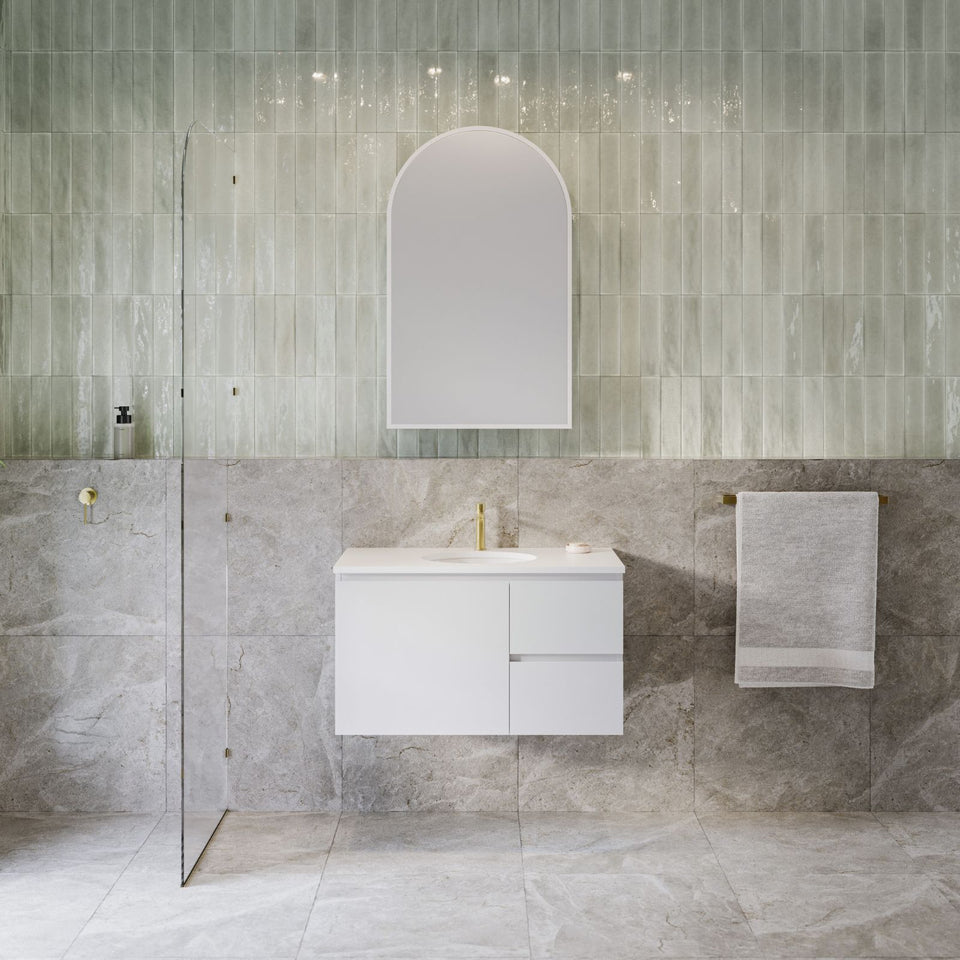
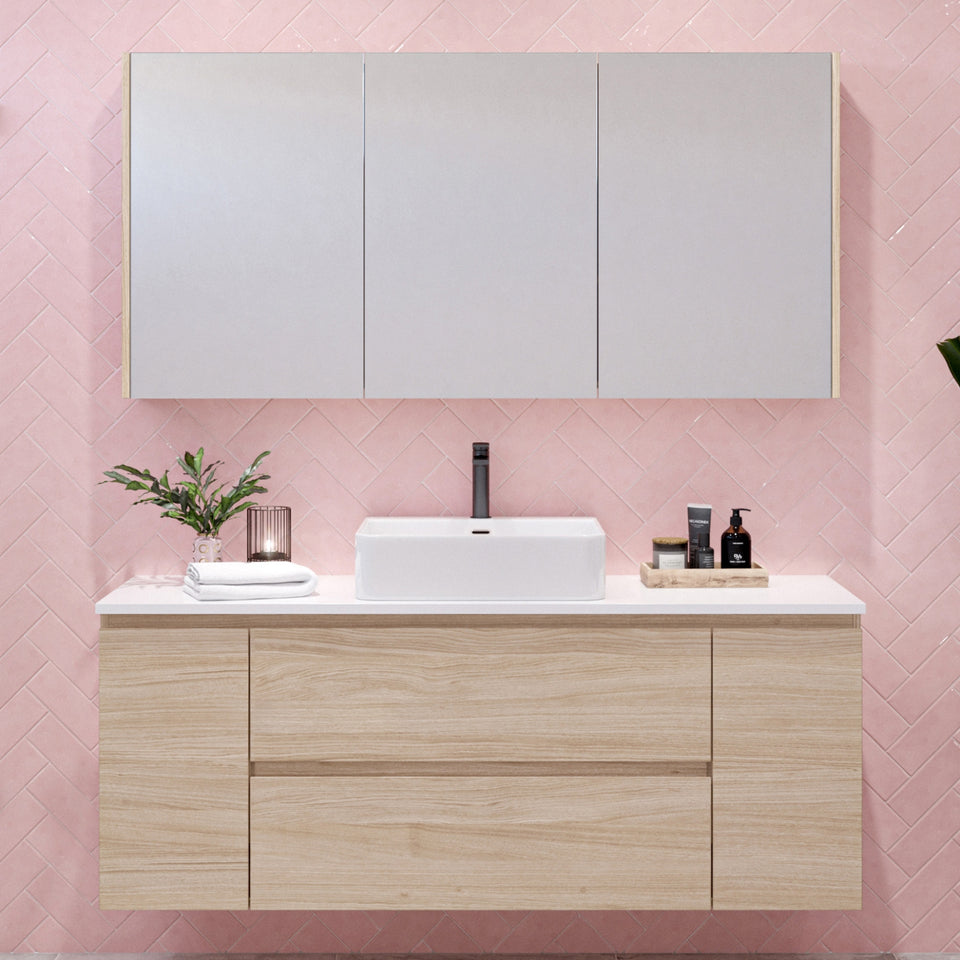
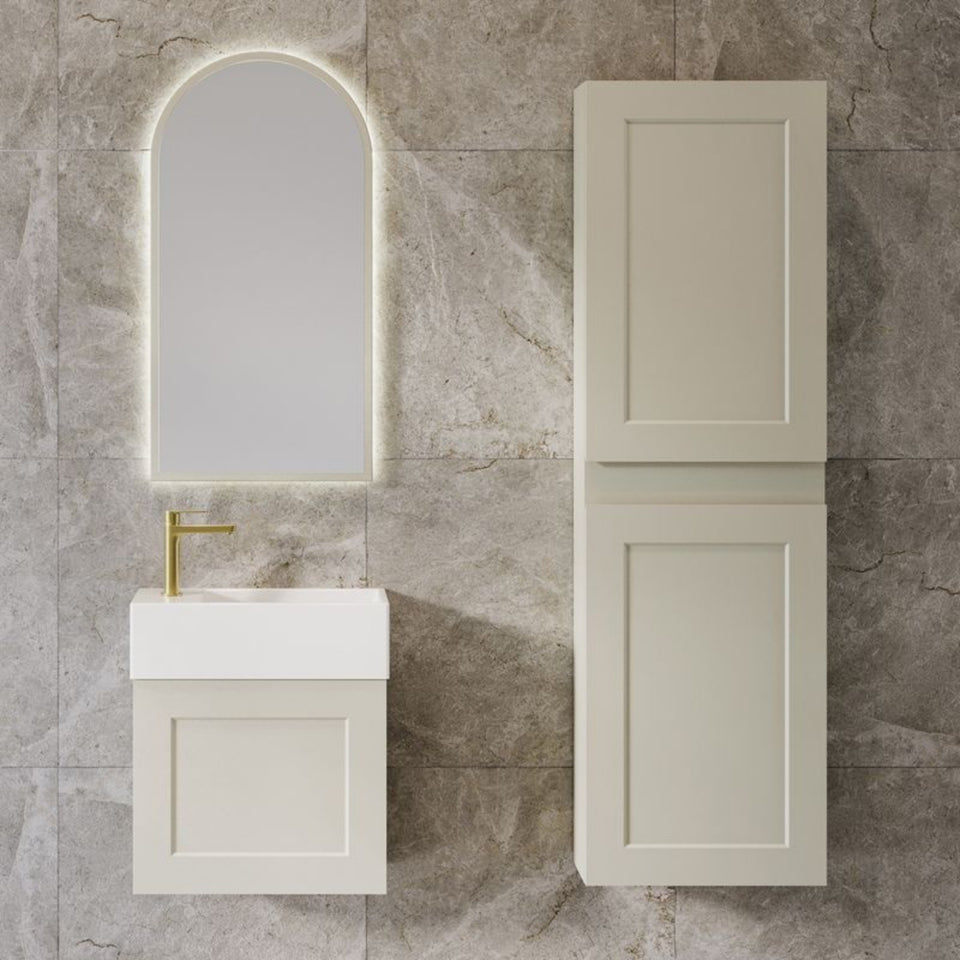
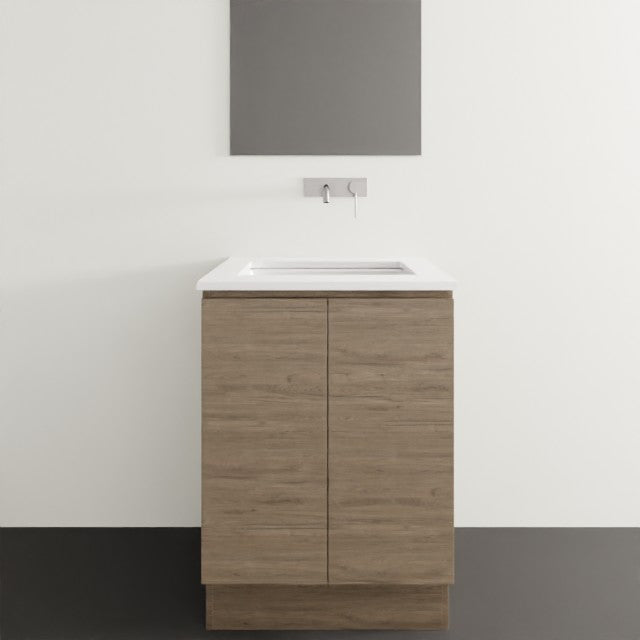
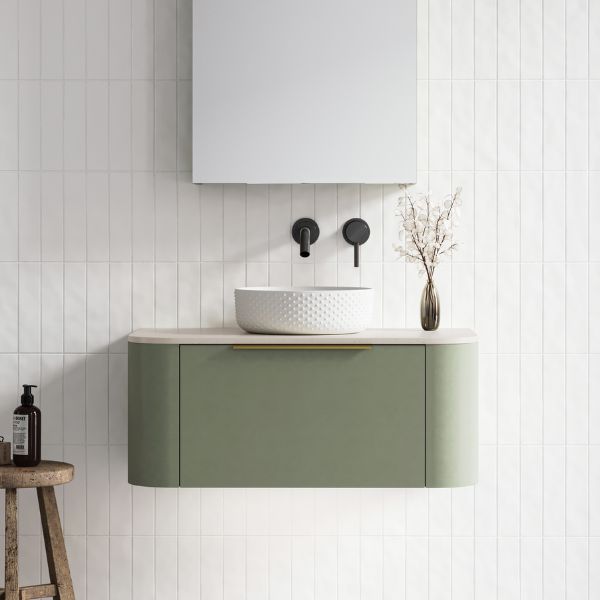
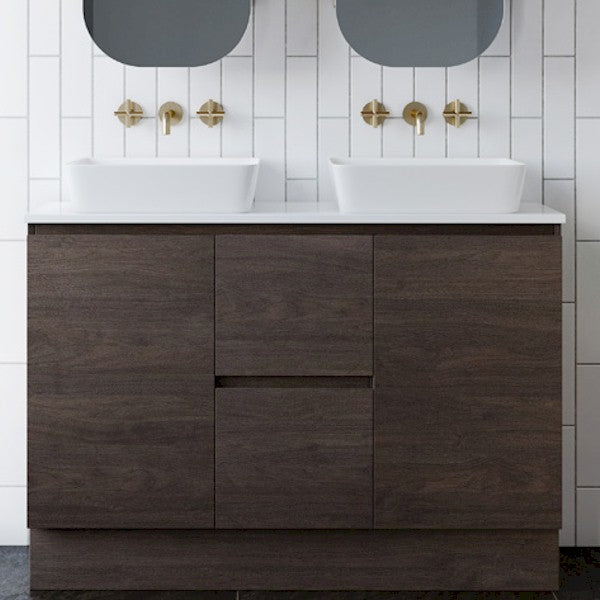
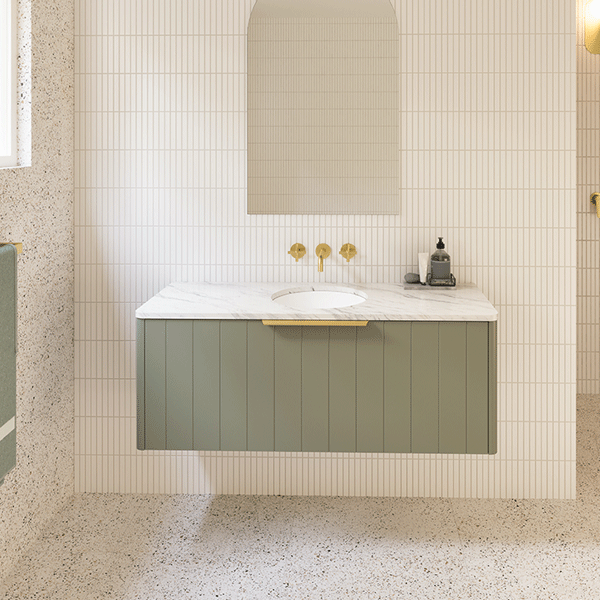
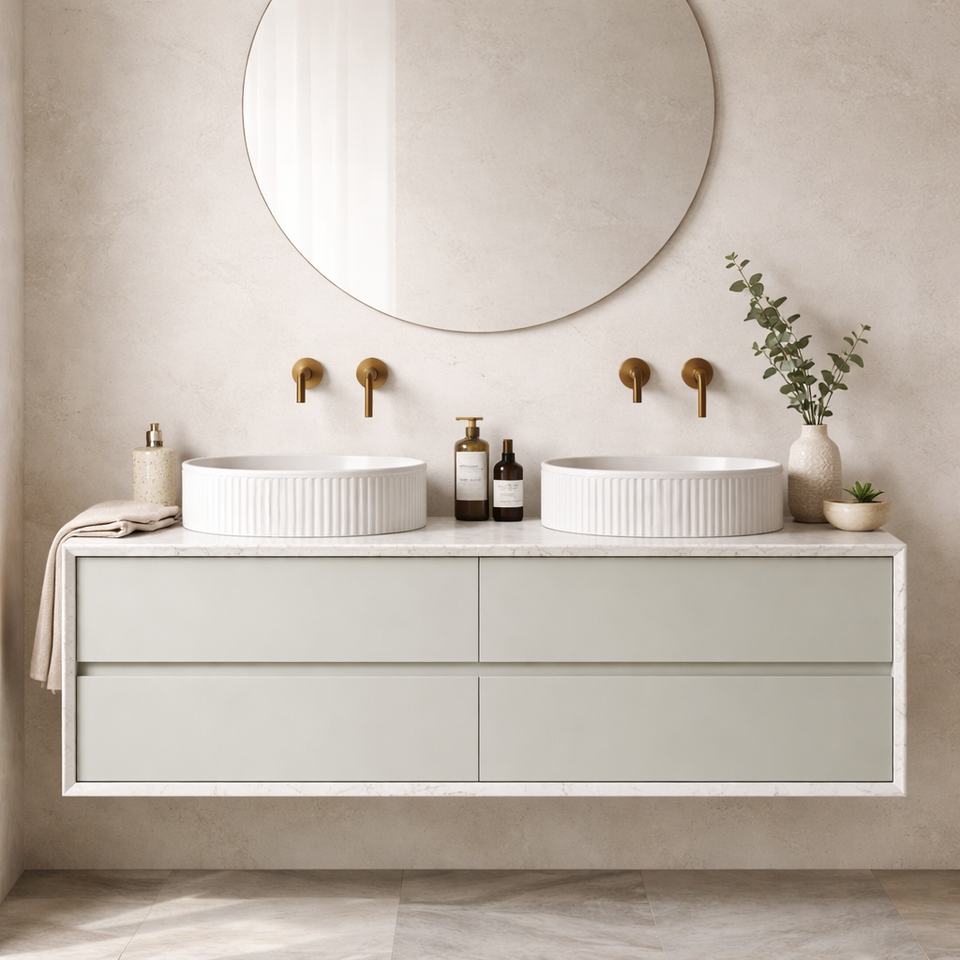
A vanity carries more design weight in a bathroom than almost any other fixture, since it's used daily and sits at the centre of the room. Timberline builds specifically for that role: properly constructed cabinetry rather than a mass-produced, flat-packed alternative, using materials chosen to handle the steam and humidity an Australian bathroom sees every day.
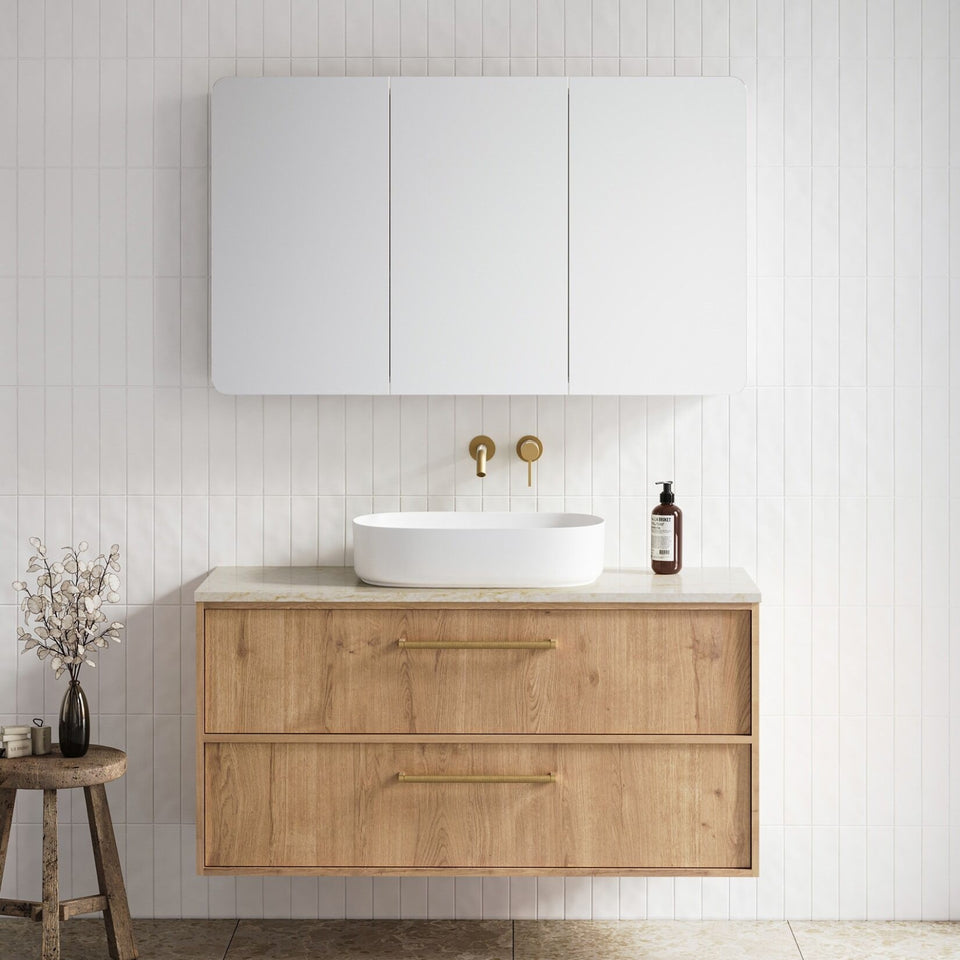
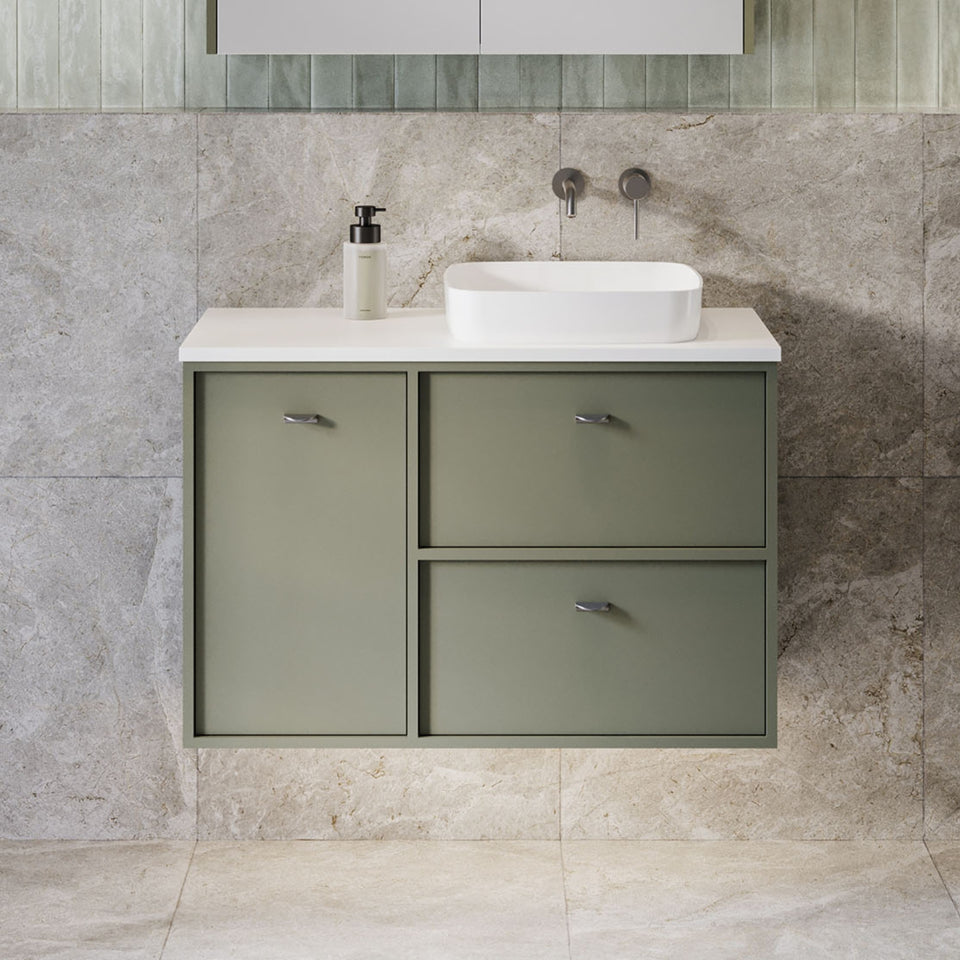
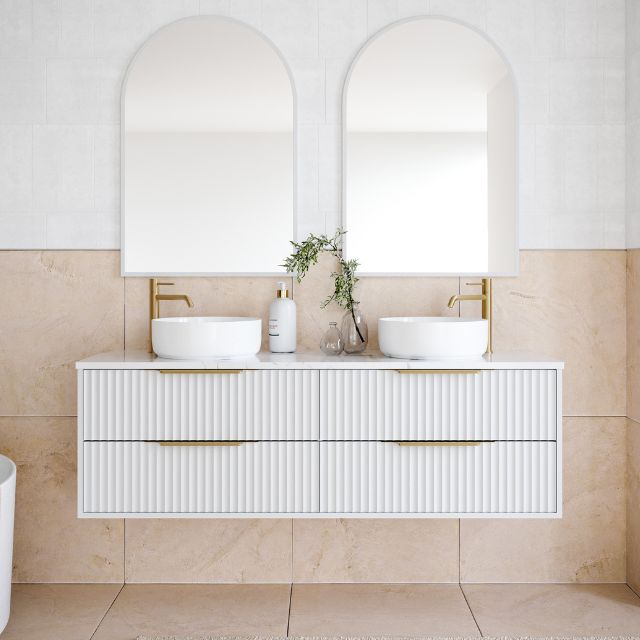
Wall-hung vanities mount directly to the wall, leaving the floor beneath fully visible. This gives a clean, contemporary look, helps a bathroom feel more spacious since the floor runs uninterrupted to the wall, and makes cleaning underneath considerably easier, since there's no cabinet base for dust to collect around.
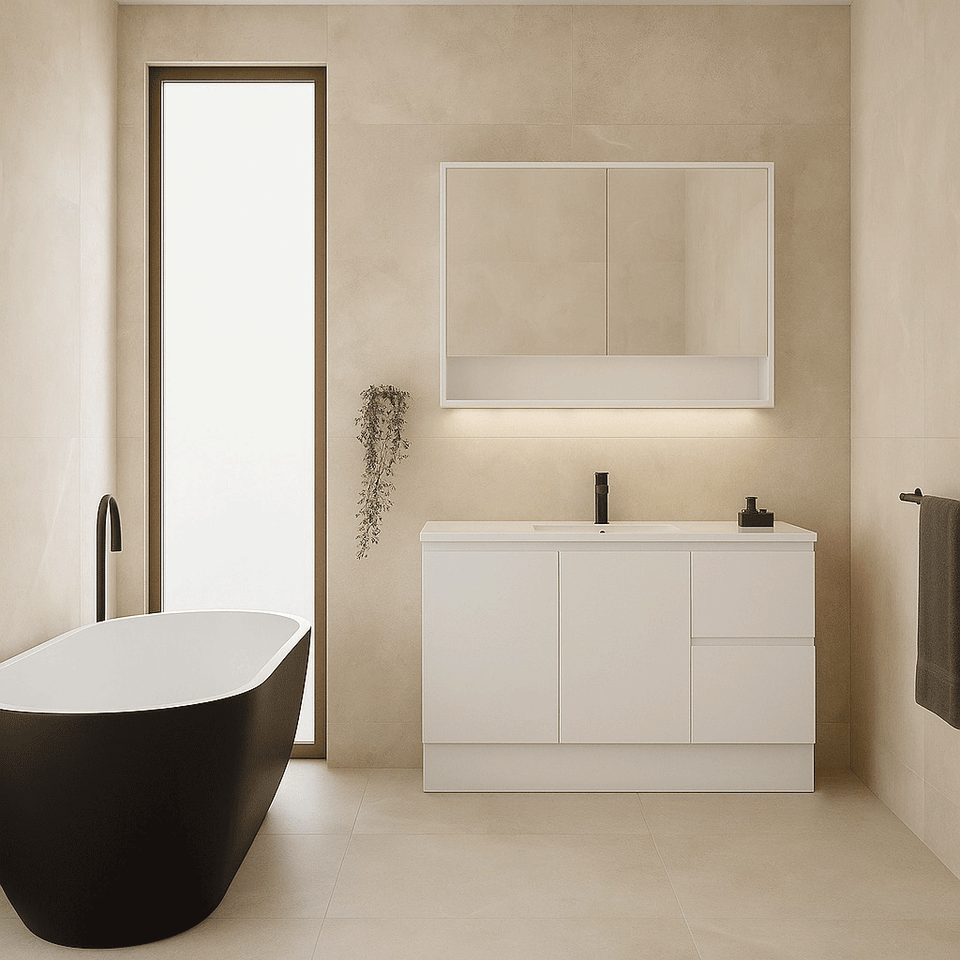
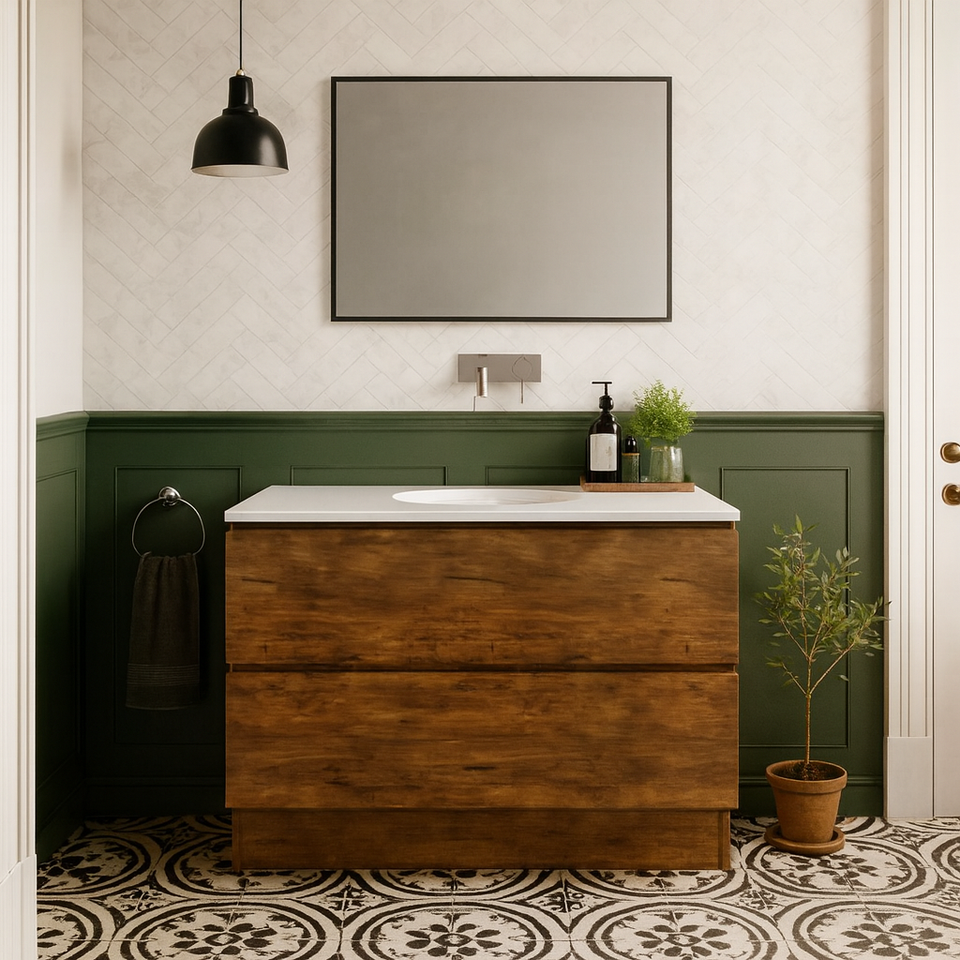
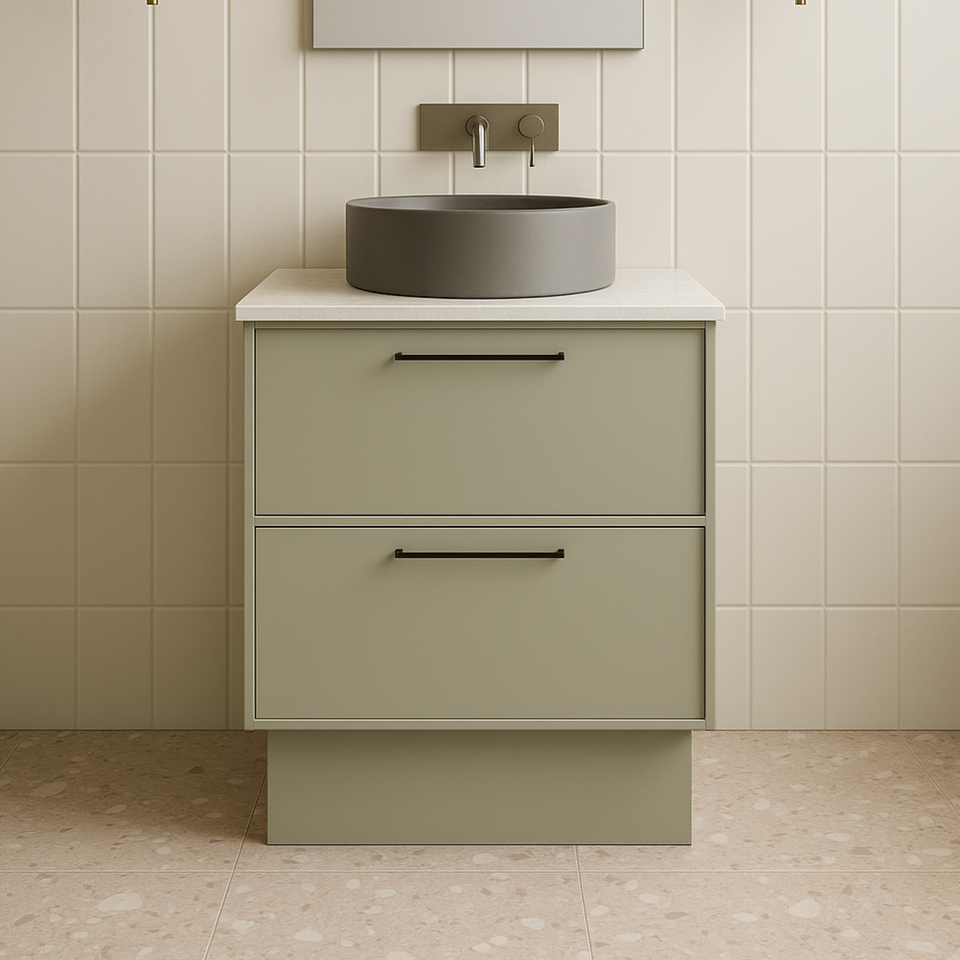
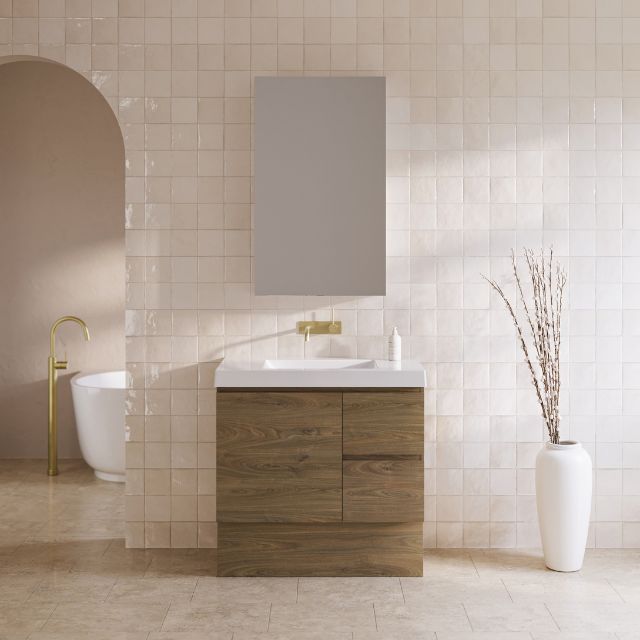
Freestanding vanities stand on the floor, either on legs or a solid plinth, giving a more traditional, substantial furniture presence. They generally offer more storage volume than a wall-hung equivalent, and their solid base is also useful for concealing existing pipework without needing it relocated.
Fluted and reeded fronts bring genuine textured depth to a vanity, with vertical grooves that catch light differently throughout the day, a detail that reads as considered and elevated rather than a flat, plain surface.
Curved fronts soften a bathroom's harder lines, giving a gentler, more unexpected silhouette that also helps in a tighter room, since there's no sharp corner to bump into while moving around.
Classic shaker styling, with simple, panelled cabinet doors, suits a timeless Hamptons or country-inspired bathroom, and a crisp white shaker vanity in particular tends to remain a lasting, rather than trend-driven, choice.
Sleek, minimalist designs use flat-fronted, handle-less cabinetry, letting the finish itself carry the visual interest rather than any applied hardware detail.
400mm to 600mm vanities suit small powder rooms and ensuites, offering genuine storage and style within a compact footprint. 750mm, 800mm and 900mm remain the most common sizes for a standard family bathroom, giving solid bench space and storage around a single basin. From 1000mm upward, double-basin configurations become practical, spanning 1100mm, 1200mm, 1400mm and 1500mm depending on the room's available width. For a larger bathroom with genuine space to spare, 2000mm and 2100mm vanities give a considerably more generous, hotel-style presence.
Timberline's range extends beyond choosing a single model off the shelf: cabinet finish, benchtop colour and material, basin style and handles can all be selected individually, giving genuine scope to create a vanity suited specifically to the room rather than a fixed, pre-set combination. The brand's collaboration with designer Shaynna Blaze on the Sutherland House collection offers a set of pre-selected, considered combinations for renovators wanting a designer-curated look without assembling every element individually.
Australian manufacturing matters beyond a general preference for local products: materials are selected specifically for Australian humidity and conditions, quality control happens locally, and support is easier to access if an issue arises after installation. It's worth checking the specific warranty terms offered on a given model, since coverage can vary across the range.
Build quality is genuinely noticeable in the details: European hardware gives drawers a smooth, soft-closing action, and cabinets are built from moisture-resistant board specifically to avoid swelling in a steamy bathroom environment over time.
Style flexibility means a Timberline vanity doesn't need to look like a standard, off-the-shelf option; mixing finishes, benchtops and handles lets the piece reflect the household's own taste rather than a single fixed look.
Genuine storage design rounds out the case for Timberline: deep drawers suit towels and larger items like a hairdryer, and matching bathroom tallboys or shaving cabinets extend storage further for a bathroom needing to stay organised and clutter-free.
Lead times matter, since most Timberline vanities are made to order rather than held in stock. Ordering well ahead of when a builder needs the vanity on site avoids holding up the rest of the renovation schedule, so it's worth checking current lead times directly before finalising a build timeline.
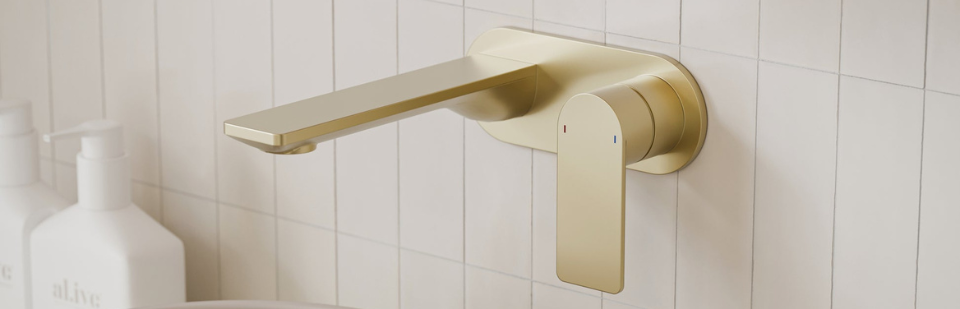
Pairing tapware and a basin with the vanity as a single decision, rather than three separate ones, helps ensure everything fits together correctly. Timberline offers ceramic, solid surface and concrete basins designed specifically to suit its own cabinetry, and choosing tap style, a tall mixer for an above-counter basin, or wall-mounted taps for a cleaner look, alongside the vanity itself keeps the whole vanity area cohesive.
Ordering samples before committing to a full order is genuinely worth doing, since colours and finishes can read quite differently on a screen compared to the room's actual lighting. Timberline offers samples for its cabinet finishes and benchtops specifically, and checking them in the room itself before finalising a choice is a small step that avoids a costly mismatch later.
A Timberline vanity is easiest to plan alongside the room's tiling and tapware, since finish and basin configuration both depend on decisions made elsewhere in the renovation. The Blue Space's Bathroom Vanities, Basin Taps and Tiles collections are worth reviewing alongside a Timberline vanity selection to bring the full bathroom together.


