
*View accurate shipping rates and availability





23 Items


Spend over $800 and receive free gifts in your cart. Towels, accessories and full length mirrors!
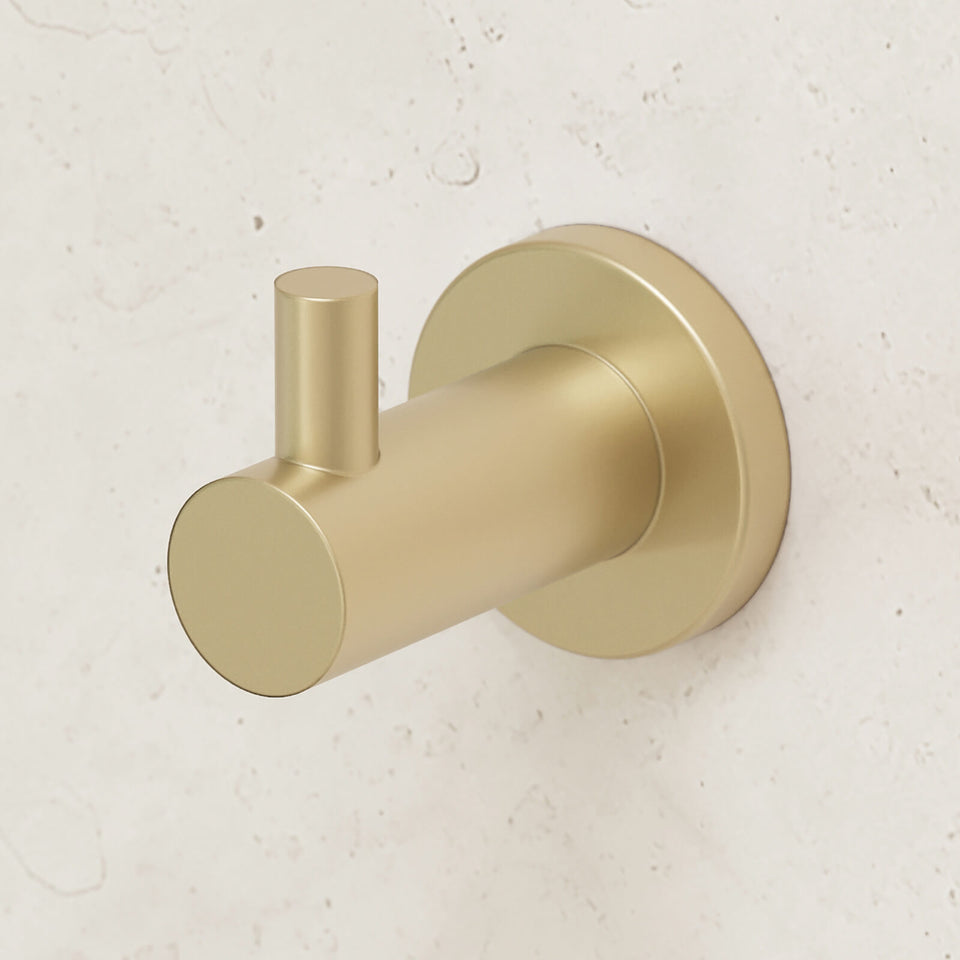
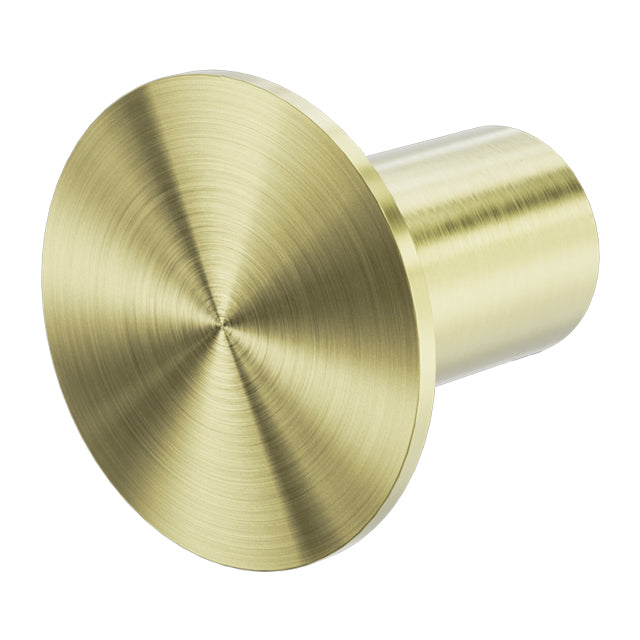
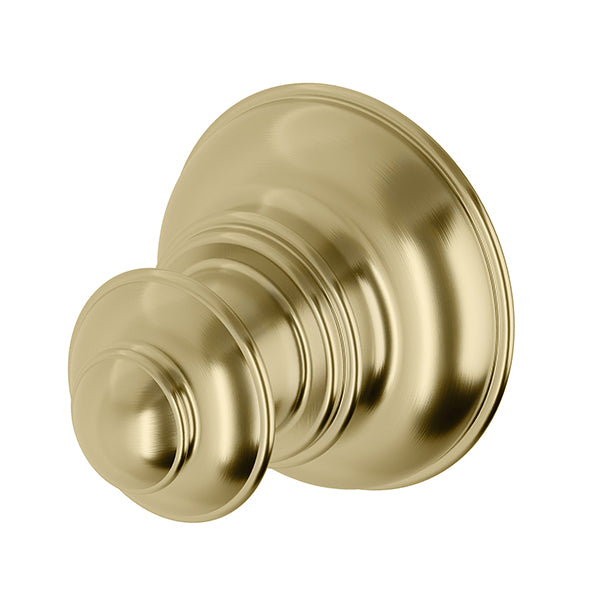
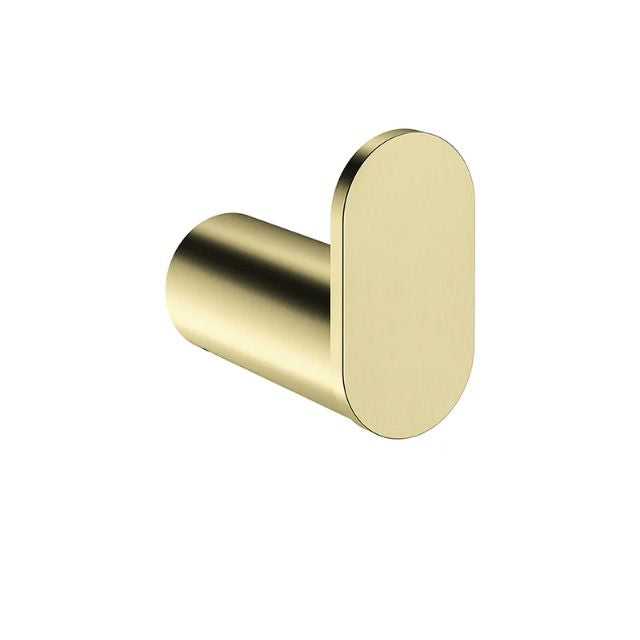
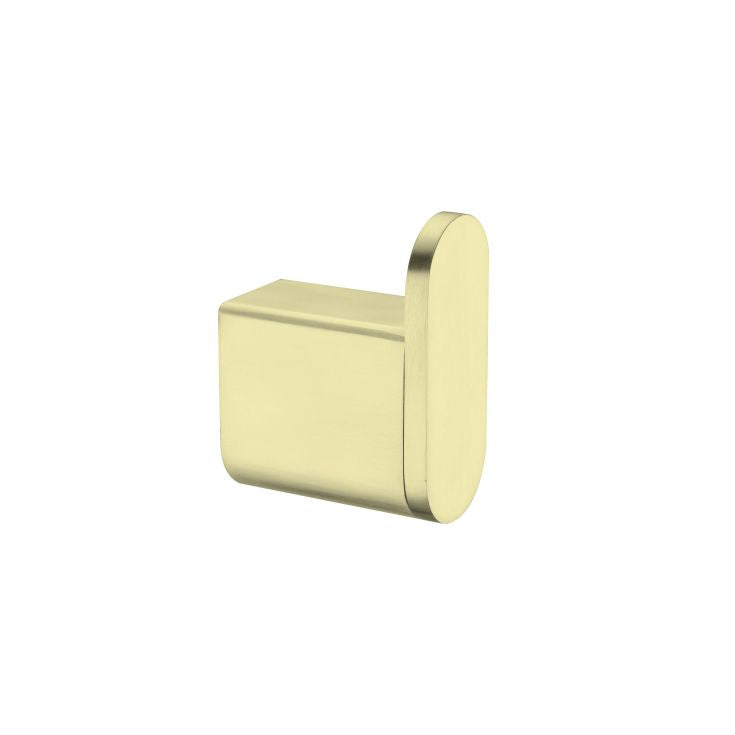
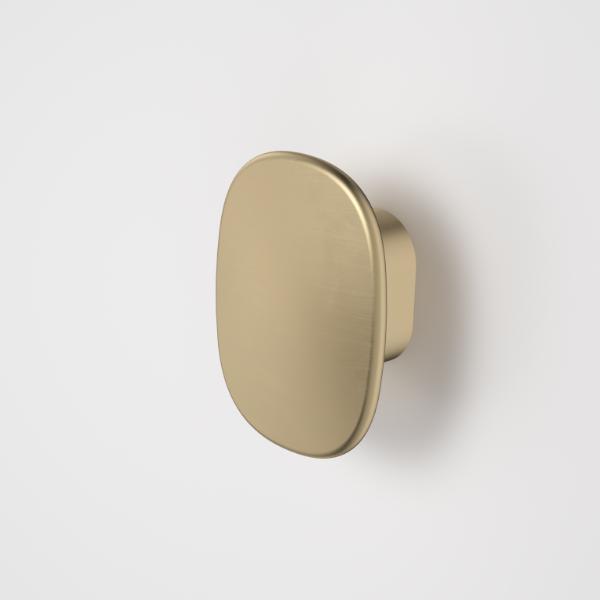


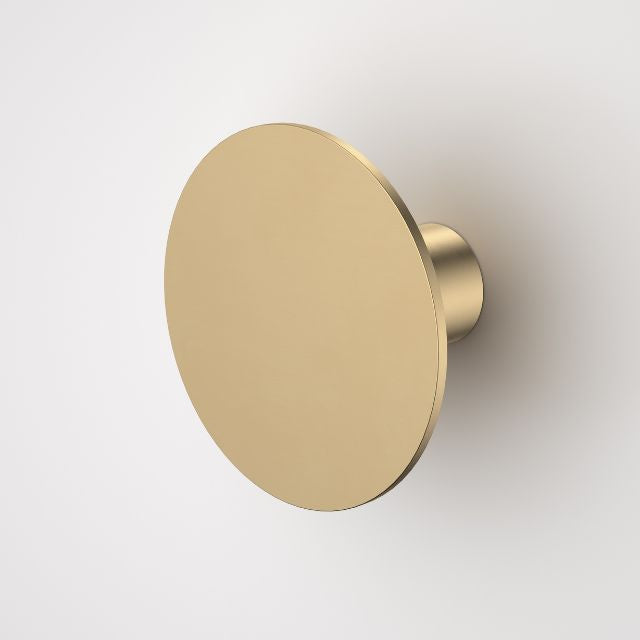
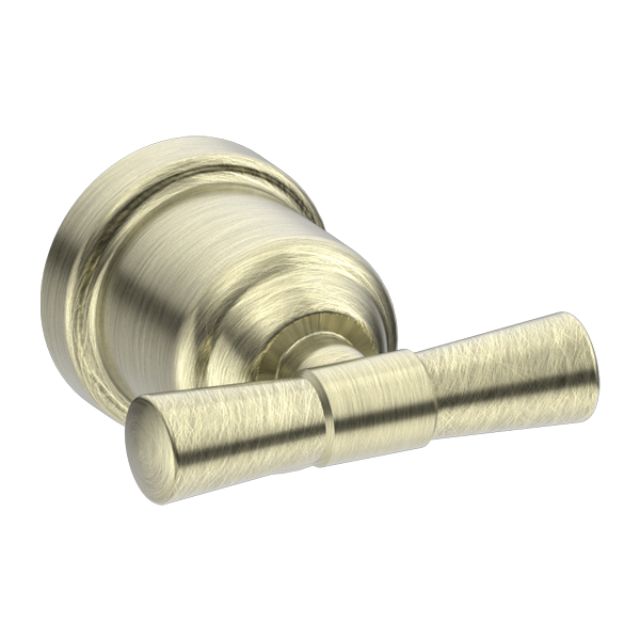
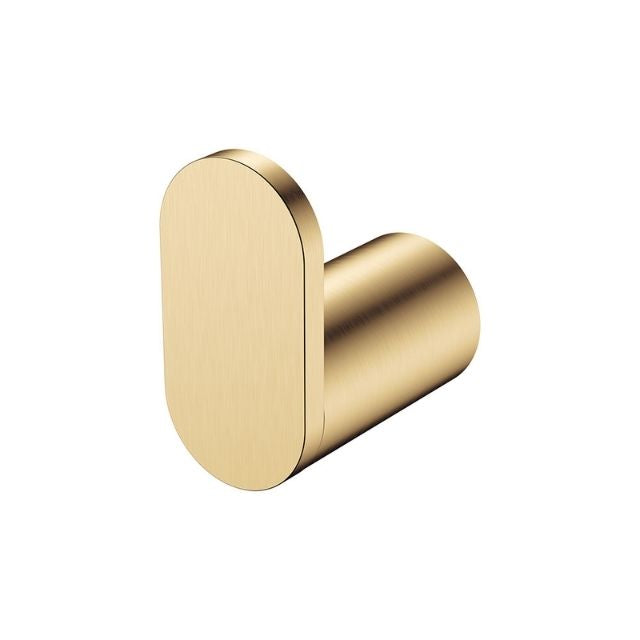
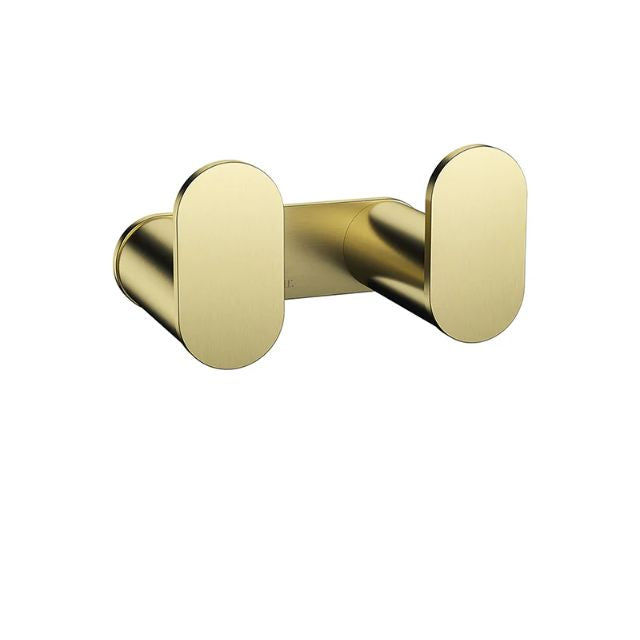
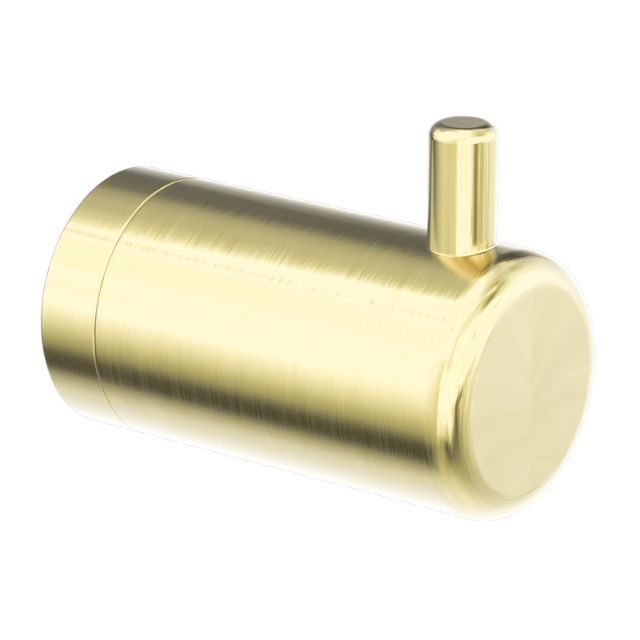
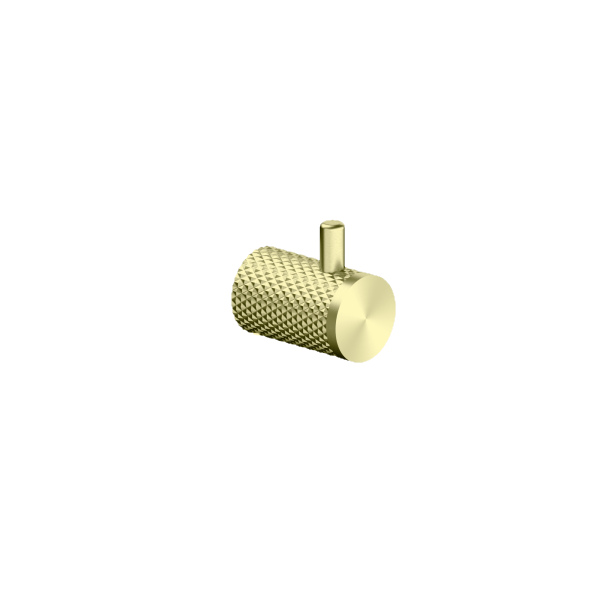
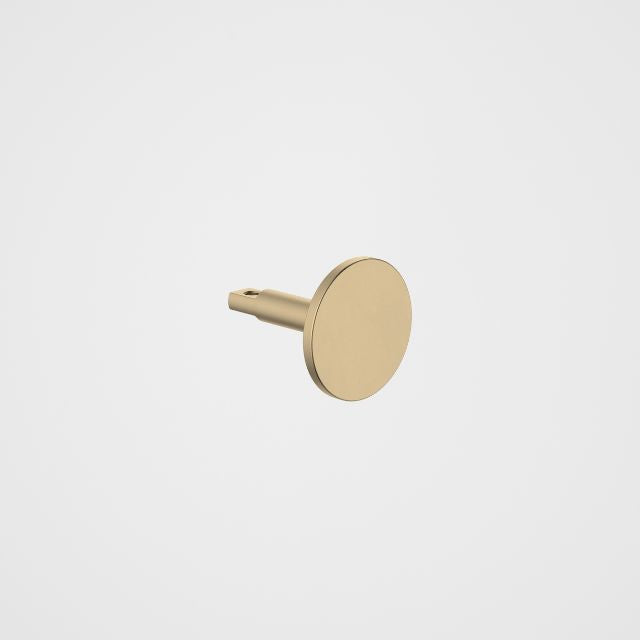

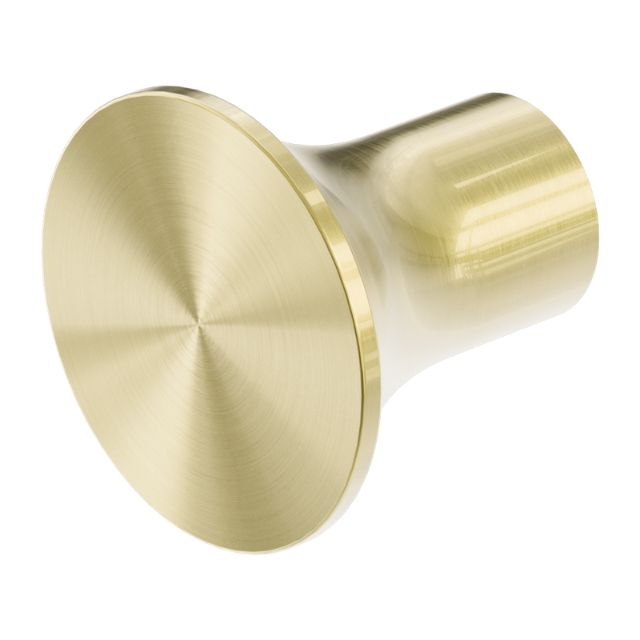

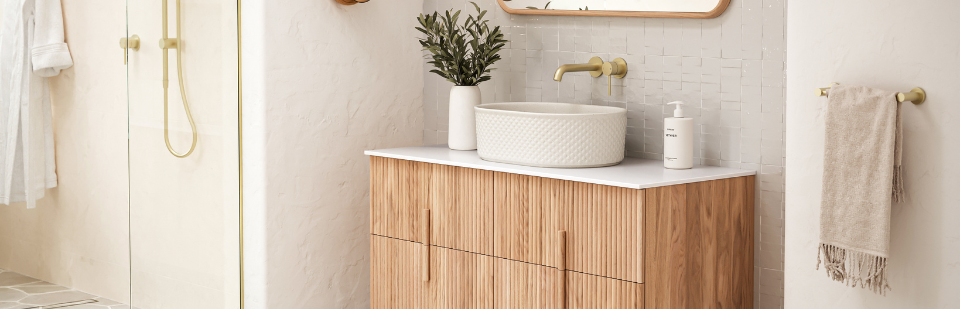
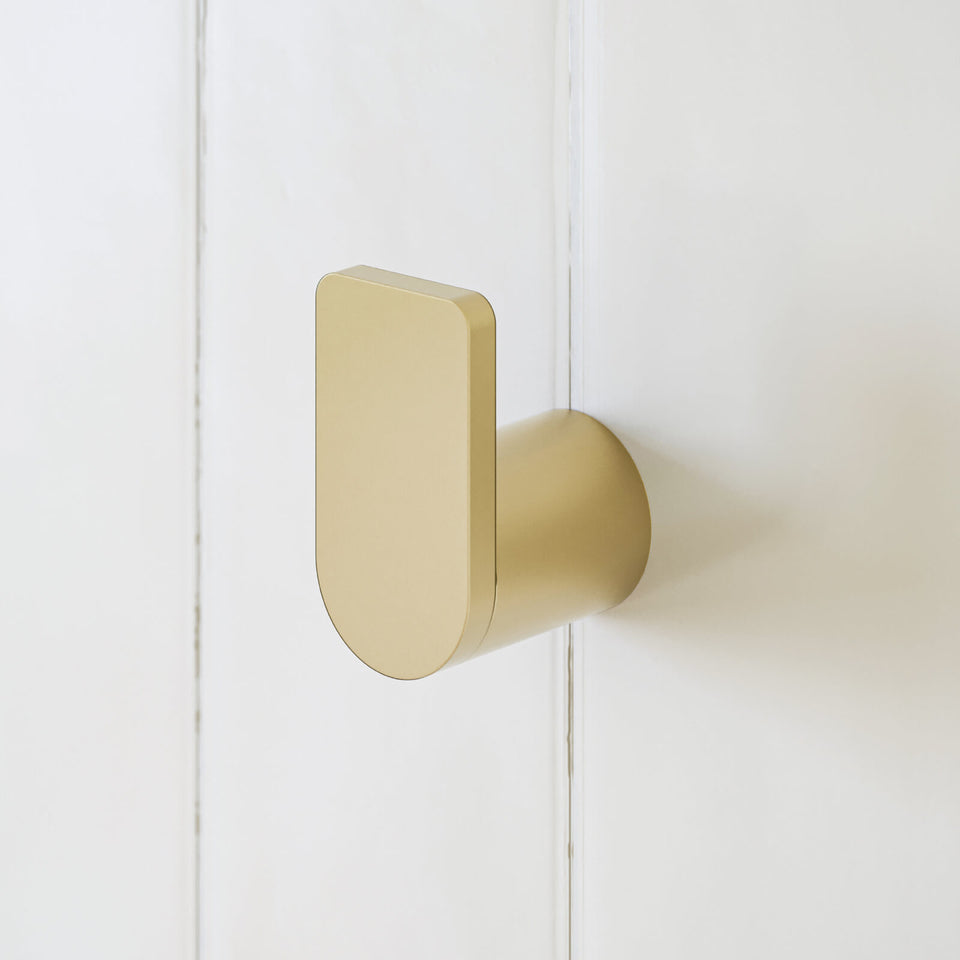
Brass robe hooks bring a warm metallic finish to bathrooms, laundries and bedrooms without the installation complexity of a full towel rail. This guide covers the main finish types, wall-fixing considerations, size and load ratings, and which spaces suit each style so you can choose with confidence.
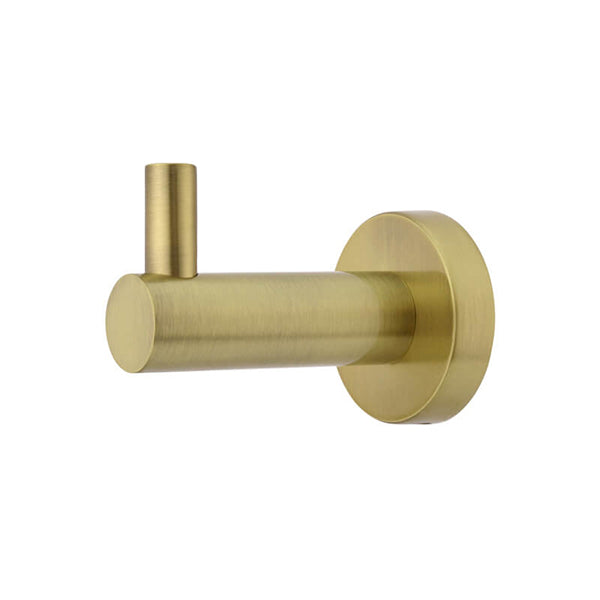
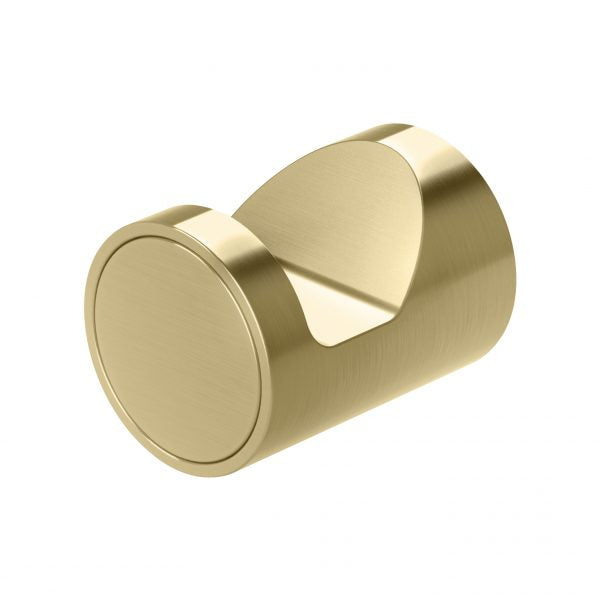
Brass robe hooks come in three main finishes: polished brass (high-gloss, mirror-like), brushed brass (satin texture, hides fingerprints better) and antique or aged brass (darker patina, suits heritage or industrial interiors). Brushed brass is the most popular finish stocked in Australia because it holds up well in humid bathroom conditions and requires minimal upkeep.
Standard single robe hooks project 40 to 60 mm from the wall and suit one garment. Double hooks extend to 70 to 90 mm and allow two items without crowding. Projection matters most in small bathrooms where a door or vanity sits nearby. For a small vanity run, a low-projection single hook prevents the door from catching. Longer projection hooks work well in laundries where bulkier items like dressing gowns need clearance.
Most brass robe hooks sold in Australia use a concealed or semi-concealed back plate fixed with two M4 or M5 screws into timber, masonry or plasterboard with the appropriate anchor. Load ratings are typically 5 to 10 kg per hook for plasterboard anchors and 15 to 20 kg into solid walls. Always check the manufacturer specification before hanging heavy bathrobes. Hooks with a wider back plate (55 mm or wider) spread load more effectively on plasterboard.
Single hooks are enough for one person per zone and suit powder rooms or the back of a door. Double hooks serve couples sharing a vanity area and take up the same wall footprint as a single. Some ranges offer a matching hook rail that groups three or four hooks on one back plate, which gives a tidier look when you need multiple hanging points in a row.
Finish consistency matters across towel rails, tapware and cabinet hardware. If your tapware is brushed brass, choose the same finish code from the same brand or verify the plating process matches (PVD-coated brass resists tarnishing better than electroplated finishes). Brands such as Meir, Phoenix and Nero offer coordinated bathroom accessory ranges so you can match hooks to towel rails, toilet roll holders and mirror frames within the one collection.
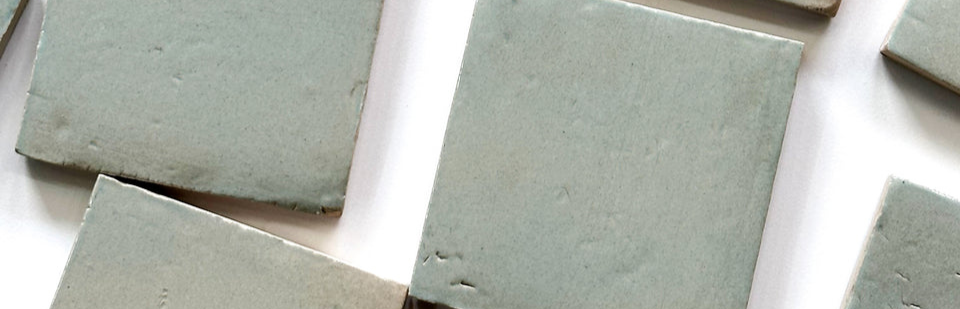
Brushed and polished brass hooks work in bathrooms with warm tones: timber vanities, stone benchtops in beige or travertine, and white or off-white wall tiles. They also pair with black cabinet hardware if used as an accent. Antique brass suits older-style homes or bathrooms with exposed brick and matte-glazed tiles. Brass finishes are less suited to cool, grey-heavy bathrooms where brushed nickel or matte black reads more cohesively. See the cabinet handles range if you want to extend the brass finish to joinery.
PVD (physical vapour deposition) coating bonds the brass finish at a molecular level, giving a harder surface that resists corrosion, tarnishing and cleaning products. Standard electroplated brass can dull or spot in humid bathrooms over two to five years. Most premium robe hook ranges now use PVD, and manufacturers typically back PVD products with a 10 to 15 year warranty versus one to five years for standard plating. Check the product specification tab for the coating type before purchasing.


