
*View accurate shipping rates and availability





790 Items
Spend over $800 and receive free gifts in your cart. Towels, accessories and full length mirrors!
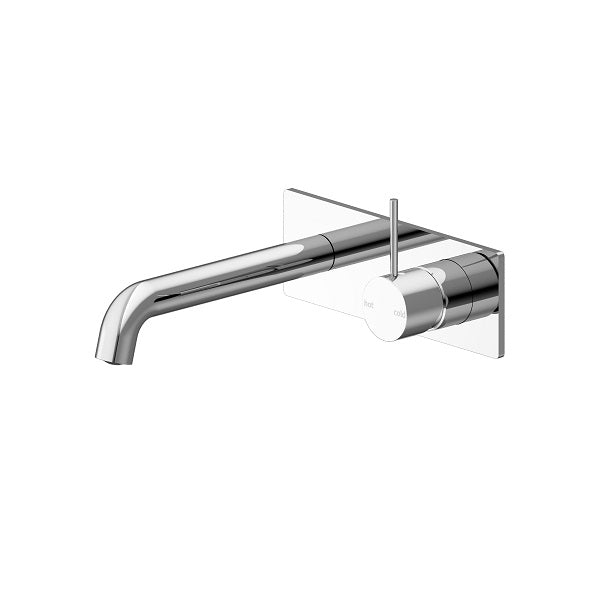
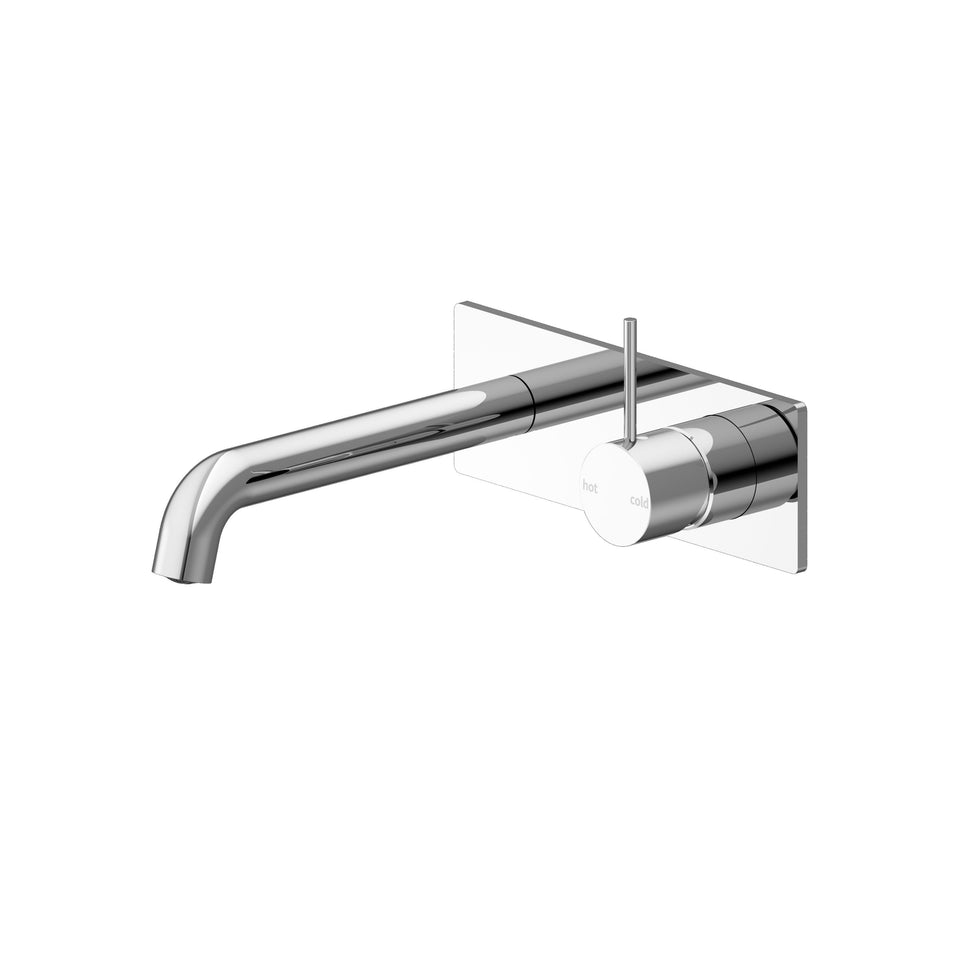
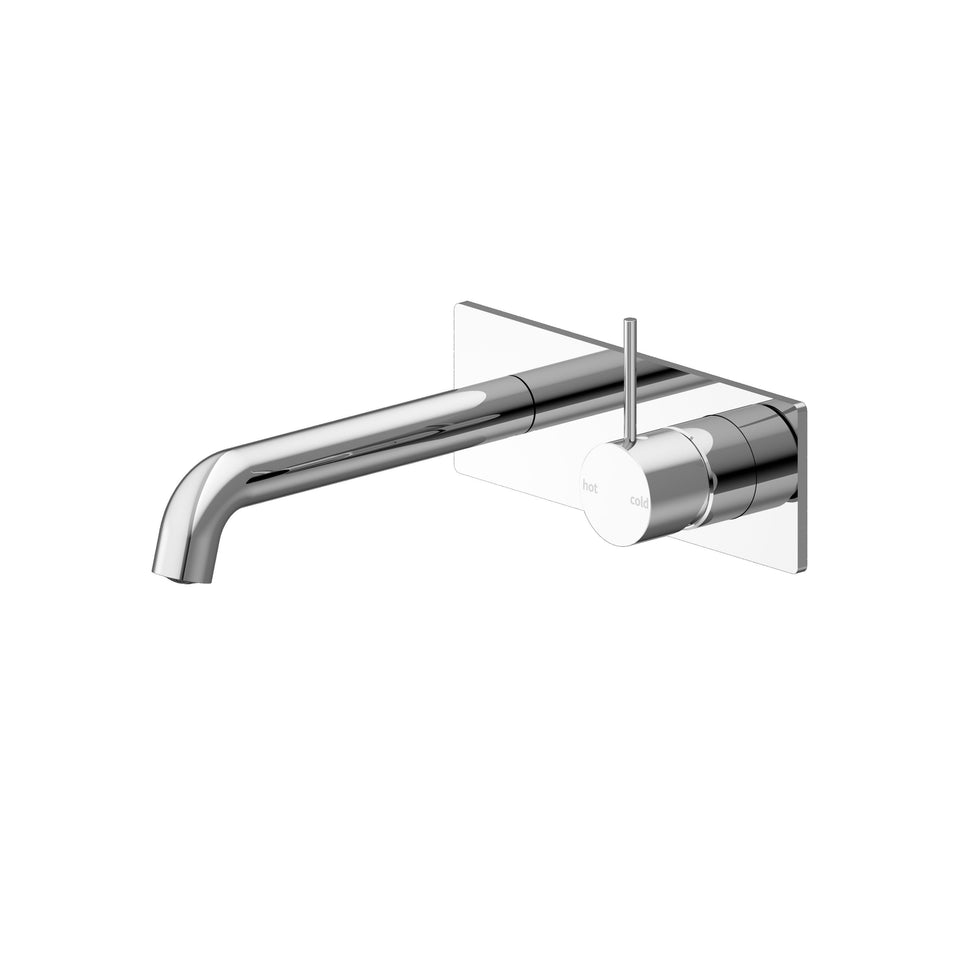

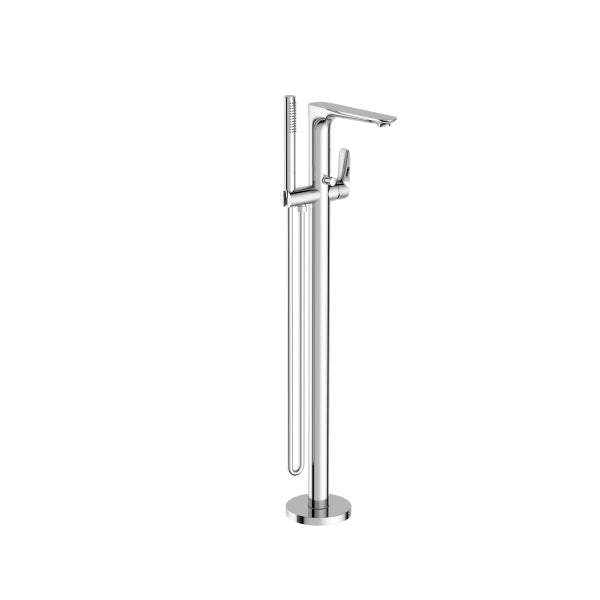
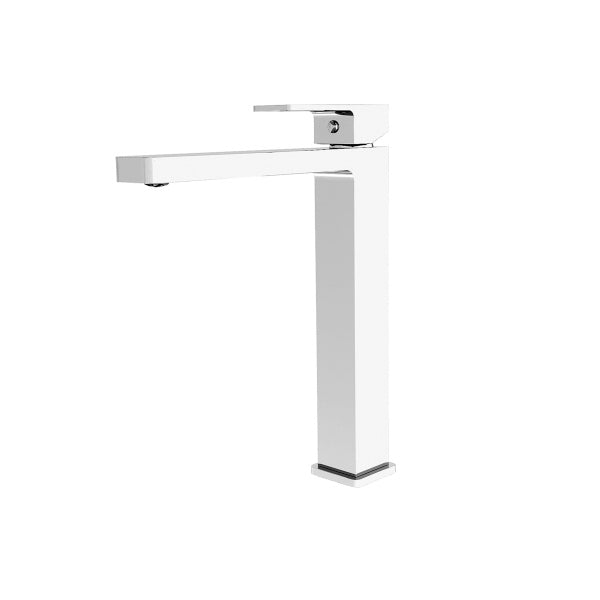
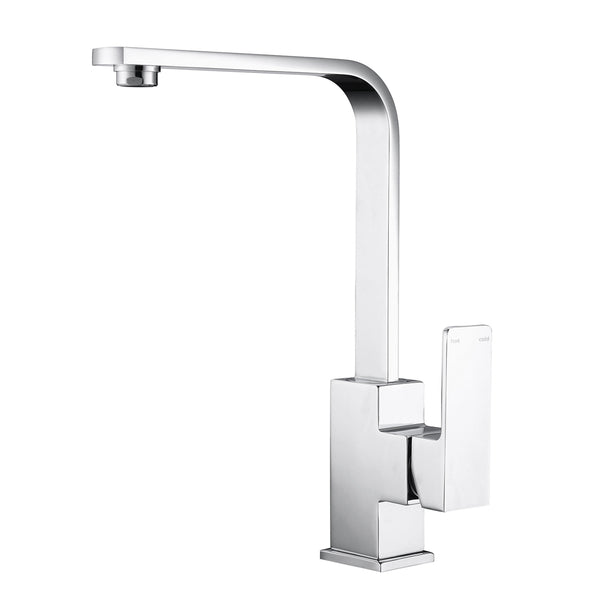
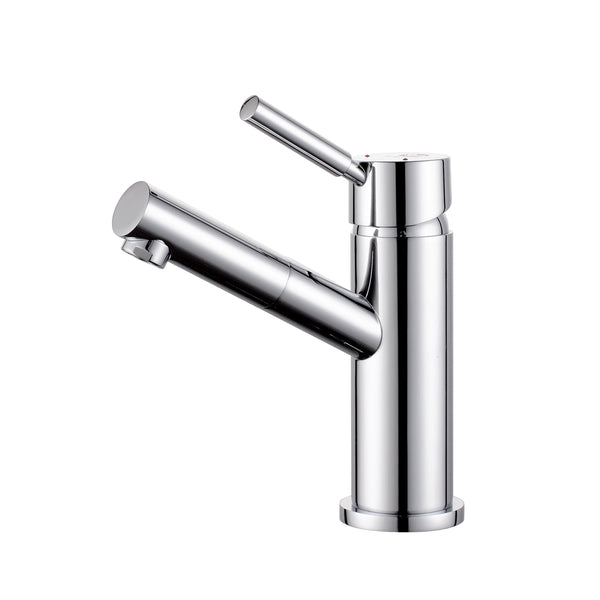
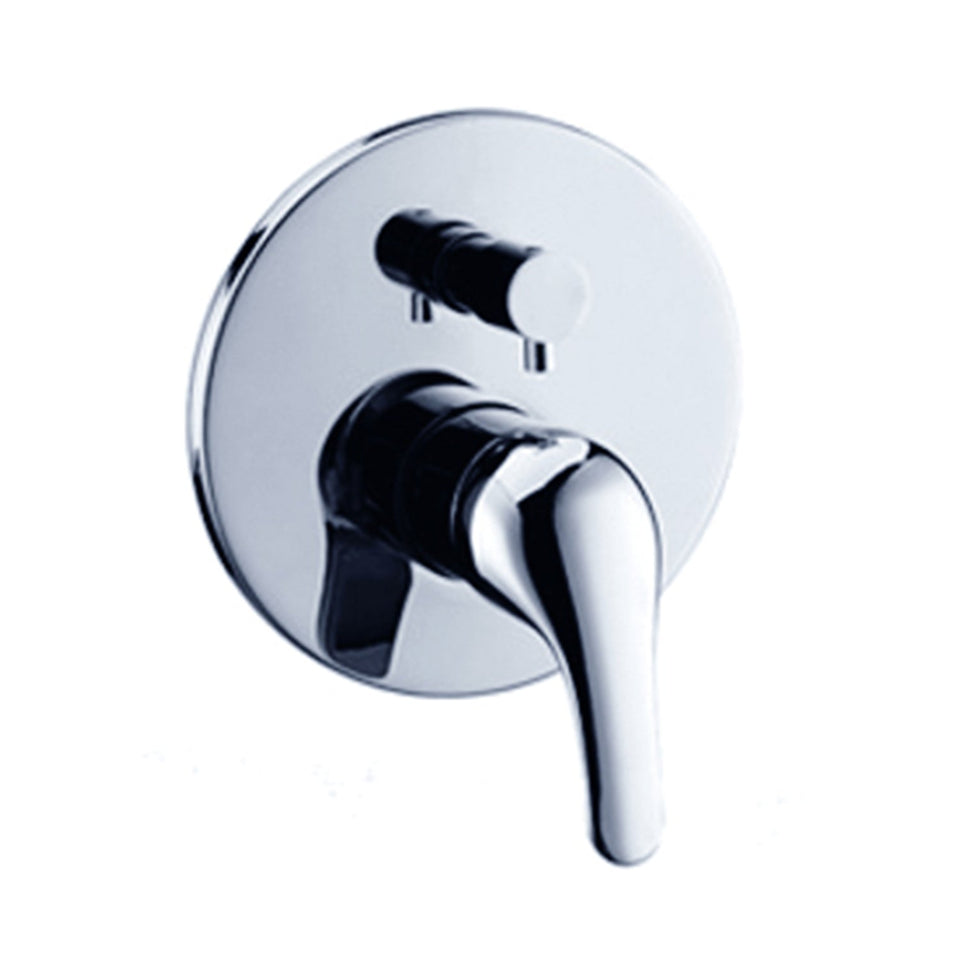
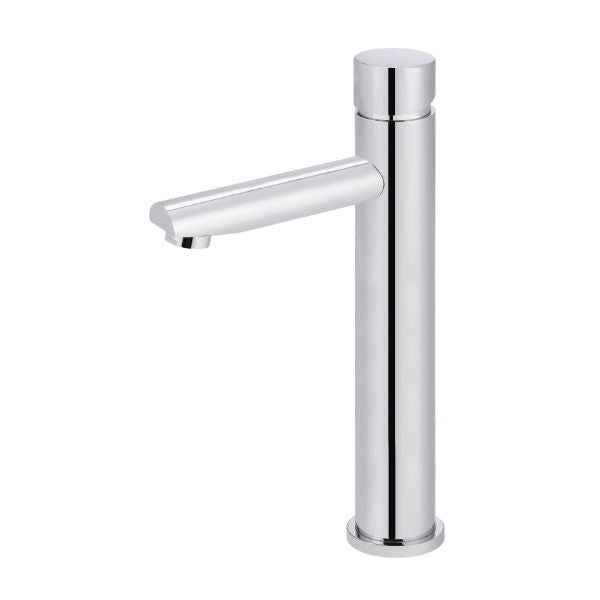
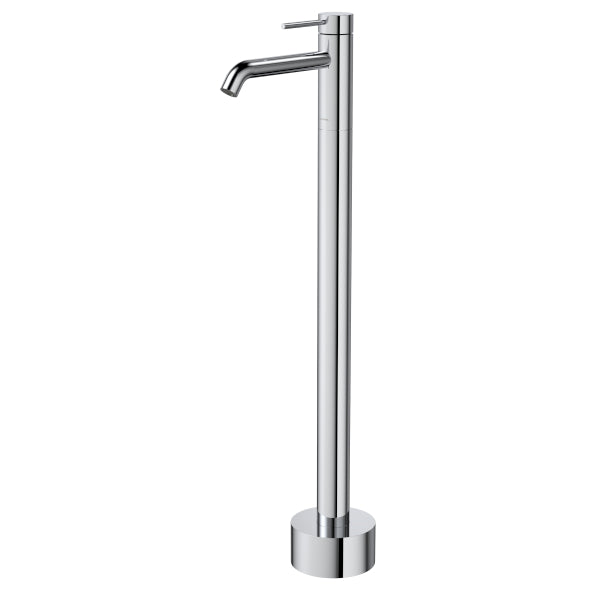


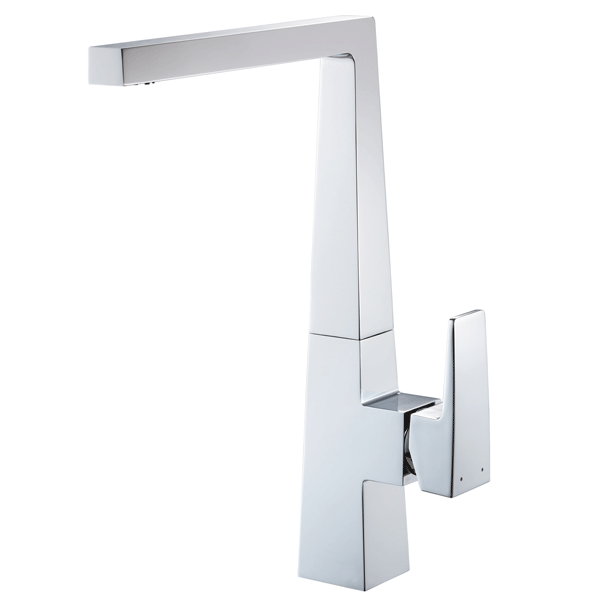
While brushed brass, matte black and gunmetal each have their moment, chrome has held its place for decades for genuinely practical reasons alongside its classic look. It bounces light around a smaller room, feels clean and considered, and rarely becomes a five-years-later regret.
Chrome isn't typically the solid metal of the tap itself; it's a plating, generally applied over solid brass underneath. Brass is chosen for the base material because it resists rust and handles constant water exposure reliably. The chrome layer is electroplated onto that brass, creating a genuinely hard, scratch-resistant surface with a mirror-like finish that protects the metal beneath it. This chrome-over-brass construction is the industry standard for good reason, standing up to daily use, tooth brushing, hand washing and general cleaning, considerably better than many alternatives.
Stainless steel tapware is a different material entirely: genuinely harder, with a slightly duller, more silver-grey tone compared with chrome's cooler, blueish shine. Both are strong choices, but chrome gives a distinct high-gloss sparkle that reads as fresh and considered.
Chrome suits a genuinely wide range of styles without needing the room built around it: a Hamptons-style kitchen with shaker cabinetry, or a stark, modern concrete bathroom, both suit chrome comfortably. It tends to blend in rather than demand attention, which gives genuine freedom when matching door handles, lighting and hinges throughout a renovation.
In the kitchen specifically, chrome wipes clean easily with a damp cloth, a genuine advantage in a room that sees daily mess from cooking. In the bathroom, chrome tapware ties naturally into other existing chrome fittings, shower screen brackets or a toilet flush button among them, creating a sense of cohesion without deliberate effort.
Basin mixers remain the modern standard, with a single lever controlling both flow and temperature, genuinely easy to operate even with the back of a hand if fingers are messy.
Three-piece sets, a spout paired with two separate hot and cold handles, give a more classic, symmetrical look, well suited to a heritage-style home.
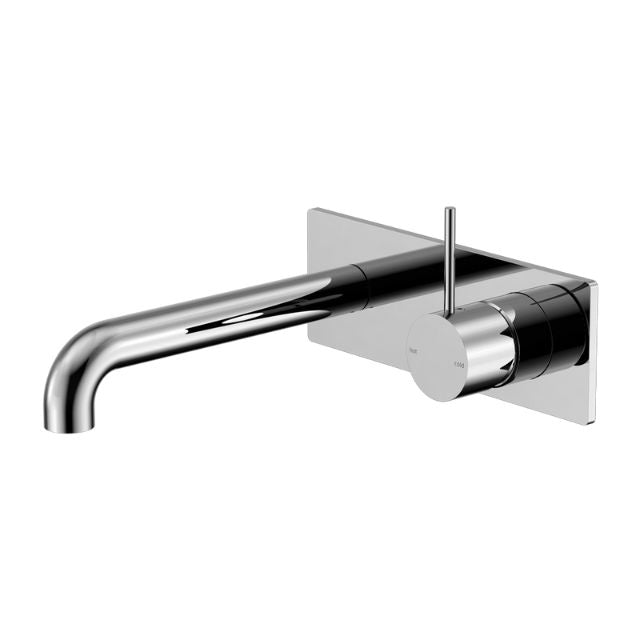
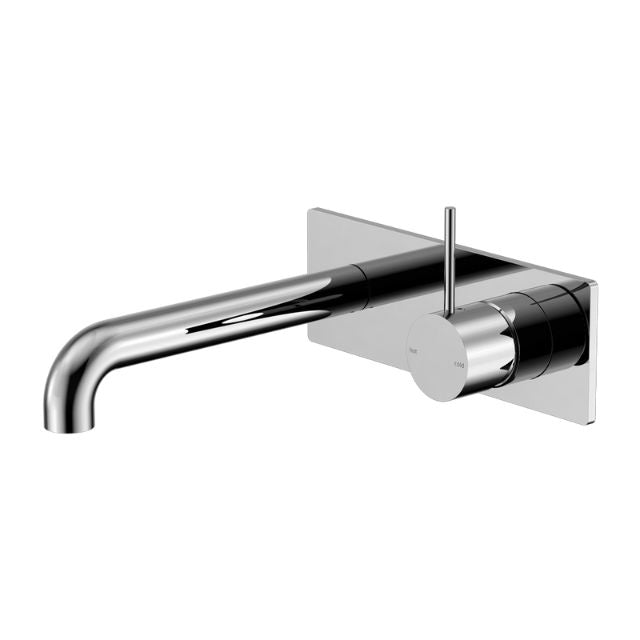
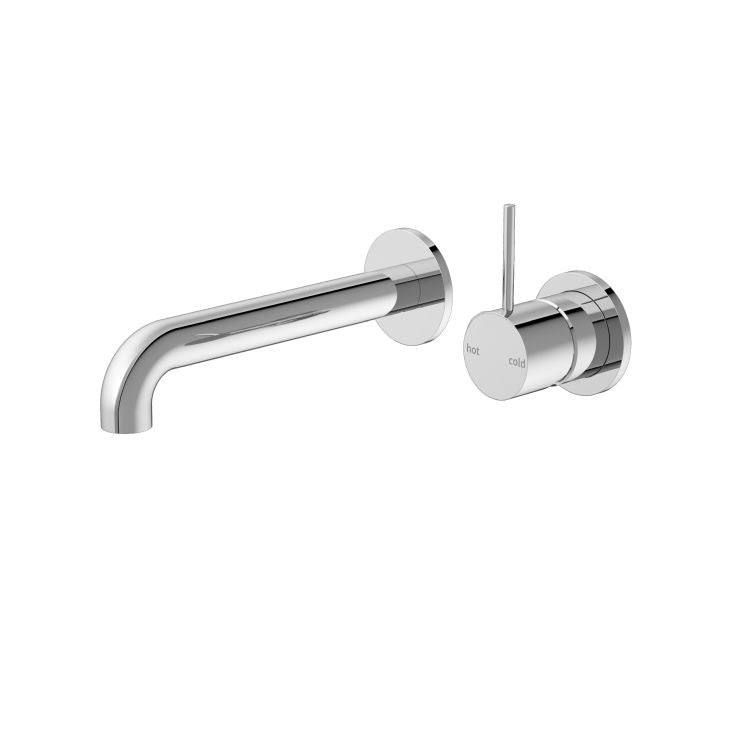
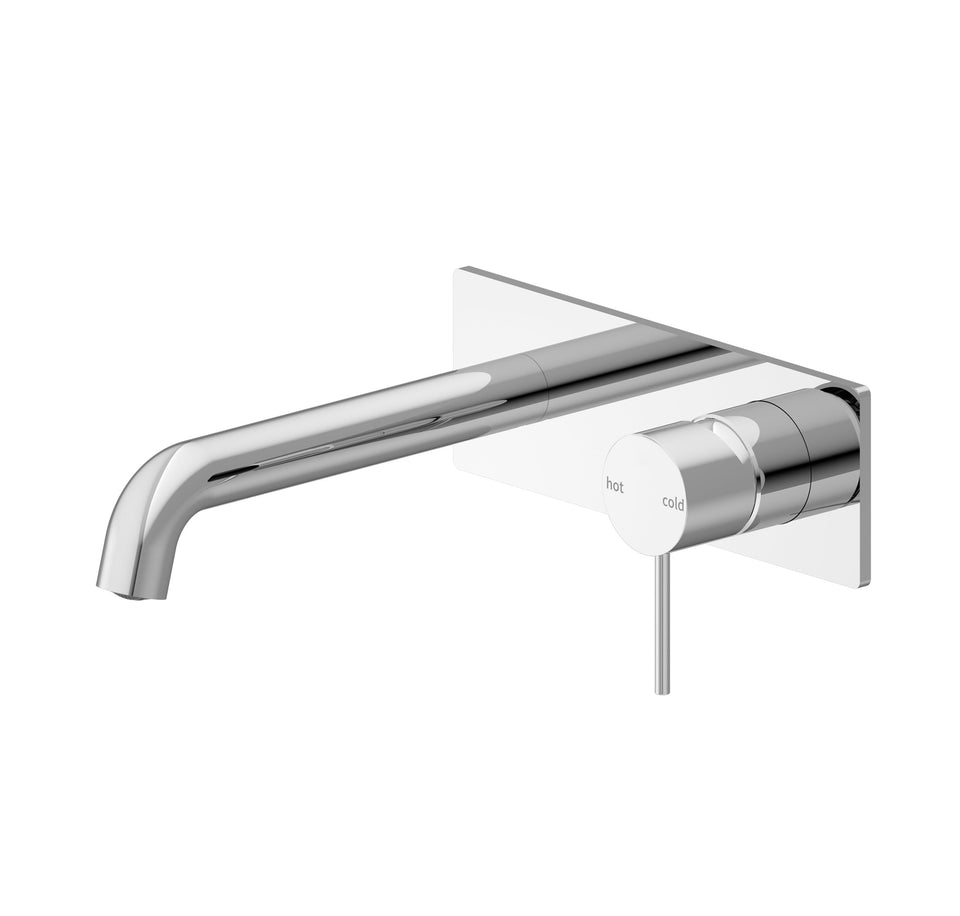
Wall-mounted taps free up genuine bench space, with the tap emerging directly from the tiles or mirror surround for a considerably more elevated look. This configuration needs the plumbing planned into the wall well ahead of tiling.
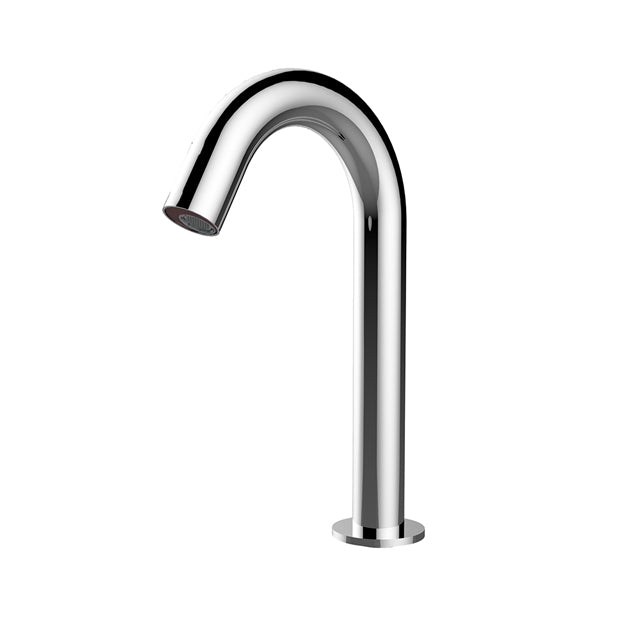
Basin spouts are also worth considering on their own, a straightforward way to refresh the room without replacing the entire tapware setup.
For the shower, a simple shower mixer, one handle mounted on the wall, remains the most common current choice, and a diverter manages water flow where the shower sits over a bath.
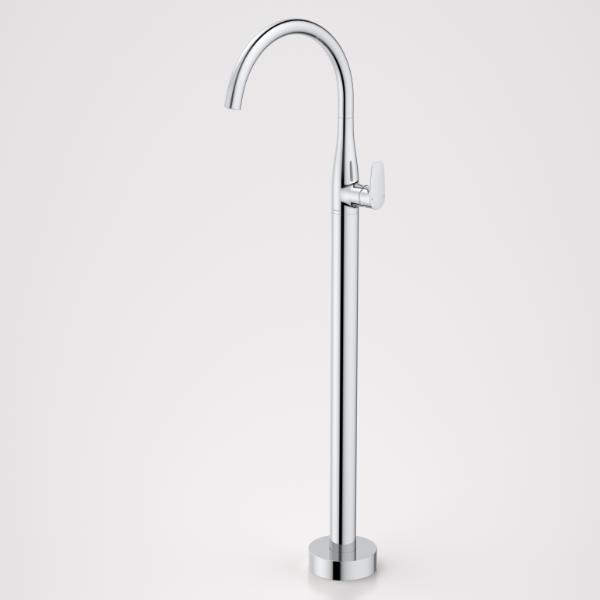
For a freestanding tub, freestanding bath mixers rising from the floor make a genuine style statement. For a built-in bath, bath tub spouts mounted on the wall are the standard configuration, and current waterfall-style designs soften the water flow considerably. For a fully integrated look, shower and bath mixers matched directly to the basin tapware tie the whole room together.
A standard spout suits most kitchens, but a pull-out sink mixer genuinely changes daily function, letting the nozzle be drawn down to rinse the sink's corners or fill a pot positioned on the bench. A gooseneck sink mixer gives a high arch with genuine clearance for washing larger platters, suited to anyone wanting a more considered, professional look. A classic three-piece sink set remains available for anyone preferring separate hot and cold handles.
Durability is a genuine, practical advantage: chrome resists scratching considerably better than a powder-coated finish like matte black or white, holding up well to everyday knocks without chipping.
Hygiene benefits from chrome's smooth surface, which doesn't hold onto bacteria as readily as a more textured finish, and this collection increasingly includes lead-free taps, a genuine consideration for household drinking water safety, particularly in the kitchen.
Cost tends to favour chrome as well, since the manufacturing process is genuinely well-established, meaning a specialty colour premium doesn't apply, giving access to high-end design at a more accessible price point.
Regularly wiping chrome taps with soapy water and a soft cloth keeps them looking their best. Abrasive cleaners or harsh chemicals should be avoided, since they can damage the finish. For stubborn limescale buildup, a product like CLR can help remove it effectively.
Chrome tapware is easiest to finalise once the basin, bath and shower configuration for the room are settled, since tap hole layout and spout reach both depend on those earlier decisions. The Blue Space's Basins and Bathroom Accessories collections are worth reviewing alongside a chrome tapware selection to bring the full room together.


