
*View accurate shipping rates and availability






29 Items


Up to 70% off storewide, free metro shipping over $500, and free gifts from $800. Spend more to unlock luxury towels and mirrors.*


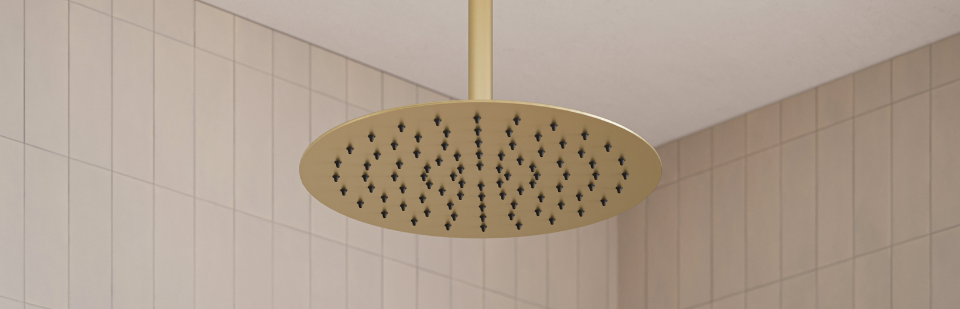


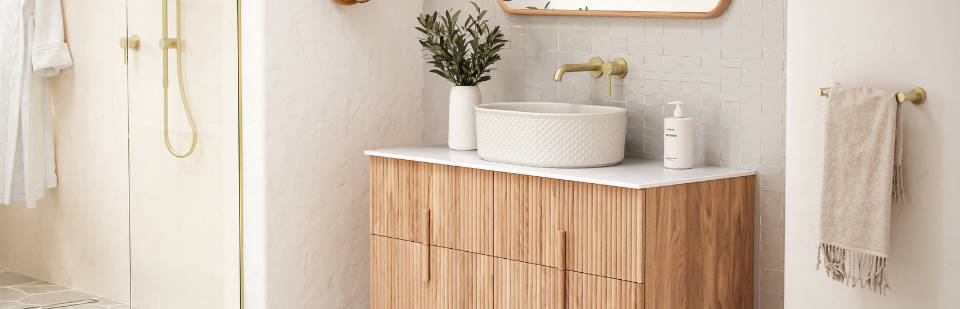


A Phoenix wall shower system is a plate that carries the control and a hand shower together. The Vivid MKII brings the mixer, a ceramic 180 degree rotary diverter and a single function handpiece together on one plate. The diverter moves the water between the handpiece and a second connected outlet, so an overhead rose can run off the same control. It is a different product from a rail. The hand piece sits on the plate beside the control, on a hose, and there is no rail to fix to the wall.
This collection holds seven families of it, in up to nine finishes. Three things need settling: what is on the plate, what the diverter feeds and what to check before you buy. For the whole brand, see Phoenix showers. For the wider guides, see showers, shower mixers and hand held shower heads.
Five of the families have the same specification. The control is a 35 mm ceramic cartridge, and the diverter is a ceramic 180 degree rotary one. The handpiece is a single function piece with an easy-clean hose, and the plate has dual check valves that are AS2845.1 compliant. The backplate is solid brass. The projection is 65 mm, the hand shower height is 205 mm, the hand shower diameter is 24 mm, the distance between the tap and the handheld is 140 mm, the backplate length is 225 mm and the backplate height is 75 mm. The operating pressure is 150 to 500 kPa.
The Vivid MKII has its own figures: an overall height of 233 mm, lead-free brass construction, a PVD finish, a temperature rating of 1 to 75 degrees Celsius and a fixed spout function. The Gloss MKII in chrome is 205 mm high, 225 mm wide and 58 mm deep, at 4.5 kg. The older Vivid Slimline unit is 320 mm wide, 100 mm high and 430 mm deep, also 4.5 kg. These are figures for different products, so confirm the dimensions of the one you choose and plan the wall from them.
The diverter has two positions. One sends the water to the handpiece. The other sends it to a second connected outlet, such as an overhead rose on the same control. The Mekko system is the same: an all-in-one system with a diverter for switching between the handpiece and a second outlet such as an overhead shower. So the plate is a hand shower with a mixer, and it becomes a two-outlet shower once you connect an overhead.
The system does not include the overhead. The boxes hold the system, an installation kit and the installation instructions, so a rose, an arm or a ceiling dropper is a separate purchase with its own plumbing. If you plan to add one, tell the plumber now, since the second outlet has to be piped before the wall is closed. For the overheads, see rain showers and Phoenix shower rose.
The Teel in chrome has slim, elegant styling with a lever handle, and is 205 mm high, 225 mm wide, 58 mm deep, 65 mm thick, 4.5 kg, registration S18420. The Gloss MKII in chrome has understated curves and a lever handle, and the same size and weight, registration S18417. The plates share a footprint, and the difference is the shape of the lever and the lines of the plate. If you are choosing between families for a wall that is already tiled, the shared footprint means you can compare them by look and not by size.
A rail and a plate answer the same need in different ways. A rail holds the hand shower on a slider at the height you choose, so people of different heights share it. A plate holds the hand shower on a bracket beside the control, at one height, and the diverter feeds a second outlet. Rail heads suit households of mixed heights, though the fixture is bulkier and needs secure mounting. Hand showers suit rinsing, cleaning, washing pets and people with limited mobility.
So choose the plate when the shower is mostly used standing, when you want the control and the hand shower in one neat unit, and when an overhead will do the main wash. Choose a rail when the household differs in height or a child needs the hand shower at a low height. For rails, see shower on rails.
The plates have dual check valves that are AS2845.1 compliant. Backflow is water moving the wrong way in the supply, so that water from a fixture can enter the drinking water pipe. The hazard covers both back pressure and back siphonage, and the device must suit the hazard rating. For a hand shower the practical advice is simple: tell the plumber where the hose will hang and ask which device the install needs.
This is the job the older Vivid Slimline does: if you have a rain shower and want to add a hand shower, you can retrofit the item where your current tap is placed. The diverter lets you switch the water from the hand shower to the rain shower, and the mixer is a fixed pin lever. It is a neat idea, since the plate replaces the old control where it sits.
It is also a plumber's job, because the plate replaces the control and its valve. The mixer has to match the outlet in the wall, the overhead has to be fed from the diverter, and the heights have to be right for both. Treat the plate as a replacement for the control, not a bolt-on, and get the plumber to confirm the connection before you buy.
The families are rated 3 star at 8 litres per minute, and each has its own registration number. The Gloss MKII is S18417, the Lexi MKII S18418, the Mekko S18419 and the Teel S18420. The Vivid Slimline Oval is S18421, the Vivid MKII S49339 and the older Vivid Slimline S13708. The Mekko in brushed carbon carries no rating while the other Mekko finishes are 3 star, so check the rating on the exact product. A head of no more than 9 litres per minute equals 3 stars, with a band of more than 7.5 to 9.0 litres per minute, so 8 sits in the middle of that band.
The Vivid MKII has install limits. If the pressure exceeds or is likely to exceed 550 kPa, an approved pressure limiting device must be installed. If the water temperature exceeds 75 degrees Celsius, an approved tempering valve must be fitted. Check the supply before choosing a gravity-fed water system, some instantaneous hot water systems, or a supply under 150 kPa. A simple check at home is the bucket test: a 10 litre bucket that fills in under 60 seconds under the shower points to good pressure. A high-pressure style head changes the nozzle design to feel stronger and cannot increase mains pressure. Dropping from 9 to 7.5 litres per minute saves thousands of litres of water a year, and some instantaneous gas hot water systems need more flow to fire.
A wall mixer sits about 1000 to 1100 mm from the floor, centred in the shower space, and the top of a rail about 1800 to 1900 mm. A fixed overhead sits 2000 to 2100 mm above the finished floor, or 2100 to 2200 mm for a tall household. Confirm the heights at rough-in, before tiling. Two outlets on a diverter means two heights, so say so to the plumber before the linings are fixed. The hand shower hangs from the plate, so its reach is the length of the hose.
The finishes are chrome, matte black, brushed nickel, brushed gold, brushed carbon and brushed bronze. The backplates are solid brass, and the Vivid MKII is lead-free brass with a PVD finish. PVD is significantly harder and more durable than traditional plating. For finish-led browsing, see chrome showers, black showers, brushed nickel showers, gold showers and gunmetal showers.
Choose a finish that sits well with the basin mixers, bath taps and accessories. Match the plate to the other Phoenix fittings in the room, since each family is made to sit with the rest of its range.
Clean surfaces with mild liquid detergent or soap and water, and avoid cream cleaners and citrus-based products, which are abrasive. Unsuitable cleaners may damage the surface, and damage caused that way will not be covered by warranty. Dry the fitting after use, since drying prevents mineral deposits and water marks. On matte black, avoid abrasive cleaners, scouring pads, bleach, vinegar and lemon juice, since acid can damage the coating over time and dull the finish. The hose is easy to clean, so it wipes down.
As a schedule for the head, clean it monthly if your water is hard, every two to three months if it is soft. Vinegar is acceptable only on standard chrome or plastic. For a PVD finish, use warm soapy water.
The plate replaces the control, so the job starts with the valve in the wall. A licensed plumber is the better choice for the install, because they can ensure correct fitting, good pressure and compliance. The install should comply with AS3500.1 or the local authority requirements, and all pipework must be flushed before installation. The rules on what an owner may do themselves differ by state. Replacing the mixer and the diverter is water supply plumbing work.
The Mekko has a breech assembly that streamlines the install. Fix the plate into solid backing and check the connection for leaks before the tiles go on. The older Vivid Slimline can be retrofitted where your current tap sits, which keeps the work small, but it still needs the plumber.


