
*View accurate shipping rates and availability






13 Items
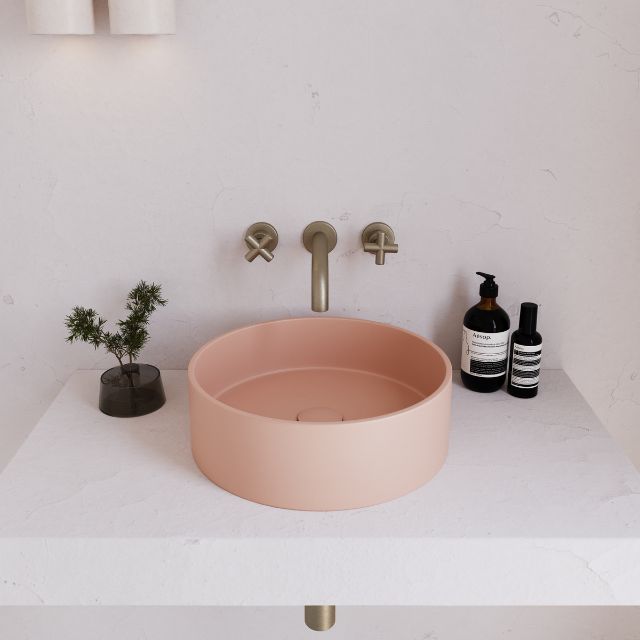
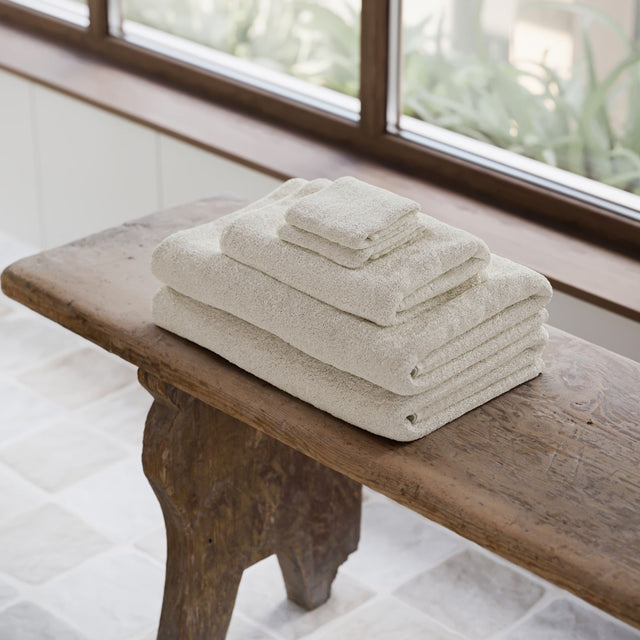
Spend over $800 and receive free gifts in your cart. Towels, accessories and full length mirrors!
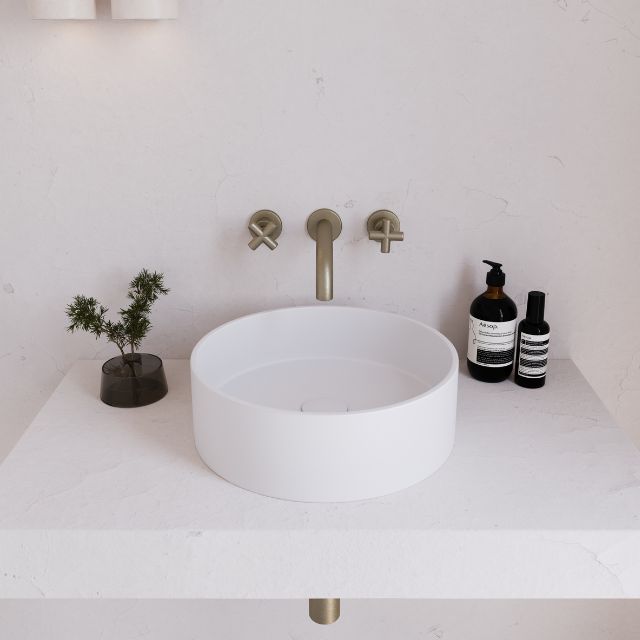
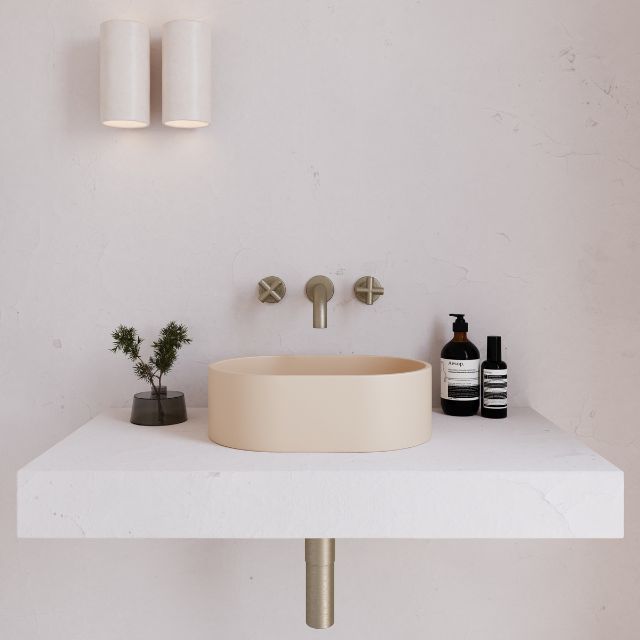
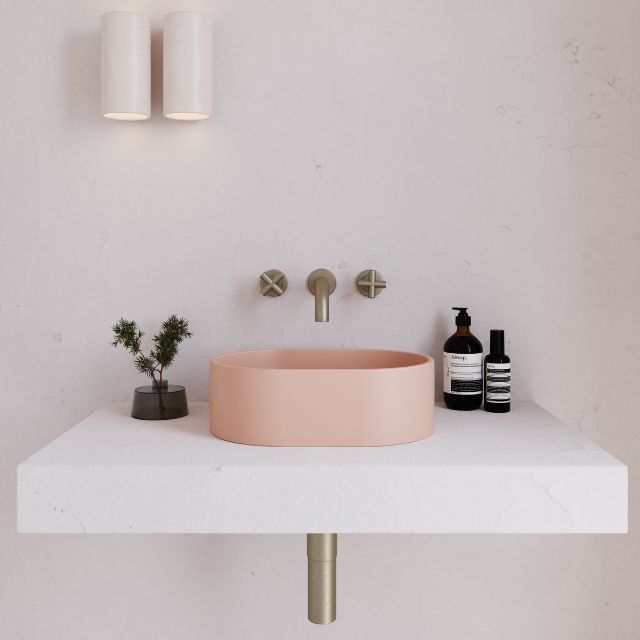
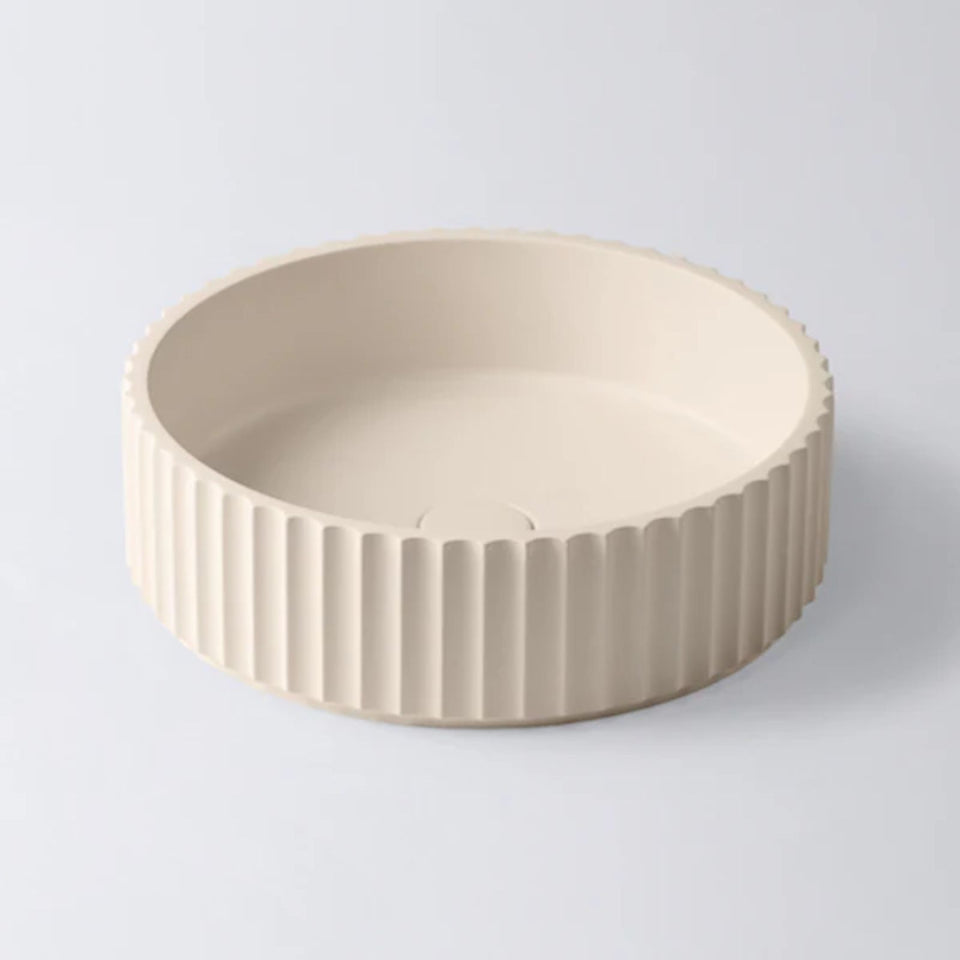
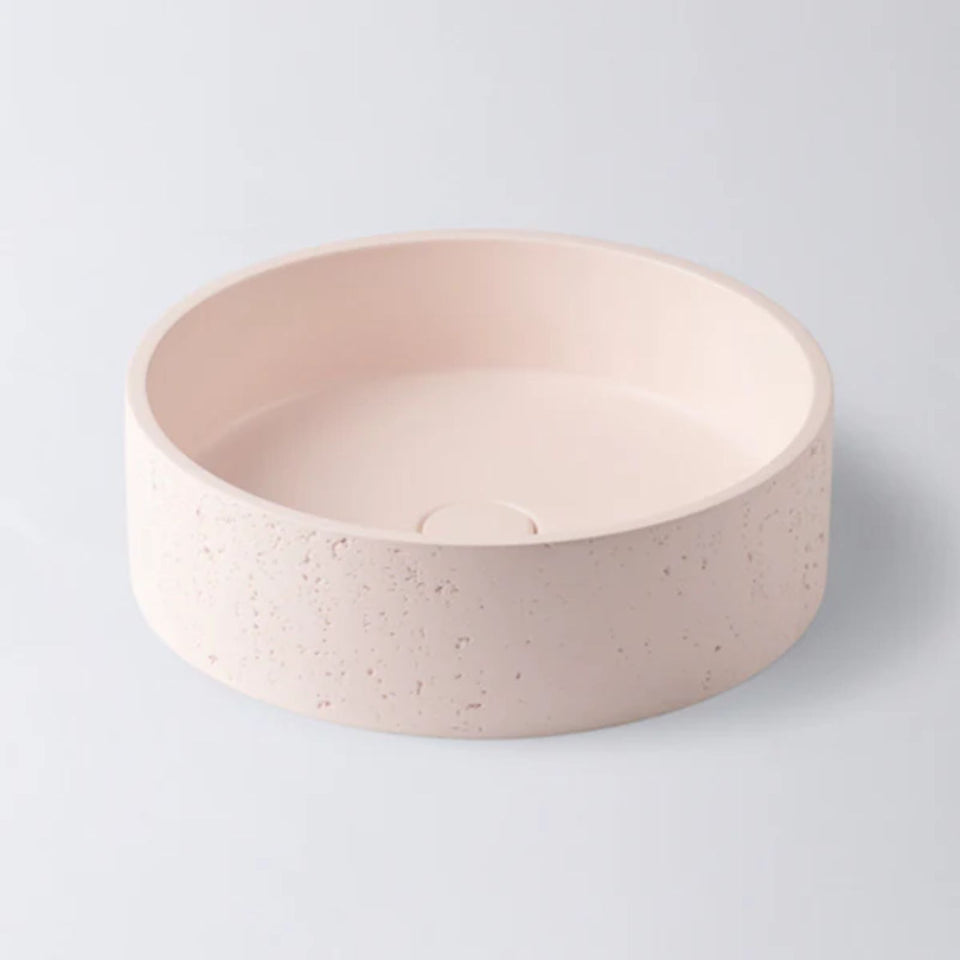
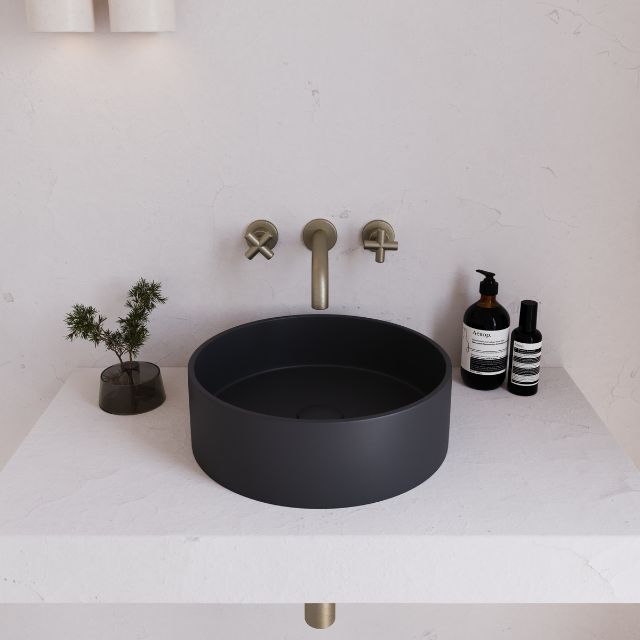
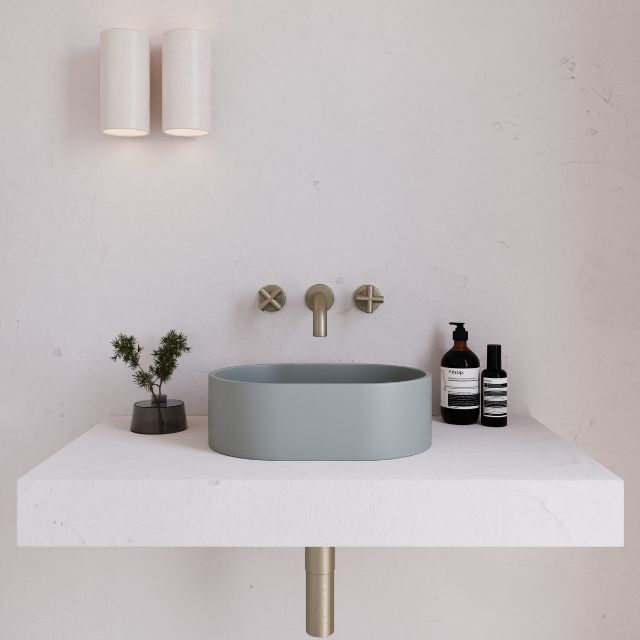
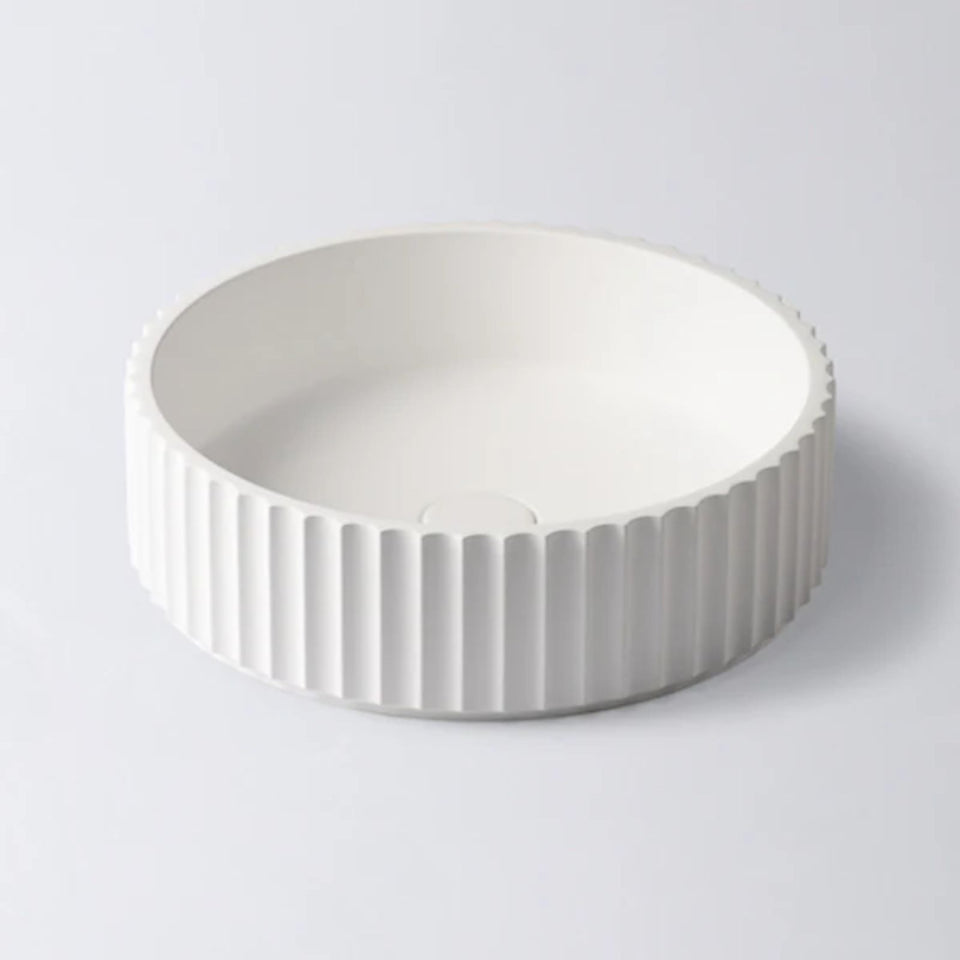
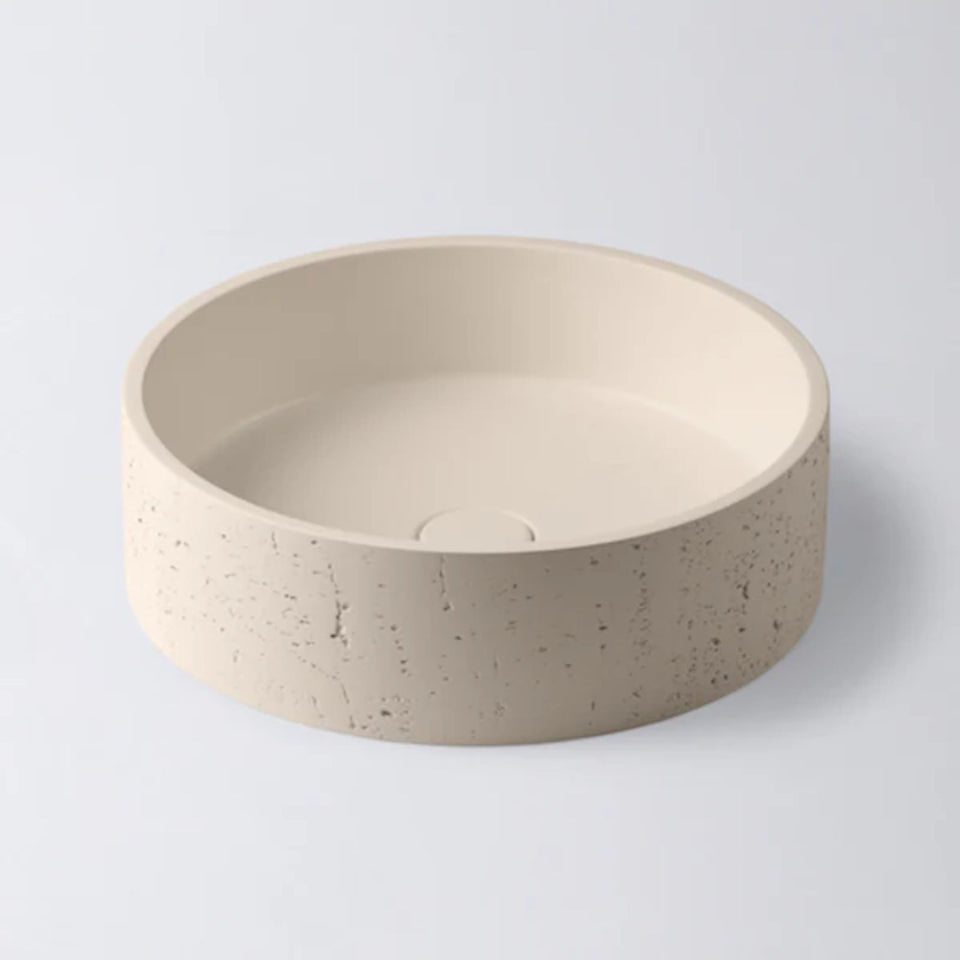
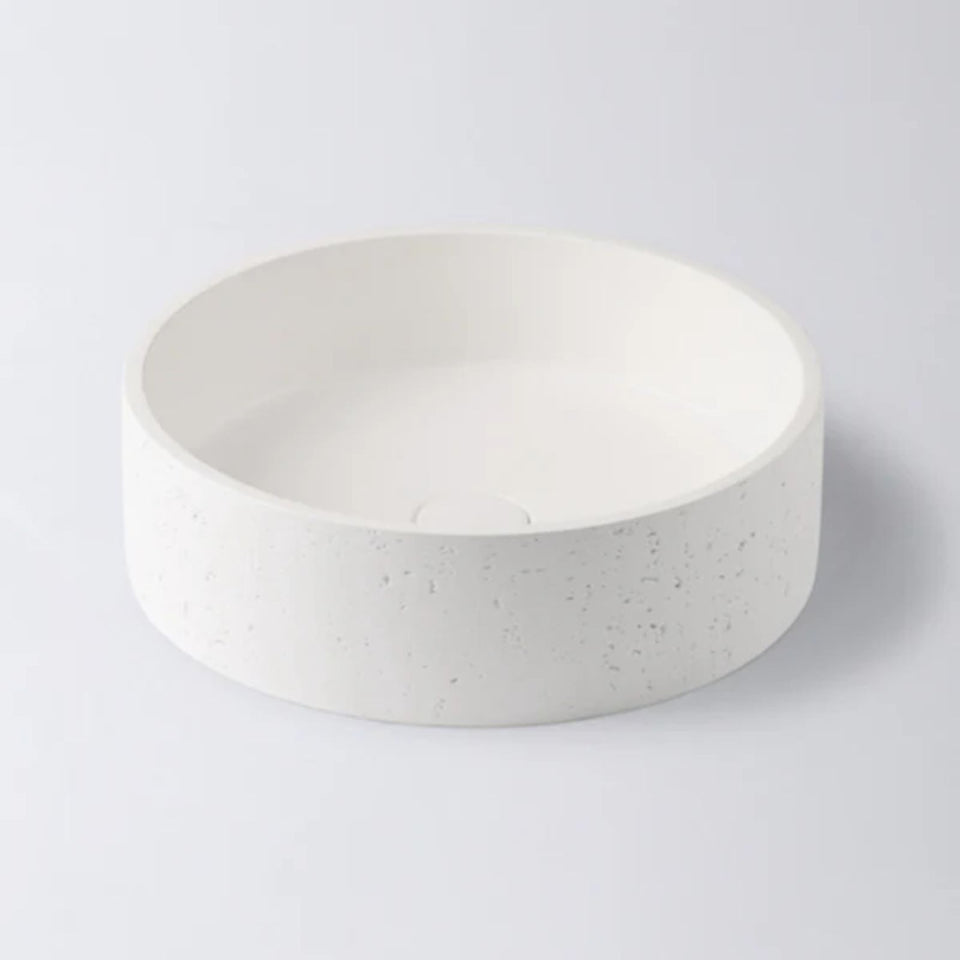
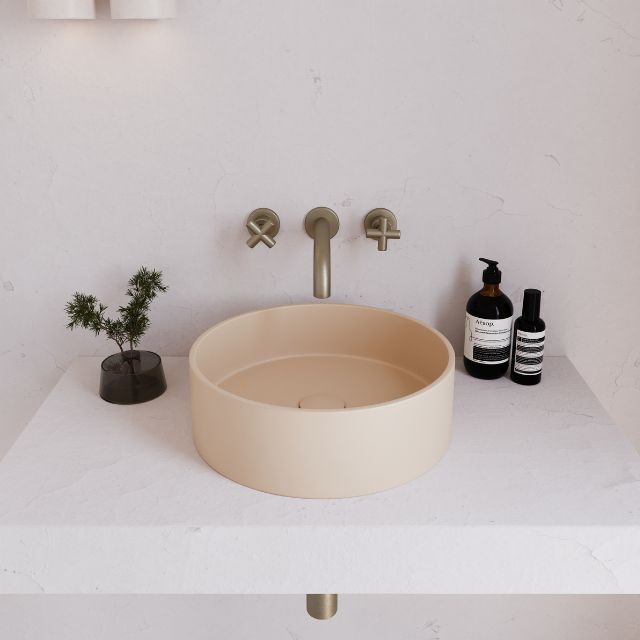
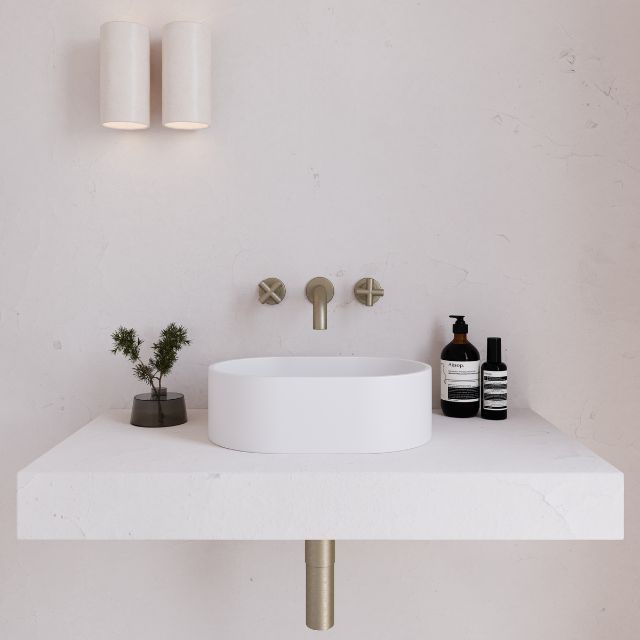
Eight Quarters concrete basins are made from cast concrete rather than the ceramic or stone composite used in most bathroom basins. The range runs to 16 styles, giving a reasonable spread of shapes and sizes for anyone building a bathroom around a raw, textural material rather than a glossy one. Concrete suits renovators after an industrial or warehouse-style look, and it also works in natural or Japandi-inspired bathrooms where a matte, tactile surface is part of the design.
The main appeal of concrete is its surface character. Rather than the uniform finish of ceramic, concrete basins carry a raw, slightly textured surface, and because each basin is cast individually, small natural variations in tone and texture are normal rather than a defect. If you want every basin in a multi-basin bathroom to look identical, this is worth factoring in. If you want each piece to feel a little unique, it is part of the appeal.
Concrete is considerably heavier than ceramic or composite stone. Before choosing a concrete basin, check that the vanity unit or benchtop you are pairing it with is rated to support the extra load, and confirm the mounting style, whether the basin is designed to sit above a benchtop, drop into a cutout, or wall mount, matches what your vanity can accommodate. This is worth checking with your installer or cabinetmaker at the planning stage rather than after the basin has arrived.
Concrete is a porous material, so concrete basins are typically sealed to help resist staining and water absorption. Ask about the sealing status of the specific basin you are considering and whether resealing is recommended over time, particularly if the basin will see daily use from multiple people. Day to day, a soft cloth and a pH-neutral cleaner is the safer choice, since abrasive or highly acidic cleaning products can wear through a sealant faster than expected.
With 16 styles in the range, there is enough variety to compare shapes and profiles before settling on the basin that suits your vanity footprint and the overall feel of the room.


