
*View accurate shipping rates and availability






17 Items




Up to 70% off across the store, plus free towels and mirrors up for grabs on orders over $800*
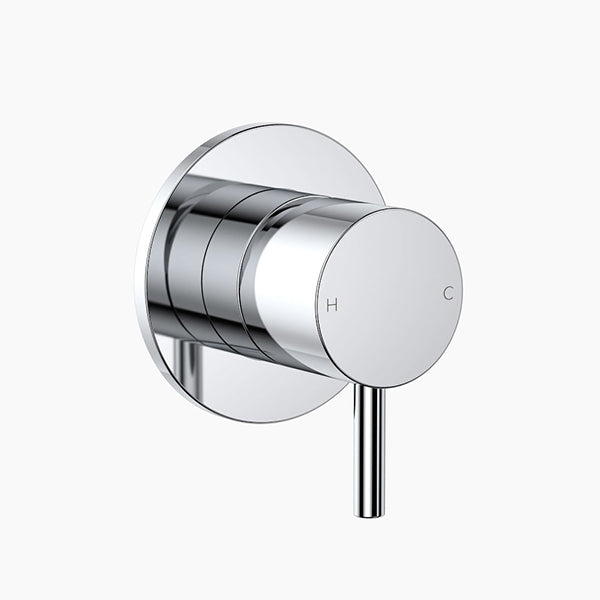
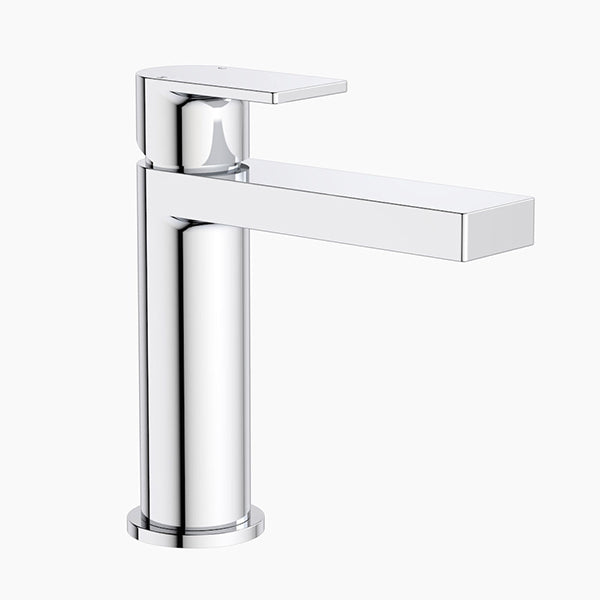

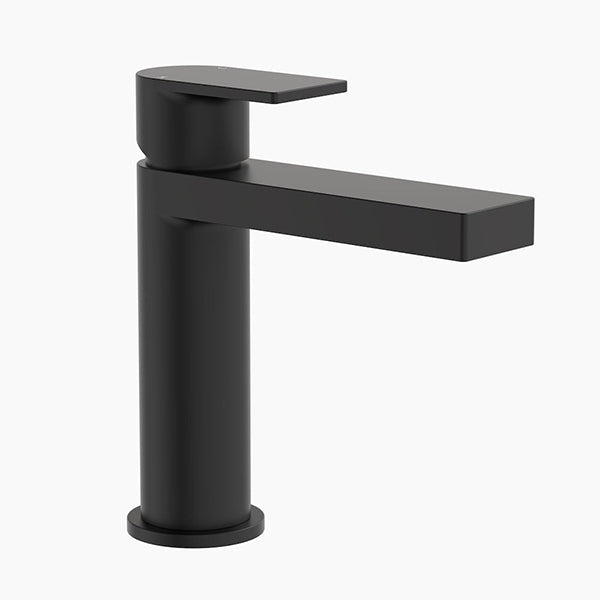

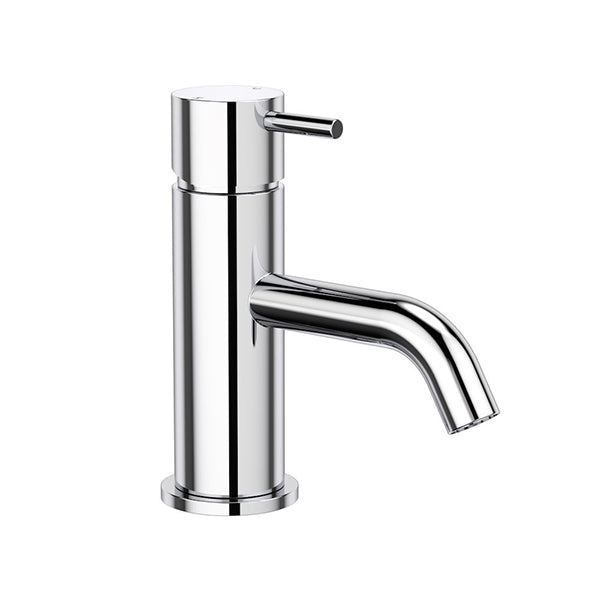

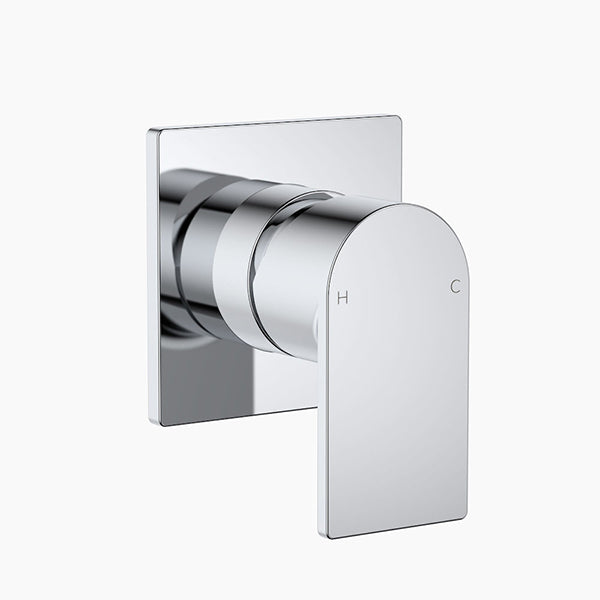
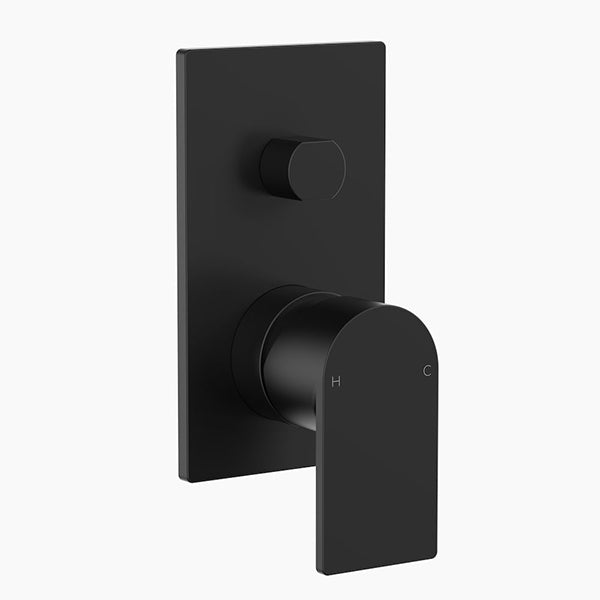
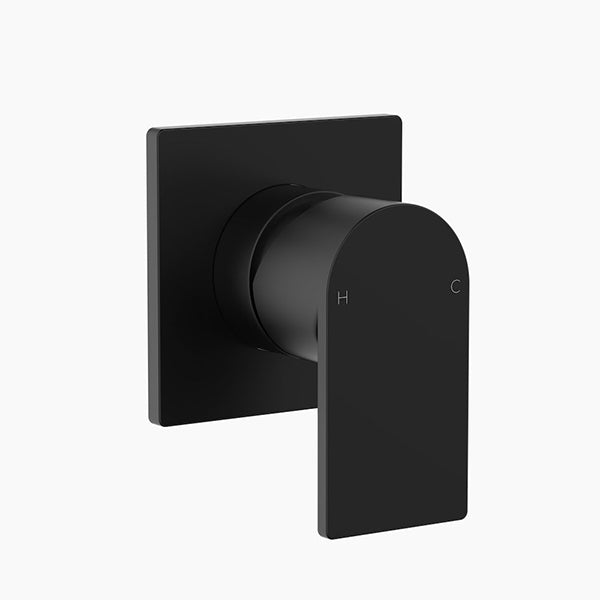
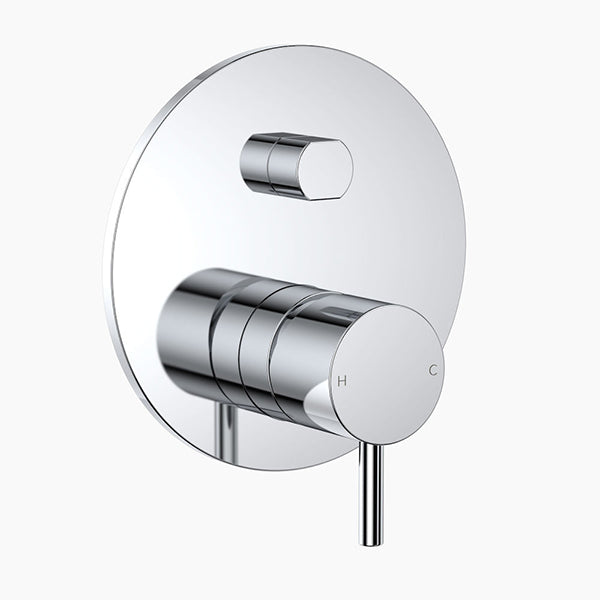
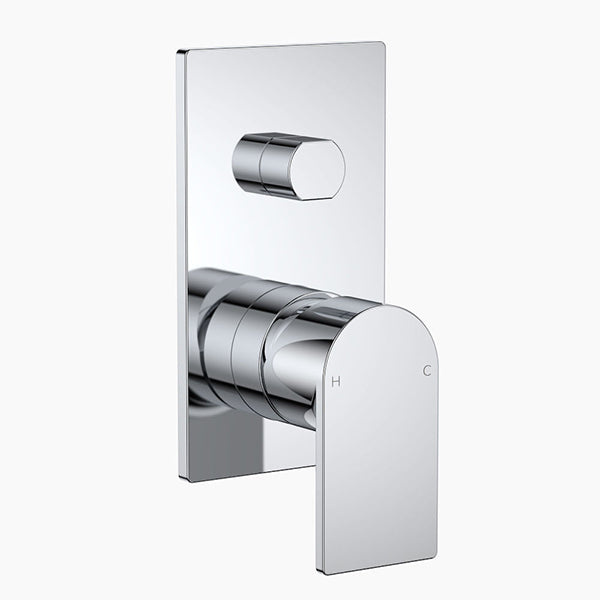
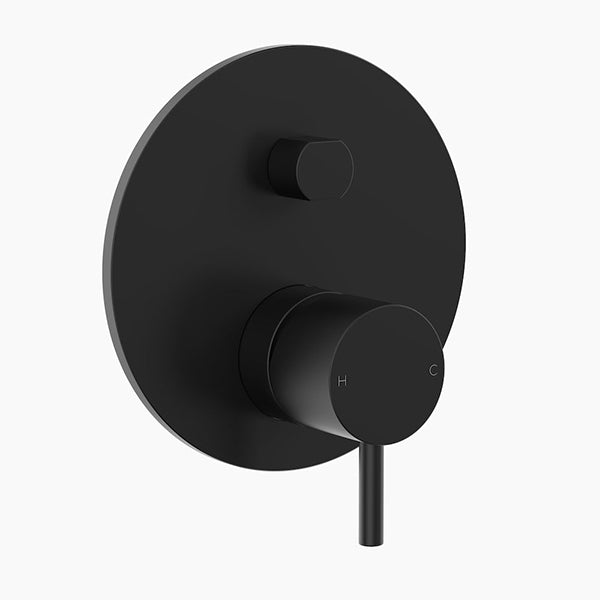
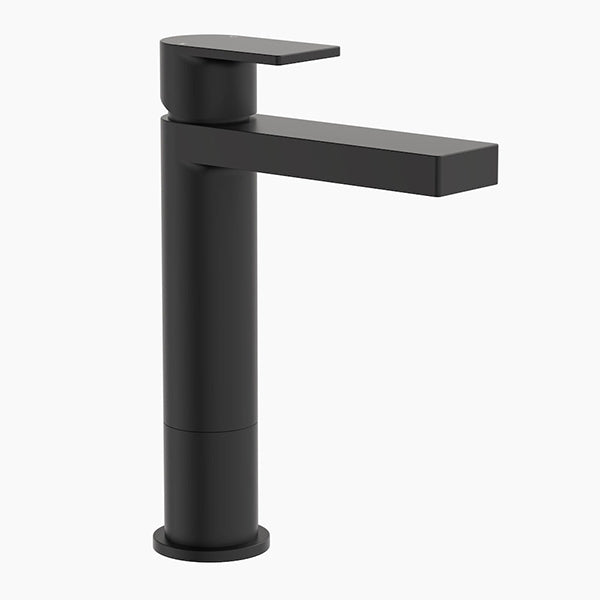
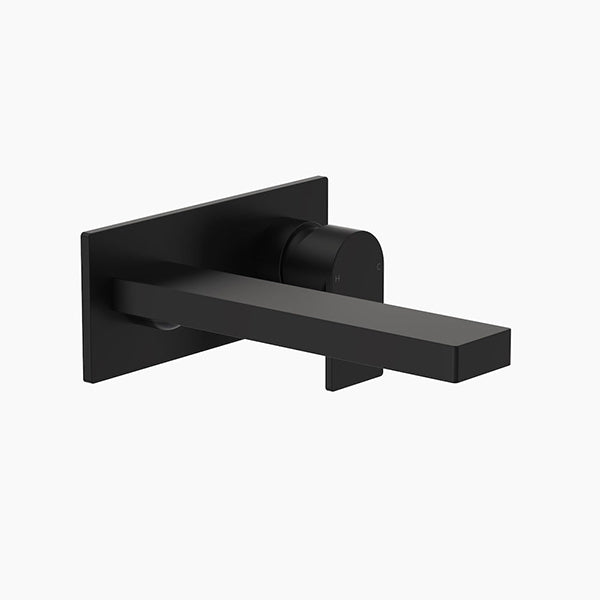
A bathroom mixer tap blends hot and cold water through one spout and controls flow and temperature with a single lever. This page holds the mixers used across the bathroom: basin mixers for the vanity, wall basin and bath sets, shower and bath mixers, bath fillers and spouts, in chrome, brushed nickel, matte black, gold, bronze, gunmetal and brass. The guide below sets out which type suits each fitting, what to measure before you order, and how to choose a finish and look after the tap.
Match the mixer to the fitting it serves. This table sets out the main types and where to find each.
| Fitting | Mixer type | Check before you order |
|---|---|---|
| Vanity basin | Basin mixer, standard or tall | Hole size, spout height and reach. See basin mixers. |
| Wall hung basin or floating vanity | Wall basin and bath mixer set | Pipe centres and spout length. See wall basin and bath mixer sets. |
| Shower | Shower mixer or bath and shower mixer with a diverter | In-wall body and plate size. See shower mixers. |
| Bath | Bath filler, bath mixer or bath spout | Wall, deck or floor mounting. See bath fillers. |
| Freestanding bath | Floor or wall mounted bath mixer | Pipe position and spout reach. See freestanding bath mixers. |
| Traditional vanity | Three piece set with separate handles | Three tap holes. See three piece taps. |
For the vanity, a mixer is the practical call in most bathrooms: one hand sets the temperature, and there are fewer places for limescale to collect than a pair of handles. A three piece set suits a period or Hamptons room. For every basin tap type in one place, see bathroom basin taps.
Mostly. Most modern basins have a single 35mm tap hole, and most basin mixers fit it. The exceptions are the ones to check. A basin with three holes takes a three piece set, or a mixer with a cover plate that hides the two unused holes. A basin with no tap hole takes a wall mounted mixer, or a mixer fitted through a hole drilled in the vanity top. Shower and bath mixers are not a standard size, because the in-wall body and the trim differ between makers, so always check that the trim suits the body in the wall.
Height and reach decide whether a basin mixer works. A standard mixer suits an undermount, inset or semi-recessed basin. A bowl basin on the bench needs a tall mixer, so the spout clears the rim, and our tall basin mixers cover that. The water should land near the centre of the bowl, close to the waste, and not on the rim, so measure from the tap hole to the middle of the basin and compare it with the reach on the product page.
Check the lever can swing to full hot and full cold without touching the wall or the splashback, and that a tall mixer will not block the doors of a mirrored cabinet. A spout that is too tall or too long for a shallow basin splashes, and one that is too short misses the centre.
A basin mounted mixer sits on the vanity or the basin, with the plumbing running up through the cabinet to flexible hoses. It is the easier fit in a renovation, because a plumber can reach it from below and it is normally fitted at the end of the job. A wall mounted mixer comes out of the wall above the basin, needs an in-wall body fixed in the wall frame before the sheeting and tiles go on, and leaves the bench clear and easy to wipe. The choice is made at rough-in stage, so settle it with your plumber early.
A shower mixer controls temperature and flow for the shower with one handle, and a bath and shower mixer adds a diverter that sends the water to the bath spout or the shower. The plate comes in round or square forms, usually sized to suit the in-wall body. A progressive mixer starts on cold and warms as you turn the handle, so a quick rinse does not run the hot water system. If you are replacing only the trim, confirm that the new trim matches the body already in the wall, because bodies differ between makers.
For the bath, you choose between a wall mounted spout, a hob spout on the deck of a built-in bath and a floor mounted filler for a freestanding bath. A freestanding filler needs a clear run to the floor and a pipe position that matches the bath. Check the spout reach so the water lands in the bath and not on the rim, and the height so it clears the bath edge. If you only need an outlet, see spouts.
Some bathrooms need more than the usual basin and shower mixer. A hob mixer fits a bath deck or a basin ledge with the mixer set into the surface. A shower and bath diverter mixer sends the water to either outlet with one body. Stop taps isolate the water to one fitting for servicing, and a plumber can advise where they belong. If you need a lever that is easy to grip and move, accessible taps have longer handles and clear markings.
The shape of the mixer sets the style more than the colour does. A round body with soft curves suits a relaxed or family bathroom. A square or slimline mixer suits a sharp, modern room with large format tiles. A cross or knurled handle suits a traditional, art deco or mid century room. Pick one handle shape for the room, and repeat it on the basin, the shower and the bath outlet so the fittings read as one set.
WELS is the Australian water efficiency label, and more stars means the tap uses less water. Mains pressure gives you the most choice and can take almost any rating. Gravity fed and older systems do better with a lower star rating that keeps the flow strong, and a tap rated for low pressure. An aerator mixes air into the stream, which makes a low flow tap feel stronger. Check the rating and flow on the product page, and ask a plumber if you are unsure of your pressure.
We recommend a solid brass body and a ceramic disc cartridge. A ceramic disc cartridge uses two ceramic plates to control the water, resists wear and shuts off cleanly for years. Many of the mixers here are lead-free brass, and some ranges are stainless steel, which suits coastal bathrooms. The National Construction Code limits lead in plumbing products that touch drinking water to 0.25 percent from 1 May 2026. Check WaterMark approval on the product page, because it affects legal installation in Australia.
Finish is the last decision, and it should match the other metal in the room.
The finish process differs by colour. PVD bonds the colour to the metal in a vacuum and resists scratching and tarnish, so it suits a humid bathroom and a coastal home. Electroplating is a thinner layer, and it can chip if it is knocked. Keep one finish through the room, and limit it to two finishes with one leading, because the basin mixer, the shower, the bath outlet and the accessories read as a set.
Wipe the tap with a soft microfibre cloth and warm water after use, and add a little mild soap if needed. Dry it so water does not set on the surface, which matters most in hard water areas. Matte black shows dust and limescale more, so use a soft cloth and a non-acidic cleaner. Avoid bleach, harsh sprays, abrasive pads and scourers. A mixer that drips at the spout usually needs a new cartridge, and it is worth fixing early.
A like-for-like swap is the simplest job. A mixer replaces a mixer in the same hole, and a three piece set replaces a three piece set at the same spacing. Replacing a three piece set with a single mixer needs a cover plate for the extra holes. Look under the basin at the supply hoses and shut-off valves before you order, because old valves can seize. A licensed plumber should make the water connections, which also protects your warranty and home insurance.
The contents depend on the tap. A basin mixer comes with the mixer, installation instructions and usually an installation kit, and a bench mounted mixer often adds flexible hoses. A wall set comes with the spout, the handles or mixer and a backplate. A shower or bath mixer may come as a universal body with a trim kit, or as the trim only, so the in-wall body may be sold separately. Read the product page for the exact list before you order.
The mixers on this page come from Nero taps, Phoenix taps, Caroma taps, Meir taps, Fienza taps, Modern National tapware, Clark taps and Dorf taps. Staying with one brand and range keeps the handles, spouts and finish consistent through the room. The full group is on our taps page.


