
*View accurate shipping rates and availability






636 Items


Spend over $800 and receive free gifts in your cart. Towels, accessories and full length mirrors!
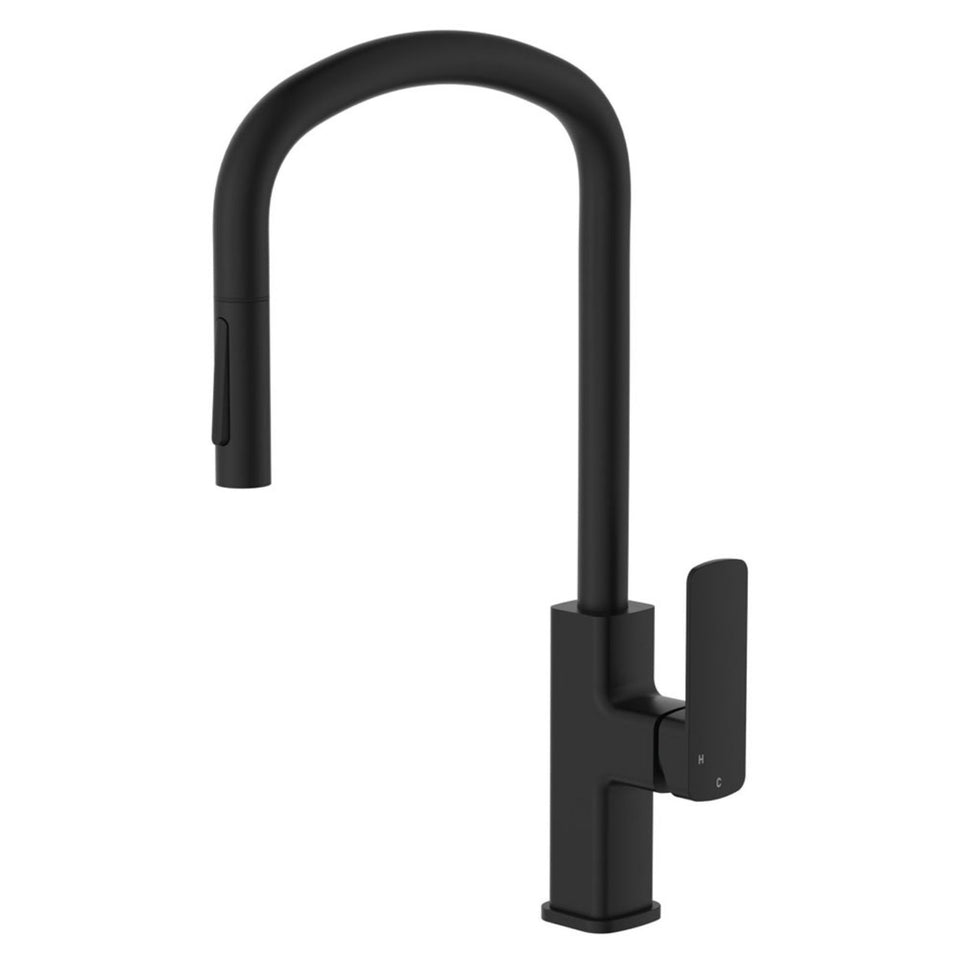
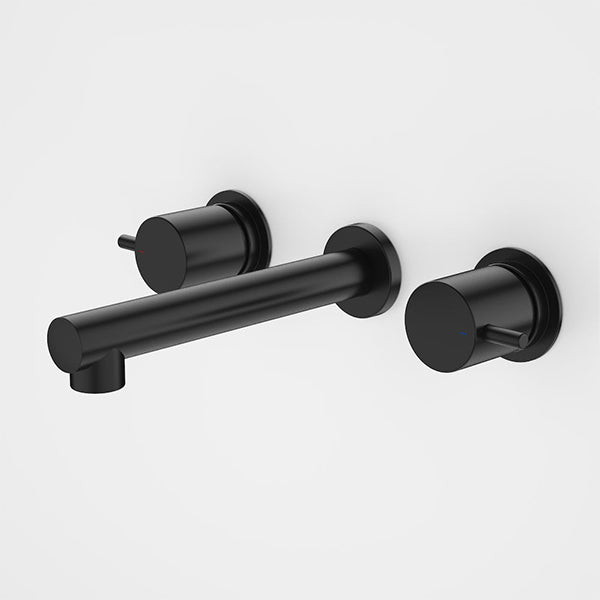


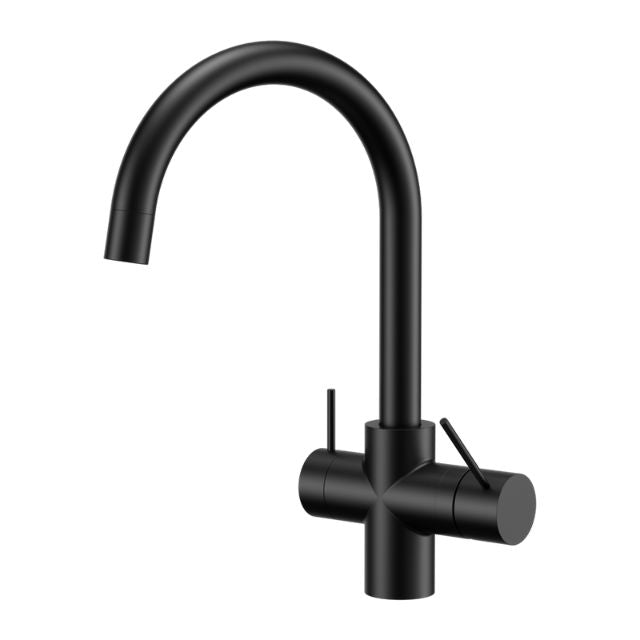
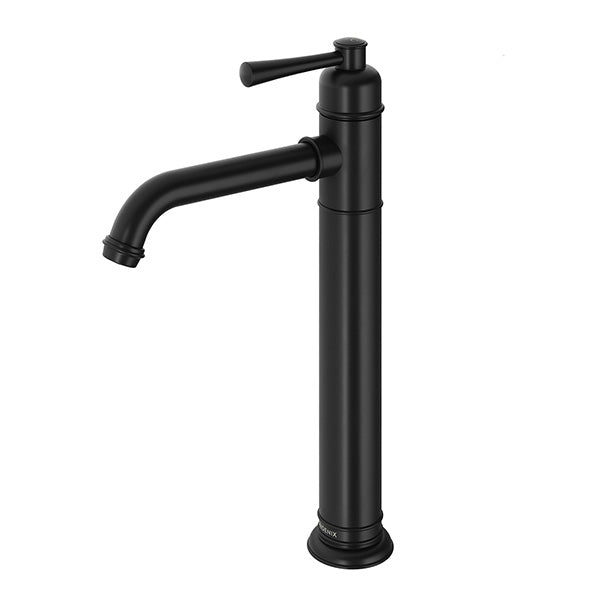
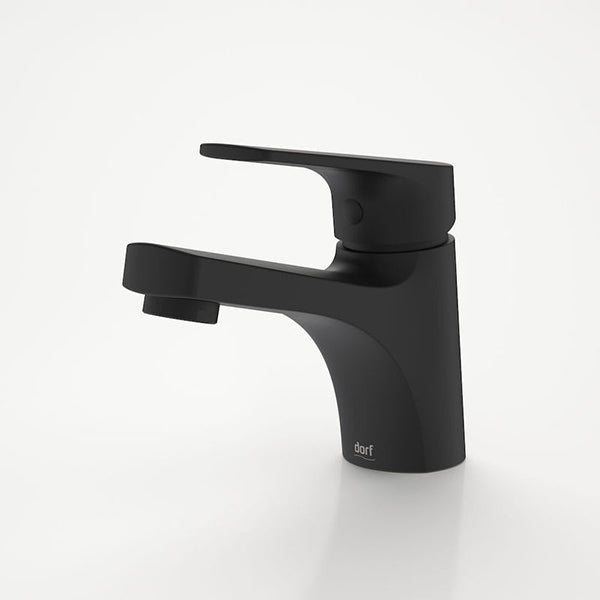


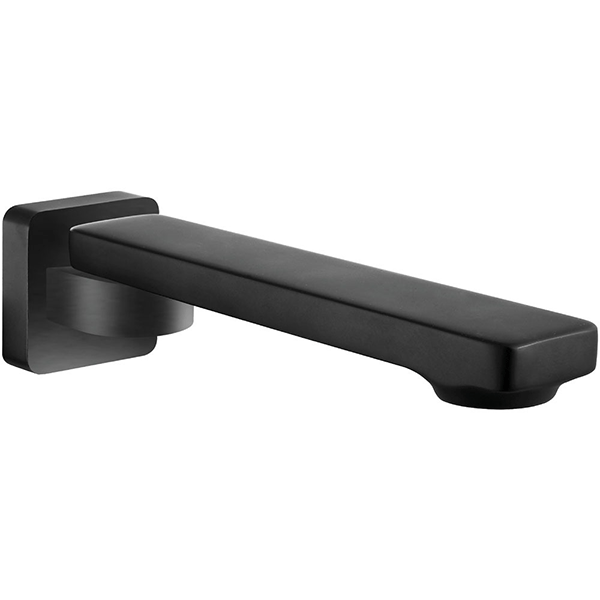
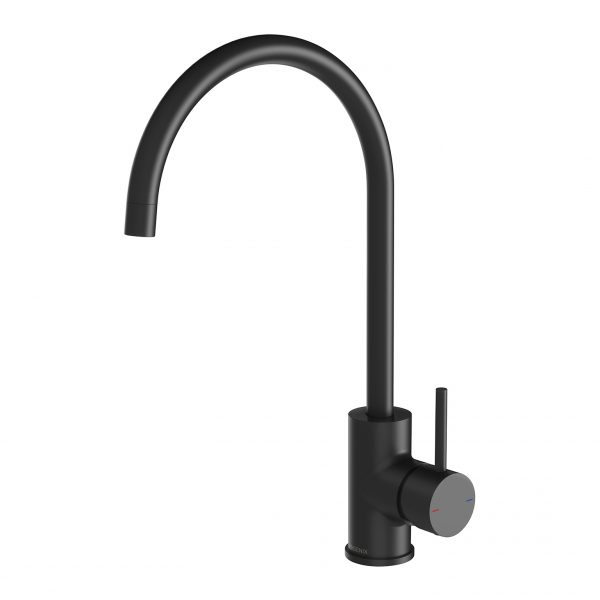
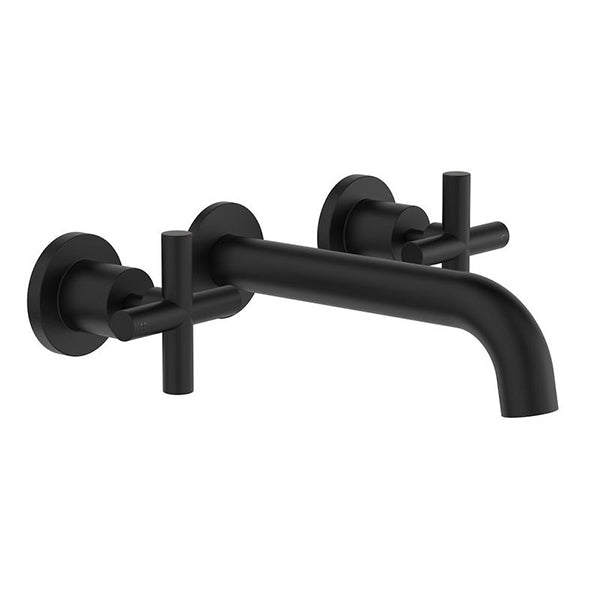
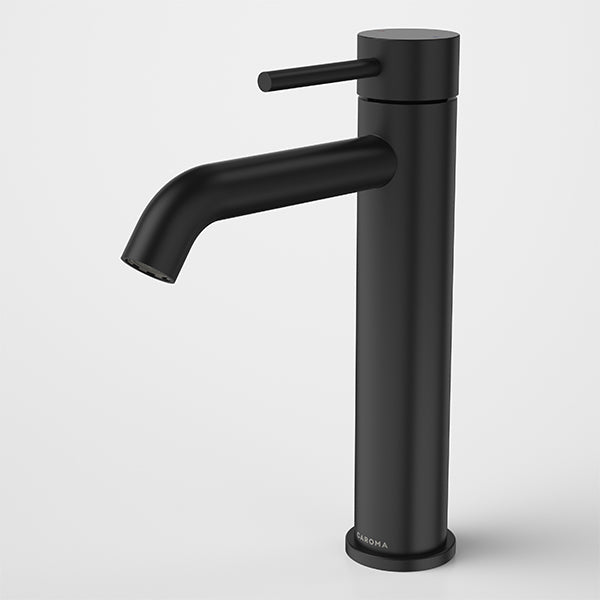
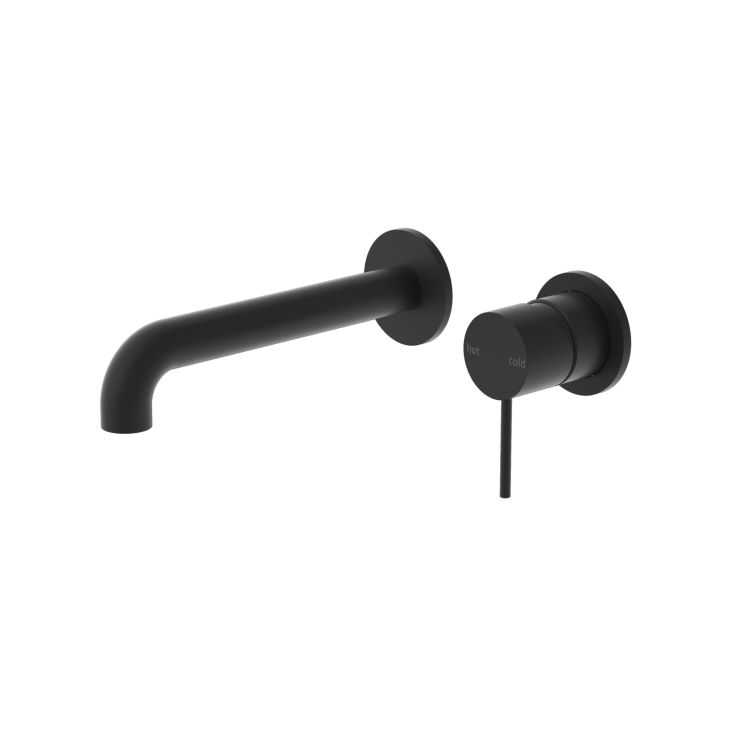
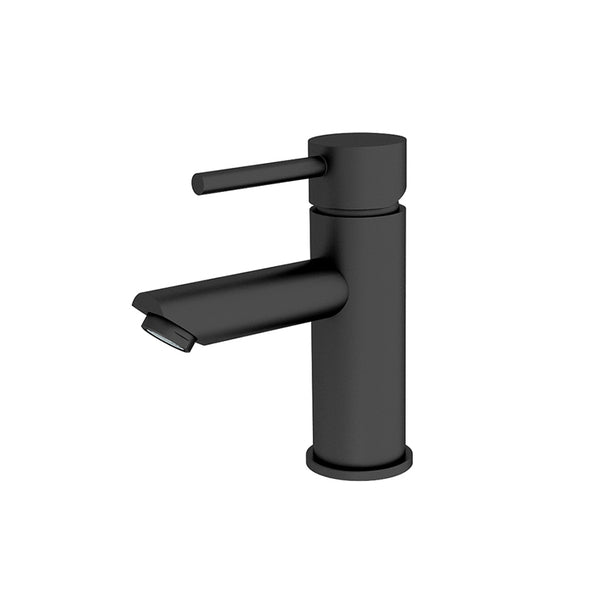


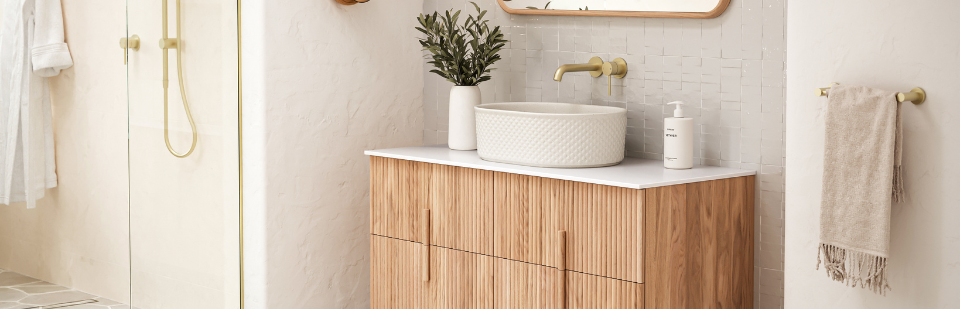
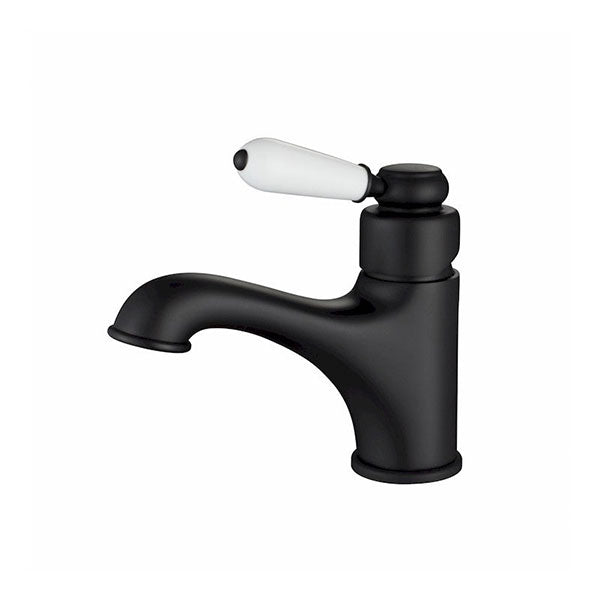
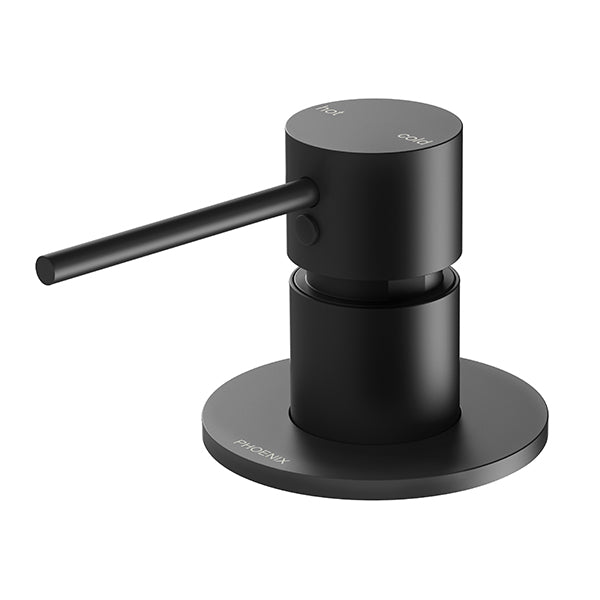
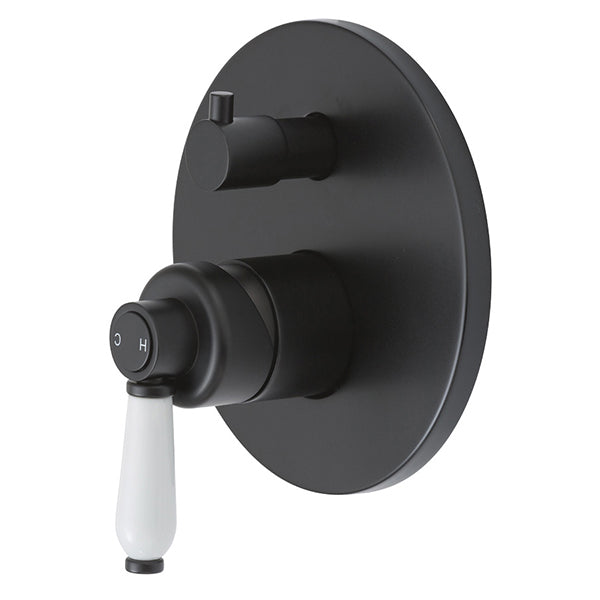
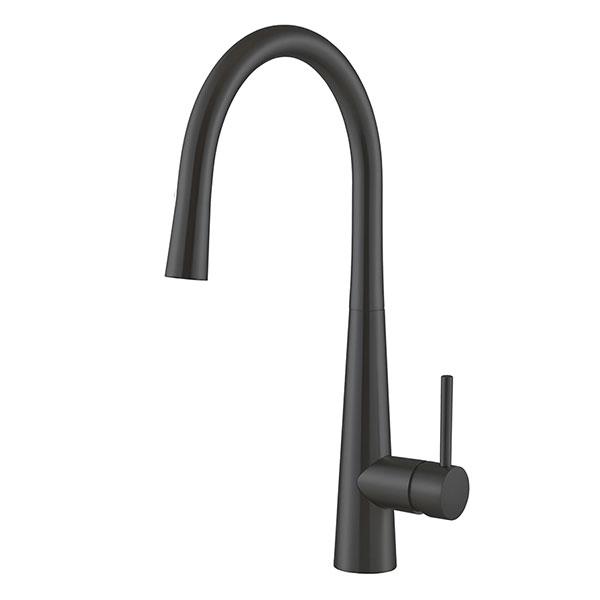
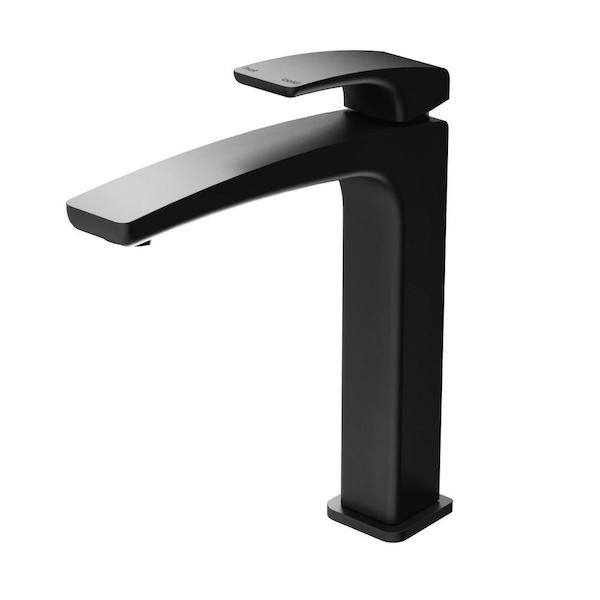
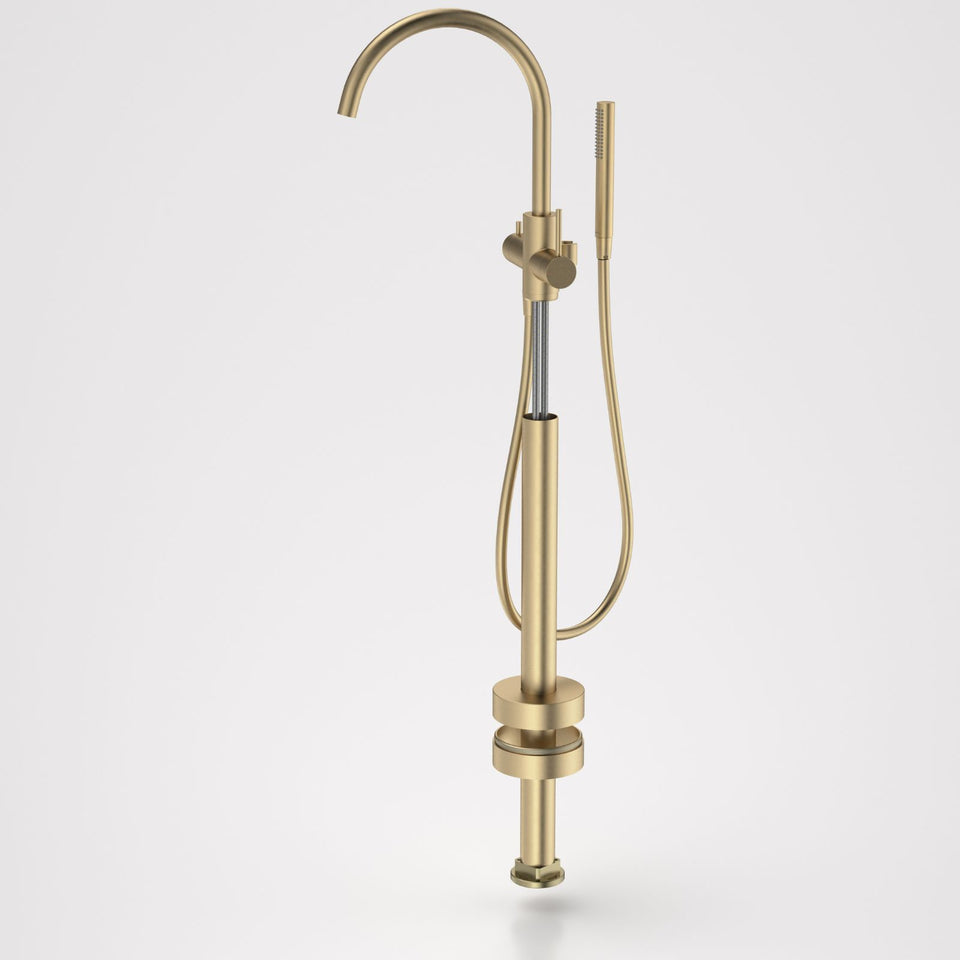
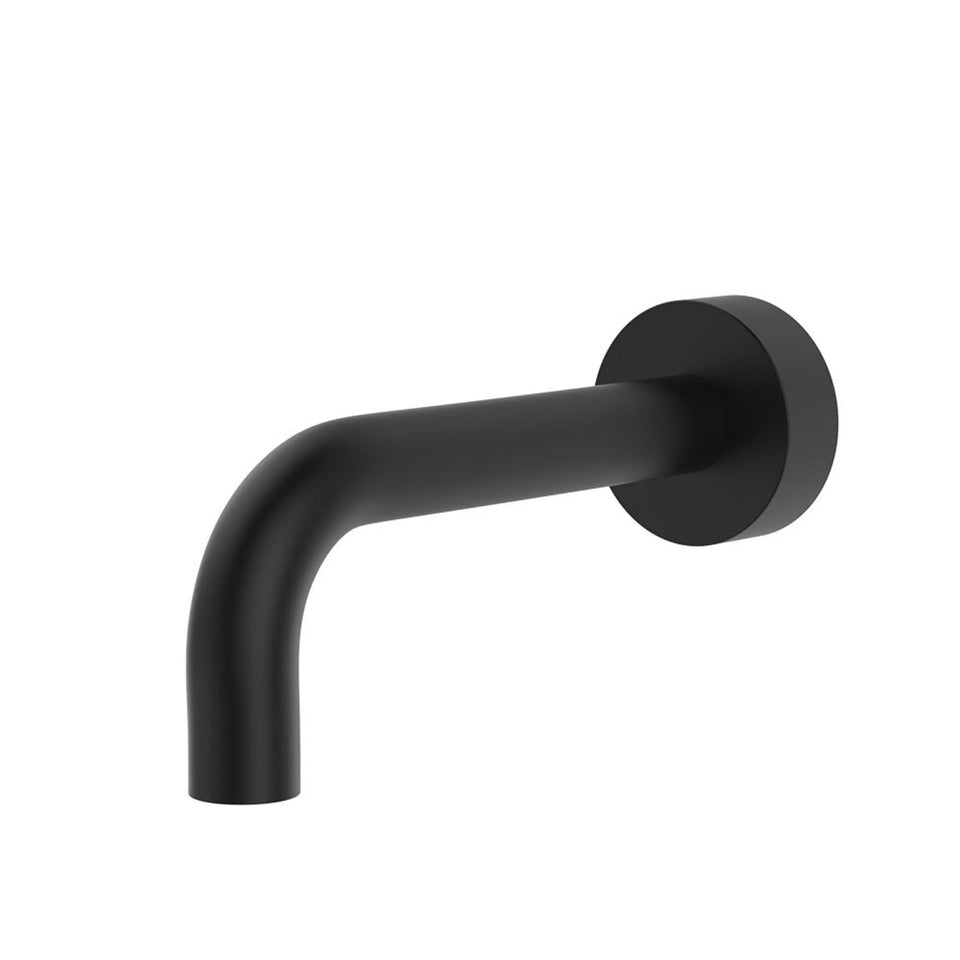
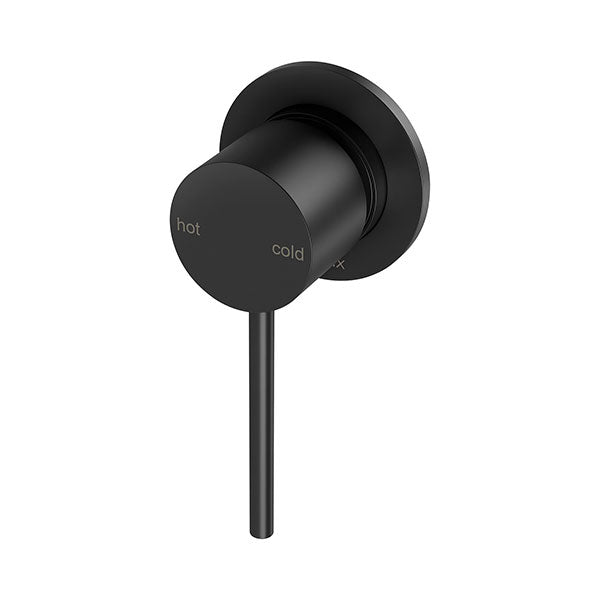
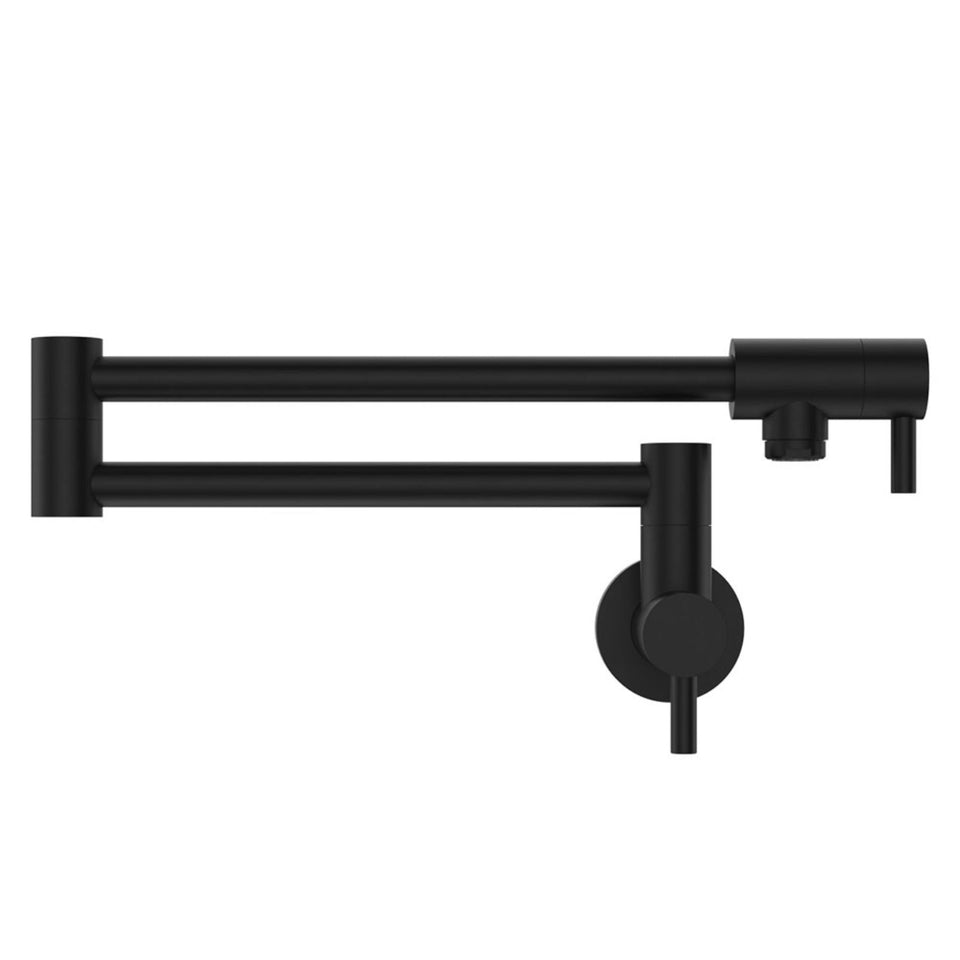
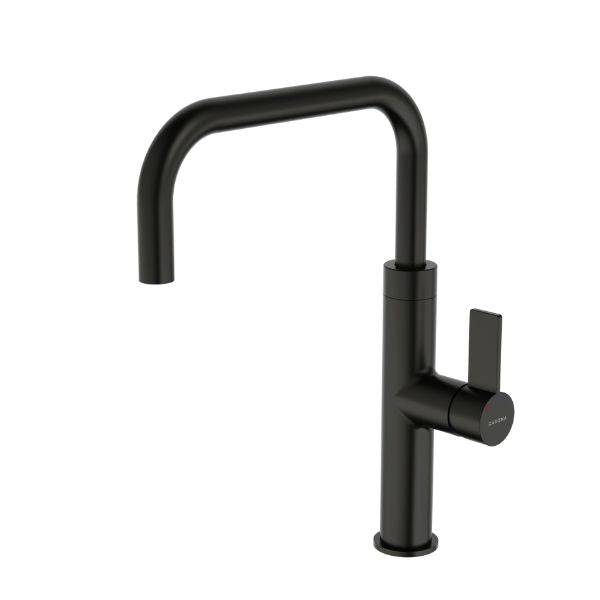

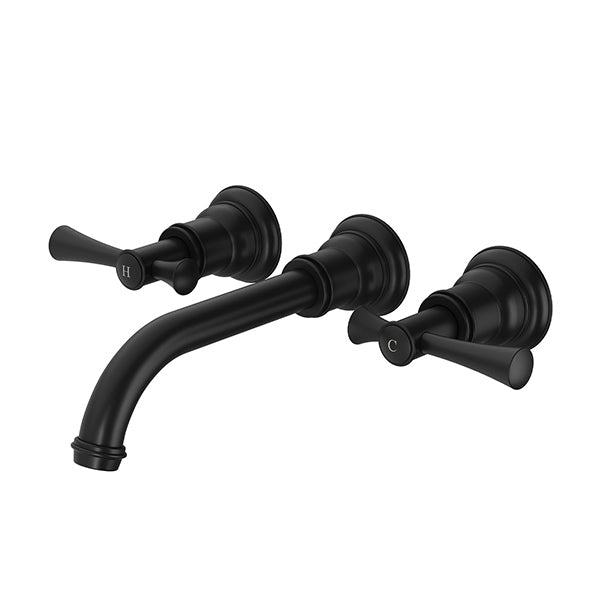
Matte black tapware has moved well beyond its early home in industrial-style lofts, now suiting a Hamptons kitchen grounding an all-white space, or a Scandi bathroom giving sharp, graphic contrast against a timber vanity. Getting the finish quality right matters just as much as the style choice itself.
How black tapware gets its colour matters more than it might first seem. Earlier manufacturing generally used powder coating, effectively a layer of paint baked onto the metal, which looks good initially but can chip if a heavy object is dropped on it.
Current manufacturing has moved on considerably. The best black tapware now uses electroplating or PVD (Physical Vapour Deposition), bonding the colour to the metal at a molecular level rather than sitting as a surface layer. This is a genuinely tougher result, the difference between a finish that sits on top of the tap and one that becomes part of it. Checking the specific finishing method is worth doing first when comparing black tapware options.
In the kitchen, the tap sees genuine daily abuse, greasy hands, hot water, and constant use, so quality matters considerably if choosing black here. A standard sink mixer in matte black creates a genuine focal point on an island bench.
In the bathroom, black tapware brings a considered touch of luxury, contrasting beautifully against a white basin or bath, or standing out against grey terrazzo tiling. It suits both a family bathroom and a more indulgent master ensuite equally well.
Basin mixers remain the most popular configuration, a single lever giving straightforward control, available in both standard and taller heights suited to a vessel basin. Wall sets save genuine bench space, mounting directly onto the splashback for a cleaner, more architectural look. Three-piece sets bring a traditional configuration, separate hot and cold taps flanking a central spout, bridging heritage charm with a current colour. Hob mixers mount on a horizontal surface but separate the controls from the spout itself.
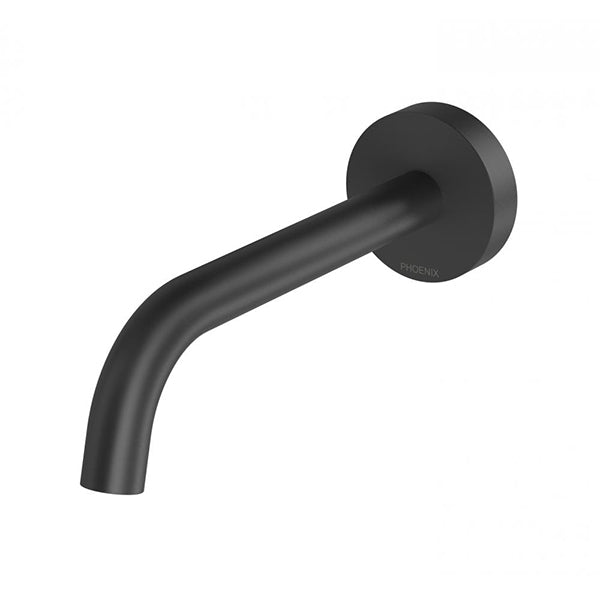
For a separate spout, worth pairing with an existing wall mixer, checking the length carefully matters, since a spout that's too short can splash water against the back of the sink rather than landing centrally.
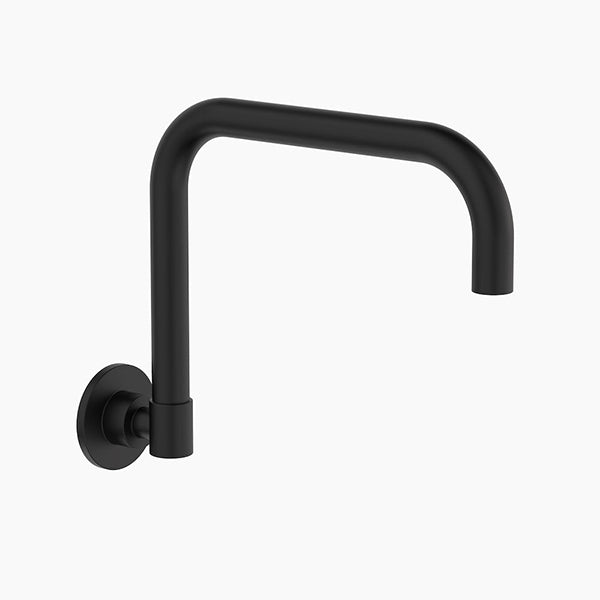
Consistency matters here more than almost anywhere else in the bathroom: if the basin tap is black, the shower needs to match. Shower mixers control water flow, with a diverter available for switching between an overhead rose and a hand shower. For the tub, a wall spout suits a built-in bath, while a freestanding bath mixer, standing on the floor beside the tub, gives a genuinely striking result.
For a retrofit specifically, wall top assemblies replace existing tap handles without needing to remove wall tiles entirely. Dedicated bath fillers and shorter bath tub spouts suit higher water flow needs, and a combined shower and bath mixer with a built-in diverter saves genuine space on the wall plate.
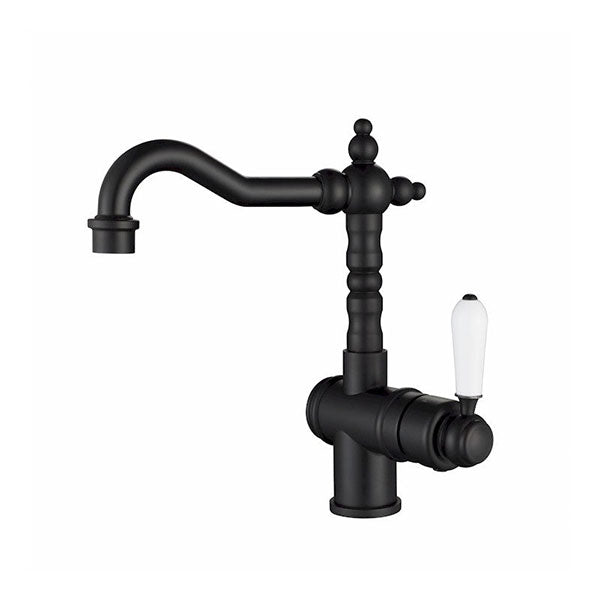
Beyond a standard mixer, a pull-out sink mixer genuinely changes daily use, with the spray head pulling out on a hose for rinsing vegetables or cleaning the corners of a square sink. A gooseneck sink mixer gives a high, elegant arch suited to filling larger pots. For a more traditional kitchen, three-piece sink sets remain available as well.
Caroma and Dorf are long-established Australian names with a deep understanding of local plumbing standards, and Clark offers a similarly reliable option. Phoenix Tapware brings sharp design alongside strong warranty coverage.
Meir is particularly known for its matte black finish specifically, and Nero Tapware brings distinctive textured finishes to the range. Fienza offers genuine value without compromising on look.
Oliveri is a strong choice for kitchen sinks and taps specifically. Turner Hastings suits a traditional farmhouse aesthetic with heritage-style black tapware. Greens and Methven bring genuine New Zealand innovation to the collection, and Indigo, Modern National, Seima and Suprema round out the range across a variety of budgets.
It disguises fingerprints effectively, somewhat counterintuitively: matte black doesn't show water marks and fingerprints nearly as readily as bright chrome, which reflects every smudge clearly. Matte black absorbs light instead, keeping daily marks considerably less visible.
Genuine versatility comes from black functioning as a neutral, pairing with timber, marble or concrete equally well. Tiles, towels and paint colours can all change around it while the tapware itself continues to suit the room.
A genuine contrast effect rounds out the case for black: in a predominantly white bathroom, black tapware provides real visual contrast, drawing the eye and anchoring the room rather than letting it feel overly clinical.
Treating a black tap like a chrome one risks damaging the finish. Chemical cleaners, bleach, citrus-based sprays, abrasive scourers and waxes should all be avoided, since these can attack the coating; even a genuinely tough PVD finish can develop cloudy spots or gradually strip under repeated exposure to strong chemicals.
Warm soapy water and a soft microfibre cloth are sufficient for regular cleaning, and drying the tap afterward helps prevent water spots. In a hard water area specifically, wiping the tap down after a shower prevents mineral buildup, a small extra step that takes only a few seconds.
Black tapware is easiest to finalise once the basin, bath and shower configuration for the room are settled, since tap hole layout and spout reach both depend on those earlier decisions. The Blue Space's Basins and Bathroom Accessories collections are worth reviewing alongside a black tapware selection to bring the full room together.


