
*View accurate shipping rates and availability






54 Items


Spend over $800 and receive free gifts in your cart. Towels, accessories and full length mirrors!


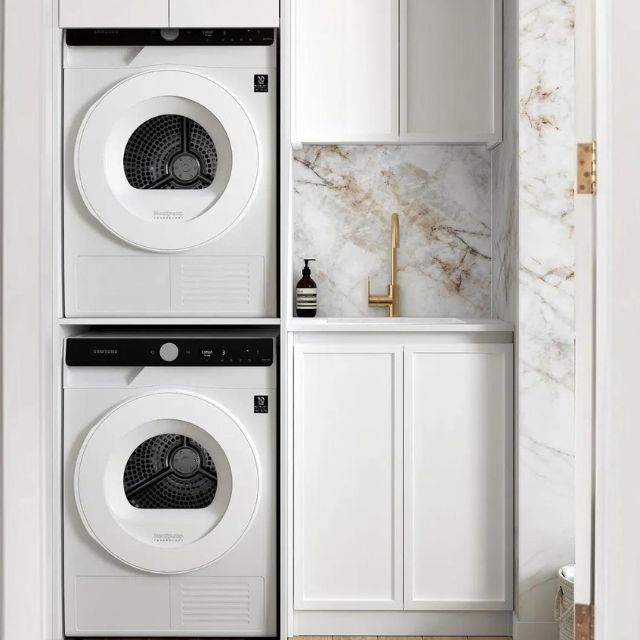


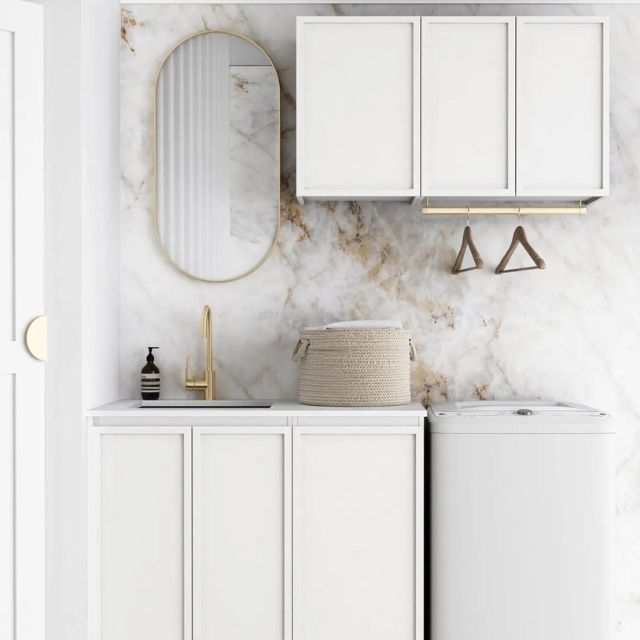


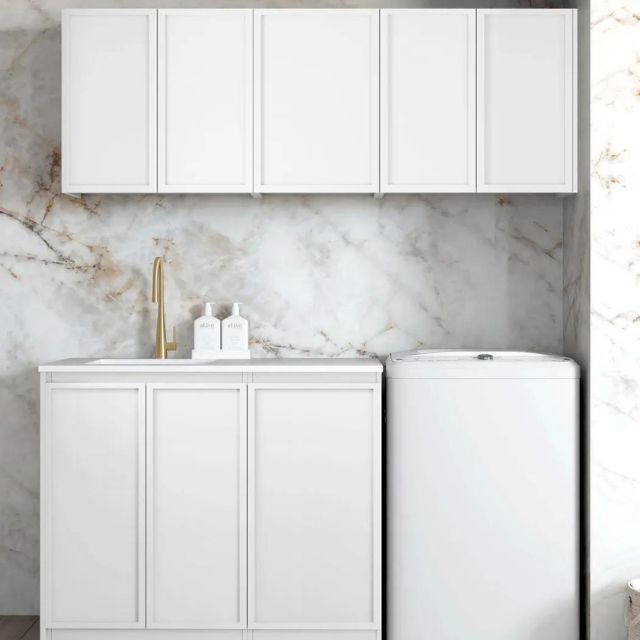


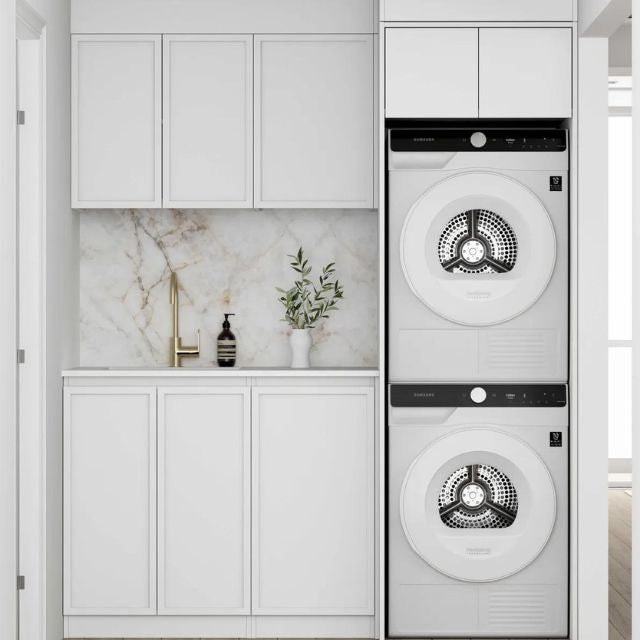


A well-organised and functional laundry room starts with the right combination of laundry tubs and cabinets. Whether you’re looking to upgrade your existing space or designing a new laundry area from scratch, our collection offers the perfect blend of practicality and style. Laundry tubs provide essential utility, while well-designed cabinets keep your space tidy and clutter-free. Together, they create a cohesive, efficient, and visually appealing environment that makes laundry day less of a chore and more of a pleasure.
Choosing the right laundry tubs and cabinets can significantly impact the efficiency and aesthetics of your laundry room. Here’s why our collection is the ideal choice for your home:
Our laundry tubs are designed to handle everything from delicate hand-washing to heavy-duty cleaning tasks. With deep basins and durable materials, these tubs provide the perfect space for soaking, scrubbing, and rinsing, making them an indispensable part of any laundry room.
Paired with our laundry cabinets, these tubs help you keep your laundry room organised and efficient. Our cabinets offer ample storage for detergents, cleaning supplies, and other essentials, ensuring that everything is within easy reach while keeping your space clutter-free.
Available in a variety of finishes and configurations, our laundry tubs and cabinets are designed to enhance the look of your laundry room. Whether you prefer a modern, sleek design or a more traditional style, our collection offers options that will seamlessly blend with your home’s decor.
Made from high-quality materials, our laundry tubs and cabinets are built to last. They resist moisture, stains, and wear, ensuring that your laundry room remains both functional and attractive for years to come.
Our laundry tubs and cabinets are designed for straightforward installation, allowing you to quickly upgrade your space. Whether you’re undertaking a DIY project or working with a professional, these products integrate seamlessly into your laundry room layout.
Our collection of laundry tubs and cabinets includes a variety of styles and configurations to suit different spaces and needs. Here are some of the standout options:
For those looking for a cohesive and space-saving solution, our integrated laundry tubs and cabinets offer the perfect combination. These units feature a built-in tub with surrounding storage, providing a streamlined and efficient design that maximises your laundry room’s functionality.
If you prefer a more flexible setup, our standalone laundry tubs can be paired with any of our cabinets or used independently. These tubs offer deep basins ideal for heavy-duty tasks and are available in various materials and finishes to match your style preferences.
Our modular laundry cabinets provide the flexibility to create a storage solution tailored to your space. Whether you need extra shelves, drawers, or a combination of both, modular cabinets can be configured to meet your specific needs and accommodate your laundry tub perfectly.
For those with more storage needs, our tall laundry cabinets provide ample space for storing bulk items, laundry baskets, and other large essentials. These cabinets complement your laundry tub, ensuring that everything you need is neatly organised and easily accessible.
Maximise floor space with our wall-mounted laundry cabinets. Designed to be installed above your laundry tub, these cabinets provide convenient storage without taking up additional room, making them ideal for smaller laundry areas.
Incorporating laundry tubs and cabinets into your home offers numerous benefits, making your laundry room more functional and aesthetically pleasing. Here’s how these products can enhance your space:
With designated storage for all your laundry essentials, our cabinets help keep your space tidy and organised. By reducing clutter, they make your laundry room more functional and efficient, allowing you to complete tasks more quickly and easily.
Our deep laundry tubs are perfect for handling a variety of tasks, from soaking and scrubbing to rinsing and draining. Paired with our cabinets, they create a well-rounded, functional laundry room that meets all your needs.
Our laundry tubs and cabinets are designed to enhance the visual appeal of your space. Available in a variety of finishes and styles, they add a touch of elegance to your laundry room, making it a pleasant space to work in.
Built from high-quality materials, our laundry tubs and cabinets are designed to withstand the demands of daily use. They resist moisture, stains, and wear, ensuring they maintain their appearance and functionality over time.
Our laundry tubs and cabinets are designed to make the most of your available space. Whether you have a small laundry nook or a large utility room, these products help you create a more organised and efficient environment.
When selecting laundry tubs and cabinets, it’s important to consider both your needs and your space to ensure the perfect fit. Here are some tips to help you choose the ideal products:
Consider how you use your laundry room and what tasks you perform most often. This will help you choose a tub with the right depth and size, as well as cabinets with sufficient storage for your essentials.
Our laundry tubs and cabinets are available in a variety of finishes and designs, so you can choose products that complement your home’s decor. Whether your style is modern, traditional, or somewhere in between, you’ll find options that fit seamlessly into your space.
Measure your laundry room to determine the best size and configuration for your tubs and cabinets. Think about whether an integrated unit, standalone tub, or modular cabinets will best suit your layout and storage needs.
Choose products made from durable materials that can withstand the demands of daily use. Our tubs and cabinets are designed to resist moisture and wear, ensuring long-lasting performance in even the busiest of laundry rooms.
Investing in high-quality laundry tubs and cabinets is an excellent way to enhance both the functionality and aesthetics of your laundry room. Our collection offers a wide range of designs, materials, and configurations, allowing you to find the perfect products that meet your needs and complement your decor. Whether you’re renovating your entire laundry area or simply upgrading your storage, our laundry tubs and cabinets provide the quality, innovation, and style you need to create a space that’s both functional and beautiful.
Explore our range of laundry tubs and cabinets today from leading Australian brands and discover how you can transform your laundry room with high-quality, stylish storage solutions. Whether you’re updating an existing space or designing a new one, our tubs and cabinets offer the perfect blend of functionality and elegance.
Let's talk about the laundry room. It’s often the forgotten space, isn't it? Yet, it's one of the hardest working areas in any home. While its main job is function, there’s no rule saying it can't look great and work brilliantly too. A smartly planned laundry doesn't just make chores less tedious; it cuts clutter and can genuinely boost your home's value. Here at The Blue Space, we get how vital this room is. We firmly believe that finding the right bits and pieces, especially the laundry tub and cabinets, can lift it from a purely practical zone to a surprisingly organised and efficient part of your Australian life.
Thinking about giving your laundry a bit of an update, or maybe going for a full overhaul? You've landed in the perfect spot. This guide is designed to walk you through the important stuff when picking out laundry sinks and storage. We want to help you make choices that feel right for your room, your personal style, and how you actually live. We’ll dig into different materials, layouts, clever ideas, and new approaches – and guess what? It's all available through our huge online collection.
Okay, before you get lost scrolling through shiny new tubs and cabinets, pause for a minute. Let's think about the big picture first. Any good laundry makeover starts with some solid planning. How do you really use the space? Is it just for washing and drying? Or does it double as mission control for ironing, folding, soaking mystery stains, or storing every cleaning bottle you own? Nailing down your routine is the absolute key to designing a layout that makes life easier, not harder.
Seriously, get the tape measure out and be precise. You need the room's main dimensions – length, width, height. But also pinpoint exactly where your current water taps and waste pipes are. Where are the power points? Are you happy with these locations, or is moving them part of the grand plan? Knowing these fiddly details from the start saves major headaches later. It dictates what size tubs and cabinets will physically fit and where they can realistically go.
Imagine your laundry day. What path do the clothes take? Ideally, you want a smooth flow: maybe a spot for dirty clothes, then the washer, the dryer nearby (if you have one), a clear surface for folding, and then easy access to storage. It usually makes sense to have the tub close to the washing machine for those emergency pre-soaks or delicate hand-washes. And bench space? Gold dust. Having it next to, or even better, over your machines (if they're front loaders) is a game-changer for sorting and folding. Don’t forget simple access – can you comfortably reach into wall cupboards? Can you swing open machine doors without playing Tetris?
Laundries generate moisture, that's a given. Good airflow is non-negotiable to stop dampness and mould setting up shop. Got a window you can open? Great. If not, an extractor fan is a must. Lighting often gets overlooked too, but trying to spot stains in a dimly lit room is frustrating. Aim for bright, clear light. Good overhead lighting is essential, and maybe some task lighting, like strips under the wall cabinets, can make a world of difference.
You might call it a tub, a sink, or maybe even a trough. Whatever the name, it's a cornerstone of the laundry. This isn't just a basin for water; it's your go-to spot for a multitude of messy jobs. Think soaking grubby sports gear, gently washing that favourite jumper, rinsing paintbrushes, or even giving the dog a quick bath. The right tub simplifies life. So, choosing one means thinking carefully about the material, its size, the bowl setup, and how it gets installed.
At The Blue Space, we've put together a really broad selection of laundry sinks because we know everyone's needs and tastes are different. Let's look at what makes them tick.
Picture this – a hole is cut in your benchtop, and the sink drops in, leaving its rim sitting proudly on top. These are pretty standard, fairly simple to install, and clearly define where the sink area begins and ends.
These guys get fixed underneath the benchtop. The result? A super sleek, uninterrupted counter surface. Wiping spills or water straight into the sink is a breeze. They definitely give off a modern, cleaner vibe.
Often found in older laundries or garages, these are typically basic, all-in-one units – usually a plastic or metal tub attached to simple legs or a basic cabinet surround. They do the job, but they don't offer much in terms of bench space or fitting into a more designed look.
What your tub is made of matters. It affects how long it lasts, how easy it is to clean, and the overall style it brings to your room.
Stainless steel laundry sinks are popular for very solid reasons. They're tough, they handle heat well, they don't rust easily, they're hygienic, and usually, they're quite kind on the wallet. When you're looking, check the grade (304 is a common quality benchmark) and the thickness or 'gauge' – smaller numbers mean thicker steel. Yes, they can get water spots or fine scratches over the years, but finishes like brushed steel are great at hiding everyday wear and tear.
Their neutral look means they fit in almost anywhere, whether your laundry is sharp and modern or has a more traditional feel. You'll find great stainless steel options from trusted names like Clark and within the Oliveri range.
Want something timeless? Maybe a bit elegant? Ceramic laundry sinks could be your answer. That smooth, glassy surface isn't just nice to look at; it resists stains brilliantly and wipes clean in seconds. Often in a gleaming white, they instantly make a laundry feel brighter and fresher. Quality ceramic sinks from brands such as Seima or Caroma definitely add a touch of class. The only thing to keep in mind? Ceramic can chip or crack if you drop something heavy and hard on it. So, a little care is needed, especially if you plan on washing tools or heavy pots in there.
There are also newer materials on the scene, often made from granite or quartz mixed with resin. These composites are tough cookies – very durable, resistant to scratches, and they come in different colours. This is where you'll find striking options like sleek black laundry sinks. They offer a really contemporary look and can be matched with similar kitchen sinks if you like that coordinated feel throughout your home.
How big does your tub need to be? Think about those typical laundry tasks.
Generally, a deeper bowl is better in a laundry. It's great for soaking bulky things like bedding, or just containing splashes when you're scrubbing. Laundry tubs are often deeper than kitchen sinks for this very reason.
A single, generous bowl is the most common setup and usually perfectly adequate. Double bowls are less frequent in laundries but could be handy if you often find yourself needing to soak something while also needing space to rinse or drain. Just remember, two bowls eat up more bench space.
Some inset sinks come with a built-in drainer board alongside the bowl. This gives you a dedicated spot to let hand-washed items drip dry or just rest your scrubbing brush.
Always balance the tub size against your available benchtop real estate. A massive tub might seem appealing, but not if it leaves you with nowhere to actually fold the clothes!
Ah, cabinets. They're the quiet achievers of the laundry room. Their main job? To swallow up all that clutter – detergents, cleaning sprays, pegs, spare towels – keep it hidden, and give you some precious flat surface to work on. But today's laundry cabinets do more than just hide things. They play a huge part in making the room work efficiently and look sharp.
Whether you need a full setup or prefer the adaptability of modular laundry cabinets, The Blue Space has options galore to help you build your perfect storage command centre.
These are your floor-level units. They hold up the benchtop, surround the sink, and provide the bulk of your under-counter storage. Think about drawers here – they often make it easier to get to things at the back compared to deep cupboards.
Fixed to the wall above your bench or appliances, these are brilliant for keeping detergents and cleaning chemicals safely out of reach of little hands or curious pets.
Got a broom? Mop? Vacuum? Ironing board? A tall, skinny cupboard is the ideal home for these awkward items, keeping them neatly tucked away but easy to grab.
A few open shelves can break up a bank of cabinets and provide a spot for things you use constantly, or maybe a plant or two. Just be aware, they demand neatness! Clutter on open shelves looks messy fast.
Your washing machine style definitely impacts your cabinet choices:
If you've got a front loader (or maybe a washer/dryer pair), you have the advantage of being able to run a continuous benchtop right over the top. This gives you that lovely, long stretch of workspace. Look for specific cabinets designed for front loaders, making sure there's still room for air to circulate around the machines.
With a top loader, you need clearance for that lid to lift right up. This usually means your benchtop will need to stop short on either side of the machine. Or, you might choose specific cabinets for top loaders which might be open at the top or designed as separate units flanking the machine.
Laundry cabinets have a tough life. They cope with moisture, splashes from cleaning products, and general bumps and knocks. The finish you choose affects how they look and how well they stand up to it all.
You see laminate or melamine cabinets everywhere, and for good reason. A decorative paper layer is fused onto a board (usually particleboard or MDF). The result is a surface that's pretty tough, cleans easily, and comes in a staggering range of colours and looks – including very convincing woodgrain laundry cabinets. They're great value for money. The thing to watch is the edging – make sure it’s well sealed, as that's where moisture could potentially get in if it gets damaged down the track.
Think of polyurethane as a super smooth, hard-wearing paint finish applied over MDF board. It often comes in a glossy or satin look and feels really premium. Its big advantage? The finish usually wraps right around the edges, making it highly resistant to moisture – perfect for a laundry. You can get it in almost any colour imaginable, from timeless white laundry cabinets to striking black laundry cabinets. It generally costs more than laminate, but the seamless finish and durability are appealing.
If you love the look of real wood, timber veneer uses a thin slice of actual timber bonded to a board. It brings natural warmth and character but needs to be properly sealed to handle the laundry environment's humidity. It’s often used for feature panels rather than the whole laundry.
The little things make a big difference:
Handles contribute to the style – sleek bars for modern, maybe simple knobs for a classic look. Make sure they feel good to grab. Or, go for a clean, minimalist vibe with 'push-to-open' doors and drawers that don't need handles at all.
Soft-close hinges and drawer runners are worth considering. No more crashing cabinet doors! They reduce wear and add a quiet touch of quality. Also, look for drawer runners that let the drawer pull all the way out – makes finding things at the back so much easier.
Don't just think about the outside. Inside the cabinets, things like drawer dividers, pull-out wire baskets, or special compartments can make your storage work much harder for you.
Okay, so you've thought about the tub, you've thought about the cabinets. Now, how do they play nicely together? The best laundry renovations feel 'put together', where everything works in harmony – functionally and visually.
This is where you bring the look together. How does your chosen sink material sit with your cabinet colour and benchtop?
Imagine a bright white ceramic sink nestled into crisp white polyurethane cabinets – that's a recipe for a fresh, clean, timeless laundry.
A stainless steel sink? It’s the chameleon! It looks great with white, black, colour, or even woodgrain cabinets. Super versatile.
Feeling bold? A dramatic black sink can be a real feature. Contrast it with light cabinets, or double down and pair it with dark black cabinets for a moody, sophisticated look.
Your benchtop often acts as the visual bridge between the sink and the cabinets below it. Try to make sure the colours and textures feel like they belong together.
Now that you have a clearer picture of your tub and cabinet combo, mentally walk through your laundry routine again. Does the layout make sense? Is the sink handy to the washer? Is there landing space next to the dryer? Are detergents stored near where you'll use them? Thinking about these connections makes the difference between a room that looks good and a room that works well.
Don't forget the tap! Your laundry tap needs to be practical. A spout that swivels is really useful. A pull-out spray head? Even better for rinsing the tub or filling awkward buckets. Think about the finish too – shiny chrome, modern matte black, warm brushed nickel or brass? Try to match it to your cabinet handles or other metallic elements for that polished look. Little extras like a built-in soap dispenser can also add convenience.
Let's face it, laundry rooms come in all shapes and sizes. From palatial spaces to tiny cupboards hidden away. Whatever you're working with, there are smart ways to make the most of it. The Blue Space stocks options designed to squeeze maximum function from every square centimetre.
Got a tiny laundry? Maybe one of those European laundries tucked into a hallway? Don't despair! You just need to be clever.
Check out specific small laundry solutions – these often feature more compact tubs or integrated sink-and-cabinet units designed for tight spots.
Think vertical! Use tall, narrow cabinets, or install wall cabinets right up towards the ceiling to use that often-wasted space.
Can you stack your washer and dryer? (Check manufacturer advice first!). This frees up precious floor space, maybe enough for a small tub and cabinet module beside them.
Light colours are your friend in small spaces. White or pale cabinets and walls will help bounce light around and make the area feel less cramped.
Feeling a bit overwhelmed by all the choices? Or just want a shortcut to a coordinated look? Pre-designed laundry packages can be a brilliant solution. These bundle together tubs, cabinets, and sometimes benchtops that are specifically chosen to work well as a set. It takes the guesswork out of matching components. We offer packages designed for common Australian laundry dimensions:
For the Teeny Tiny: The 650mm Mini Laundry Package is perfect when space is seriously limited.
For the Average Room: Options like the 1300mm Laundry Package or the slightly wider 1305mm Laundry Package provide a great mix of sink space, bench area, and storage for typical laundry rooms.
For More Generous Spaces: If you've got room to spread out, the 1715mm Laundry Package offers substantial storage and a really usable workspace.
Companies like Otti are masters at creating these clever, ready-to-go laundry systems.
When you're upgrading your laundry, you want pieces that are built to last. That's why at The Blue Space, we choose to partner with brands that have earned a reputation for quality, smart design, and reliability right here in Australia.
Clark: You probably know the name. Clark is a stalwart, offering a huge range of dependable, no-nonsense stainless steel tubs and troughs that just work.
Oliveri: Famous for their kitchen sinks, Oliveri brings that same focus on quality and style to the laundry, with durable sinks that often coordinate beautifully with their kitchen ranges.
Caroma: A powerhouse in Aussie bathrooms, Caroma extends their expertise to the laundry with well-designed ceramic and stainless steel tubs known for blending function and form.
Seima: If you appreciate elegant design, Seima offers beautifully crafted ceramic sinks that can really add a touch of refinement to your laundry space.
Otti: With a focus on making renovation easier, Otti excels at creating integrated modular cabinet systems and complete packages that look great and simplify planning.
Choosing from these trusted names via The Blue Space gives you peace of mind. You're investing in quality that's designed for Australian homes.
Look, while tackling some home improvement jobs yourself can be satisfying, laundry plumbing and cabinet fitting can be tricky. Water connections need to be spot on to avoid leaks, and cabinets need to be securely fixed and level. For the best result, and for safety, we usually suggest getting the pros in. A licensed plumber should handle the sink, taps, and any pipework. A skilled cabinet maker or builder will ensure your cabinets are installed perfectly. It avoids potential dramas down the line and makes sure everything meets local standards.
Good news! Modern laundry gear is generally pretty low-maintenance. Here are a few simple tips:
Wipe Down Regularly: Just use a soft cloth, warm water, and a little mild detergent for most surfaces. Steer clear of harsh abrasive powders or scourers, particularly on shiny polyurethane or ceramic – they can scratch.
Stainless Steel TLC: Wipe in the direction of the brushed finish. Special stainless cleaners can boost the shine, but often just mild soap and water followed by a rinse and dry does the trick to prevent water marks.
Ceramic Simplicity: Super easy. Most non-abrasive bathroom or kitchen cleaners work perfectly. Just try not to drop heavy things on it!
Cabinet Care: Mop up spills quickly, especially around laminate edges or unsealed areas. Give hinges and drawer runners a quick check now and then – tighten any loose screws.
Breathe Easy: Keep using that exhaust fan (or opening the window) when the laundry's in use. Good ventilation is your best defence against moisture build-up.
Taking on a laundry renovation? It’s exciting! Our whole aim at The Blue Space is to help make your project run smoothly and turn out brilliantly. We combine expert knowledge, a massive product range, and the sheer convenience of shopping online.
We've gathered a huge range of laundry tubs, cabinets, taps, and all the little bits from top brands. Need help figuring out materials or sizes? Our team actually knows their stuff and can guide you. We provide clear info so you can compare products easily.
We don't just sell anything. We carefully select products known for being well-made and reliable. By focusing on trusted brands, you can shop knowing you're getting quality that will last.
We keep an eye on what's new and smart in laundry design. Whether it's water-efficient taps, space-saving storage tricks, or the latest finishes like matte black, we bring you options that are practical and look fantastic.
Browse everything from your sofa! Check specs, look at pictures, imagine it in your space. We deliver right across Australia, making it easy to get your chosen goodies.
Got questions? Stuck on a decision? Our customer service team is here to help. We pride ourselves on offering genuinely friendly and helpful advice throughout your journey with us.
Turning that overlooked laundry room from a functional-but-frustrating space into somewhere efficient, organised, and maybe even pleasant? Totally doable. By thinking through what you need and exploring the quality laundry sinks and adaptable laundry cabinets here at The Blue Space, you're already on the right track.
Invest a bit of time in planning, check out all the possibilities, and choose the pieces that fit your life and your style. A great laundry isn't just about washing clothes – it's about making your home work better for you.
Why not start Browse our collections now and take that first exciting step?


