
*View accurate shipping rates and availability






23 Items



Spend over $800 and receive free gifts in your cart. Towels, accessories and full length mirrors!




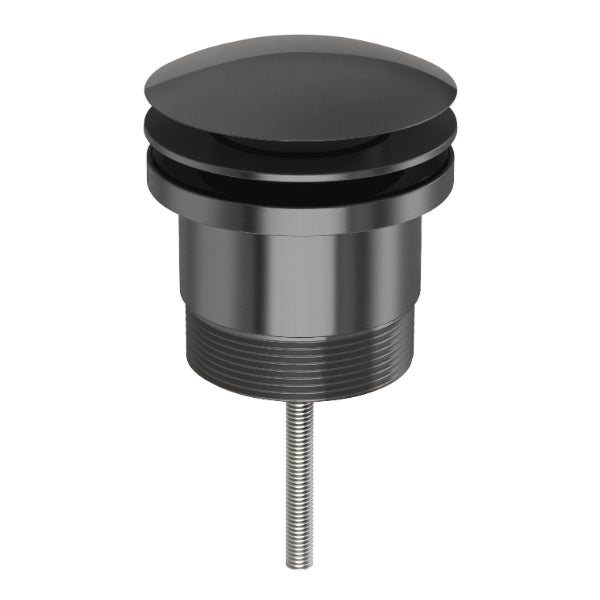
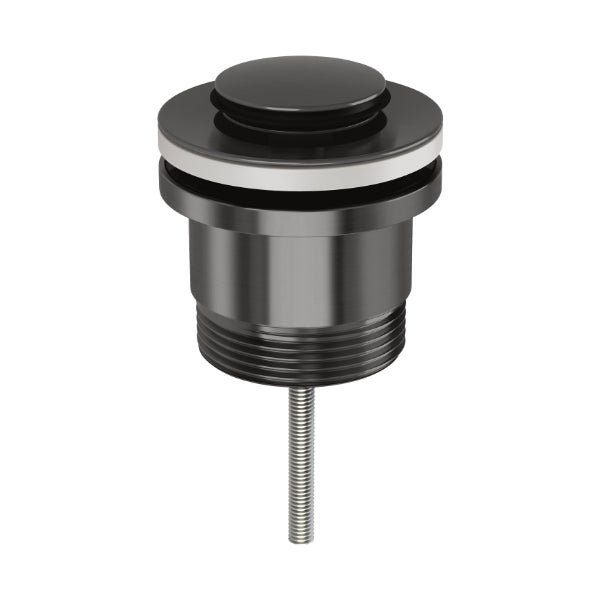


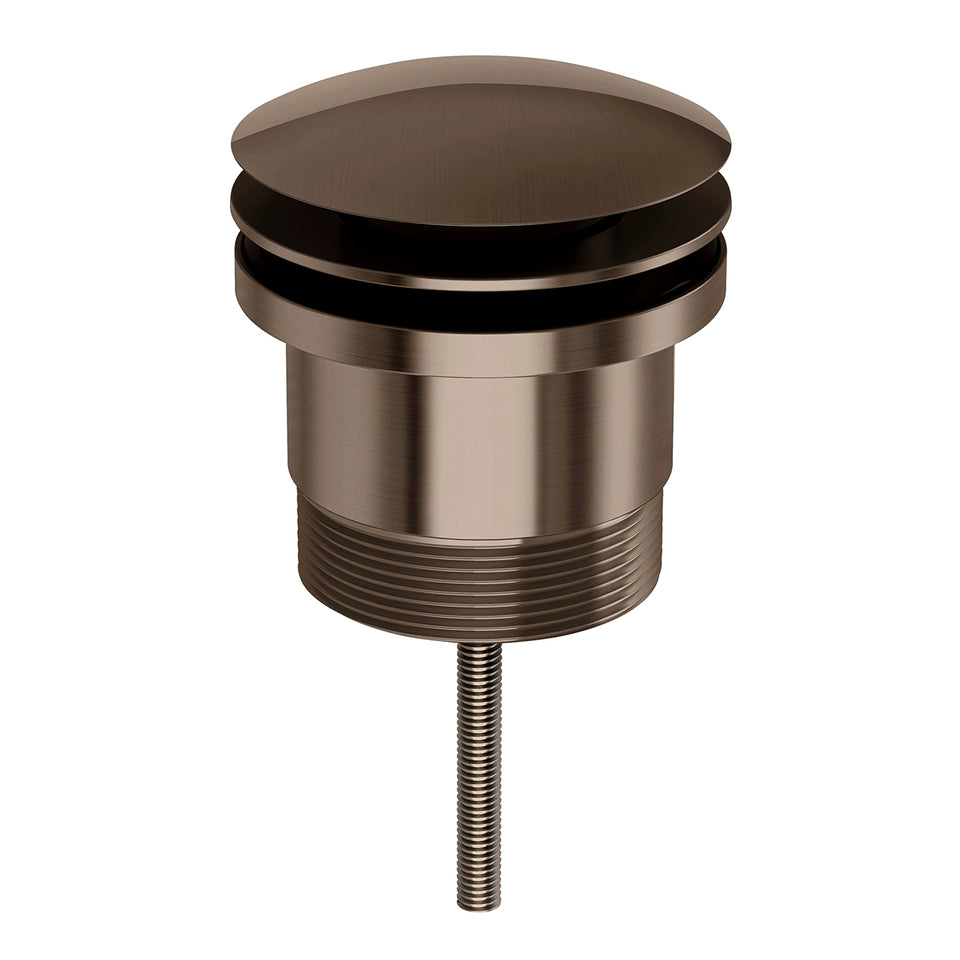
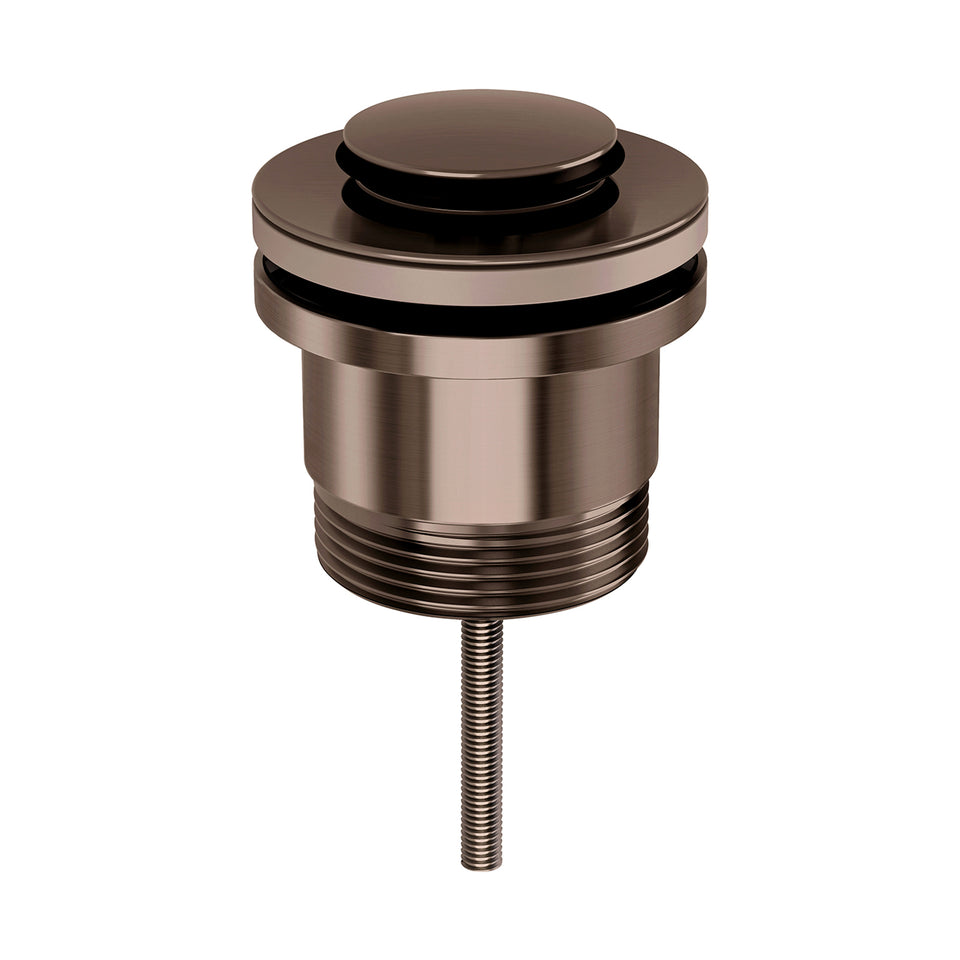
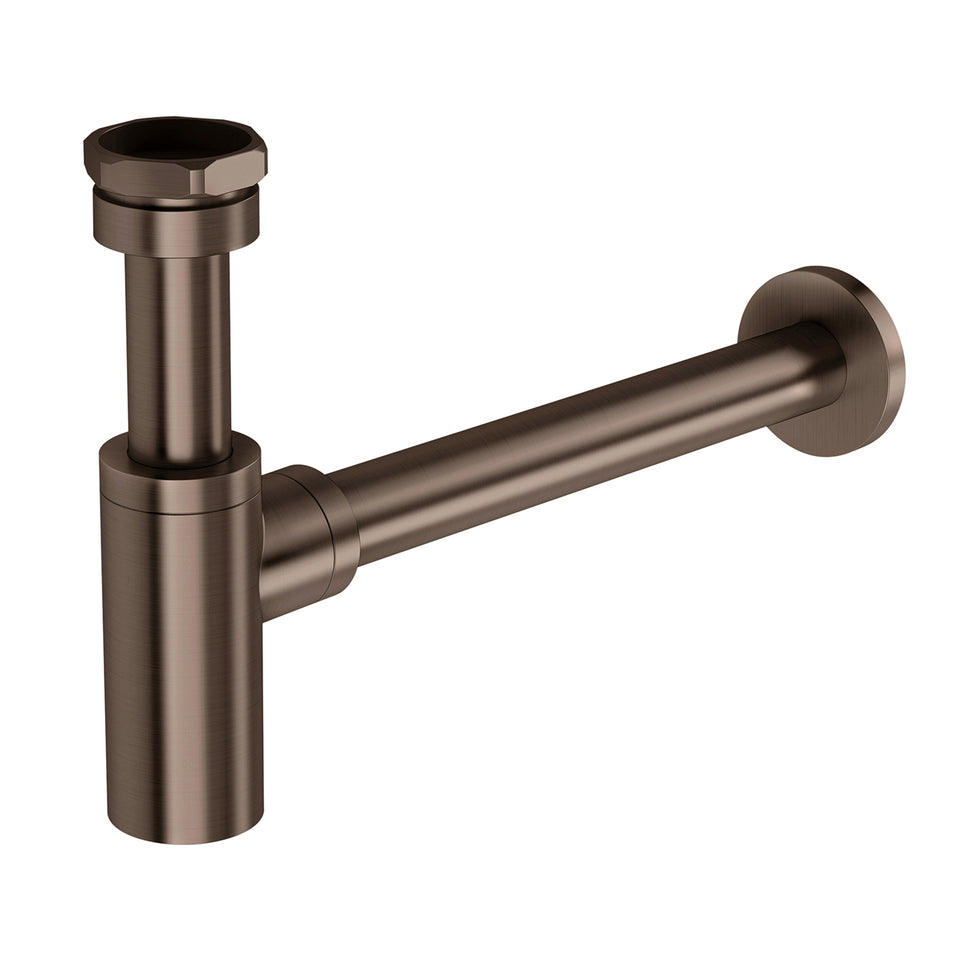

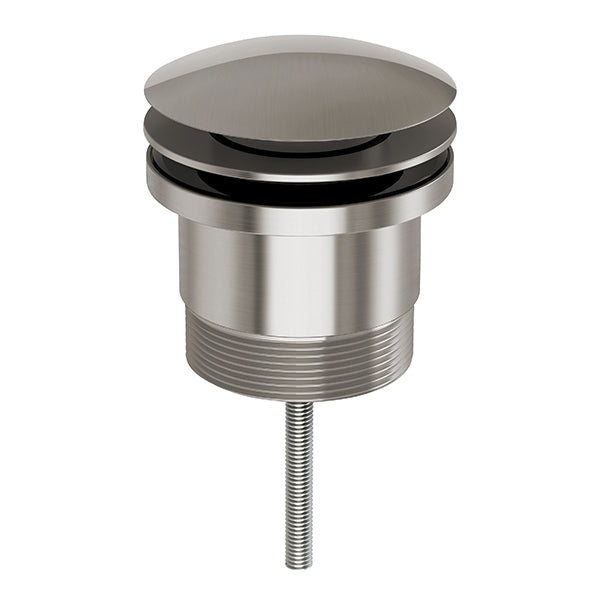
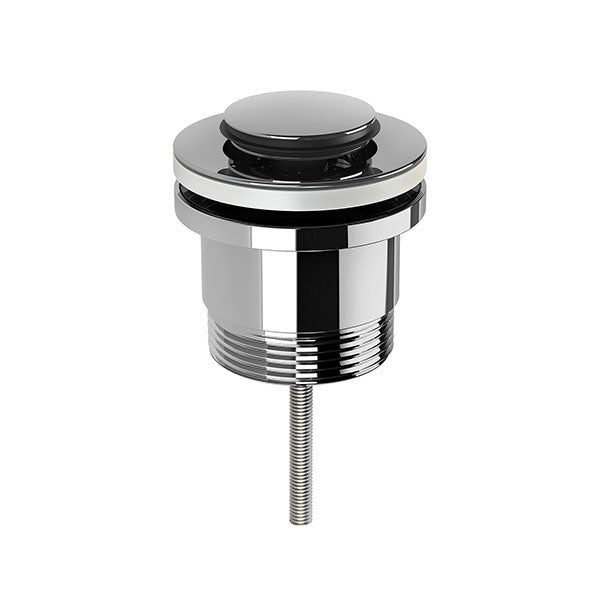
Phoenix pop up wastes give a basin or bath a plug mechanism that lifts and seals with a simple push rather than needing a separate rubber plug, and the range covers pop up wastes, bottle traps and rotating waste plugs for both basin and bath applications. They are sold to suit standard Australian plumbing fittings, so replacing an existing waste with a Phoenix pop up waste is usually a straightforward swap.
A pop up waste uses a plug connected to a rod or cable running up through the tap or a separate lever, so pushing down on the plug once closes it and pushing again releases it, without lifting a loose rubber stopper by hand. Some Phoenix pop up wastes are click clack style, closing and opening with a simple push on the plug itself, while others connect to a pop up mechanism built into the tap. Both versions rely on an internal seal wearing evenly, so replacing the waste rather than just the seal is usually the fix once a basin stops holding water properly.
The same core mechanism is used across both bath and basin applications, though the size and depth of the waste body differs to suit the deeper water column in a bath. A pop up bath waste needs to handle a higher flow rate when draining a full bath, so the waste body and overflow channel are typically larger than a basin equivalent. Checking whether a waste is rated for bath or basin use before installing is important, since fitting a basin rated waste to a bath can lead to slow draining.
A bottle trap sits below the waste and holds a water seal that stops sewer gas from coming back up through the drain, the same job an S bend or P trap does but in a more compact, cylindrical shape that suits a wall hung basin or a vanity with limited under bench space. Bottle traps are also easier to access for clearing a blockage, since the bottom section usually unscrews by hand rather than needing a wrench on the whole assembly.
A rotating waste plug allows the plug mechanism to be turned to a position that suits the tap or lever it is connected to, which matters when the waste and tap are not perfectly aligned during installation. Rather than being fixed in one orientation, the plug rotates on its base so the operating lever or cable can run in whatever direction the plumbing requires. This is a common point of confusion during installation, since a waste that will not close properly is sometimes a rotation issue rather than a fault with the mechanism itself.
For a simpler setup without a full pop up mechanism, a standard bath plug and trap combination is still available, using a chain or standalone plug rather than a lever operated system. This suits a bath where a pop up mechanism is not already plumbed in, or where a simpler, lower maintenance option is preferred. The trap component still needs to match the waste size being used, so checking compatibility before ordering avoids a mismatched fit.
Waste and trap components are a small part of a bathroom's plumbing but the part most likely to need attention over time, since seals wear and traps can partially block with hair and soap residue. Keeping the waste type consistent with what was originally installed, rather than mixing basin and bath rated parts, is the simplest way to avoid drainage problems down the track.


