
*View accurate shipping rates and availability






53 Items



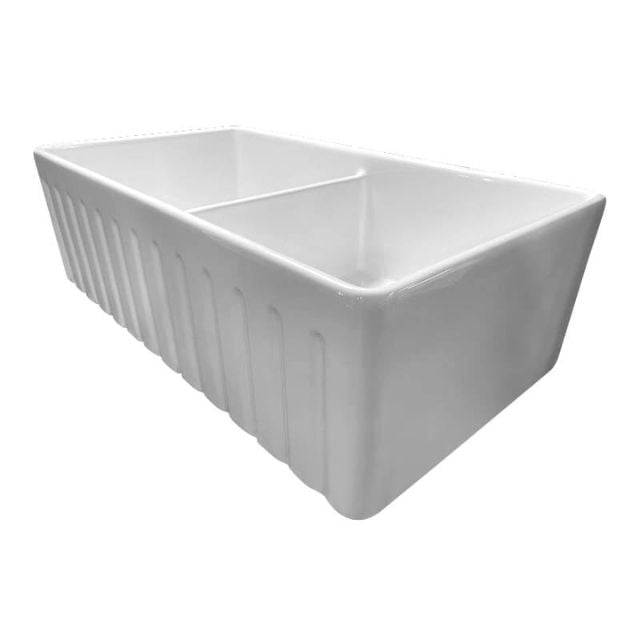
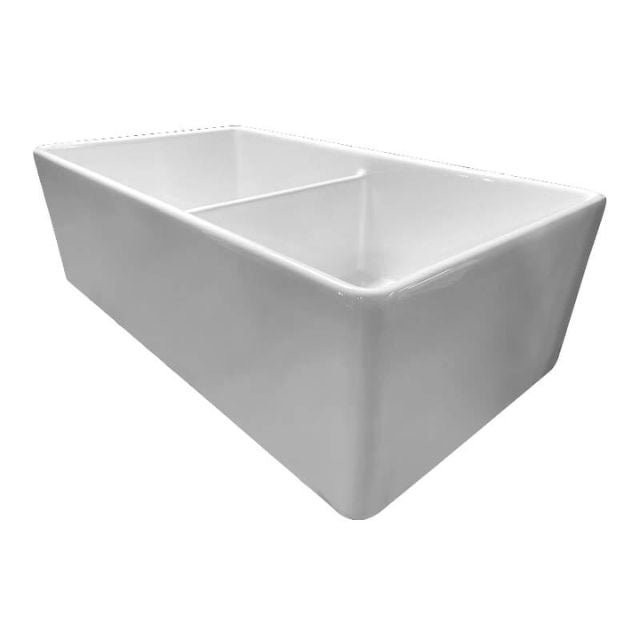
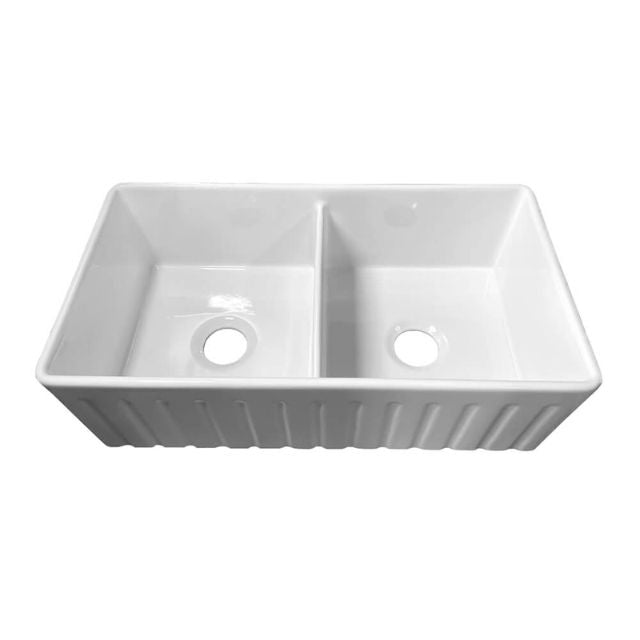

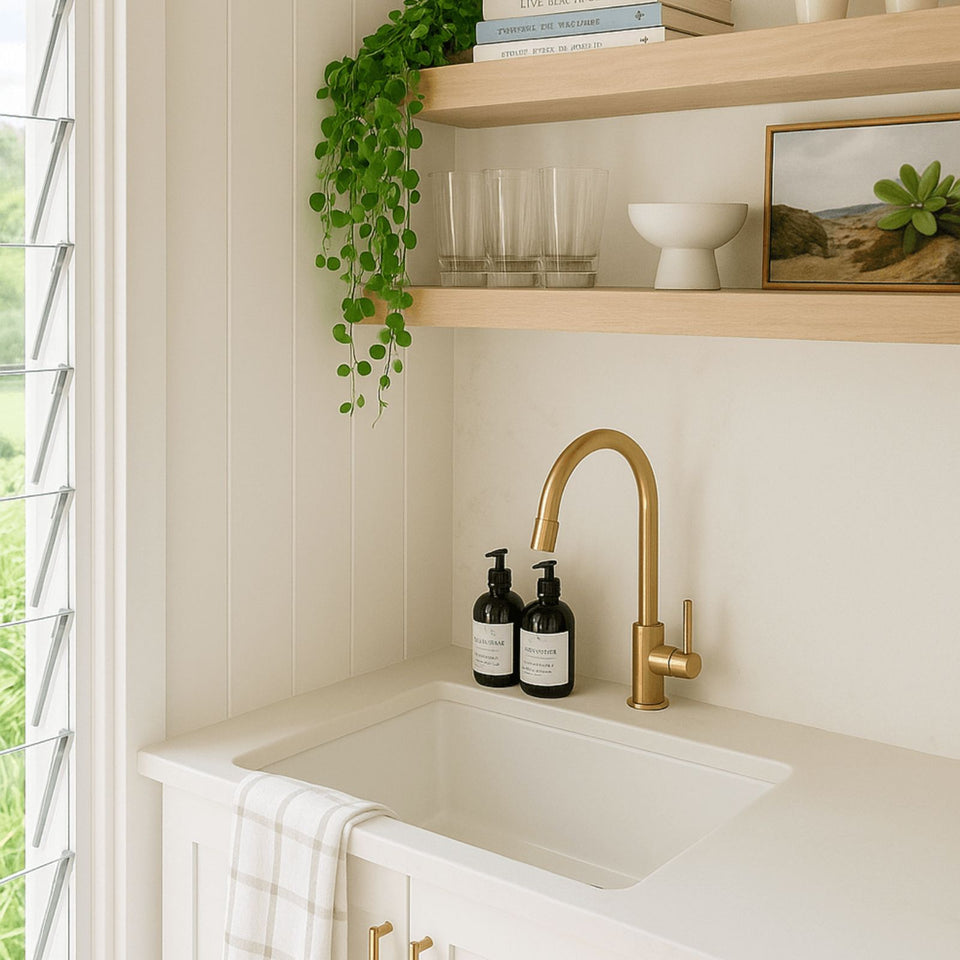

Spend over $800 and receive free gifts in your cart. Towels, accessories and full length mirrors!
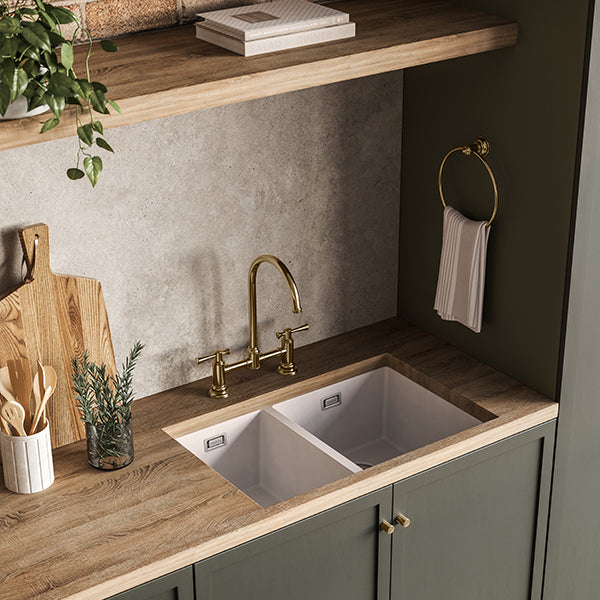
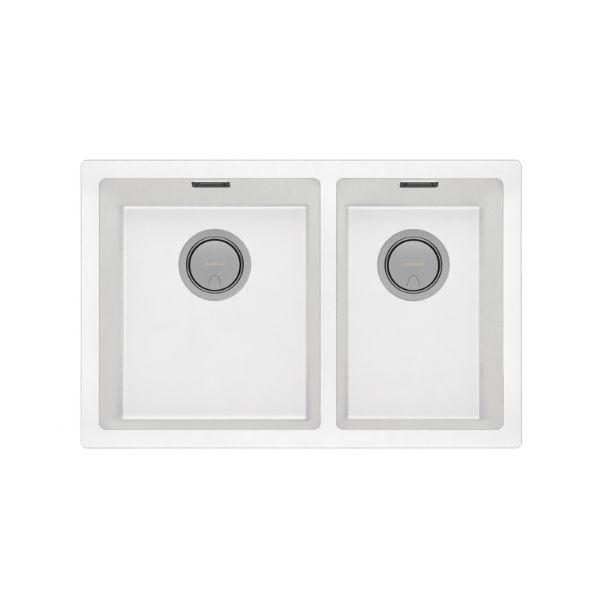
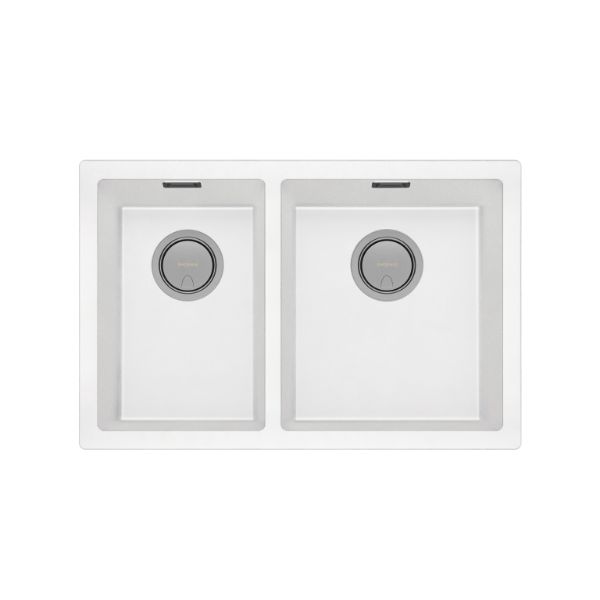

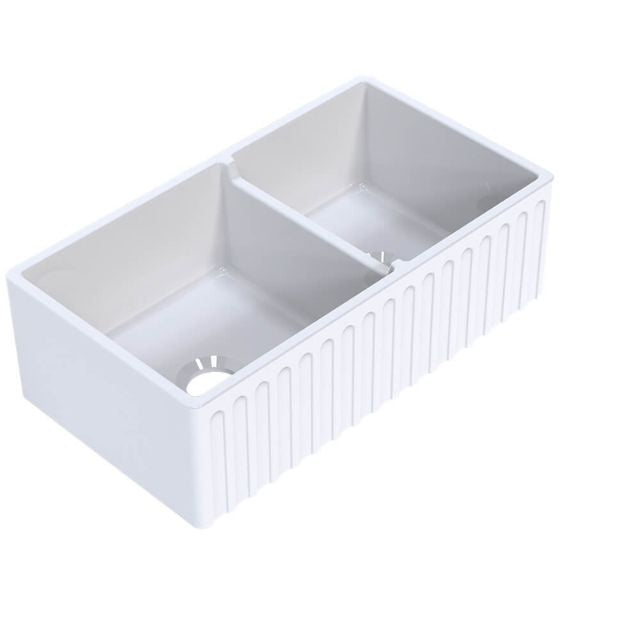
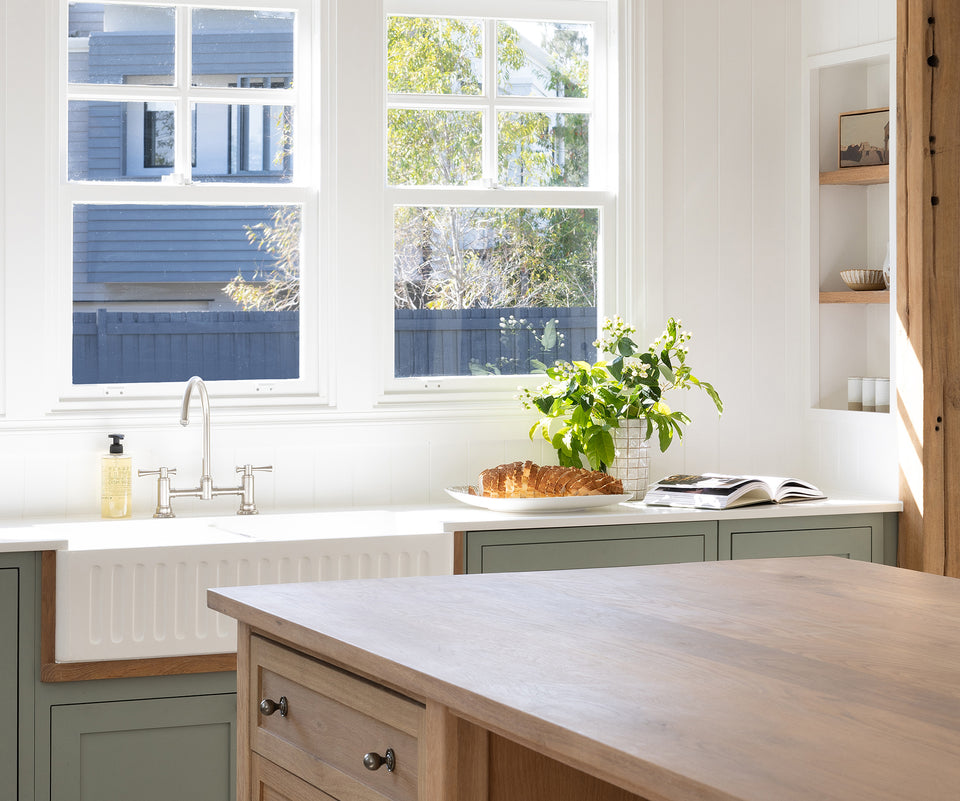
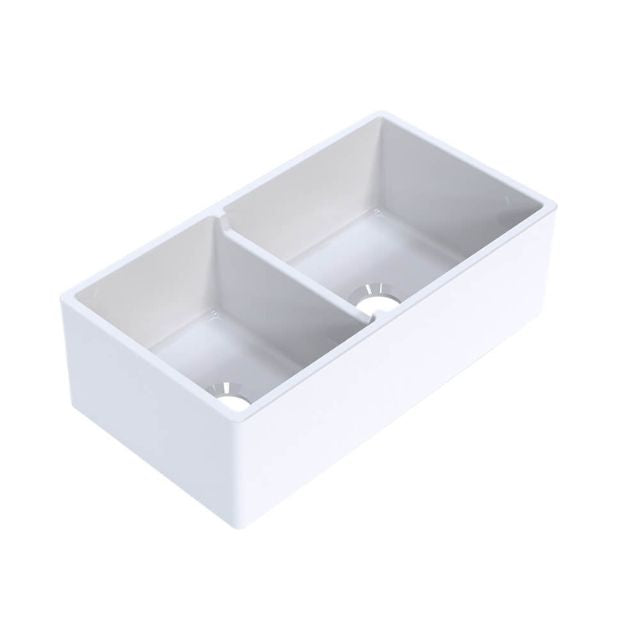

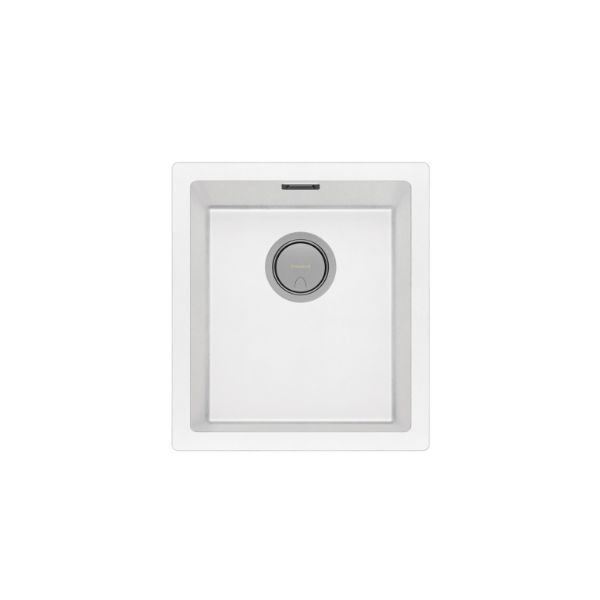

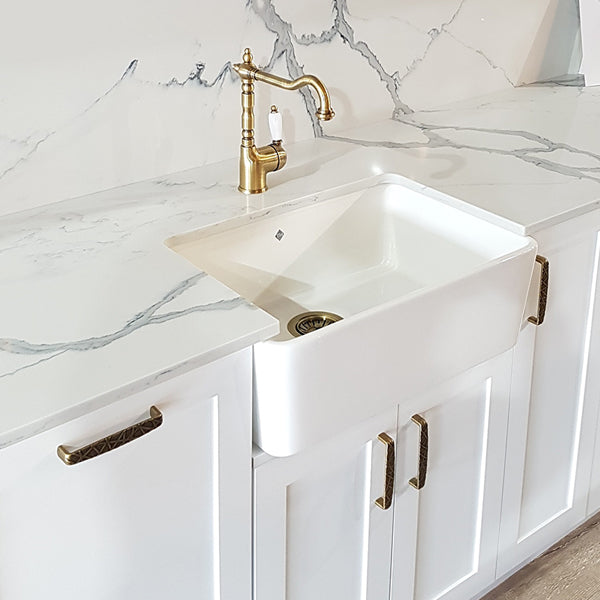
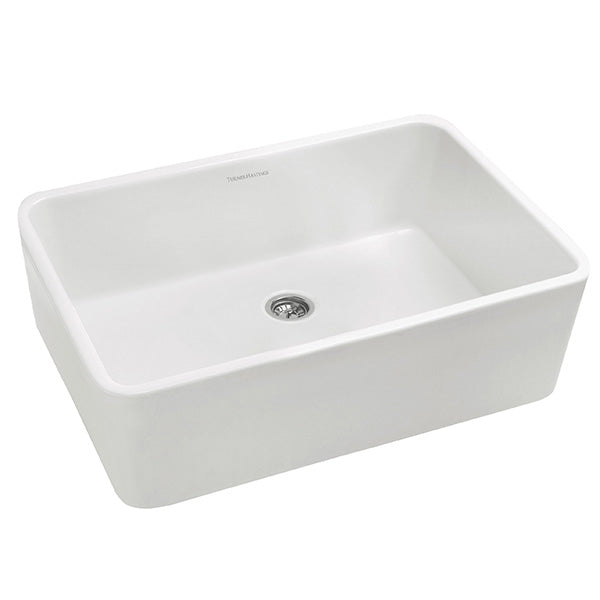
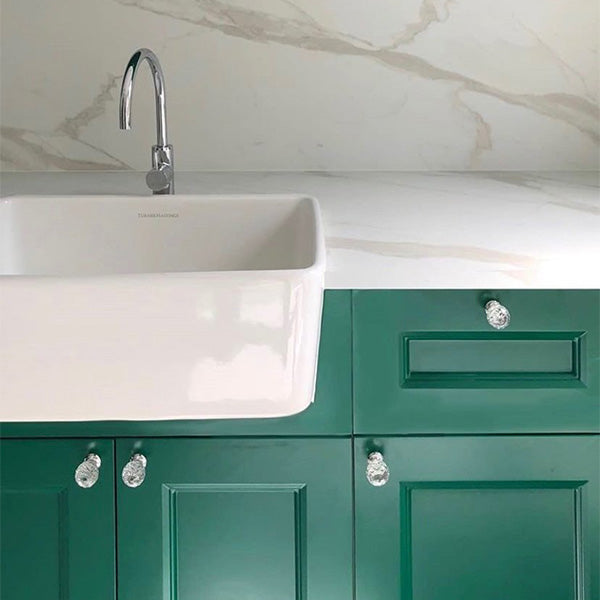

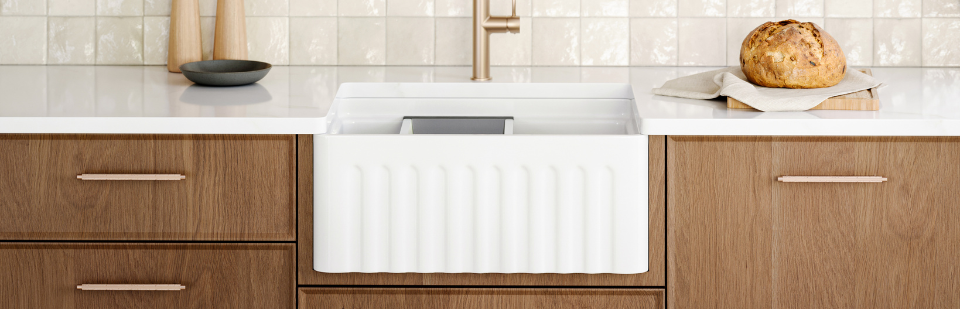
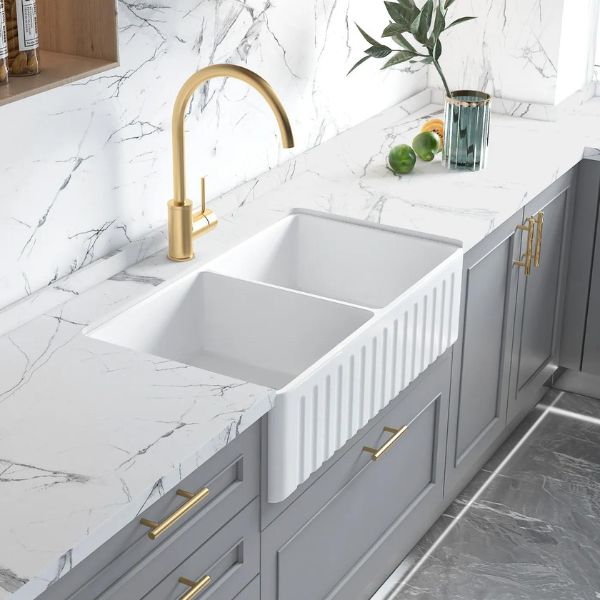
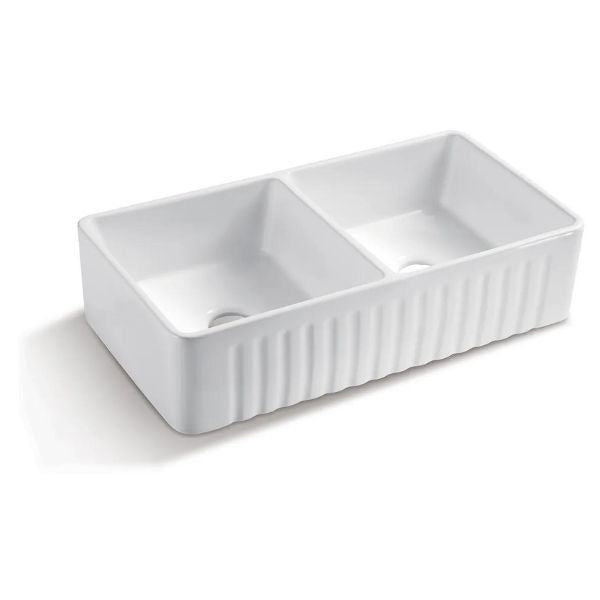
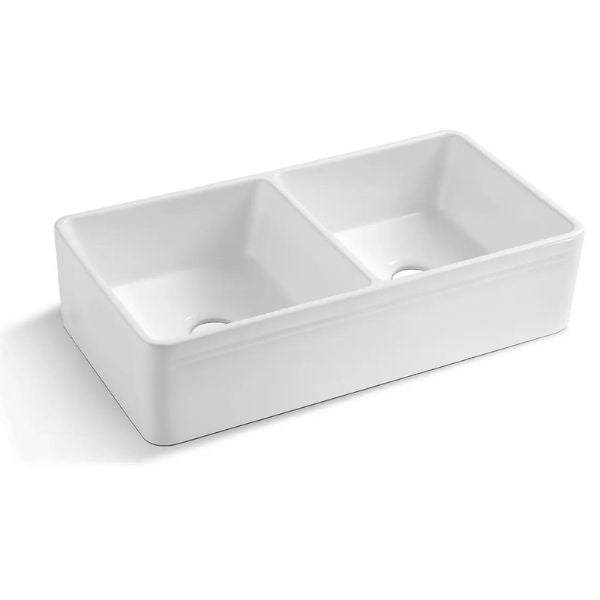
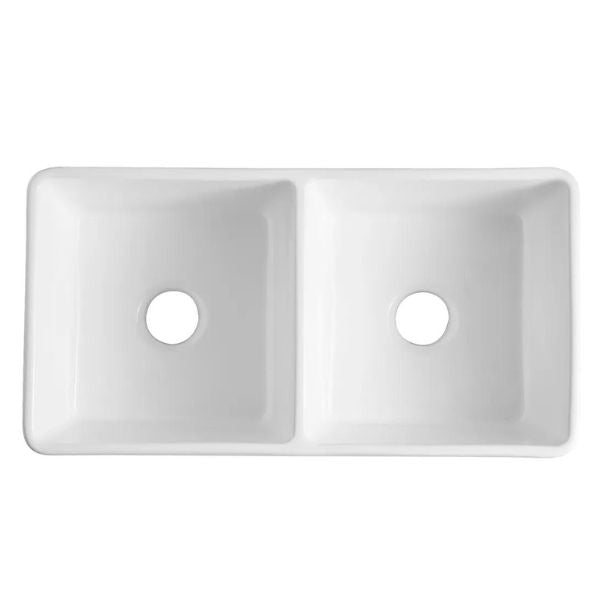
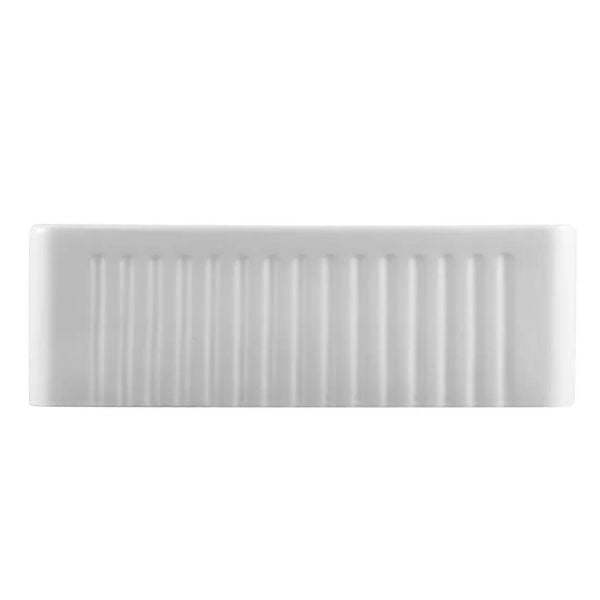
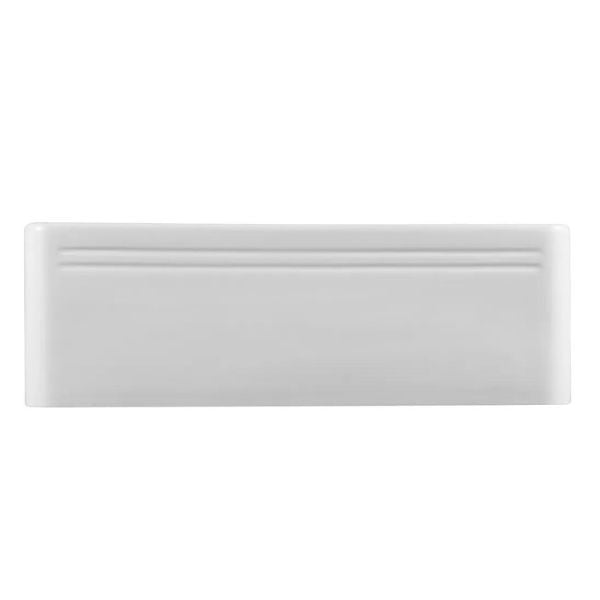

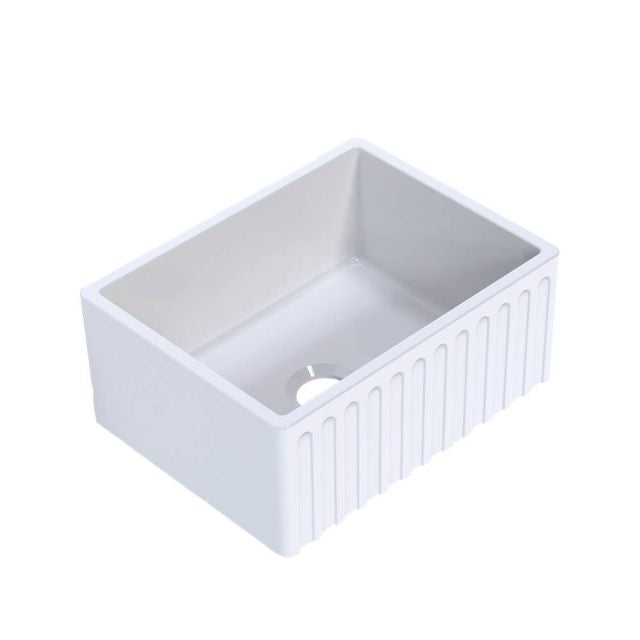
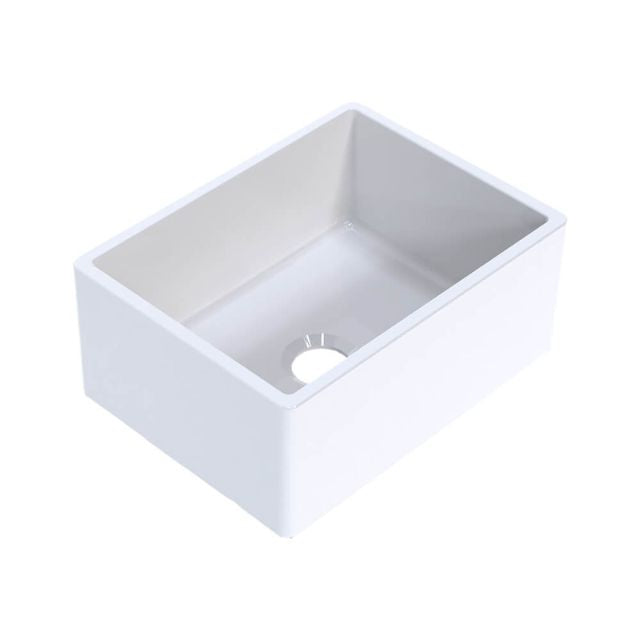

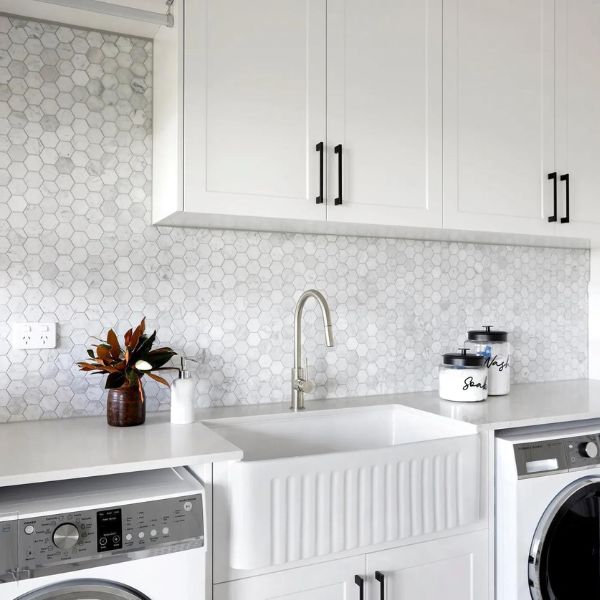
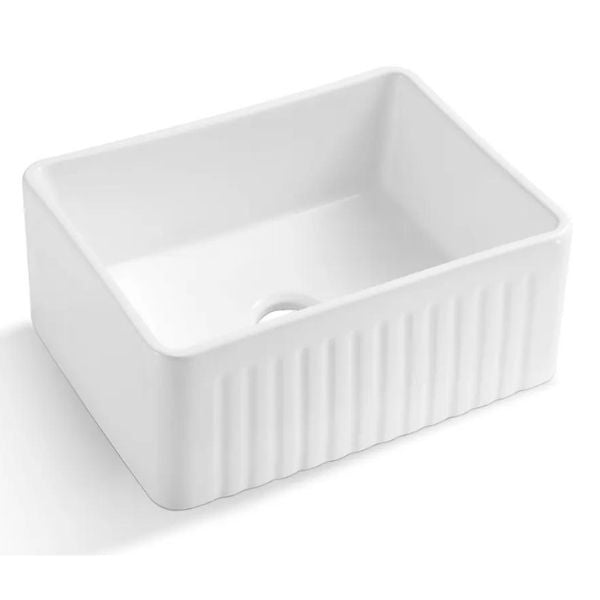
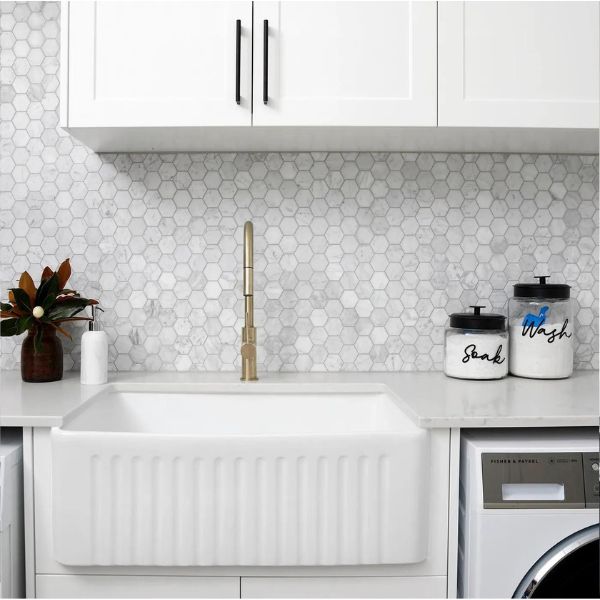
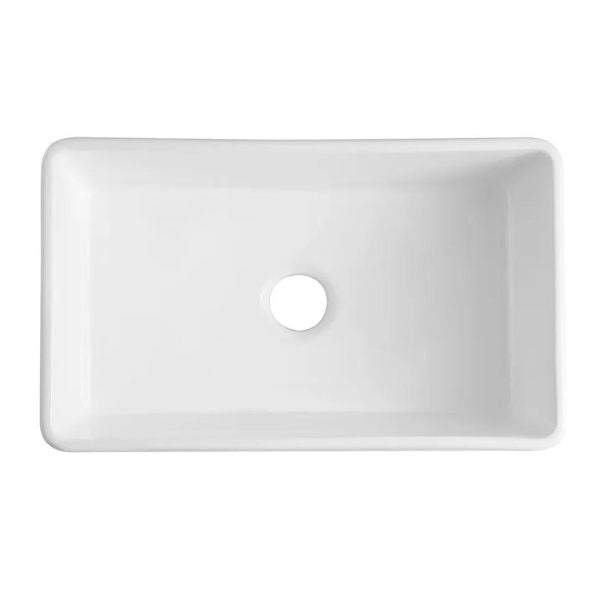

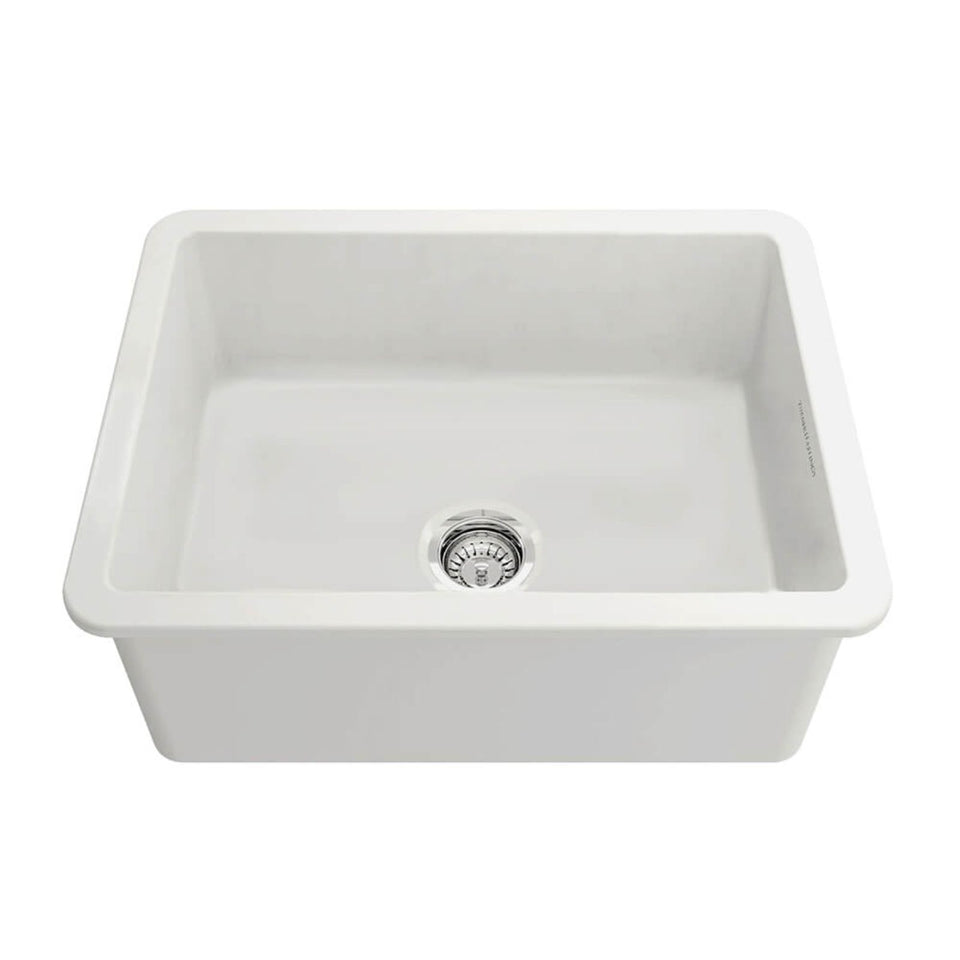
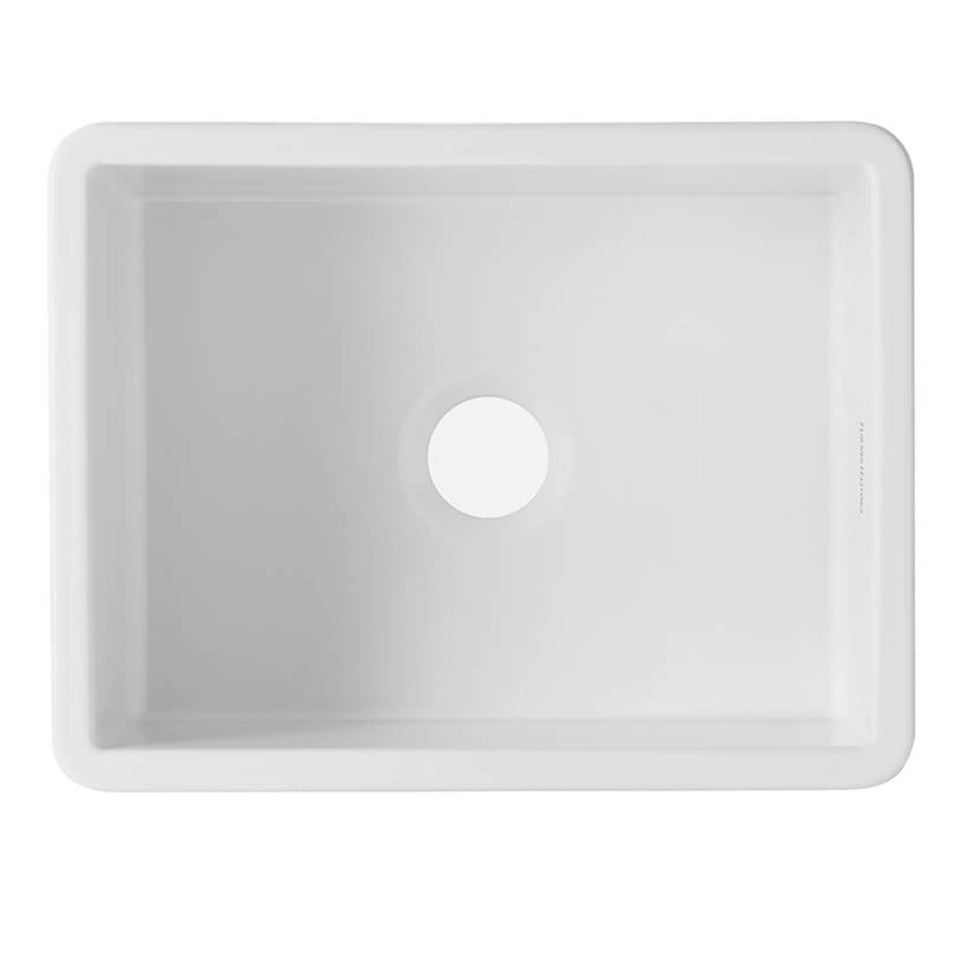

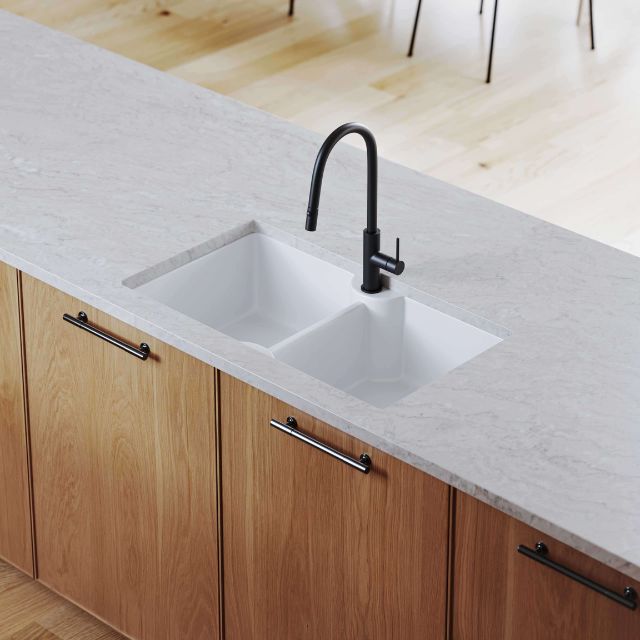
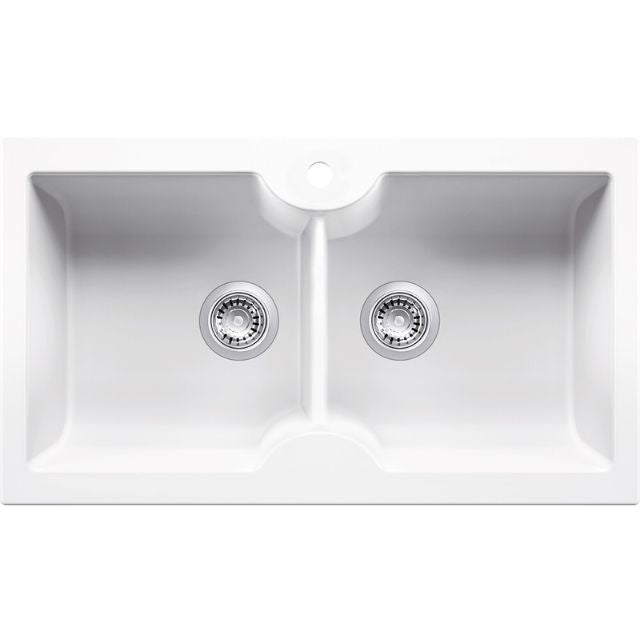
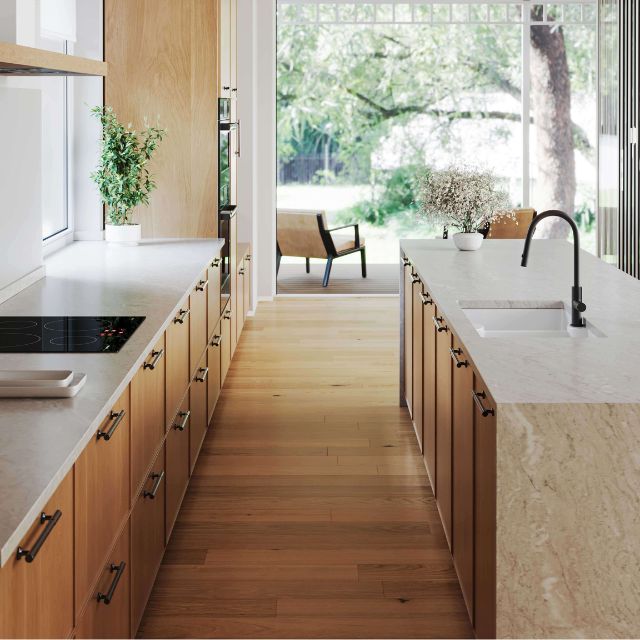

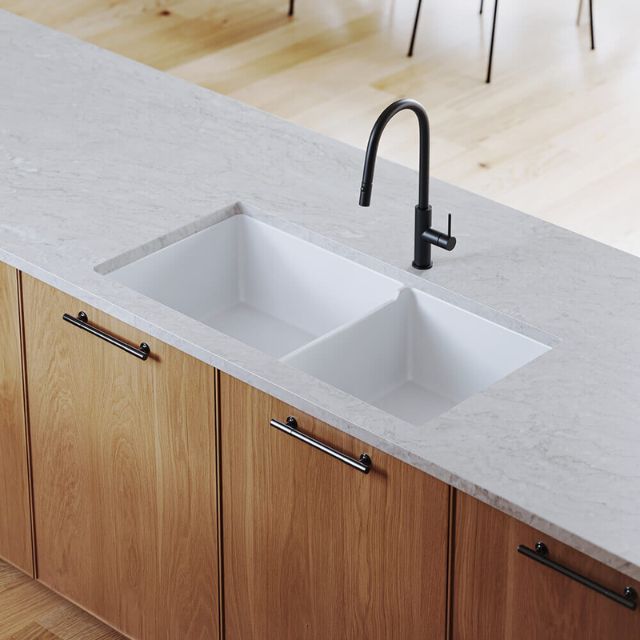
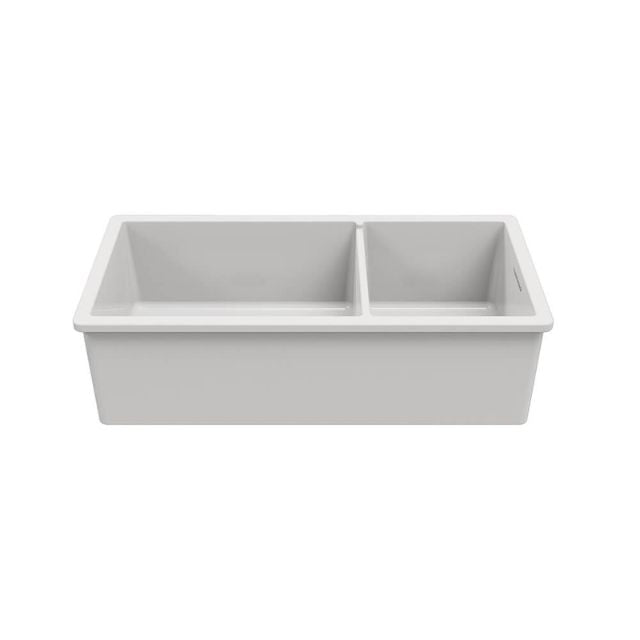
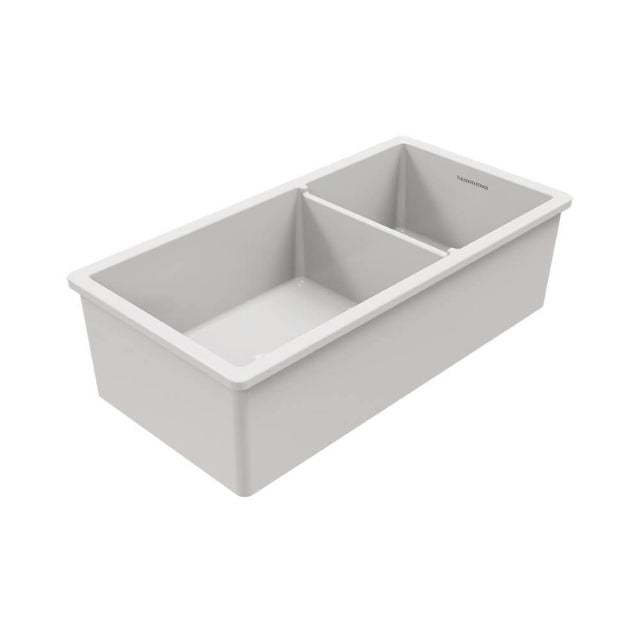
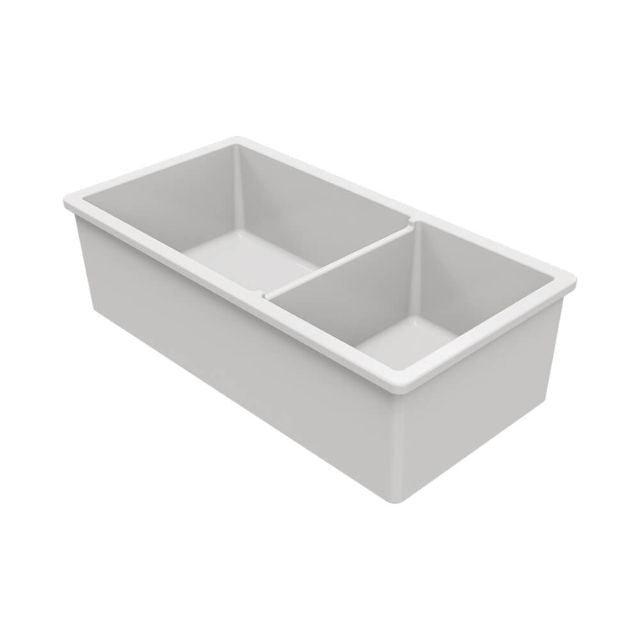
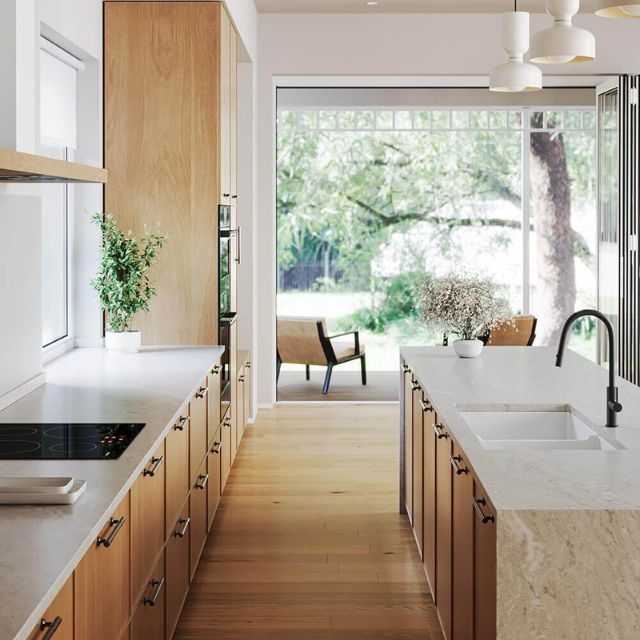

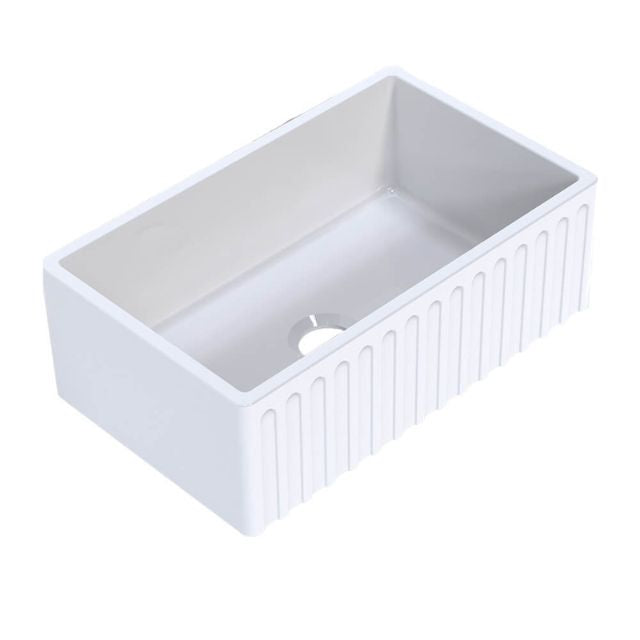
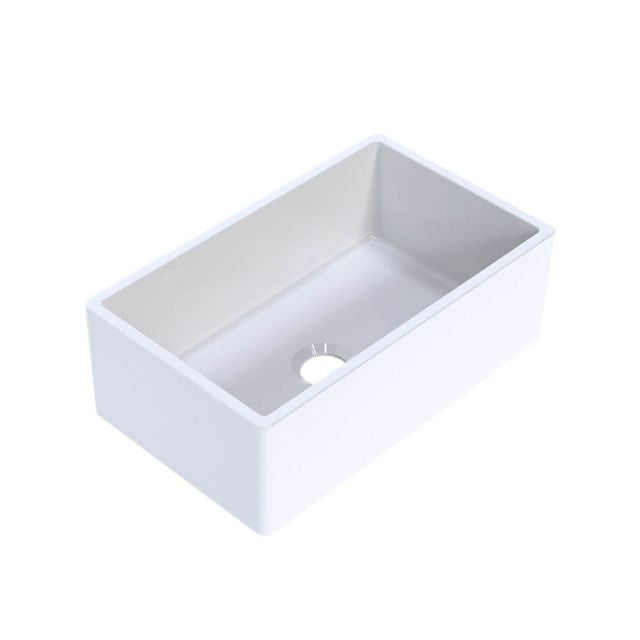

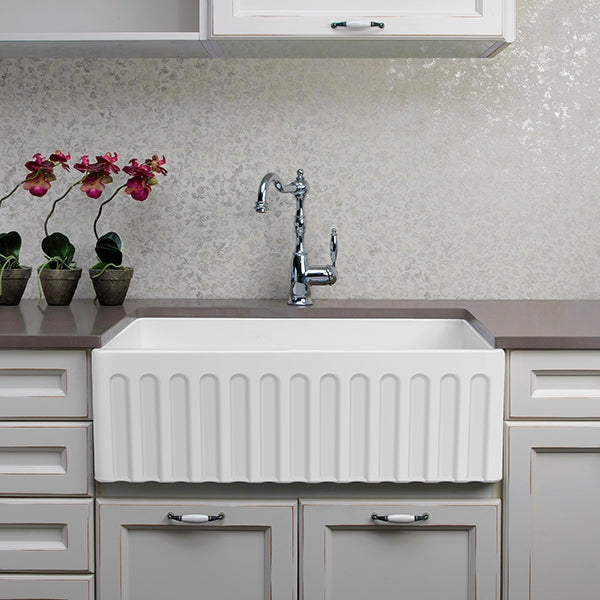
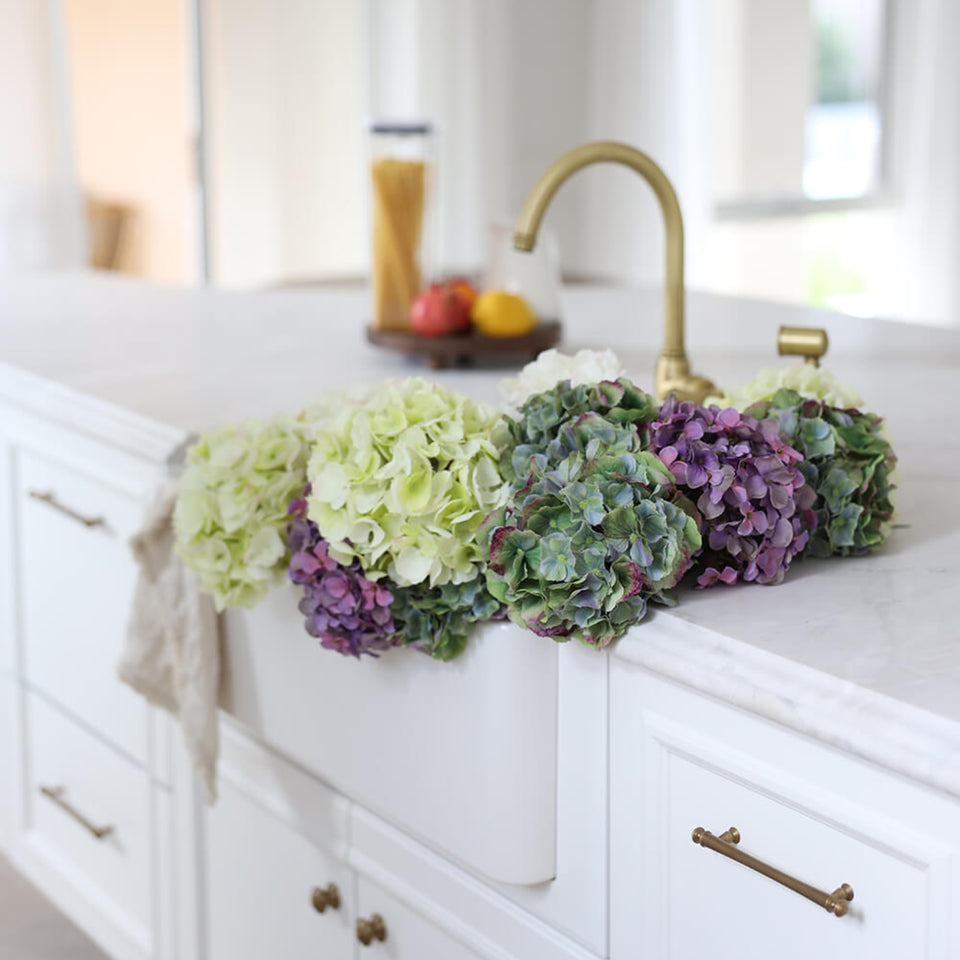
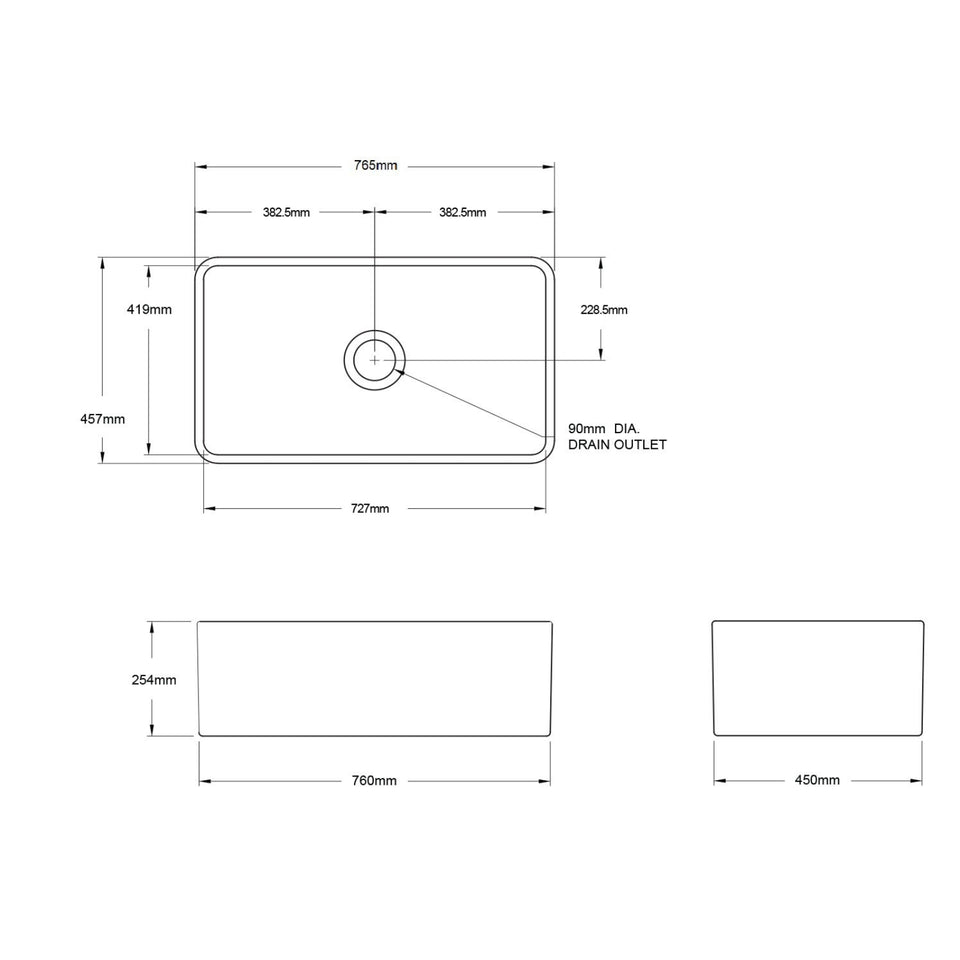
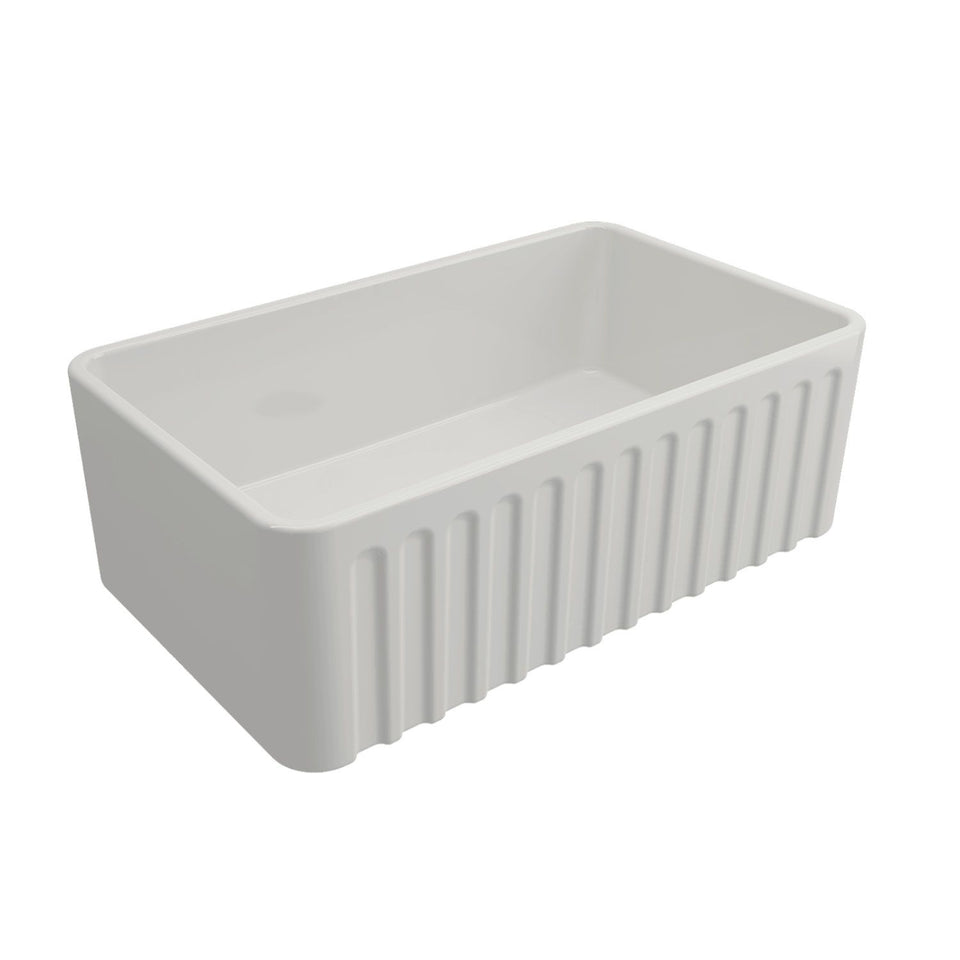
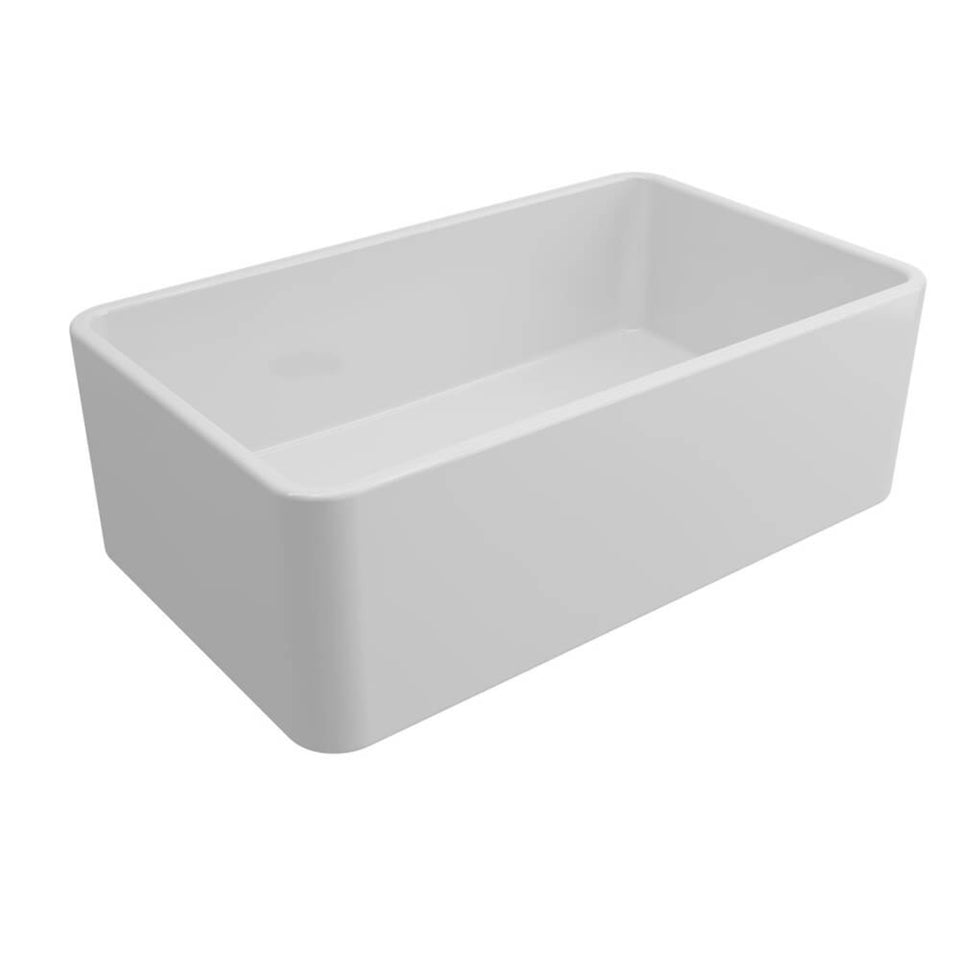
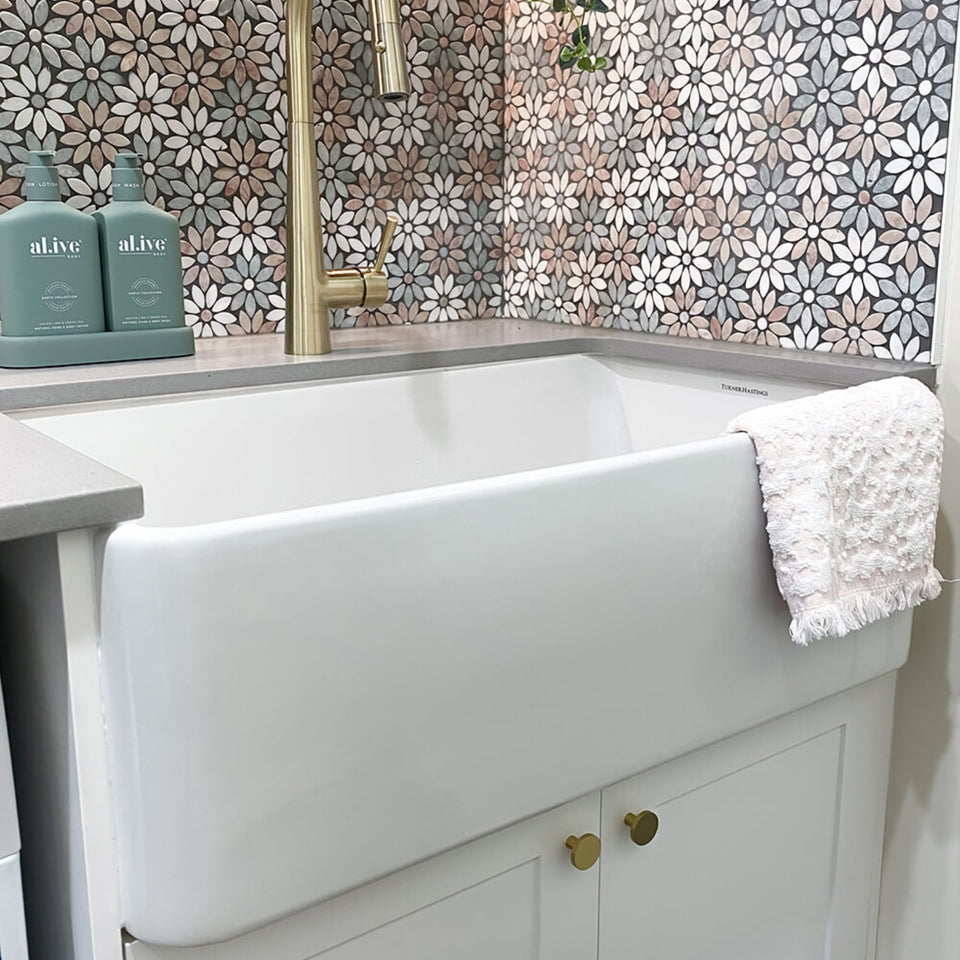
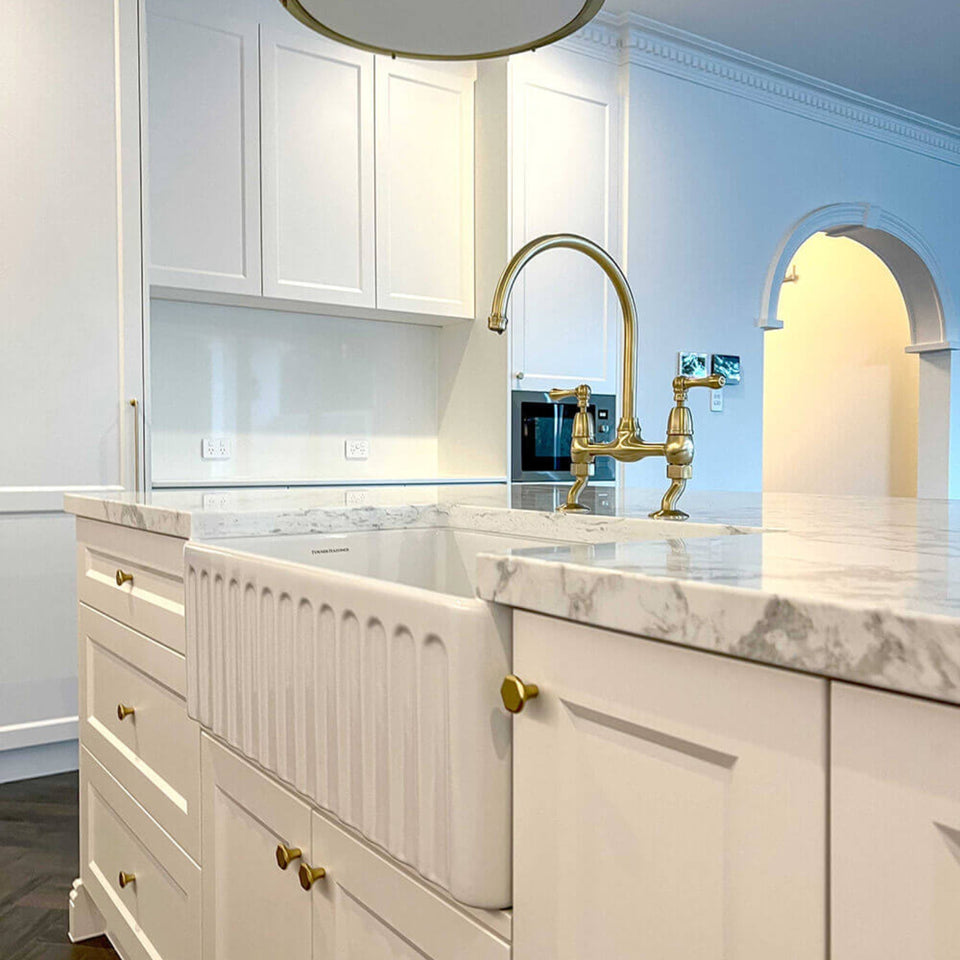
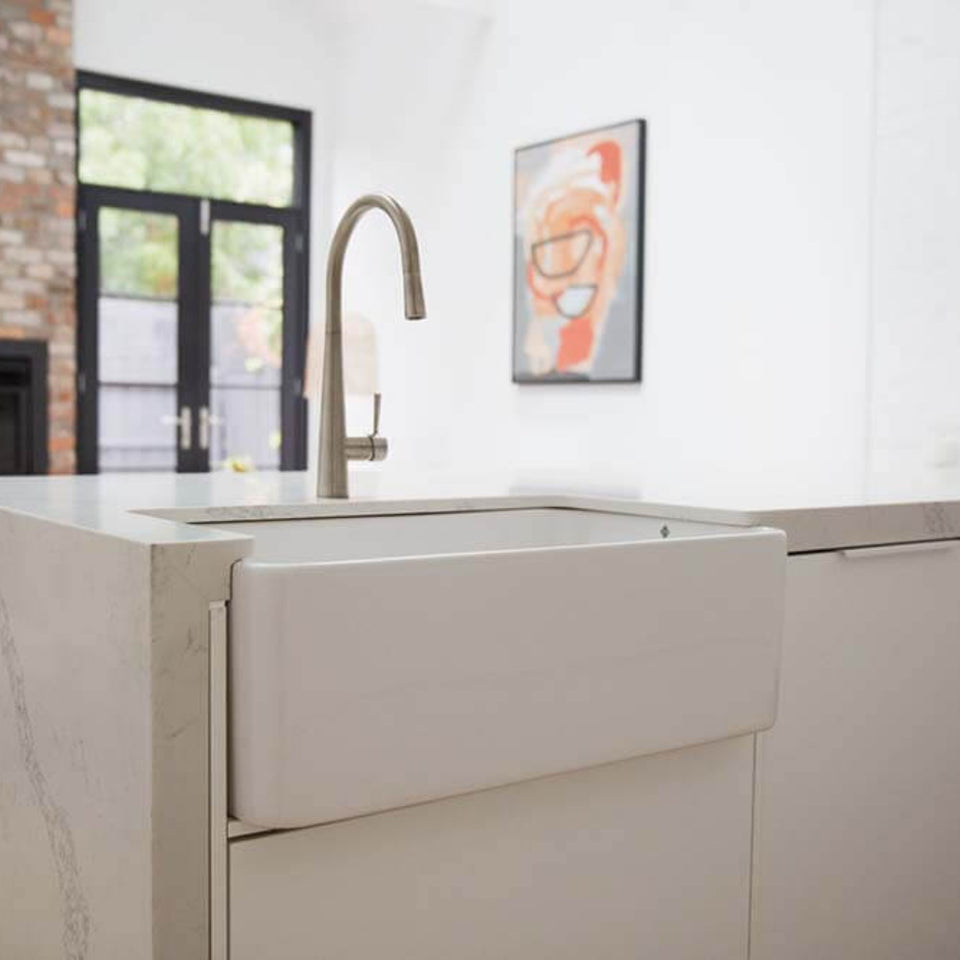
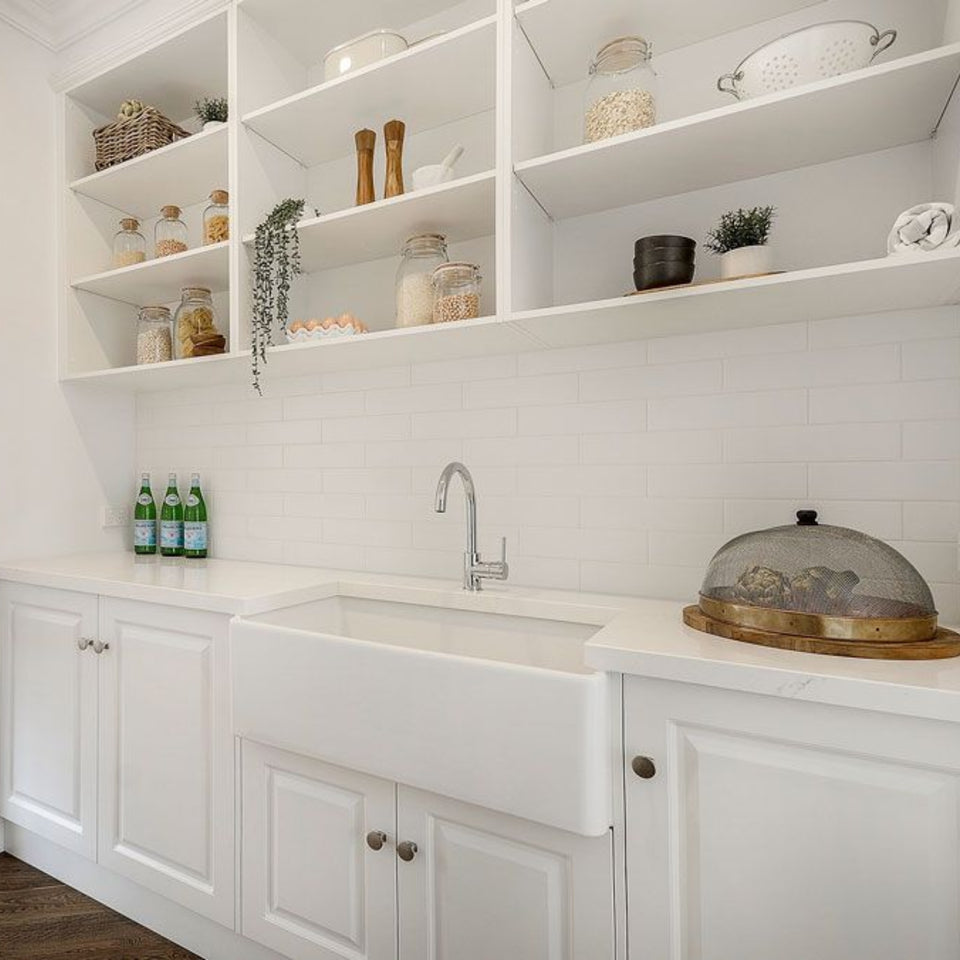
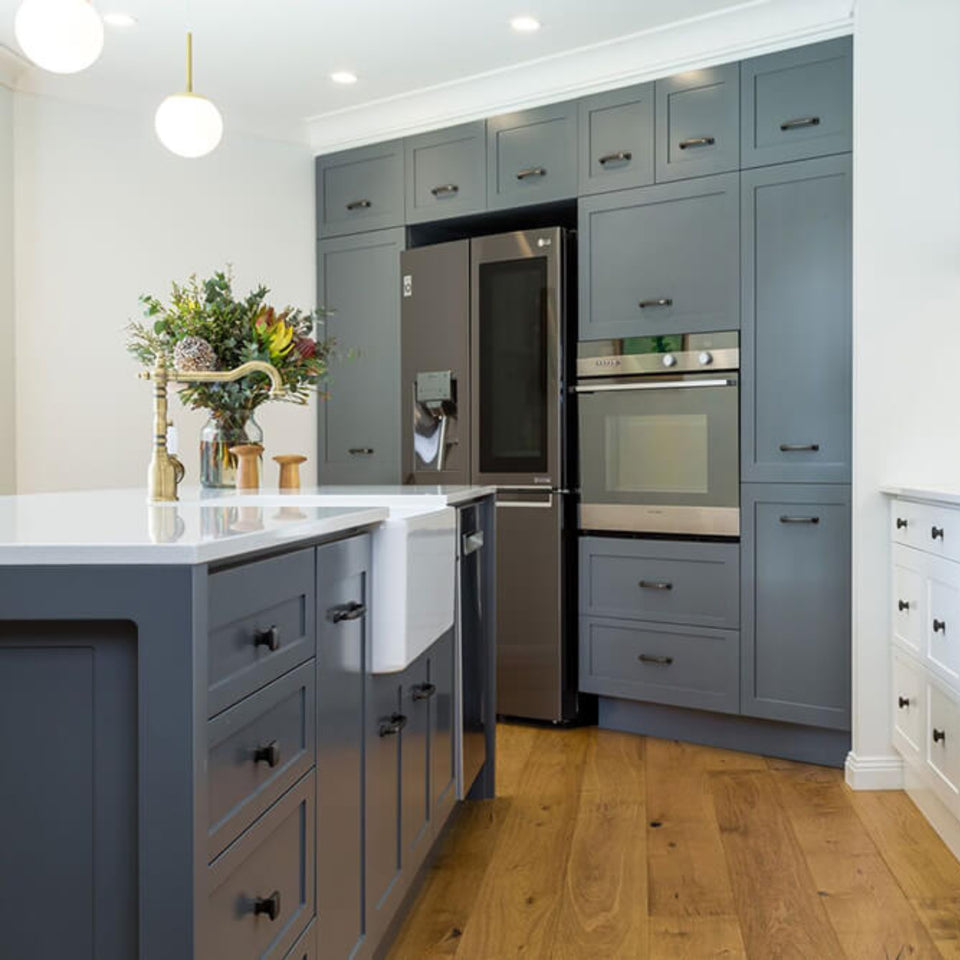
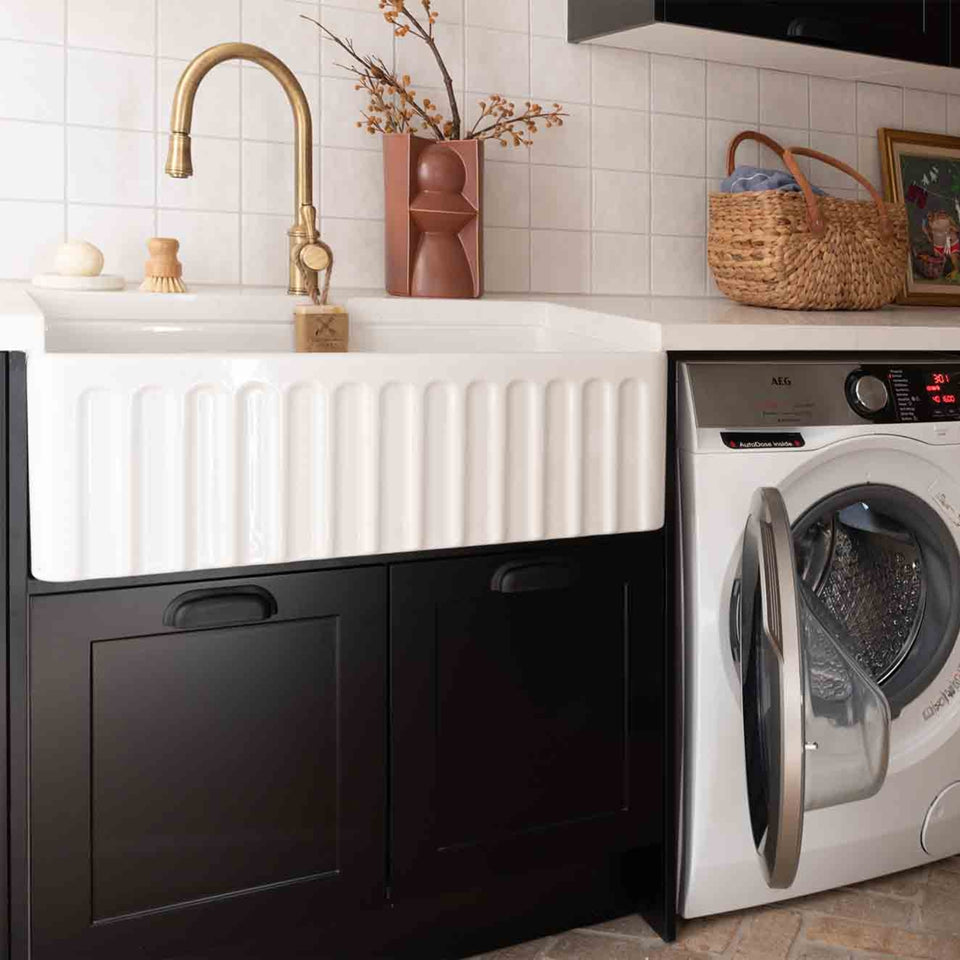
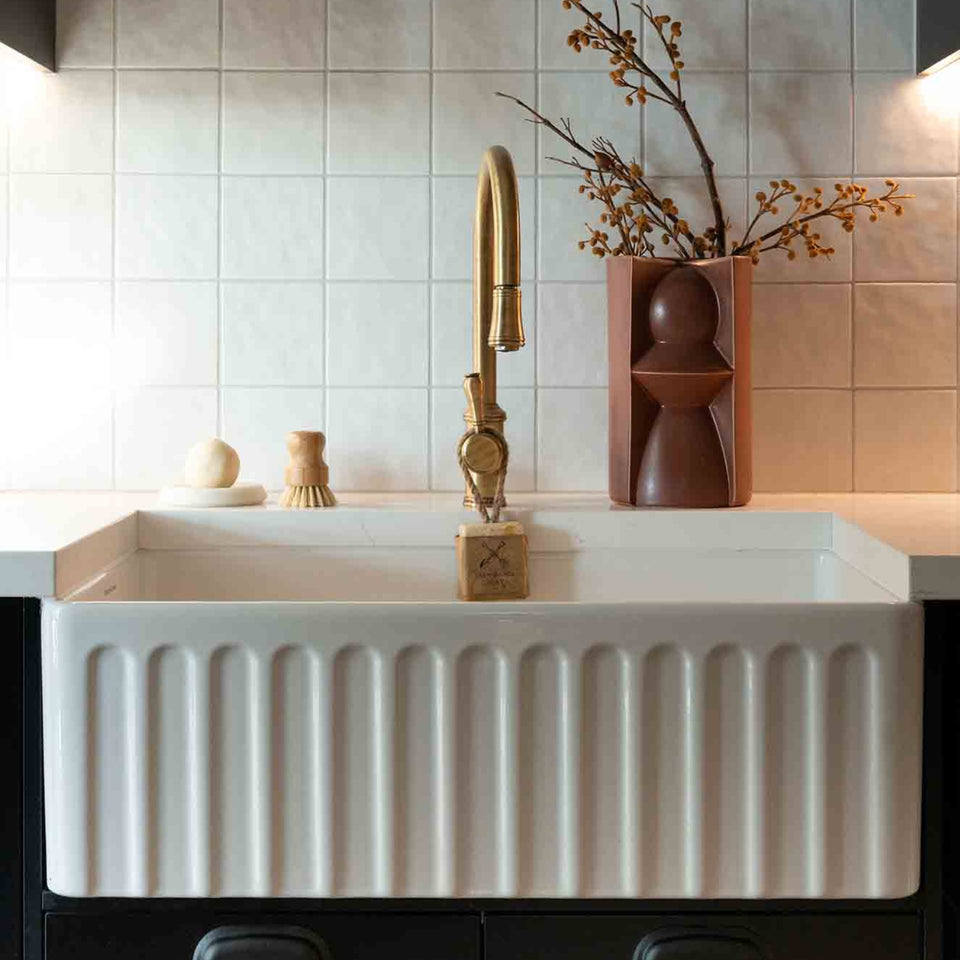
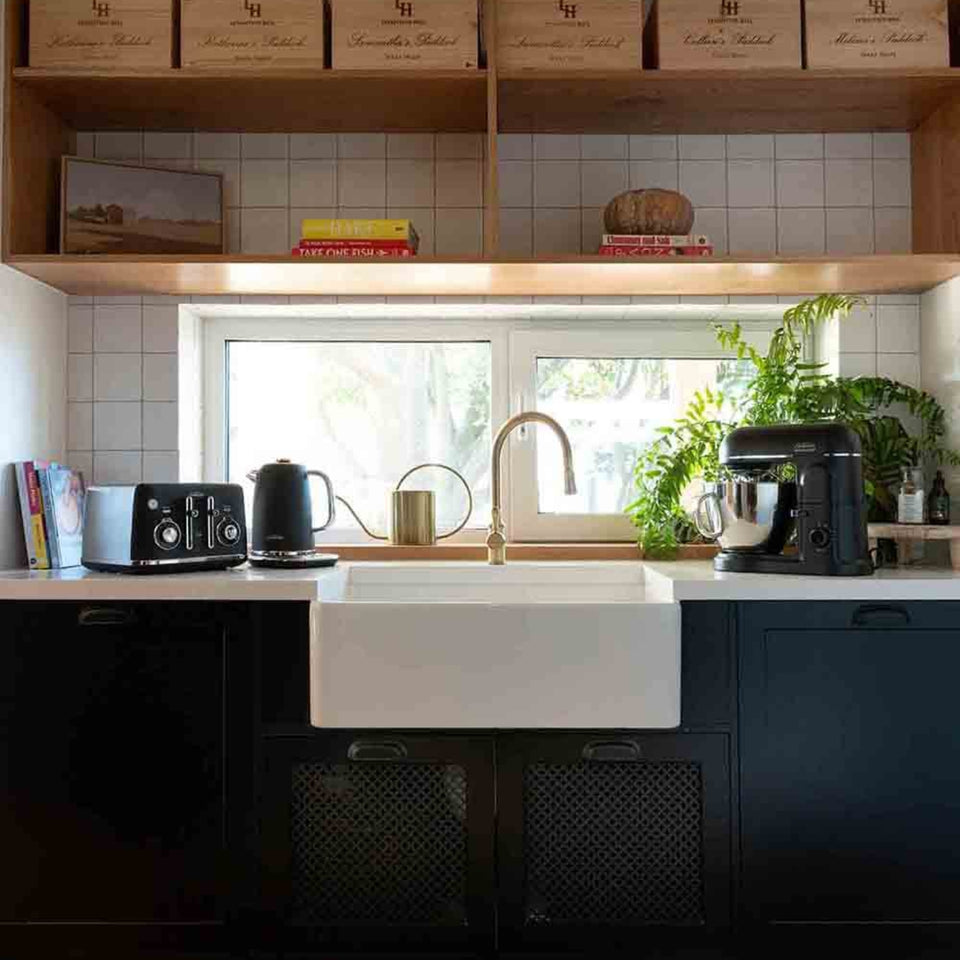
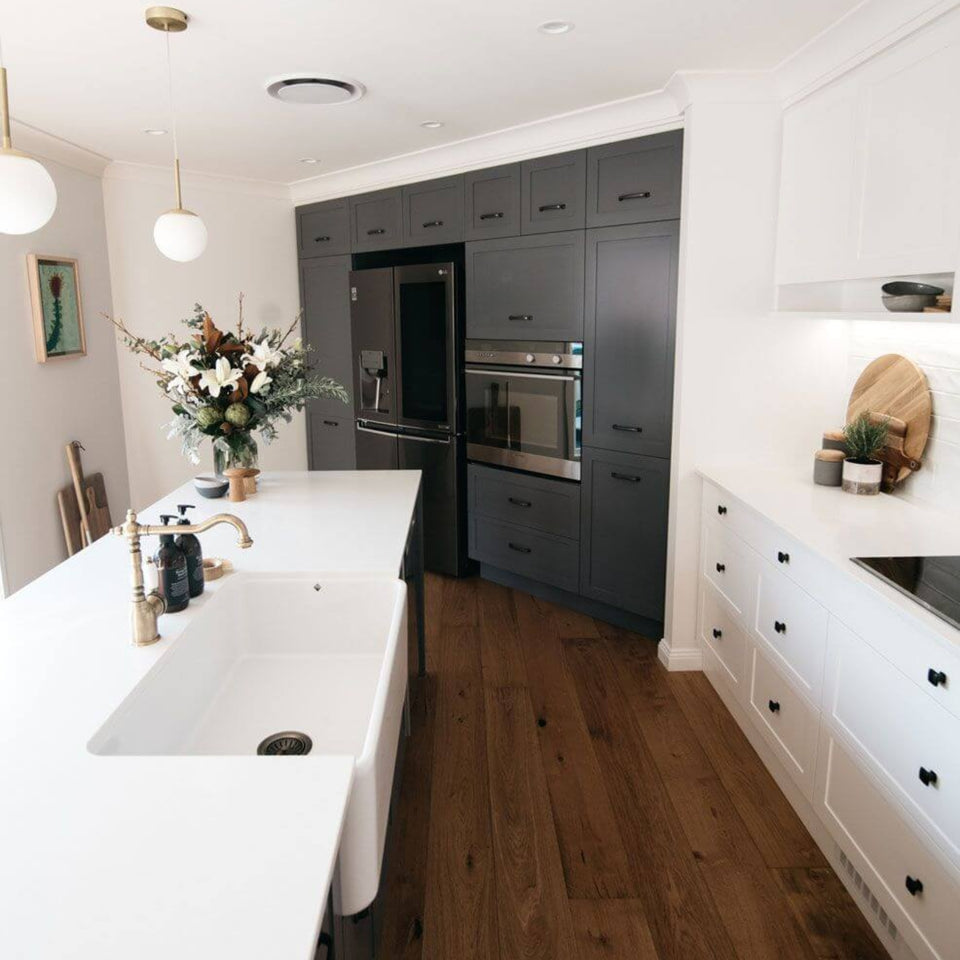
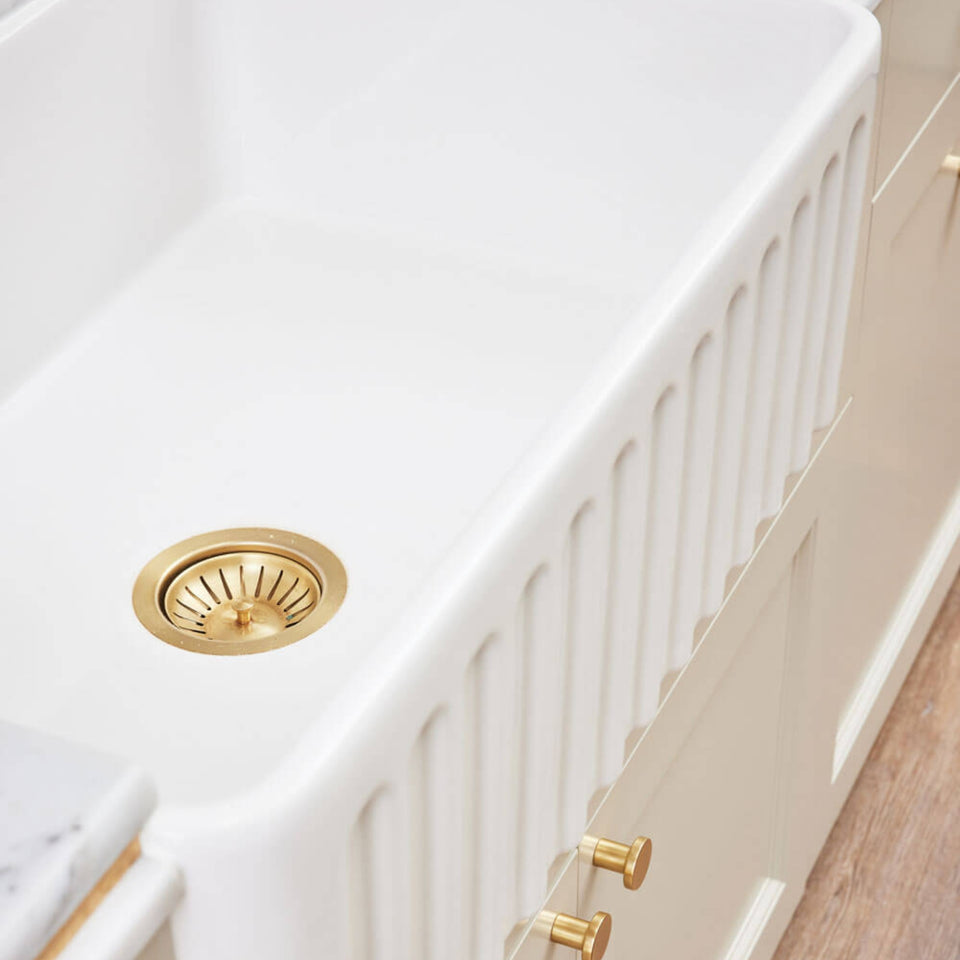
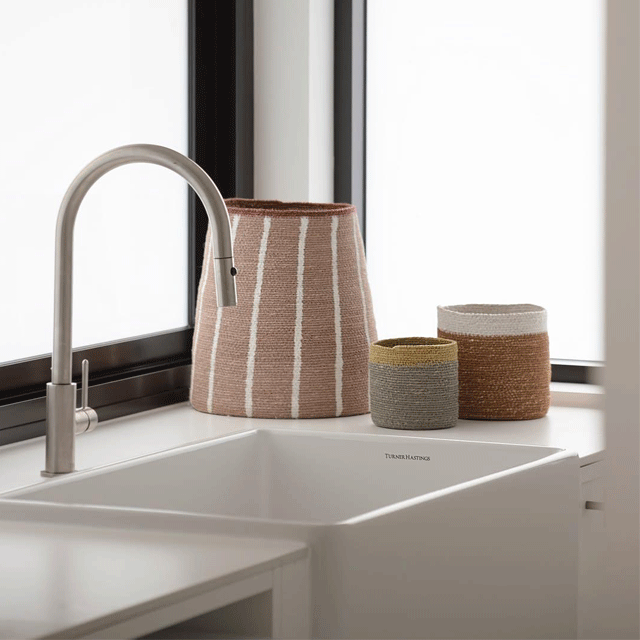


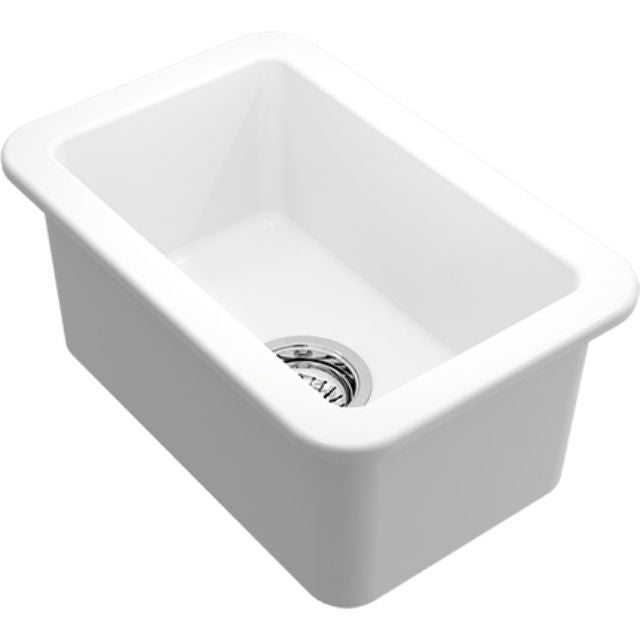

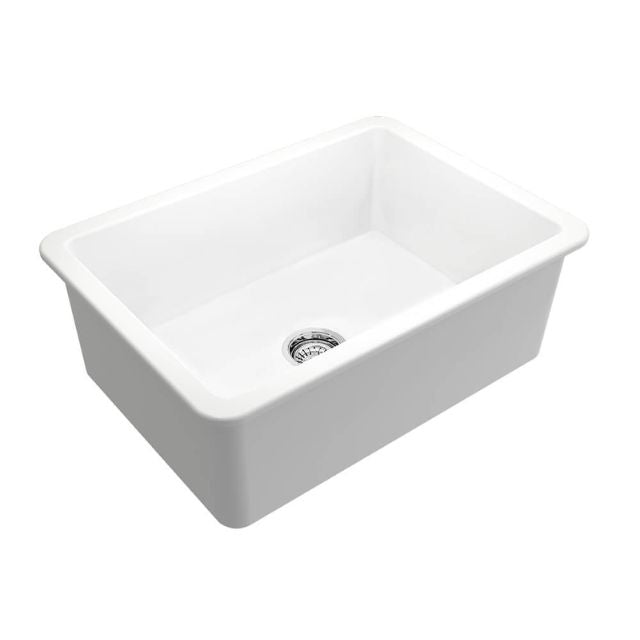

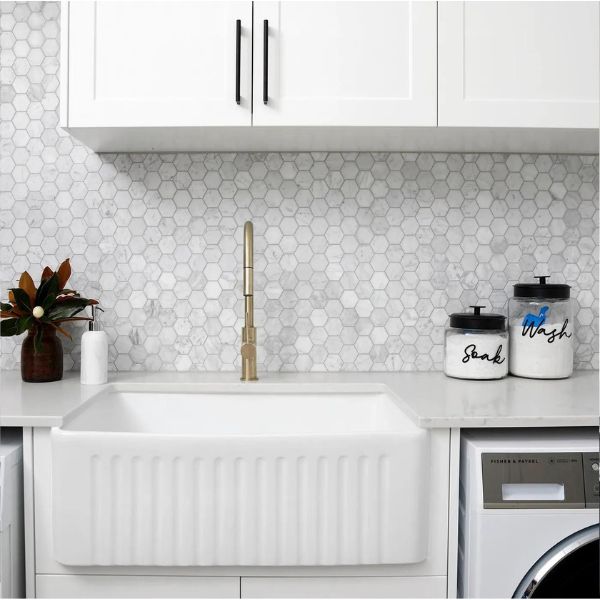
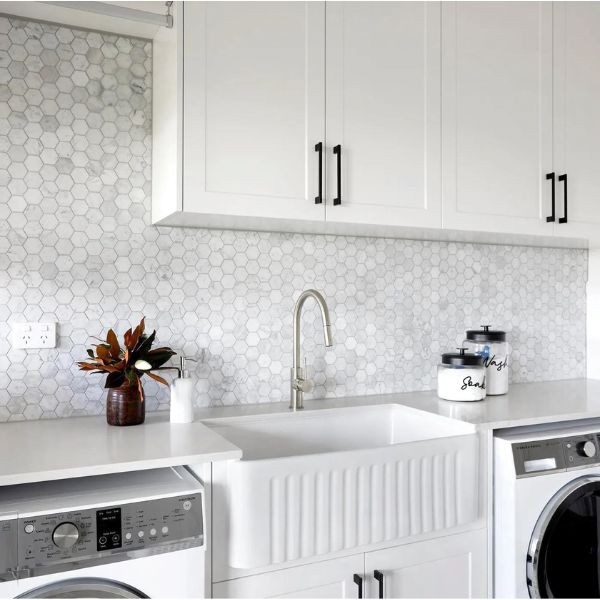
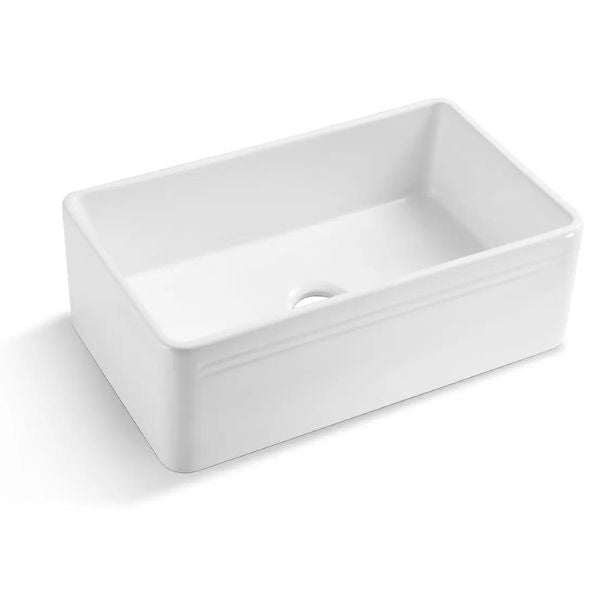
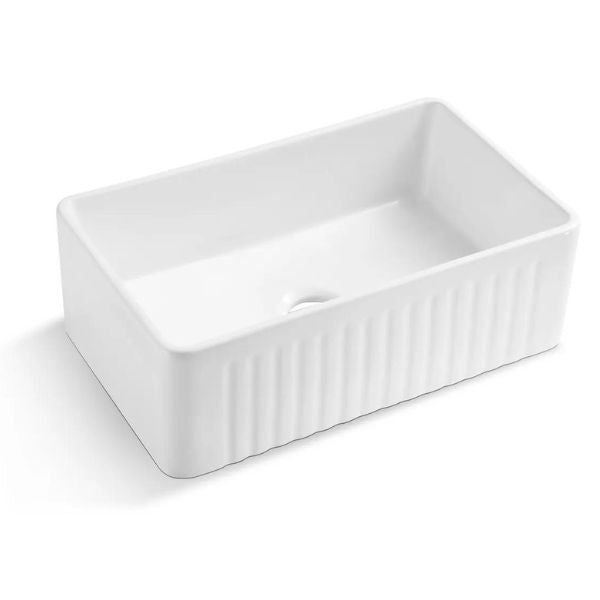
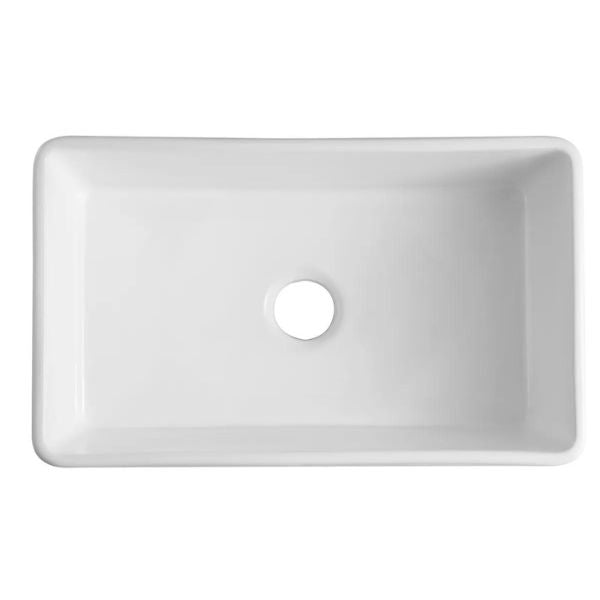
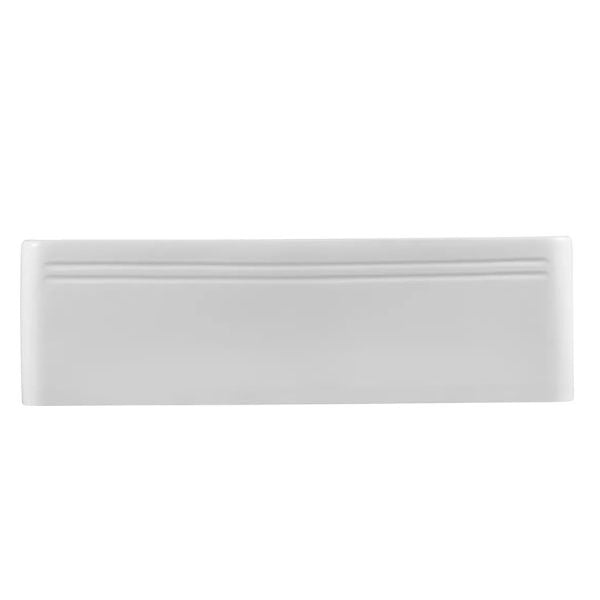
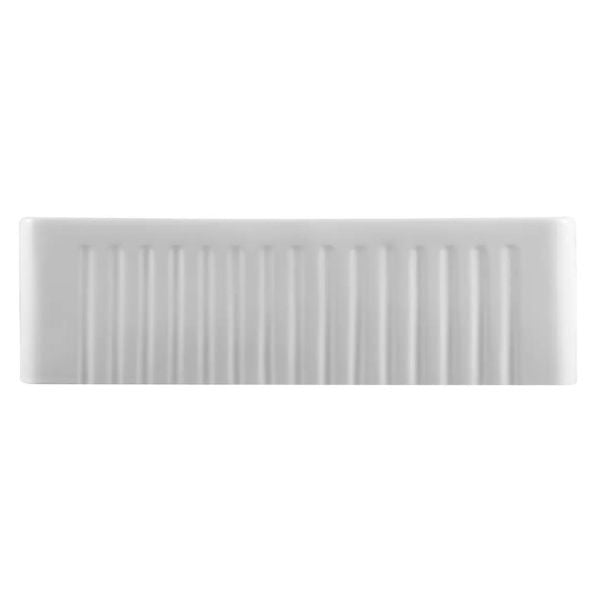

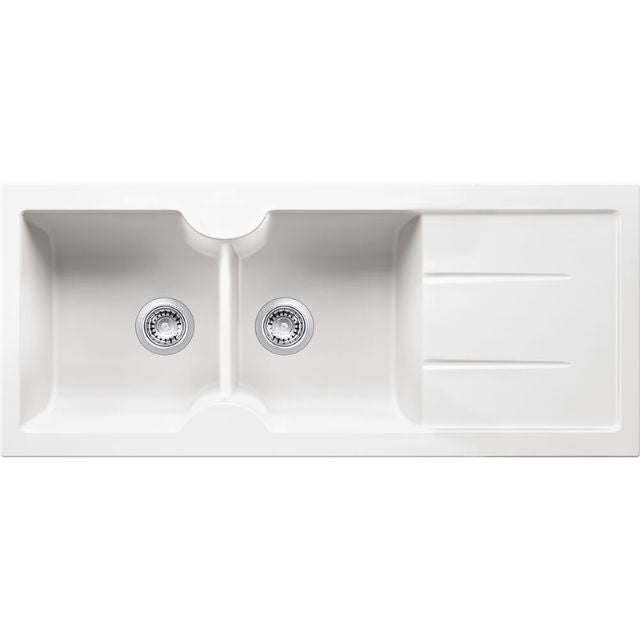
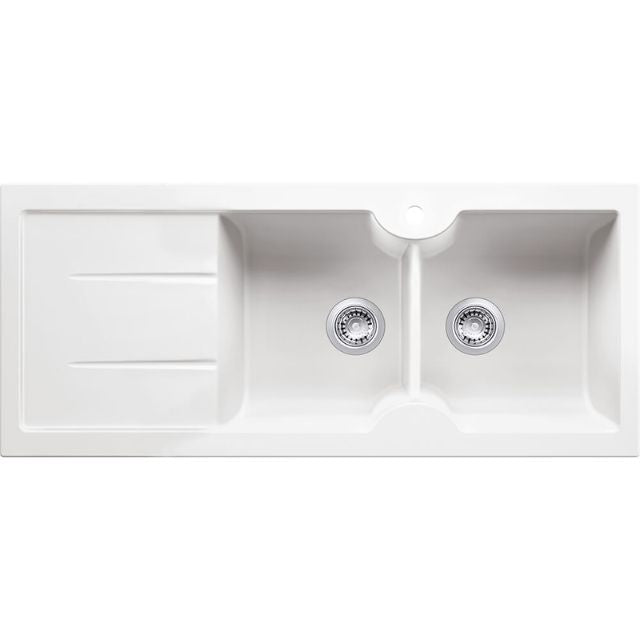

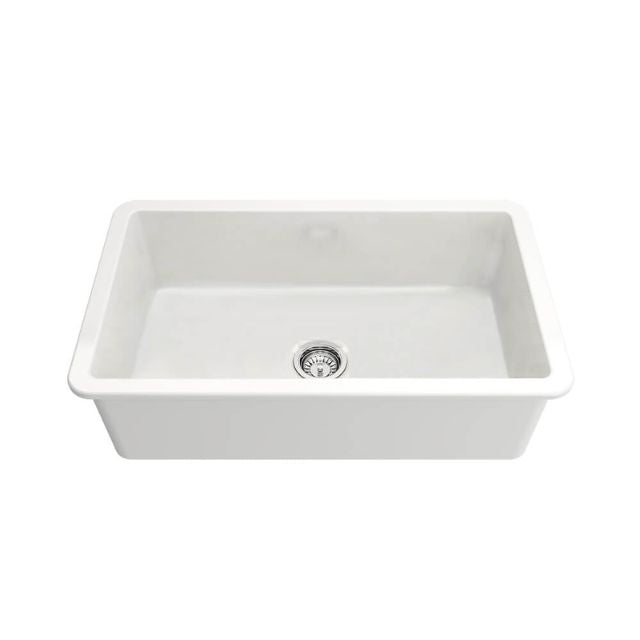

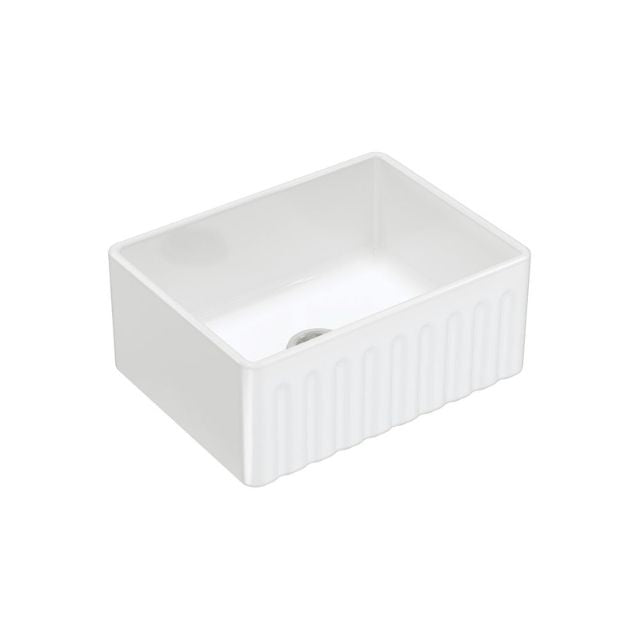
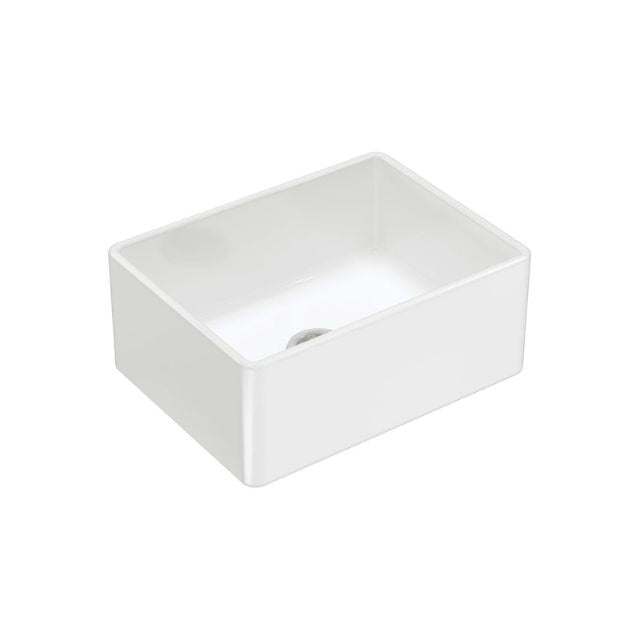
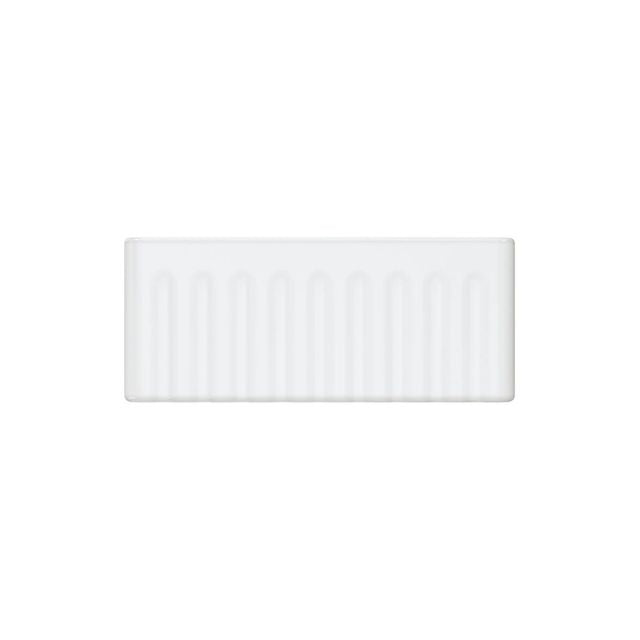

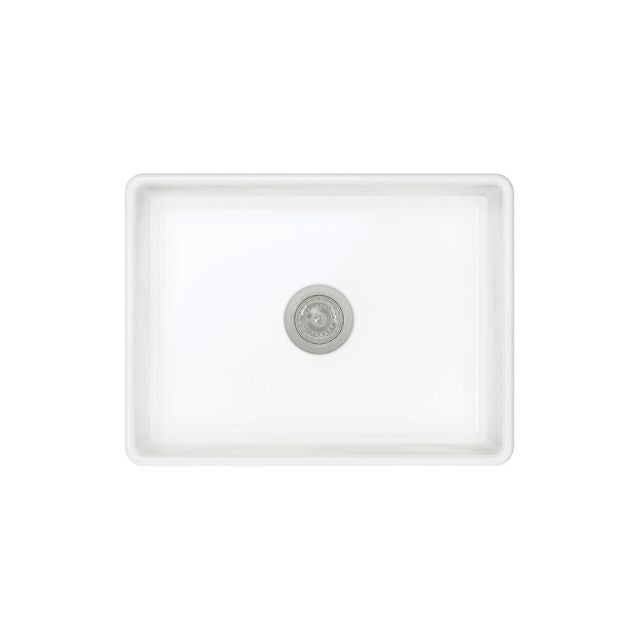
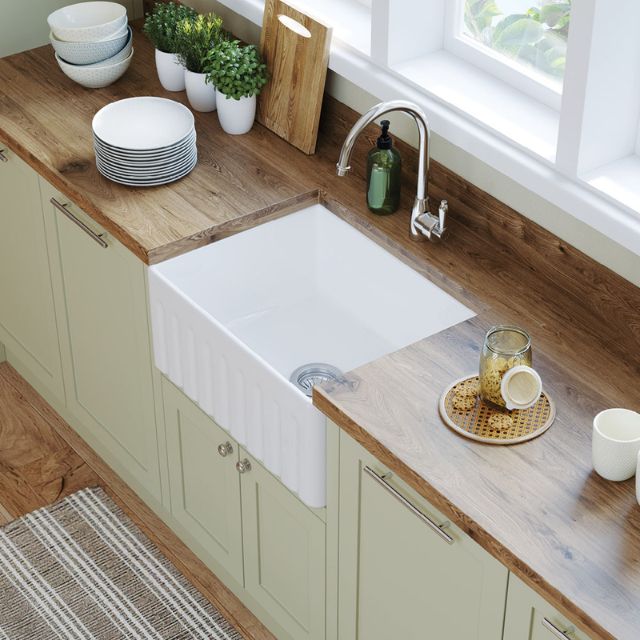
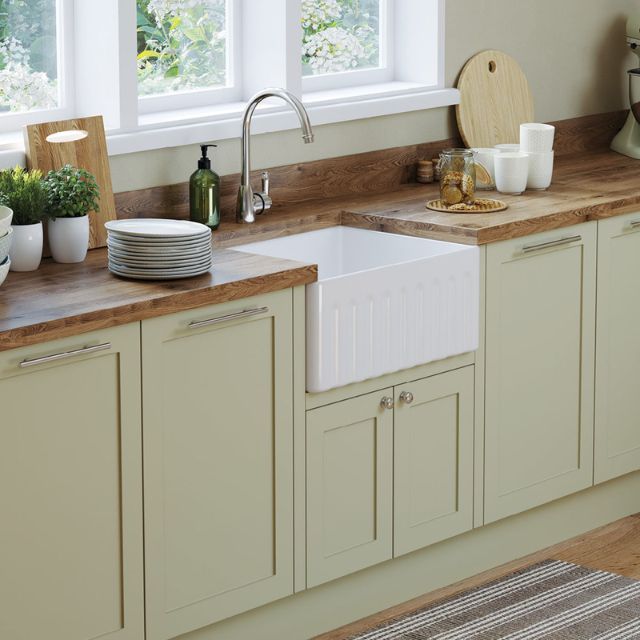
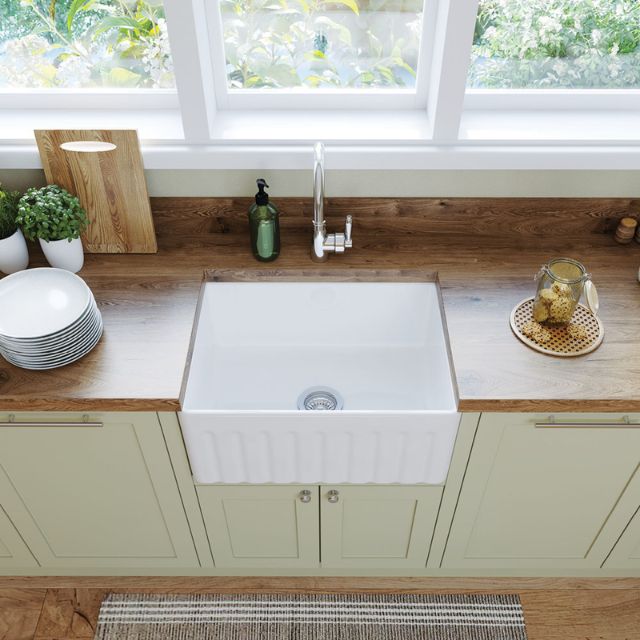
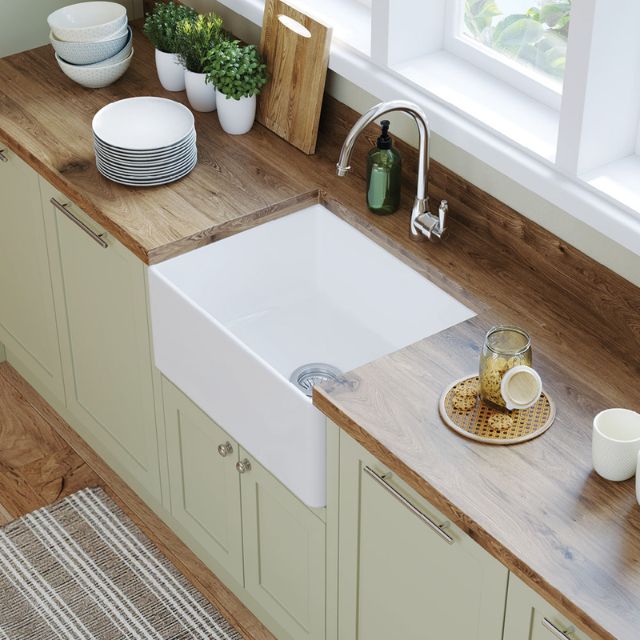
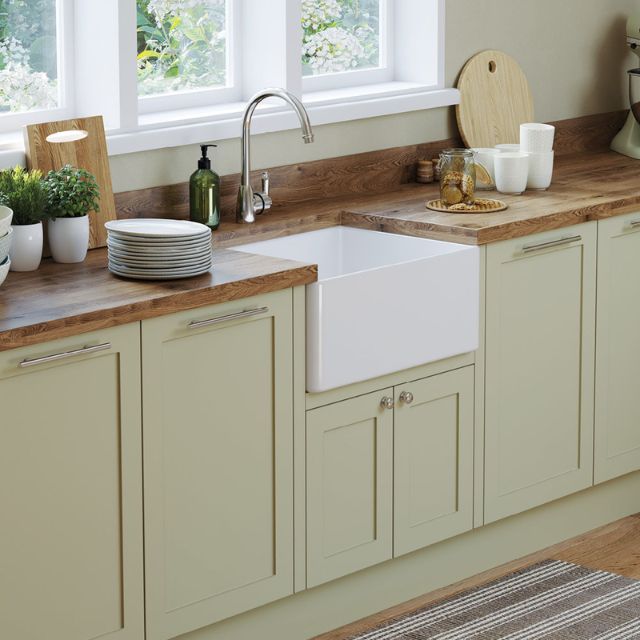
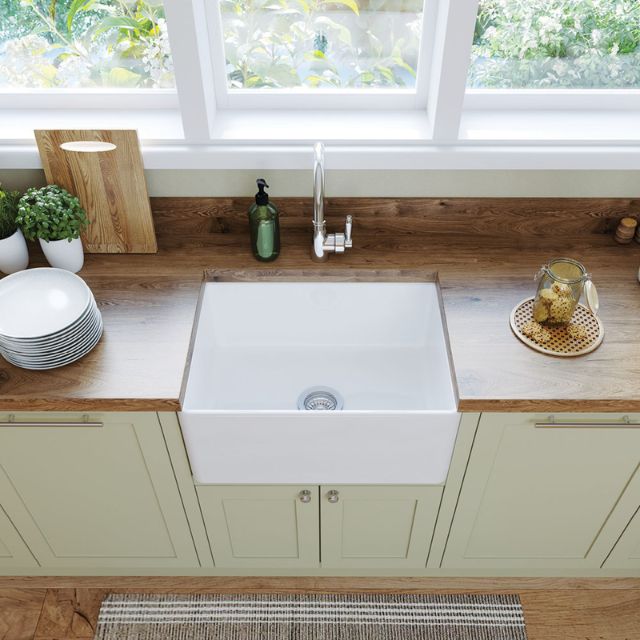

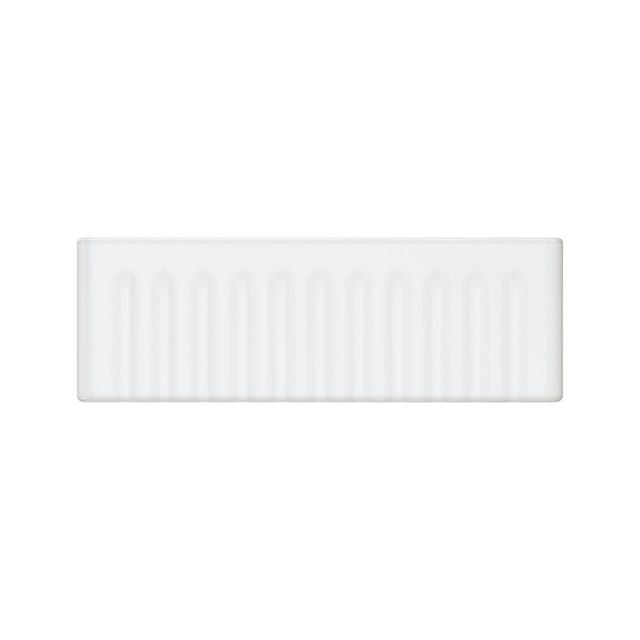

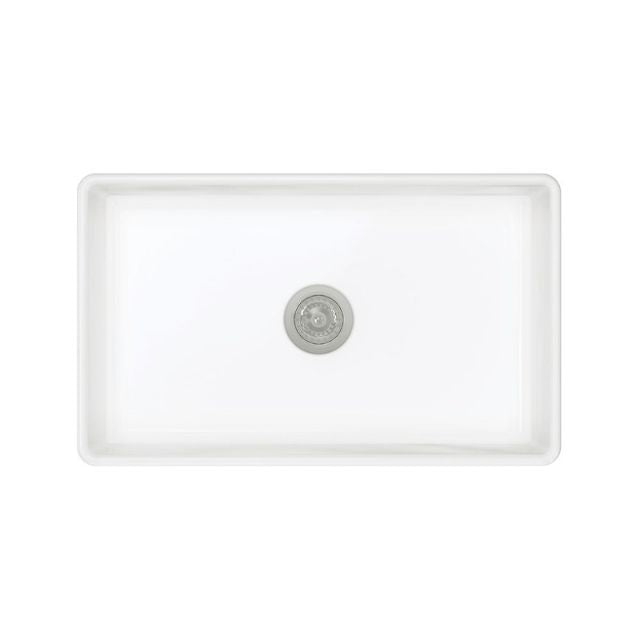
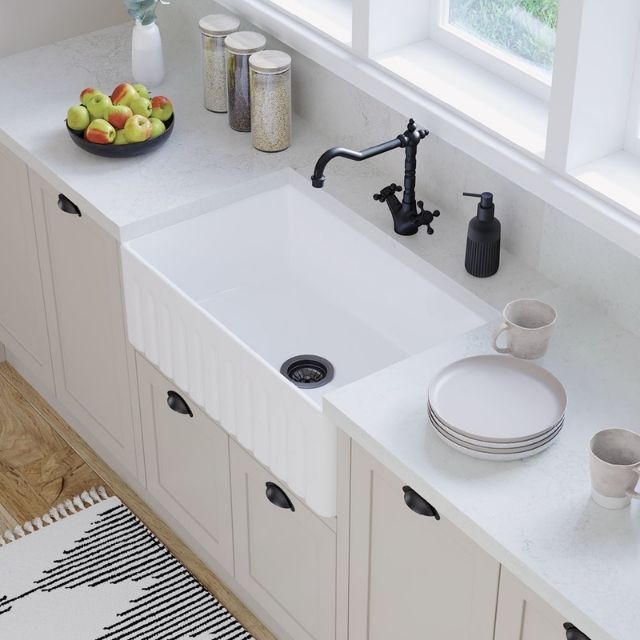
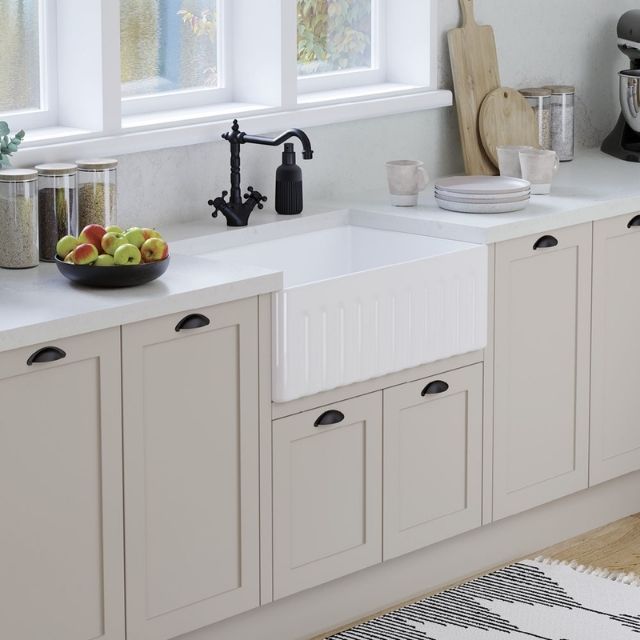
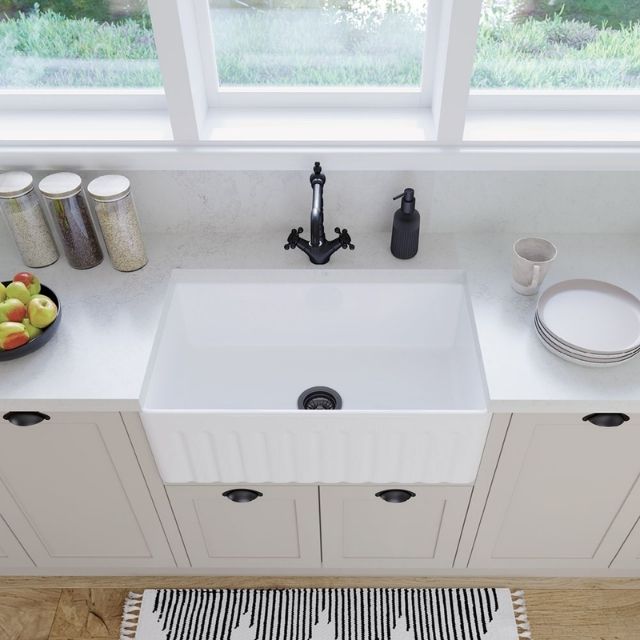
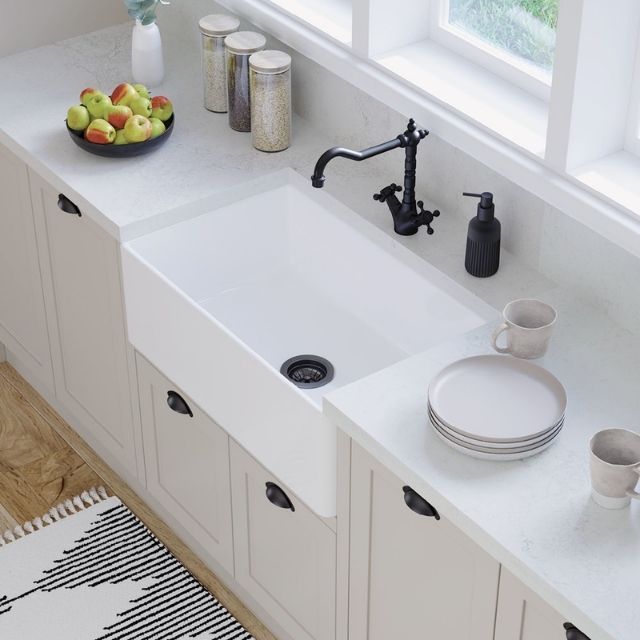
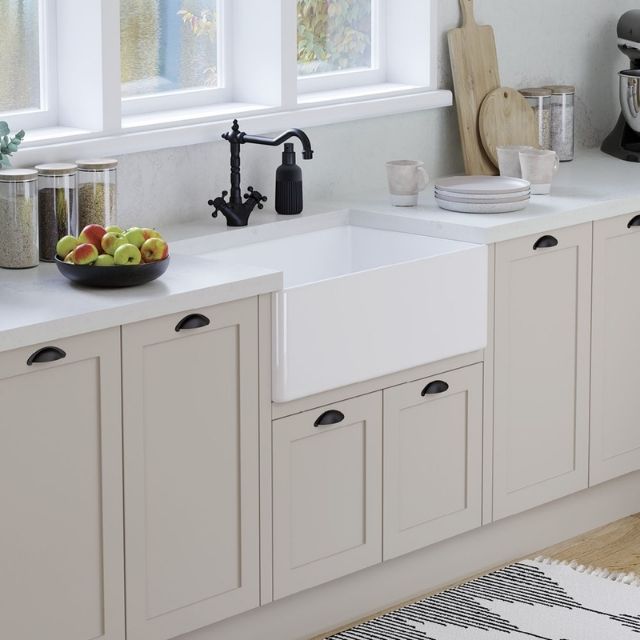
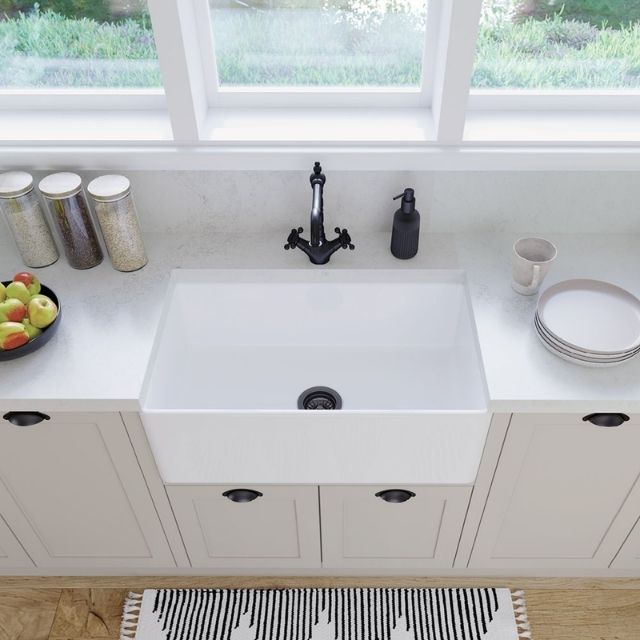

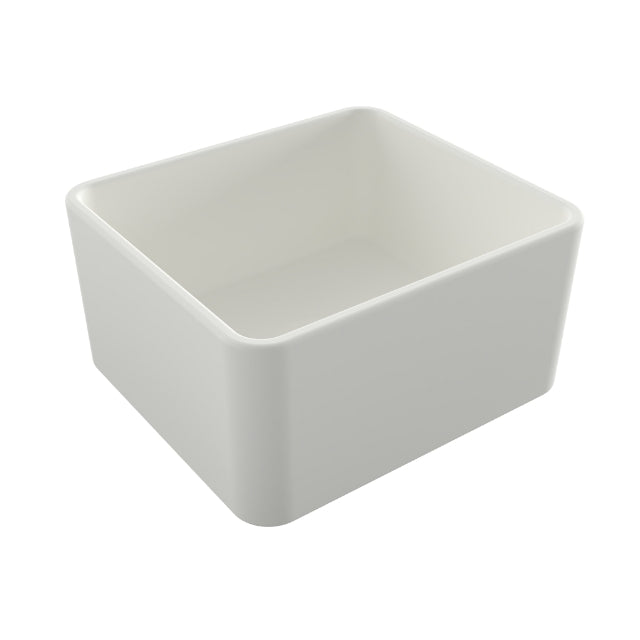
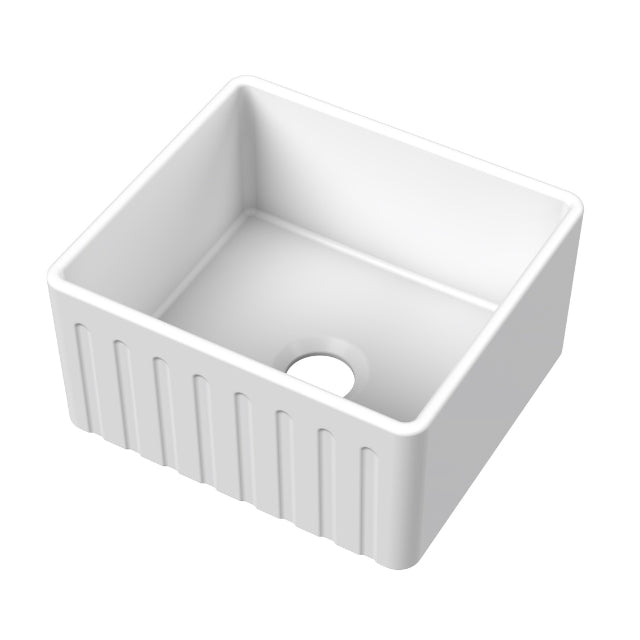

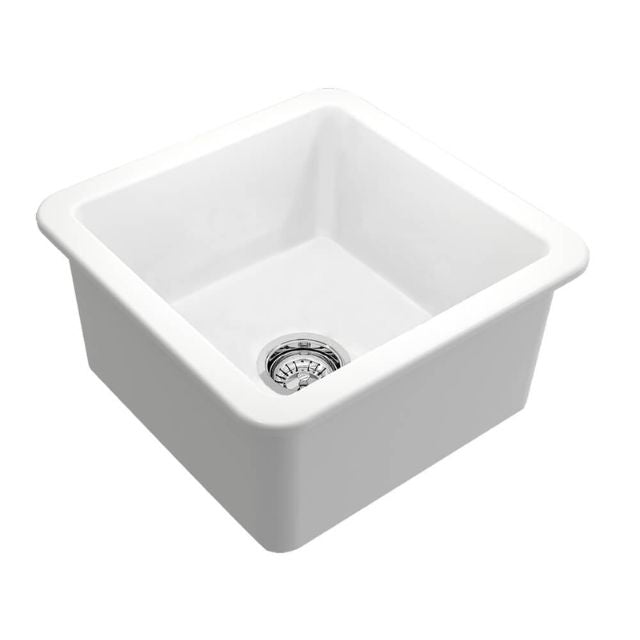

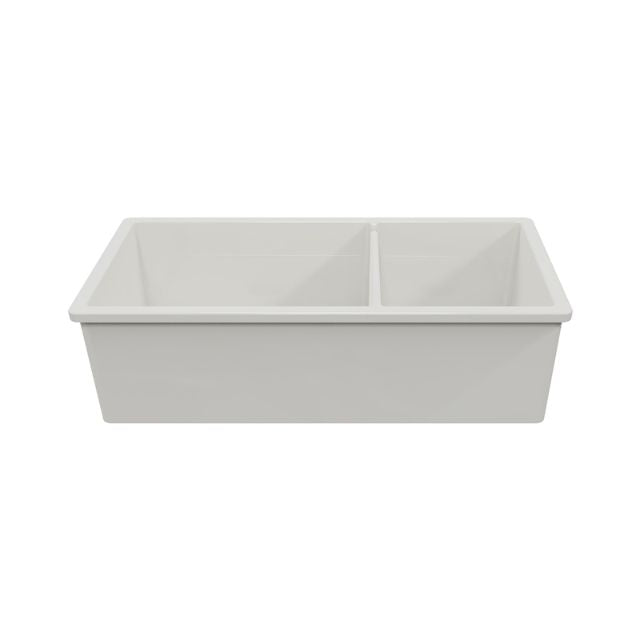
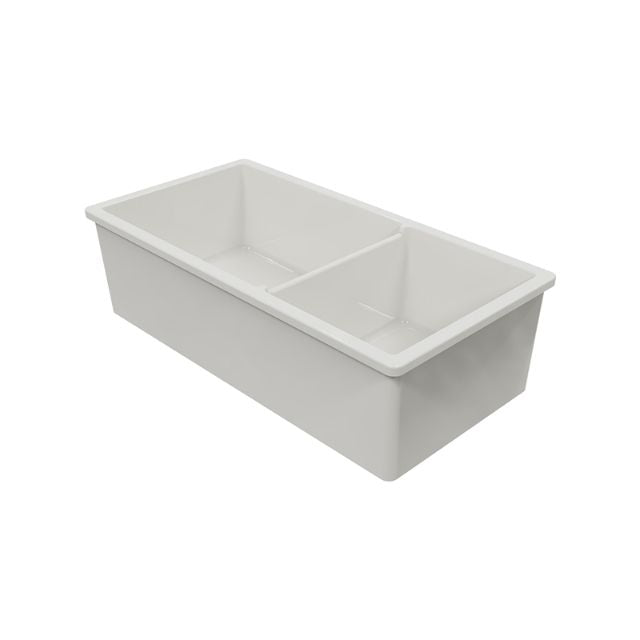
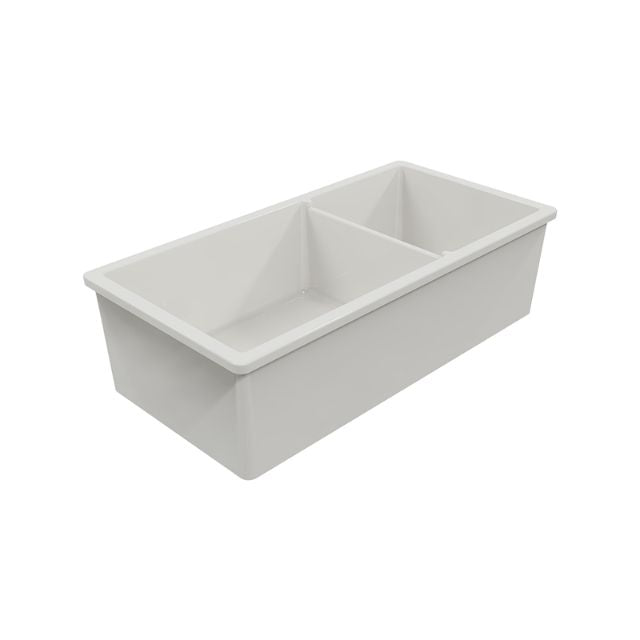

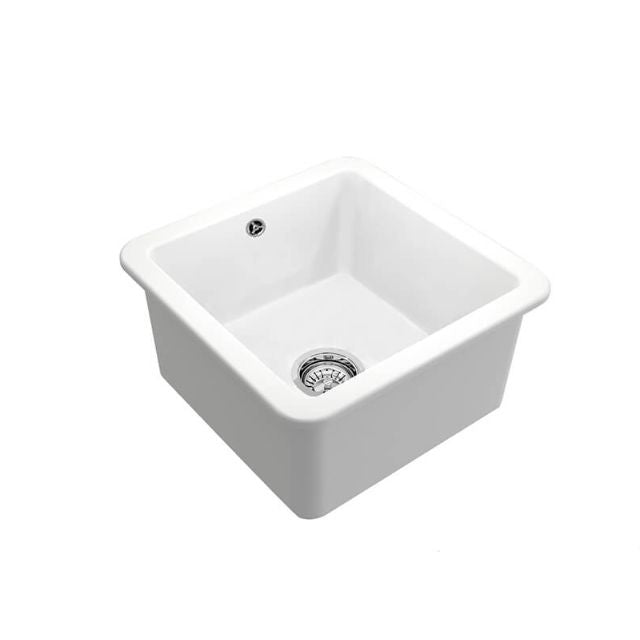
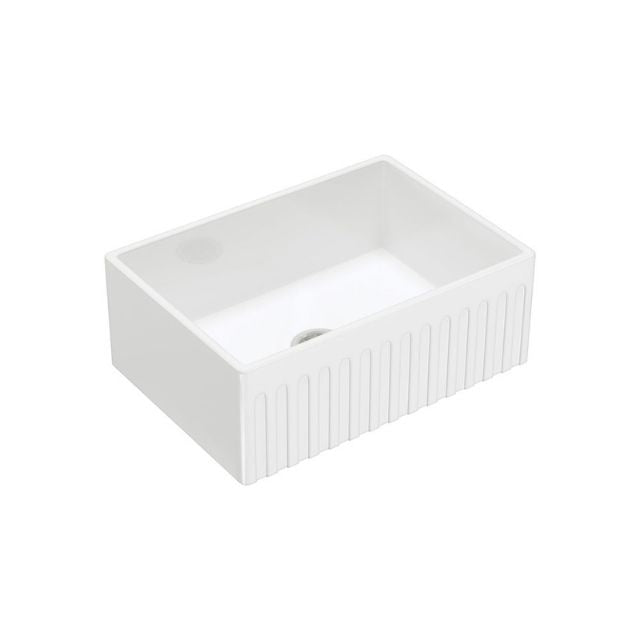
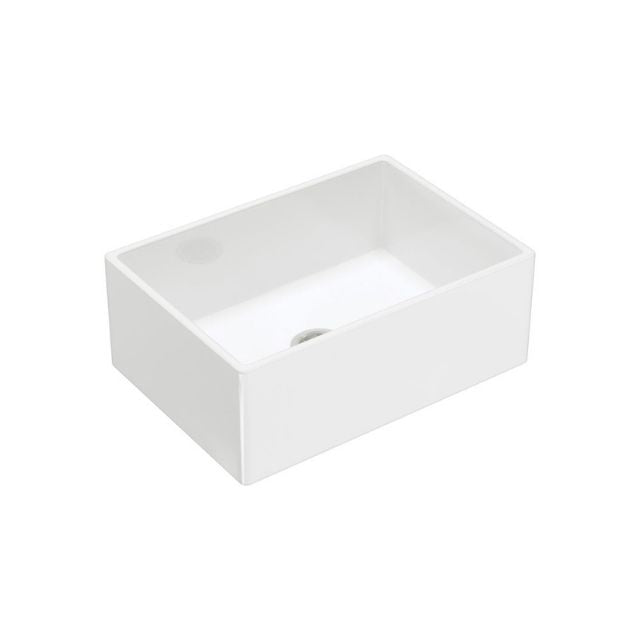


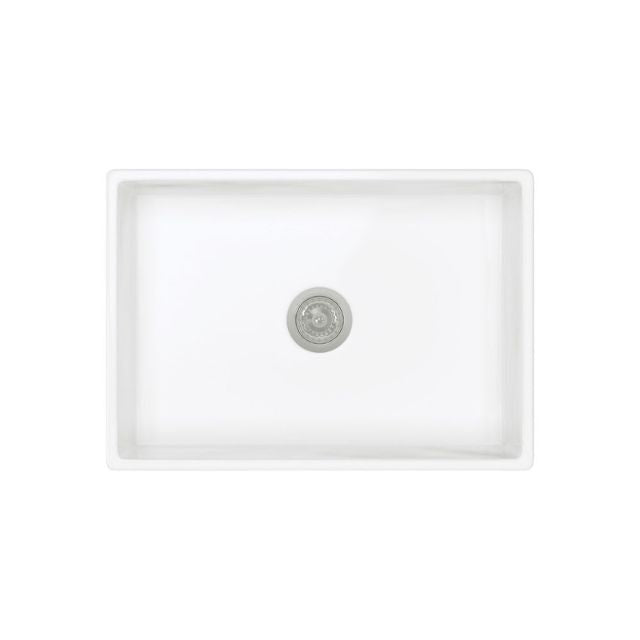
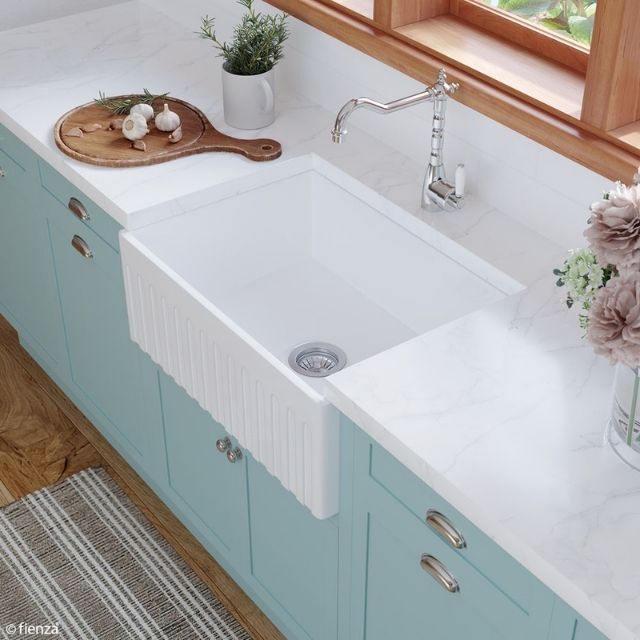
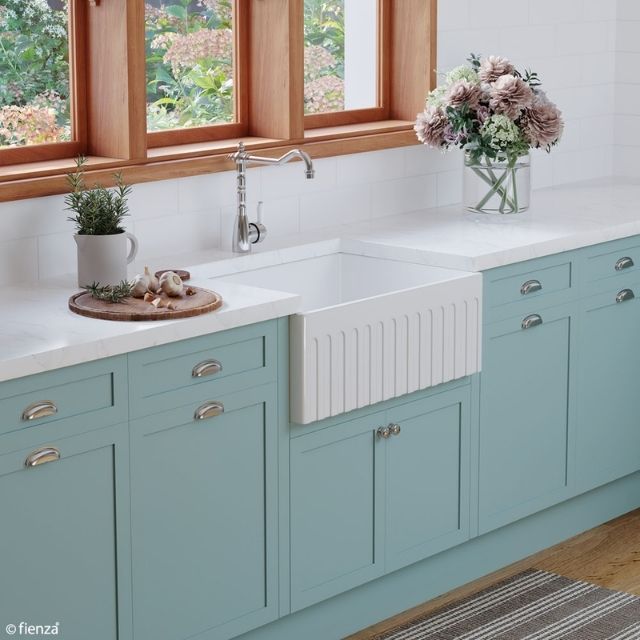
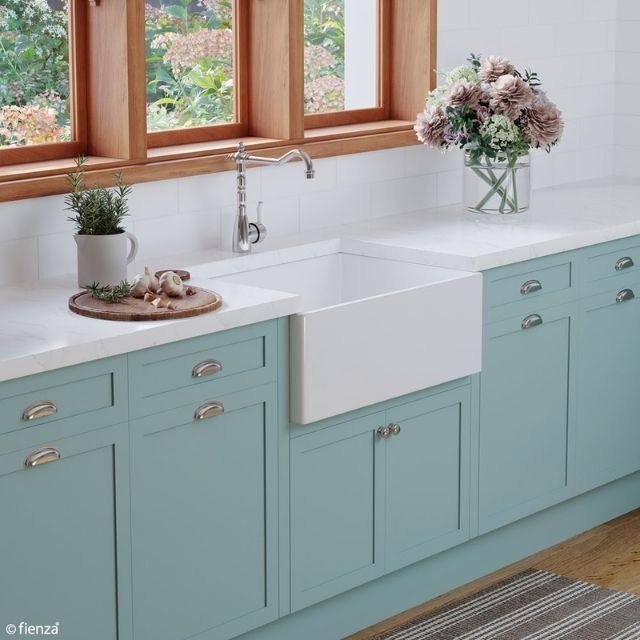
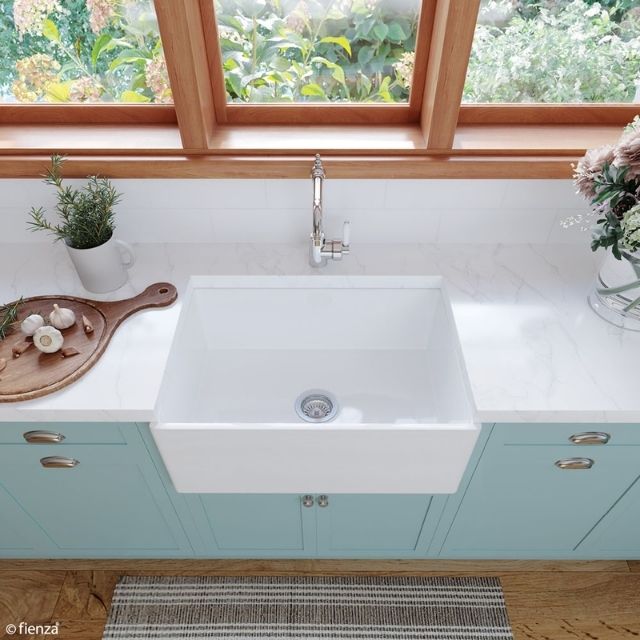

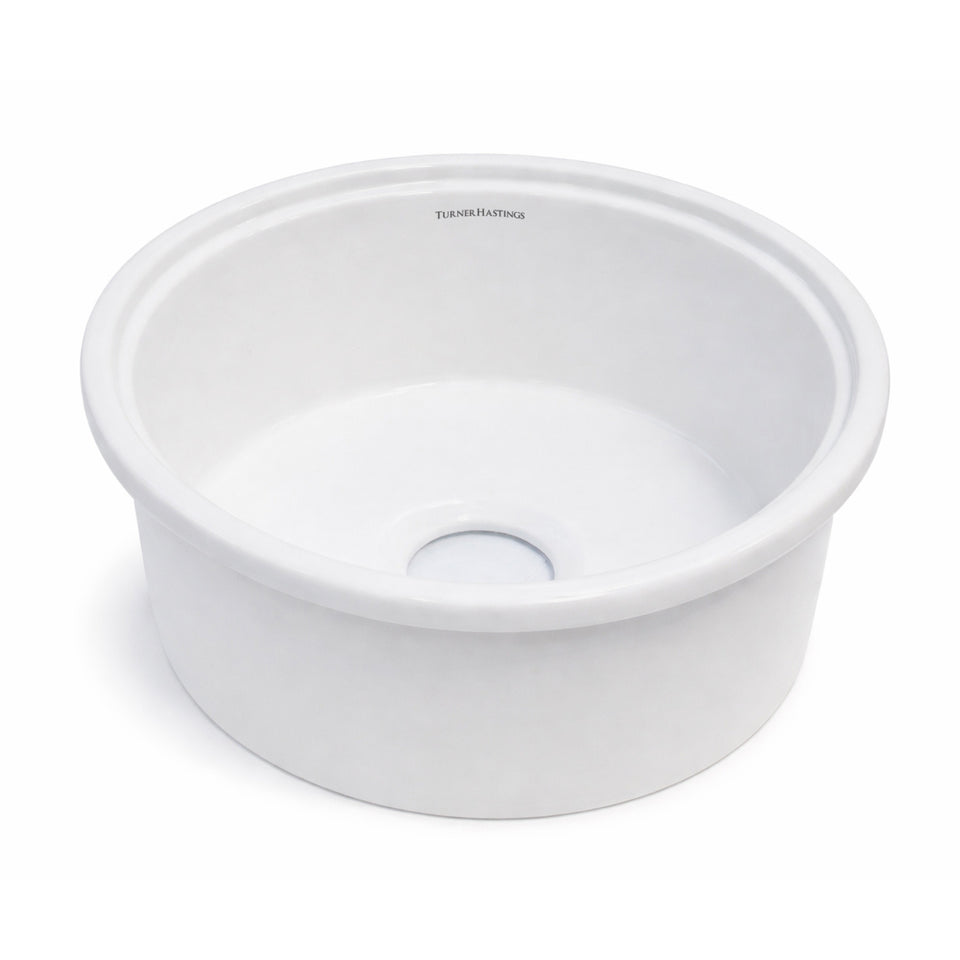
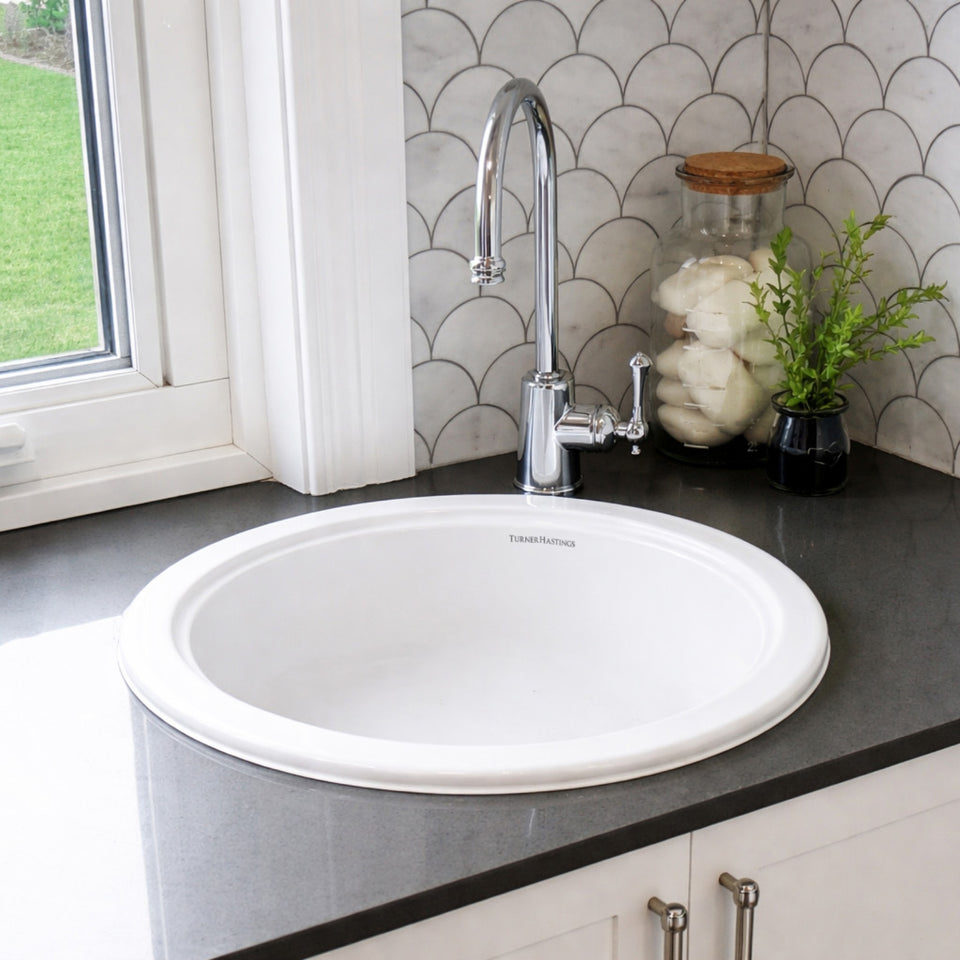

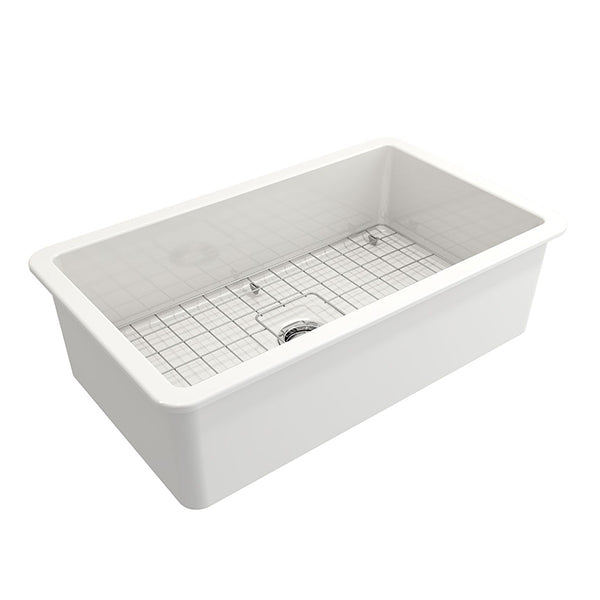
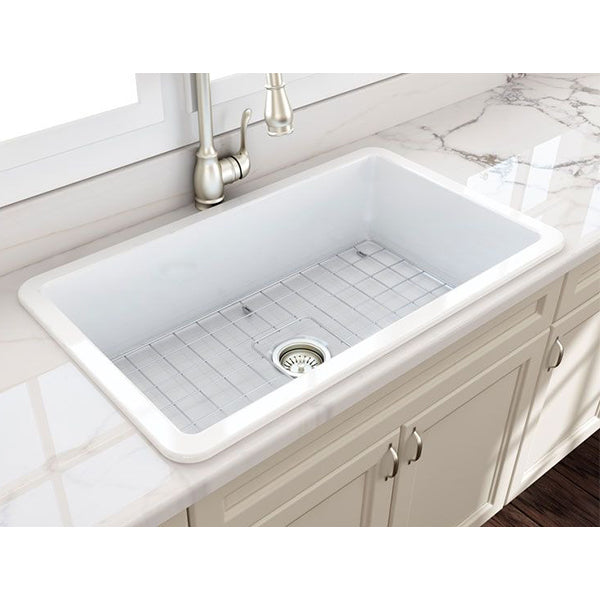
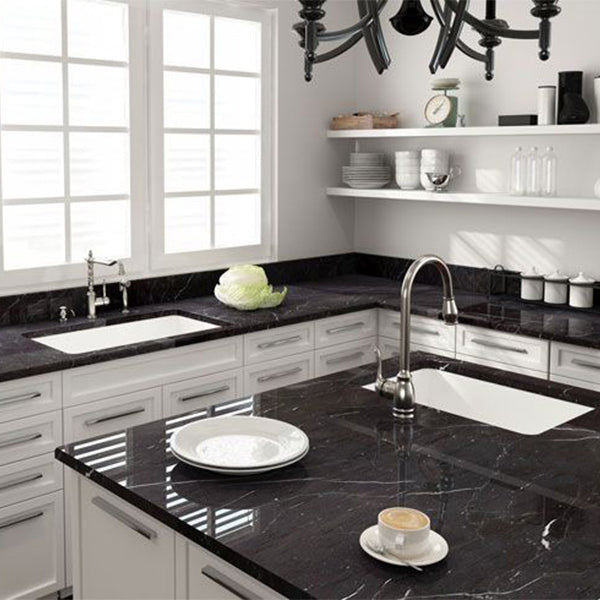
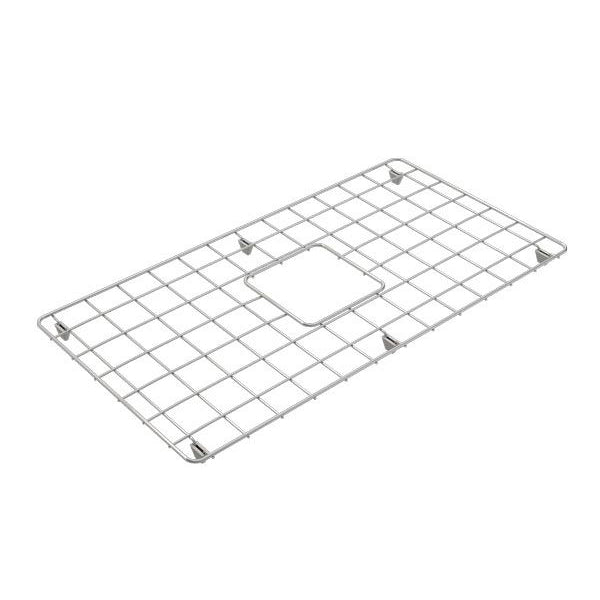

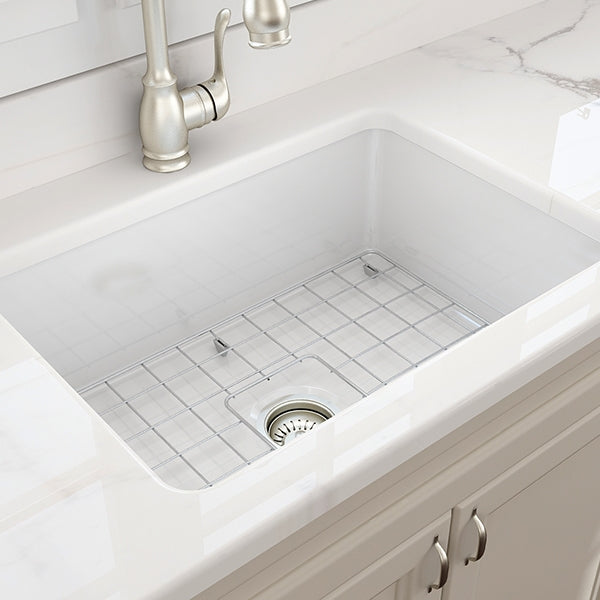
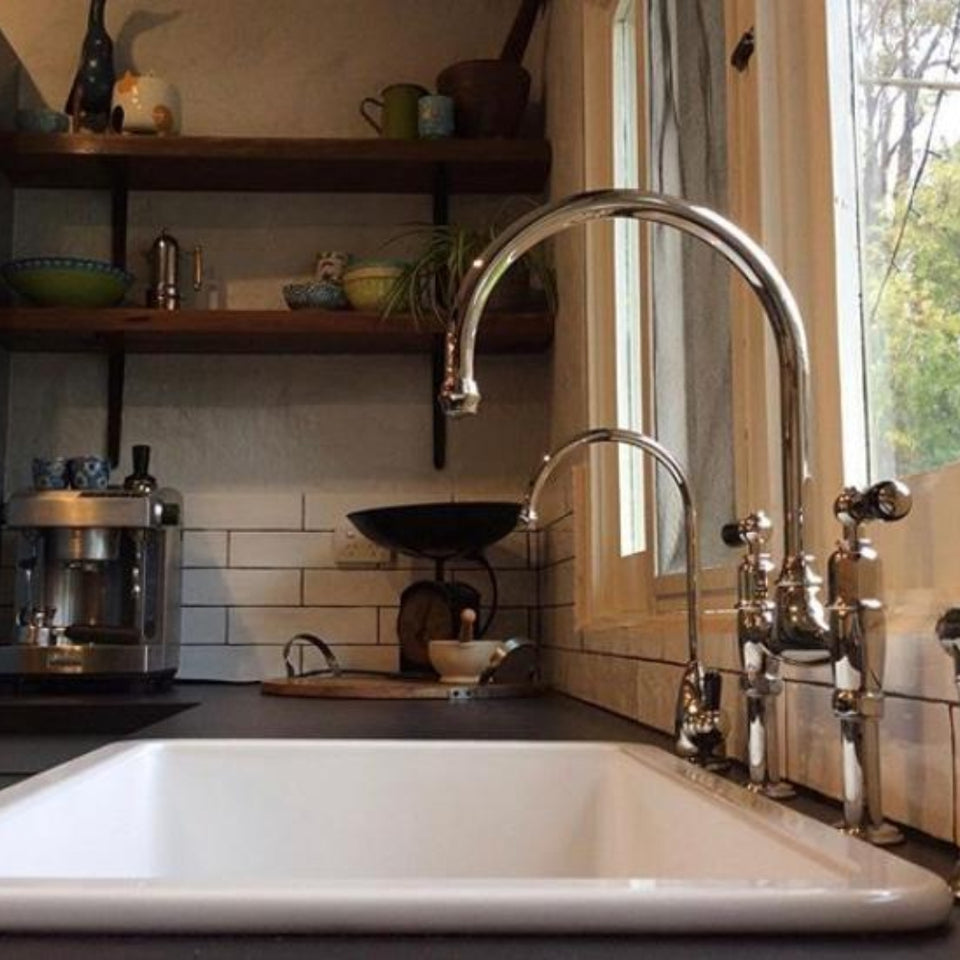
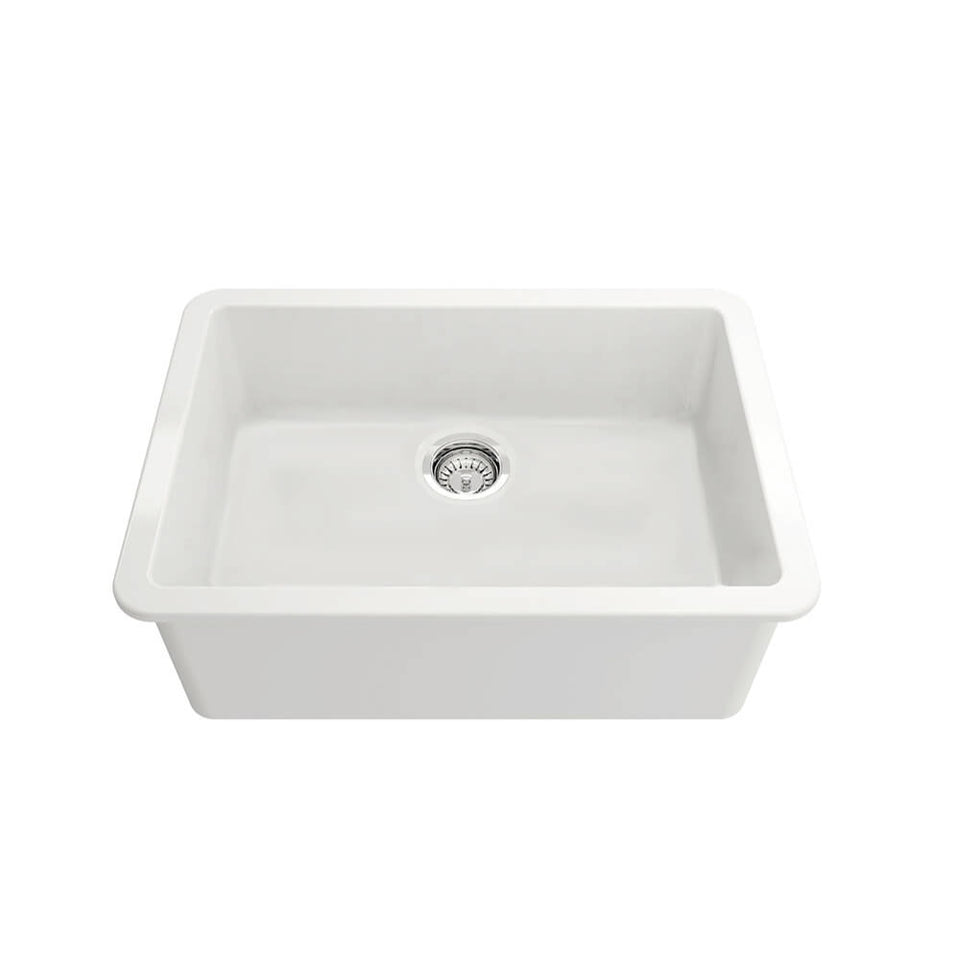
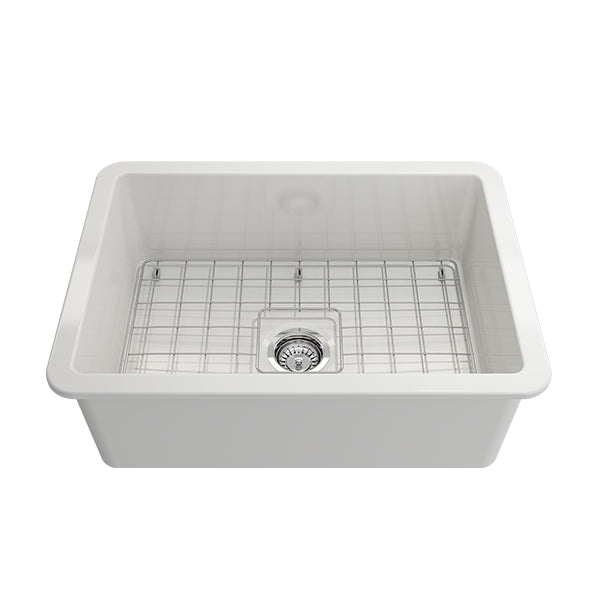
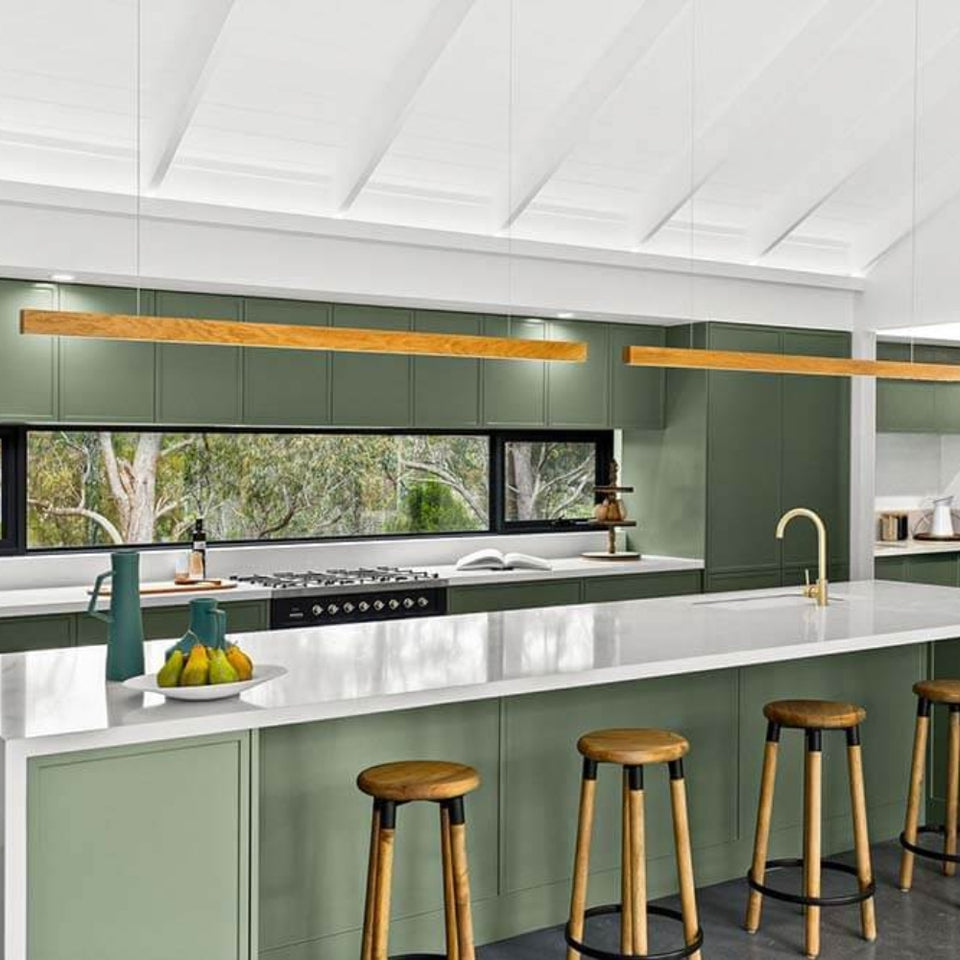
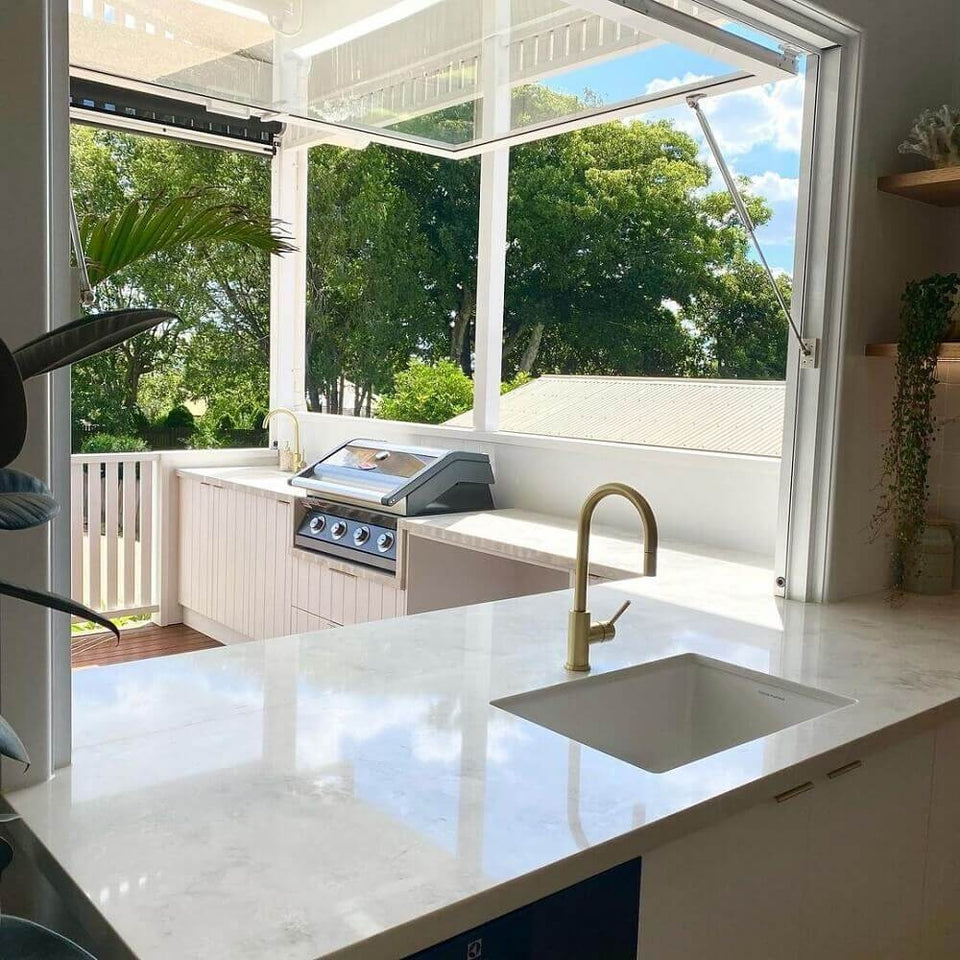
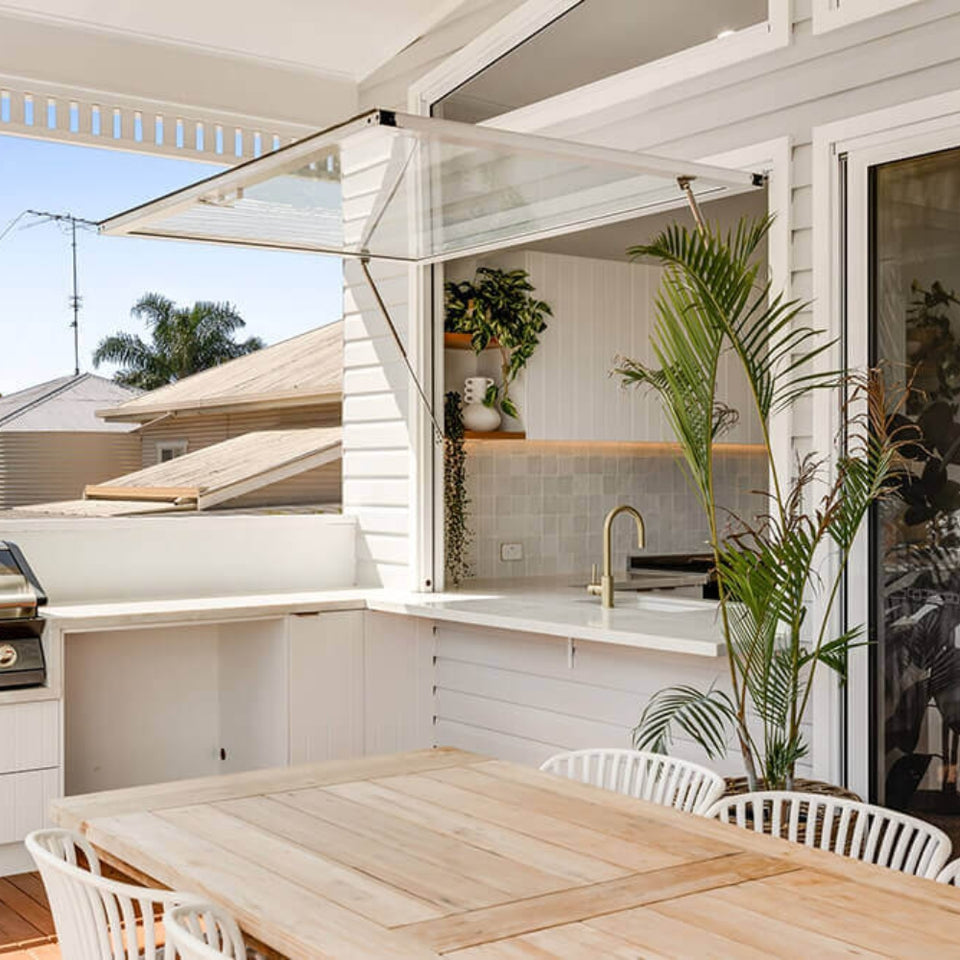
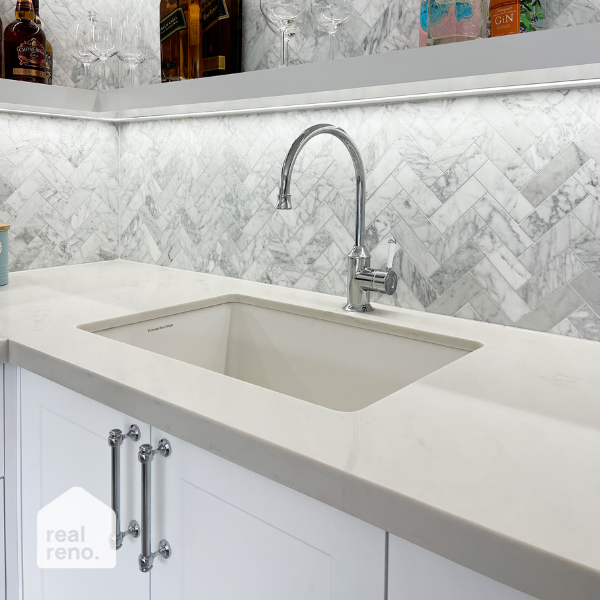
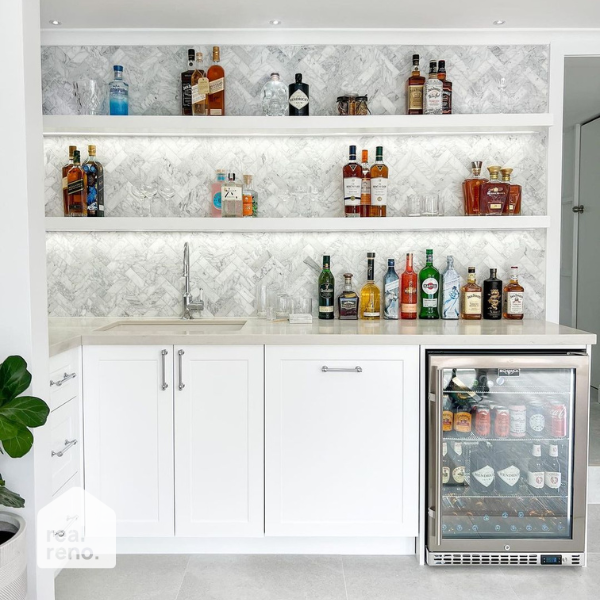
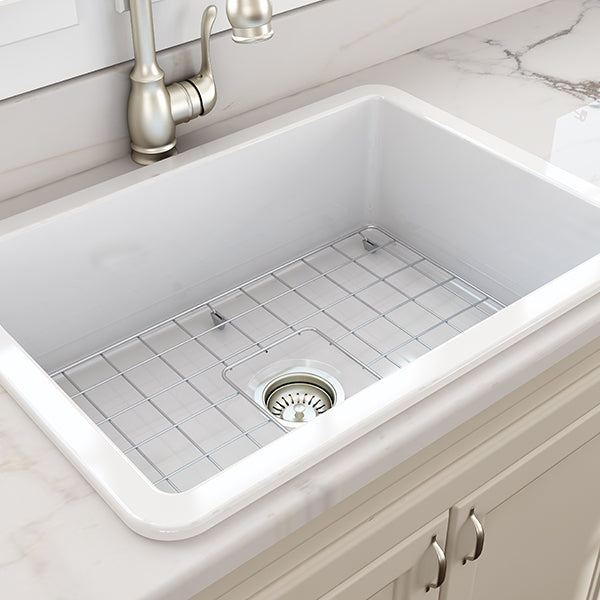
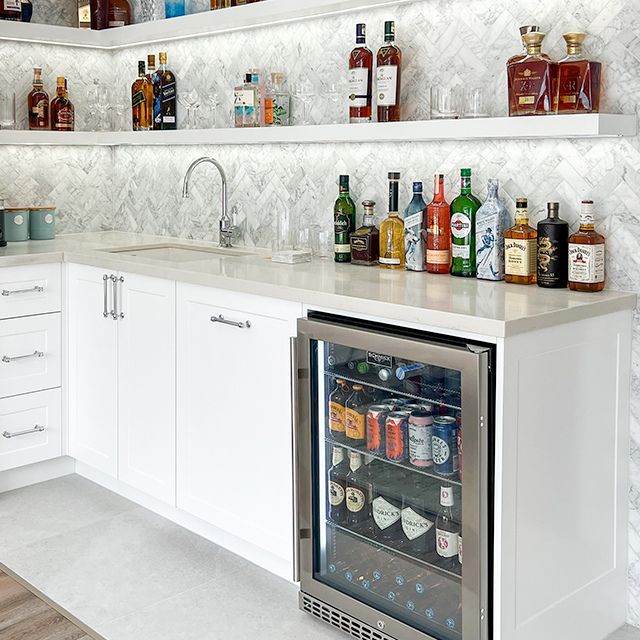

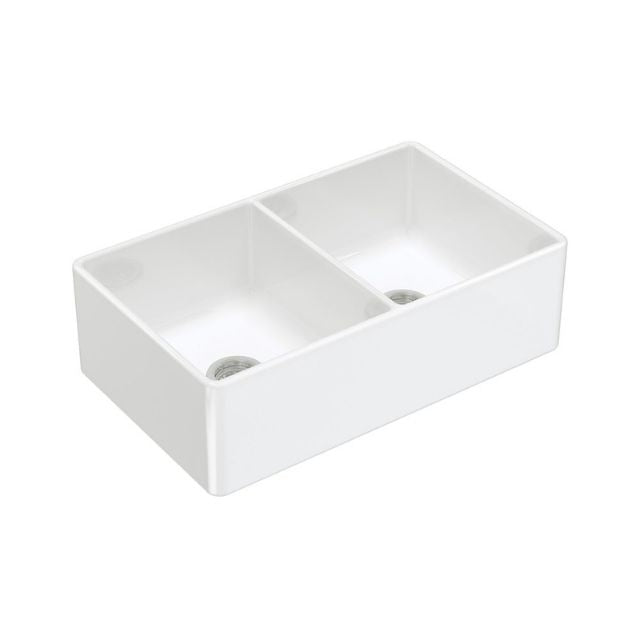
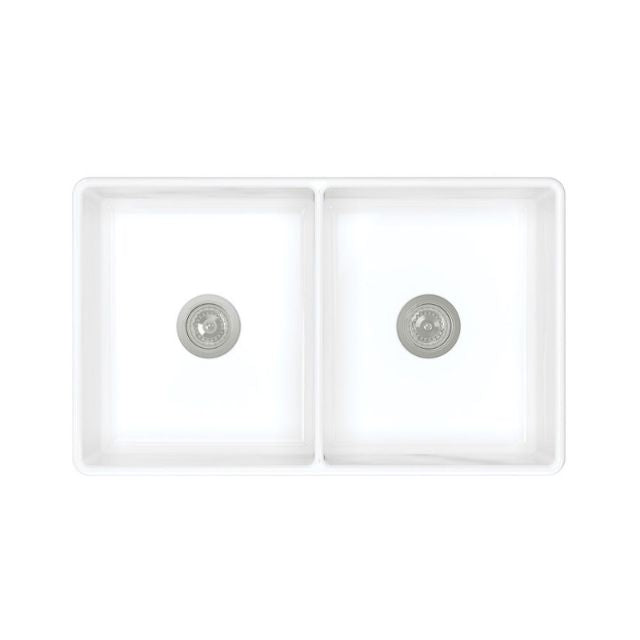
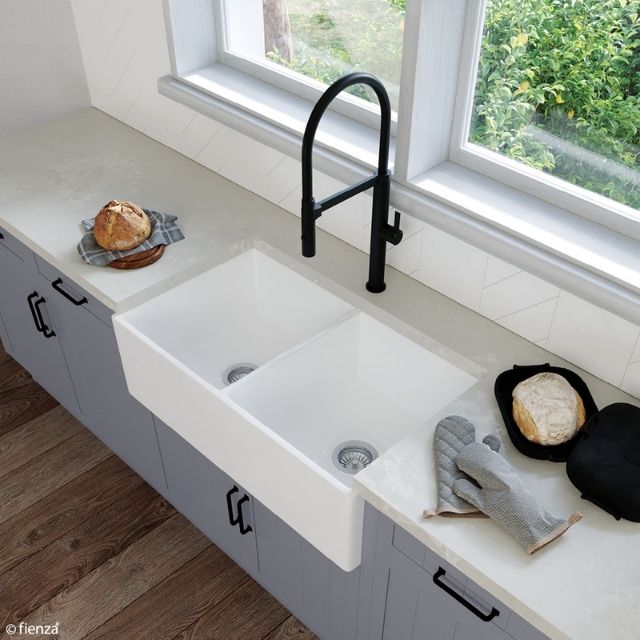
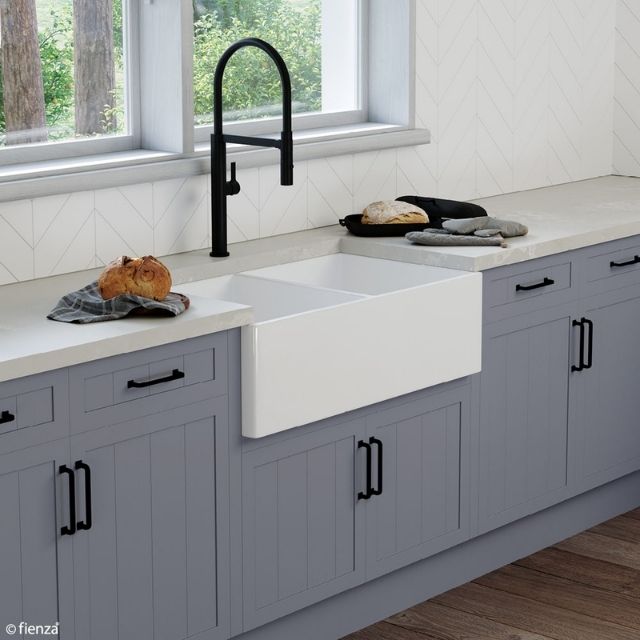
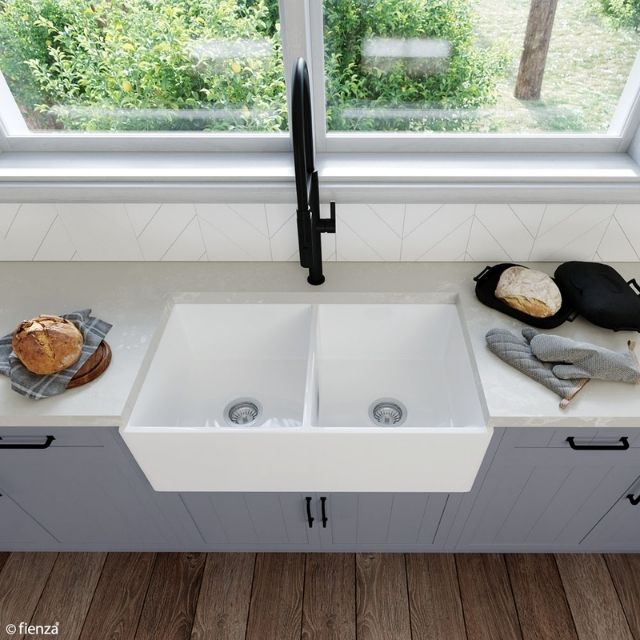
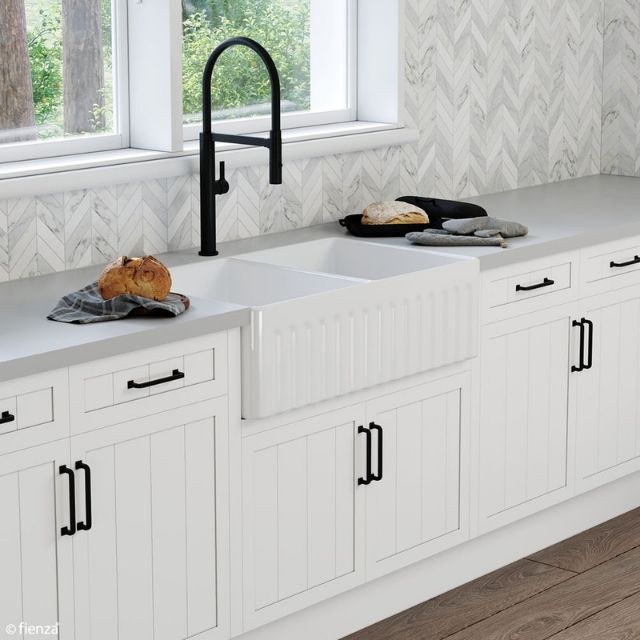
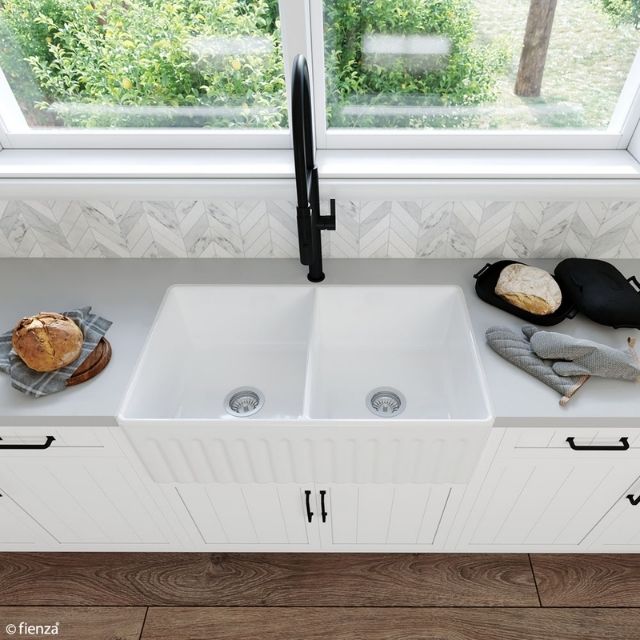

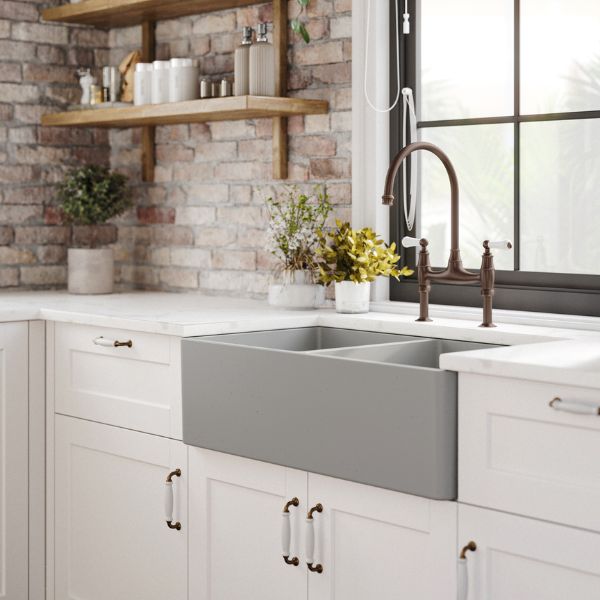
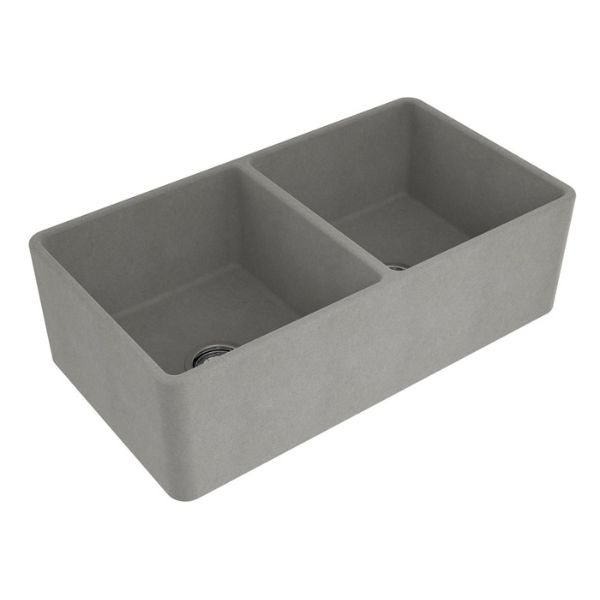
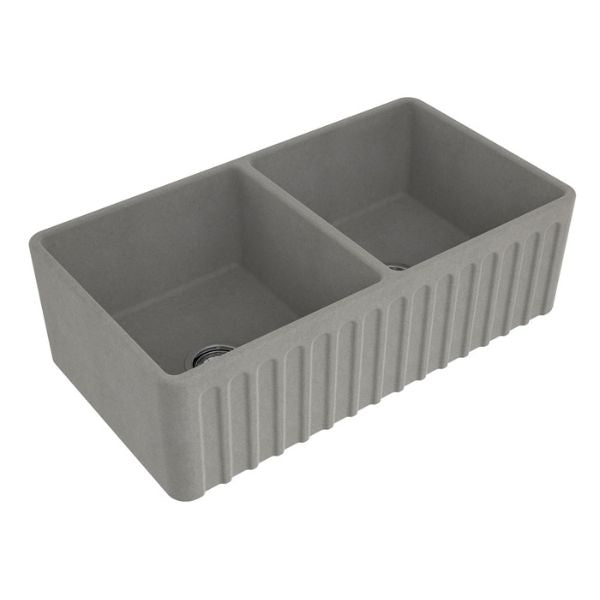

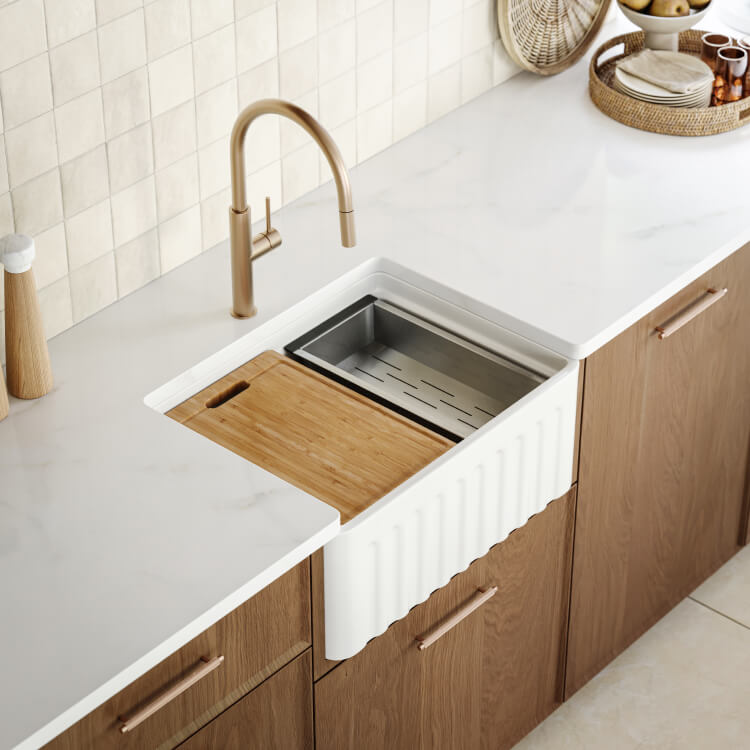
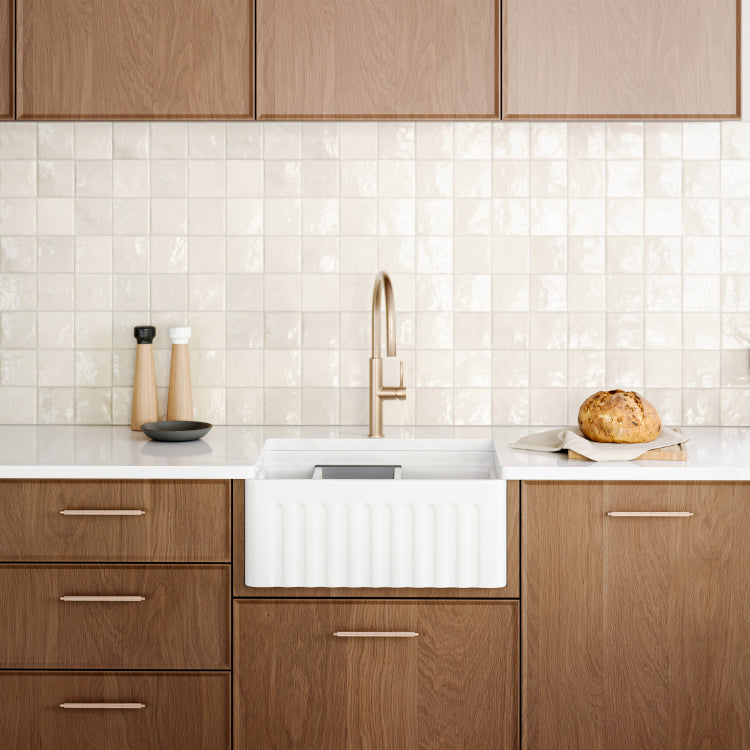
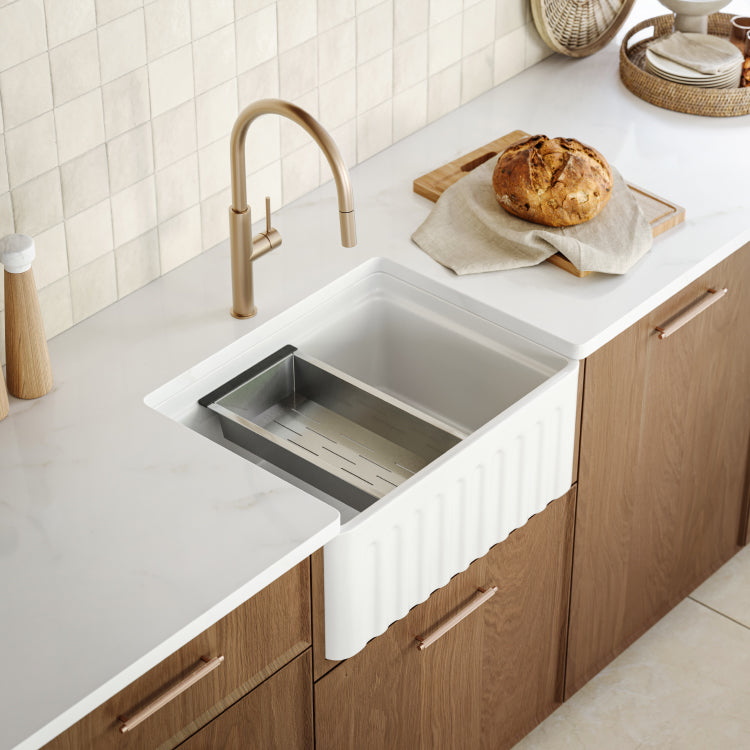
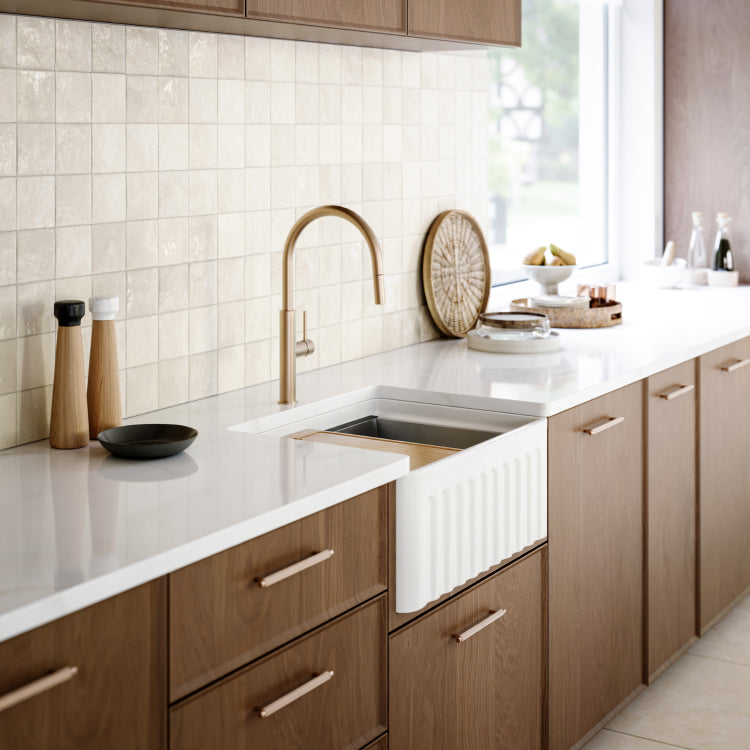
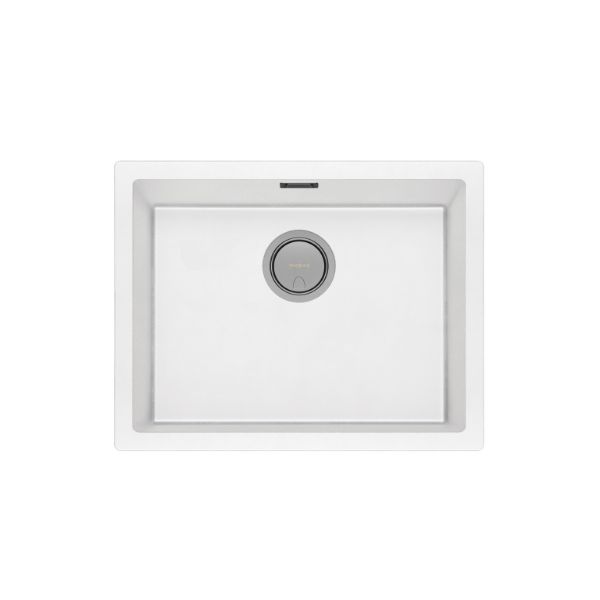
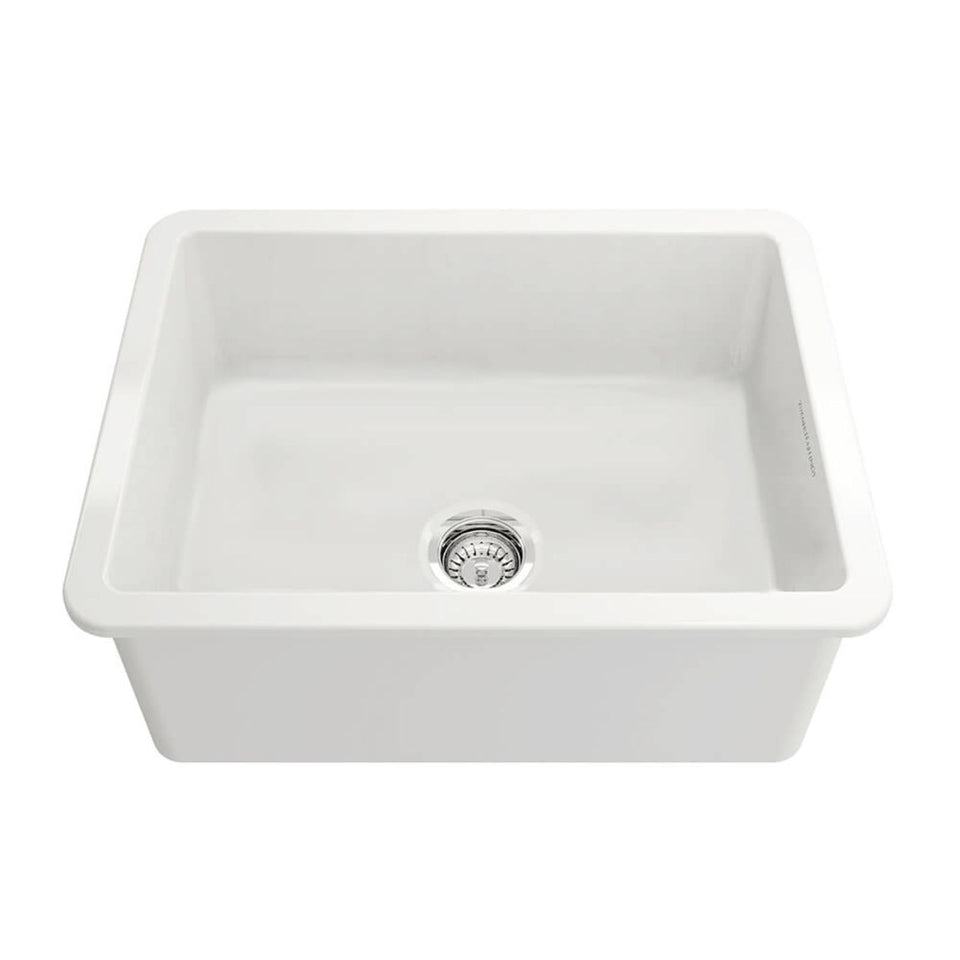
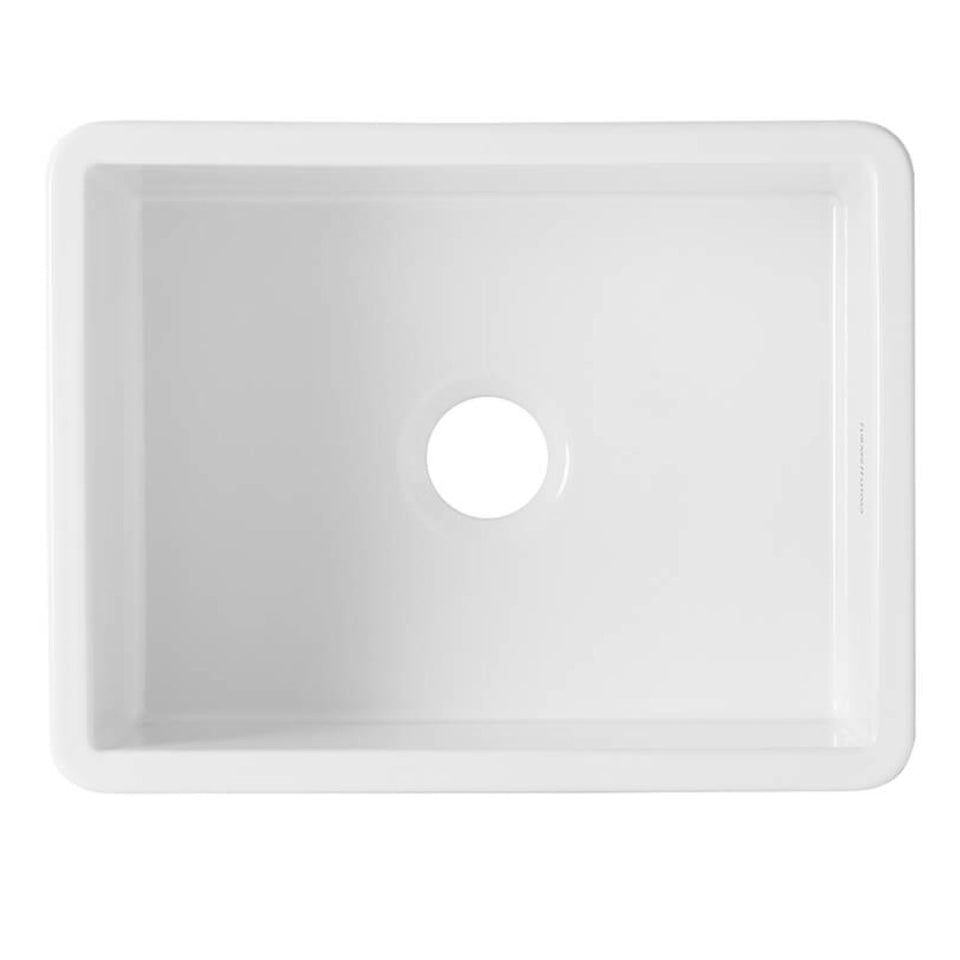
The kitchen sink is the most-used fixture in the room, and white remains a genuinely versatile choice, distinct from standard stainless steel, bringing a softer, brighter quality that can either anchor the space or work quietly in the background.
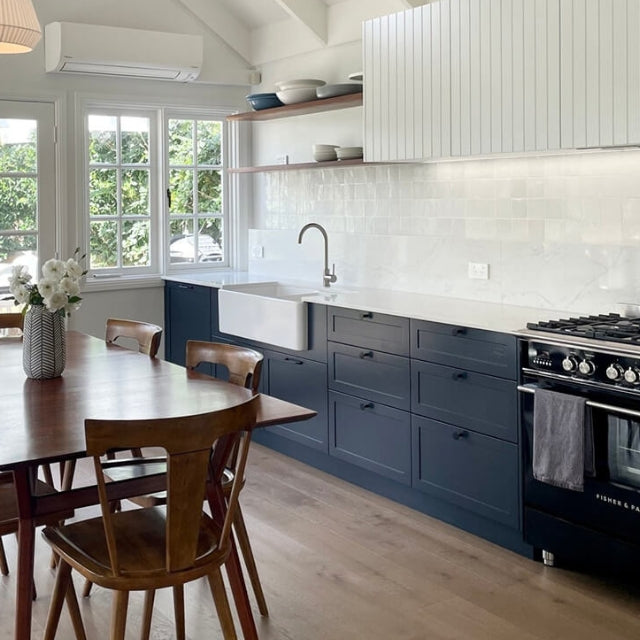
A white butler's sink suits a farmhouse kitchen or a Hamptons-style coastal home particularly well, but its appeal genuinely extends further. In a minimalist kitchen, a white undermount sink blends seamlessly with a light benchtop for an uncluttered look. In an industrial-leaning space, white creates a genuinely sharp contrast against dark cabinetry, concrete or timber.
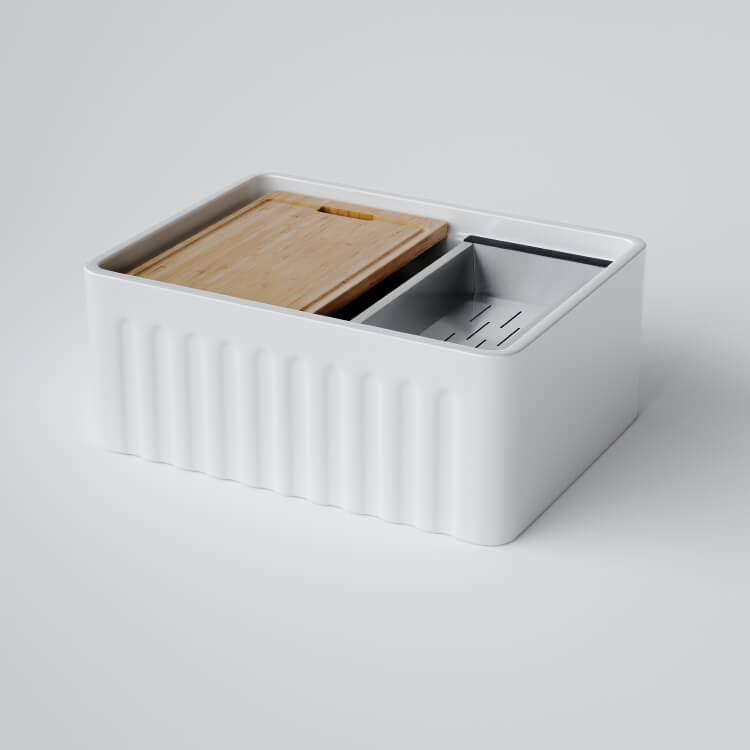
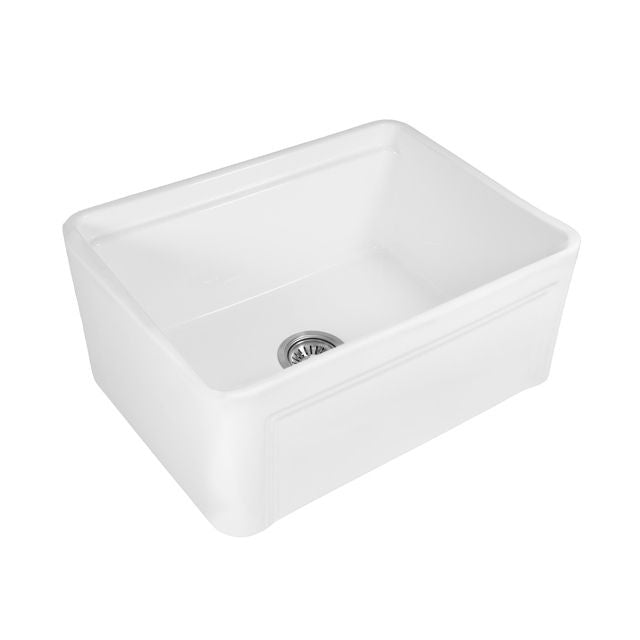
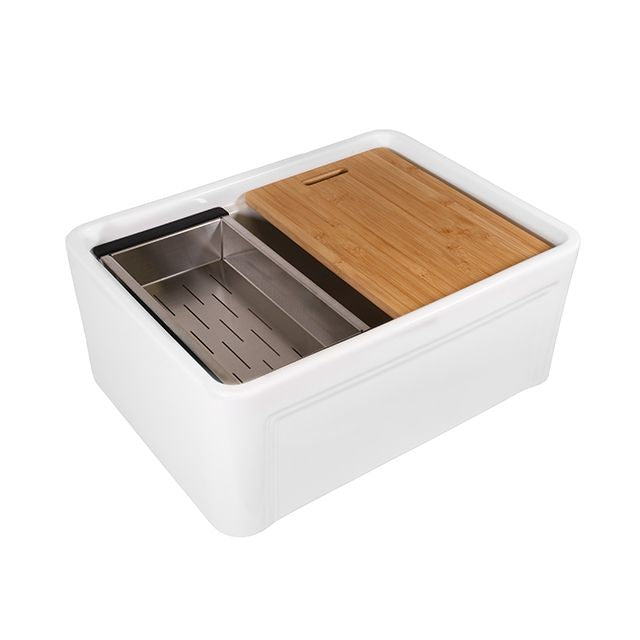
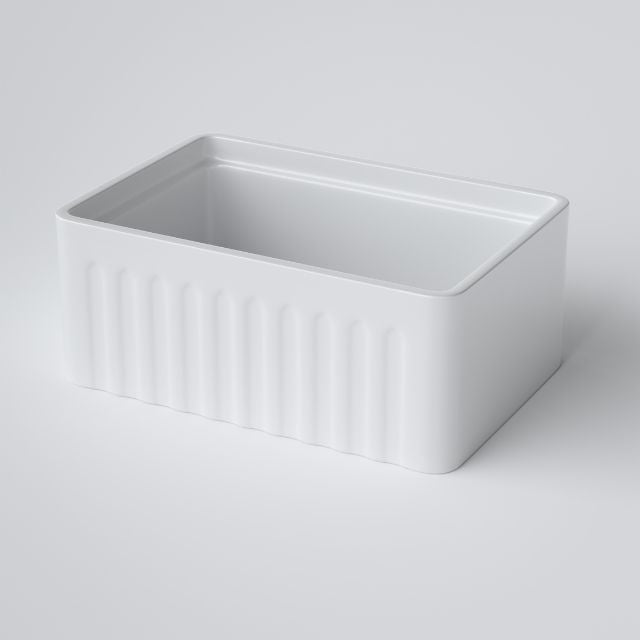
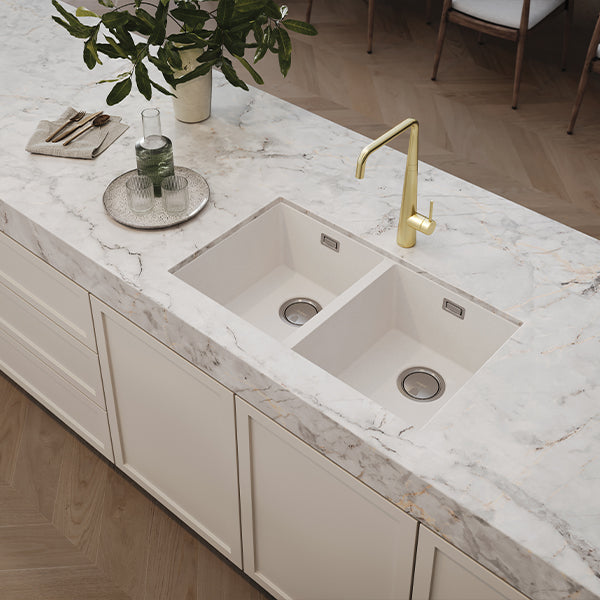
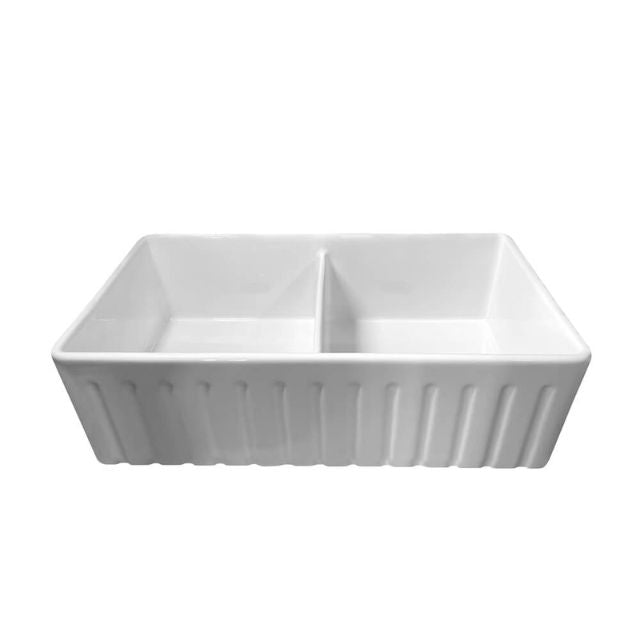
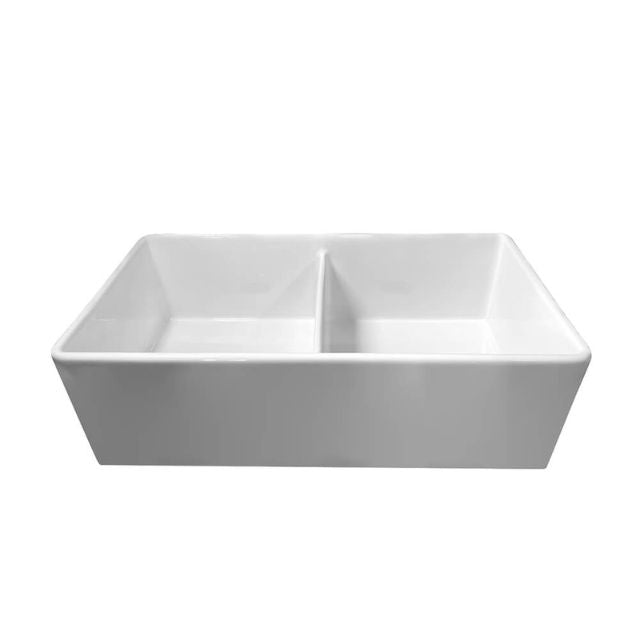
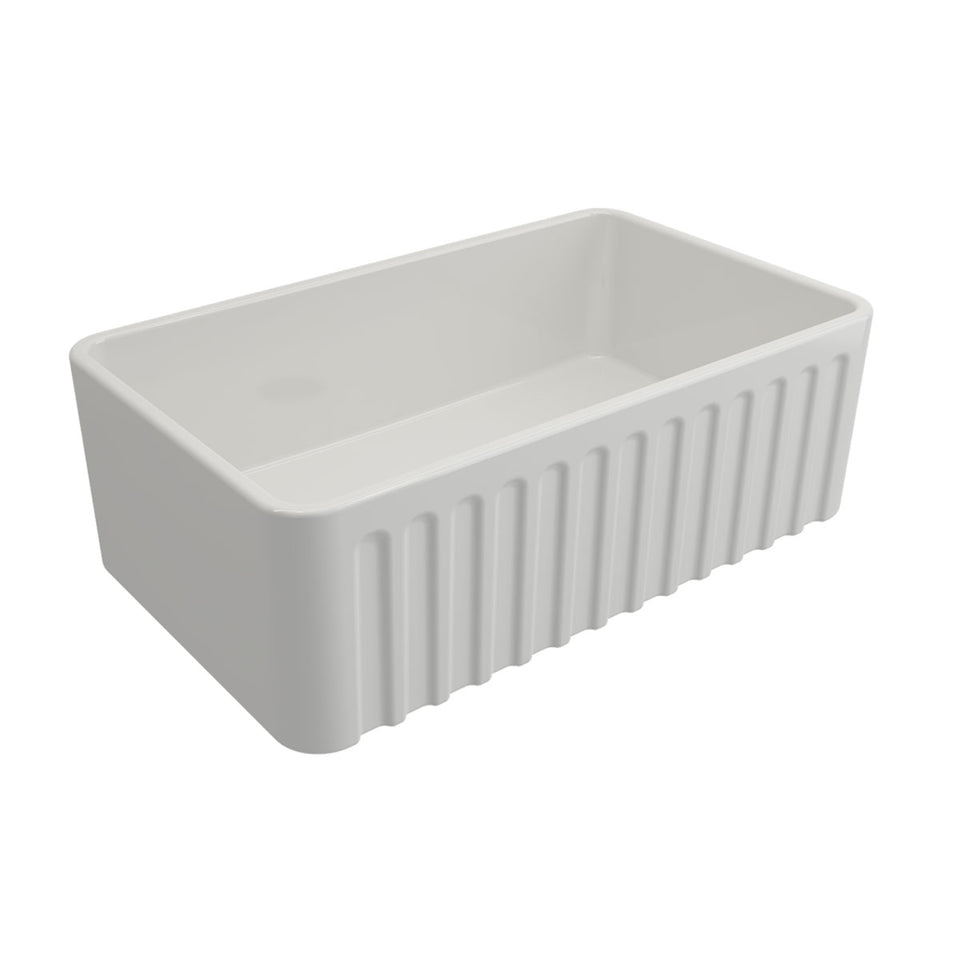
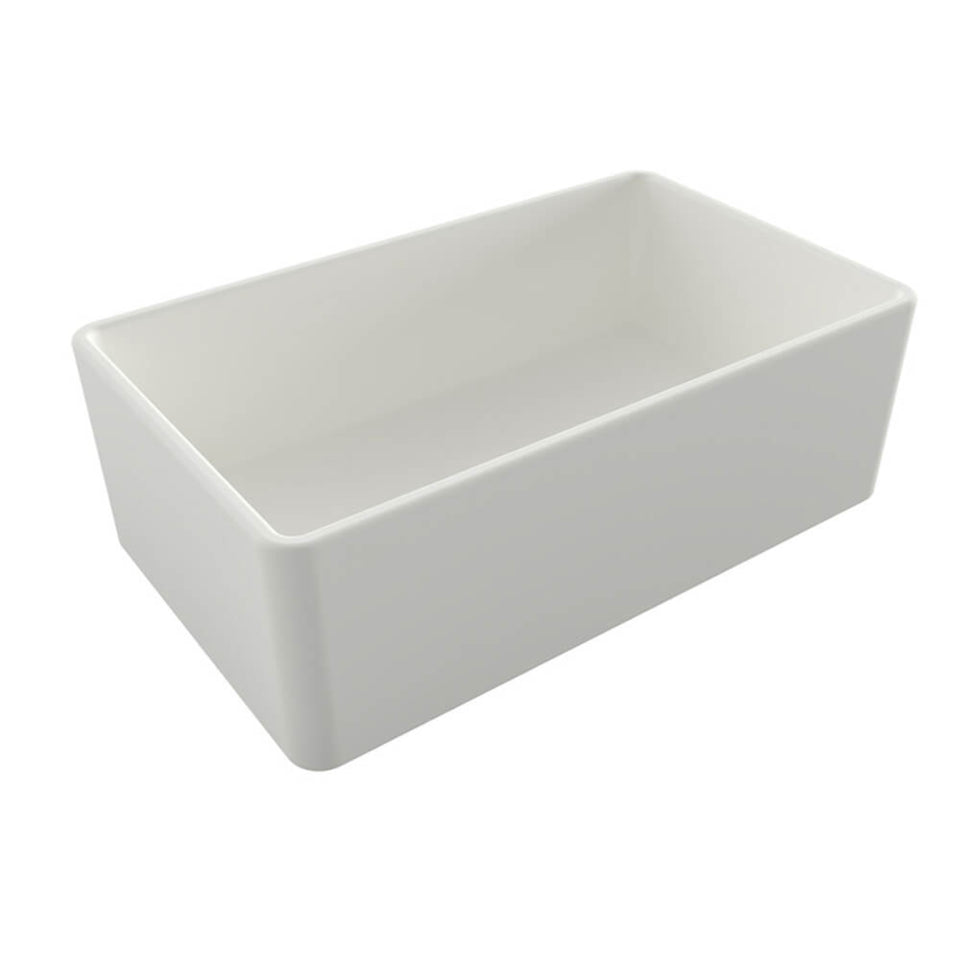
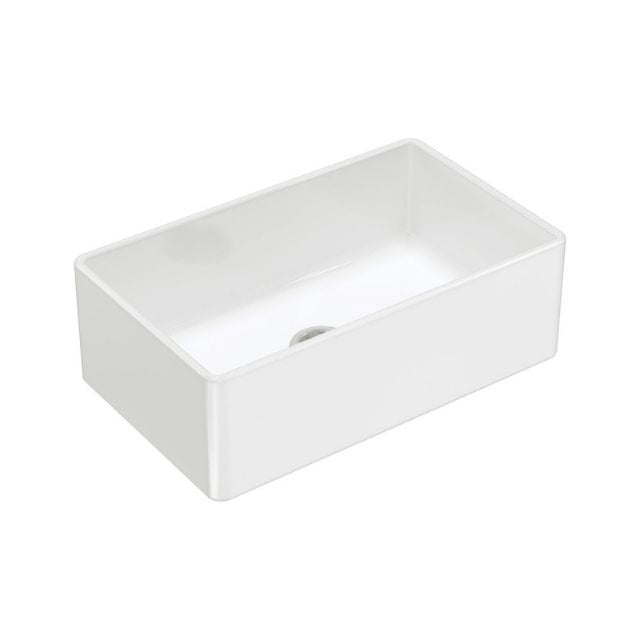
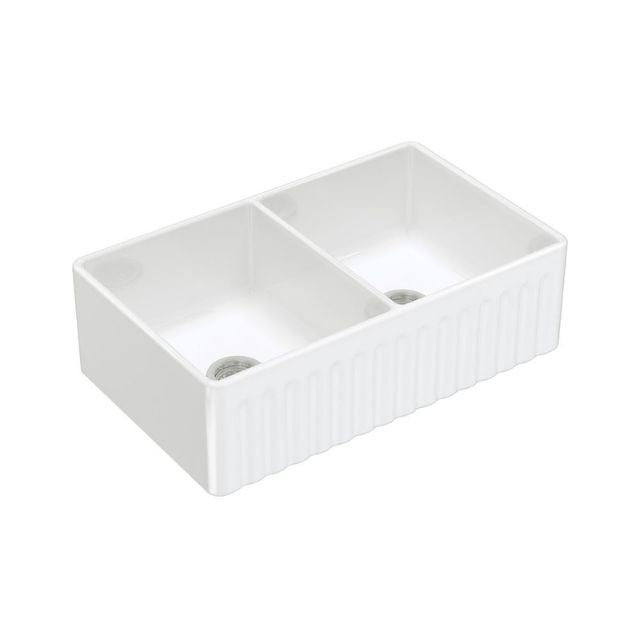
Butler (apron) sinks have a classic exposed front and a genuinely deep bowl, well suited to washing oversized oven trays. Undermount sinks install beneath the benchtop, letting spills and crumbs be wiped directly in without a rim in the way, best paired with a stone or solid surface benchtop. Inset (top-mount) sinks remain the classic drop-in style, straightforward to install in almost any benchtop material including laminate. Assisted living sinks prioritise practical accessibility, often with a shallower bowl, without sacrificing style.
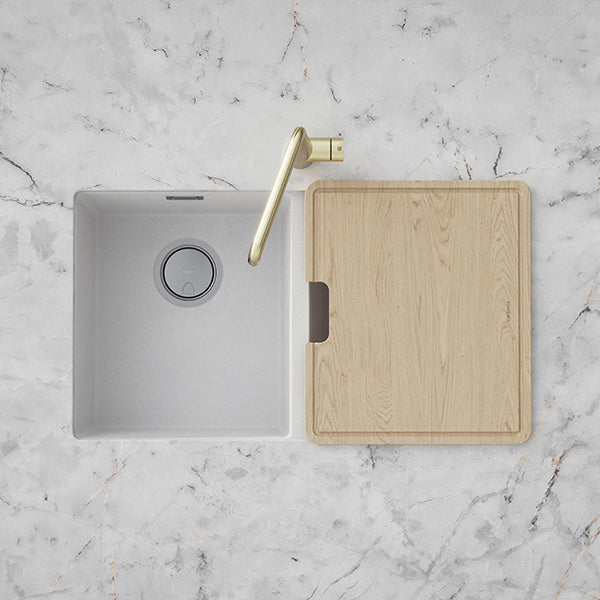
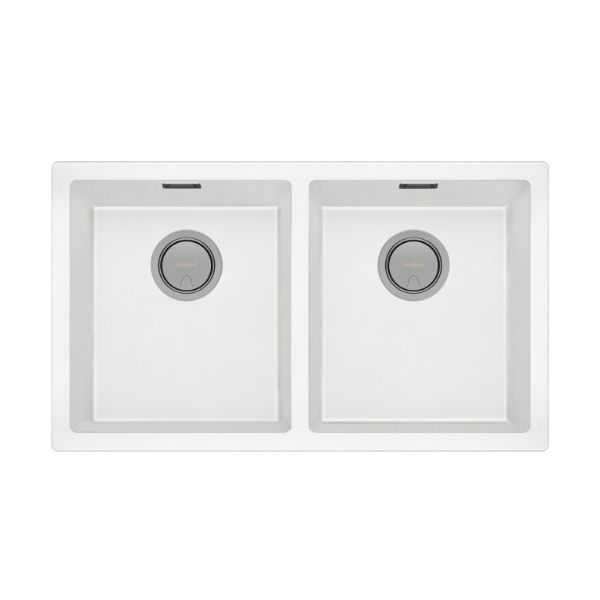
Small sinks suit a compact kitchen, butler's pantry or bar area well. Single bowl sinks give one large, uninterrupted space, genuinely useful for washing an oversized item that wouldn't fit in a divided sink. 1.75 bowl sinks pair a full-size main bowl with a smaller secondary basin, handy for rinsing vegetables or defrosting something while the main bowl is in use. Double bowl sinks suit simultaneous washing and rinsing, a genuinely practical setup for a busier household.
Brightness is the most immediate benefit: white bounces light around a room, a genuine advantage in a smaller or darker kitchen. Genuine versatility follows, since white pairs comfortably with a warm timber benchtop, a dramatic black stone counter, or a classic marble-look laminate, and doesn't clash with chrome, black or brass tapware. Durability holds up well too: fireclay is fired at genuinely high temperatures, giving strong resistance to scratches, chips and stains. Timelessness rounds out the case, since white doesn't tie the kitchen to a single trend cycle the way a bolder colour might.
Ceramic and fireclay give a classic, high-gloss look, with fireclay specifically offering genuine, superior durability. Solid surface composites bring a more contemporary matte finish, feeling slightly softer and warmer to the touch, with the genuine advantage that minor scratches can often be buffed out.
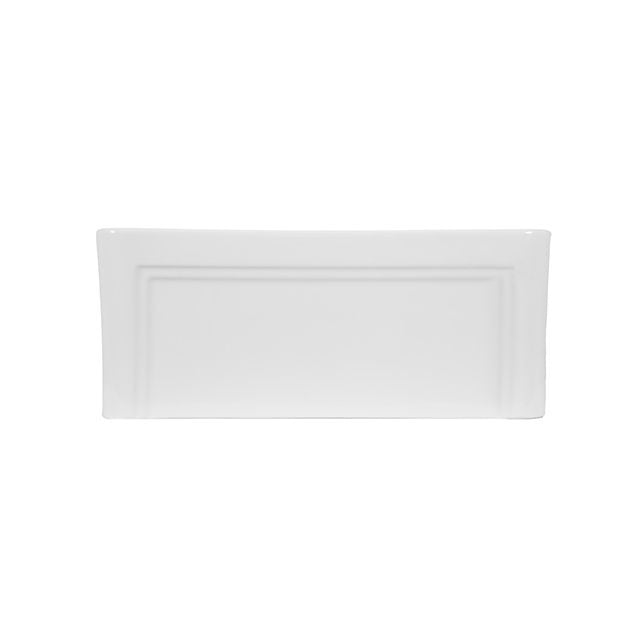
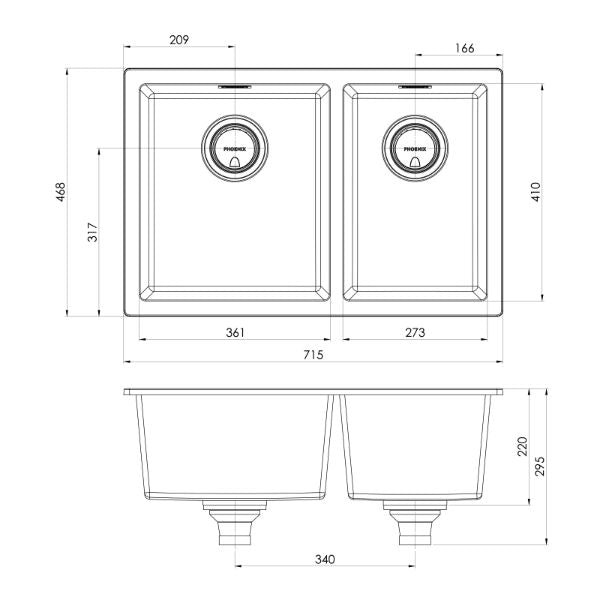
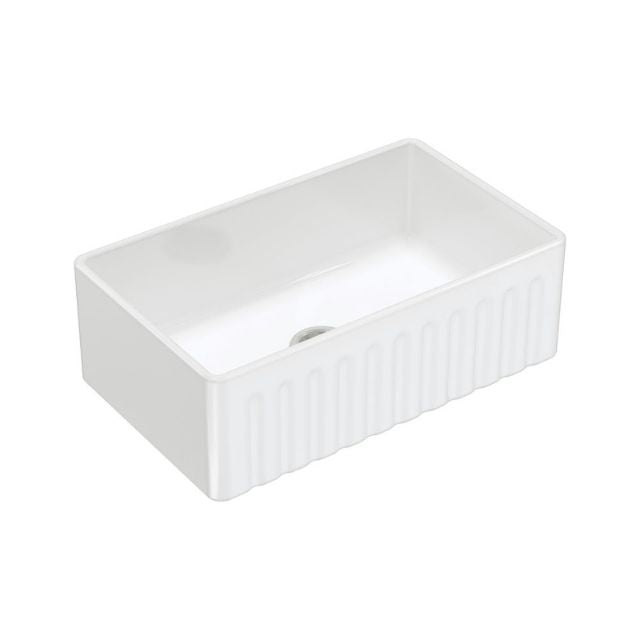
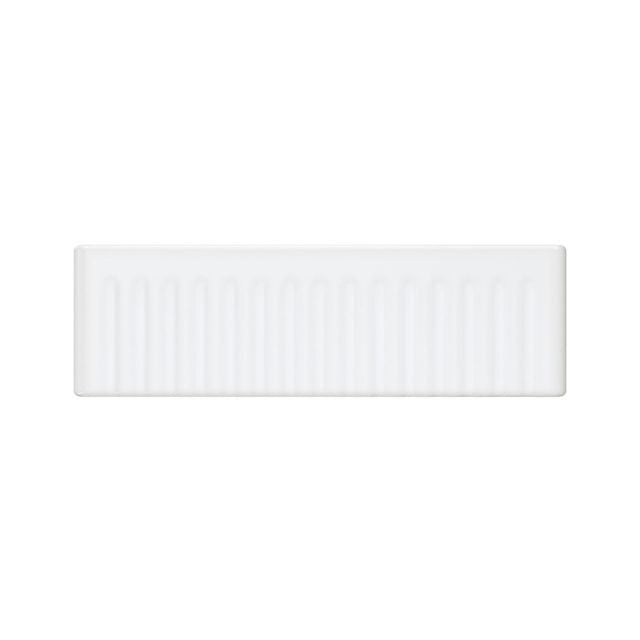
Turner Hastings' Cuisine, Novi, Cove and Galdor ranges span a genuinely wide selection of fireclay butler and inset sinks. Otti's Boston and Hampshire butler sinks offer a similar character at a different price point. Fienza's Olivia and Charlton ranges include a reversible fluted or flat front, giving genuine flexibility to choose the look during installation. Phoenix's 5000 Series brings a matte white quartz resin finish across single, double and 1.75 bowl configurations, and Bao Bath's ceramic farmhouse sink rounds out the collection.
Rinsing the sink after use is the single most useful habit, preventing coffee or wine from sitting and staining overnight. For daily cleaning, dish soap on a soft cloth is generally sufficient, with abrasive cleaners and steel wool avoided since they can damage the finish. For a stubborn mark, a paste of bicarb soda and water, left to sit for a few minutes before wiping away, is usually effective.
For genuinely easy maintenance, a satin (rather than mirror-polished) stainless steel finish hides scratches and water marks well, and composite granite sinks are highly stain-resistant. White enamel or fireclay is worth avoiding for a household generating heavy staining, coffee or red wine among them, since these require more careful ongoing care. Looking for a sink with a waste included simplifies installation.
An undermount sink mounts below the benchtop, with the benchtop material finishing cleanly at the sink opening's edge, ideal for a stone or solid surface benchtop. A top-mount (drop-in) sink drops into the benchtop from above with the rim visible. Undermount sinks are easier to wipe crumbs directly into and give a more streamlined look, while a top-mount sink offers more flexibility across benchtop materials.
Sink size depends on benchtop width and how the kitchen is actually used. Single bowl sinks typically range from 400mm to 700mm wide, suiting a smaller kitchen or one with a dishwasher. Double bowl sinks, generally 700mm to 900mm, suit simultaneous washing and rinsing in a larger family kitchen. Measuring the cabinet opening carefully matters, since the sink needs to fit within the internal cabinet dimensions.
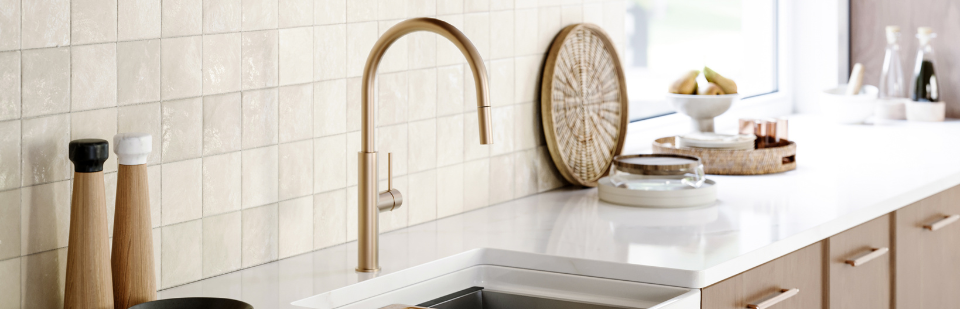
A white sink is easiest to finalise alongside its tapware, since spout height and mounting position both depend on the sink's depth and configuration. The Blue Space's Kitchen Taps collection is worth reviewing alongside a sink selection to bring the full kitchen together.


