
*View accurate shipping rates and availability






4 Items
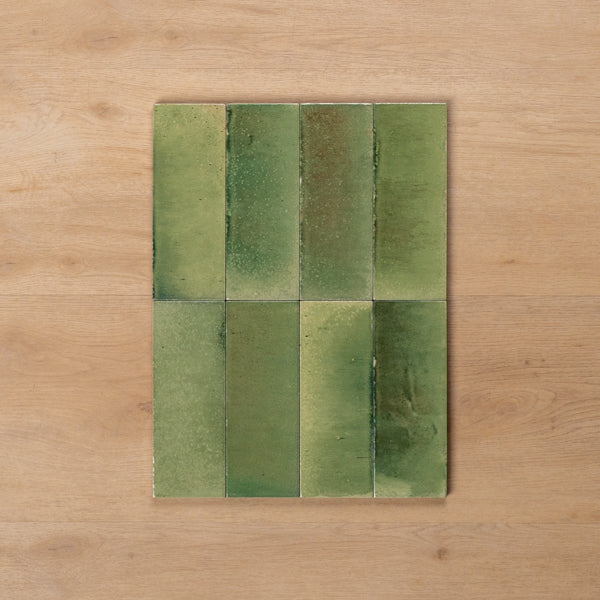
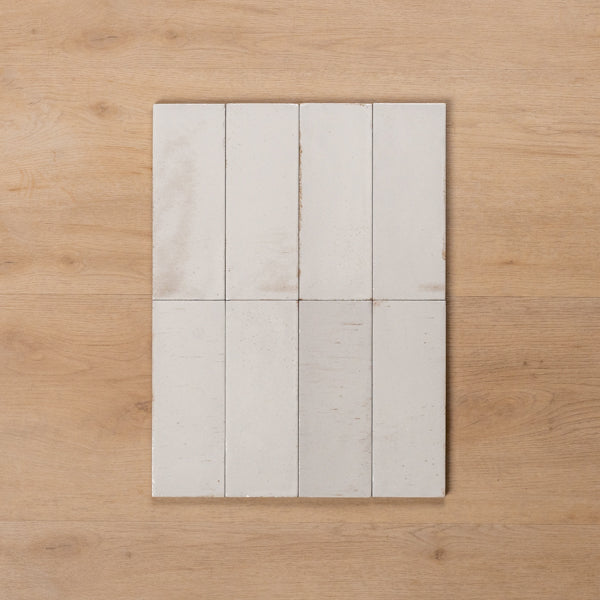
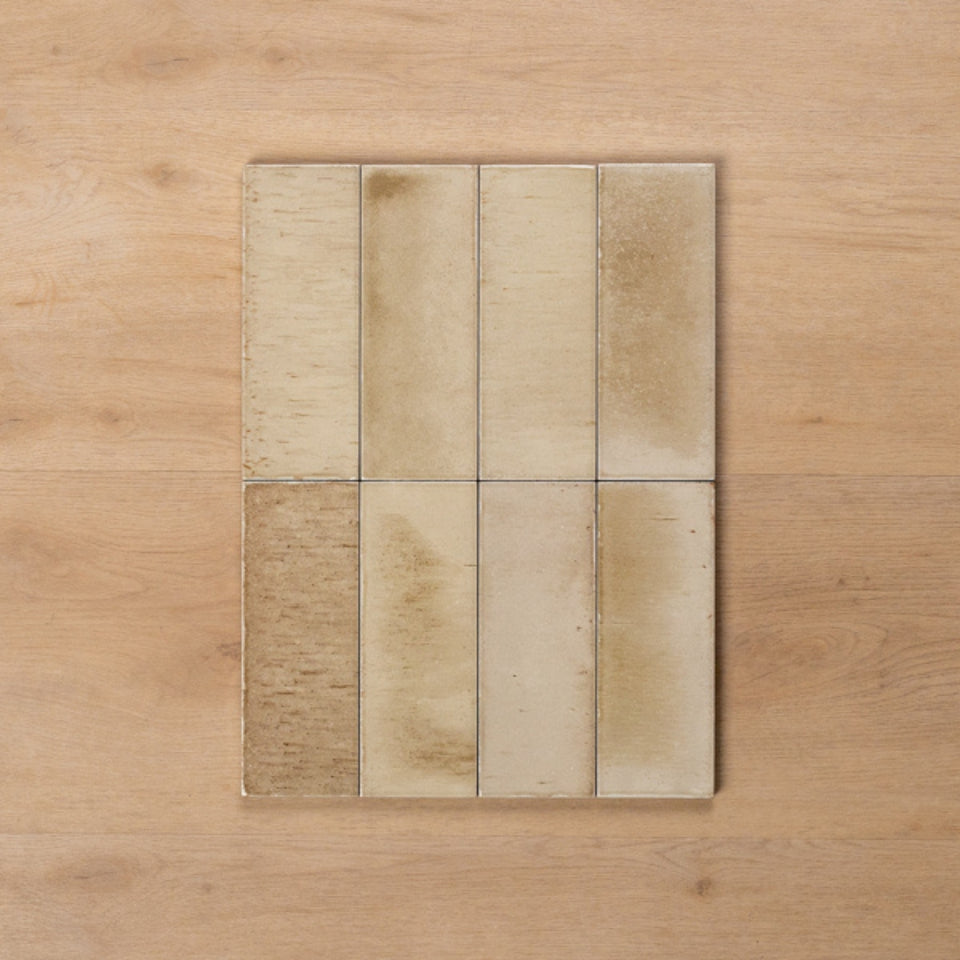
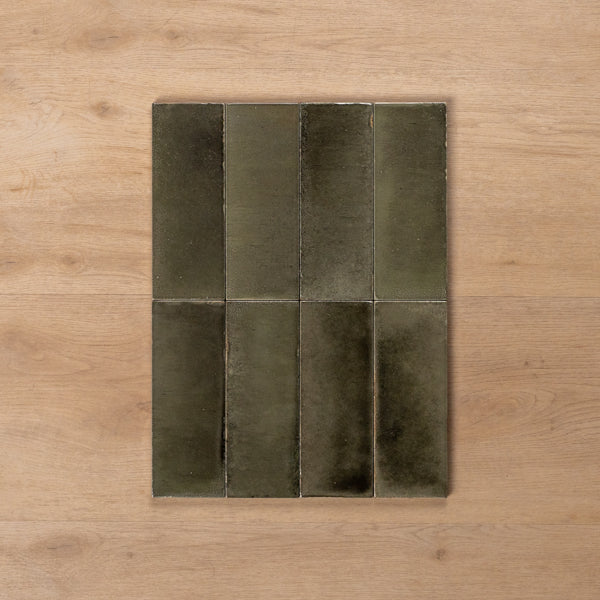
75x200mm tiles are one of the most searched subway tile formats in Australia, used across bathroom walls, kitchen splashbacks, laundry areas and feature walls. This collection covers ceramic and porcelain options in the 75x200mm format, with finishes ranging from gloss white and matte to sage green, terracotta and marble-look, available with Australia-wide delivery.
A 75x200mm tile is a rectangular wall tile with a 1:2.67 width-to-length ratio — the proportions most associated with the classic subway or metro tile aesthetic. This size sits between the traditional 75x150mm brick tile and larger format rectangles, giving it enough presence on a wall to read as a statement without competing with fixtures. It works horizontally in a standard brick offset, vertically in a stacked pattern, or at 45 degrees in a herringbone layout, which makes it one of the most layout-versatile tile sizes available.
75x200mm tiles are rated for internal walls only and are suited to wet areas including shower enclosures, bath surrounds and bathroom walls, as well as kitchen splashbacks, laundry walls and dry feature walls. They are not suitable for floor use — the glazed surface on most finishes does not meet the AS 4586 slip resistance requirements for floors. For coordinating floor tiles, see the broader tiles collection.
The most commonly stocked finishes are gloss white, matte white, gloss off-white or cream, and a range of earthy and muted tones including sage green, dusty pink, terracotta, charcoal and warm grey. Marble-look and travertine-look options are available in gloss or honed finishes for a natural stone appearance without the maintenance. Bevelled-edge variants add a faceted shadow line at the grout joint, which is a different visual effect from a flat-face tile even when the base colour is identical. Check product listings for slip resistance ratings, water absorption class and whether the finish is rectified or pressed-edge.
The three most common patterns for 75x200mm tiles are brick offset (33% or 50%), vertical stacked bond and herringbone. Brick offset at 33% is the standard subway look and minimises lippage on non-rectified tiles. Vertical stacked bond lengthens a wall visually, which suits low-ceilinged bathrooms. Herringbone at 45 degrees uses more tiles per square metre due to cutting waste — allow an additional 10-15% on top of your standard 10% waste factor when ordering. Horizontal stacked bond is possible but puts grout joints under more stress and is less common on large runs.
Multiply the wall height by the width in metres to get the square metre area, subtract any doors or windows, then divide by 0.015 (the area of one 75x200mm tile in square metres). Add 10% for standard cuts and waste, or 15% for herringbone or diagonal layouts. For a standard 1200mm x 2100mm shower niche you would need approximately 168 tiles before waste. Most suppliers sell by the square metre or by the box — confirm coverage per box on each product listing before ordering.
Grout colour changes the character of the finished wall more than almost any other decision. Matching grout (white grout with white tiles) keeps the surface reading as a continuous plane and reduces visual noise. Contrasting grout — typically charcoal or dark grey with white tiles — emphasises the grid pattern and gives a more graphic result. For coloured tiles such as sage green or terracotta, a tone-on-tone grout that is slightly lighter than the tile tends to hold up better visually as the grout weathers. Standard grout joint width for pressed-edge 75x200mm tiles is 2-3mm; rectified tiles can go as low as 1.5mm.
The Blue Space sources 75x200mm tiles from a curated range of ceramic and porcelain suppliers offering products rated for Australian wet area use. Each product listing includes the manufacturer's slip resistance rating, water absorption class, country of manufacture and box coverage. If you are matching an existing tile in a renovation, check the full tiles range for the closest match, or contact the team for sample requests. Orders ship Australia-wide with a 60-day returns policy on unused product in original packaging.


