
*View accurate shipping rates and availability






9 Items
Spend over $800 and receive free gifts in your cart. Towels, accessories and full length mirrors!

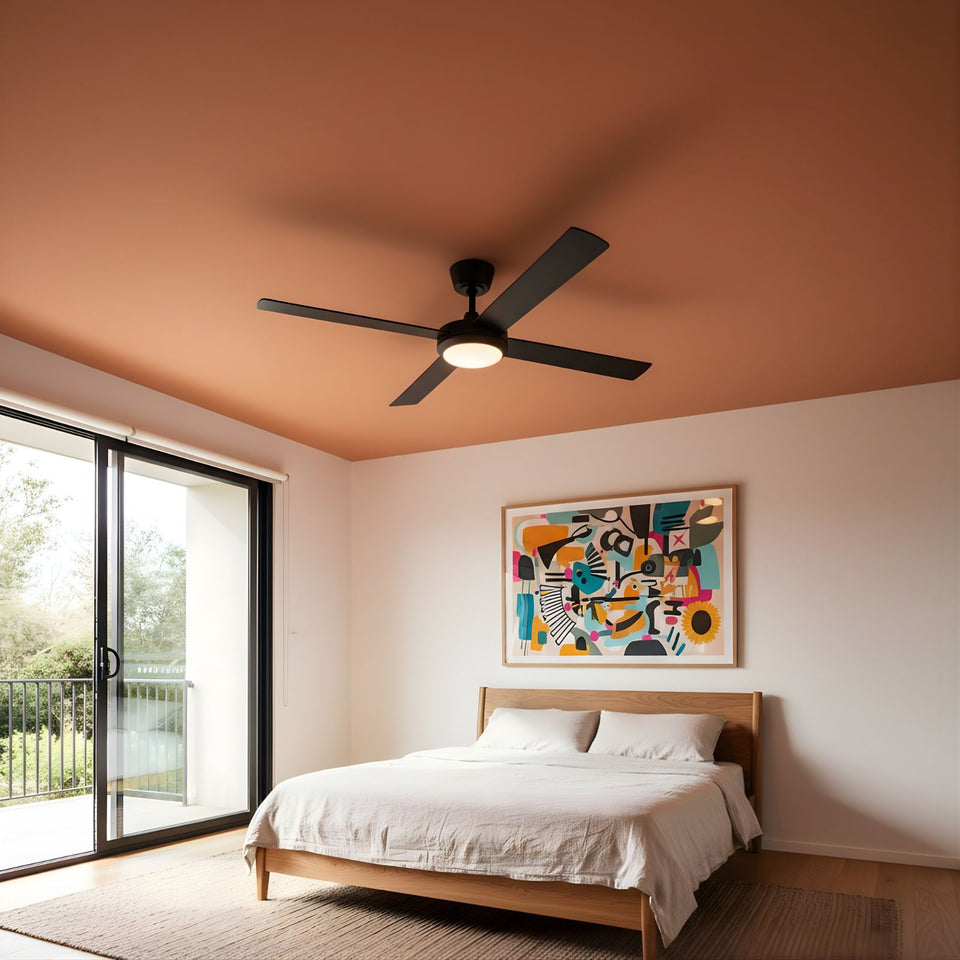

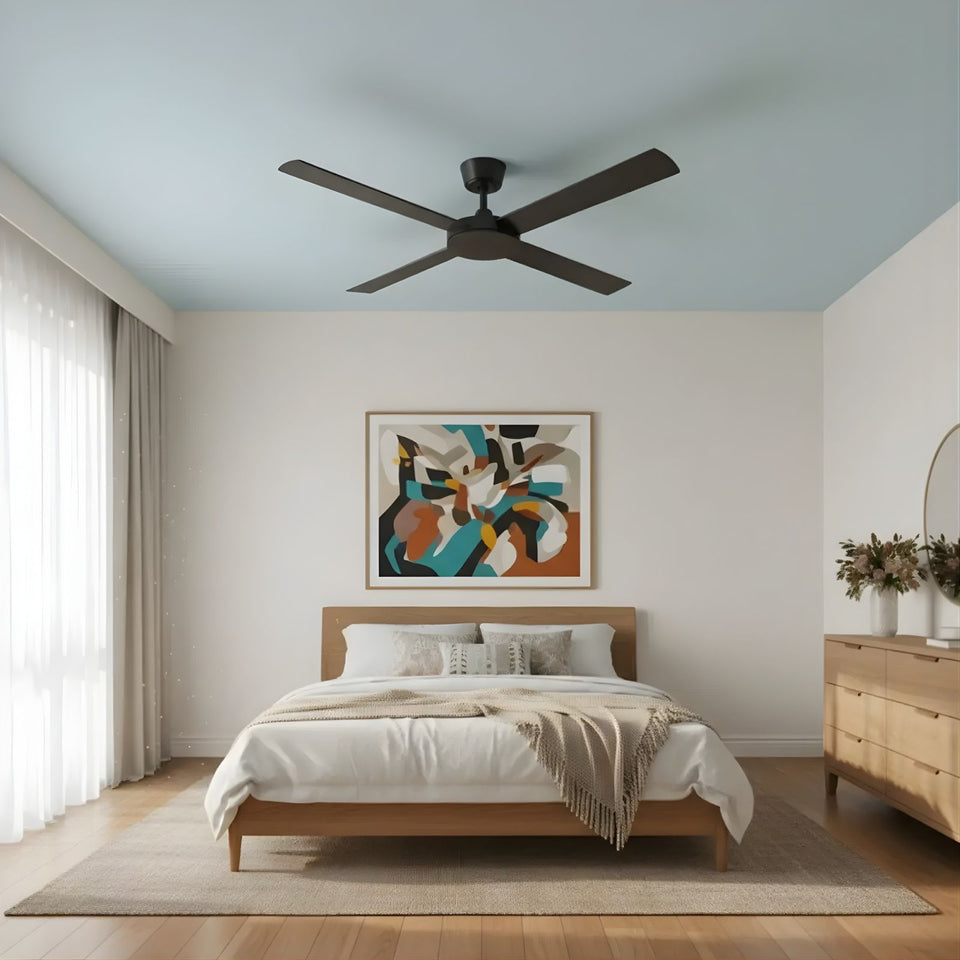
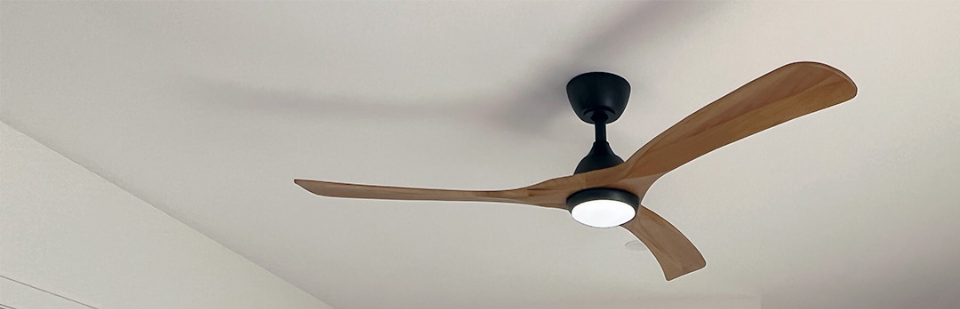
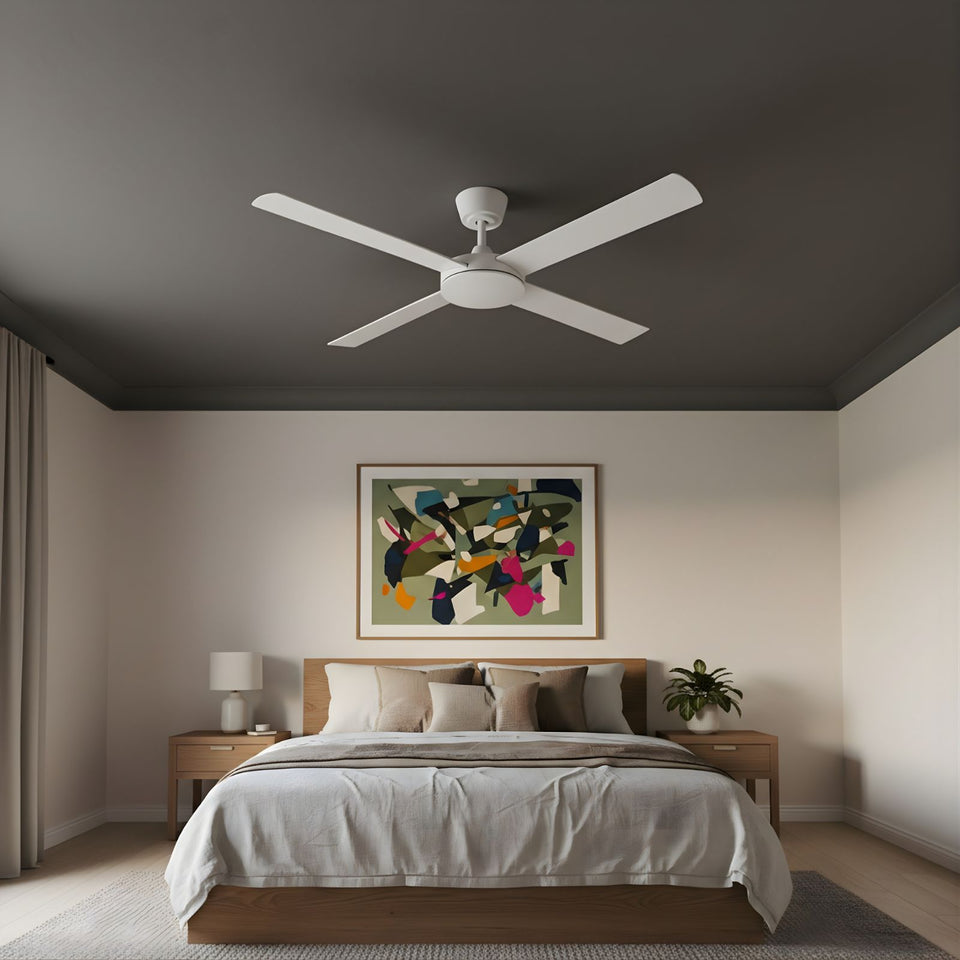
Fanco Eco Silent DC ceiling fans are built around a DC motor, which is the reason for the name and the reason these fans run quieter and use less power than a standard AC ceiling fan. If you want a fan for a bedroom or living space where noise matters, a DC motor design is the main thing to look for.
A DC (direct current) motor is smaller and more efficient than the older AC motors used in many ceiling fans. Because the motor doesn't need to work as hard to move air, it runs with less vibration and noise, which is why Fanco has built this range specifically around quiet operation. The efficiency of a DC motor also means lower running costs over time compared with an equivalent AC fan, since it draws less power to produce the same airflow.
Noise and running cost both matter more in some rooms than others. Bedrooms benefit from a quiet fan that won't disturb sleep, especially if it runs overnight through summer. Living areas and studies also benefit, since a quieter fan means you can leave it running during quiet activities like reading or working from home without it becoming a distraction in the background.
With 10 fans in the Eco Silent DC range, there's room to match a fan to different room sizes and ceiling heights. Ceiling fans are generally sized by blade span, so it's worth checking the diameter suits your room before ordering, since a fan that's too small for a large room won't move enough air, and one that's too large can look out of proportion in a small space.
Ceiling fans in this range are typically installed by a licensed electrician, as they connect to mains power and often to a wall control or remote receiver. Once installed, a DC motor fan can usually run on a wider range of speed settings than an AC fan, giving finer control over airflow without a jump in noise at higher settings.
For anyone who has found a standard ceiling fan too noisy to run overnight, the Eco Silent DC range is built specifically to address that, using the DC motor as the core feature rather than an add-on.


