
*View accurate shipping rates and availability






98 Items





Spend over $800 and receive free gifts in your cart. Towels, accessories and full length mirrors!
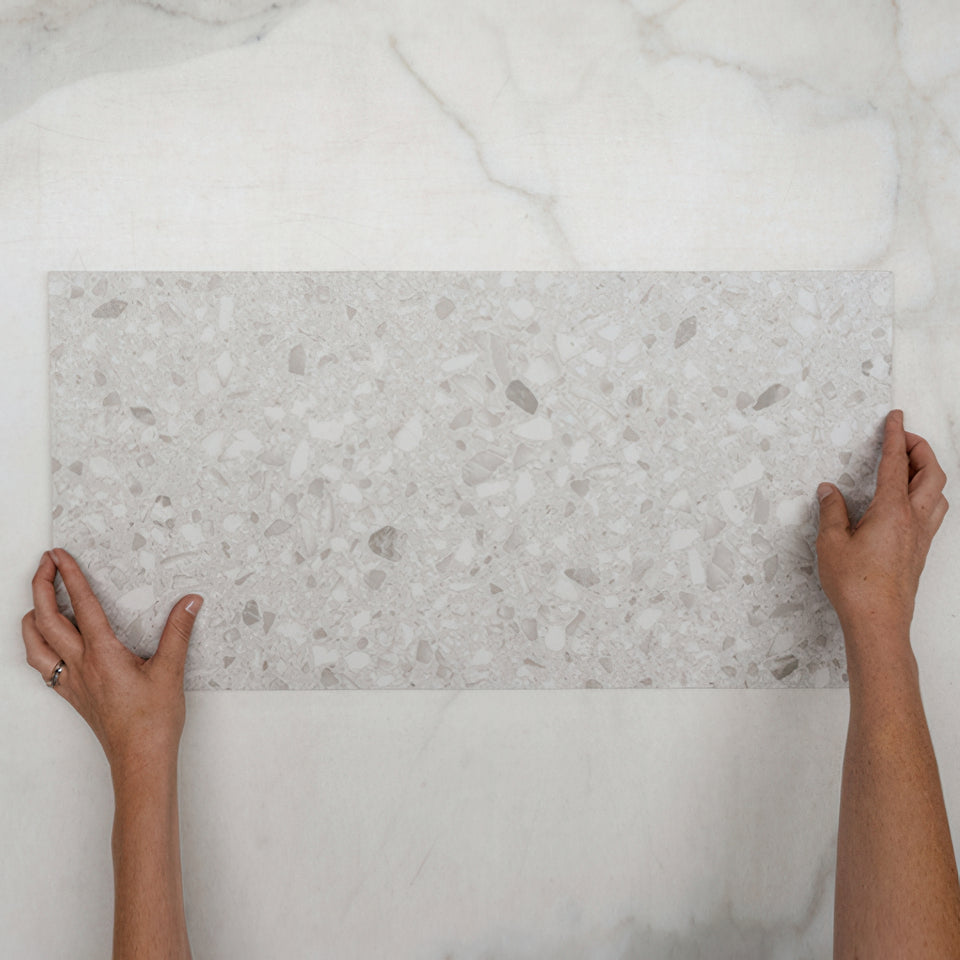
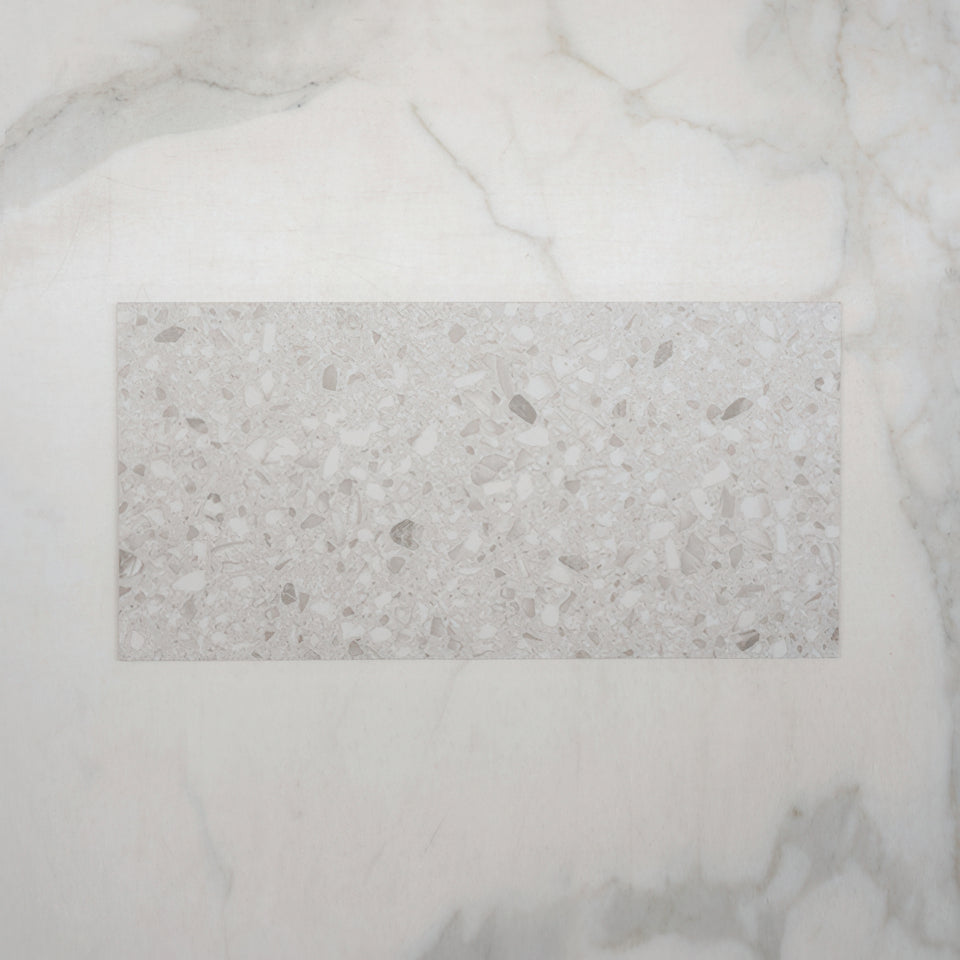
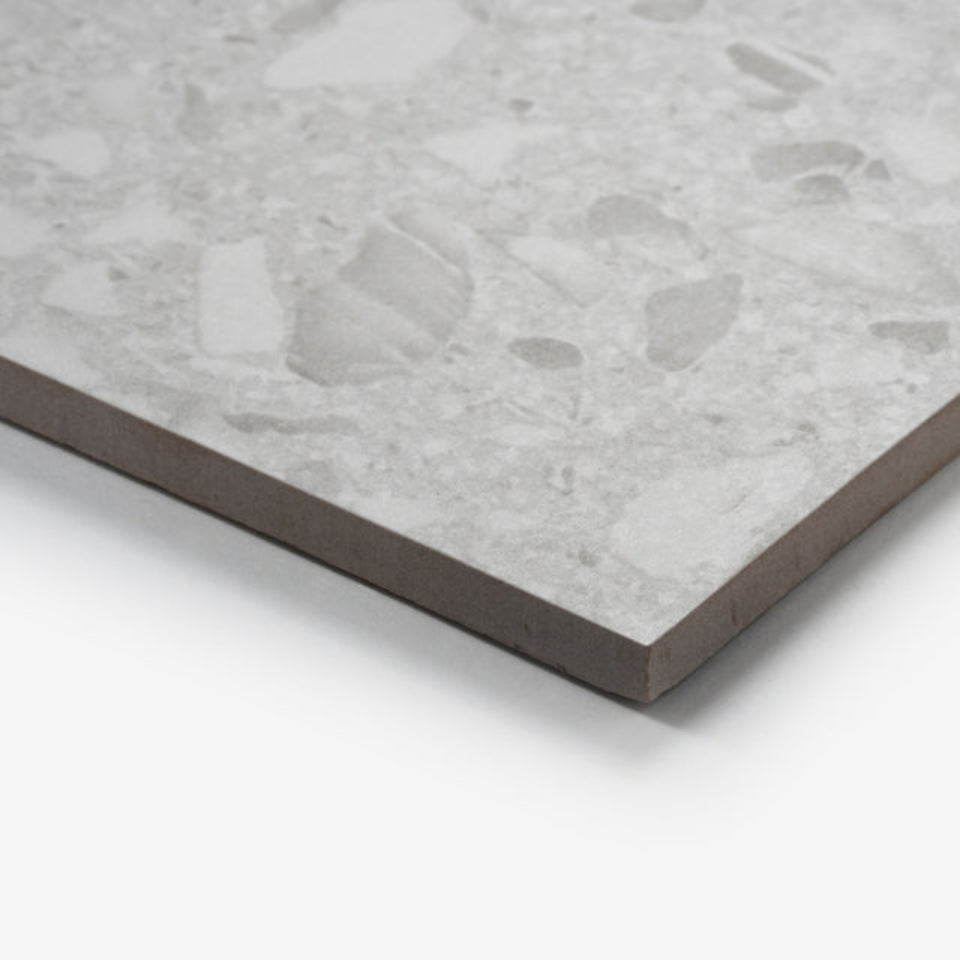
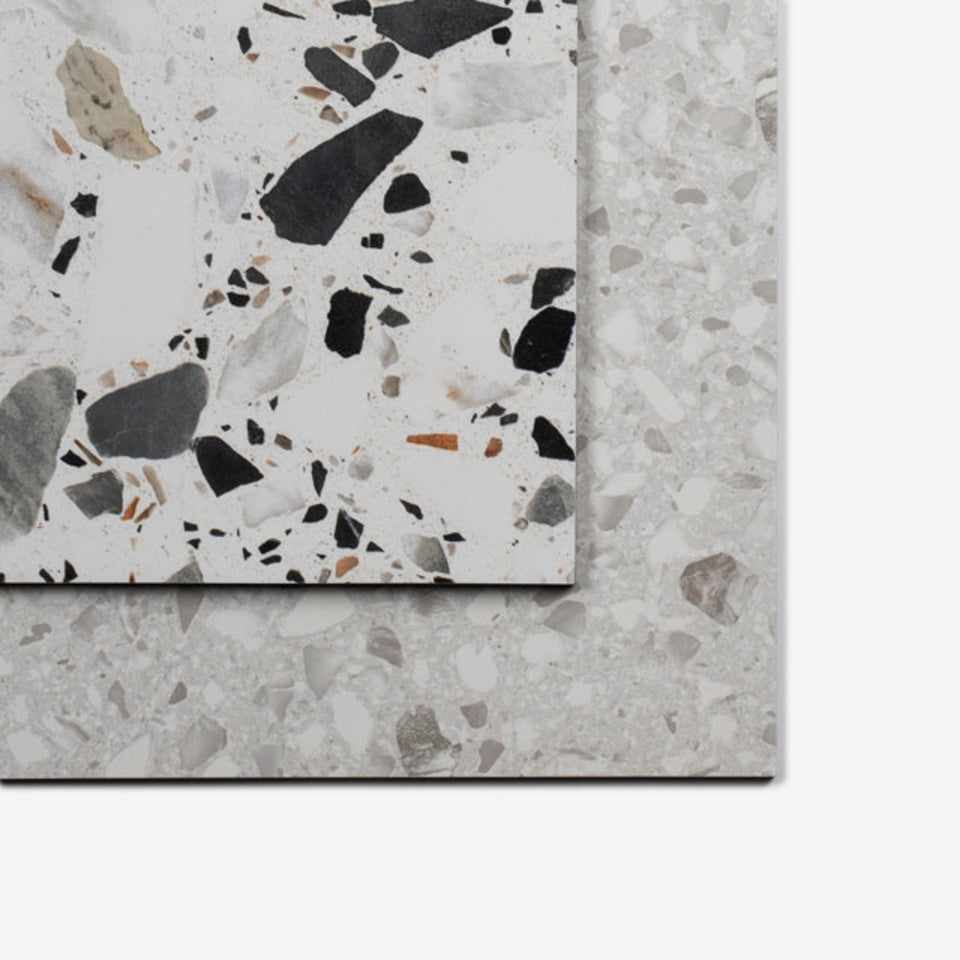
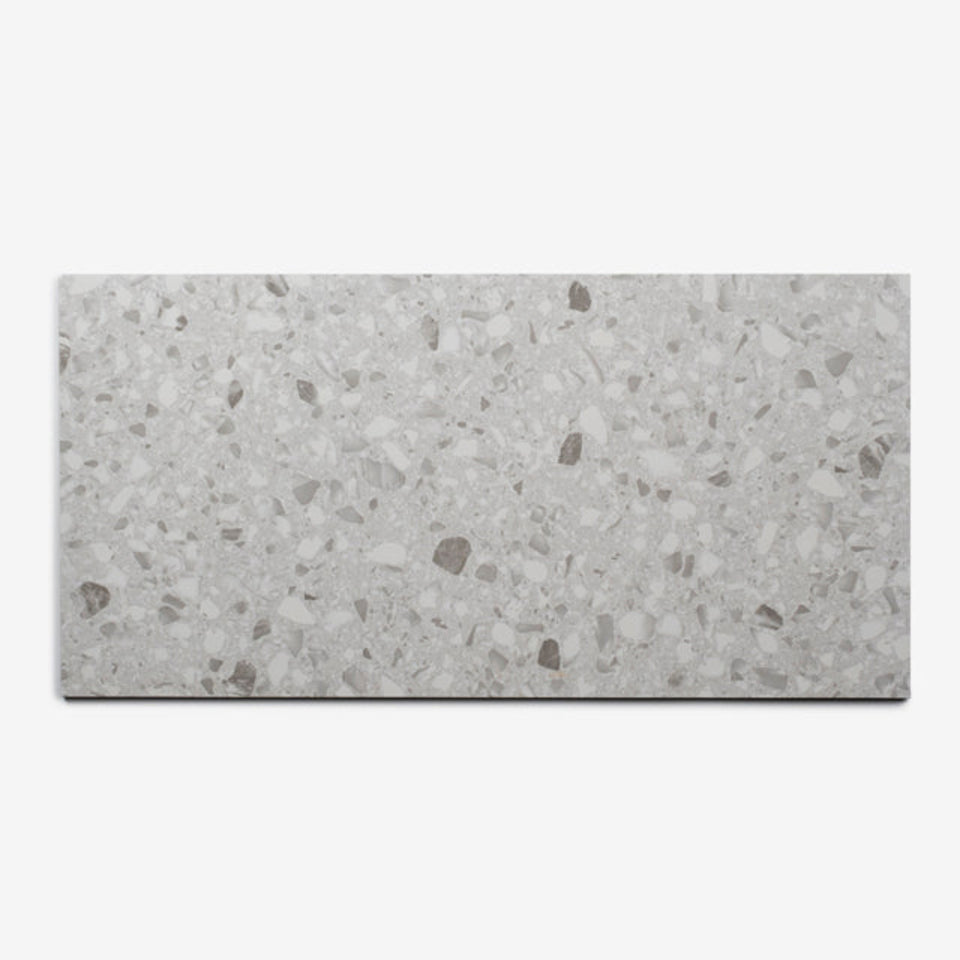
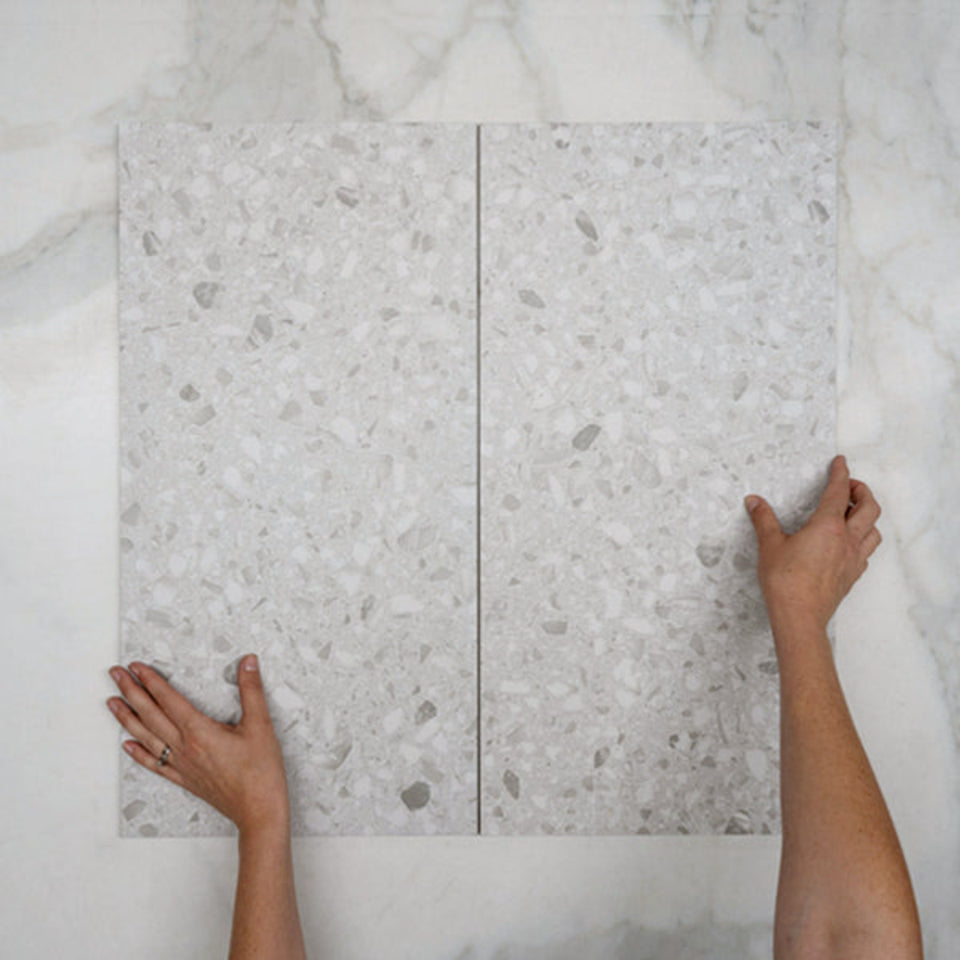

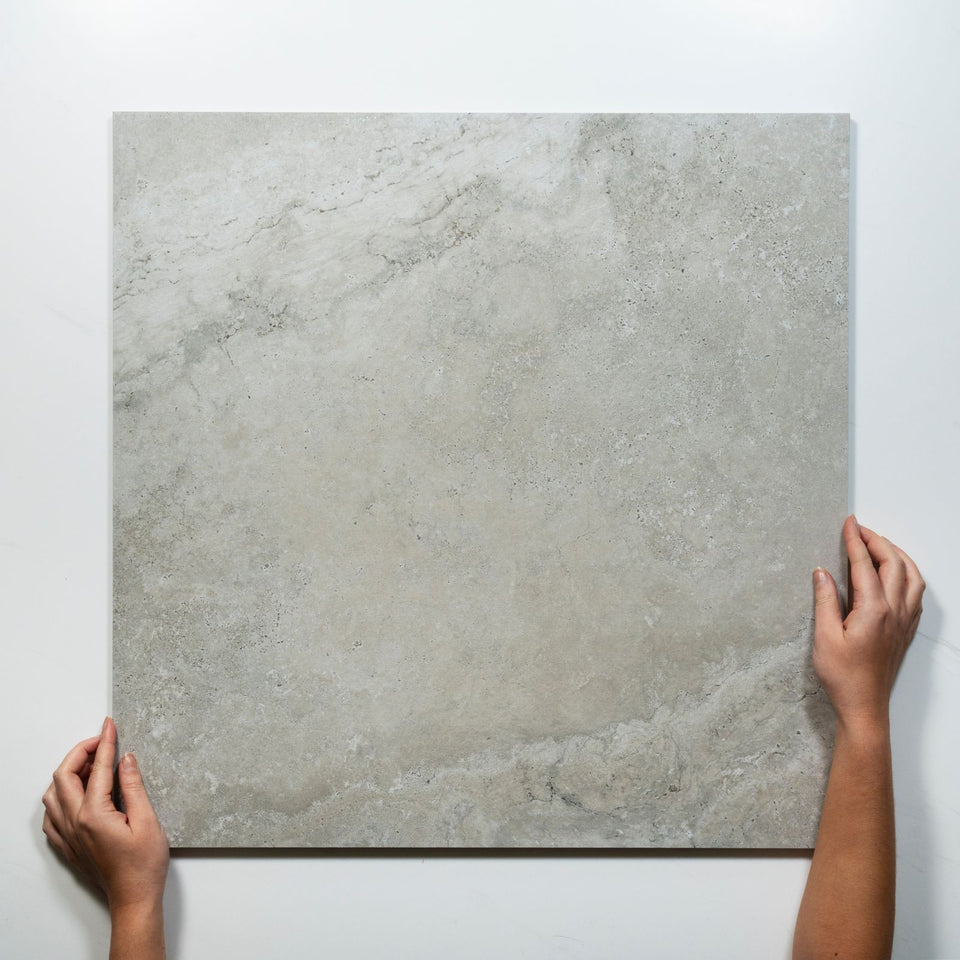
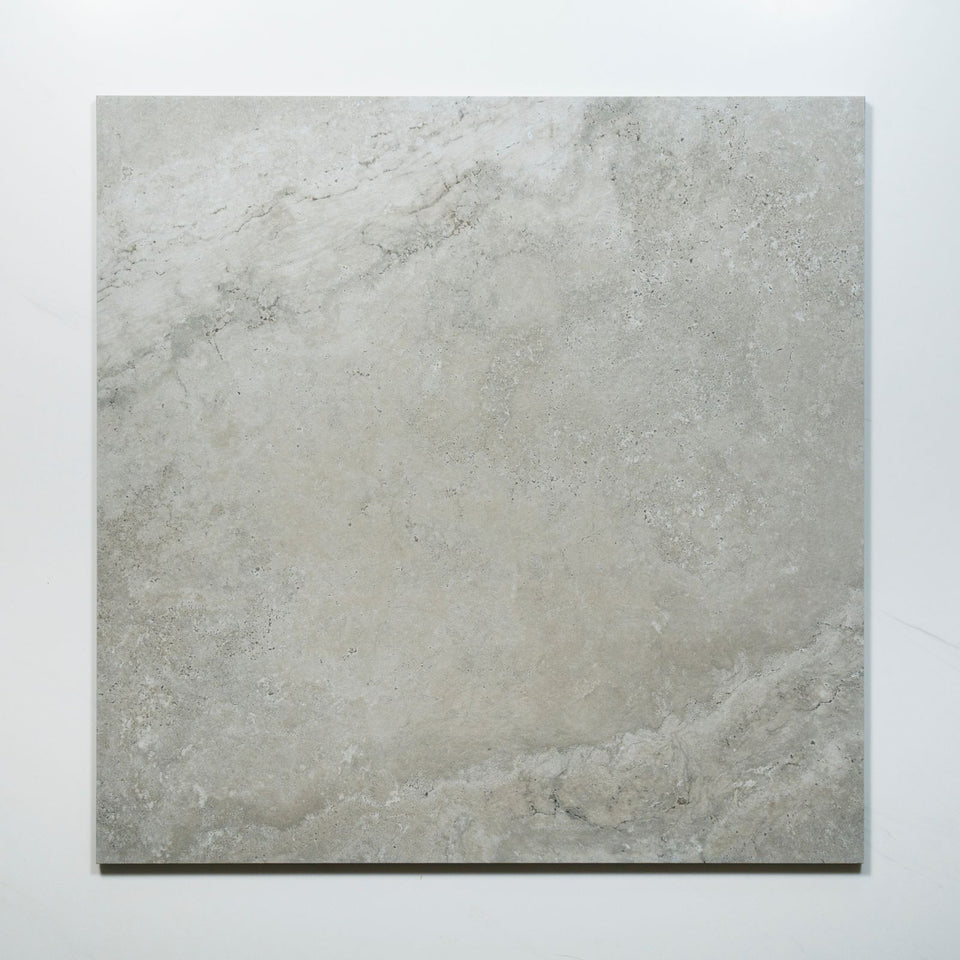
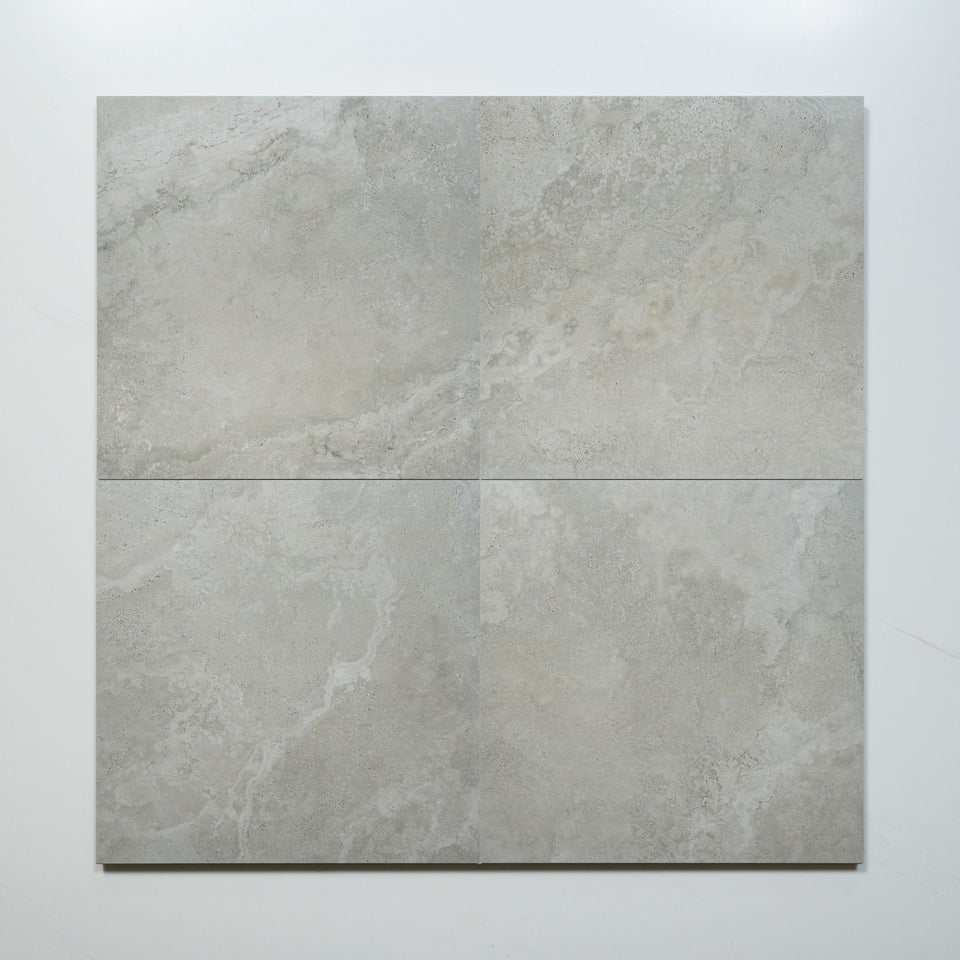
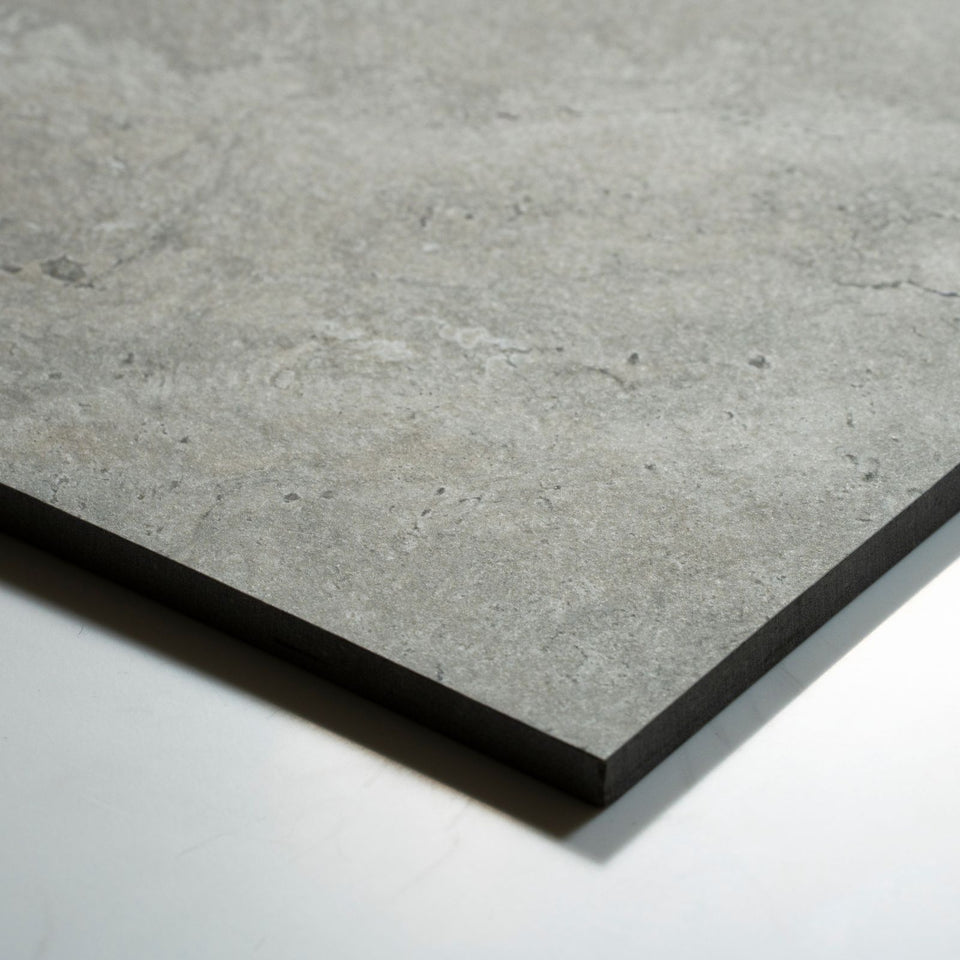
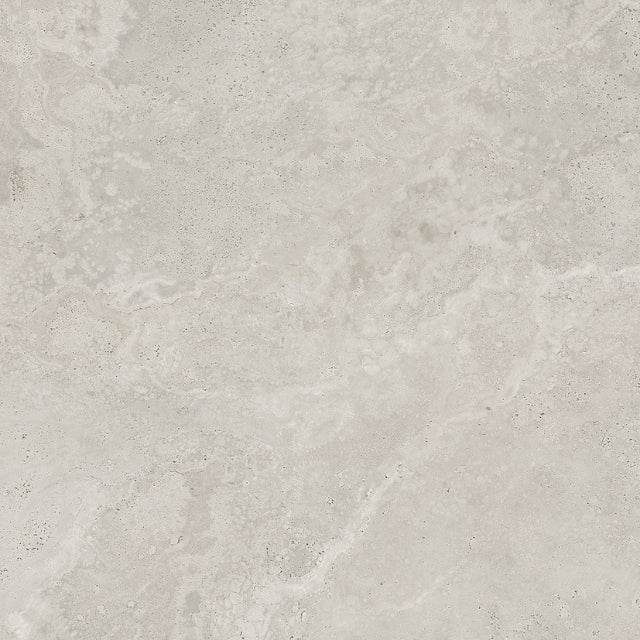

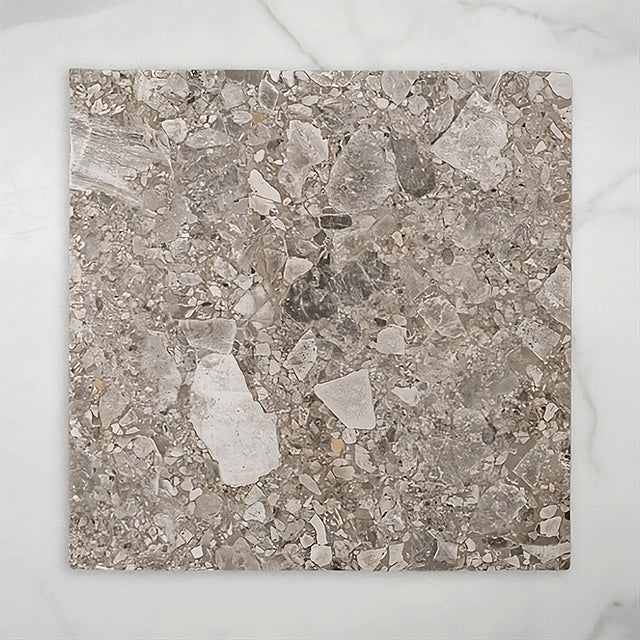
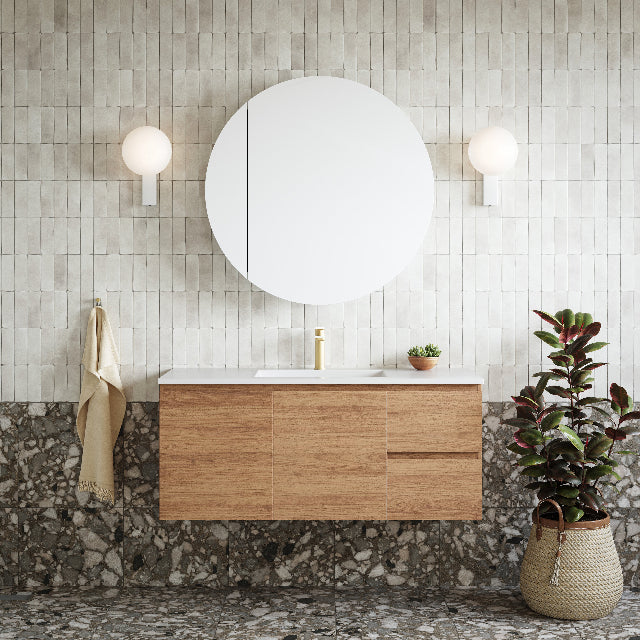
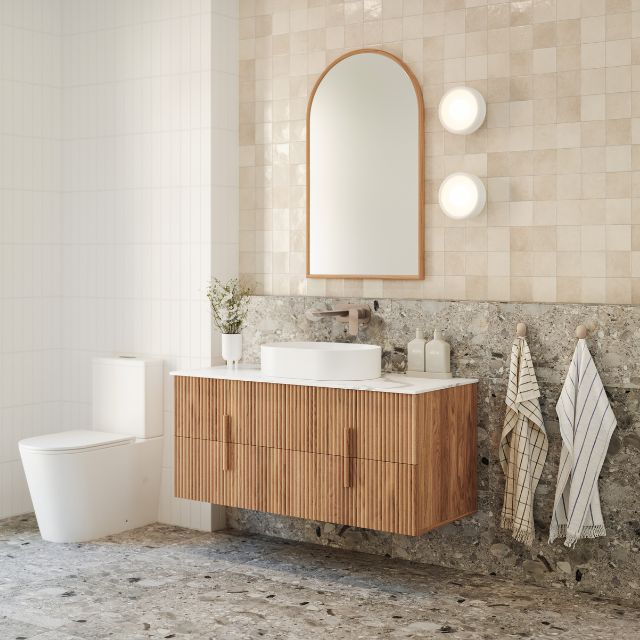
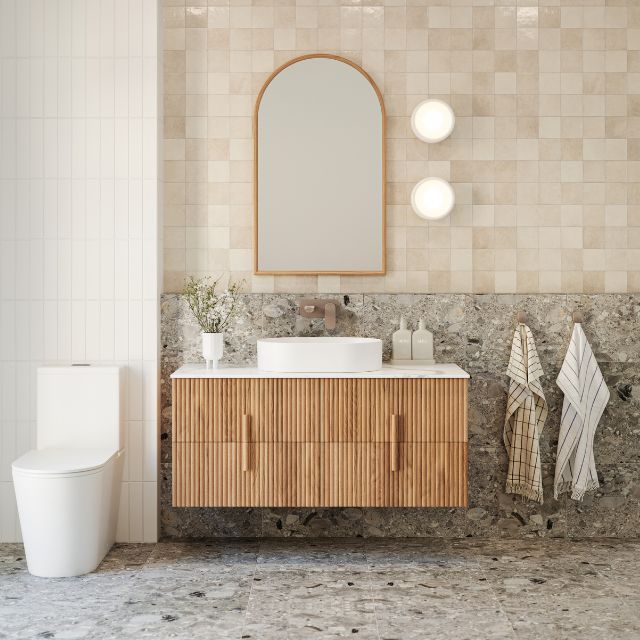

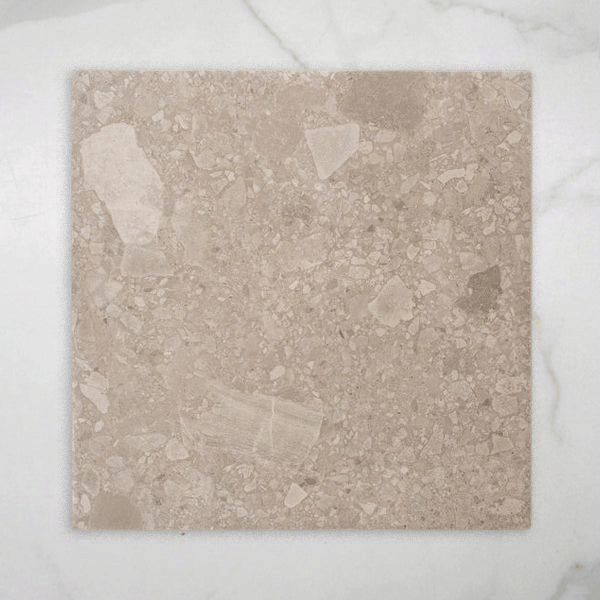

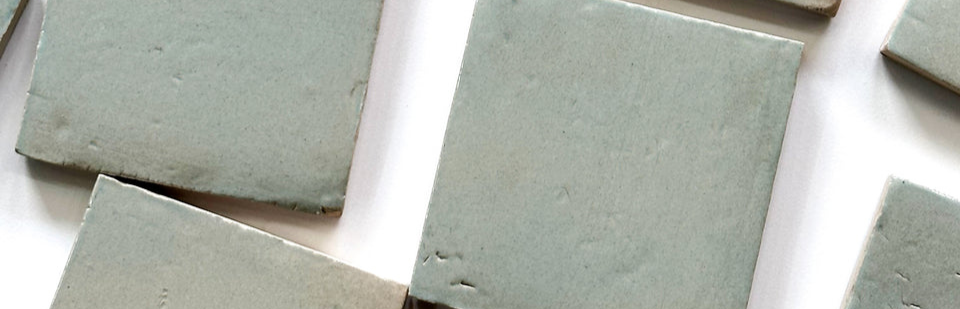
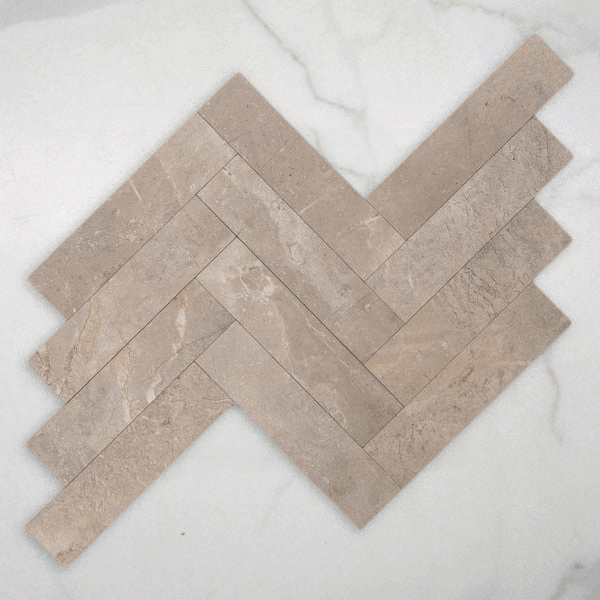
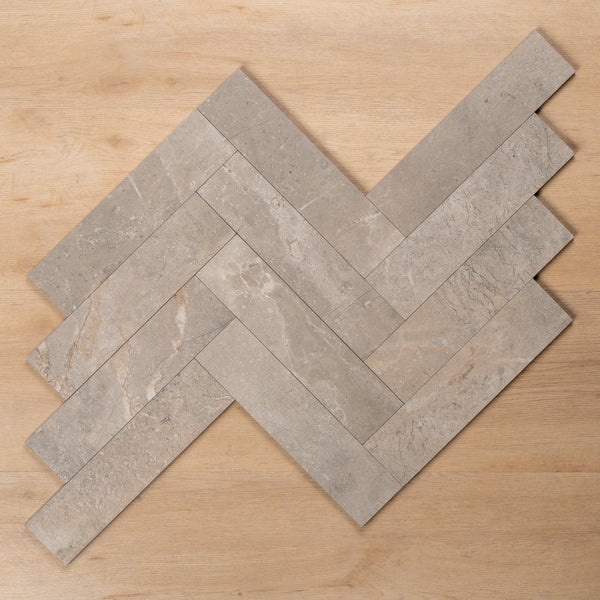
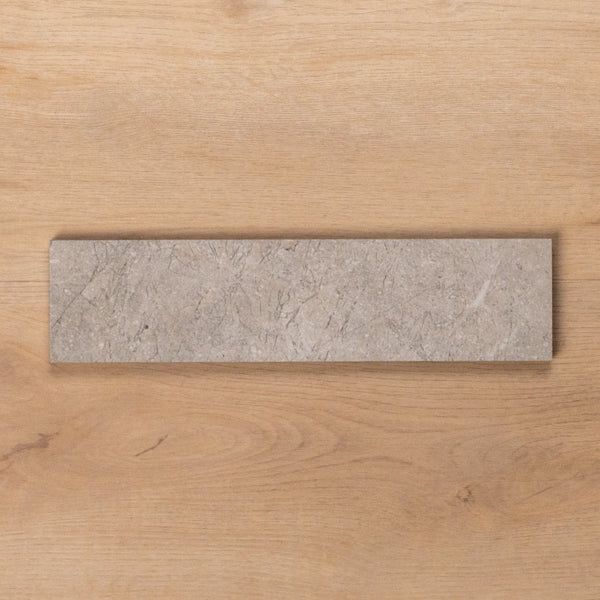
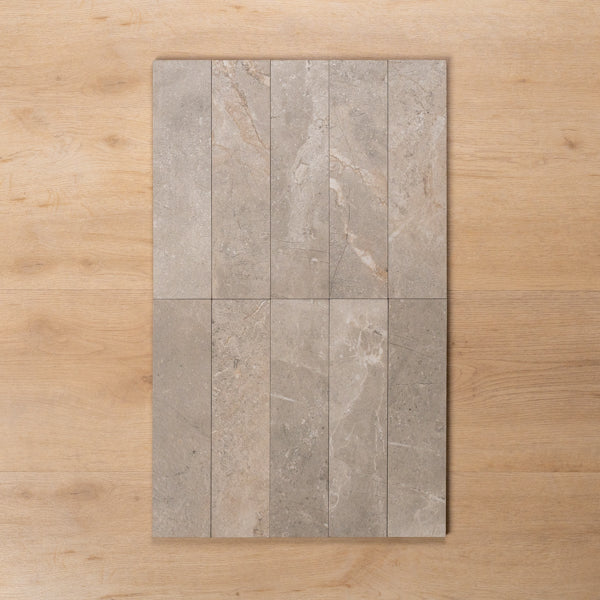
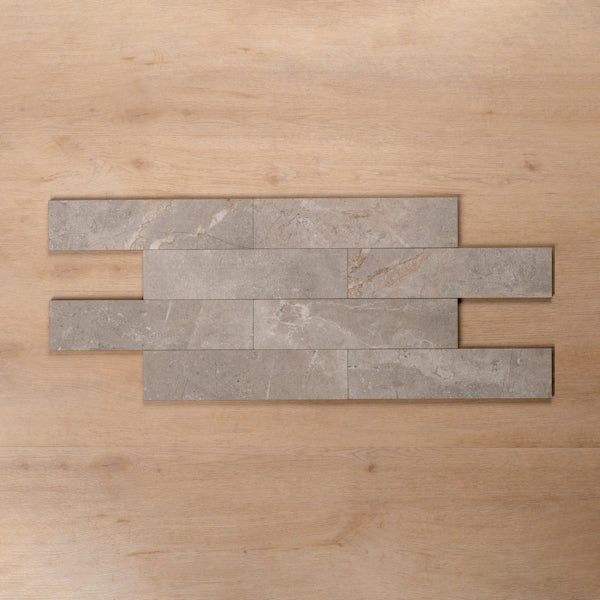
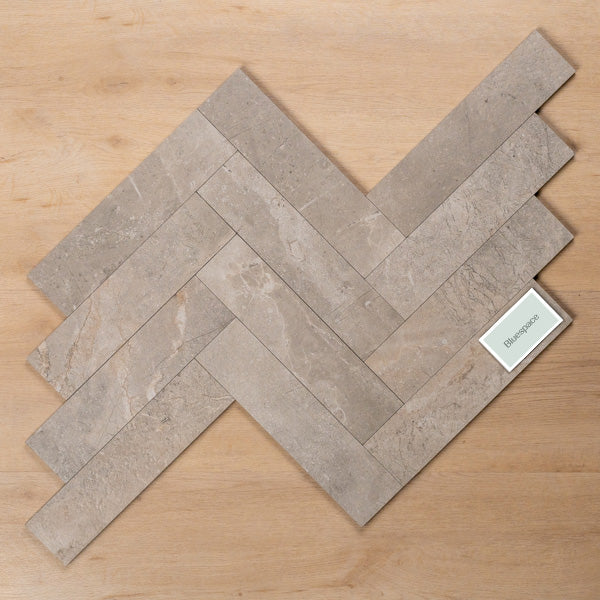
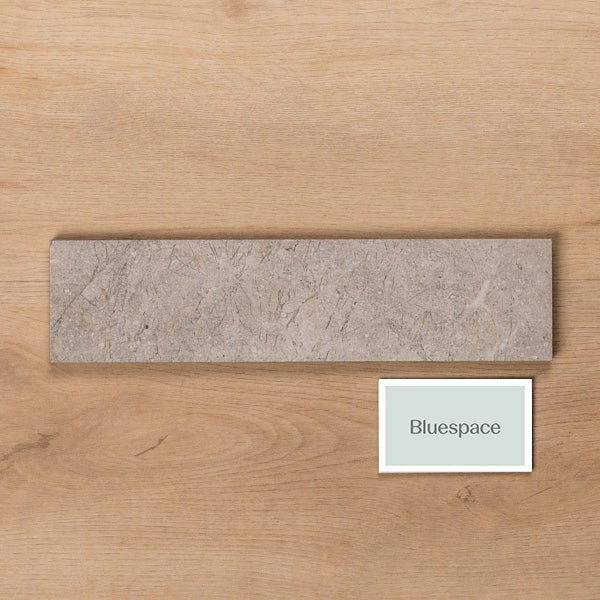
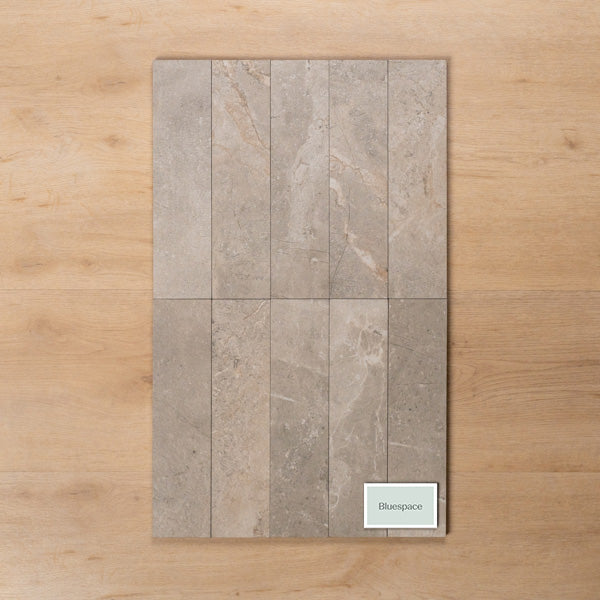

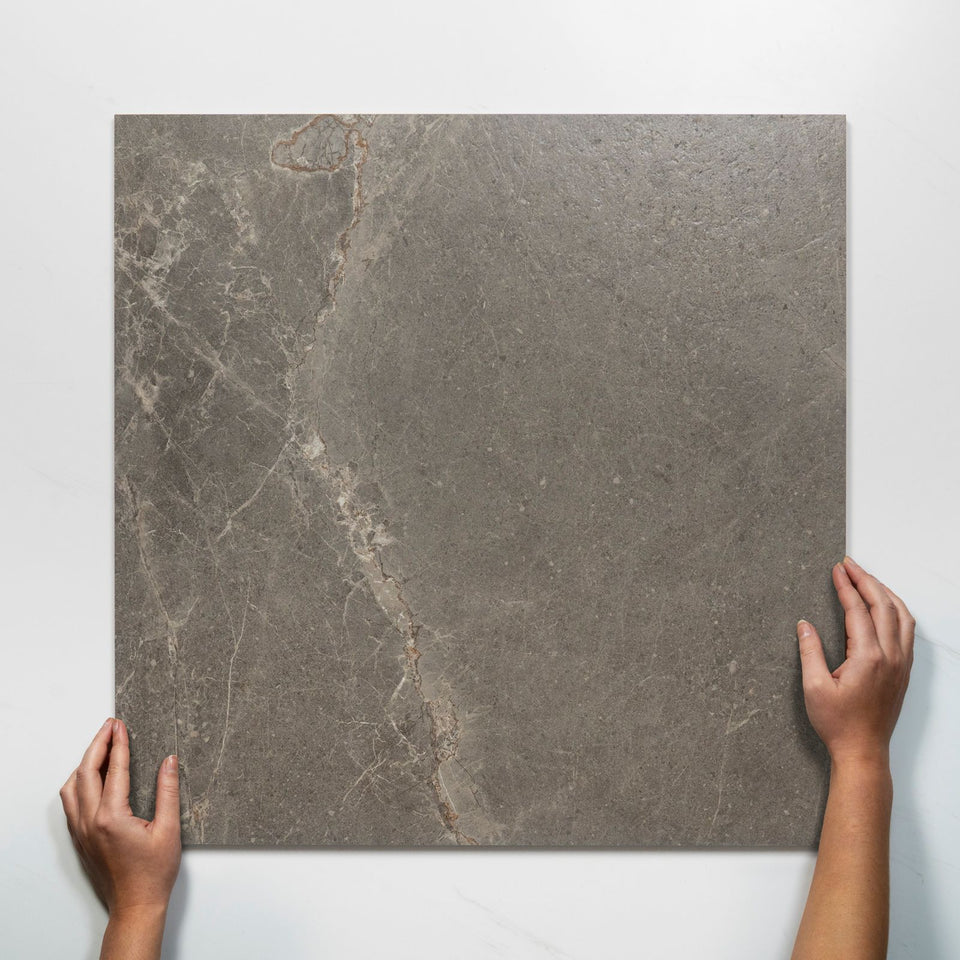
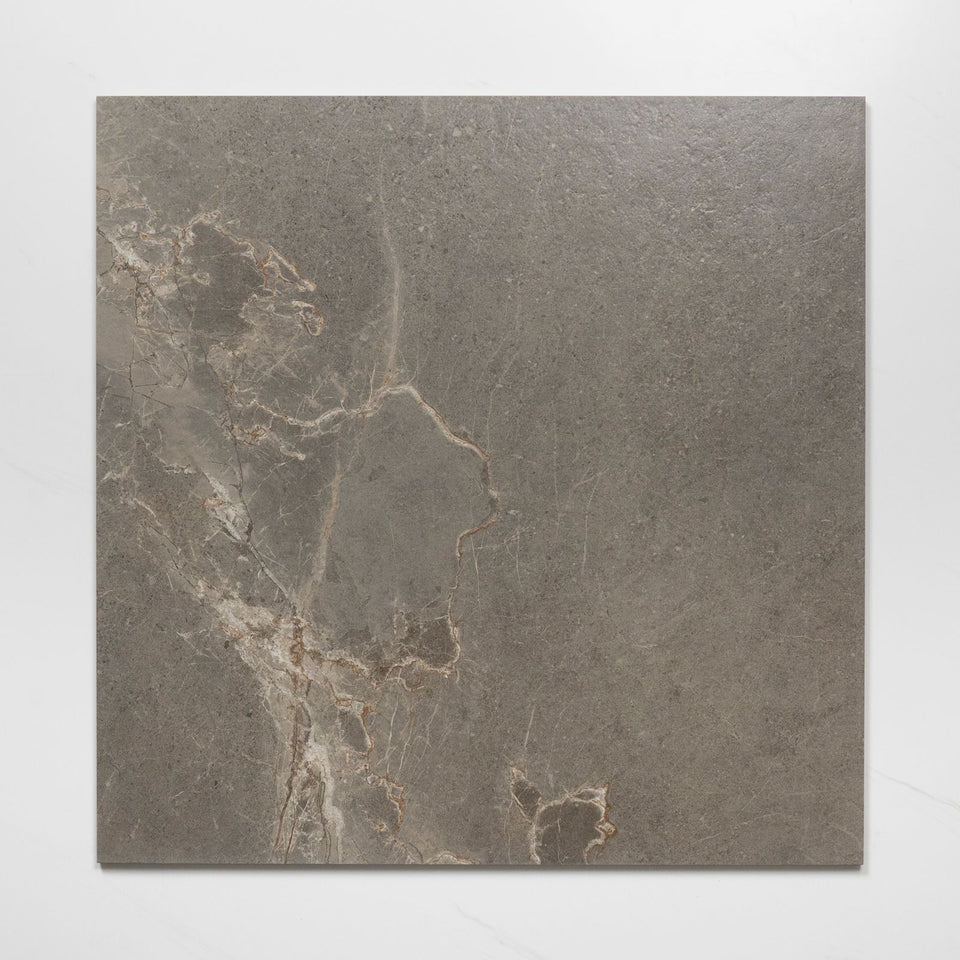
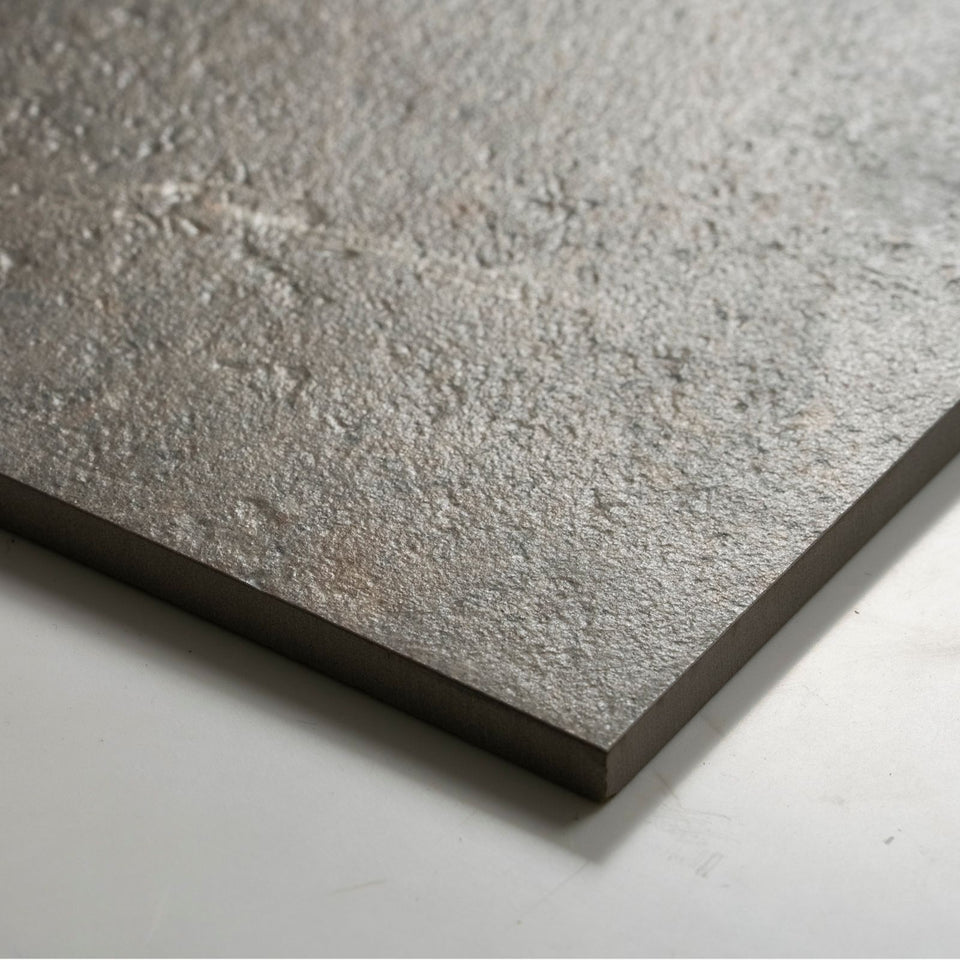
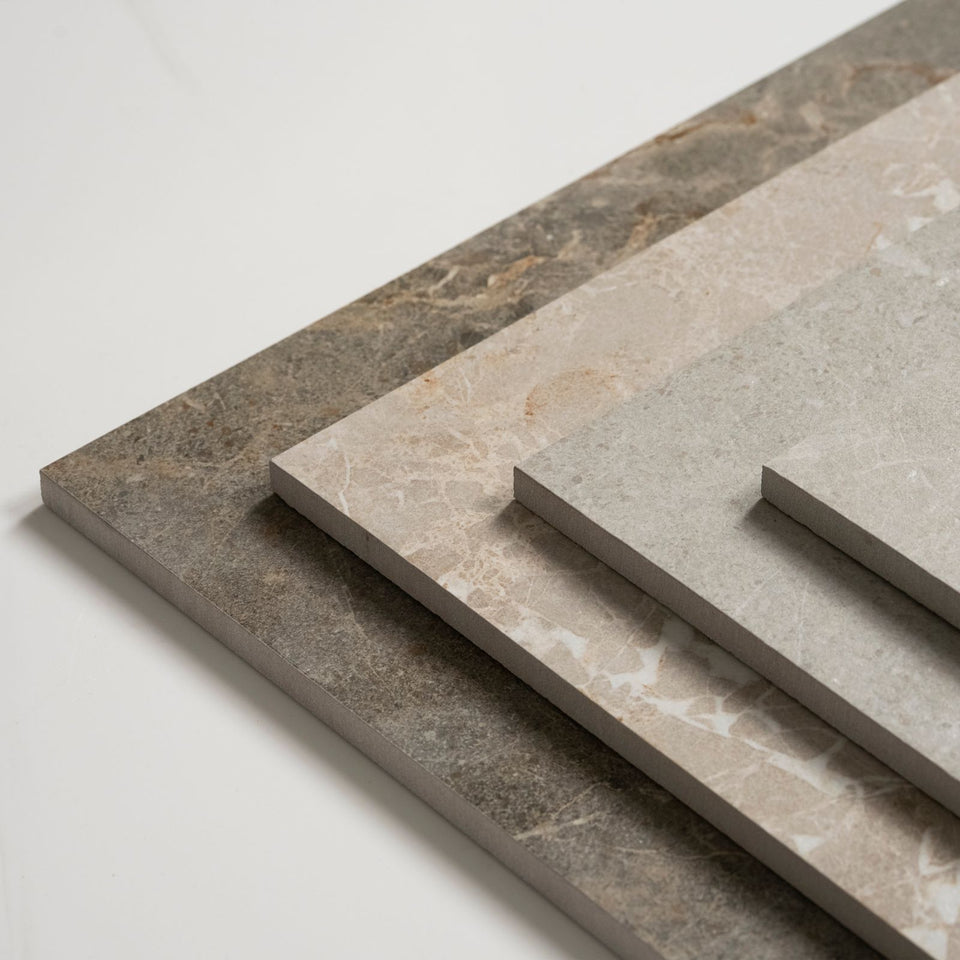

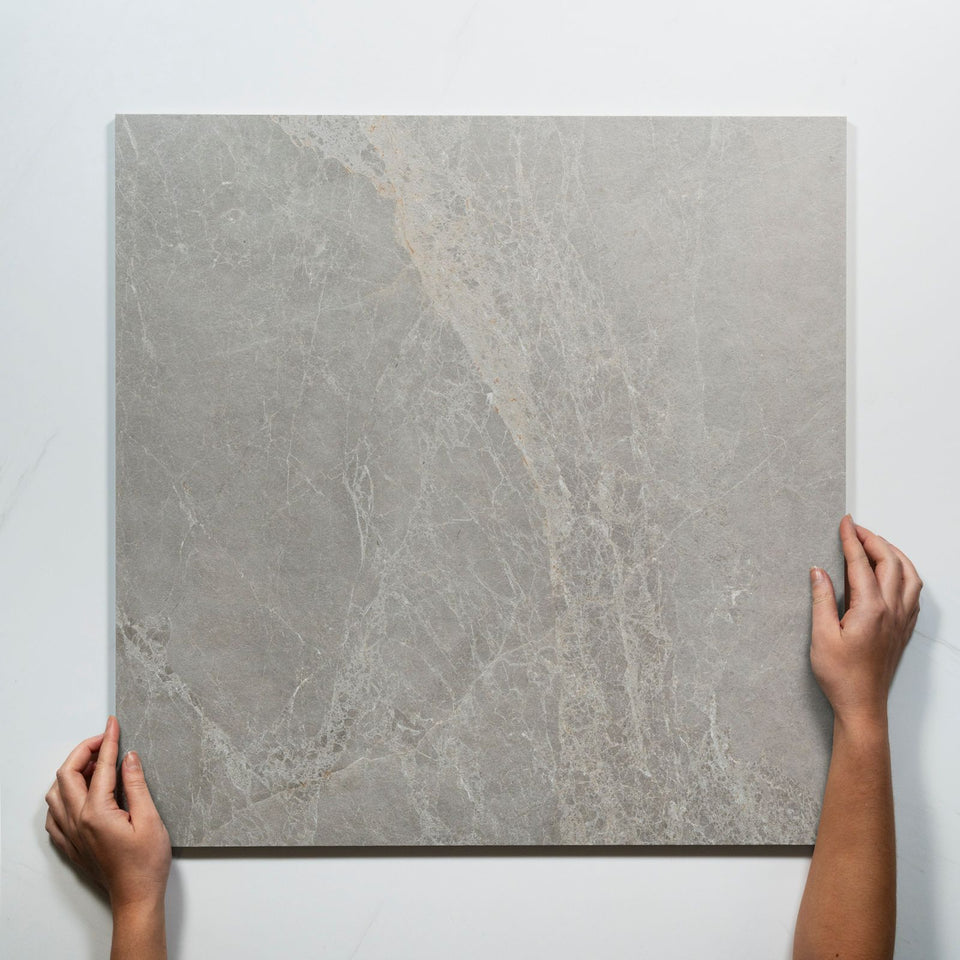
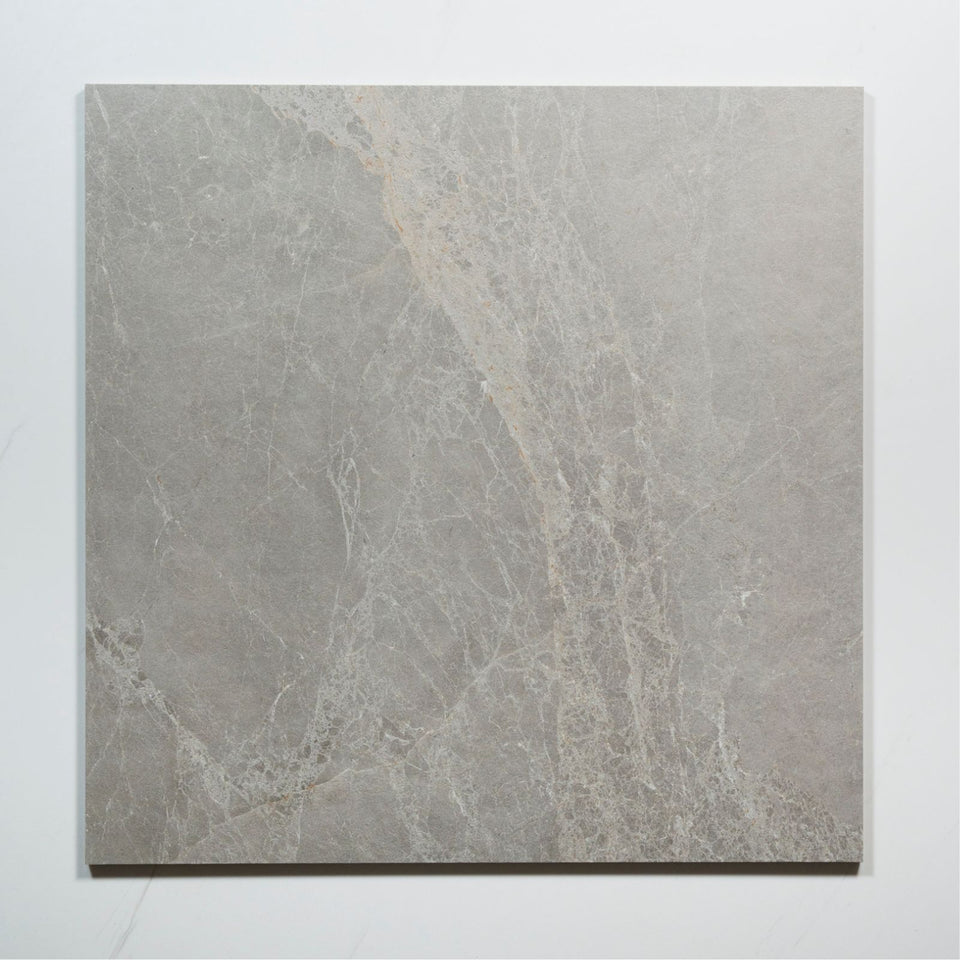
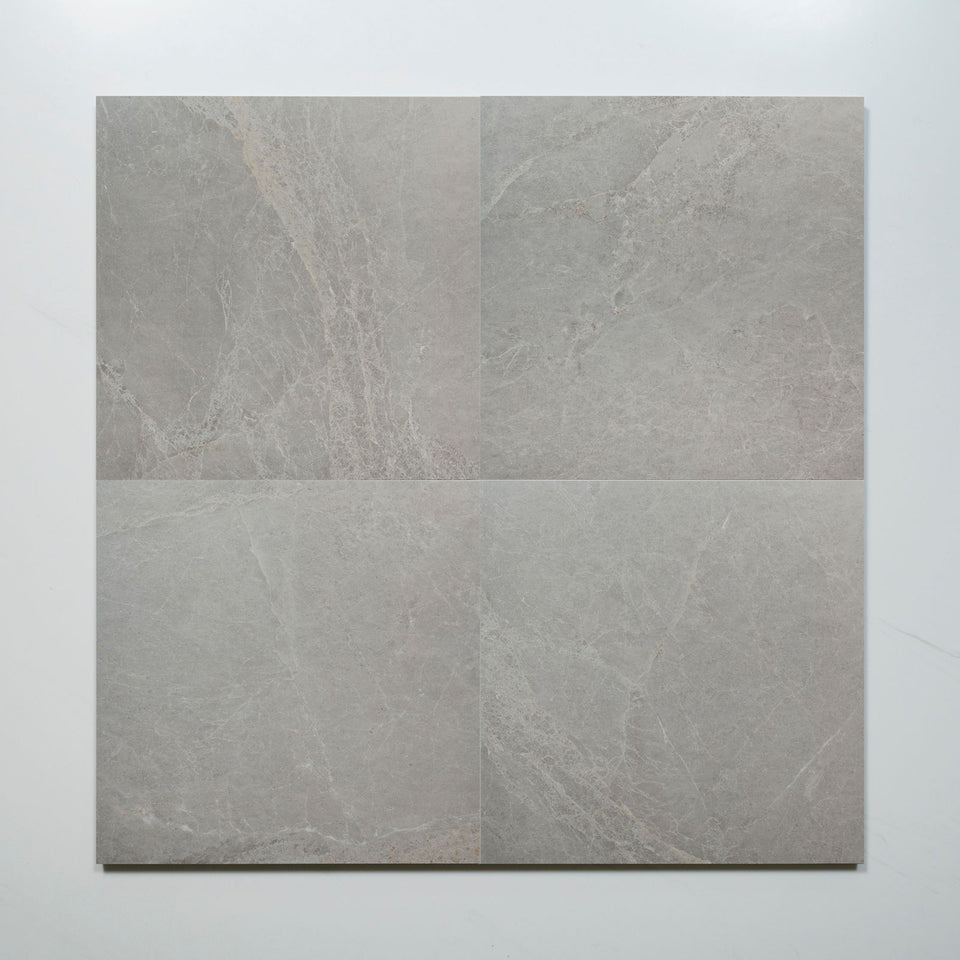

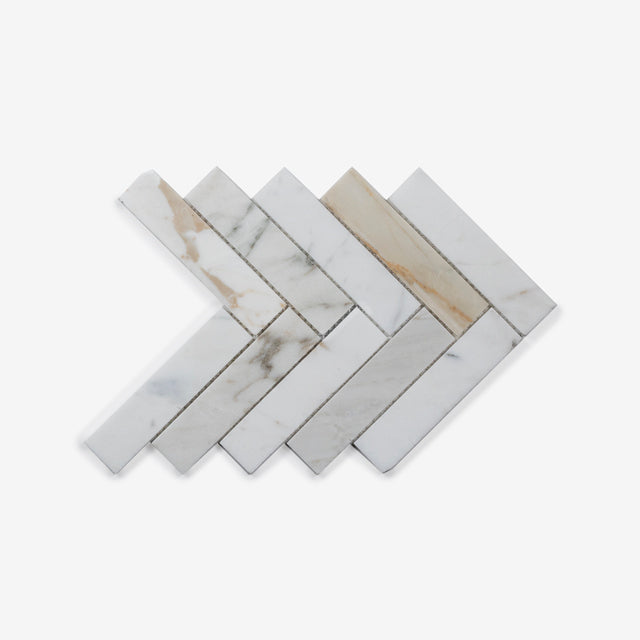
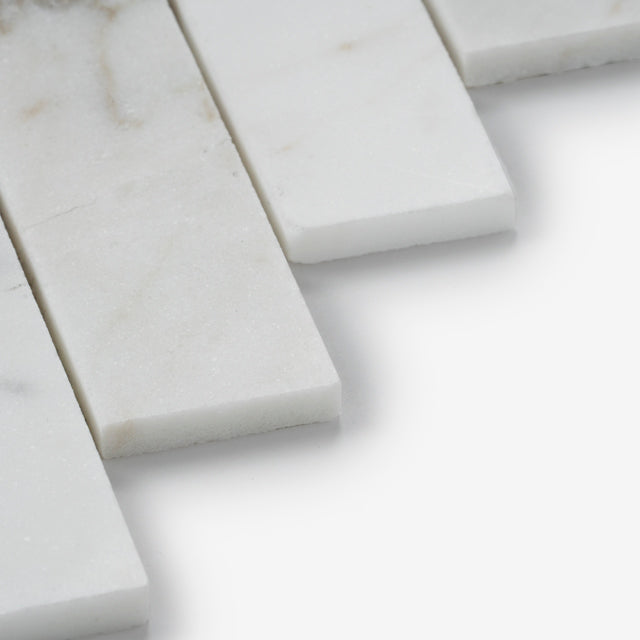
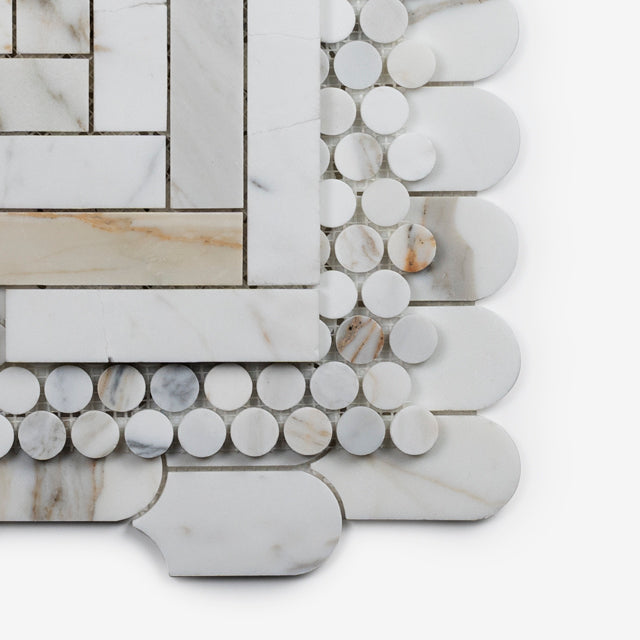

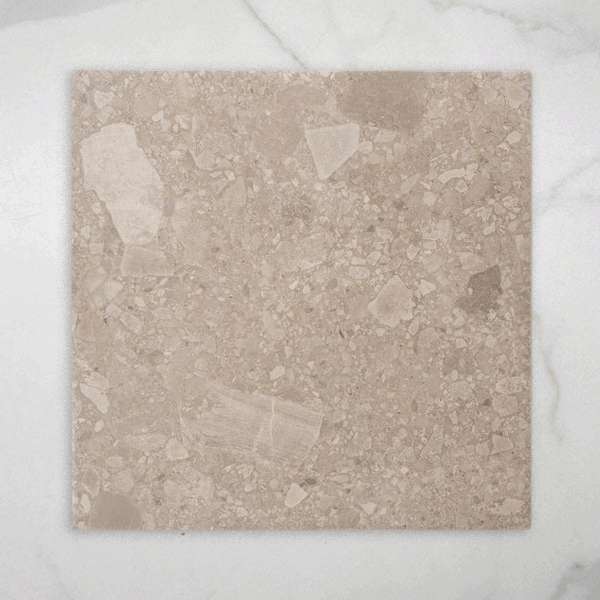

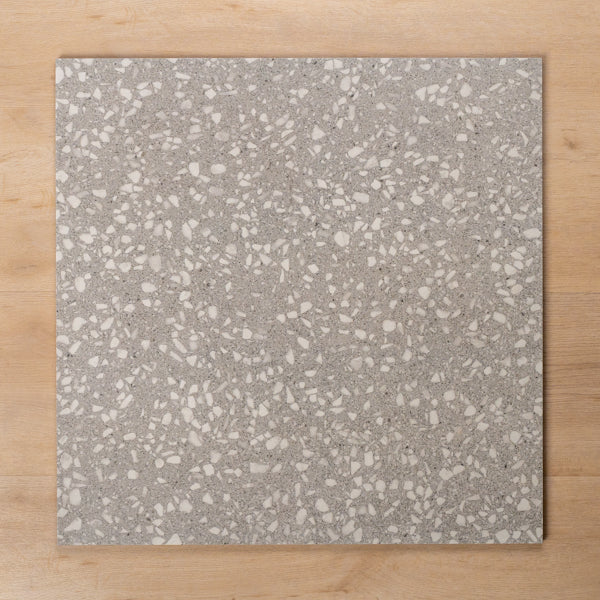
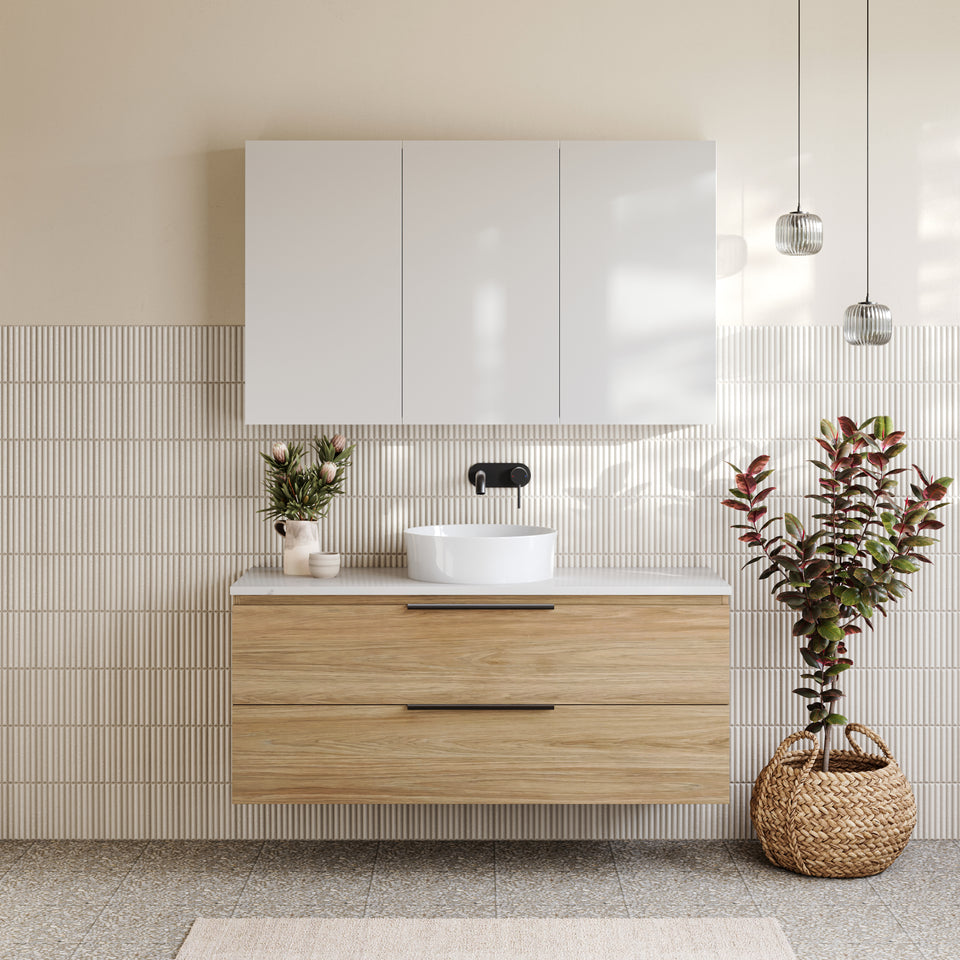
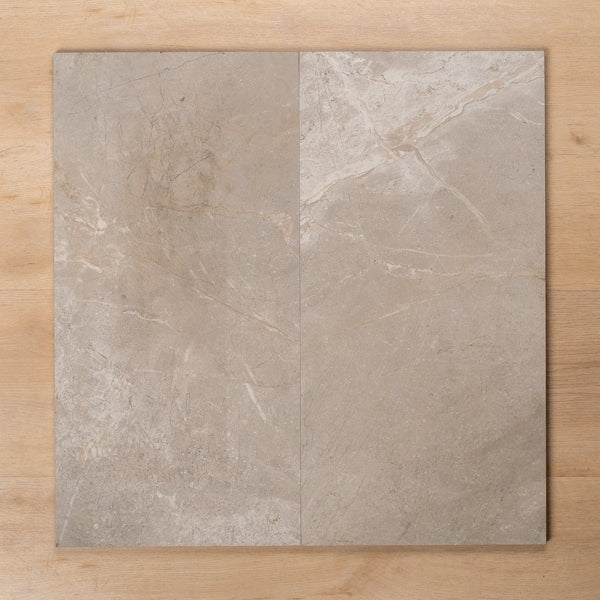
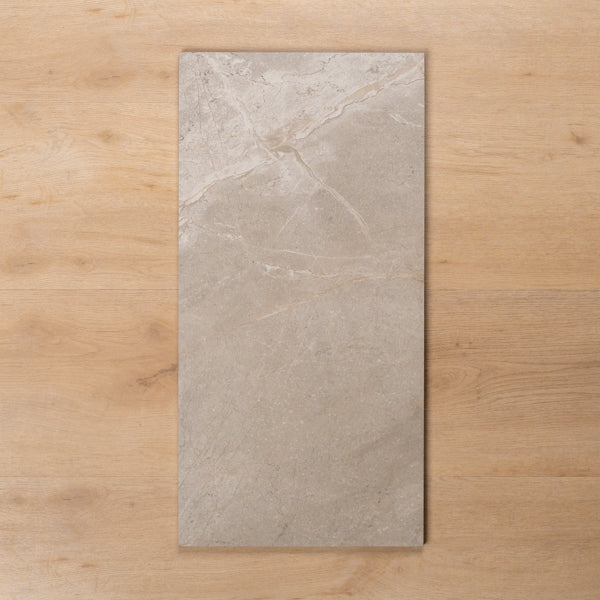
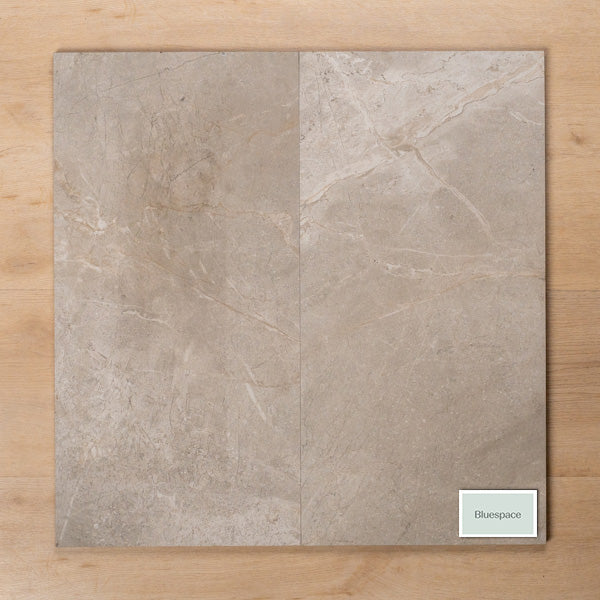

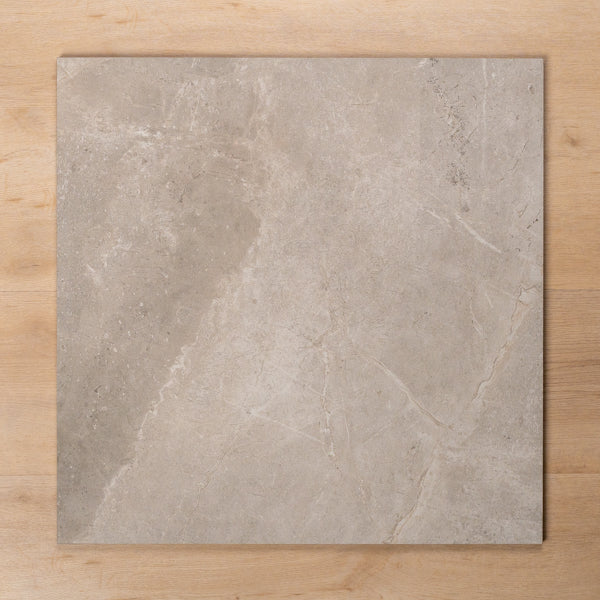

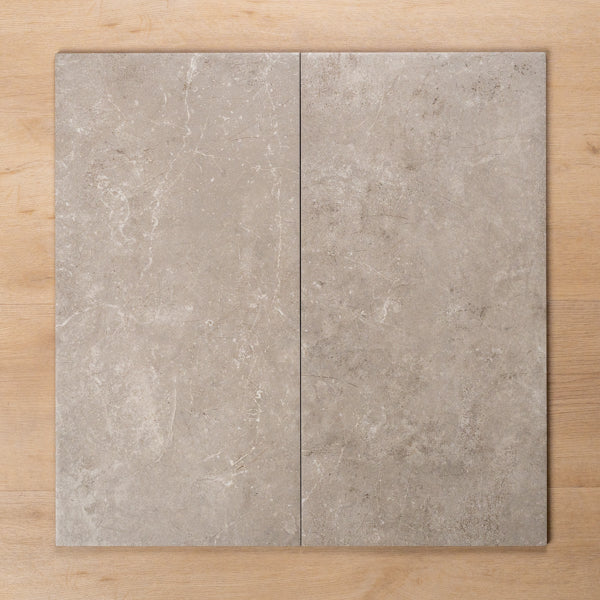
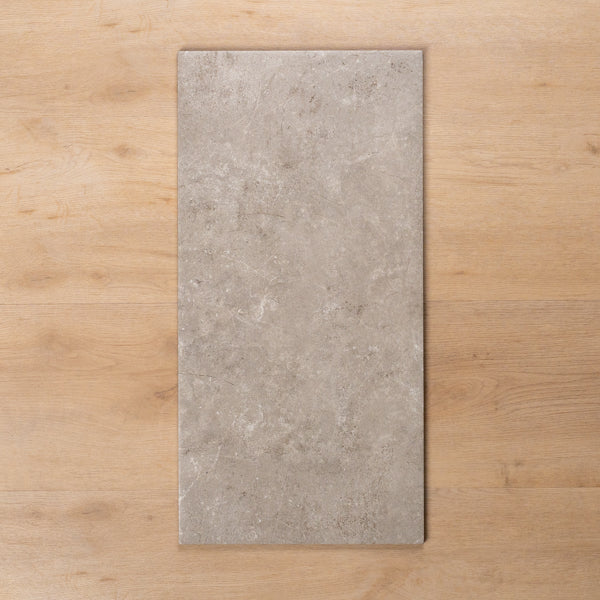

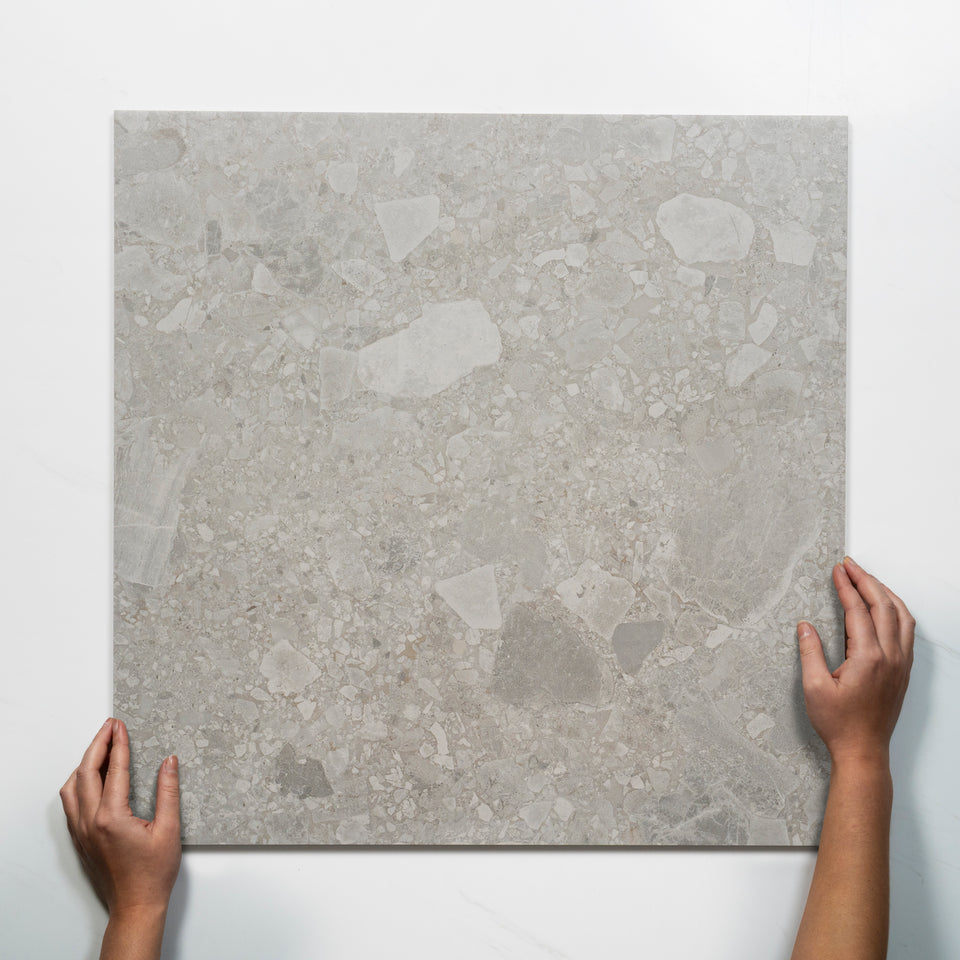
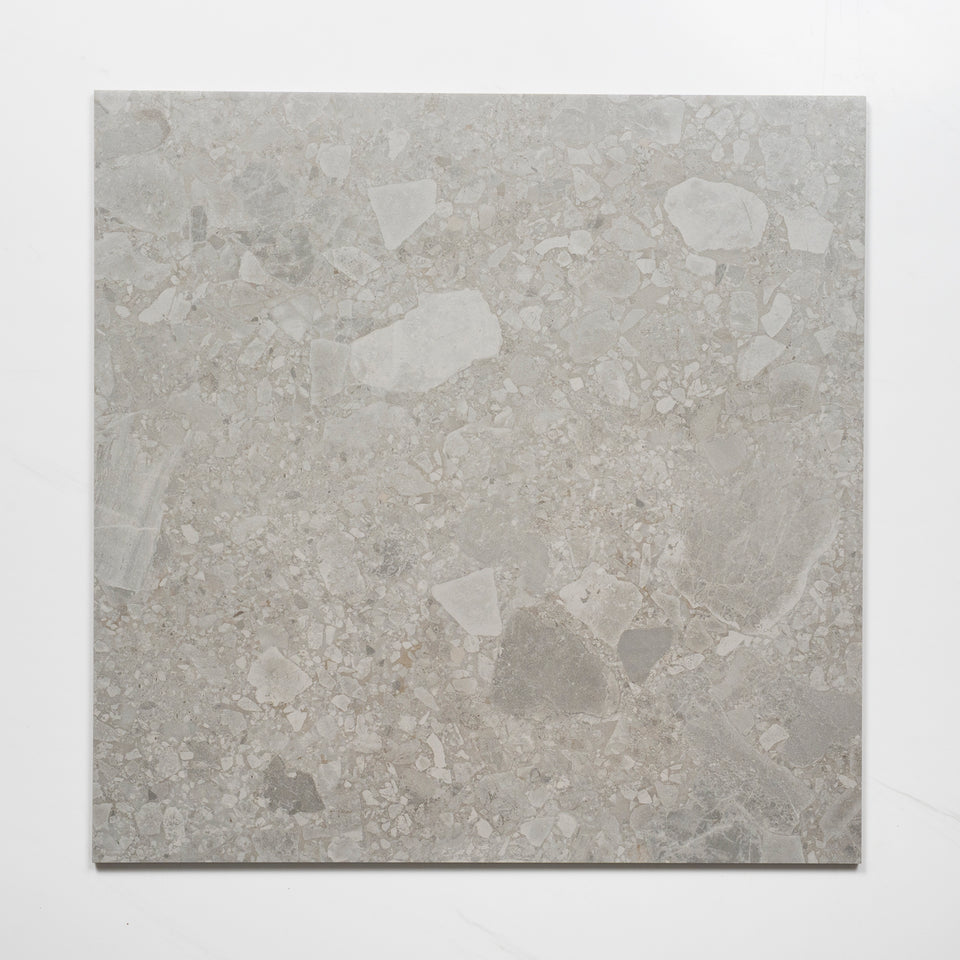
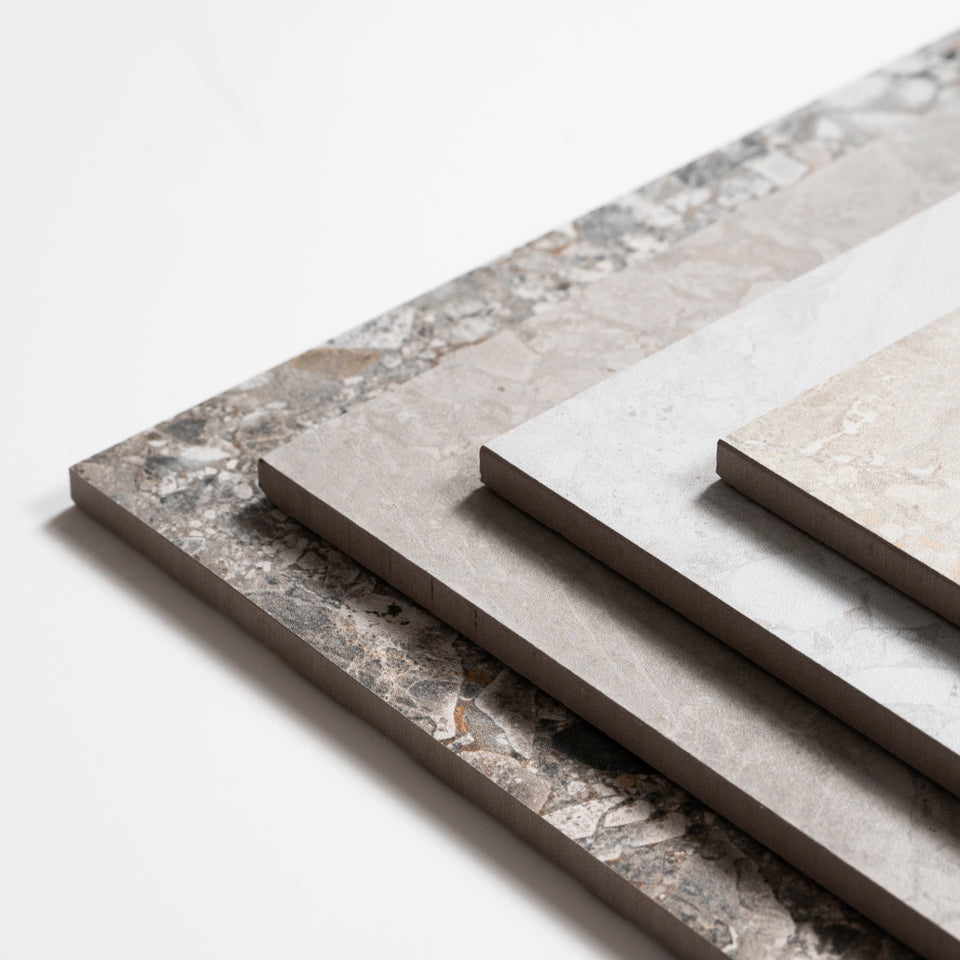
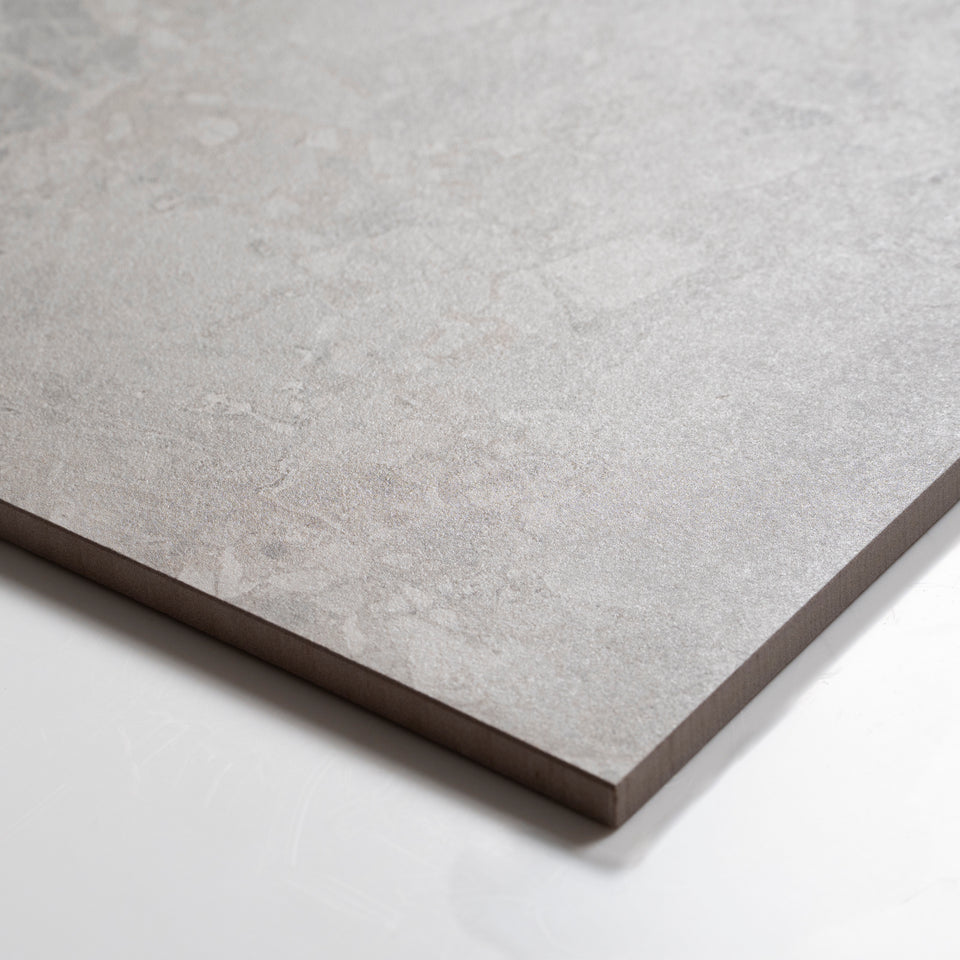

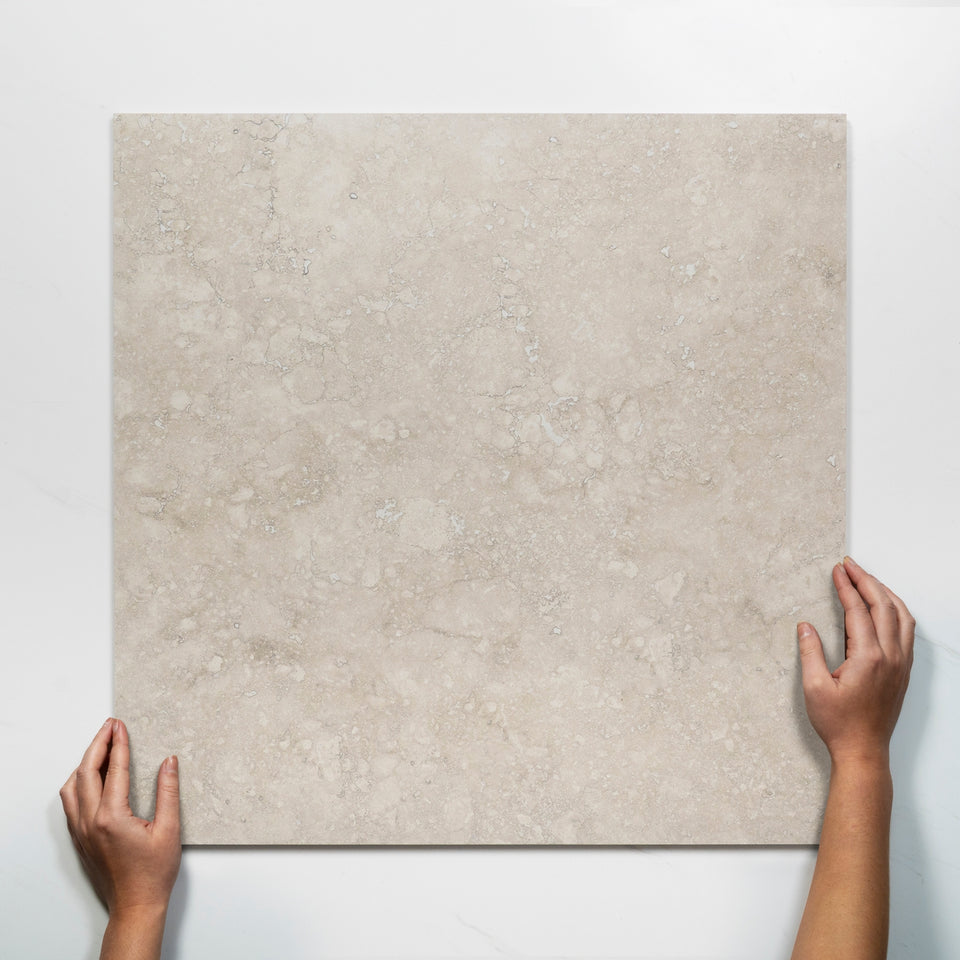
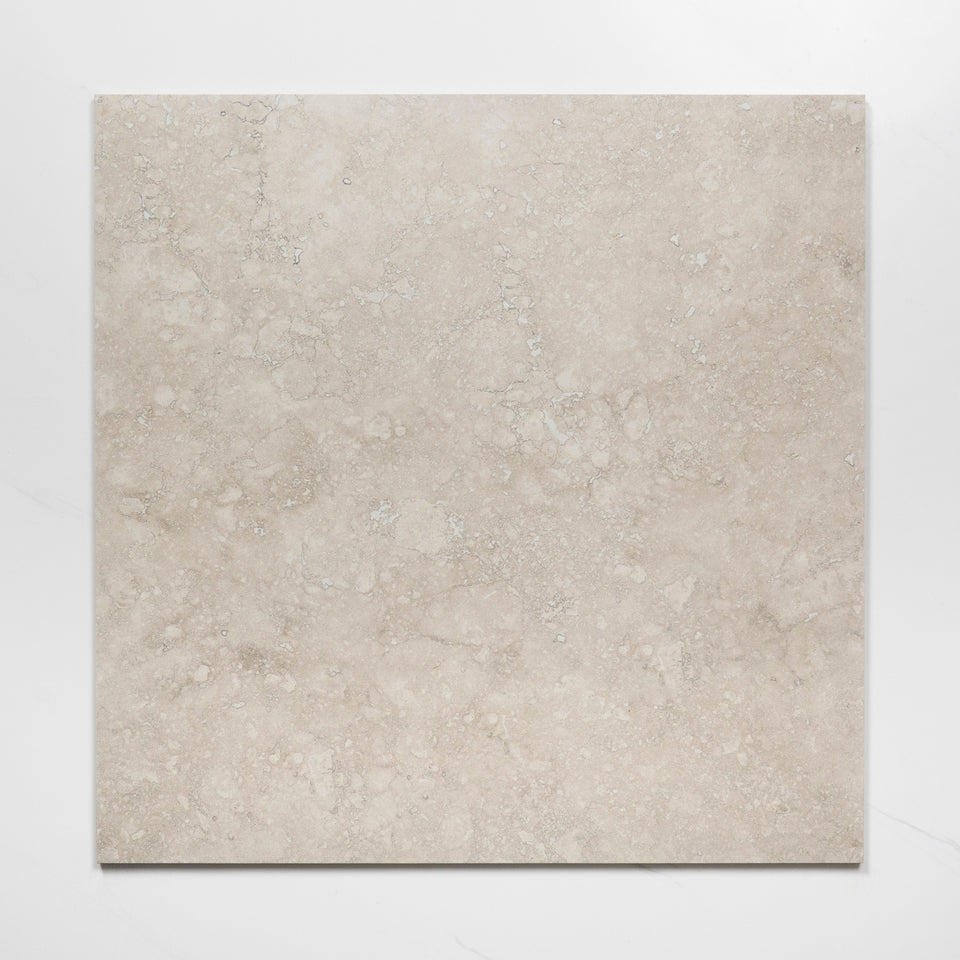
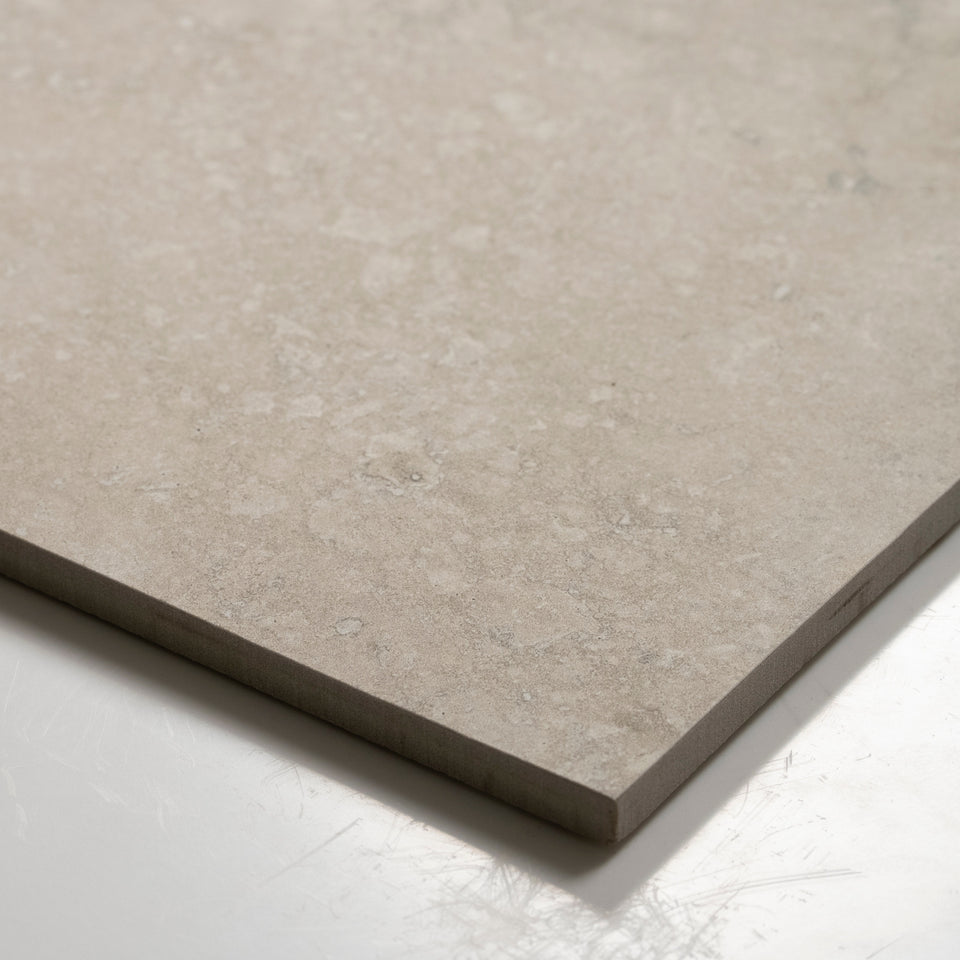

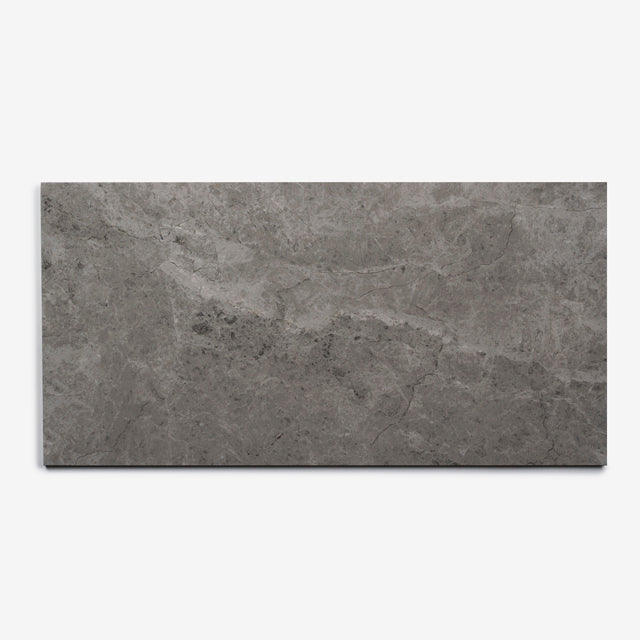
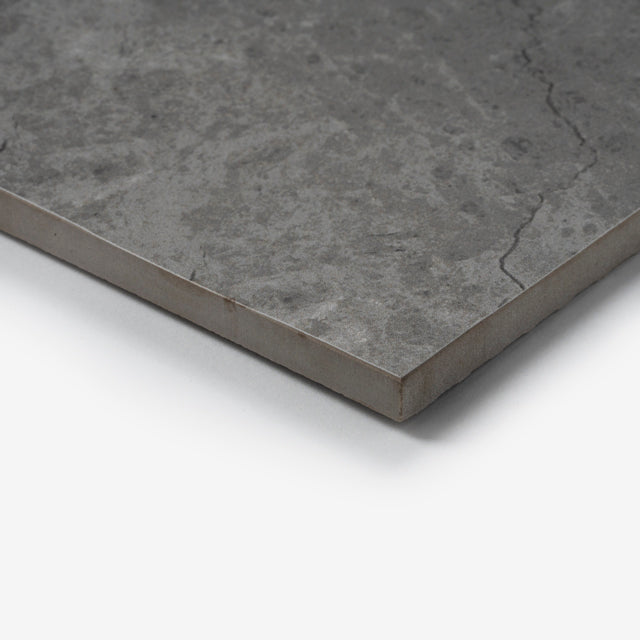
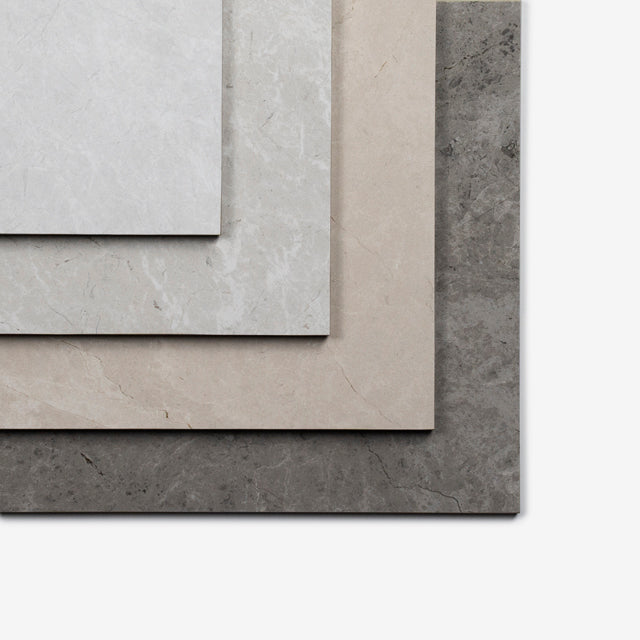

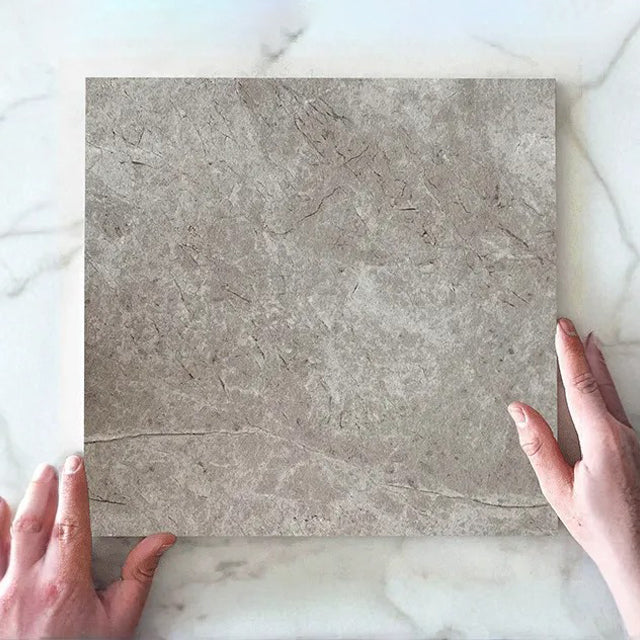
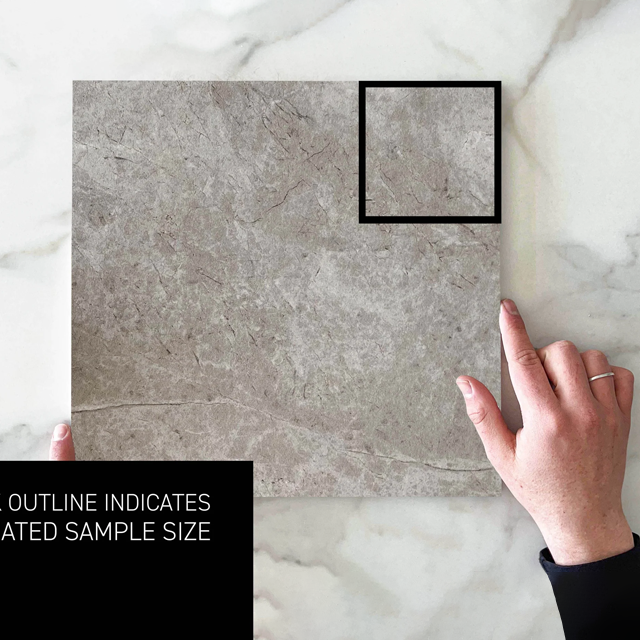

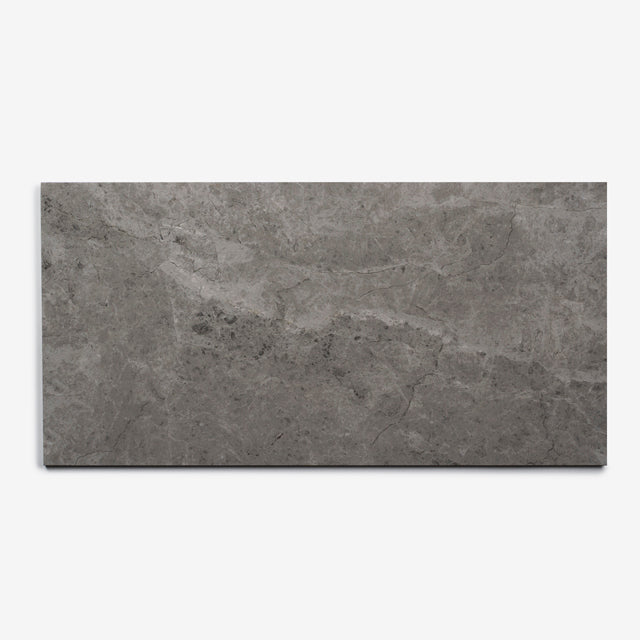
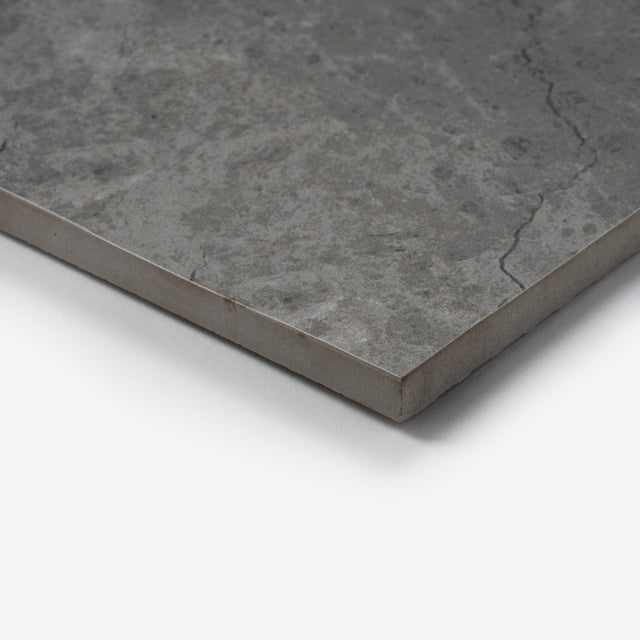
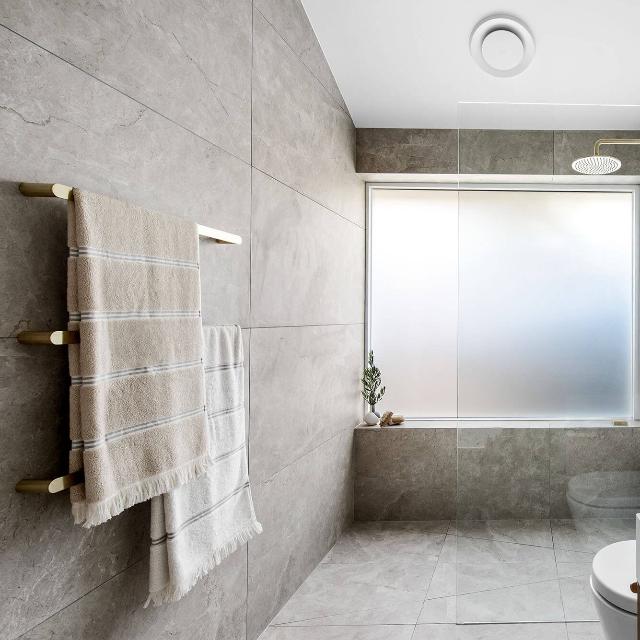

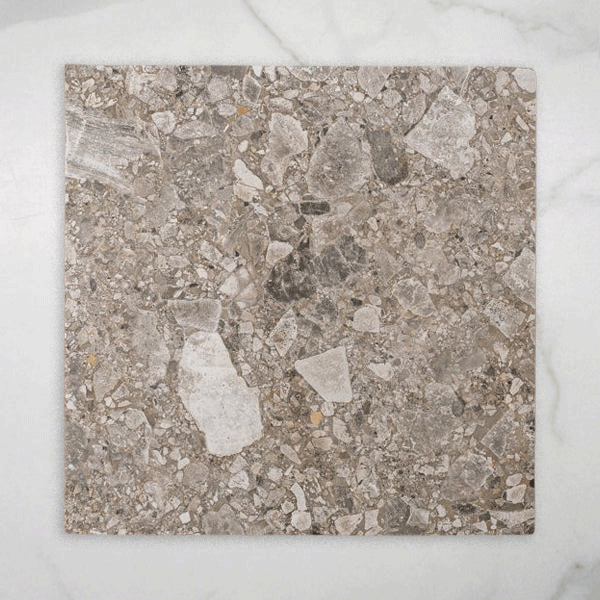

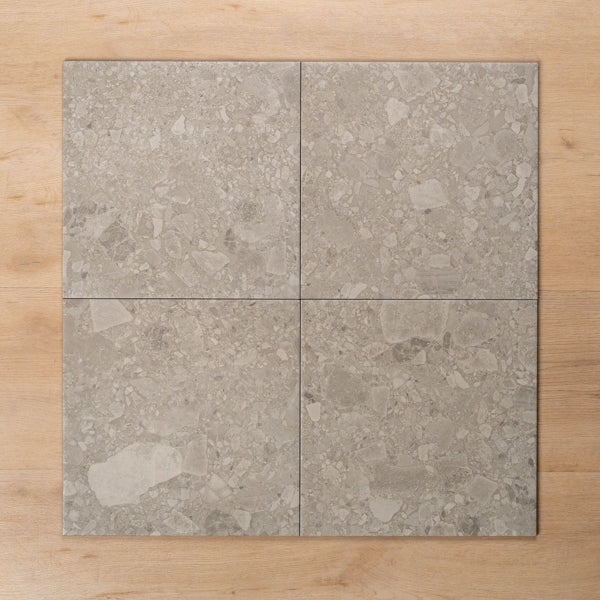
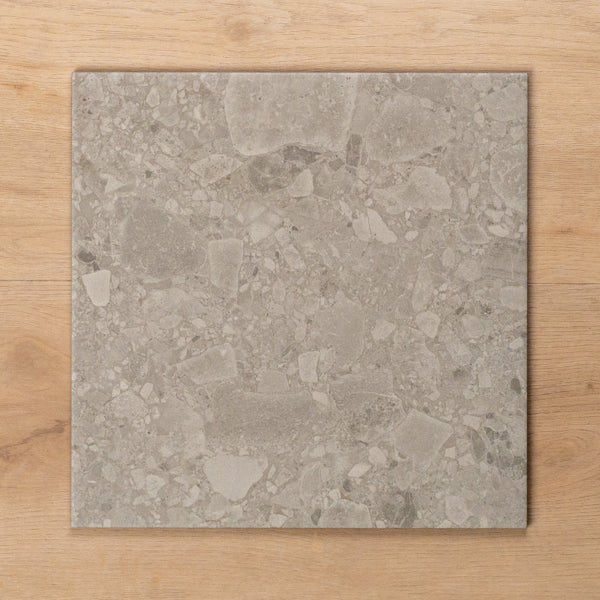
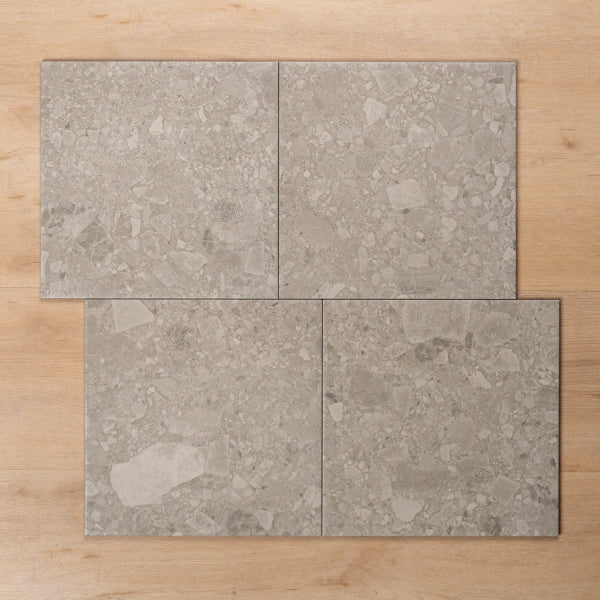
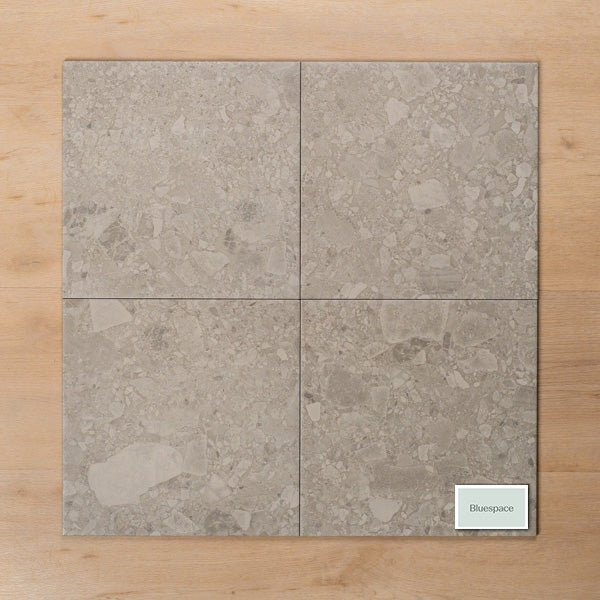
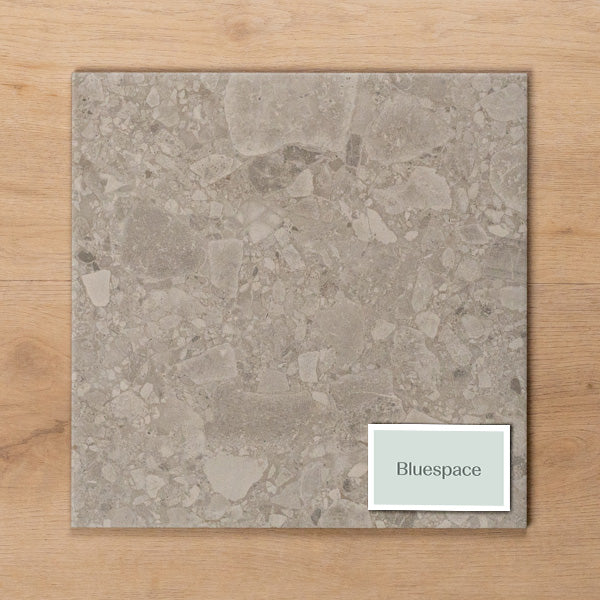

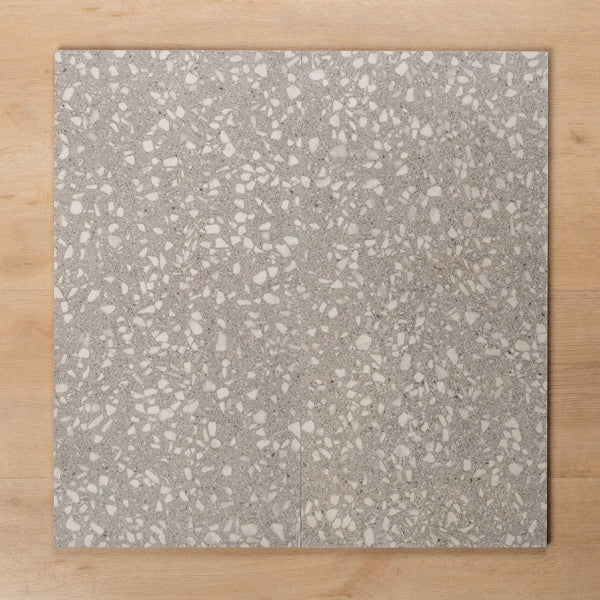
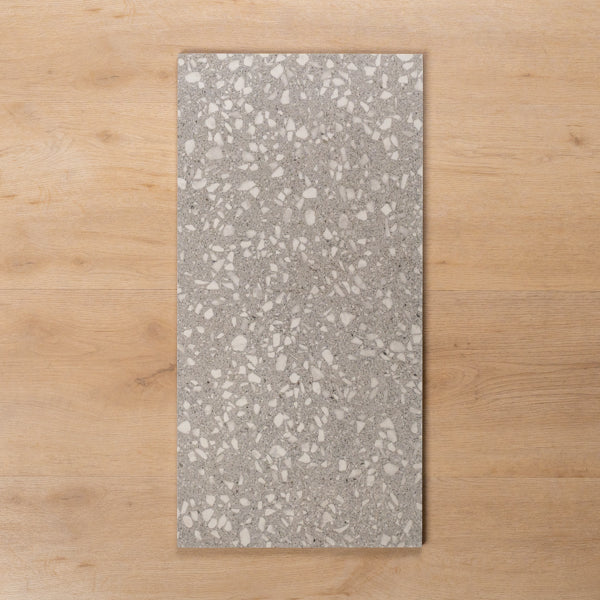
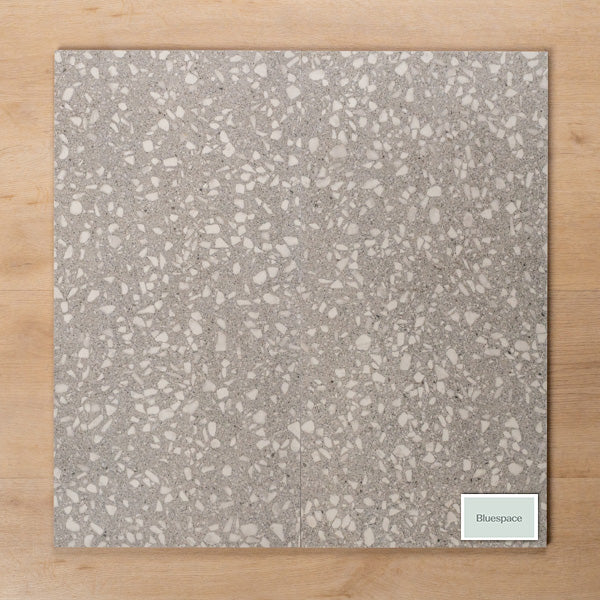

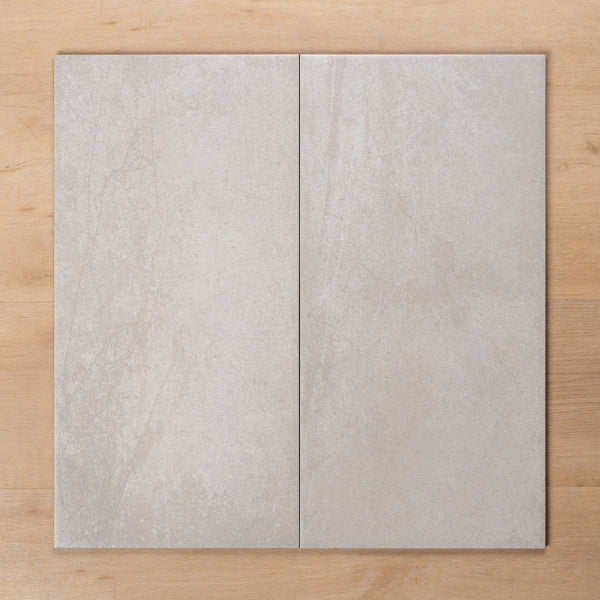
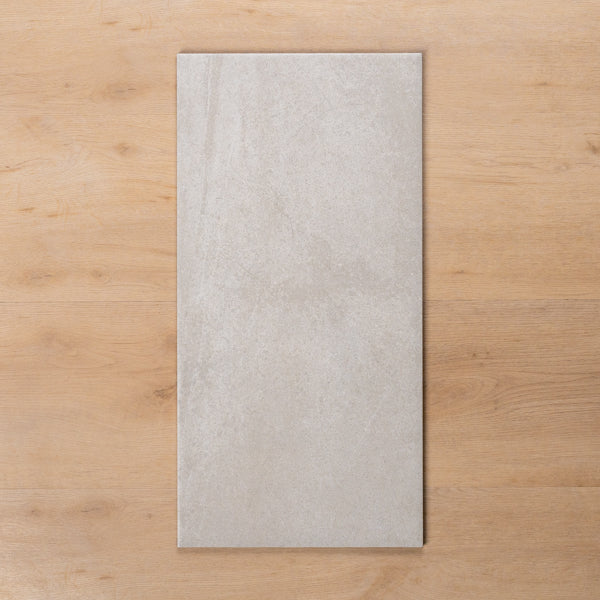
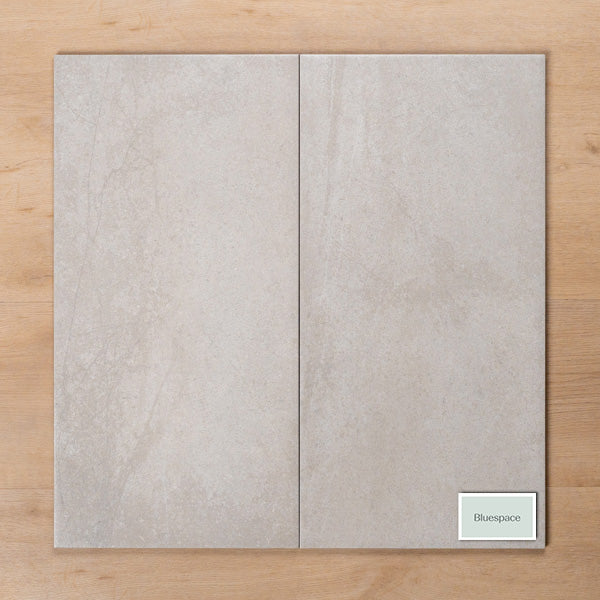

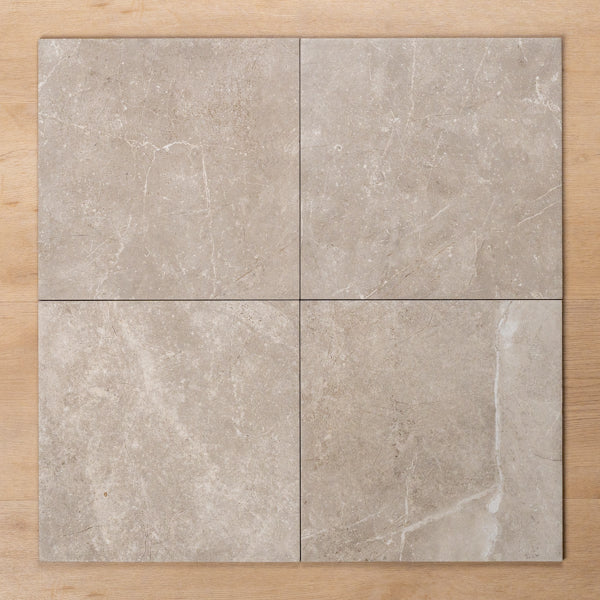
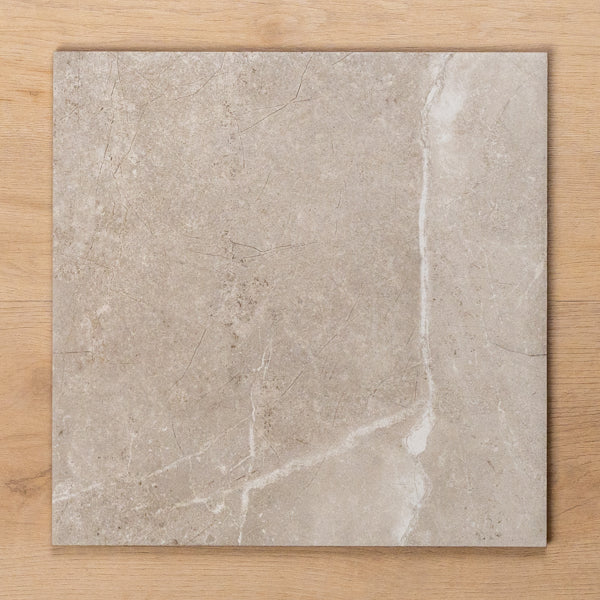
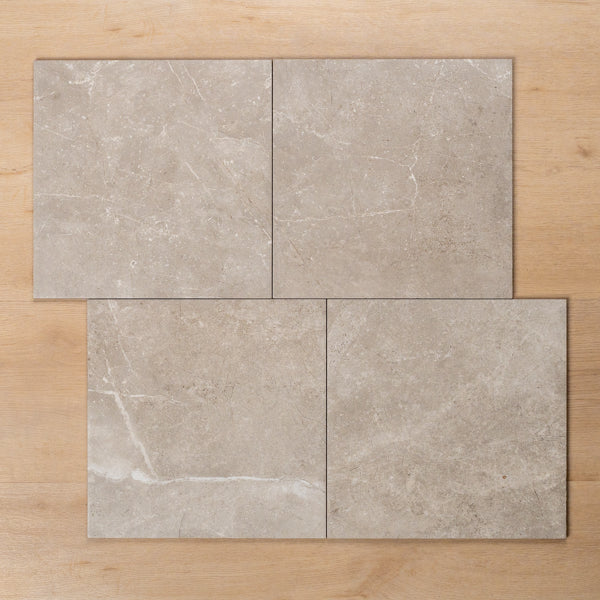
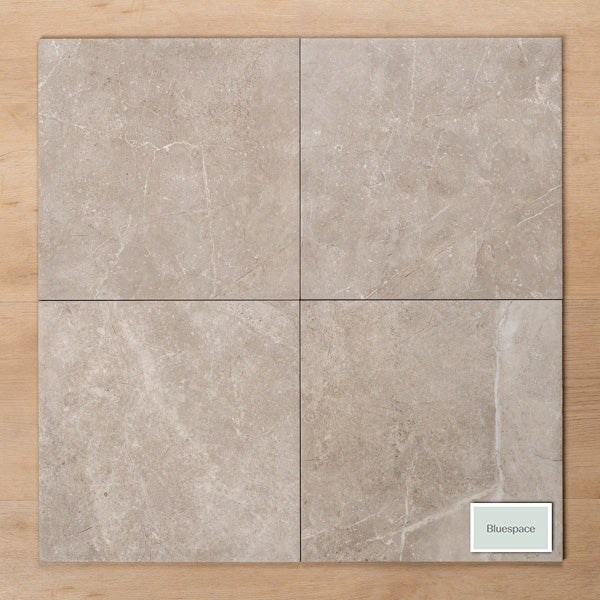
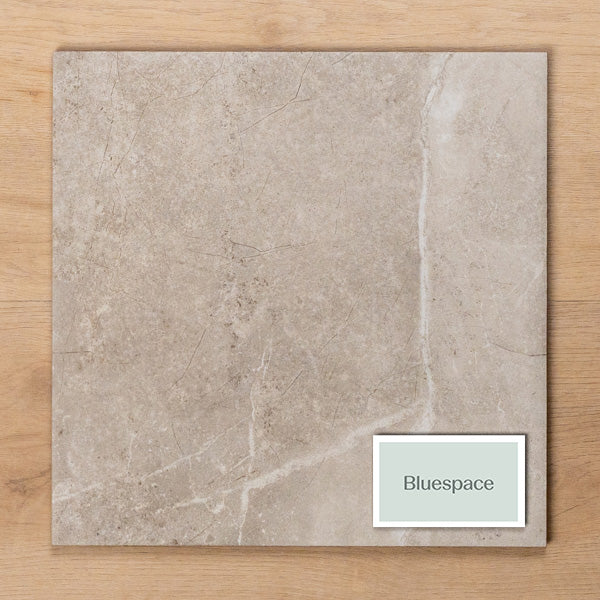

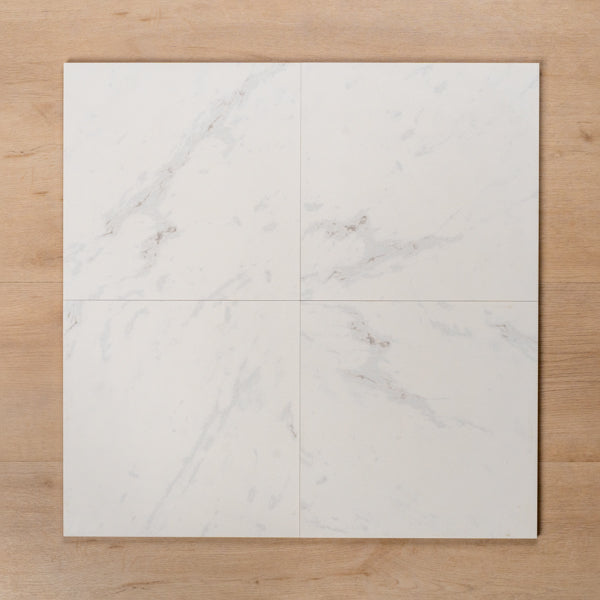
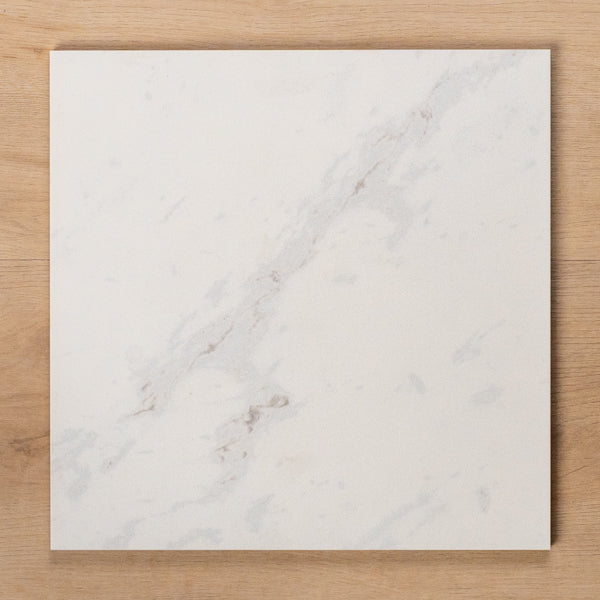
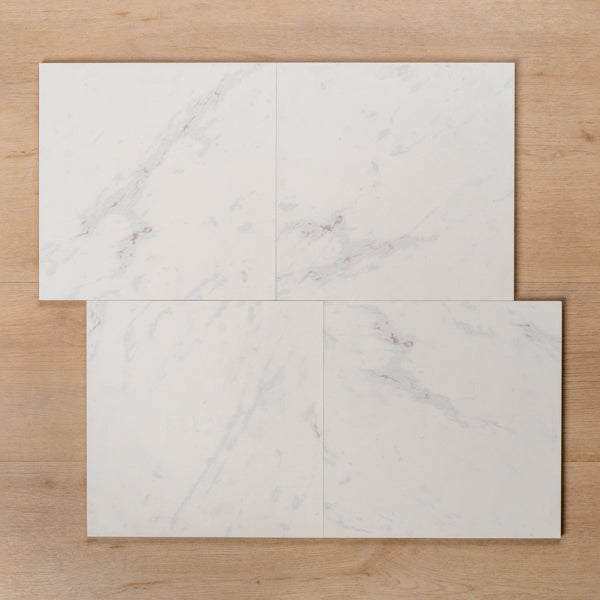
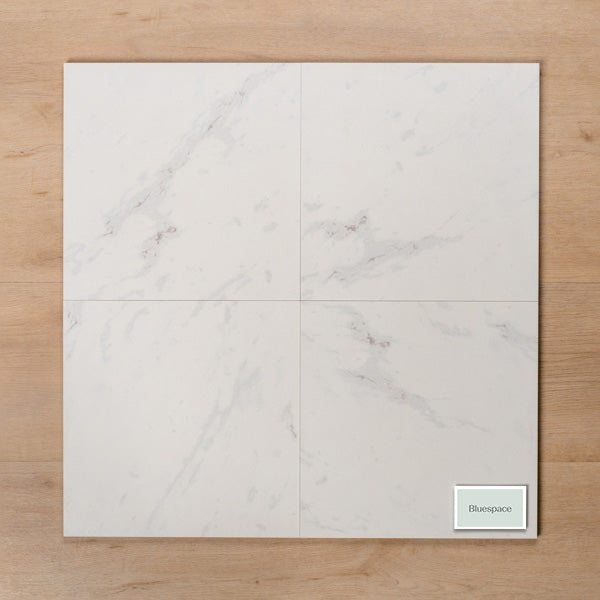
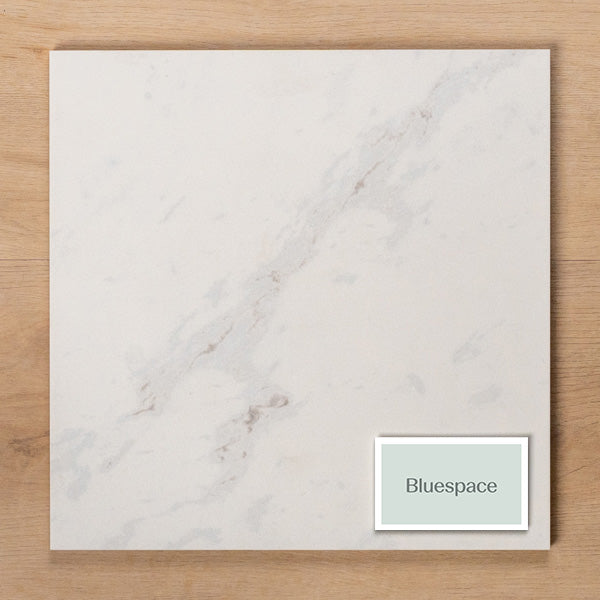

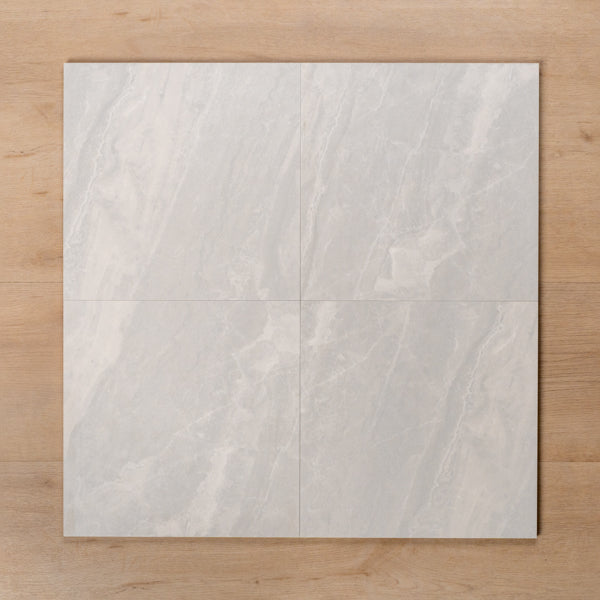
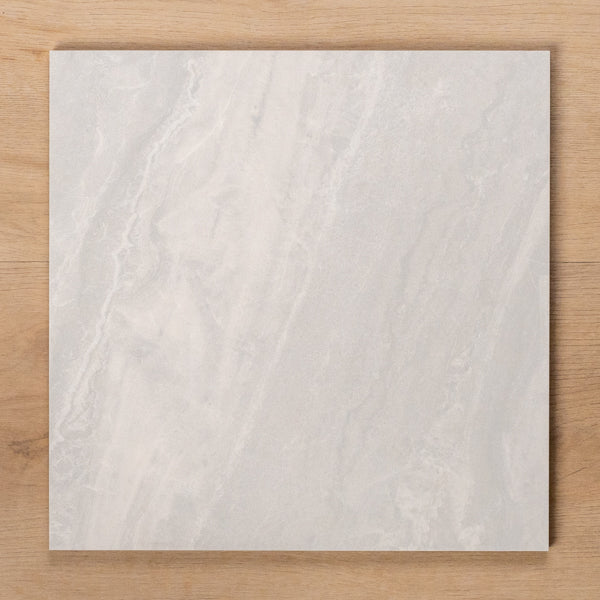
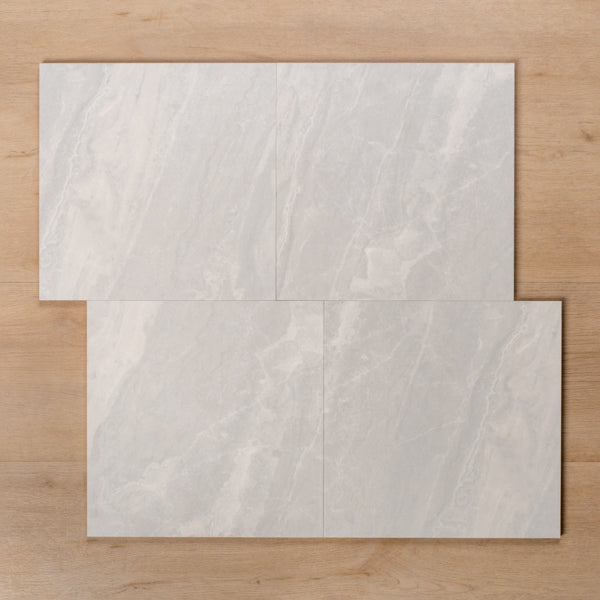
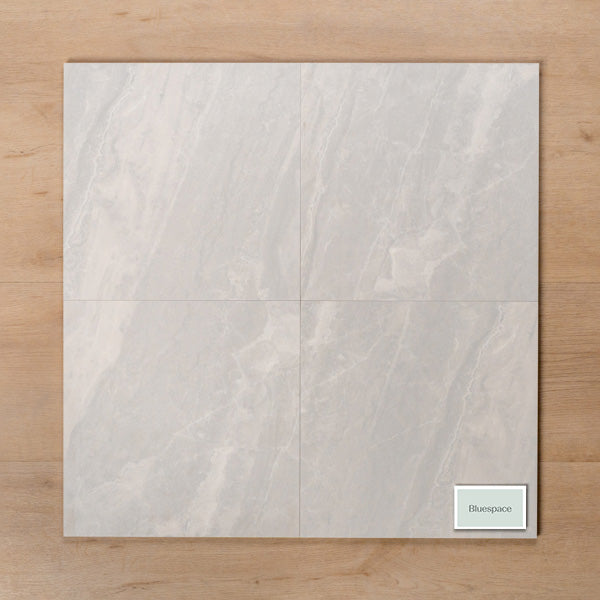
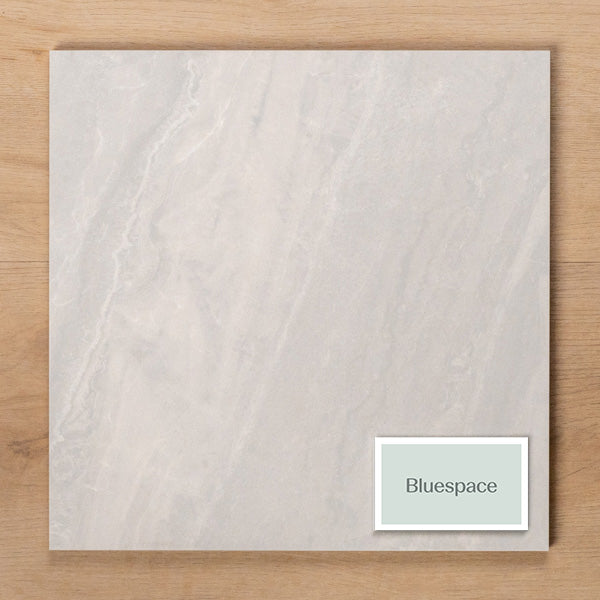

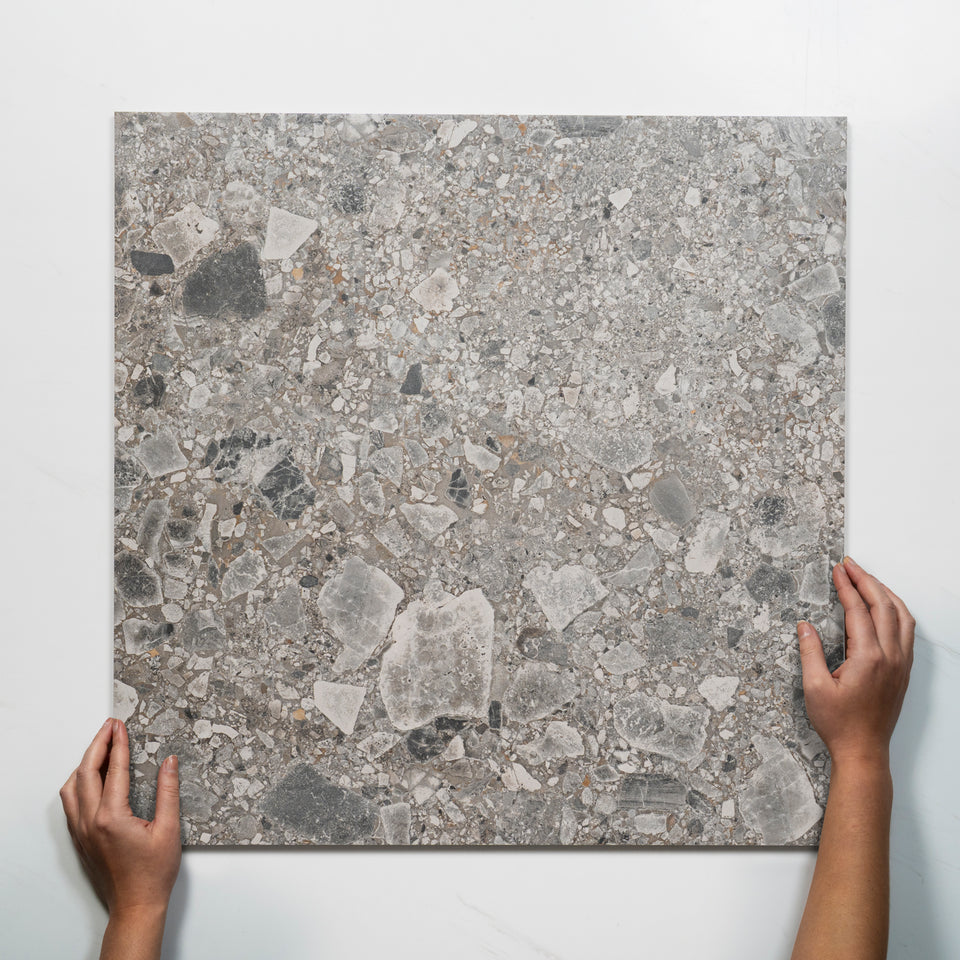
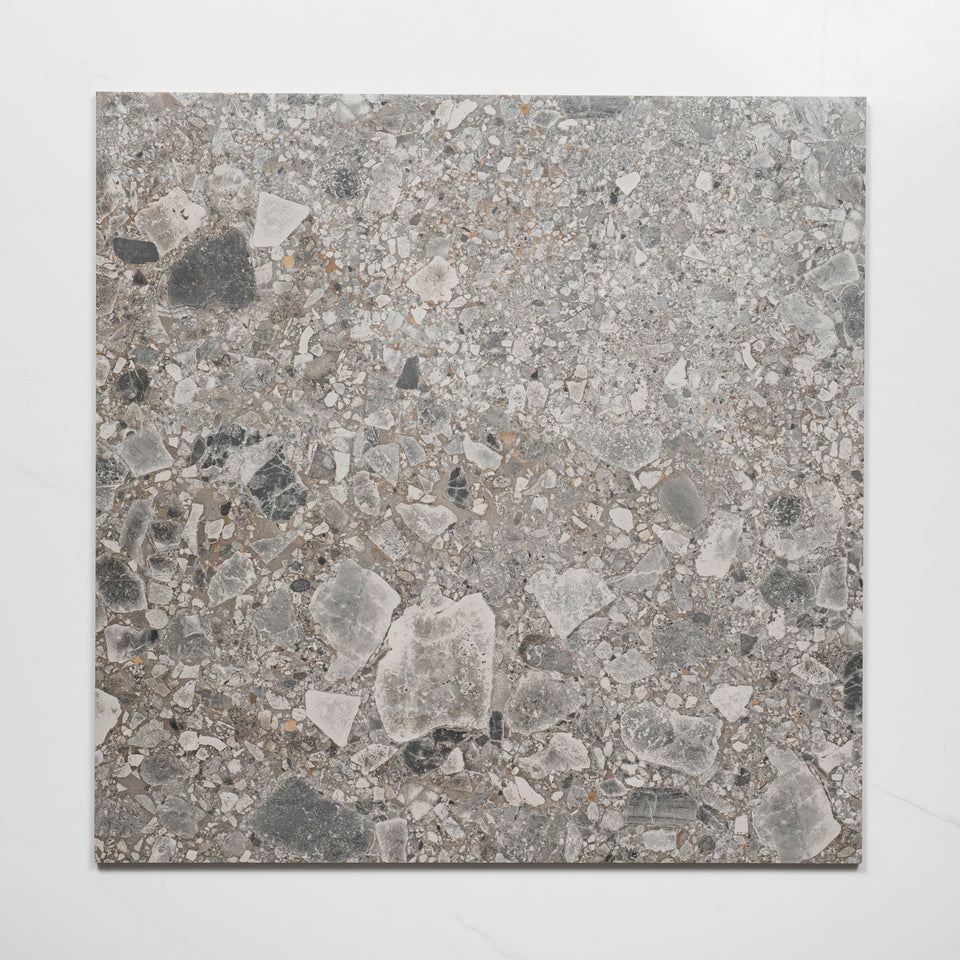
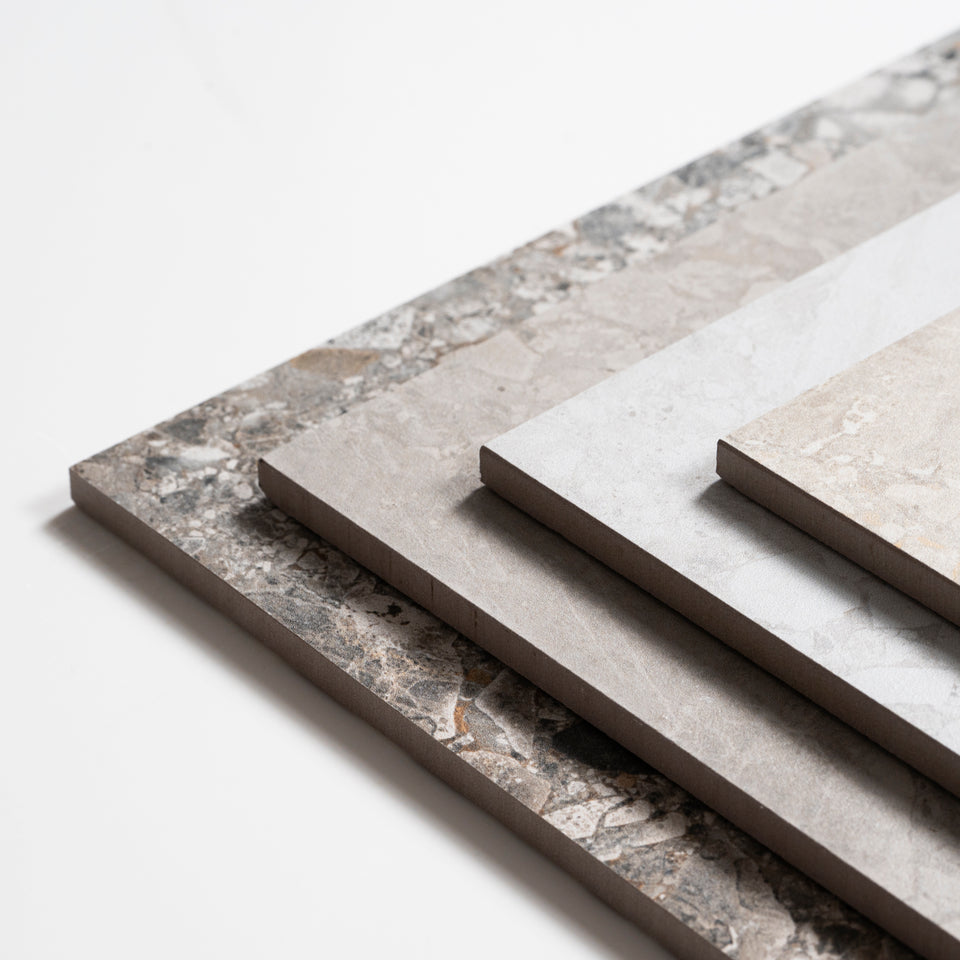
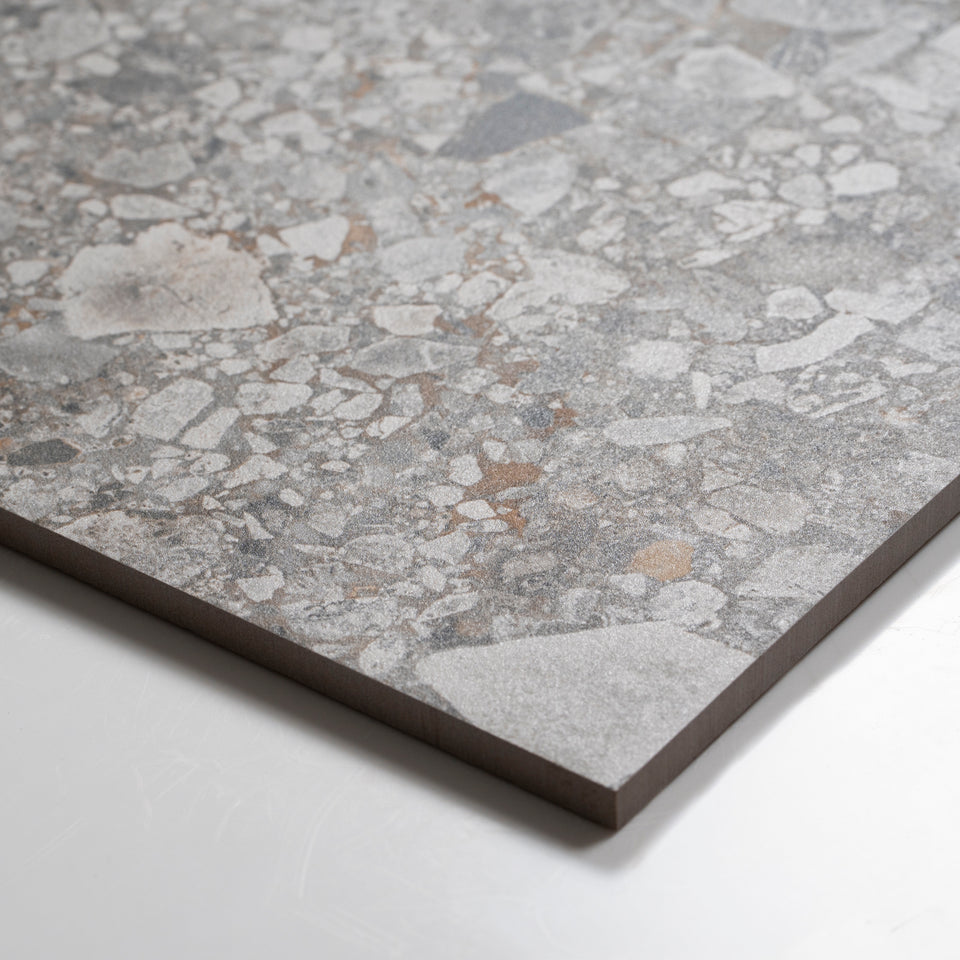

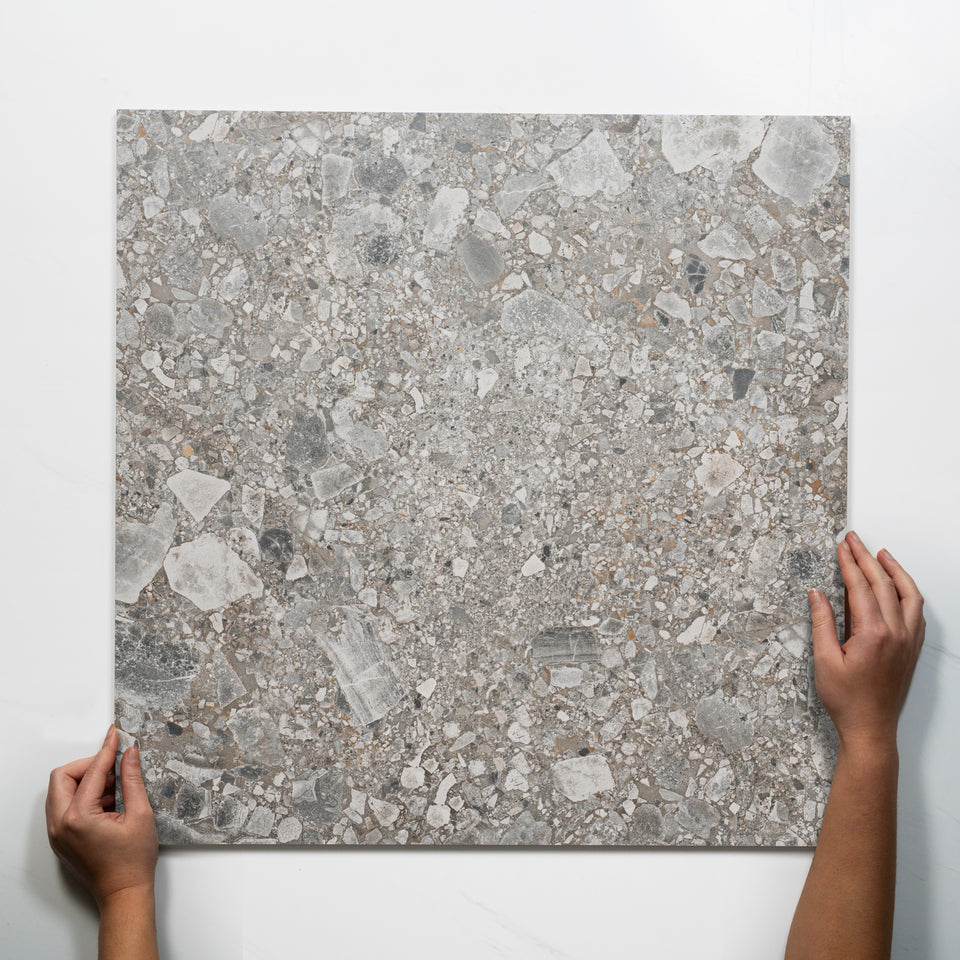
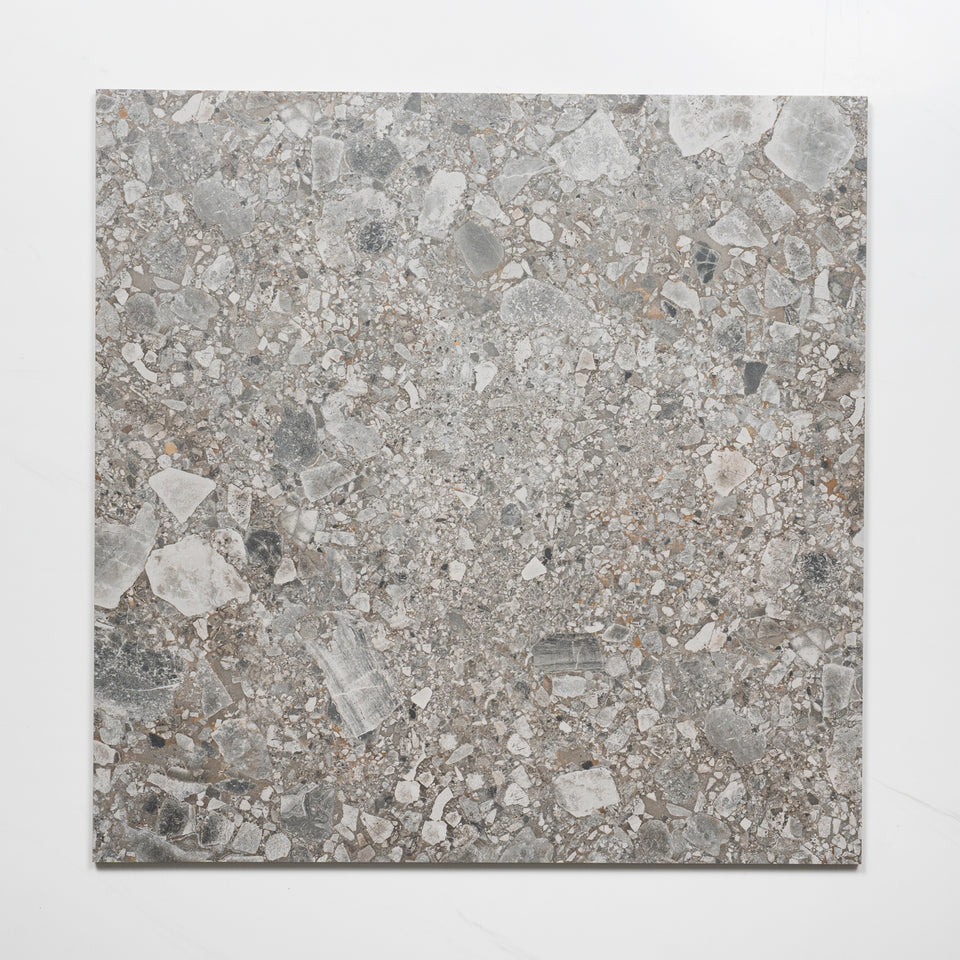
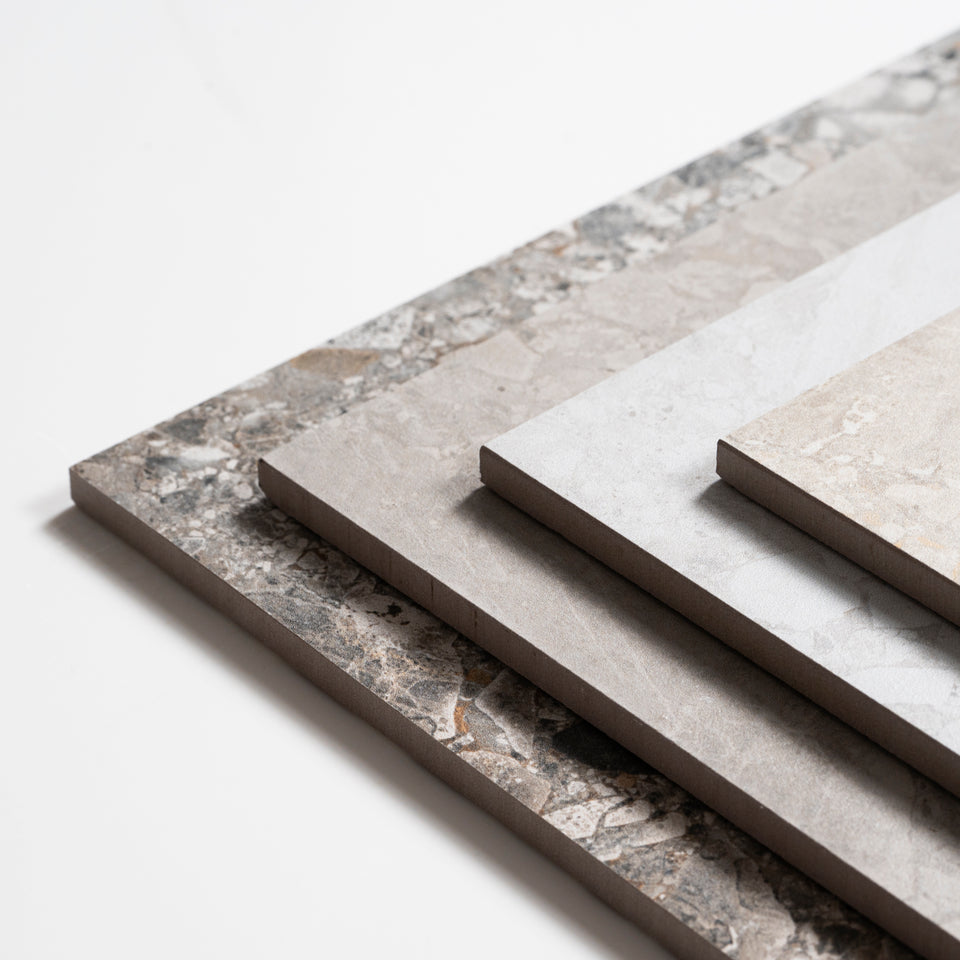
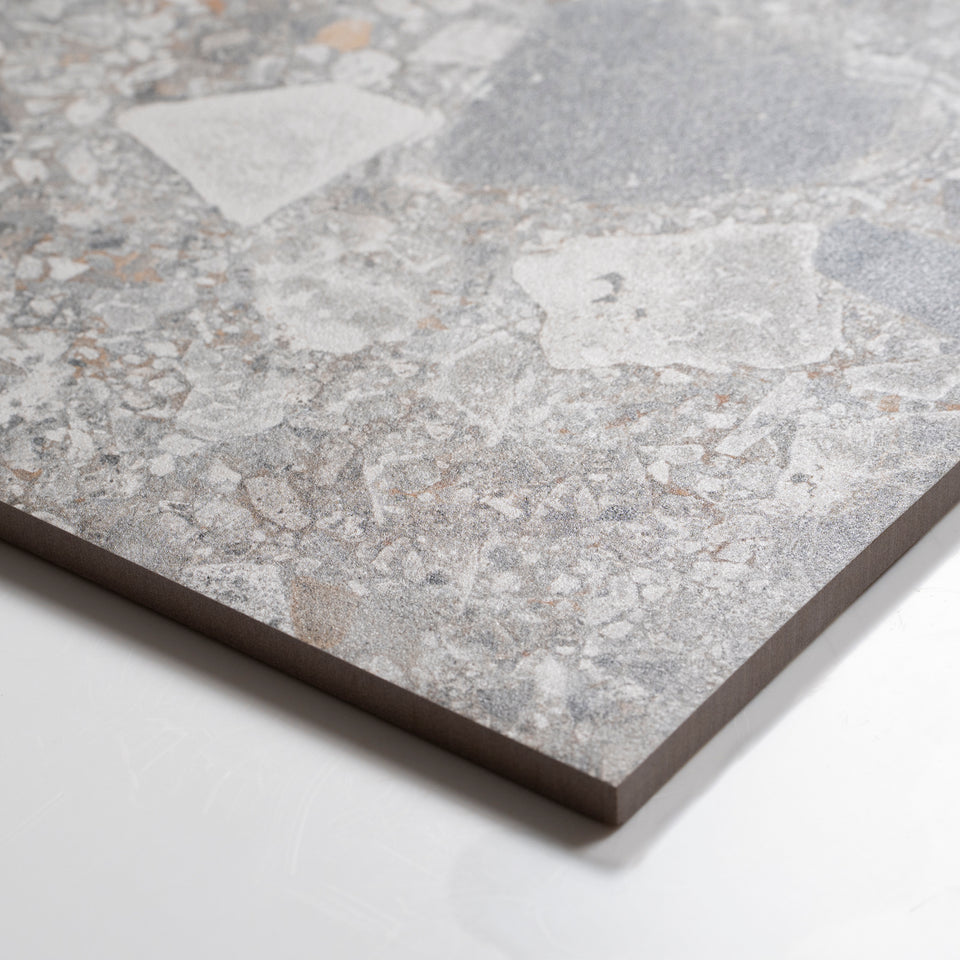

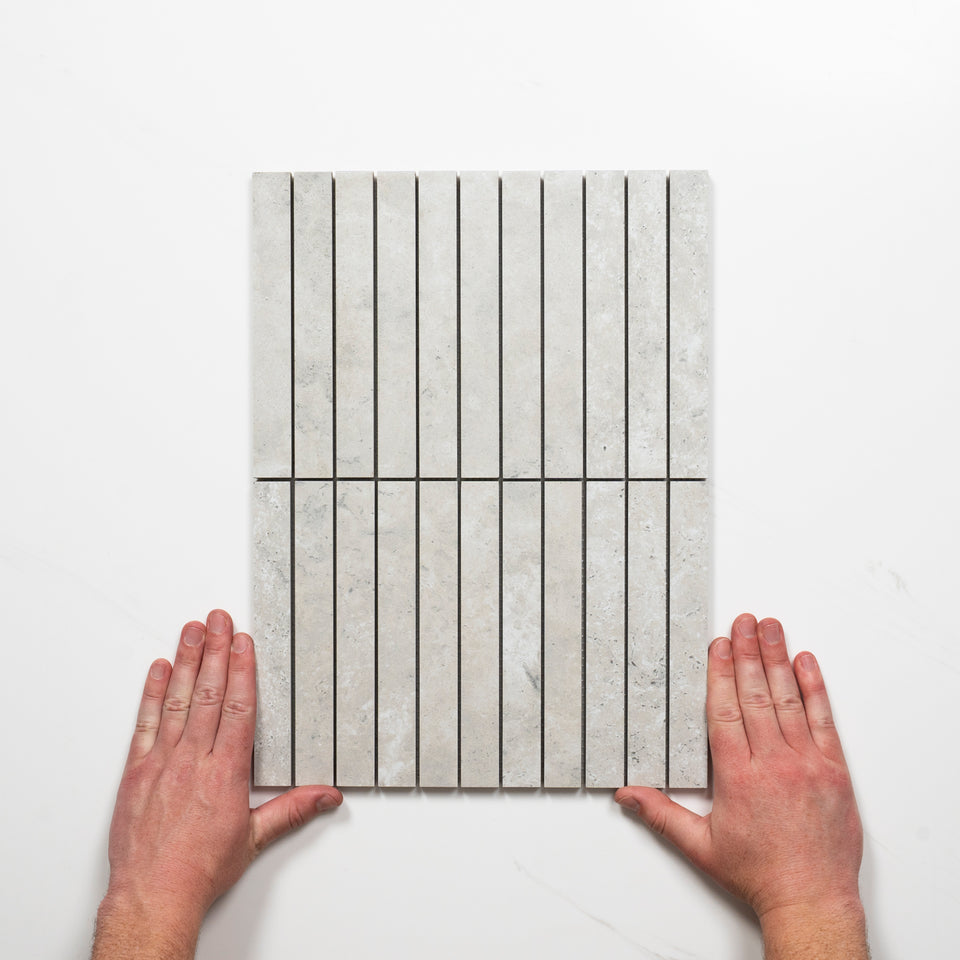
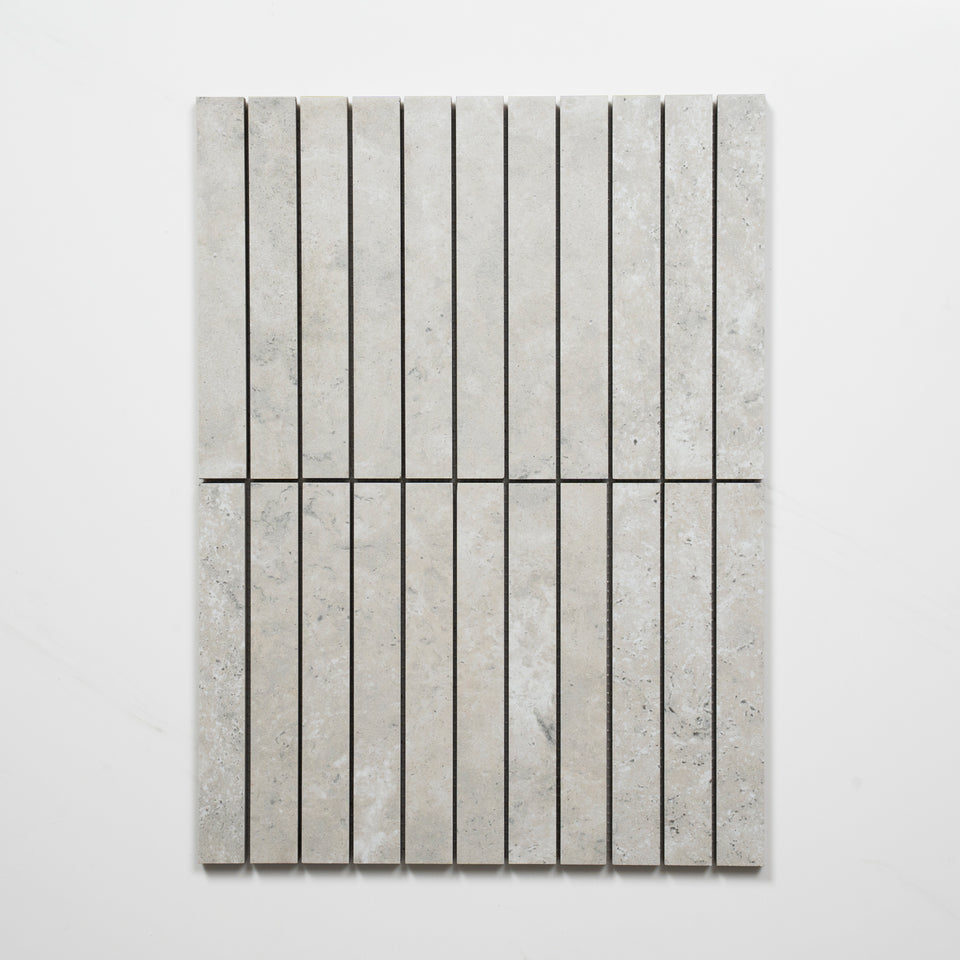

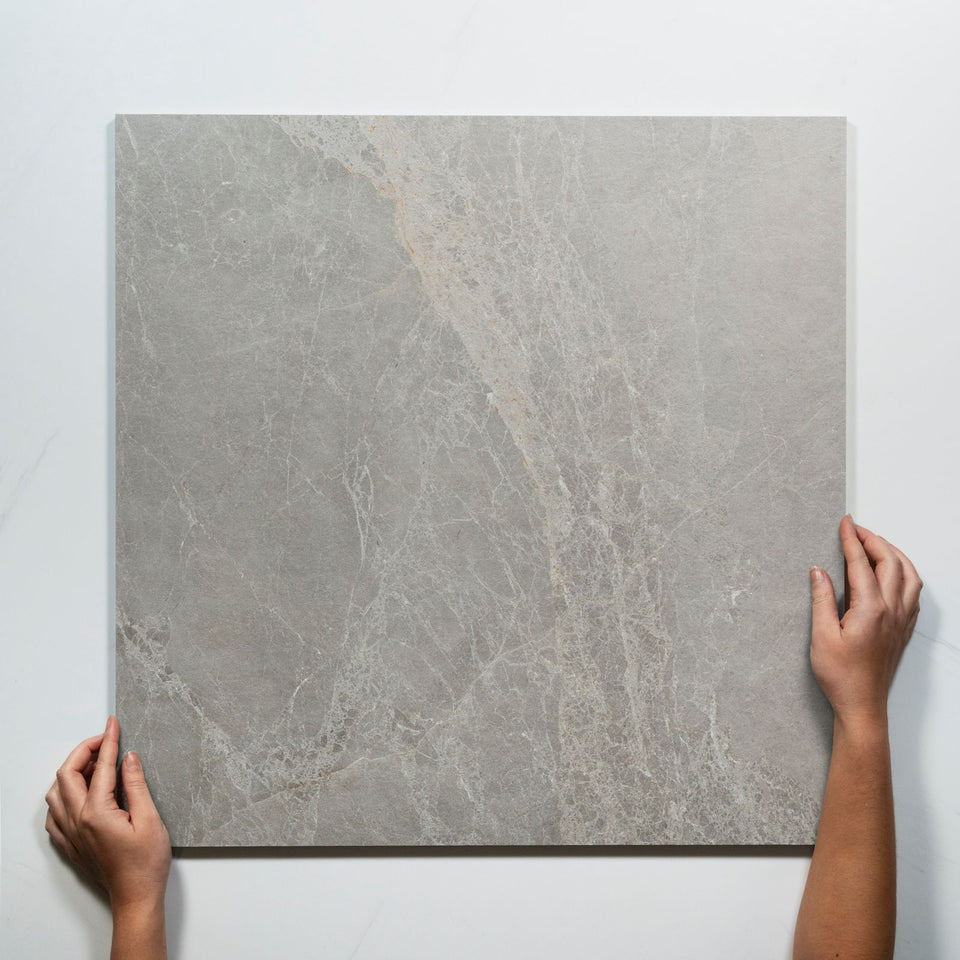
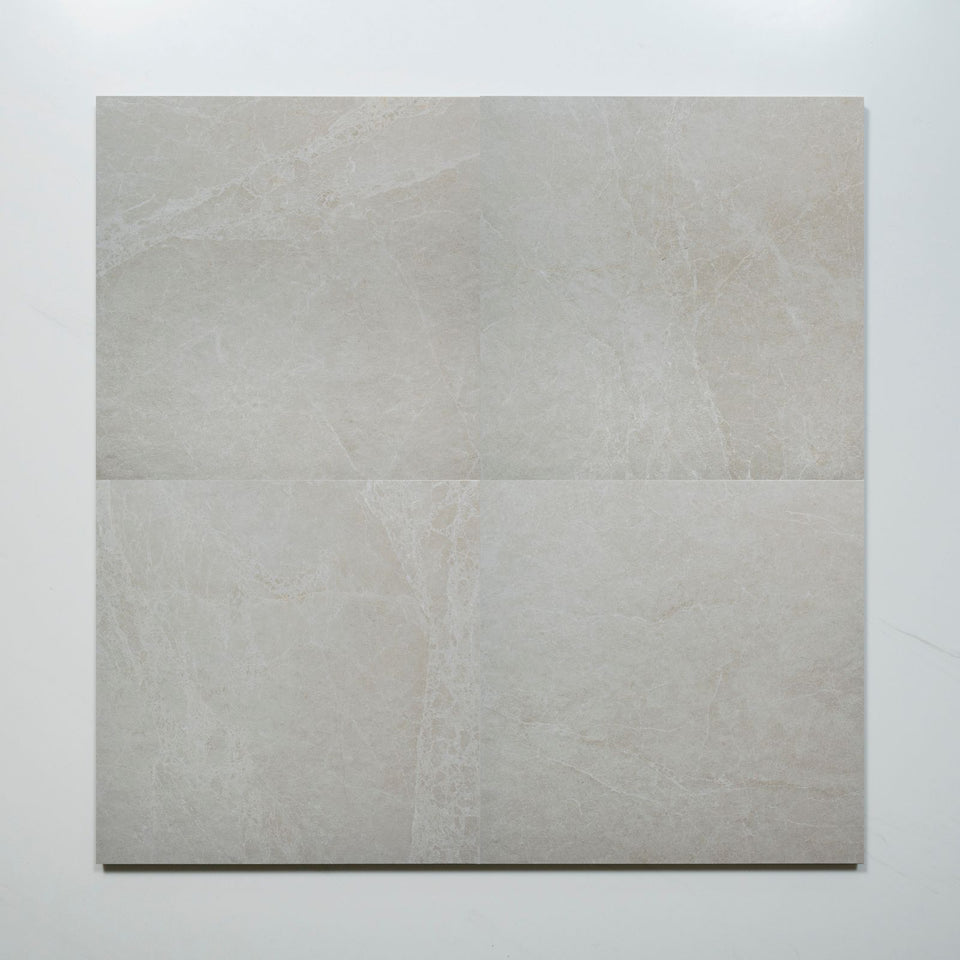
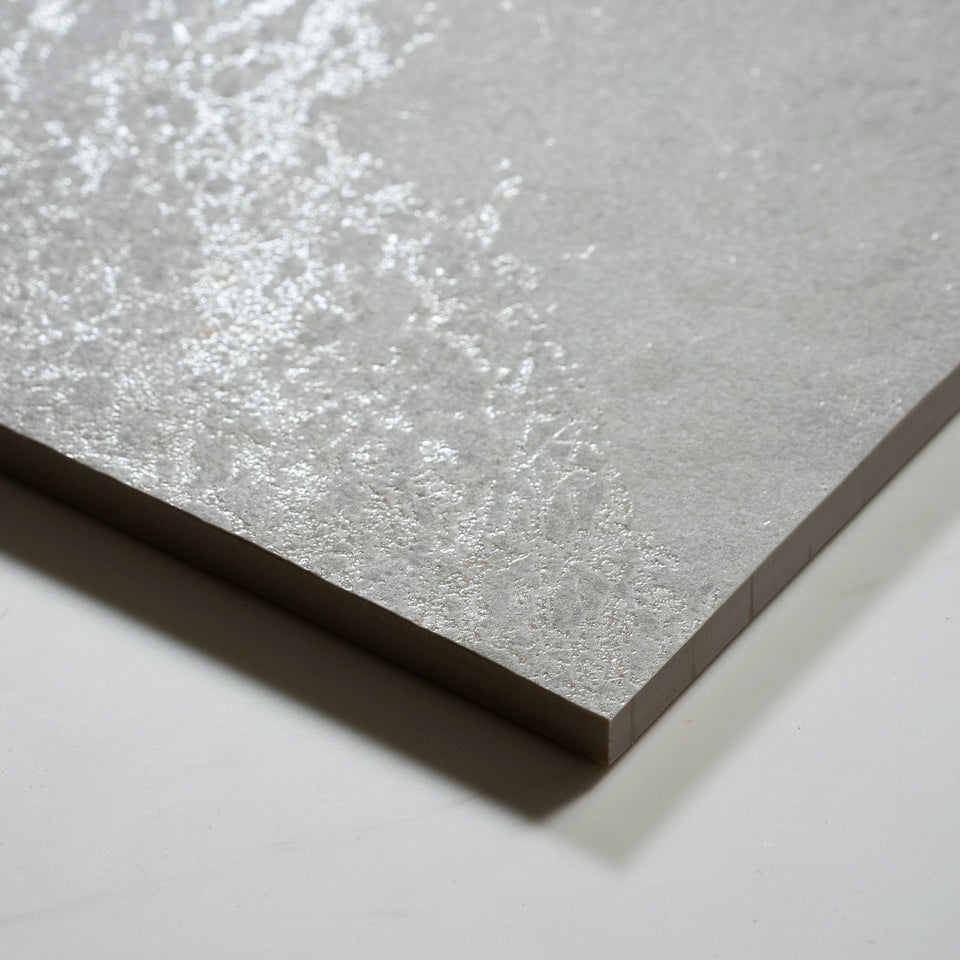

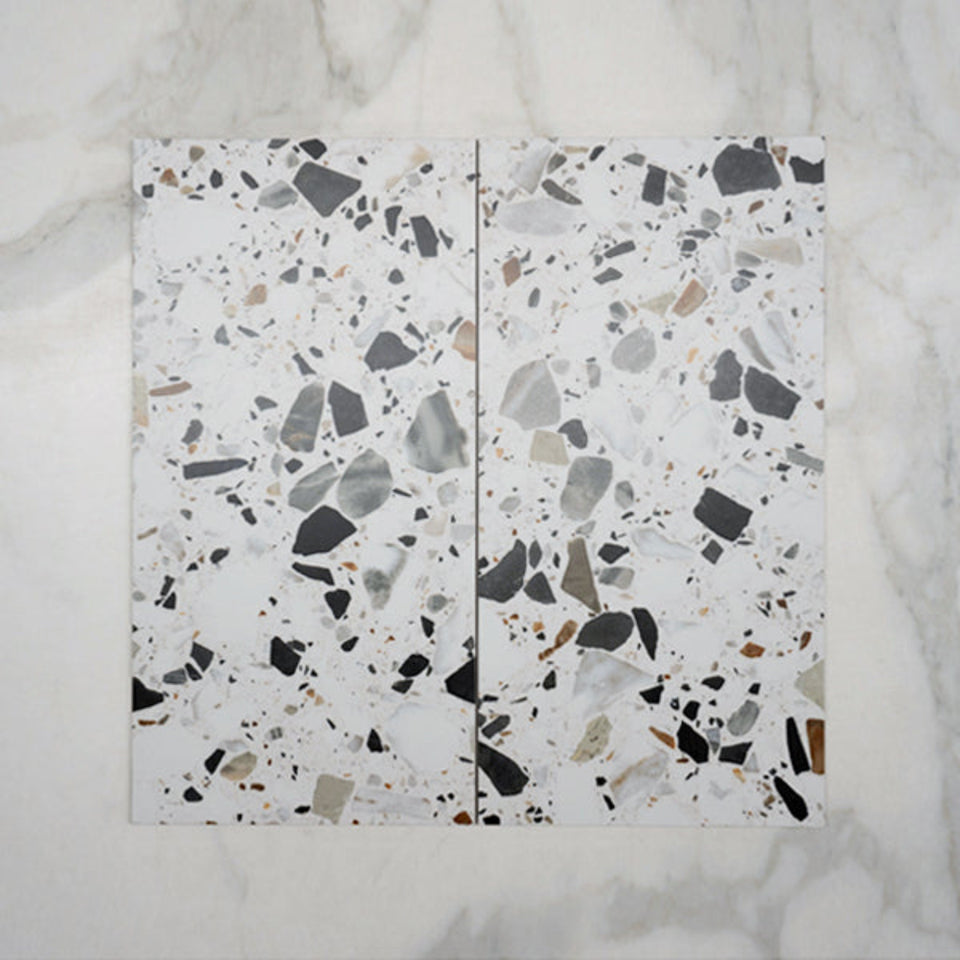
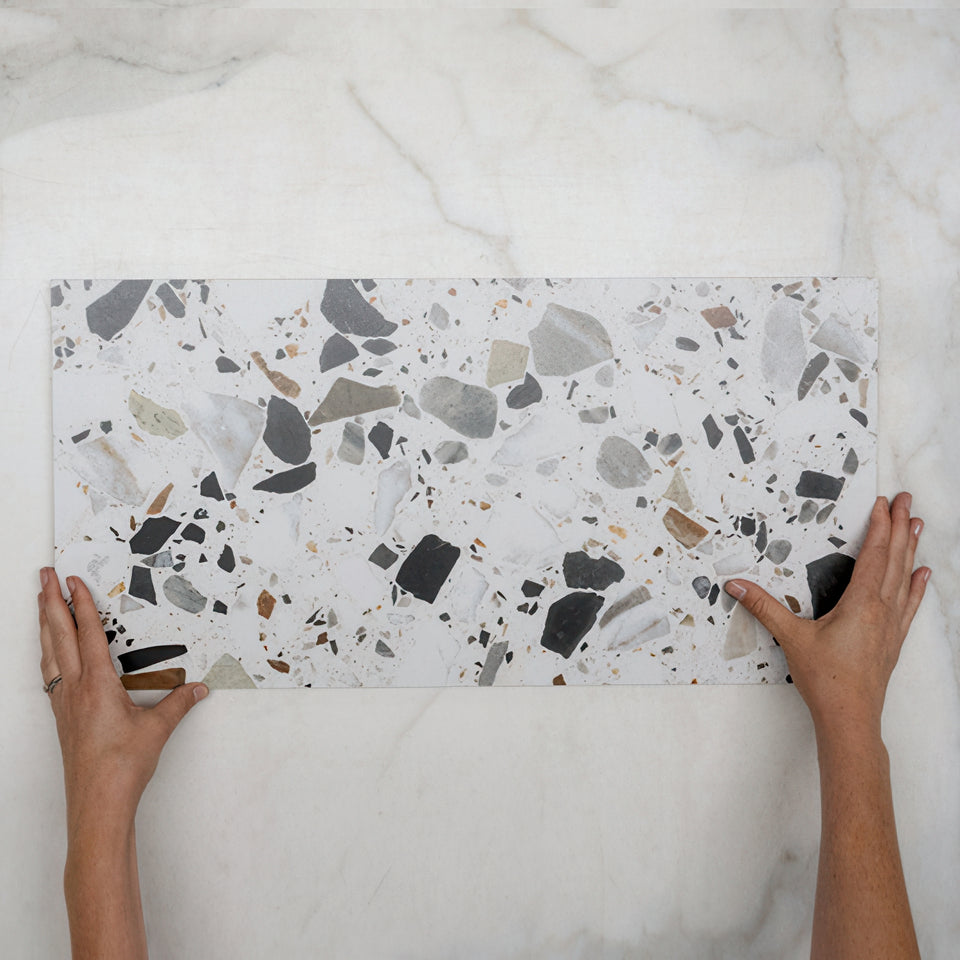
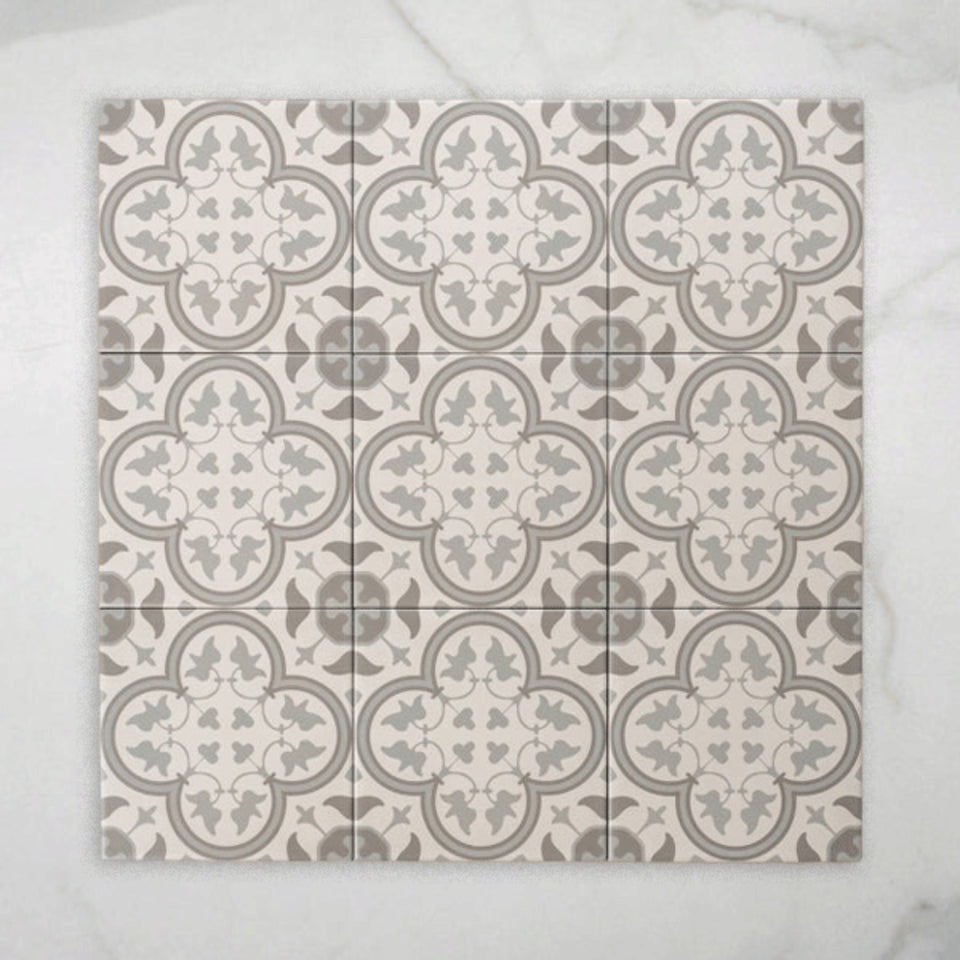
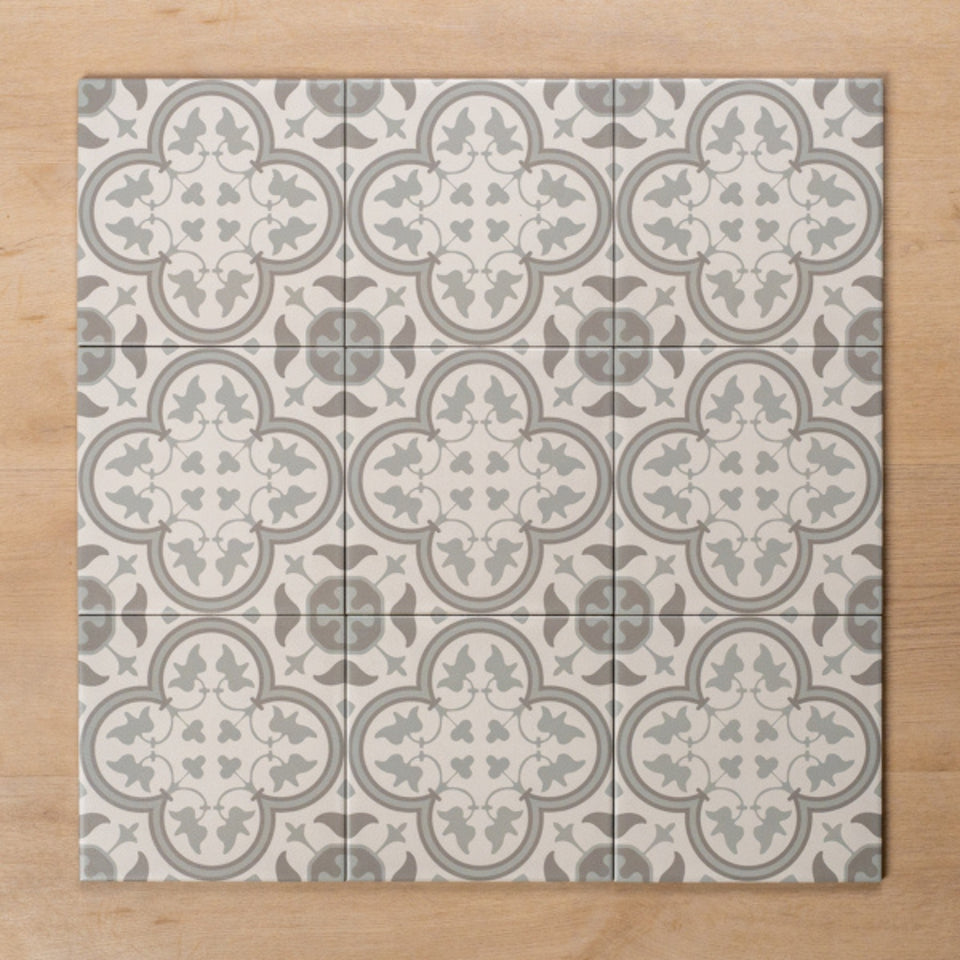
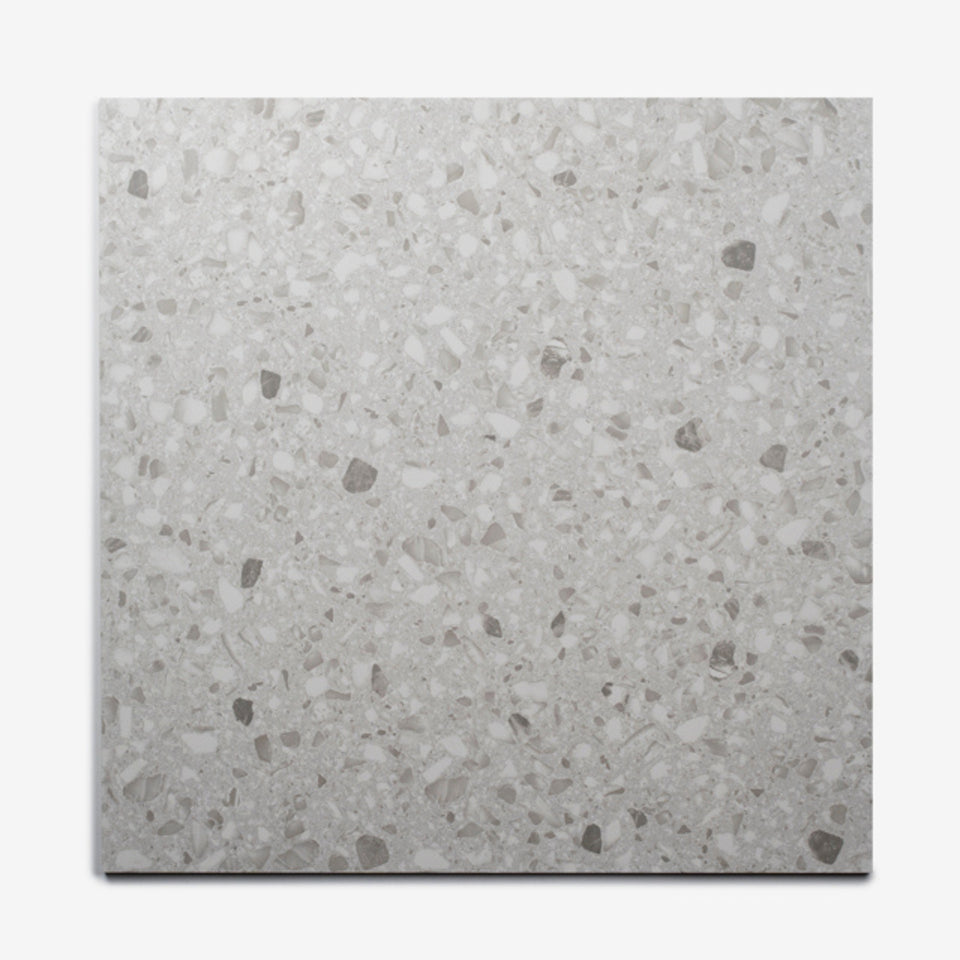
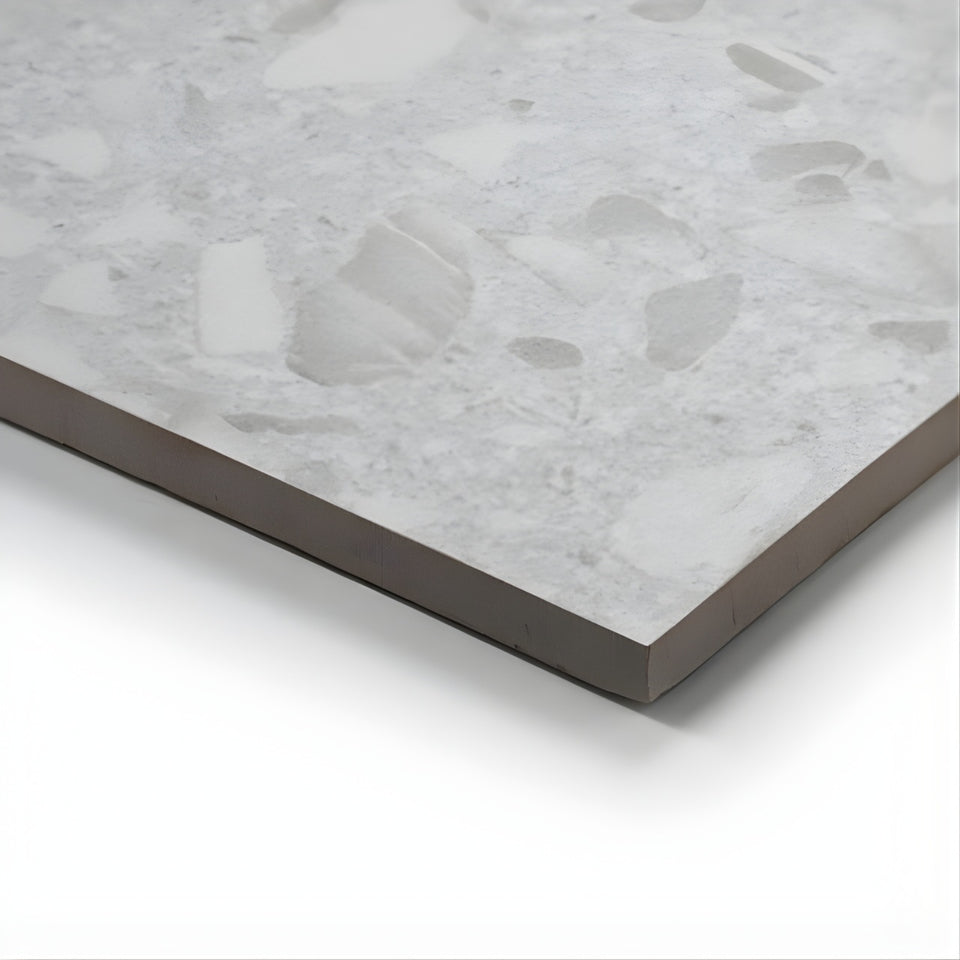
This range covers grey floor tiles across a broad set of tones, sizes and finishes, from soft dove grey through to deep charcoal. Grey has become one of the most widely chosen floor tones in bathrooms, kitchens, laundries and living areas because it sits comfortably alongside almost any wall colour, benchtop, or cabinetry finish, rather than forcing the rest of a room to be planned around it. It also tends to hide everyday dust, water spots and foot traffic better than a white floor, without reading as heavy or dark the way a full black floor can in a smaller room.
Light grey tiles reflect more light back into a room, which is useful in bathrooms or laundries with limited natural light or lower ceilings, as they help a compact space feel more open. Dark grey and charcoal tiles absorb more light and suit larger rooms, north facing spaces, or areas where a grounded, deliberate look is wanted, such as an entryway or a kitchen with light cabinetry. If a room gets strong direct sun for part of the day, a mid to dark grey can also mask glare better than a pale floor.
Matte and honed finishes are the more practical choice for bathrooms, laundries, alfresco areas and anywhere else that gets wet, since a textured or low sheen surface provides more underfoot grip than a highly polished tile. Polished or gloss grey tiles can still work well in drier zones like hallways, living areas or kitchens away from the sink splash zone, where the reflective finish helps bounce light around the room. Always check the slip rating listed against a tile before using it in a wet area, rather than assuming a grey tone is automatically suitable.
Larger format tiles reduce the number of grout lines across a floor, which can make a small bathroom or ensuite feel less broken up and easier to keep clean. Smaller format tiles suit spaces with more corners, steps or fixtures to tile around, such as a laundry with cabinetry, since they are easier to cut and fit into tighter areas. Neither size is inherently better, the right choice depends on the shape and scale of the room being tiled.
Natural variation in colour and veining between production batches is normal for tiles, so it is worth ordering the full quantity needed for a floor, plus a spare allowance for cuts and future repairs, from the same batch code where possible. This avoids a visible shift in tone partway across a larger floor, which is more noticeable with grey tiles than with heavily patterned designs. Measuring the room accurately and adding a percentage for wastage before ordering helps avoid running short and having to source a later batch.
Work through shade, finish and size together rather than in isolation, and confirm slip rating for any wet area before finalising a selection.


