
*View accurate shipping rates and availability






5 Items
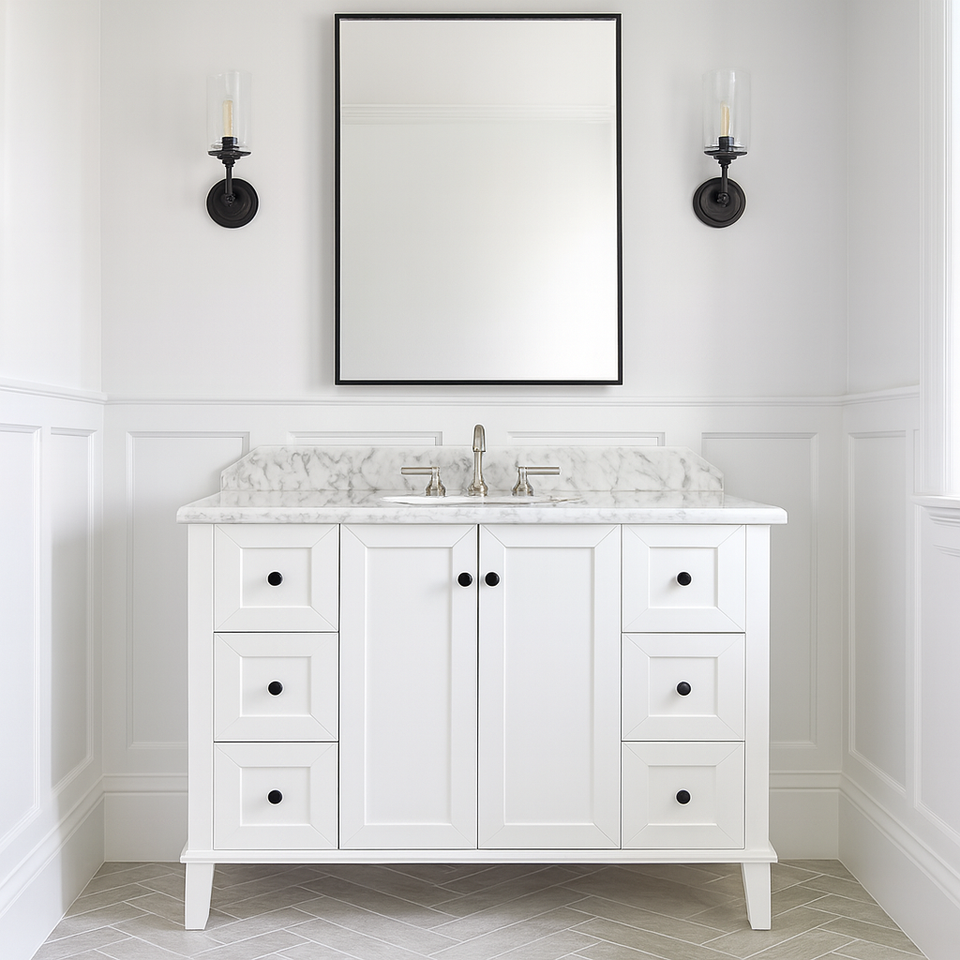
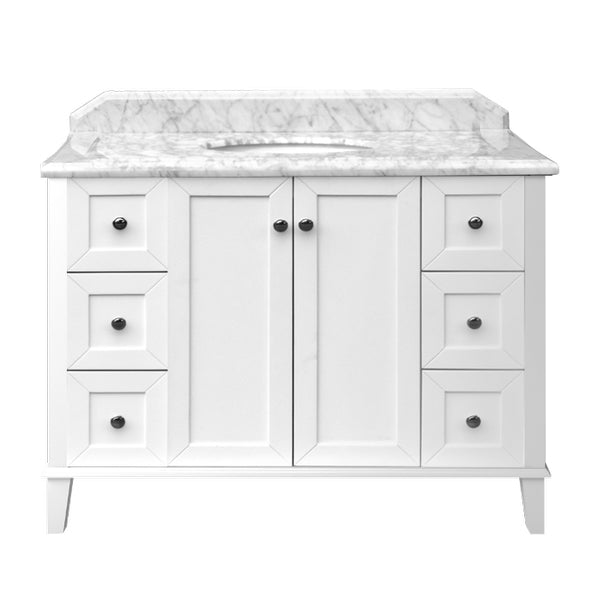

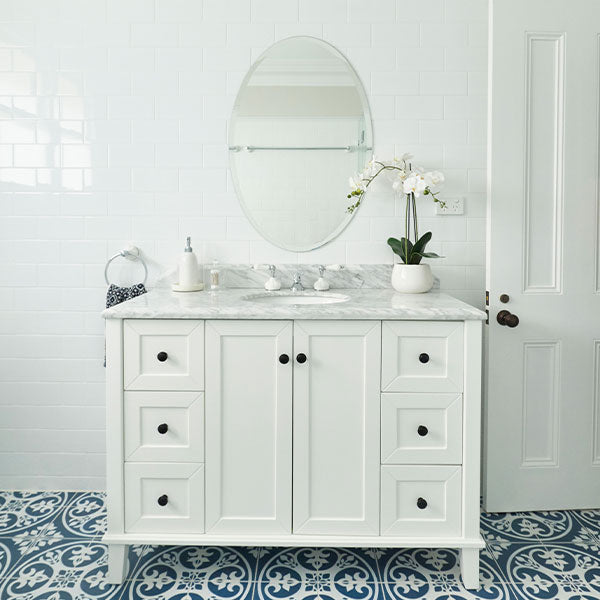
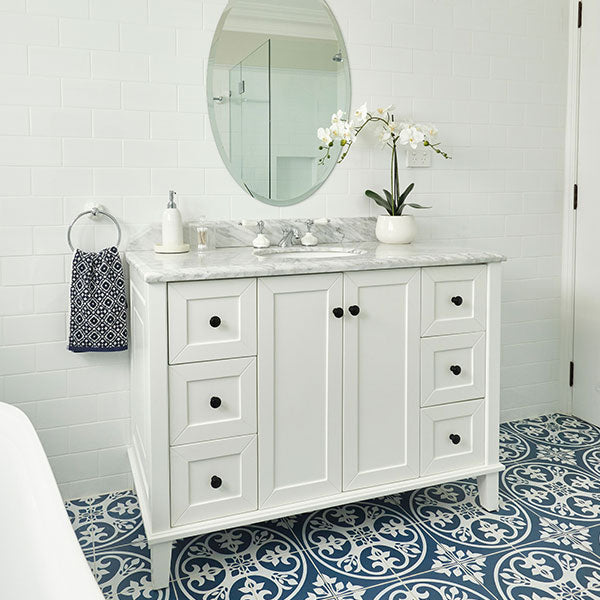
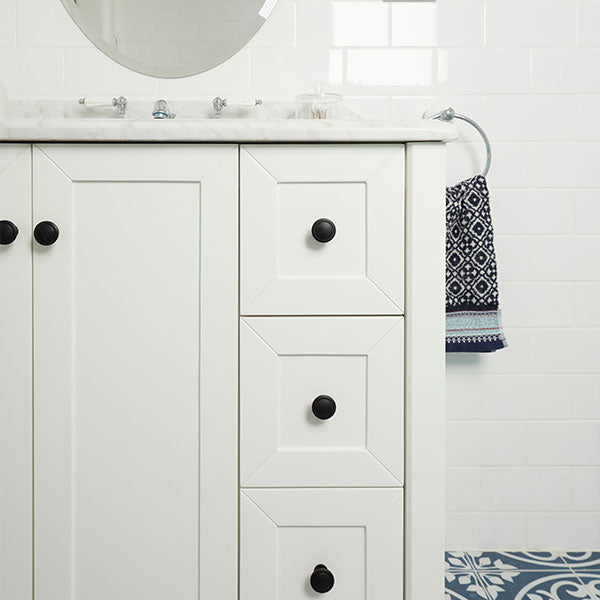

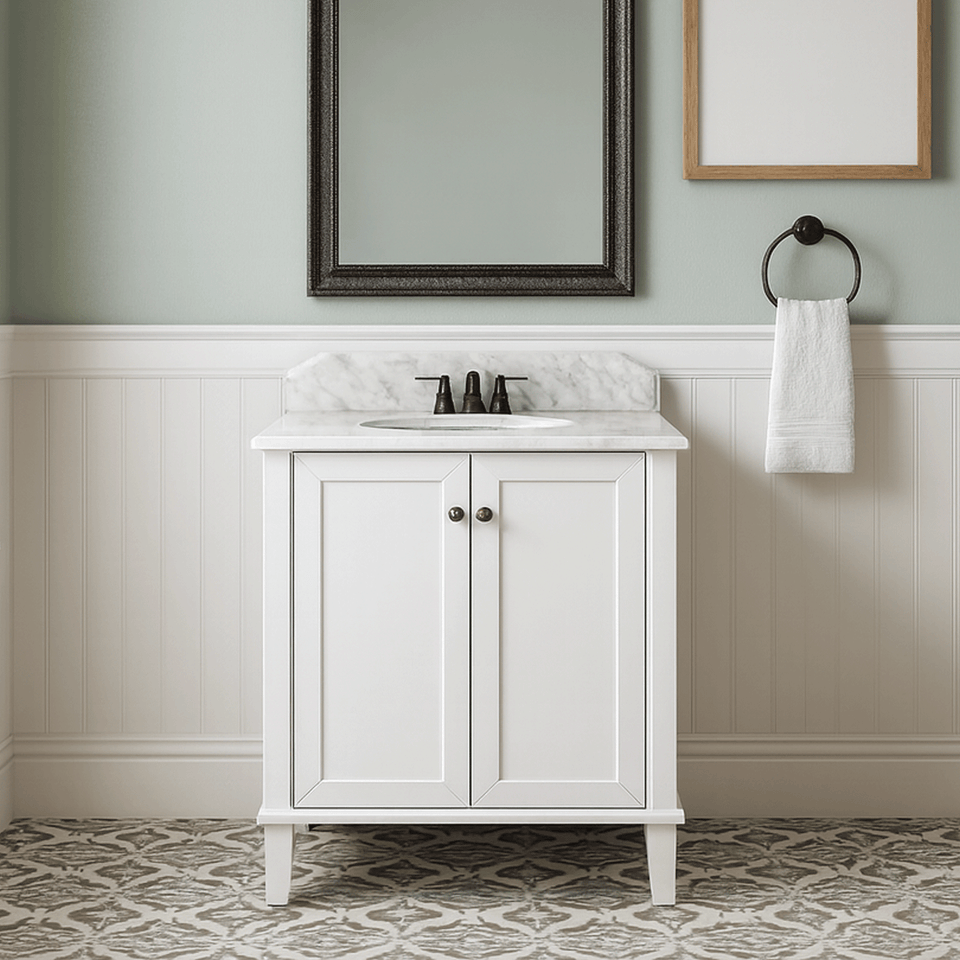
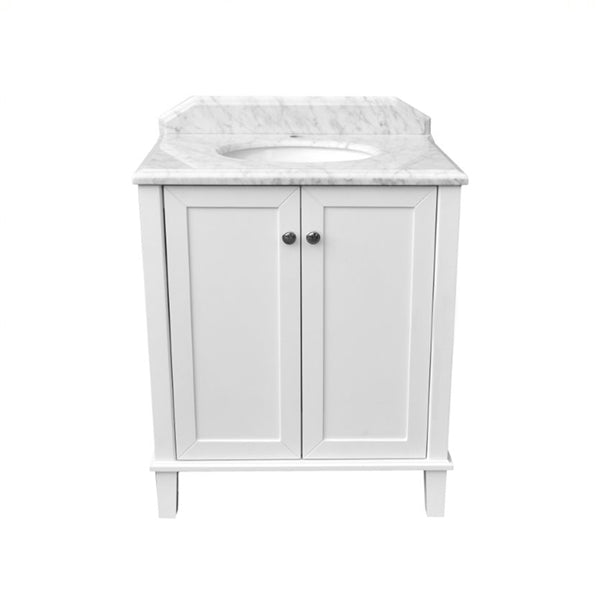
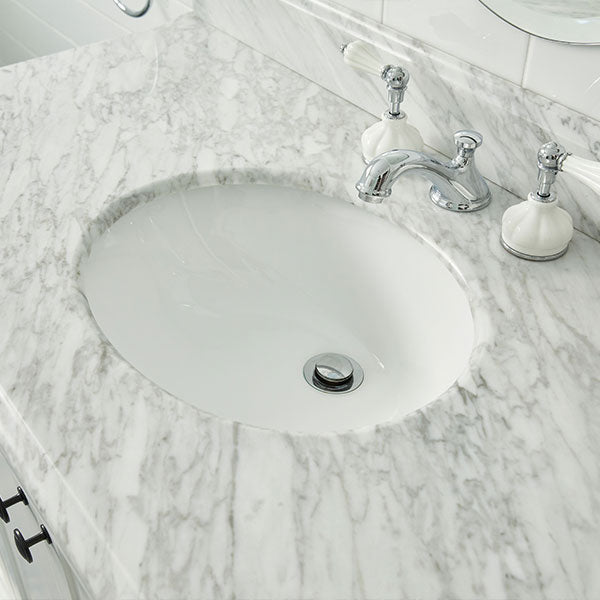

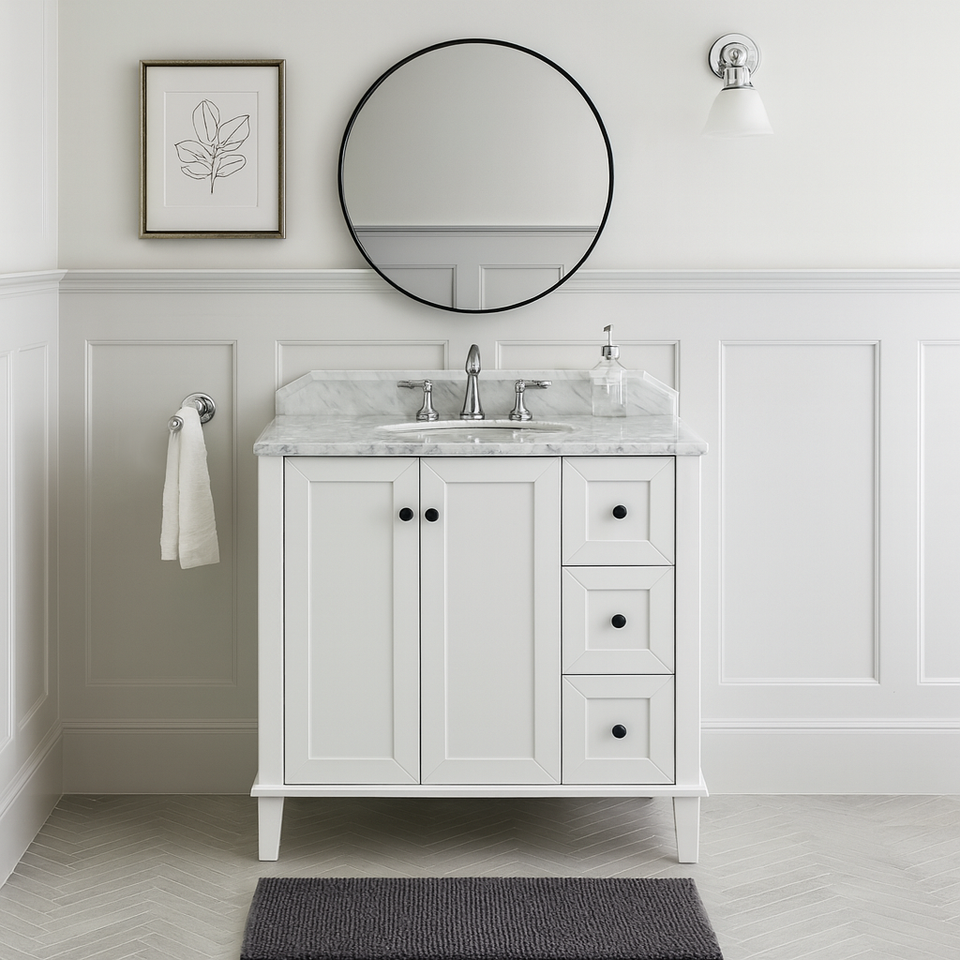
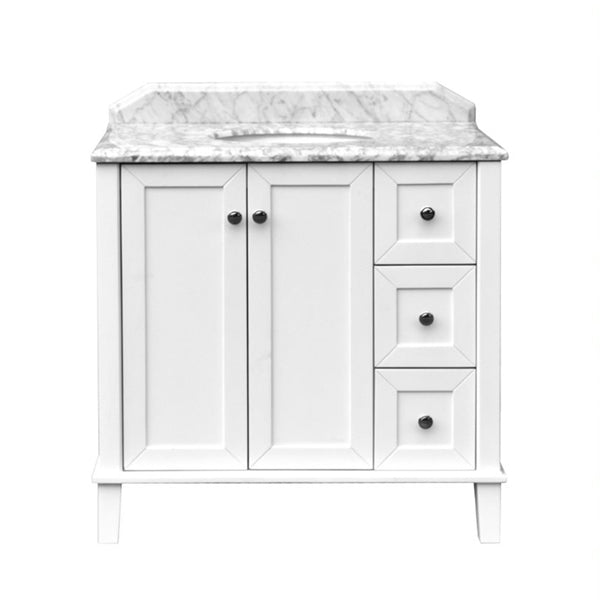
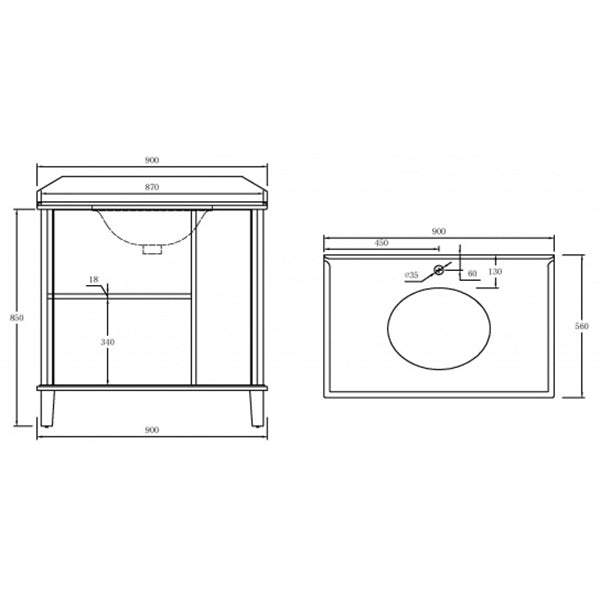
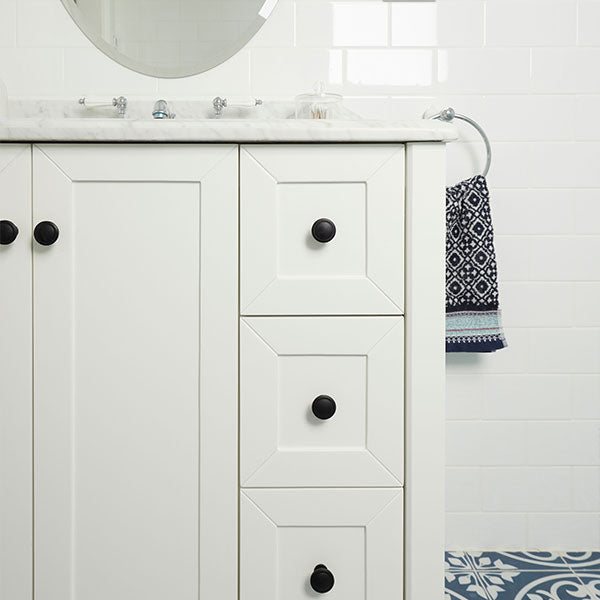
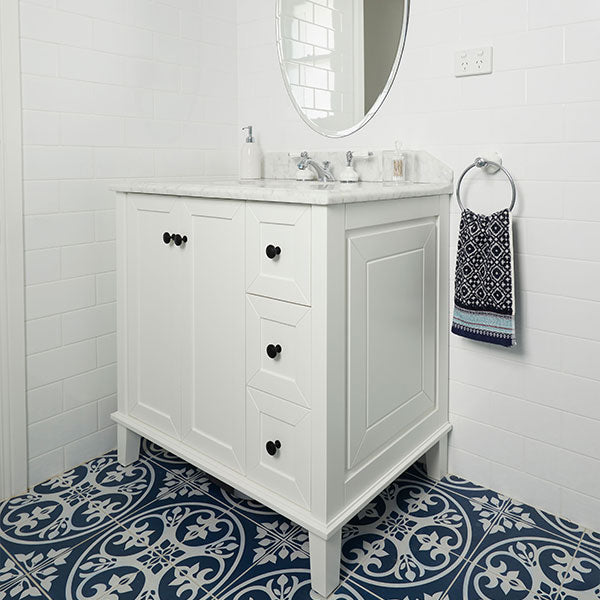

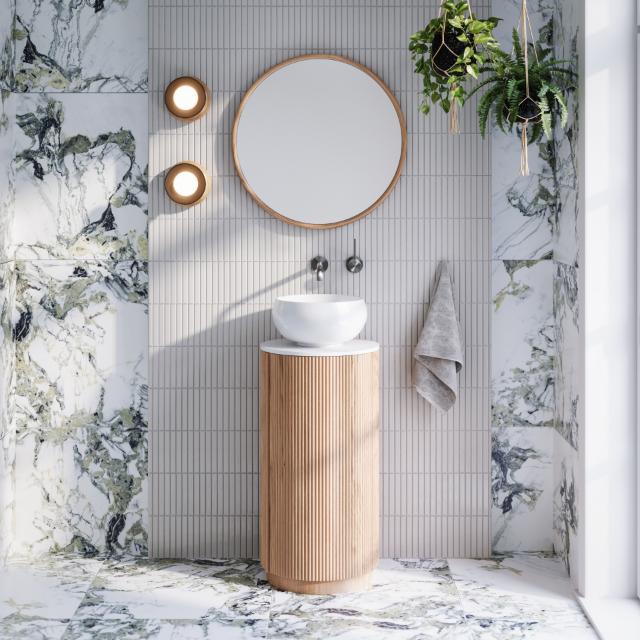
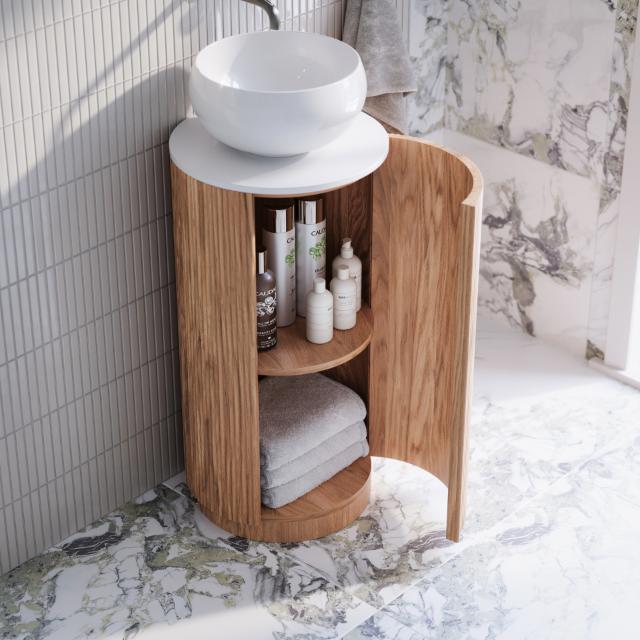
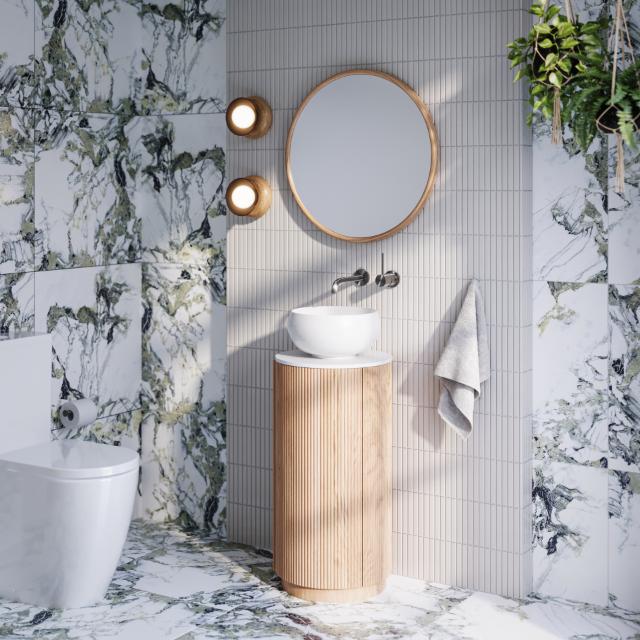

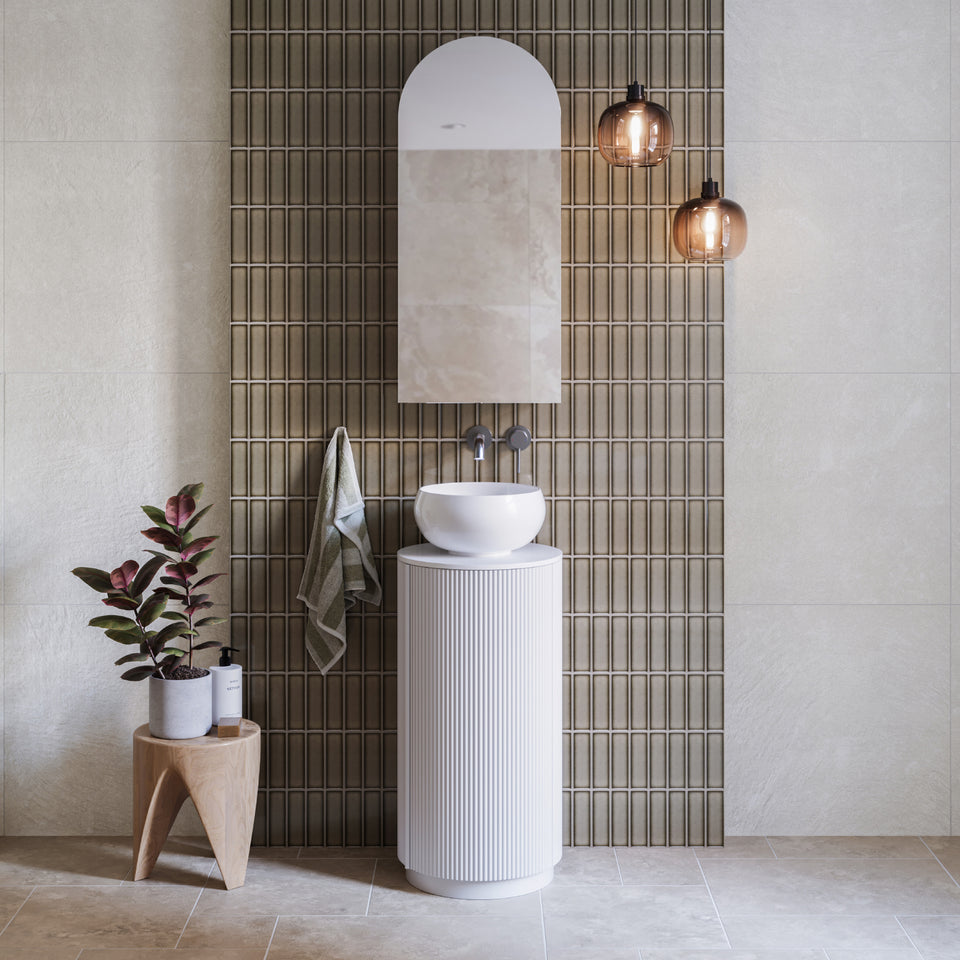
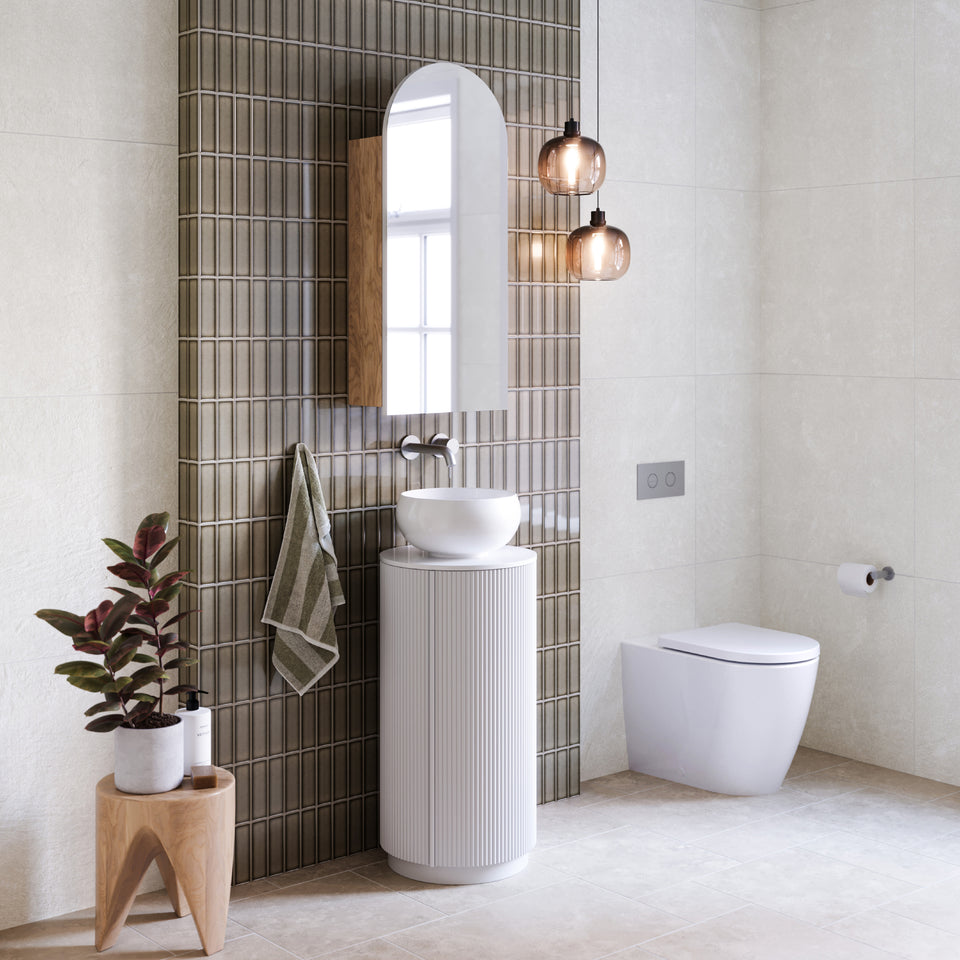
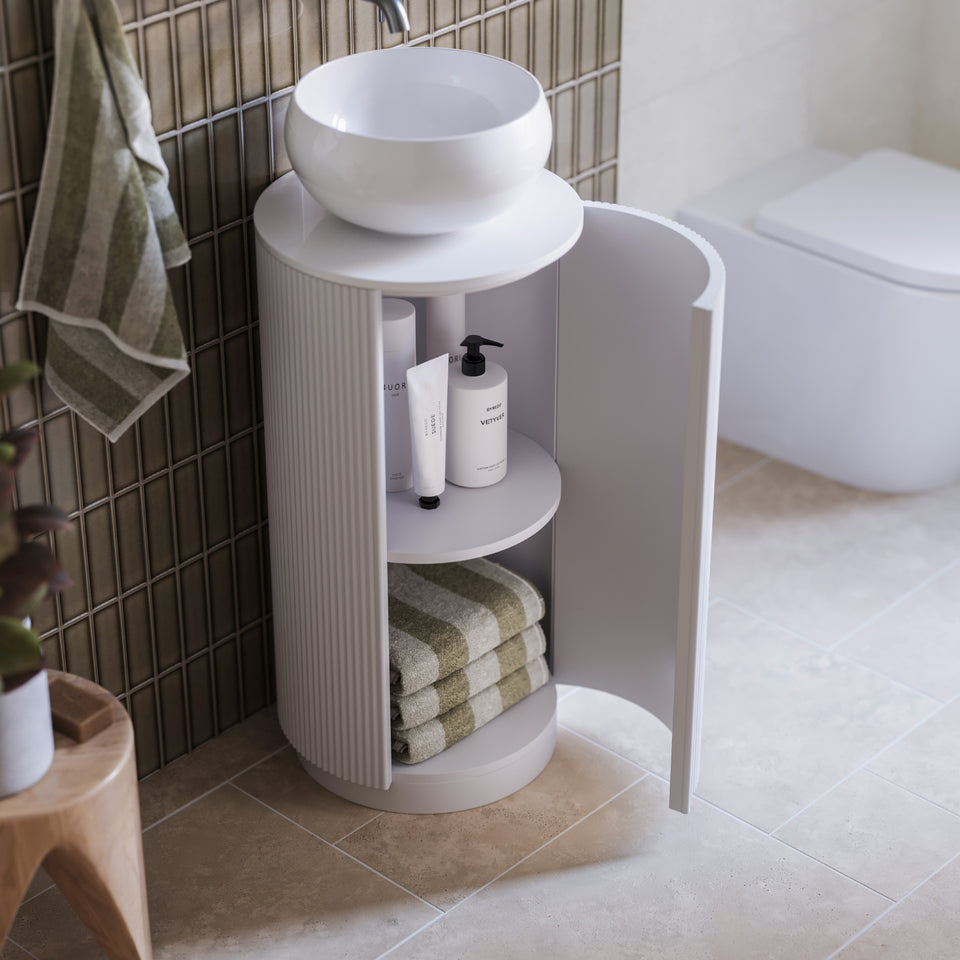
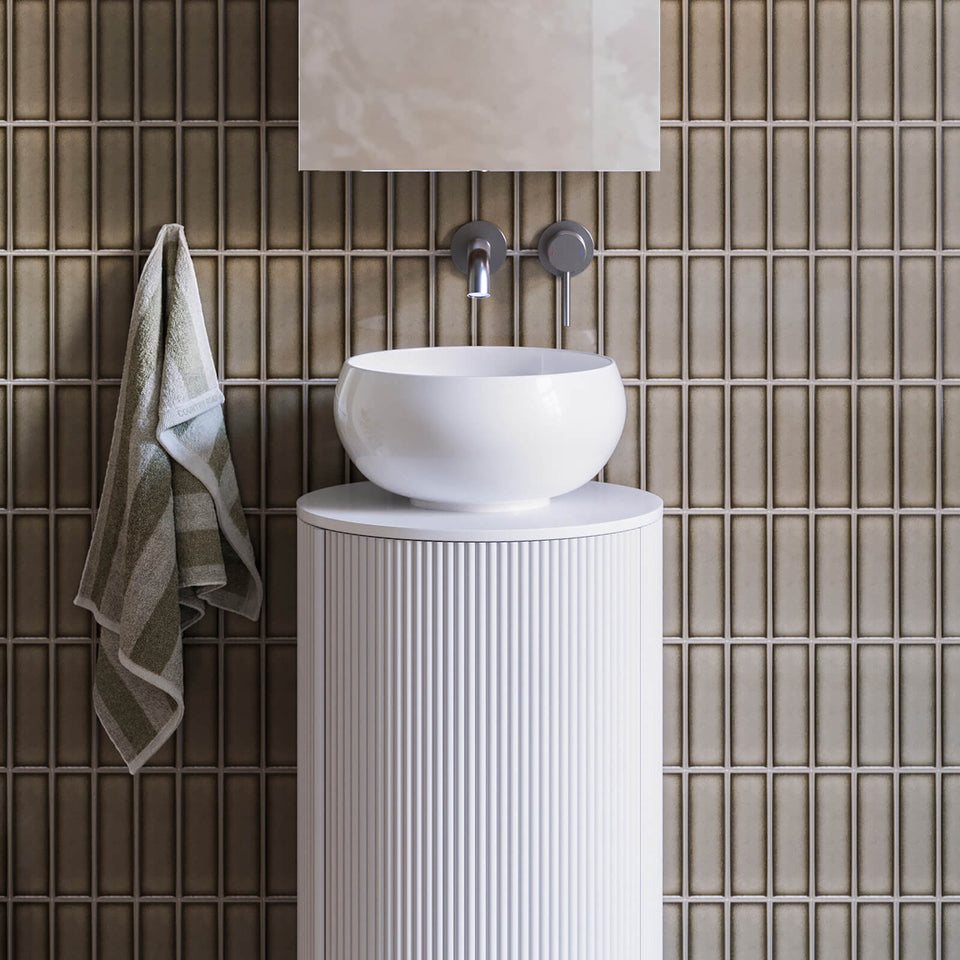

A solid timber vanity is built from actual planks of wood, so the grain visible on the surface runs all the way through the material. A scratch reveals more wood beneath, not a substrate. Turner Hastings and Ingrain both work in genuine Australian hardwoods within parts of this range, where available, and because each piece comes from an individual length of timber, no two vanities are ever quite identical in grain and colouring.
A timber-look vanity uses a photographic or printed timber pattern applied to a laminate or thermofoil surface over a moisture-resistant substrate, generally MDF or particleboard engineered for bathroom conditions. It replicates the visual warmth of timber closely, without the material actually being solid wood underneath.
Neither is a lesser choice than the other; they suit different priorities, which is exactly why we carry both.
Wall-hung vanities mount directly to the wall, leaving the floor beneath fully visible, which helps a bathroom feel larger and simplifies cleaning underneath. They suit contemporary and Scandi-leaning bathrooms particularly well. Freestanding vanities sit on the floor, on legs or a solid plinth, generally offering deeper storage and a more substantial, traditional presence, suited to family bathrooms needing to store towels and general household items.
Single vanities suit a powder room or ensuite, while a double vanity gives two people separate basins for a shared bathroom's morning routine, and a solid timber benchtop paired with two countertop basins reads as a genuinely considered, higher-end look.
Fluted vanities bring a ribbed, textured detail that plays with light and shadow, particularly effective in a timber finish where the grain and the groove pattern interact. Curved vanities soften a bathroom otherwise full of hard lines and sharp corners, tiles, mirrors, shower screens, and suit smaller spaces where a rounded edge is also a practical benefit.
Compact and slimline options suit powder rooms or tight ensuites where floor space is limited, and both Turner Hastings and Ingrain offer configurations suited to smaller footprints within this collection.
Where budget and bathroom conditions allow for it, solid timber offers a few genuine advantages worth knowing about.
Because of this, a solid timber vanity is often chosen as a genuine centrepiece, with the rest of the room's tiles and tapware planned around it rather than the other way around.
Careful measurement matters more than almost any other decision here. A vanity that's too large crowds the room; one that's too small looks disproportionate and limits storage unnecessarily. Beyond wall width, check that the shower door can open fully and that there's enough clearance to stand comfortably at the basin.
This collection spans compact 400mm to 600mm options suited to a powder room, through to larger 2000mm to 2100mm statement pieces. For single basins, 750mm, 800mm and 900mm are consistently popular sizes, while the 1000mm to 1800mm range, including 1100mm, 1200mm (a common double-basin width), 1400mm, 1500mm and 1800mm, suits larger bathrooms wanting more bench space. Marking the vanity's footprint out with masking tape before ordering is a useful way to confirm both cabinet and room doors will still open freely.
A countertop (above-counter) basin pairs particularly well with a timber vanity, since the contrast between the timber's warmth and a crisp white ceramic, concrete or stone basin makes a feature of both materials. An undermount basin gives a cleaner, more seamless look instead, with the timber and basin reading as a single continuous surface. Both work well; the choice comes down to which look suits the rest of the room.
Turner Hastings and Ingrain make up this collection, each offering a range spanning genuine solid timber and timber-look constructions, so the right balance of material, style and budget can be found within the same two brands rather than needing to shop more broadly.
A timber vanity is easiest to plan alongside the room's tiling and tapware, since timber's versatility means it can be the starting point or the finishing touch depending on how the renovation is sequenced. The Blue Space's Tiles and Taps collections are worth reviewing alongside a vanity selection to bring the whole room together.


