
*View accurate shipping rates and availability






196 Items

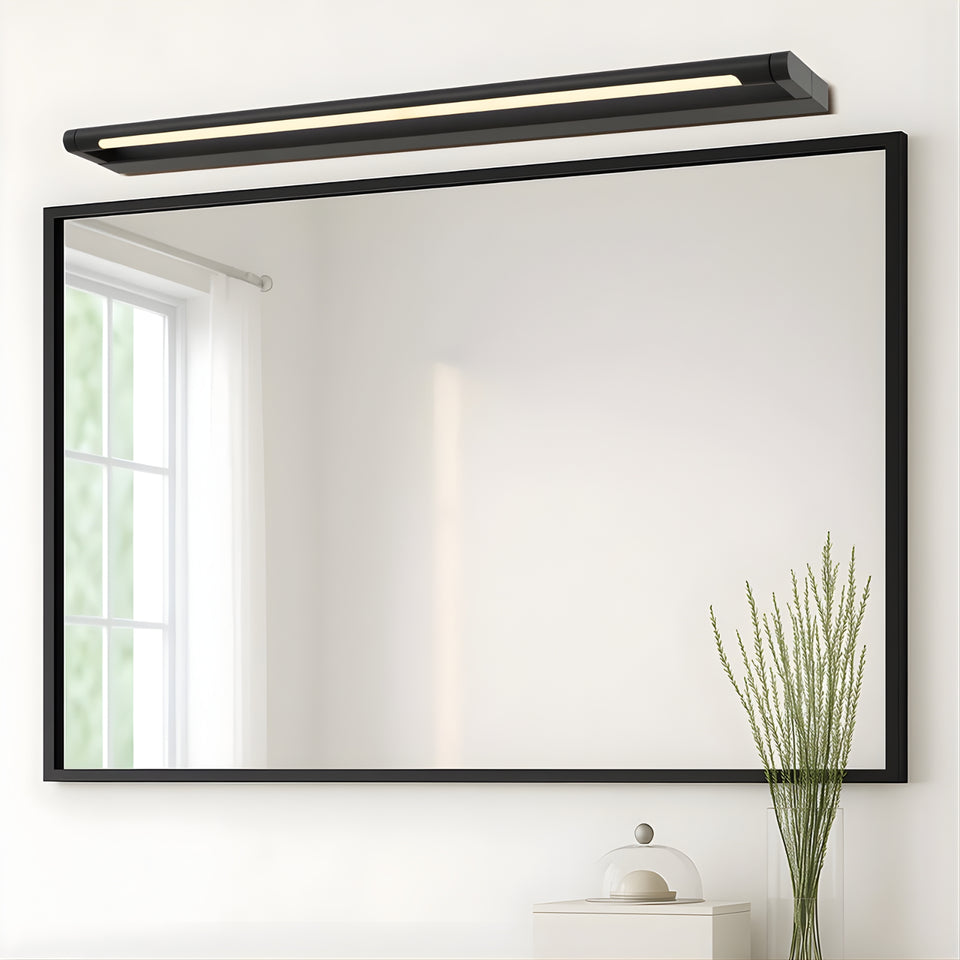
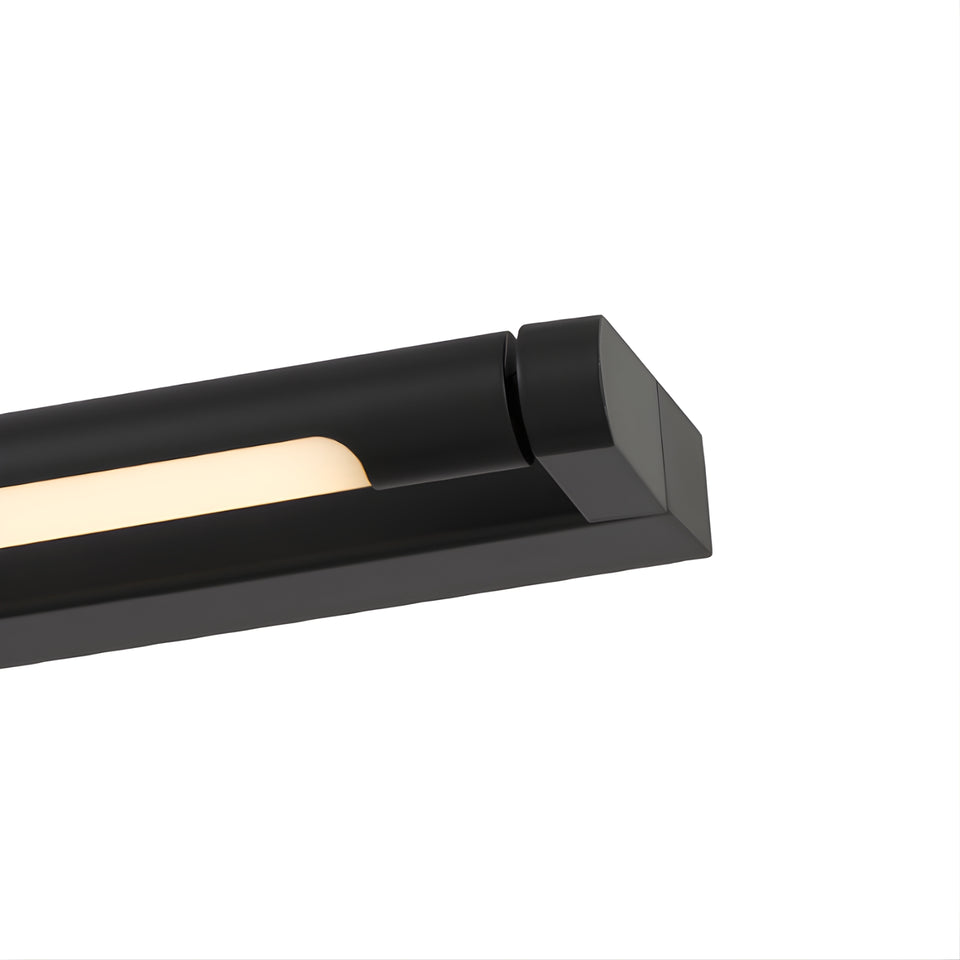

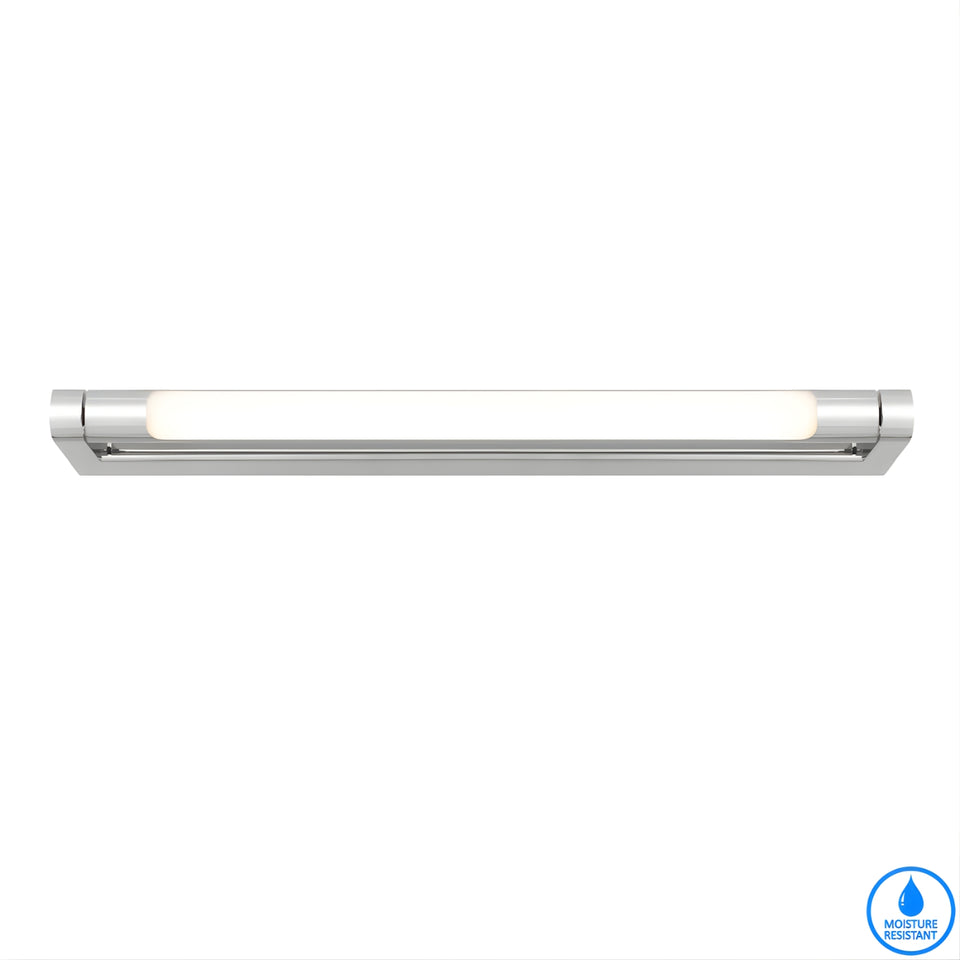
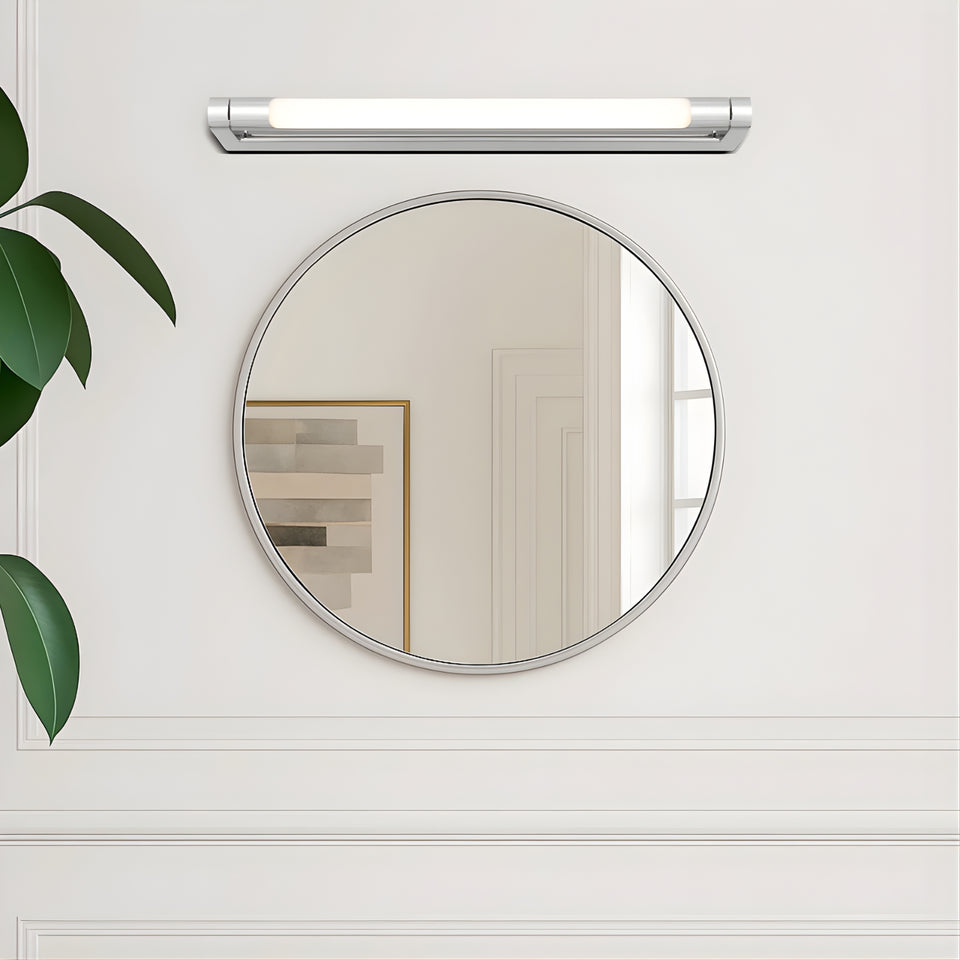


Spend over $800 and receive free gifts in your cart. Towels, accessories and full length mirrors!
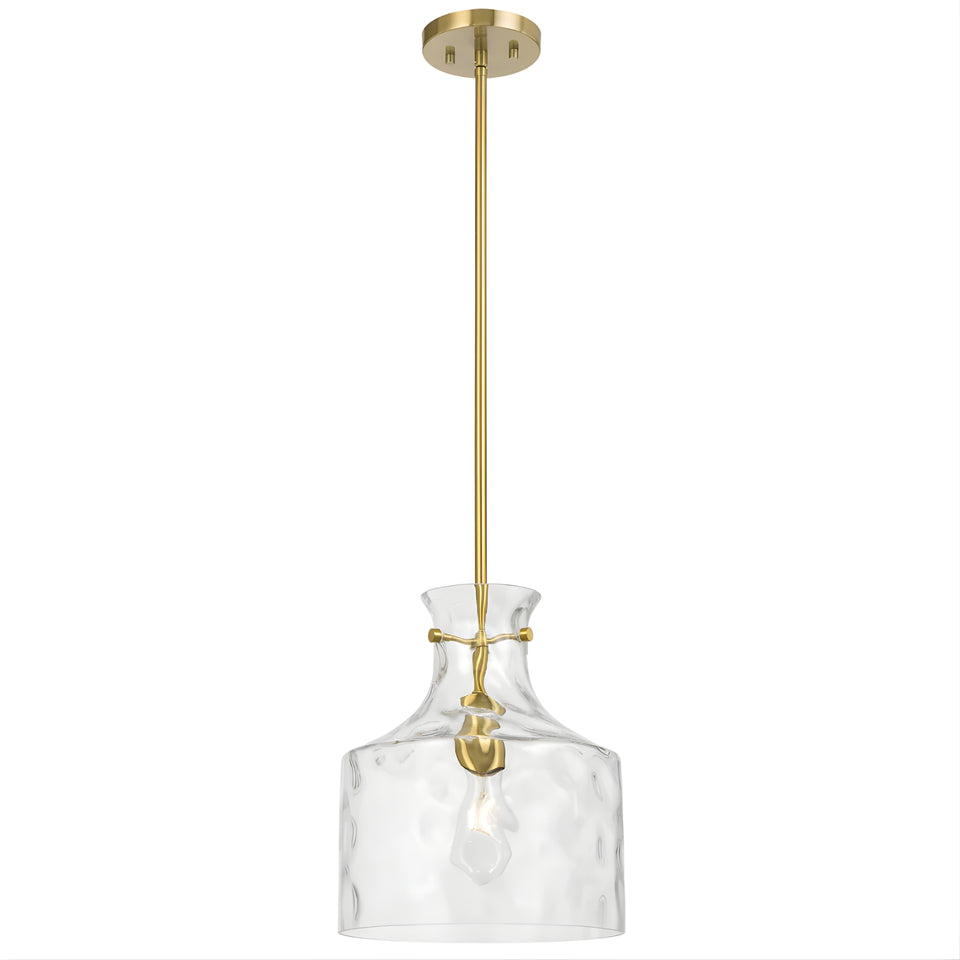
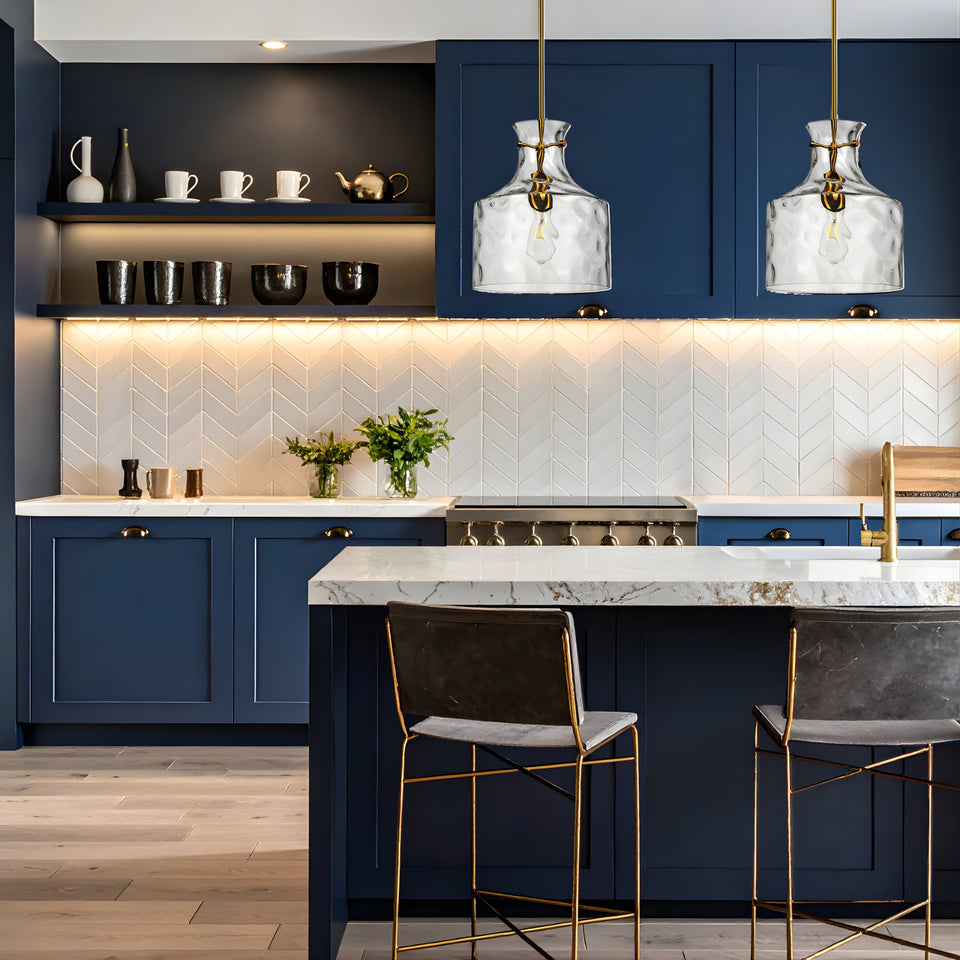

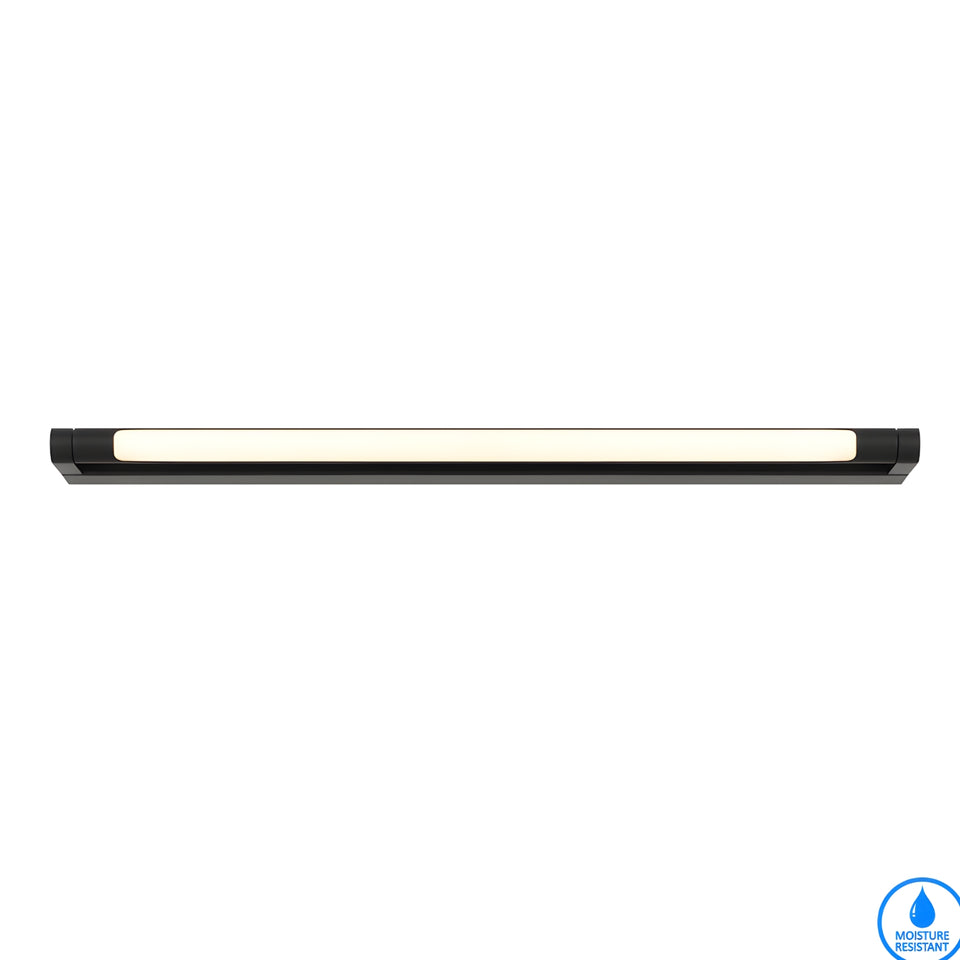
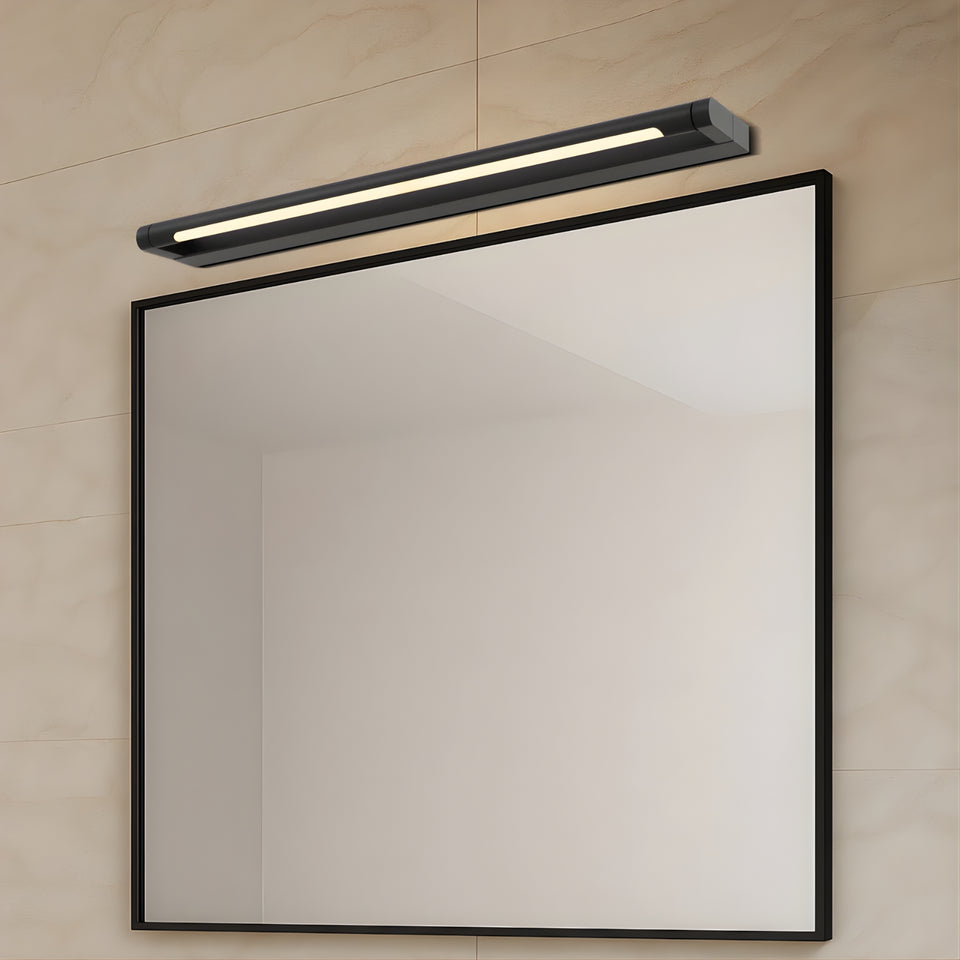

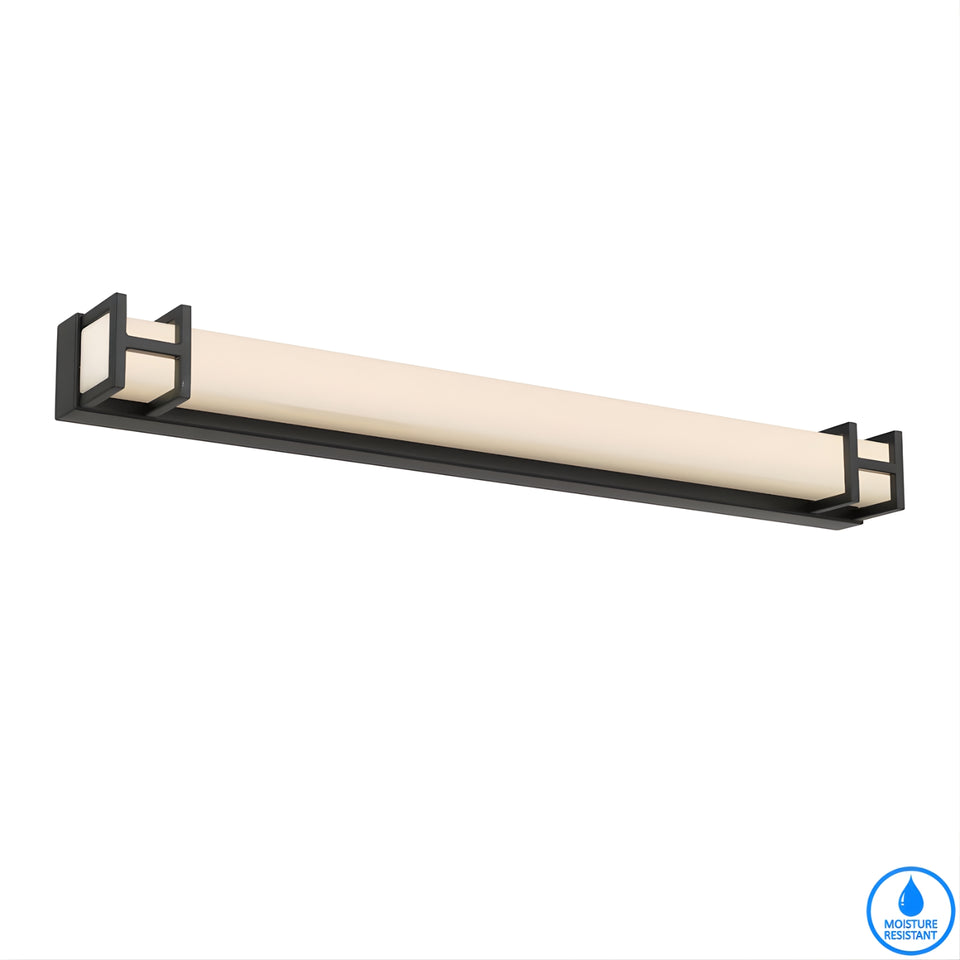
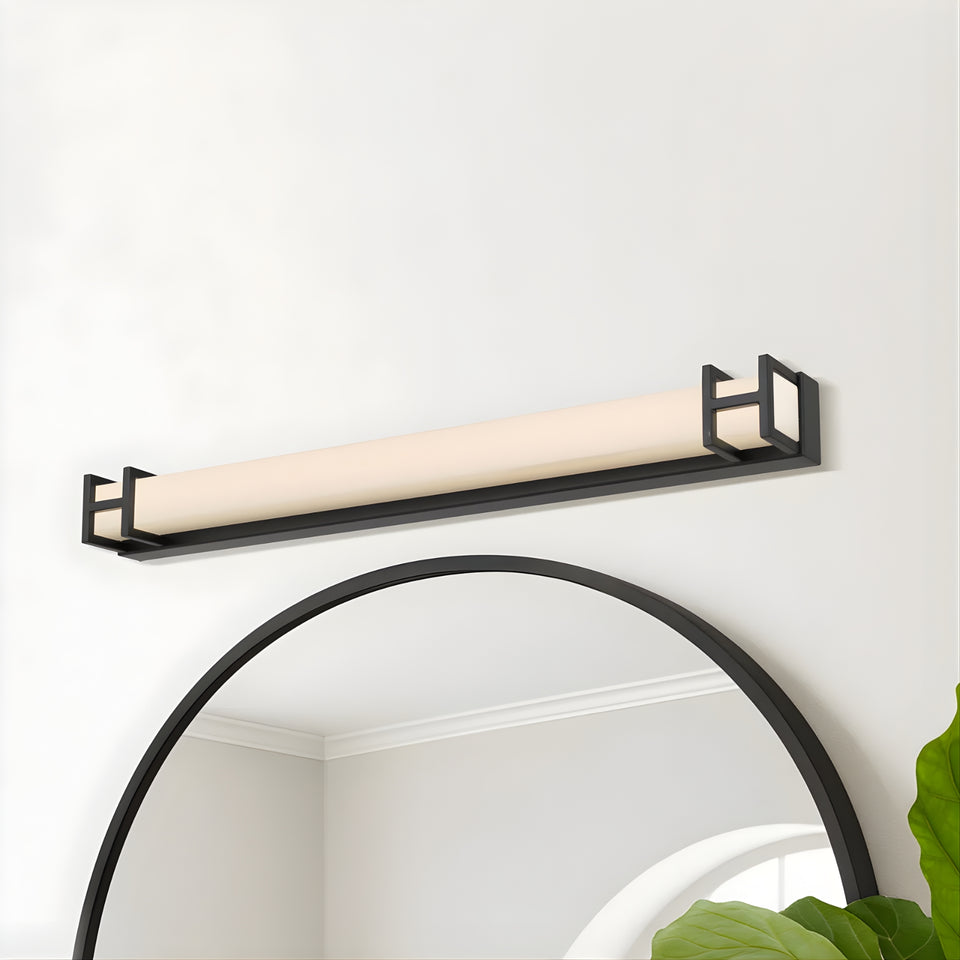
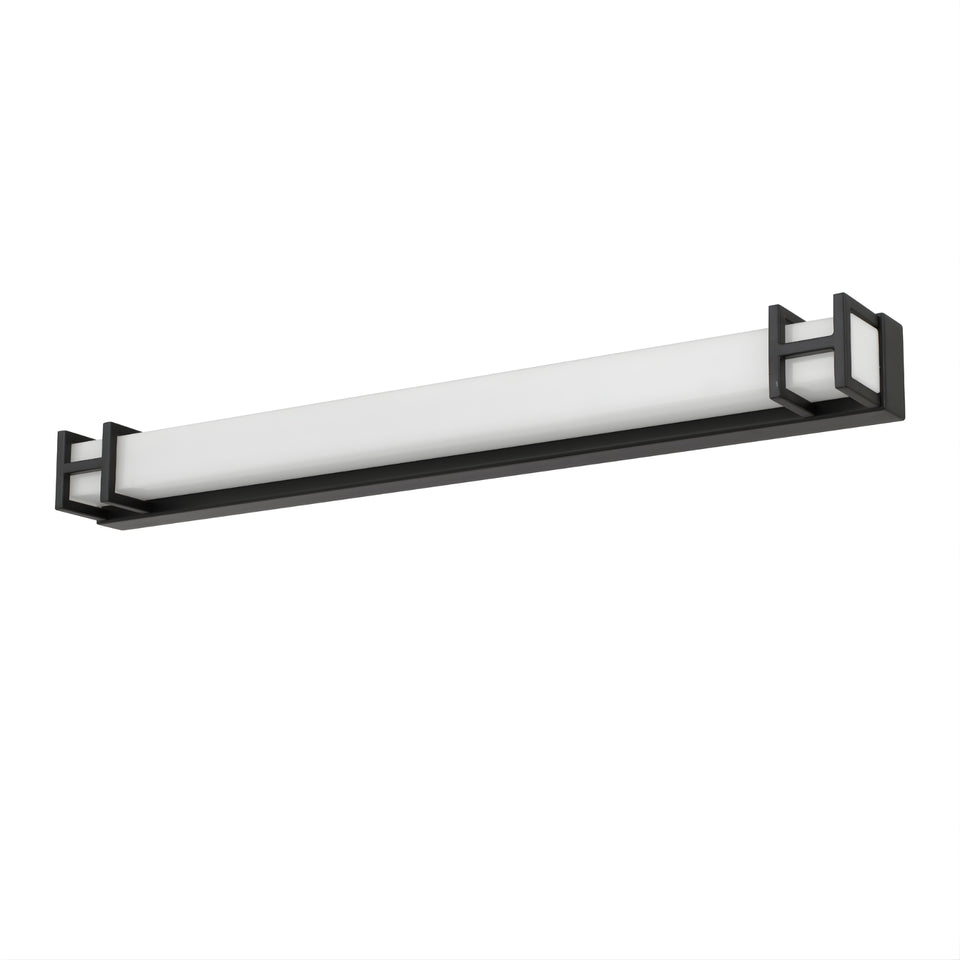
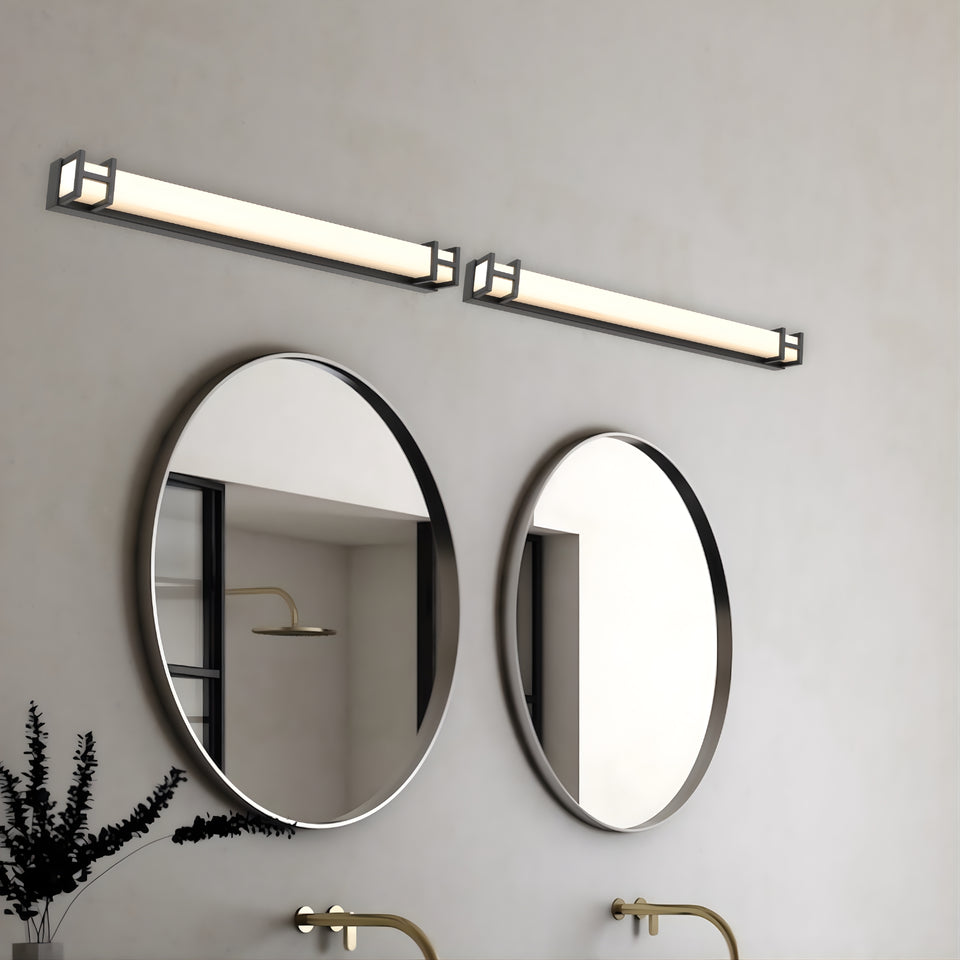

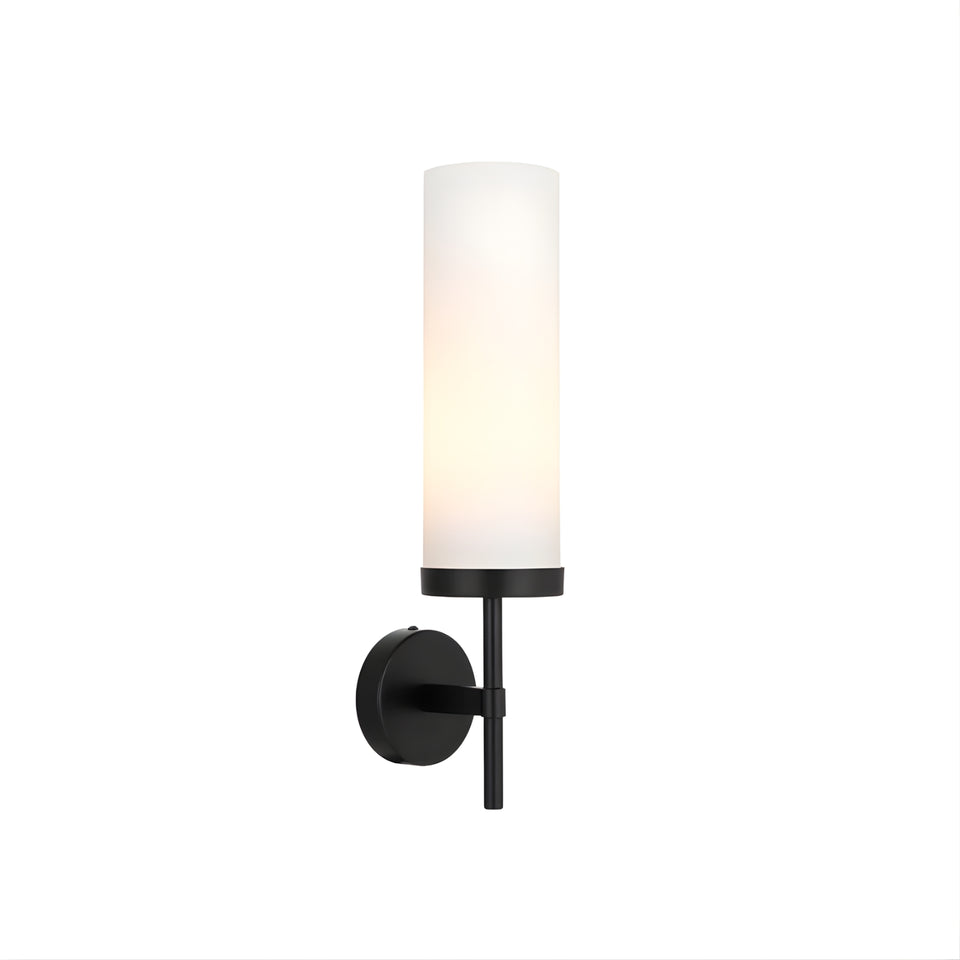
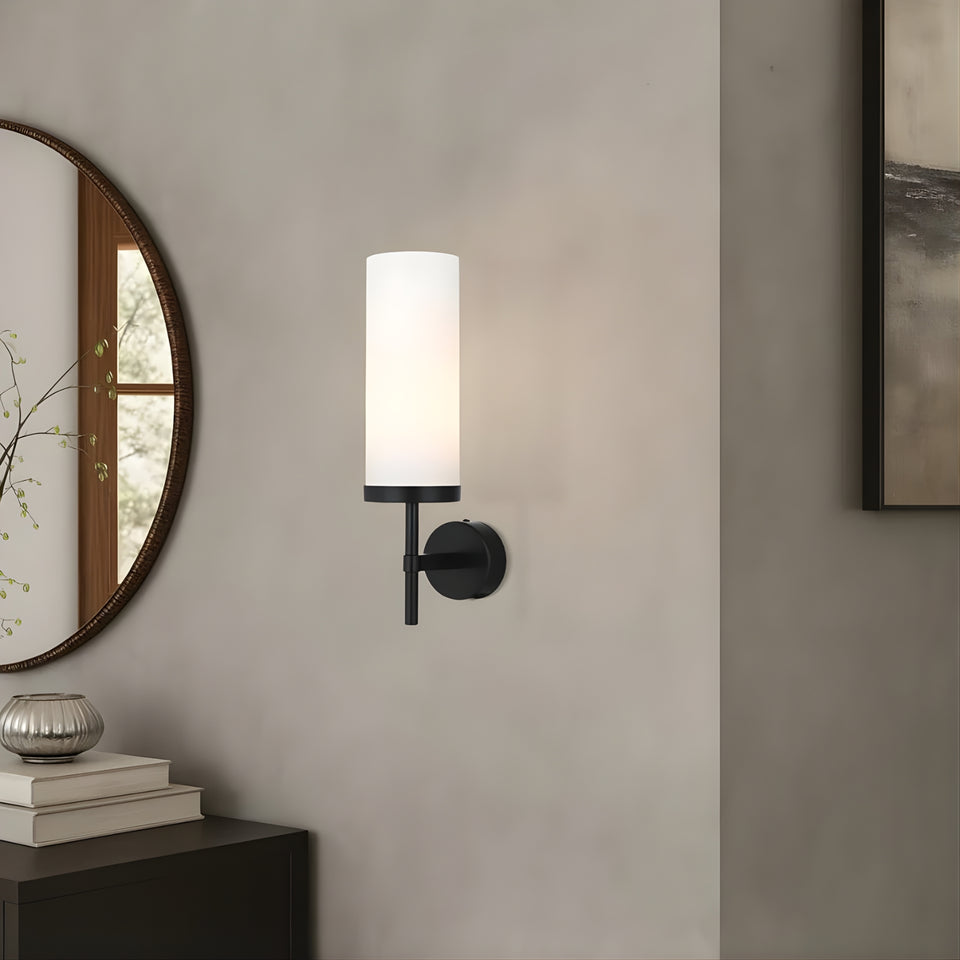
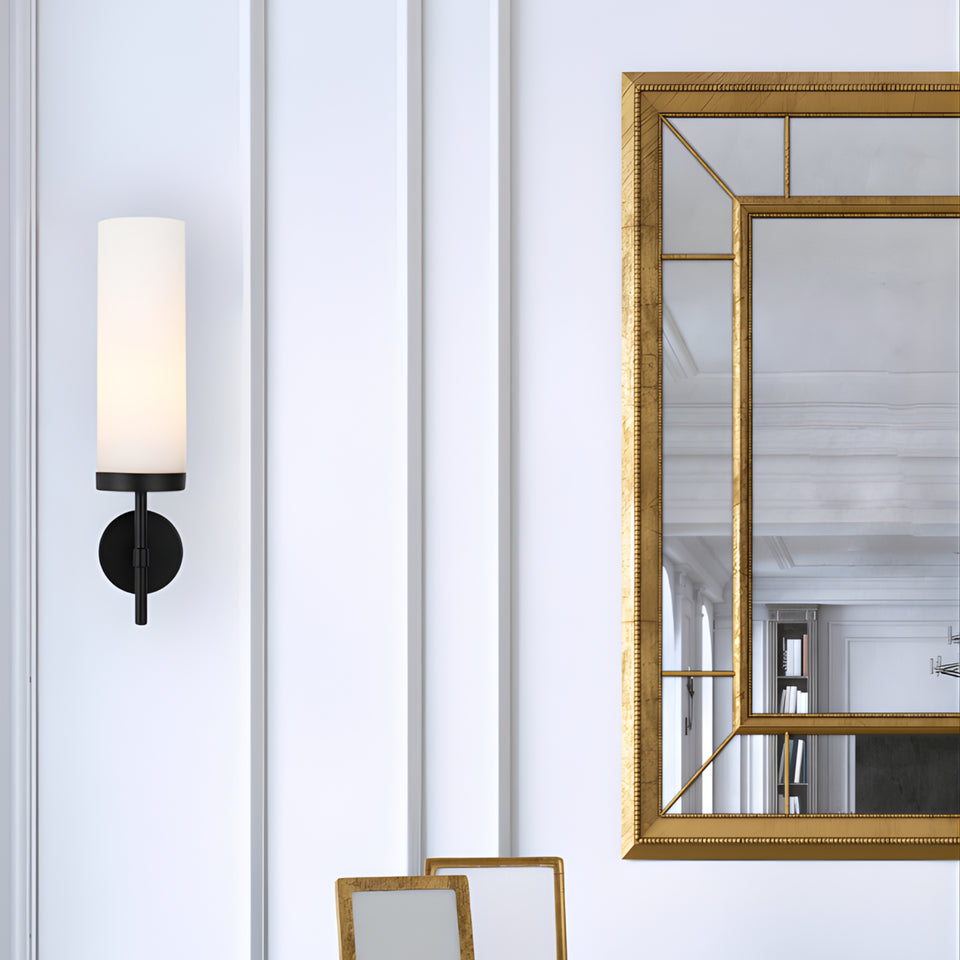
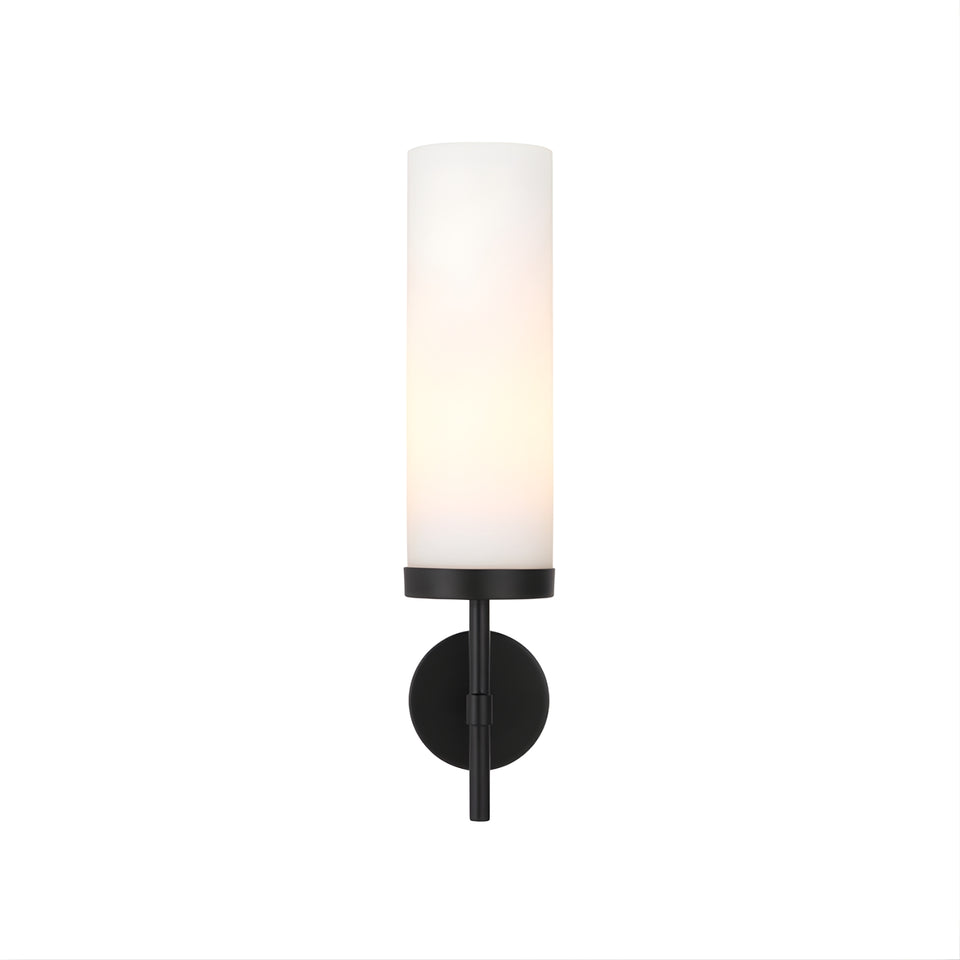

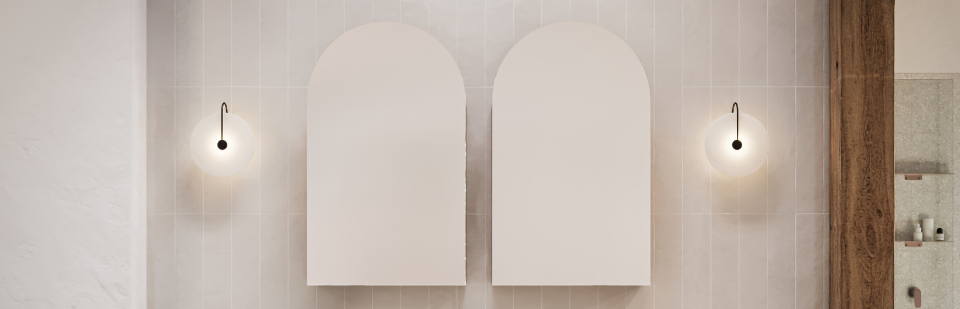
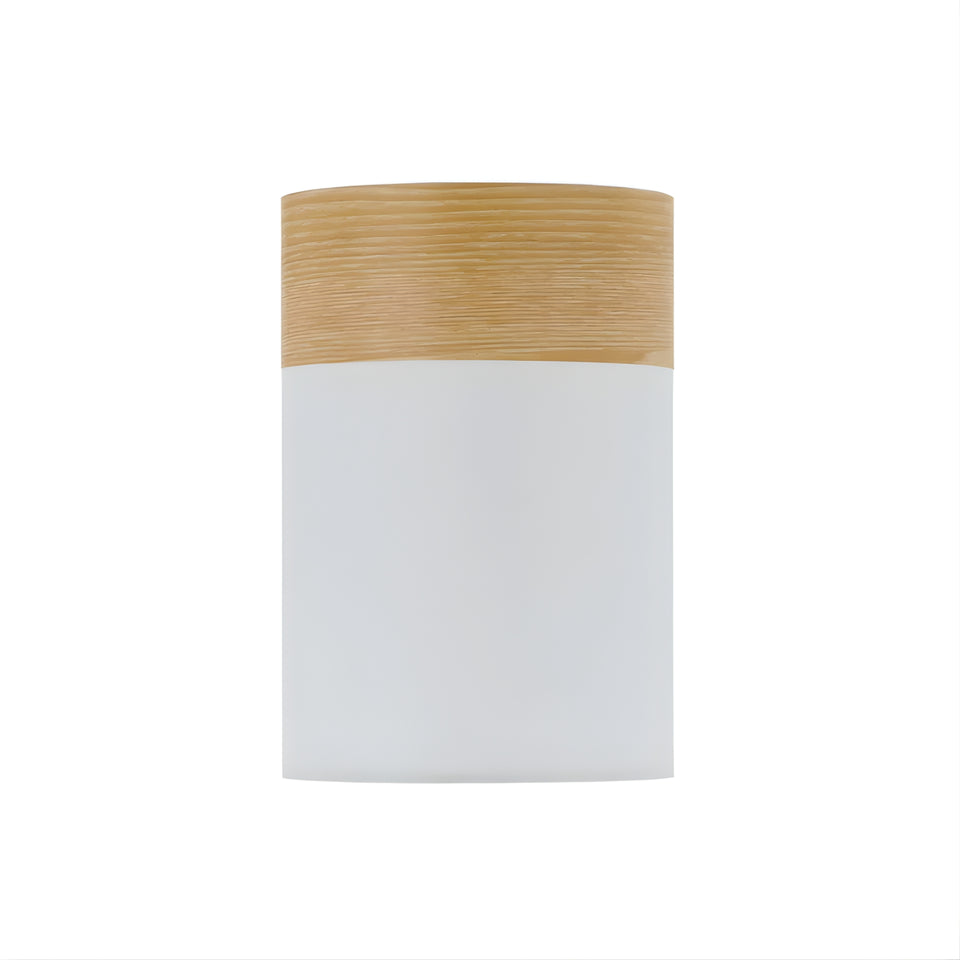
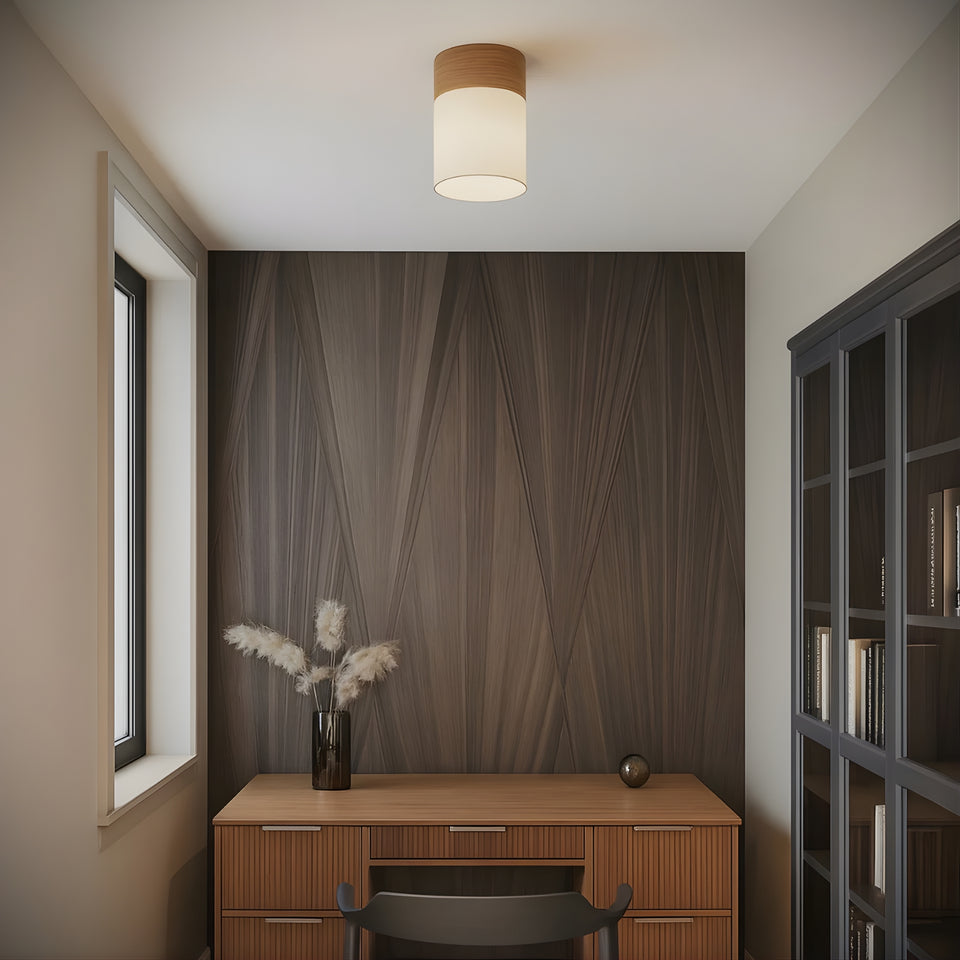

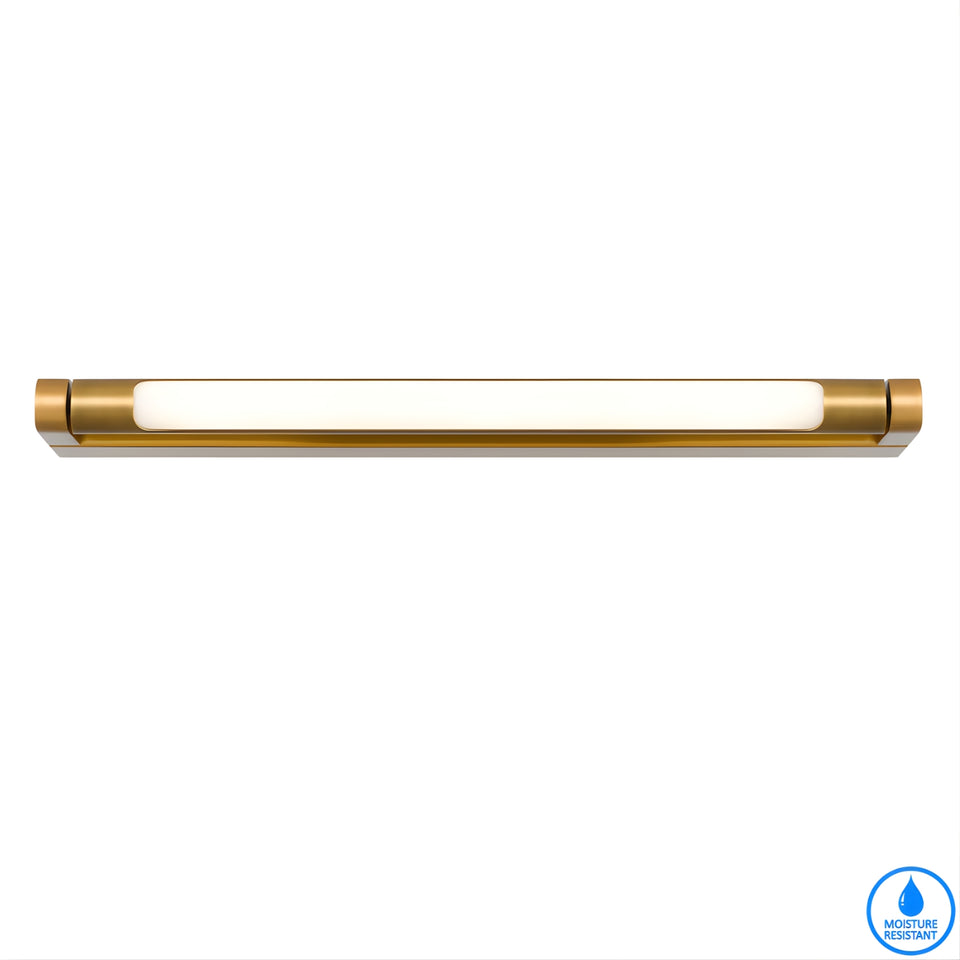
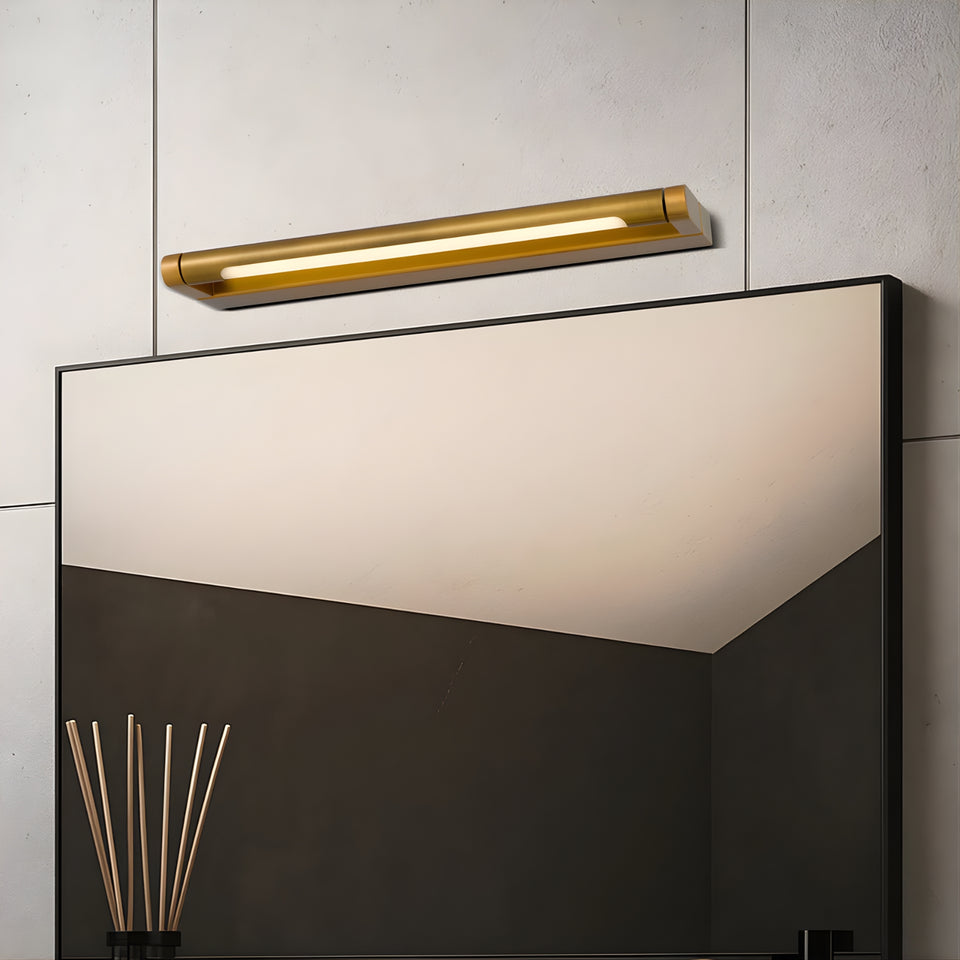
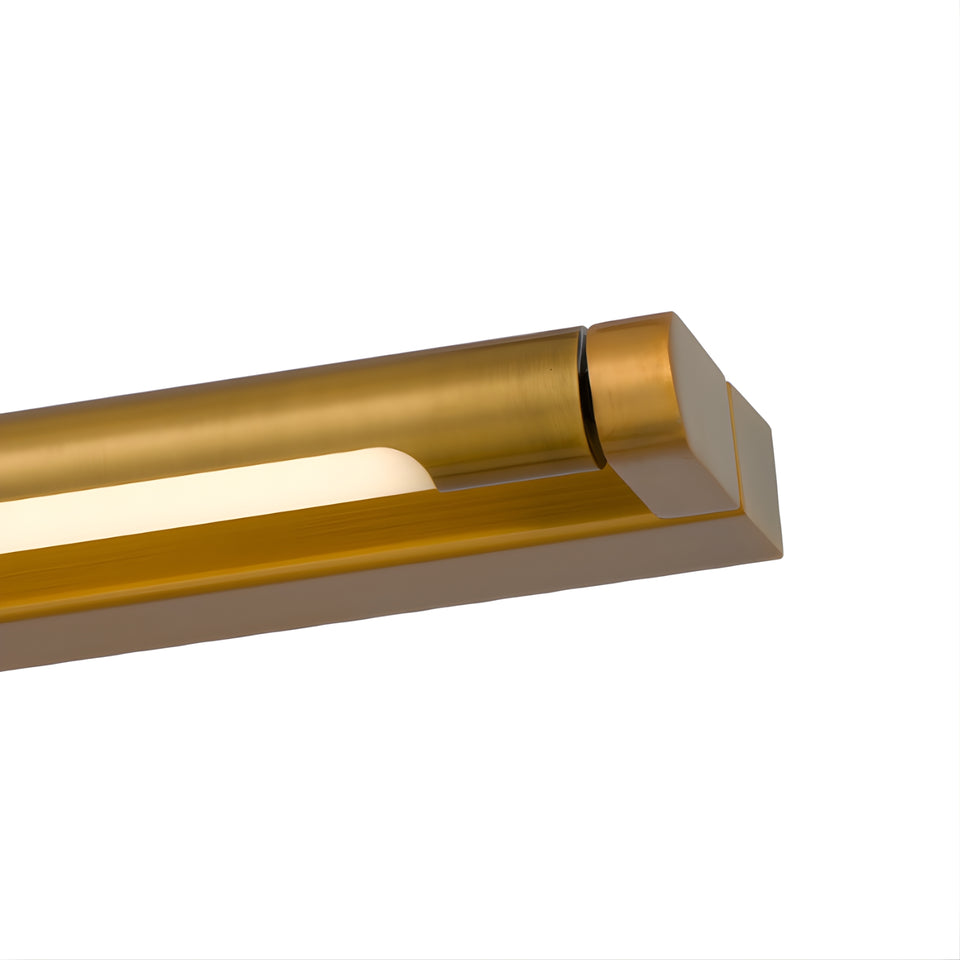
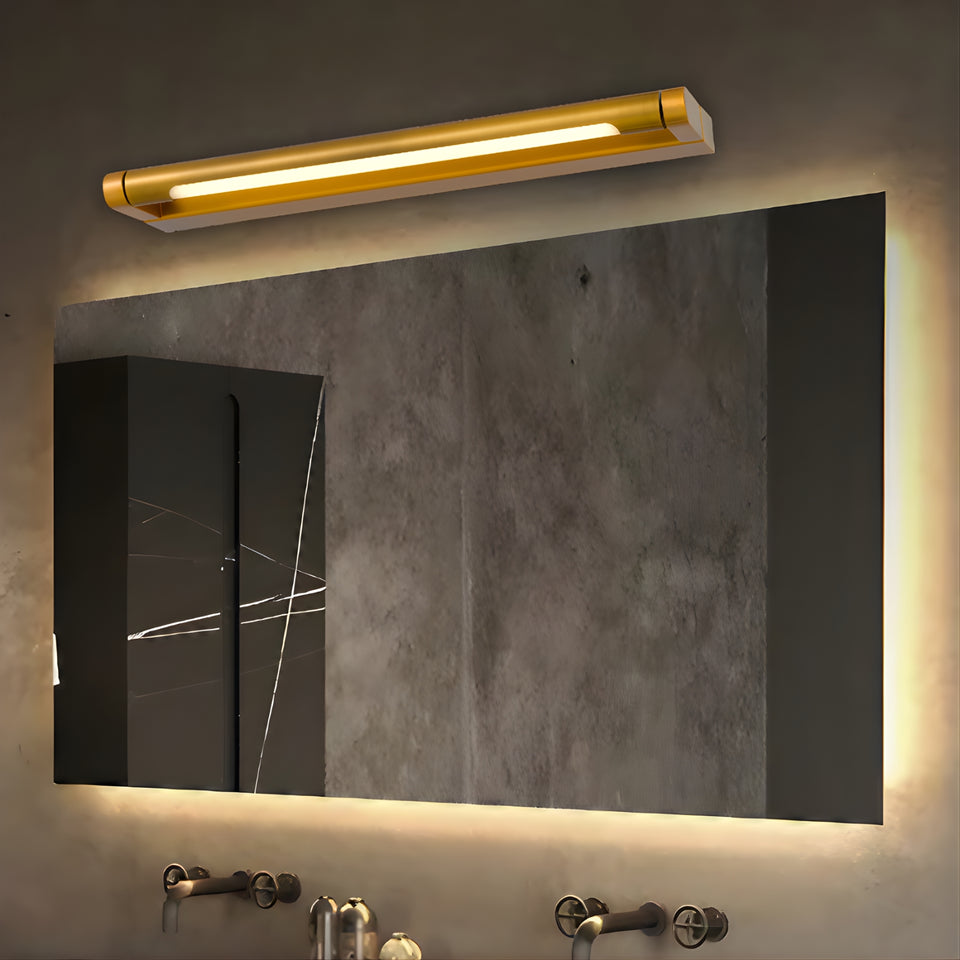

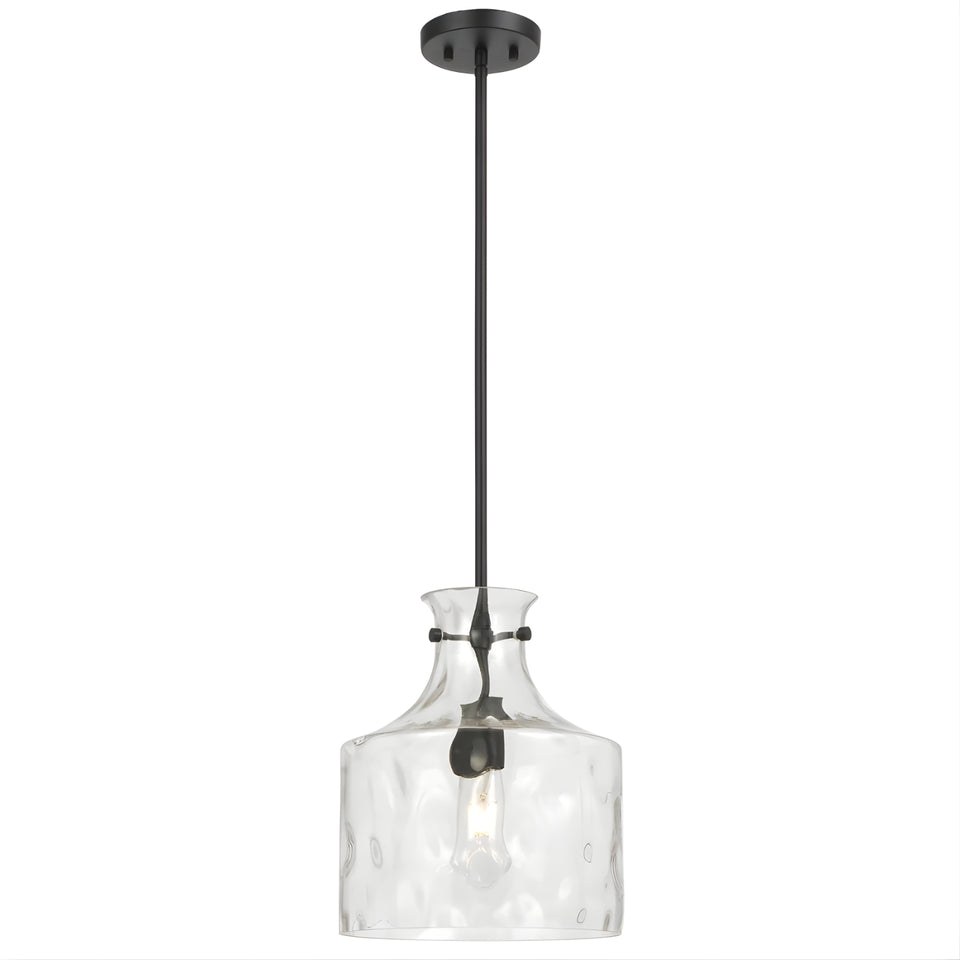
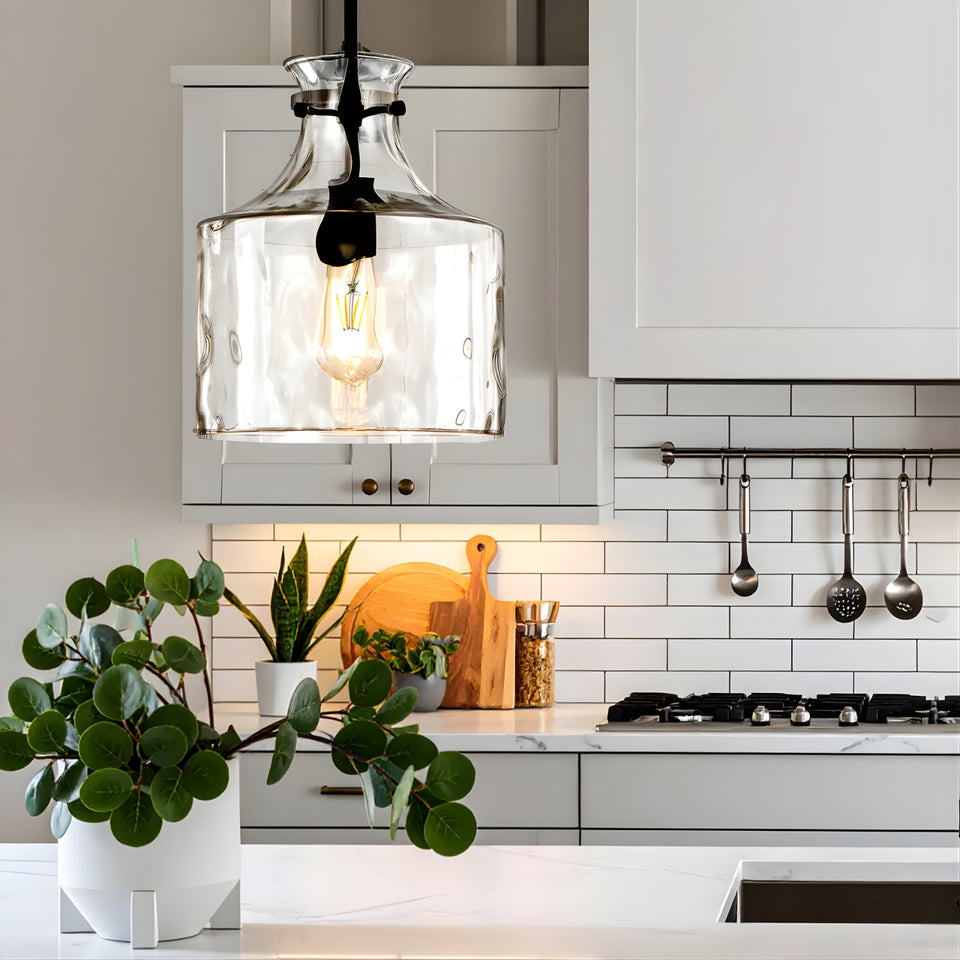

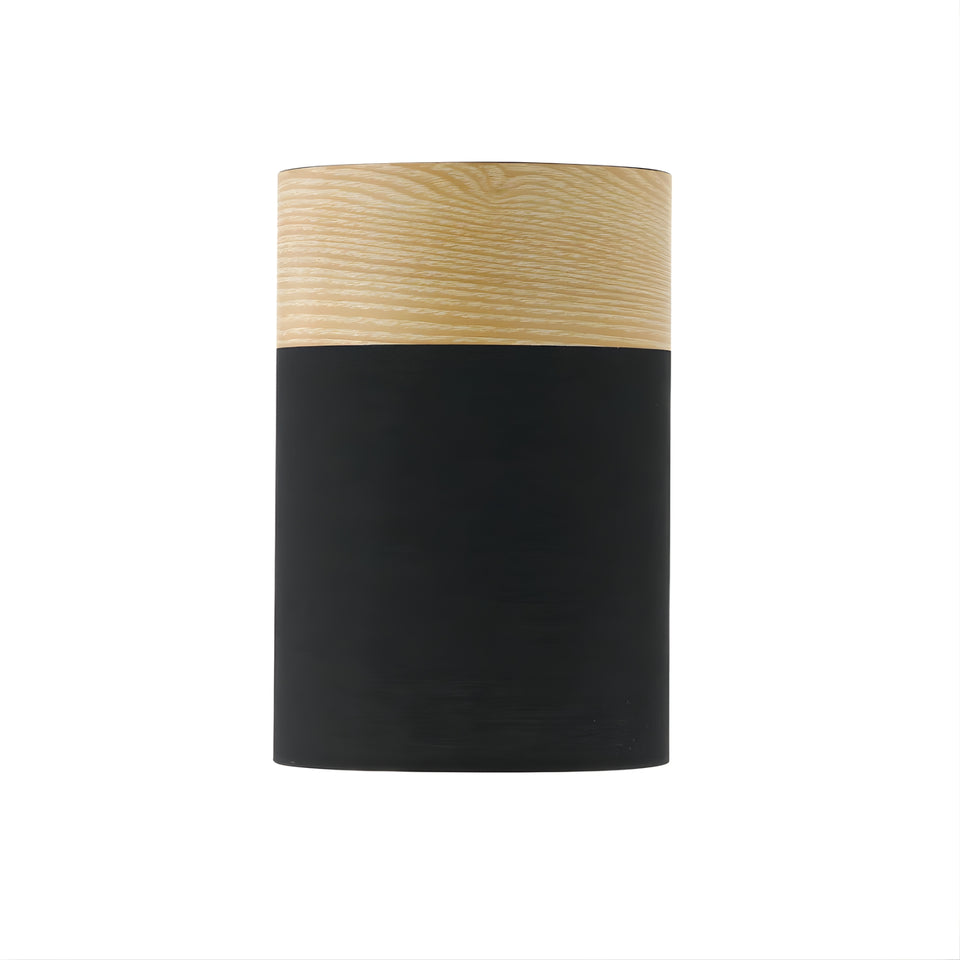
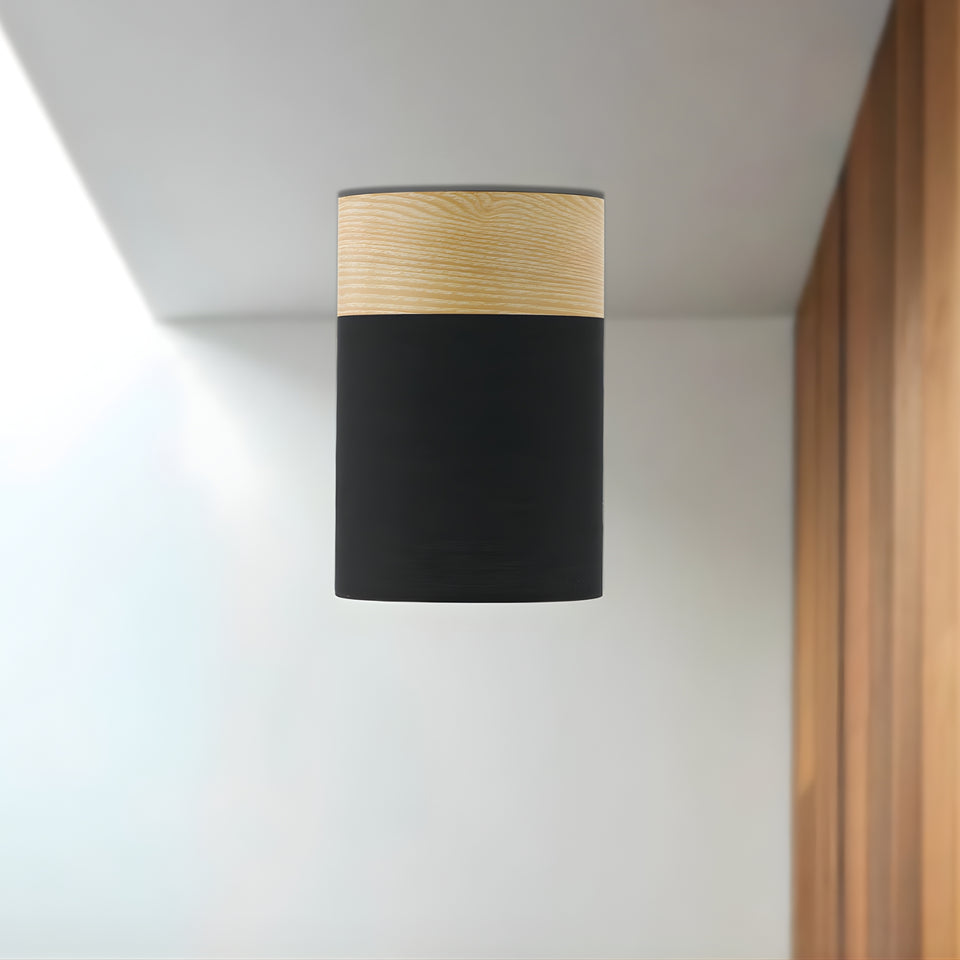

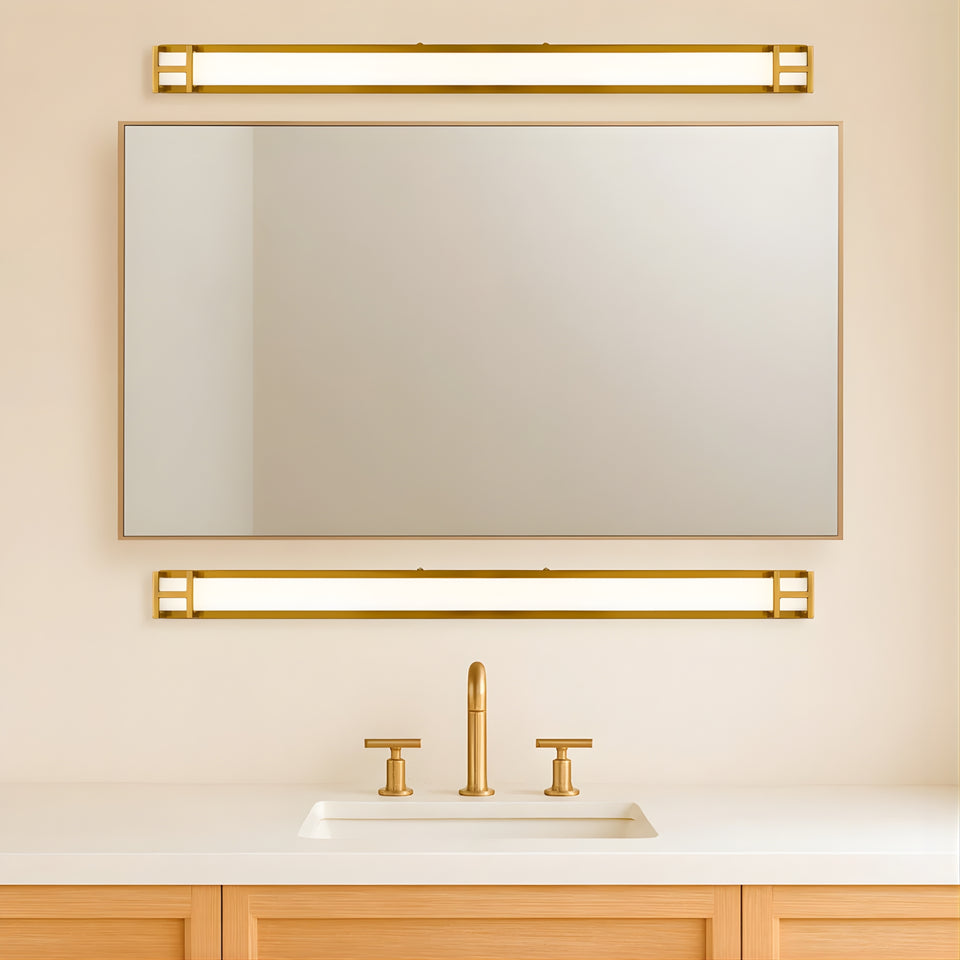

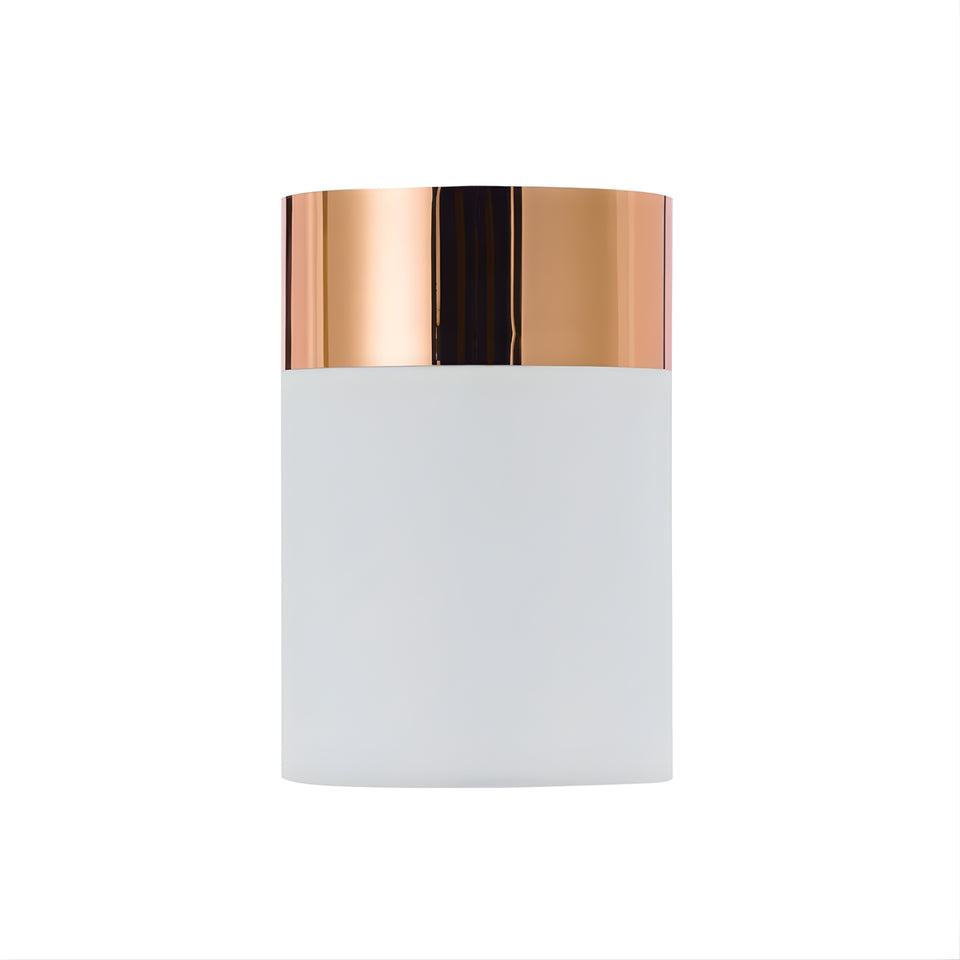
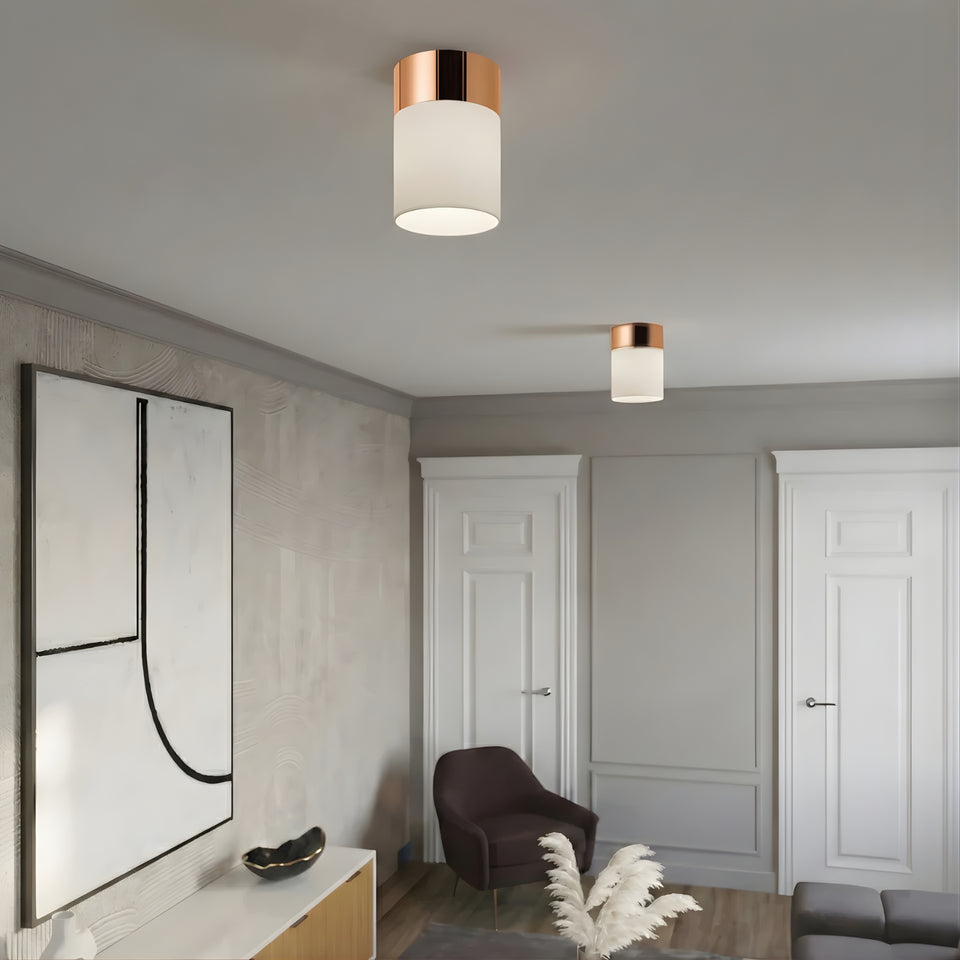

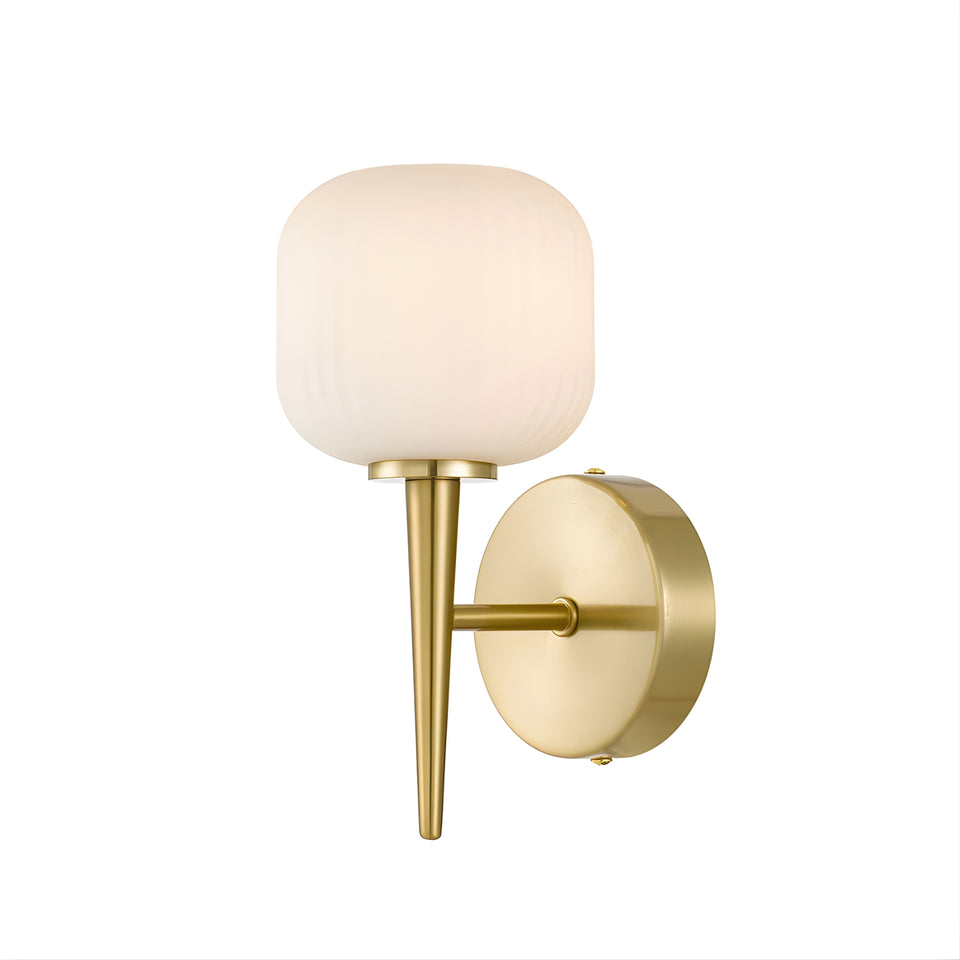
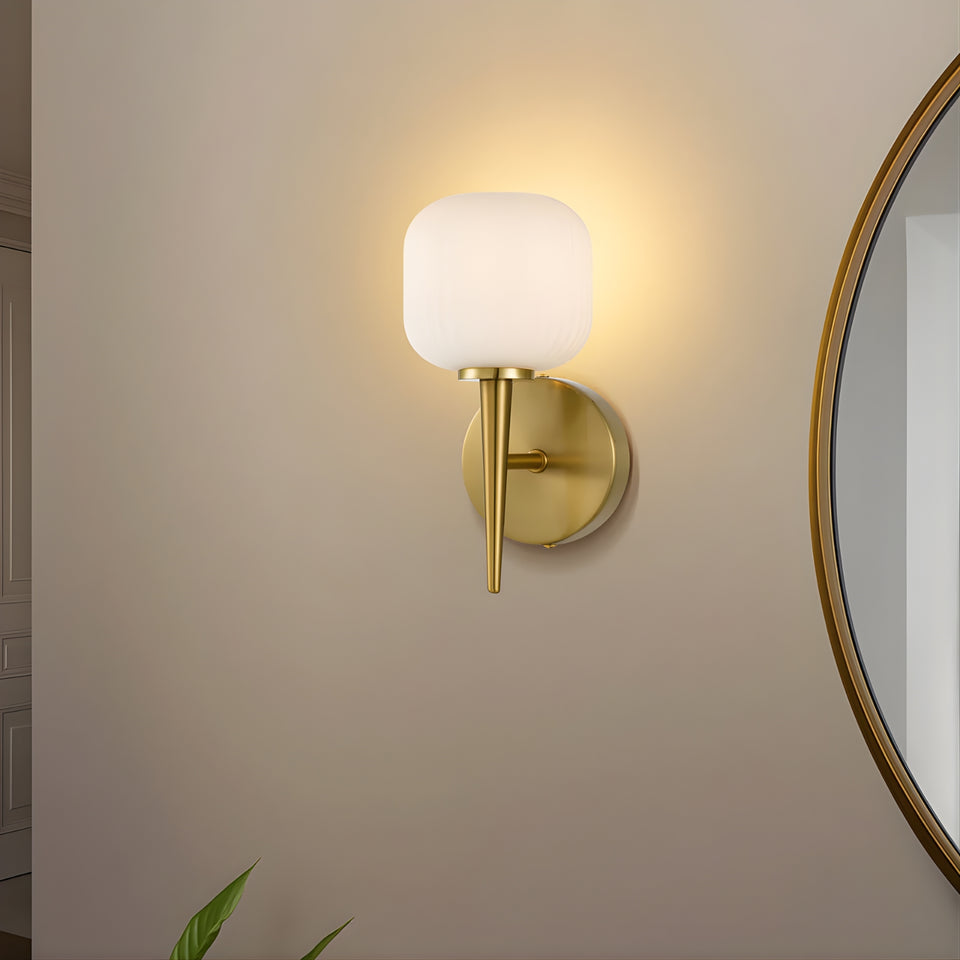
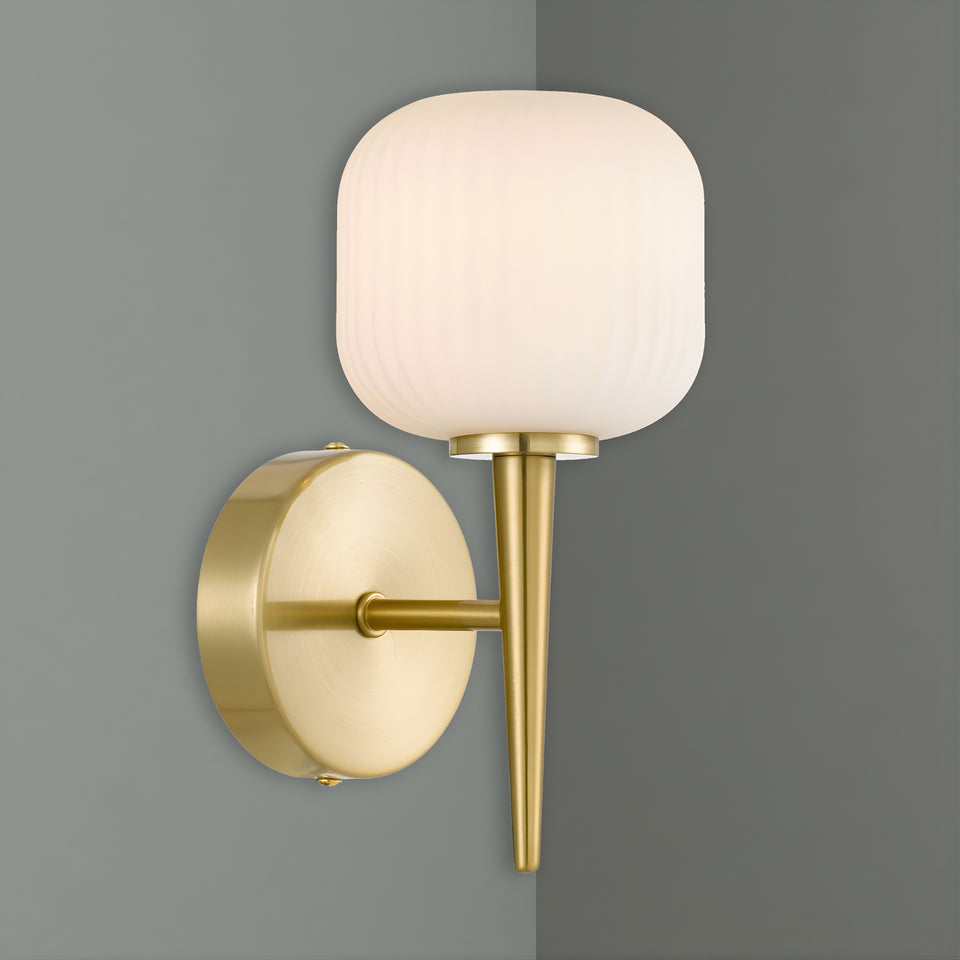

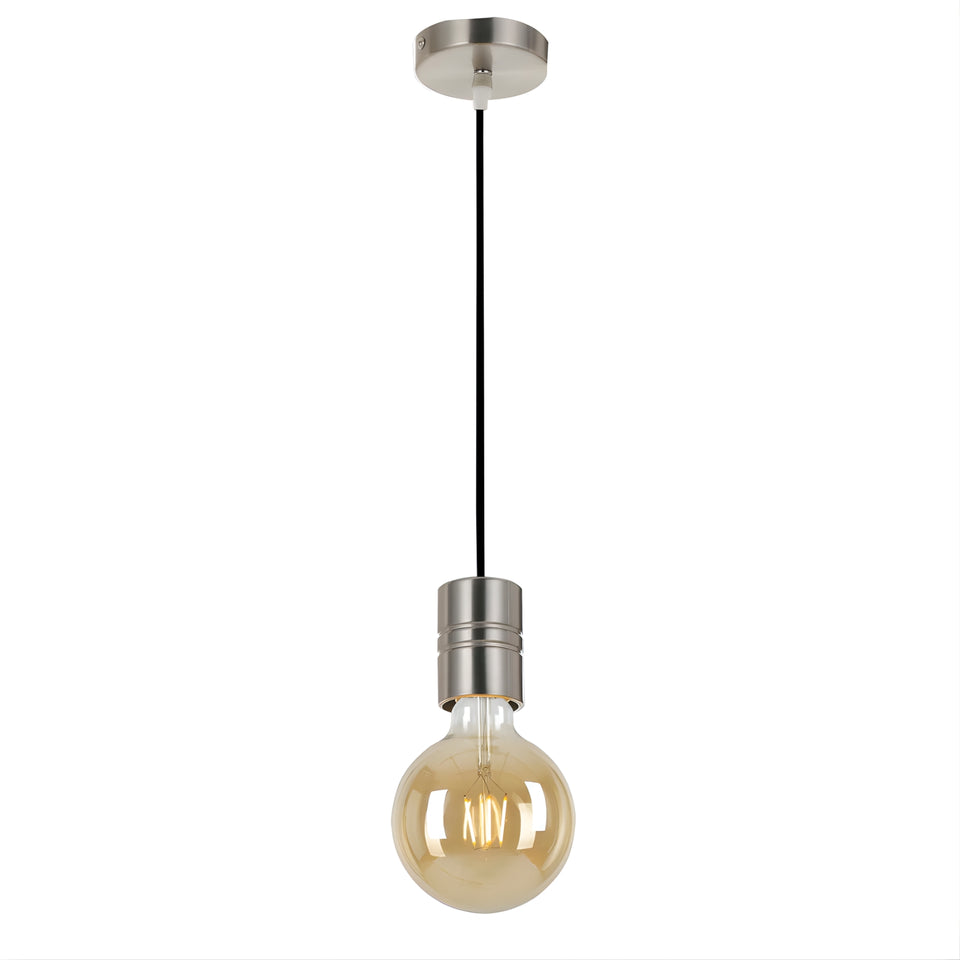
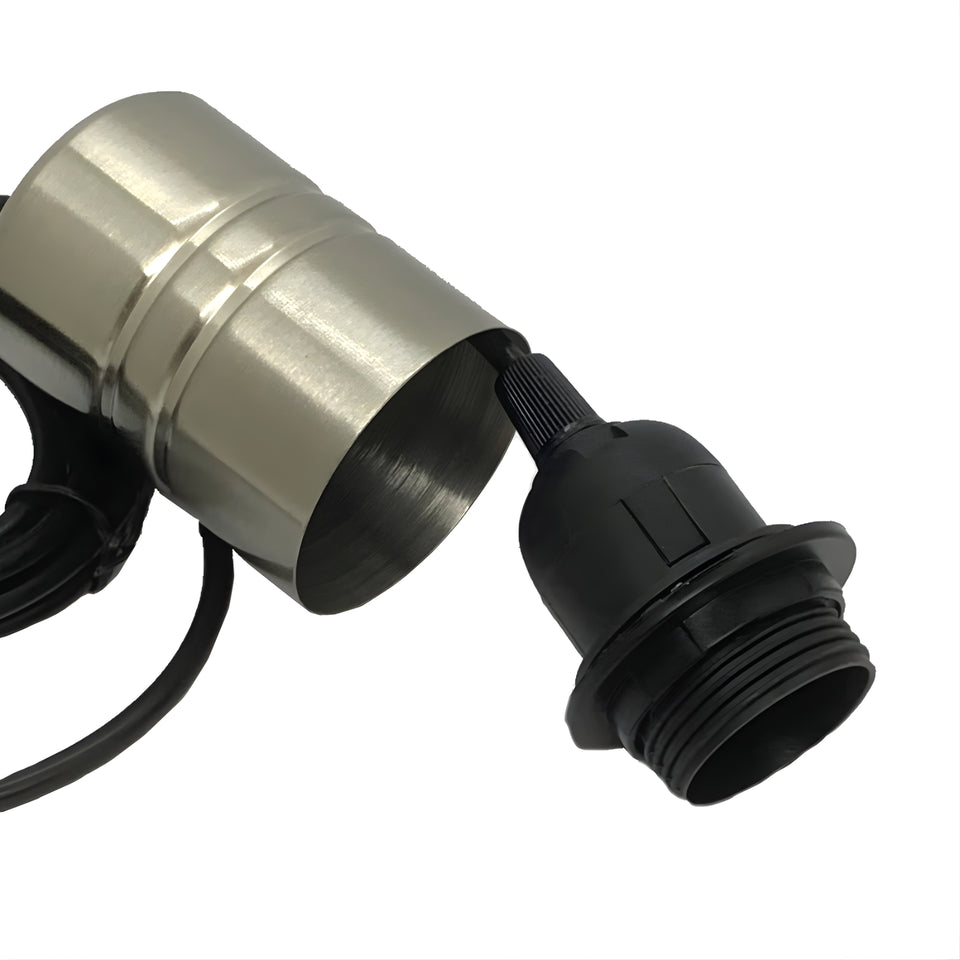

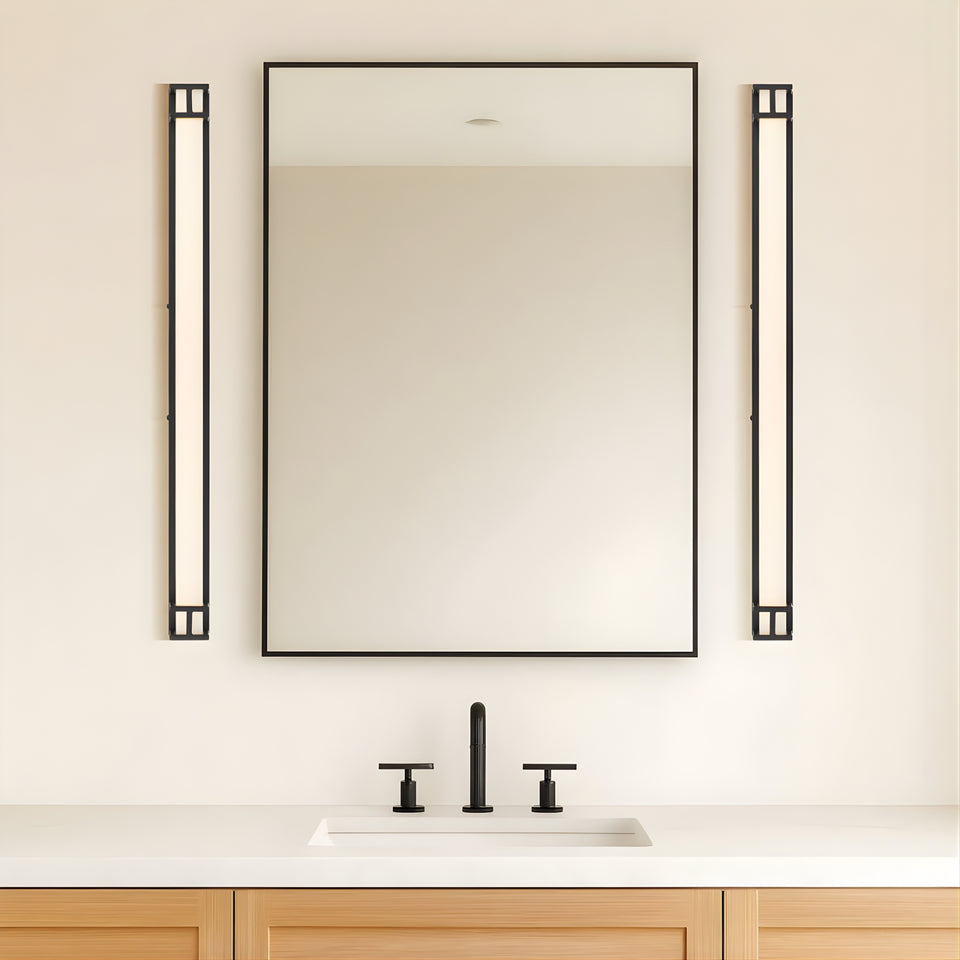
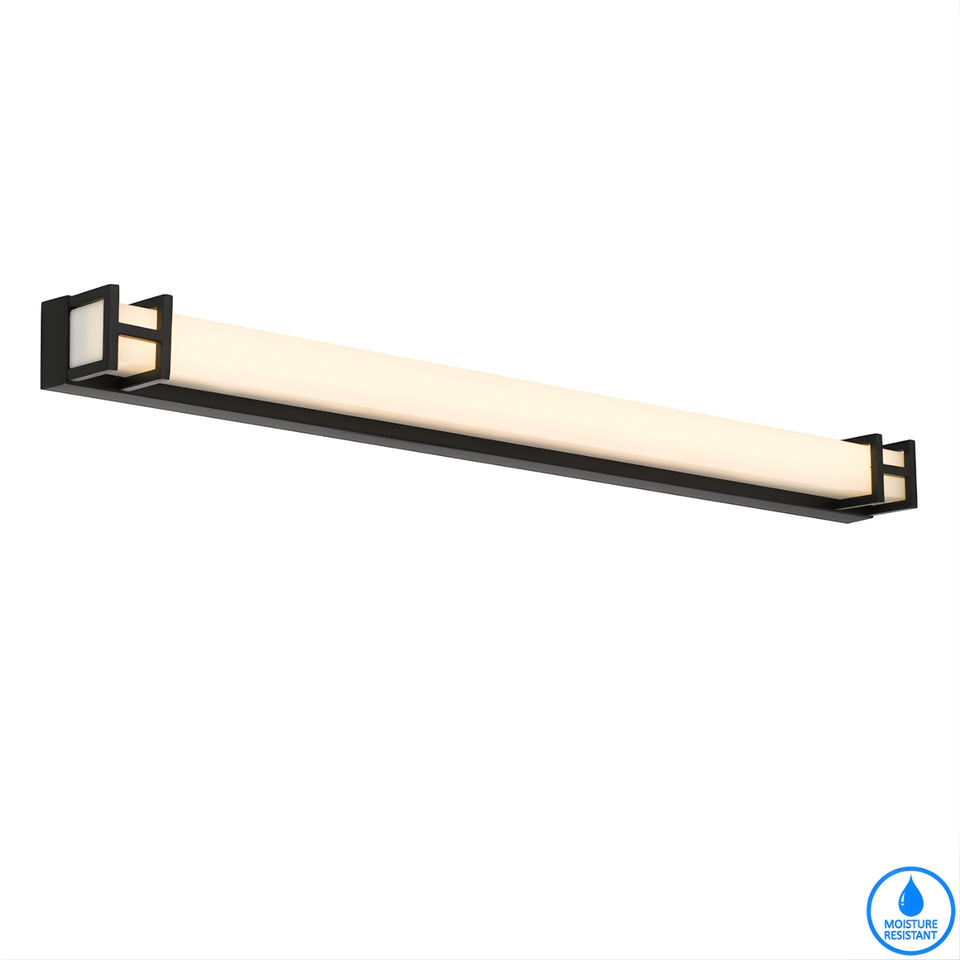
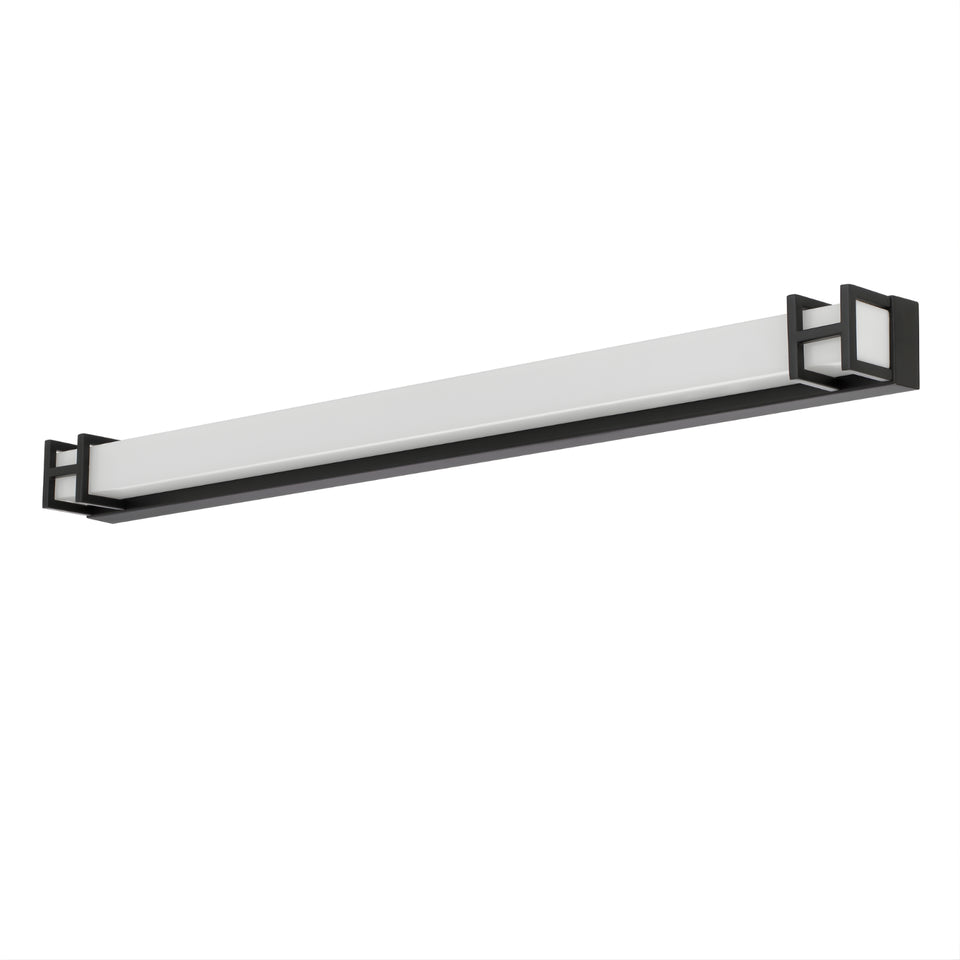

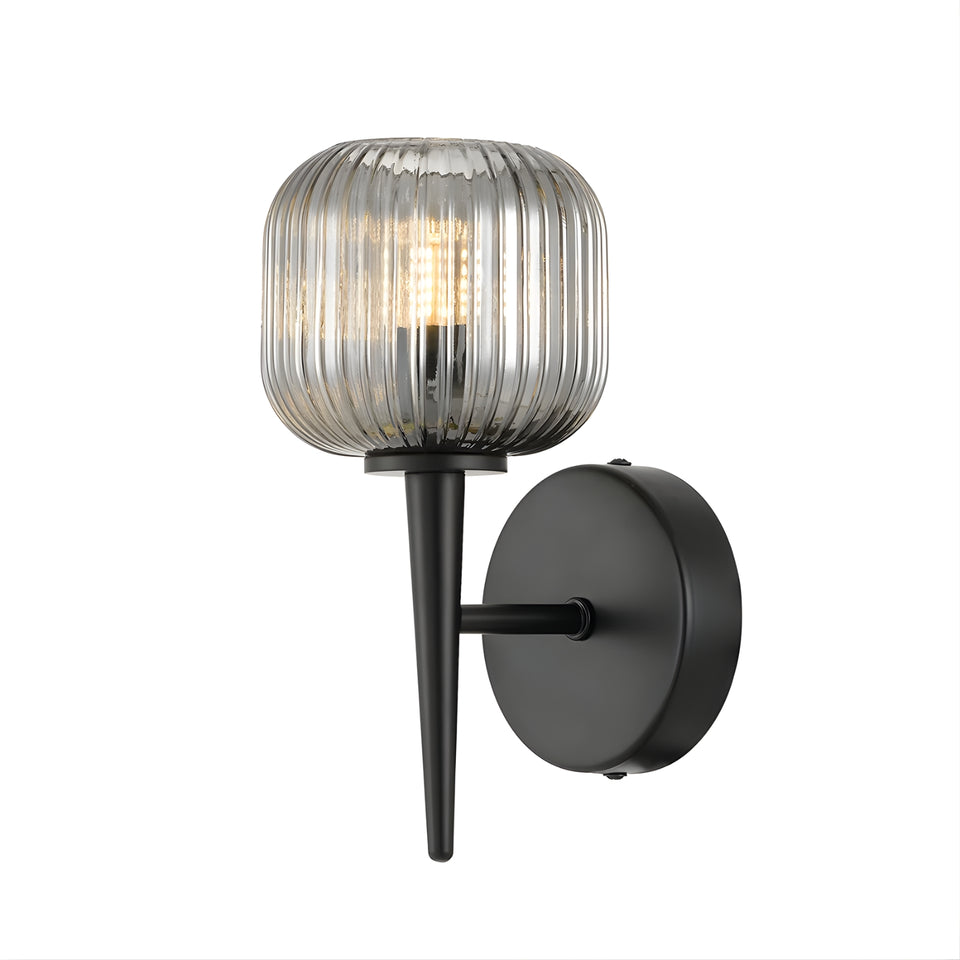
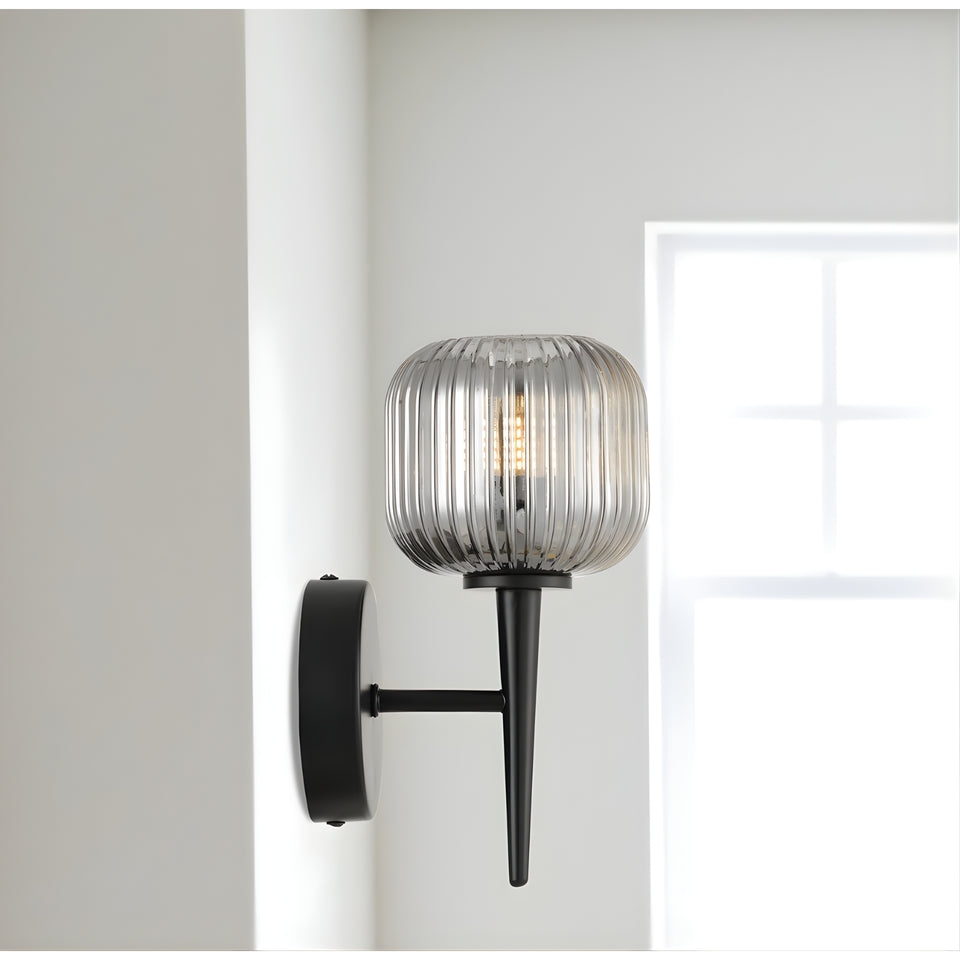
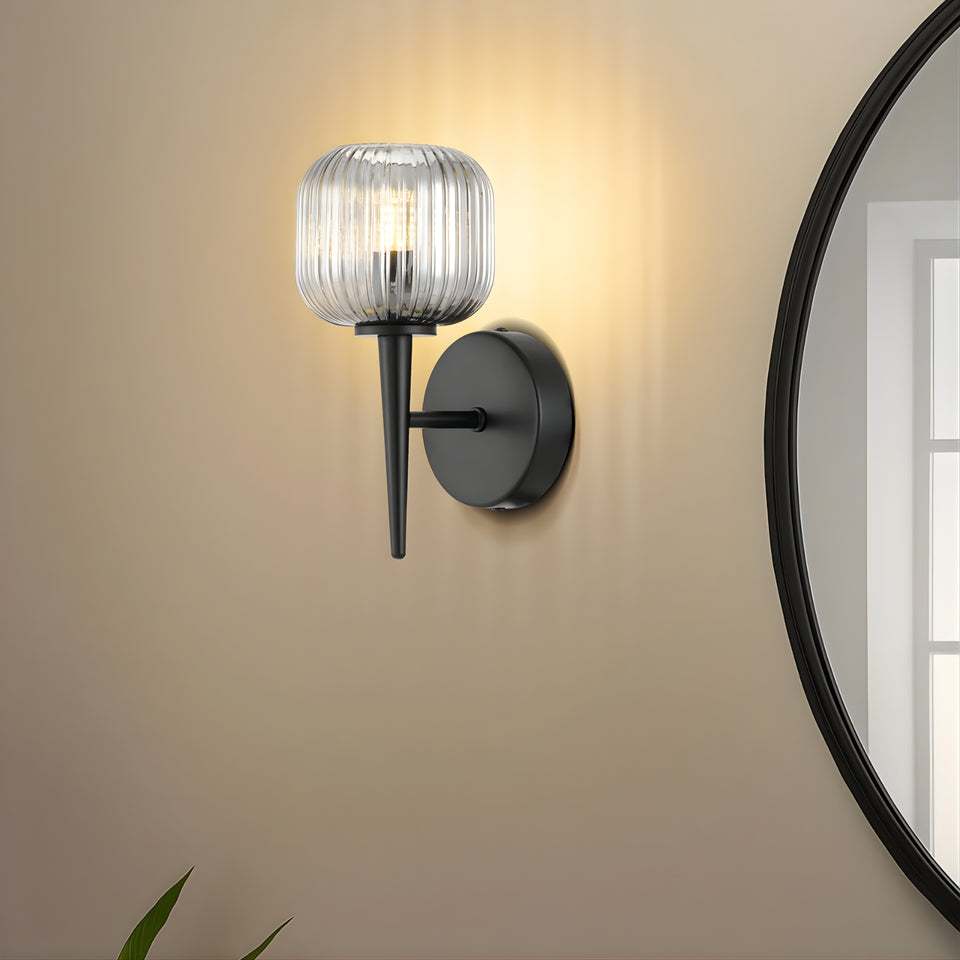
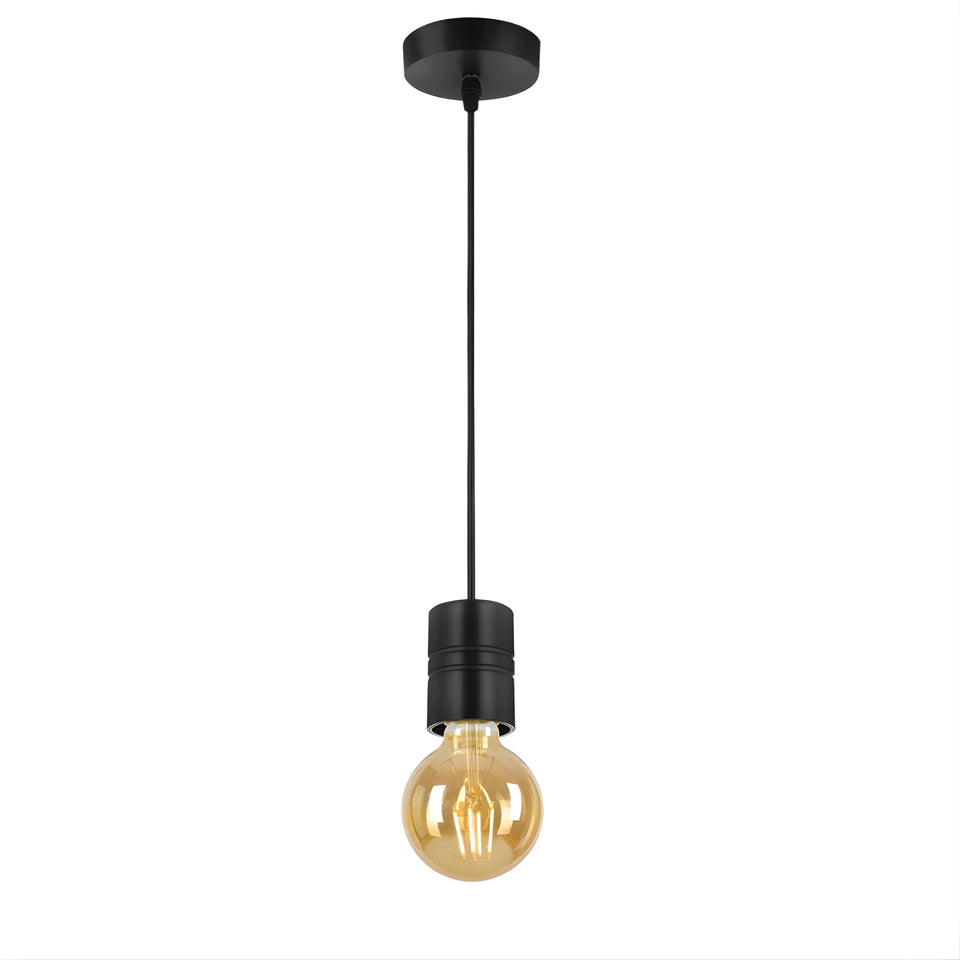

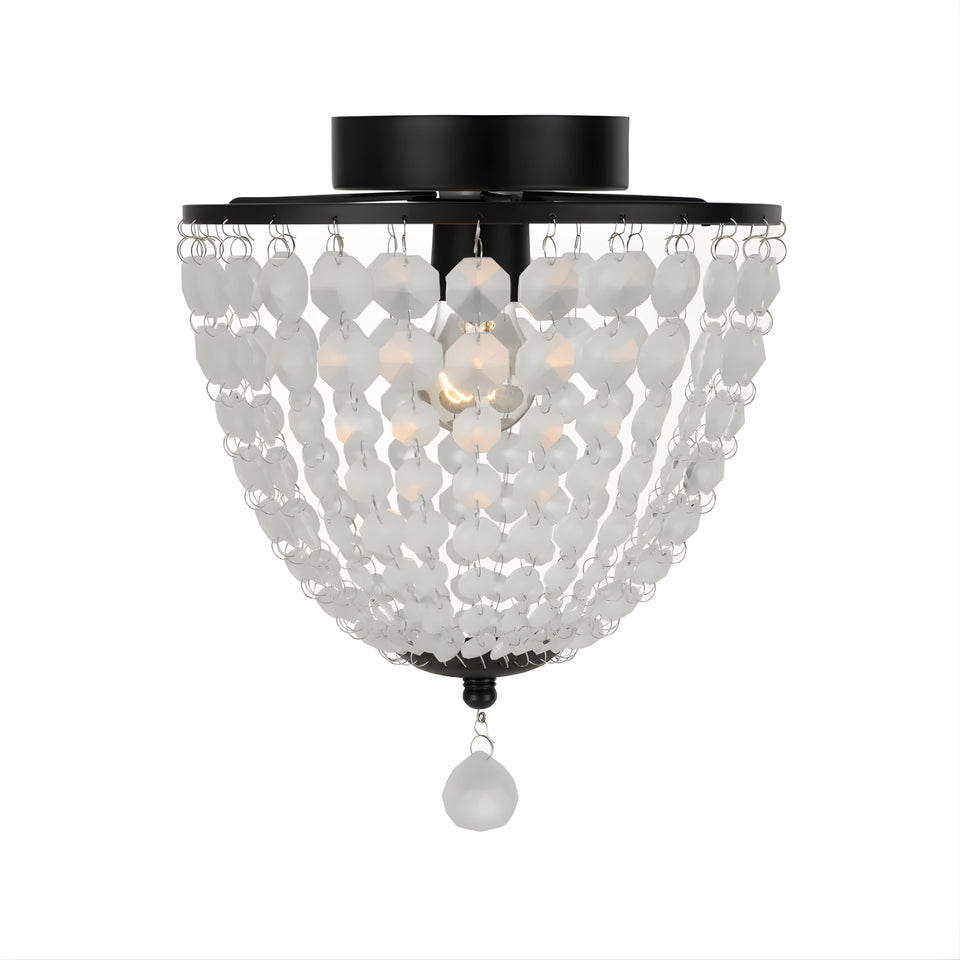

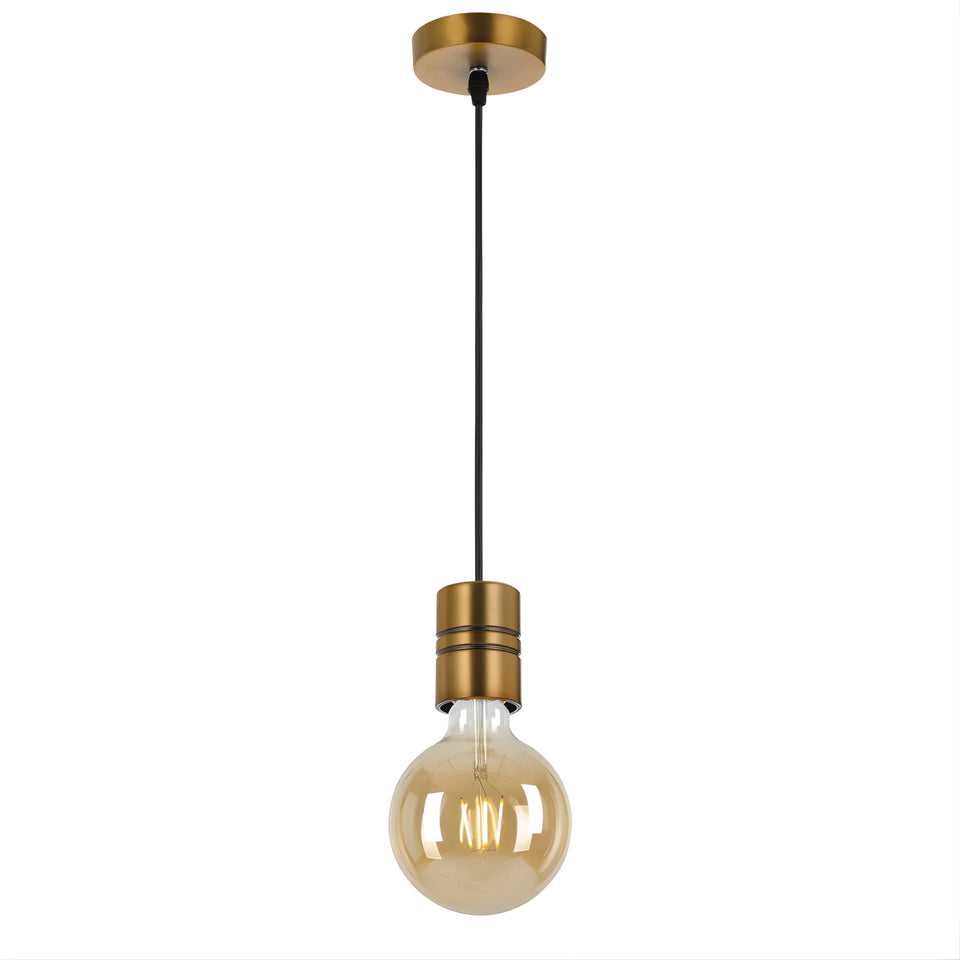
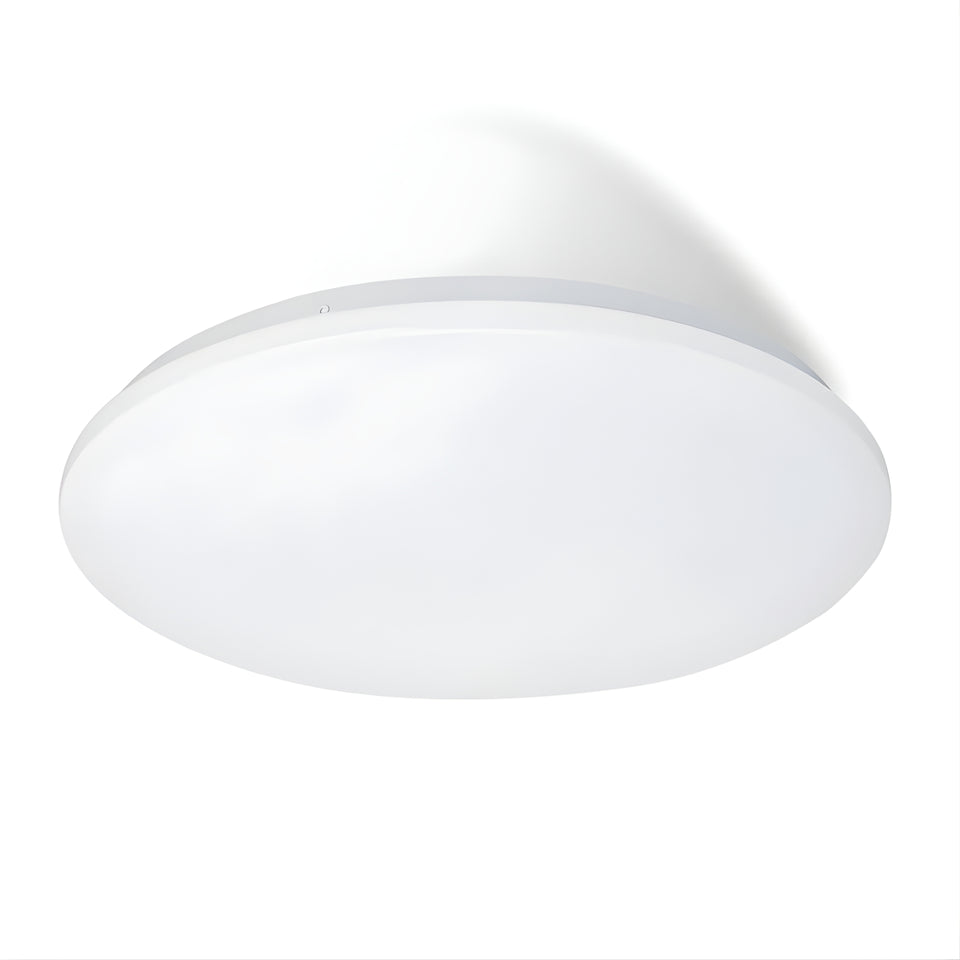
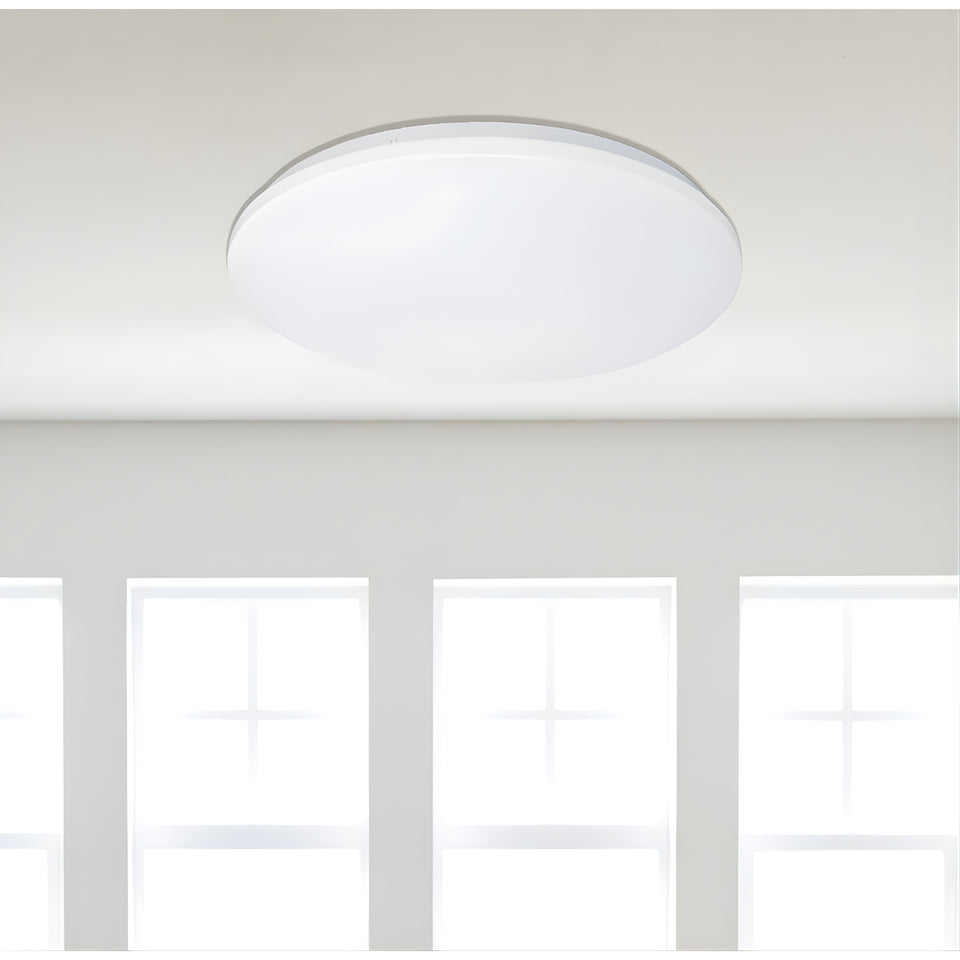

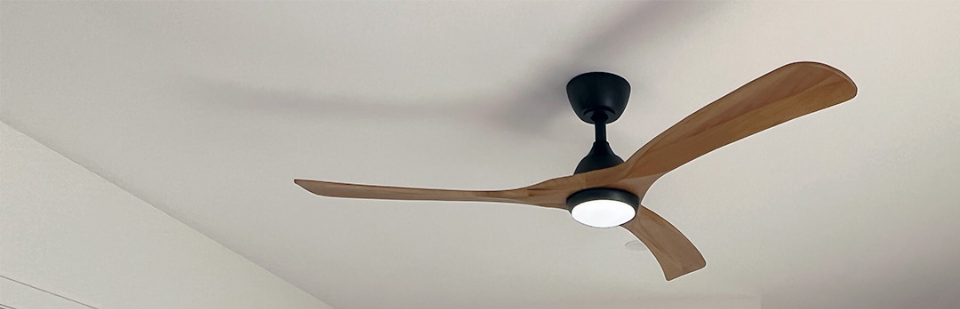
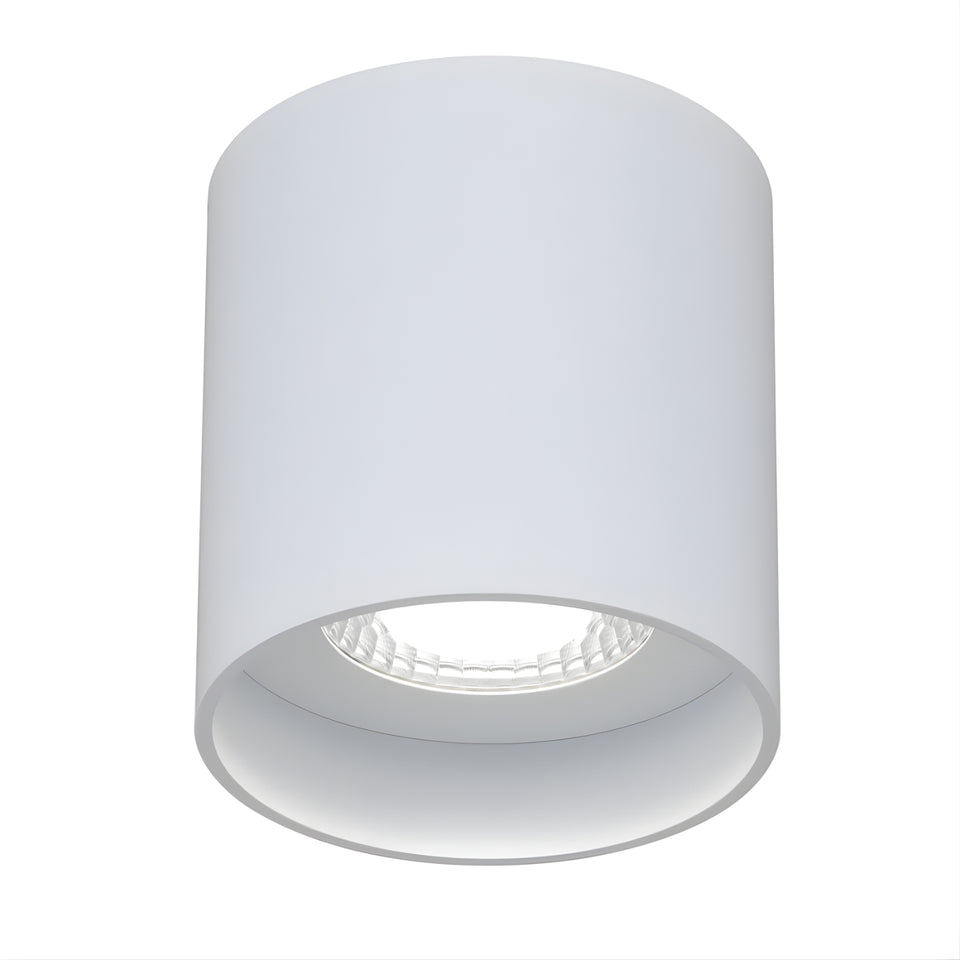
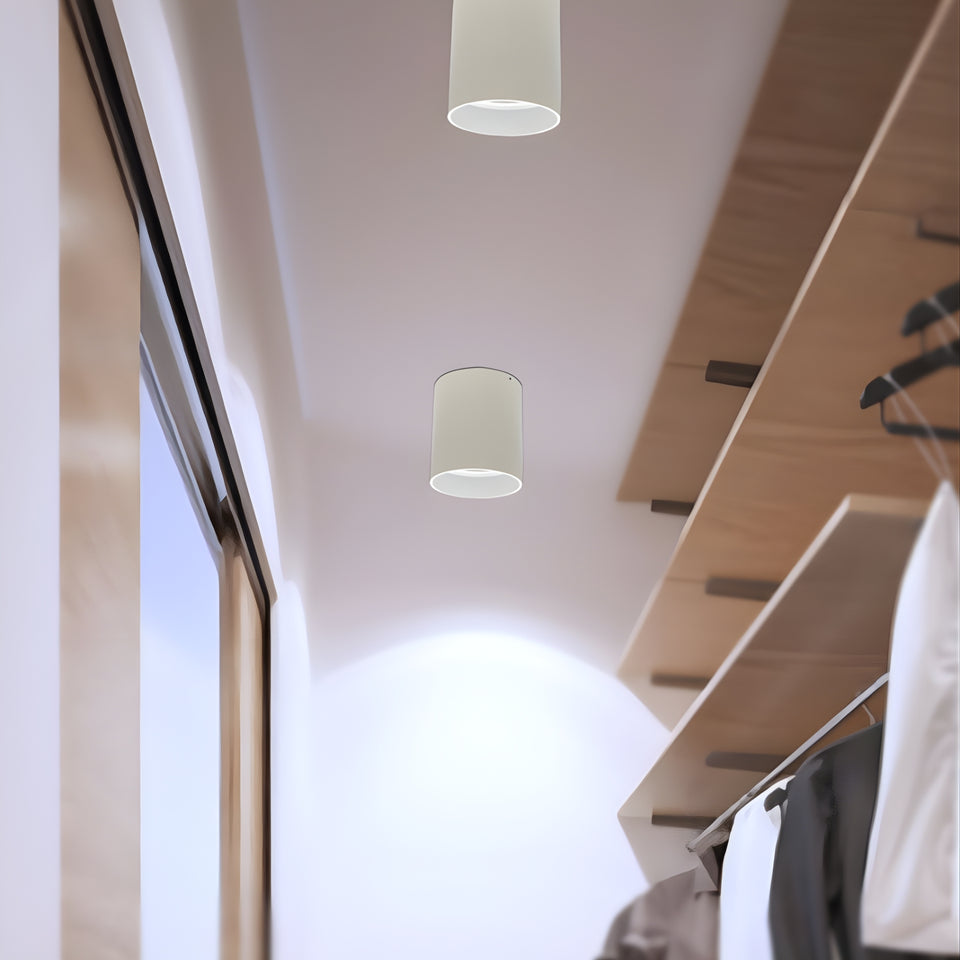

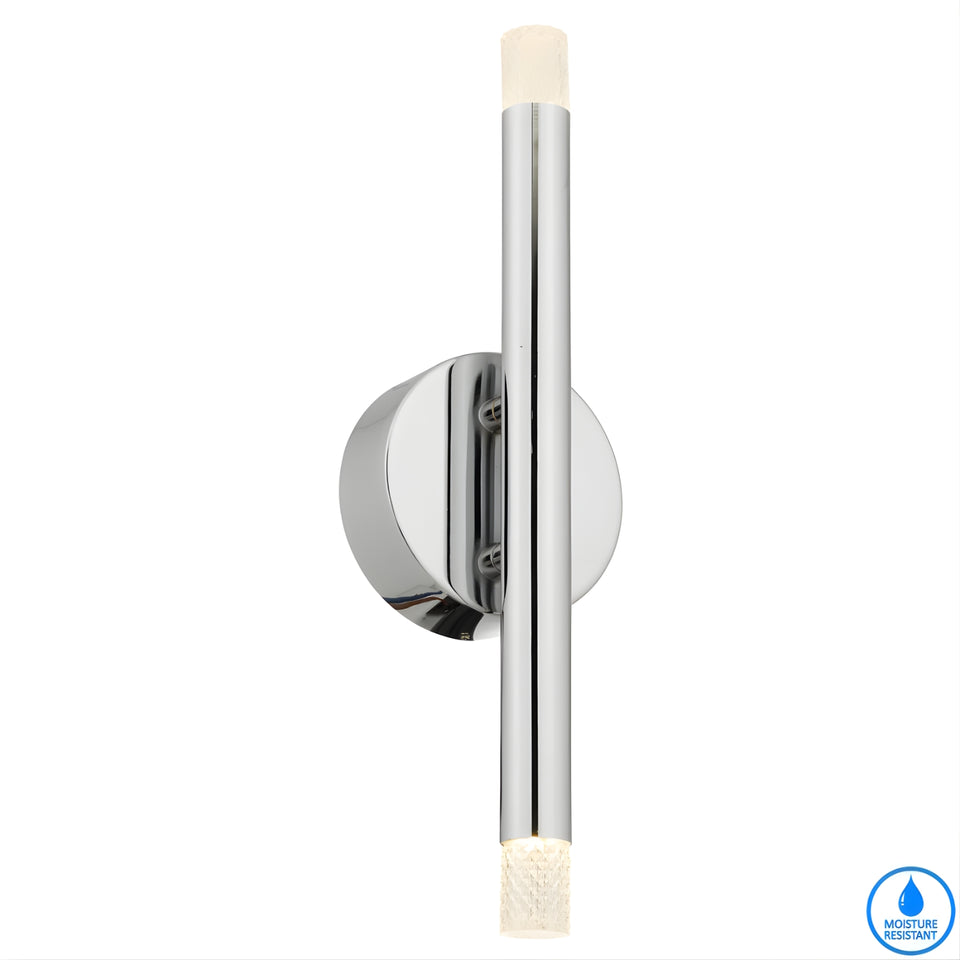
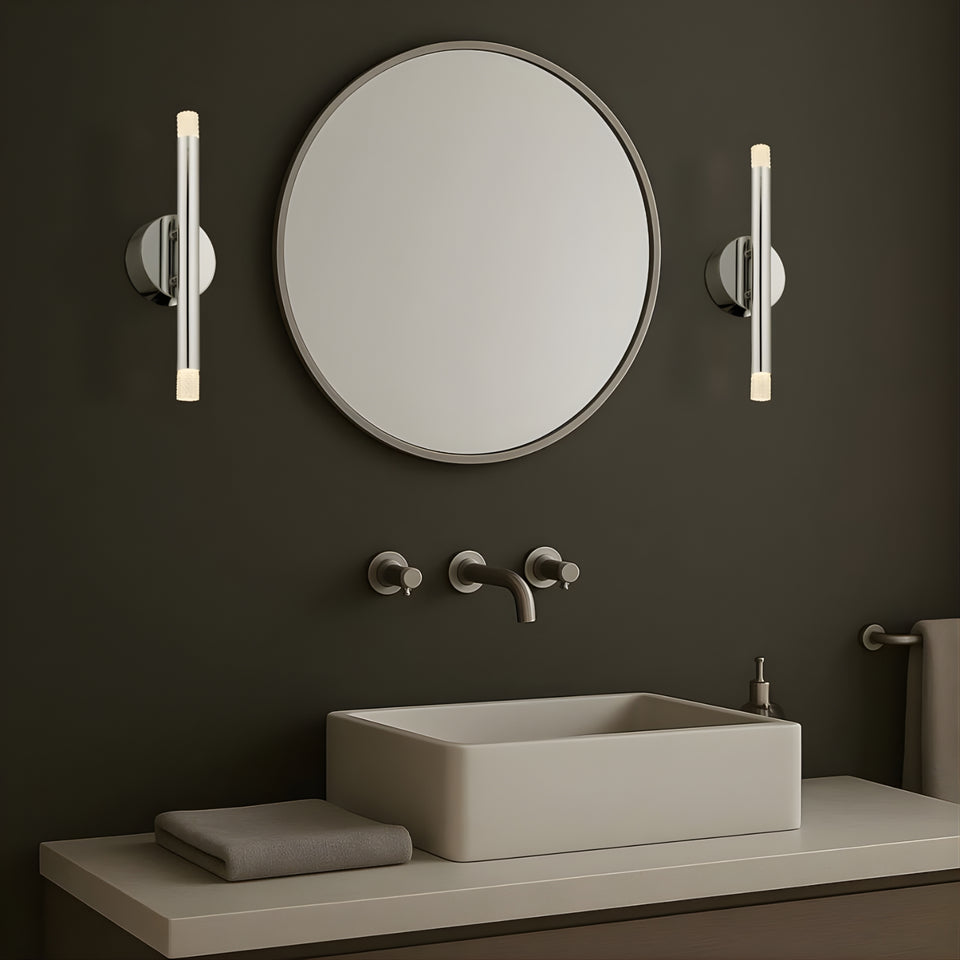
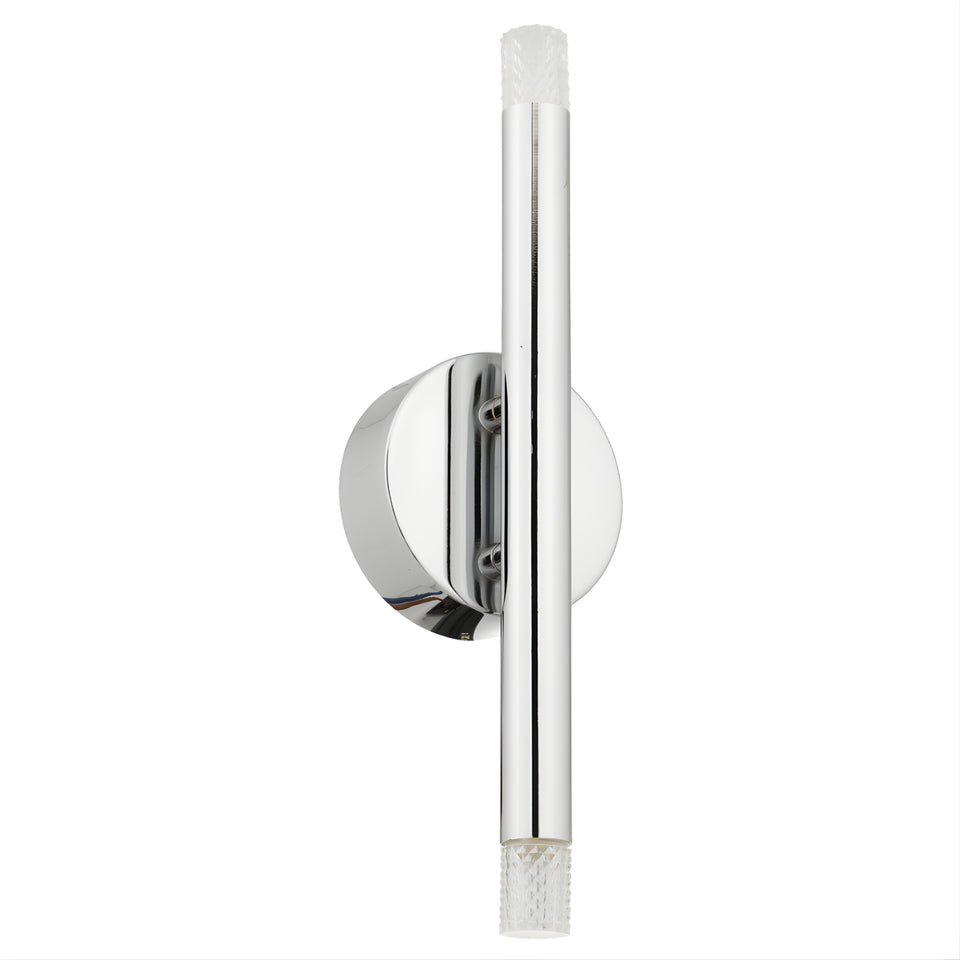
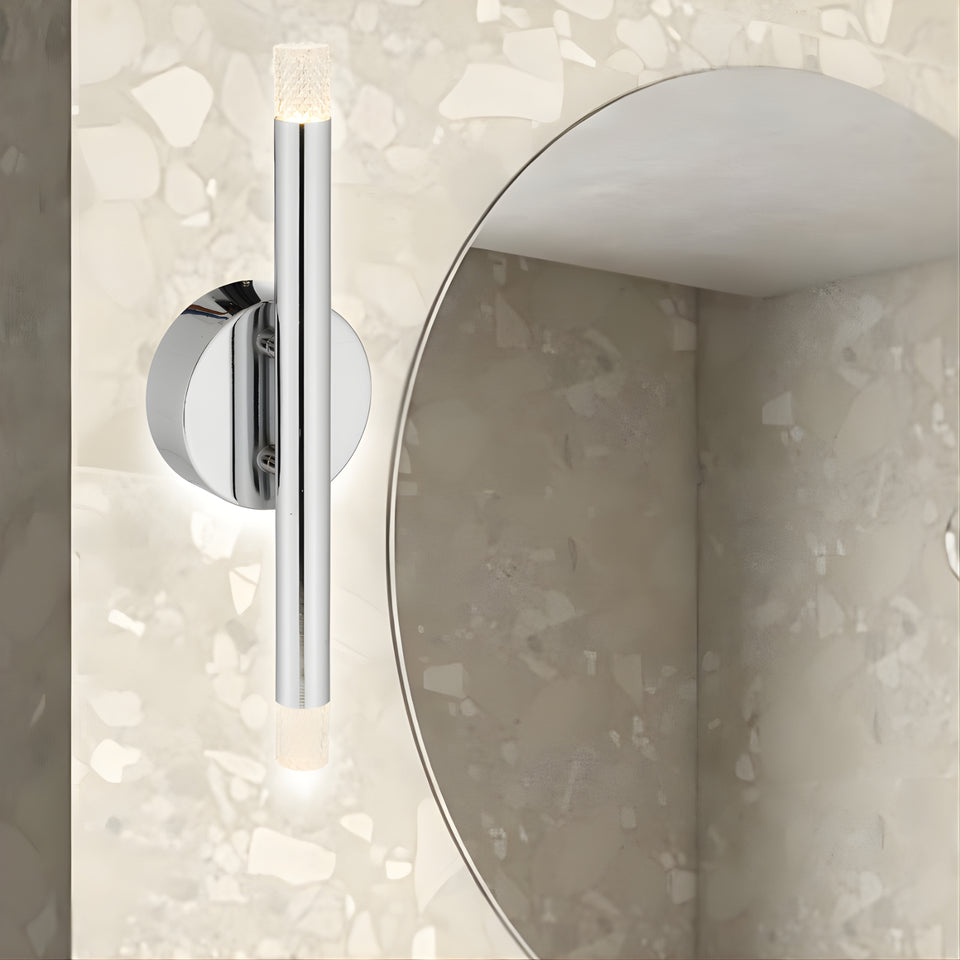

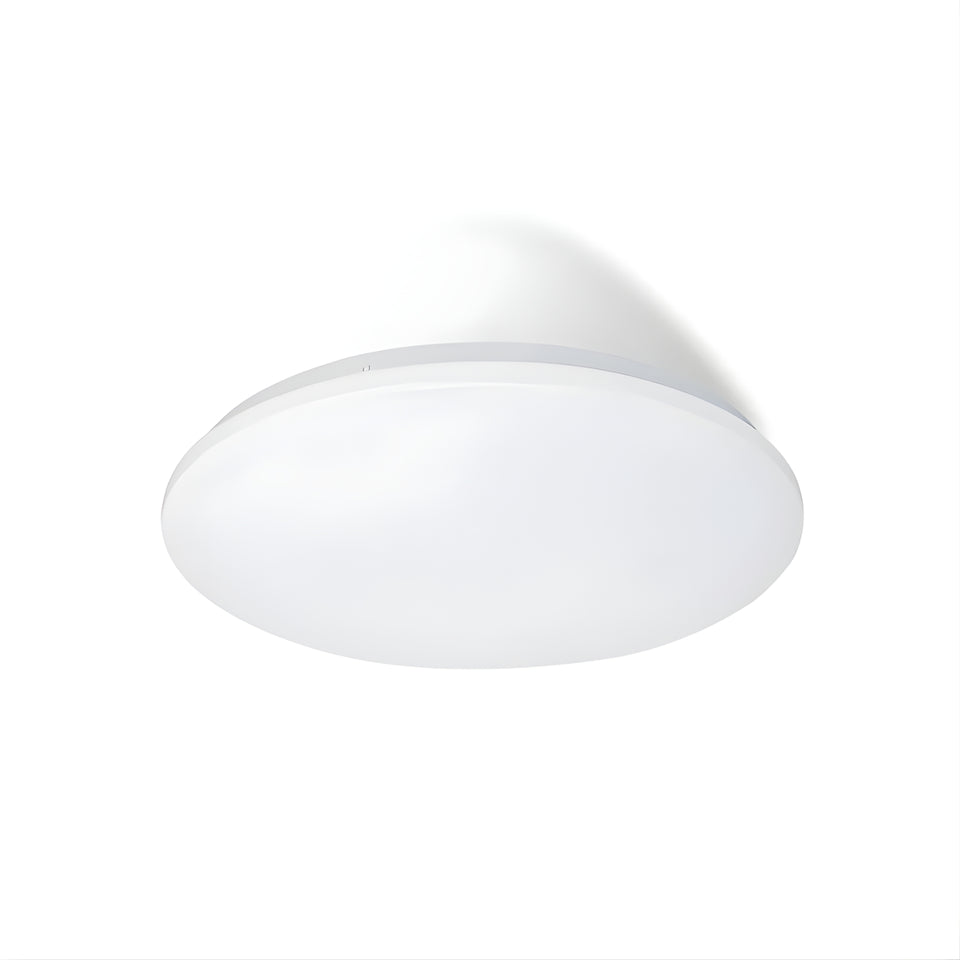
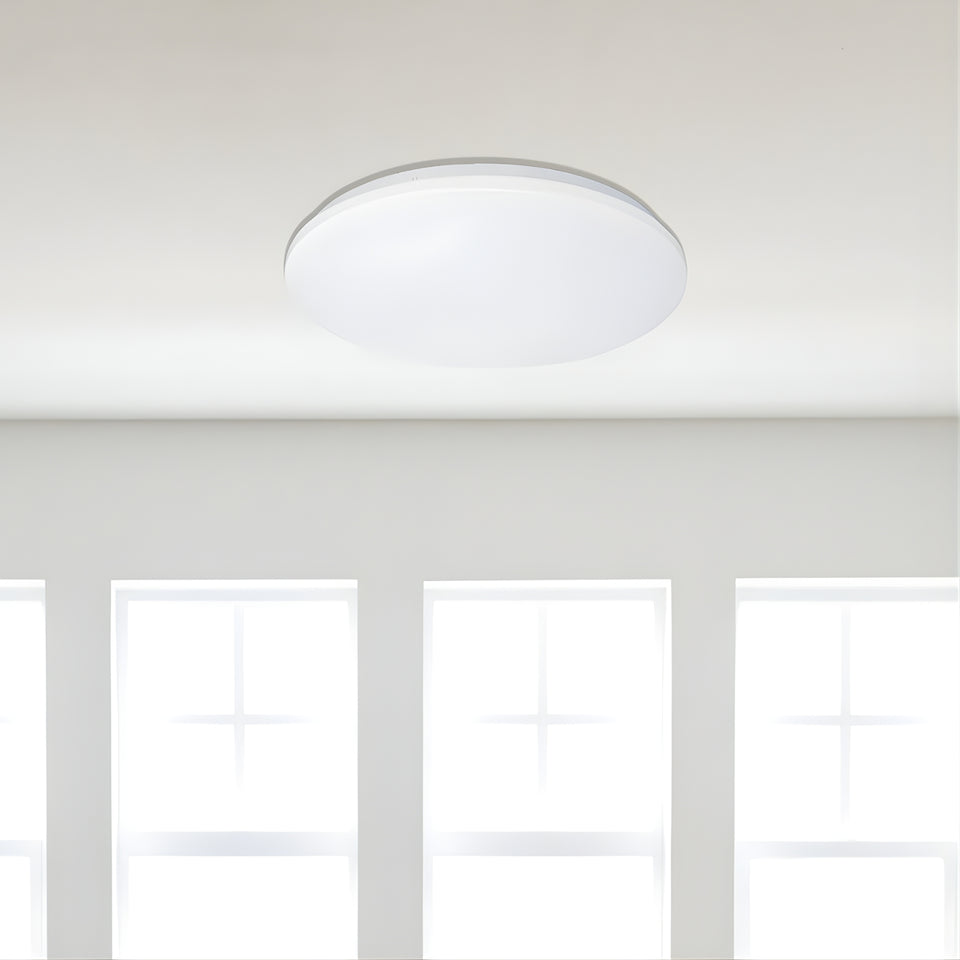
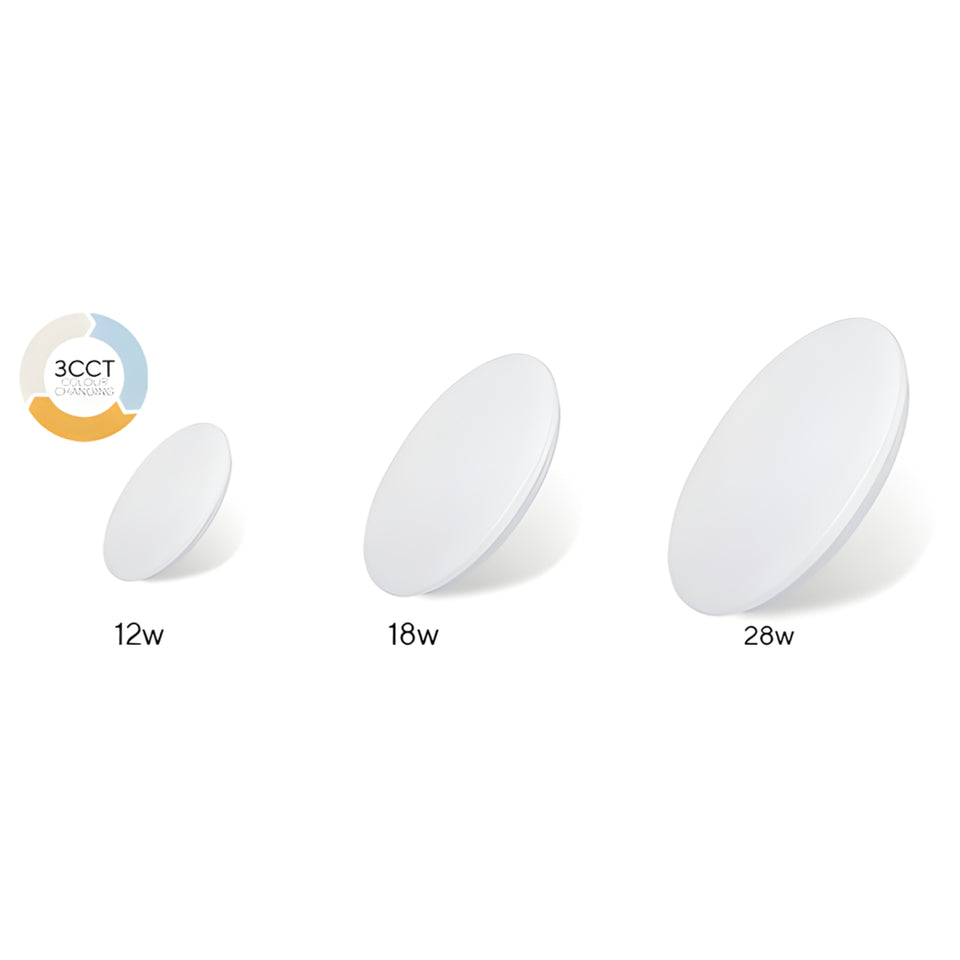

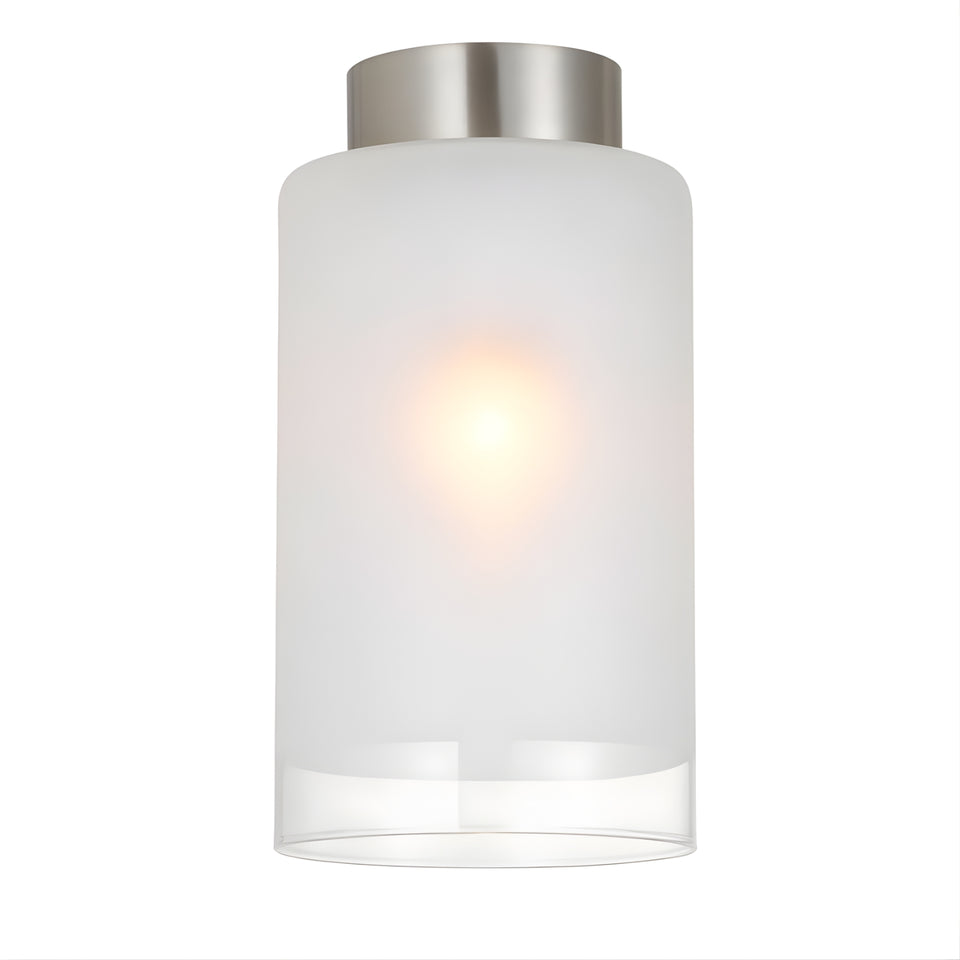
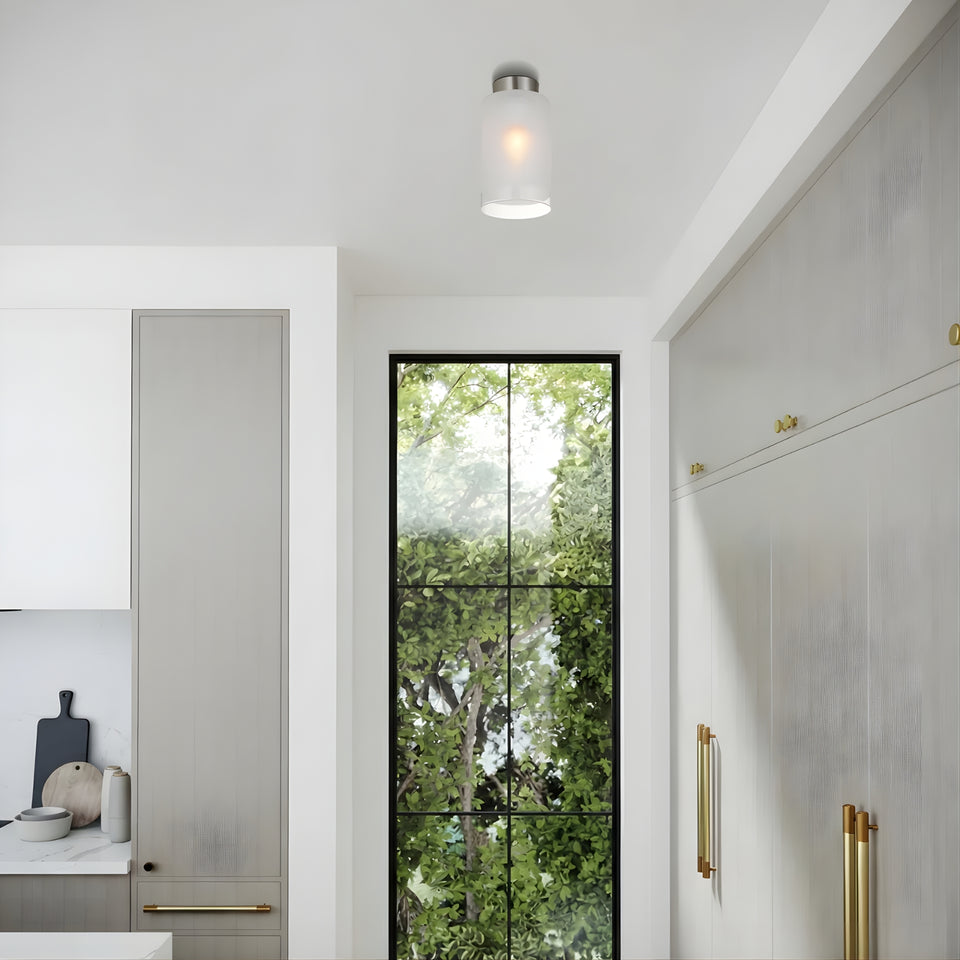

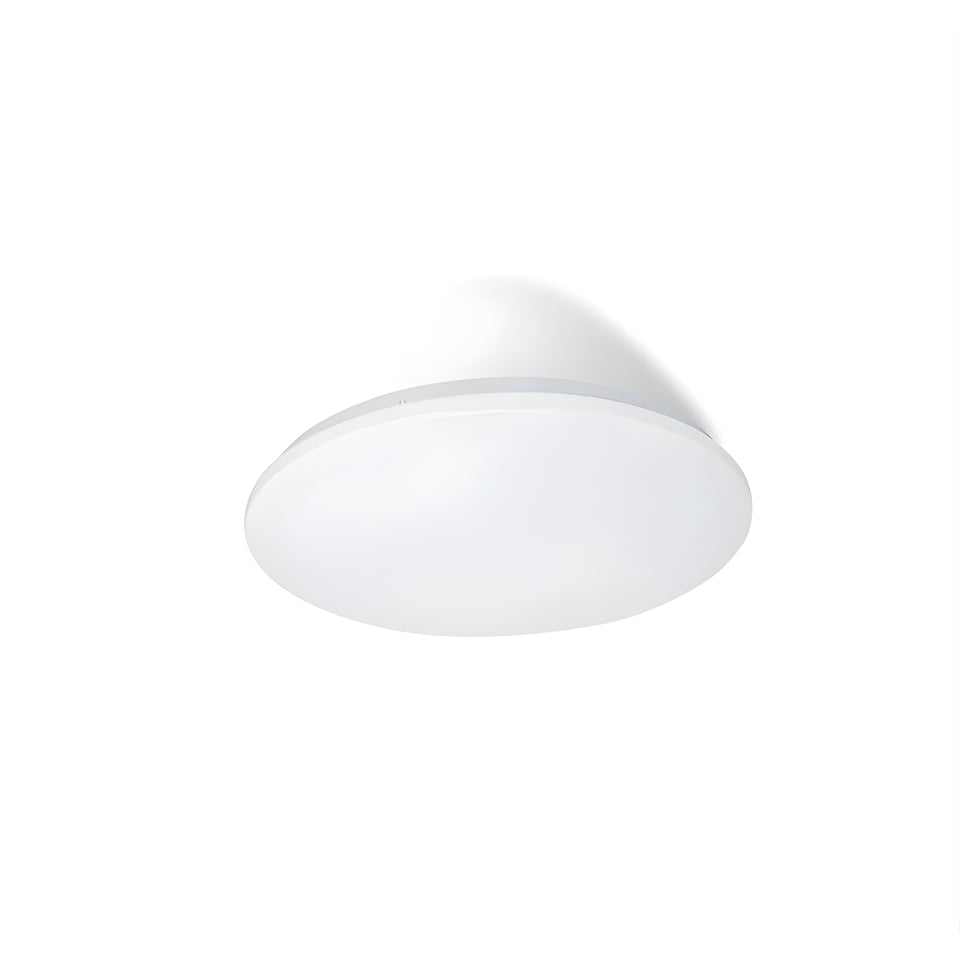
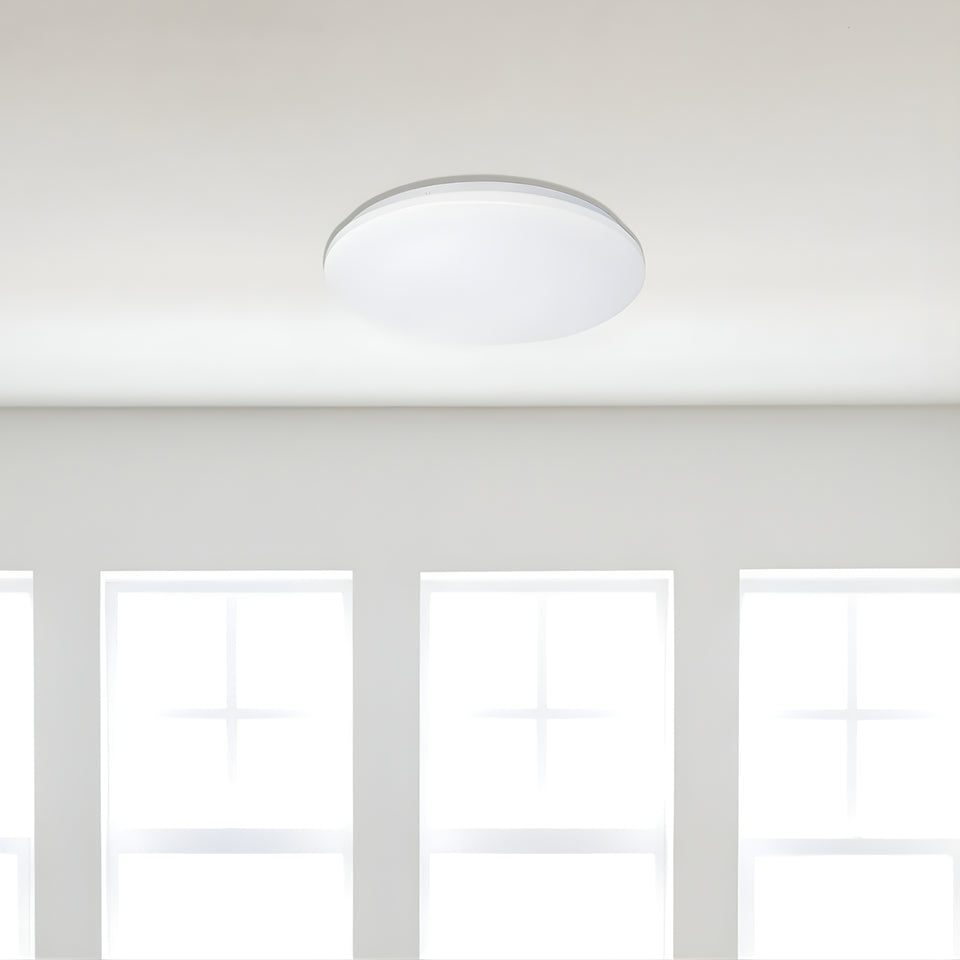

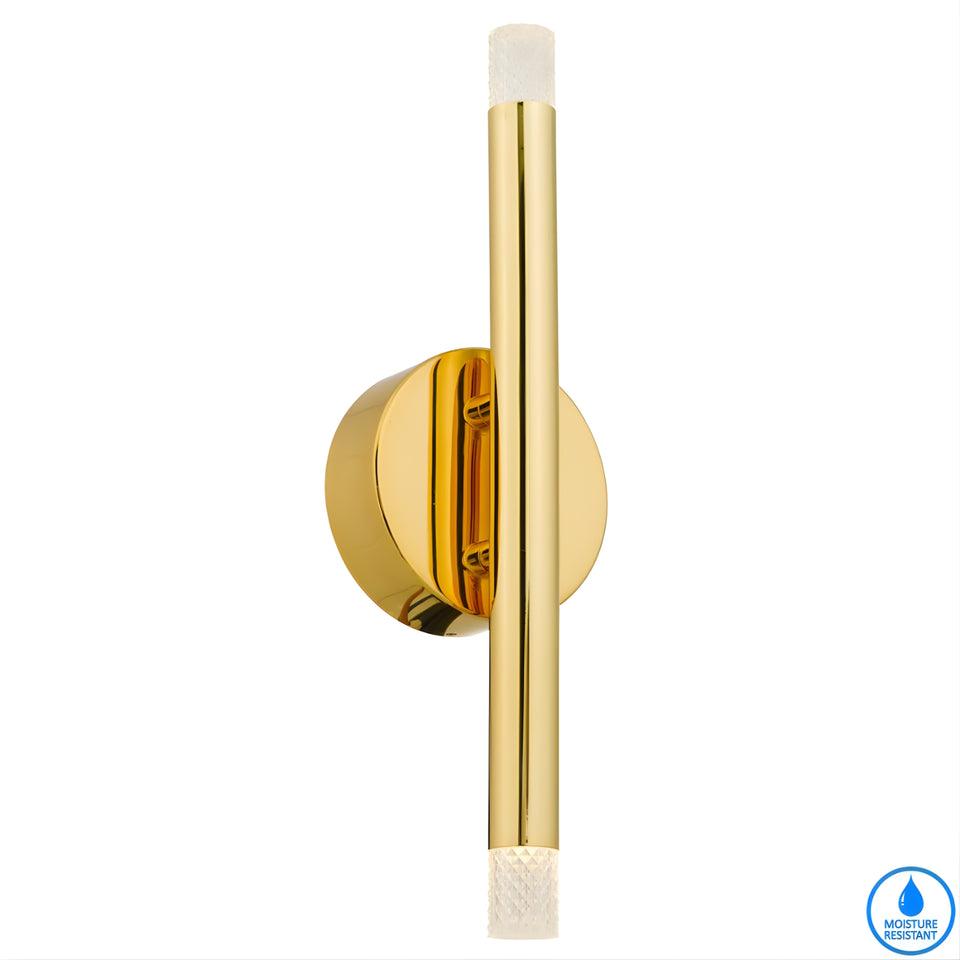
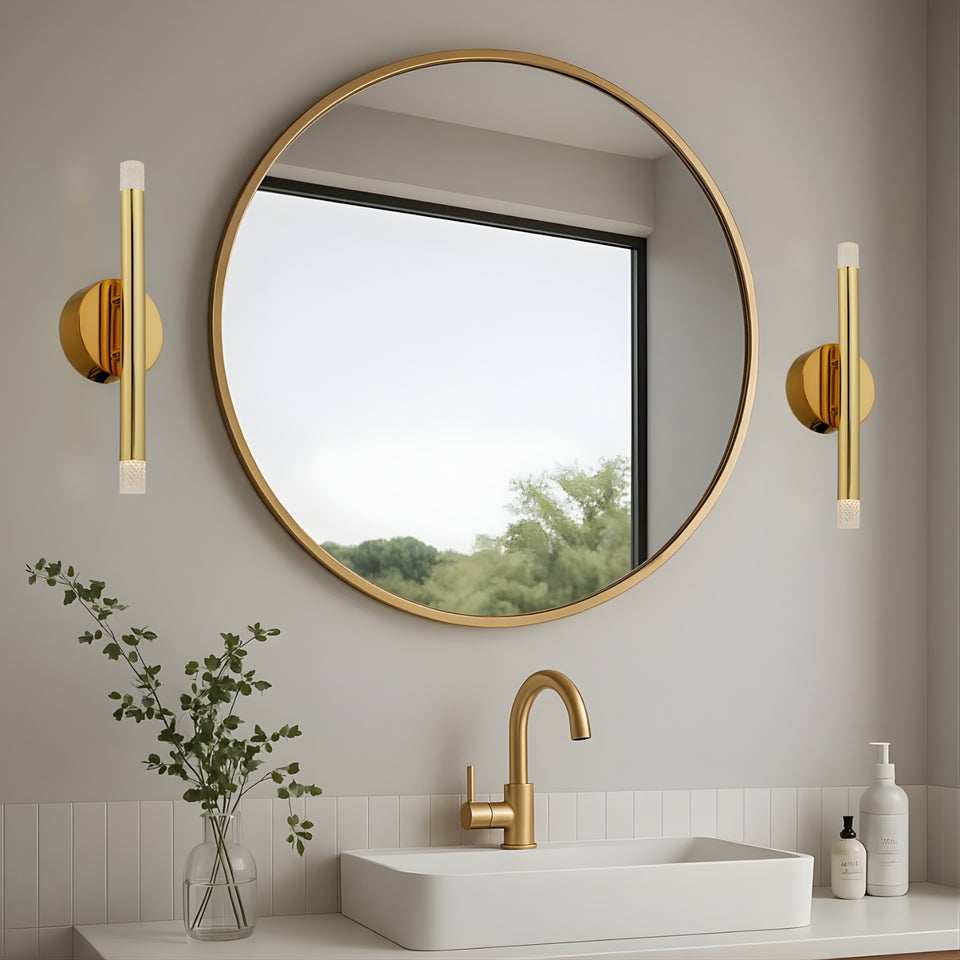
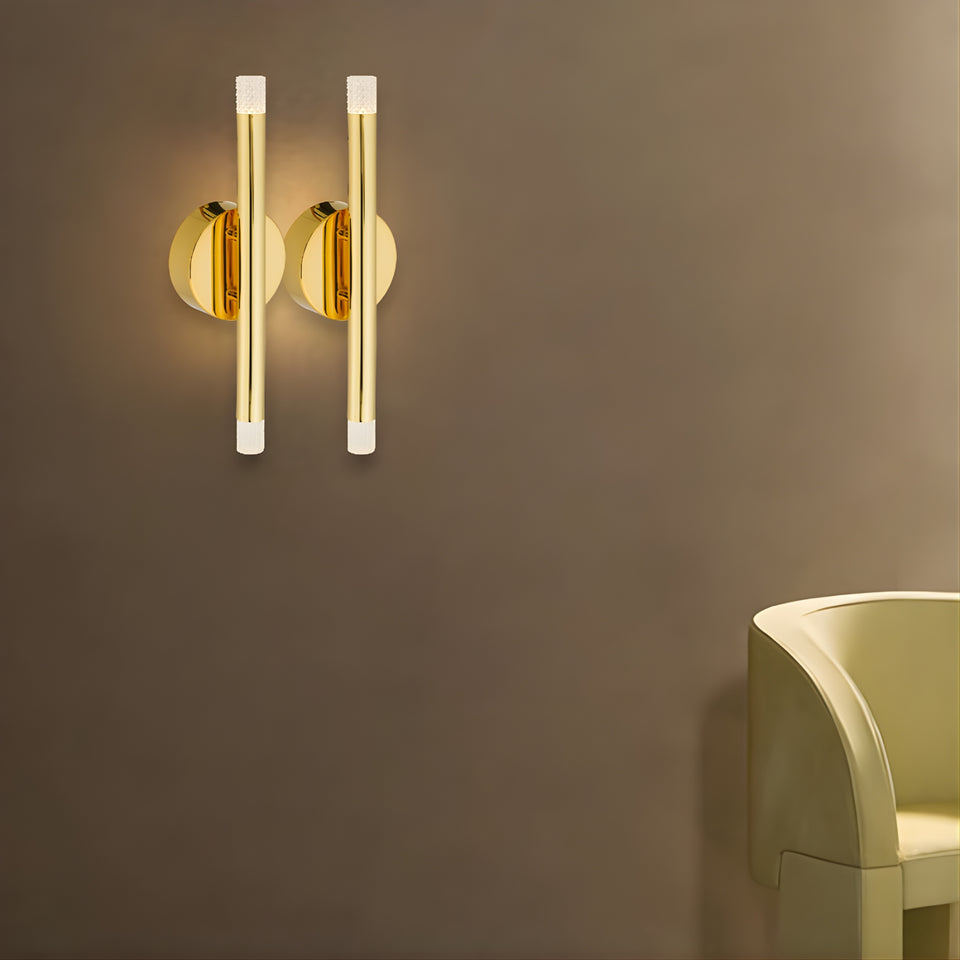
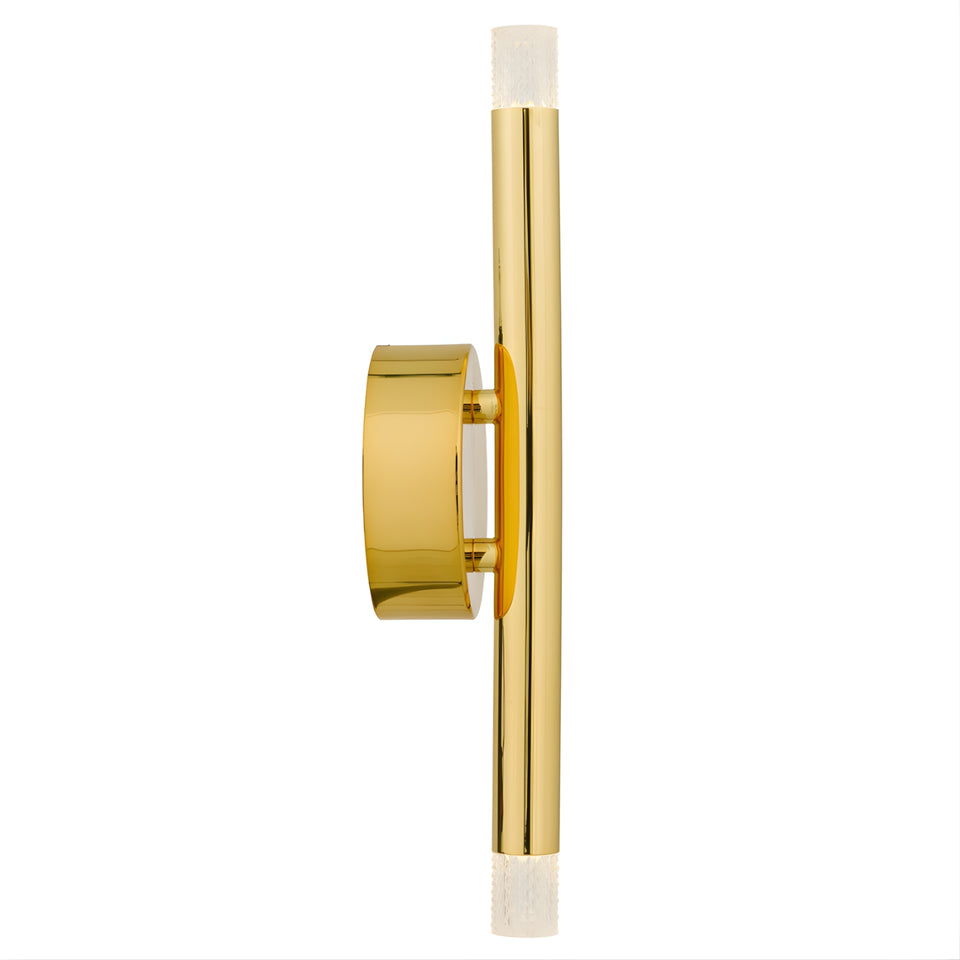
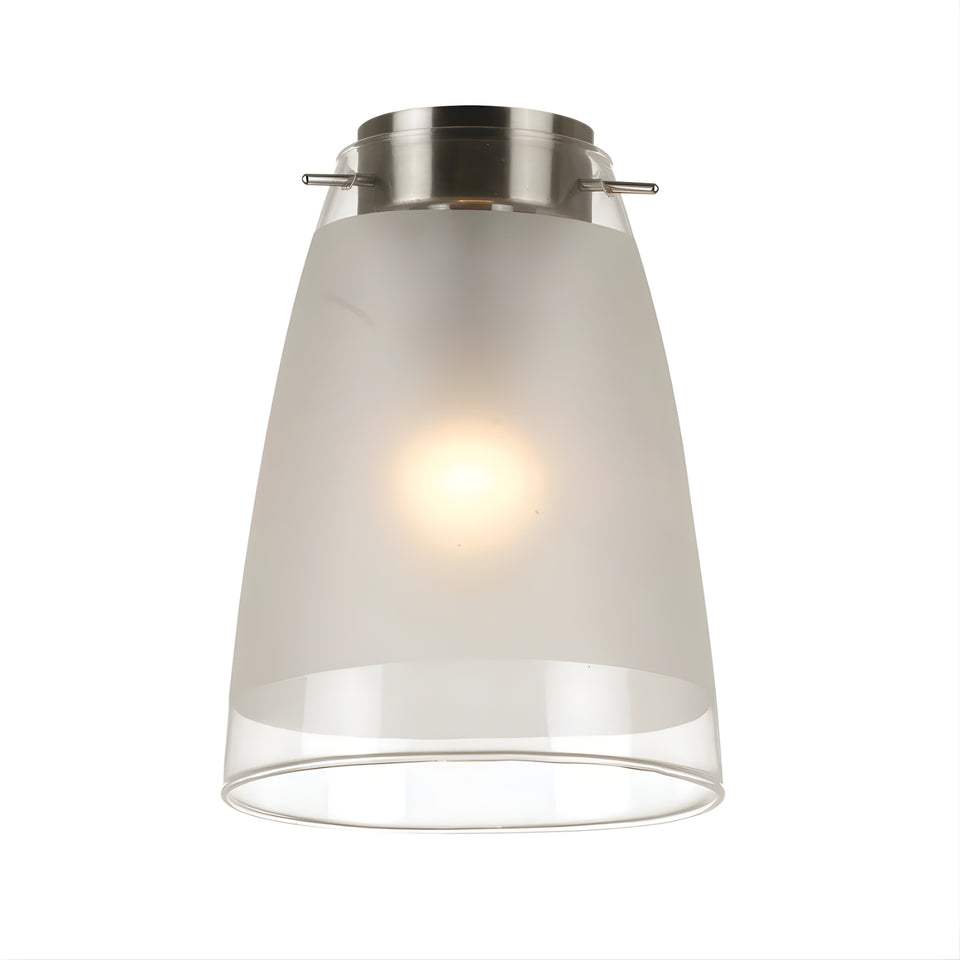
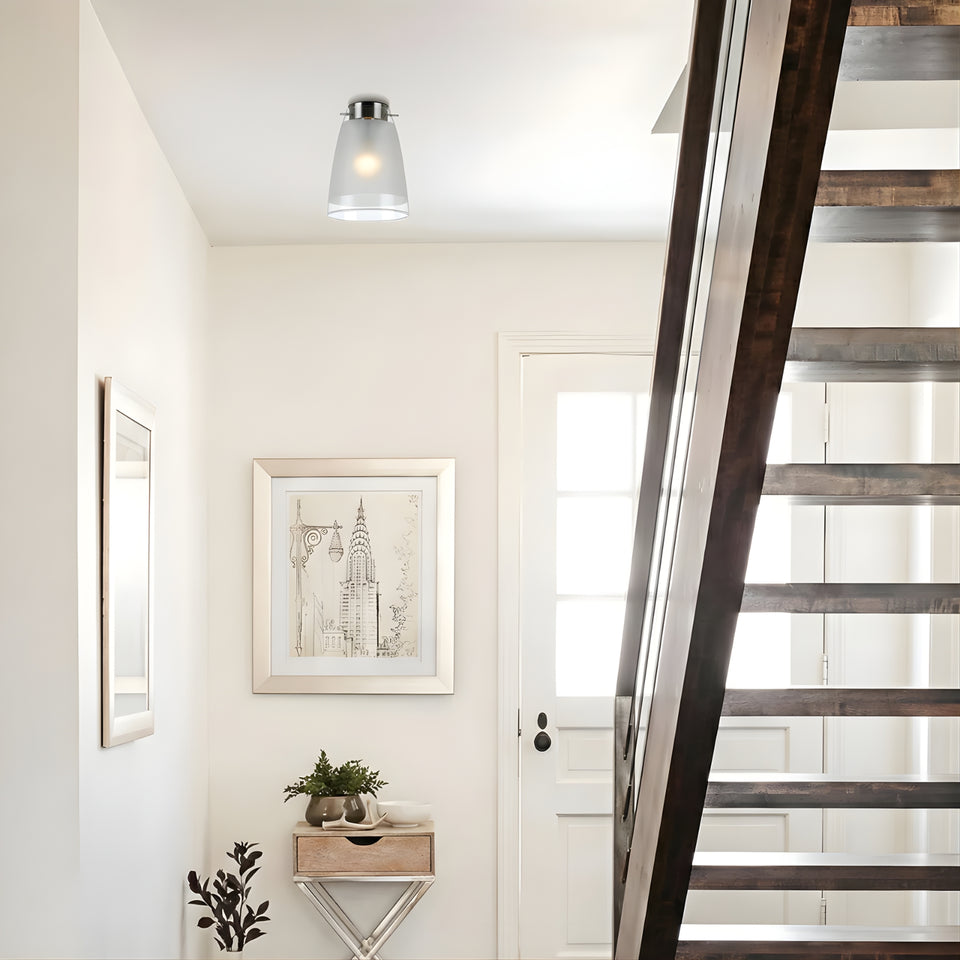

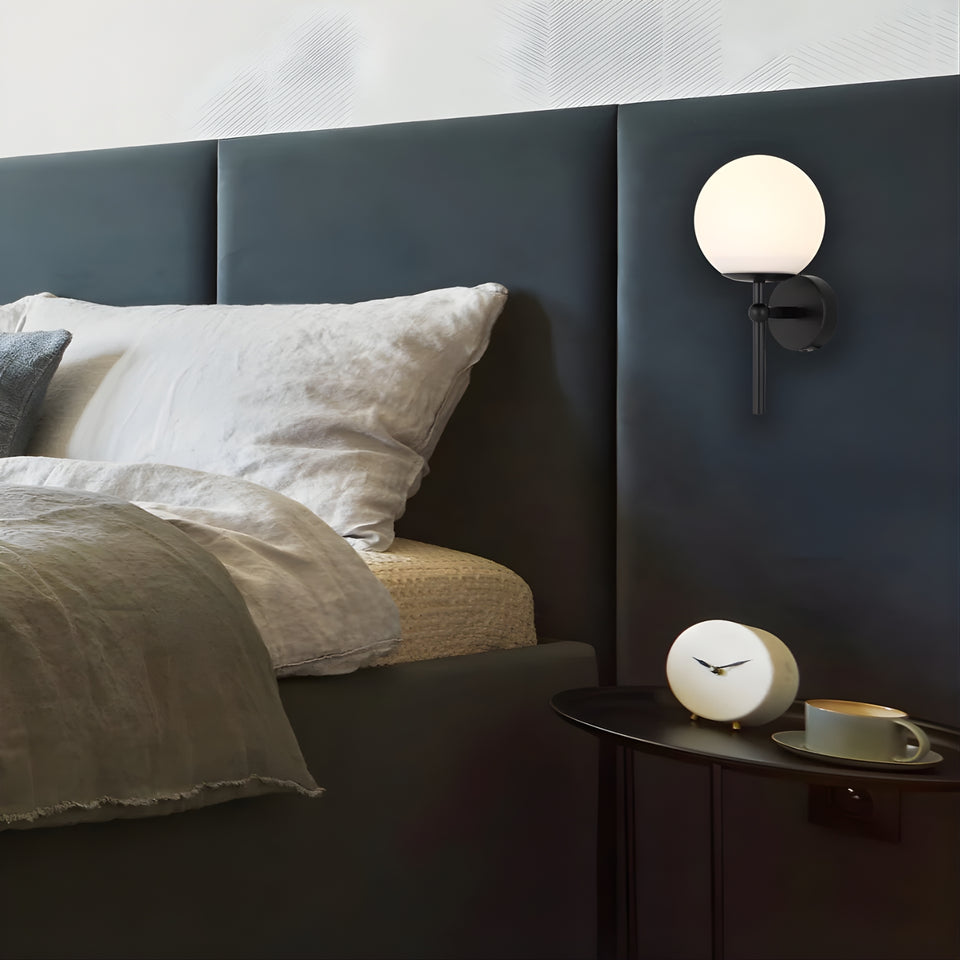
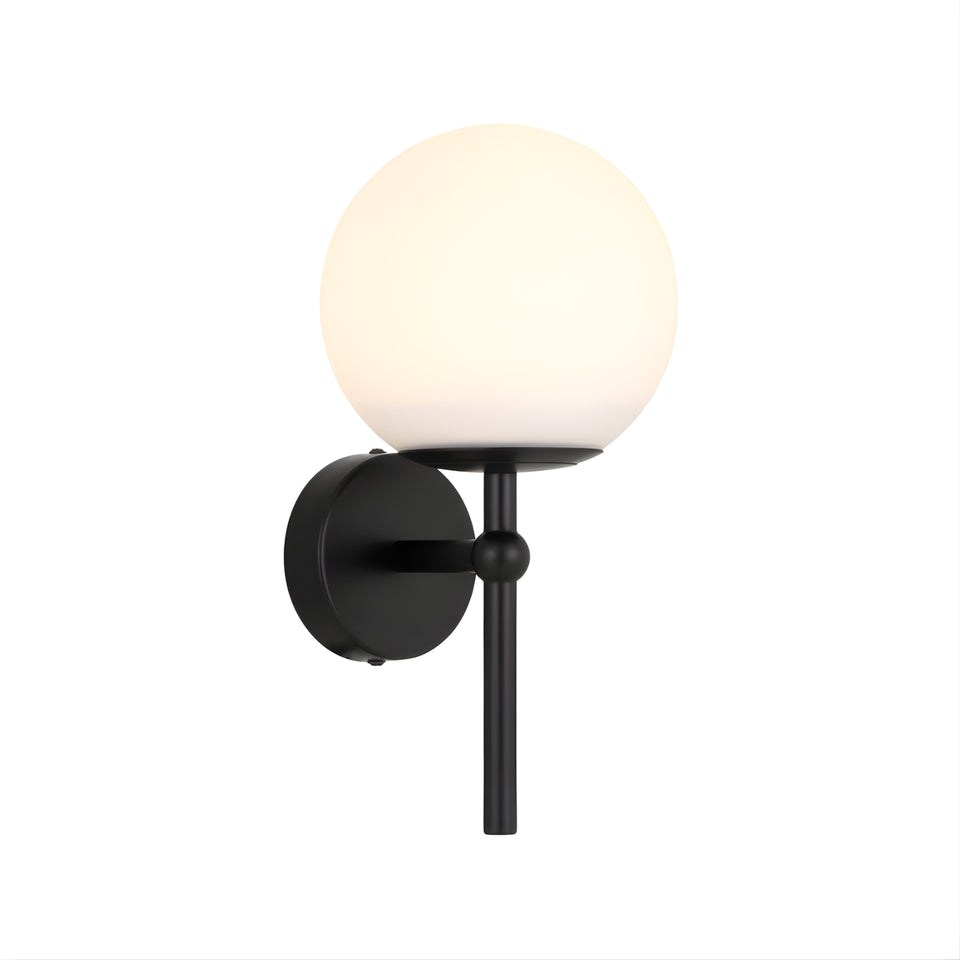
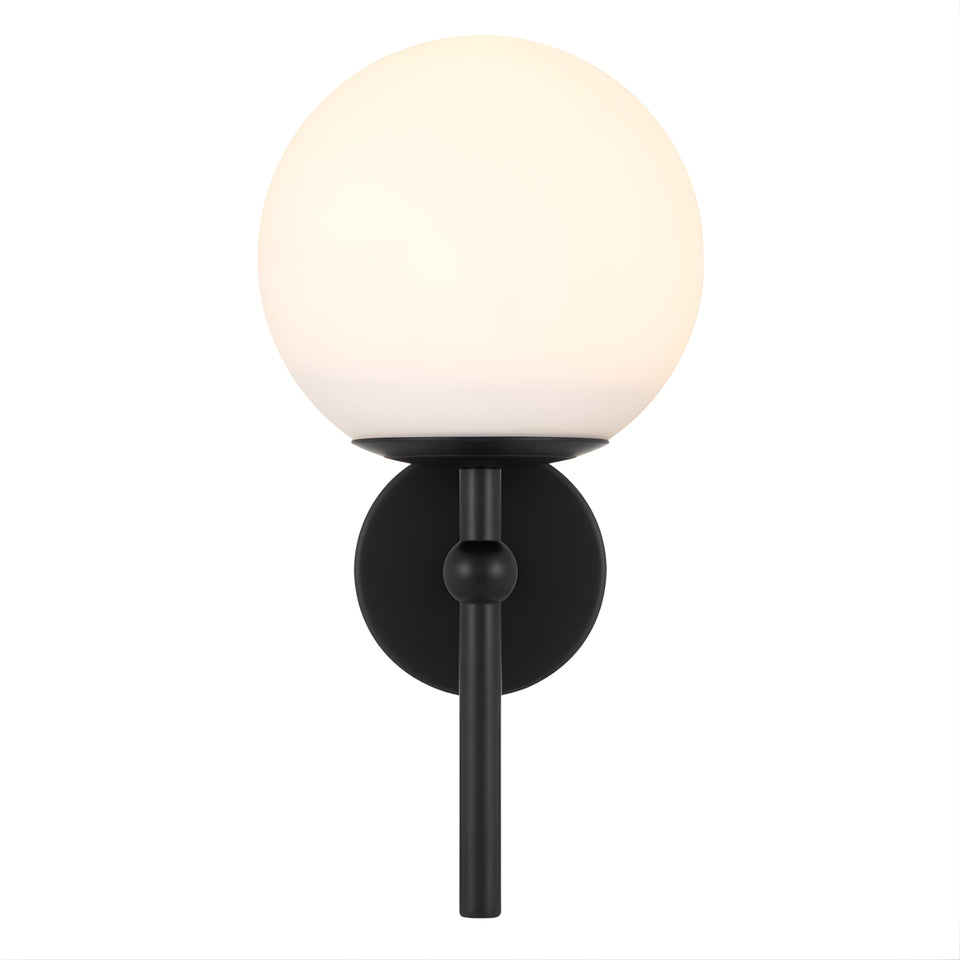

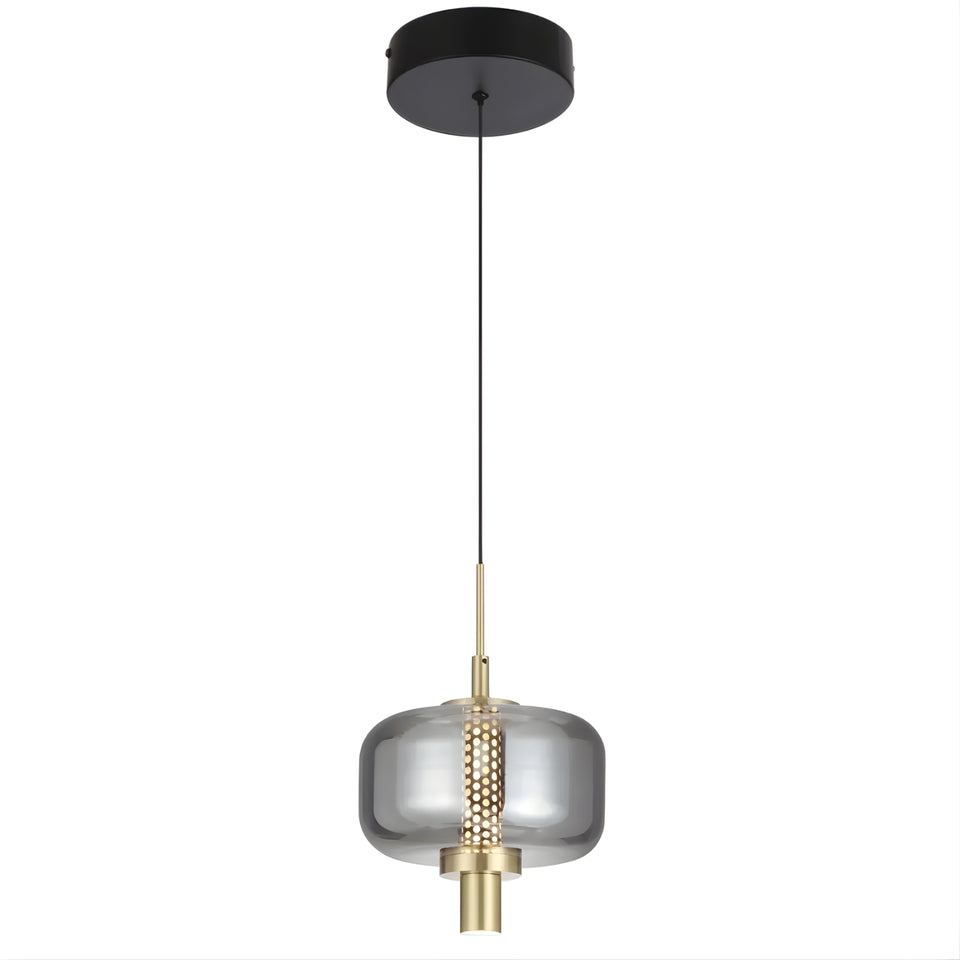
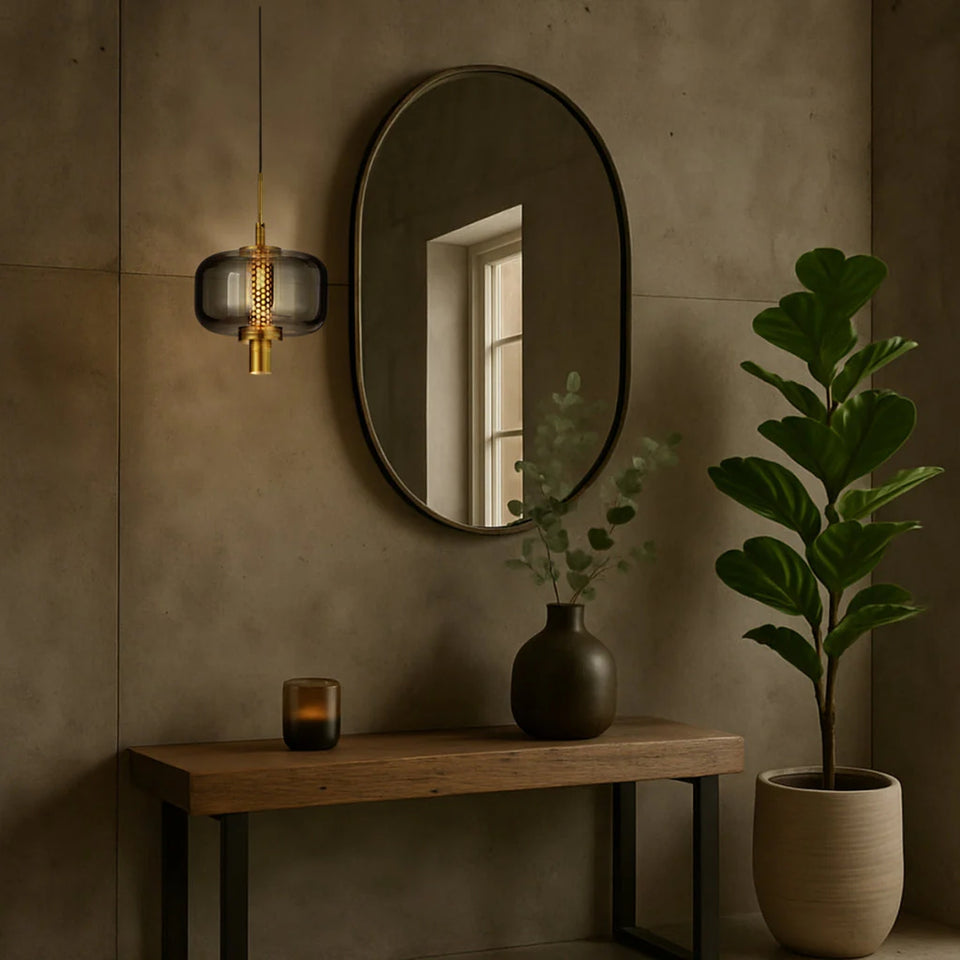
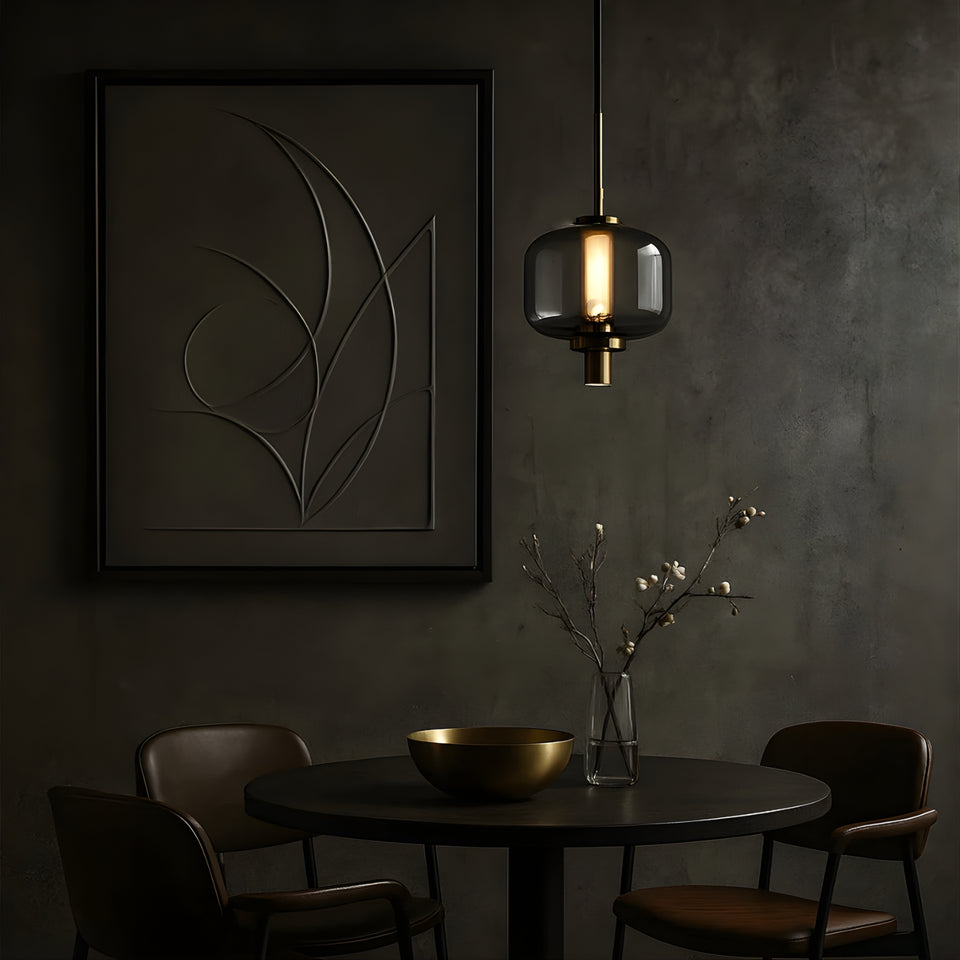

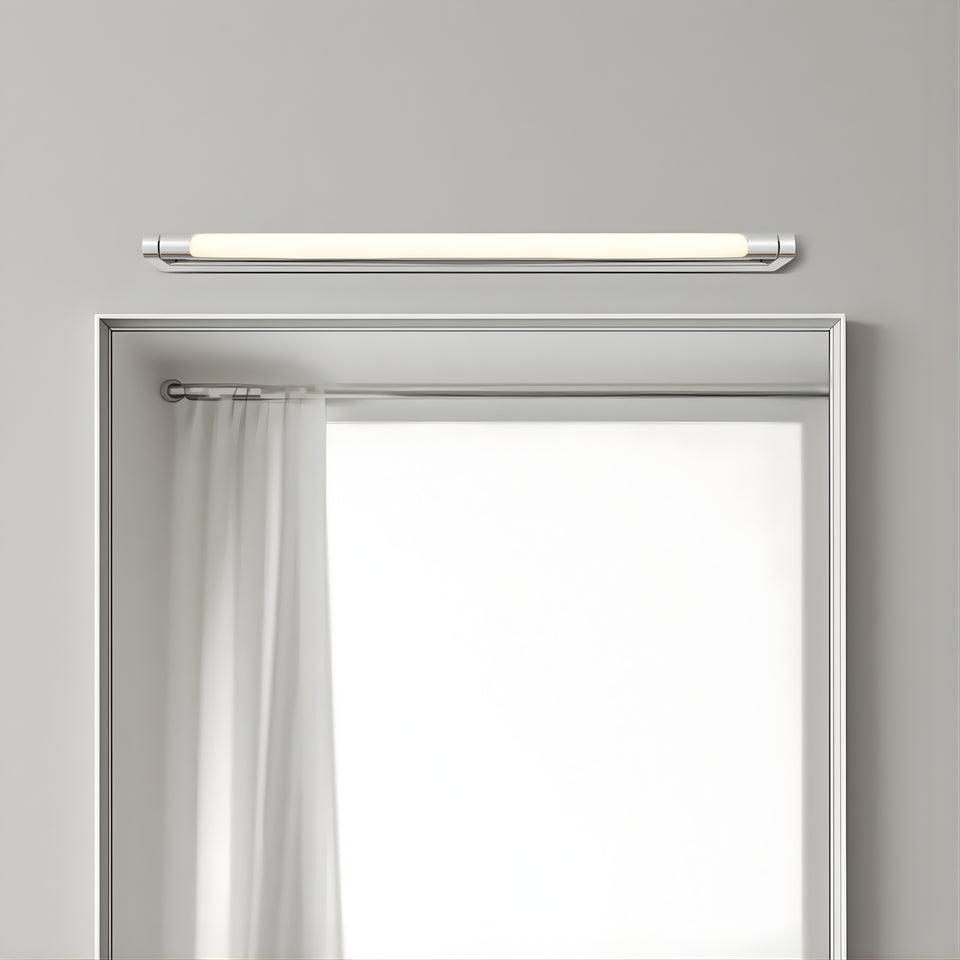


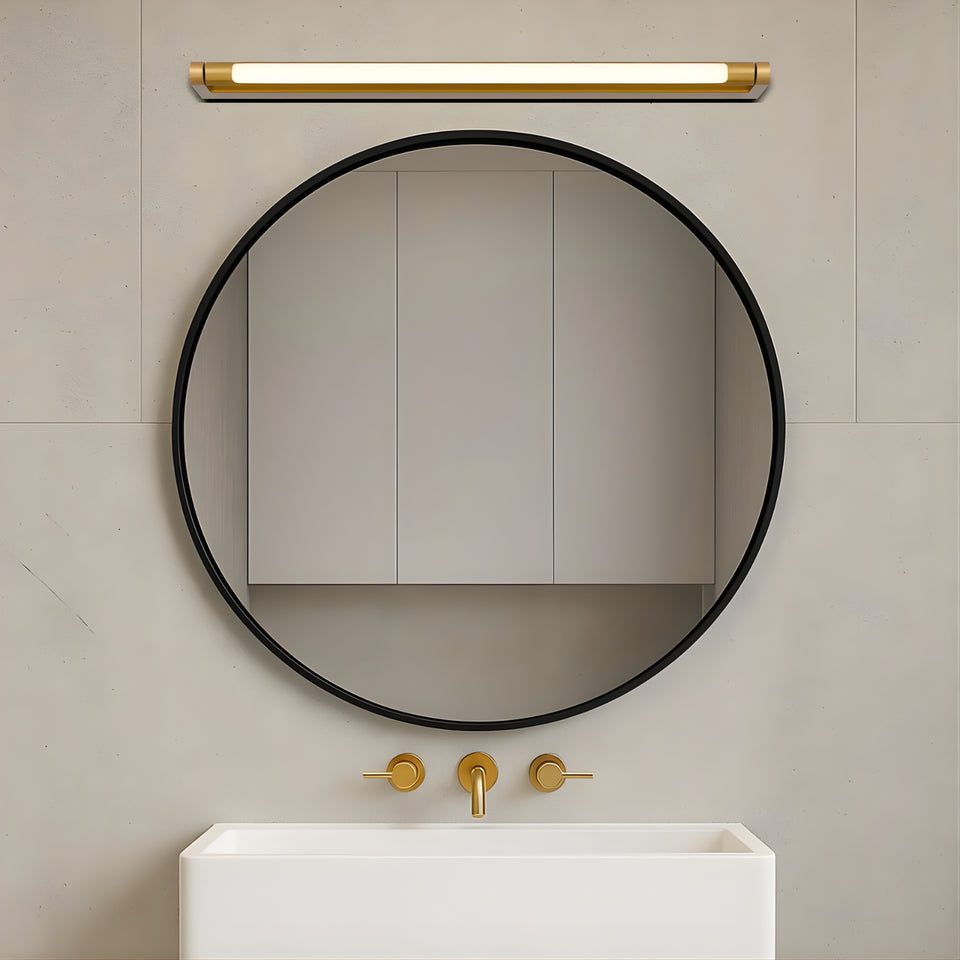
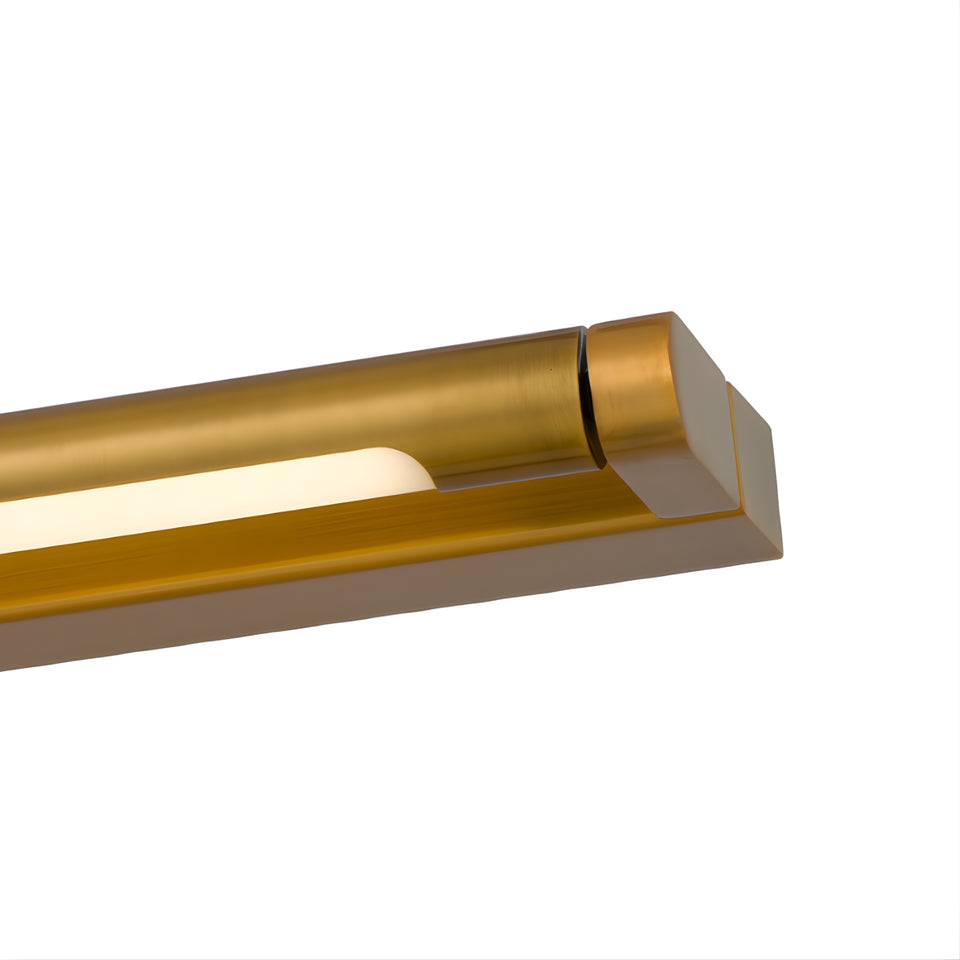

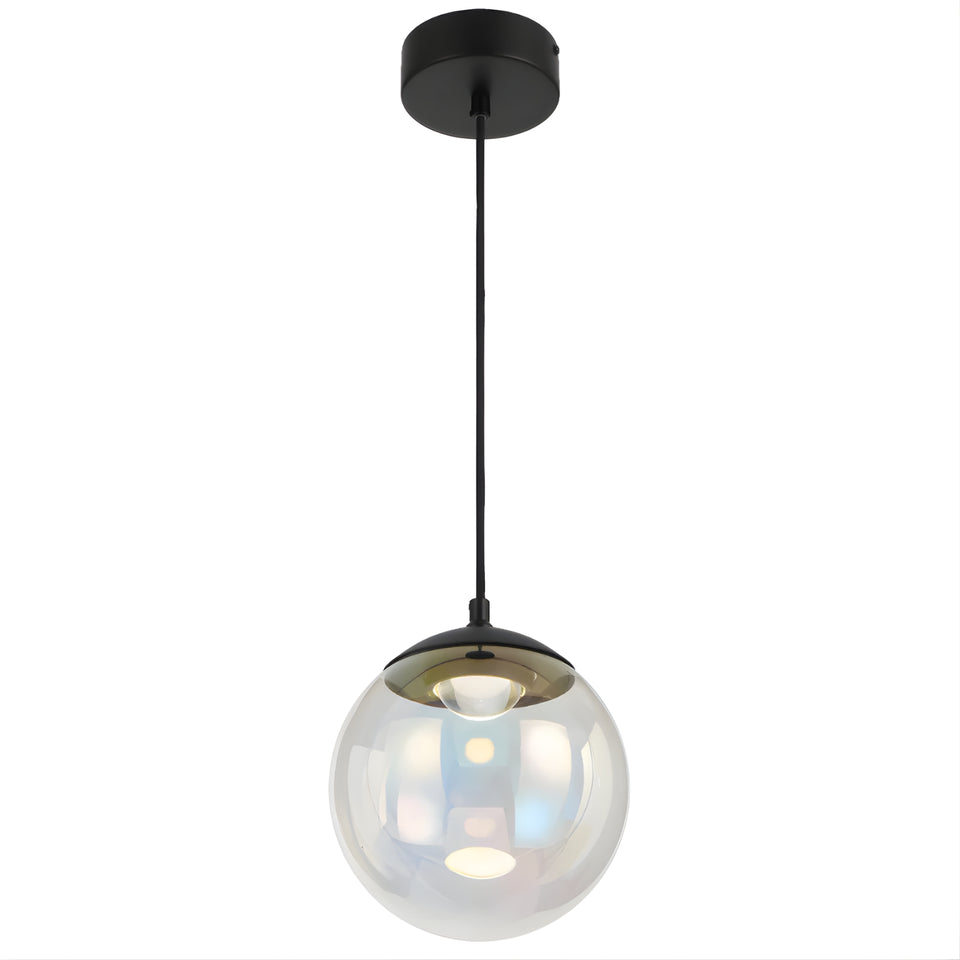
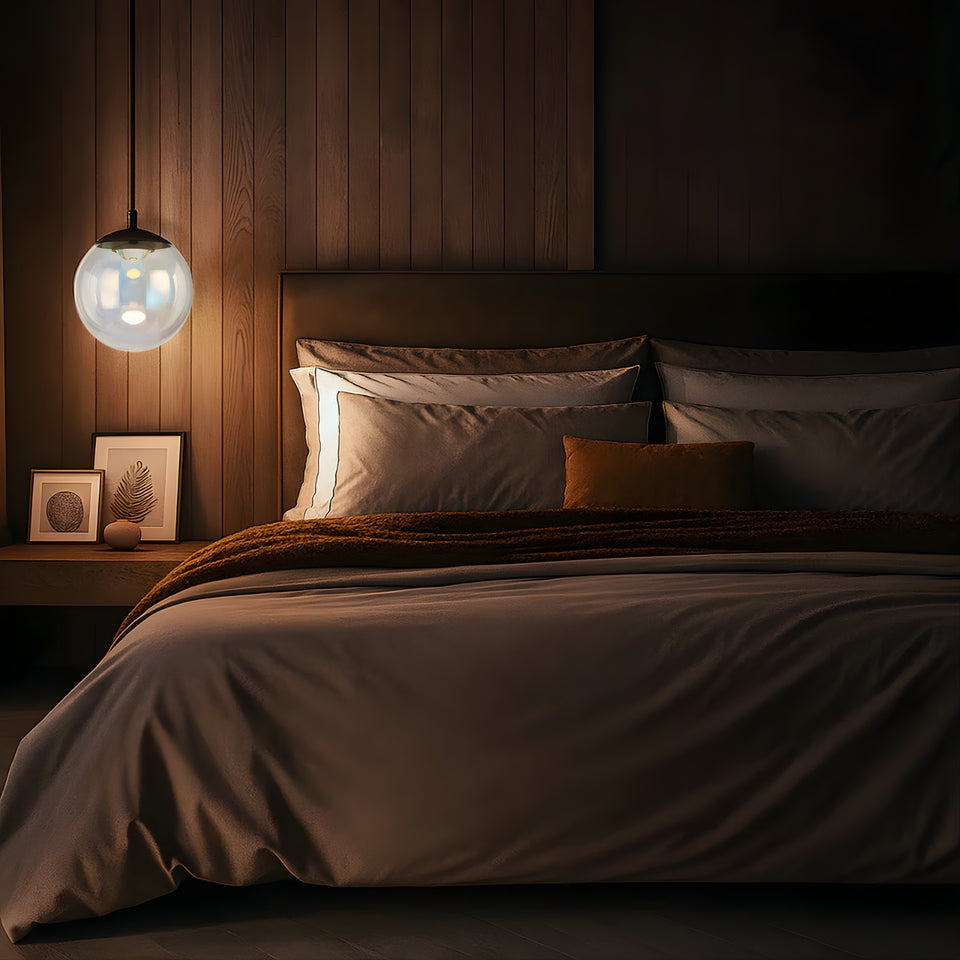
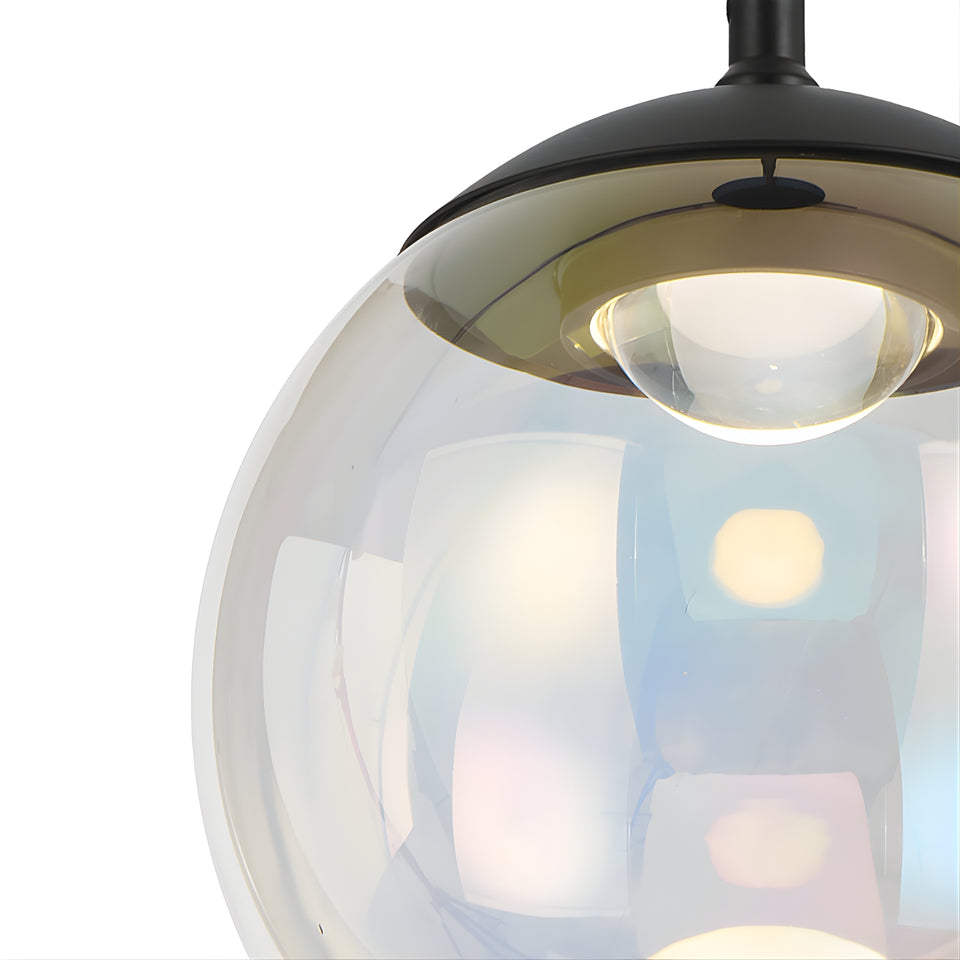

A room rarely needs just one type of light. Most spaces work best with a combination, general illumination to move around safely, focused light for specific tasks, and accent light to draw the eye to a particular feature. Getting this combination right has more influence on how a finished room feels than almost any other single design decision.
Light layering is the practice of combining different light sources within a room, rather than relying on a single overhead fixture, to create depth, shadow and visual interest as well as practical illumination. There are three layers worth planning for in most rooms:
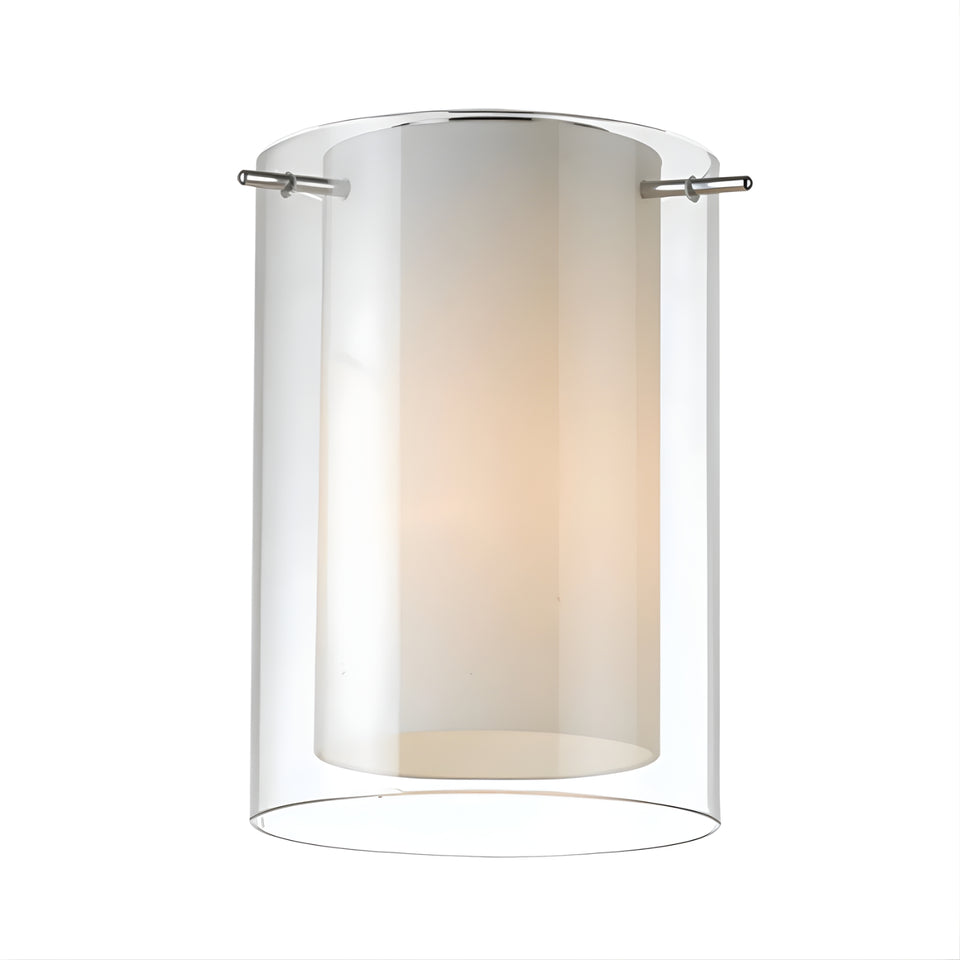
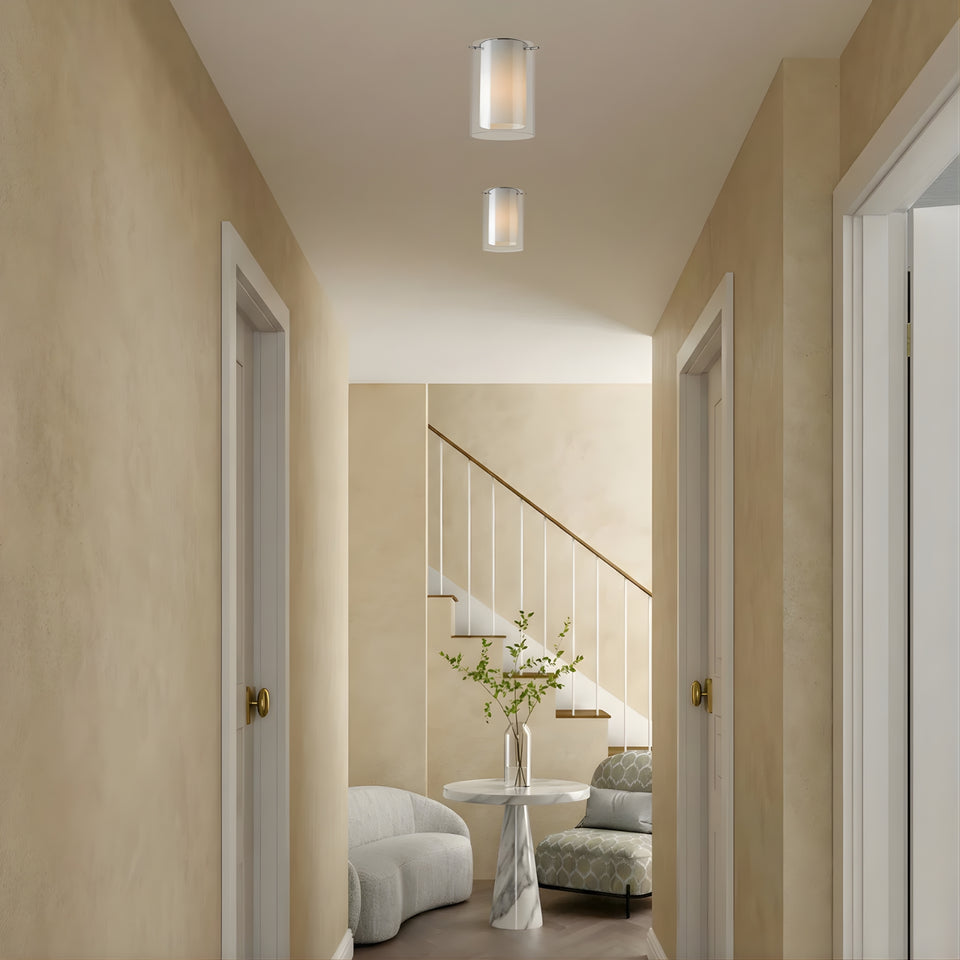
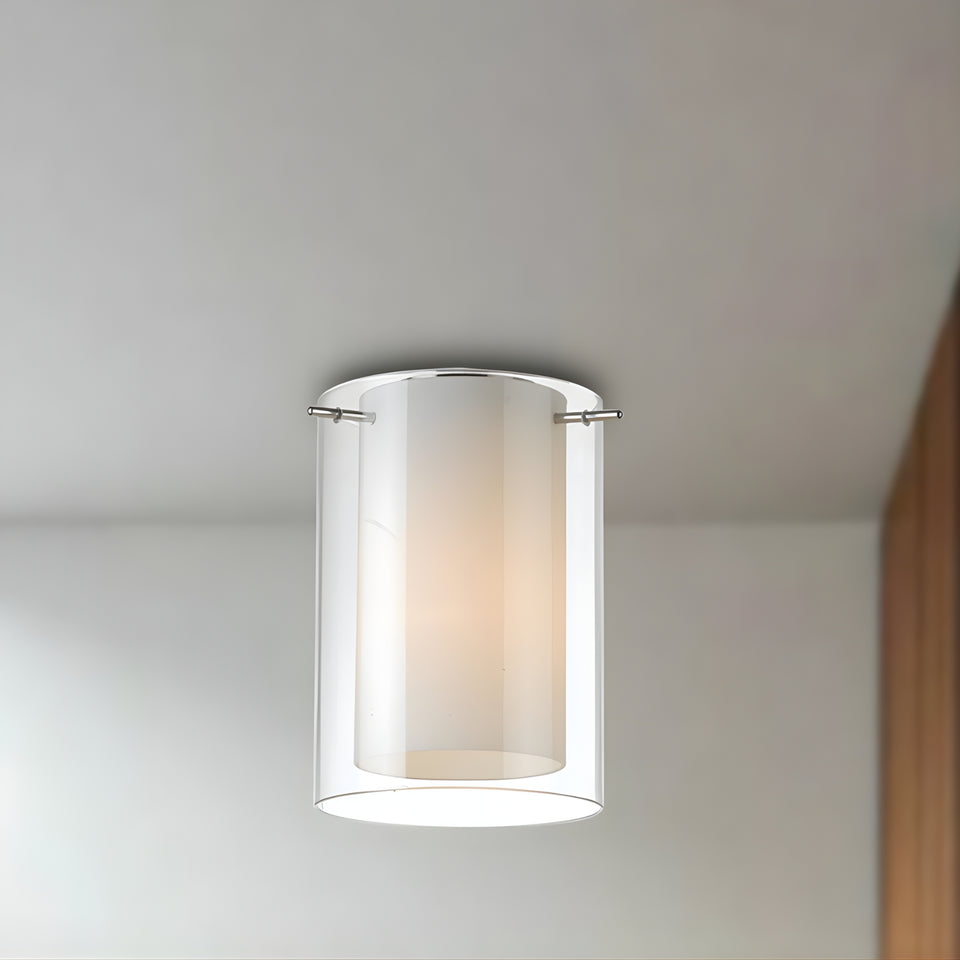
Ambient lighting is the base layer, providing overall illumination for safe movement and general visibility. It's typically delivered through ceiling-mounted fixtures or a ring of downlights around the perimeter of a room.
Task lighting provides focused light for a specific activity, reading, food preparation, grooming or close work, and needs to be bright enough to avoid glare or shadow falling across the task itself.
Accent lighting adds visual interest rather than raw brightness, drawing the eye toward artwork, a feature wall, or an architectural detail such as a splashback or open shelving.
A well-planned room typically uses all three layers together, rather than relying on ambient lighting alone to do every job.
A kitchen is one of the most heavily used rooms in a home, and it benefits from a considered, layered lighting plan rather than a single ceiling fixture.
For the ambient layer, downlights positioned around the room's perimeter, or a central ceiling-mounted fixture, provide the room's baseline illumination.
For the task layer, a row of pendant lights or a track lighting system positioned over an island bench gives focused light for food preparation, and under-cabinet strip lighting extends this task light directly onto the benchtop's main work areas.
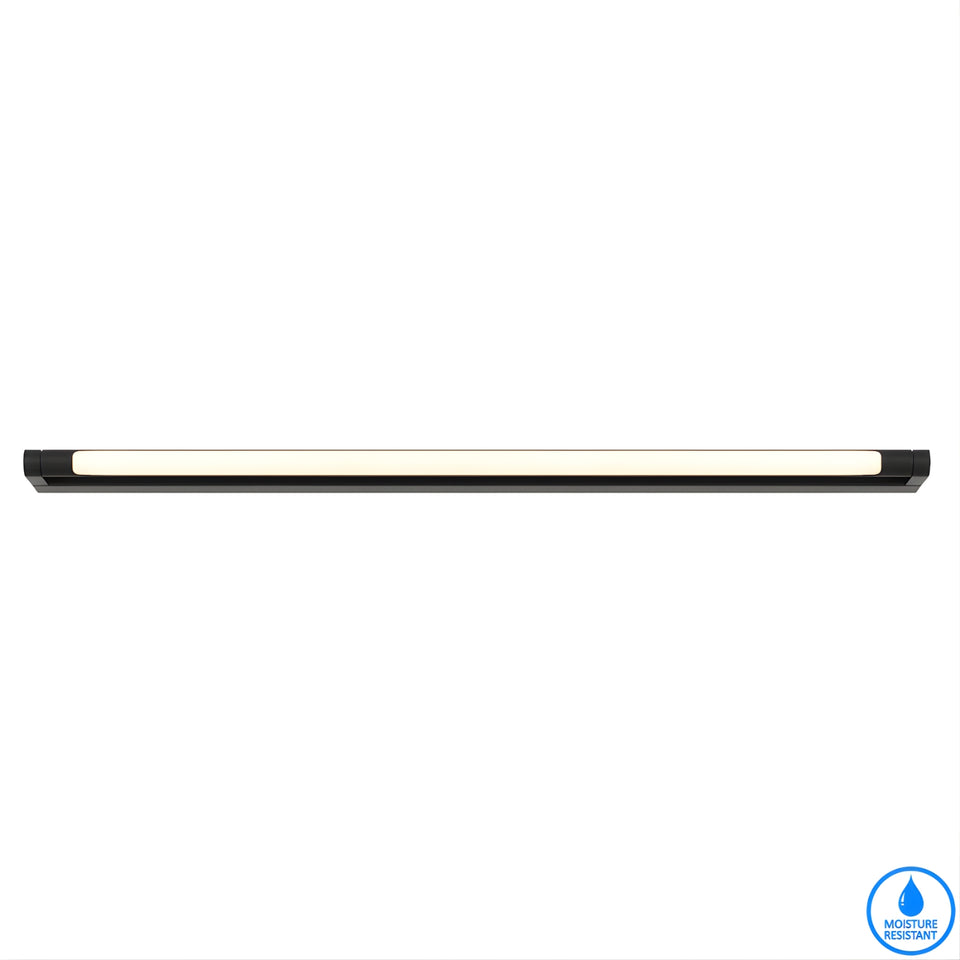
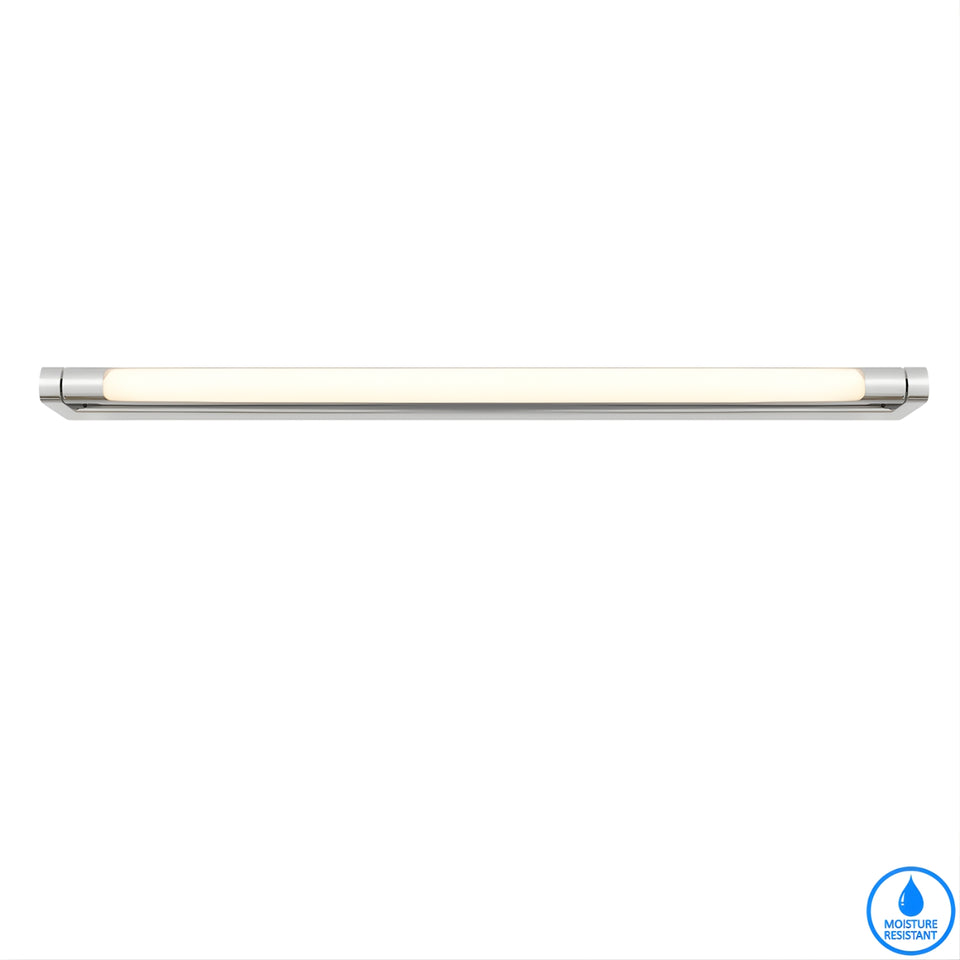
For the accent layer, strip lighting installed under benchtops or within cabinetry can highlight a splashback or the contents of open shelving and glass-fronted cabinets, adding depth to the room after dark.
Matching fixture style to the room's overall design keeps the lighting feeling considered rather than incidental. Minimalist, streamlined fixtures from Martec or Eglo suit modern interiors, where a fixture's clean lines are meant to blend into the architecture rather than stand apart from it. Café Lighting's more ornate pendant designs suit classic or vintage-inspired interiors, where the fixture is intended to read as a feature piece in its own right.
Colour temperature, measured in kelvin (K), has a significant effect on how a room feels. Warm light, in the 2700K-3000K range, creates a cosier, more relaxed atmosphere and suits bedrooms and living rooms. Cooler light, in the 4000K-5000K range, gives more clarity and is better suited to task-focused spaces like kitchens and bathrooms, where accurate colour rendering and reduced eye strain matter more than ambience.
Start with how the room is actually used. Kitchens generally need bright, task-oriented lighting such as downlights or spotlights over key work areas. Living rooms benefit from layered lighting, combining ceiling lights with wall lights and accent lighting, since these rooms are used for a wider range of activities throughout the day.
Yes. LED lighting uses significantly less energy than traditional incandescent bulbs for a comparable level of brightness, which reduces both electricity costs and environmental impact over the life of the fixture. Brilliant and Martec both offer LED options across their ranges.
No, not without checking the fixture is rated for outdoor use. Outdoor lighting needs to withstand rain, UV exposure and temperature changes that an indoor fixture isn't built for. This collection's exterior lighting range is specifically designed and weather-rated for gardens, patios and entryways.
Lighting works best when it's planned alongside the rest of a room's fixed elements, tiles, cabinetry, and benchtop finishes, rather than chosen last. The Blue Space's Tiles and Cabinet Handles collections are worth reviewing at the same time as a lighting plan, so the finishes and fixtures across the room read as one considered scheme rather than separate decisions made in isolation.


