
*View accurate shipping rates and availability
Australia's #1 online bathroom retailer
Australia's #1 online bathroom retailer
Over 1M+ products shipped
60 day extended returns






4 Items
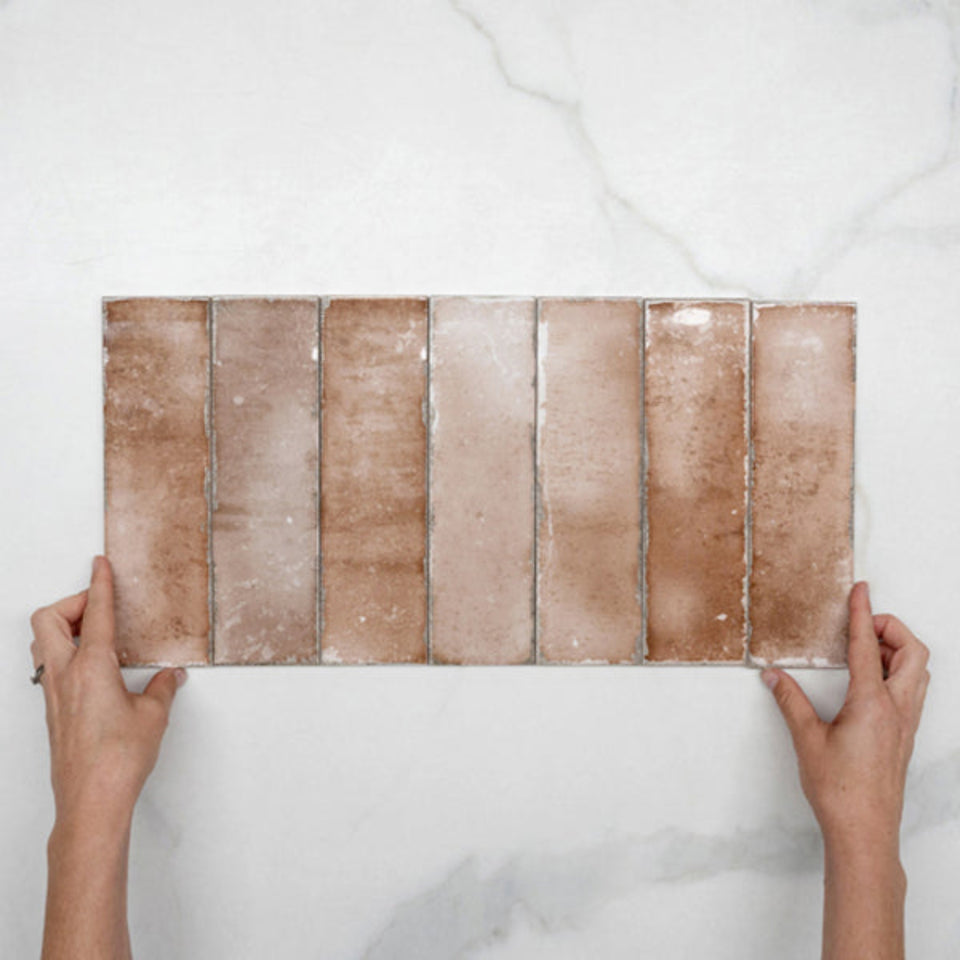
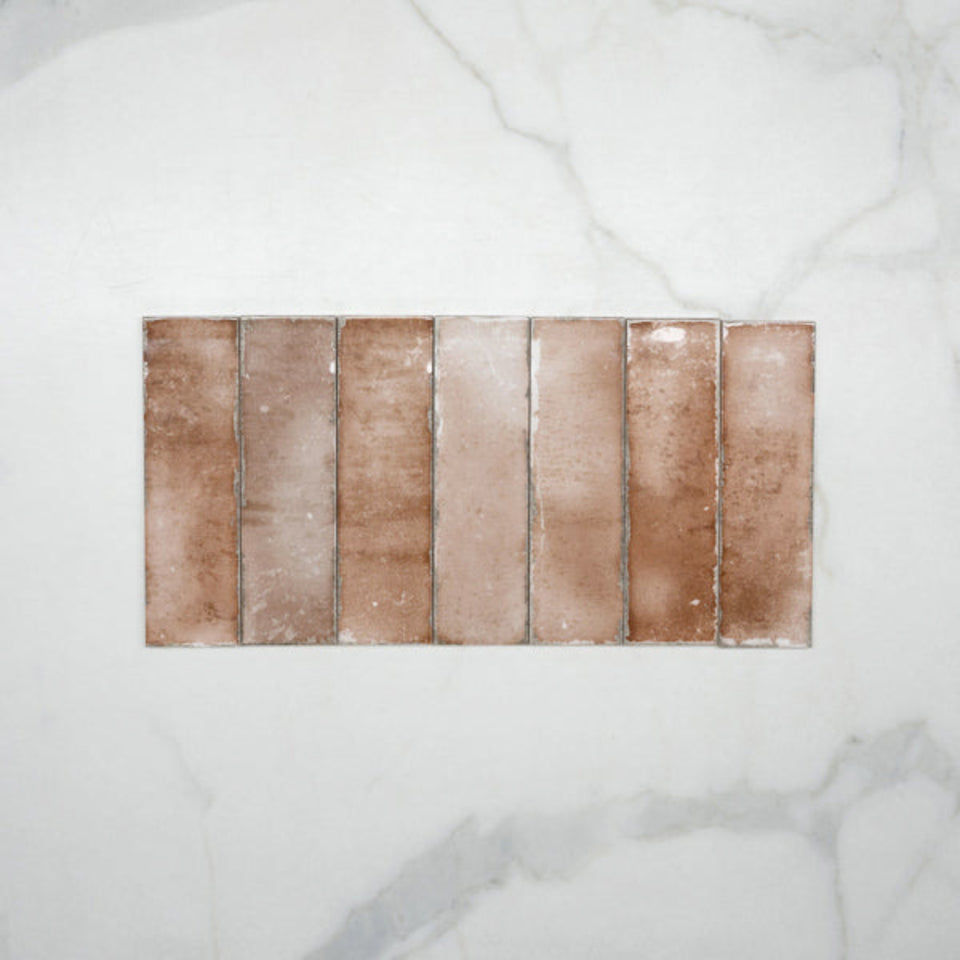
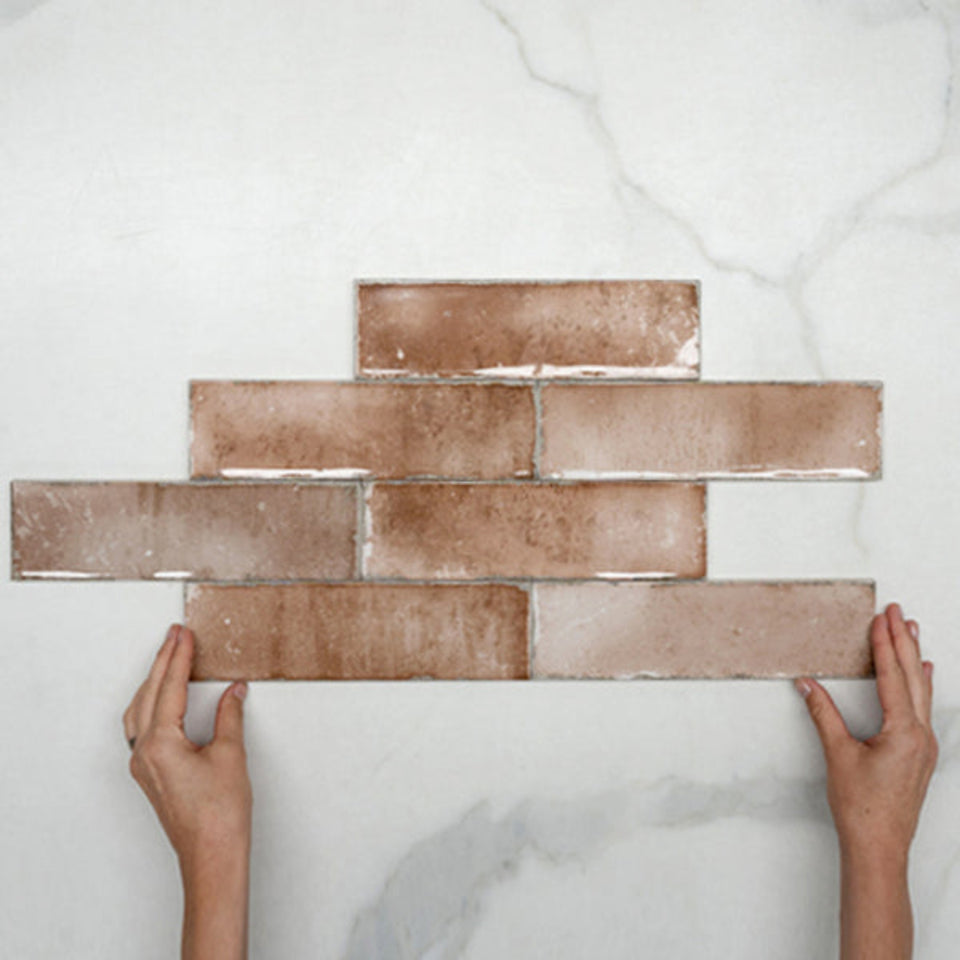
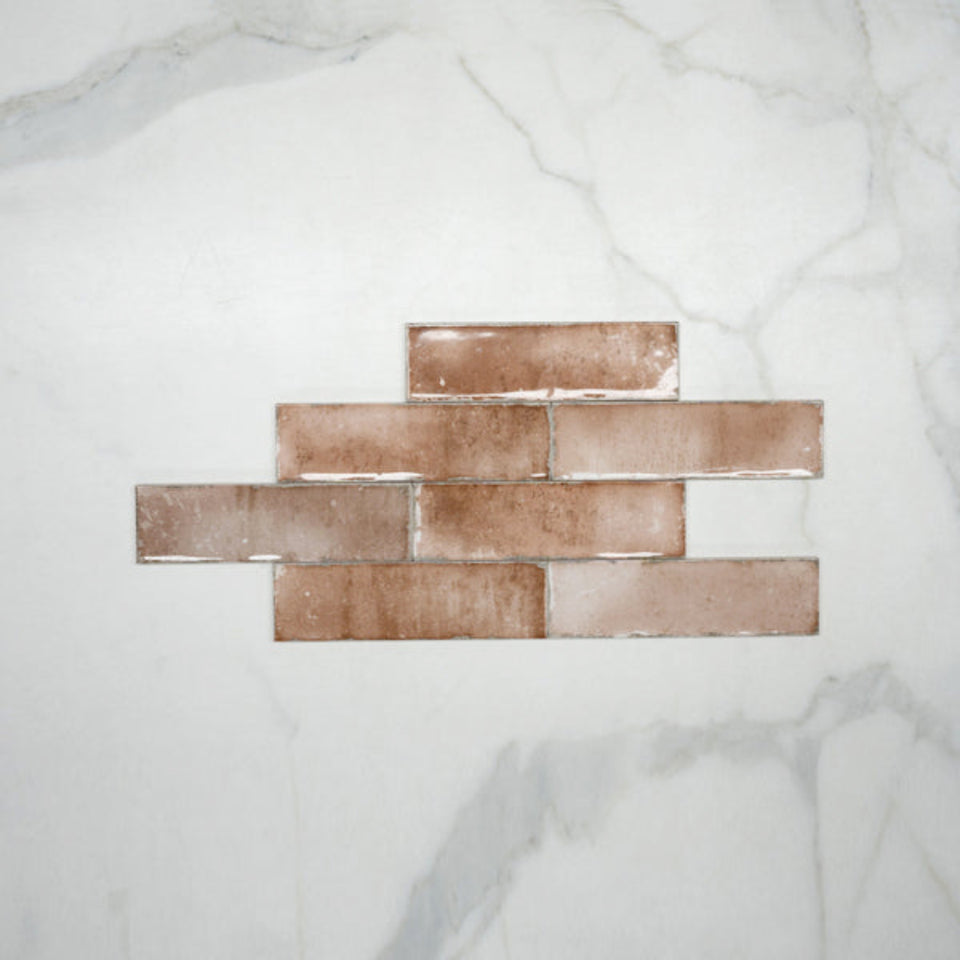
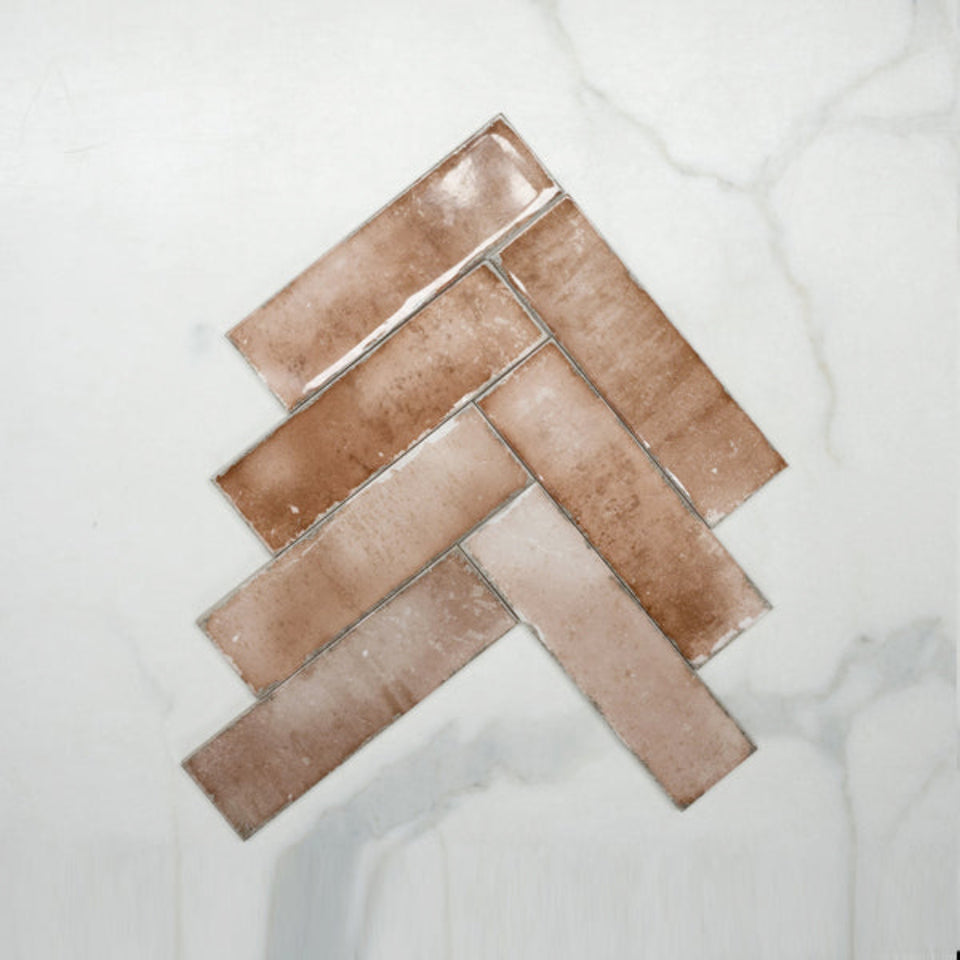

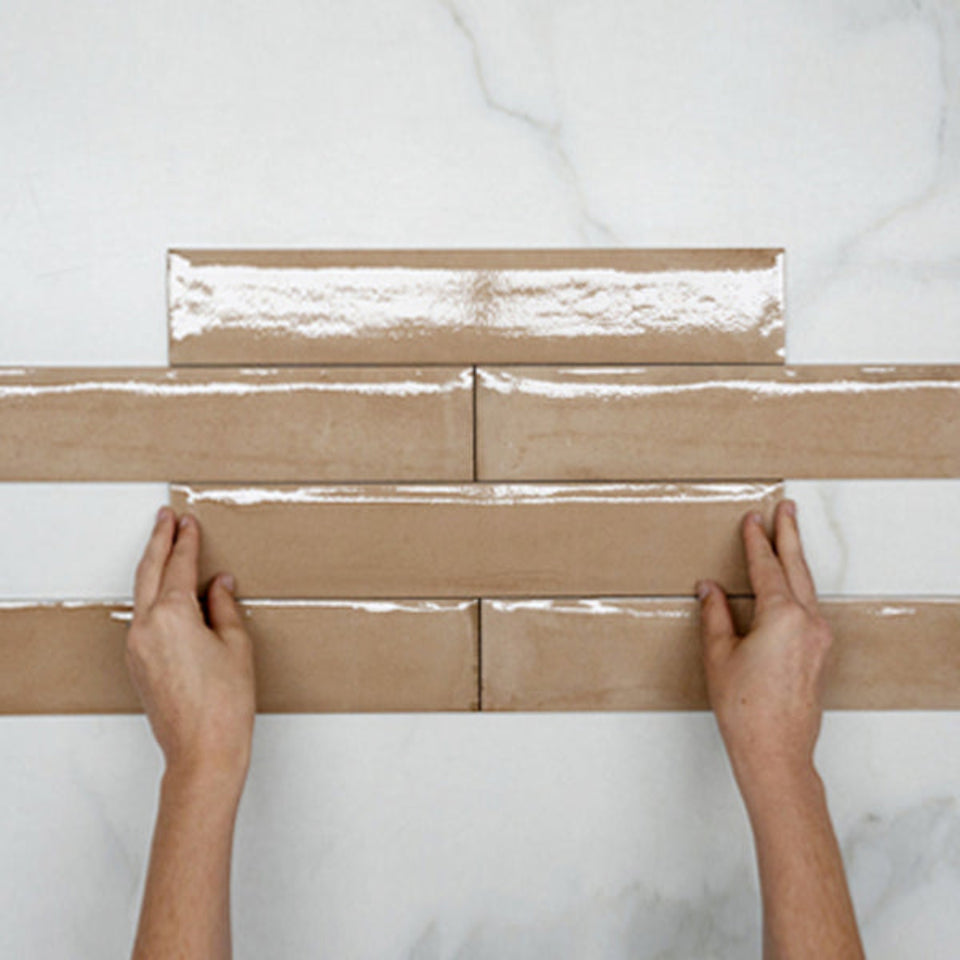
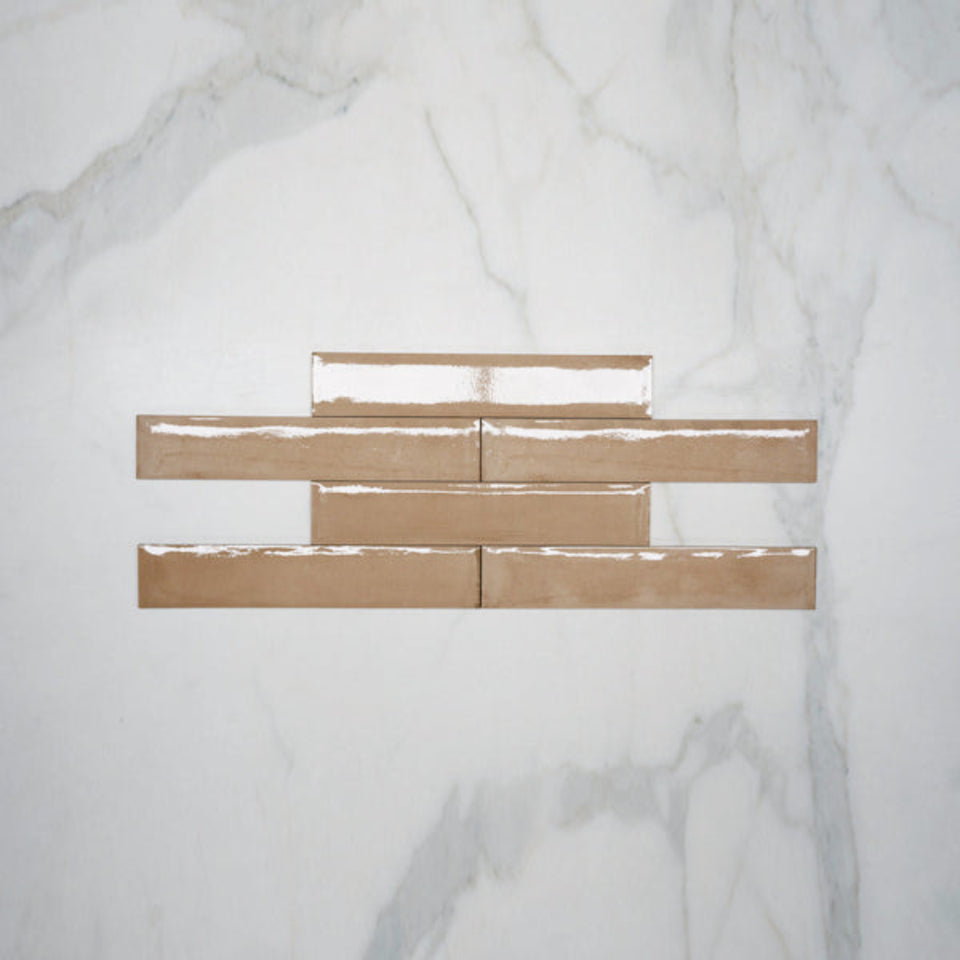
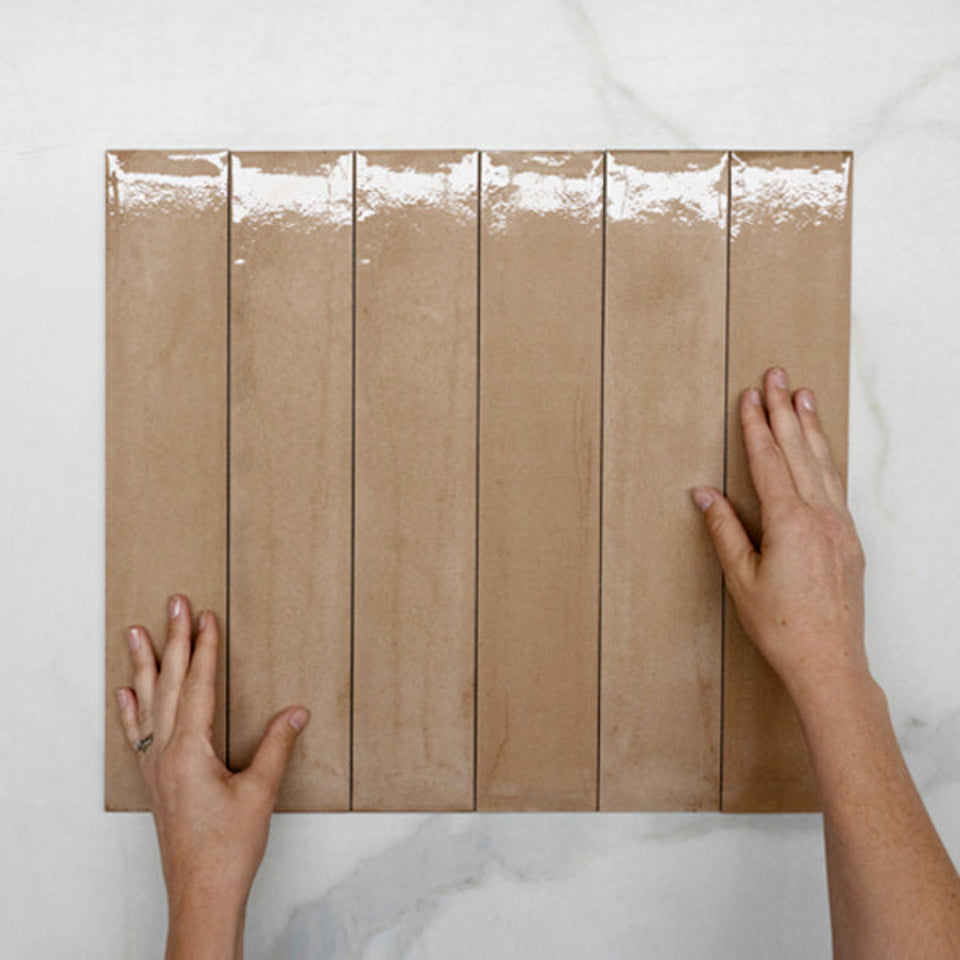

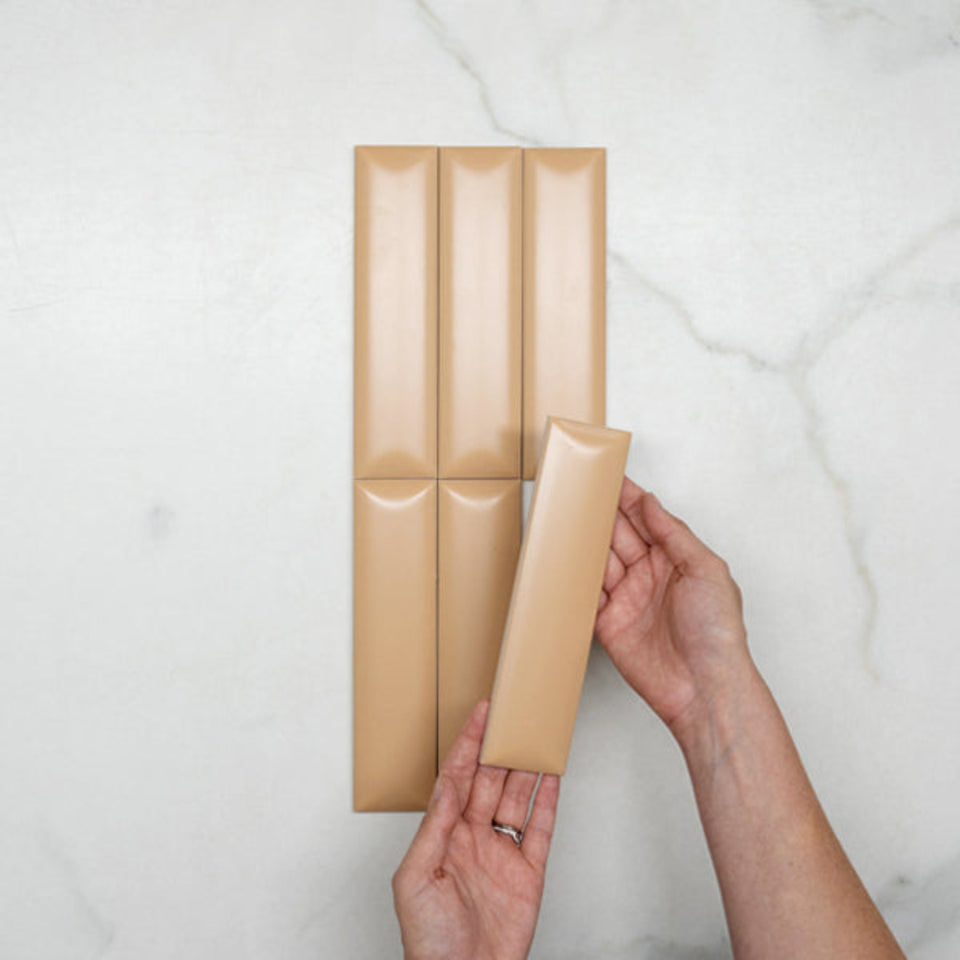
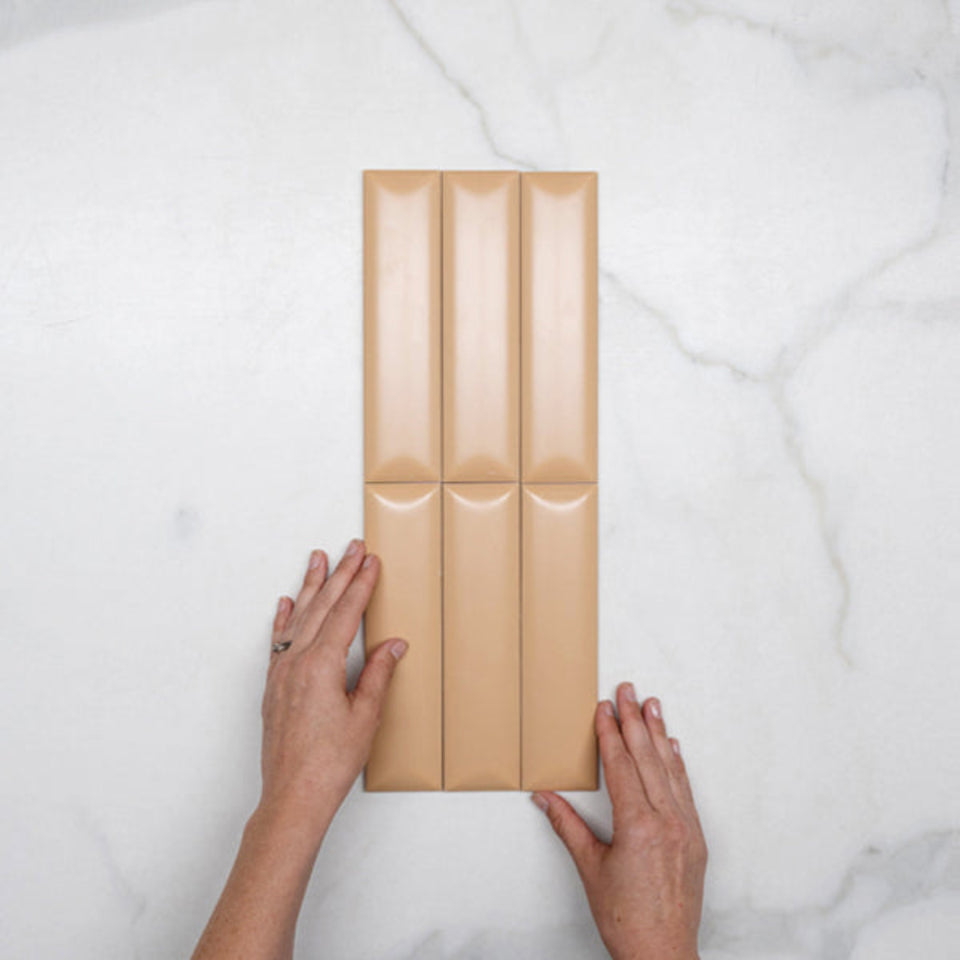

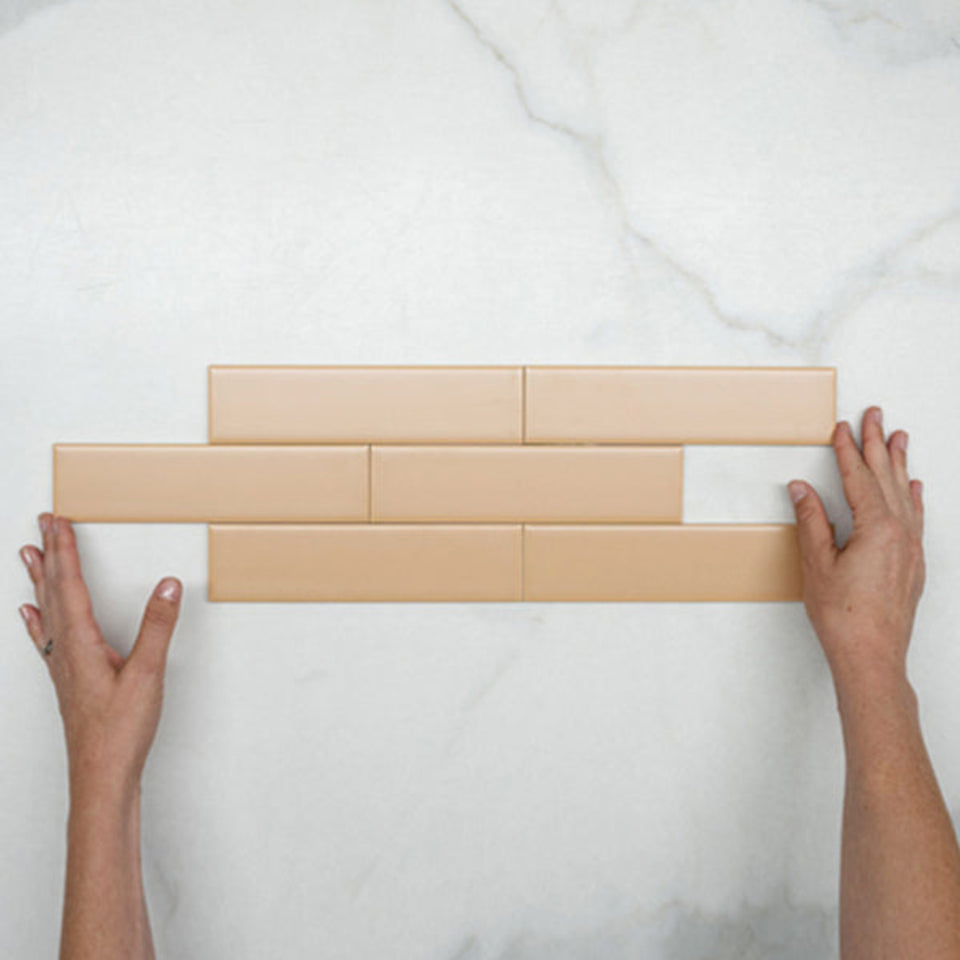
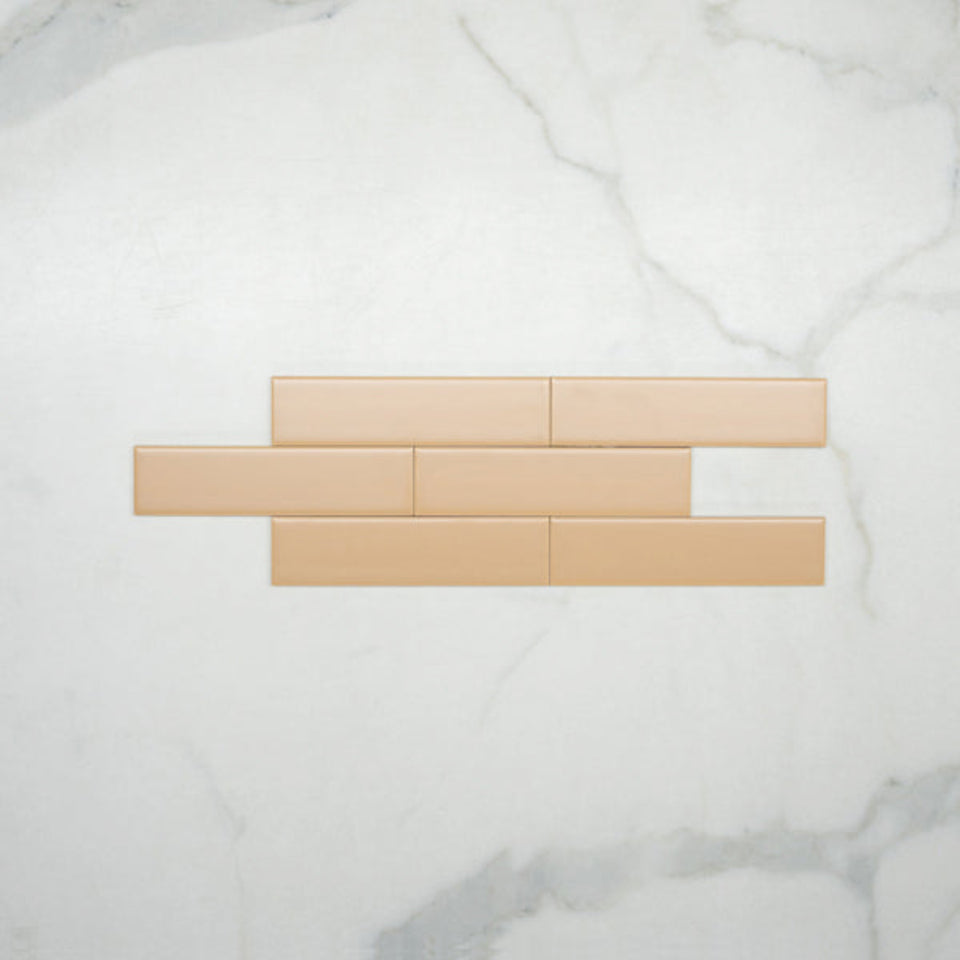
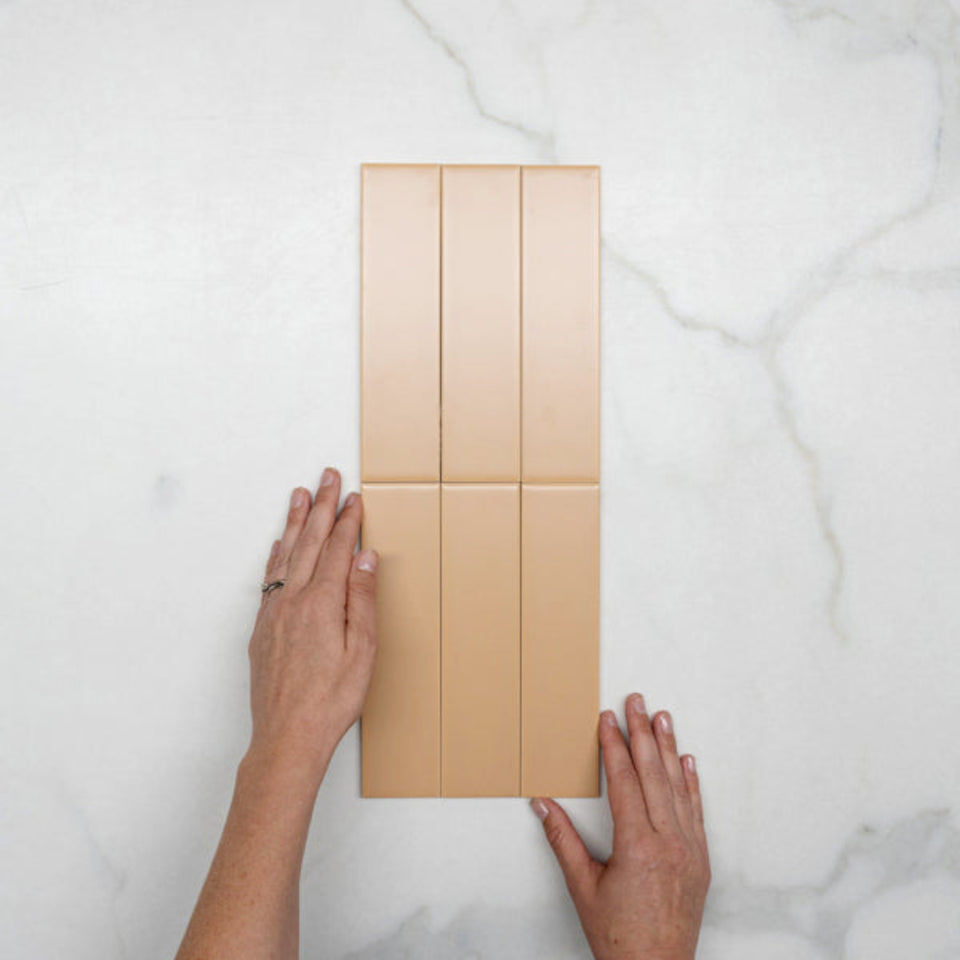

Genuine terracotta brings undeniable warmth to a room, but it also brings sealing, staining risk, and gradual surface wear that most modern renovations would rather avoid. A terracotta look tile solves this directly: the same earthy colour and tactile variation, reproduced in a material engineered for durability, giving a room that warmth without the upkeep the original material demands.
The most searched format in Australia is 300x300mm, which closely mimics the scale of traditional handmade terracotta pavers. Larger formats at 600x600mm and 600x300mm suit contemporary interiors where a cleaner, more expansive look is needed, while smaller formats such as 100x100mm mosaic sheets and subway-style 75x300mm tiles work well as feature walls or splashbacks.
Rectified tiles (precision-cut to uniform dimensions) allow tighter grout joints of 2-3mm, which reads as more modern. Non-rectified tiles with wider 10mm joints reinforce the handcrafted aesthetic, worth choosing deliberately depending on whether the room is aiming for a refined or a more rustic, artisan character.
Terracotta look porcelain tiles rated R10 or above are suitable for bathroom floors, laundry floors, kitchen floors, and covered outdoor areas. Wall tiles in this finish can be used in bathrooms, kitchen splashbacks, and feature walls. Indoor-only ceramic versions are suitable for dry living areas and walls but should not be used in showers or on exterior surfaces exposed to rain.
For outdoor use, check the tile's slip resistance rating: R11 is the minimum for wet outdoor areas such as pool surrounds and alfresco floors under AS 4586.
Warm neutrals such as off-white, cream, and sand grout are the most reliable pairings and prevent the terracotta from looking too contrasted against its surroundings. Sage green, olive, and dusty blue are complementary wall colours that sit within the same warm-earthy palette rather than fighting against it. For cabinetry and tapware, brushed brass, matte black, and warm bronze finishes all echo the natural tones already present in the tile, rather than introducing a competing metal tone.
White grout with terracotta tiles creates a high-contrast, Spanish-influenced look. Matching grout in a rust or tan tone produces a more seamless, monolithic finish instead, worth choosing depending on whether contrast or continuity is the goal.
The key is pairing warm tile tones with clean architectural lines: frameless shower screens, wall-hung bathroom vanities, and concealed cistern toilets all read as contemporary while letting the tile colour anchor the room rather than compete with additional detailing. Using terracotta on the floor only, with a complementary light-toned wall tile, keeps the space feeling open rather than heavy.
Larger format tiles (600x600mm or above) reduce the number of grout lines and give a more restrained, modern result than small pavers. Combining a terracotta floor with above-counter basins in white or stone-look finishes is a pairing that reads well both in person and in photographs.
Terracotta look tiles are easiest to plan alongside the room's other fixtures, since grout tone, basin finish and tapware colour all interact directly with the tile's warmth. The full floor and wall tiles range is worth browsing for additional formats, finishes and complementary ranges to pair with a terracotta look selection.
Matte tiles are trending strongly in Australian bathrooms for their contemporary look and practical ability to hide water spots and fingerprints. Gloss tiles reflect light and can make a bathroom feel brighter and larger, but show water marks and smudges more readily. For shower recesses and wet floors, matte or satin finishes with good slip resistance are generally preferred.
Measure your total wall and floor surface area in square metres, then add a 10–15% wastage allowance for cuts, breakages, and future repairs. For complex layouts with diagonal patterns or feature inserts, increase the wastage to 15–20%. Always order all tiles from the same batch (check the shade lot/batch number) as tiles from different batches can vary slightly in colour.
Floor tiles must have an adequate slip resistance rating (P3 minimum for domestic bathrooms) and be durable enough for foot traffic. Wall tiles can be glazed ceramic, porcelain, or natural stone, they don't need to carry load but should be moisture-resistant. Many Australian renovators choose matching or coordinating floor and wall tiles from the same range for a cohesive look.
For small bathrooms, tiles between 300 x 300mm and 600 x 300mm often work well on both walls and floors. Smaller mosaic or subway tiles (75 x 150mm or 100 x 200mm) are a classic choice for shower walls. While large format tiles can also work in small spaces, they require a very level substrate and expert installation. Avoid tiles that are too small on floors (like 50 x 50mm mosaics) in large quantities, as the increased grout lines can make a space feel busier.
The most effective approach is to choose one feature zone and use your feature tile there, a full-height shower wall, the bath surround wall, or the vanity splashback area. Keep the remaining surfaces in a neutral or complementary field tile. This creates impact without visual clutter. Limit your palette to two or three complementary materials for a cohesive result.
Australian Standards (AS 4586) require bathroom floor tiles to have a minimum slip resistance rating of P3 for domestic bathrooms and P4 or P5 for wet areas like shower recesses. The Blue Space recommends checking the slip resistance rating of any tile you're considering for floor use, particularly in the shower. Matte and textured porcelain tiles generally offer better slip resistance than polished or gloss finishes.
Porcelain tiles are fired at higher temperatures and are denser, less porous, and harder than ceramic tiles. This makes porcelain more water-resistant, more durable, and suitable for both indoor and outdoor applications, including high-traffic floors. Ceramic tiles are lighter and easier to cut, making them a practical choice for bathroom walls and splashbacks. For bathroom floors and wet areas, porcelain is generally the preferred option in Australia.

Switch to your local store for faster shipping and local deals.


