
*View accurate shipping rates and availability






9 Items


Up to 70% off across the store, plus free towels and mirrors up for grabs on orders over $800*
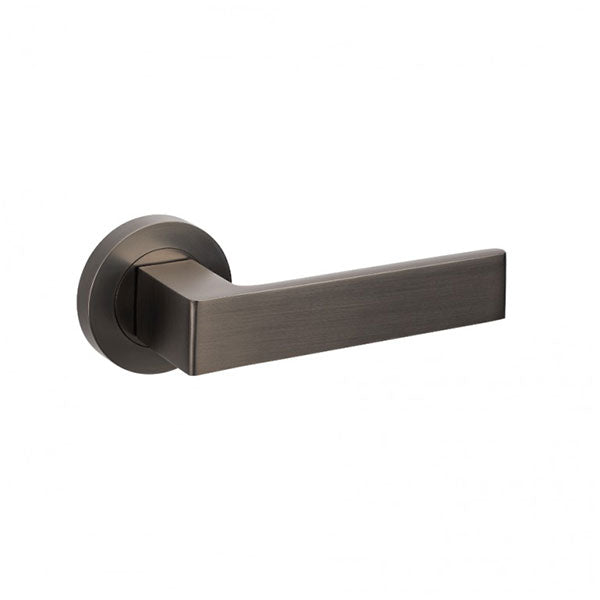
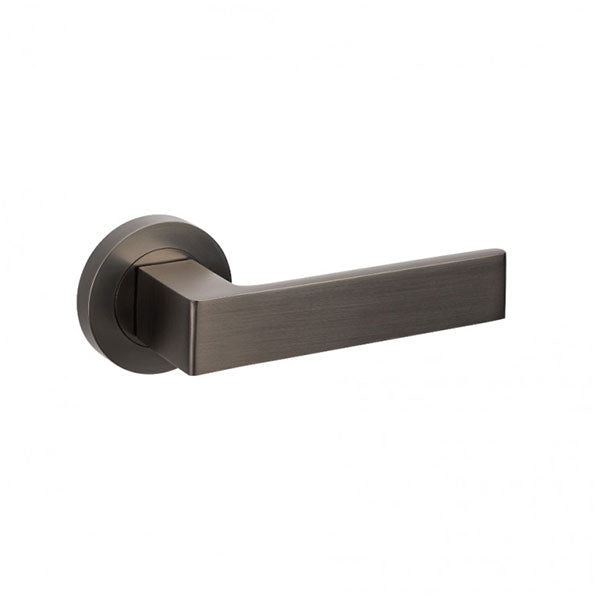
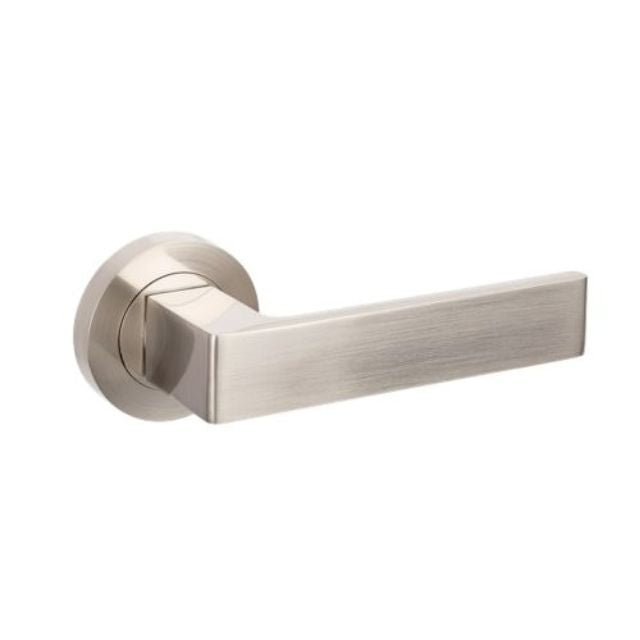
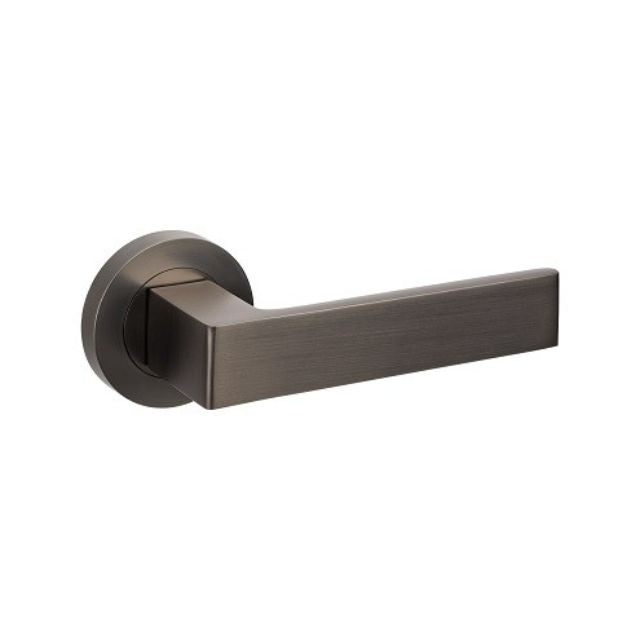

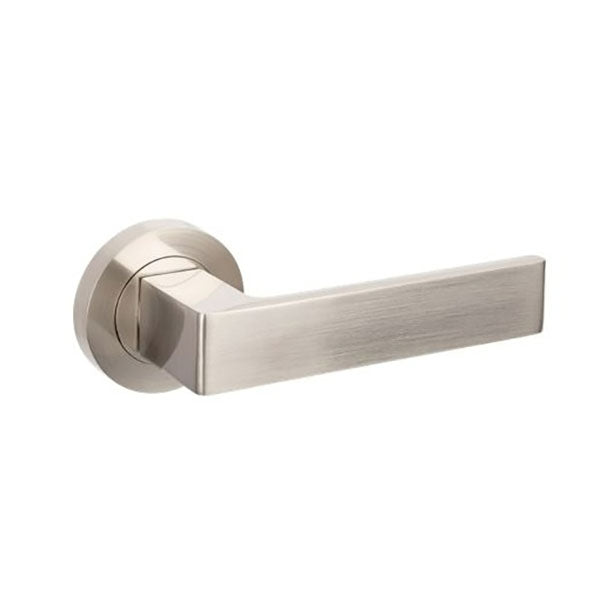
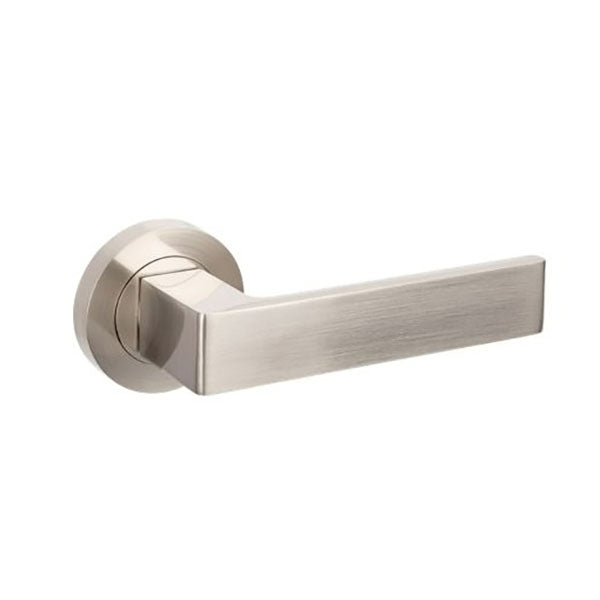
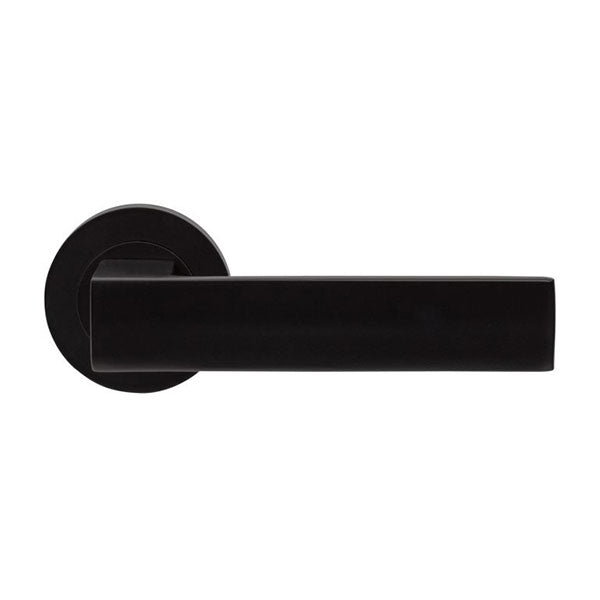
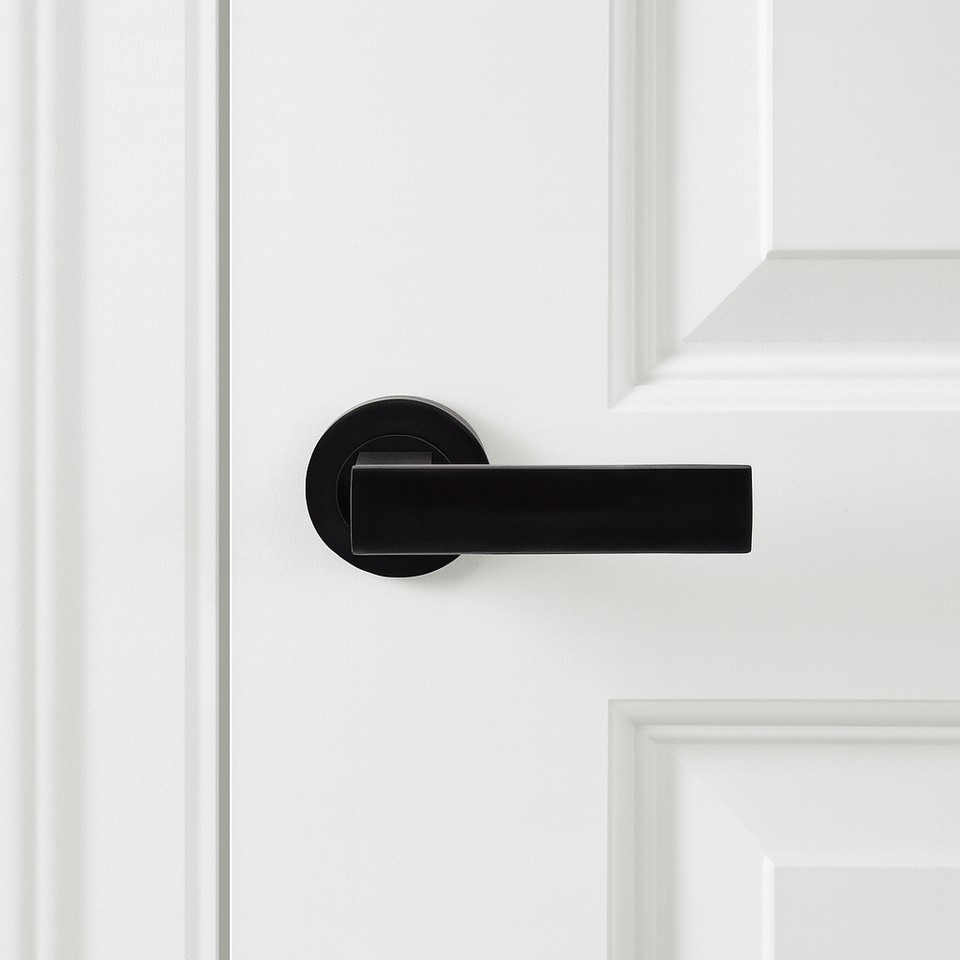
Boston is a door hardware range from Zanda, covering handles, levers and associated hardware for internal and external doors. This range gives you a consistent hardware style across an entire home, so door handles in the hallway, bedrooms and bathrooms can all be sourced from the one design family rather than mixed and matched from different suppliers.
Boston suits renovations or new builds where you are specifying door hardware for multiple doors at once and want a consistent look throughout. Because the range covers a number of hardware pieces, it is generally possible to outfit an entire home, from bedroom doors through to bathrooms and entries, using the one style.
Door hardware is generally selected by function before style. Passage sets, used on doors like hallways or living areas, do not lock. Privacy sets, used on bathrooms and bedrooms, allow the door to be locked from the inside, usually with a simple turn or push button rather than a key. Entry or keyed sets are used on external doors and lock from both sides. Confirm which function you need for each door before selecting a matching handle or lever from the range, since not every hardware piece is available in every function.
Backset refers to the distance from the edge of the door to the centre of the handle spindle, and it needs to match the existing door preparation or the hardware will not sit correctly. Door thickness is another specification to confirm, since hardware is generally designed for a standard range of thicknesses and an unusually thick or thin door may need a different set. Handing refers to whether a door swings left or right, and while many lever and handle sets are reversible, it is worth checking this before ordering, particularly for hardware with a fixed orientation.


