
*View accurate shipping rates and availability






146 Items



Spend over $800 and receive free gifts in your cart. Towels, accessories and full length mirrors!



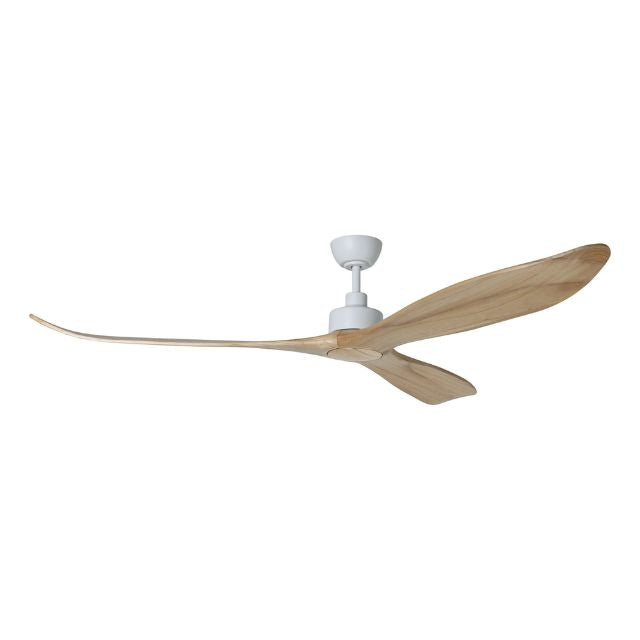
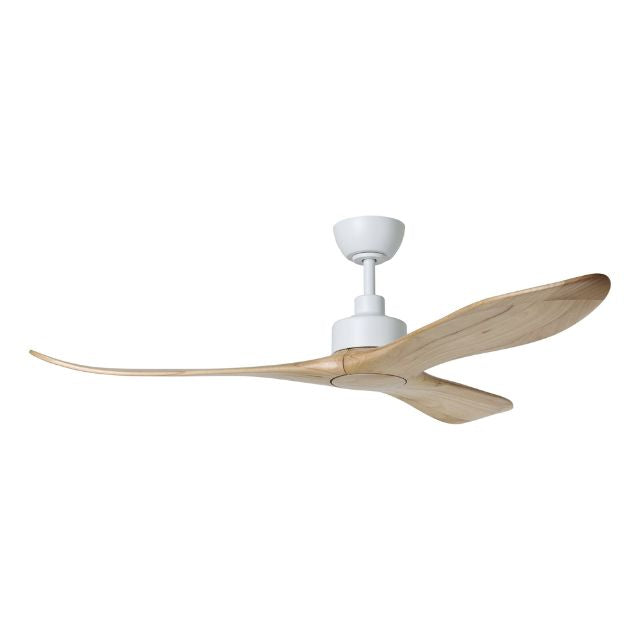

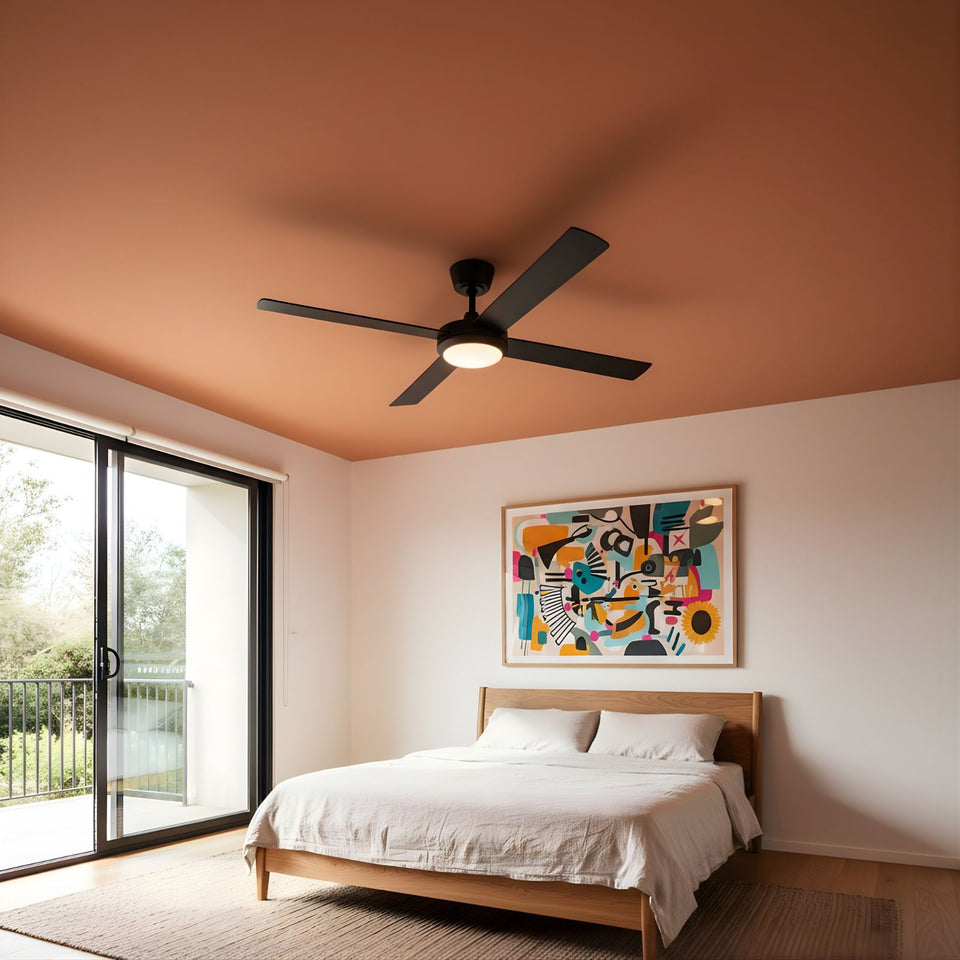
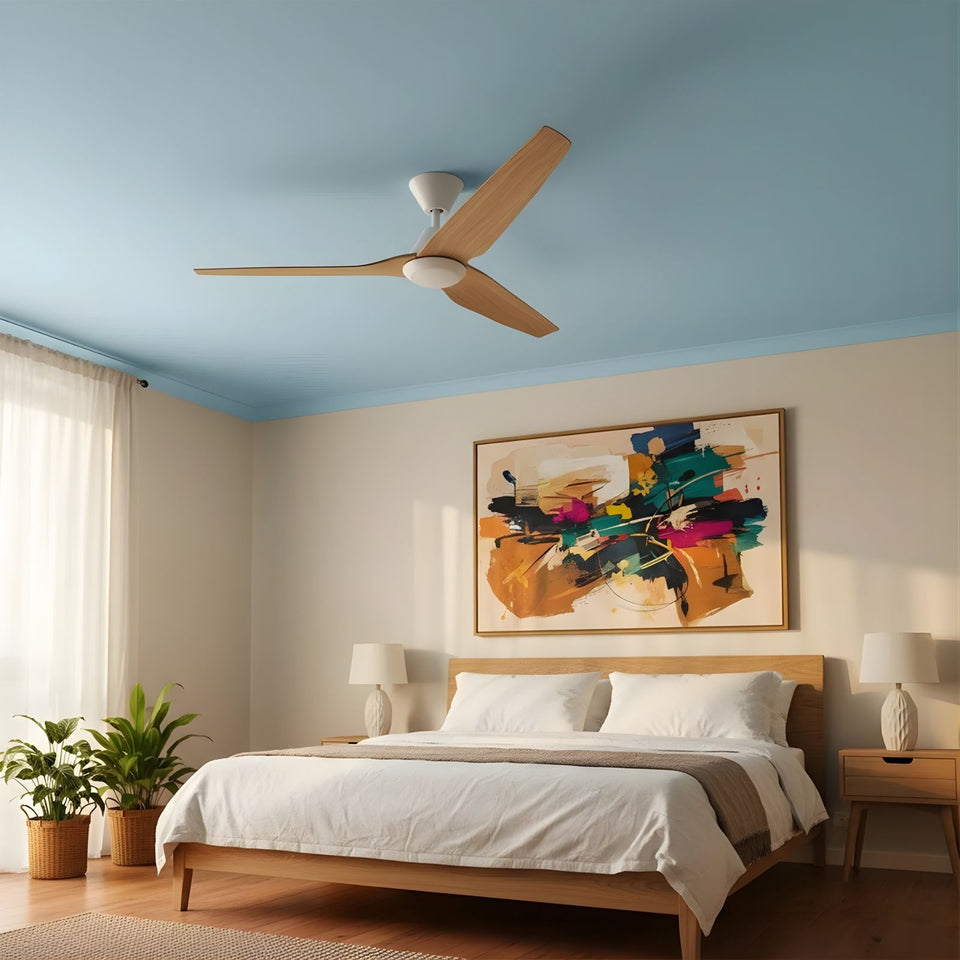
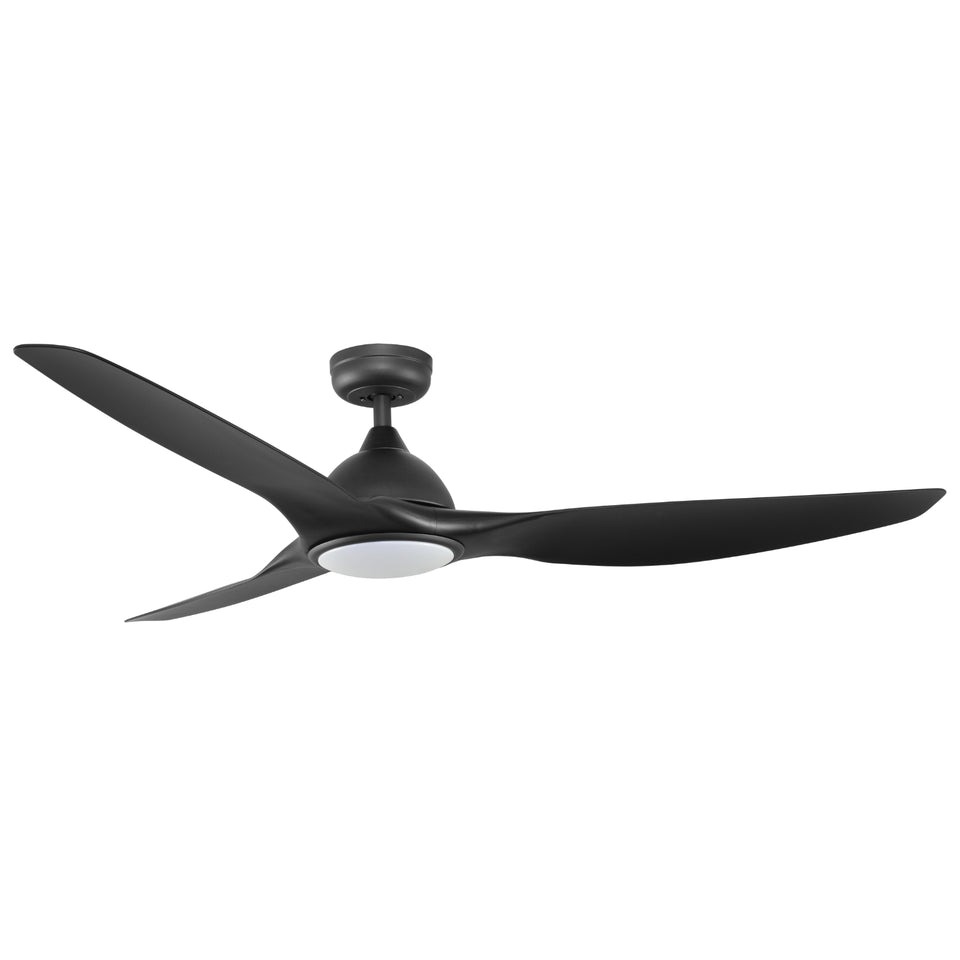
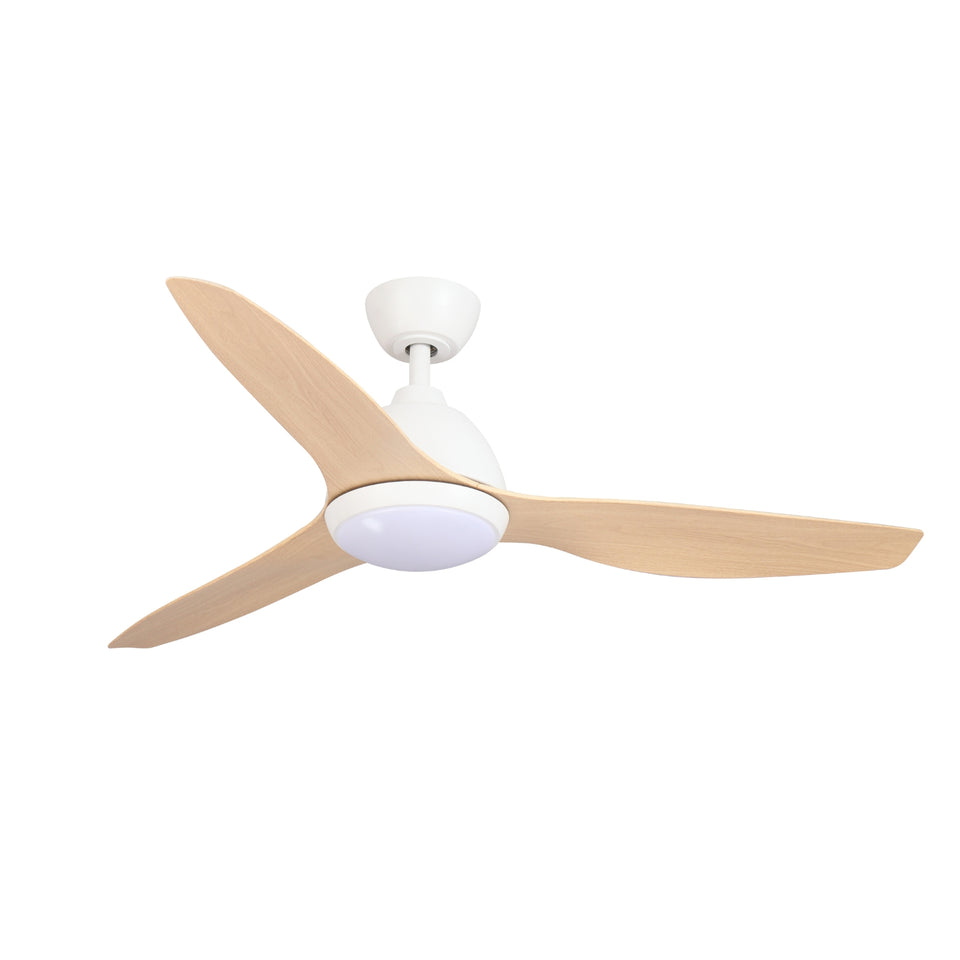
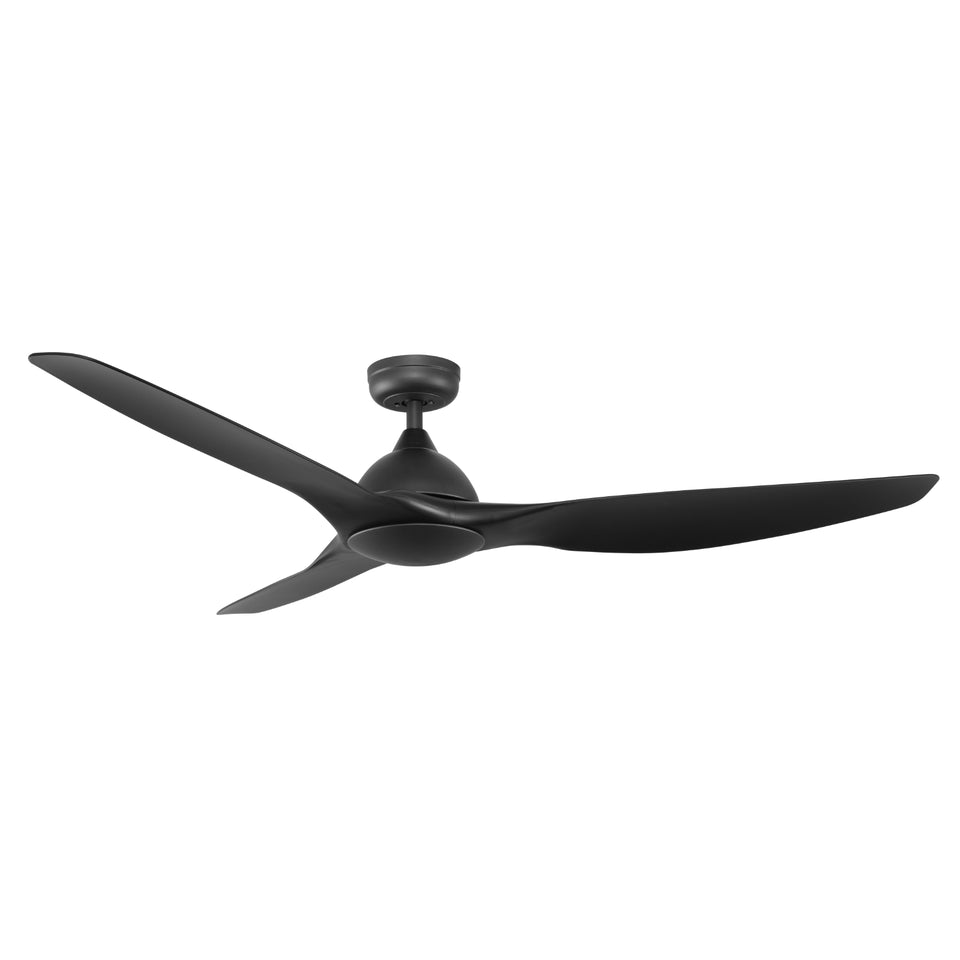
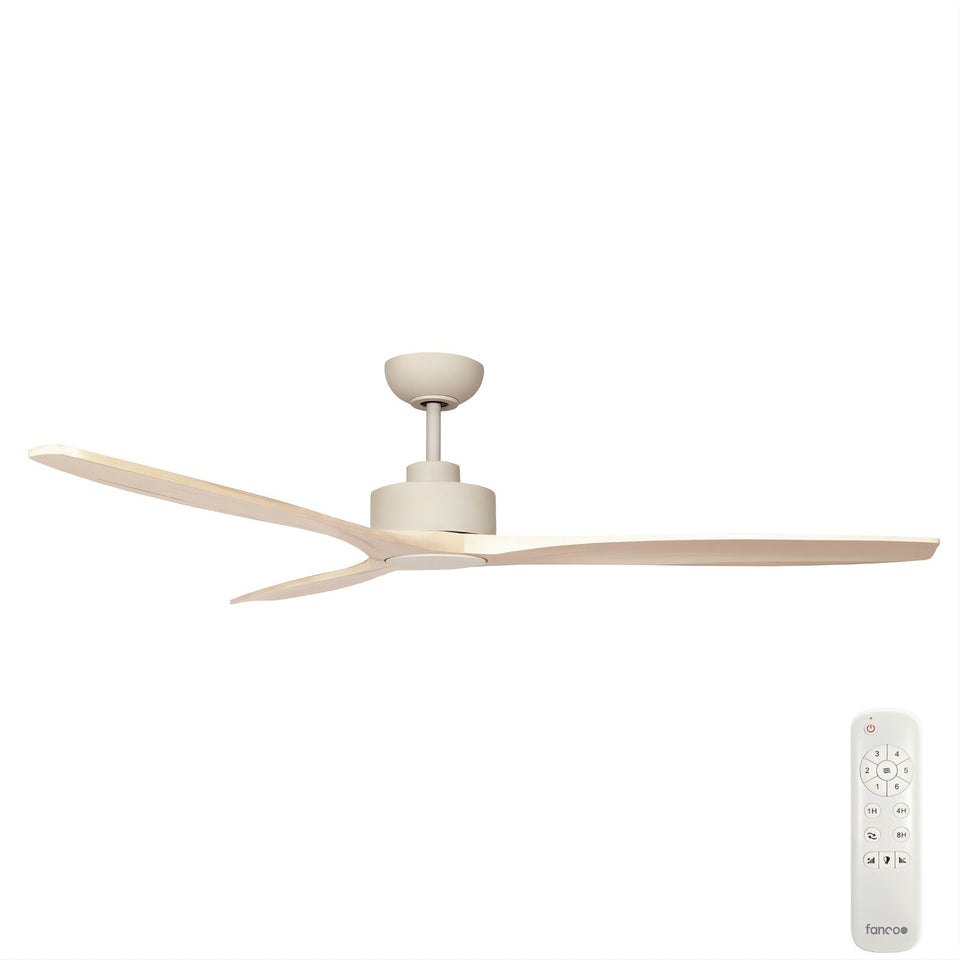
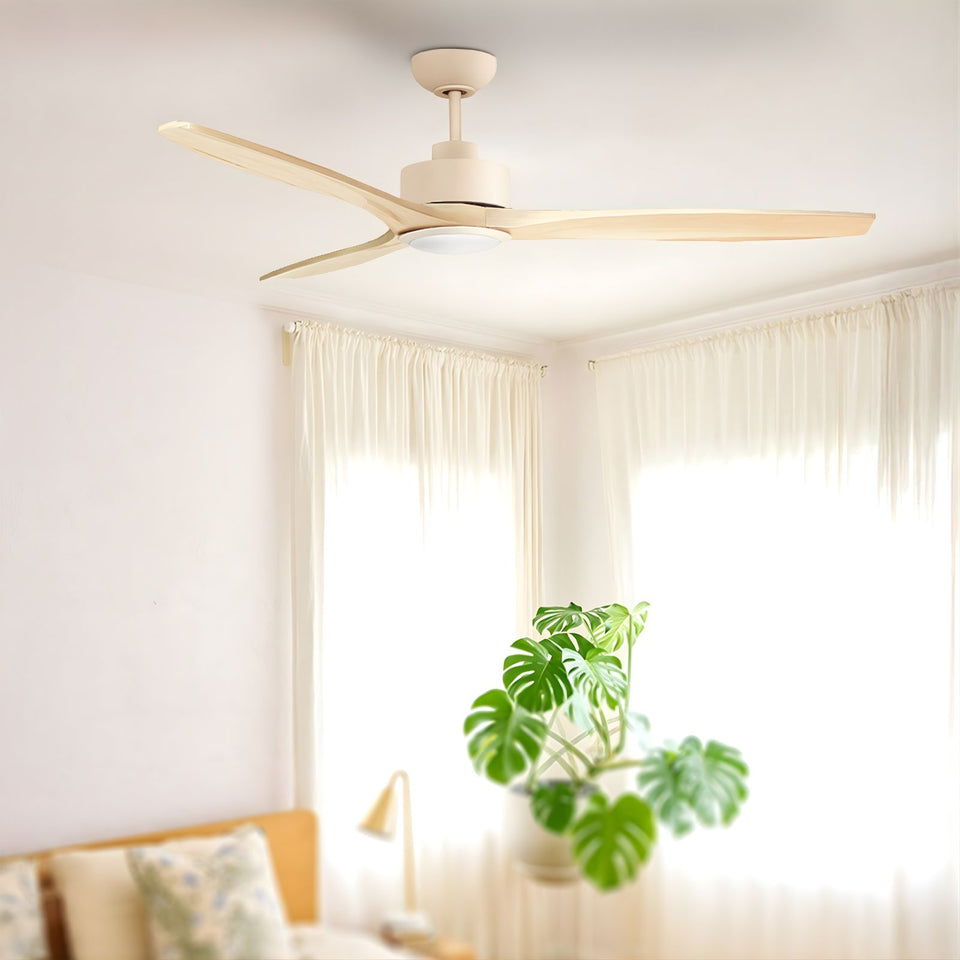
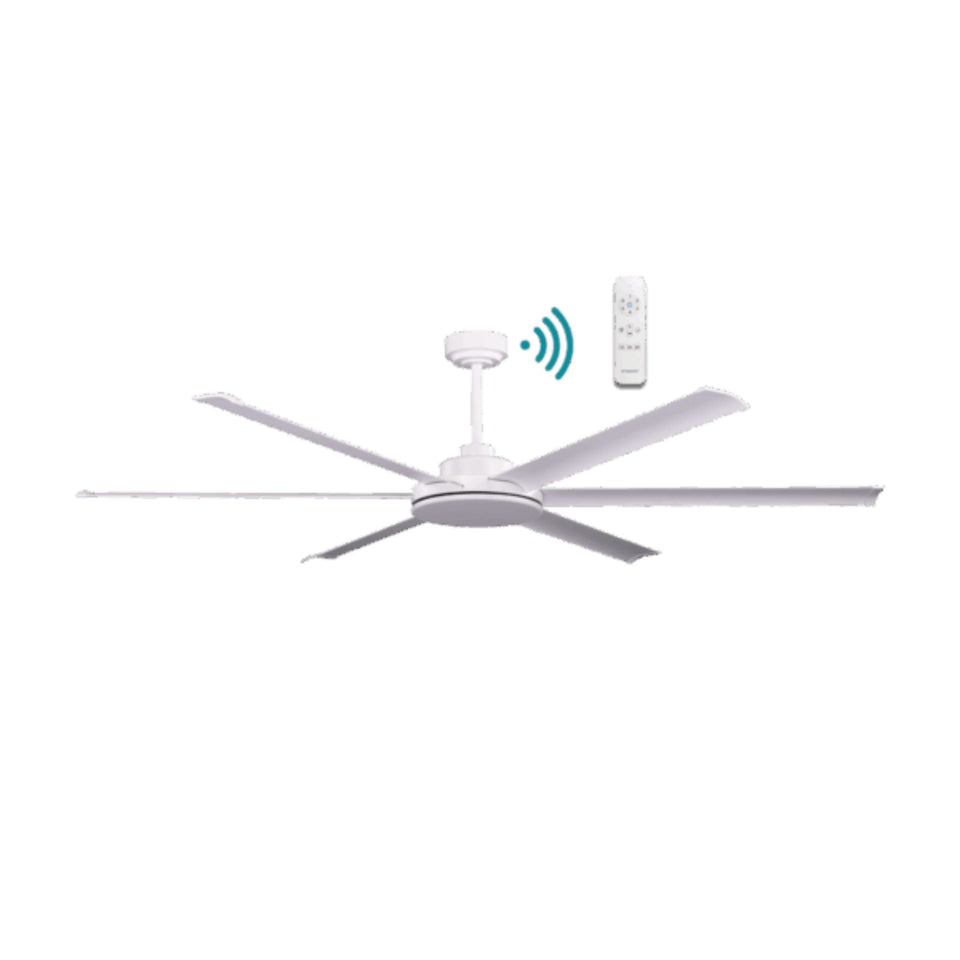
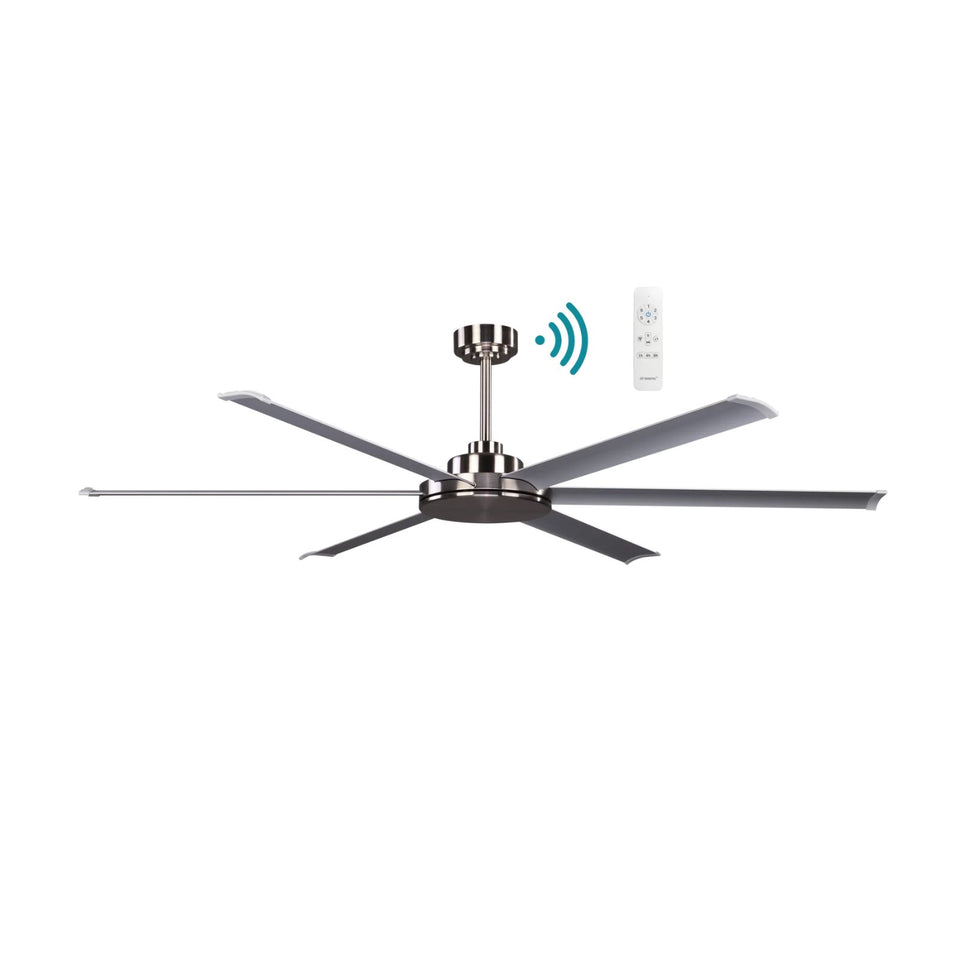


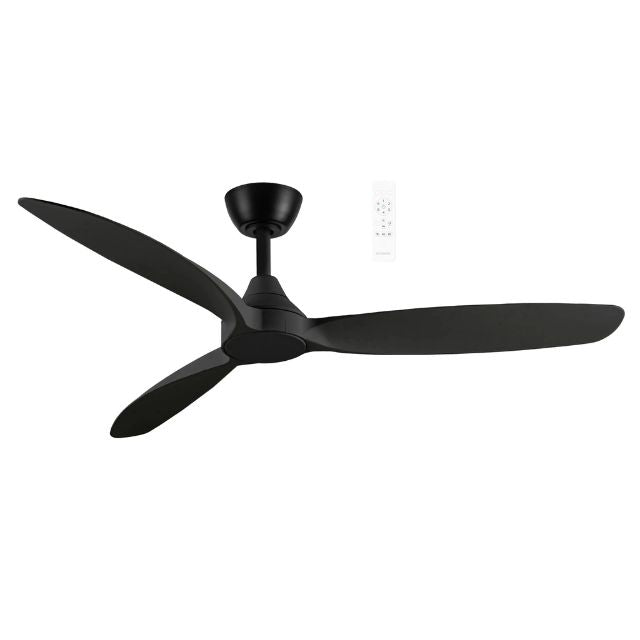

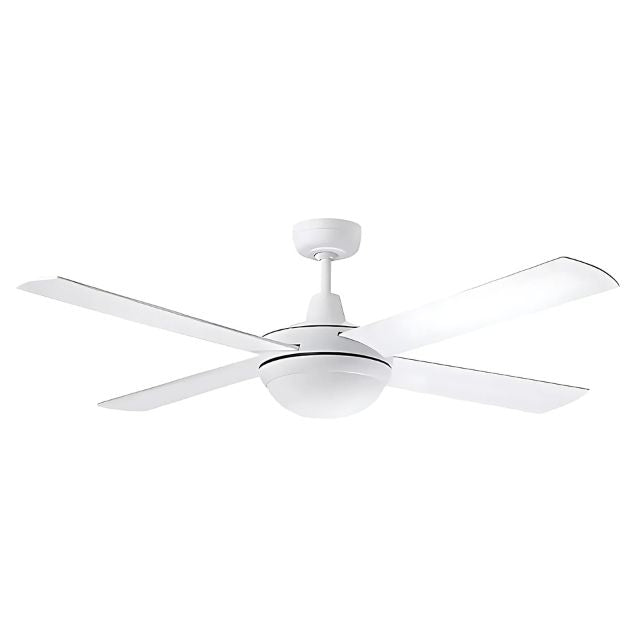

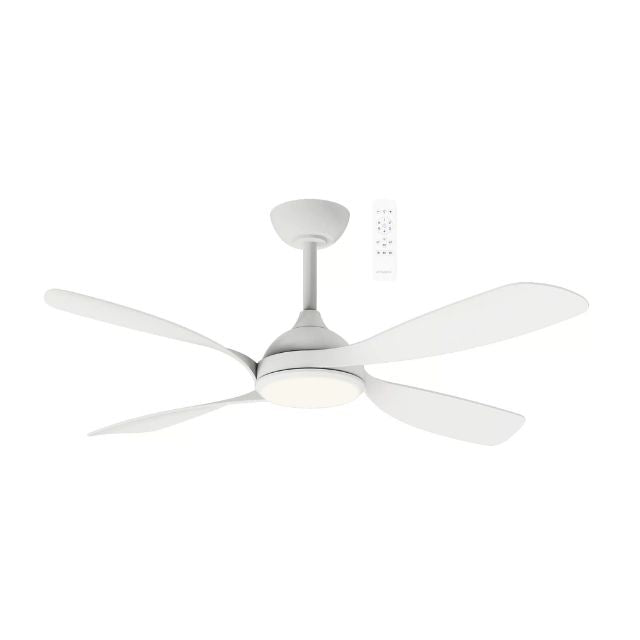
High ceilings create a specific installation problem that a standard fan setup does not solve. A fan mounted with a standard downrod on a high ceiling can end up too far from the living space to move air effectively, or in some cases hang in a way that looks disproportionate to the height of the room. This collection curates fans from Eglo and Fanco that are suited to high or raked ceiling installations, rather than being built around a single named range.
A downrod is the rod that connects the fan motor to the ceiling mount, and its length determines how far the fan blades sit below the ceiling. On a high ceiling, the standard downrod supplied with many fans will not bring the blades down far enough for safe clearance or effective air movement, which is why longer or extension downrods are often needed for these installations.
This collection spans both Eglo and Fanco, which means you can compare how each brand approaches high-ceiling installation, including downrod options and raked ceiling compatibility, rather than being limited to a single brand's range. This is useful if your main priority is solving the height or ceiling angle problem first, and finish or brand preference is secondary.
Rooms with high ceilings are often larger open-plan spaces, so it is still worth checking blade span against the size of the room in addition to solving the height and downrod question. A fan that is correctly positioned in height but undersized for the room will not move air as effectively as one sized to match the space.
High-ceiling installations are harder to adjust after the fact, since changing a downrod length or adding a raked mounting kit later usually means taking the fan down again. It is worth confirming ceiling height, ceiling angle, downrod length and blade span together before purchase rather than treating them as separate decisions, and checking these details against the specific Eglo or Fanco model rather than assuming every fan in the collection is set up the same way.


