Skip to content

Kitchen Sinks

1 Item

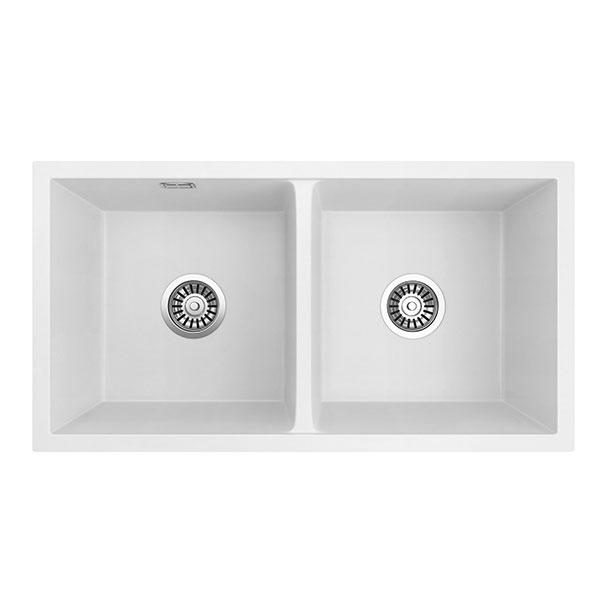
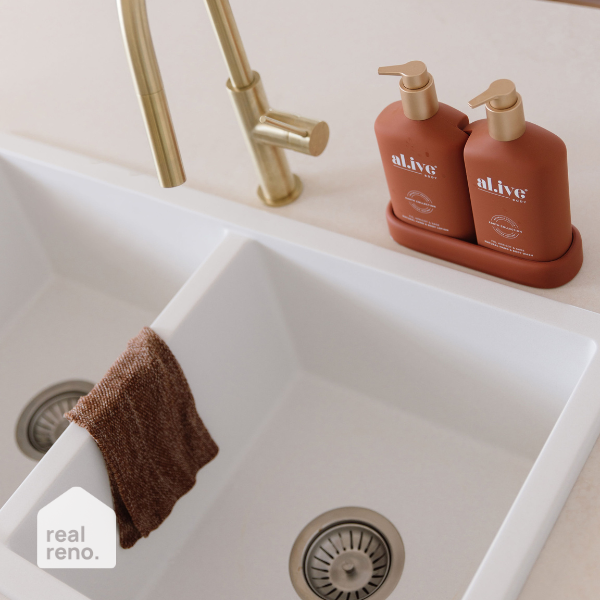
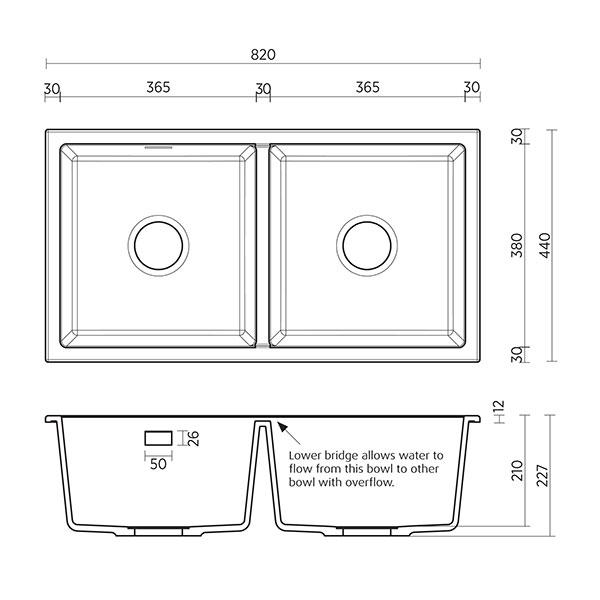
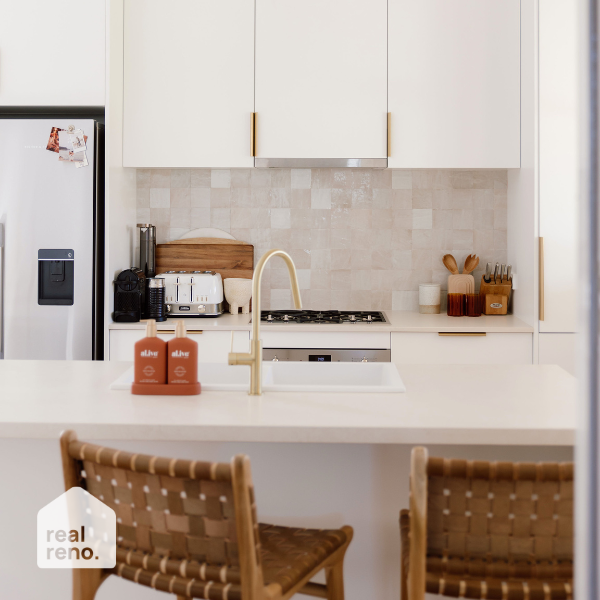
  • Seima Oros 820 Kitchen Sink WhiteSeima Oros 820 Kitchen Sink WhiteSeima Oros 820 Kitchen Sink WhiteSeima Oros 820 Kitchen Sink WhiteSeima Oros 820 Kitchen Sink WhiteSeima Oros 820 Kitchen Sink White

    Seima Oros 820 Kitchen Sink White

    $1,069
    $119 (-10%) OFF RRP of $1,188

Kitchen Sinks Buying Guide


A kitchen sink is often the most heavily used fixture in the home, which means its material and configuration affect daily comfort as much as the room's overall look. Because it typically sits at the centre of the benchtop, a sink also acts as a visual anchor for the kitchen, so its finish is worth considering alongside the benchtop, cabinetry and tapware rather than chosen last.

Sink styles

  • Butler (apron front) sinks have an exposed front panel that projects slightly forward of the surrounding cabinetry, a design with heritage country-kitchen origins that also suits contemporary and industrial-style kitchens. Butler sinks deep, wide bowls suit households that regularly wash large pots and trays
  • Undermount sinks are fixed beneath the benchtop, so the surface runs uninterrupted with no rim to trap crumbs or spilled liquid. This gives a clean, minimalist look and suits kitchens where an unbroken benchtop line is the priority
  • Inset sinks Inset sinks drop into a benchtop cutout and sit flush with the surface. This is a versatile middle-ground option that works across a wide range of kitchen styles, from contemporary through to more traditional design directions
  • Small and compact sinks are worth choosing deliberately rather than as a compromise. A deep, single bowl in a compact footprint can still handle large pots and pans, and a well-integrated drainer keeps a small kitchen functional without needing a larger sink than the space allows

Materials 

Stainless steel handles heat, acidity and general daily wear well, making it a practical choice for busy kitchens, though it shows water spots more visibly than other materials, particularly on a mirror-polished finish rather than a brushed one. Finishes in this collection range from brushed to a more reflective, mirror-like surface.

Ceramic sinks resist staining from strong colours like turmeric and red wine, and hold their appearance well over time, making them a durable, classic choice. Ceramic is considerably heavier than stainless steel or solid surface, which is worth factoring into cabinetry and benchtop support during installation.

Solid surface sinks can be colour-matched closely to a solid surface benchtop, giving a seamless, continuous look across the bench. They need a slightly more careful cleaning routine, since prolonged exposure to bleach and similar harsh chemicals can affect the surface over time.

Kitchen sink colour

A sink's colour has more design influence than its size might suggest, since it sits at eye level on the benchtop rather than low down like a floor finish.

Deeper, muted colours, such as sage or deep green, bring a more considered, less clinical character to a kitchen than a standard metallic finish. Black sinks hide water spots more effectively than a polished metal finish, and suit a contemporary kitchen aiming for a graphic, high-contrast benchtop. Warm metal finishes, including bronze and gold-toned sinks, develop a patina over time, aging in a way that a plain metallic finish doesn't.

Bowl configurations

  • Single bowl sinks give one continuous, larger basin, well suited to households that regularly need to soak oversized trays or pots that wouldn't fit in a divided bowl
  • Double bowl sinks separate the basin into two sections, which suits households that prefer to keep washing and rinsing, or food preparation and cleanup, physically separate
  • 1.5 or 1.75 bowl sinks offer a main basin alongside a smaller secondary basin, sized for a colander, chopping board, or a single item that doesn't need the full-size bowl. This configuration suits kitchens wanting the flexibility of two basins without giving up as much main bowl depth as a true double bowl sink

Accessible and assisted living design

For kitchens designed around mobility needs or ageing in place, this collection includes sinks with lever-style handles that can be operated with an elbow or forearm when hands are occupied, along with height-adjustable installations that reduce the need to bend forward at the benchtop.

Brands in this collection

Caroma, an Australian brand, includes sinks with integrated drying rack features as part of the sink design itself, reducing the need for a separate drying rack on the benchtop. Meir offers a more accessible price point without a reduction in design quality, with some models including a clip-on chopping board, a practical addition for smaller kitchens with limited bench space.

Kitchen sink accessories

Sink mats reduce noise from dishes and cookware placed in the sink, and sink wastes help prevent blockages from food scraps and debris. Pairing a sink with matching tapware, rather than selecting each separately, also helps the sink and tap sit together as one considered fitting rather than two unrelated purchases.

How do I maintain my kitchen sink?

Regular cleaning with a soft cloth and mild detergent prevents buildup and preserves the sink's finish. Stainless steel sinks specifically should be cleaned with non-abrasive products, since scouring pads and harsh chemicals can dull or scratch the surface over time.

For stainless steel sinks with a satin (brushed) finish, a few specific habits help maintain the surface long-term:

Rinse and wipe the sink dry after each use to prevent mineral deposits building up
If scouring is needed, always rub in the direction of the satin finish lines, not across them
Avoid letting liquid soap or other cleaning products dry on the sink's surface
Avoid leaving a chlorine bleach solution standing in the sink for extended periods
Avoid steel wool pads, which can scratch the surface
Avoid leaving rubber mats, dishpans, wet sponges or cleaning pads sitting in the sink, since trapped moisture can affect the finish over time

Can kitchen sinks suit any design style?

Yes. The sink styles, materials and colours in this collection span modern, minimalist, industrial and more traditional kitchen directions, so the right choice generally comes down to matching the sink's material and finish to the benchtop, cabinetry and tapware already chosen for the room.

How do I choose the right kitchen sink for my home?

Start with how the kitchen is actually used day to day: households doing a lot of large-pot cooking generally suit a single bowl or butler sink, while households wanting separated wash and rinse areas suit a double or 1.75 bowl configuration. From there, material and finish should be chosen to complement the benchtop and cabinetry, so the sink reads as part of a considered whole rather than an isolated fixture.

Completing the kitchen

A kitchen sink is easiest to select once the benchtop material and tapware direction are settled, since installation type, tap hole position and finish all need to align. The Blue Space's Kitchen Taps collections are worth reviewing alongside a sink choice, so the finished kitchen bench comes together as one cohesive result.

Frequently Asked Questions

How do I choose a kitchen sink that's easy to maintain?

For easy maintenance, choose a sink with a satin (not mirror-polished) stainless steel finish, it hides scratches and water marks far better. Composite granite sinks are highly stain-resistant and durable. Avoid white enamel or fireclay if your household generates heavy staining (coffee, red wine), as these require more careful maintenance. Look for sinks with a waste included in the package to simplify installation.

What is the difference between an undermount and top-mount kitchen sink?

An undermount (undermount) sink is mounted below the benchtop with the benchtop material finishing cleanly at the edge of the sink opening, ideal for stone and solid surface benchtops. A top-mount (drop-in) sink drops into the benchtop from above with the rim visible. Undermount sinks are easier to wipe into from the benchtop and look more streamlined; top-mount sinks are more flexible with benchtop material choices.

What size kitchen sink do I need?

The right kitchen sink size depends on your benchtop width and how you use the kitchen. Single bowl sinks typically range from 400mm to 700mm wide and suit smaller kitchens or those with a dishwasher. Double bowl sinks (700–900mm) allow simultaneous washing and rinsing and are popular in larger family kitchens. Measure your cabinet opening carefully, as the sink must fit within the internal cabinet dimensions.

What types of kitchen sinks are available?

Australian kitchens commonly use stainless steel undermount or top-mount sinks, composite granite/quartz sinks, fireclay sinks (popular for farmhouse-style kitchens), and pressed steel enamel sinks. Stainless steel is the most popular for its durability, affordability, and hygiene. Composite stone sinks offer a premium look with good heat resistance. The Blue Space stocks kitchen sinks from Bao Bath, Turner Hastings, Seima, and other leading Australian brands.

What should I consider when choosing a kitchen mixer finish?

The finish of your kitchen mixer should complement the other metal elements in your kitchen, cabinet handles, appliances, and rangehood trim. Chrome remains a classic, low-maintenance option that suits almost any kitchen style. Matte black has surged in popularity in contemporary Australian kitchens and pairs particularly well with dark stone benchtops and two-tone cabinetry. Brushed brass and gunmetal finishes suit warmer, more design-forward kitchens. From a practical perspective, brushed and matte finishes tend to conceal water spots and fingerprints better than polished chrome, which can show marks more readily in a busy kitchen environment.

Do kitchen mixers in Australia need to meet any standards or certifications?

Yes. All kitchen tapware sold in Australia must carry a WaterMark certification, which is a mandatory regulatory requirement confirming that the product meets Australian plumbing standards for safety and performance (AS/NZS 3718). In addition, kitchen mixers must display a WELS (Water Efficiency Labelling and Standards) rating indicating their water efficiency. A 4-star WELS rating or higher is considered good practice for kitchen mixers and will reduce water consumption with no practical performance trade-off. When purchasing online or from an importer, always verify that the product carries both a valid WaterMark licence number and a WELS label, these are legal requirements in Australia, not optional extras.