
*View accurate shipping rates and availability






758 Items
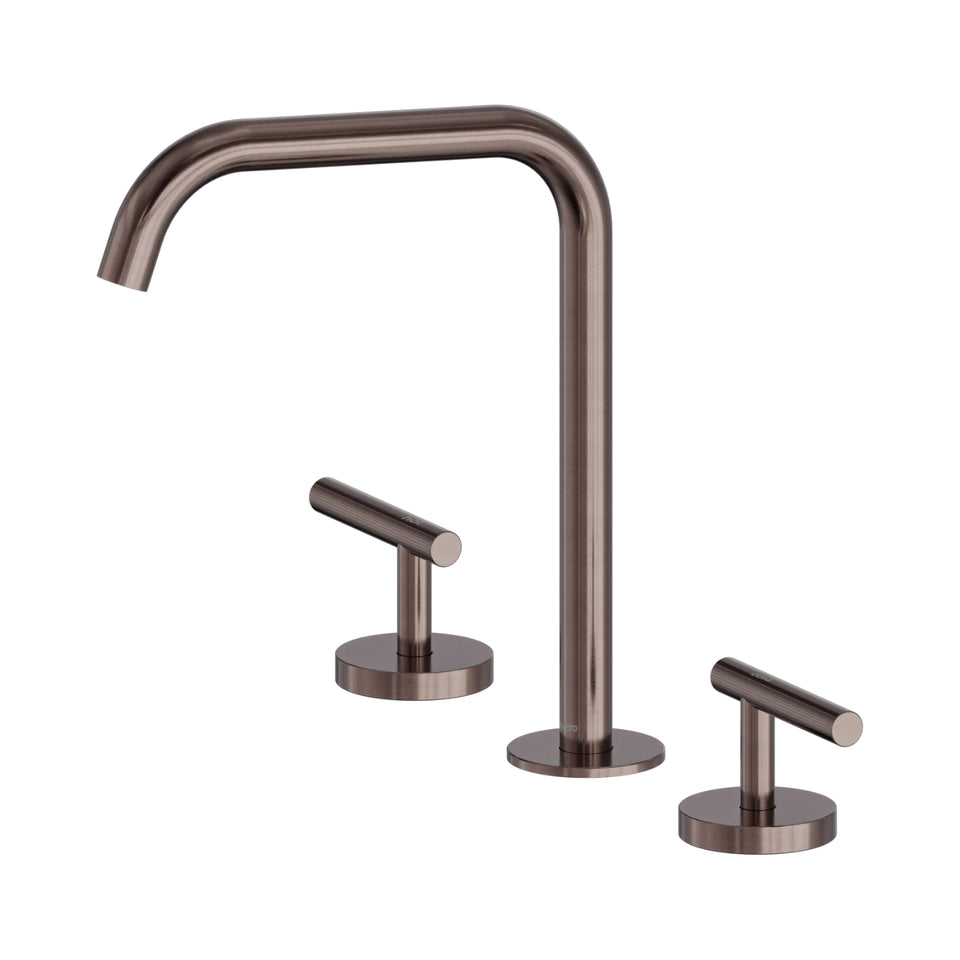
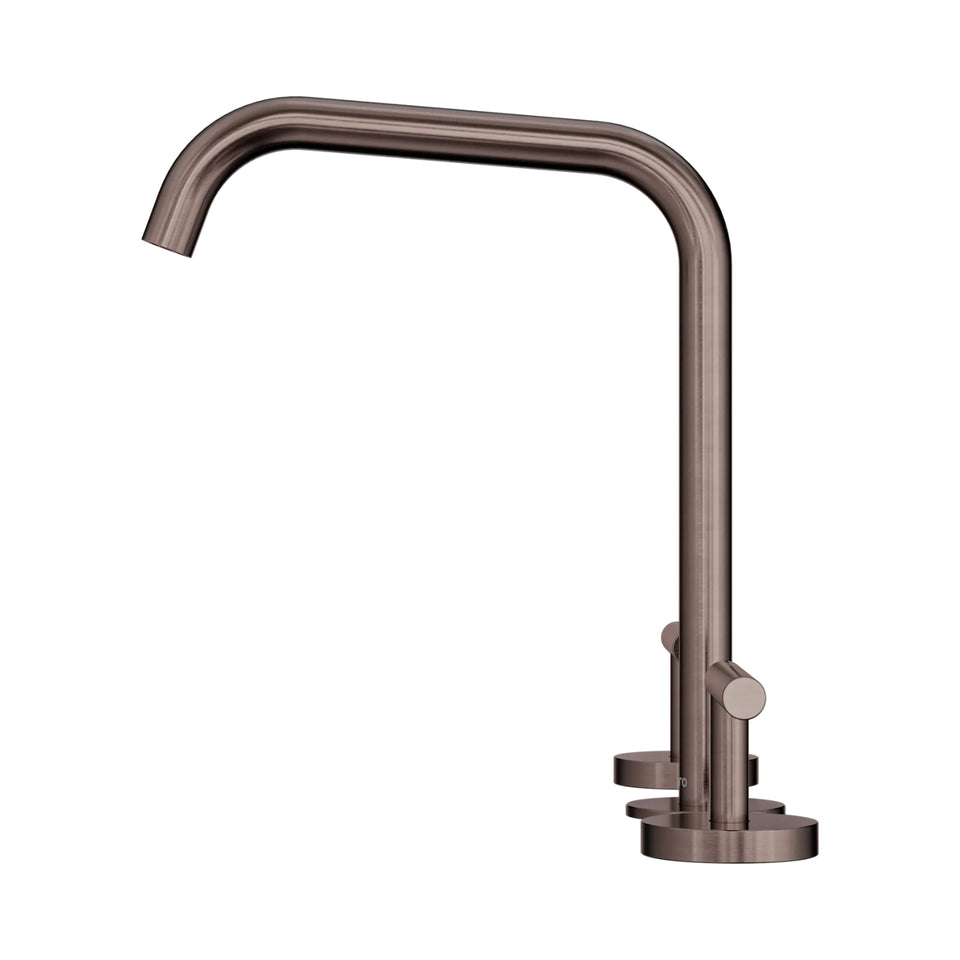

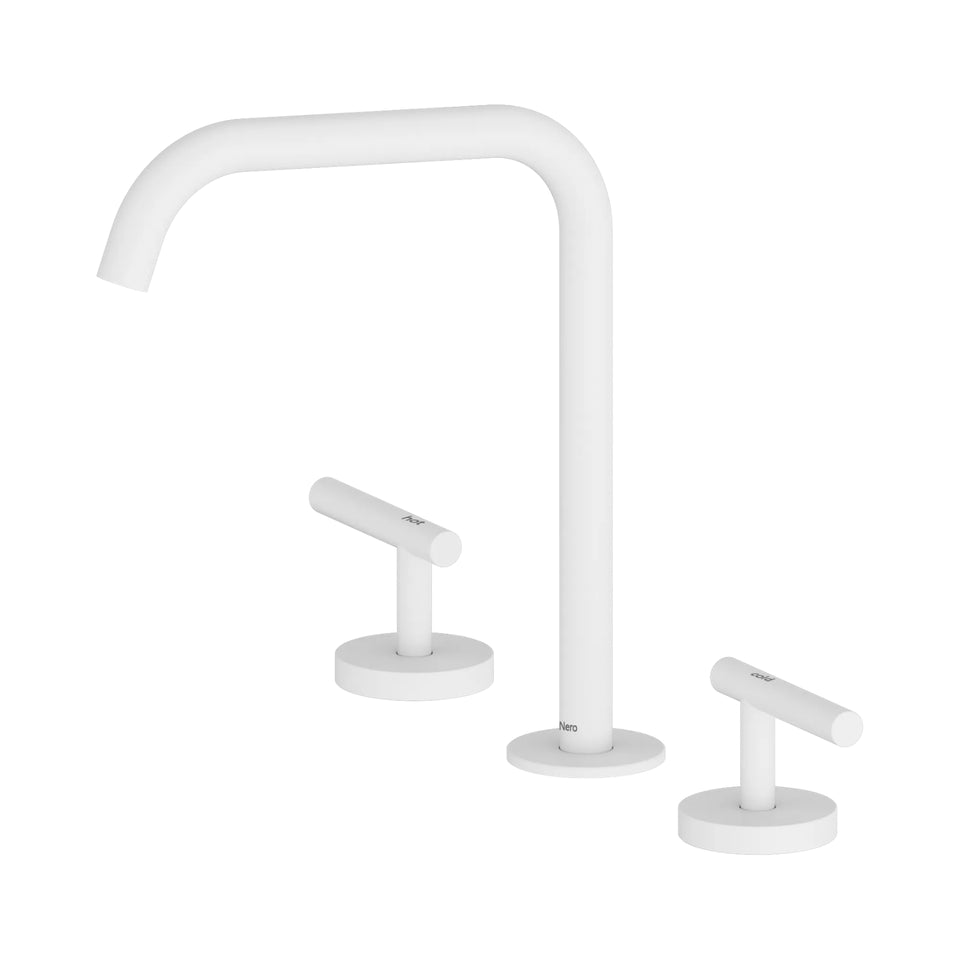
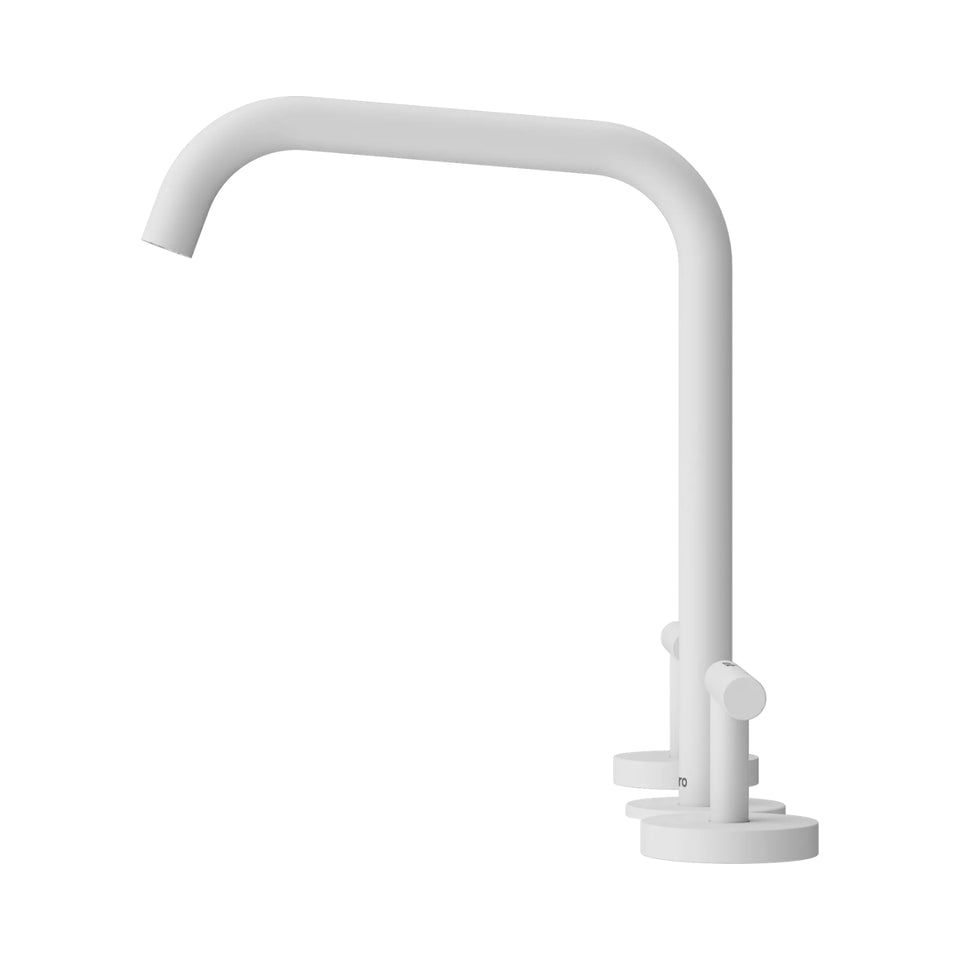



Spend over $800 and receive free gifts in your cart. Towels, accessories and full length mirrors!


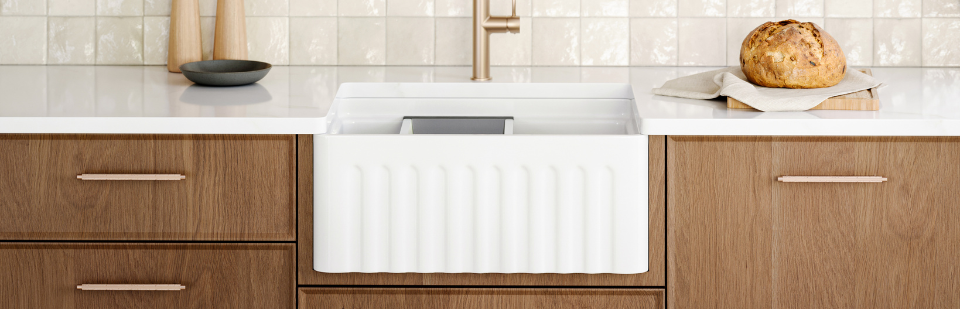


Modern kitchen tapware has moved well beyond basic plumbing into genuine design territory, and for good reason: it's touched constantly, viewed daily, and sits at the visual centre of the kitchen's working area. Getting the choice right affects daily comfort as much as the room's overall look.
A few practical considerations narrow the decision down quickly. First, consider the kitchen's layout and any potential obstructions, a window above the sink, low cabinetry, or an awkward benchtop depth, that might limit which tap heights or spout reaches actually work in the space. Second, consider the mixer's size and functions relative to how the kitchen is actually used: a pull-out spray, a dedicated vegetable rinse function, or a gooseneck's added clearance for tall pots. Third, consider style and finish, since the tap needs to sit comfortably alongside the rest of the kitchen's material palette.
For anyone still deciding on a specific colour or finish, The Blue Space's tapware sample pack lets a physical sample be checked against the kitchen's actual benchtop and cabinetry before committing to a full order, and the Tapware Selection Guide covers further detail for making an informed choice.
The main kitchen sink remains the obvious application, but it's no longer the only one. Prep sinks on a kitchen island are increasingly common, giving a second water source for food preparation without competing with the main sink. Butler's pantries often include their own tap, keeping mess and cleanup out of sight from guests. Heavier-duty tapware also suits outdoor BBQ areas and alfresco kitchens, where a household entertains regularly. It's increasingly common for a kitchen to have two or three taps across these different zones rather than a single fixture.
Sink mixers remain the standard configuration in most Australian homes, combining hot and cold water through a single spout controlled by one lever, straightforward to operate one-handed even while holding a heavy pot. Within this category, a gooseneck shape gives a high, arching profile with genuine clearance for washing larger pots, while square or L-shaped designs suit a more architectural kitchen.
Pull-out mixers extend the spout on a flexible hose, letting the tap reach into the corners of the sink, fill a bucket on the bench, or rinse vegetables with far more precision than a fixed spout allows. This is a genuinely practical upgrade for anyone who cooks regularly.
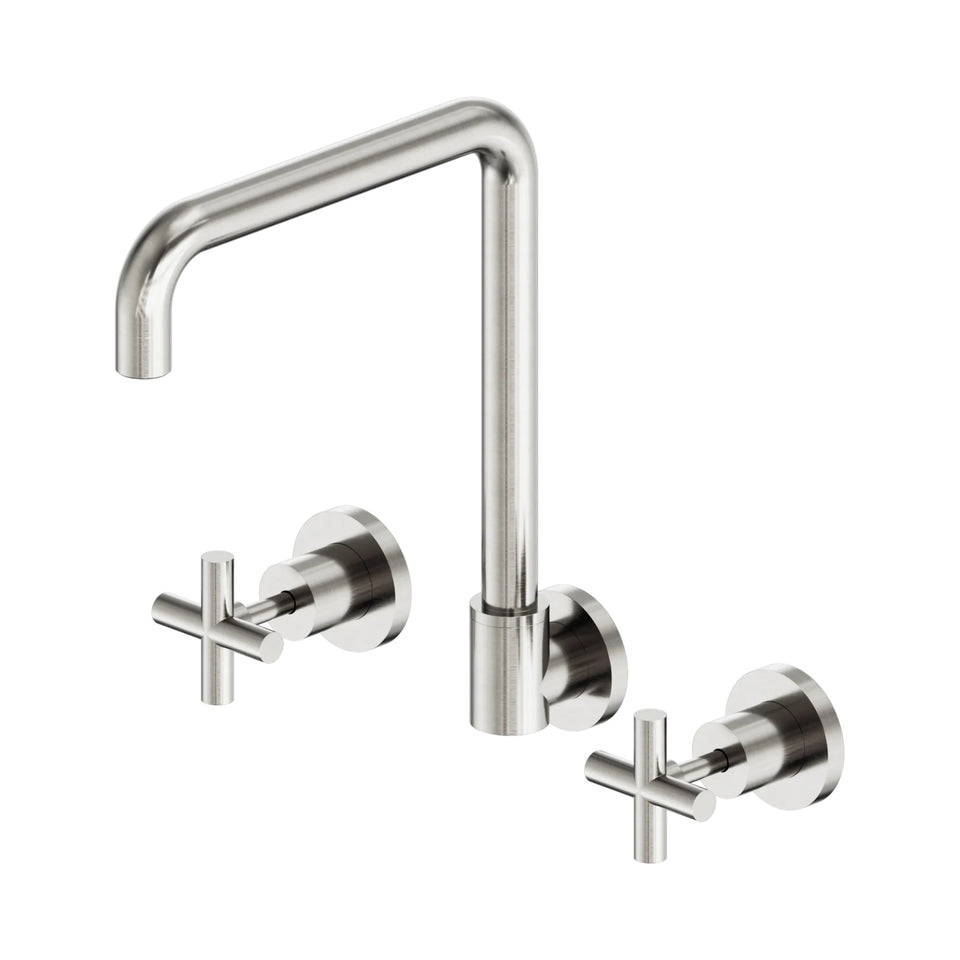
Three-piece sets use a central spout with separate hot and cold taps on either side, a practical option for retrofitting an older kitchen without cutting new benchtop holes, and a natural fit for a farmhouse or Hamptons-style kitchen wanting that classic, symmetrical look, generally built with modern ceramic disc valves inside rather than older washer-based mechanisms.
Hob mixers separate the control lever from the spout itself, both mounted independently on the benchtop, giving a clean, customisable look where the lever can be positioned wherever is most comfortable.
Chrome remains the most dependable, affordable classic, working with almost any kitchen style. Stainless steel brings a tougher, more industrial character, and its hygienic surface tends to let scratches blend in rather than show as obvious damage.
Black kitchen mixers create strong contrast, particularly against a white stone benchtop, while white tapware offers the opposite effect, understated and blending quietly into a fresh, light kitchen.
For warmth, gold and brushed brass taps age well over time, bronze brings a softer, pinker tone, and champagne gives a more considered, muted take on gold. For a cooler middle ground, brushed nickel hides fingerprints effectively while still carrying genuine warmth, and gunmetal brings a darker, moodier edge that pairs particularly well with concrete or timber surfaces.
Caroma, Dorf and Clark bring long-established Australian reliability, a dependable starting point for most kitchens. Phoenix Tapware, Meir, Nero Tapware and Fienza lead on design, offering sharper, more considered shapes for a kitchen wanting a stronger style statement. Oliveri matches its tapware directly to its own sink ranges, Methven is known for genuine water-saving technology, and Greens Tapware suits low-pressure plumbing systems particularly well. Indigo, Modern National, Seima and Suprema round out the range with strong design at more accessible price points.
Lead-free taps are increasingly the standard rather than a premium add-on, worth prioritising for household water quality. Accessible taps, with longer levers, suit anyone with mobility or dexterity challenges, including elderly household members or young children, making the tap genuinely easier to operate.
Electronic sensor taps activate with a wave of the hand, reducing the need to touch the lever with messy or wet hands, a genuine hygiene benefit during food preparation. Progressive mixers use a single twisting motion rather than a side-to-side lever, moving from cold through to hot in one compact, minimal action. For a fully custom setup, standalone spouts are also available separately from a complete mixer.
Materials matter considerably: brass with a high-quality finish tends to last far longer than cheaper alternatives, and while this generally costs more upfront, it also means better design, longer warranty coverage, and often additional functionality or customisation options. A simple way to judge quality is weight: cheaper, plastic-heavy taps feel noticeably lighter than a solid, well-made brass fitting.
Start with who actually uses the tap. Round or cross handles can be harder to operate for children, anyone with dexterity challenges, or elderly household members, while a single-lever mixer is generally more ergonomic, operable one-handed or even with a nudge of the wrist during a busy multitasking moment.
For heavier daily use, a tap with a swivel spout and directional nozzle makes food prep and cleanup considerably easier. If pots or vases are used regularly, checking the tap's height clearance against them before purchase avoids a mismatch, and a pull-out mixer is worth prioritising where sink space allows, given its extended reach for washing larger cookware.
It's also worth confirming the tap matches the home's existing water pressure system, since a tap designed for high pressure will underperform on a lower-pressure setup, leading to weaker-than-expected flow.
A kitchen tap is easiest to finalise once the sink and benchtop are settled, since spout height, reach and mounting position all depend on those earlier decisions. The Blue Space's Kitchen Sinks collection is worth reviewing alongside a kitchen tap selection to bring the full kitchen together.


