











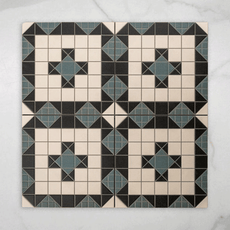

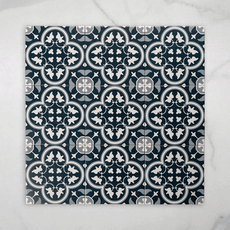
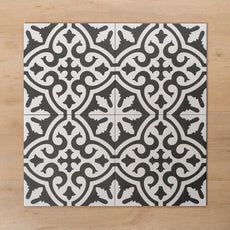
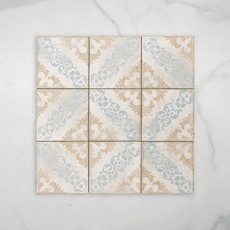


Using Patterned Tiles in Your Reno? Here's the Lowdown.
So. The reno. It’s happening. You’ve been looking at that one boring wall for weeks, maybe years, and you’ve just had enough. I get it. Plain is safe, but it's also… plain. You want some life in your house. Some personality. This is where patterned tiles come into the picture, and mate, they are a game-changer. They can take a space from just ‘okay’ to something your friends will actually talk about. If you’re thinking about jazzing up the kitchen, the loo, or even the laundry, stick with me. We’ll sort you out. This is the stuff we love at The Blue Space.
Alright, So What Are Patterned Tiles, Really?
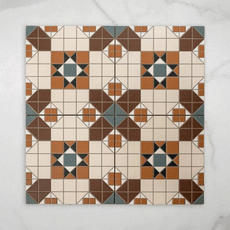
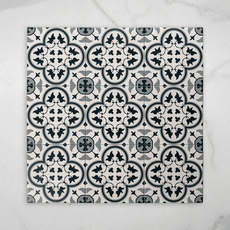
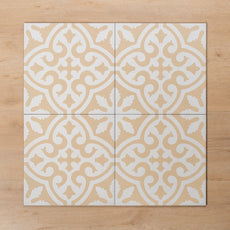
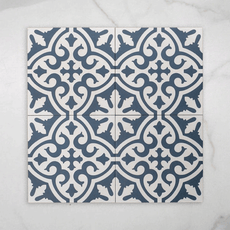
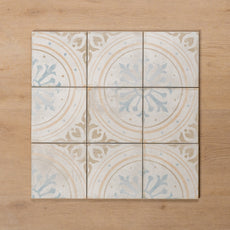
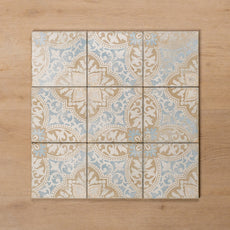
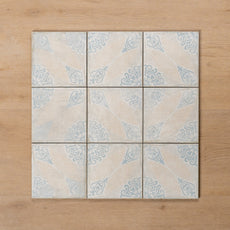
Look, it's not complicated. It's a tile. With a pattern on it. But it's how they work together that's the magic. When you lay them all out, the repeating design creates this amazing, single surface. It’s not just a splash of colour. It’s a whole mood. Think of those incredible floors in old city pubs. Or the funky geometric vibes from the '70s. Today's patterns grab bits and pieces from all those eras, so you’ve got a massive selection of all kinds of tiles to choose from. It’s probably the best way to make a space truly yours.
Where Can You Actually Use Them?
Short answer? Wherever you want. But there are a few places where they just work so well. Where they can really show off. They’re a brilliant way to make a statement, whether you go for a full-on feature or just a little hint of something interesting.
Kitchens That Look as Good as They Cook
The kitchen is where life happens. It’s the brekkie spot, the homework table, the party hub. It deserves to look schmick. A patterned splashback is a classic move. Protects the wall from spaghetti sauce and looks good doing it. But have you thought about the floor? Seriously. Putting down patterned floor tiles can feel like you've got a custom rug, but one you can spill on. No dramas. It's also a dead clever way to section off the kitchen area in an open-plan house. Defines the space without needing a wall.
Bathrooms with a Bit of Wow
Bathrooms are probably the best place to experiment. Why? Because they're small. You don't need much to make a massive impact. A single feature wall of patterned tiles behind the vanity is an absolute winner. It gives the room a focus point. A bit of luxury. Or, run it across the floor. A patterned floor can make a tiny powder room feel grand. It adds so much character. I reckon a small pop of pattern in a shower niche is a top-tier move, too. Unexpected. Cool.
That Forgotten Laundry or Mudroom
The poor old laundry. It does all the hard work and gets none of the glory. But it doesn't have to be a sad, boring box. A cheerful patterned tile can make doing a load of washing feel a tiny bit better. This is your chance to use that wild pattern you loved but were too chicken to put in the living room. It’s a low-risk spot for a high-impact design. Go on.
Making an Entrance
First impressions count. The entry hall is the first thing people see. A patterned floor here says "we've got style" from the get-go. And it’s tough. It can handle all the dirt and traffic you can throw at it and still look amazing. It’s a smart and stylish choice that welcomes people in.
Bring the Style Outside
Don't stop at the back door. The backyard is another room of your house, really. Get some patterned outdoor tiles on the patio or verandah. It connects the inside to the outside. Just make dead sure they're proper outdoor-rated tiles. You need that anti-slip surface, especially if it's near a pool or gets rained on. Safety first, people.
Breaking Down the Types of Tile
Okay, let's get into the nitty-gritty. Tiles come in different materials, looks, and sizes. Knowing what's what will stop you from choosing something that looks great on the shelf but isn't right for your job.
The Stuff They're Made From
Porcelain
This is the tough guy. Porcelain tiles are built to last. They're fired hotter than ceramic, so they're denser and don't really absorb water. That means they’re brilliant for floors, wet areas like bathrooms, and outdoors. They just handle the hard knocks.
Ceramic
A super popular option. Ceramic is a bit softer than porcelain, so it's easier for tilers to cut and handle. It’s absolutely perfect for wall tiles anywhere. Kitchens, bathrooms, you name it. There are some floor-rated ceramics, but they're better for places with less foot traffic.
Encaustic-Look
Real old-school encaustic tiles have the pattern baked right through the tile. They're beautiful but can be a bit precious. The modern version? An encaustic-look tile made of porcelain. You get that same detailed, historic vibe without the high maintenance. Best of both worlds.
The Vibe of the Pattern
-
Geometric: Shapes. Clean lines. Squares, hexies, diamonds. Geometrics are awesome because they can be whatever you want them to be. Classic. Modern. Retro. They just work.
-
Moroccan & Spanish: These are the fancy ones. The colourful, intricate, lively patterns that feel like they've come from a faraway market. They want to be the centre of attention.
-
Floral & Organic: Softer. Think leaves, flowers, and wavy lines that feel like they're from nature. They can take the hard edges off a room and make it feel more relaxed.
-
Mosaics: Little tiles on a sheet that make a bigger pattern. Mosaic tilesare ace for adding texture and getting fine detail into your design.
-
The Impersonators: Some tiles get their pattern by looking like something else. A terracotta-look tile gives you that warm, Mediterranean feel. A travertine-look tile gives you a natural, stony pattern without the cost.
And What About Size?
Size definitely changes the game. Small tiles, say a 150mm x 150mm, create a busier, more detailed surface. On the other hand, larger square tiles like a 200mm x 200mm or a 300mm x 300mm, can make a space feel bigger. Fewer grout lines. Simple. A 316mm x 316mm can be a nice sweet spot. Just weigh up the size of your room against the scale of the pattern.
The Real Perks of a Pattern
It’s not just about looking good. There are some proper, practical reasons for going with a pattern.
It's Your Personality. On a Wall.
This is the big one. It's the fastest way to make a house feel like your house. It doesn't matter if your style is quiet and subtle or loud and proud. There's a pattern for you. It’s more than a building material; it's a statement.
Tricky Illusions
You can mess with a room's proportions. A diamond pattern on the floor can make a narrow hall feel wider. A big, bold pattern can stop a small room from feeling boxy. It's a proper designer's trick.
Zoning without Walls
Open-plan is great, but you still need to define areas. A 'rug' of patterned tiles on the floor is the answer. It can mark out your dining spot or your kitchen area, all while keeping that lovely open feeling.
Hides a Multitude of Sins
Here’s a secret from the pros. Patterned floors are amazing at hiding fluff, dust, and crumbs. A solid dark floor shows everything. A pattern distracts the eye. For a busy family, this is a lifesaver.
Last Bits of Advice
Choosing the tile is the exciting bit. But these last few details are what separate a good job from a bodgy one.
Don't Muck Up the Grout
The grout colour can make or break the look. No joke. Want to see the shape of each tile? Pick a grout that contrasts. Want the overall pattern to be the hero? Pick a grout colour that blends in. We've got heaps of Maxisil Grout colours, so you can get it just right.
Don't Go Overboard
A bold pattern everywhere can sometimes be... a lot. A smart way to handle it is to pair it with a plain tile. Pull one colour out of your pattern and find a simple tile to match. Got a feature tile with a splash of green? Use a plain green tile on the other walls. It pulls it all together. This trick works with any colour. A bold black, a calming blue, an earthy brown, or a simple neutral like a beige or grey. Easy.
The One Percenters
For a job that looks pro, the little things count. Use a decent silicone for all your joints and edges, where tiles meet the benchtop or the floor. It keeps it waterproof and looking sharp. Maxisil Silicone is the gear you want. And please, please do a 'dry lay' before you start. Lay the tiles out on the floor without any glue. It lets you see the pattern and plan your cuts so you don't end up with a stupidly thin sliver of tile right in the doorway. A bit of planning here will save you a world of pain. Trust me.

