
*View accurate shipping rates and availability




9 Items


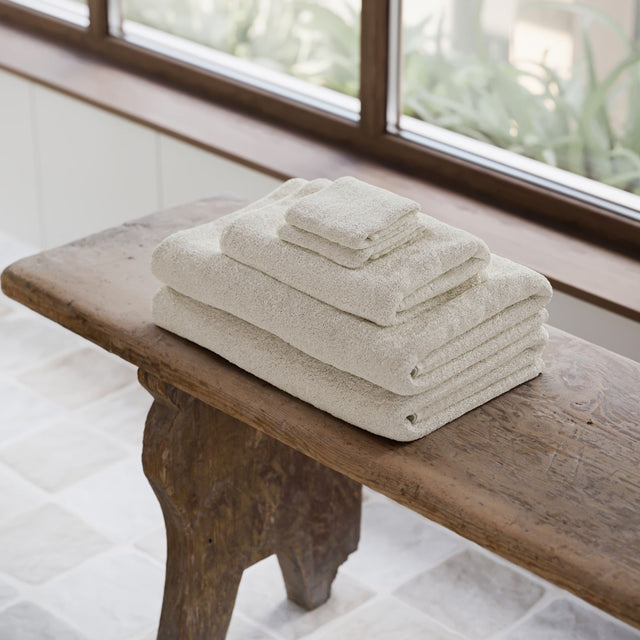
Spend over $800 and receive free gifts in your cart. Towels, accessories and full length mirrors!
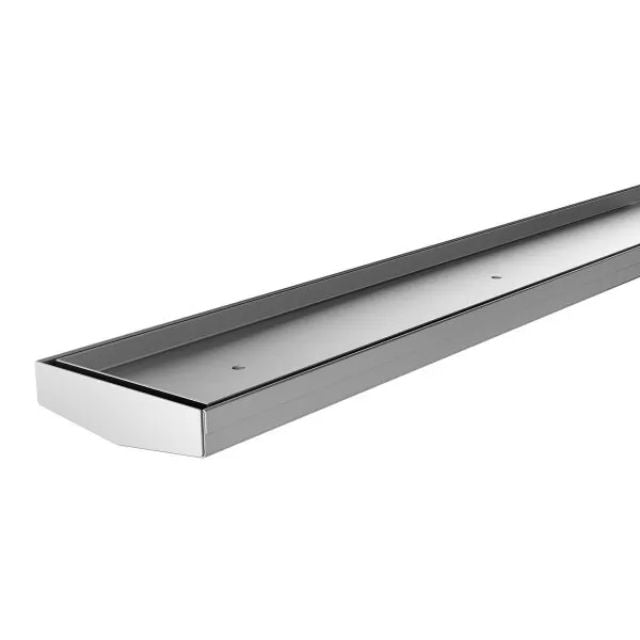
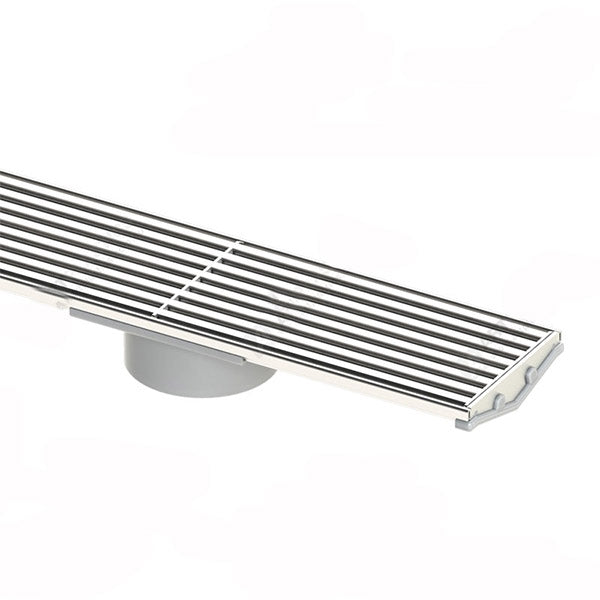
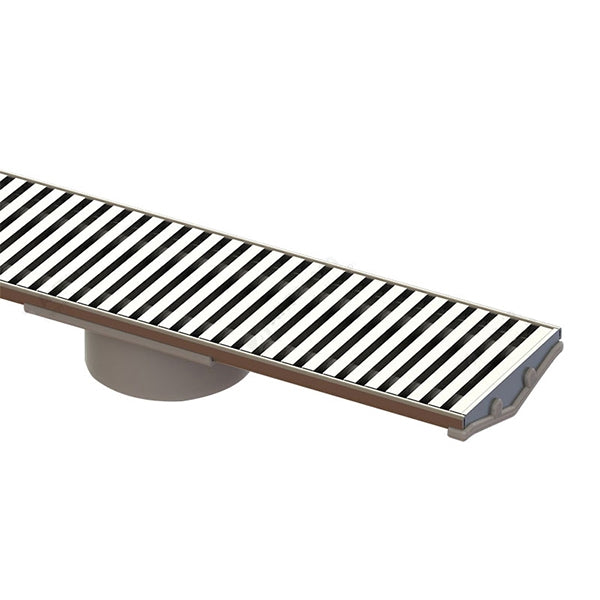
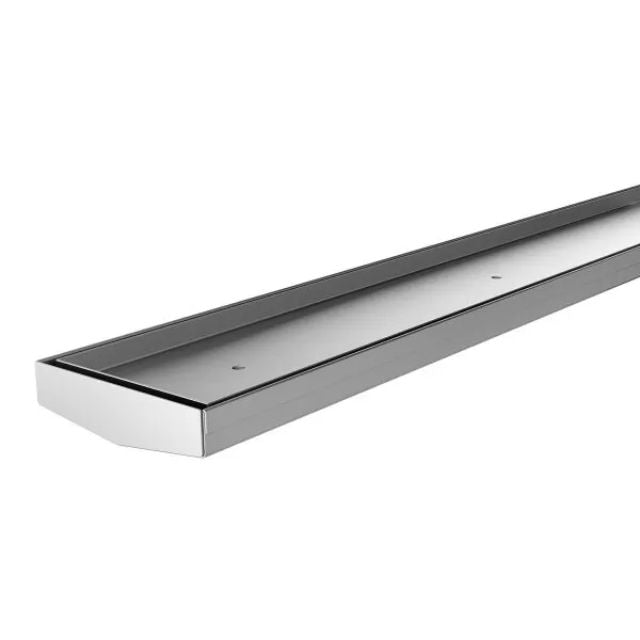
Stainless steel wastes are drainage fittings made specifically from stainless steel rather than chrome-plated brass or plastic, chosen for their resistance to corrosion in basin, bath and shower applications. If your bathroom is in a coastal area or a high-humidity climate, stainless steel is generally the most durable waste material available.
Chrome-plated brass and plastic wastes can develop surface pitting, discolouration or plating failure over time, particularly in areas with harsh water chemistry or salt-laden coastal air. Stainless steel is corrosion-resistant through the full thickness of the material rather than relying on a surface plating layer, so it does not suffer the same plating breakdown that eventually exposes the base metal underneath on lower-grade fittings. This makes stainless steel wastes a sensible upgrade anywhere the waste fitting will see constant moisture exposure, which is every basin, bath and shower application by definition.
A stainless steel basin waste needs to match your basin's waste hole size and your chosen mechanism type, whether that is a pop-up or click-clack style. Pop-up wastes use a plug connected to a lift rod or cap that is pushed down to seal, and are common on basins wanting a cleaner look without a visible plug and chain. Click-clack wastes use a push-to-open, push-to-close mechanism built into the waste body itself, giving a slightly simpler, lower-profile finish that suits basins where a lift rod or overflow lever would be awkward to access.
Stainless steel bath wastes need to handle a higher water volume than a basin waste, so bath-specific wastes are generally a larger diameter fitting with an overflow connection built in as standard, since baths hold enough water that an overflow is a practical safety feature rather than an optional extra. Confirm your bath's overflow and waste hole spacing against the waste kit's specification, since this varies between bath models and is one of the more common mismatches in a bathroom renovation.
Shower wastes see the most constant moisture exposure of any waste type in the bathroom, since a shower floor rarely fully dries between uses. This is where the corrosion resistance of stainless steel matters most in practical terms, since a shower waste with a failing chrome plating will show visible corrosion well before a basin or bath waste in the same bathroom. Shower wastes are generally simpler grated fittings without a pop-up or click-clack mechanism, since a shower floor drain needs to stay open at all times rather than sealing.
Beyond material choice, the mechanism type affects daily use and cleaning. Pop-up wastes are straightforward to operate but the lift rod mechanism can wear or stick over years of use, requiring occasional adjustment or replacement of the internal linkage. Click-clack wastes have fewer moving parts exposed to wear, making them slightly lower maintenance over the long run, though the seal quality can vary between manufacturers, so checking product reviews or trade recommendations for a specific click-clack model is worthwhile before committing.
While the core material is stainless steel, wastes are available with different surface finishes to suit different tapware schemes, from a bright polished look through to brushed and matte variations. Matching the waste finish to your tapware and basin or bath hardware keeps the overall look consistent, particularly in a bathroom where the waste is visible rather than largely hidden under a pedestal or cabinet.
Stainless steel wastes ship Australia-wide. If a waste does not match your basin, bath or shower's hole size or mechanism preference once measured, our 60-day returns policy covers unused, unfitted items.


