
*View accurate shipping rates and availability






51 Items
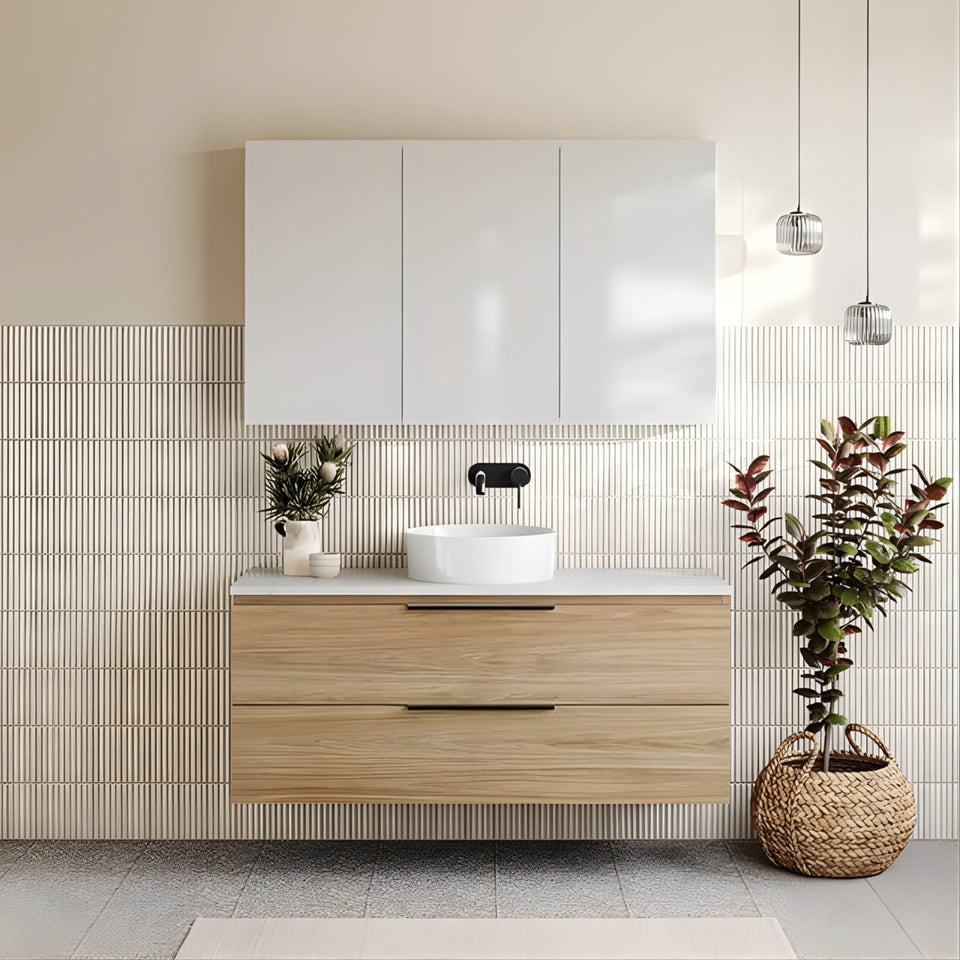
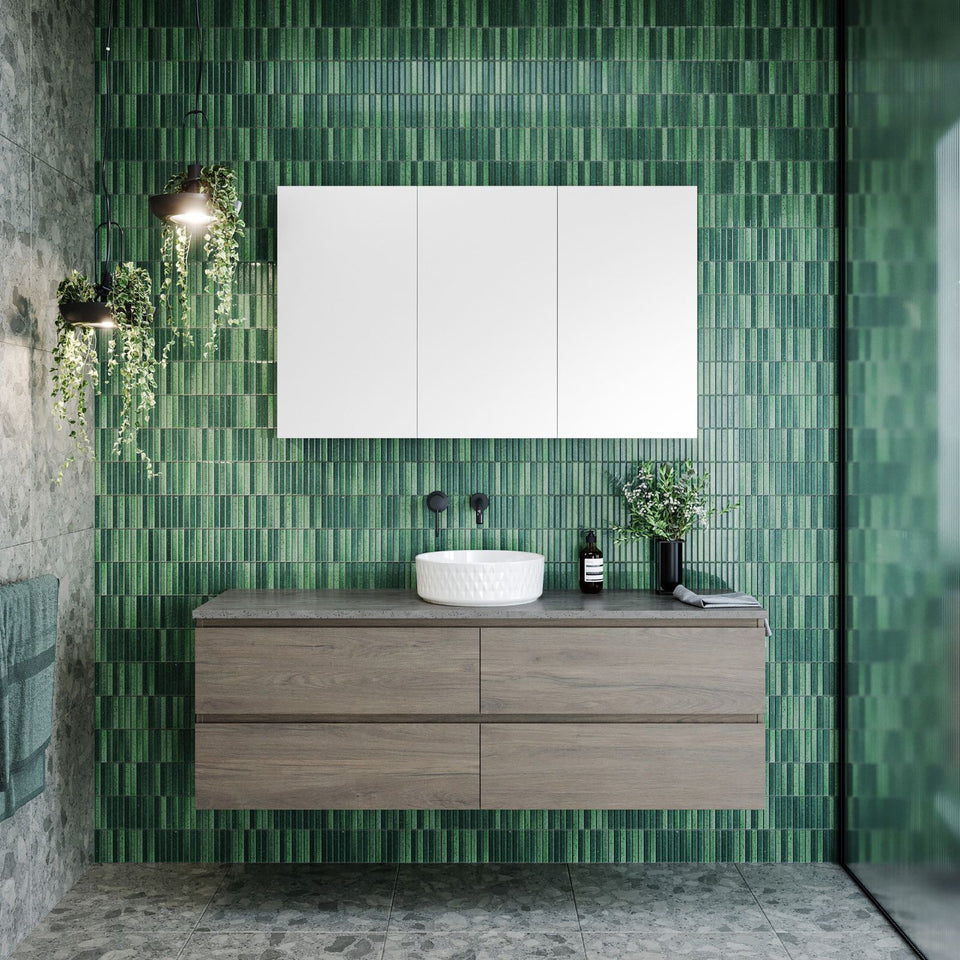
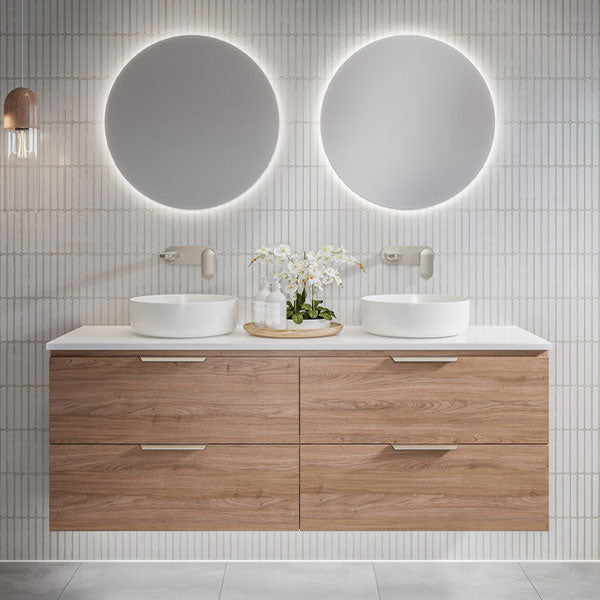
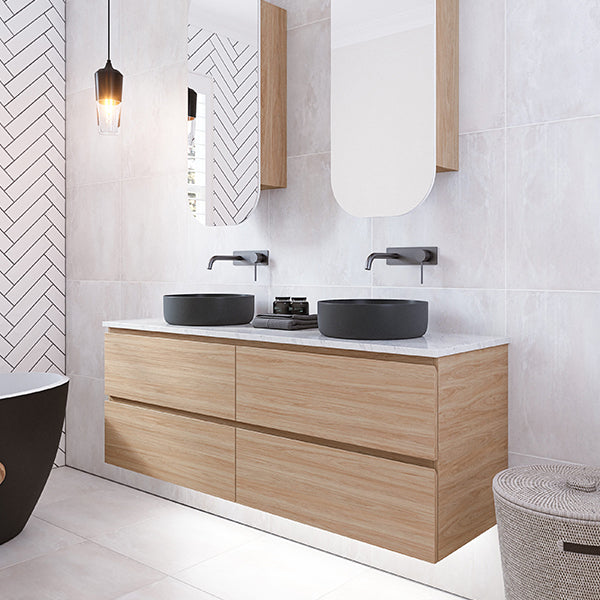
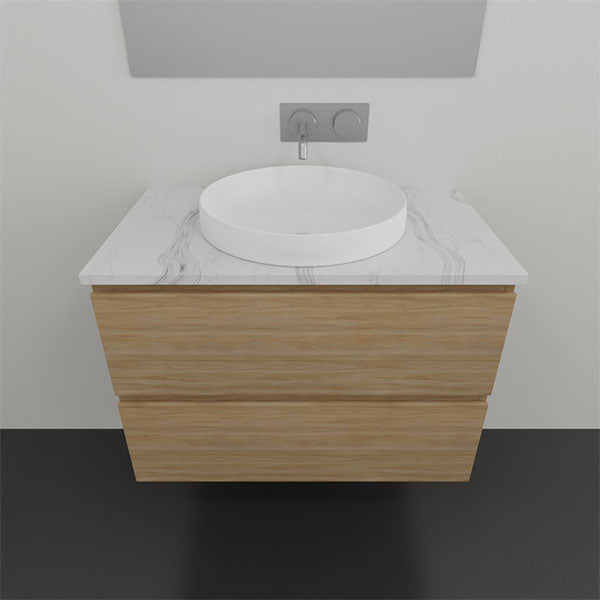
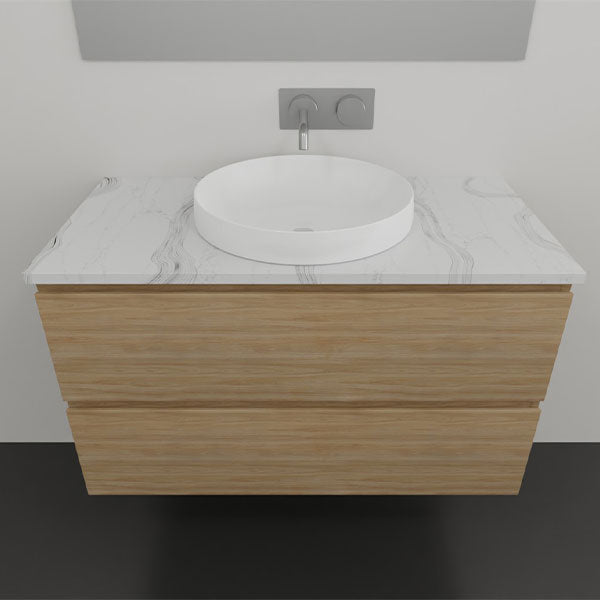
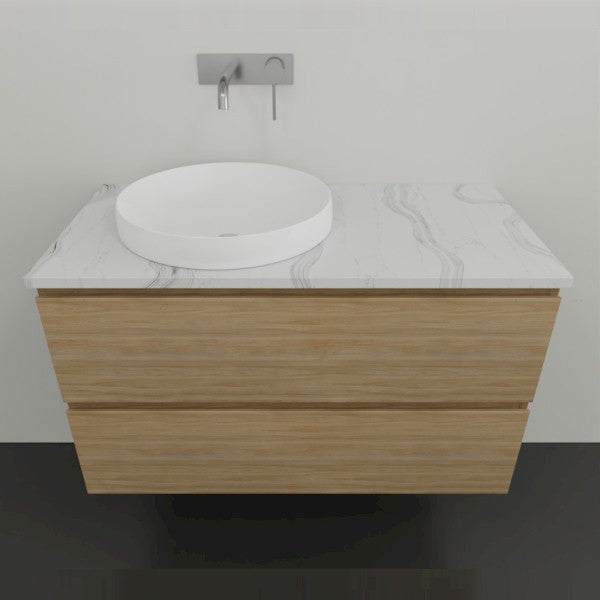
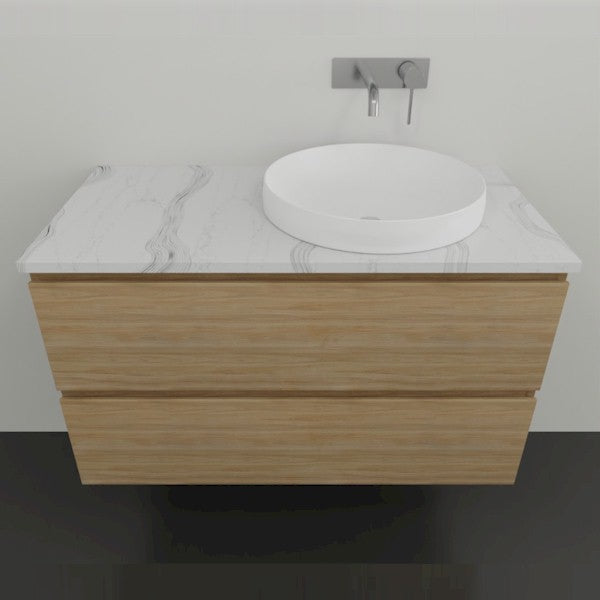
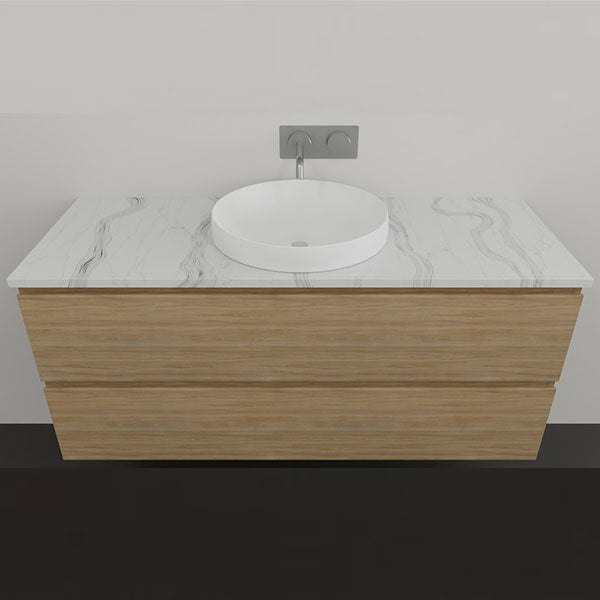
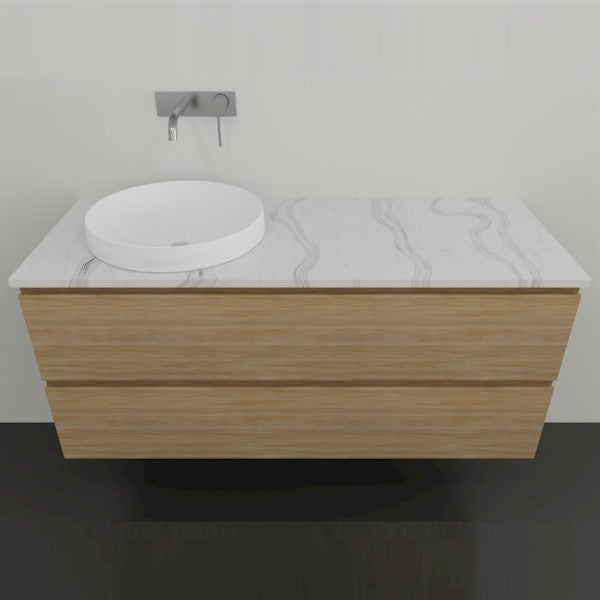
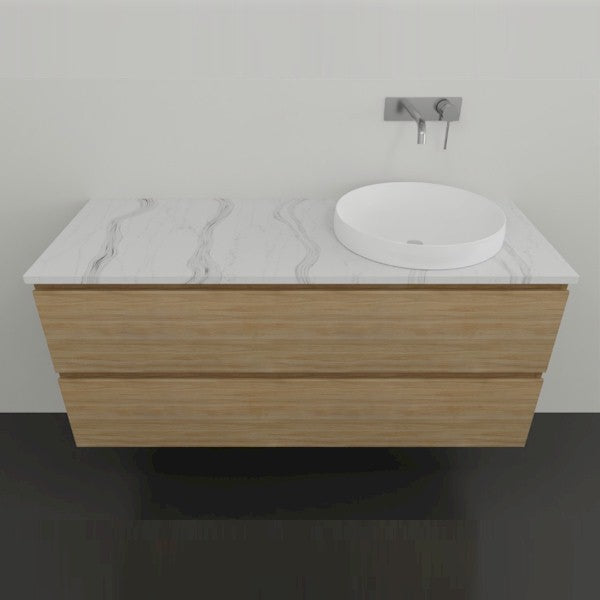
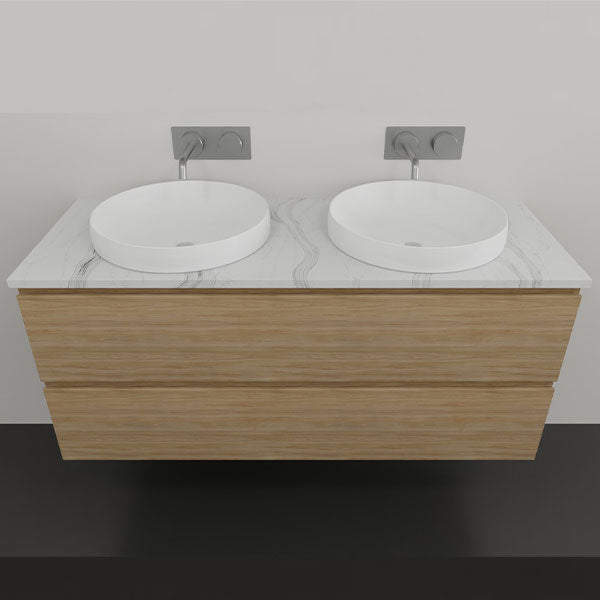









Spend over $800 and receive free gifts in your cart. Towels, accessories and full length mirrors!
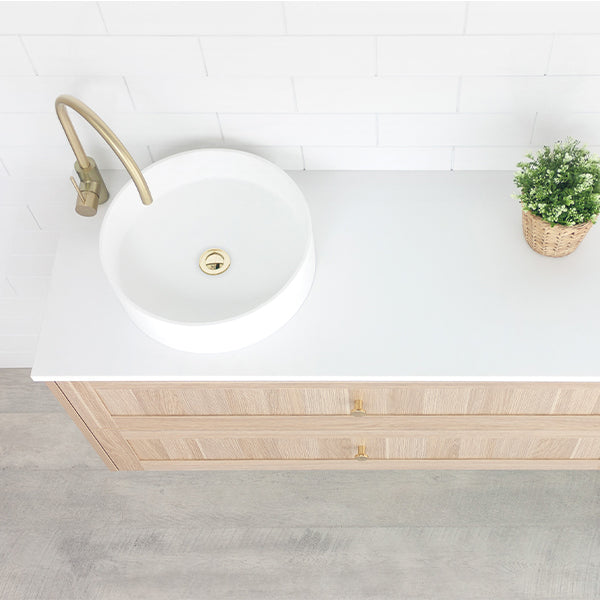
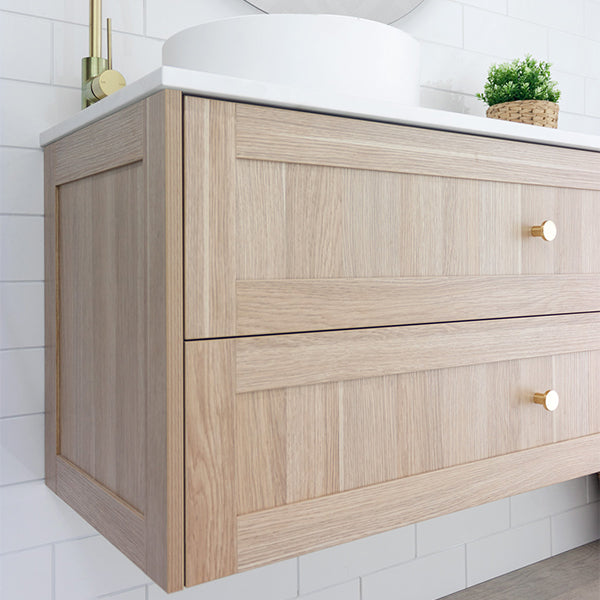
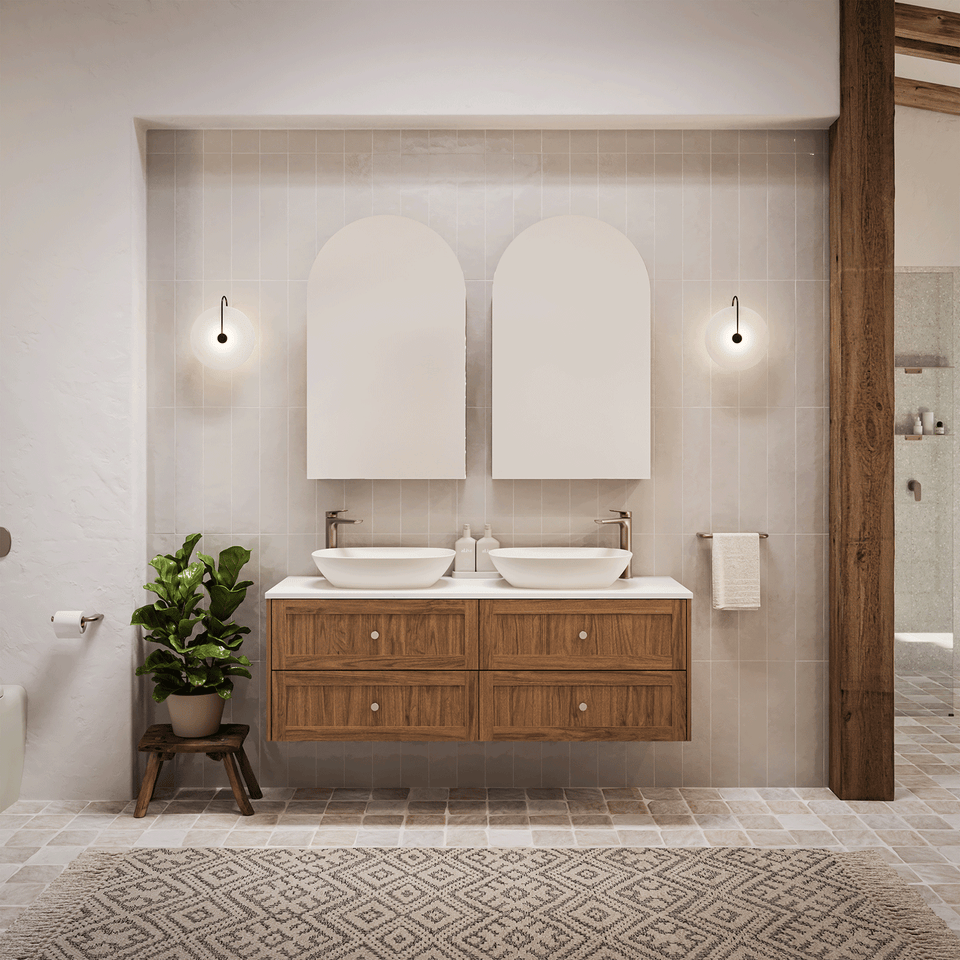
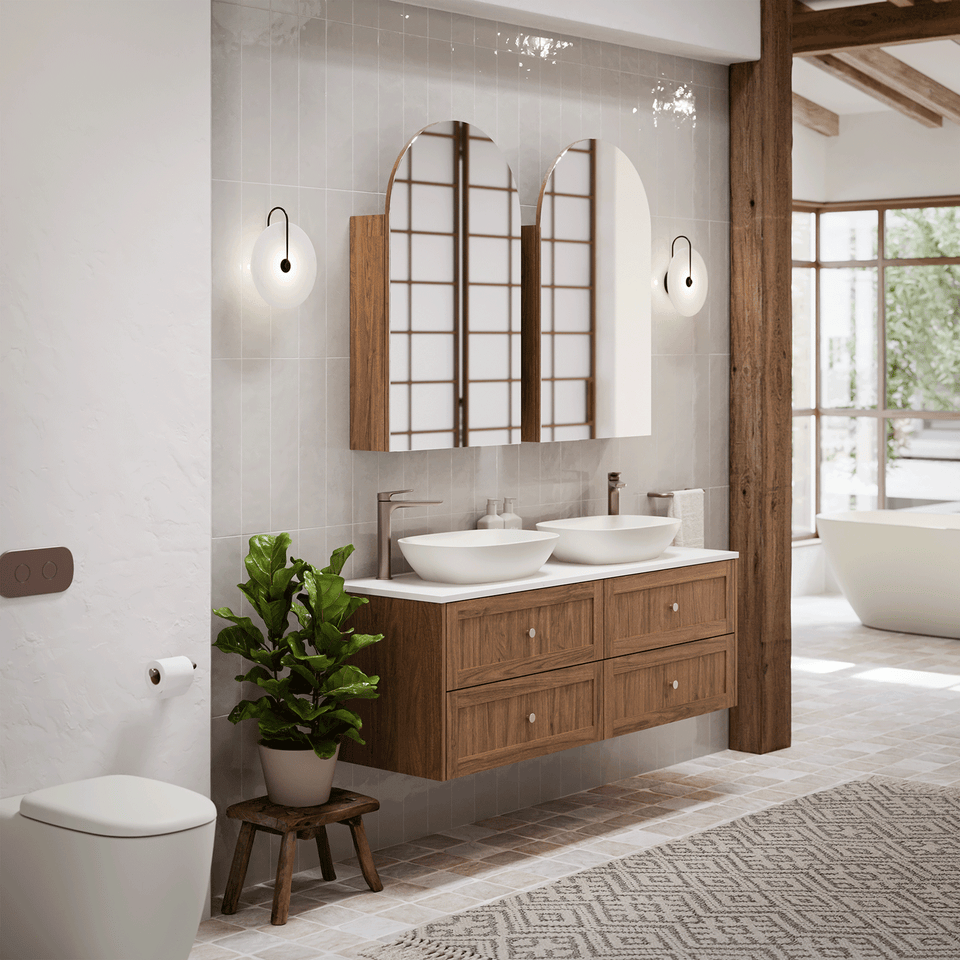
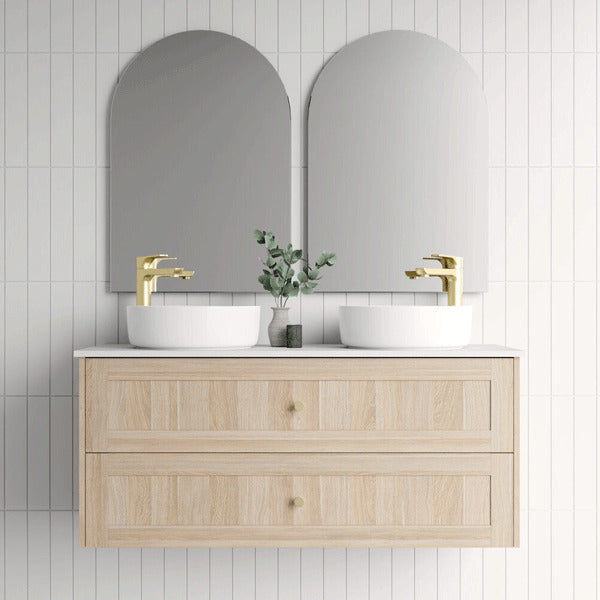
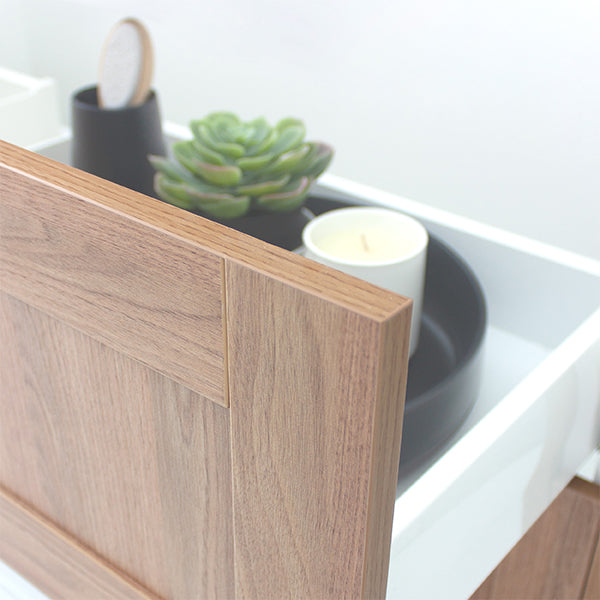

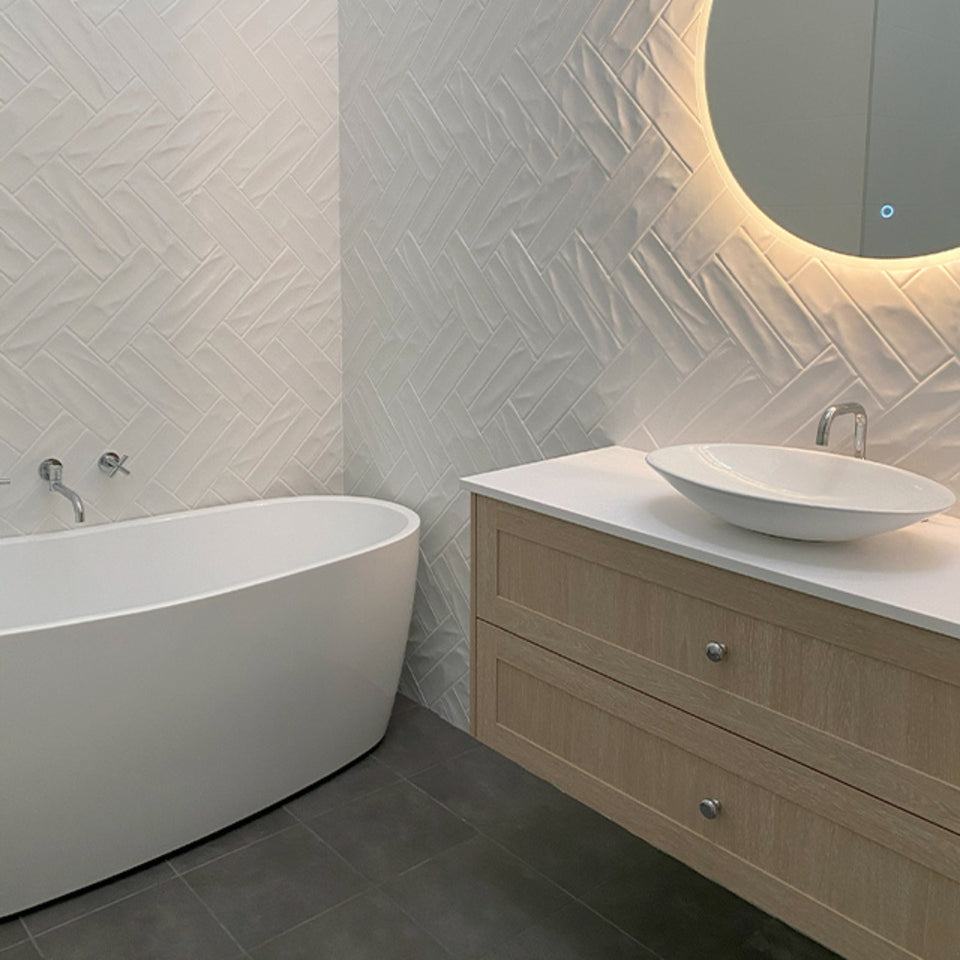
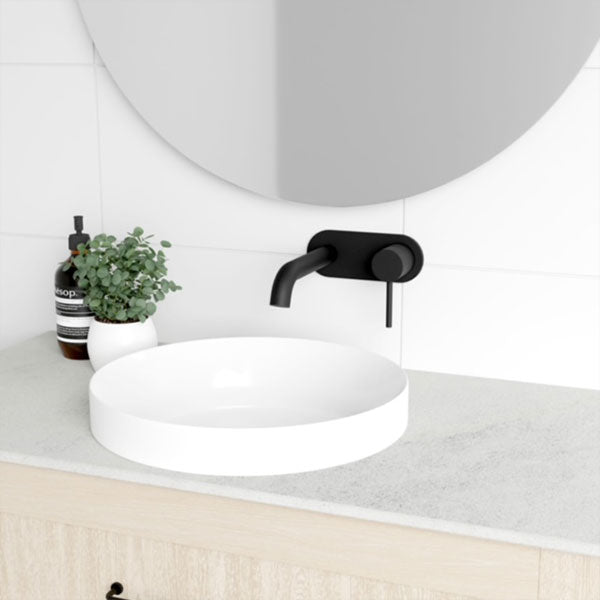
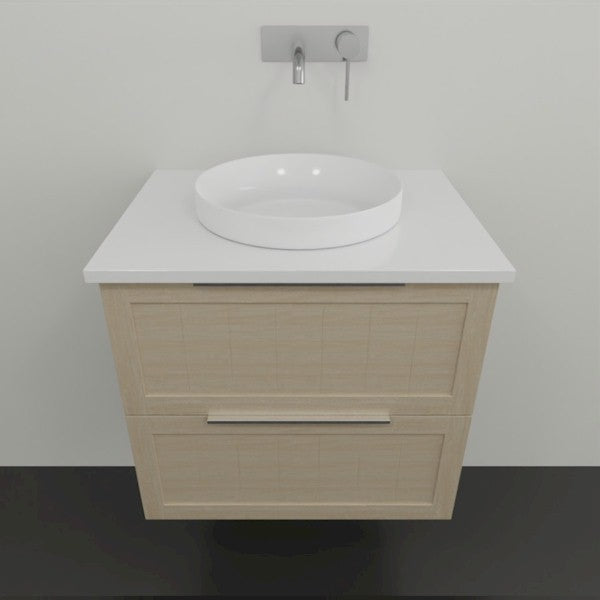
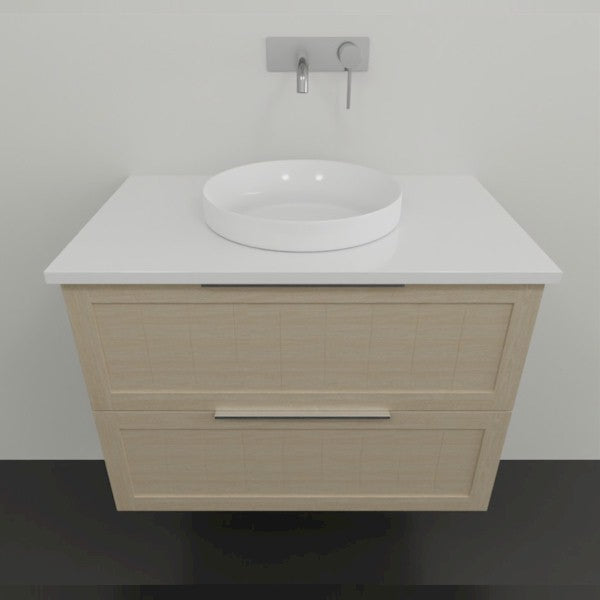
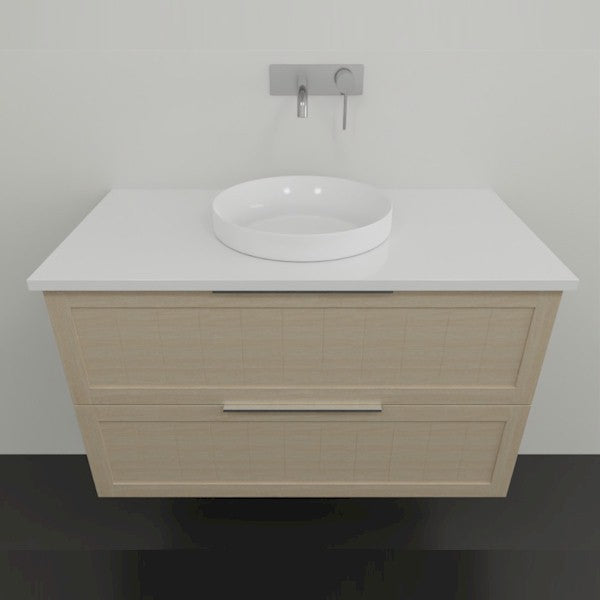
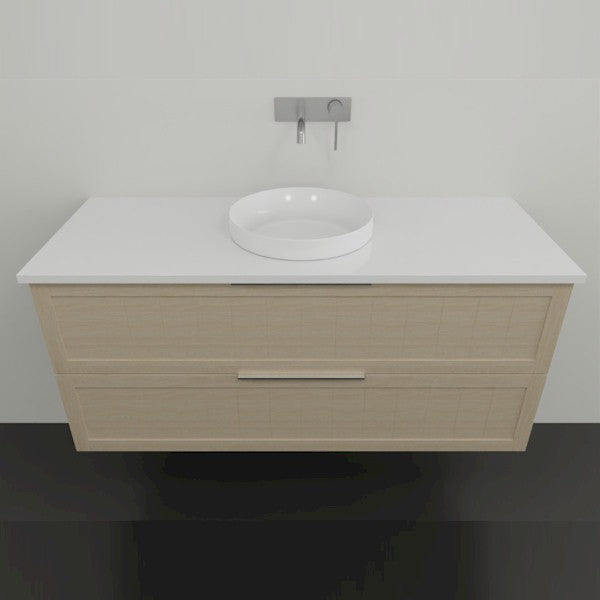
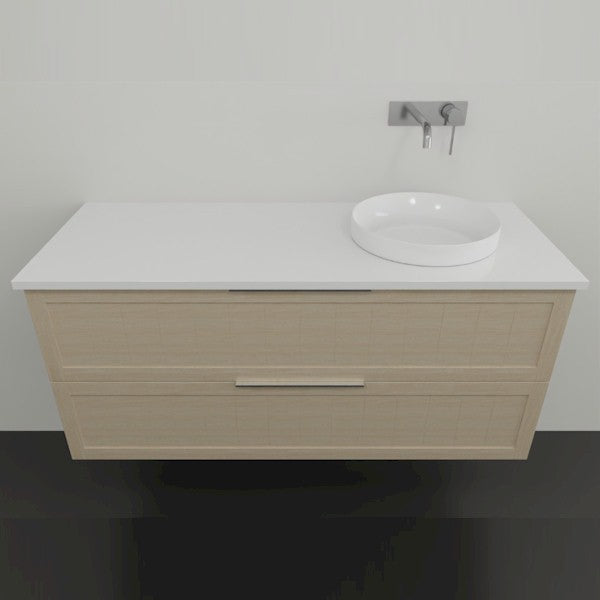
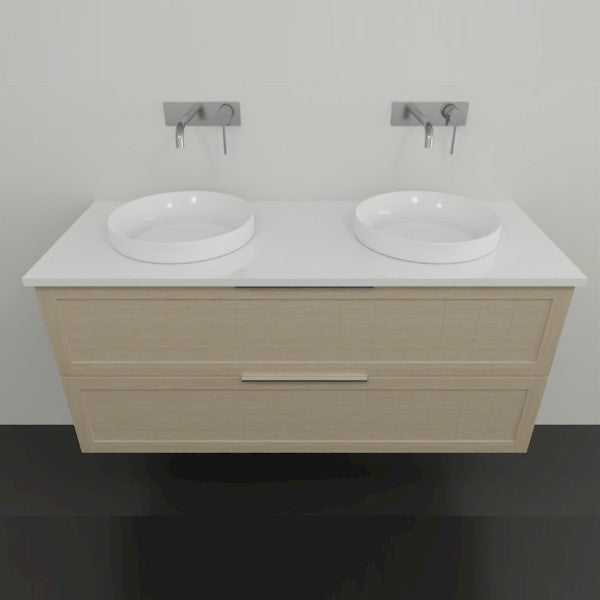
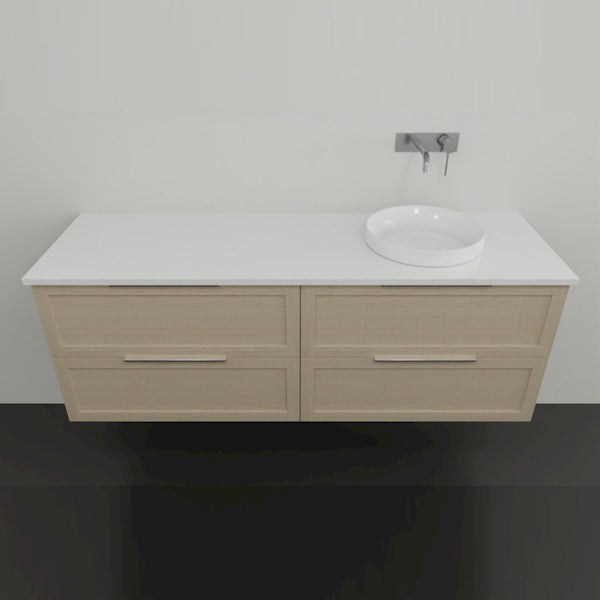
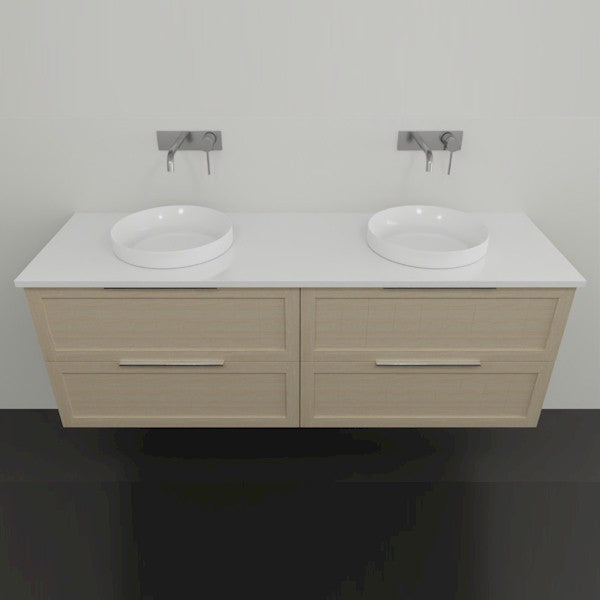
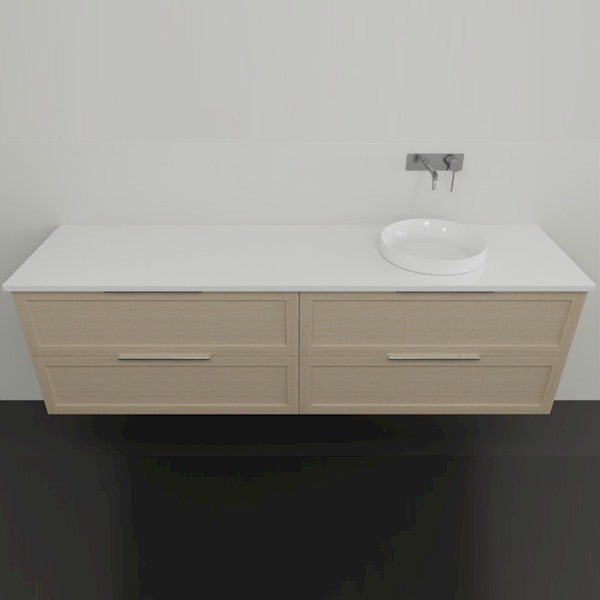

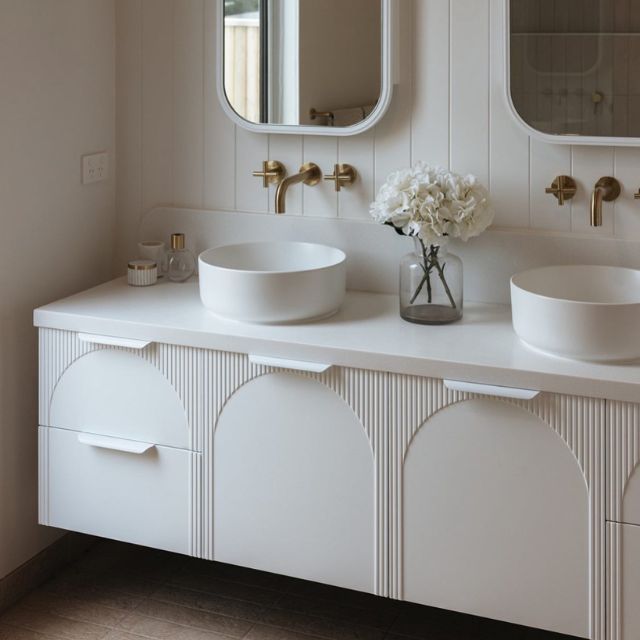
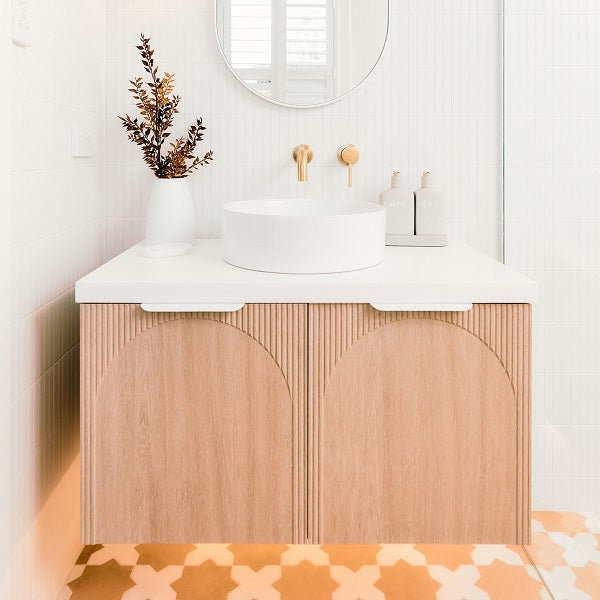
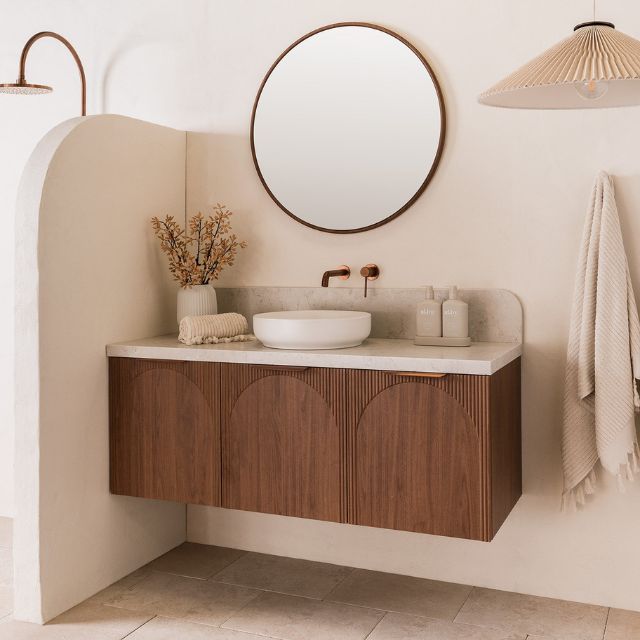
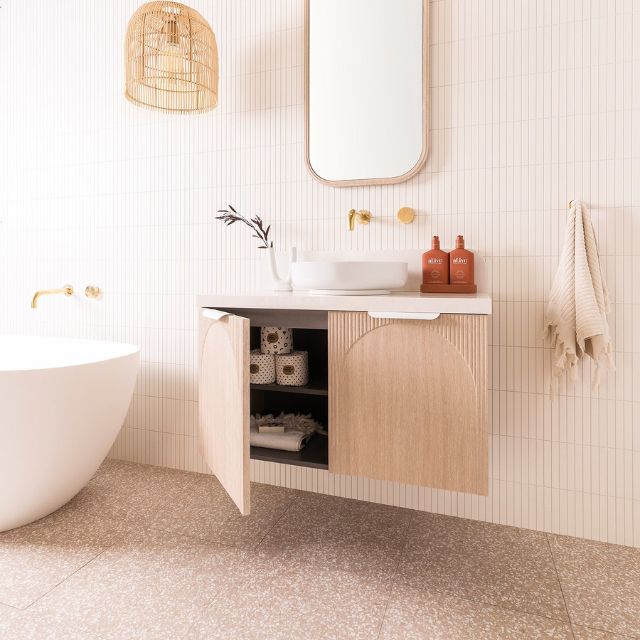
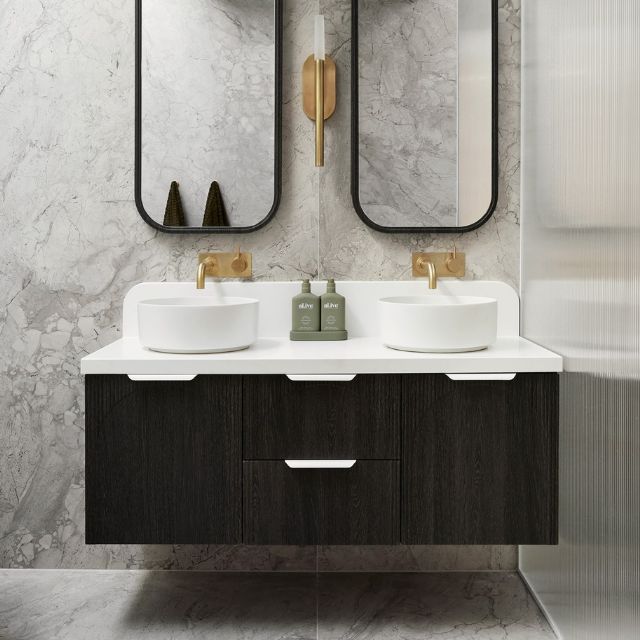
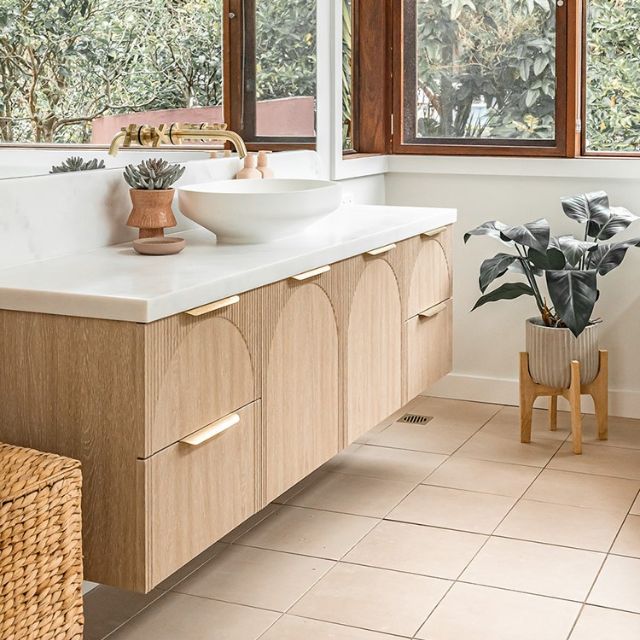
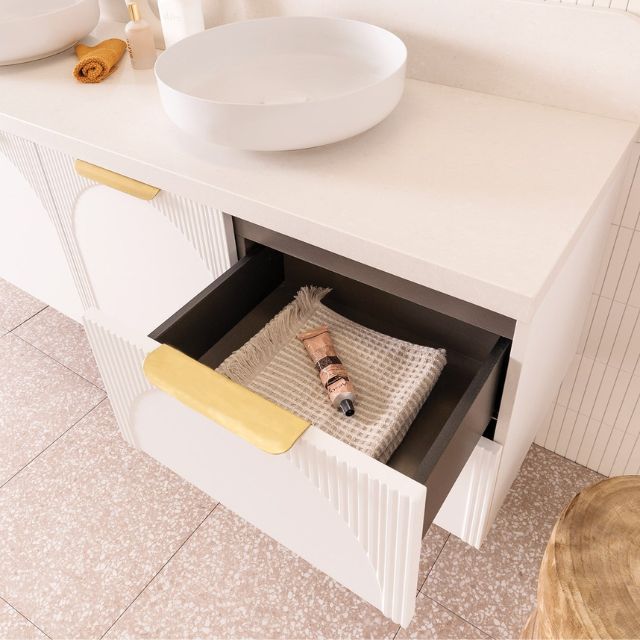
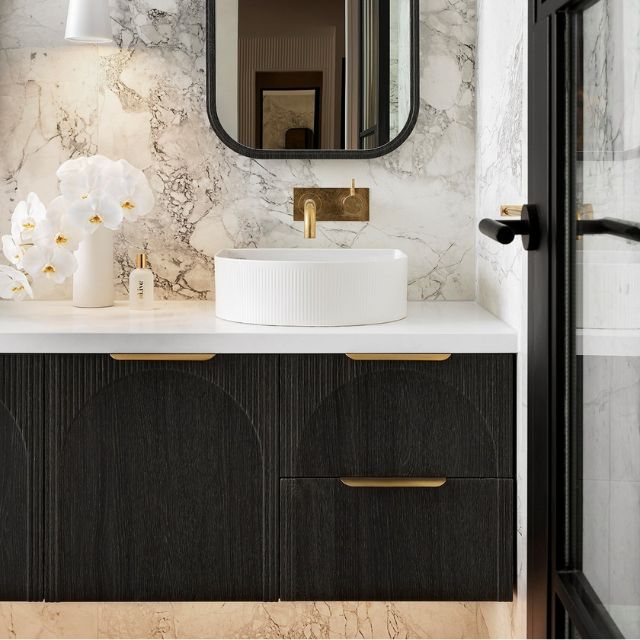
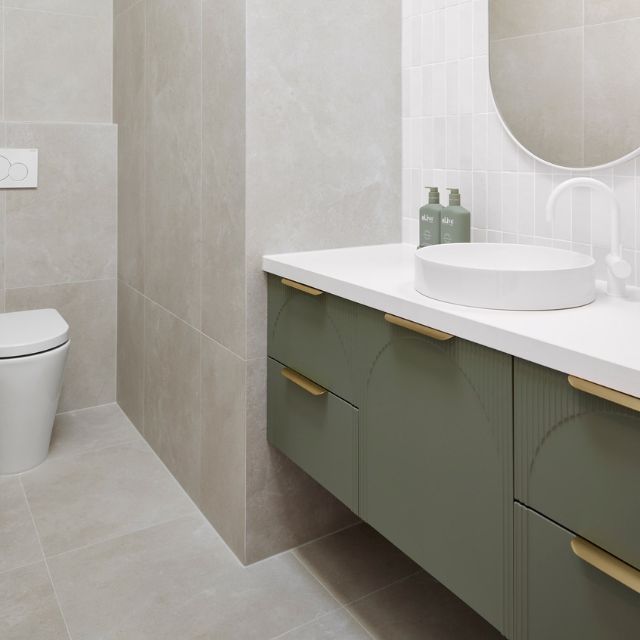
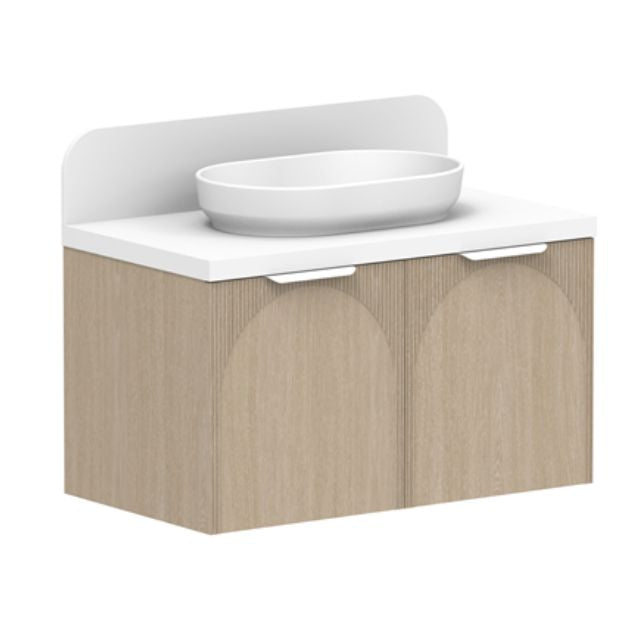
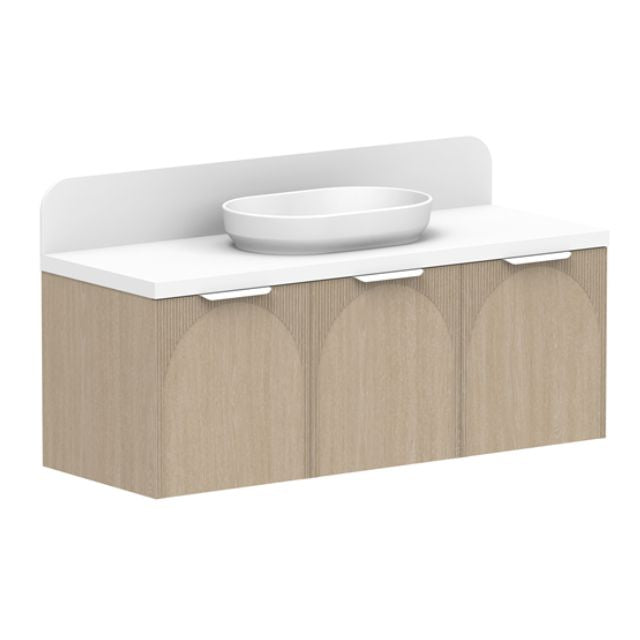
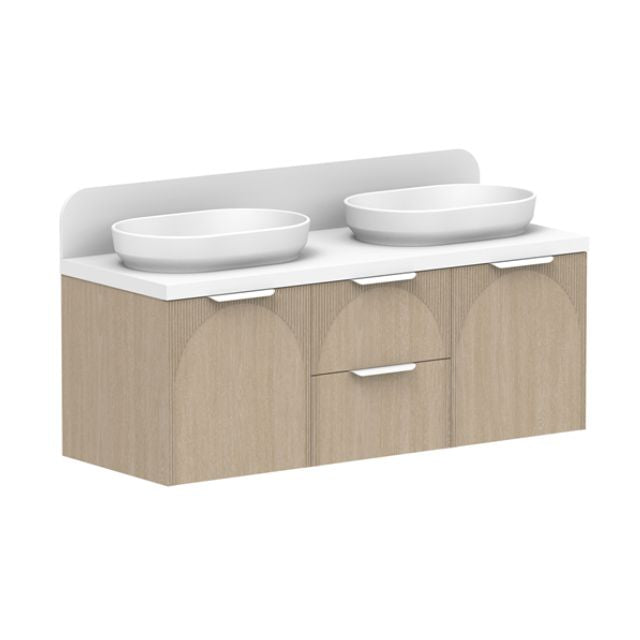
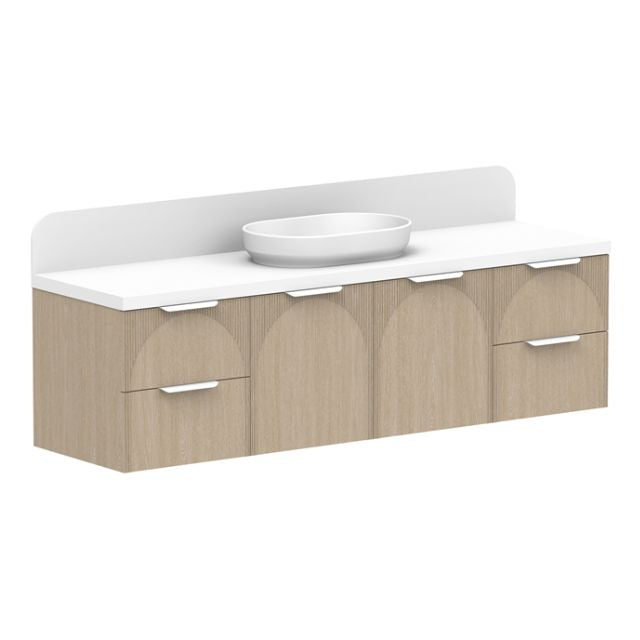







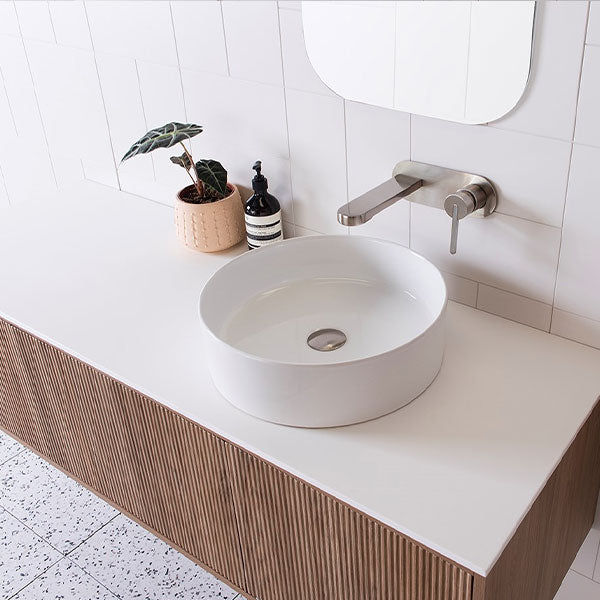
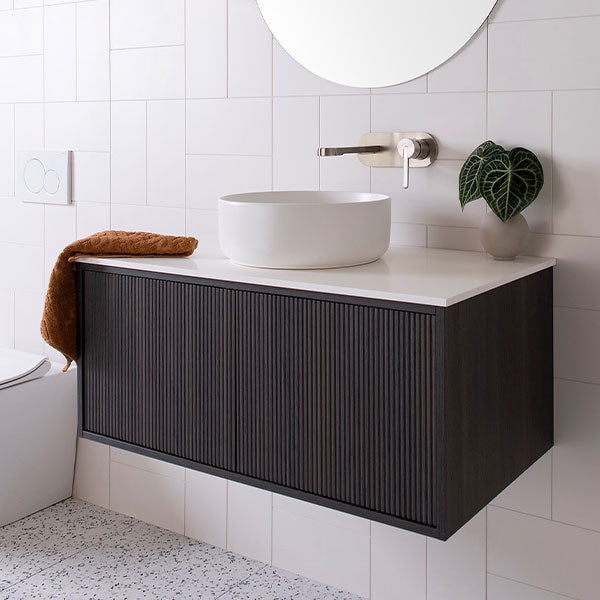
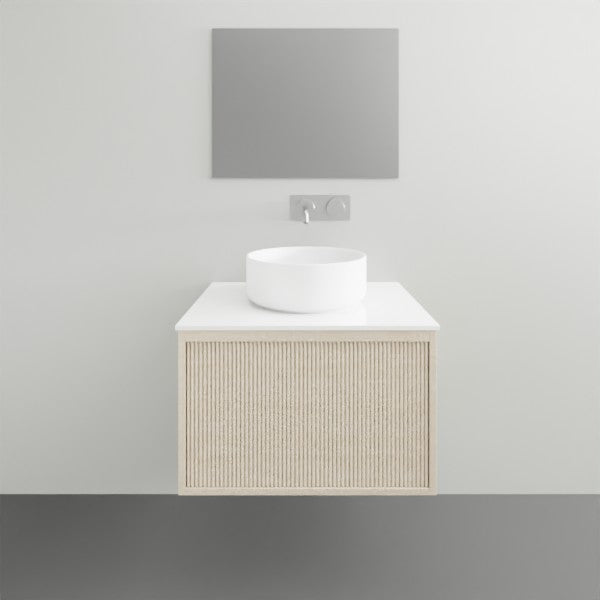
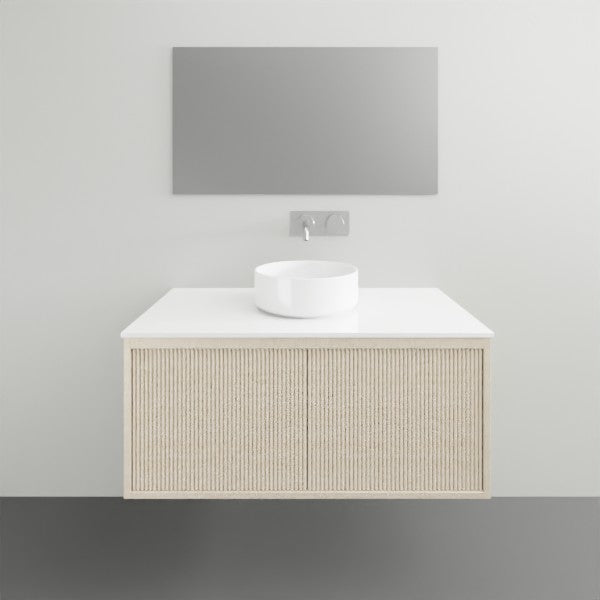
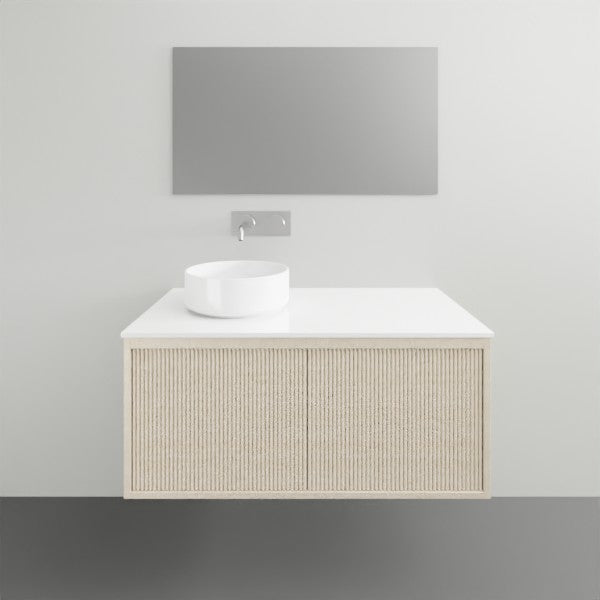
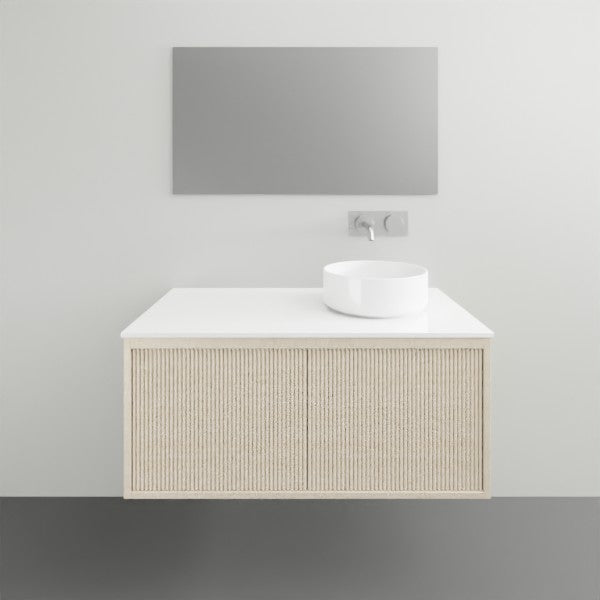
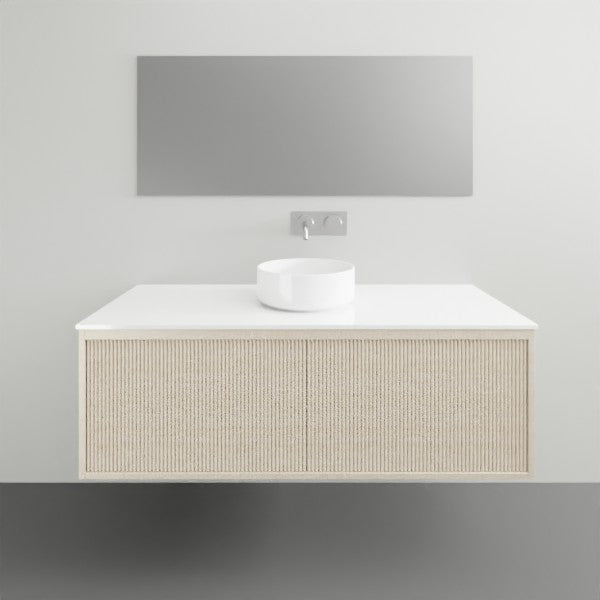
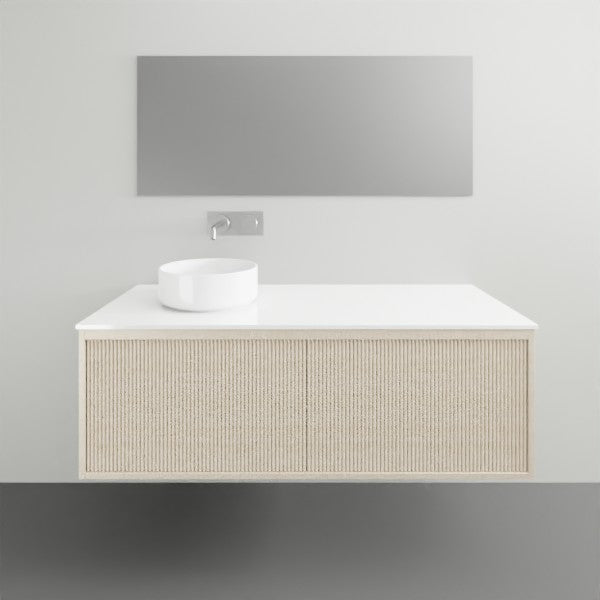
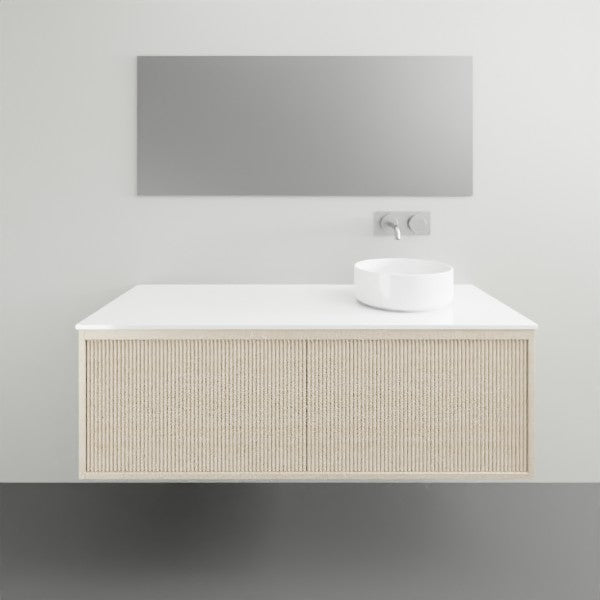
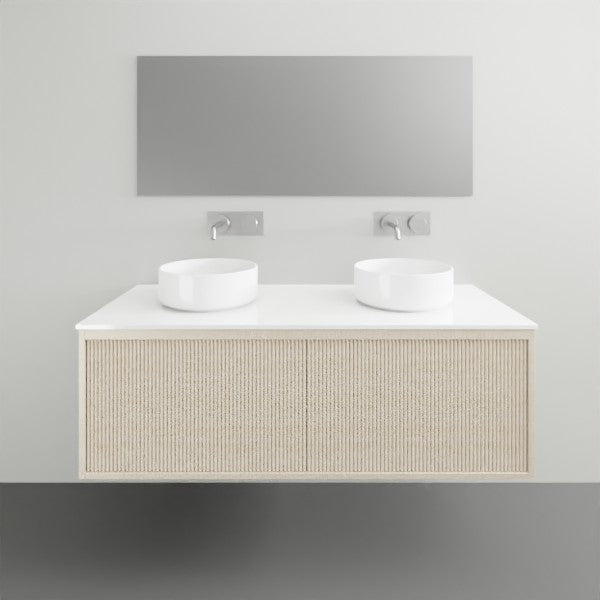

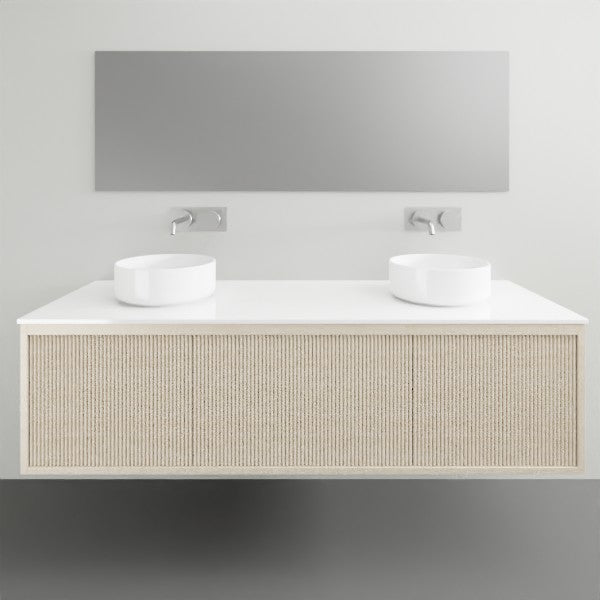
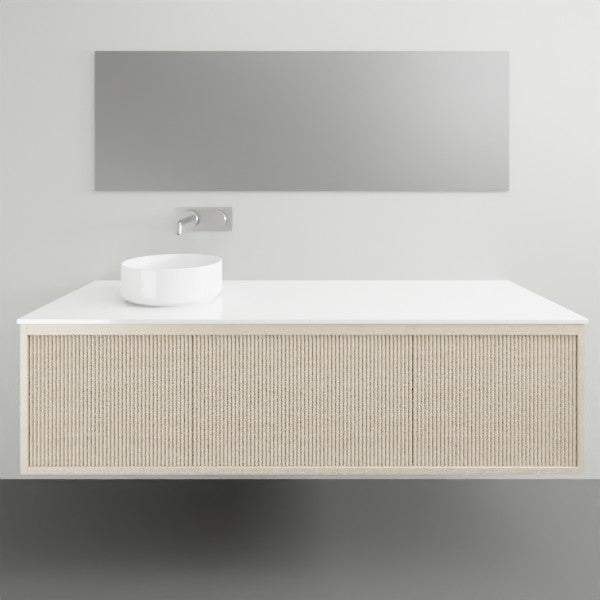
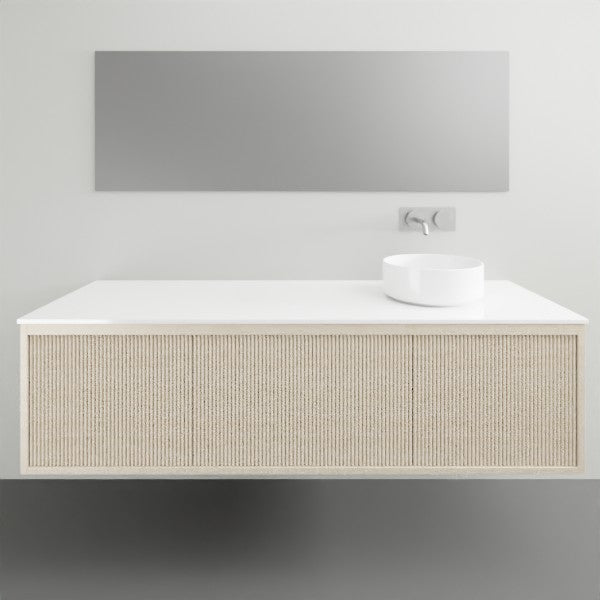

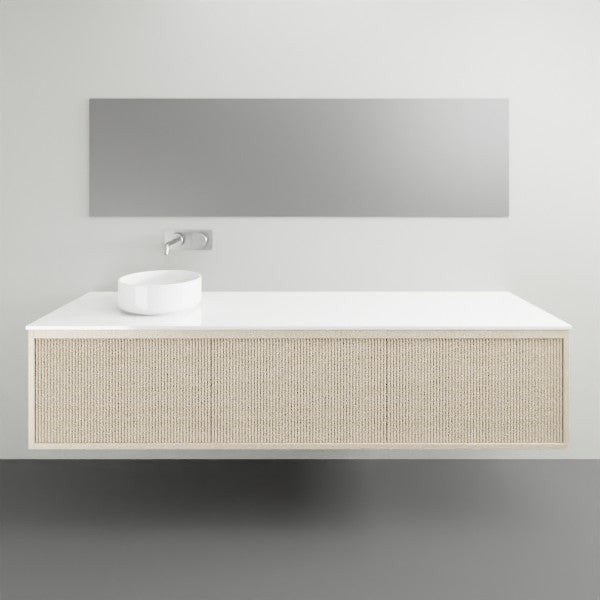
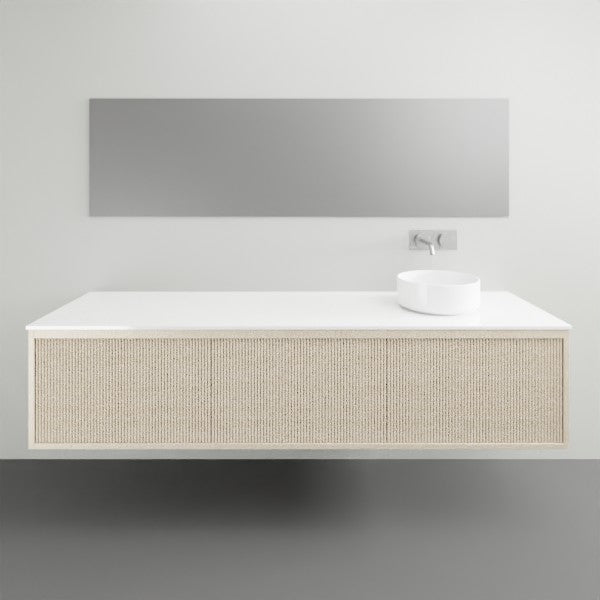


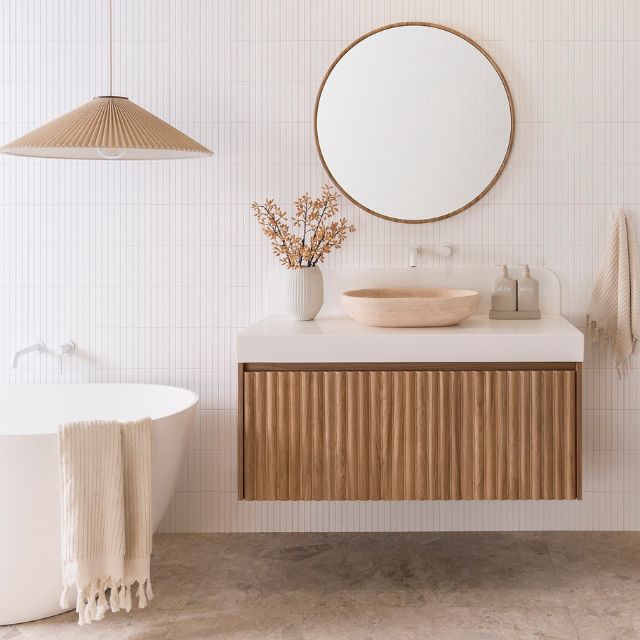
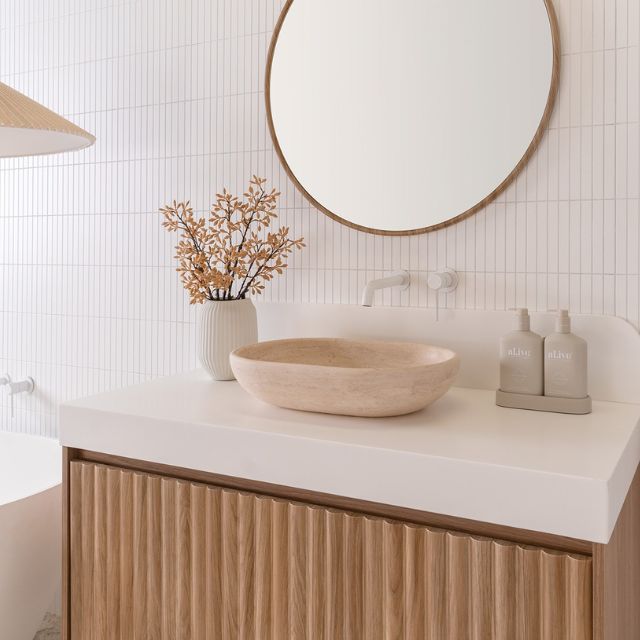
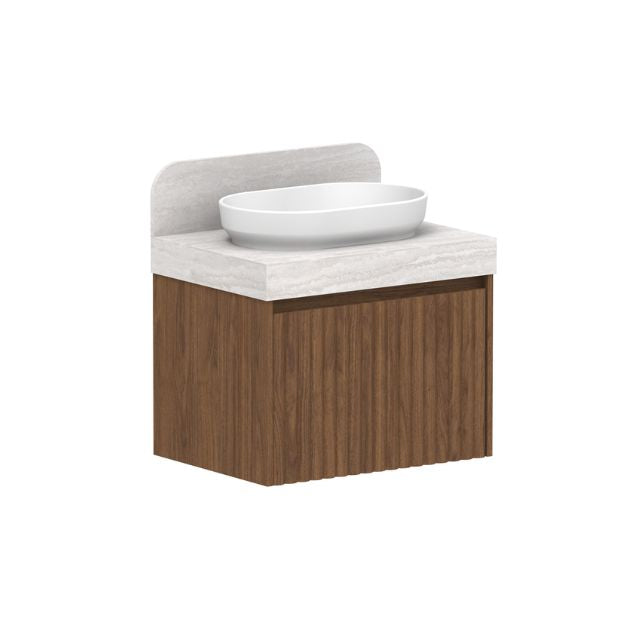
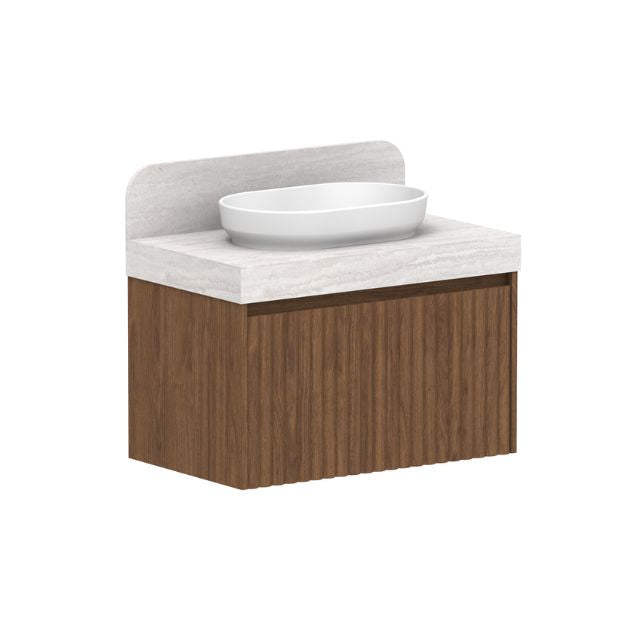

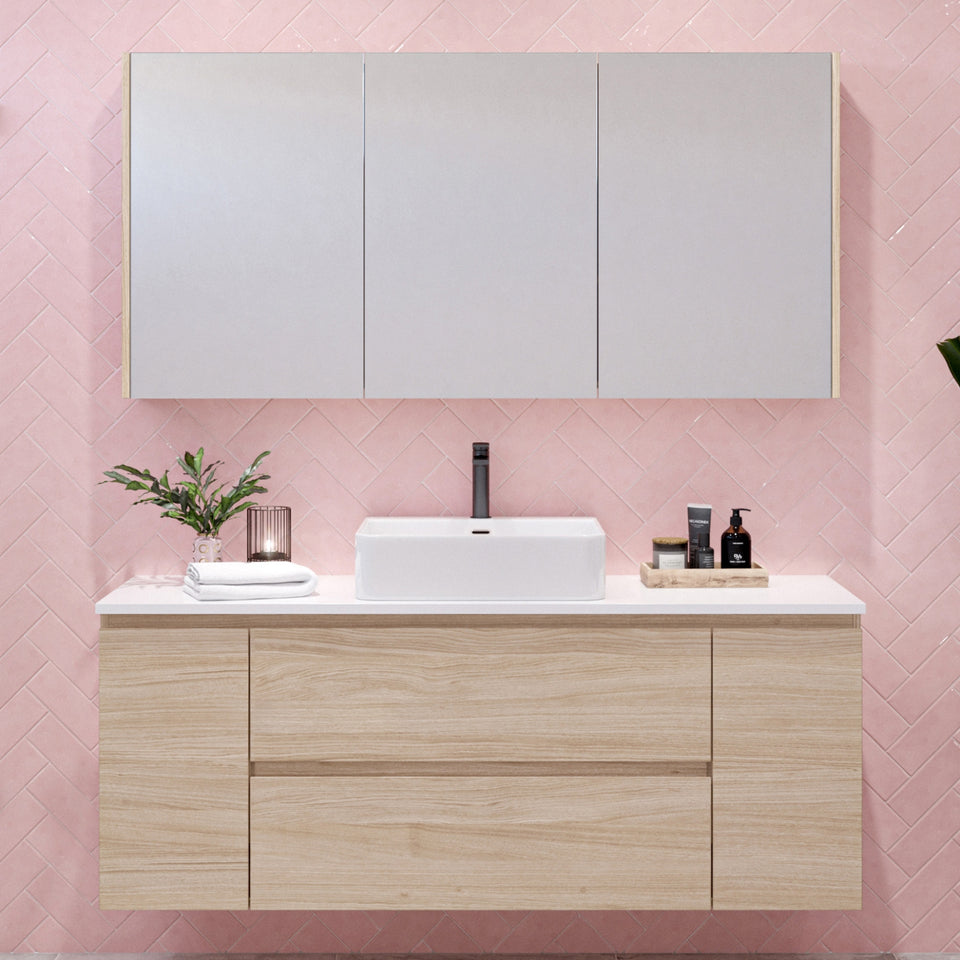
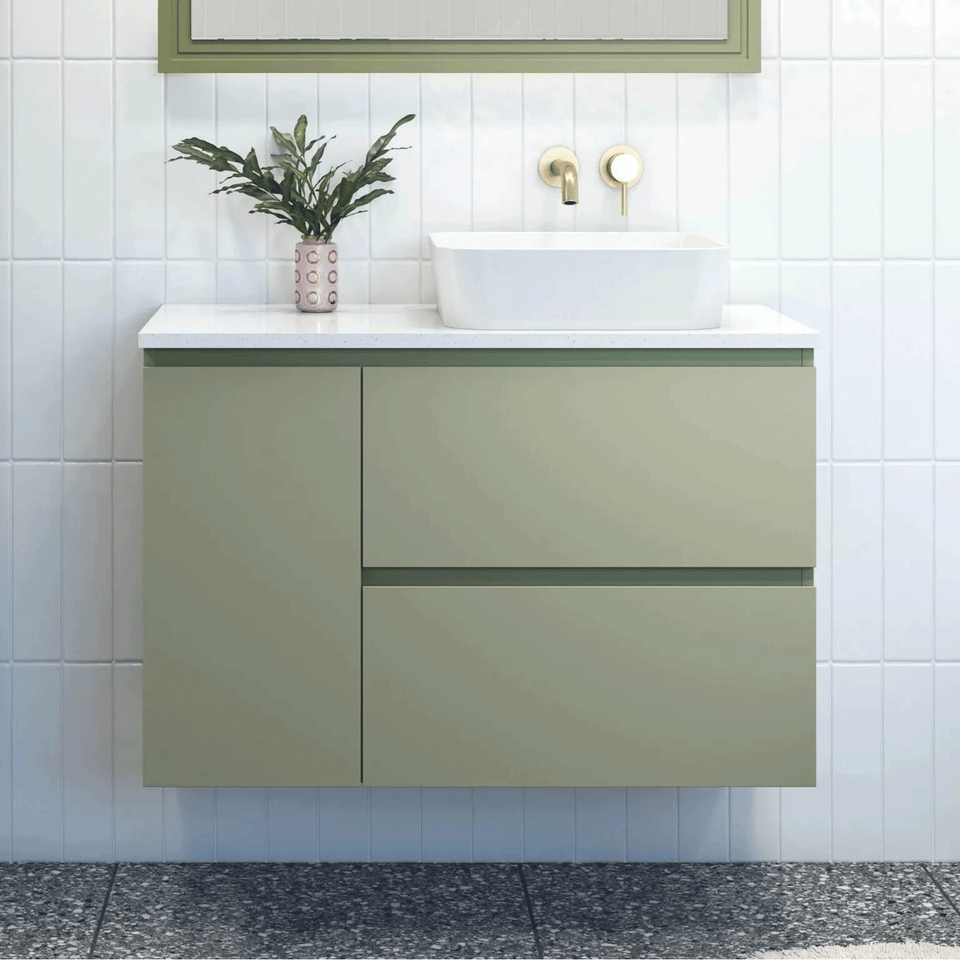
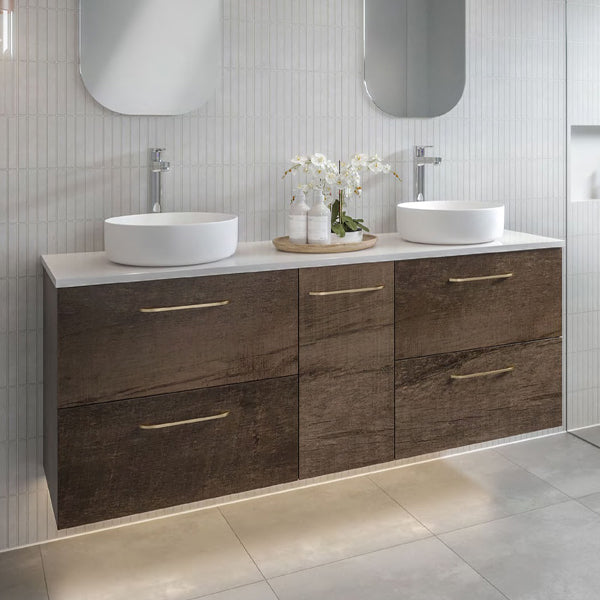
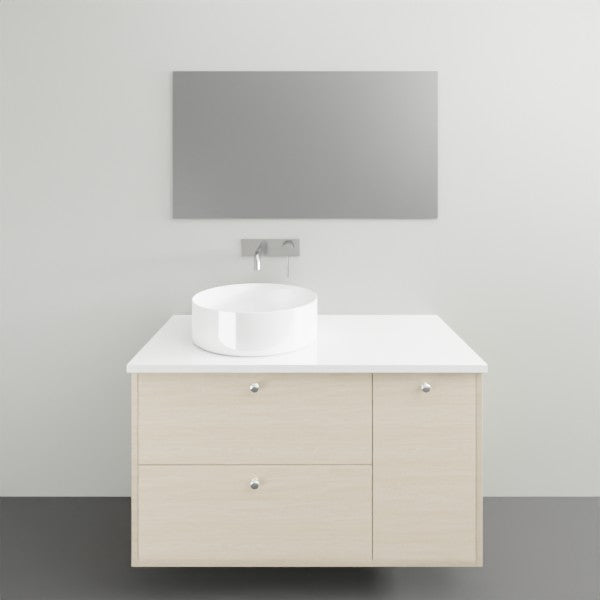
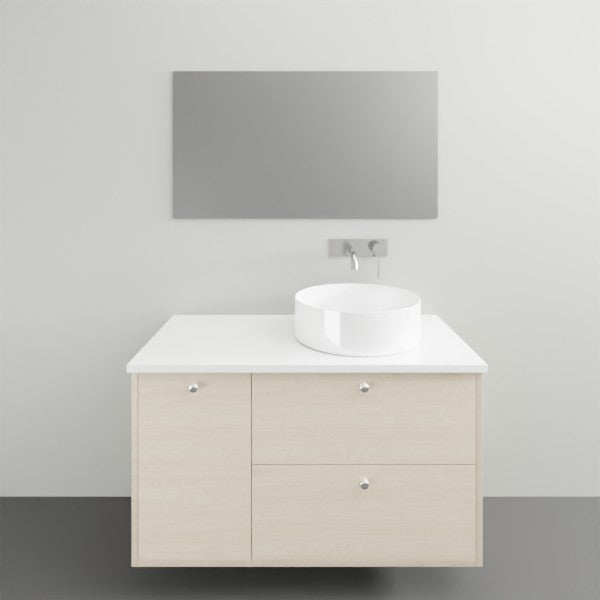
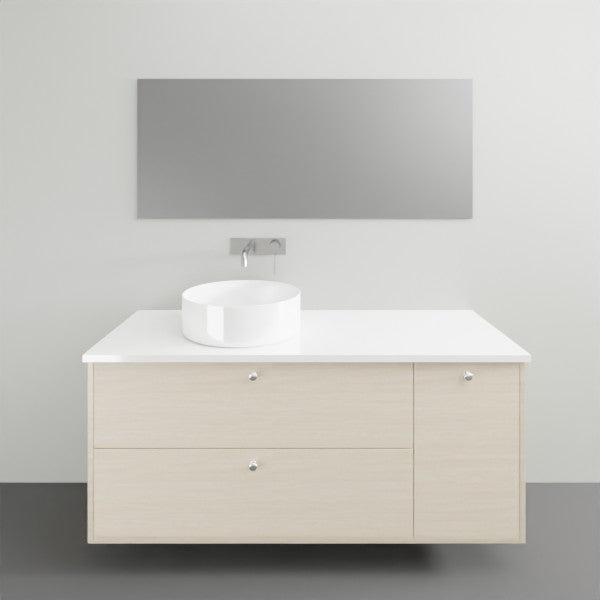
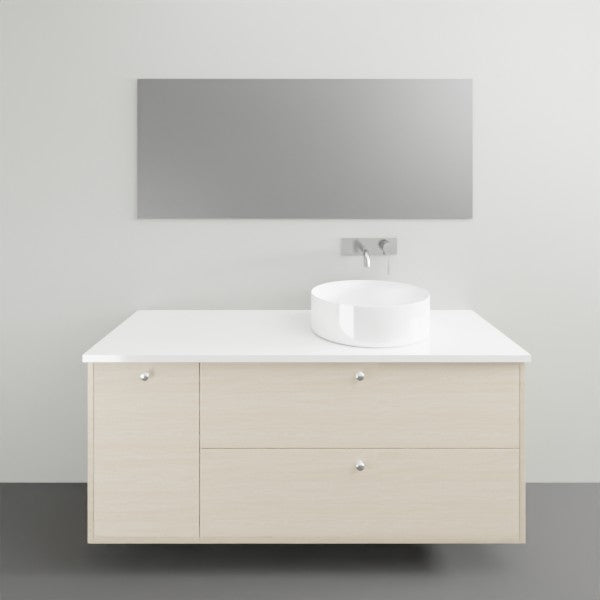
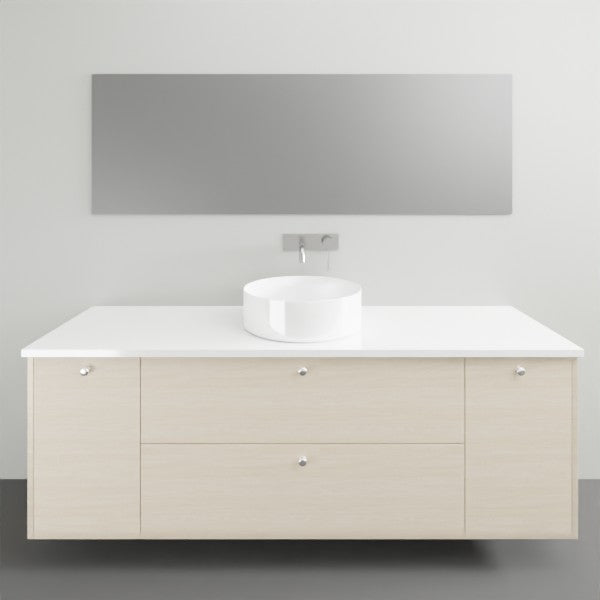
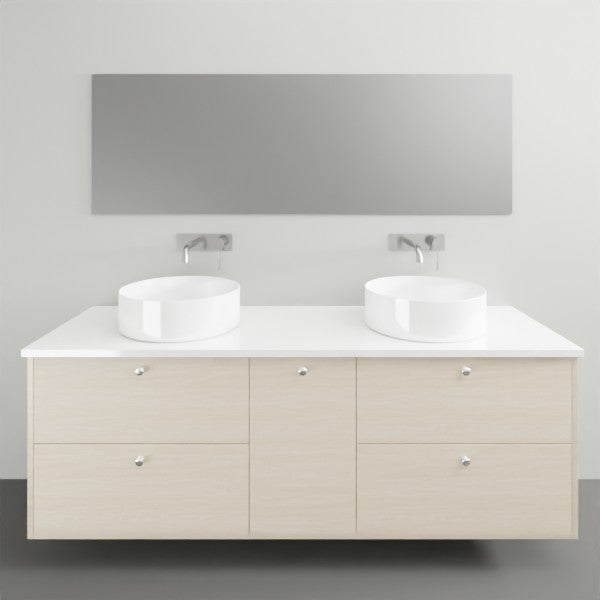
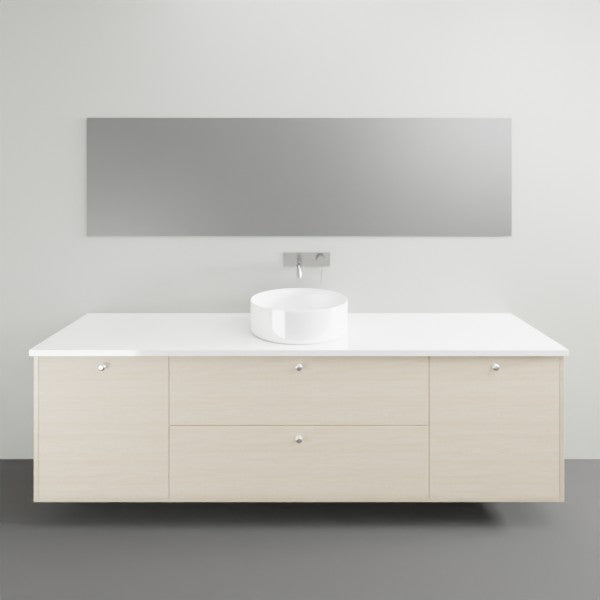
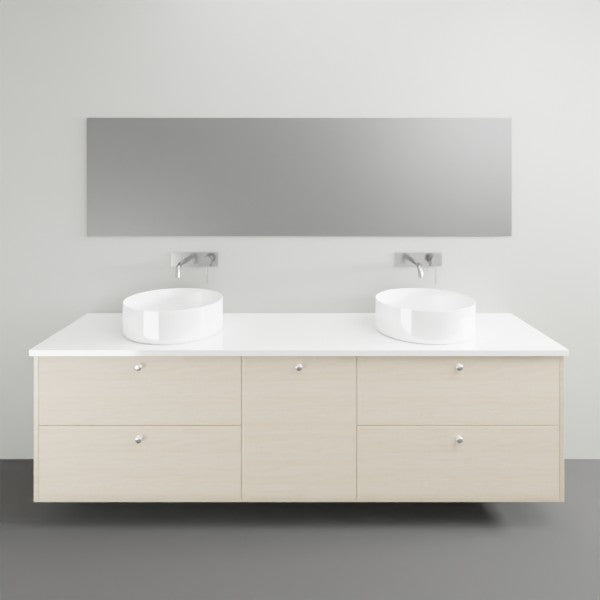
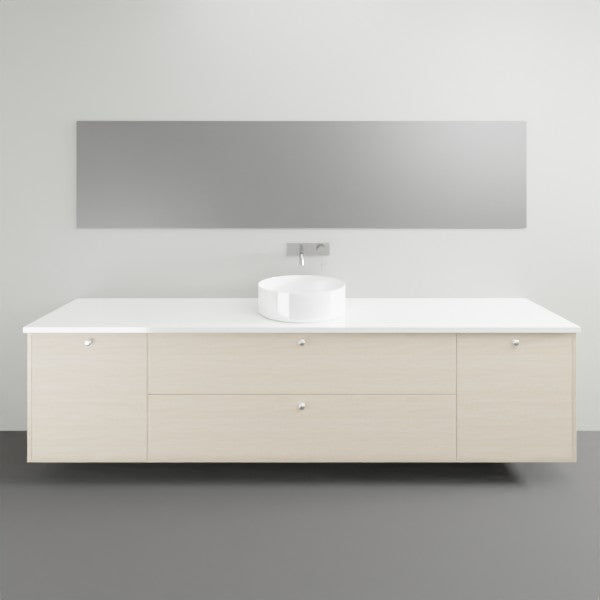

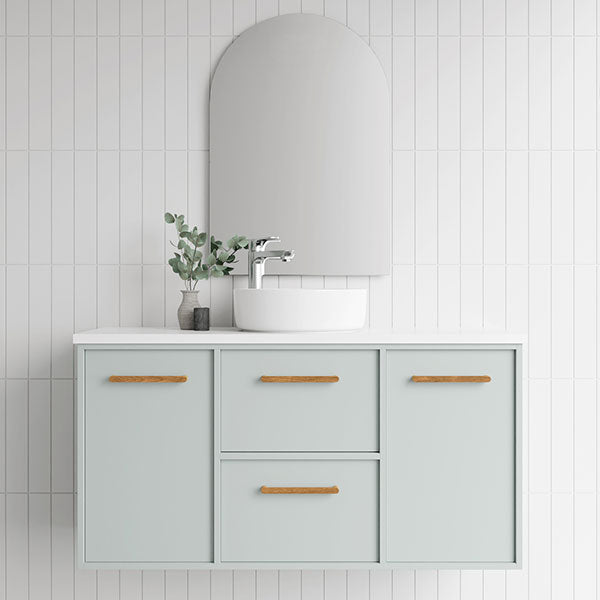
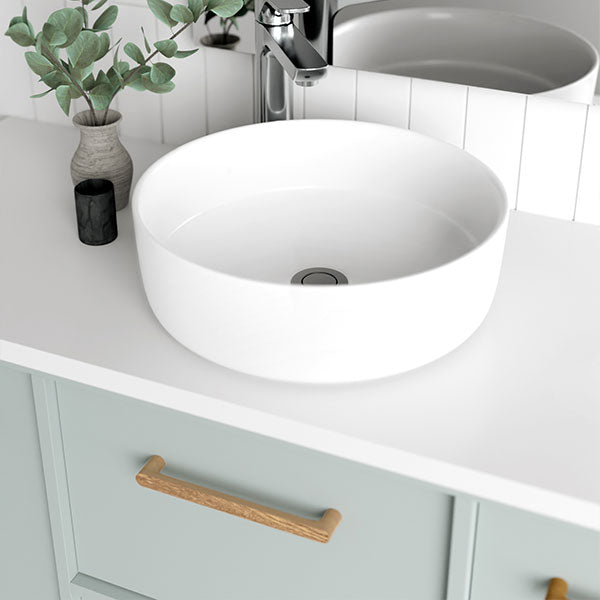
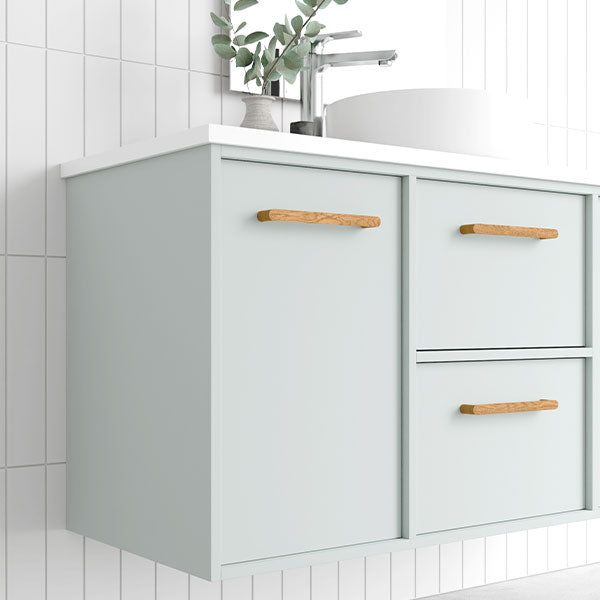
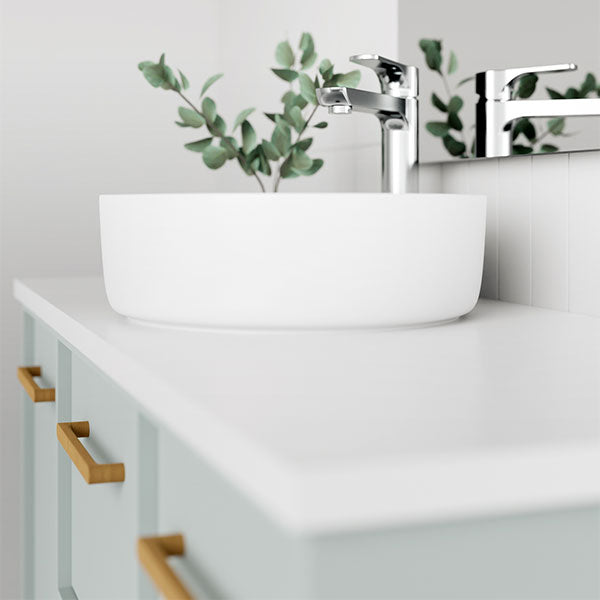
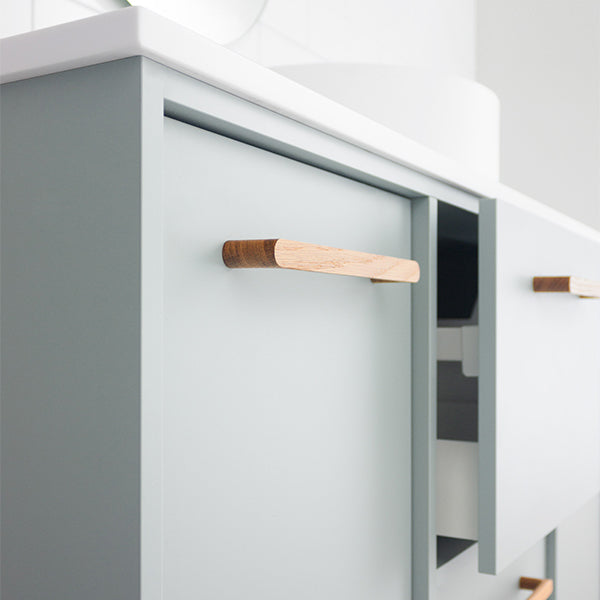
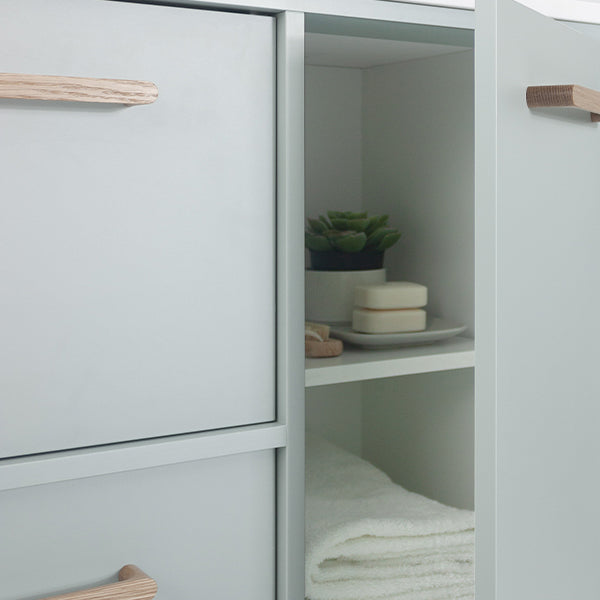
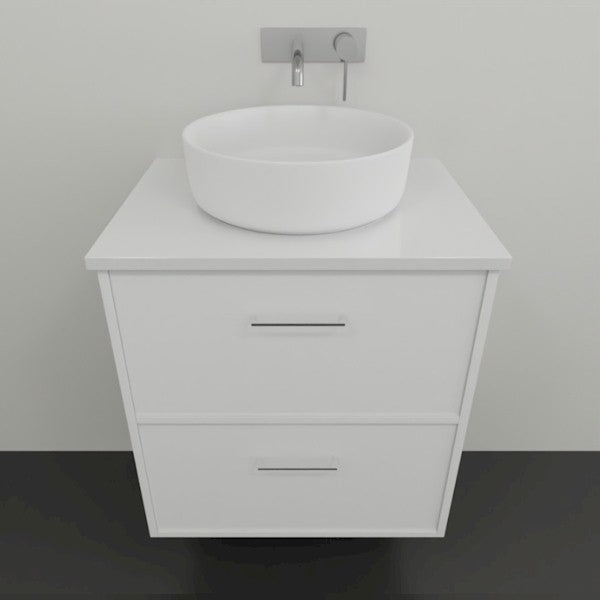
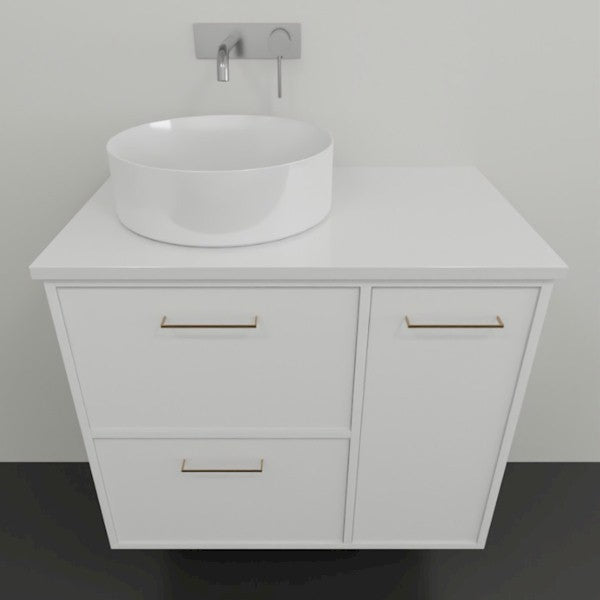
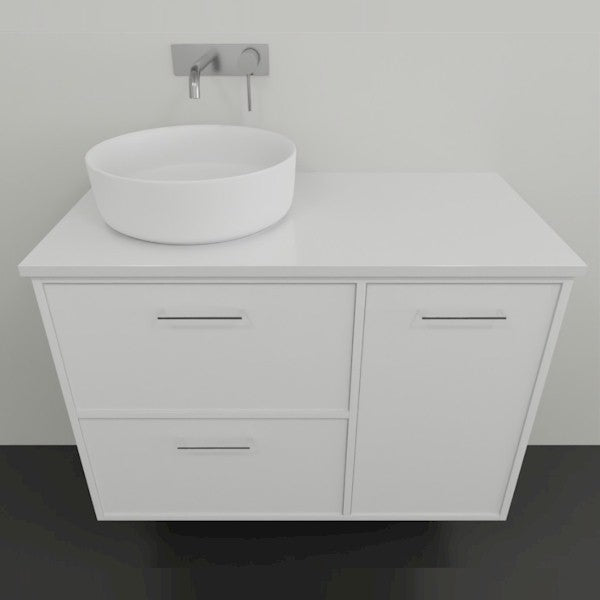
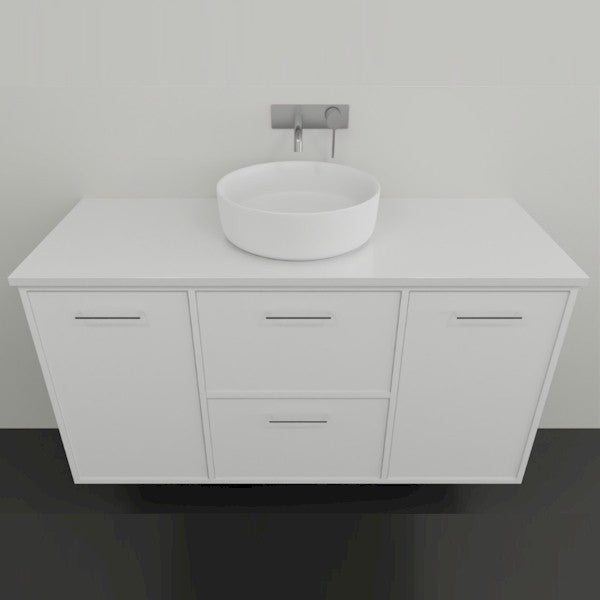
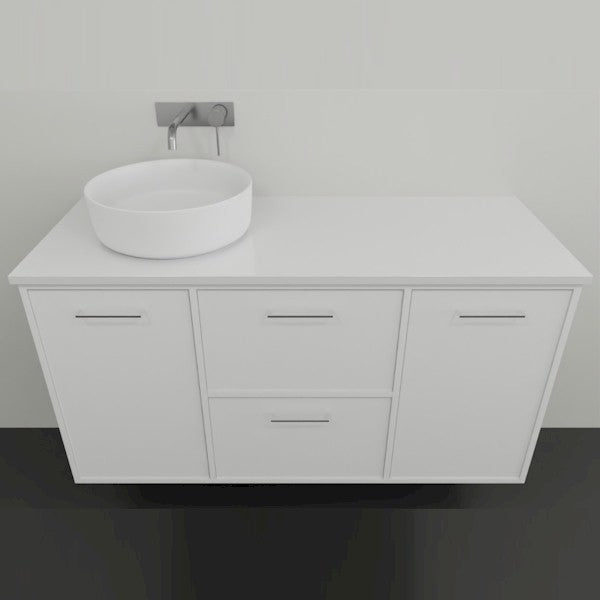
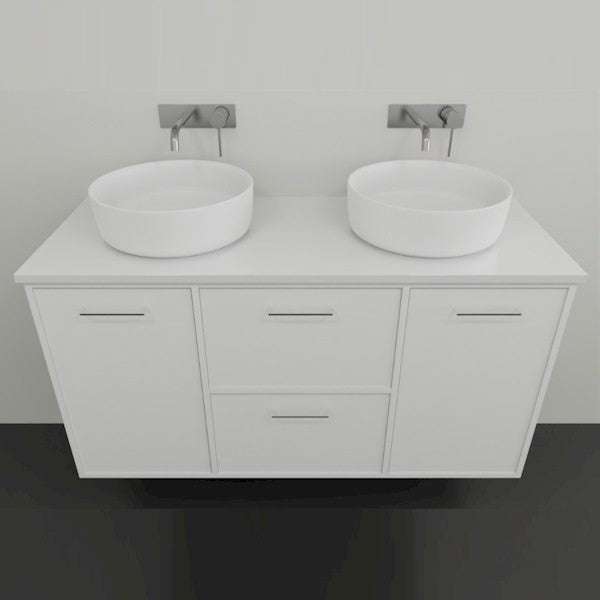
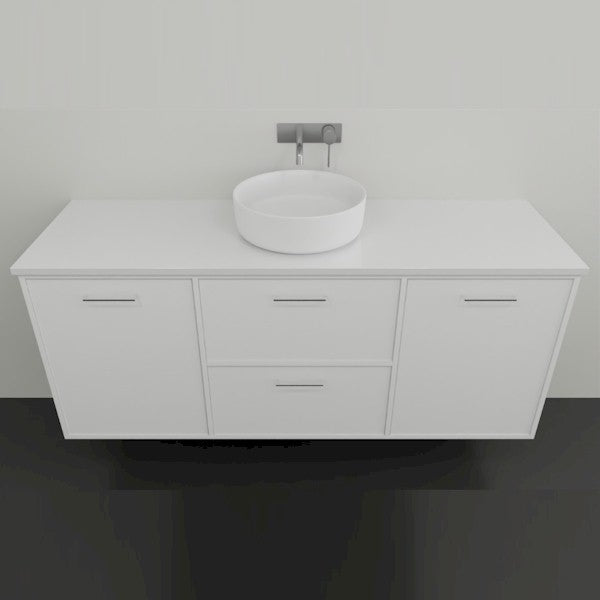
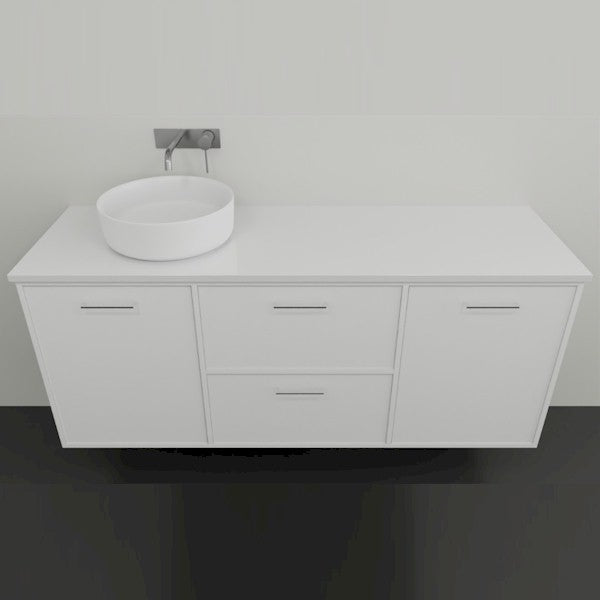
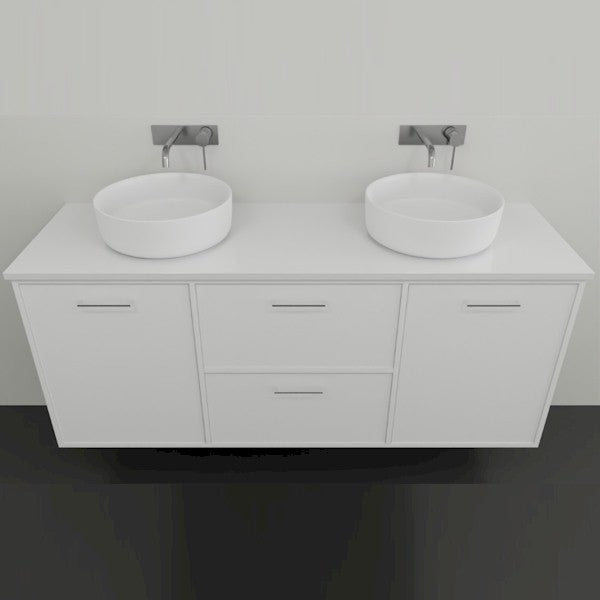
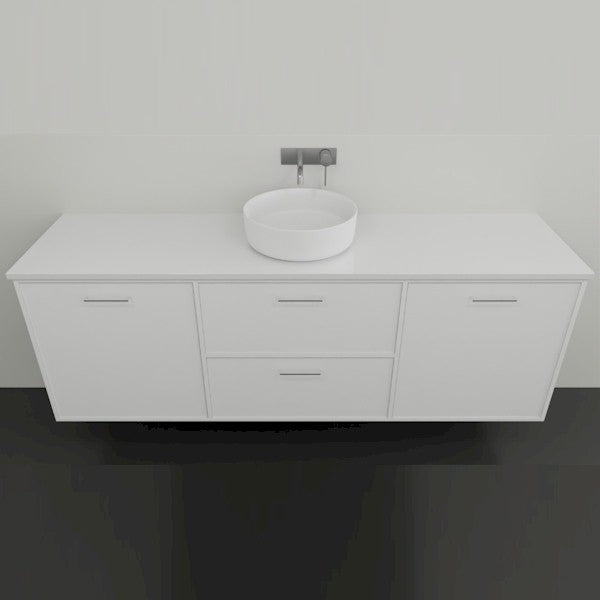
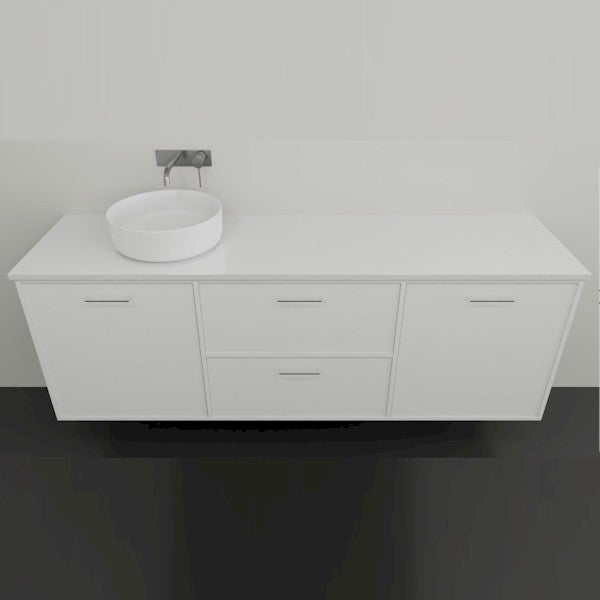

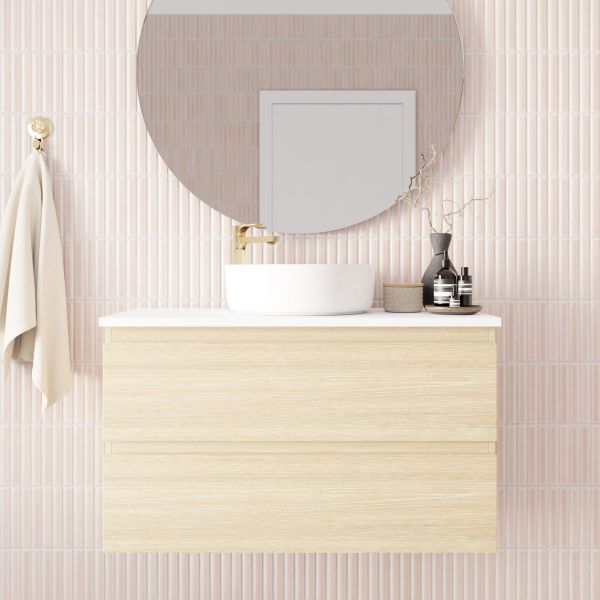
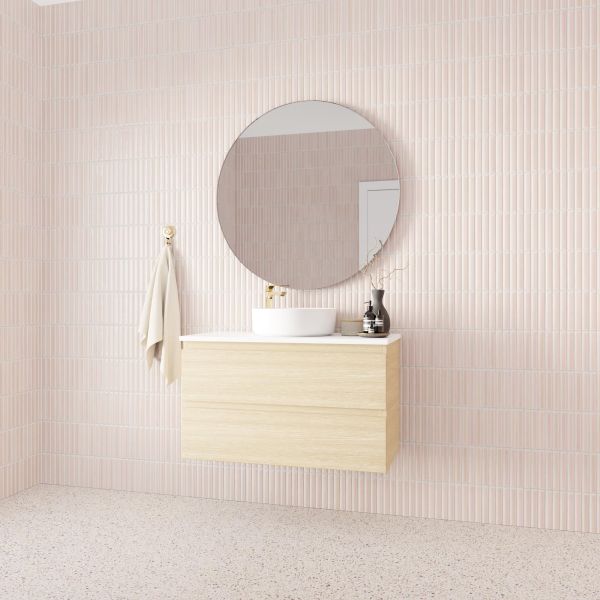
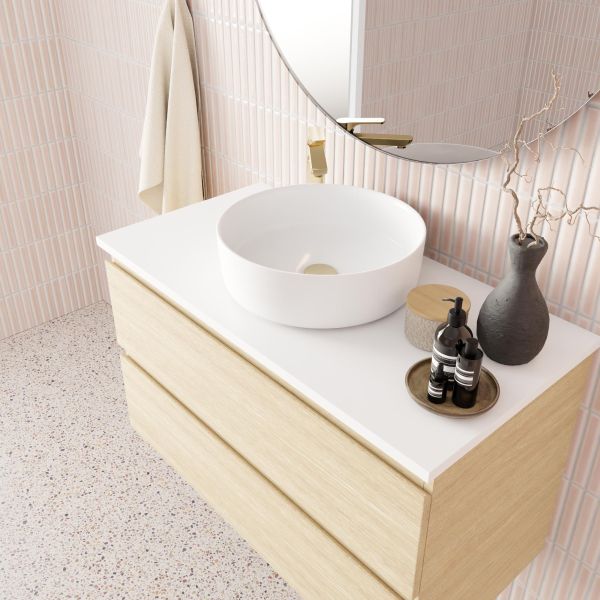
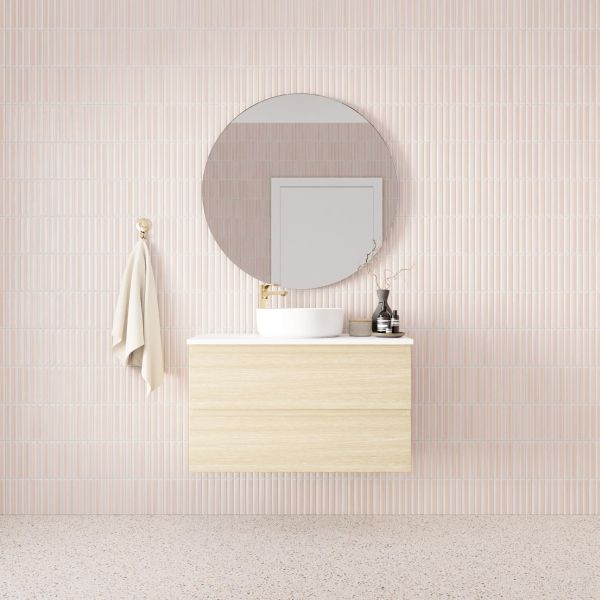
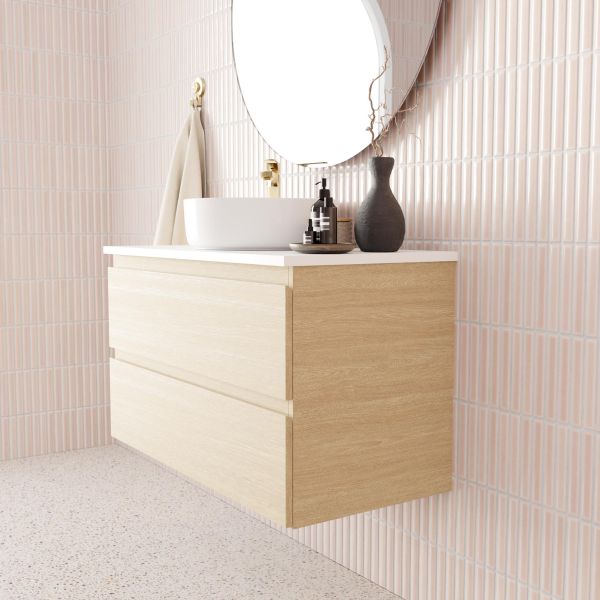
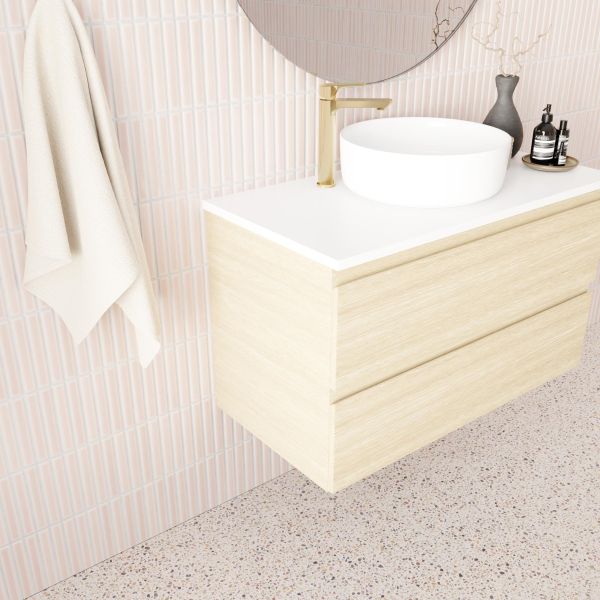
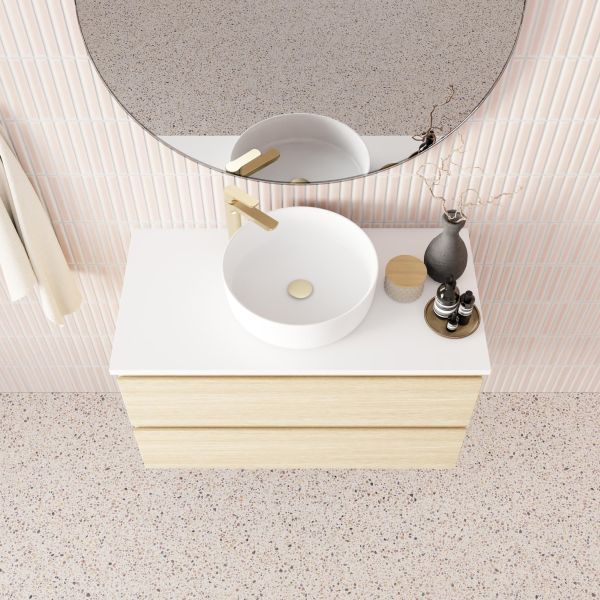
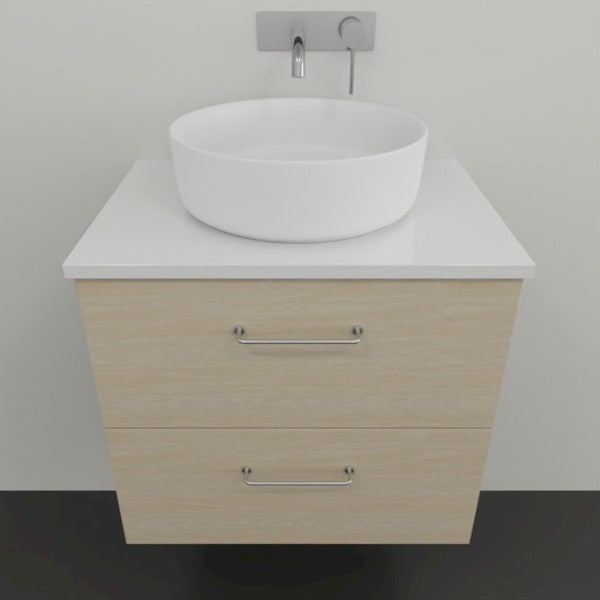
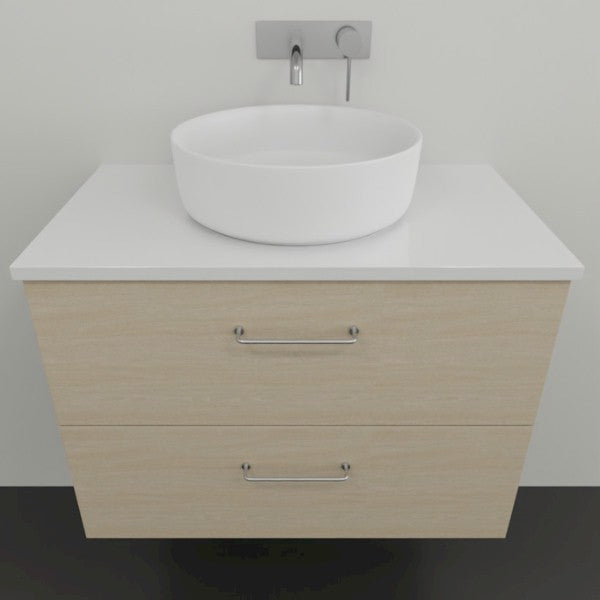
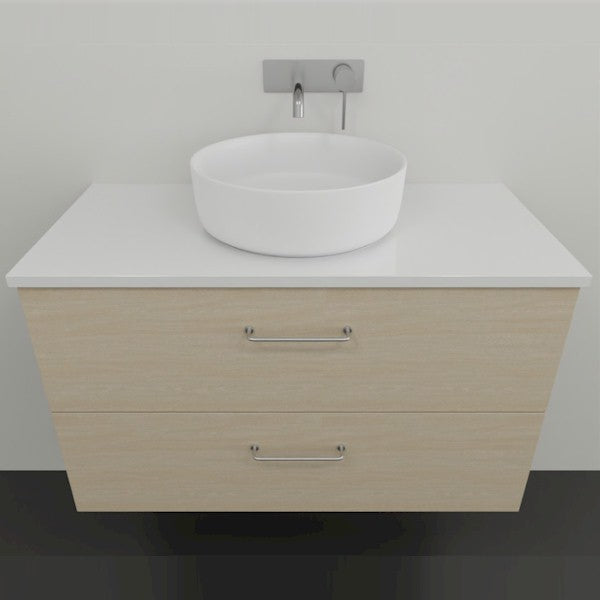
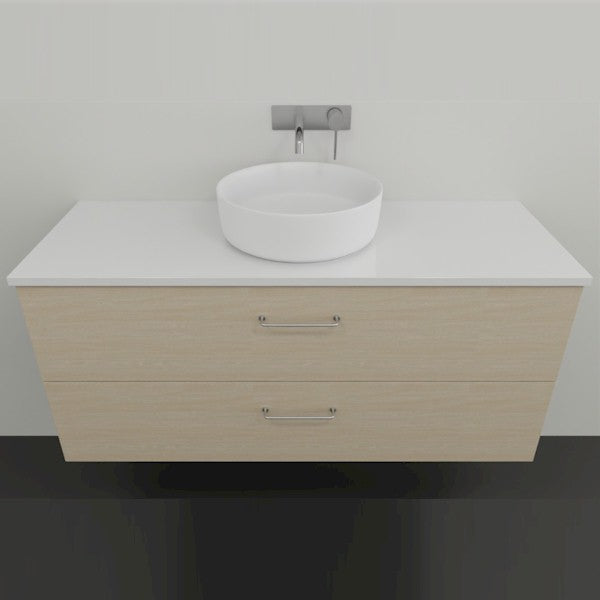
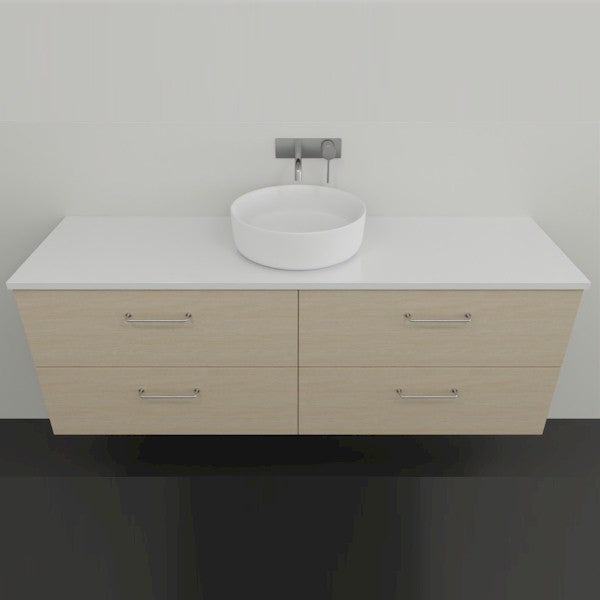
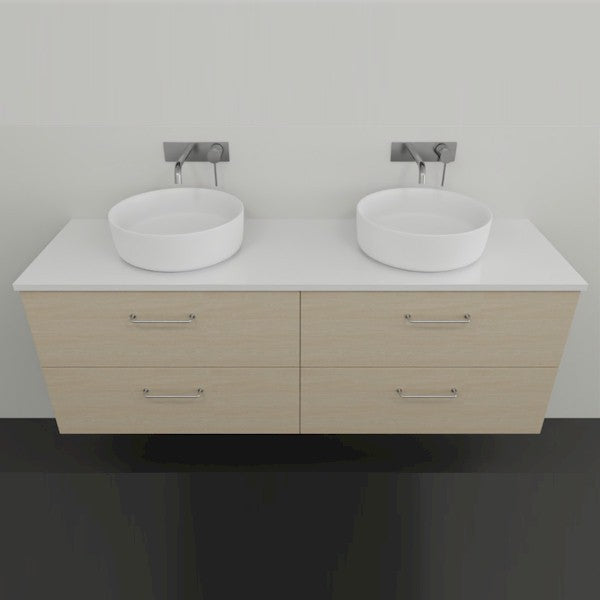
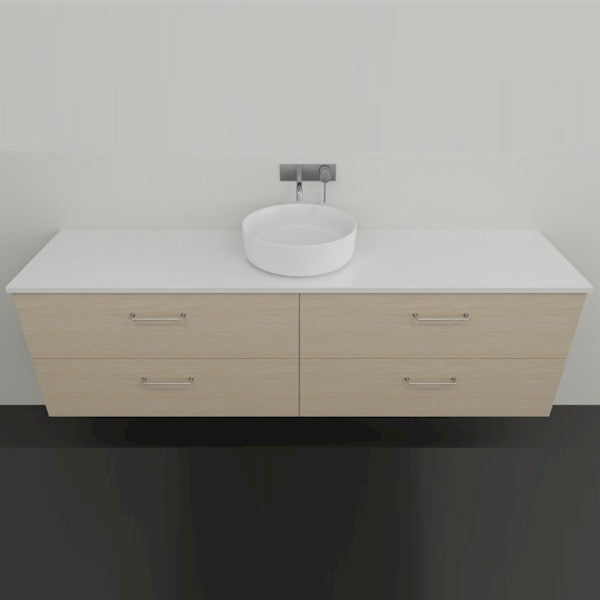

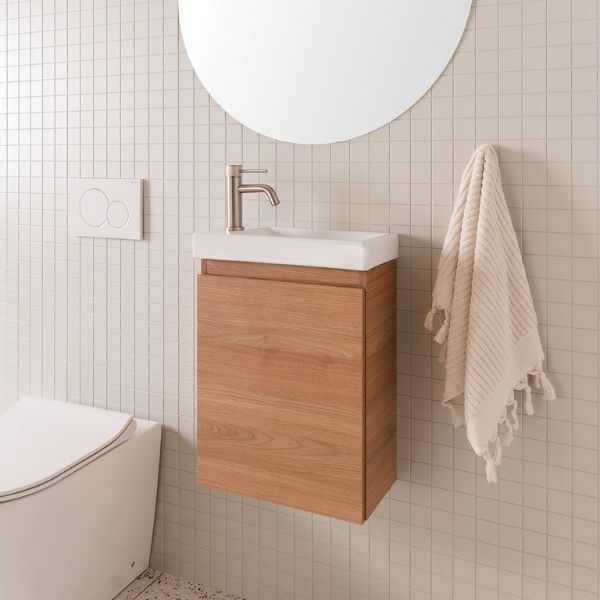
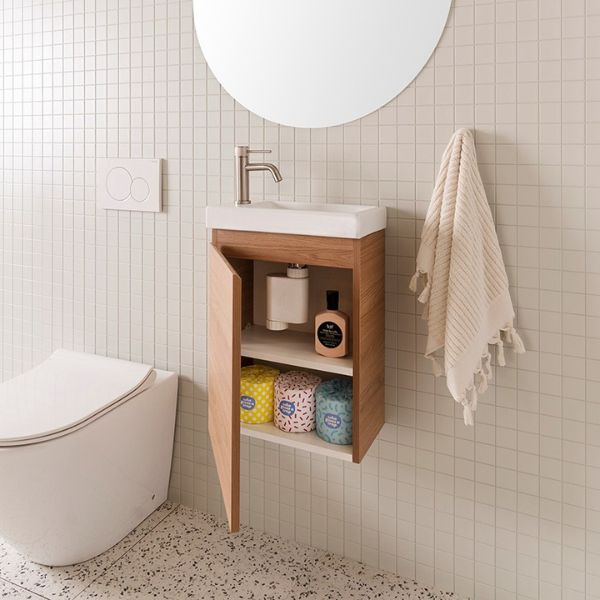

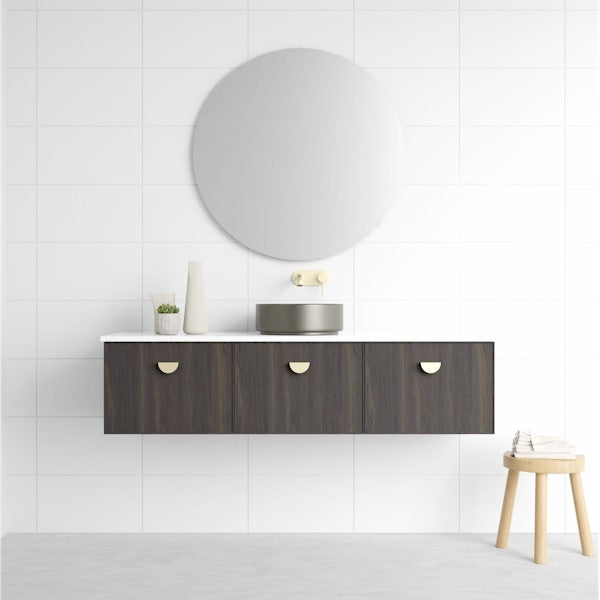
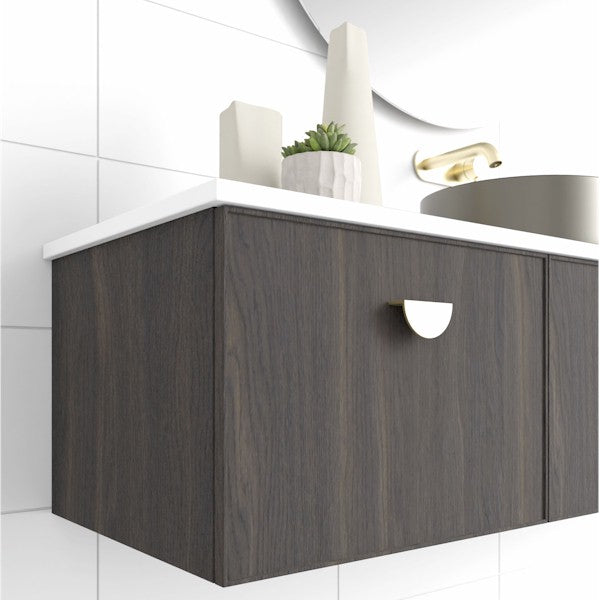
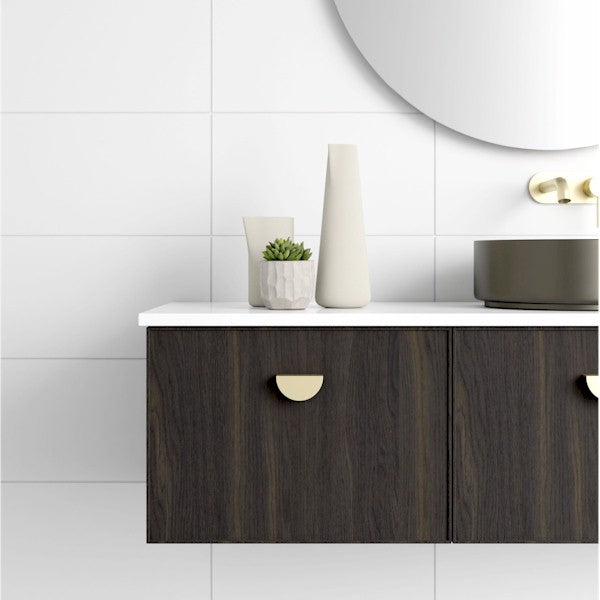
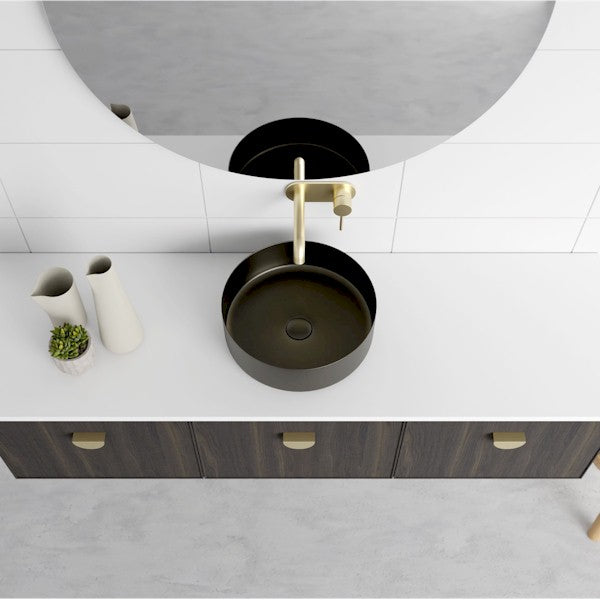
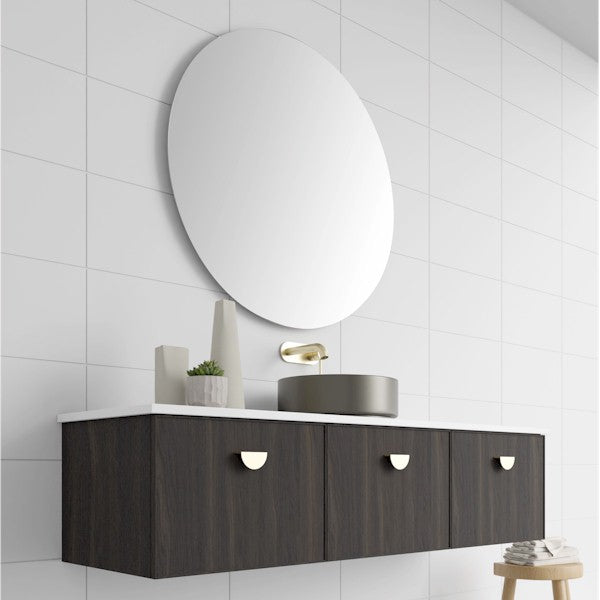
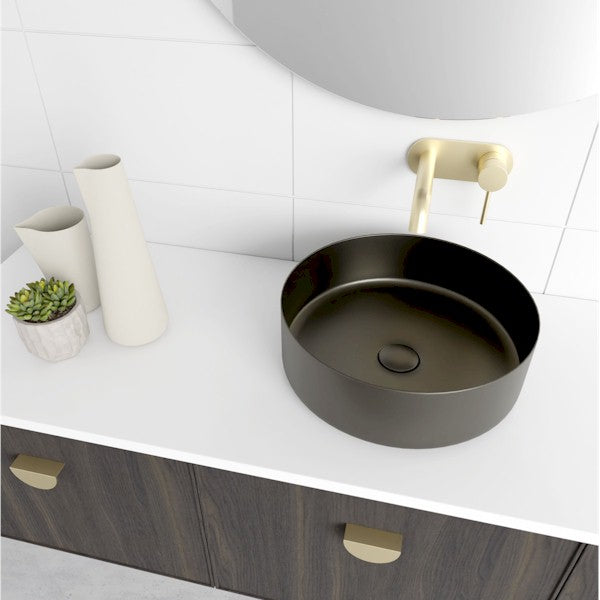
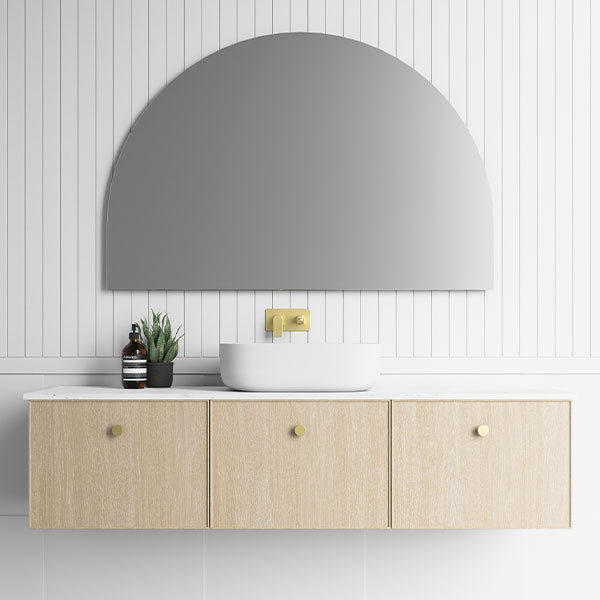
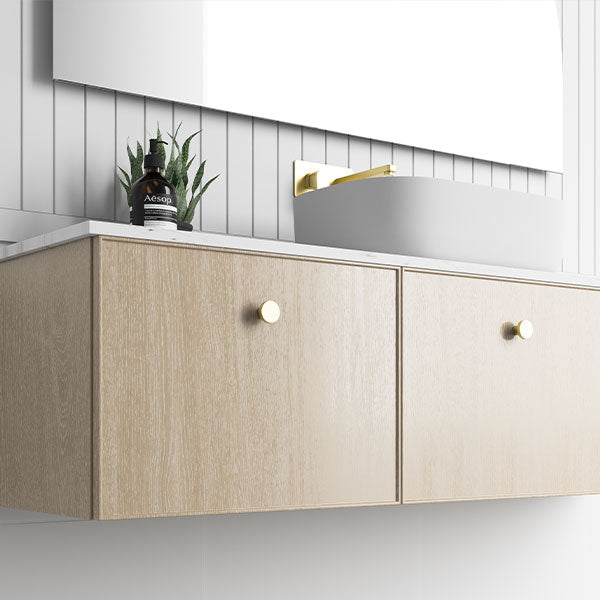
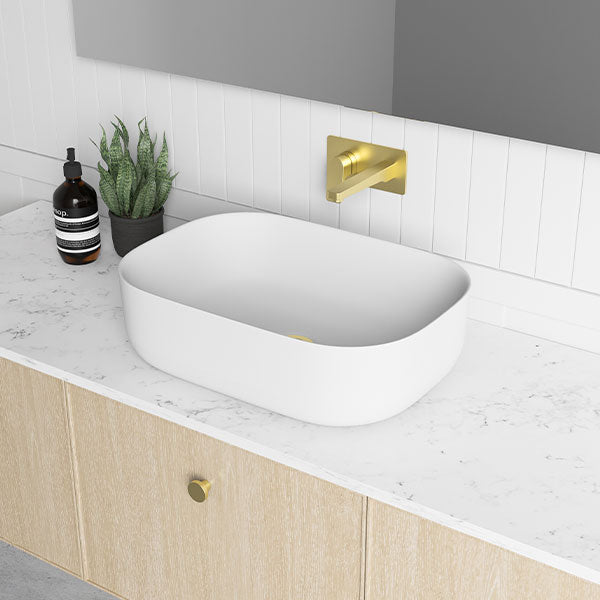
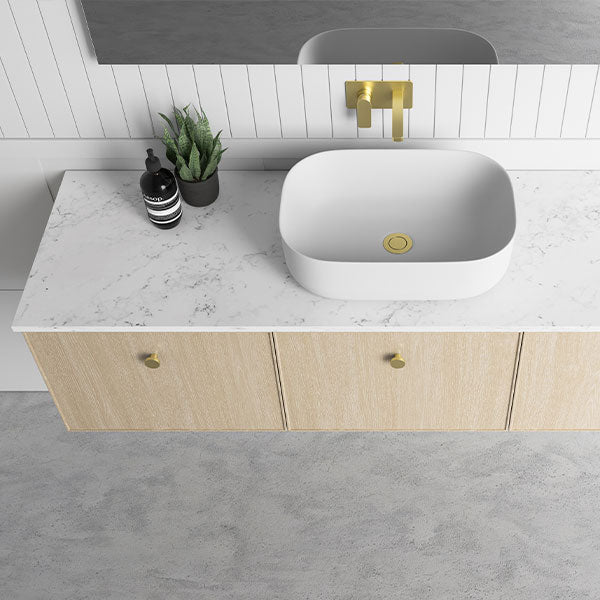
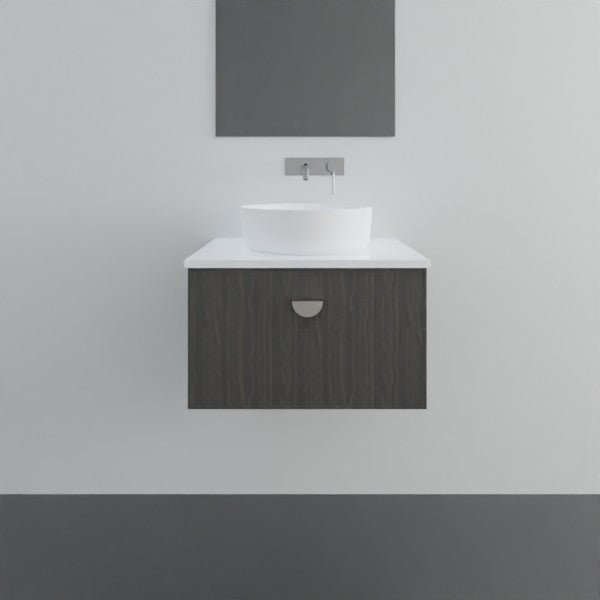
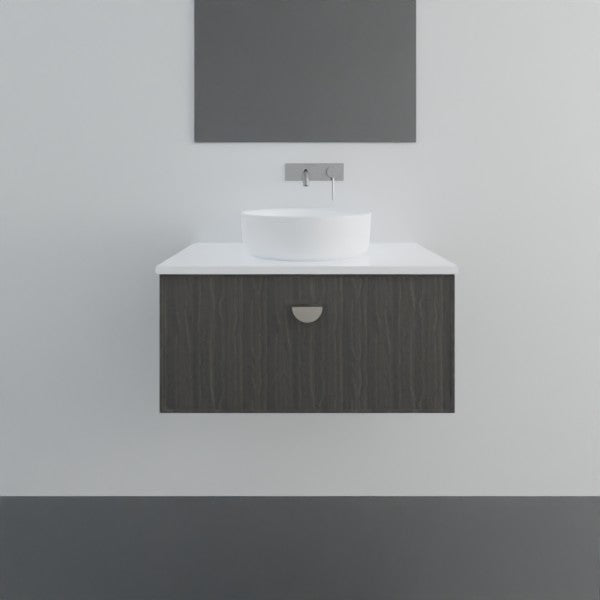
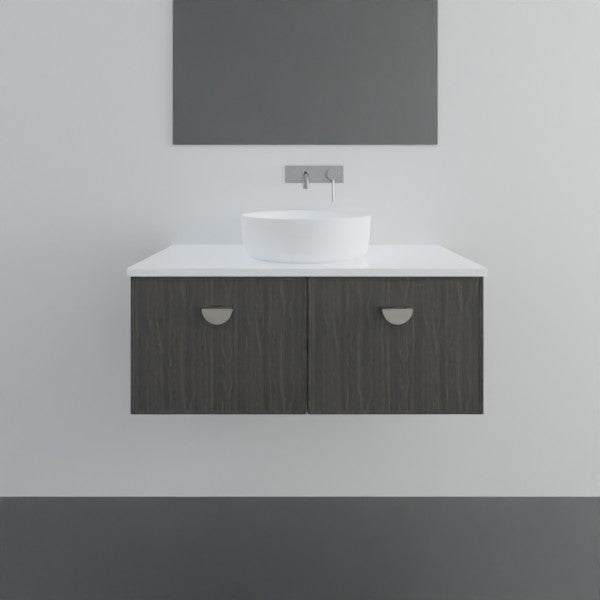
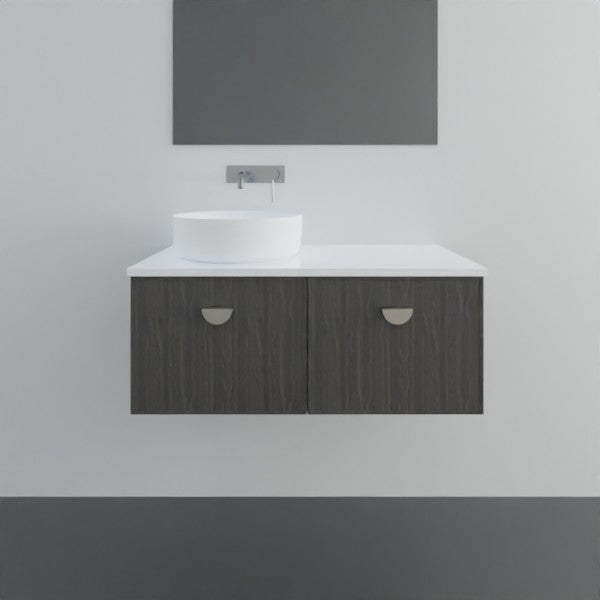
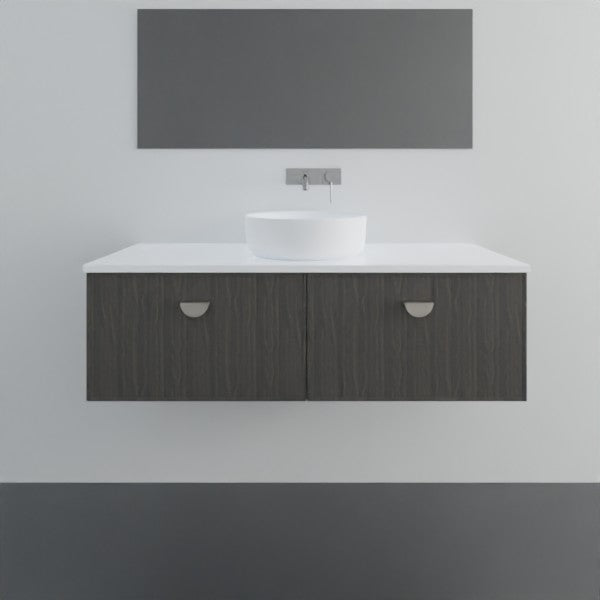
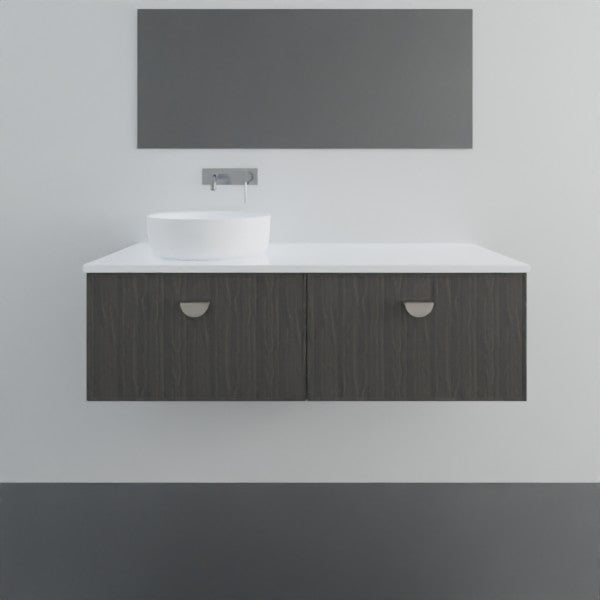
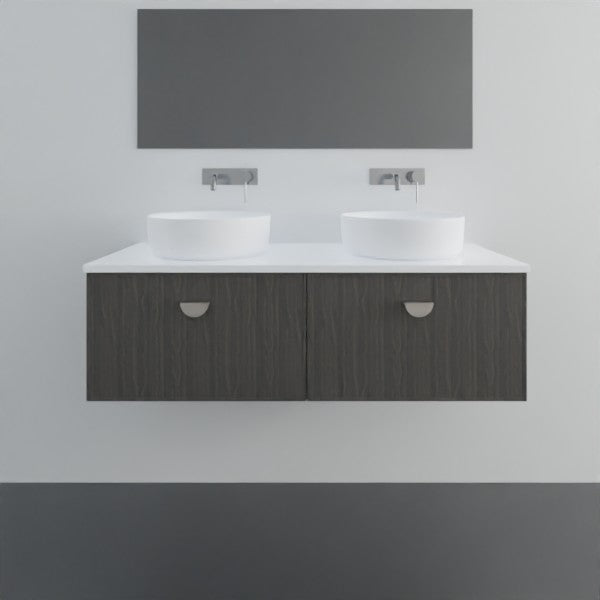
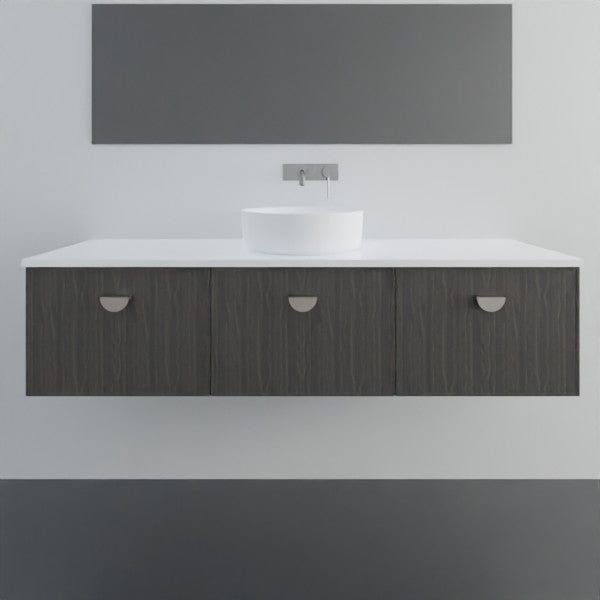
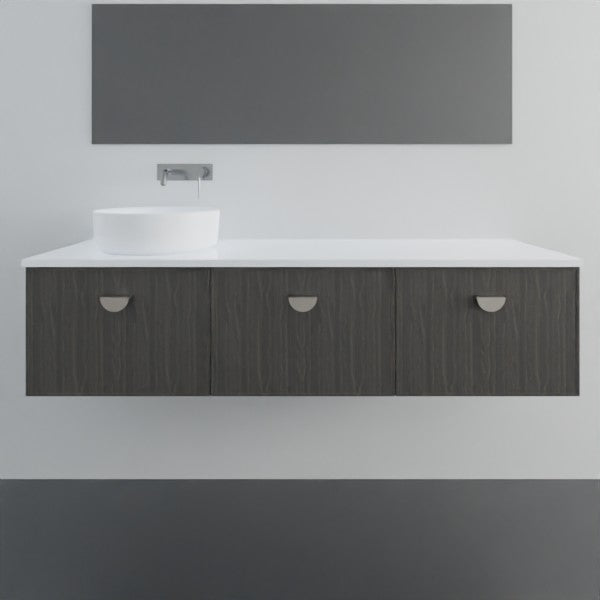
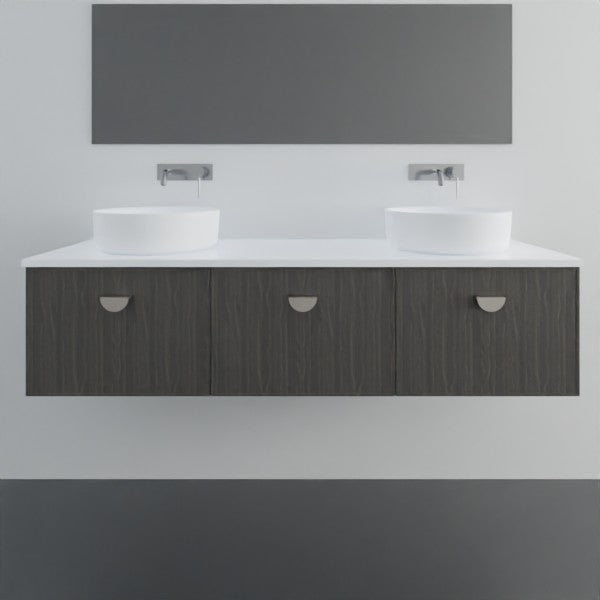
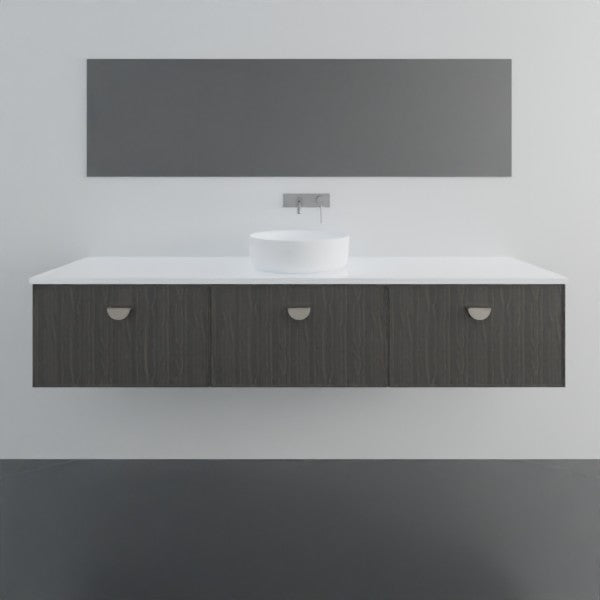
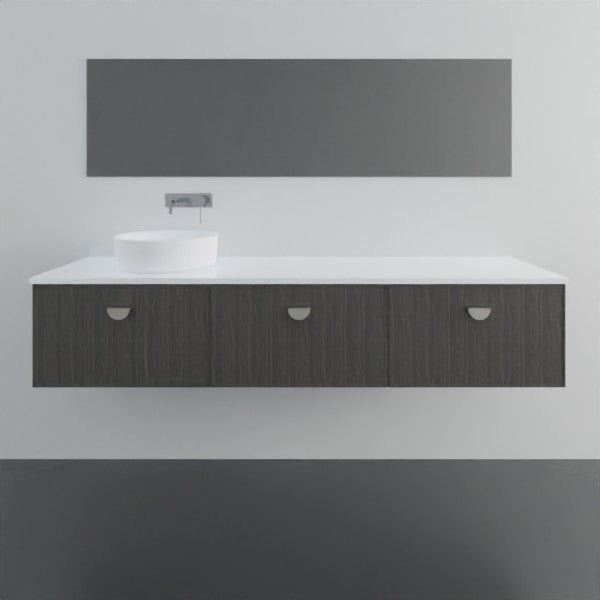

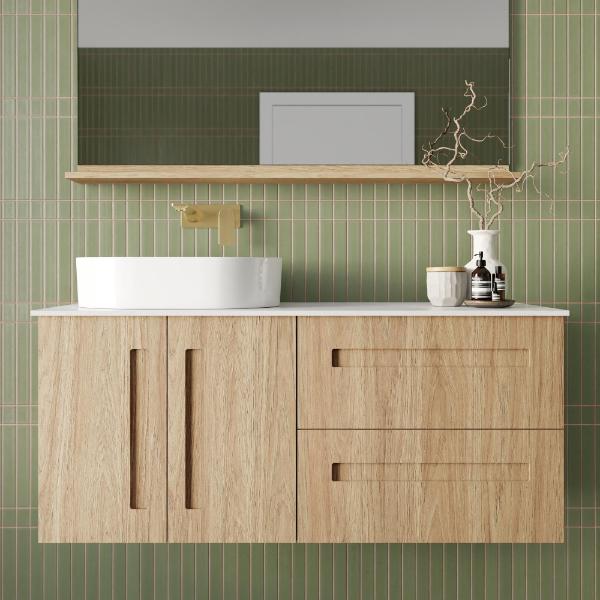
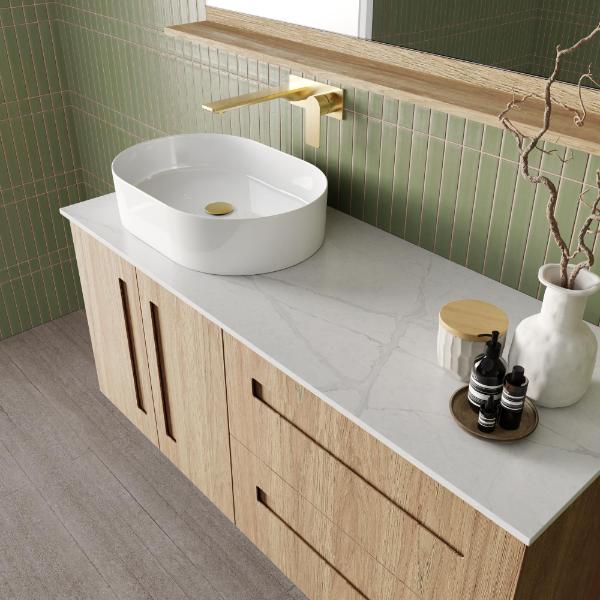
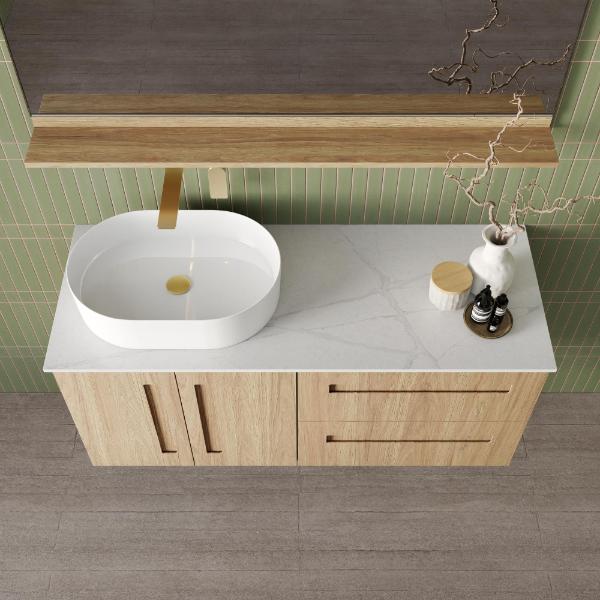
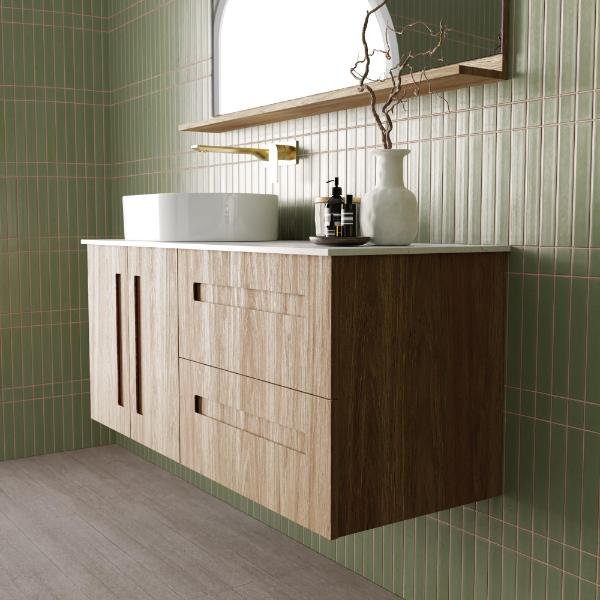
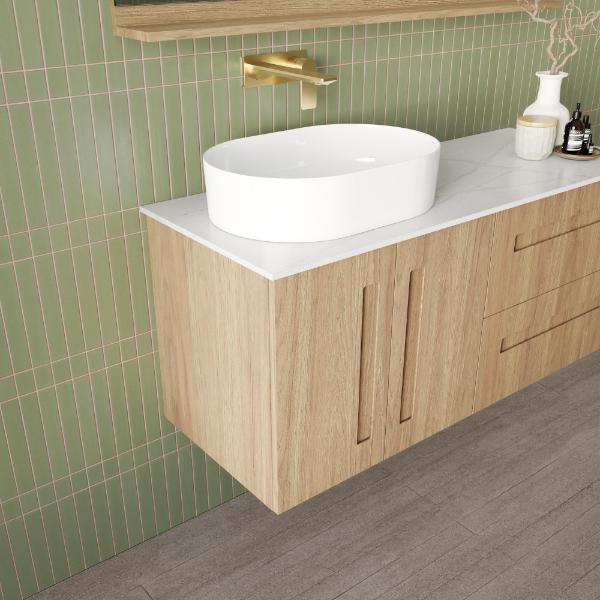
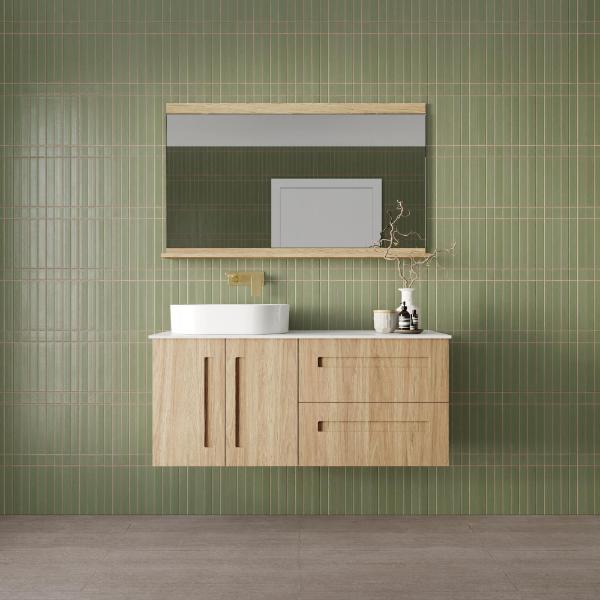
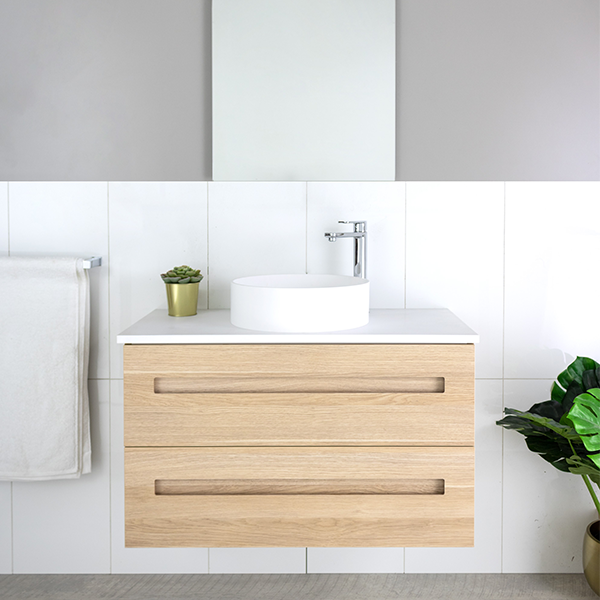
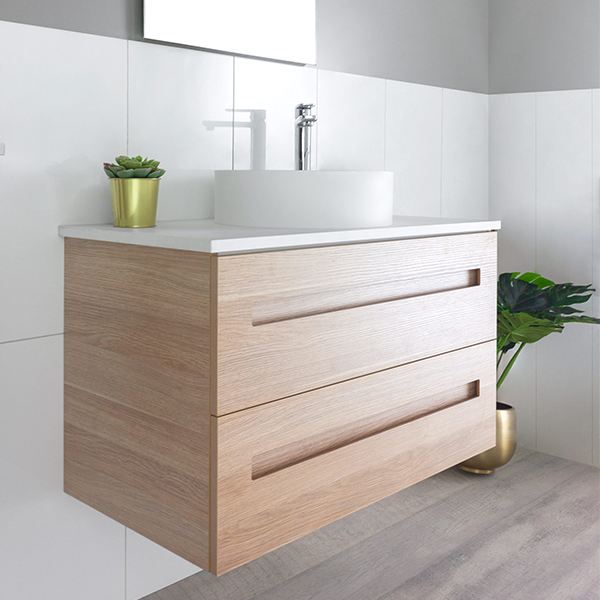
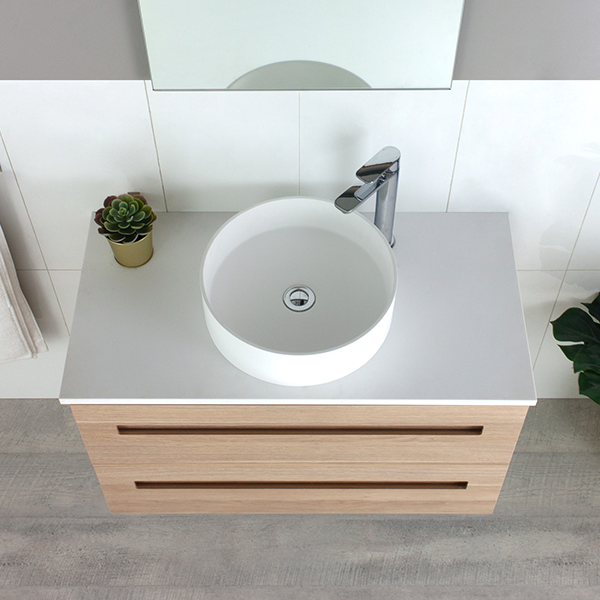
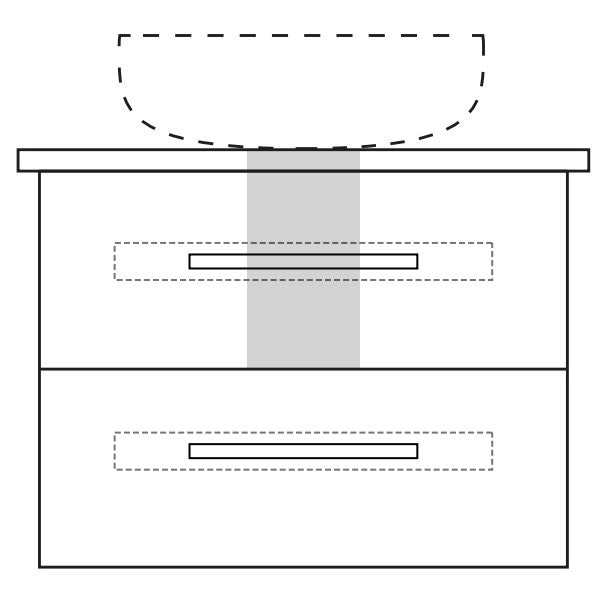
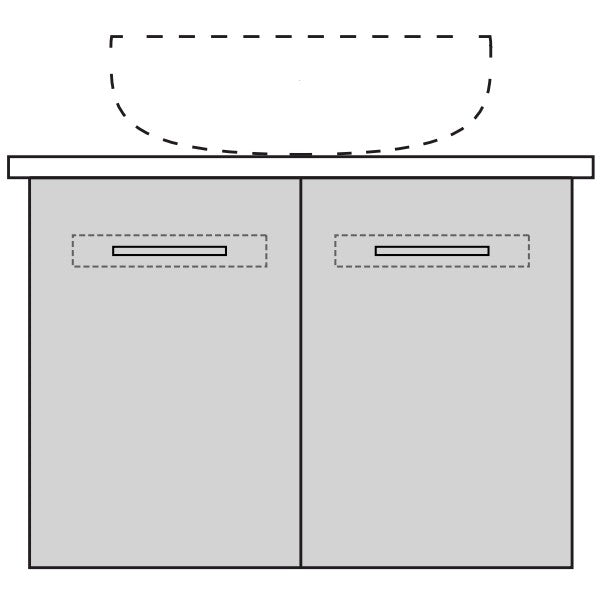
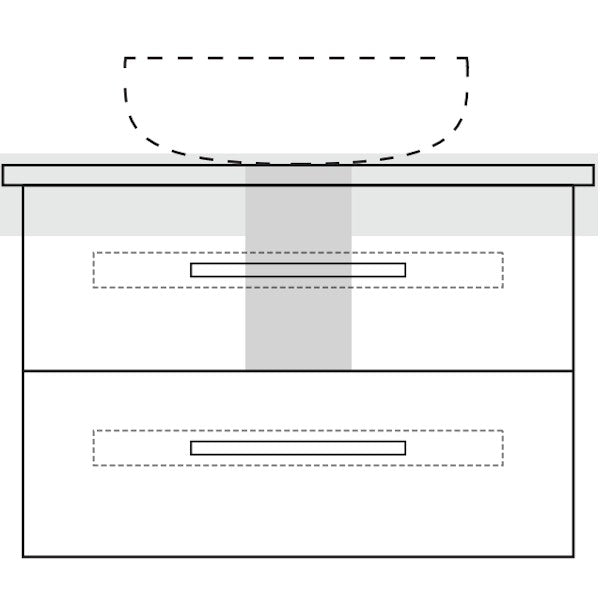
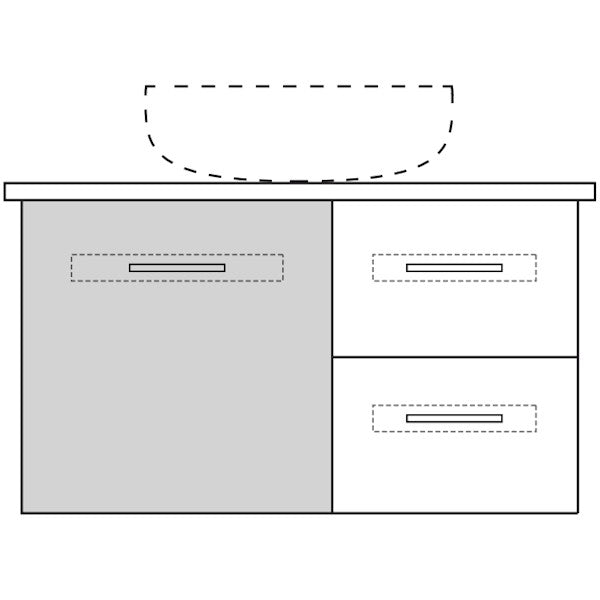
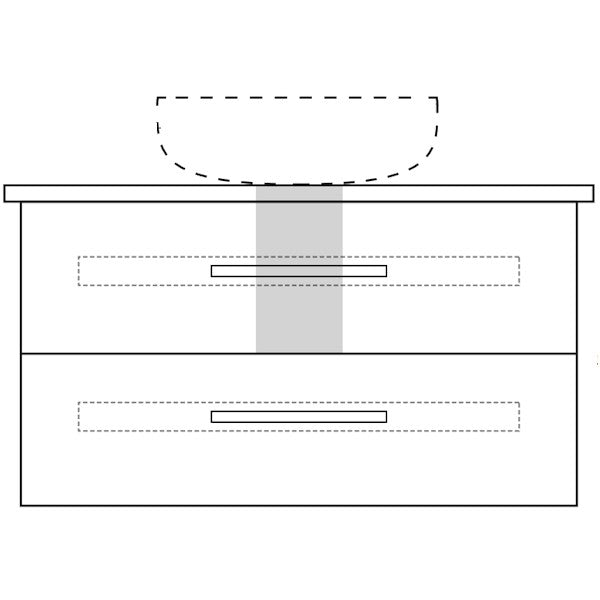
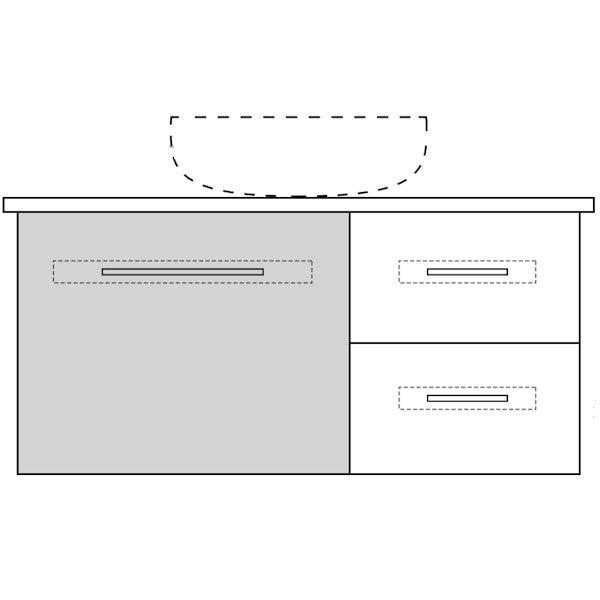
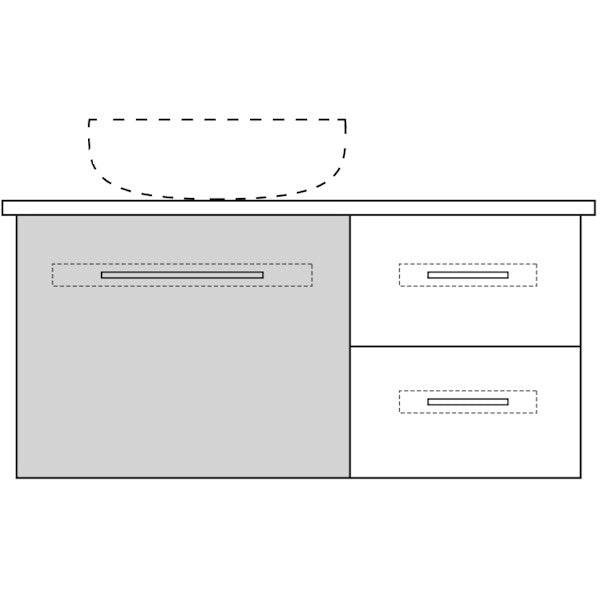
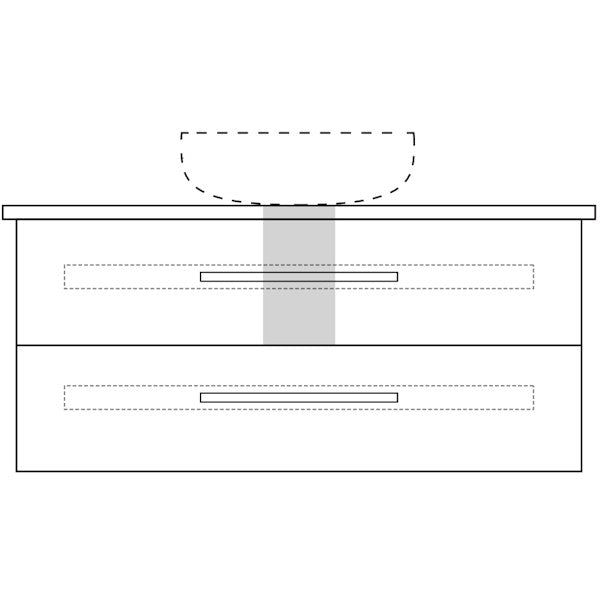
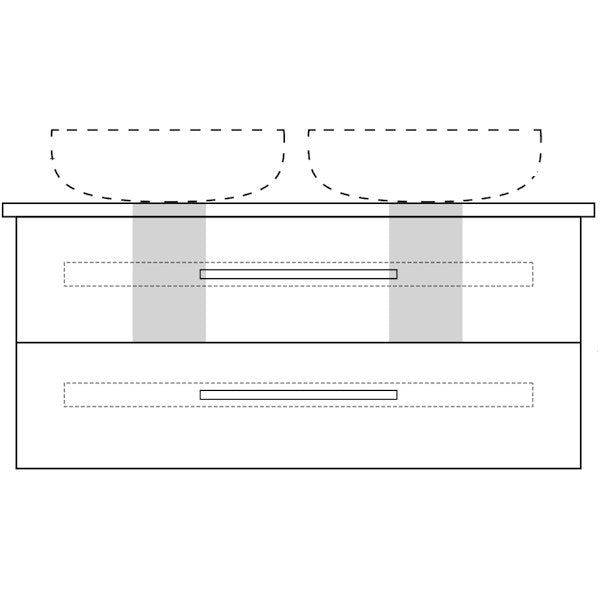
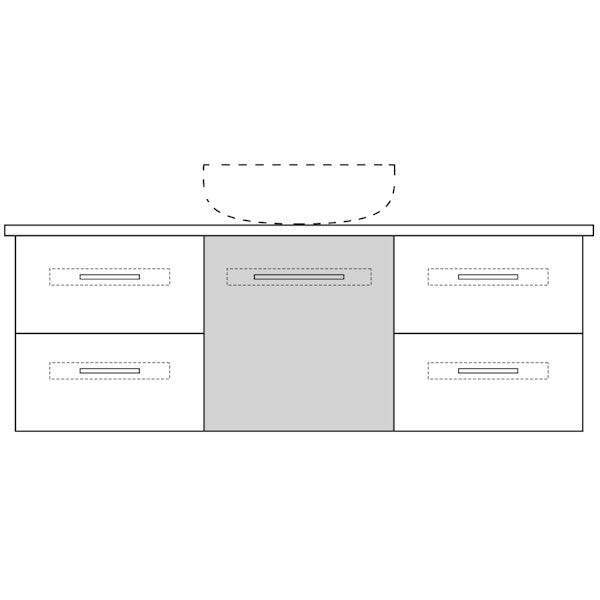
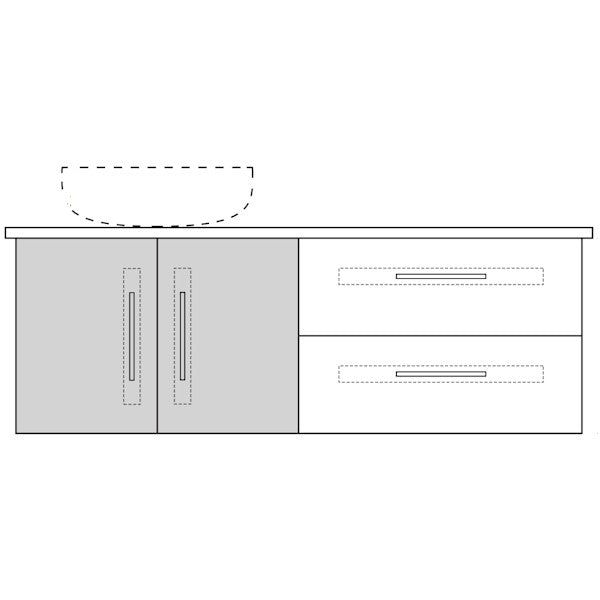
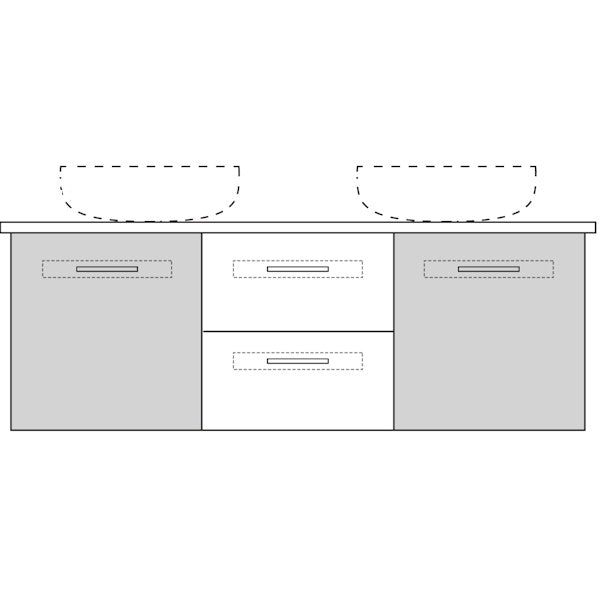
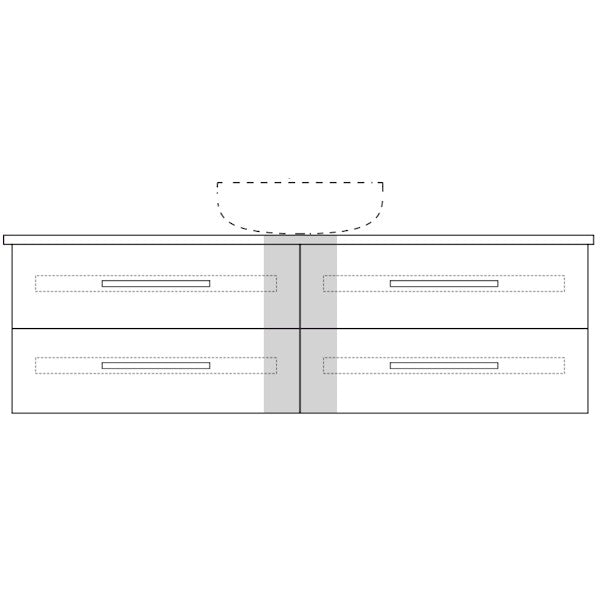
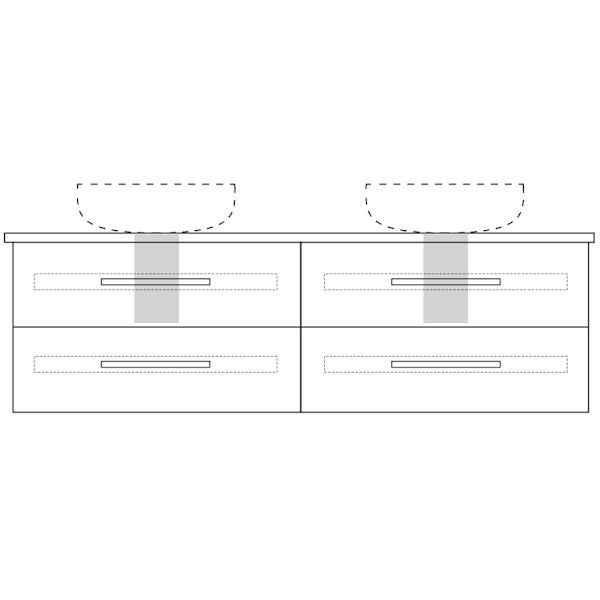
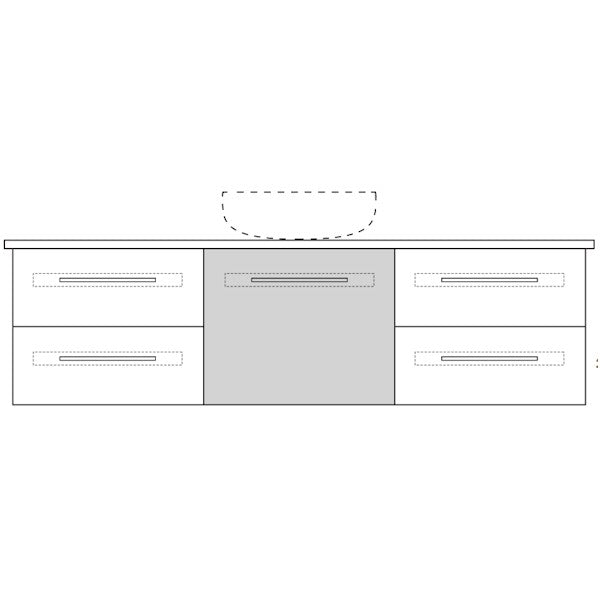
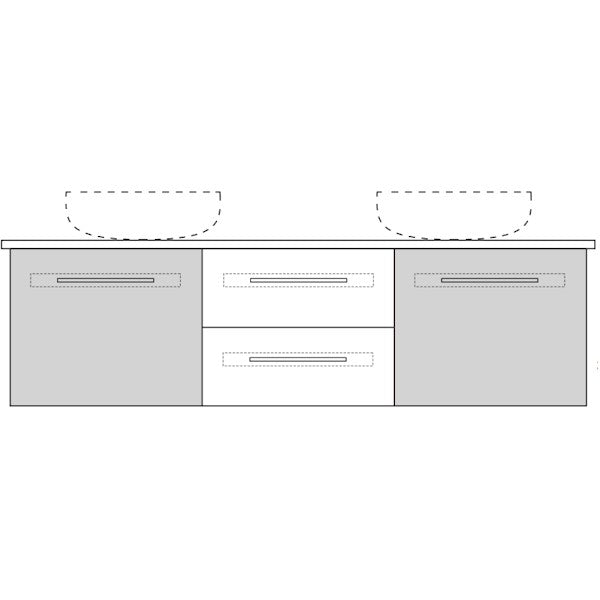
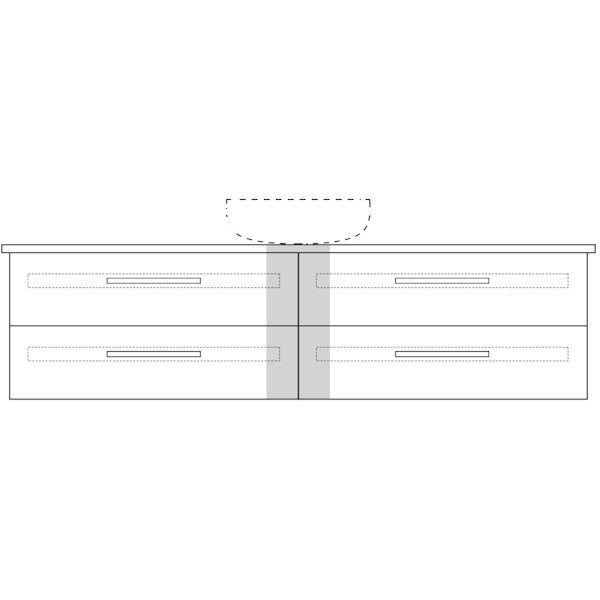
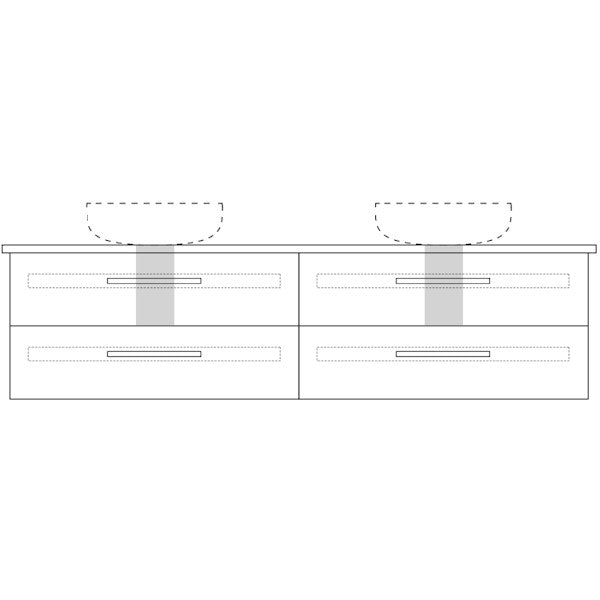
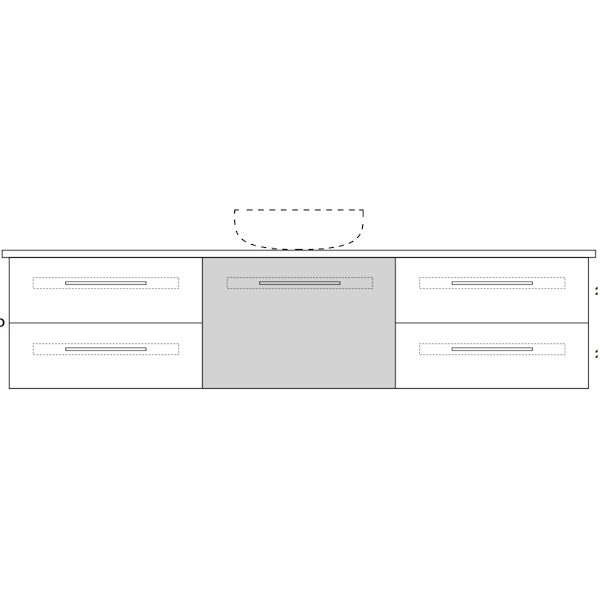

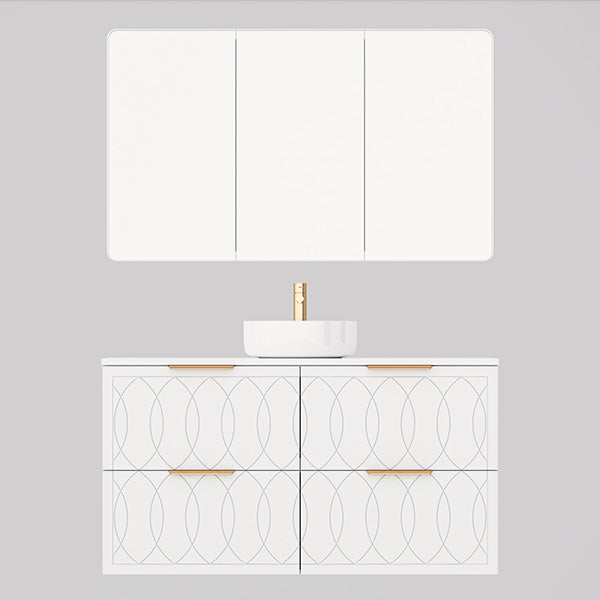
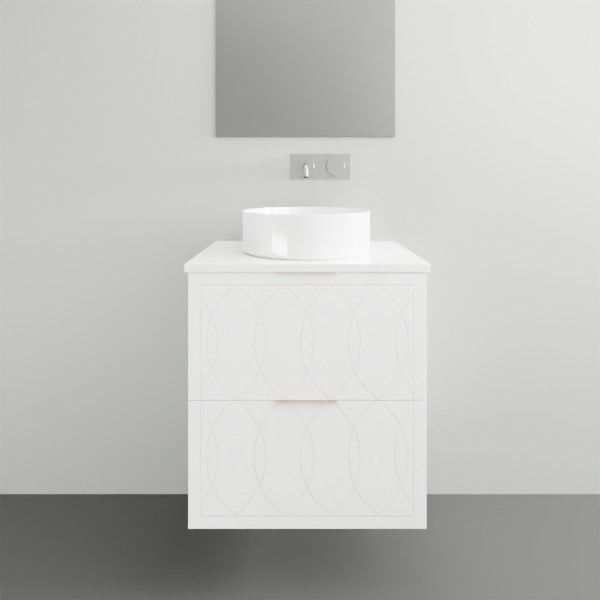
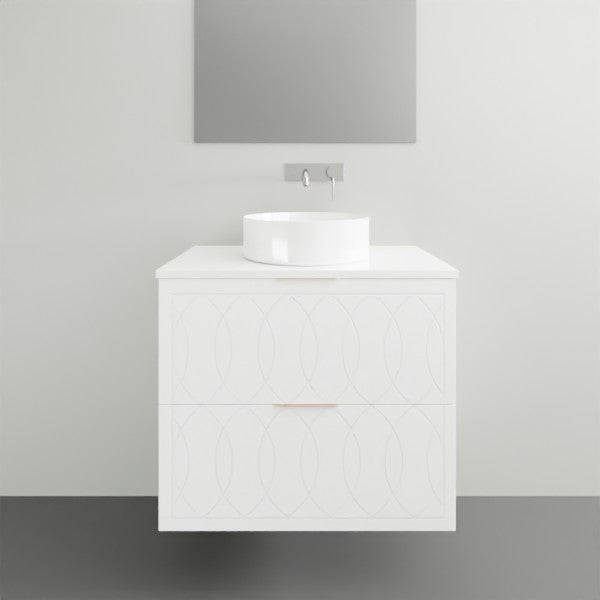
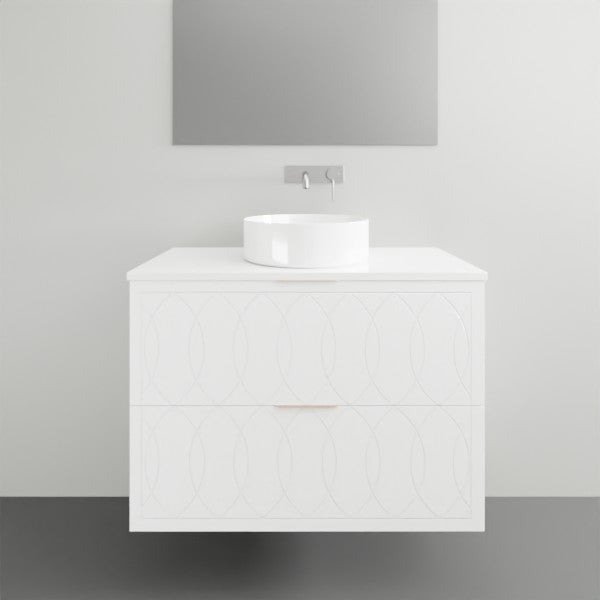
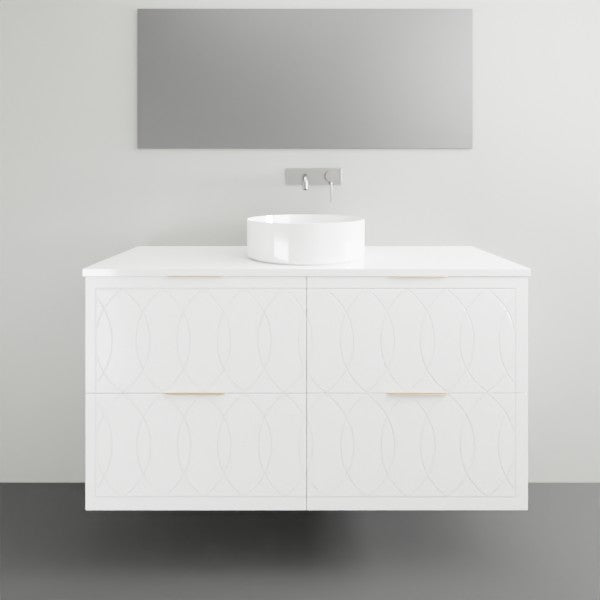
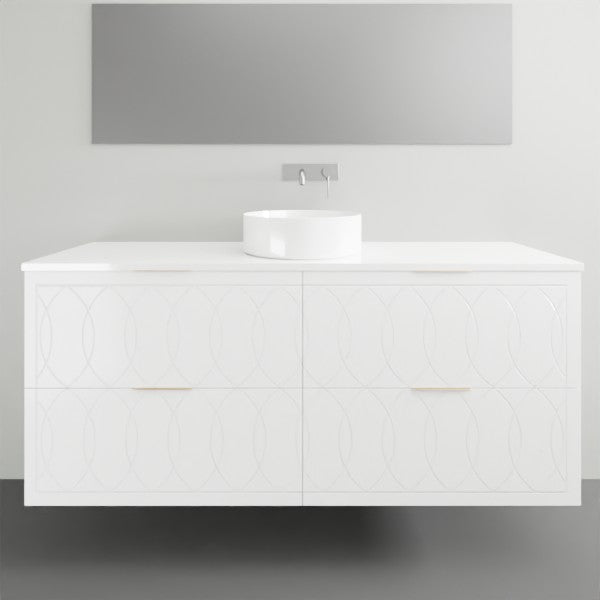
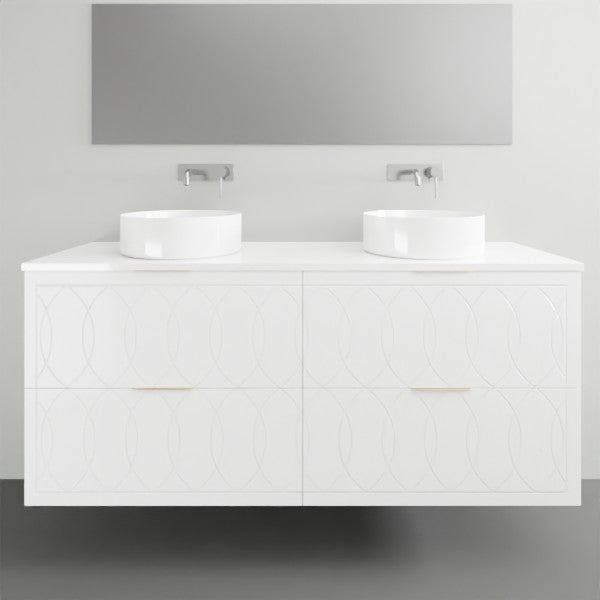
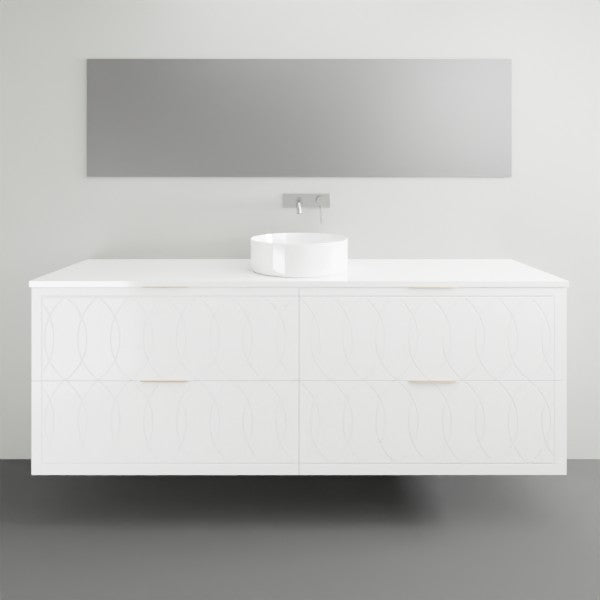
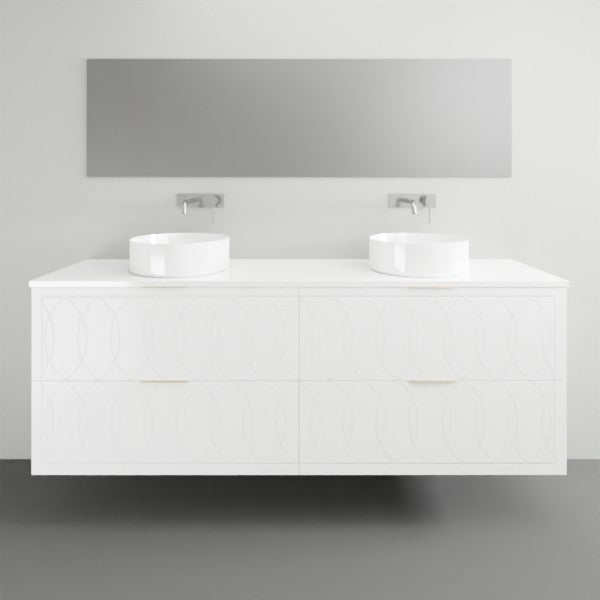
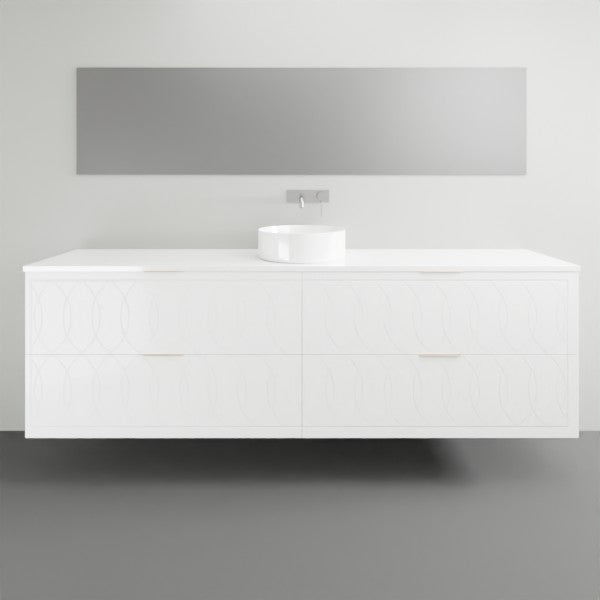

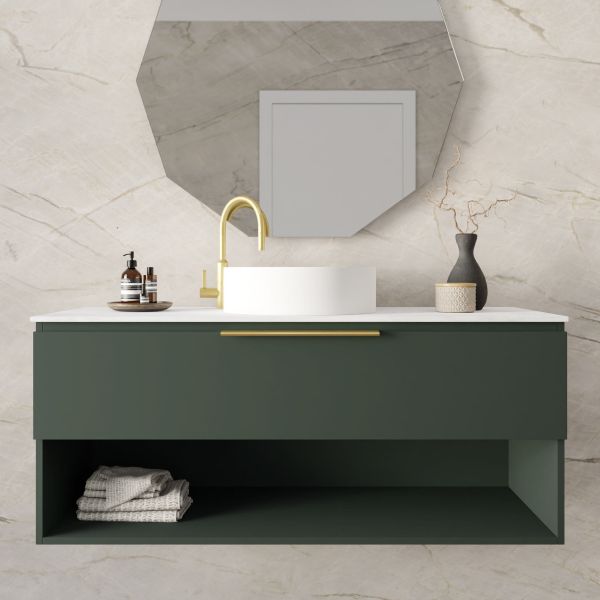
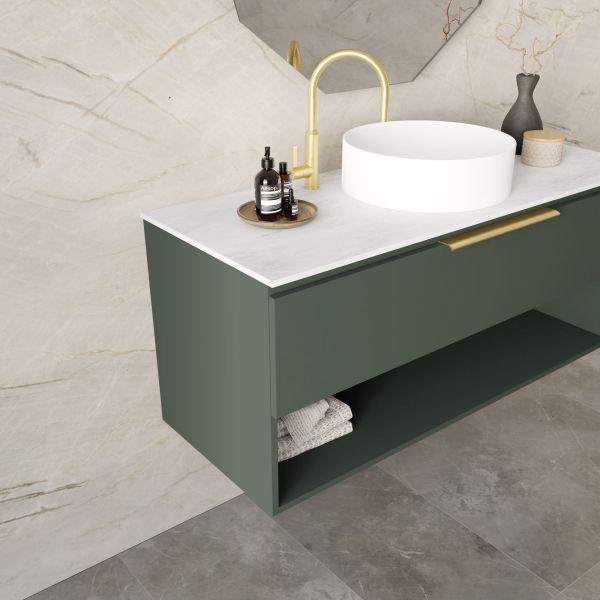
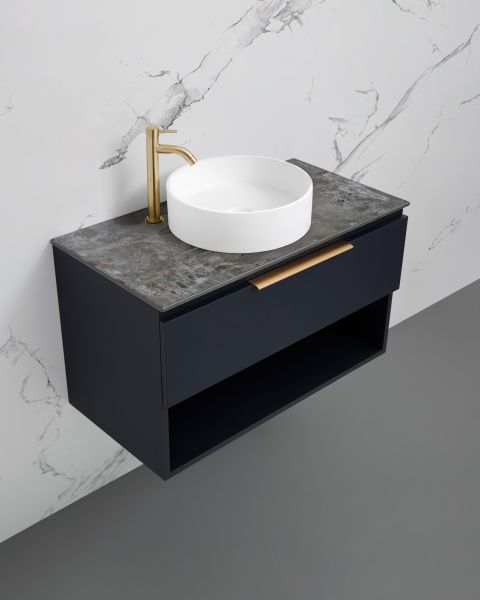
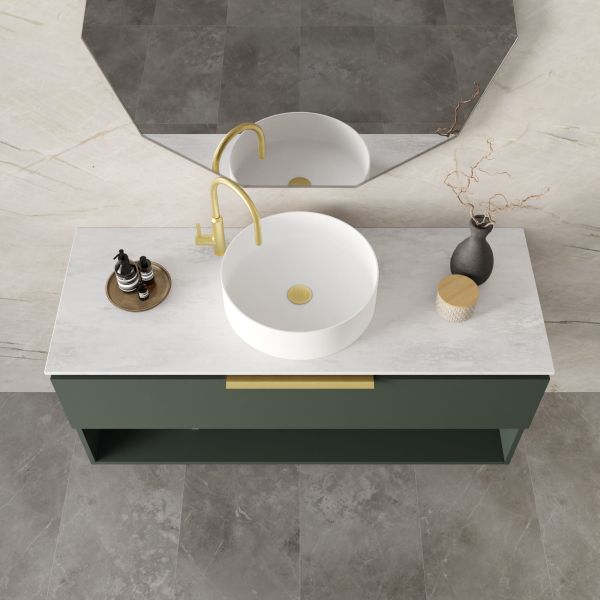
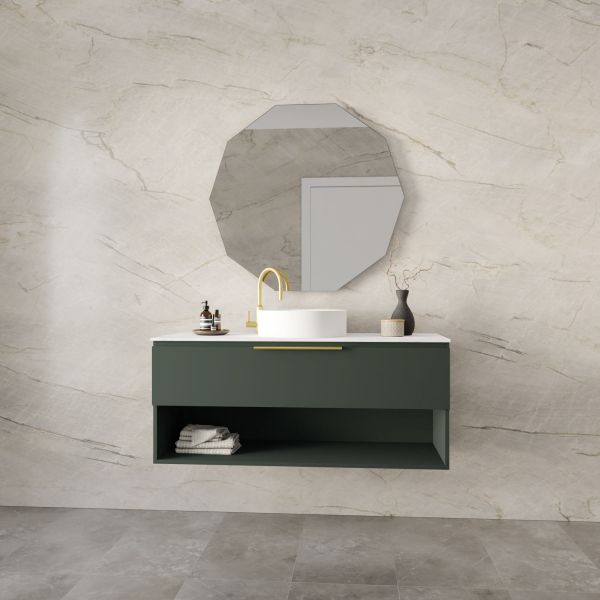
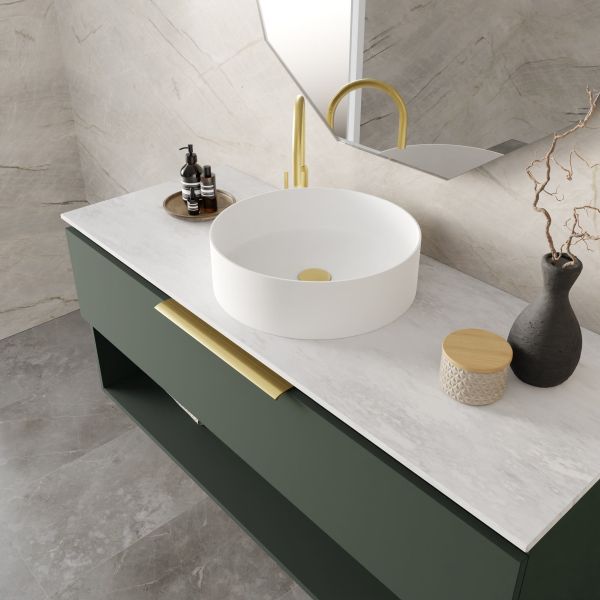
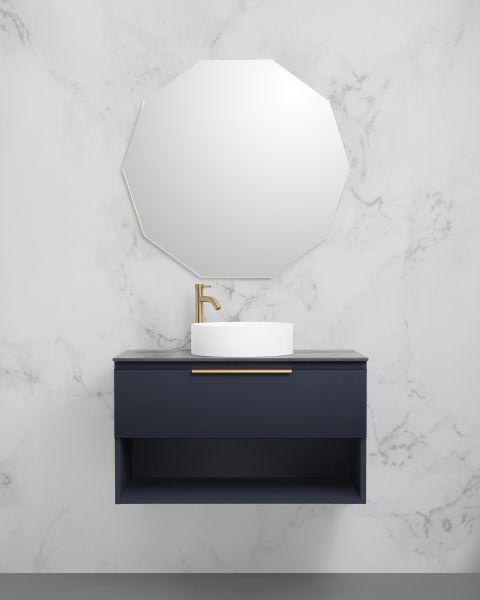
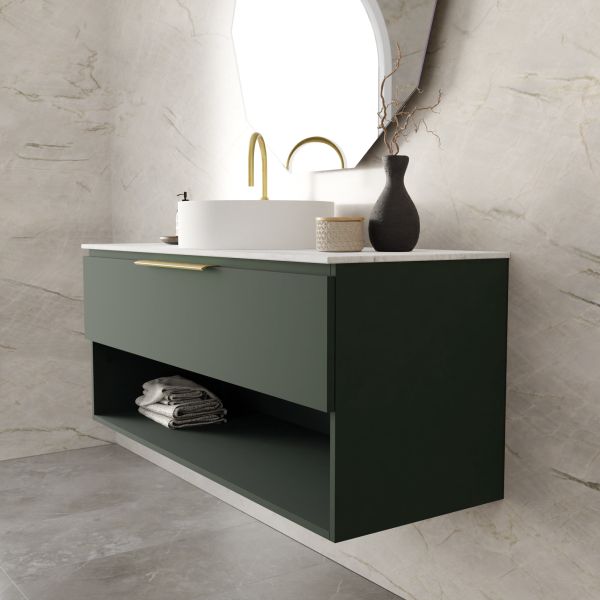
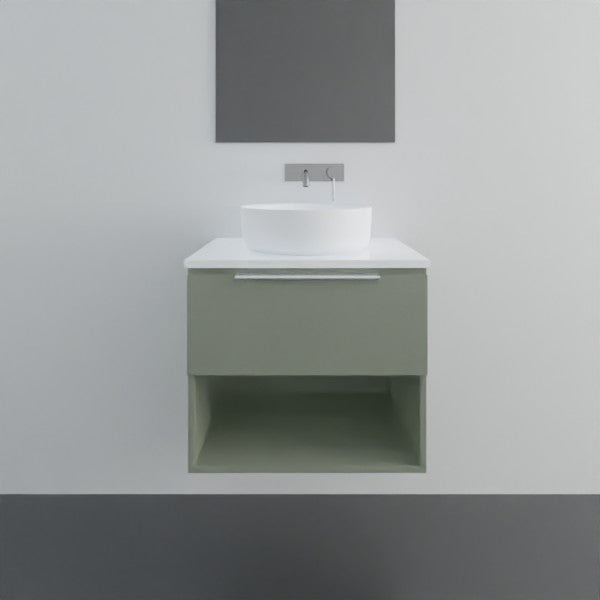
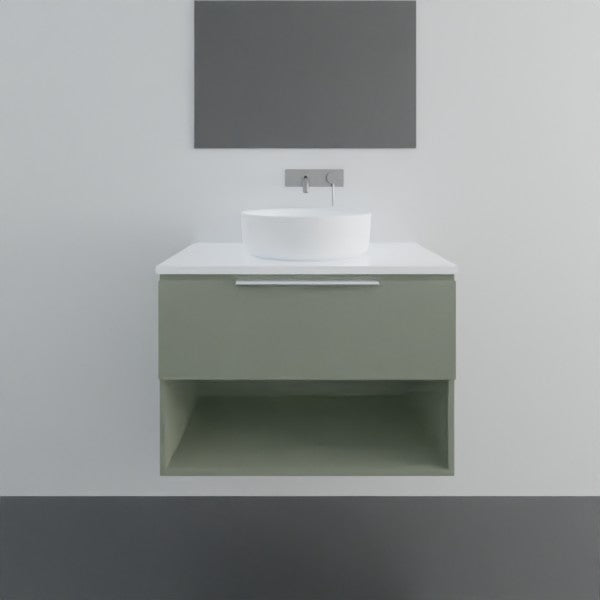
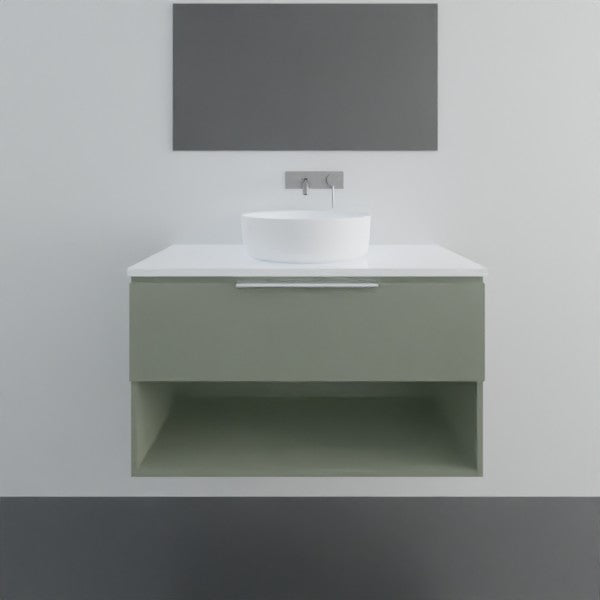
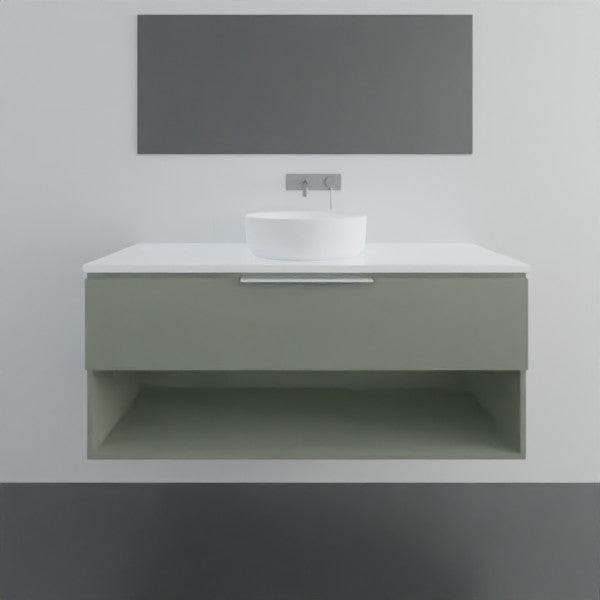
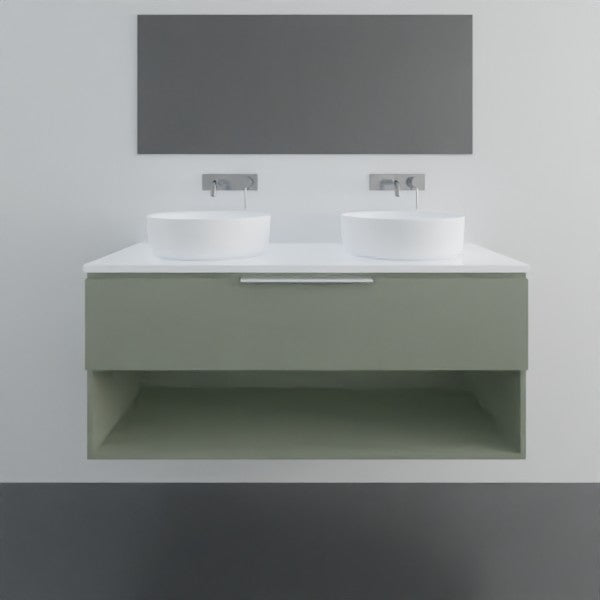
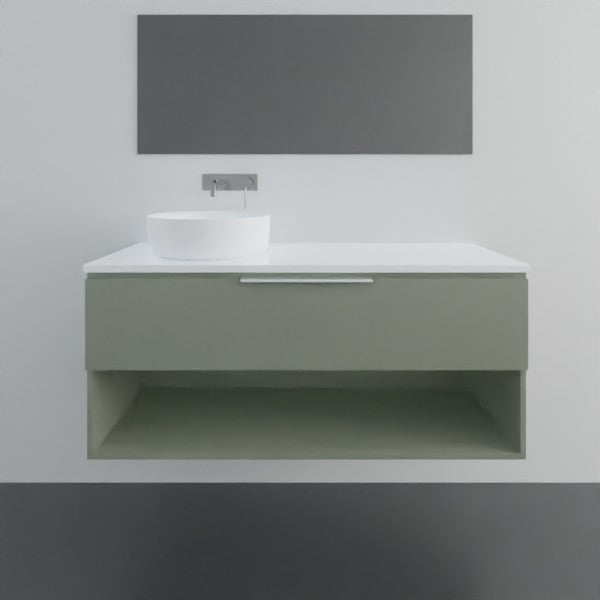
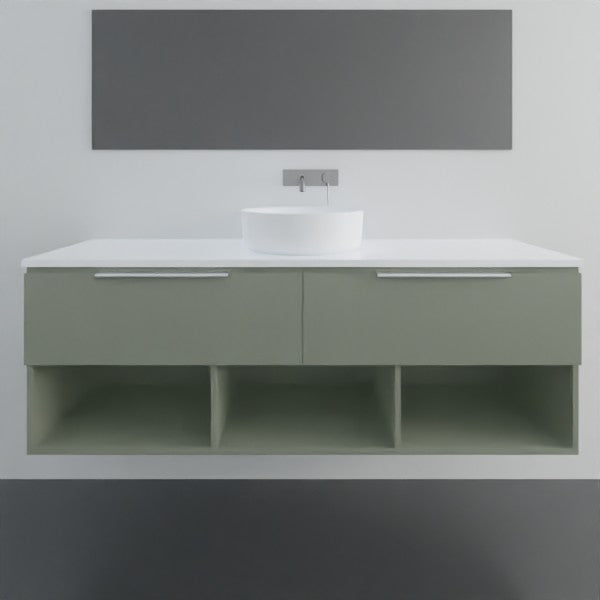
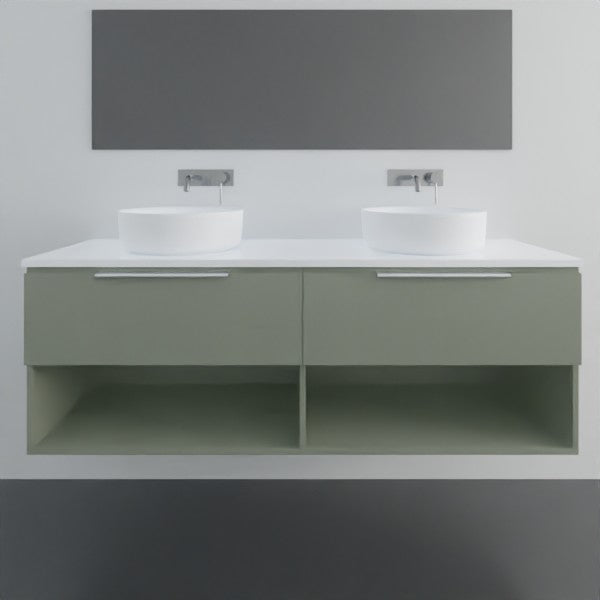
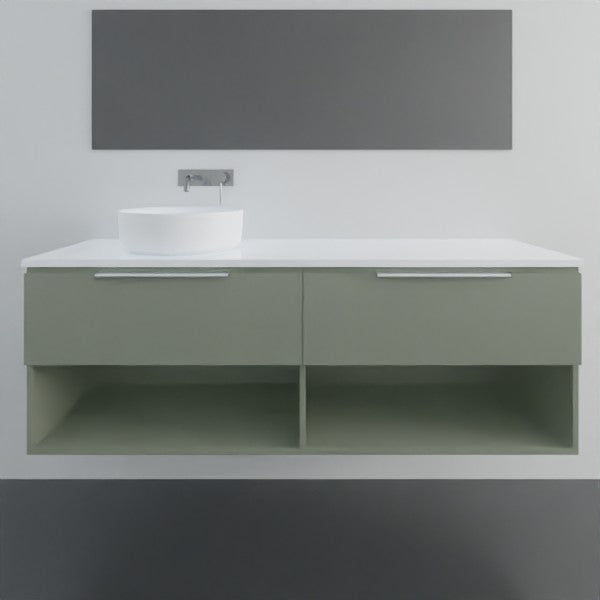
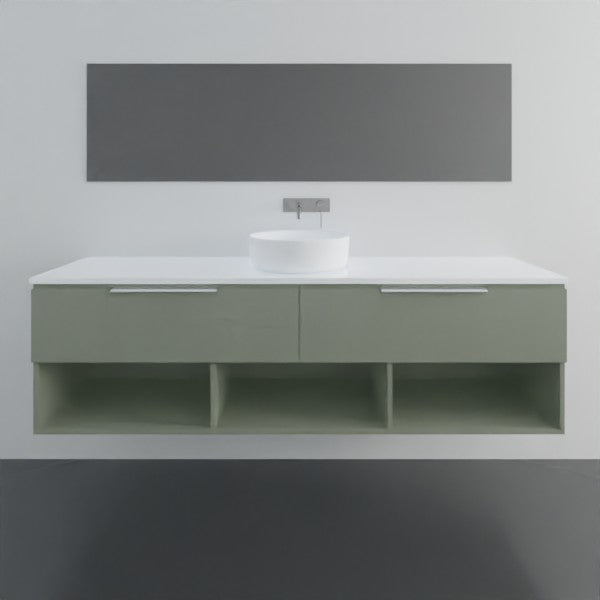
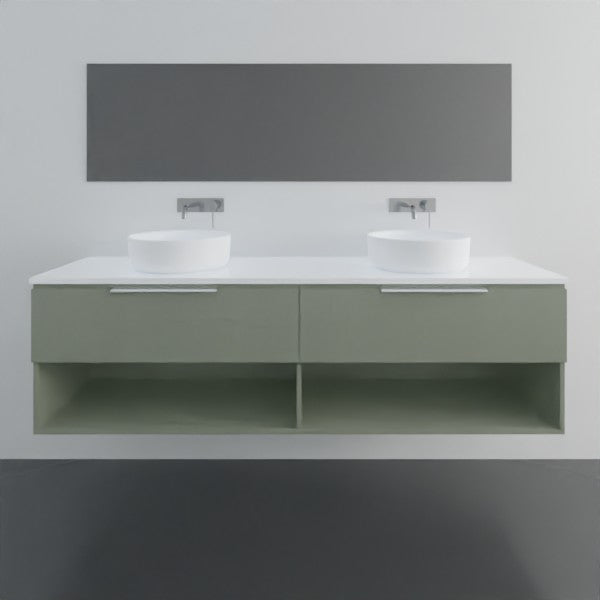

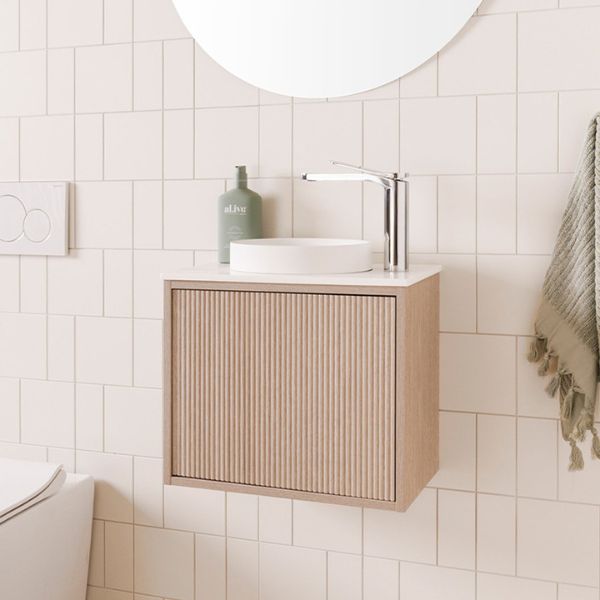

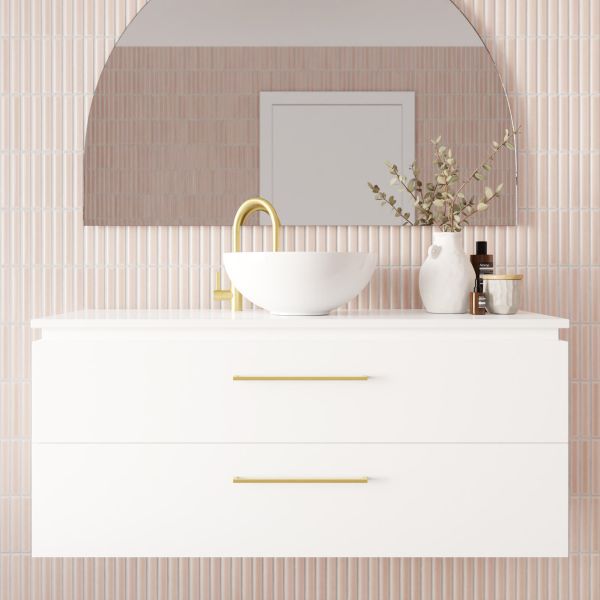
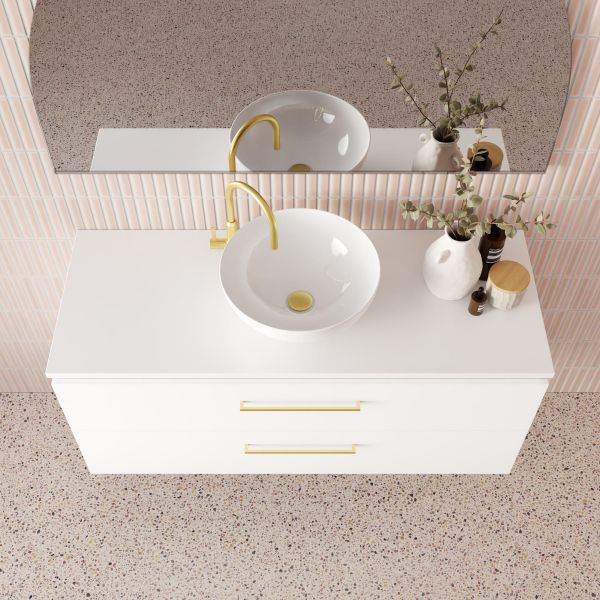
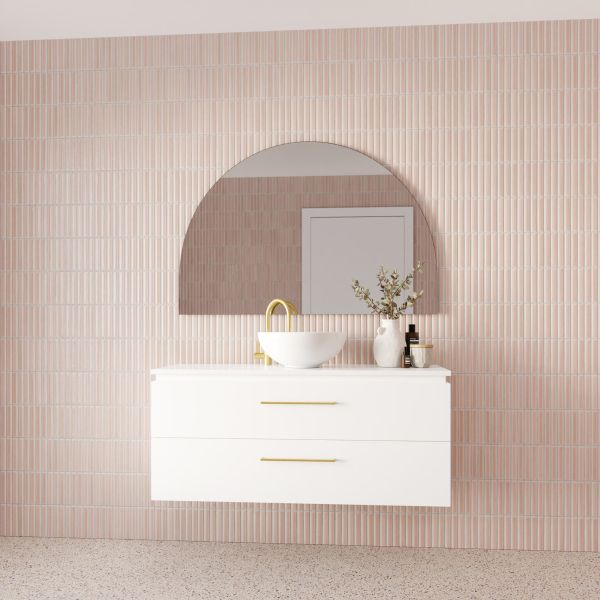
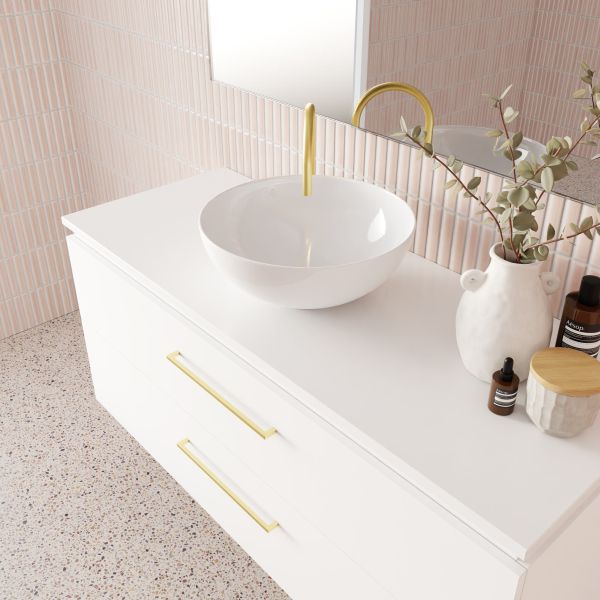
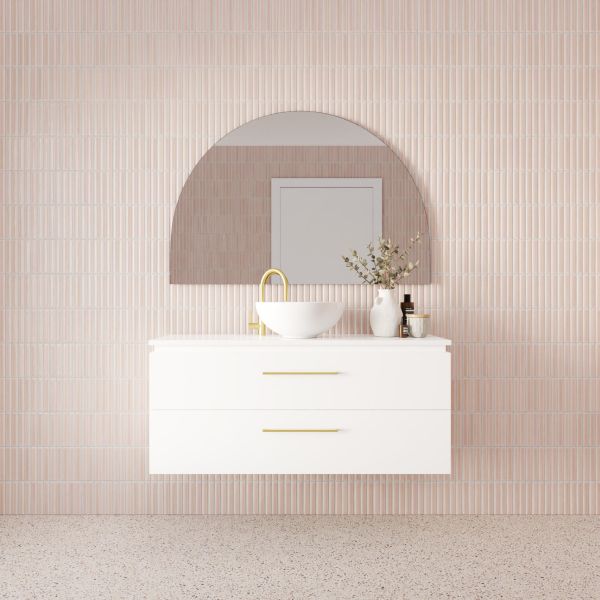
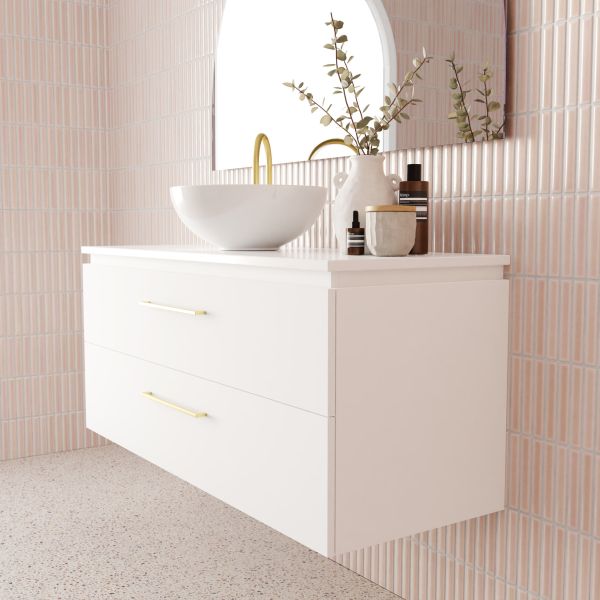
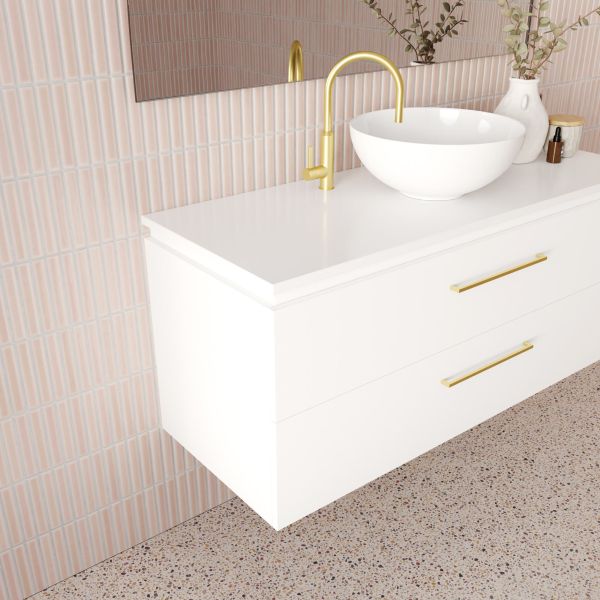
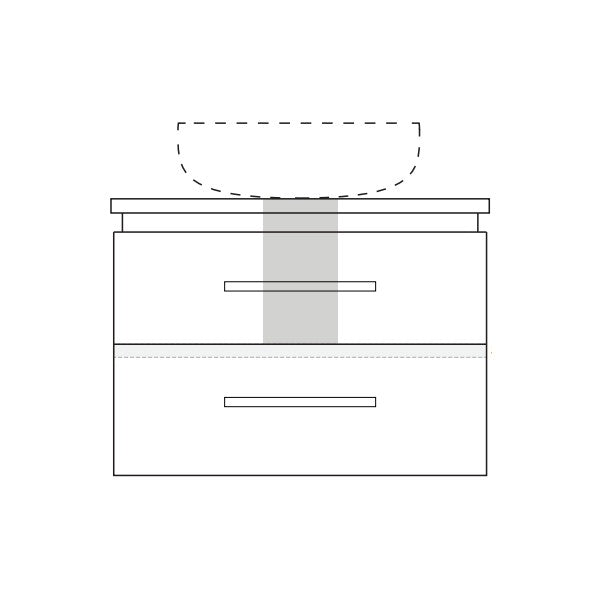
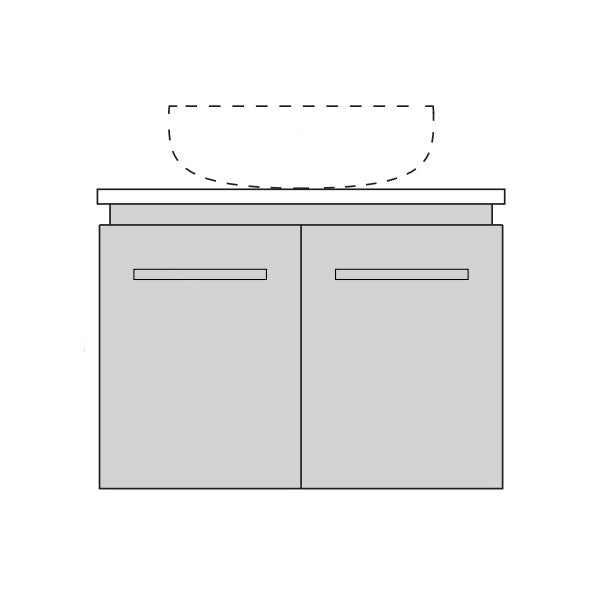
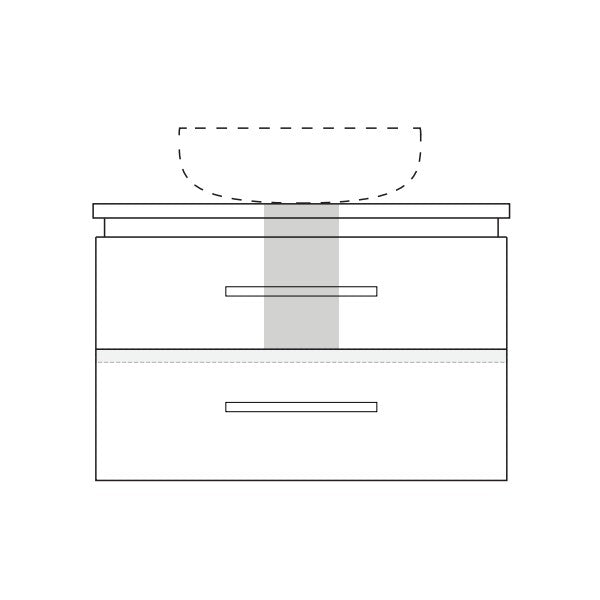
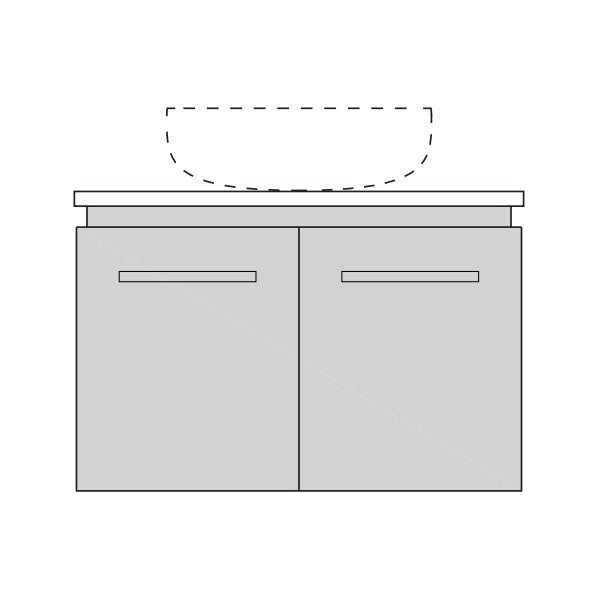
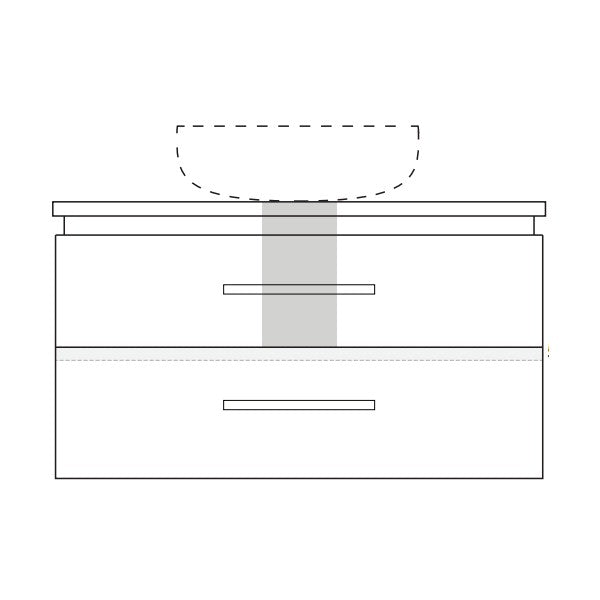
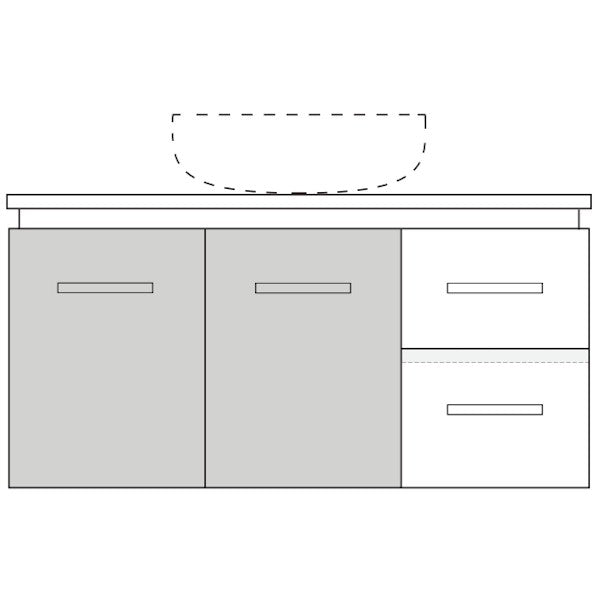
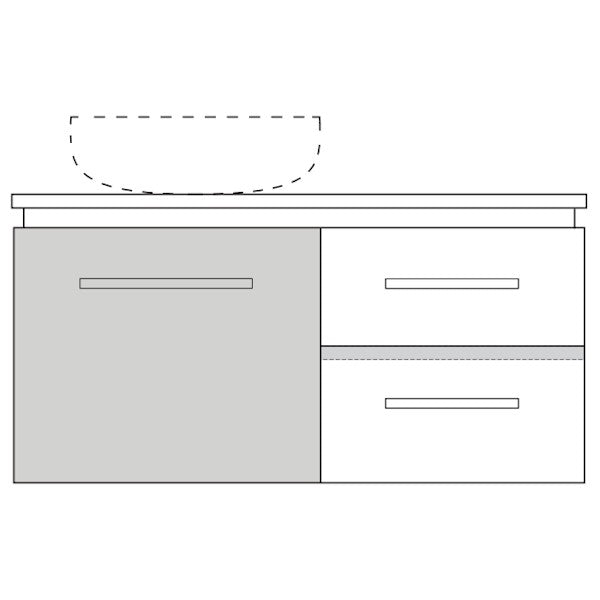
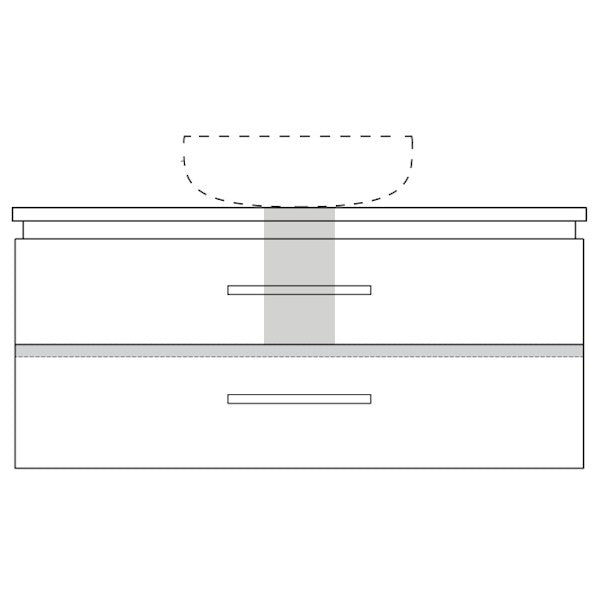
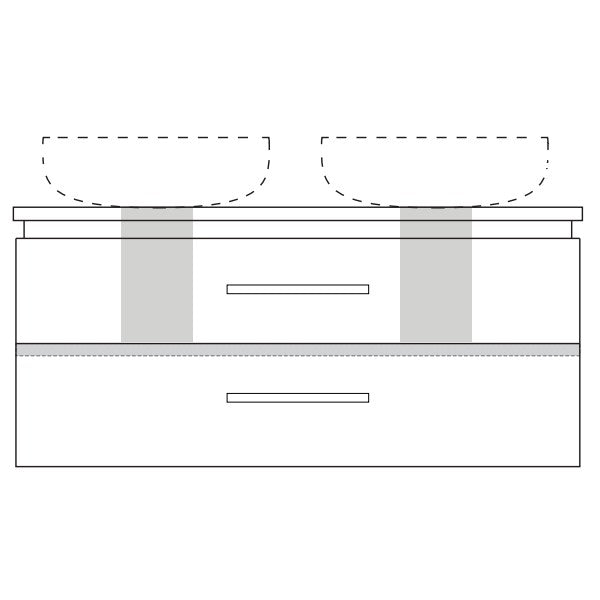
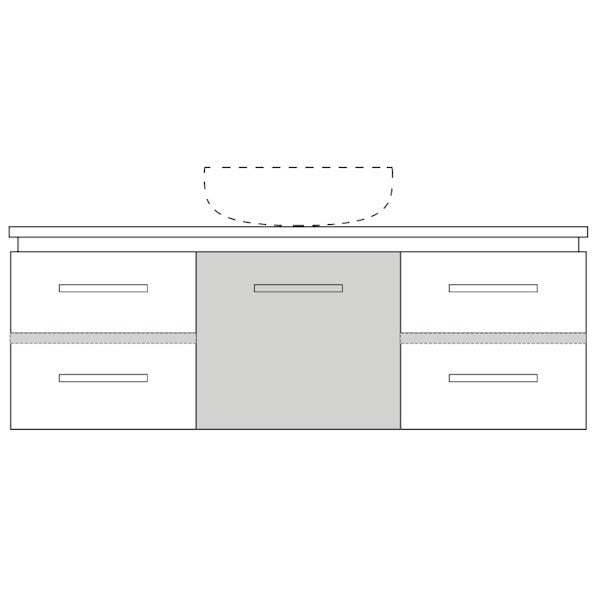
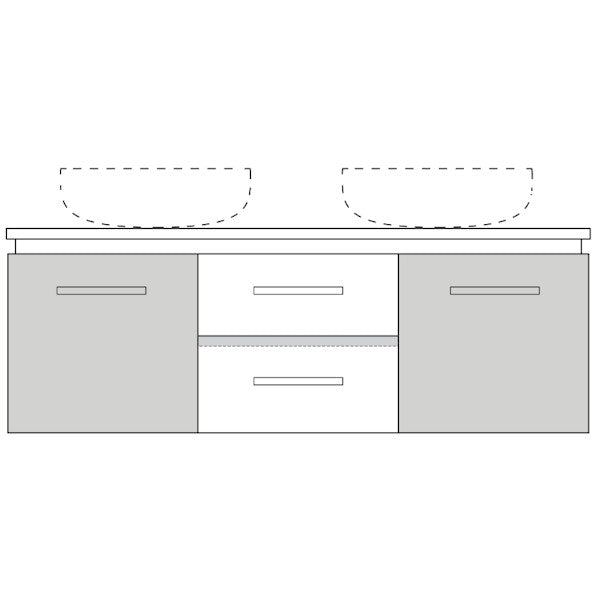
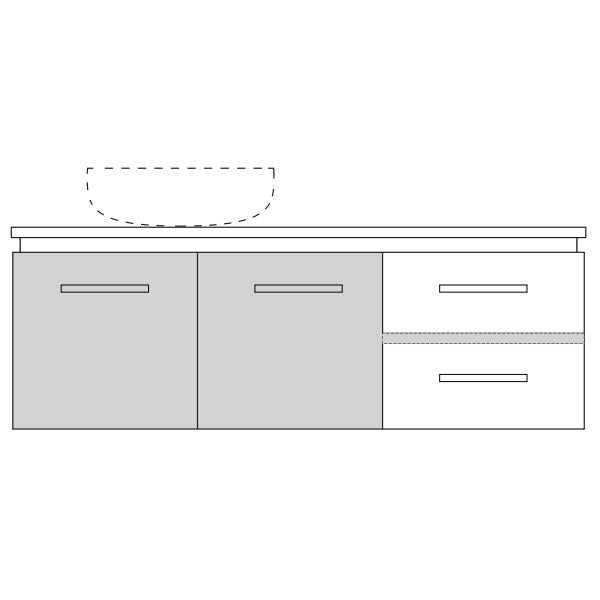
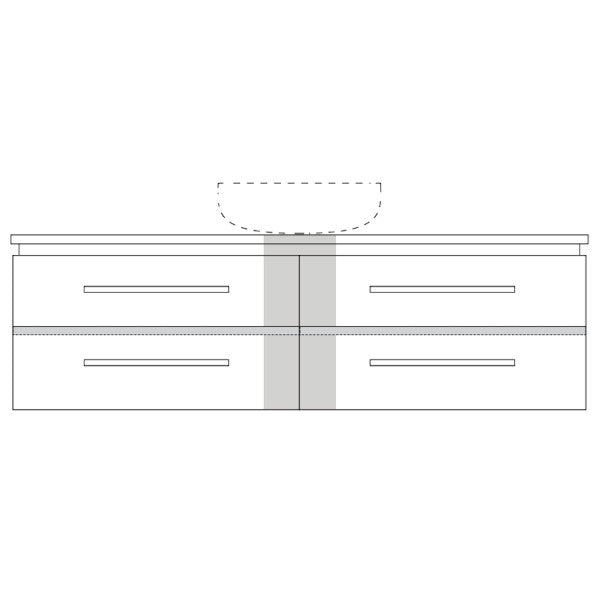
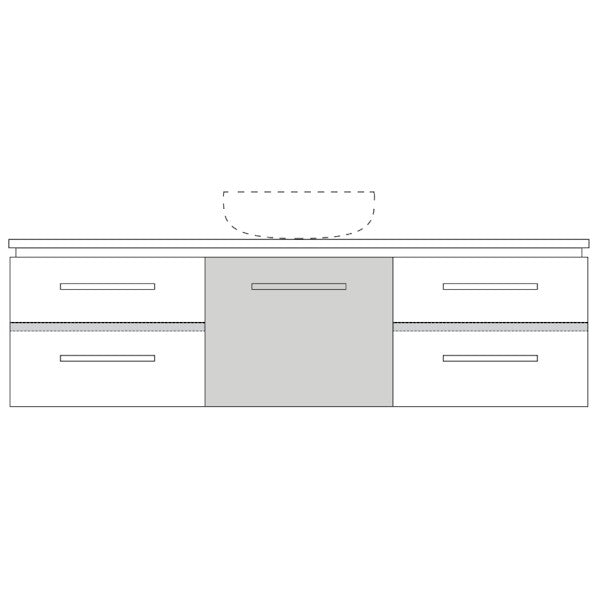
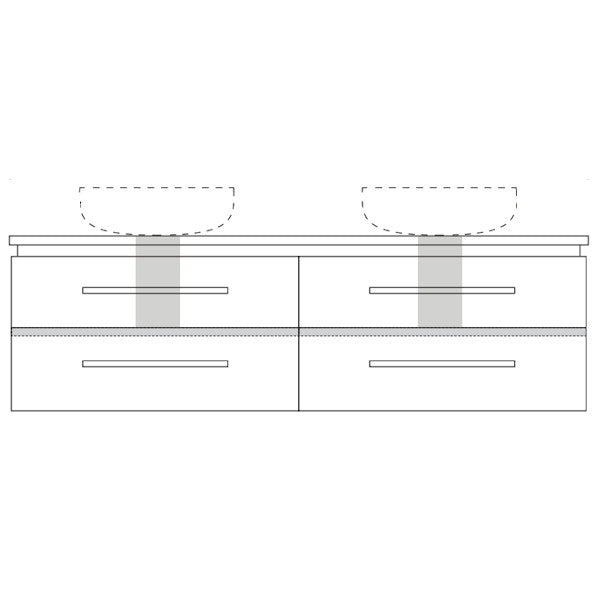
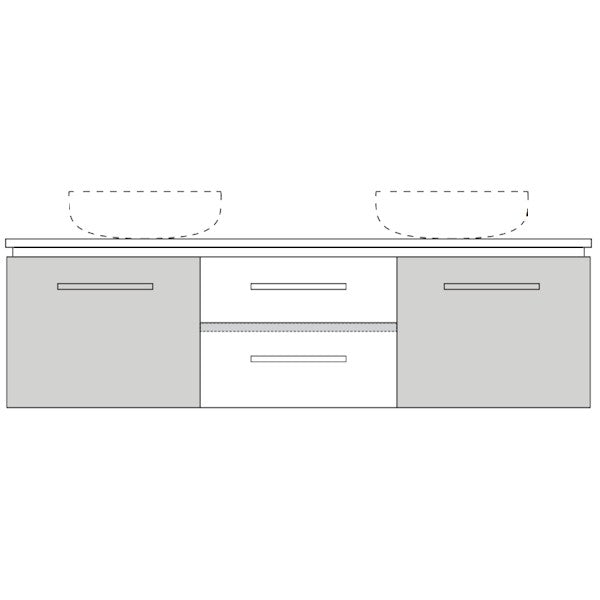
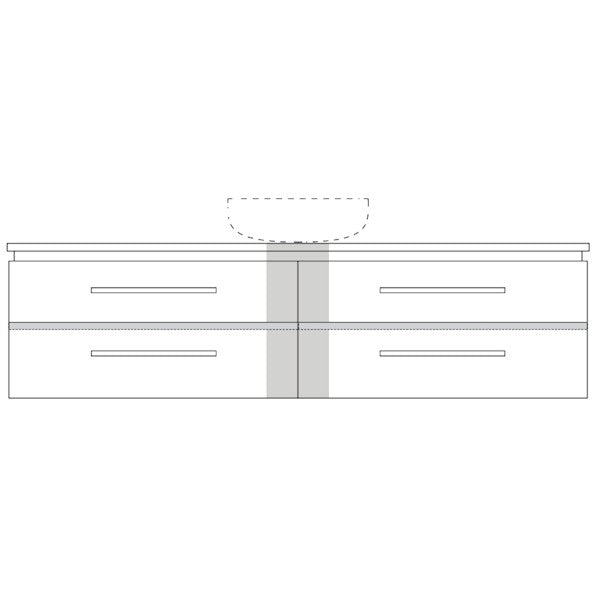
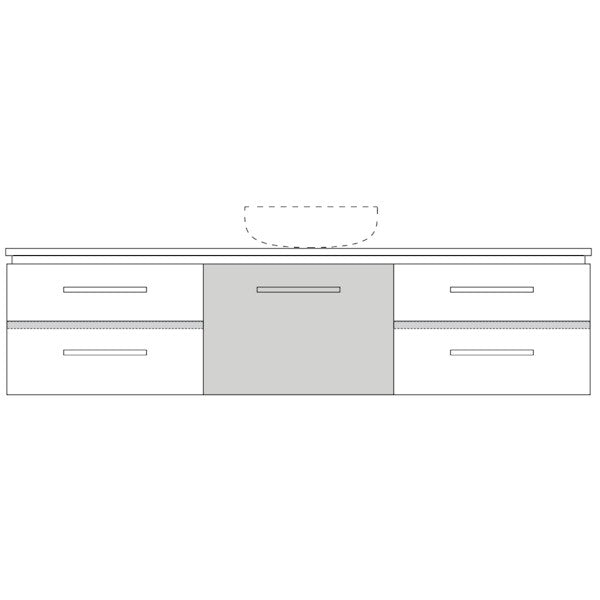
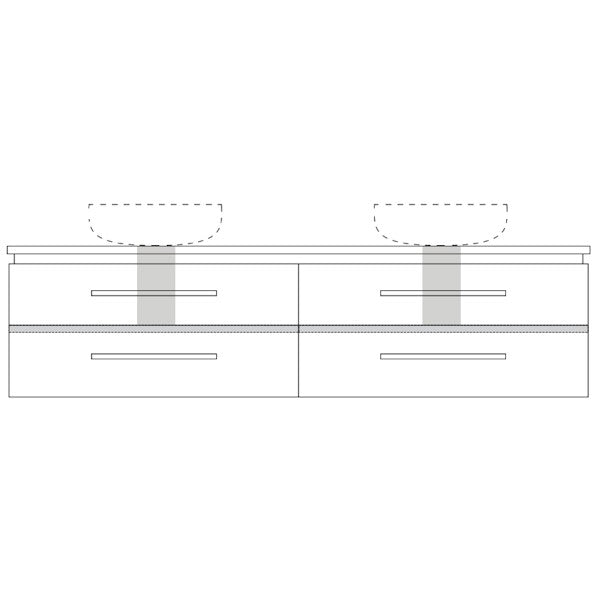

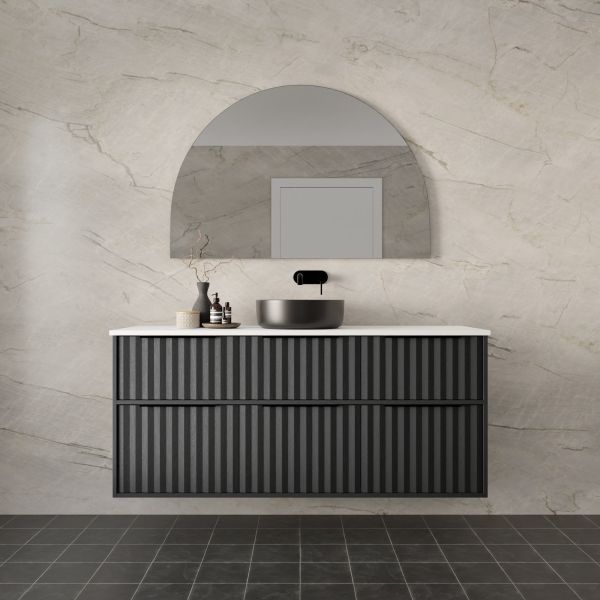
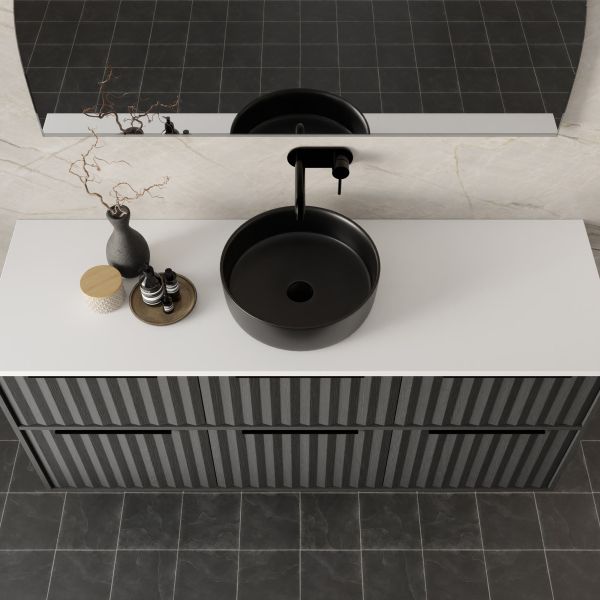
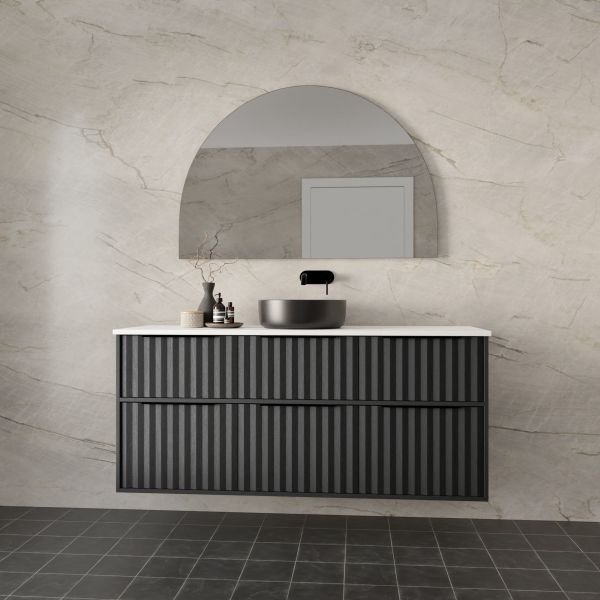
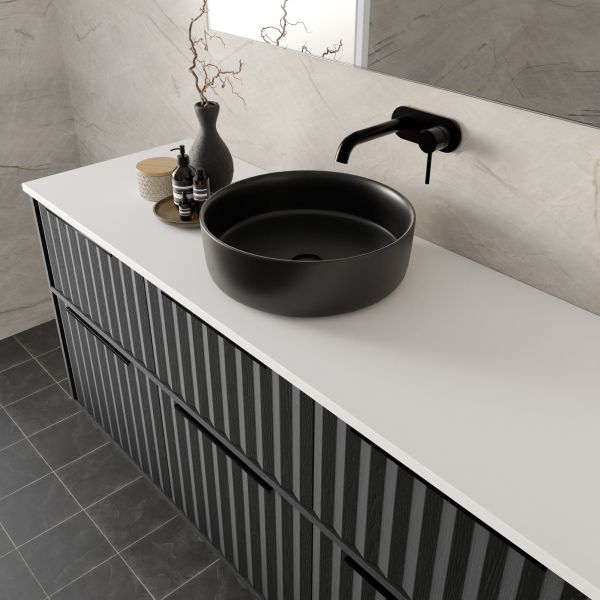
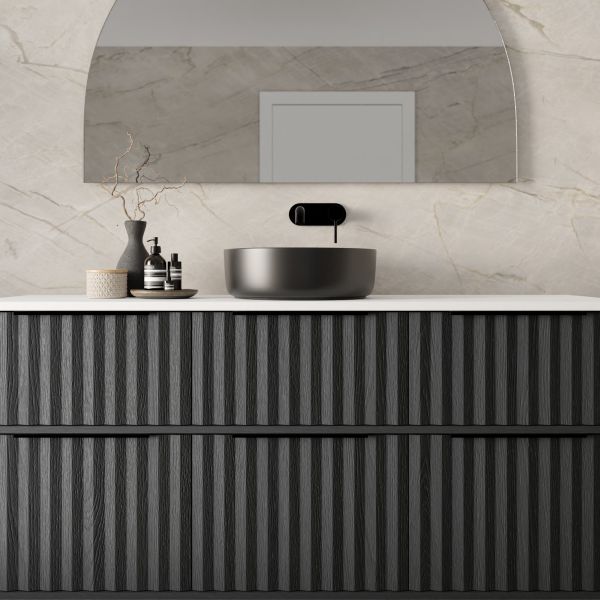
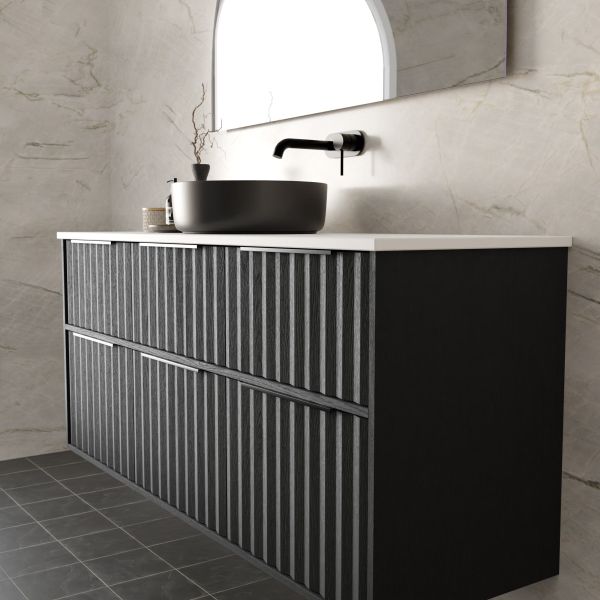
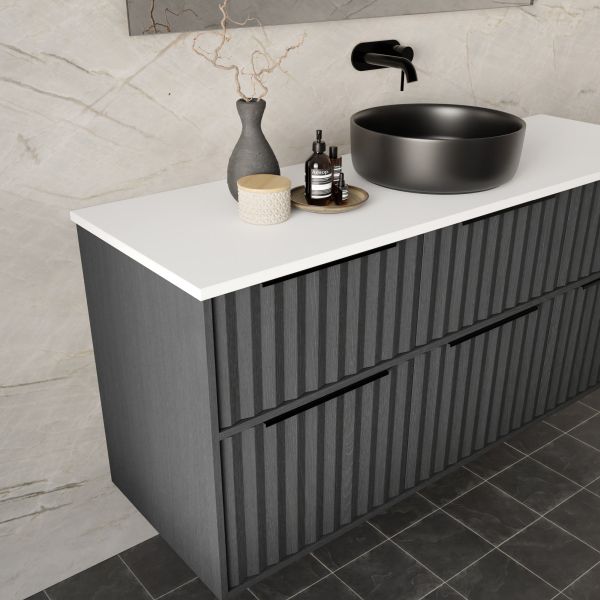
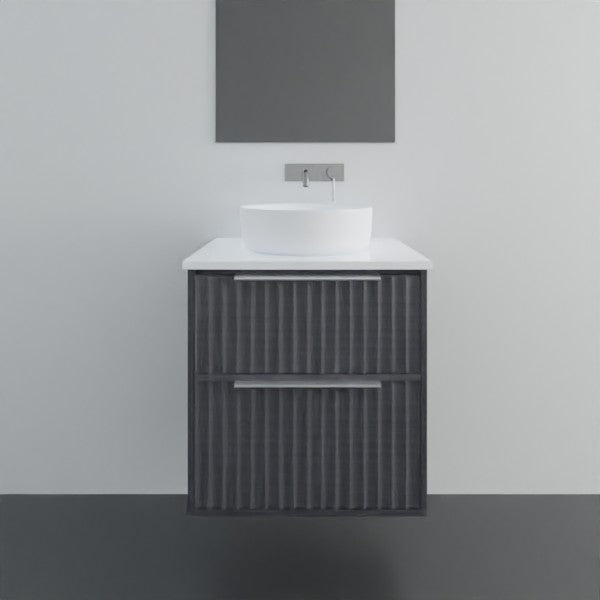
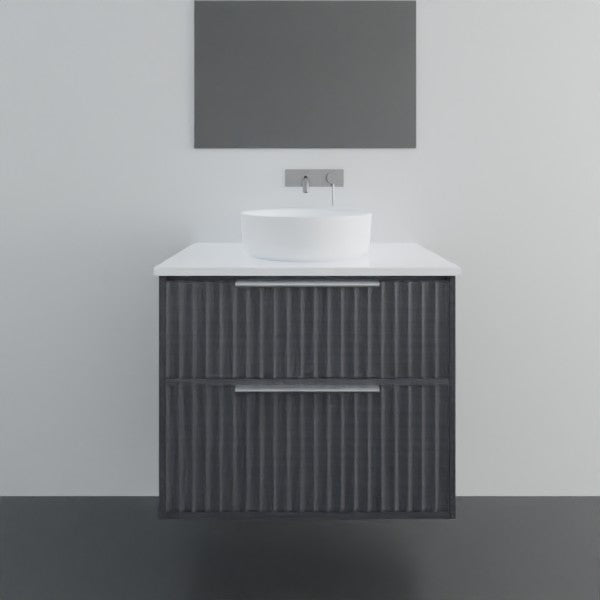
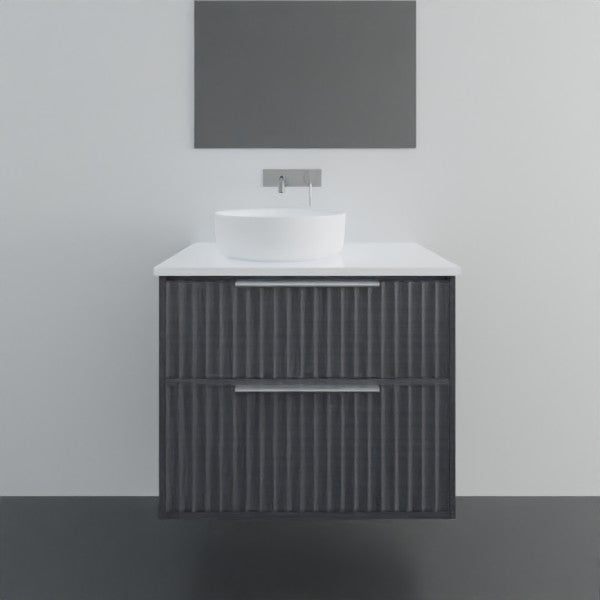
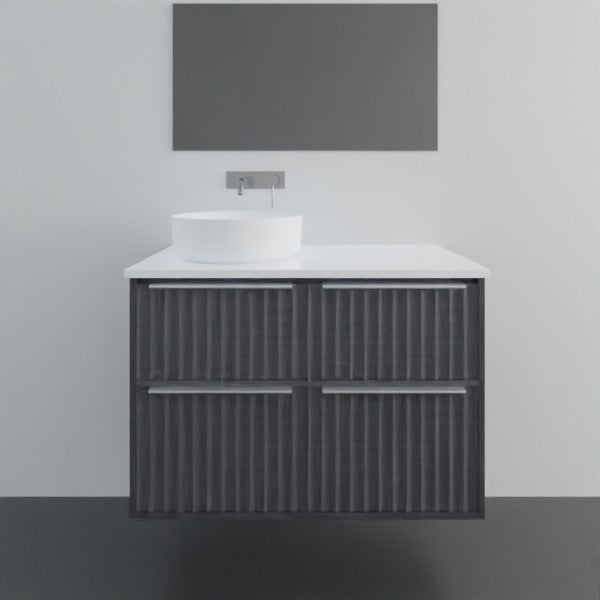
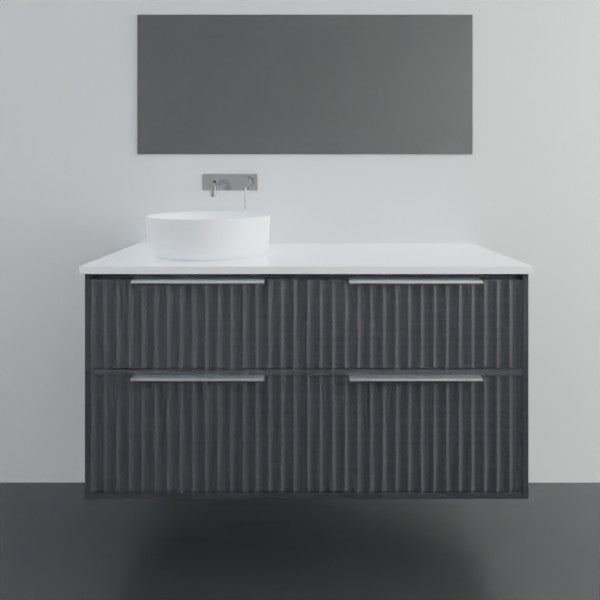
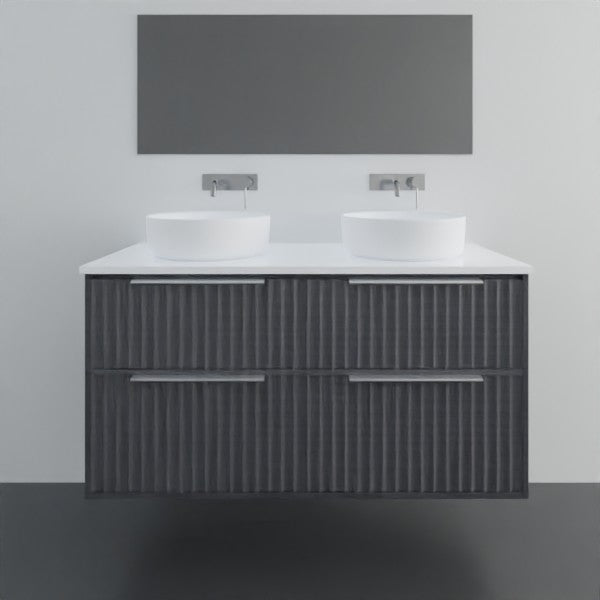
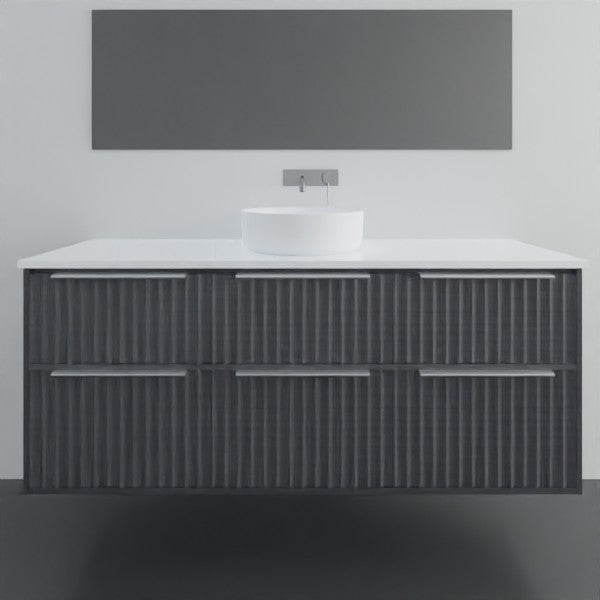
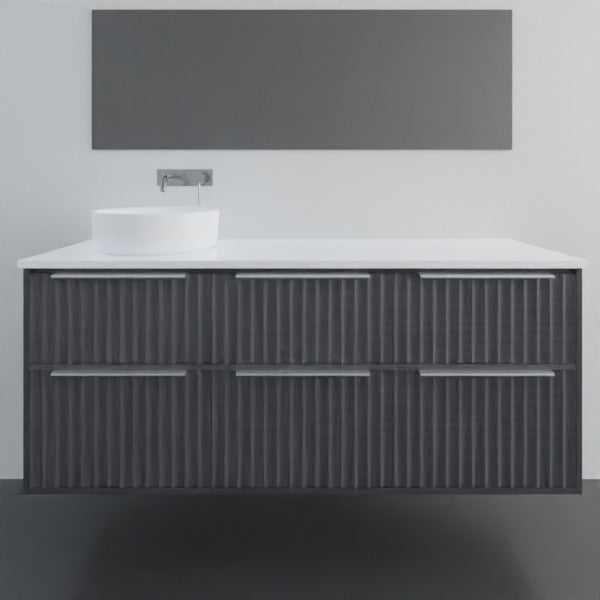
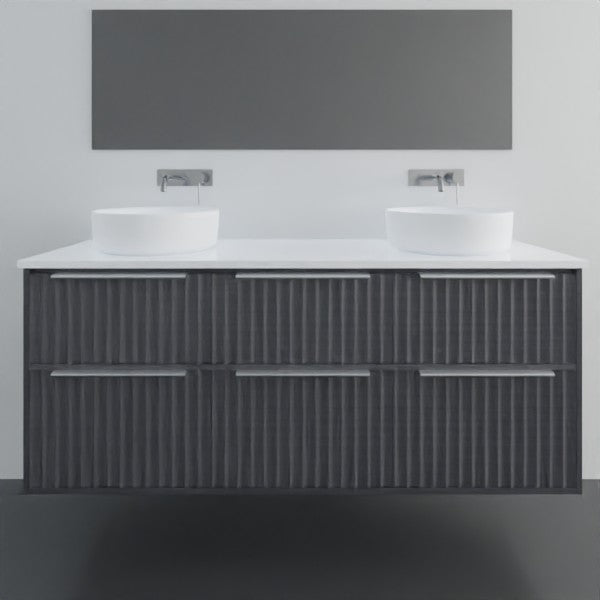
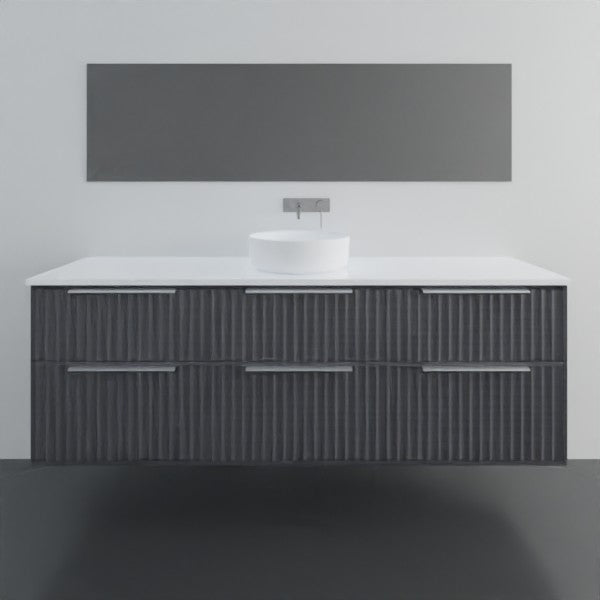
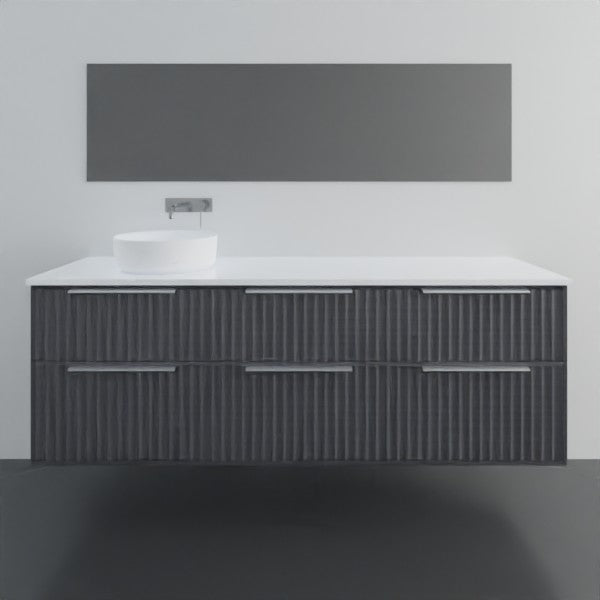

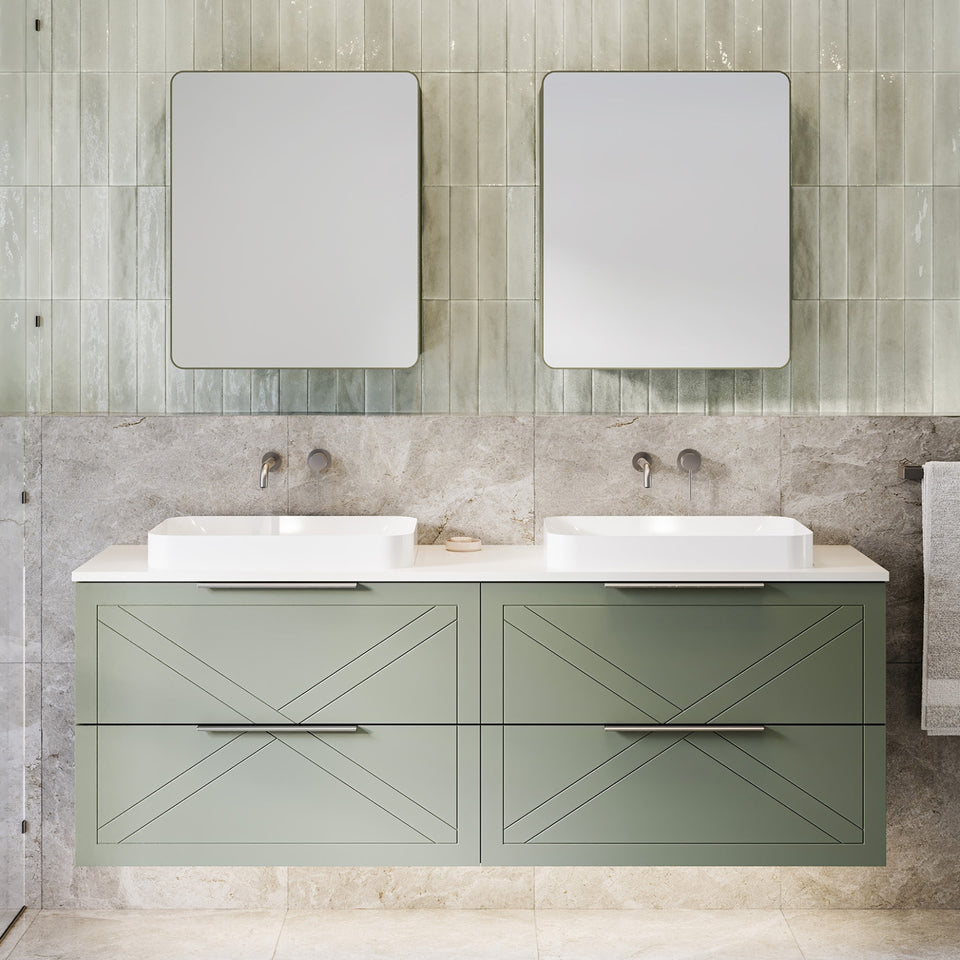
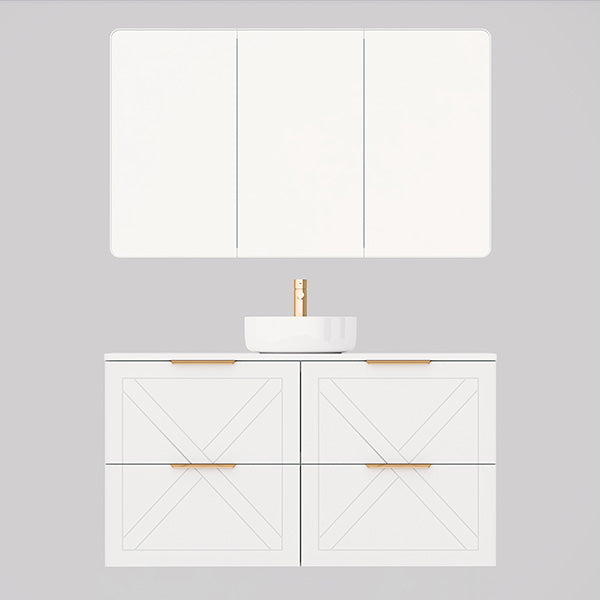
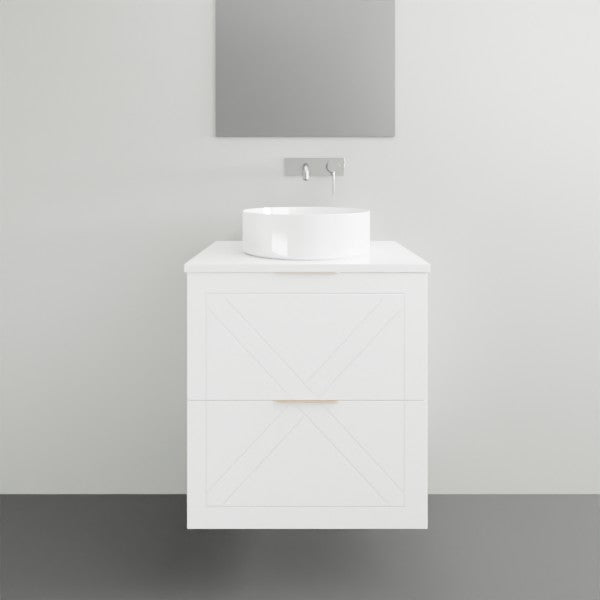
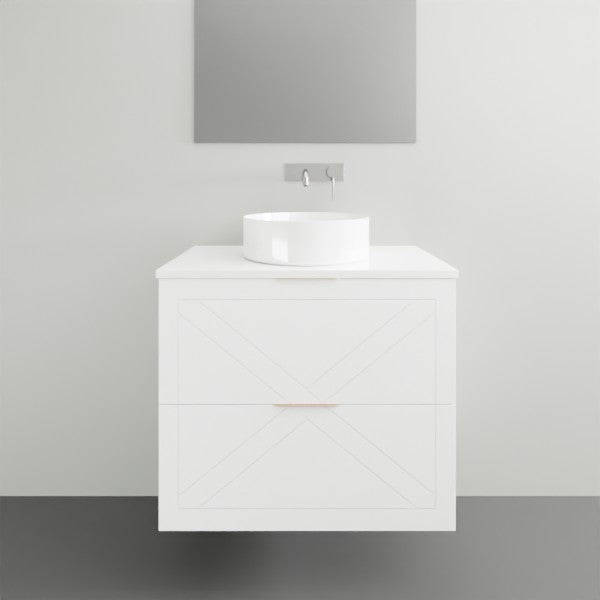
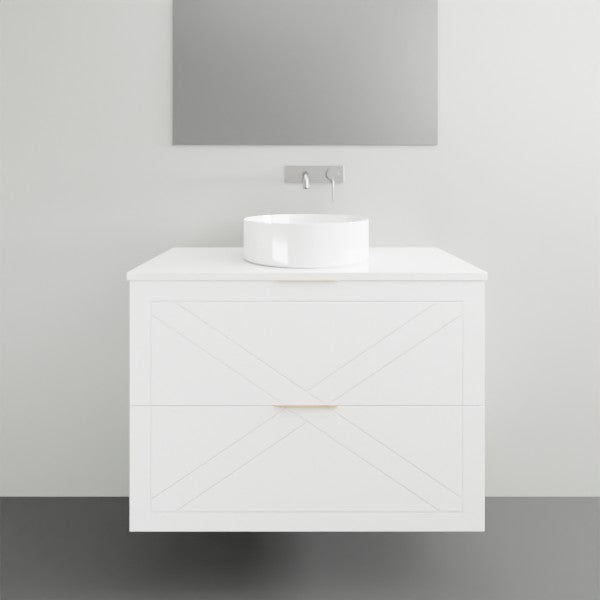
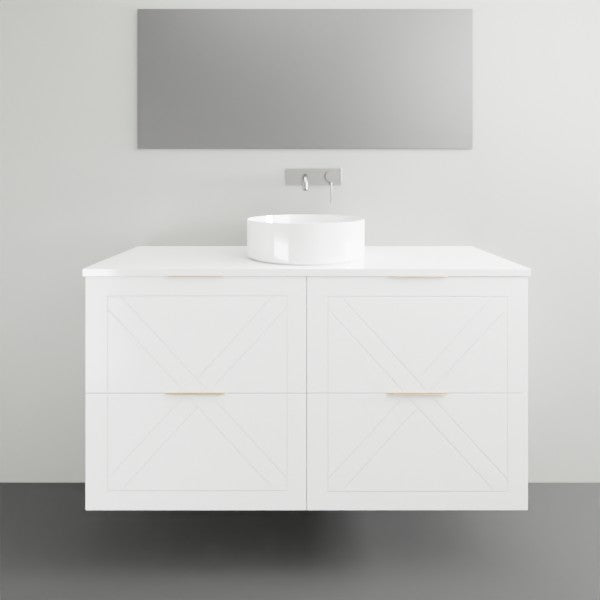
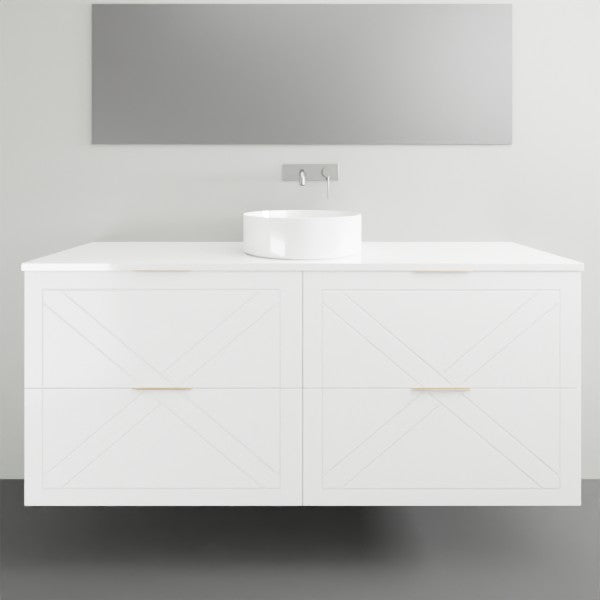
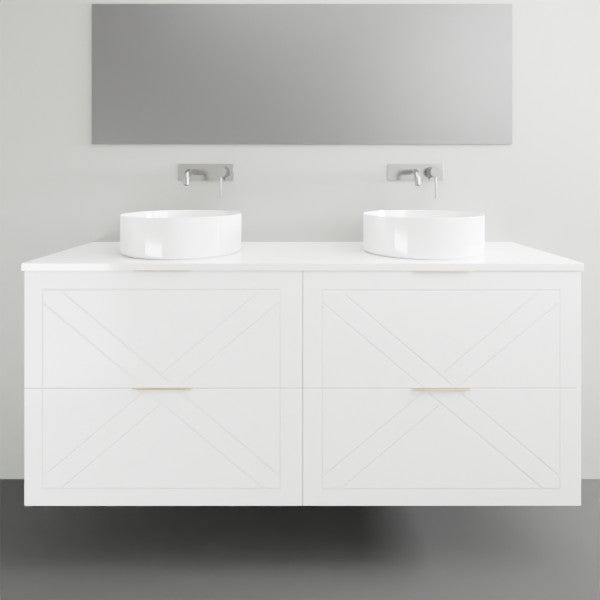
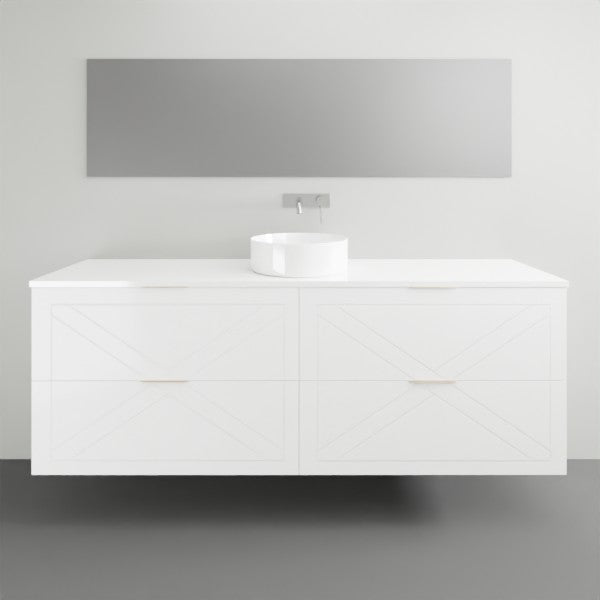
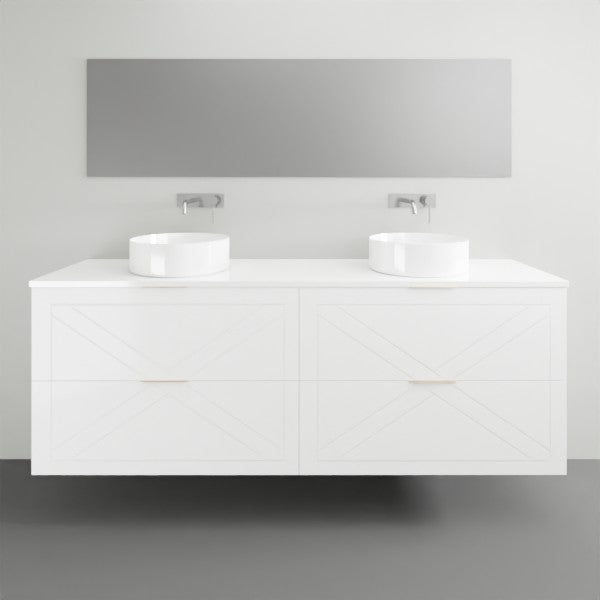
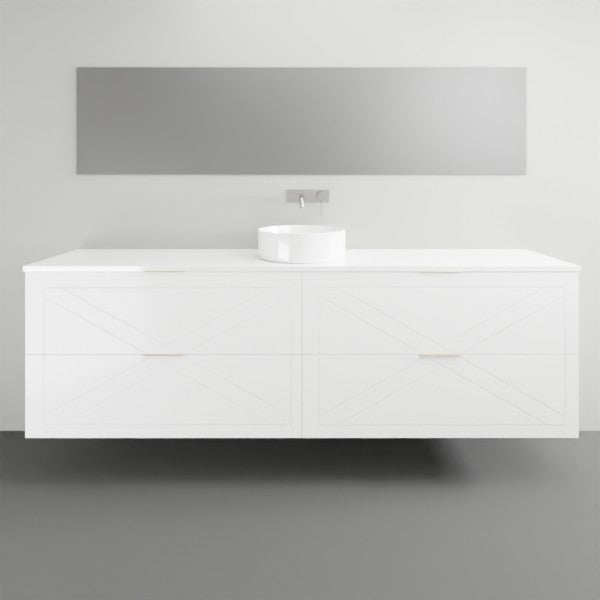

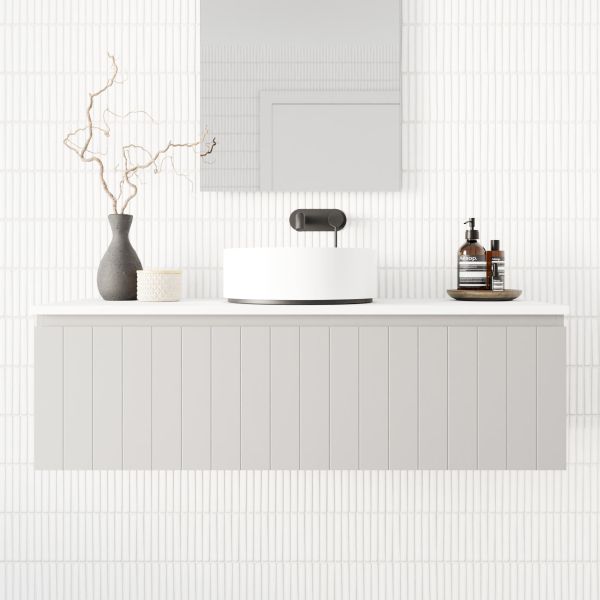
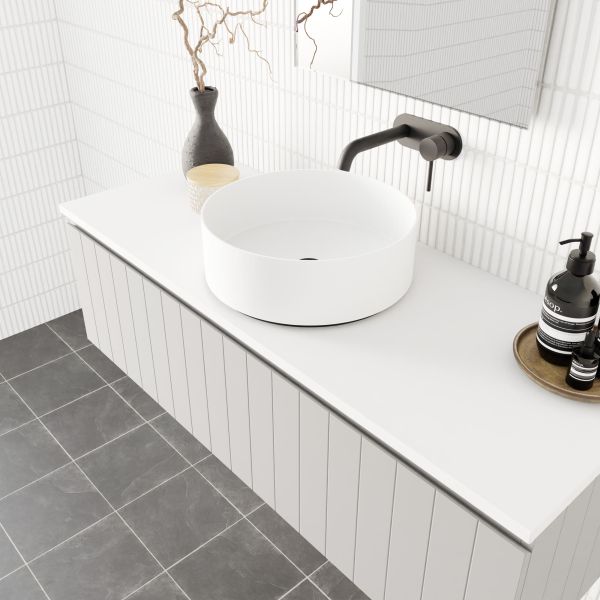
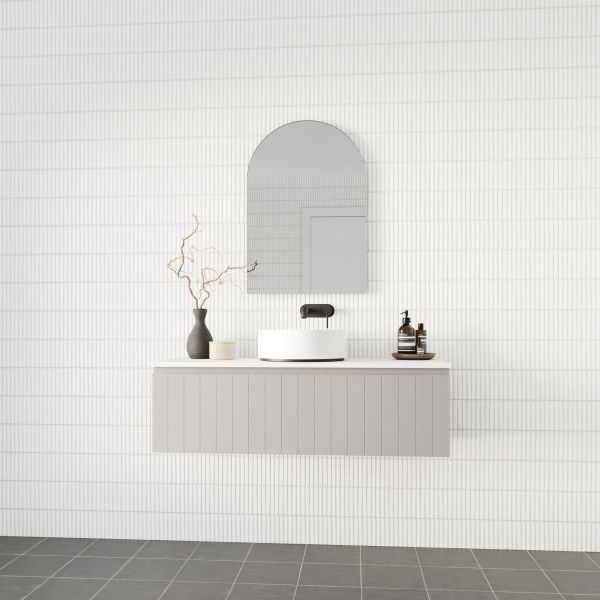
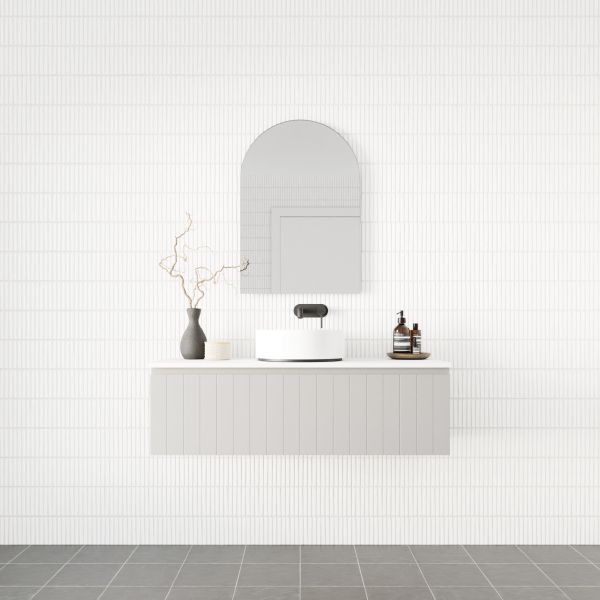
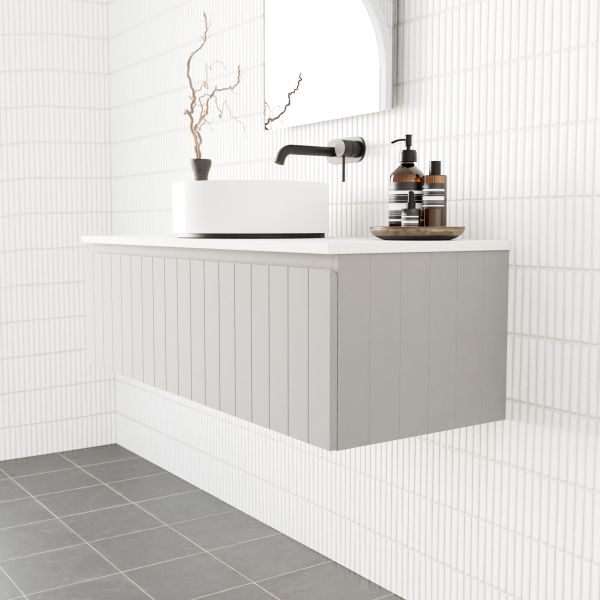
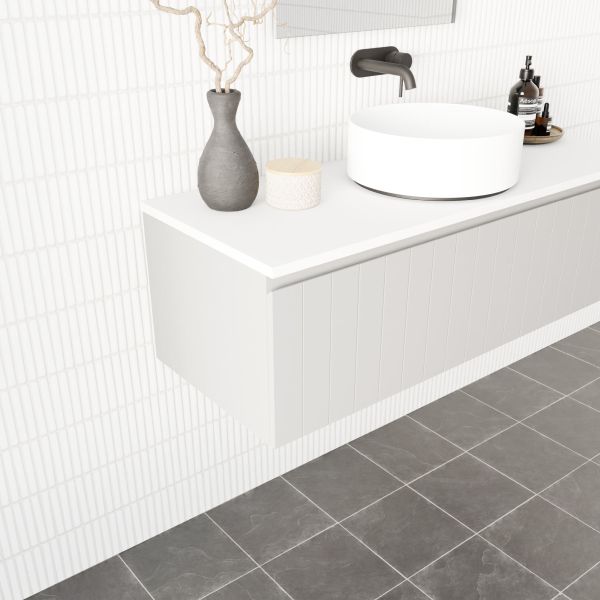
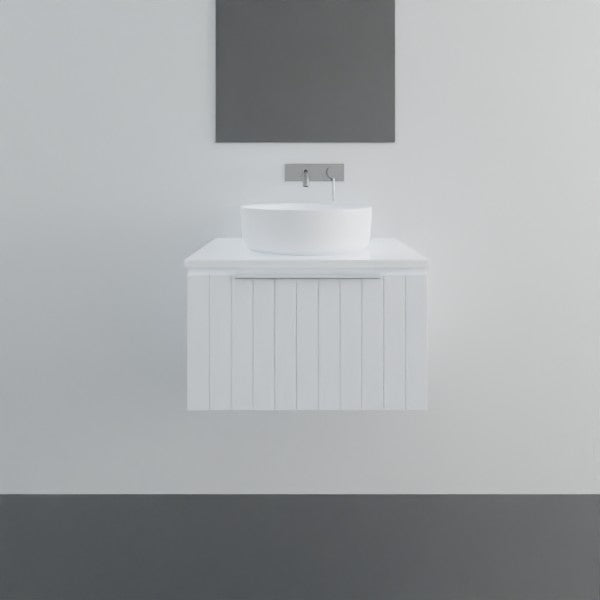
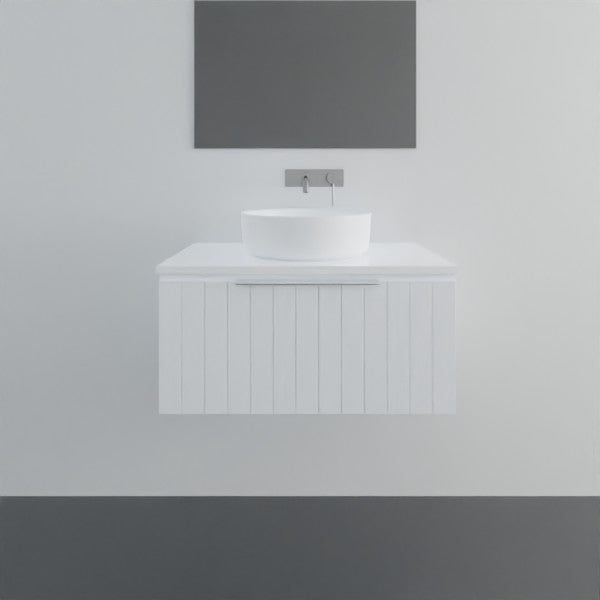
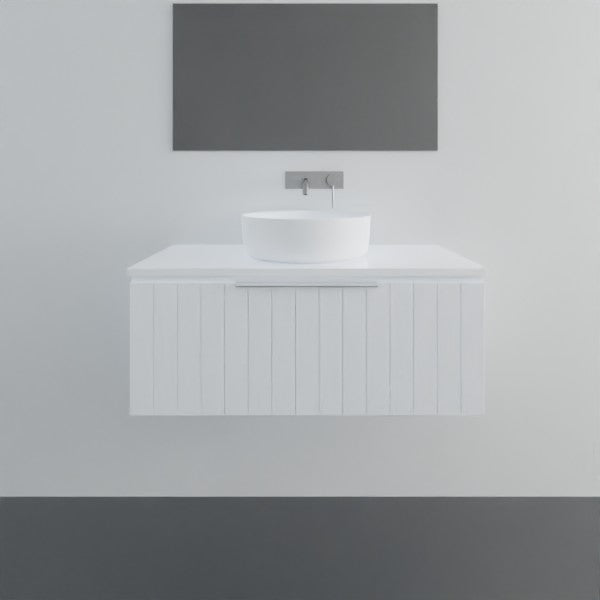
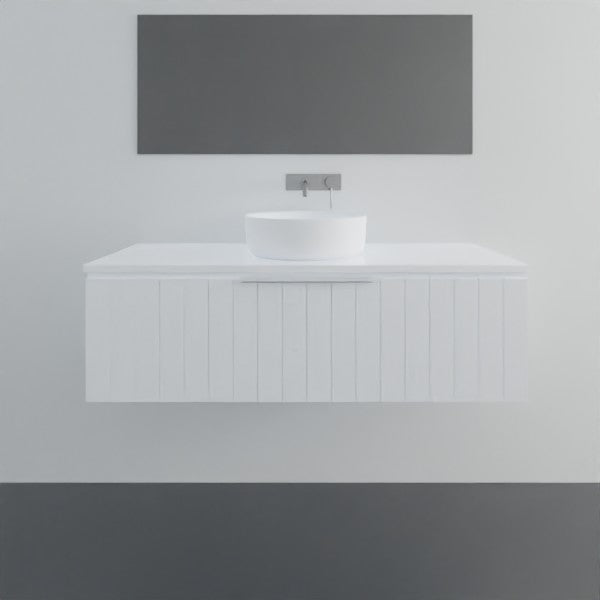
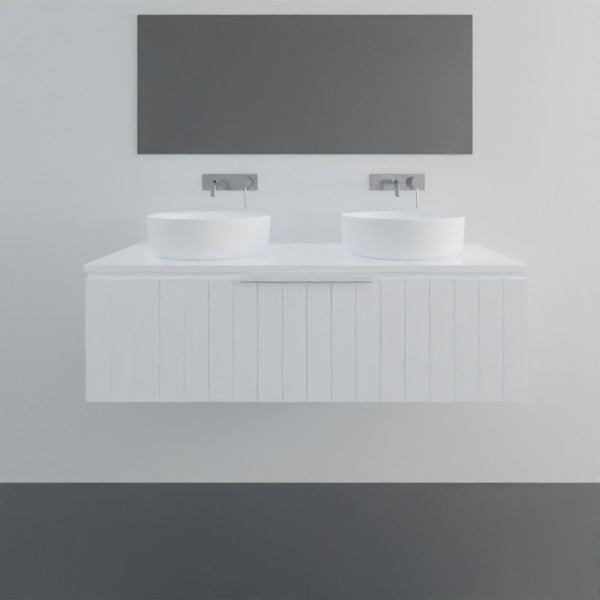
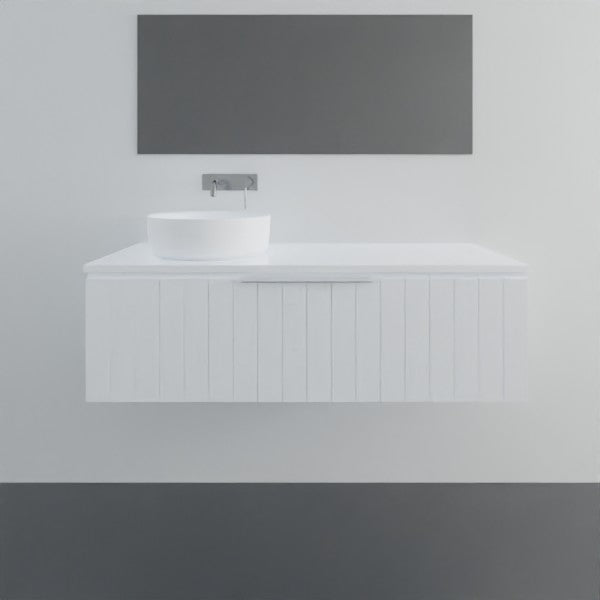
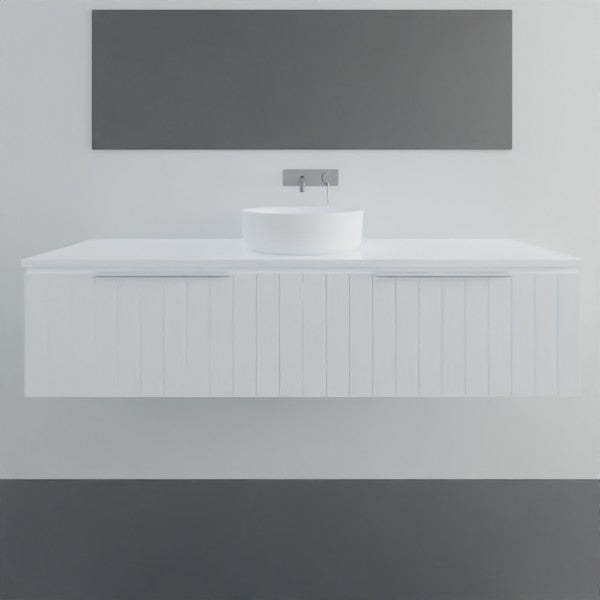
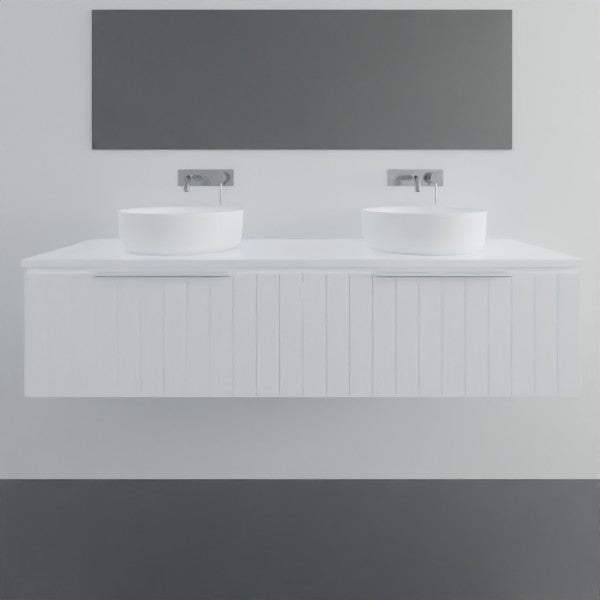
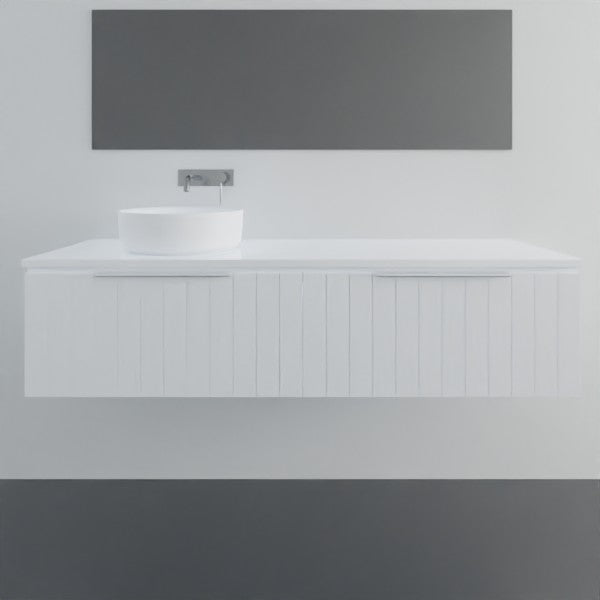
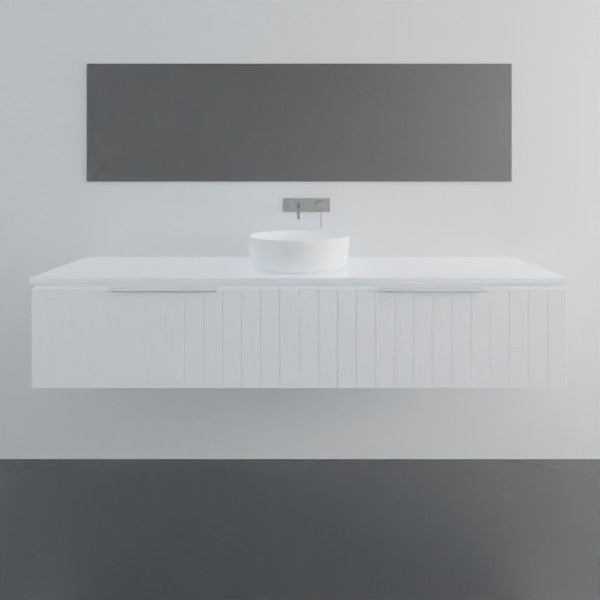

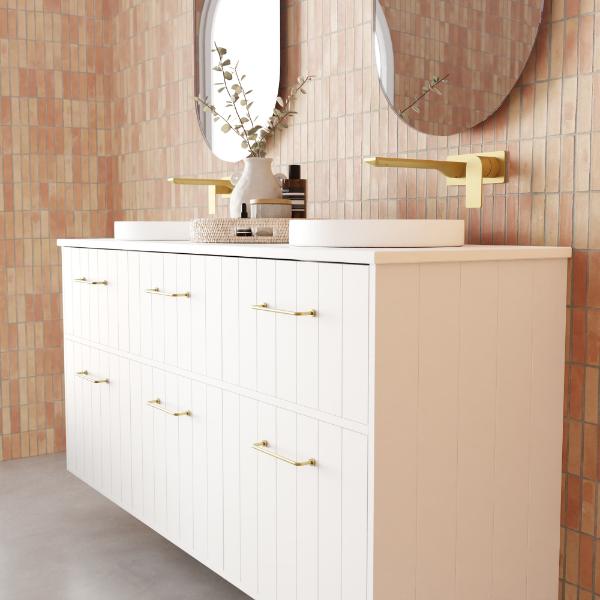
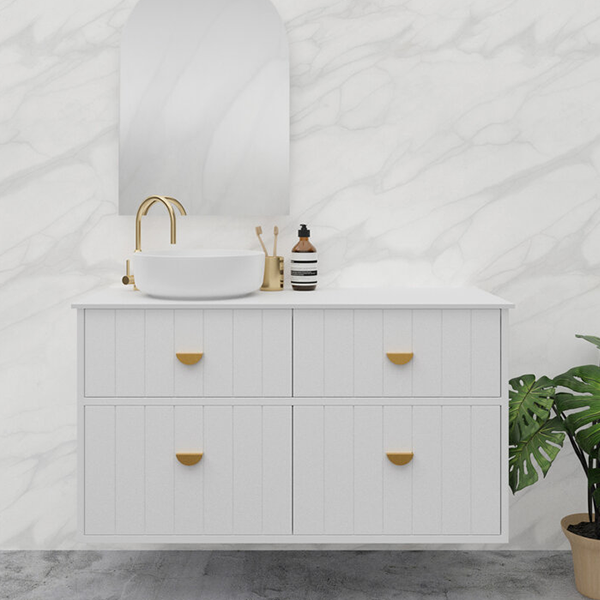
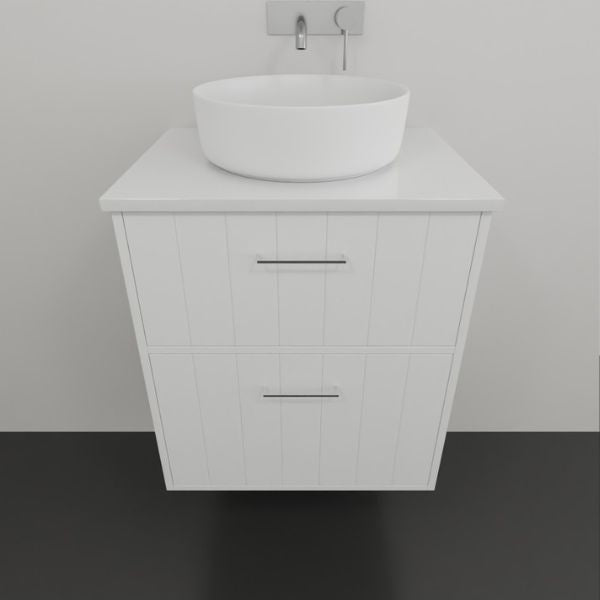
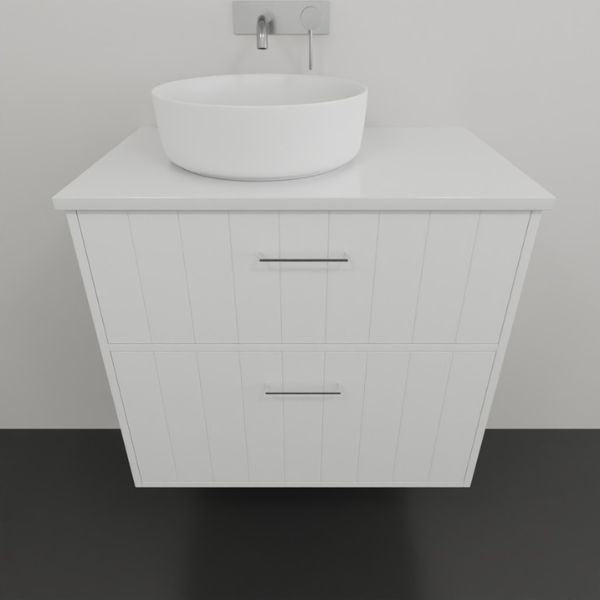
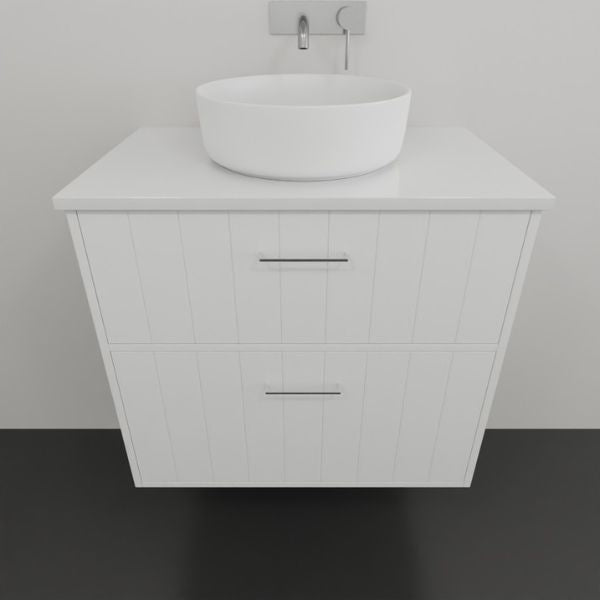
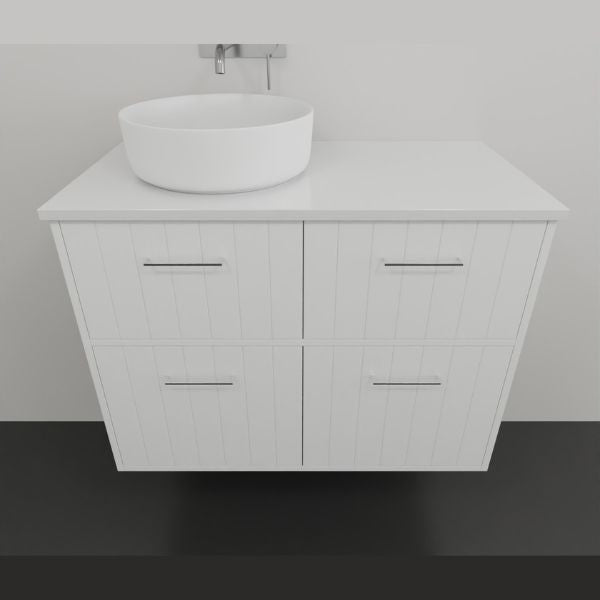
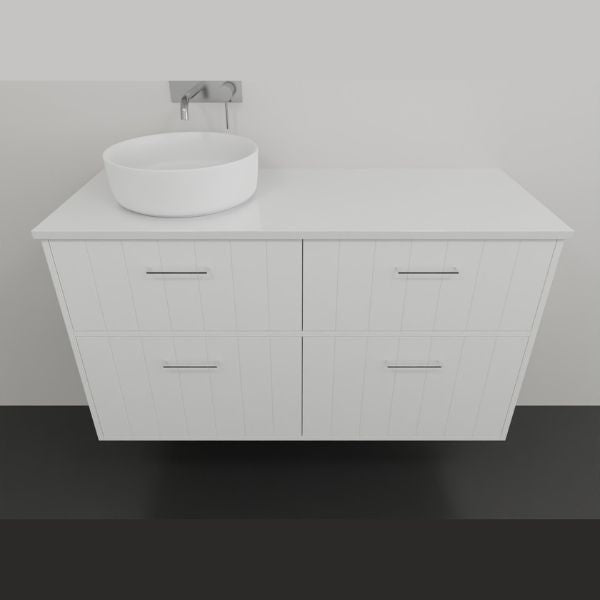
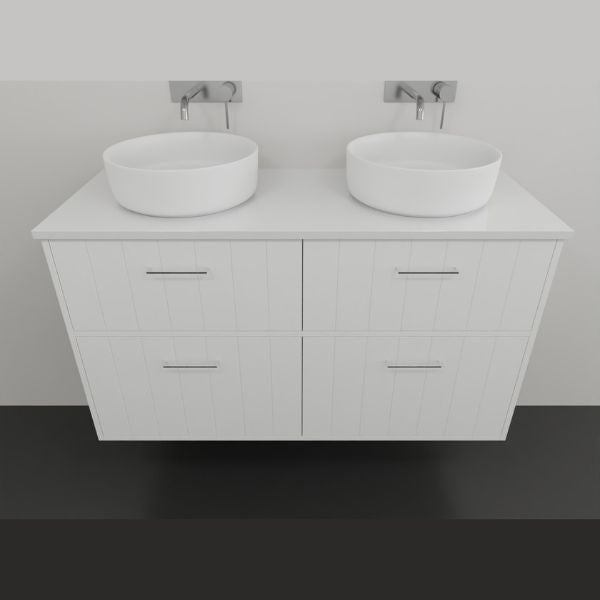
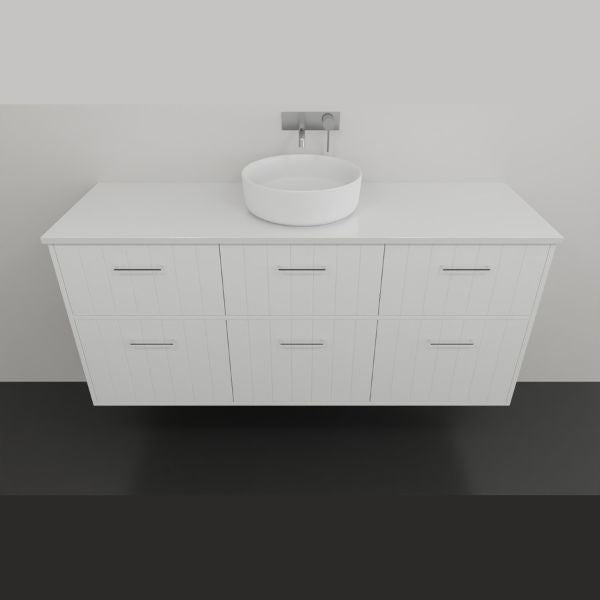

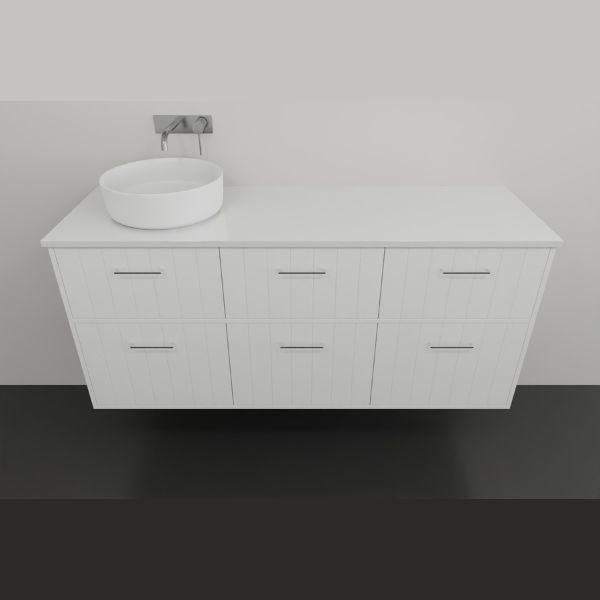
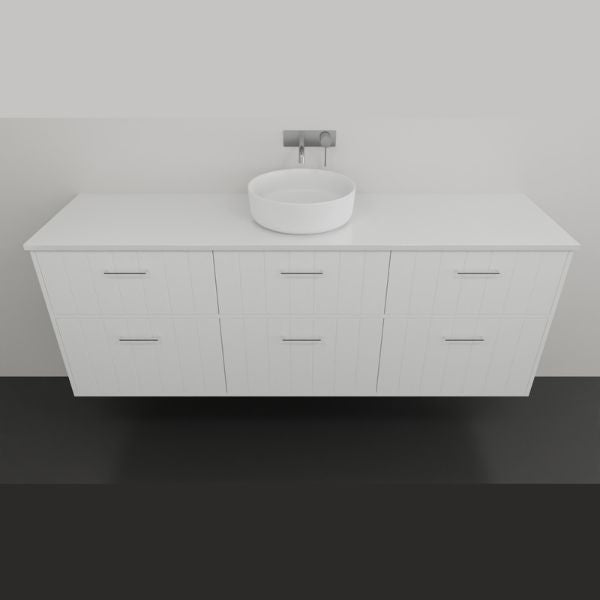
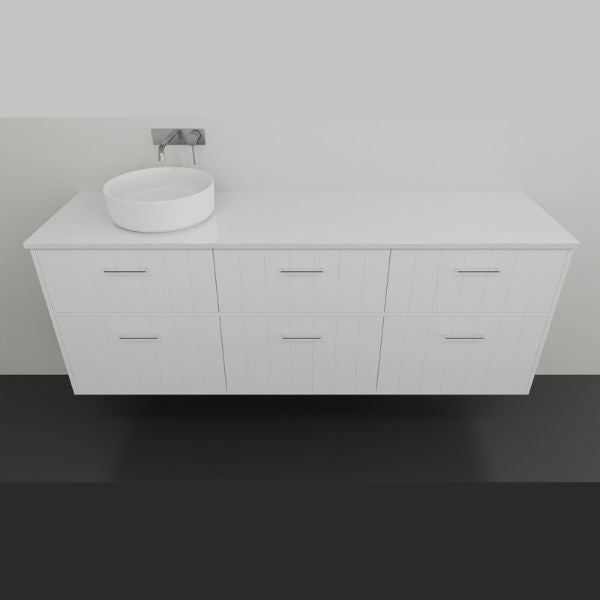

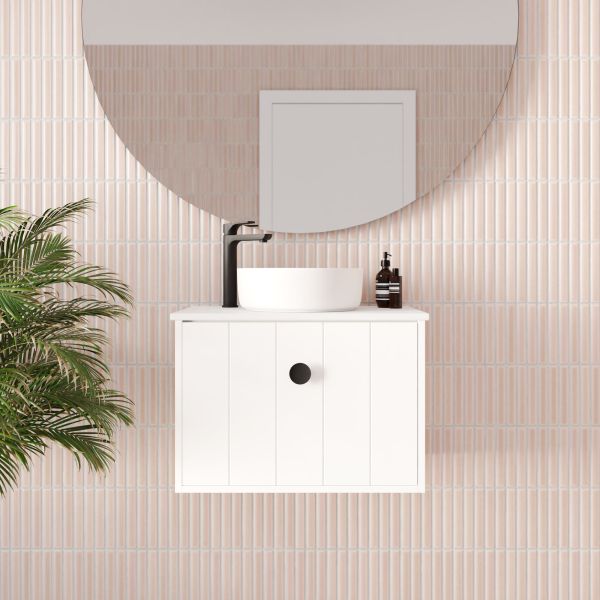
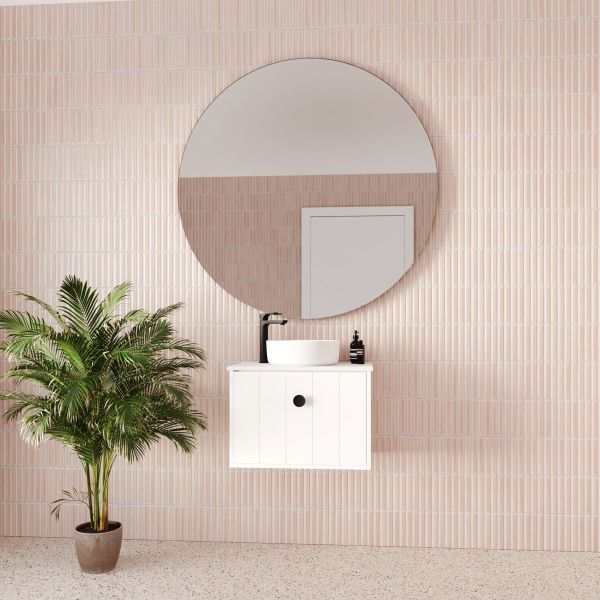
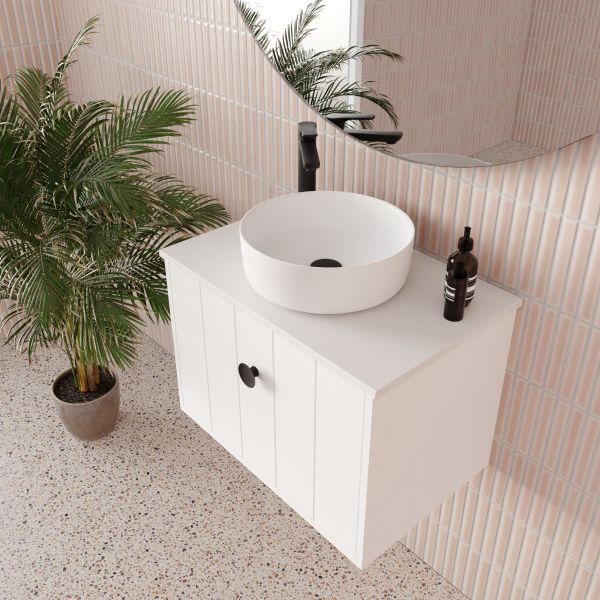
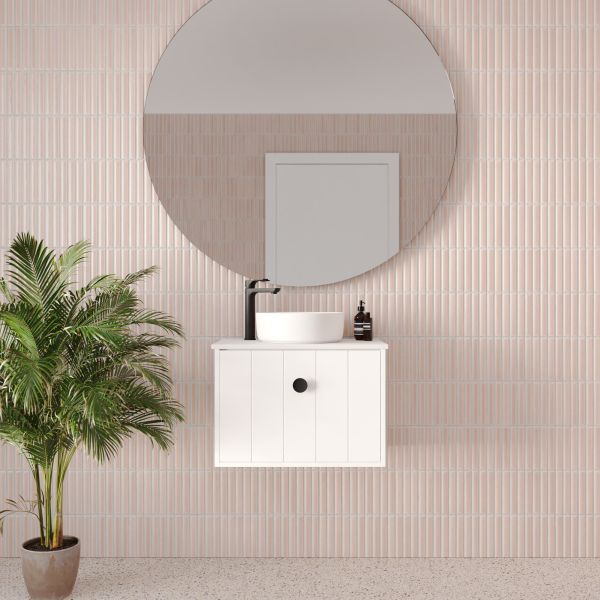
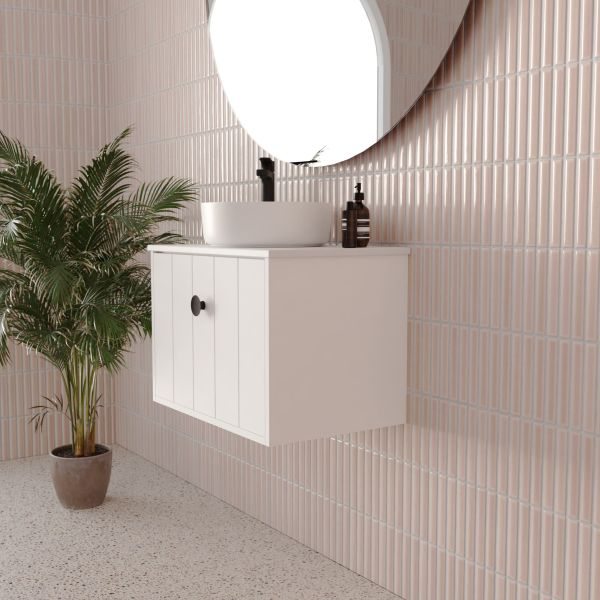
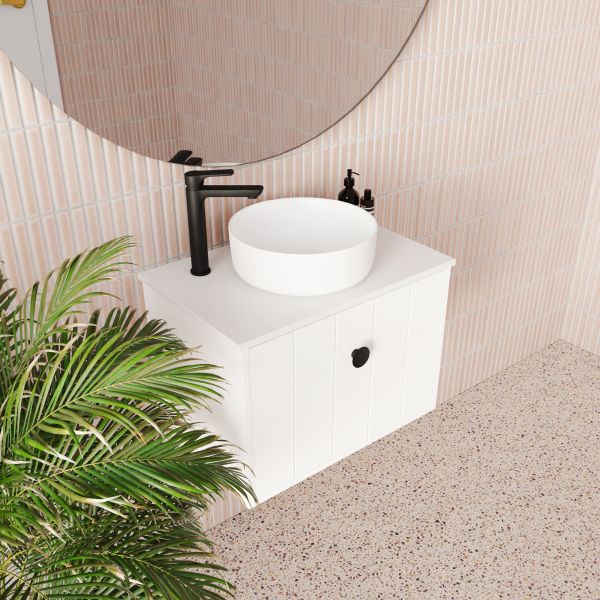
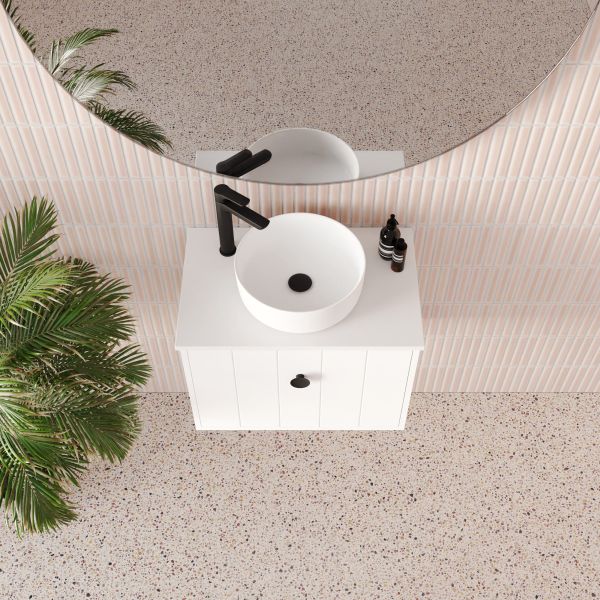
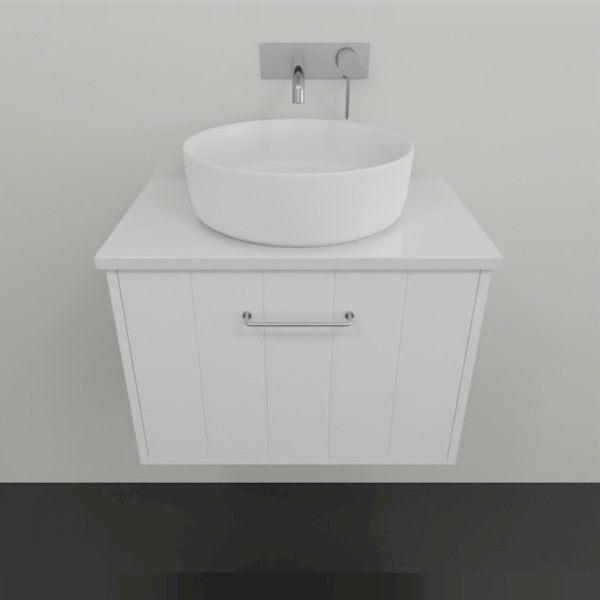
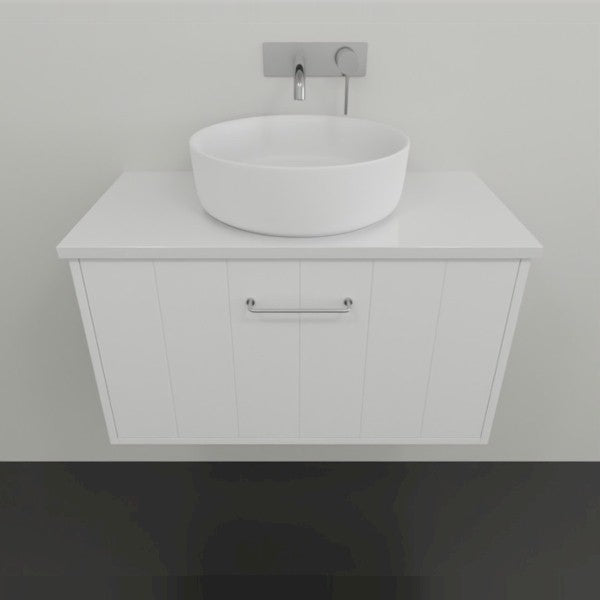

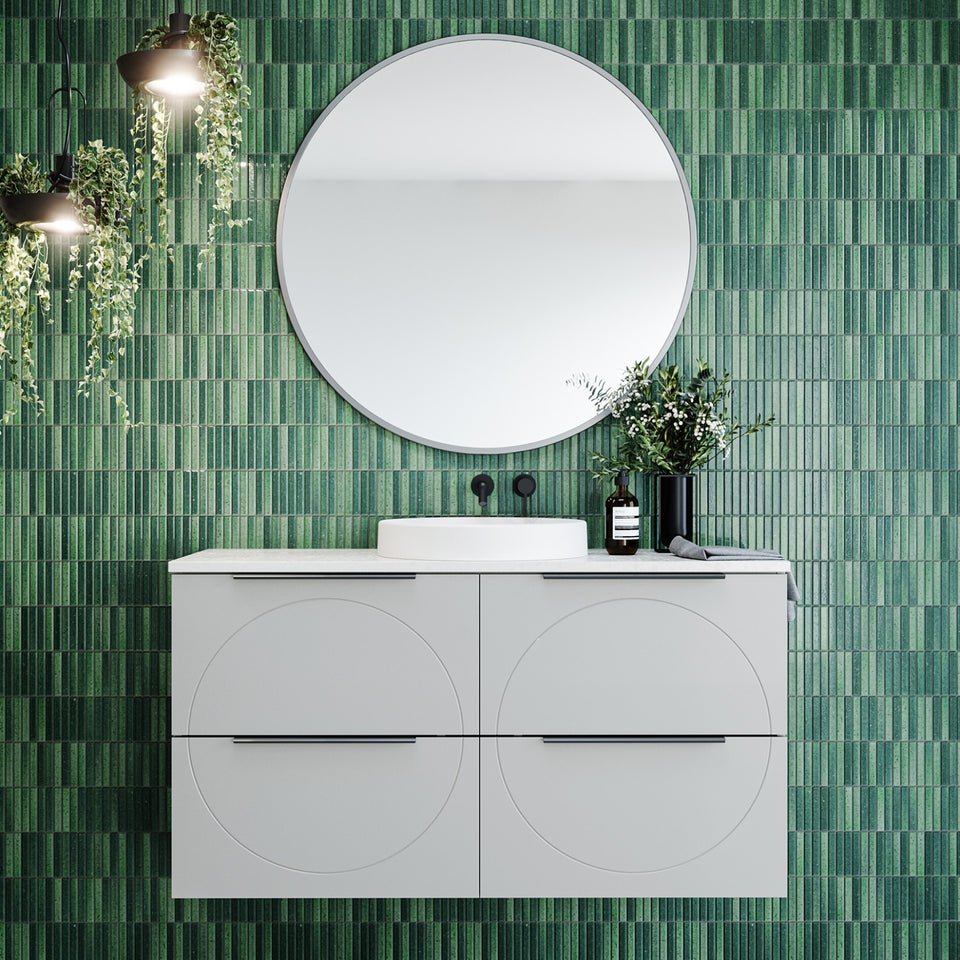
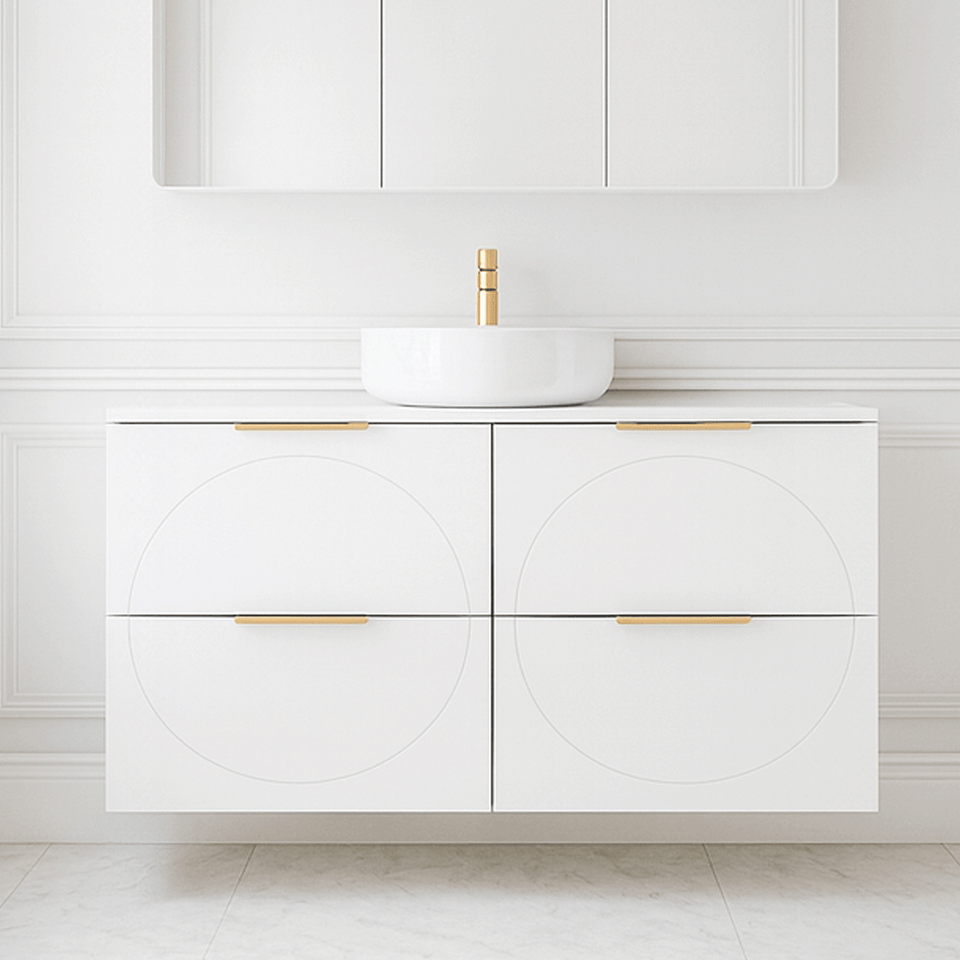
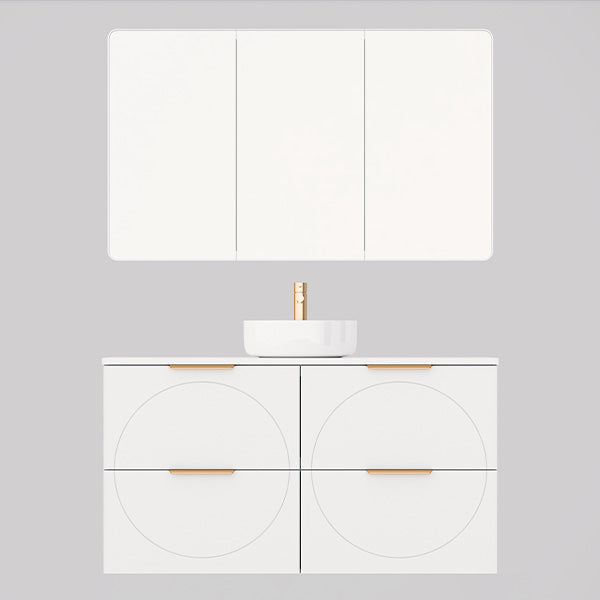
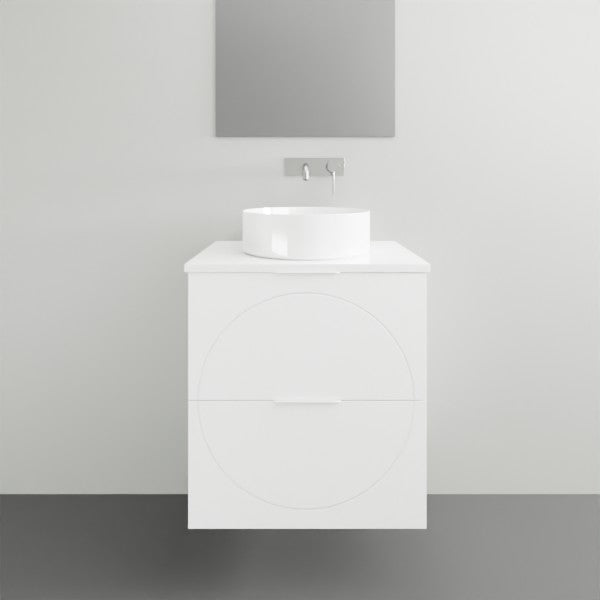
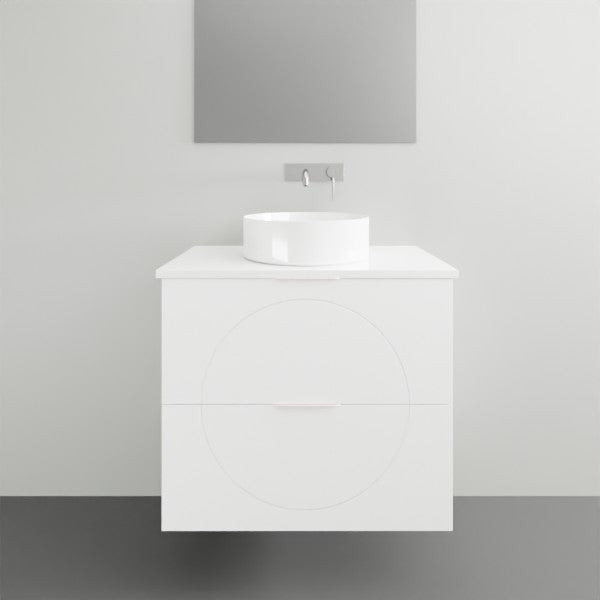
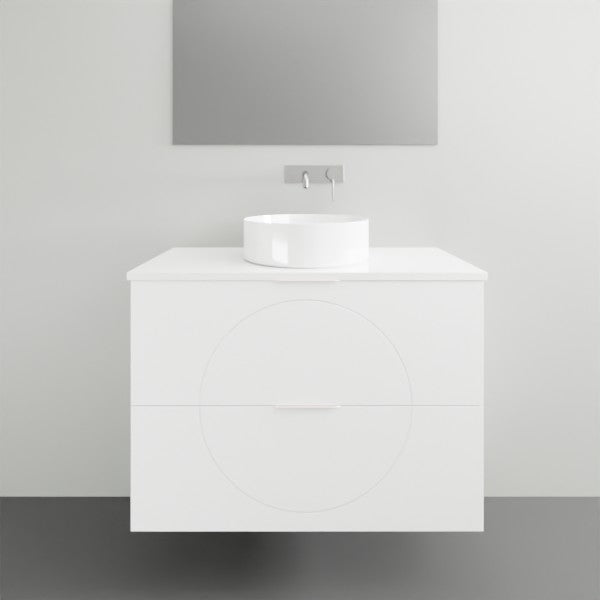
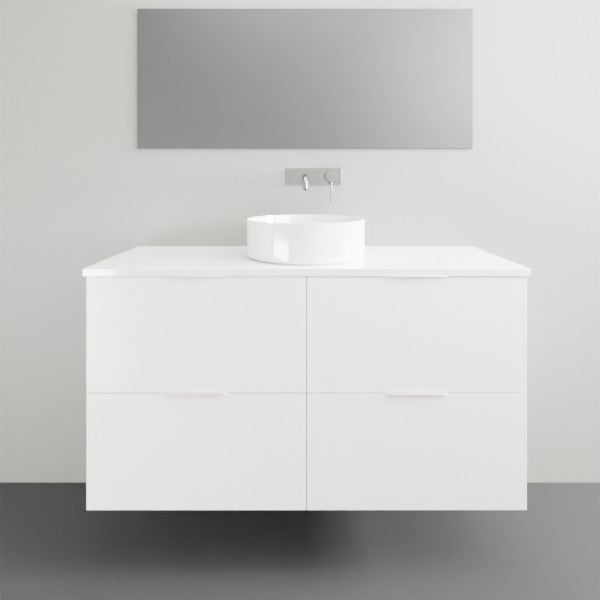
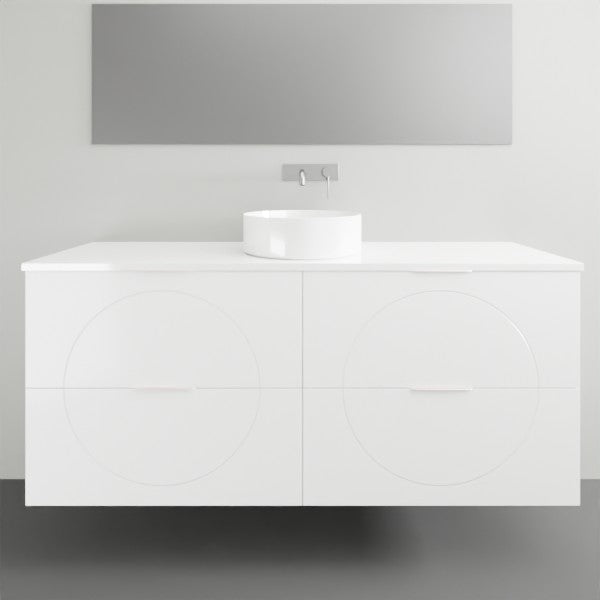
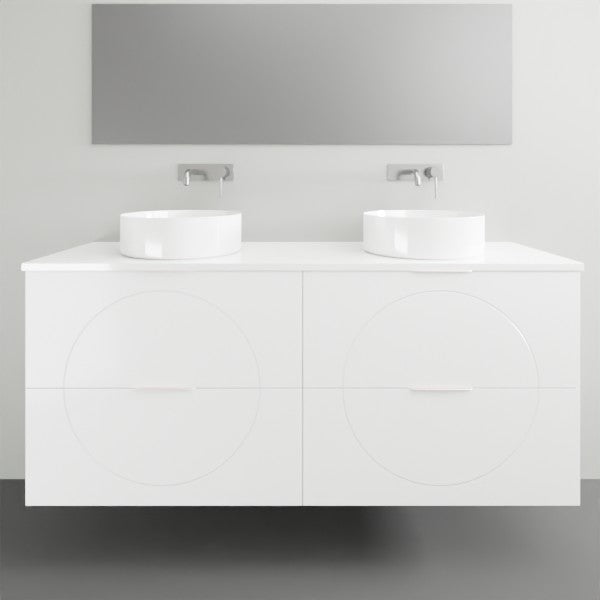
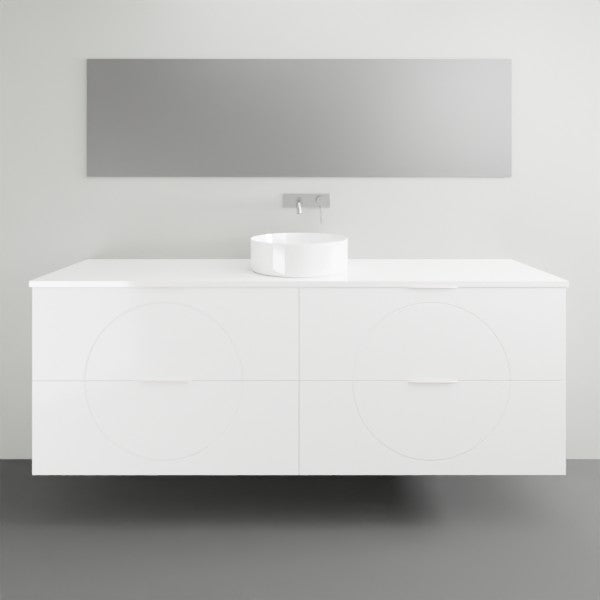
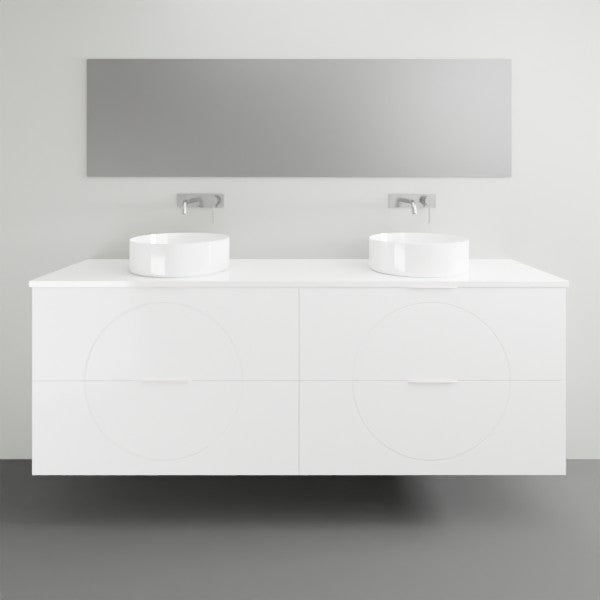
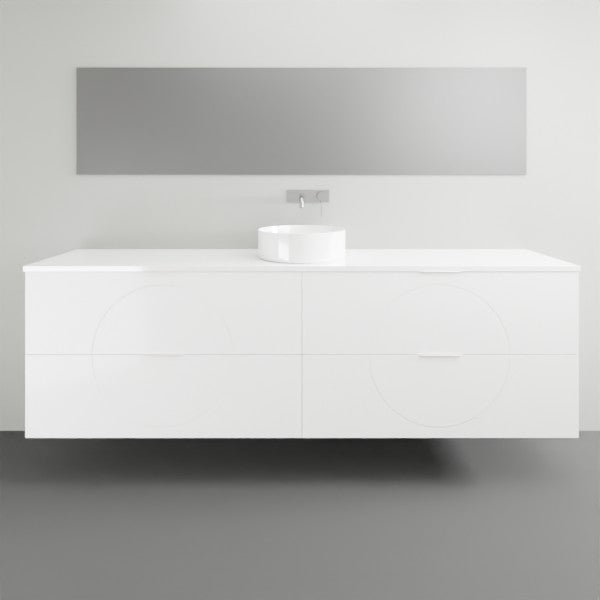

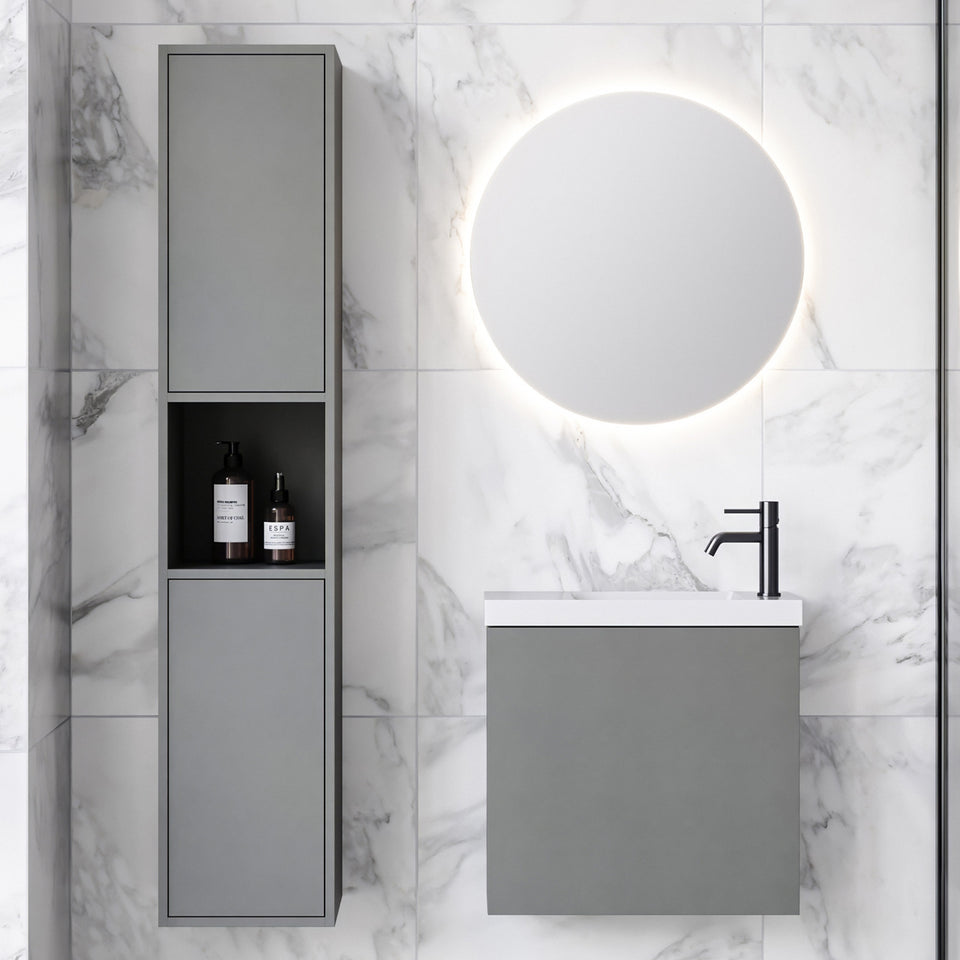
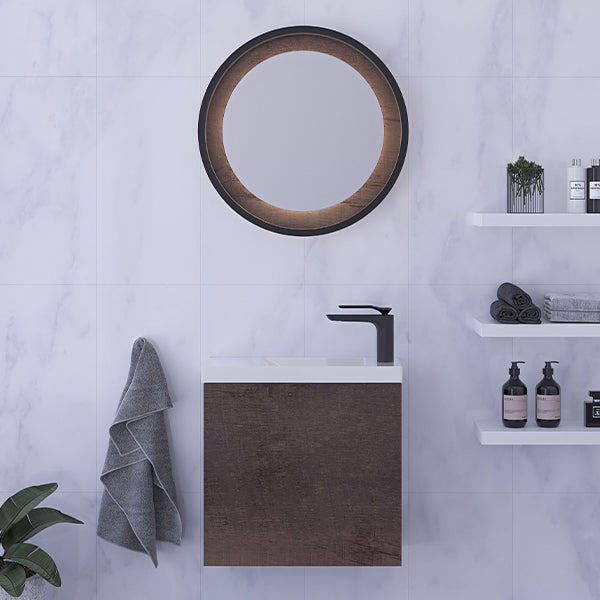
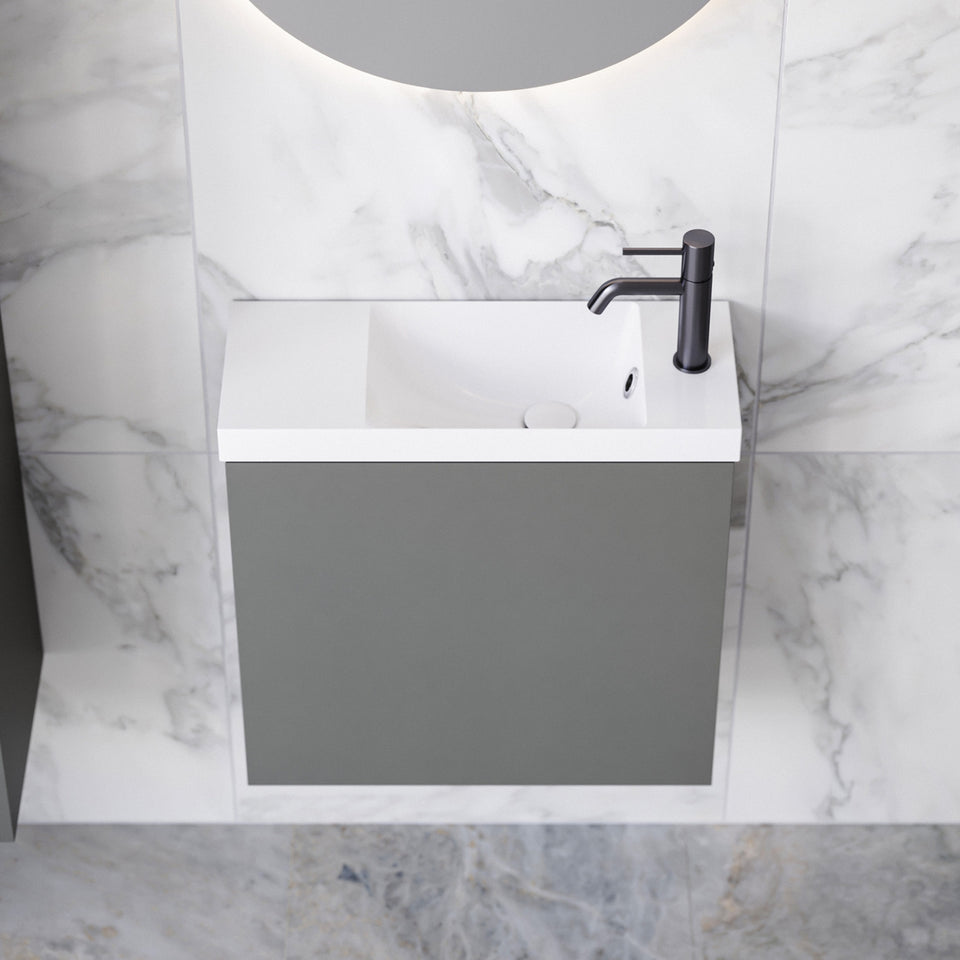
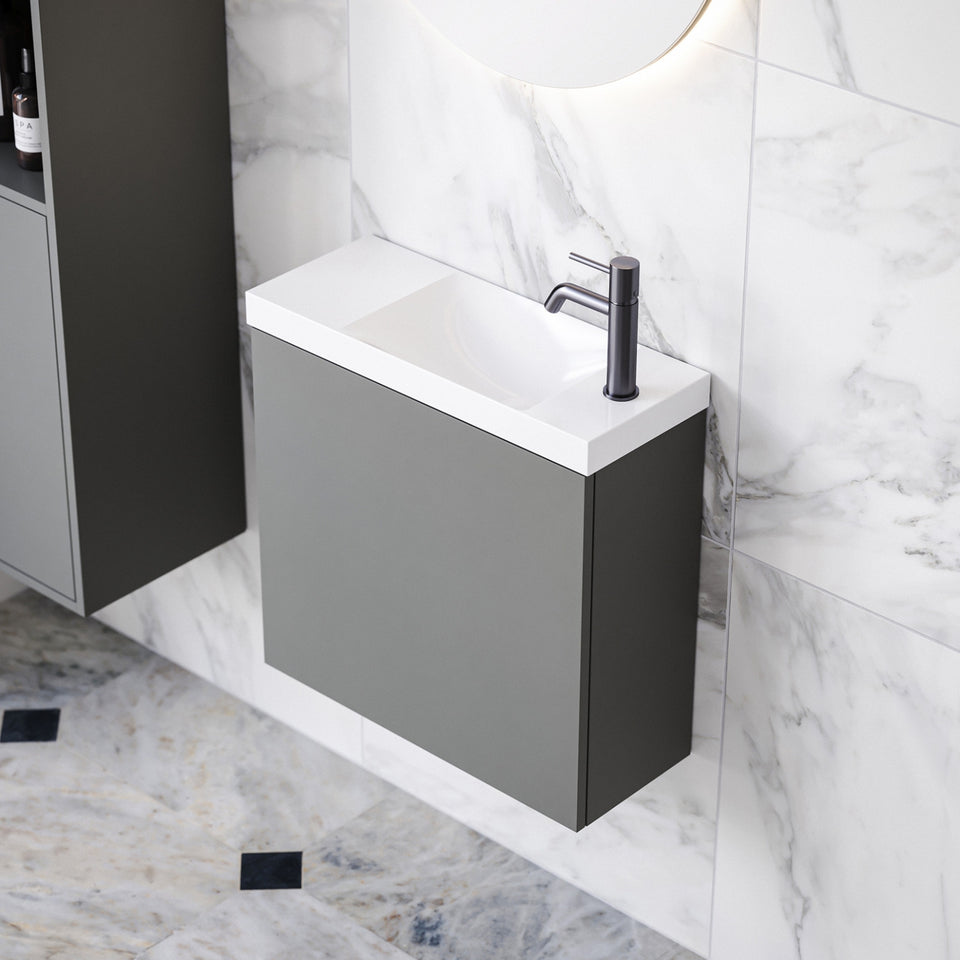
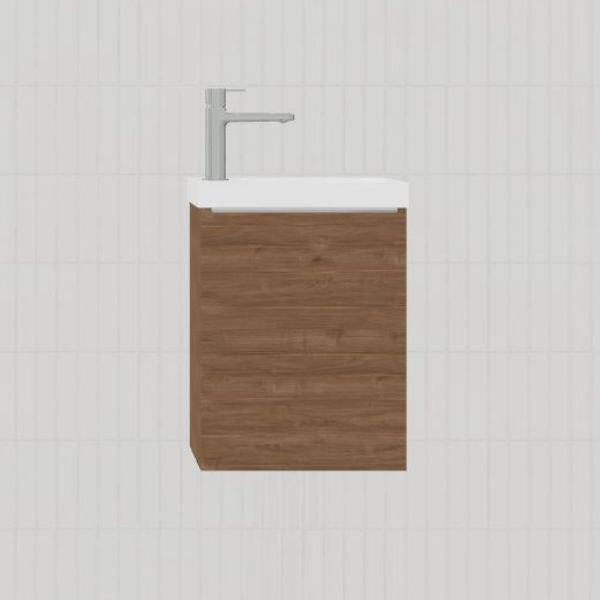
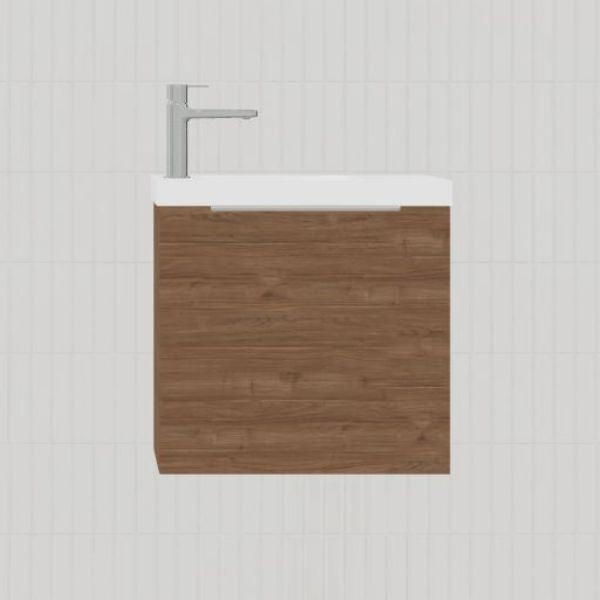
A small bathroom often feels like it forces a trade-off between storage and space, but a vanity in this size range is specifically engineered to avoid that compromise. Basins are shaped to give bench space where there otherwise wouldn't be any, and drawers are built to fit neatly around existing plumbing, all within a genuinely compact footprint.
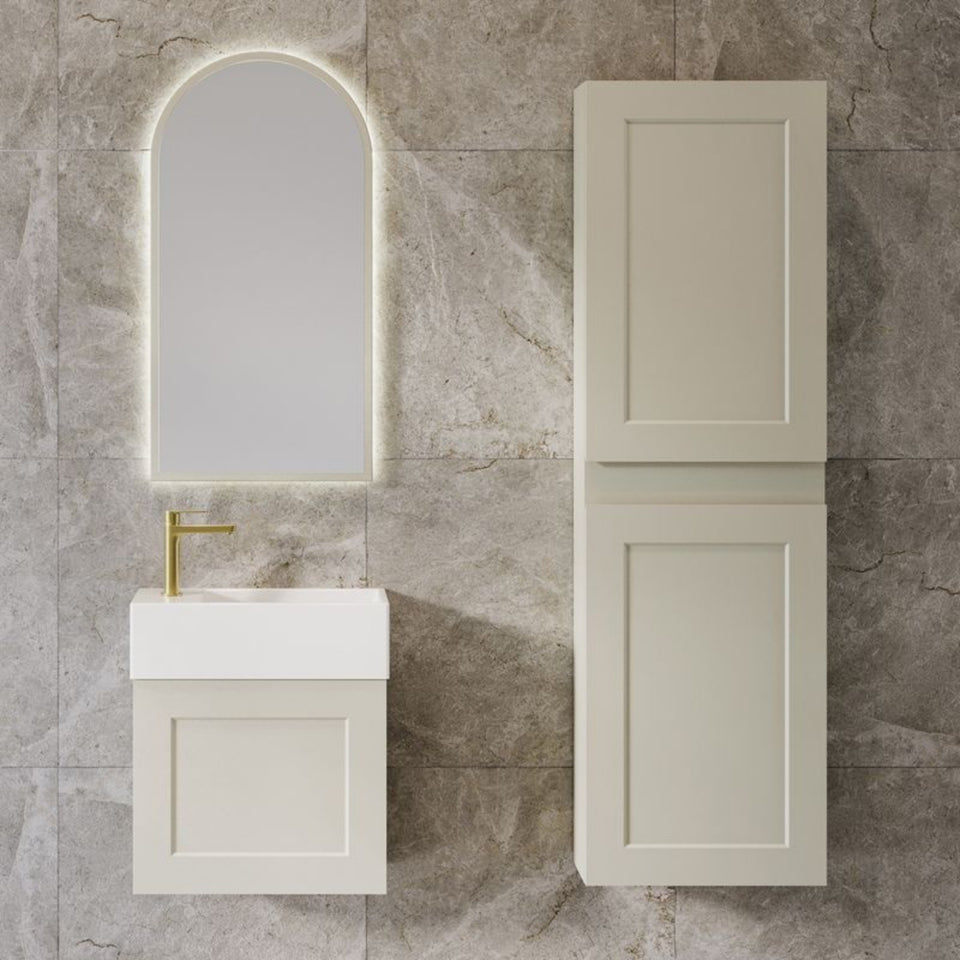
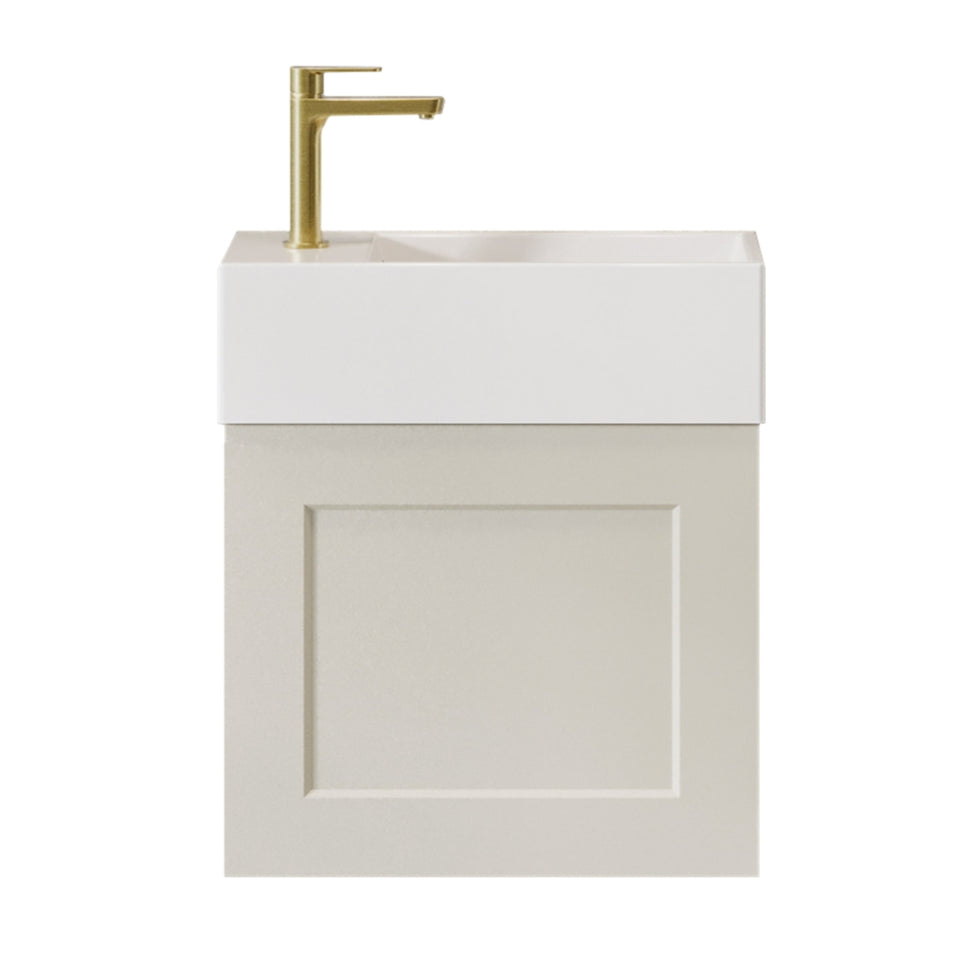
400mm vanities are the specialists in this range, generally suited to a basin with minimal storage, a single cupboard beneath, and built specifically for the tightest bathroom layouts.
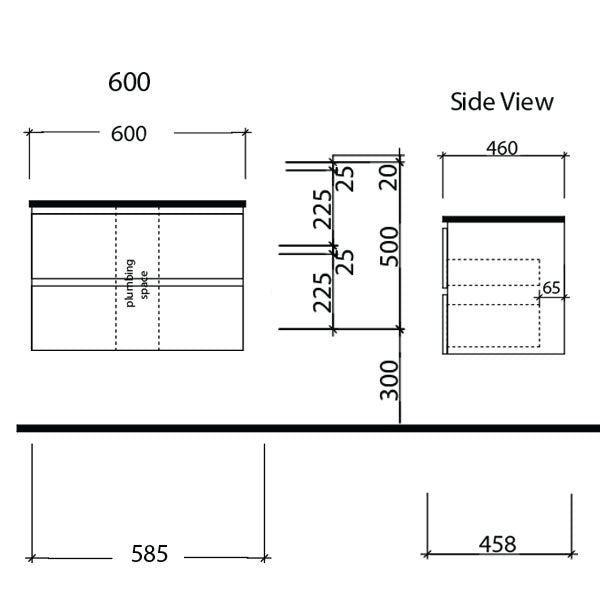
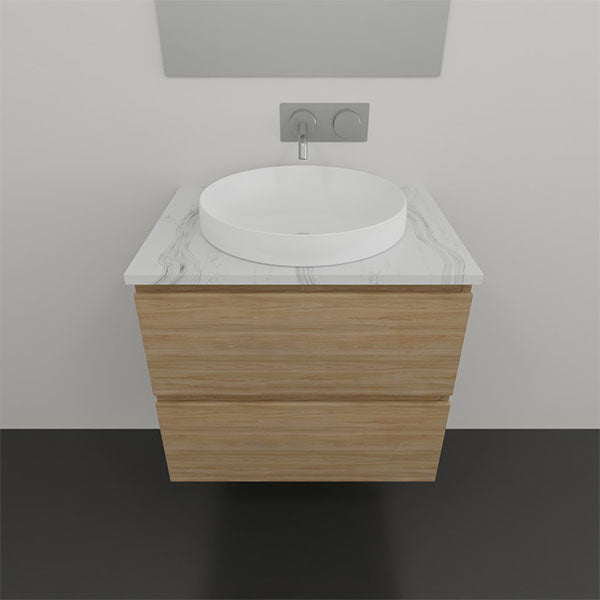
600mm vanities remain the most popular size in this range, since the extra width allows a genuinely decent basin alongside real storage, often two or three deep drawers, giving a considered piece of furniture that still respects a limited floor plan.
Powder rooms, often no wider than 900mm including the door swing, suit a 400mm or 500mm vanity particularly well, doing the job without blocking the room. A wall-hung configuration is generally worth considering here specifically, since floating the vanity off the floor helps a small room feel a little more spacious.
Ensuites, frequently laid out as a narrow rectangle with the door, vanity, toilet and shower all in a line, benefit considerably from a 600mm vanity's storage, paired well with a mirrored cabinet above. A slimline model in the 500mm range is also worth considering specifically for a narrow ensuite, since its reduced depth preserves valuable walkway space.
City apartment bathrooms commonly default to a 600mm vanity, and a simple white finish suits this application well, bouncing available light around a genuinely compact room.
Secondary or kids' bathrooms suit a sturdy 600mm vanity with deep, easy-to-open drawers, practical for storing bath toys, towels and first-aid supplies within reach. A freestanding configuration works particularly well here, offering maximum internal storage volume.
Laundry nooks are a less obvious application worth considering: a 400mm vanity can function as a small, stylish trough for soaking, with a cupboard underneath for detergent, a considerably more refined alternative to a basic plastic tub in a compact European-style laundry.
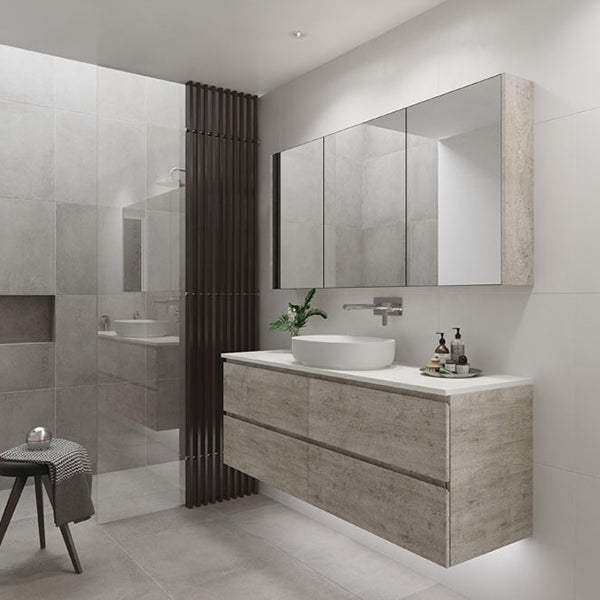
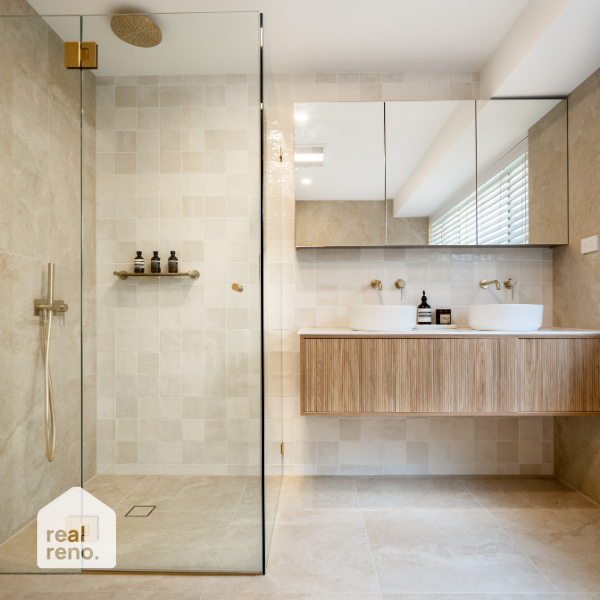
Wall-hung vanities attach directly to the wall without legs or a kickboard, leaving the floor beneath fully visible. This helps a small room feel larger and considerably simplifies cleaning underneath. The plumbing, particularly the waste pipe, generally needs to run through the wall for this configuration, worth confirming with a plumber early in a renovation.
Freestanding vanities sit directly on the floor, a more traditional look with genuine practical advantages: they conceal floor-based plumbing (an S-trap) completely, and tend to offer a slightly larger internal storage cavity, since the full cabinet volume is usable space.
Slimline vanities address depth rather than width, since a standard vanity's front-to-back measurement matters just as much as its width in a genuinely tight room. A slimline model might measure only 380mm, 300mm, or even 250mm deep, a meaningful difference in a narrow ensuite or powder room where every centimetre of walkway counts.
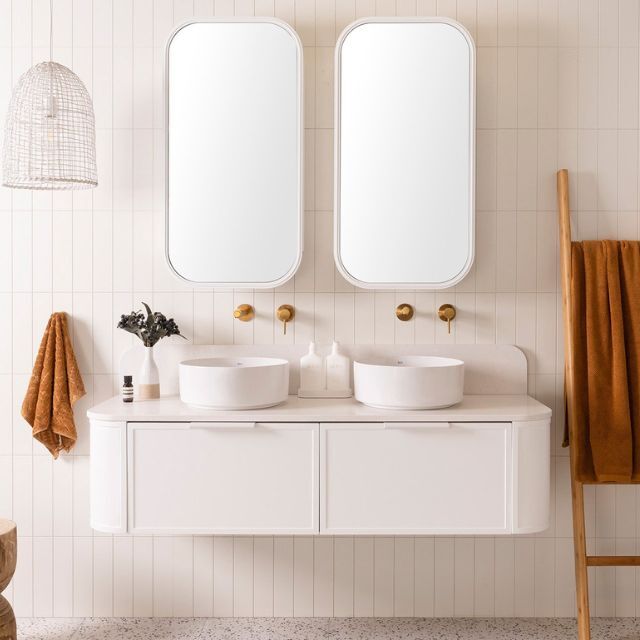
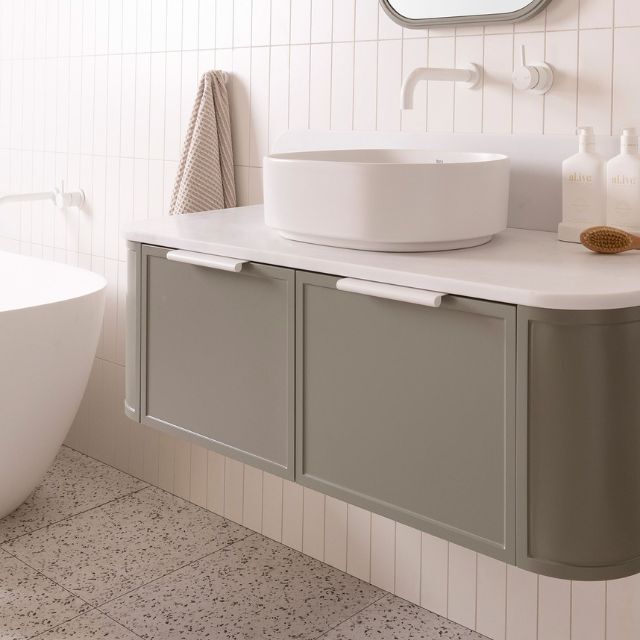
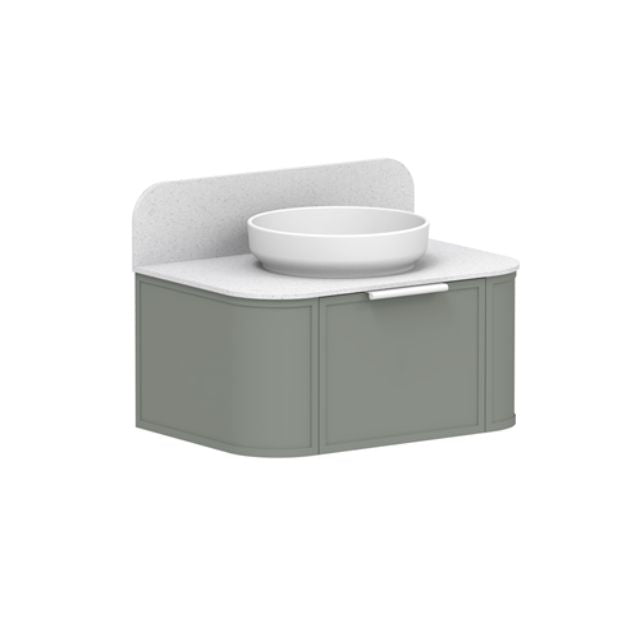
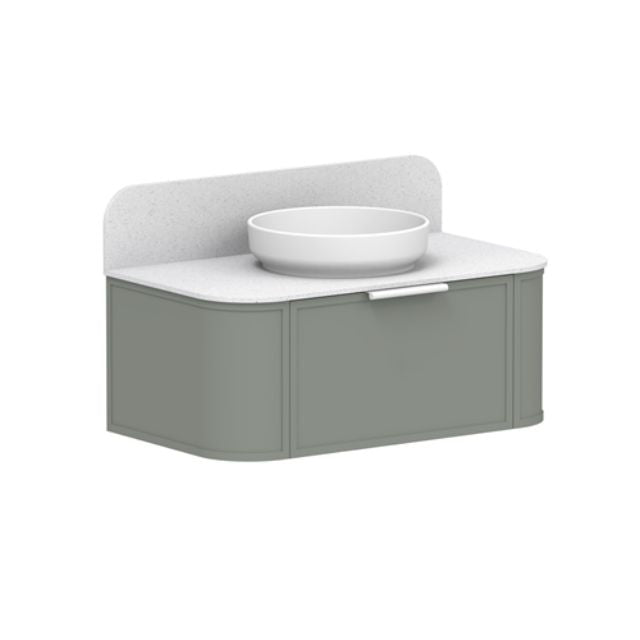
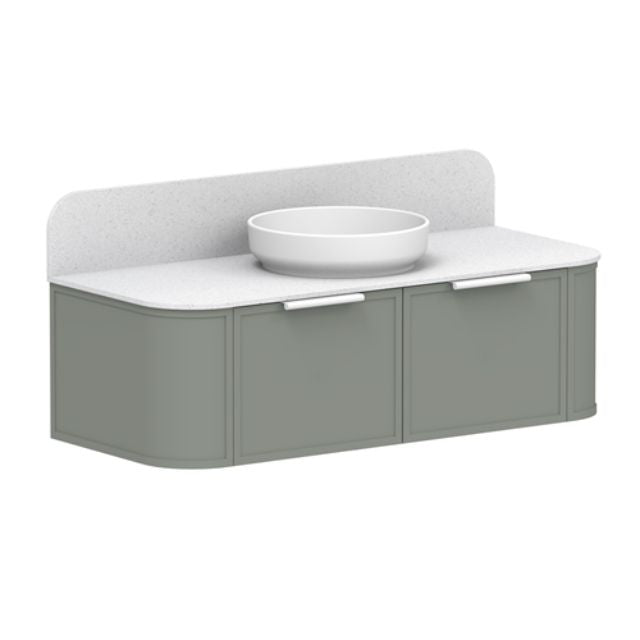
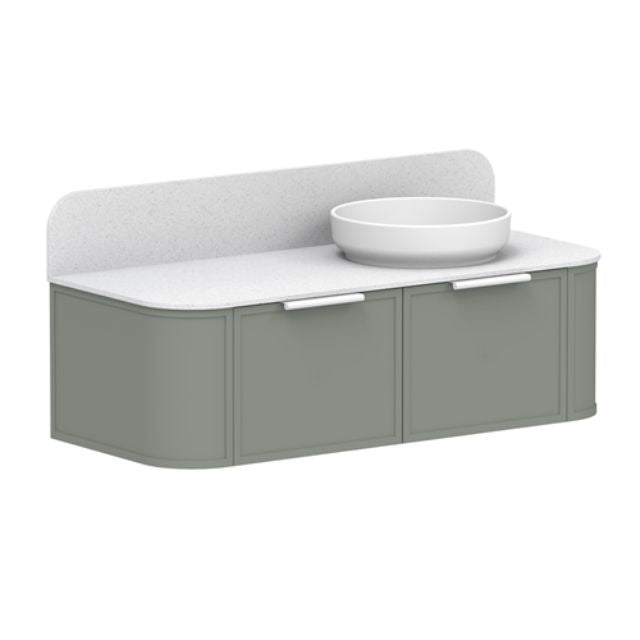
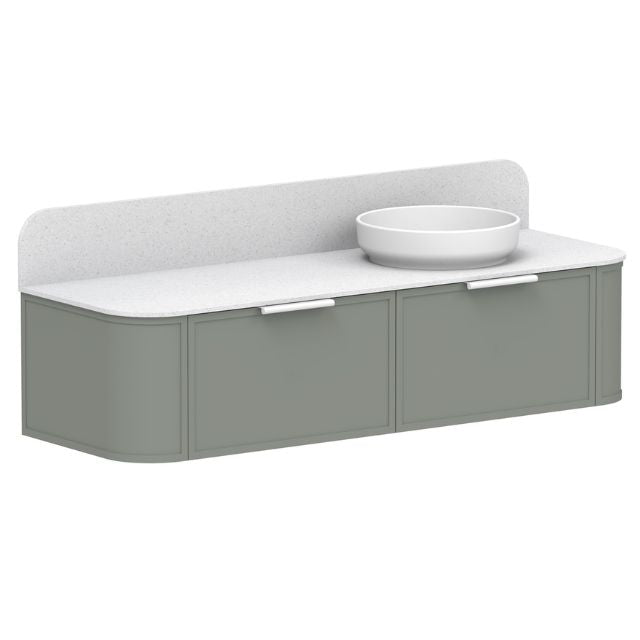
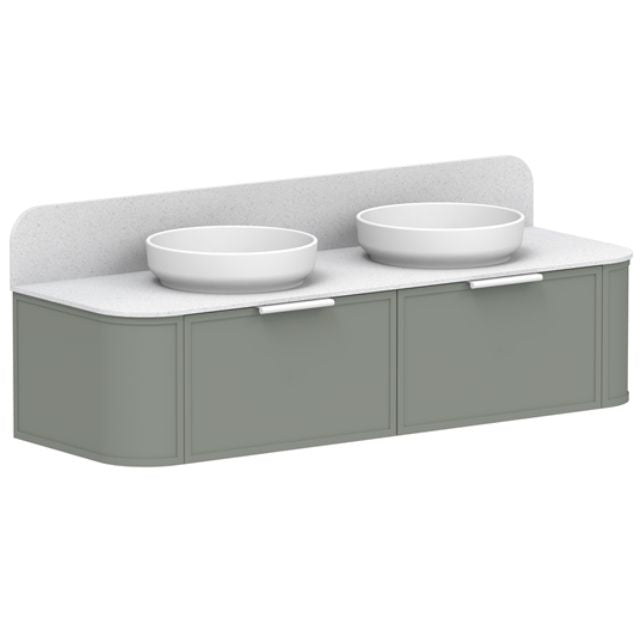
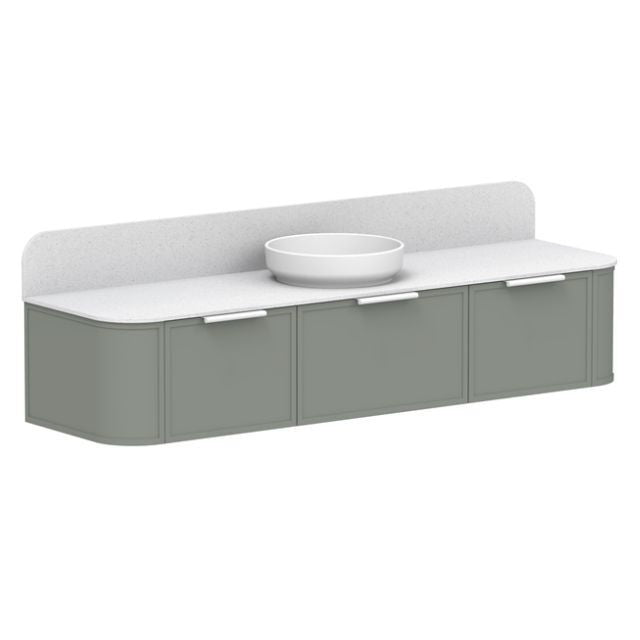
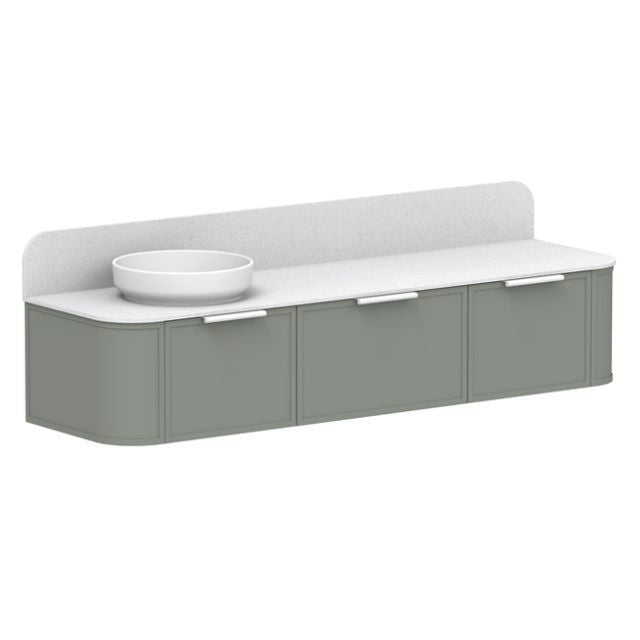
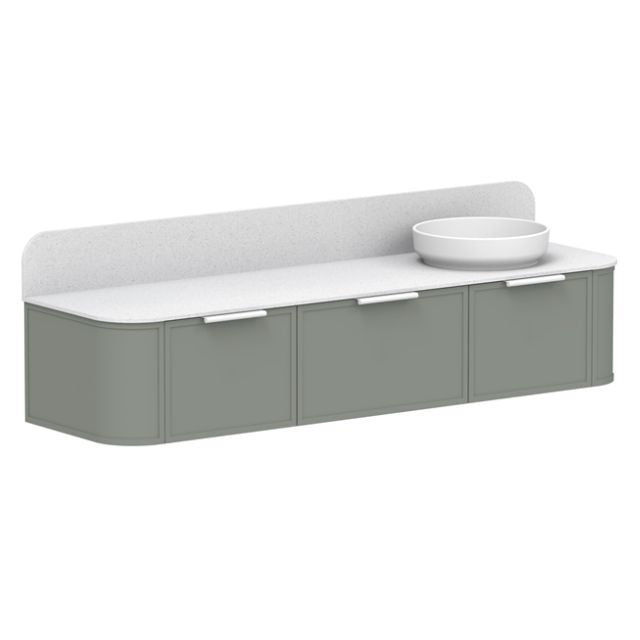
Curved vanities remove sharp corners entirely, a genuine practical benefit in a small room where bumping a hip on a hard edge is a real, recurring frustration. Beyond safety, a curved or pill-shaped front softens the room's overall flow and reads as considerably more refined than a standard rectangular unit.
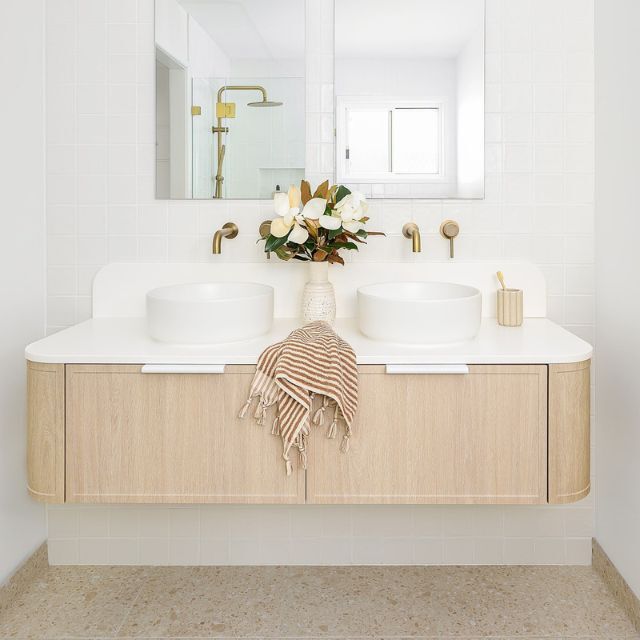
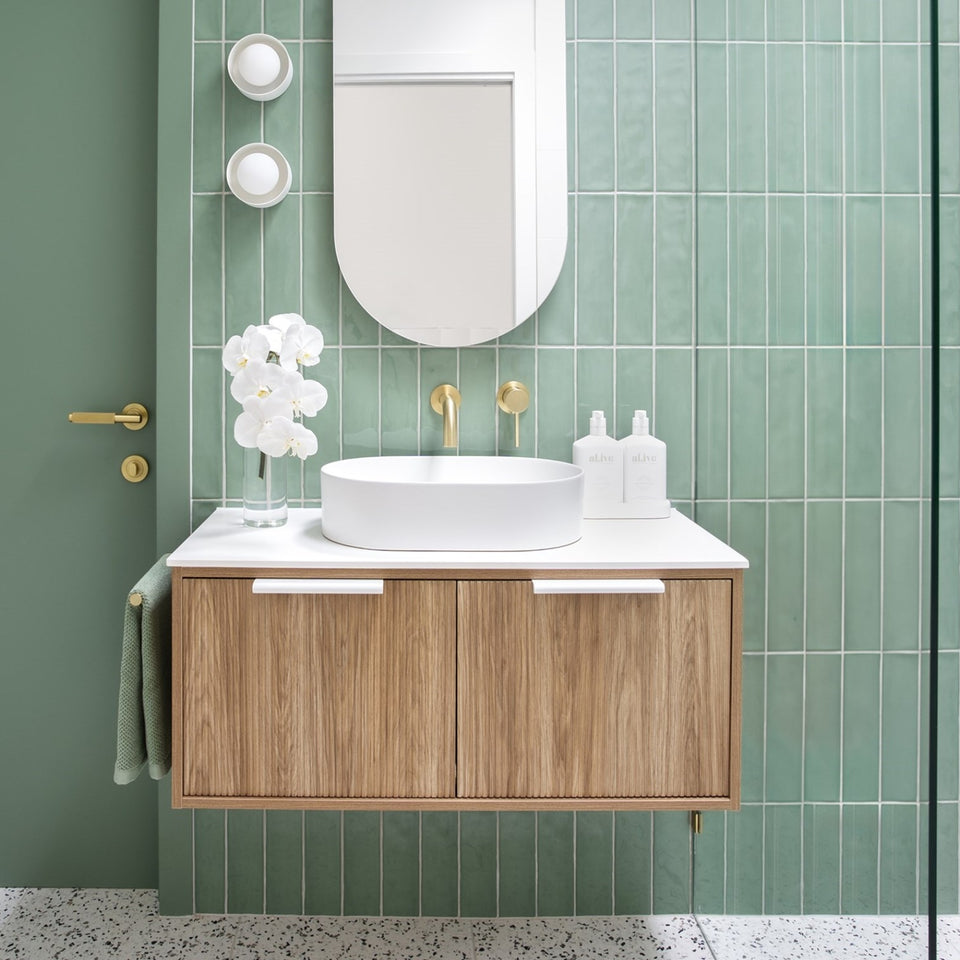
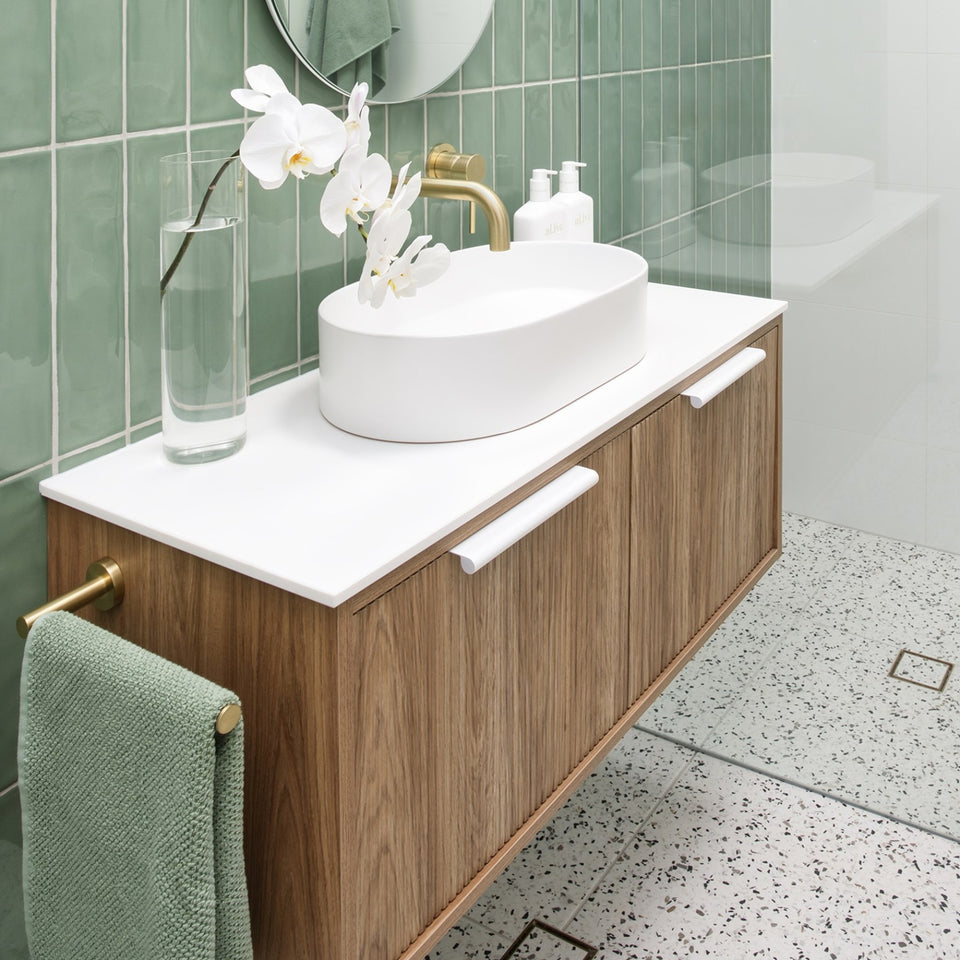
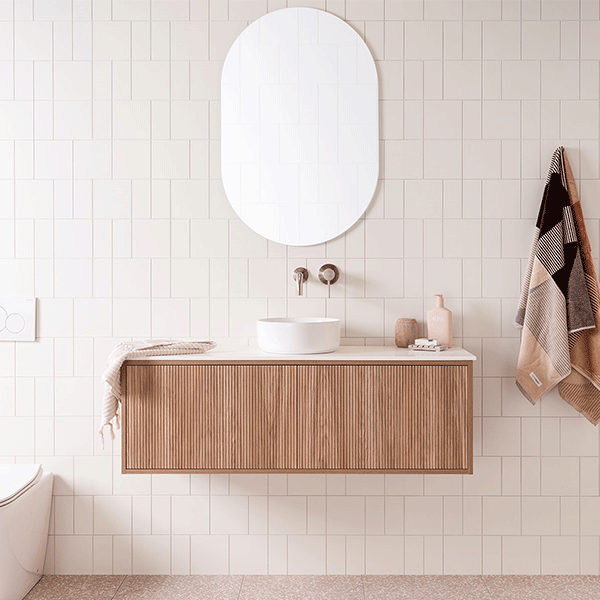
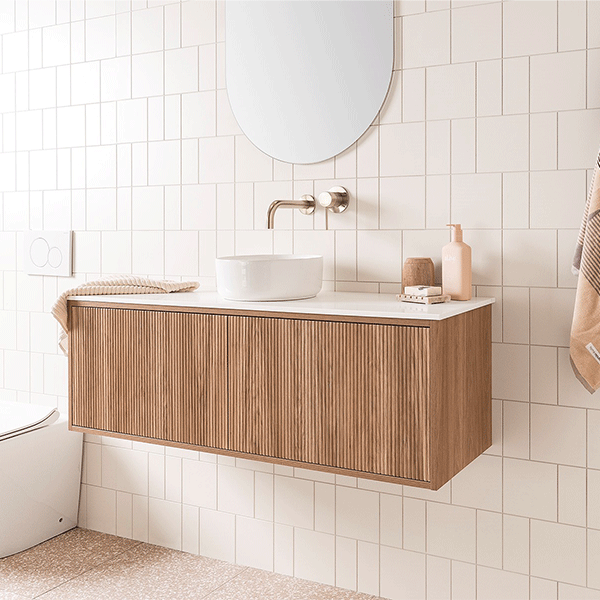
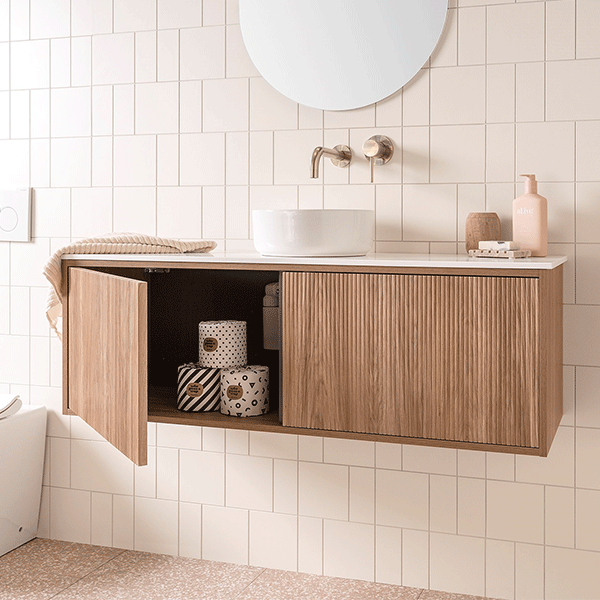
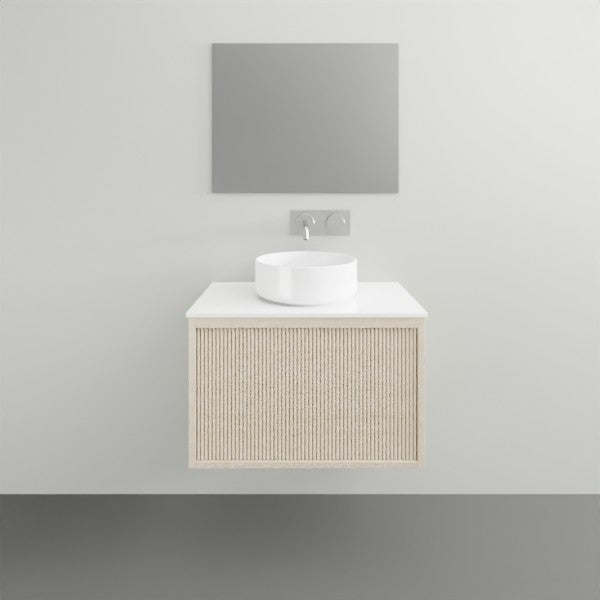
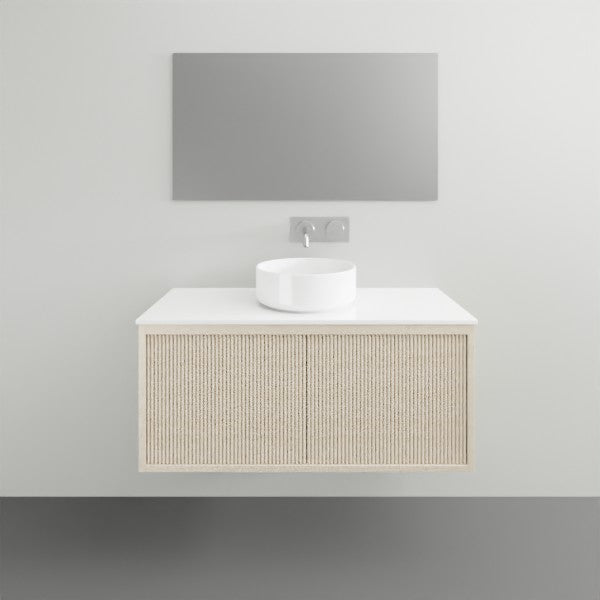
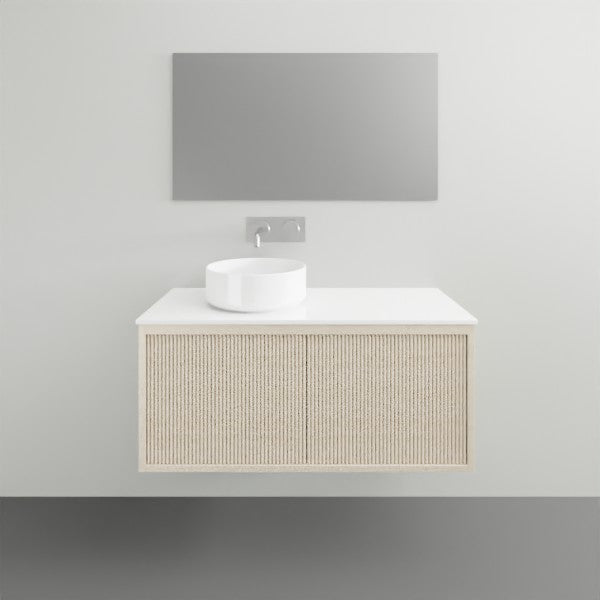
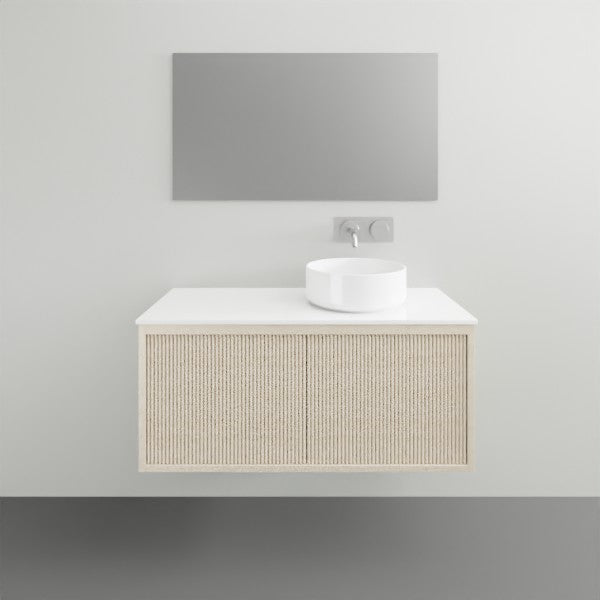
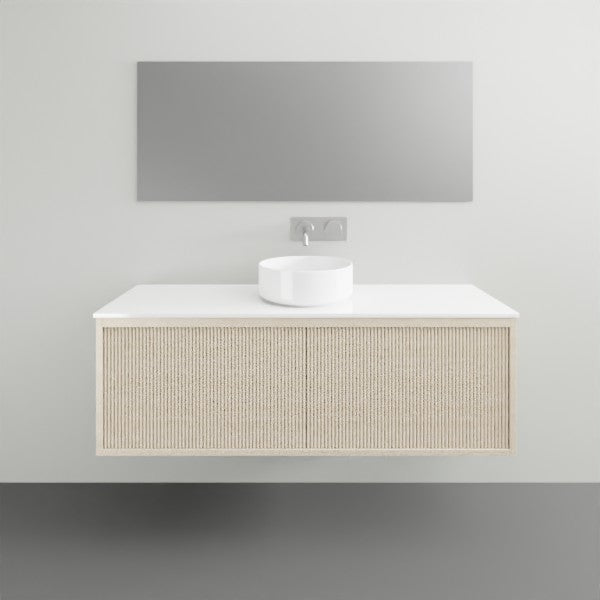
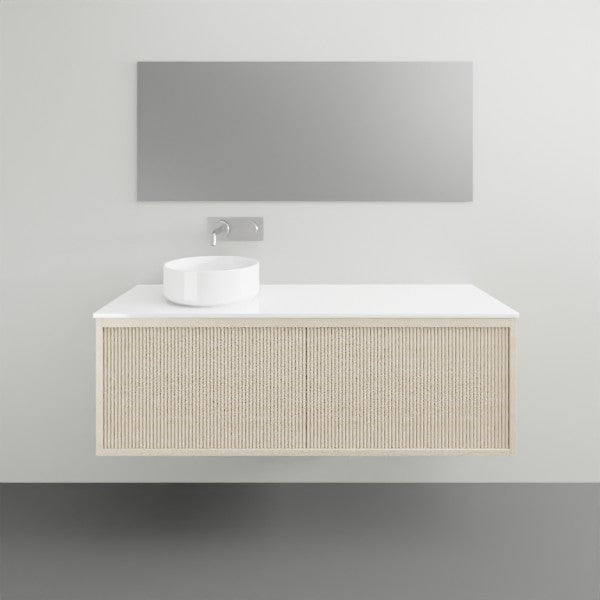
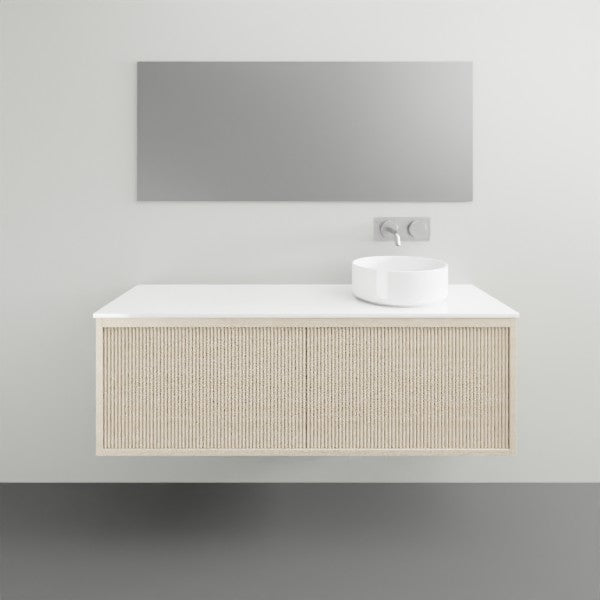
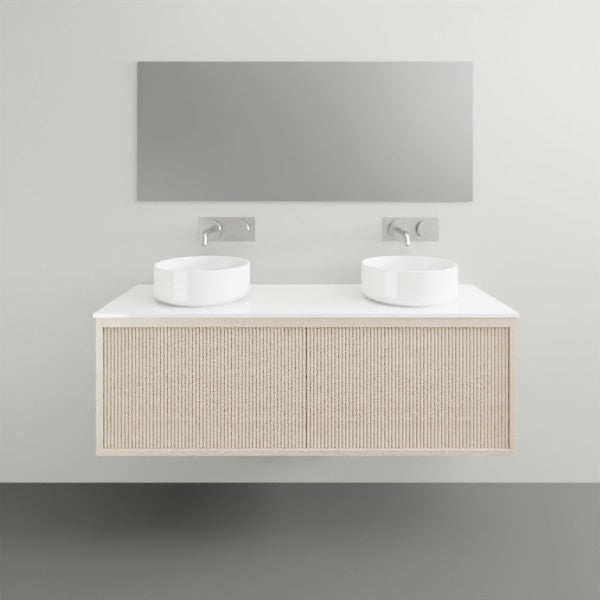
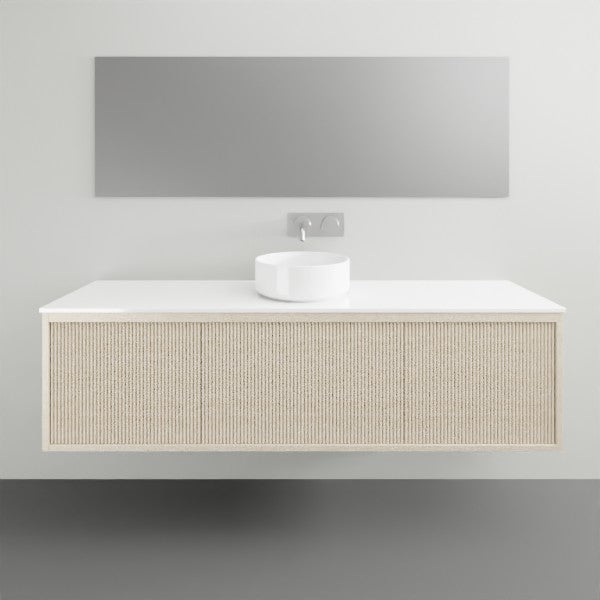
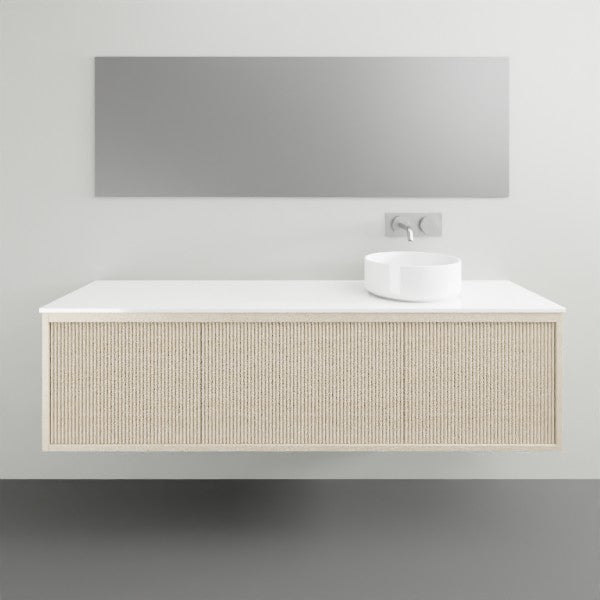
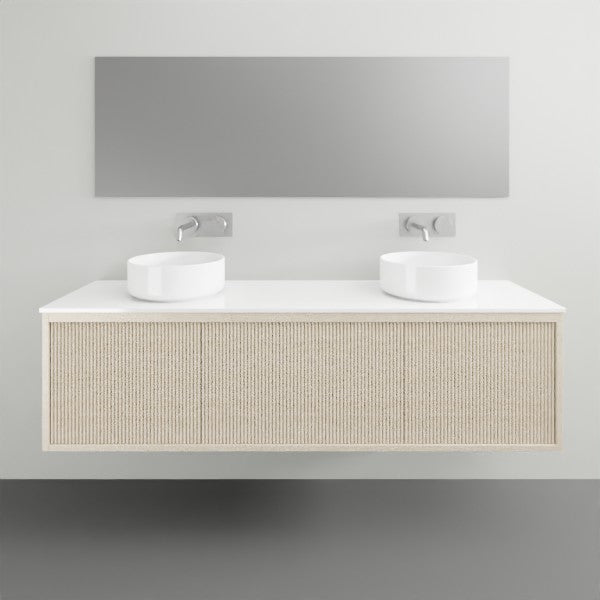
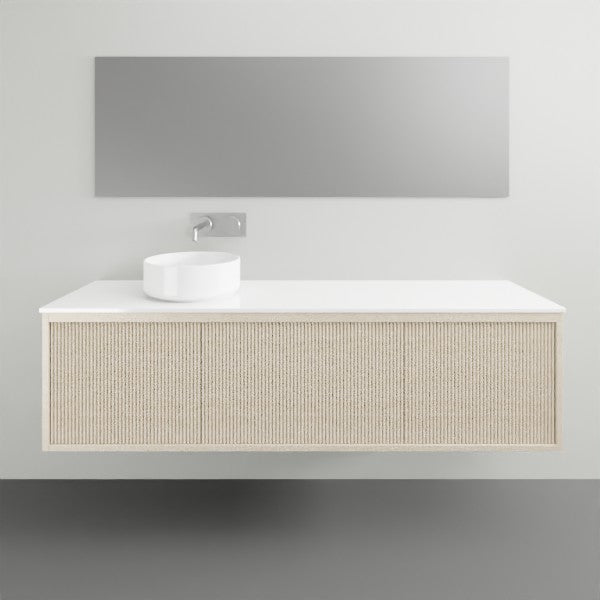
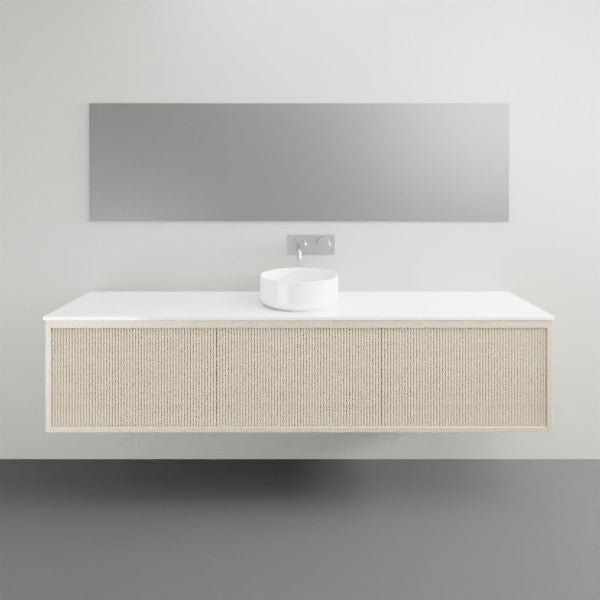
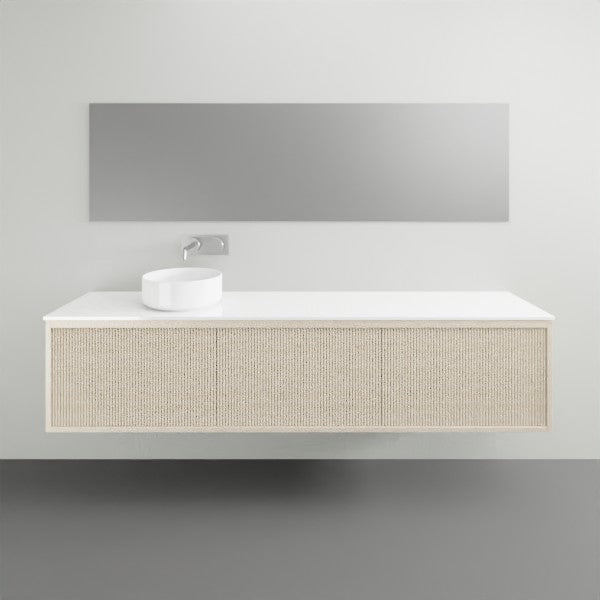
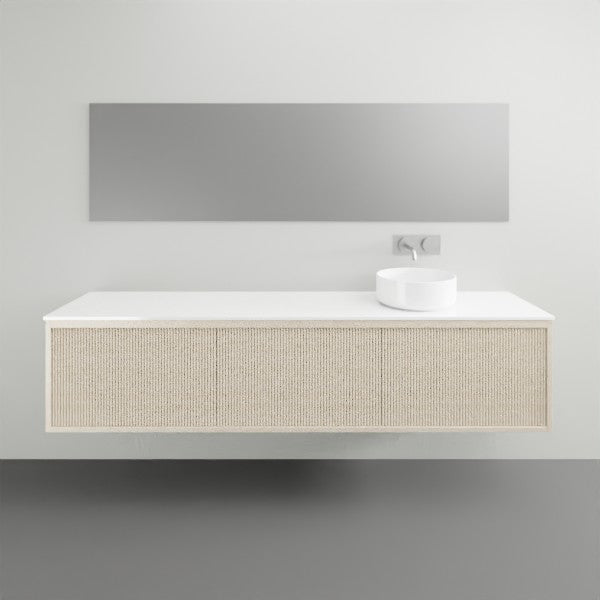
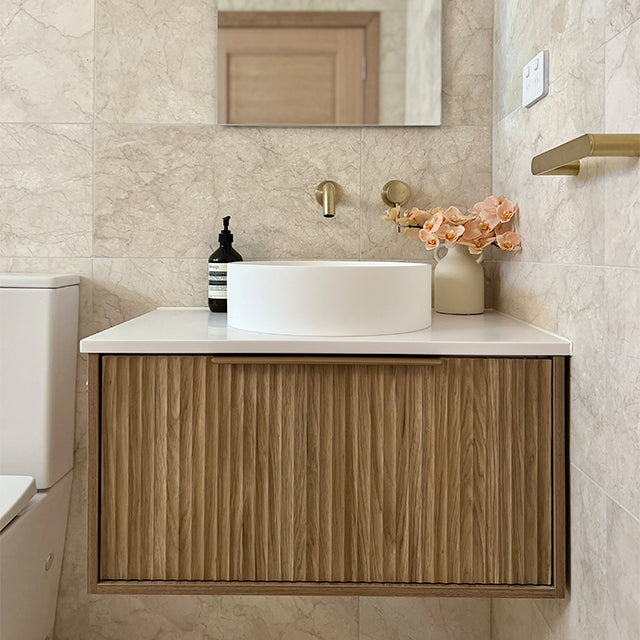
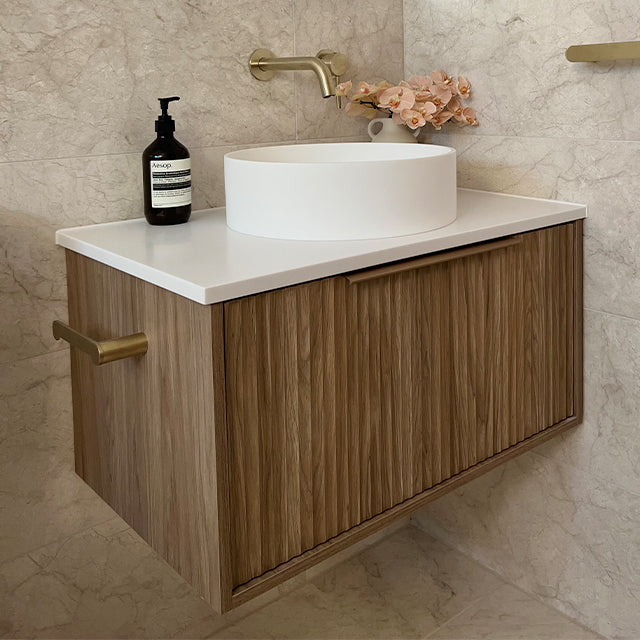
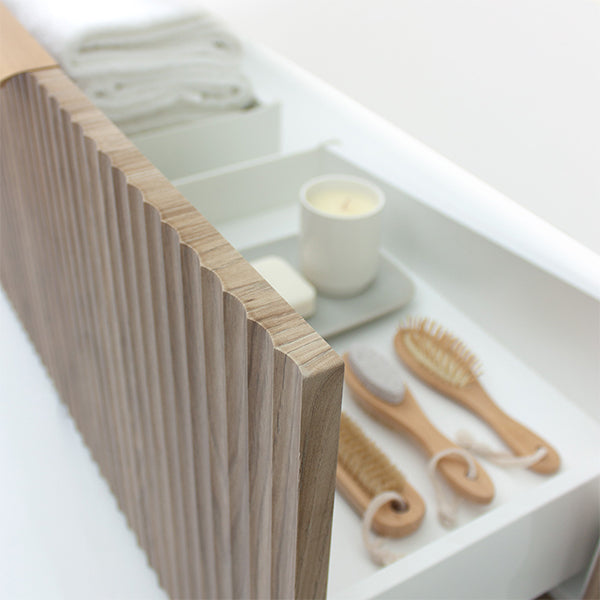
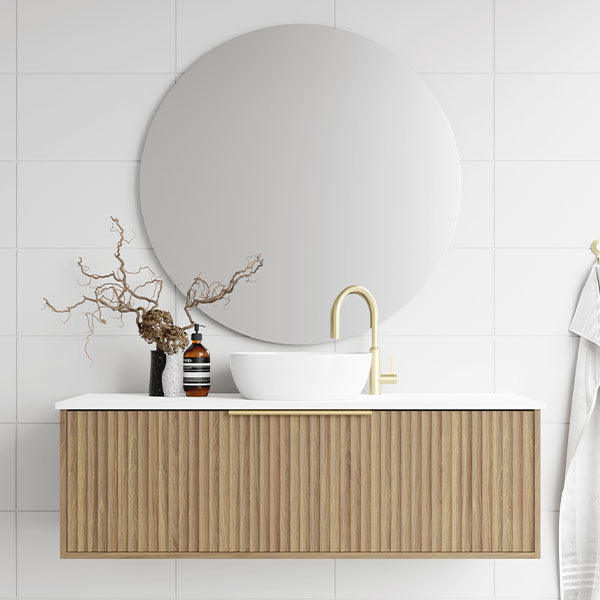
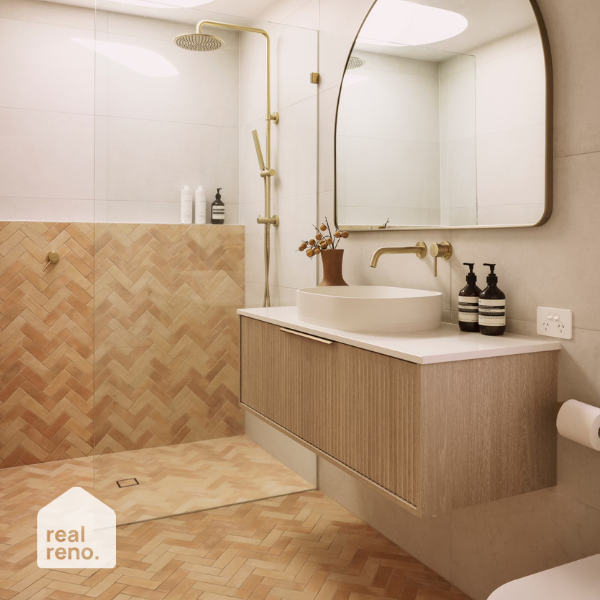
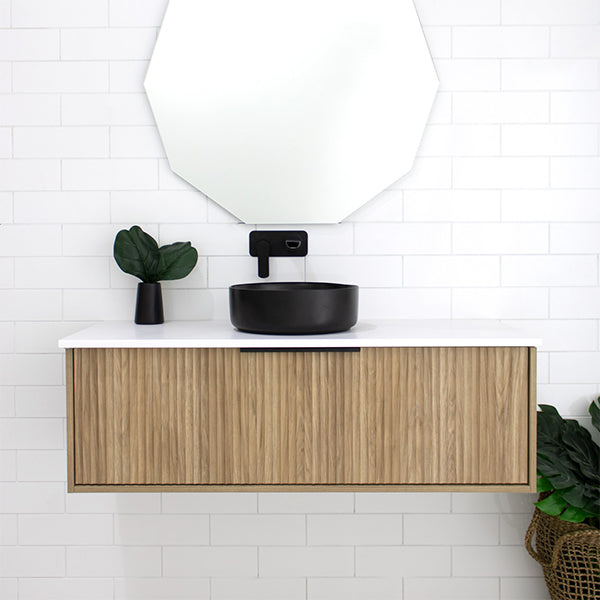
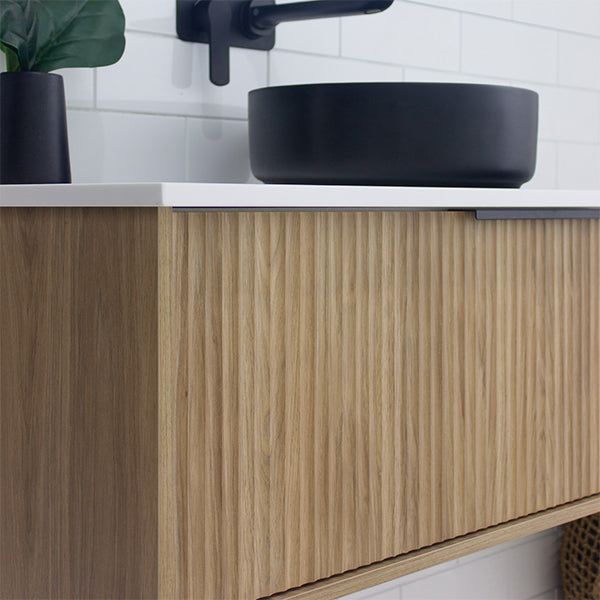
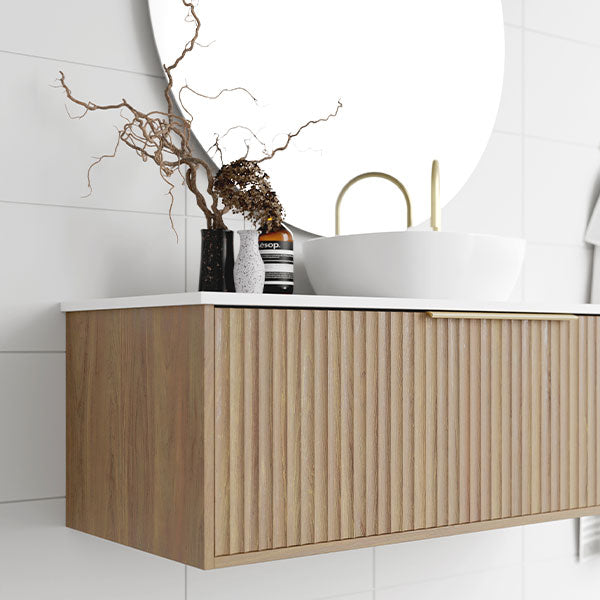
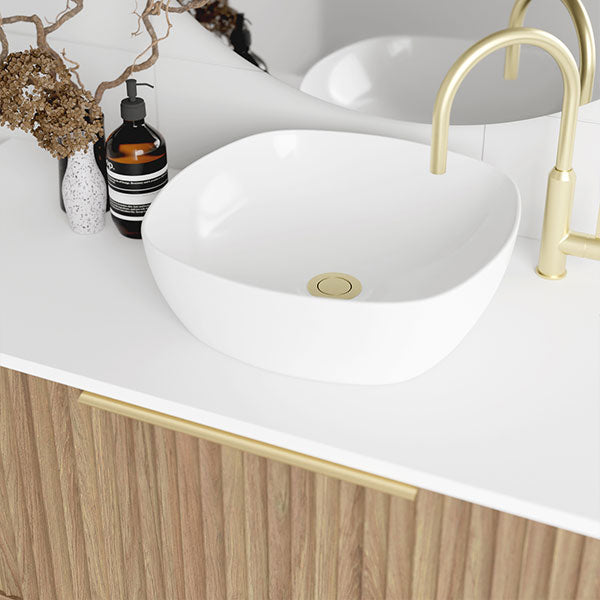
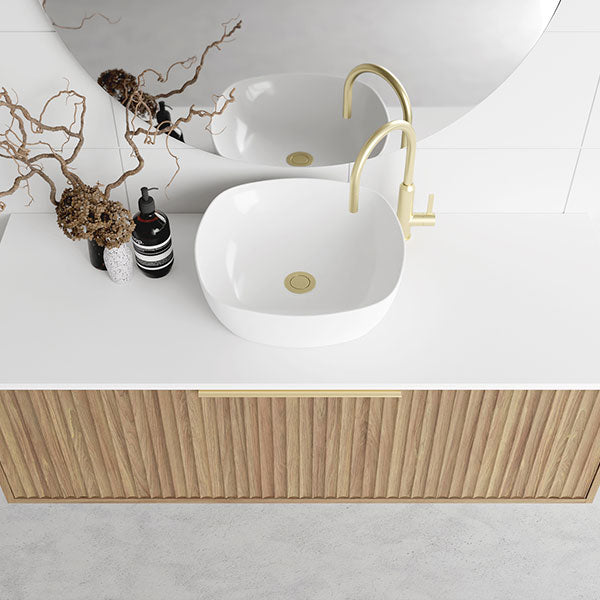
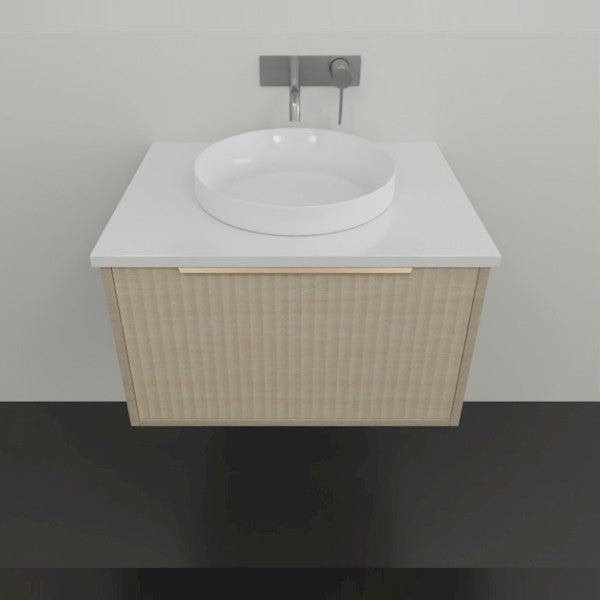
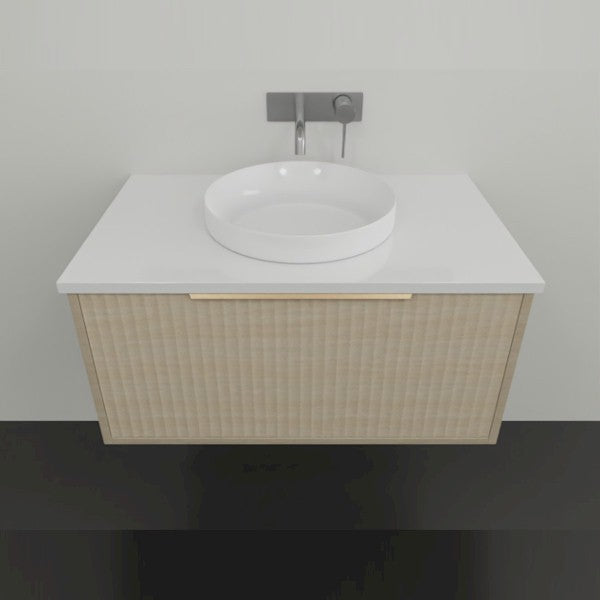
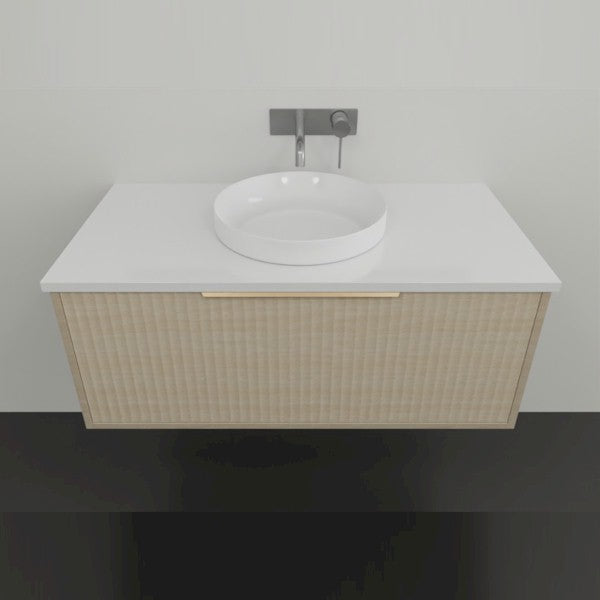
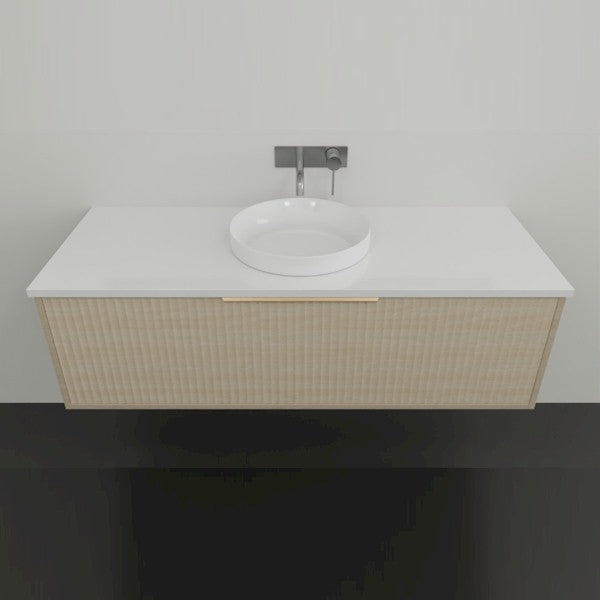
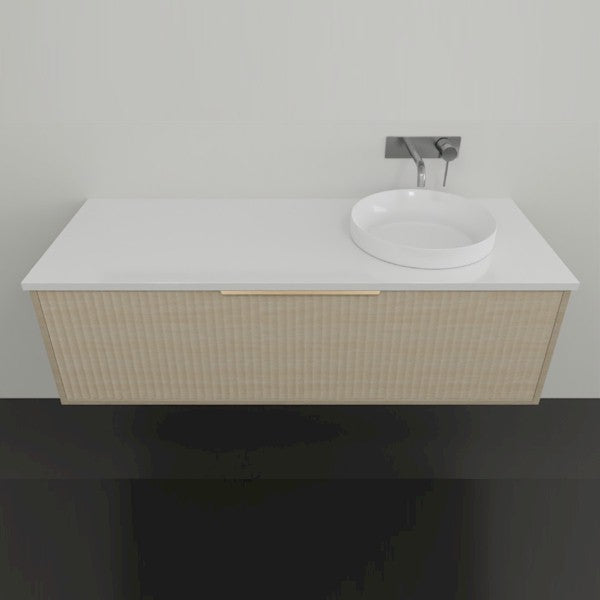
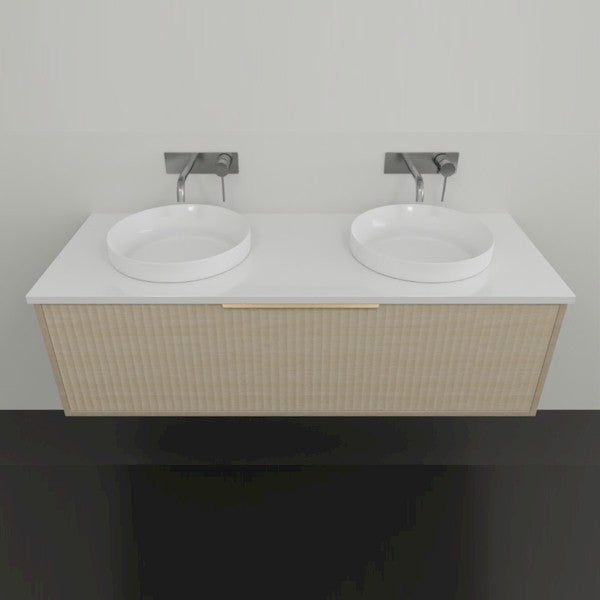
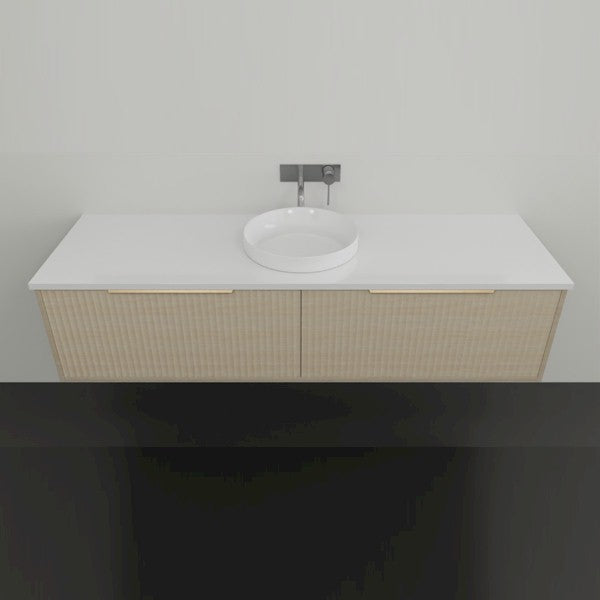
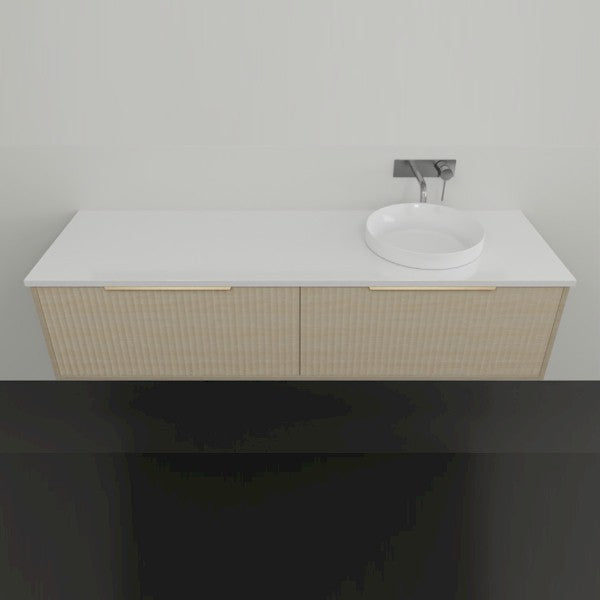
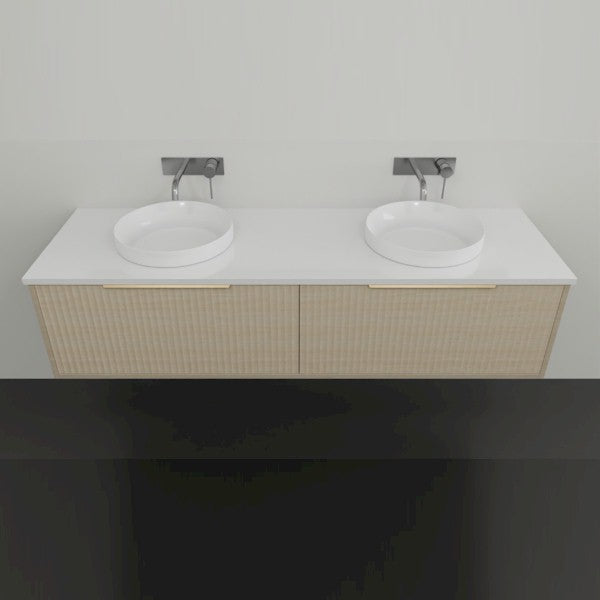
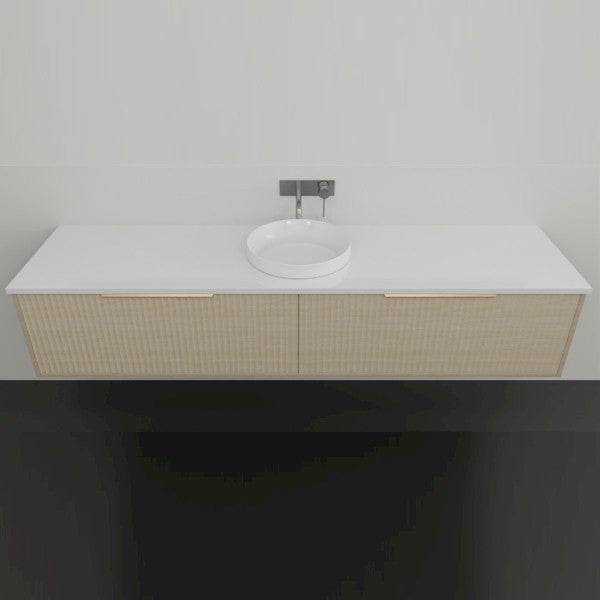
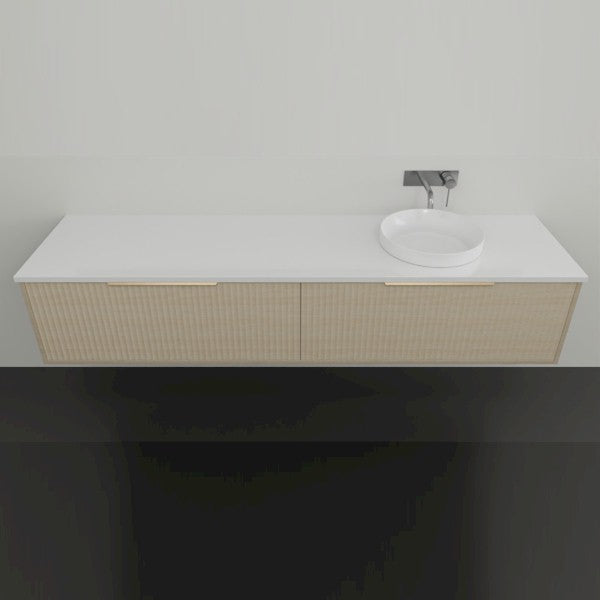
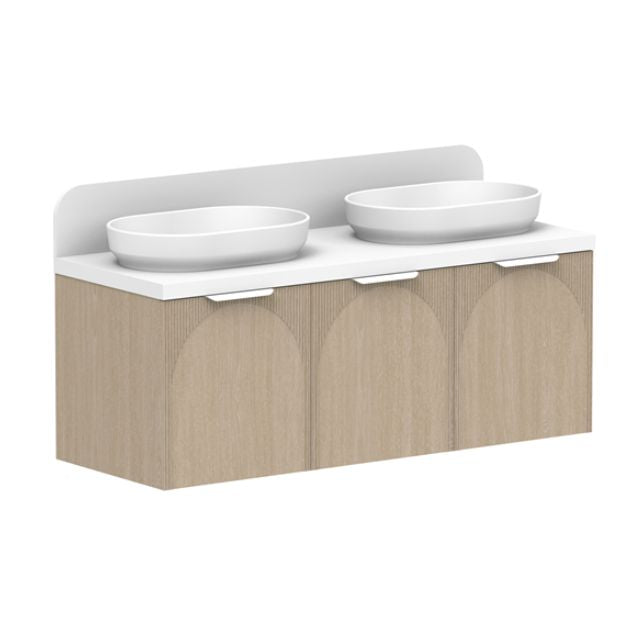
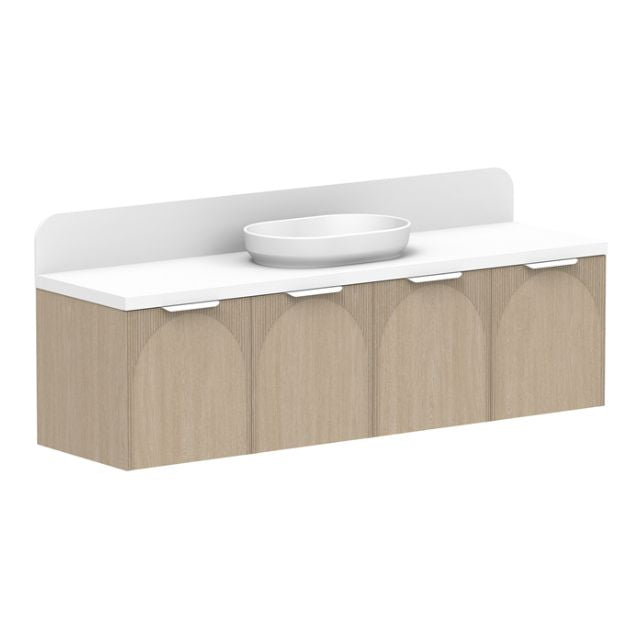
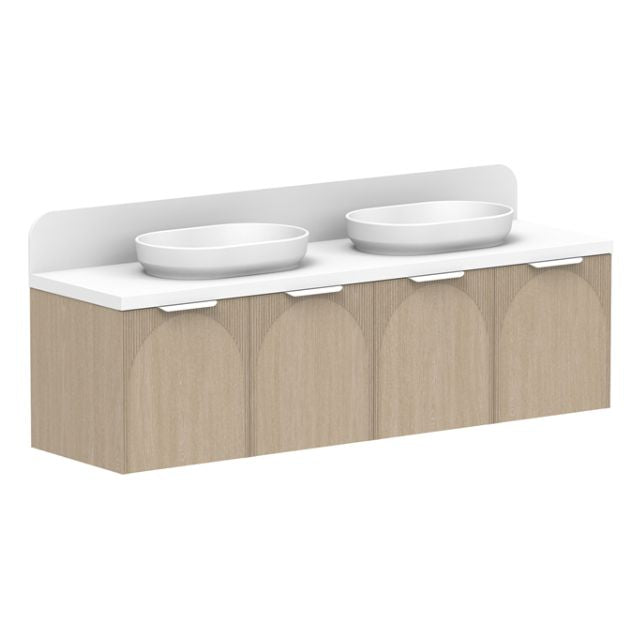
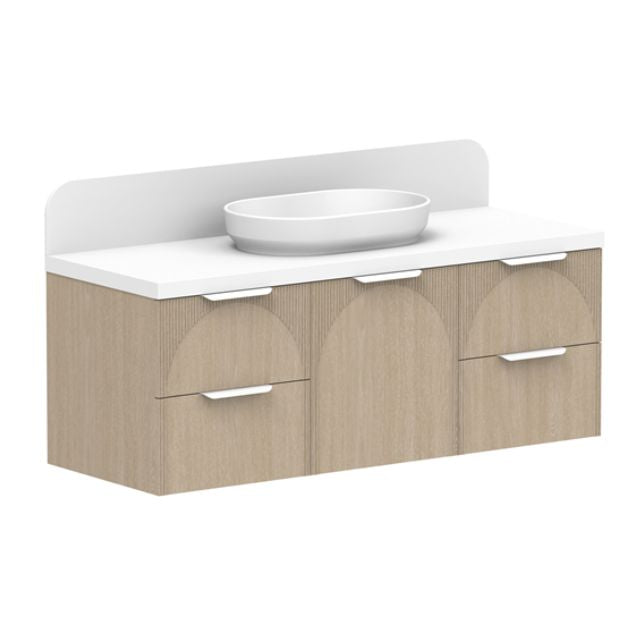
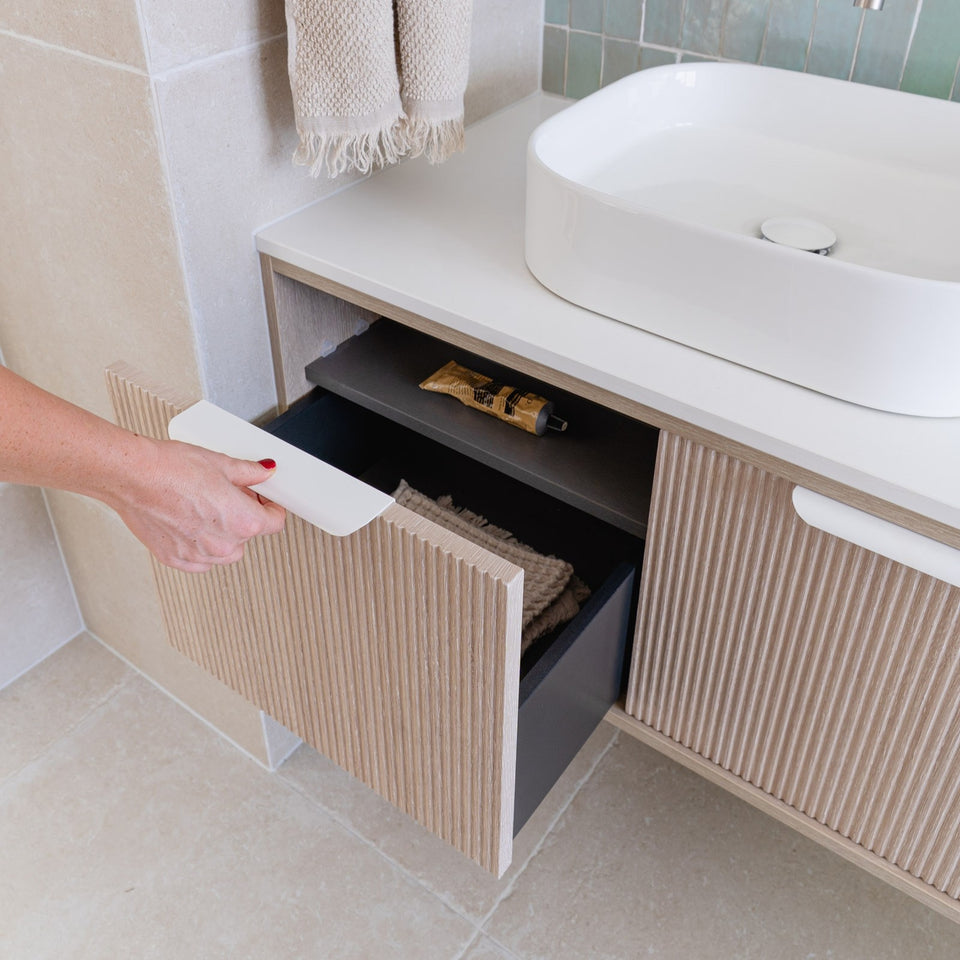
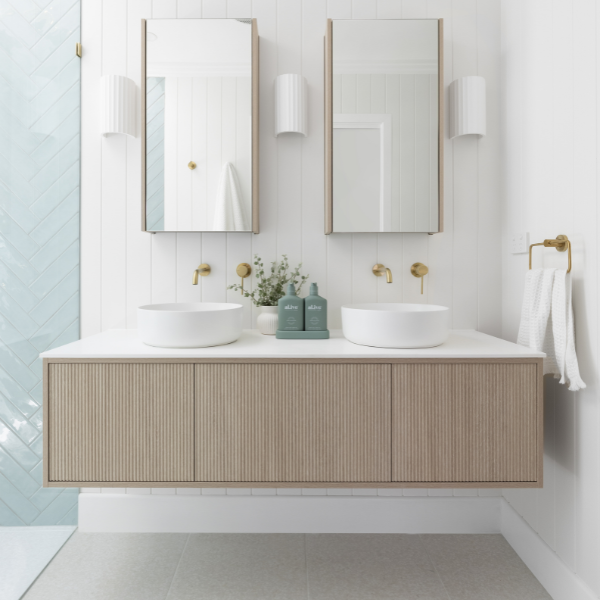
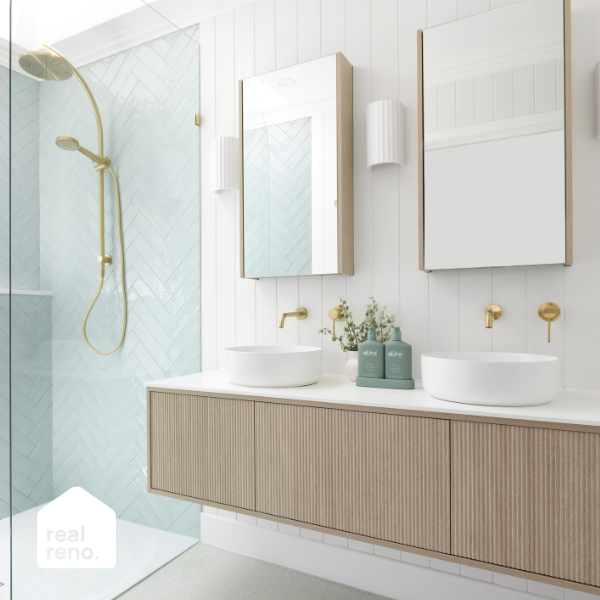
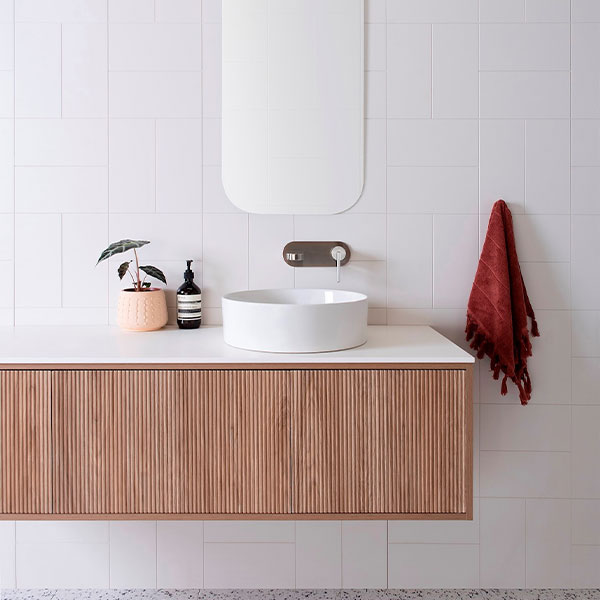
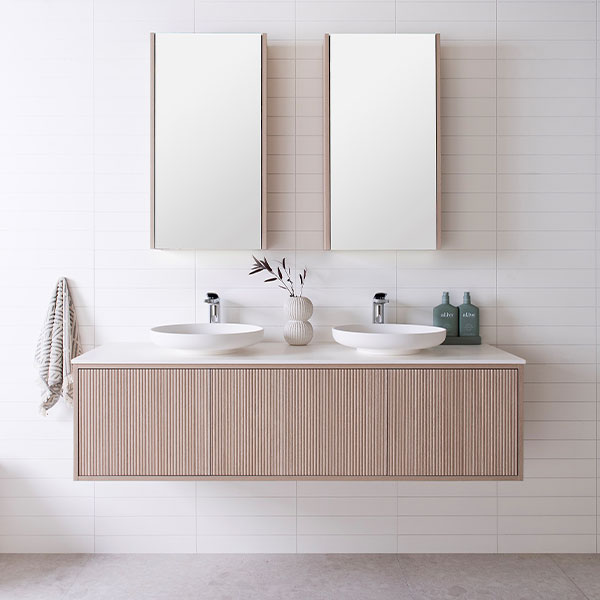
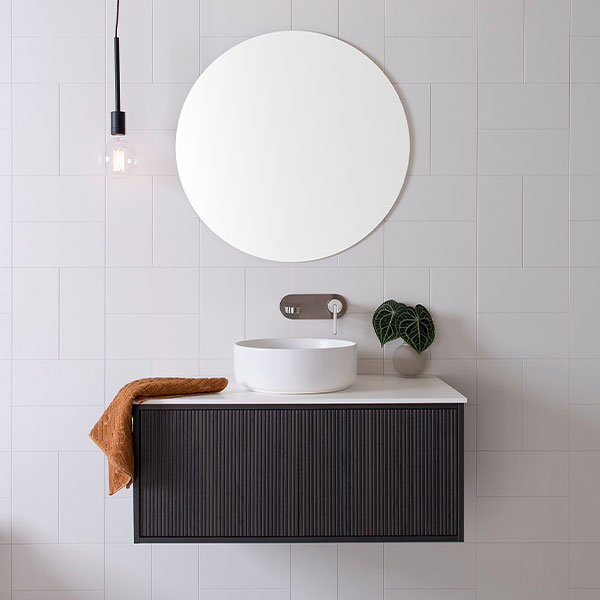
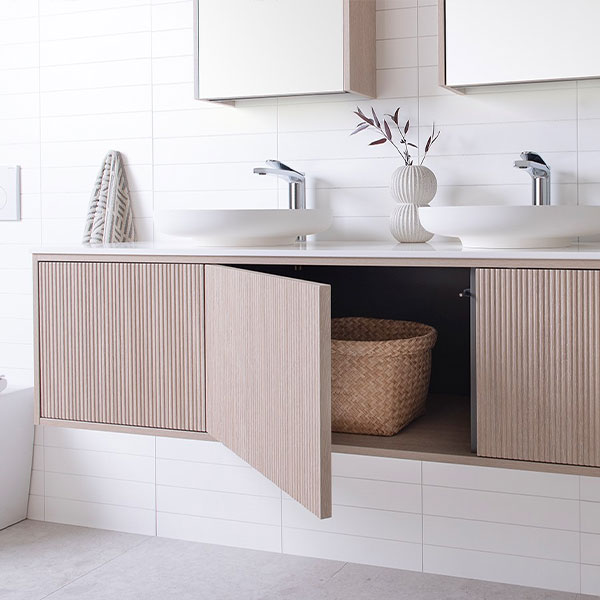
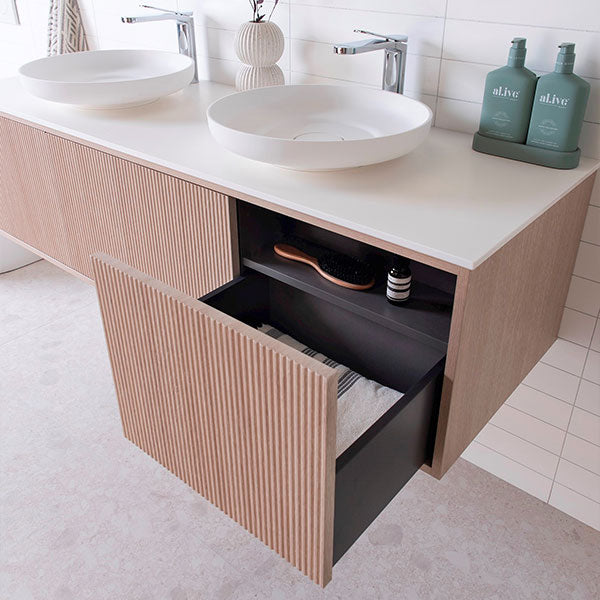
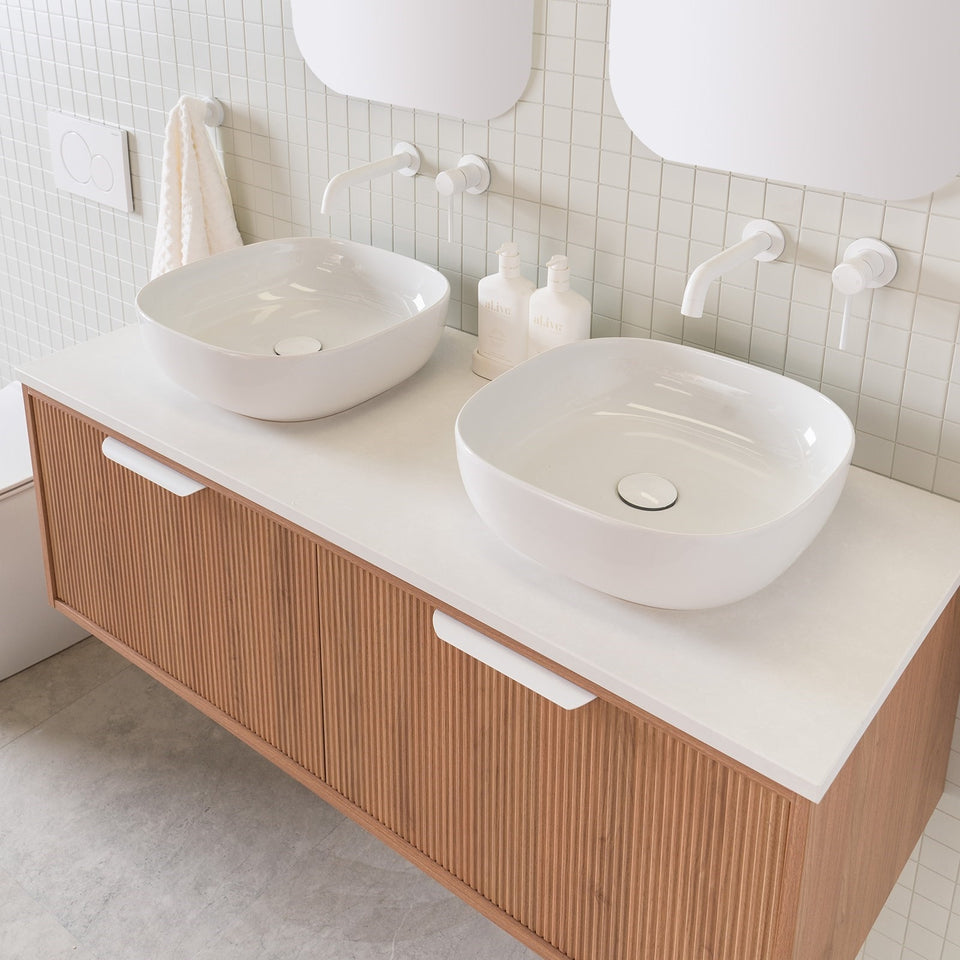
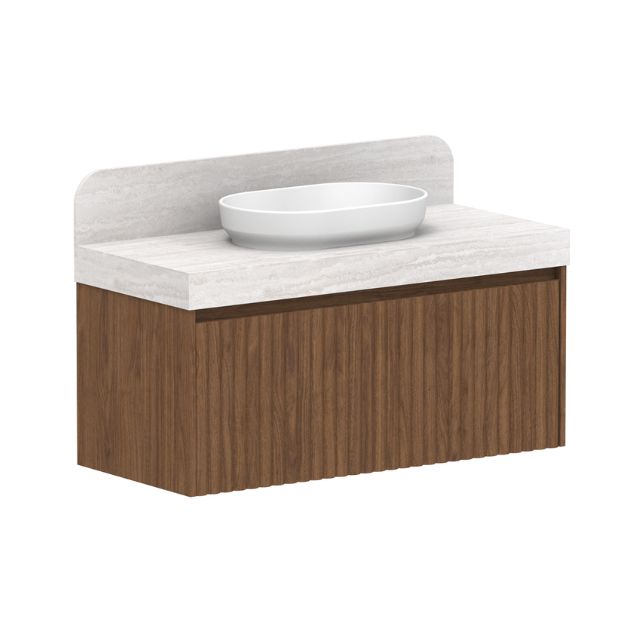
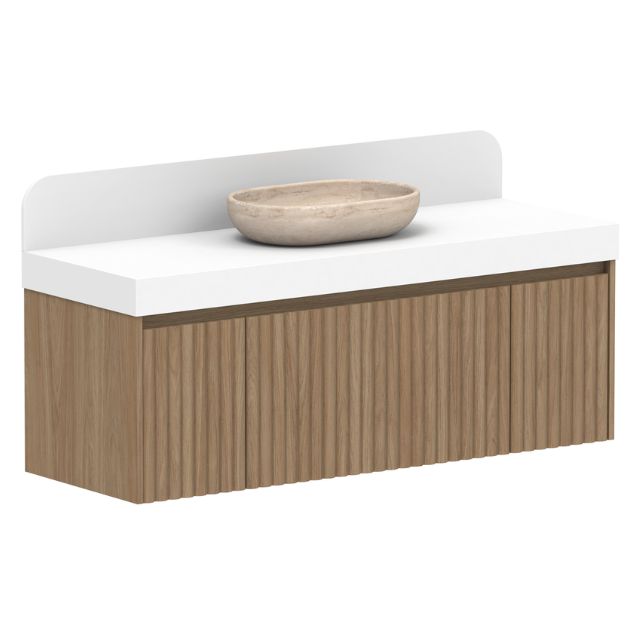
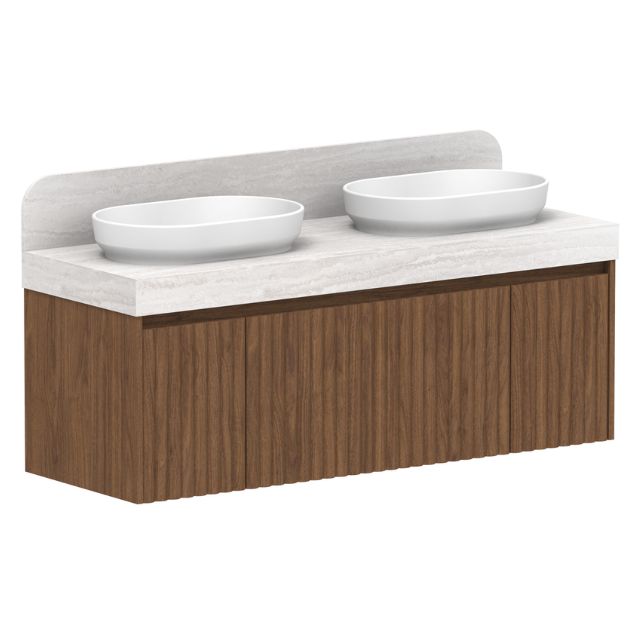
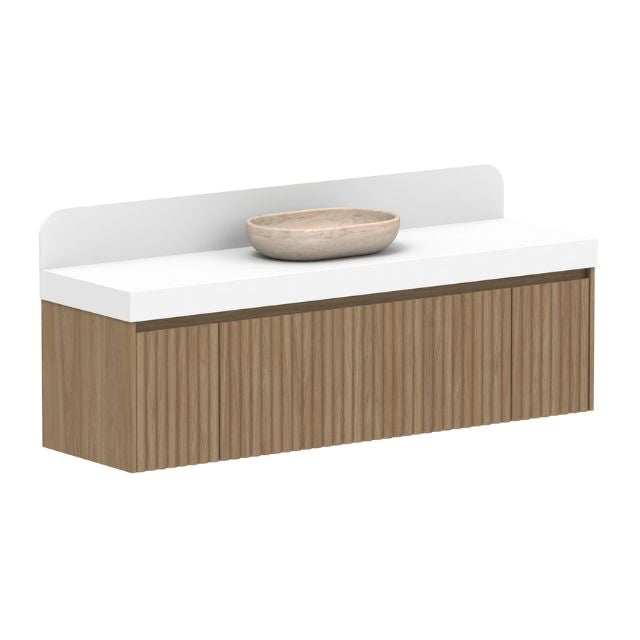
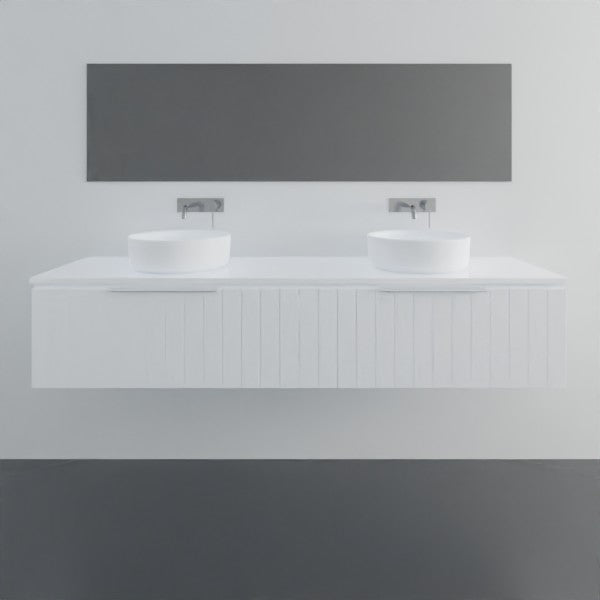
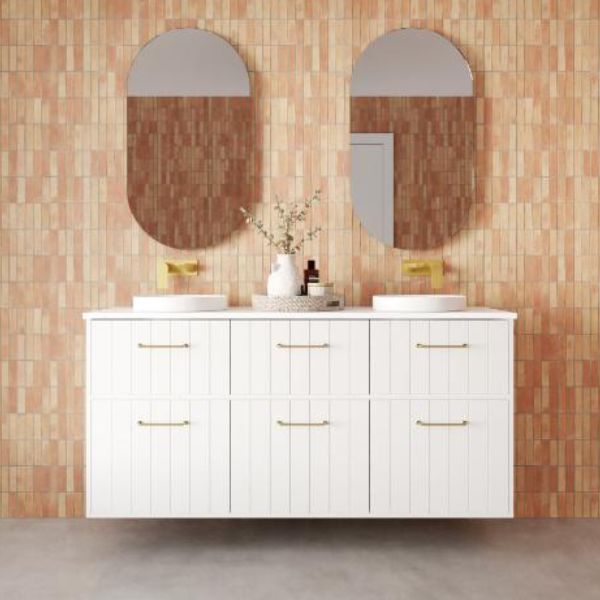
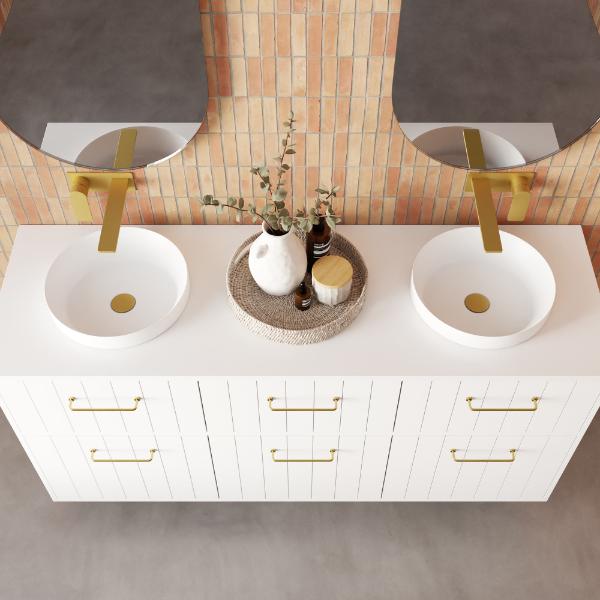
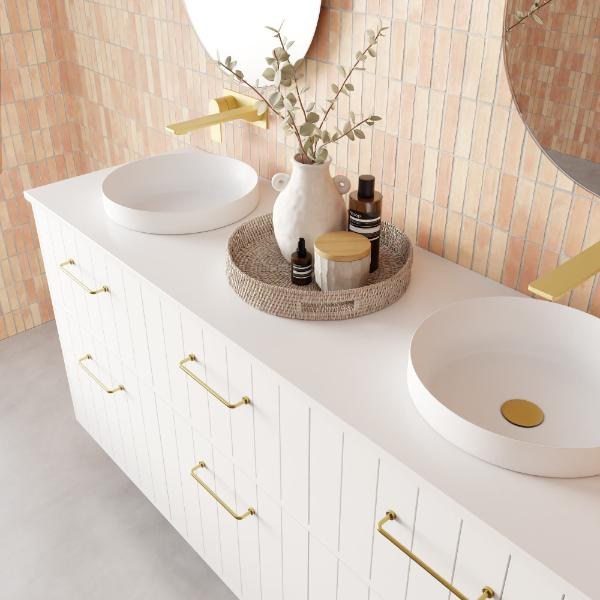
Fluted vanities bring genuine texture to a small bathroom, with a reeded, vertically grooved front adding depth and a sense of luxury. In a 500mm or 600mm size specifically, a fluted vanity becomes a genuine feature piece, particularly effective paired with simpler tiling elsewhere in the room.
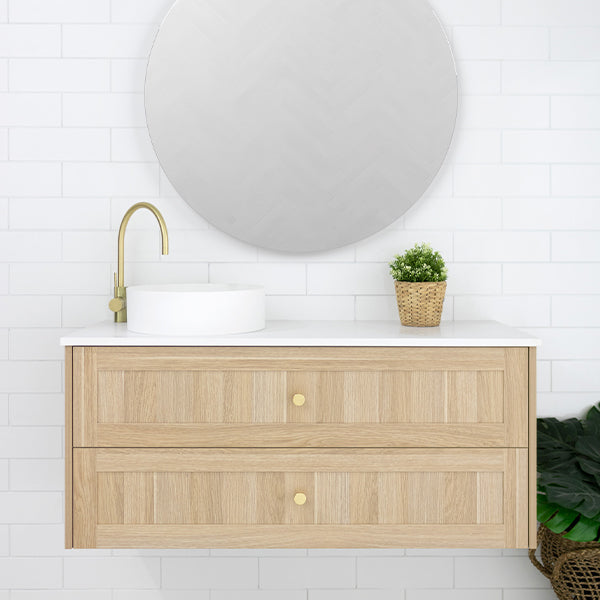
Hamptons-style vanities bring a classic, coastal elegance to a compact size, shaker-profile doors, a white finish, and considered handle detailing giving a 600mm unit a genuinely fresh, light character.
Flow and floor space improve directly from choosing a smaller vanity, since a bathroom's first job is to be comfortable to move around in, and reclaiming floor space has a genuine effect on how calm and spacious the room feels day to day.
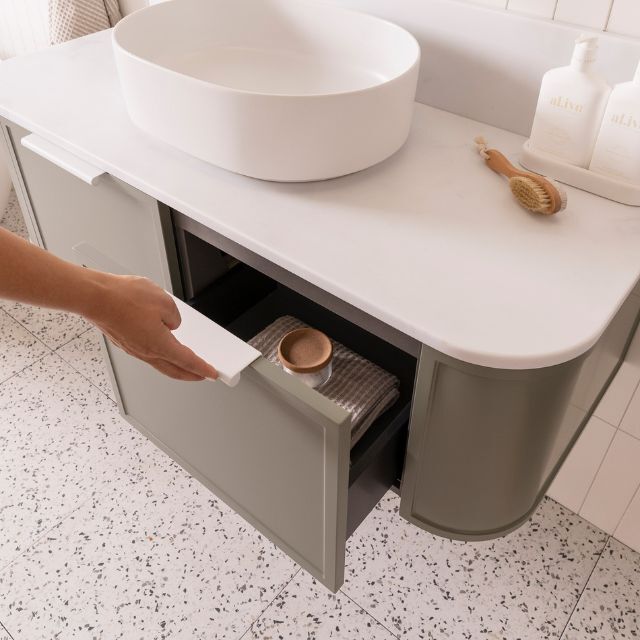
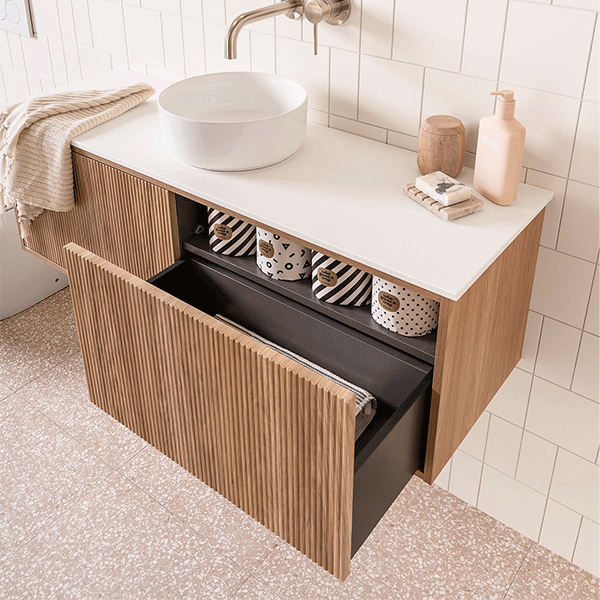
Storage efficiency is a real advantage over an older, larger vanity built around a single deep cupboard, which tends to become a disorganised space where items get lost or fall over. A modern 600mm vanity with two deep, soft-close drawers shows its full contents at a glance, considerably more organised and accessible than a cupboard of the same volume.
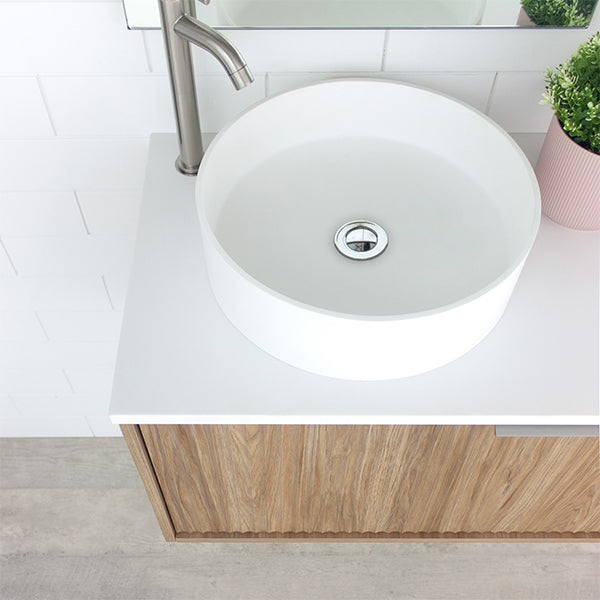
A genuine feature opportunity comes from a small vanity's lower overall footprint: since it occupies less visual space, a bolder colour, a fluted texture, or a distinctive handle choice can be embraced without overwhelming the room, letting the vanity become a genuine style statement rather than a purely functional fitting.
Potential cost savings follow from a compact vanity's simpler installation requirements. Beyond the vanity's own price point generally being lower than a larger 1200mm or 1500mm equivalent, a smaller unit may also avoid the need to relocate a doorway or toilet to make the room work, simplifying the overall renovation layout and reducing plumbing and building costs.
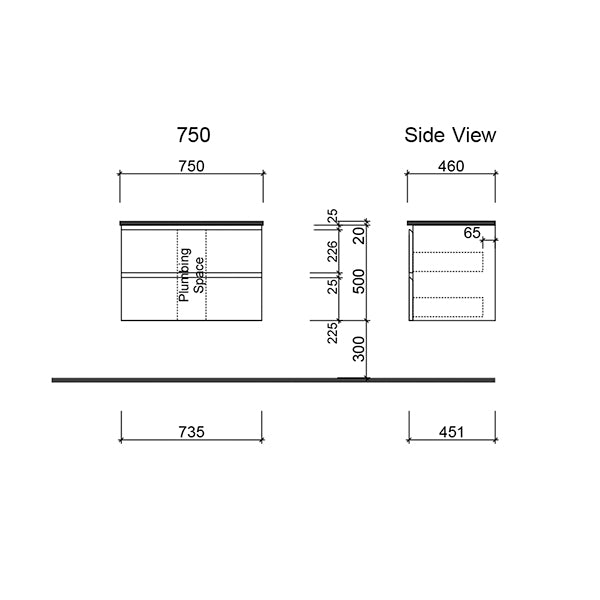
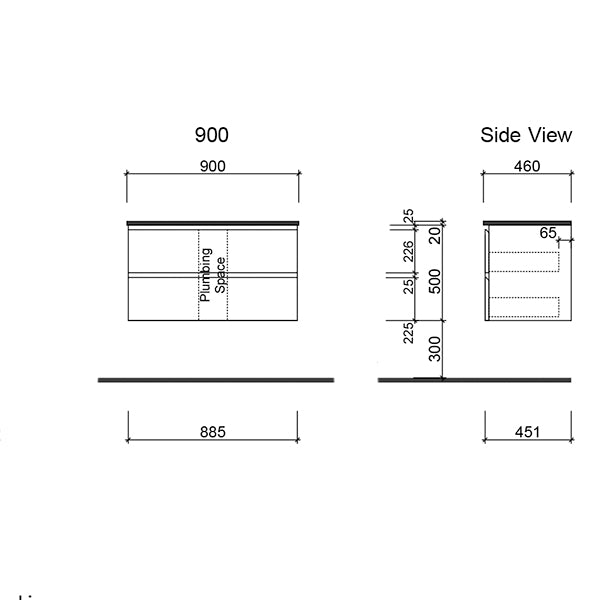
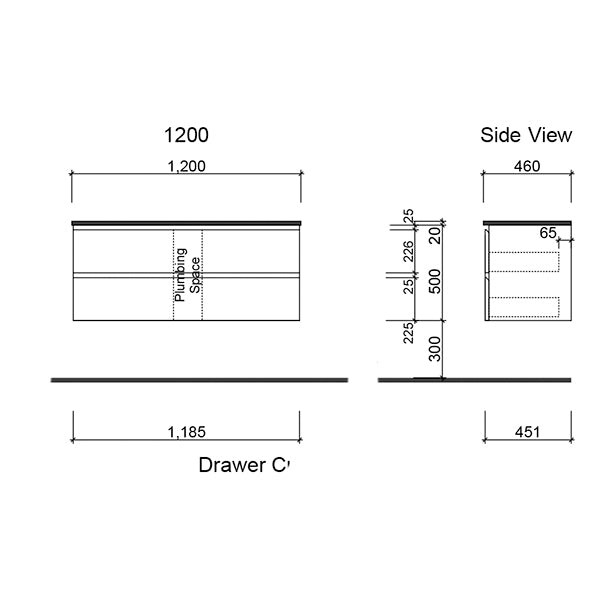
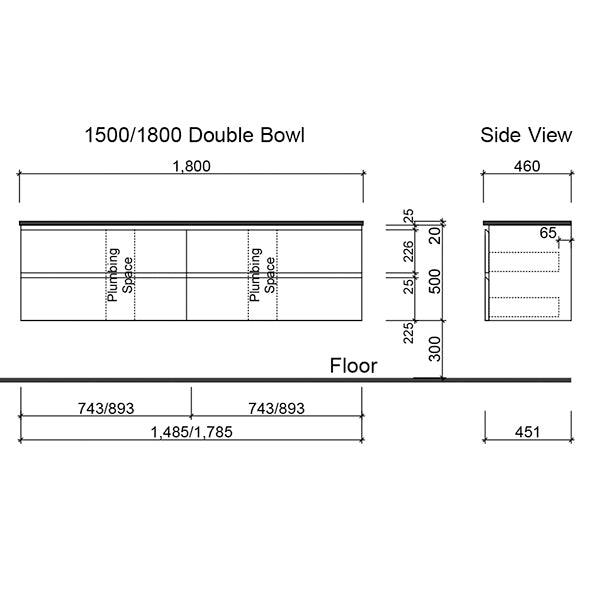
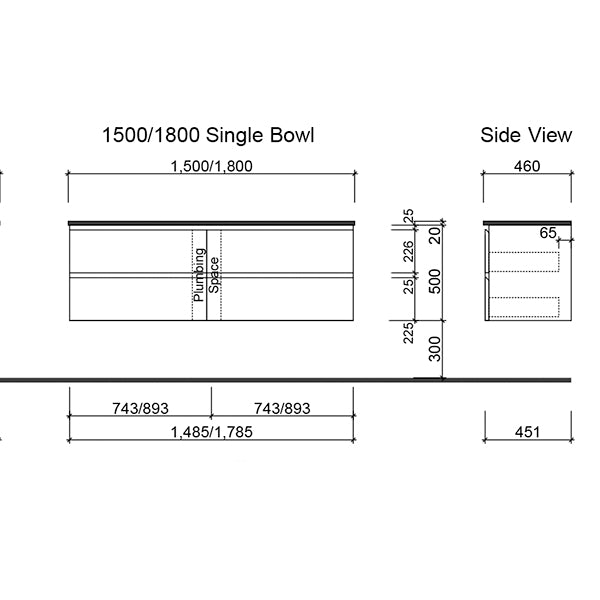
Plumbing is the most important conversation to have with a plumber before choosing a mounting style. Confirming whether the waste pipe exits through the wall (a P-trap) or up through the floor (an S-trap) determines whether a wall-hung vanity is straightforward to install, since a freestanding vanity can generally accommodate either configuration.
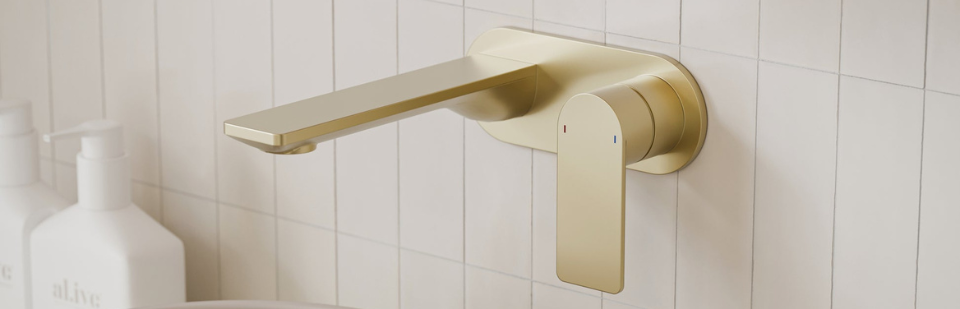
Taphole count is worth checking directly on the vanity top before ordering tapware, since this determines whether a single mixer, a three-piece tap set, or wall-mounted taps are required. A top with no tapholes at all is designed specifically for wall-mounted tapware, which needs the plumbing planned into the wall in advance.
Drawers versus cupboards generally favours drawers for a 600mm vanity specifically, since two deep drawers give full access to the unit's depth in a way two cupboards can't match. For a very small 400mm vanity, a cupboard remains a common and practical choice, well suited to taller items like cleaning bottles or spare toilet paper.
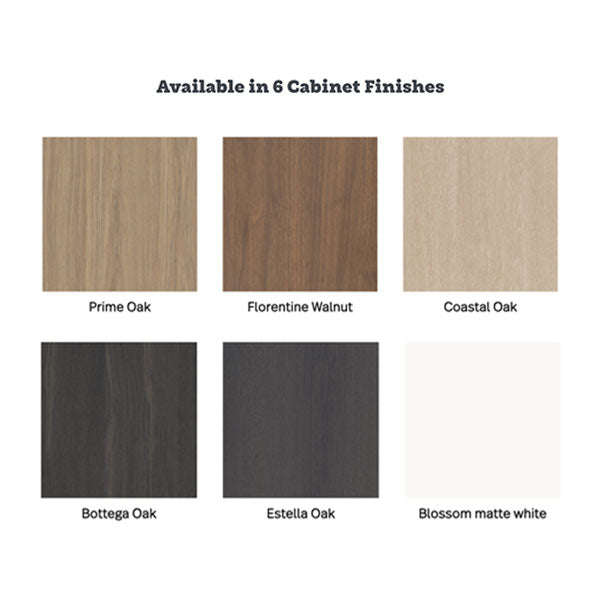
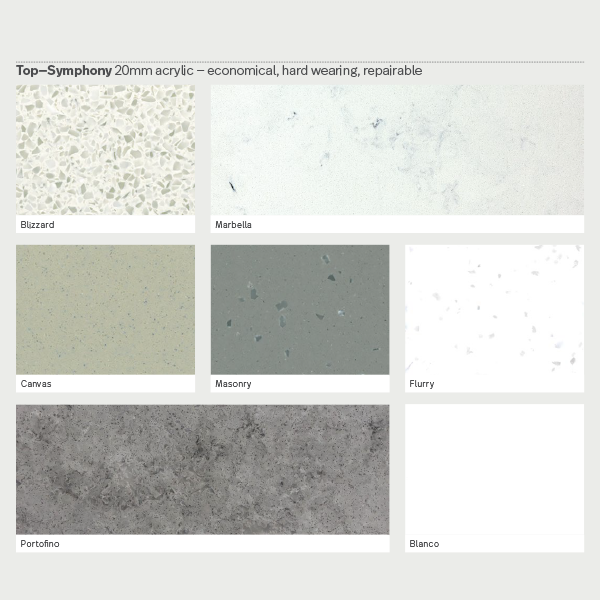
ADP, Timberline and Marquis lead the Australian-made options in this range, many built to order with a choice of cabinet colour, benchtop and handles. BelBagno brings a sharper, European-inspired look, and Turner Hastings suits a more timeless, classic English aesthetic. Ingrain and Otti are strong references specifically for timber, fluted and reeded finishes within this size range.
A vanity in this size range is easiest to finalise once the basin type and tapware direction are settled, since these decisions interact directly with the vanity's final configuration. The Blue Space's Basins and Basin Taps collections are worth reviewing alongside a selection from this range to bring the full room together.


