
*View accurate shipping rates and availability






6 Items





Spend over $800 and receive free gifts in your cart. Towels, accessories and full length mirrors!
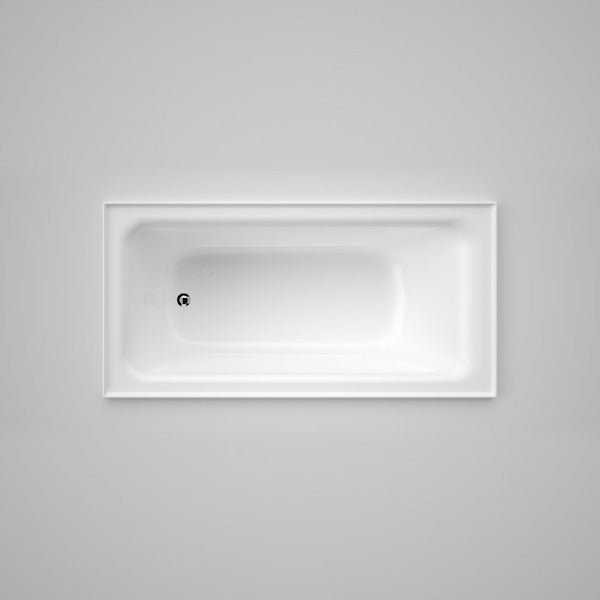
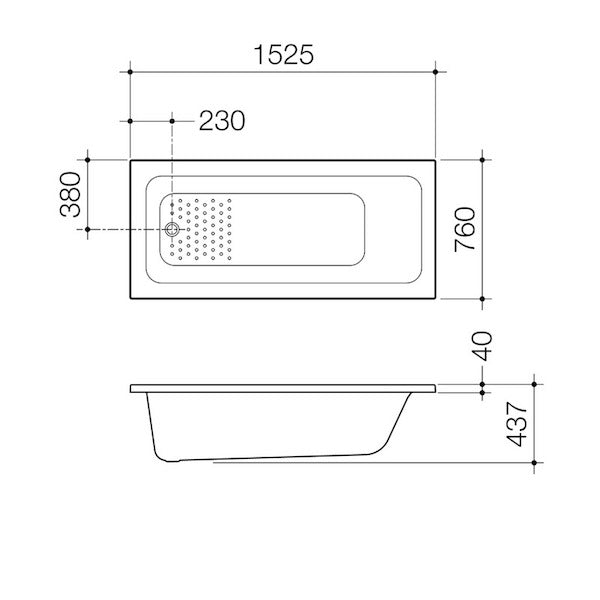

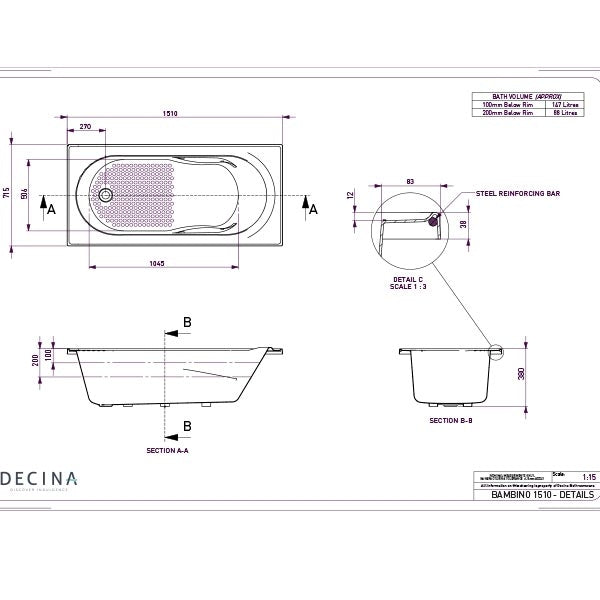
A shower bath solves a genuine layout problem rather than compromising on either function: while a shower head can technically be fitted over any bath, a shower bath is purpose-built for the job, with enough standing room and grip underfoot to function as a proper shower, not just an occasional add-on to a soaking tub.
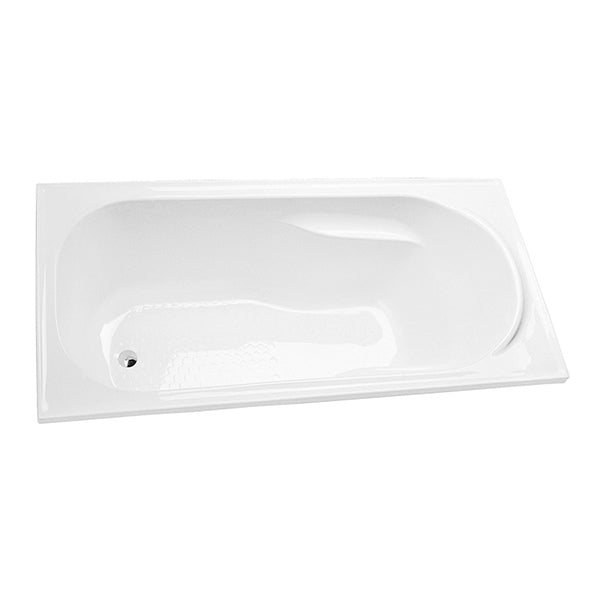
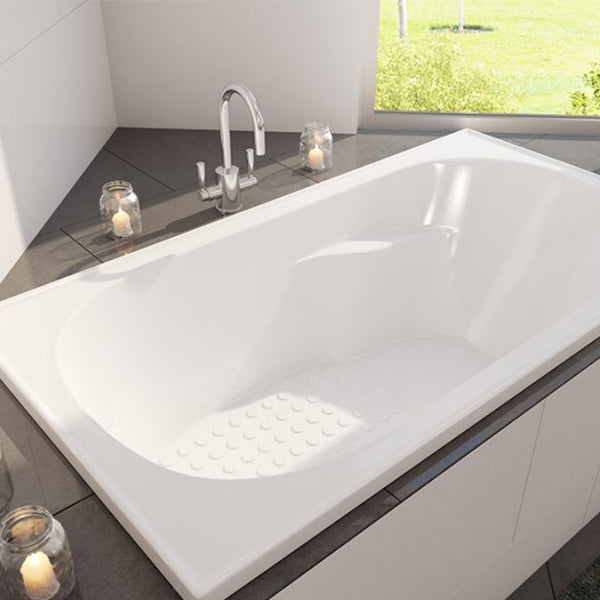
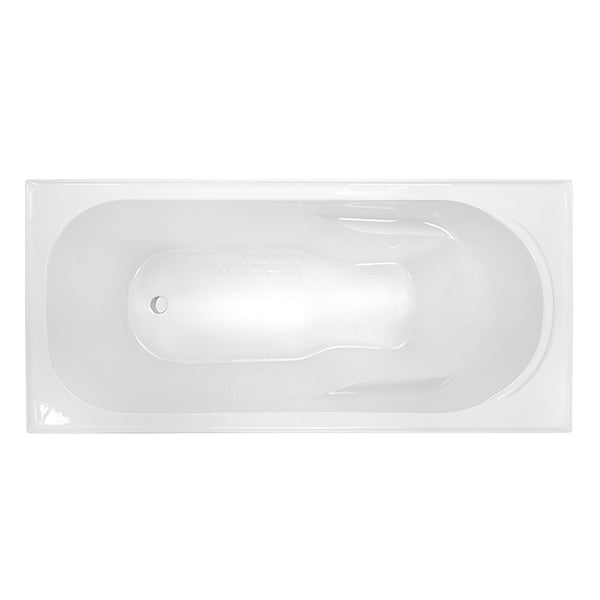
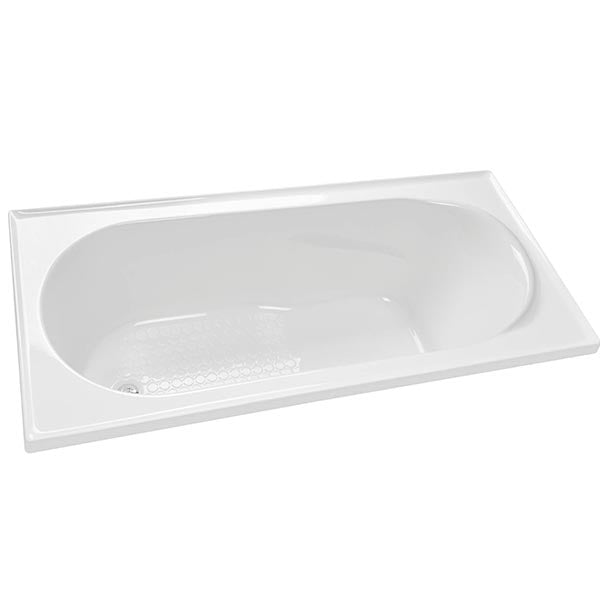
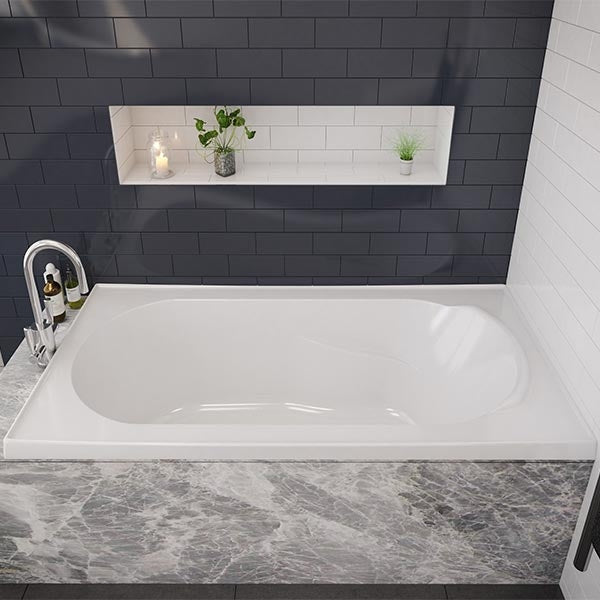
The defining feature is a wider, flatter section at the tap end, giving more elbow room and a stable, secure standing area, generally finished with a slip-resistant surface for added grip. The whole design is intended to be paired with a glass screen, which keeps water contained to the shower zone rather than splashing across the rest of the bathroom floor.
Family bathrooms benefit most obviously, since one fixture handles both bathing young children and a full shower for adults. Small bathrooms and ensuites, where a separate bath and shower would consume too much floor space, get a genuine bathtub without sacrificing the shower. Guest bathrooms benefit from the flexibility, giving visitors the choice of a quick rinse or a longer soak. Apartments and units make particularly good use of the space efficiency, and rental properties benefit from the broad appeal a combined bath and shower has across different tenant households.
Compact sizes at 1200mm and 1300mm suit tight ensuites. Most typical Australian family bathrooms comfortably accommodate a 1400mm or 1500mm tub. Where space allows, 1600mm or 1700mm adds extra comfort for a proper soak, and an 1800mm shower bath gives a genuinely generous shower zone alongside a deep, long bath, well suited to taller household members or anyone wanting more room to move.
Combining a bath and shower into one fixture is a genuine space-saver, freeing up floor area that two separate fixtures would otherwise require, which can make a compact bathroom feel considerably more open. It's also generally more cost-effective than installing both separately, since a single fixture, one tap set and less plumbing labour, reduces both material and installation costs. For a family, a shower bath adapts as needs change over time, handling bath time for young children today and full showers for the same household later. And style doesn't need to be sacrificed for practicality: this collection includes textured options like fluted baths alongside a full range of colours, so a shower bath can be the best-looking fixture in the room rather than a purely functional compromise.
A quality shower screen is essential, not optional, since it's what actually keeps water contained to the shower zone rather than spreading across the bathroom floor. Fixed screens give a simple, permanent barrier; hinged screens swing out of the way for easier access; and folding screens concertina back fully when the bath is being used purely for soaking rather than showering.
A wall mixer with a built-in diverter gives a clean, popular look, redirecting water between the bath spout and the shower head with a single control. An adjustable rail shower is worth considering for households with a range of heights, letting the shower head position be moved to suit whoever's using it.
A shower bath is easiest to plan alongside the room's tiling, screen and tapware, since all three depend on the bath's shape and installation type. The Blue Space's Tiles and Tapware collections are worth reviewing alongside a shower bath selection to bring the full bathroom together.


