











Standing Tall: The Honest Guide to Freestanding Bath Mixers
We know exactly what happens.
You’ve spent weeks scrolling through Pinterest. You’ve measured the room three times. You finally picked out that incredible, sculptural freestanding bath that’s going to make your bathroom feel like a day spa. It’s perfect.
Then, you realize something.
You can’t just stick a normal tap on the wall and call it a day. Not if the bath is sitting in the middle of the room. You need something else. Something that matches the drama of the tub. You need a piece of hardware that rises up from the floor like a piece of modern art.
That’s where taps get interesting.
Here at The Blue Space, we see this all the time. The bath gets all the glory, but the mixer is the workhorse. And getting it right? It’s trickier than it looks. We want to save you the headache of installing a tap that doesn't reach the water or wobbles every time you turn it on.
Let’s talk floor-mounted tapware.
So, what actually is a freestanding bath mixer?
Okay, let’s strip back the jargon.
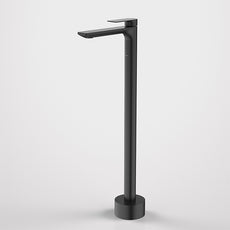
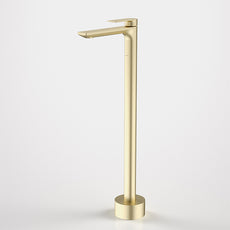
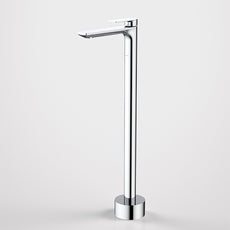
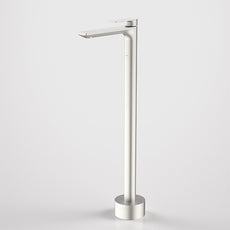
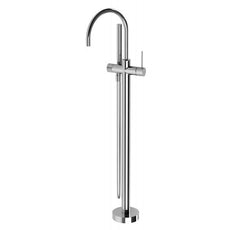
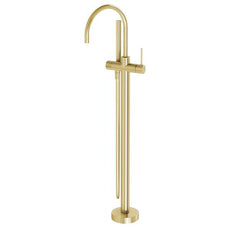
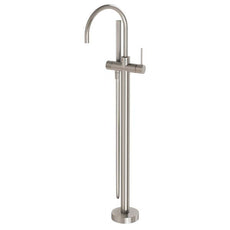
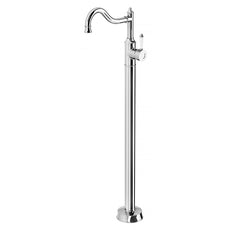
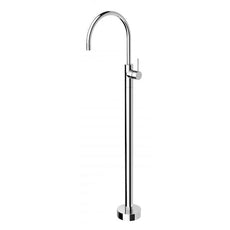
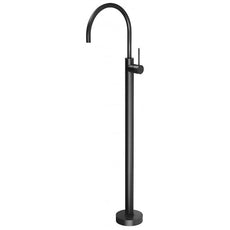
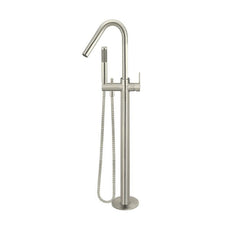
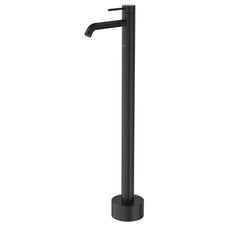
A freestanding bath mixer is simply a tap that is plumbed directly into the floor rather than the wall. It features a long, vertical body that brings the water source up and over the rim of your bath. It stands alone. Independent.
They are designed specifically for those deep, luxurious soaking tubs that aren’t boxed into a corner.
Usually, you’ll find them listed under bathroom tapware, but they are in a league of their own regarding installation. They require the plumbing to run under the floorboards or slab, popping up exactly where you need the water to fall. No wall cavities needed.
Where does it work best?
Space is the key here.
If you are cramming a tub into a tiny room where it touches three walls, you don’t need this. Stick to wall-mounted outlets. But if you have an "island" bath? Or even a back-to-wall bath where you just want that high-end hotel look? This is the answer.
We see these working beautifully in master ensuites where the bath is the focal point. Picture this. You walk in. The bath is centered under a window or skylight. The mixer stands tall next to it. It’s a statement.
However, we always tell our customers to check the floor structure first. Concrete slabs are different from timber floors. Knowing what’s under your feet changes how easy this is to install.
The different styles (and why they matter)
It’s not just a pipe sticking out of the ground. There are nuances.
1. The Pure Filler
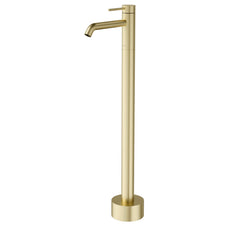
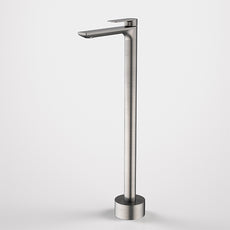
Some models are essentially just a spout. They look sleek. Minimal. But they often require a separate mixer valve on the wall or floor to control the temperature. These are technically bath fillers. They are great for a super clean look, but honestly? They can be a bit of a fiddle to install.
2. The All-in-One Mixer
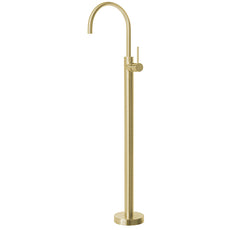
This is what most people buy. It has the handle built into the pole. You lift, twist, and the water flows. It’s neat and keeps everything in one spot.
3. The Hand Shower Combo
This is our favorite. Hands down.
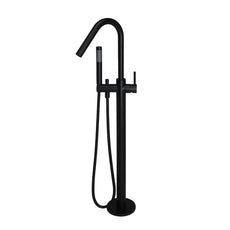
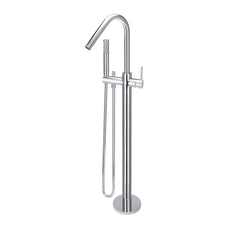
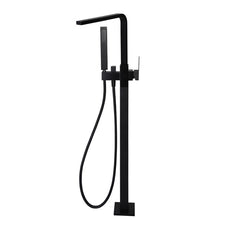
These units come with a little diverter and a hose attachment with a hand shower. Why do we love them? Practicality. Have you ever tried to rinse down a large bathtub with a bucket? It’s a nightmare. With a hand shower attachment, you can rinse the suds off the rim in seconds. You can wash the kids’ hair. You can wash the dog.
We reckon the extra cost is paid back in cleaning time alone within the first month. Seriously.
4. Tech Innovations
We are also seeing some cool tech entering the space. We have progressive mixers starting to influence design language, where a single dial controls flow and temp in one motion. It's very architectural. Also, for families conscious of health, checking out lead-free taps is a smart move. It’s becoming the new standard, and we are totally on board with that.
Let's talk finishes (Because looks count)
This is the fun part. The candy store moment. The finish you choose defines the vibe of the whole room. We stock pretty much everything under the sun, so here is how we break it down.
The Classics
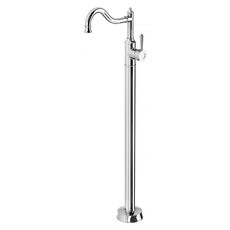
You can never go wrong with chrome taps. They sparkle, they match everything, and they are generally the most affordable. If you want something industrial and bomb-proof, look at stainless steel tapware. It just lasts.
The Mood Setters
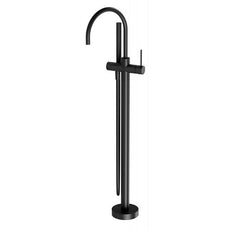
Want drama? Black taps are the go-to for that modern, graphic contrast. They look incredible against white tiles. On the flip side, white tapware is coming back for that 'scandi-minimal' feel. It disappears into the room.
The Luxury Metals
This is where trends are really heating up. If you want warmth, gold taps are the ultimate statement of luxury. But if gold feels too "bling," try brushed brass taps. They have a softer, satin glow that hides fingerprints better. Champagne taps offer a similar vibe but with a slightly pinker, more sophisticated undertone.
The Industrial Cool
We are obsessed with gunmetal tapware right now. It’s moody and masculine without being as harsh as black. Then there is brushed nickel tapware—the perfect middle ground. It’s warm like stainless steel but with a velvet finish. Or, for something earthy, check out bronze taps.
Who makes the good stuff?
Look, we only sell what we would put in our own homes. But different brands do different things well. Here is the inside scoop on the ranges we carry.
-
The Aussie Icons: If you want heritage and reliability, you look at Caroma and Dorf. They have been plumbing Australia for decades. Clark is another solid choice for great value.
-
The Design Leaders: If you want that architectural edge, Phoenix is always pushing boundaries. Meir is famous for their finishes (and that warranty!). We also love what Fienza and Nero are doing—great styles that don't cost the earth.
-
The Innovators: Methven does incredible things with water flow technology. Their showers are legendary, and that engineering carries over to their mixers. Greens is another one bringing serious innovation to the table.
-
Style & Value: You don't have to spend a fortune to get a good look. Indigo, Modern National, and Suprema offer really punchy designs that look double the price. Oliveri and Seima are also fantastic for matching your kitchen vibes to your bathroom.
Why we think you need one (The Benefits)
It’s not just about vanity. Although, let’s be honest, they look amazing.
-
Total Flexibility Because the tap isn't on the wall, you can position the bath anywhere. Angled in the corner? Sure. Dead center of the room? Why not. You place the tap where it suits you, not where the wall studs are.
-
The "Wow" Factor There is no quicker way to make a bathroom feel expensive. It signals that this room was planned. Considered. It adds vertical height to a room that is usually very low-set with toilets and tubs.
-
Better Access With wall taps, you are often reaching over a wide bath to turn them on. With a floor mixer, you can position it near the entry point of the tub. You turn the water on before you even get in. No stretching required.
The practical stuff (Please read this!)
We want you to love your bathroom, not resent it because of a plumbing error. Here are the things you absolutely must check before you click "Add to Cart".
Check the Spout Reach
This is crucial. Look at the technical drawing. Measure the distance from where the tap will sit on the floor to the inside of the bath rim. You want the water to fall directly into the bath, not trickle down the side or splash on the rim. The spout needs to clear the edge of the bath comfortably. We recommend aiming for the water to hit the bottom of the bath well away from the wall of the tub.
Rough-In is Everything
You cannot decide to install one of these after the tiles are laid. Well, you can, but it involves a jackhammer and a lot of tears. The plumbing needs to be brought to the exact spot in the floor before waterproofing. Your plumber needs the "rough-in body" (the part that goes under the floor) early in the build. Do not wait.
Stability Matters
These taps are tall. If they aren't secured properly at the base, they can wobble like a loose tooth. A good quality mixer comes with a solid mounting box or bracket. Make sure your builder secures this to the sub-floor, not just the tiles. We want it rock solid.
Water Pressure
Because the water has to travel up a tall pipe, you need decent water pressure to get a strong flow. If you have a gravity-fed system with low pressure, talk to your plumber first. You might need a pump, or a specific low-pressure model.
The Final Word
A freestanding bath mixer is the jewelry of the bathroom. It’s the finishing touch that ties the whole design together.
Whether you go for the golden glow of brass or the stark cool of matte black, just make sure you choose one that feels good to use. You’re going to be touching it every day. Make it count.
If you’re stuck on specs or just want to bounce an idea off someone who knows their plumbing, give us a shout. We live for this stuff. Really.

